
Your Car Gives Away More Than You Think
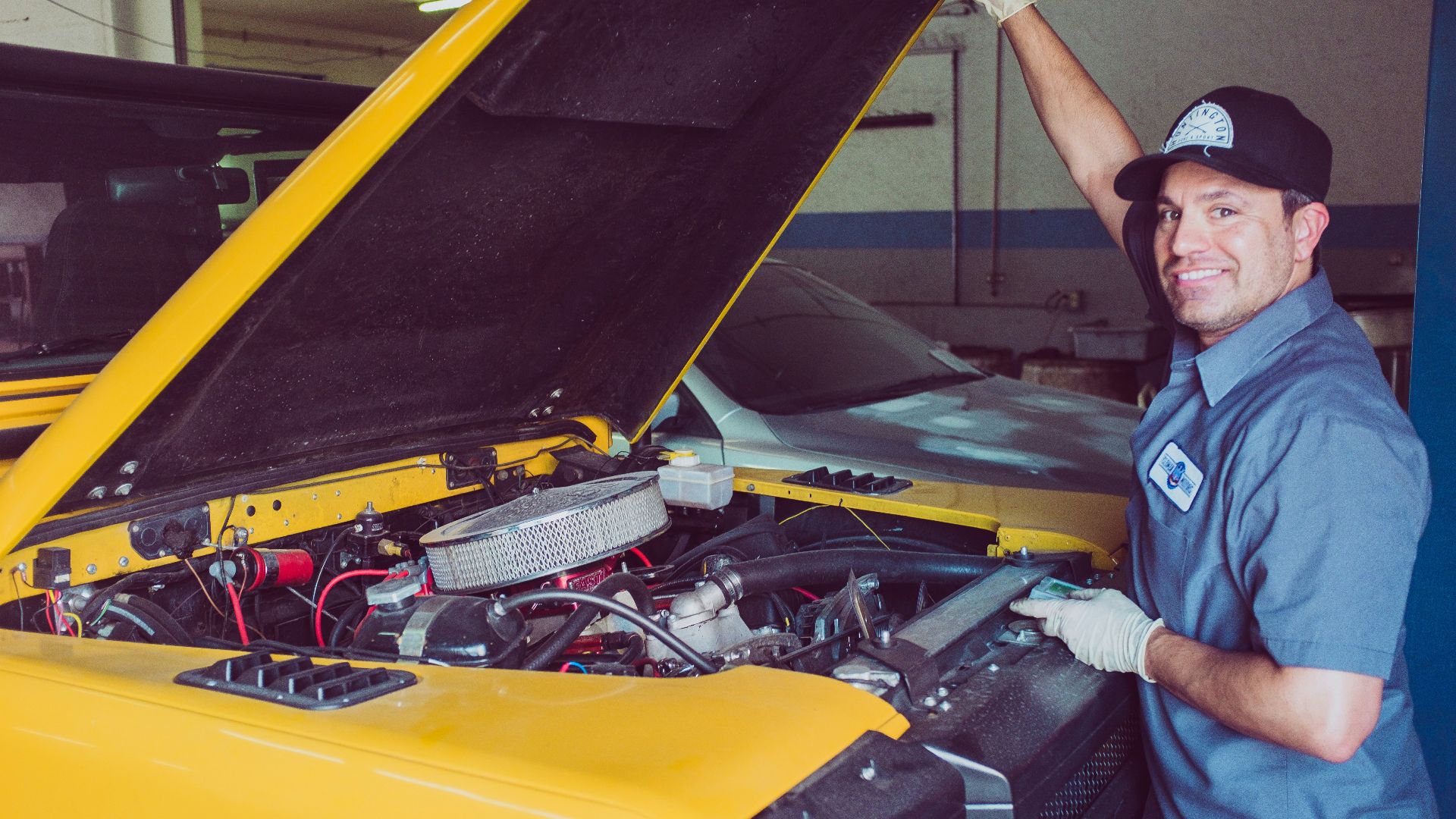
Most people pull into a shop thinking they’re just handing over a vehicle with one specific problem, but a good mechanic usually sees a lot more than that. Before they’ve even started the real work, they’re already noticing clues about how you drive, how often you keep up with maintenance, and whether your car’s been quietly asking for help for months. Things that look more or less fine to you might tell a different story to a trained eye. Here are 20 things mechanics notice immediately about your car.
1. Tire Wear
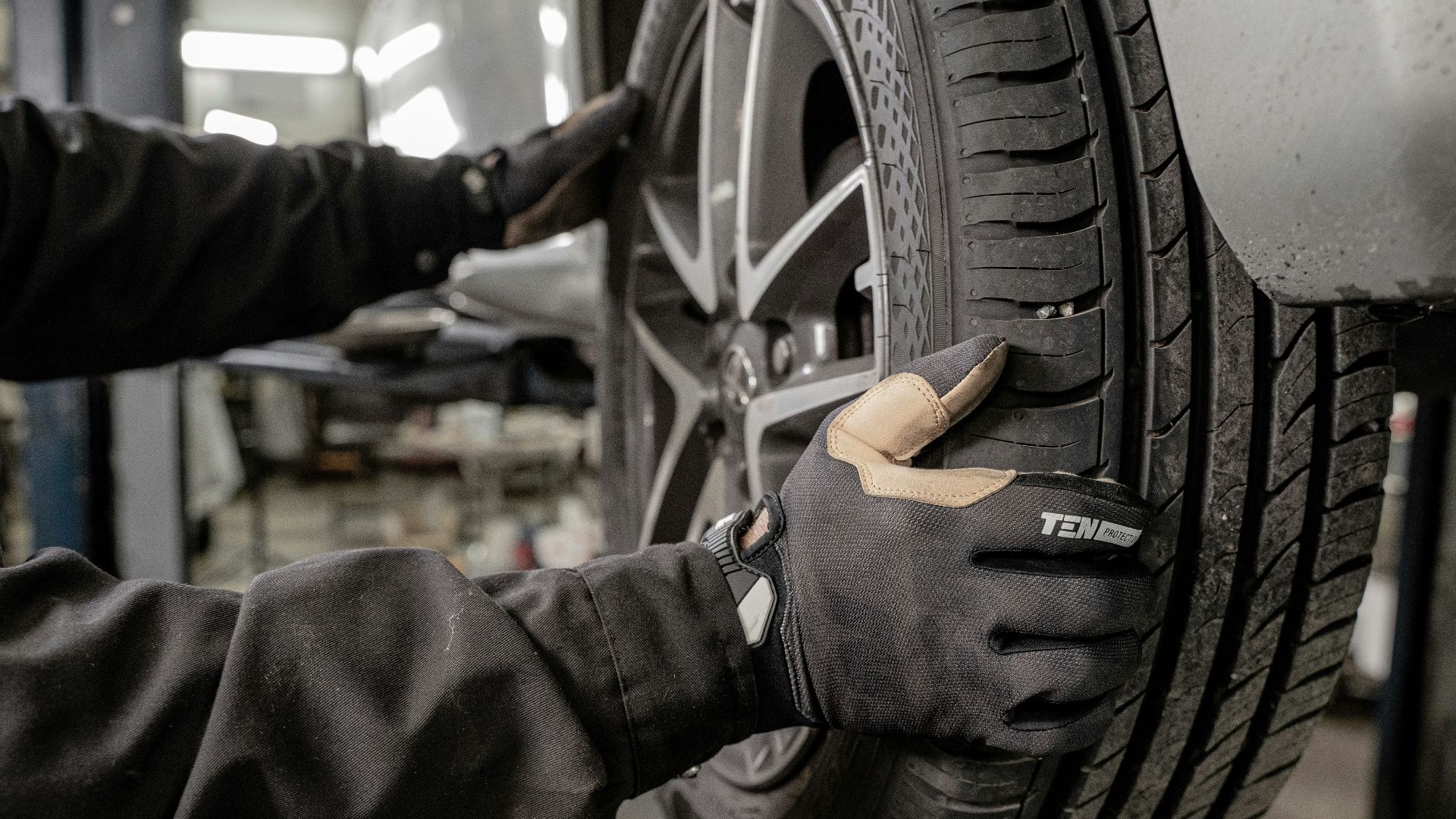
One of the first things a mechanic may notice is how your tires are wearing down. If the tread is uneven, that can point to alignment issues, poor inflation, suspension problems, or skipped rotations. Tires don’t just wear out randomly, so the pattern usually says something useful. It’s one of the quickest ways to see how the car’s been treated on the road.
 Jimmy Nilsson Masth on Unsplash
2. Loud Brakes
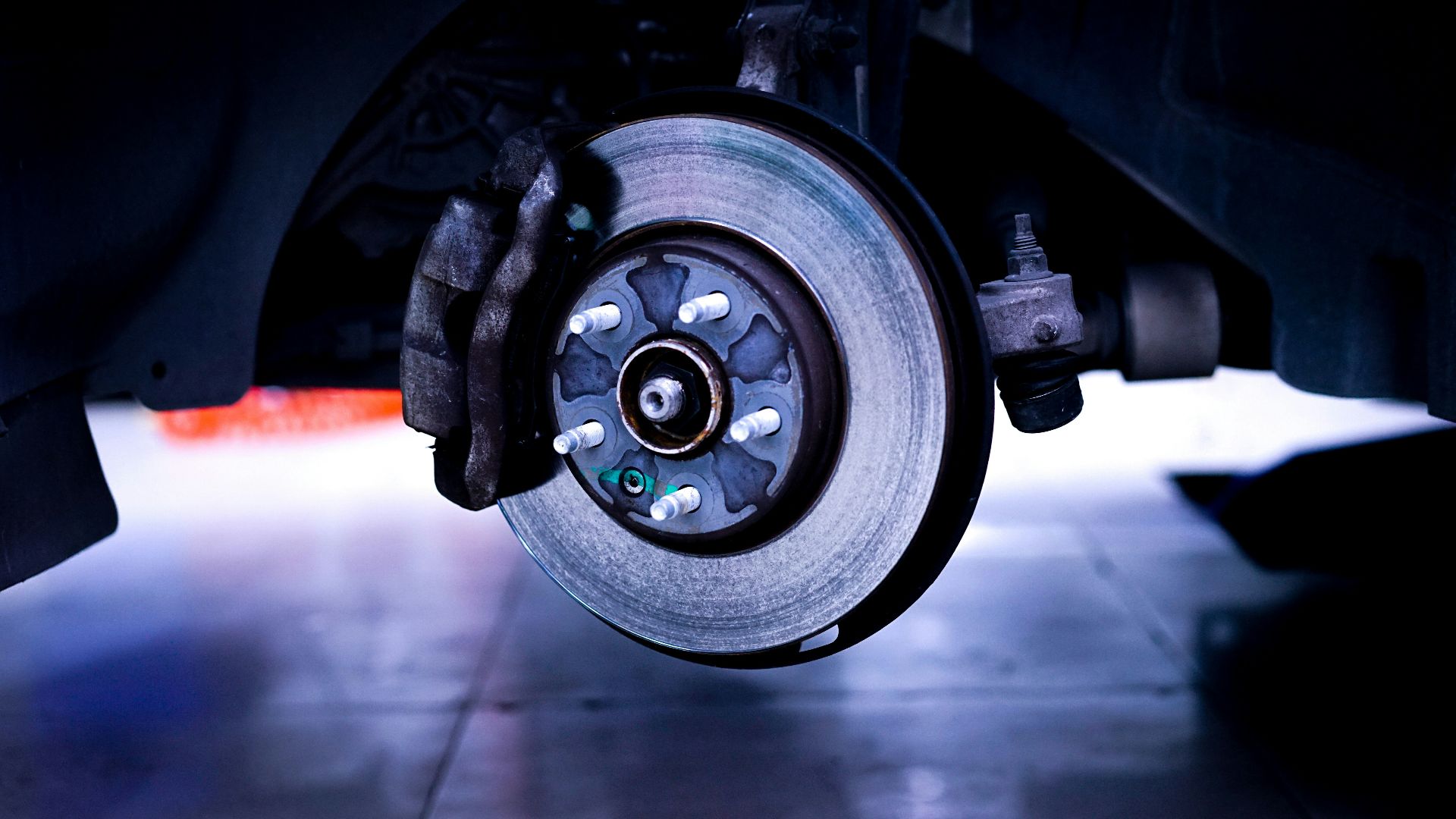
Mechanics pick up on brake issues almost right away because bad brakes tend to make themselves known. Worn pads, scored rotors, vibration, or squealing sounds usually suggest a problem that’s been building for a while. If the brakes are seriously overdue, that can also hint that other maintenance has been delayed, too.
3. Fluid Condition
It doesn’t take long to check whether the fluids look healthy. Dirty oil, low coolant, dark brake fluid, or transmission fluid that looks rough can reveal a lot about how the car’s been maintained. A mechanic isn’t only checking whether fluid is there, because the color and condition matter just as much. If something looks burnt or neglected, they’ll spot it fast.

4. Dashboard Lights
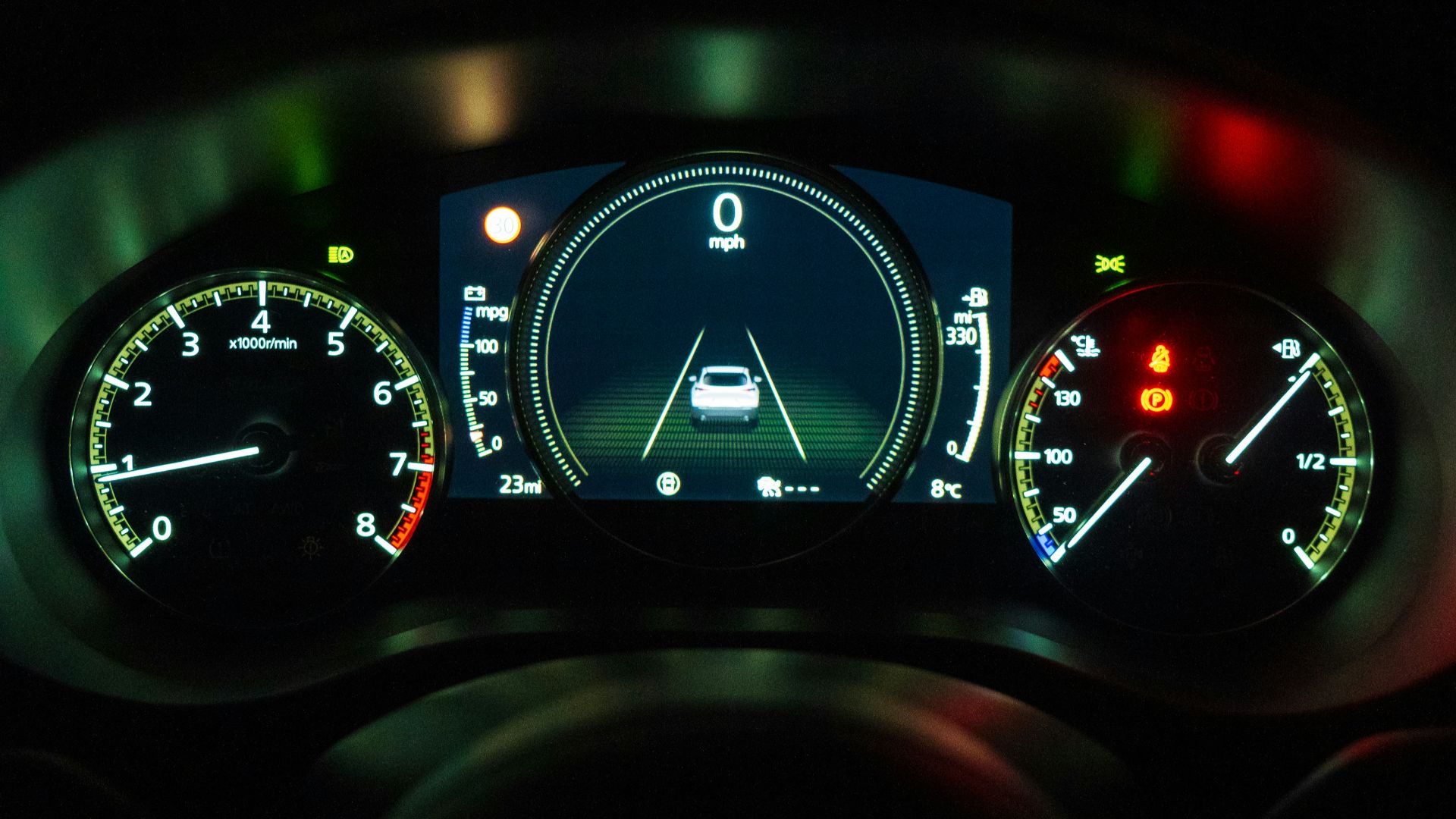
If your dashboard is glowing with warning lights, a mechanic’s definitely going to notice. One light might mean something simple, but several at once usually suggest that the car’s been living with issues for a while. You may have gotten used to them, but that doesn’t make them background decoration. The dashboard is basically the car trying to send messages in the clearest way it can.
5. Strange Smells
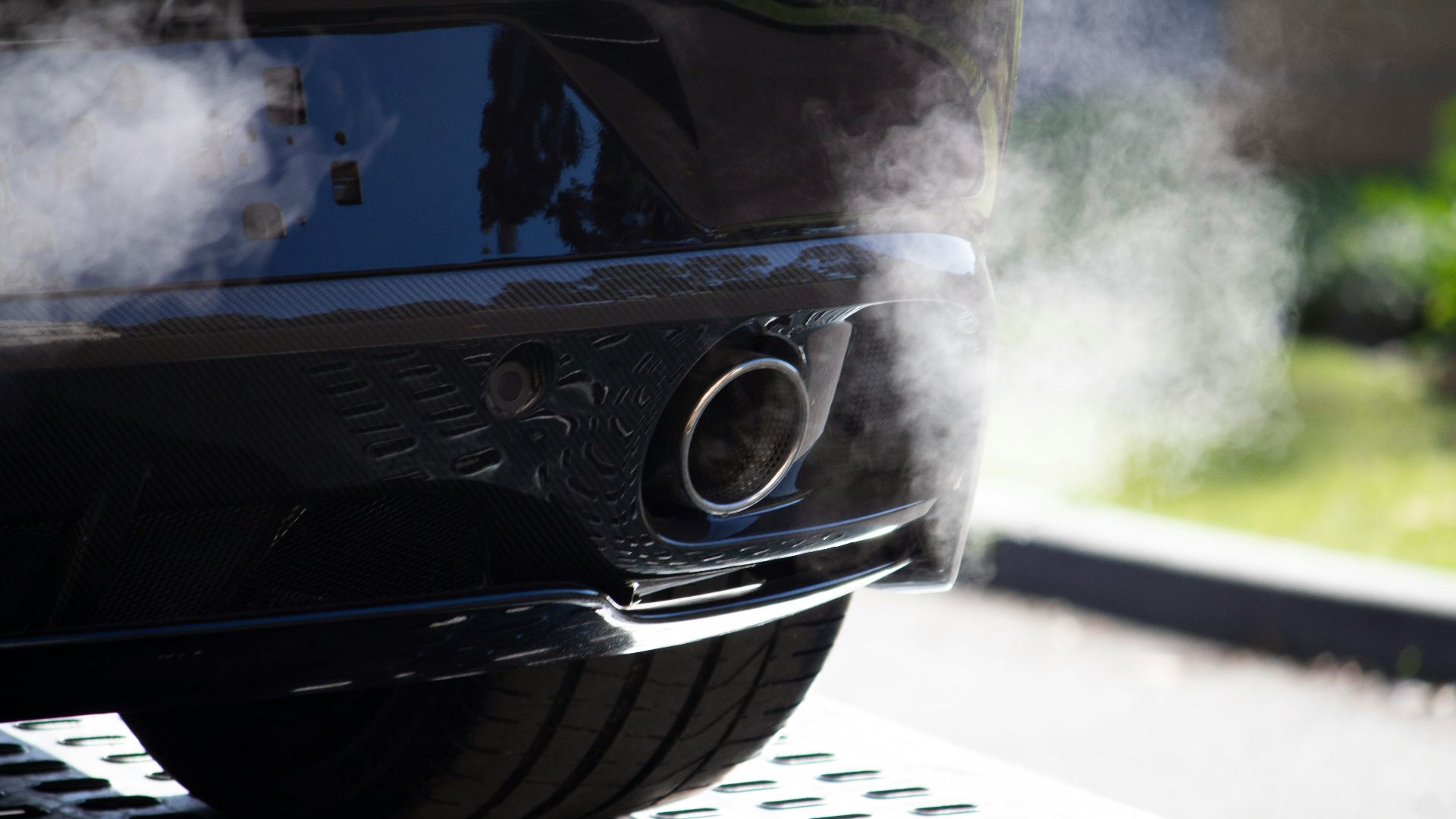
A mechanic will often notice smells before they’ve even popped the hood. Burning oil, coolant, fuel, mold, or overheated brakes all have their own distinct warning signs. You may have gone nose-blind to something that’s been happening for weeks, but someone else usually picks up on it right away.
6. Engine Bay Corrosion, Grime, & Wear
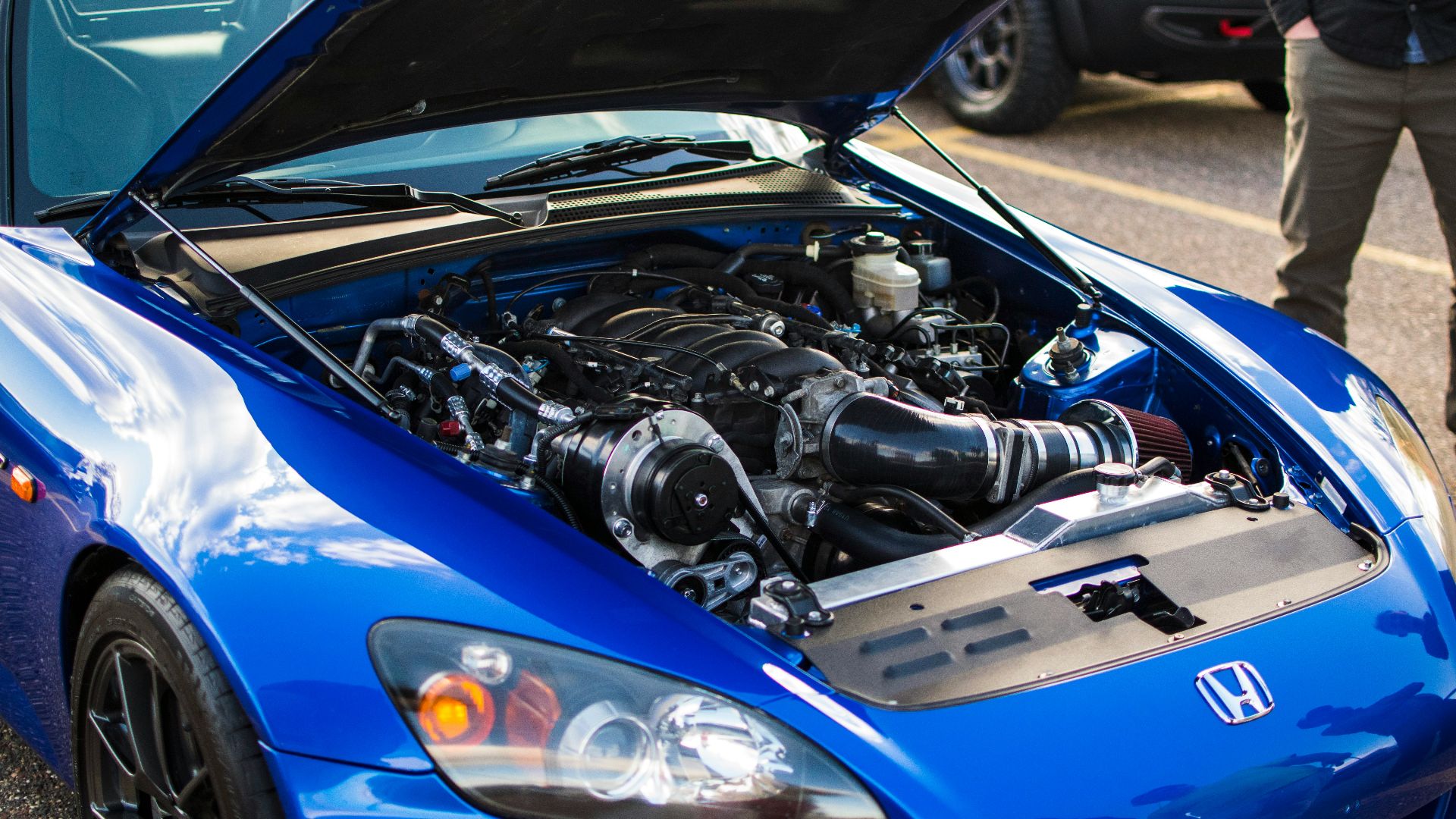
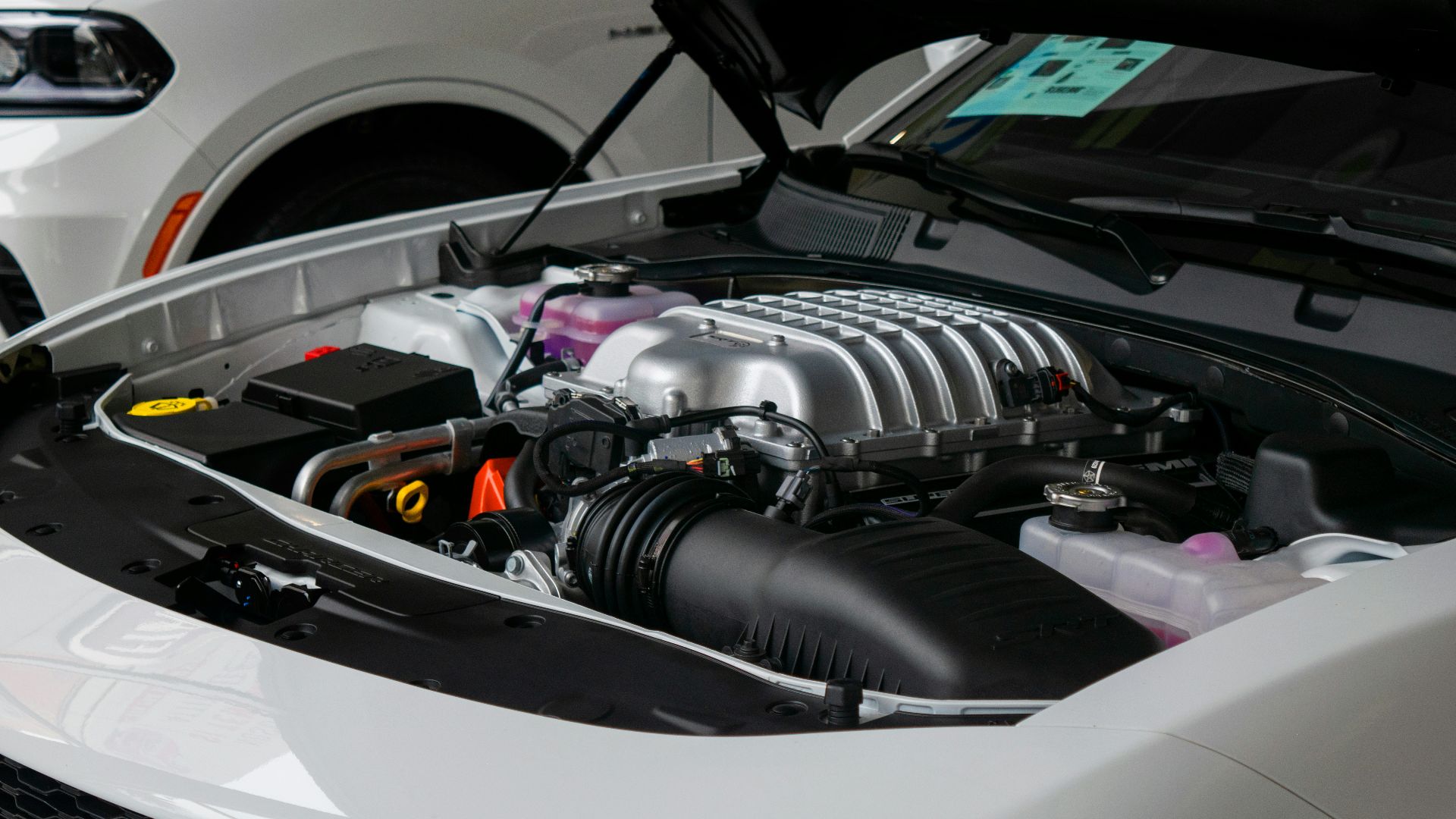
A quick look under the hood can reveal more than most people expect. Leaks, corrosion, grime buildup, loose parts, and obvious wear all help a mechanic piece together what’s been going on. The engine bay doesn’t need to be spotless, but it does tend to expose neglect pretty quickly.
7. Poorly Done Previous Repairs
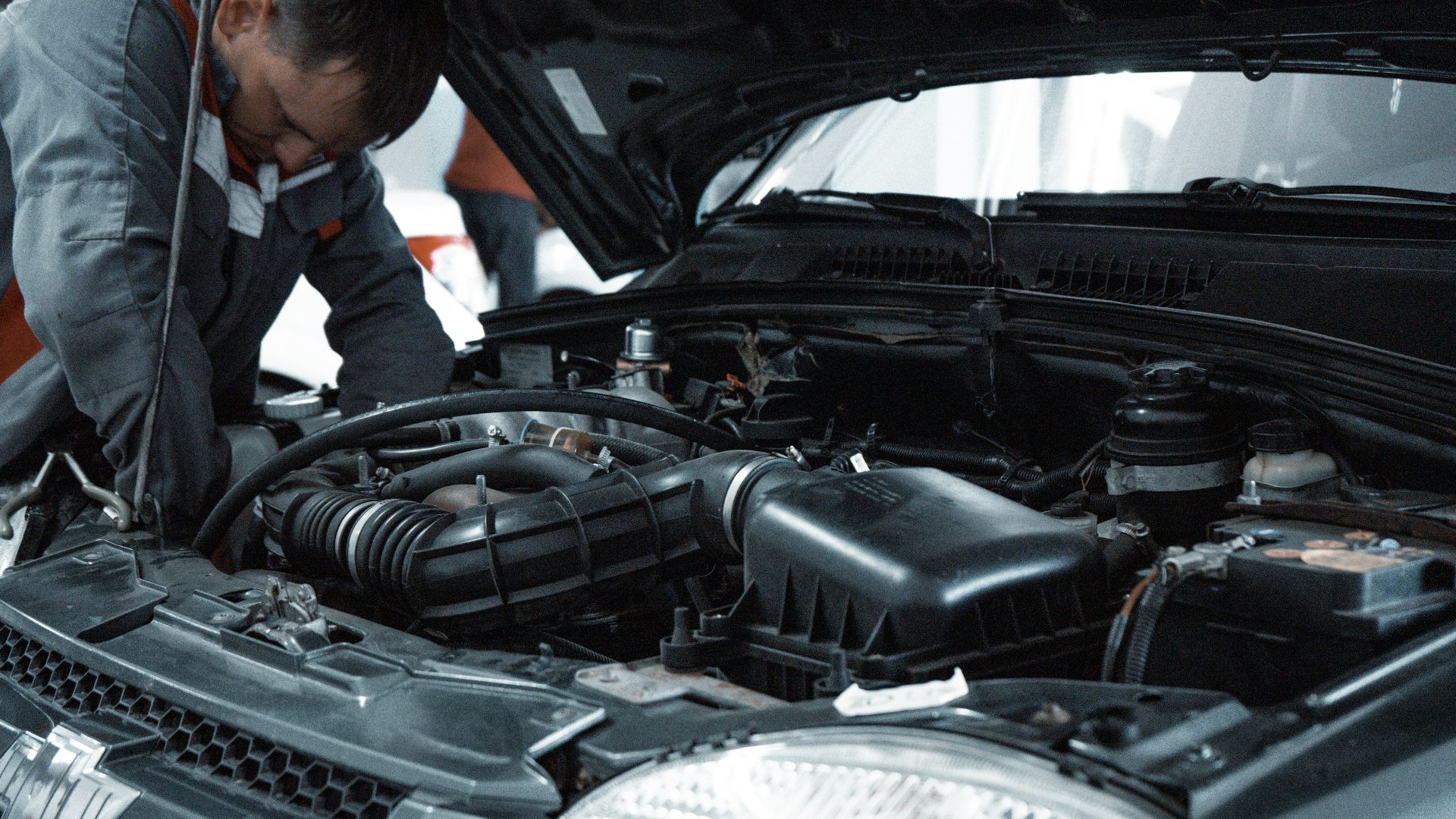
Mechanics can often tell when a previous repair was done as cheaply or hastily as possible. Mismatched hardware, sloppy wiring, off-brand parts, or odd little fixes tend to stand out. That doesn’t always mean you were the one who approved it, but it does become part of the car’s history.
8. Suspension Wear
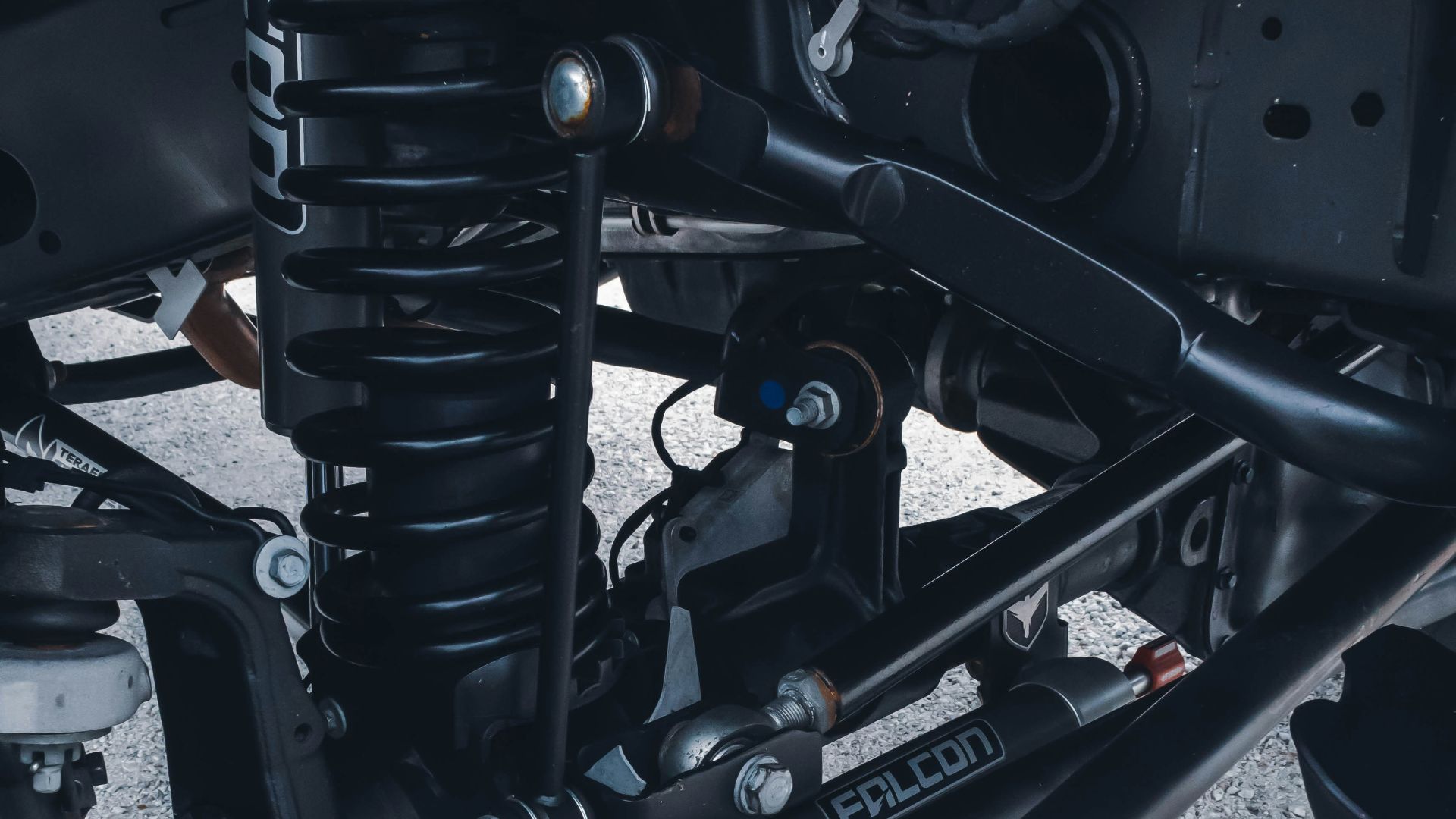
Suspension problems often show up in obvious ways once you know what to look for. Worn struts, bad shocks, tired bushings, or sagging components can suggest rough roads, heavy use, or long-term neglect. A mechanic will usually notice this because it affects comfort, handling, and tire wear all at once.
9. How You Drive
Cars hold onto evidence of driving habits more than people realize. Heavy brake wear, clutch issues, stressed transmissions, worn tires, and certain patterns of wear can all suggest aggressive acceleration or impatient stopping. A mechanic may not know your entire personality, but the car definitely offers some clues.

10. Skipped Oil Changes
Neglected oil changes don’t stay invisible forever. Sludge, dirty buildup, poor lubrication, and extra engine wear often point to long gaps between services. A car may keep running for a while, but that doesn’t mean everything inside is happy about it. Mechanics see enough well-maintained engines to know when one hasn’t been getting the basics.

11. Battery Trouble
A weak battery doesn’t always wait until the exact moment you’re stranded to show warning signs. Corrosion on the terminals, low voltage, slow starts, or an old date code can tell a mechanic that the battery’s on borrowed time. People tend to ignore batteries until they completely quit, but mechanics don’t have that luxury. It’s one of those parts that can ruin your day with very little notice.
12. Interior Wear That Reveals Daily Habits
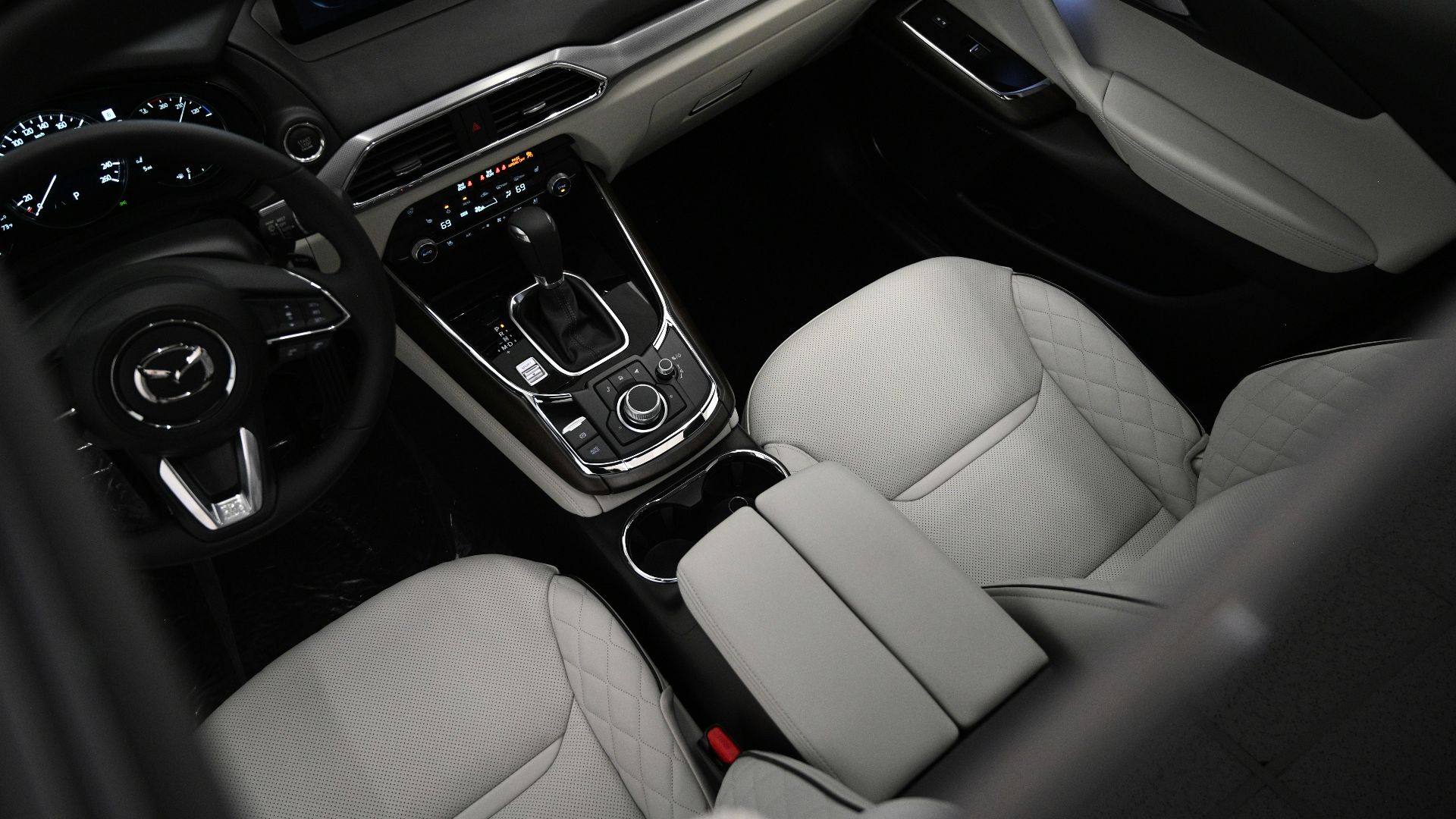
The inside of the car gives away plenty, too. Worn controls, trash, stains, pet hair, broken trim, and strange odors can all hint at how the vehicle’s treated day to day. A mechanic isn’t there to critique your lifestyle, but they do notice the environment they’re working in.
13. Alignment Problems
A car that pulls, drifts, or chews through tires unevenly usually has something to say about its alignment. Mechanics often catch this quickly because the signs are visible and the driving feel tends to confirm it. Sometimes it’s just normal wear, and sometimes it points to curb hits or suspension issues.

14. Leaks Under the Car
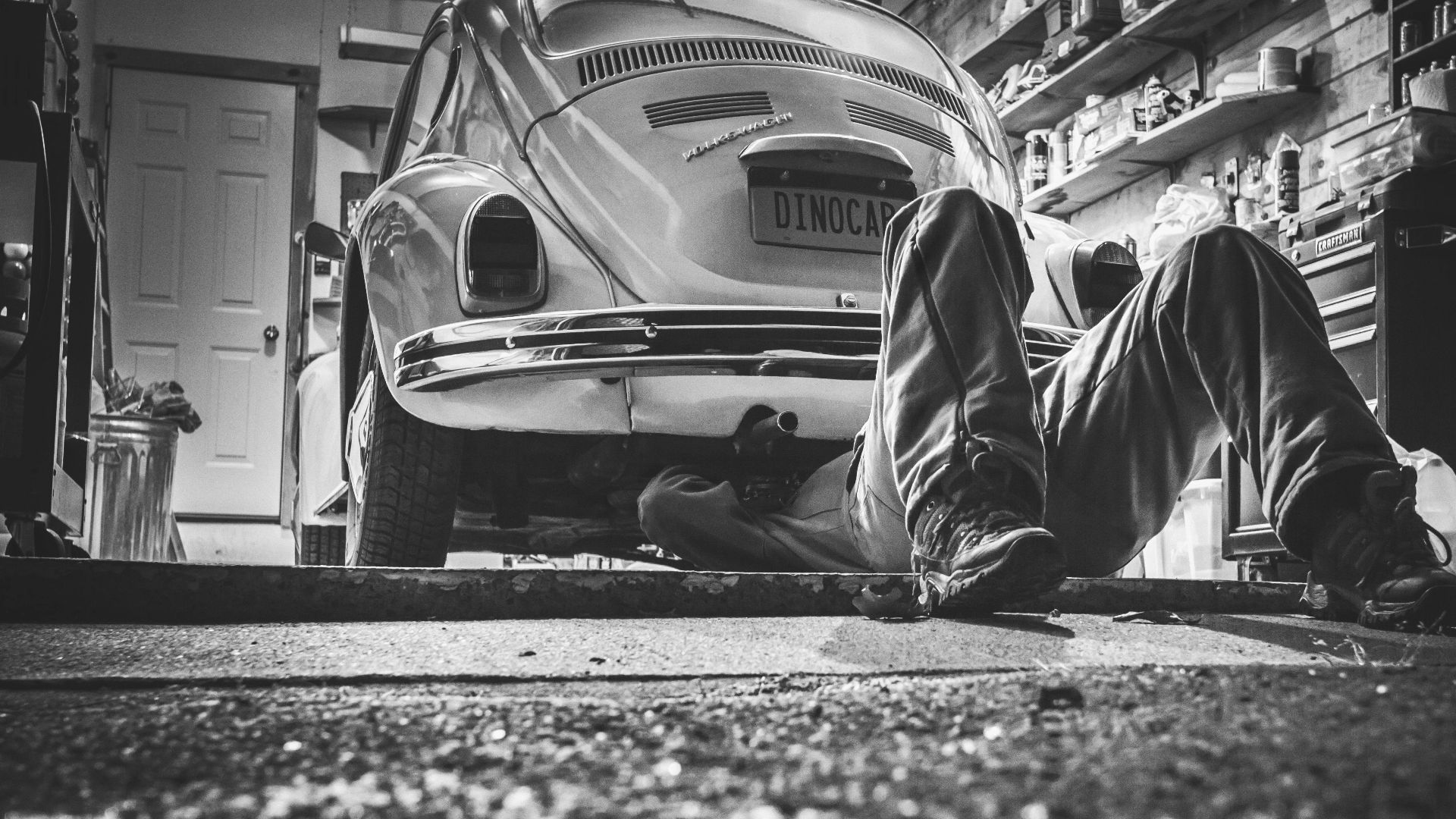
A mechanic will often look underneath and know right away whether the car’s been dripping something important. Oil, coolant, transmission fluid, and other leaks all leave their own little calling cards. Even a tiny one can matter if it’s been ignored long enough.
15. Small Problems That Were Left To Become Big
Mechanics get very good at spotting issues that clearly started small and were left alone too long. A minor noise becomes a major repair, a tiny leak turns into damaged parts, and one worn component starts affecting several others. They’ve seen that pattern too many times to miss it. Cars usually don’t become expensive all at once.
16. If Maintenance Records Are Up To Date
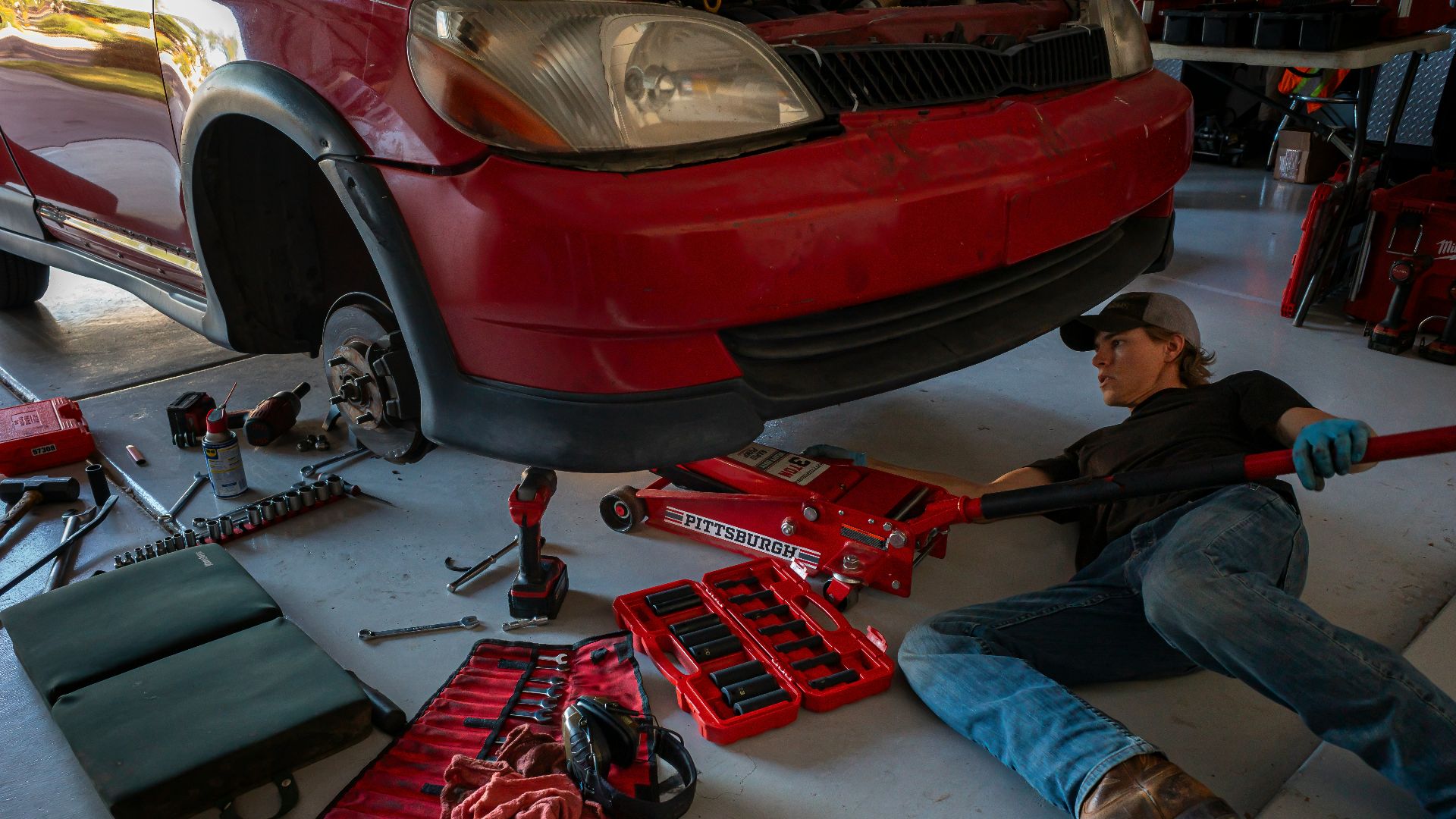
If you bring service records, that tells a mechanic something helpful before they even start. A clear history of oil changes, tire rotations, brakes, and major repairs suggests the car’s been looked after with some consistency. If there’s no paperwork and a lot of guessing, that creates a different impression.

17. If It's Been Sitting Too Much
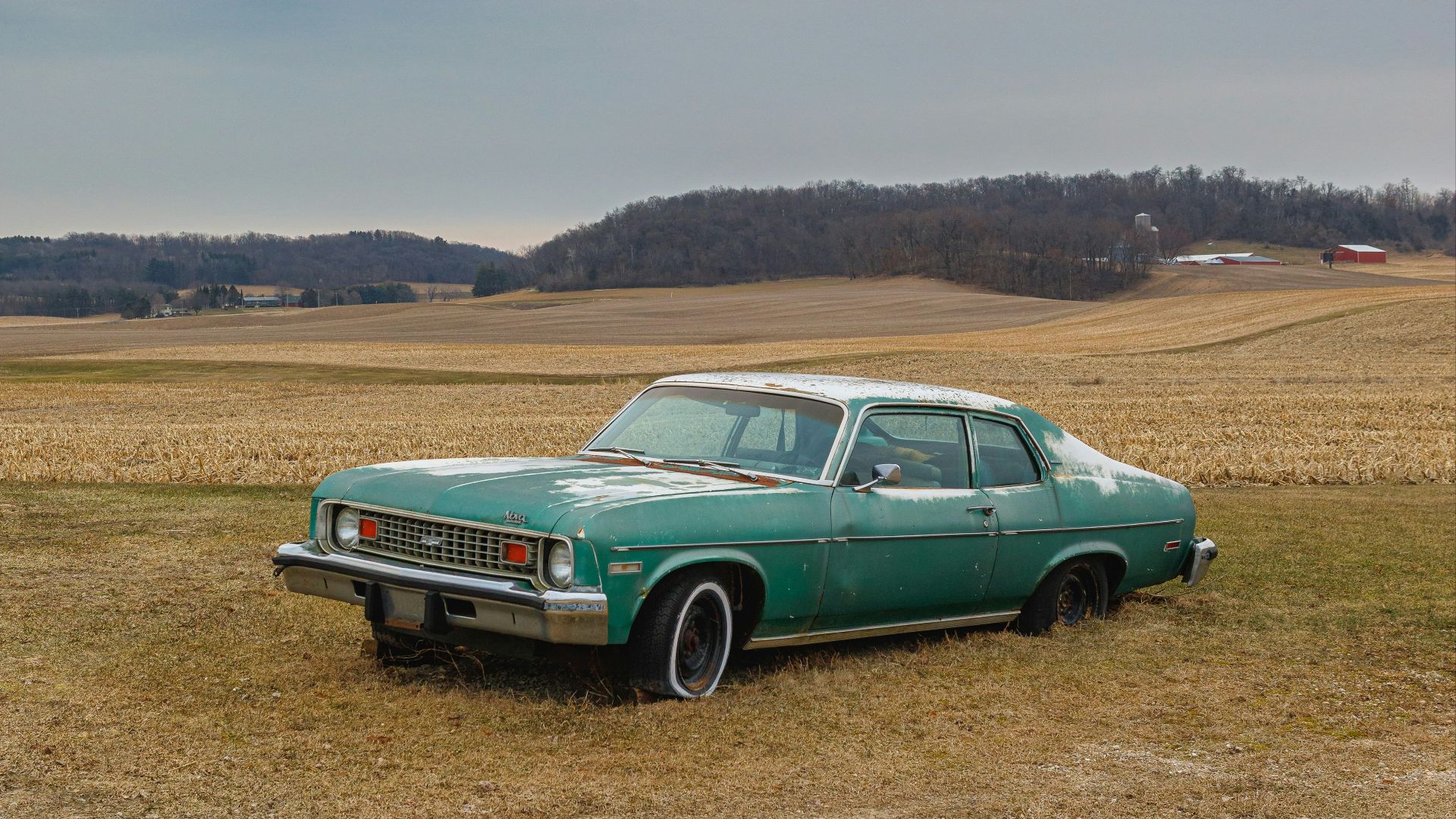
Low mileage doesn’t always mean low trouble. Mechanics often notice when a car’s been sitting for long stretches because the tires may dry out, the battery may weaken, and fluids may age without the car being driven enough. Cars generally like being used more than they like being stored.
18. Mismatched Tires
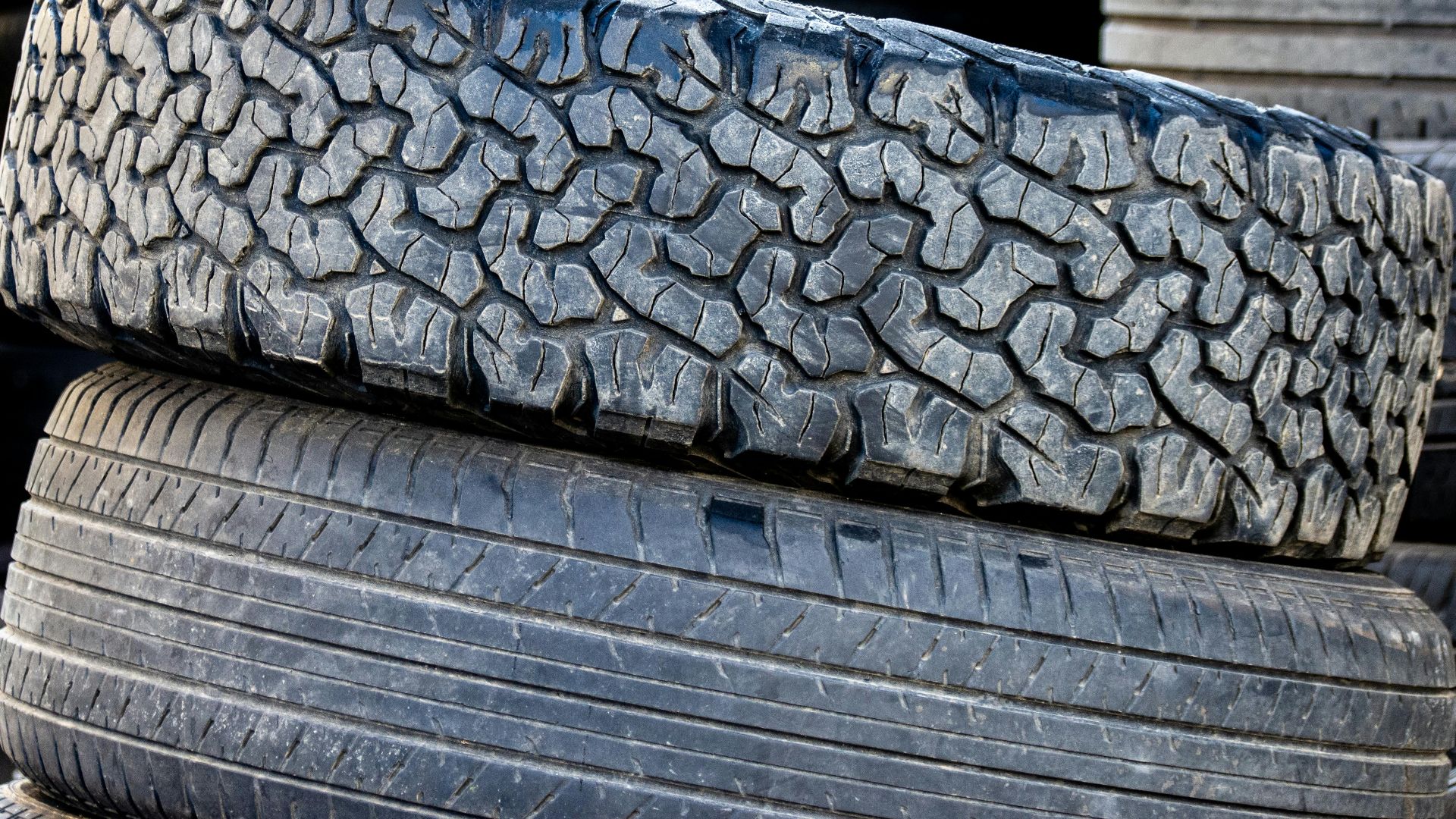
If the car has four different tires or an odd mix of brands and tread patterns, a mechanic’s going to notice. That can suggest budget decisions, rushed replacements, or a general habit of fixing things only when absolutely necessary. Sometimes it’s harmless, but sometimes it affects handling and safety more than people think.
19. Neglected Filters
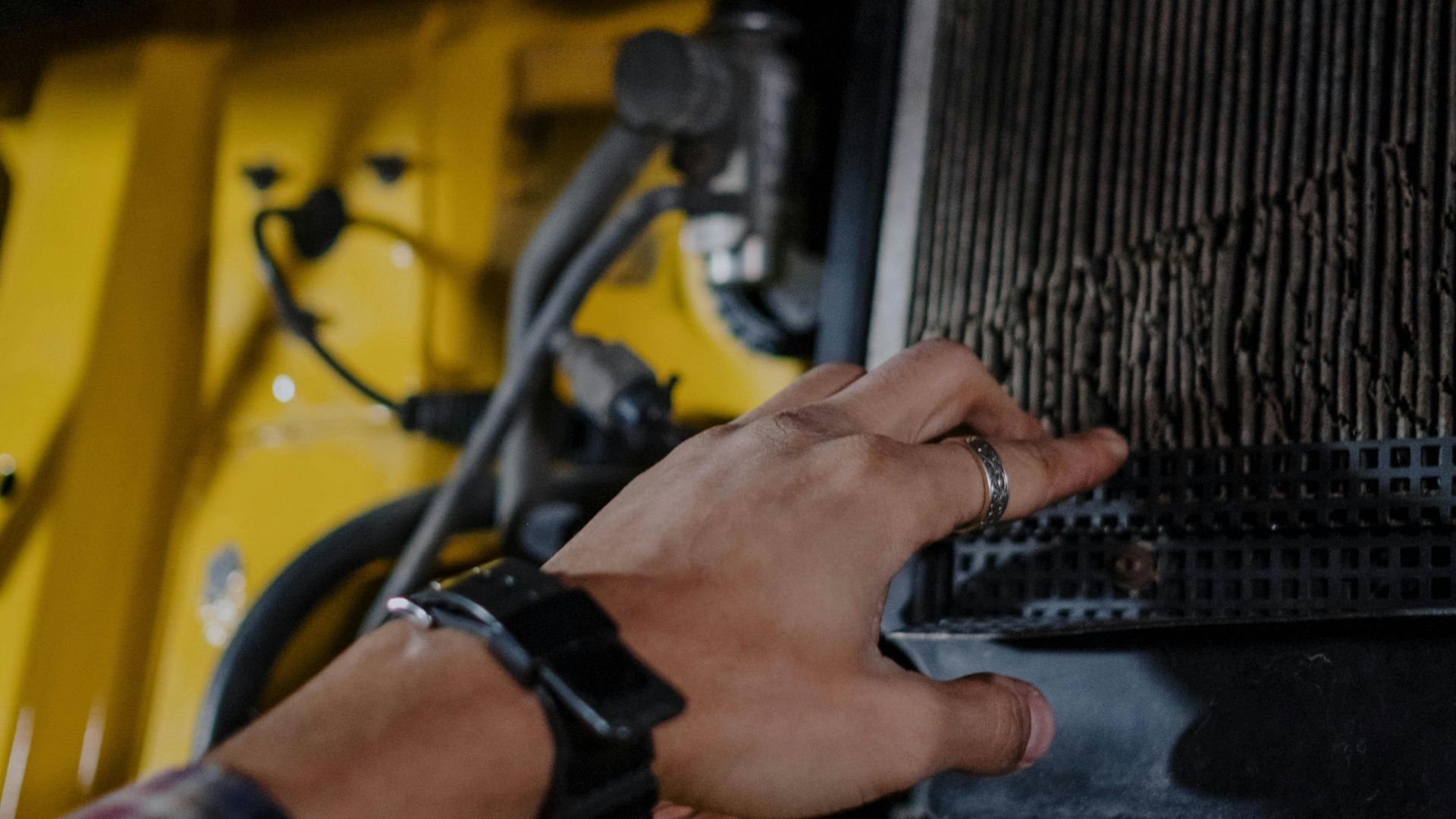
Air filters and cabin filters often reveal whether the basics have been kept up with. If they’re packed with dirt, debris, or years of neglect, that tells a mechanic something pretty quickly. These parts are simple and relatively cheap, so when they’re ignored, it can hint that other small maintenance items have been overlooked, too. A clogged filter is a tiny detail with surprisingly loud implications.
20. Handling Imperfections
Once a mechanic actually drives the car, the story usually gets even clearer. Steering feel, braking response, transmission behavior, suspension noises, and general road manners can confirm what they already suspected from the visual inspection. Cars often behave very differently from how owners describe them, especially if the owner’s gotten used to the issues.