
Do Road Trips and Relationships Mix?
Few things will test a relationship quite like a long drive with nowhere to escape. With the distractions of everyday life stripped away, you and your travel partner are forced to coexist in close quarters for hours on end, which can either bring out the best in each of you or reveal the worst. Whether you're traveling with a romantic partner, a best friend, or a family member, the road has a way of deepening and breaking connections in ways you probably didn't anticipate when you booked the trip.
1. Disagreements Over Navigation Turn Into Arguments
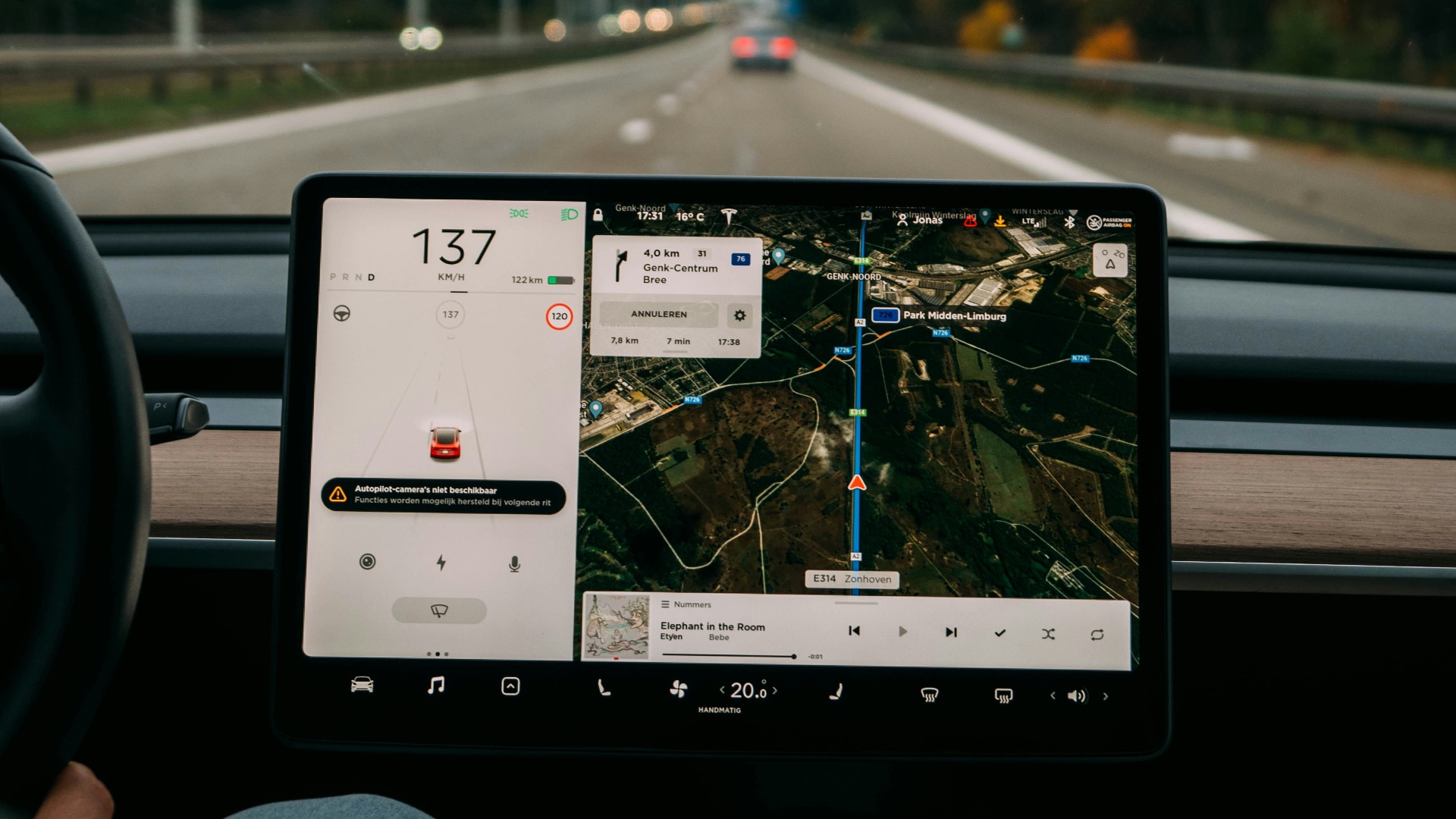
The moment one person insists on ignoring the GPS while the other is set on following digital navigation to a T, you've entered dangerous territory. Differing opinions on routes, detours, and how long to drive before stopping can escalate quickly, especially when everyone's tired and hungry. What starts as a small disagreement can easily become a proxy for bigger frustrations in the relationship.
2. Different Comfort Levels Create Friction
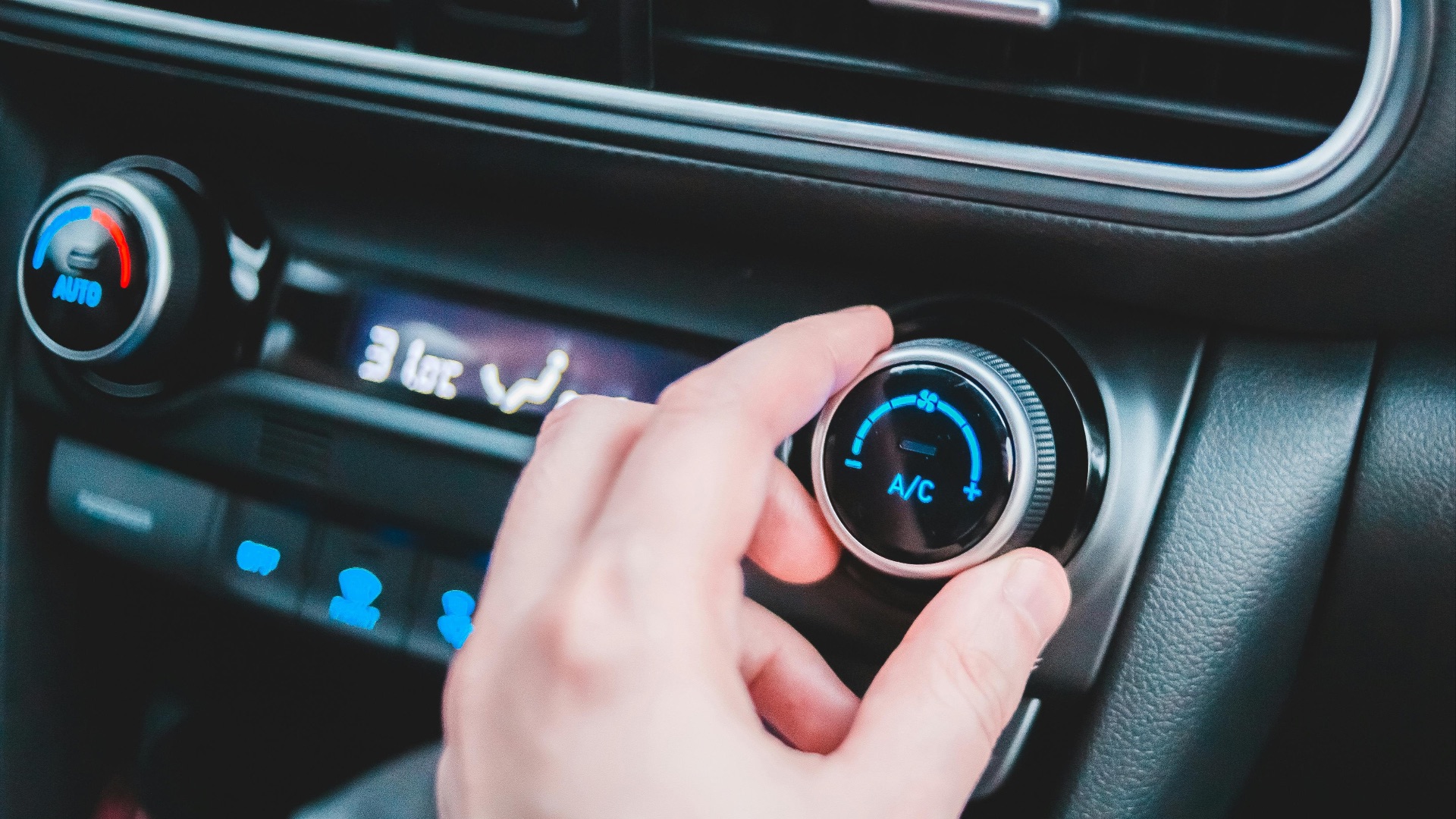
One person wants the air conditioning blasting while the other is freezing; one needs frequent rest stops and the other won't pull over for anything. These small incompatibilities compound over hours on the road, and it becomes harder to find middle ground the longer the trip goes on. When neither person feels heard or accommodated, resentment builds faster than the miles stack up.
3. Financial Disagreements Might Come to a Head
Road trips require constant spending decisions: where to eat, whether to splurge on a nicer motel, and how much to budget for activities along the way. If one person is frugal and the other wants to treat every stop like a vacation, the tension around money can become a recurring source of conflict. These conversations often touch on bigger differences in values that can be hard to paper over once they're out in the open.

4. Unequal Effort Behind the Wheel Breeds Resentment
If one person ends up doing the majority of the driving while the other naps or scrolls through their phone, the imbalance starts to feel personal. Driving fatigue is real, and feeling like you're shouldering more than your fair share of the work wears on even the most patient people. By the third or fourth day, that building resentment can spoil the whole trip.
5. Confined Spaces Amplify Small Irritations
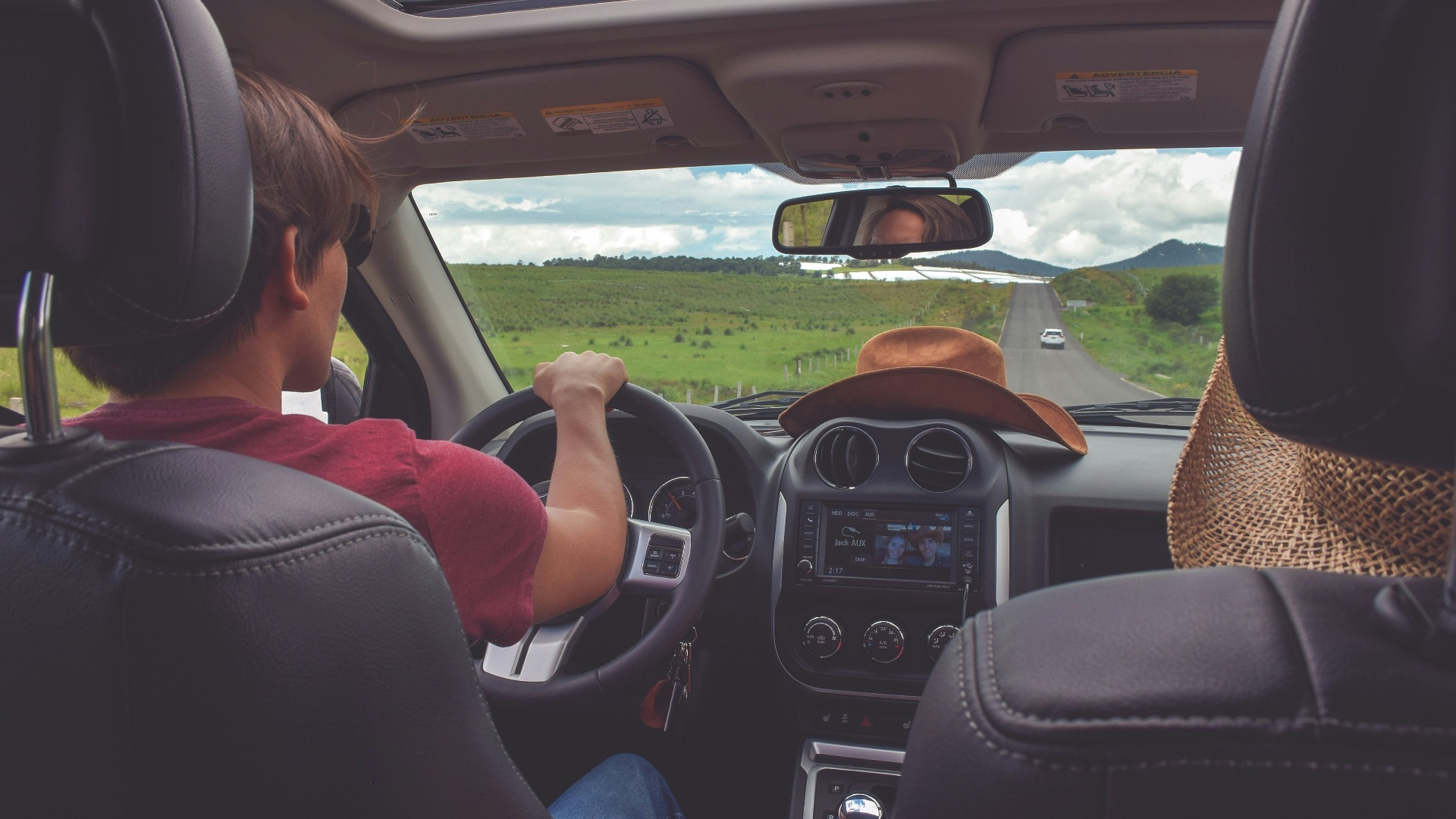
The habits that are easy to ignore at home become very hard to overlook in a car, whether it's loud chewing, constant fidgeting, talking too much, or staying completely silent for hours. After all, there's no room to take a walk and cool off, and there's no separate space to retreat to when you need a break from each other. Even the most compatible people can find that prolonged confinement turns everyone into monsters.

6. Mismatched Expectations About the Trip
One person wants a spontaneous adventure with no fixed plan; the other has a detailed itinerary with reservations at every stop. When these two approaches collide, it becomes a clash over whose vision of the trip matters more. Feeling like your idea of a good time is constantly being overruled is a fast track to disconnection.

7. Sleep Deprivation Makes Everyone Grumpy
Road trips often involve early starts, late arrivals, and sleeping in unfamiliar beds, all of which compound into a level of exhaustion that lowers everyone's patience threshold. When you're running on poor sleep, small slights feel bigger, and the ability to communicate calmly goes right out the window. Decisions made in that state rarely reflect how either person actually feels, but the fallout can still linger long after you've both caught up on rest.

8. Prolonged Phone Usage Can Be Irritating
There's a particular kind of annoyance that comes from sitting in a car with someone who won't put their phone down, and it's hard not to take it personally. Whether it's scrolling social media, texting other people, or refusing to engage with the trip, screen habits can make one person feel like they're on the road alone.

9. Stress From Logistics Gets Displaced Onto Each Other
When the car breaks down, the reservation gets lost, or you've been driving in circles for forty minutes, someone has to absorb that stress, and it's often directed at the nearest person. Couples and friends who handle external stress differently are especially vulnerable to taking out their frustration on each other rather than the situation. The road is full of things that go wrong, and how you handle them together says a great deal about the health of your relationship.

10. Too Much Time Together Without Alone Time Causes Tension
Some people simply need time to themselves to recharge, and a road trip doesn't naturally allow for that. Being in each other's company from morning until night, every single day, can push even the closest relationships to their limits. When you don't have the space to just sit alone with your own thoughts, you can start to associate the other person with your own discomfort, which isn't fair to anyone.
Of course, the road doesn't have to be a relationship minefield. For every way a trip can drive a wedge between two people, there's an equally powerful way it can pull them closer together, if you're open to it.

1. Shared Problem-Solving Builds Trust
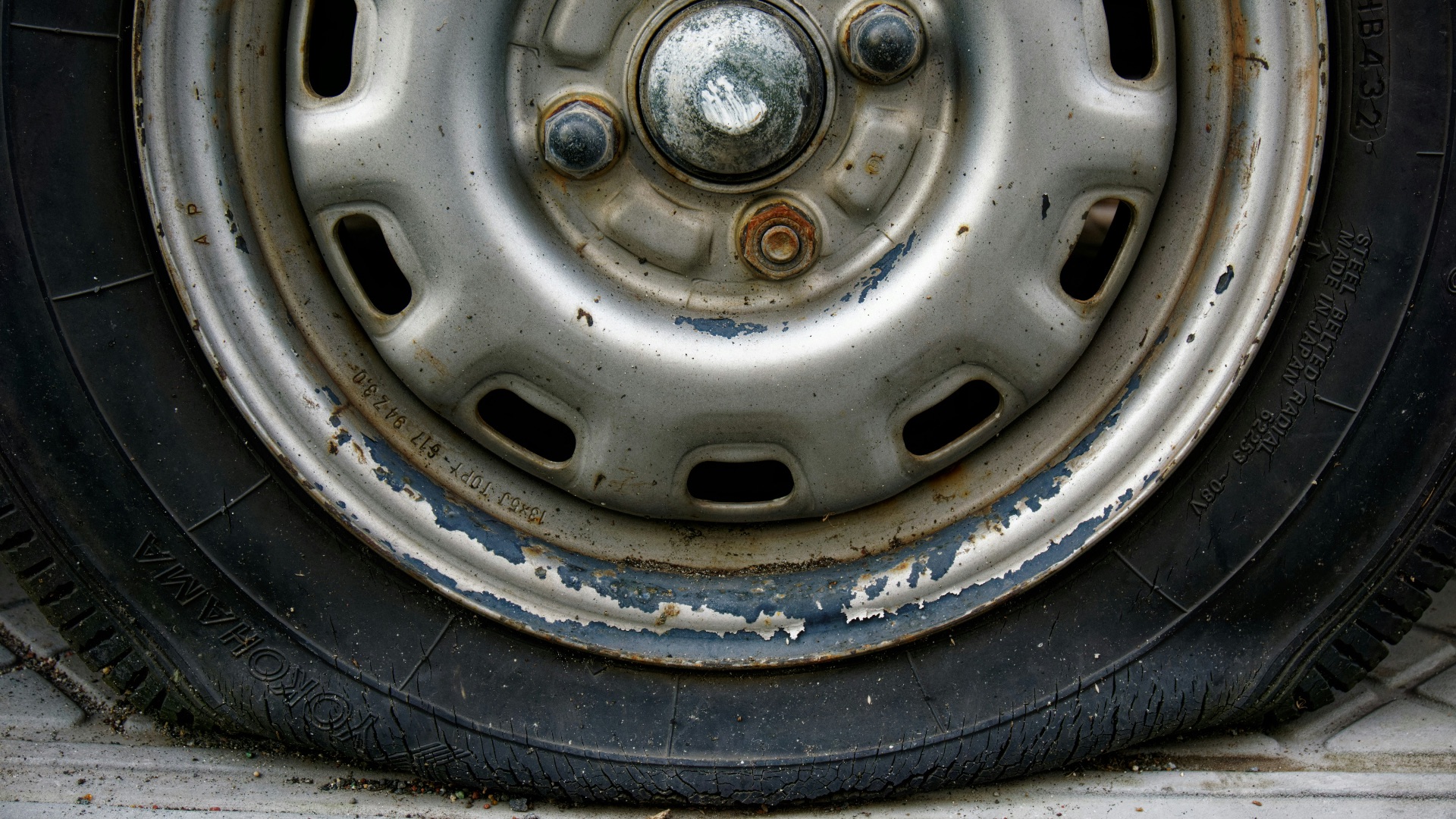
When something goes wrong on the road, the two of you have to figure it out together, and there's something powerful about navigating a challenge as a team. Whether it's a flat tire, a wrong turn that leads somewhere unexpectedly great, or scrambling to find a last-minute place to stay, these moments test your ability to communicate and collaborate under pressure. Coming out the other side of a problem together creates a kind of trust that routine daily life rarely produces.
2. Uninterrupted Conversation Brings You Closer
Life at home is full of distractions: work, errands, screens, and a never-ending to-do list. A long stretch of open road removes all of that and leaves you with nothing but time and each other, which means you're far more likely to have the kind of deep, unhurried conversations that rarely happen otherwise. Many people find that some of the most meaningful things they've ever said to someone were said in a moving car.

3. Experiencing New Places Together Creates Lasting Memories
Whether it's standing at the edge of a canyon you'd never seen before or stumbling into a small town diner that turns out to be the best meal of the trip, these experiences belong to both of you equally. Shared memories are one of the building blocks of a strong relationship, and the ones formed on the road tend to be vivid and lasting. Years later, you'll still be talking about that one spontaneous stop in the middle of nowhere that somehow became a highlight.

4. You Learn How Someone Handles the Unexpected
Road trips are unpredictable by nature, and watching how your travel partner responds to uncertainty tells you a great deal about who they really are. Someone who stays calm, adapts quickly, and keeps their sense of humor when plans fall apart is showing you something about their character that a regular outing simply can't. Seeing that side of someone, especially under real pressure, can make you appreciate them in an entirely new way.
5. Small Rituals Develop Into Something Meaningful
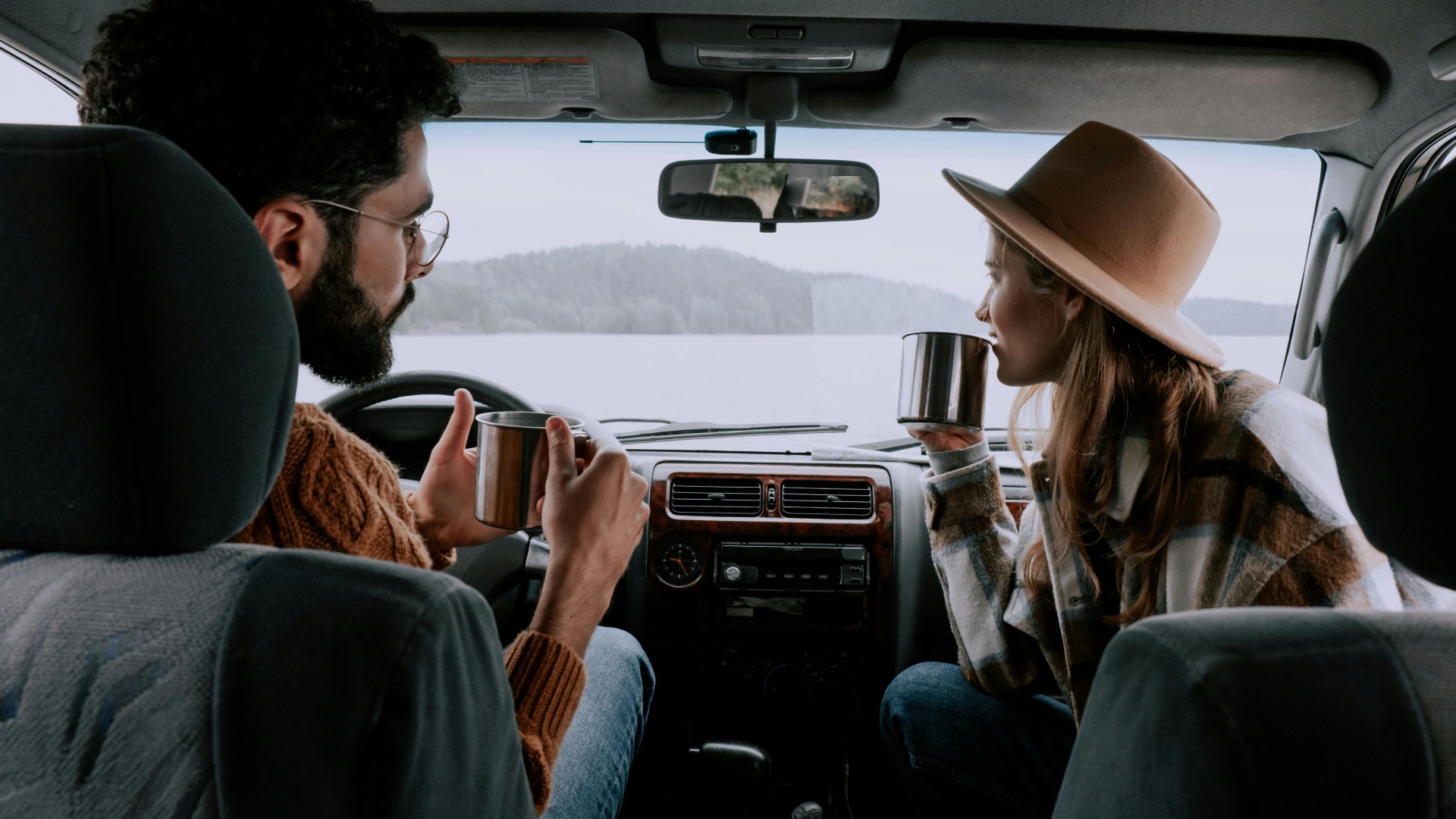
Every road trip eventually develops its own rhythms: a favorite playlist you both know by heart, a specific snack run you make every morning, or a running joke that only makes sense to the two of you. These little rituals may seem trivial in the moment, but they become part of the shared language of your relationship. Looking back, those small, repeated moments are often what people remember most fondly.

6. You See Each Other Outside Usual Routines
At home, people tend to fall into predictable patterns, and it's easy to fall out of touch with each other because of it. A road trip removes you from your usual context and lets you both show a different side of yourselves, which can reignite interest and appreciation that familiarity had dulled.

7. Compromising on the Road Strengthens Your Dynamic
Every road trip requires negotiation: where to stop, what to listen to, when to push on, and when to take a break. When both people approach those decisions with a willingness to give a little, it reinforces the habit of healthy compromise that all good relationships depend on. The more you practice working things out on the small stuff, the easier it becomes to handle the bigger disagreements that come up in life.

8. Physical Presence Matters More Than You'd Expect
There's something about spending hours side by side, watching the landscape change outside the window, that creates a quiet sense of closeness that's hard to replicate anywhere else. You don't even have to be talking; simply being present with someone in a shared experience is its own form of connection. In a world that's increasingly mediated by screens, that kind of real, physical togetherness is rarer and more valuable than it sounds.

9. Celebrating Each Other's Interests Along the Way
Maybe you're not personally fascinated by every roadside attraction or historical marker your travel partner wants to stop at, but making the effort to engage with what excites them goes a long way. Showing up for someone's enthusiasms, even when they don't perfectly align with your own, is one of the more underrated acts of care in any relationship. That kind of generosity tends to be reciprocated, and it adds warmth to the whole trip.

10. Arriving Home Together
There's a particular satisfaction in pulling back into your driveway after a long trip, knowing you were together each step of the way. The shared experience of having been somewhere, weathered the bumps, laughed at the absurdity of it all, and made it home creates a sense of partnership that doesn't fade quickly. Even the difficult parts of the trip tend to become stories you both tell with a smile, which says everything about what the road can do for two people willing to take the journey.