

It Pays to Catch Battery Trouble Early
A weak car battery rarely fails without giving you a few warnings first, but it's easy to miss the signs when life gets busy. But that’s no excuse to ignore glaring signs, especially when they’re right in front of you. Knowing what to watch for can save you from a dead car in the driveway or an inconvenient call for roadside help, so let’s dive into a few red flags that only the best drivers keep an eye on.
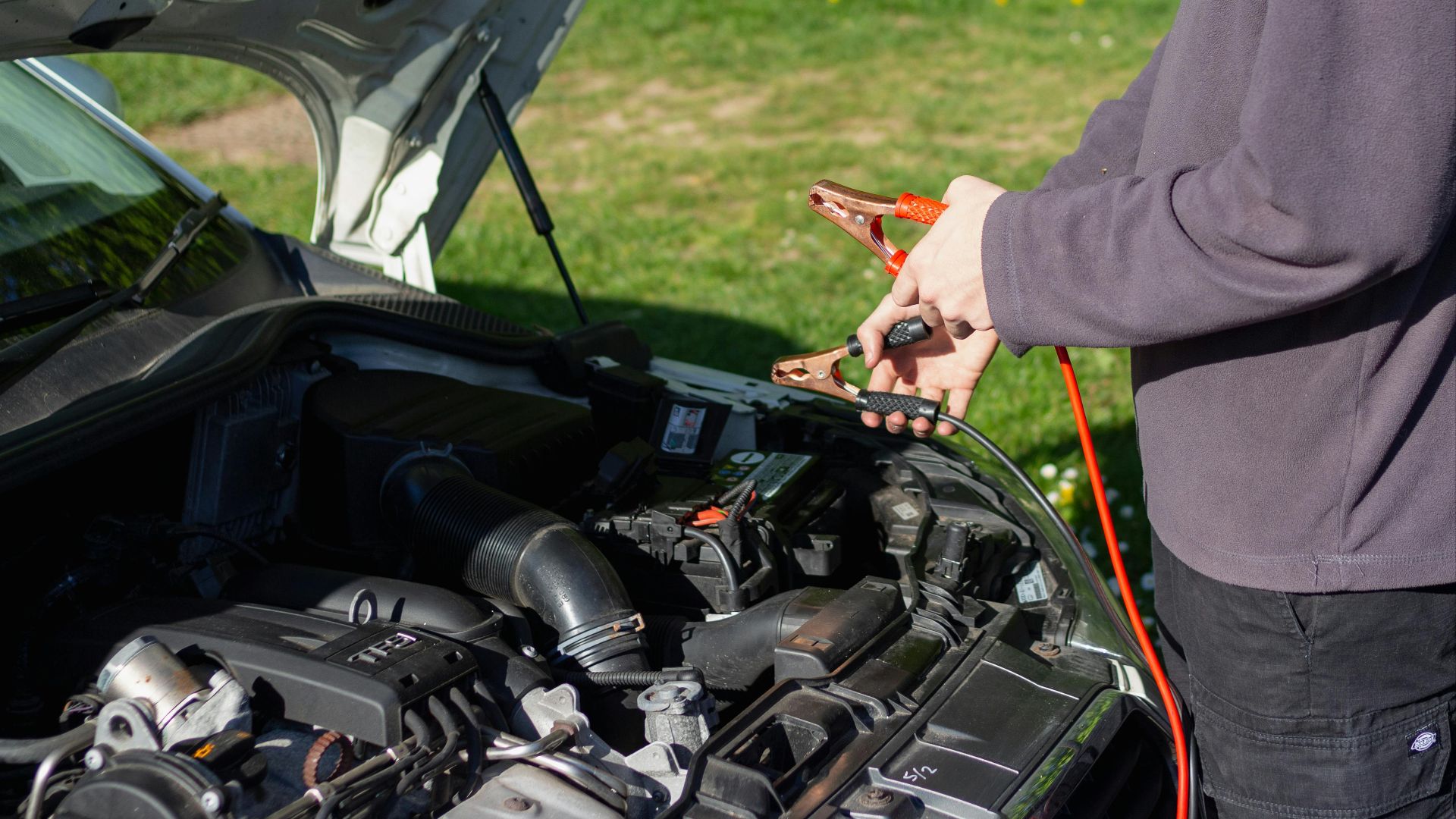 Daniel @ bestjumpstarterreview.com on Pexels
1. The Engine Cranks Slower Than Usual
One of the earliest signs is a sluggish engine crank when you turn the key (or press the start button). Instead of firing up like normal, your engine might sound tired and even hesitant for a moment. If you notice that change more than once, your battery may not be holding enough charge.
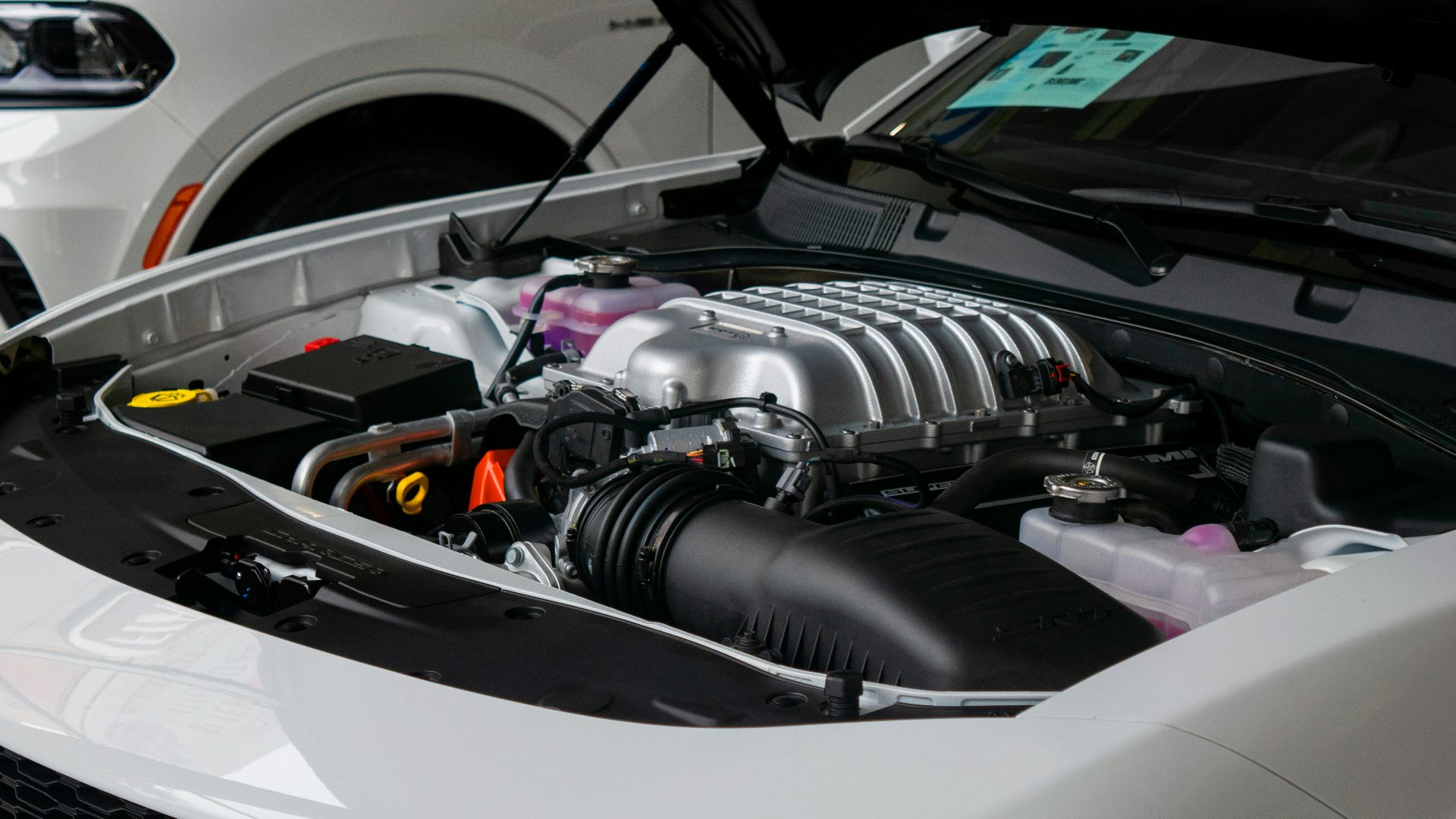
2. Your Headlights Look Dim
Headlights often reveal a lot more than people think, including potential battery trouble. If your lights seem weaker than normal, especially when the car is idling, the battery may be struggling to supply steady power. On top of that, you might also notice the brightness improves once the engine revs up.

3. The Car Takes a Few Tries to Start
There’s nothing worse, or more telling, than a battery that doesn’t start as soon as you expect it to. Even if the car starts on the second or third attempt, that delay only makes the issue seem more minor than it is. In reality, that inconsistency usually means the battery's reliability is slipping.

4. You Hear Clicking
A clicking sound when you try to start your car is a classic warning sign. It usually means there's enough power to engage part of the starting system, but not enough to turn the engine over fully. Should that happen repeatedly, the battery should be high on your list of suspects.
 Samuele Errico Piccarini on Unsplash
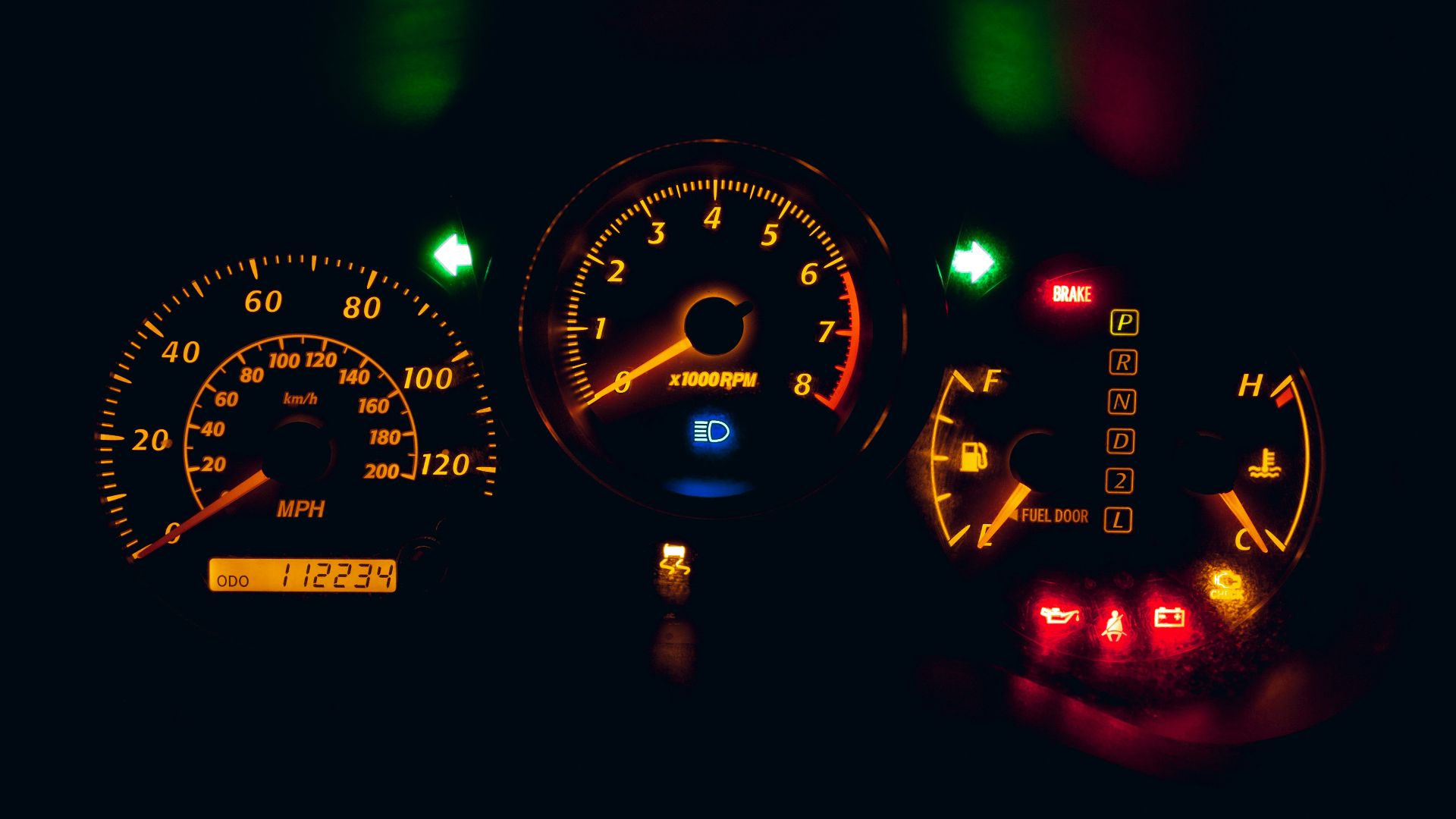
5. The Battery Warning Light Comes On
Modern vehicles are pretty good at telling you when something needs attention, so if the battery warning light flashes on the dash, it’s likely pointing to a weak battery or a charging system issue. It's not a message you should ignore or hope resolves itself.
6. Electrical Features Start Acting Strange
Power windows, seat controls, interior lights, and dashboard electronics can all behave oddly when battery power drops. You may notice anything from slower movement and flickering lights to systems that seem less responsive than usual.

7. The Car Struggles in Cold Weather
It’s not unheard of for vehicles to stall in cold weather, but those frigid temperatures put extra strain on a battery—and winter exposes one that's already weak. If your car suddenly becomes harder to start on chilly mornings, the battery might not be able to deliver full power.

8. You Need Frequent Jump-Starts
Hey, we’ve all needed a jump-start once or twice. But needing another one within a short period suggests the battery isn't recovering the way it should. At that point, your car is giving you a very direct hint that something's wrong.
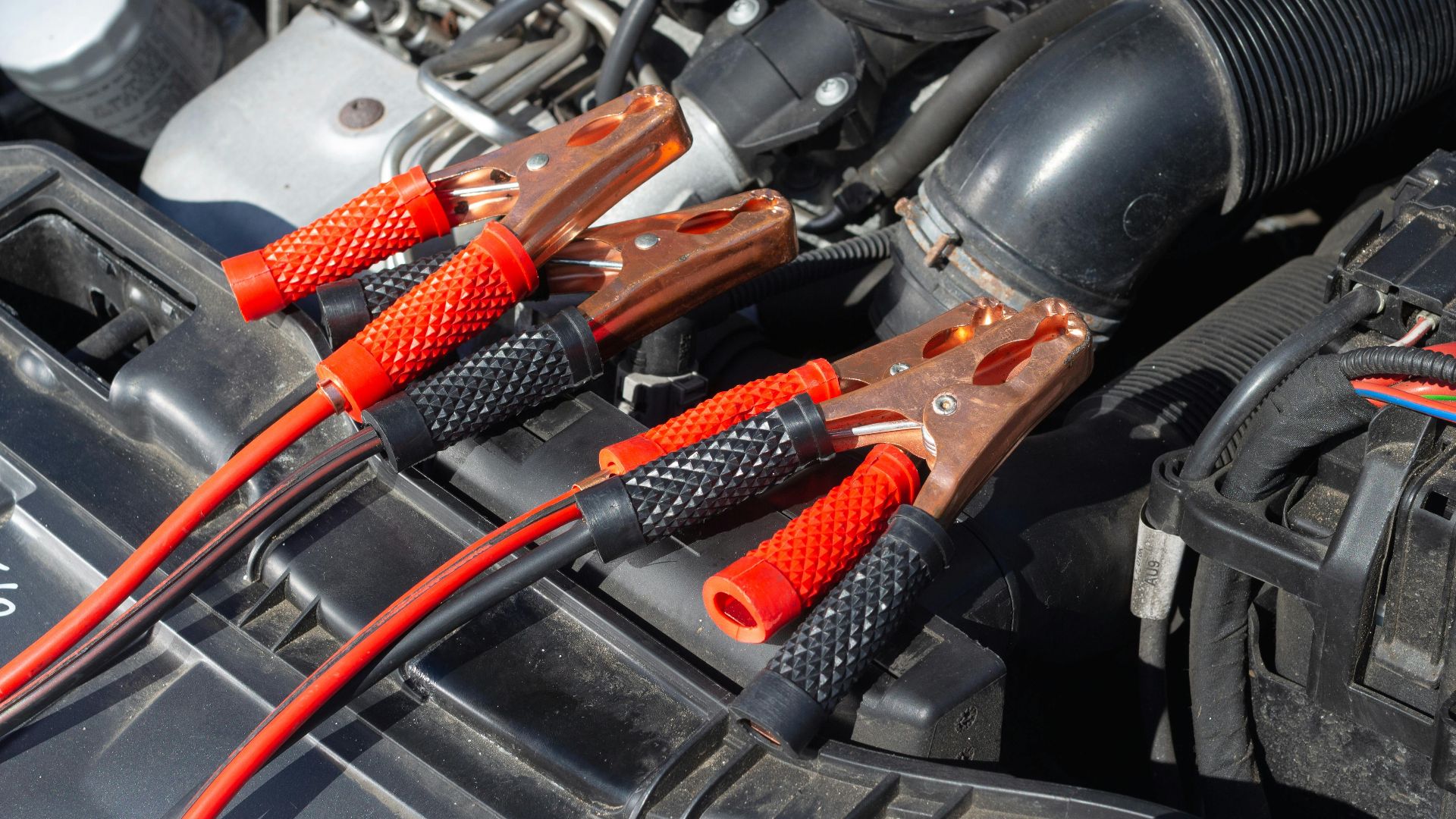 Daniel @ bestjumpstarterreview.com on Pexels
9. A Swollen Case
A battery should keep its normal shape, so any bulging or swelling is a serious warning sign. Major problems, like excessive heat or internal damage, can cause the case to expand, and that often means the battery is no longer dependable.

10. Corrosion Around the Terminals
Look for any kind of white, blue, or greenish buildup around the battery terminals; any one of them can interfere with the connection. That corrosion may also reduce how well power flows from the battery to the rest of the car.

11. The Battery’s More Than a Few Years Old
Car batteries don't last forever, no matter how well you treat them. If anything, most start losing their fire after three to five years, depending on climate, driving habits, and vehicle demands. If it’s been a while, it's smart to treat new symptoms as more than a passing nuisance.

12. Your Car Sits for Long Periods
Batteries lose charge over time when a vehicle isn't driven regularly, so even if you just take it for a stroll around the block, aim to work out your car. If, however, your car sits for days or weeks at a time, the battery may weaken faster than expected. It’s even worse if your battery was already older before the long breaks started.

13. You Notice a Bad Smell
A failing battery can sometimes produce a rotten egg smell, so keep a nose out. The reason why is actually pretty dangerous: leaking gas. That's not something a healthy battery should be doing, and it deserves prompt attention.
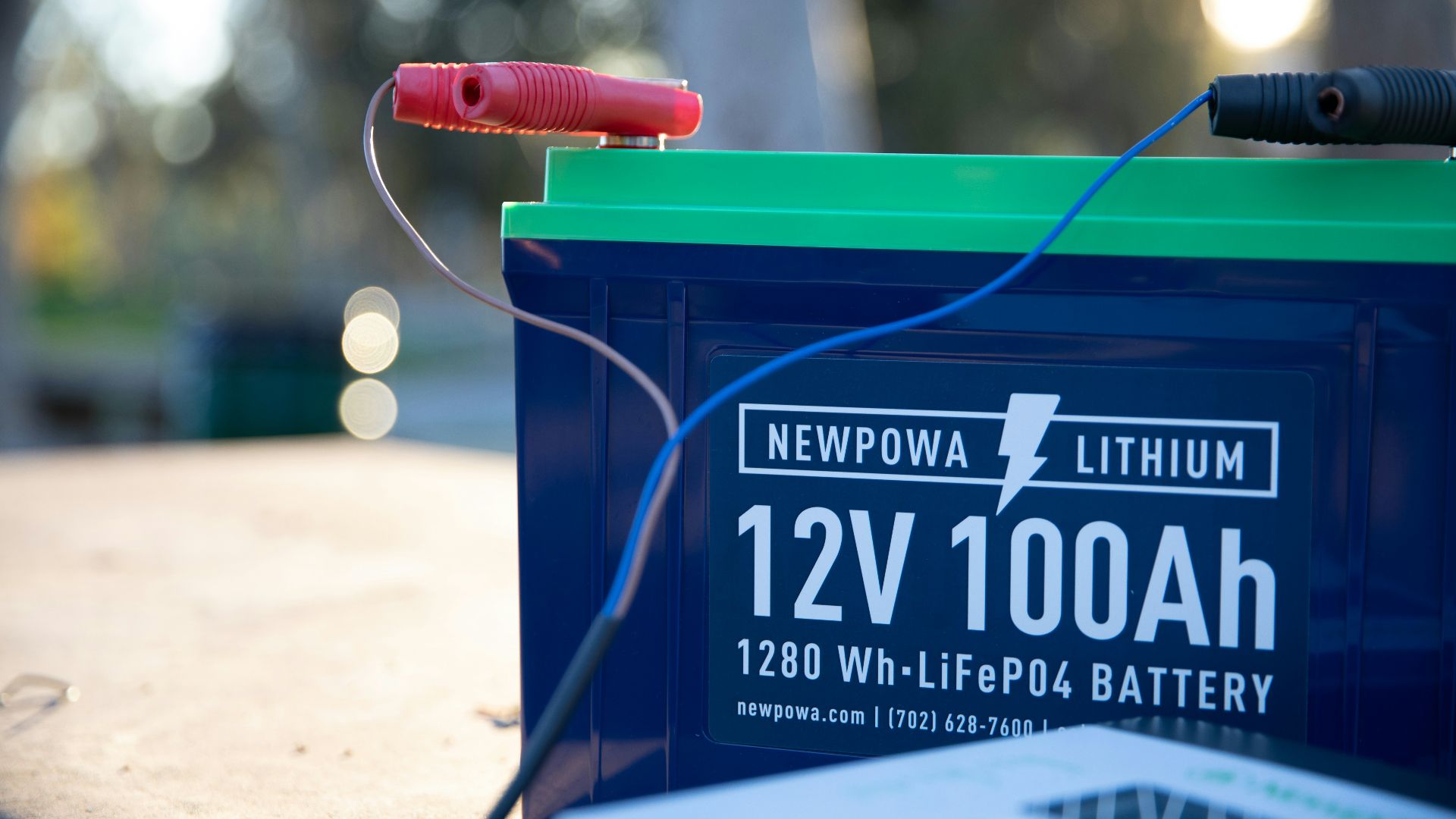
14. The Dashboard Flickers
When the battery’s weak, dashboard lights may flicker or briefly dim while the car tries to start. That happens because the available power is being stretched too thin during ignition. If the display looks unsettled before the engine catches, your battery may need to retire.
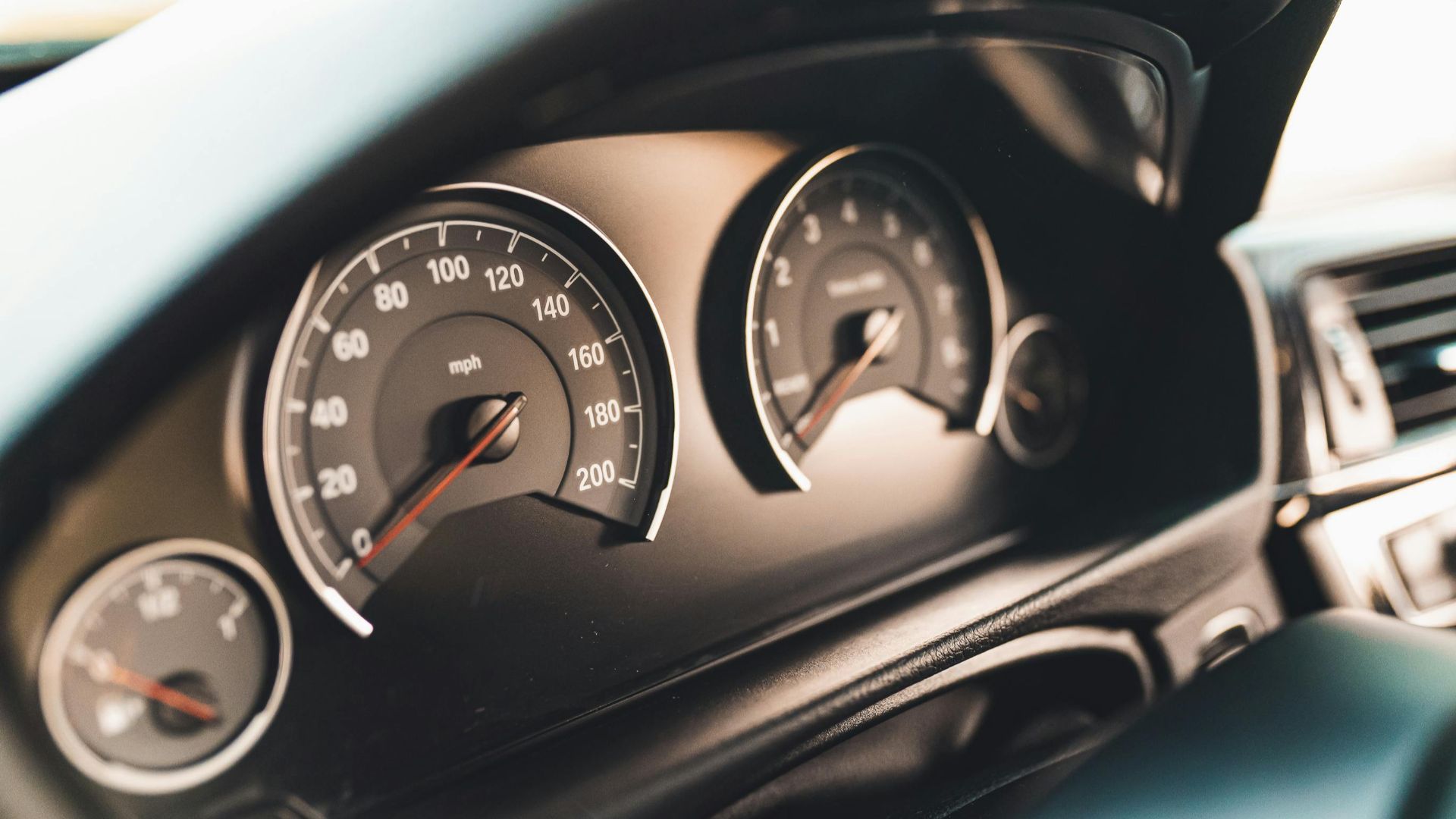
15. The Radio System Resets
An unstable battery can also cause electronic settings to reset unexpectedly. You might find that the clock is wrong. You could see presets disappear. You might even see that the infotainment system restarts without explanation. Those glitches don't always mean the battery is at fault, but they can be part of the larger picture.
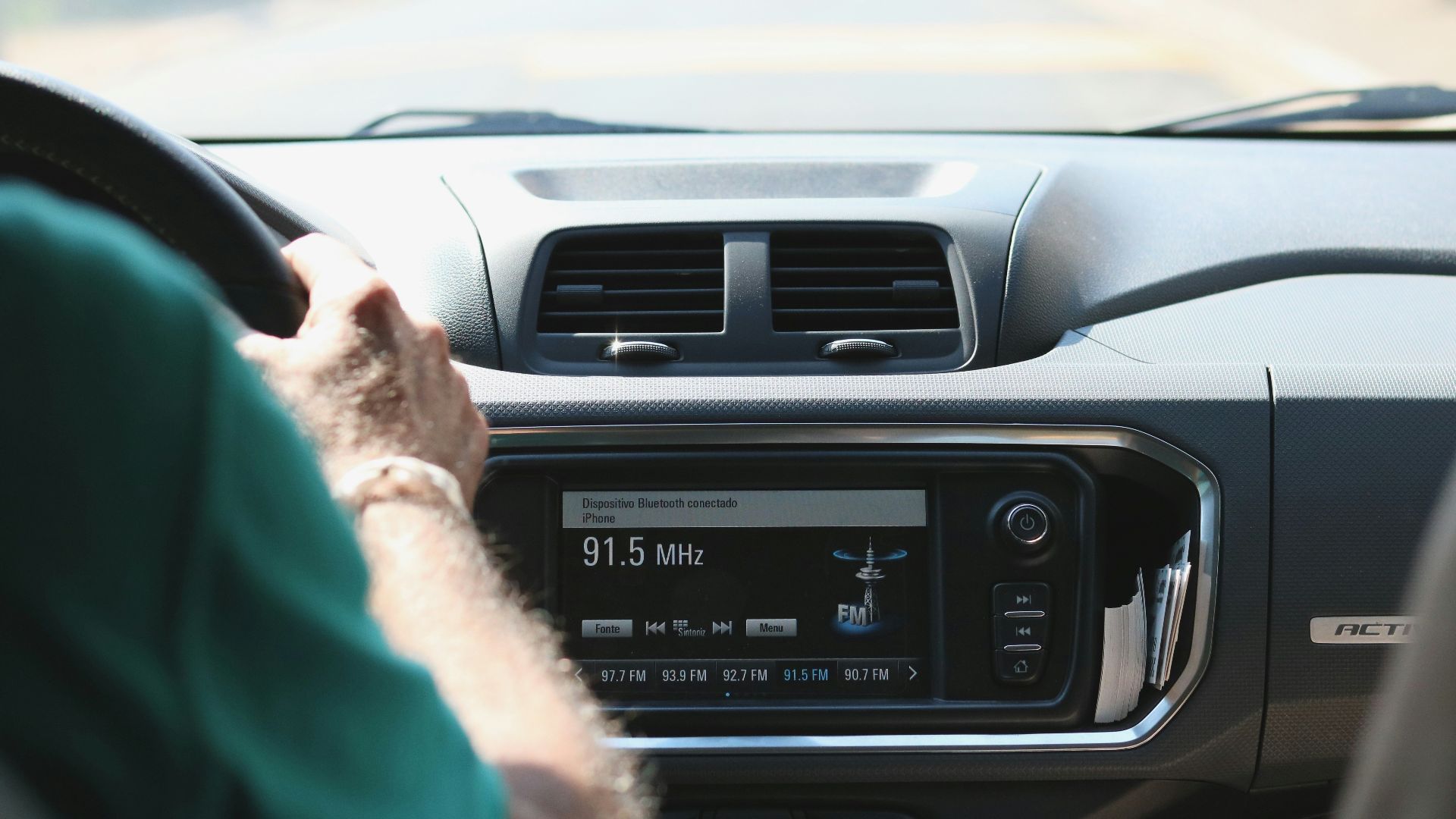
16. The Start-Stop System Stops Working Properly
Vehicles with automatic start-stop systems rely heavily on a healthy battery. If that feature suddenly stops working, the battery may no longer have the strength the system needs. Remember, even if it behaves inconsistently, it’s still cause for concern.
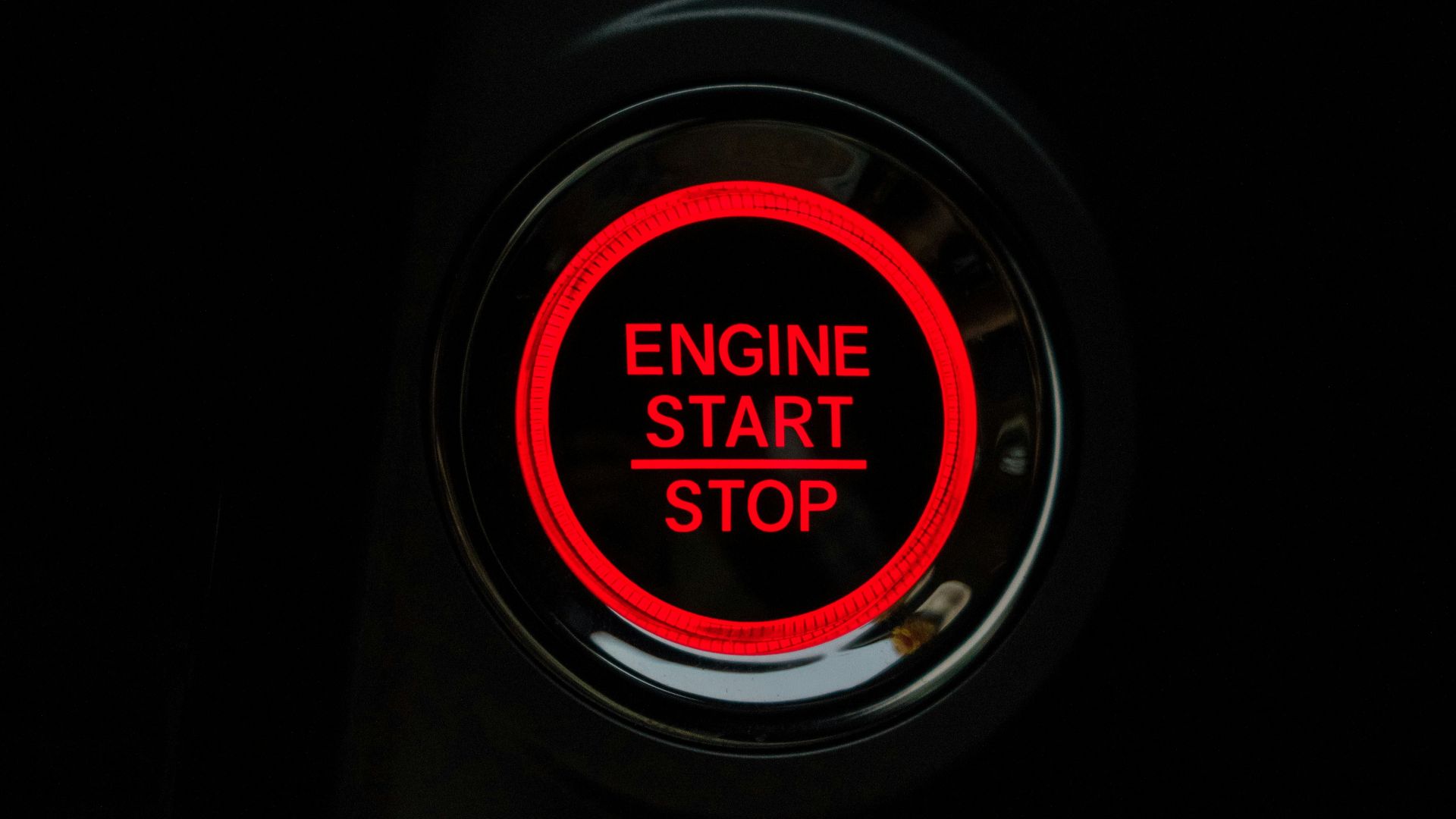
17. The Battery Fails a Voltage Test
Sometimes the clearest warning comes from a simple test rather than a dramatic odor. If a mechanic or battery tester shows that the voltage is low or the battery fails a load test, your battery’s on borrowed time.

18. The Car Starts Fine After Driving, but Not Later
One of the most dangerous things about a weak battery is that it can seem normal right after you've been on the road. After all, it's just received a charge. But after sitting for a few hours, it may no longer have enough stored power to start the car easily.

19. Your Commute Is Mostly Short Trips
Short drives don't always give the battery enough time to recharge fully after each start. Over time, repeated partial charging wears the battery down and leaves it weaker than you expect.
 Cristofer Maximilian on Unsplash
20. Your Gut Sounds the Alarm
Never be afraid to trust your gut feeling. Drivers often notice subtle changes before they can explain them clearly, and when your car starts making excuses, it's worth checking the battery before it leaves you stranded.
 Priscilla Du Preez 🇨🇦 on Unsplash