They’re Onto You From the Start
When you pull into a service bay, you might think the mechanic is only looking at your check engine light, but they're actually picking up on dozens of small clues about who you are and what you know. These professionals spend all day observing the relationship between drivers and their machines, so they've developed a keen eye for detail. With that in mind, here are 20 behaviors that mechanics are looking for.
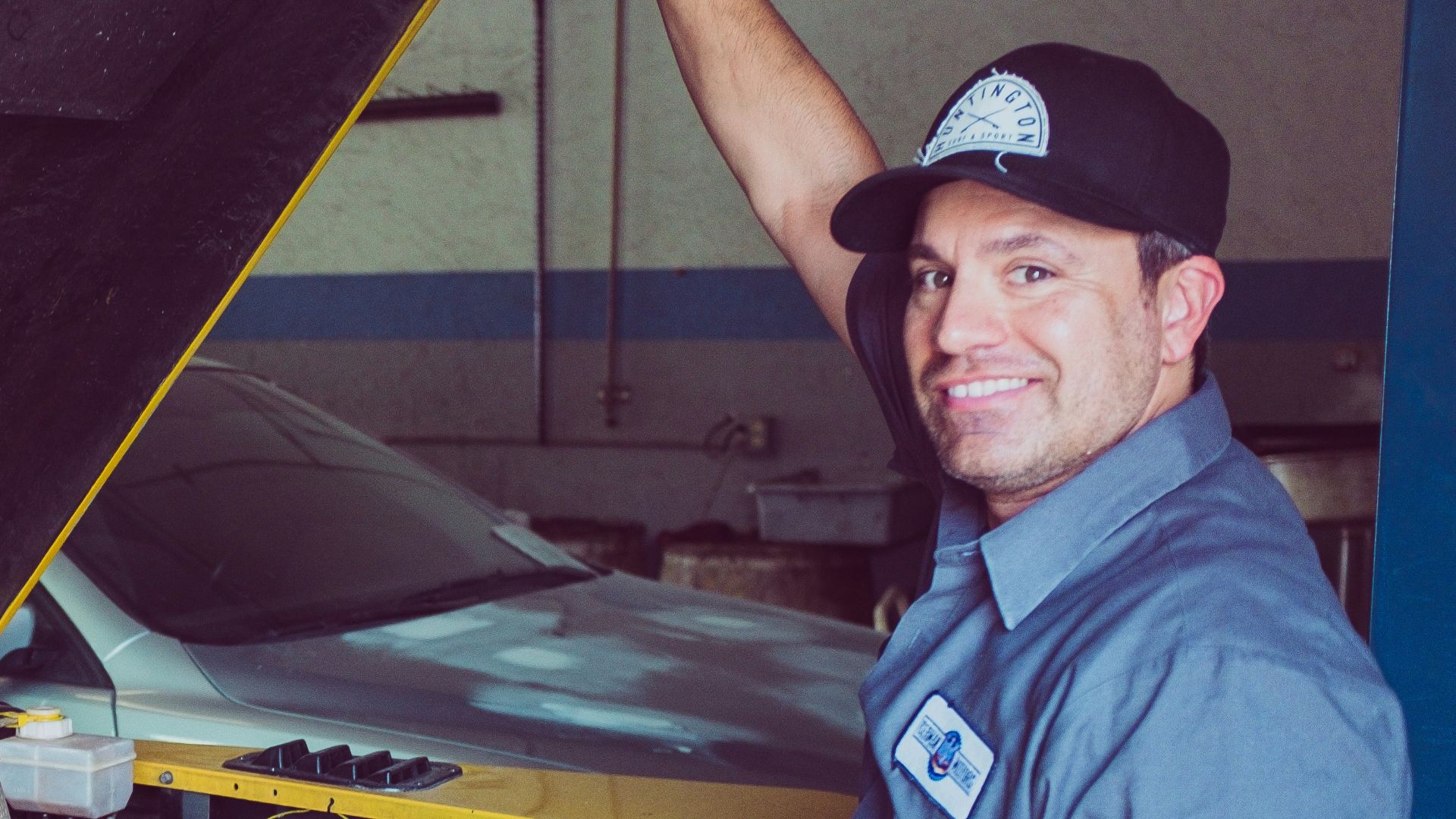
1. How You Listen to Their Advice
A mechanic will know if you're listening to their explanation of the problem or just glazing over until you get your card punched. Asking questions will clue them in that you've done research and want to learn more. They can tell when you care about the repairs being done and when you pretend to know what they're talking about.
2. How You Describe the Noise
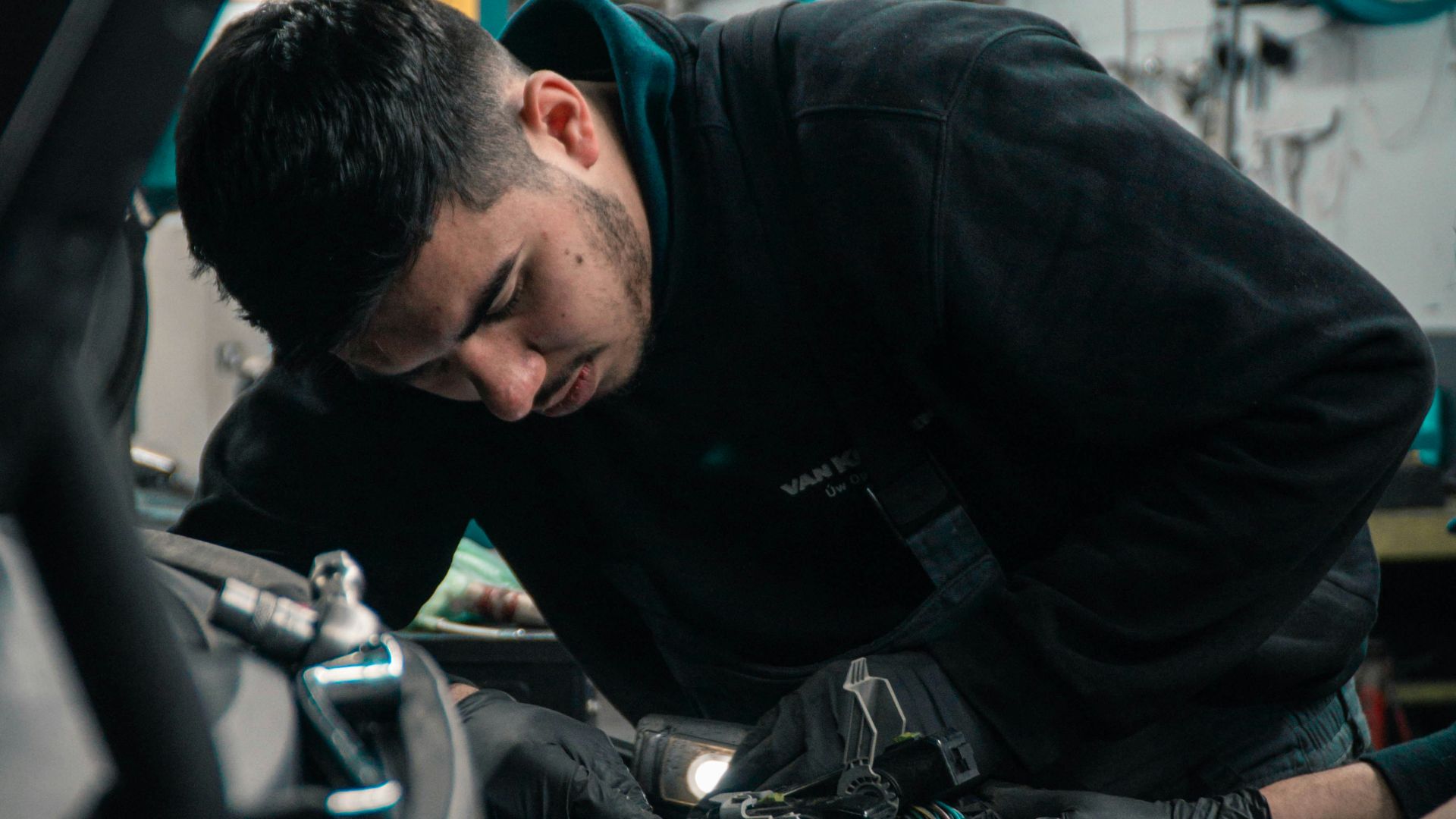
The words you choose to describe your clunk or squeak can reveal how mechanical you are, as well as whether or not you pay attention to your vehicle. Explaining where the noise occurs while you drive shows them you're someone who notices details, and they love details.
3. Dashboard Warning Lights
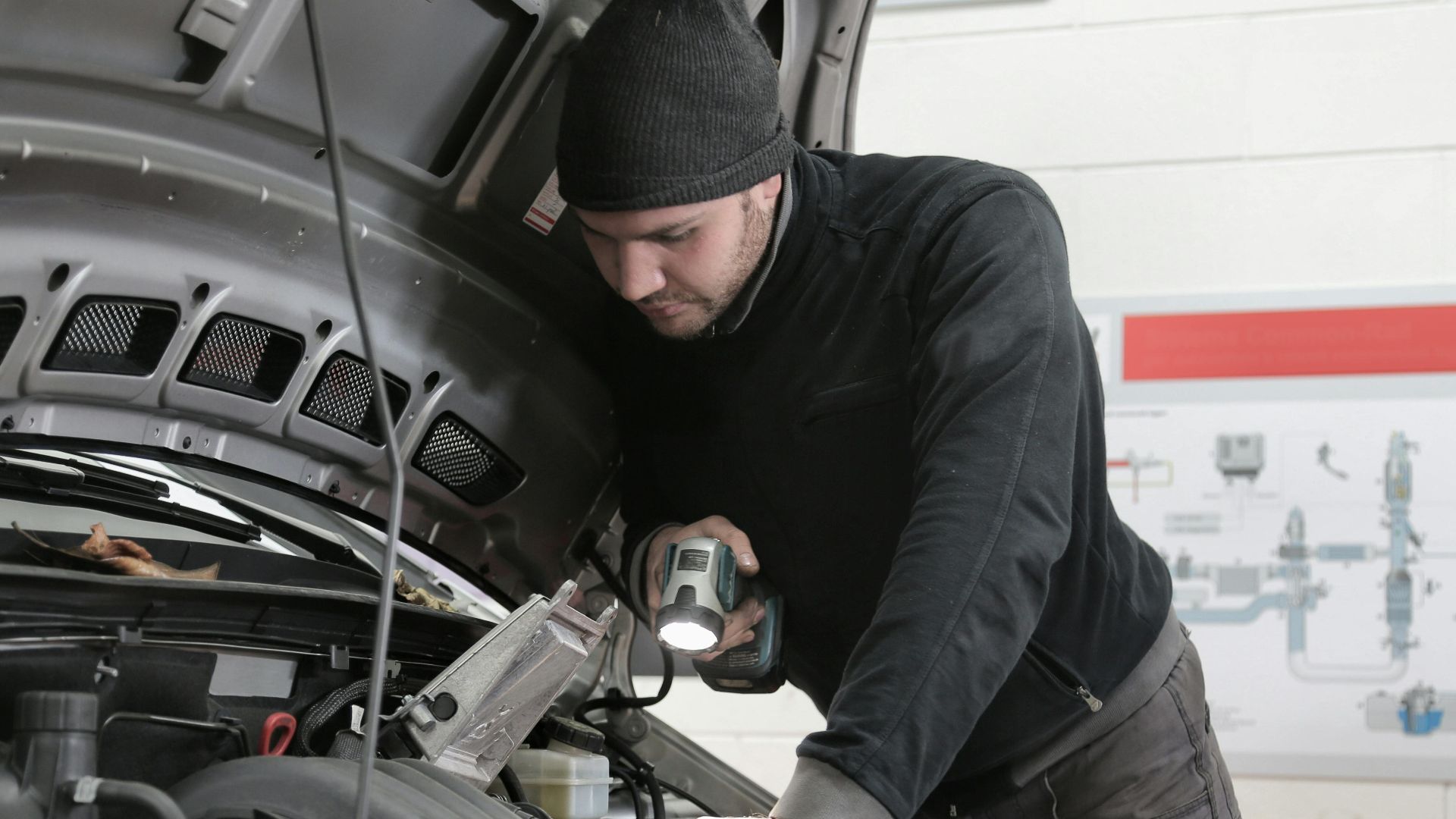
Walking up to a car and seeing a lit-up Christmas tree of icons on the dashboard is a huge giveaway that you might be a bit of a procrastinator. Mechanics notice if that check engine light looks like it's been glowing for months based on the dust settled around the gauge cluster. It also gives them an idea that you probably wait until the absolute last second to take care of things.

4. Clutter in the Cabin
Yeah, they realize kids happen, and every once in a while, you'll have some snacks on the floor. However, a car that looks like a daycare or takes pride in having food wrappers on the ground for weeks will concern them. Shoes, bottles, and wrappers flying around during a test drive are dangerous for everyone involved.
5. The Scent of the Interior
Do you know what kind of detail they notice first when they open your door? The smell. These scents can actually mask serious issues like a leaking heater core or a moldy cabin air filter that they need to address.
6. Aftermarket Modifications
Race stripes, oversized spoilers, or loud audio systems are great ways to show a mechanic you're some sort of enthusiast. Extra detailing on their part may occur to ensure their work doesn't interfere with your modifications. It also shows you probably care about your car's appearance or performance more than the average owner.

7. How You Handle the Keys
Cleaning off your key and handing them a single, brilliant key shows respect and preparation. Having keys dangle from your ignition by a chain with twenty balloon animals tells them you're careless. Balloon animals aside, your ignition switch wears down every time you yank at that heavy keyring.
8. Recent DIY Attempts
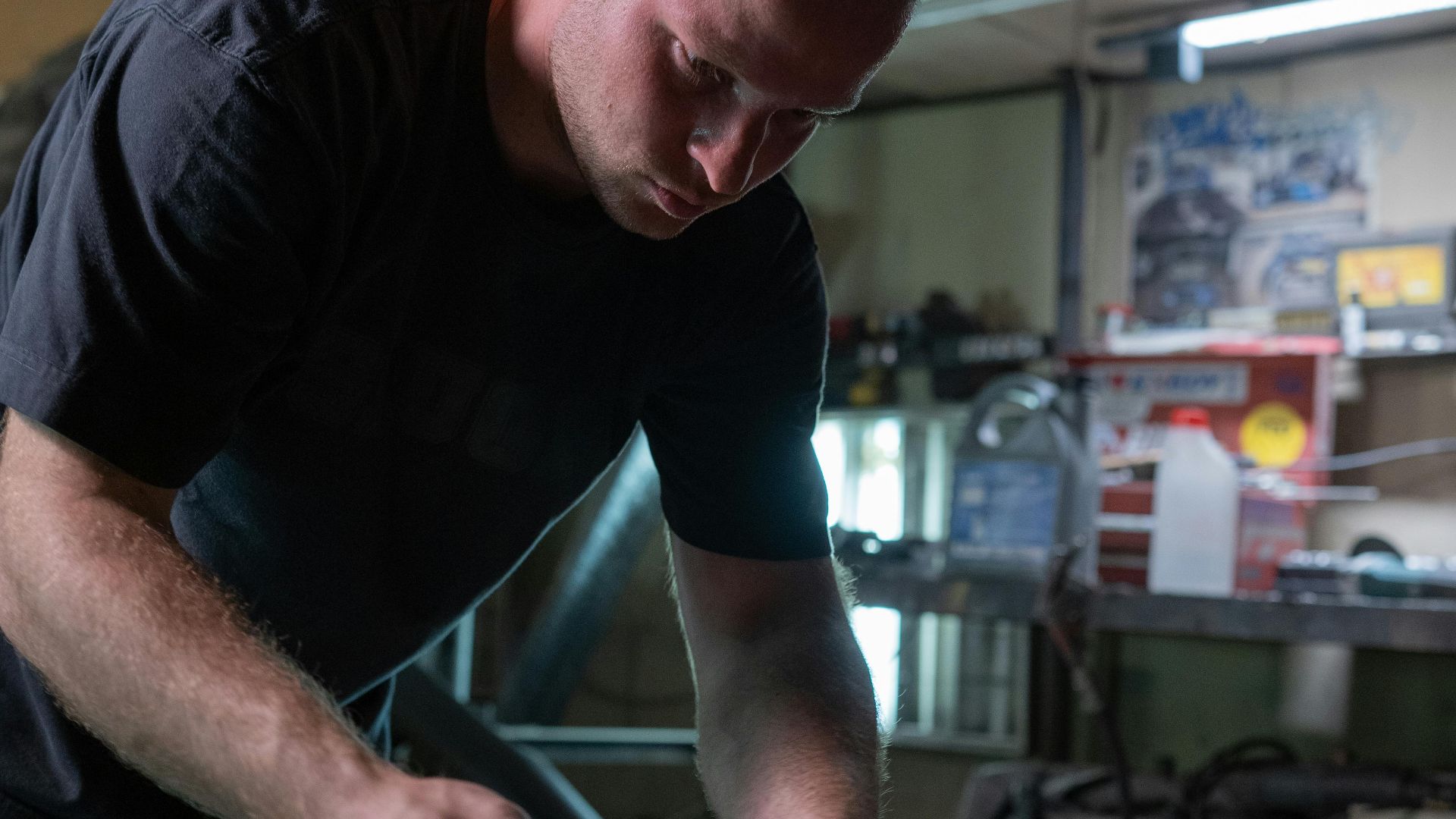
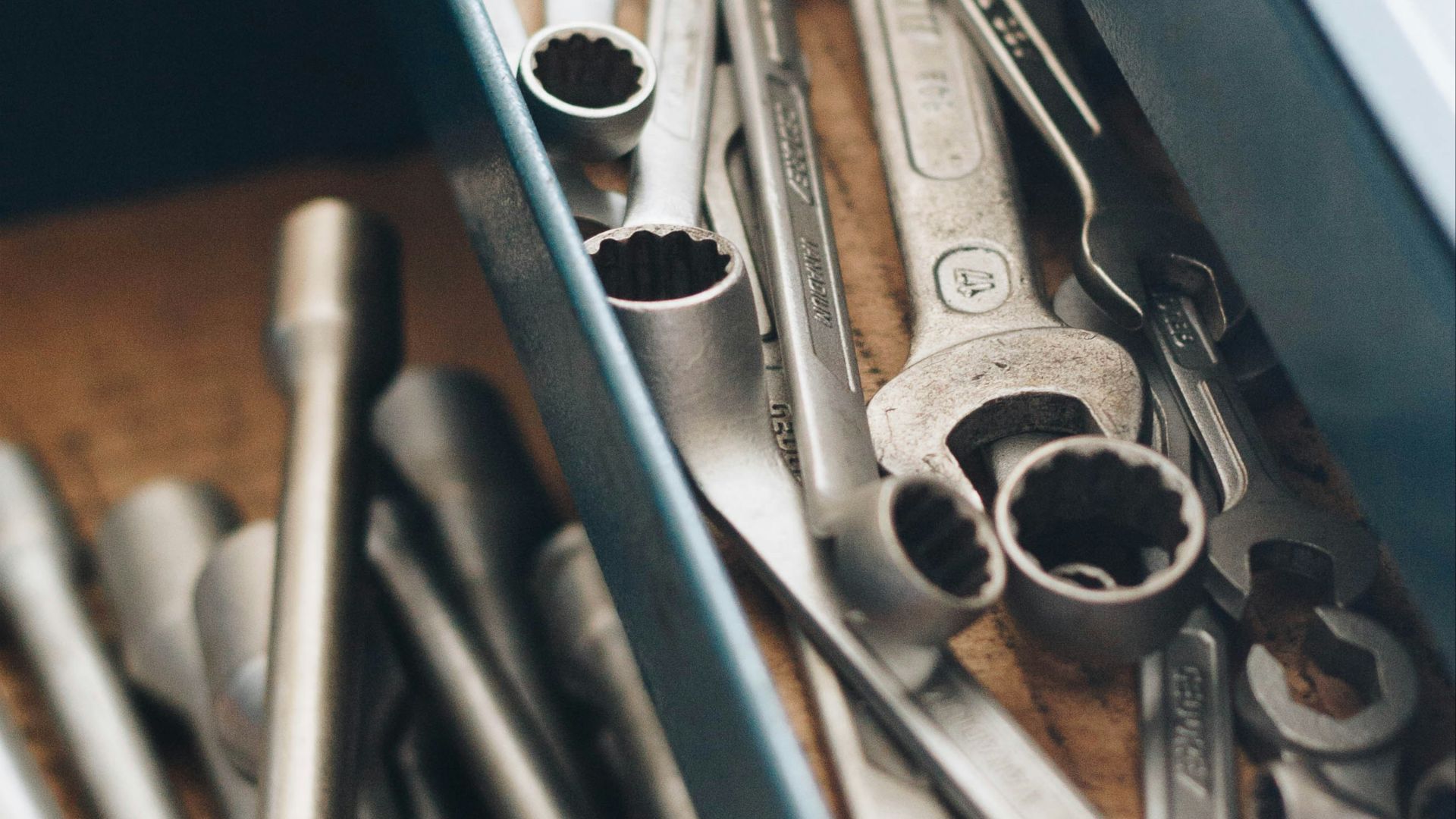
It's pretty easy for a professional to spot a brand-new bolt or a sloppy paint job. They won't judge you for trying, but they'll definitely be on the lookout for any "extra" parts you might have forgotten to put back. Being honest about your attempts helps them avoid retracing your steps and saves everyone a lot of frustration.
9. Your Choice of Parts
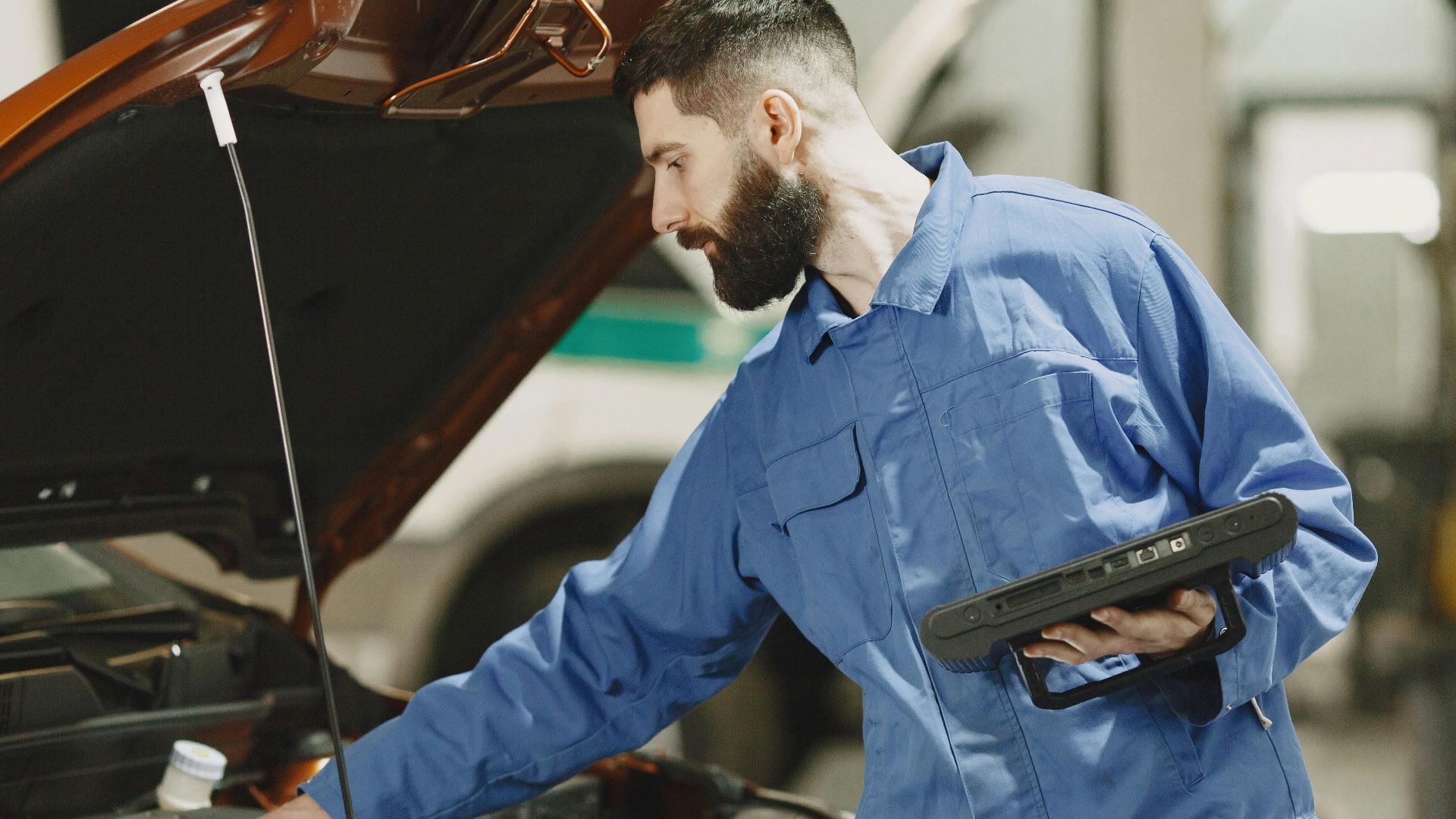
Ask for the cheapest radio you can get, and they'll think you plan on dumping your car next week. Requesting OEM parts demonstrates to them that you value caring for your vehicle as the manufacturer intended. A lot can be learned about how you treat your car by what parts you choose to install.
10. The Condition of the Engine Bay
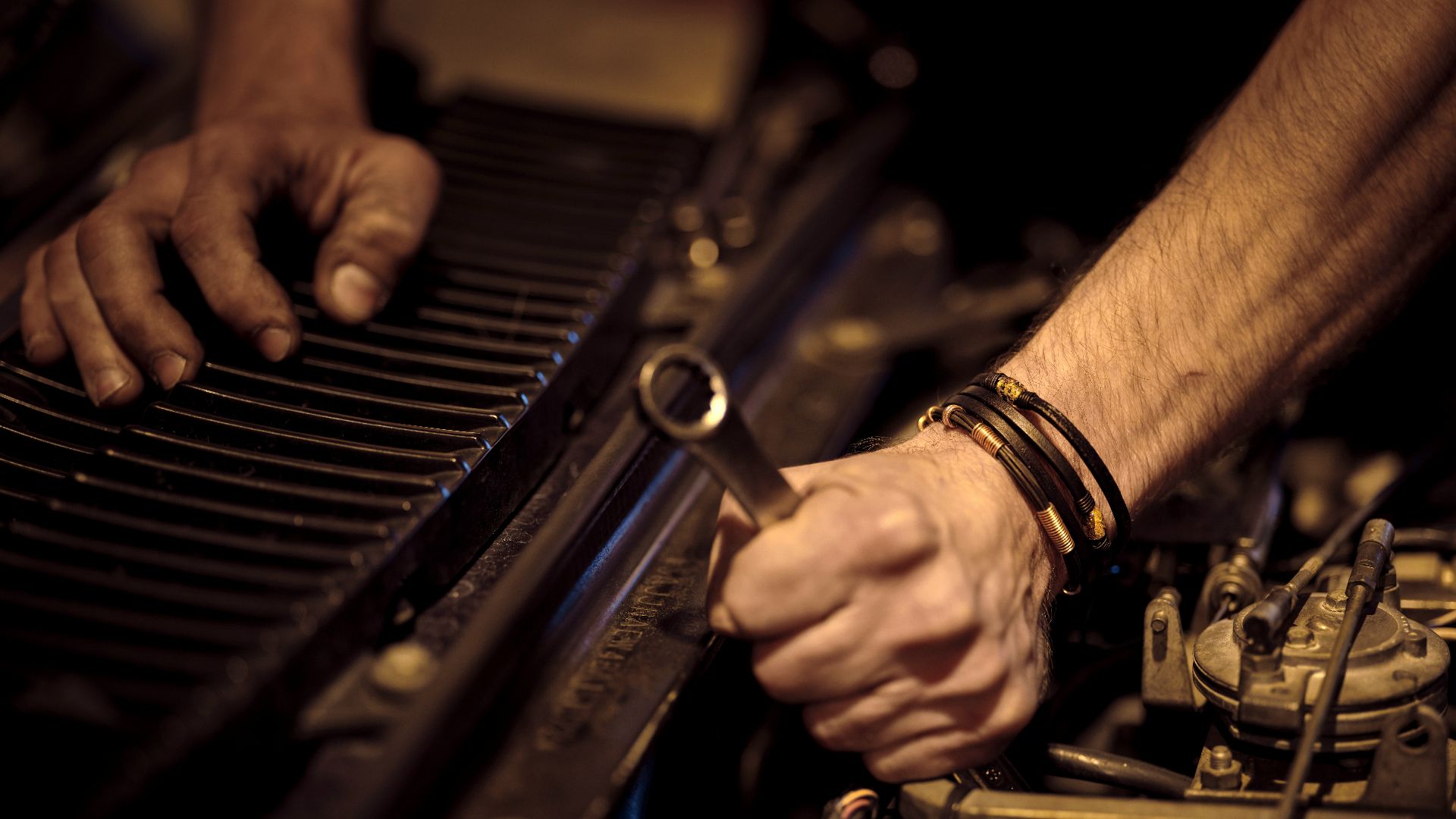
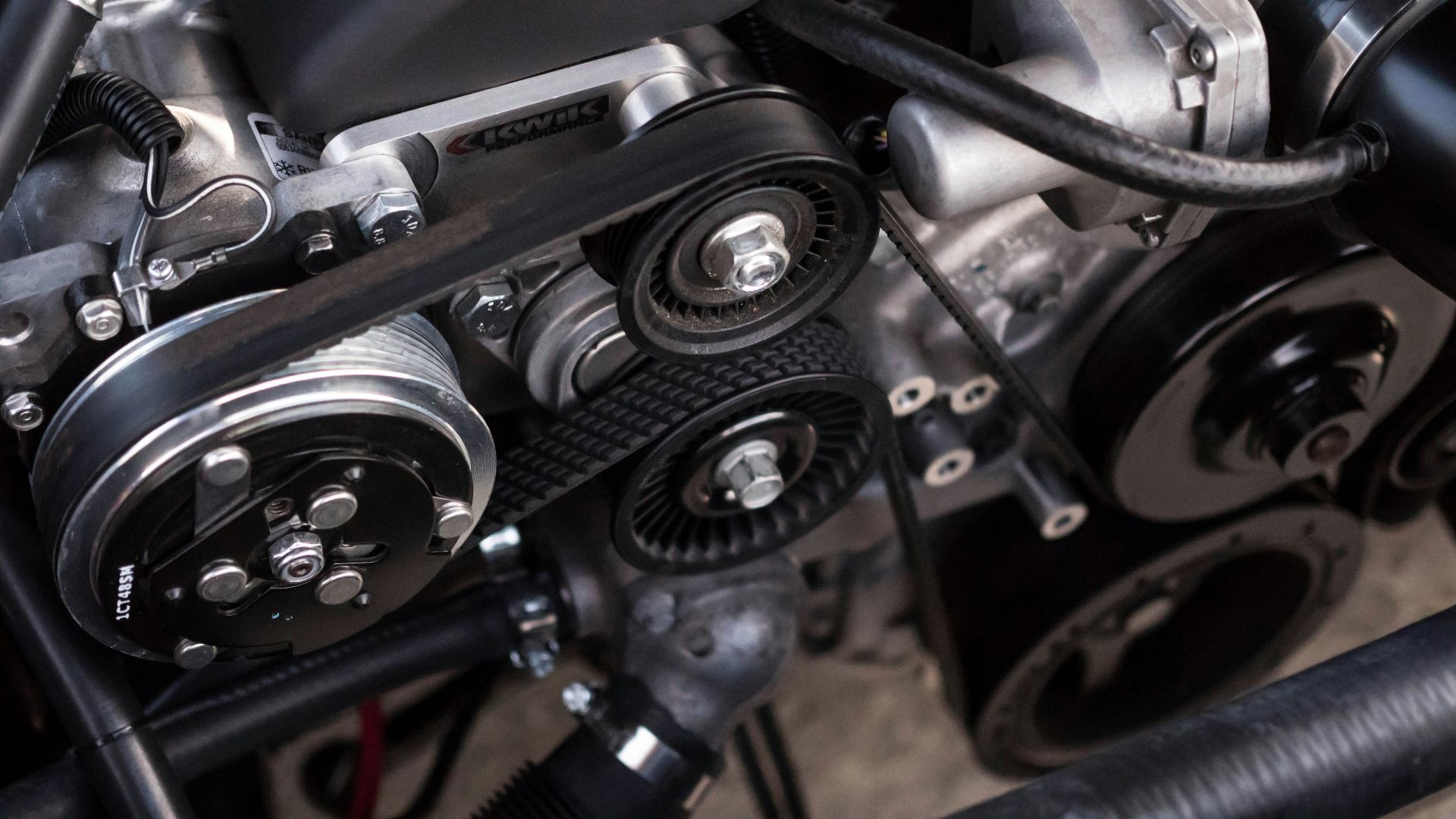
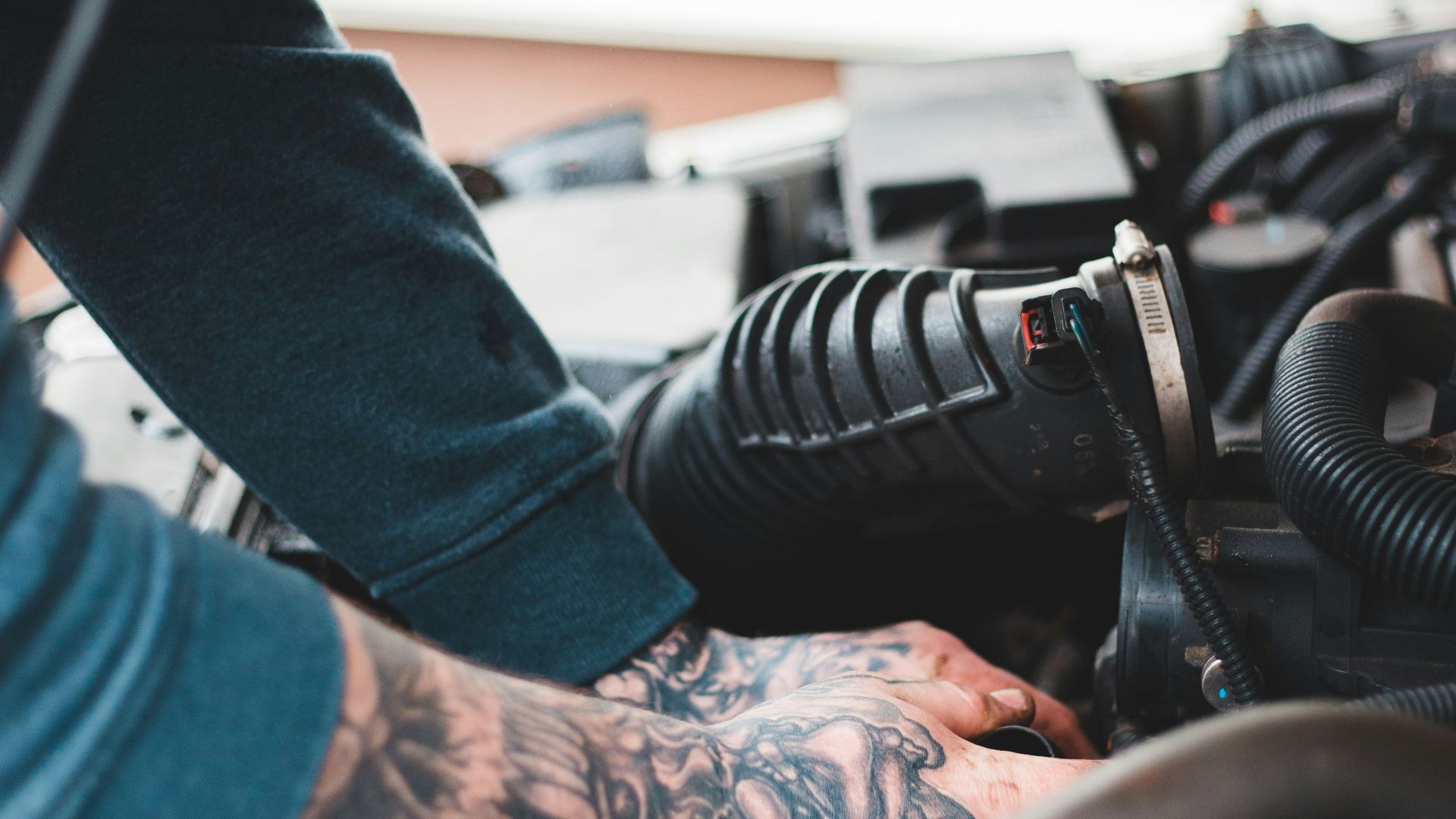
Sludge-covered engines reveal your laziness when it comes to opening up your hood. Mechanics can only assume you checked your fluid levels the last time your car looked half as dirty as the engine. A well-kept engine bay shows pride in your vehicle and allows it to freely crawl around your motor.
11. Brake Dust on the Rims
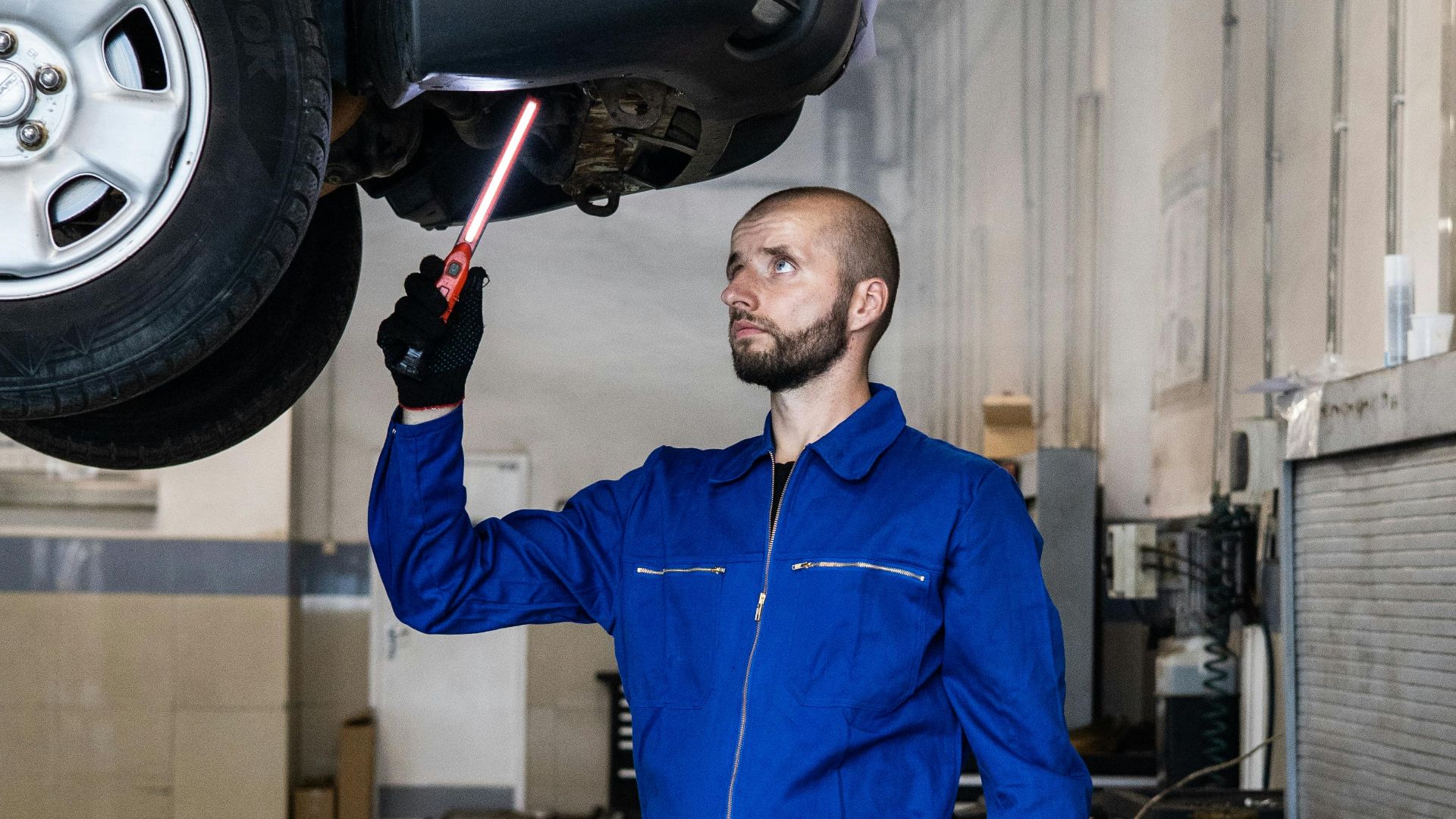
Heavy black soot on your front wheels is a classic sign that you might be a "late breaker" who puts a lot of stress on your stopping system. Mechanics see this immediately. They then know they need to check your rotors for warping or excessive heat damage.
12. Stickers and Decals
Your bumper stickers can give away your hobbies, your political leanings, and even how many kids or pets you have at home. These small details help a mechanic build a mental profile of your lifestyle. They might use this info to strike up a conversation or to recommend specific tires for your mountain biking trips.
 Isabela Kronemberger on Unsplash
13. The State of Your Tires
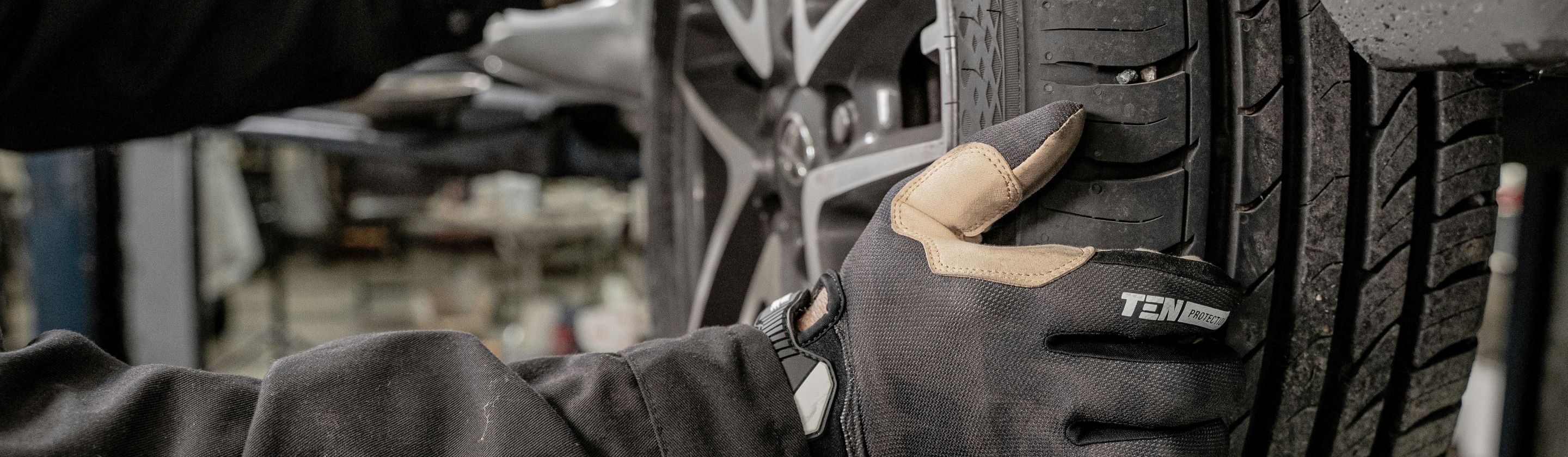
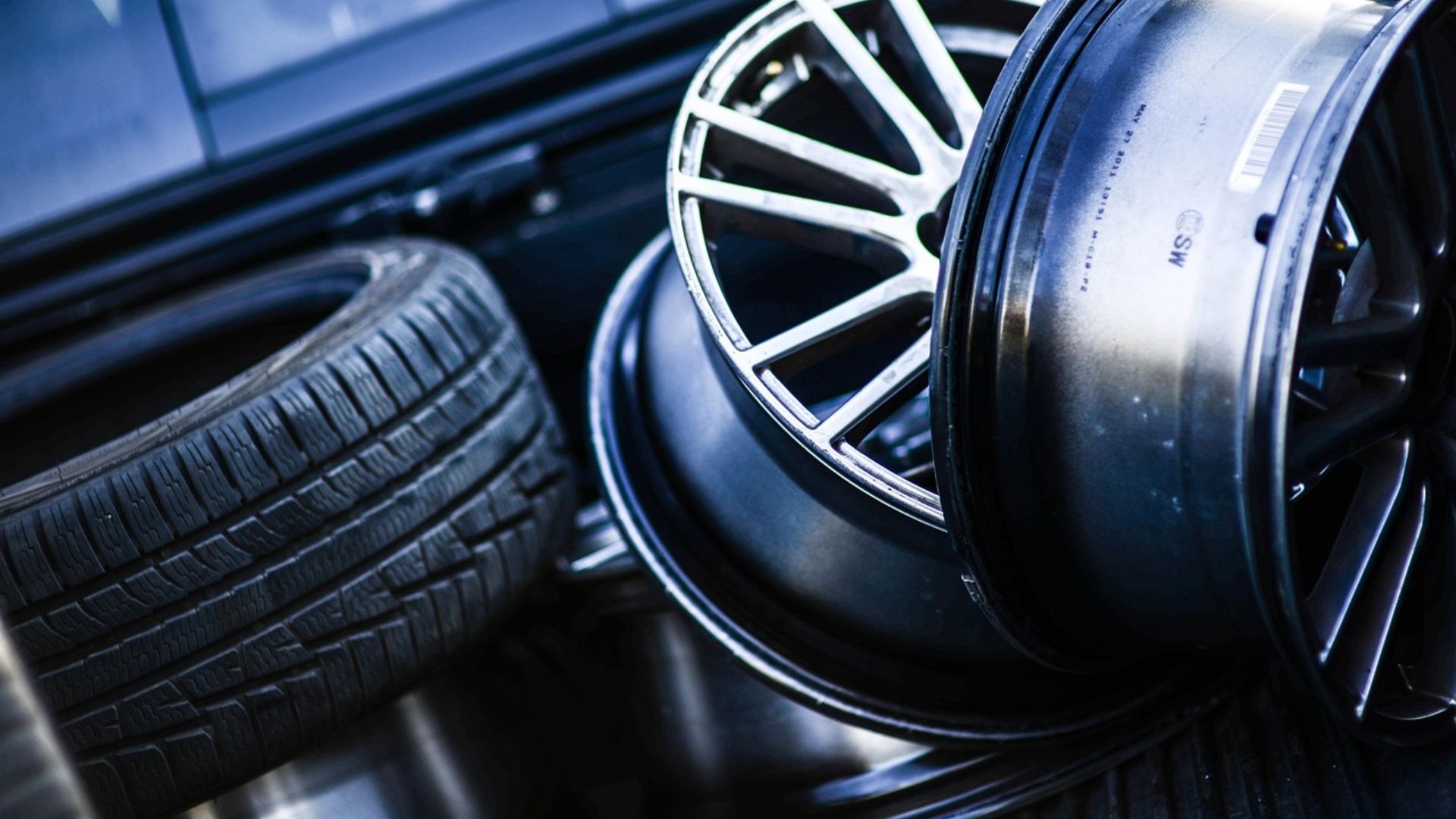
Checking out your tire tread can clue them in on whether or not you regularly rotate your tires and maintain proper air pressure. They can tell how gently or aggressively you drive by the wear patterns of your tires. If your tread is almost gone, they'll know you probably keep your car for a while and take good care of it.
14. The Way You Pull Up
Slamming into a spot with your wheels halfway on the sidewalk won't win you any friends. Rolling into your parking spot and leaving enough room for the tech to open your door tells them you're respectful of their time. Your mood while driving to the shop can speak volumes to your mechanic before you even sit down.
15. Wiper Blade Quality
What do your wipers look like? If your wipers are worn, your mechanic knows you probably neglect other simple maintenance tasks. They're easy and cheap to replace, so if you don't change them, what else aren't you changing?
16. Child Safety Seats
Your kids may be the center of your universe, but your mechanic will know that by your car seat. Seeing that you take the extra steps to secure your children might increase their diligence when testing your brakes and suspension. It's a detail that adds a bit of human connection.
17. Your Interaction With the Service Writer
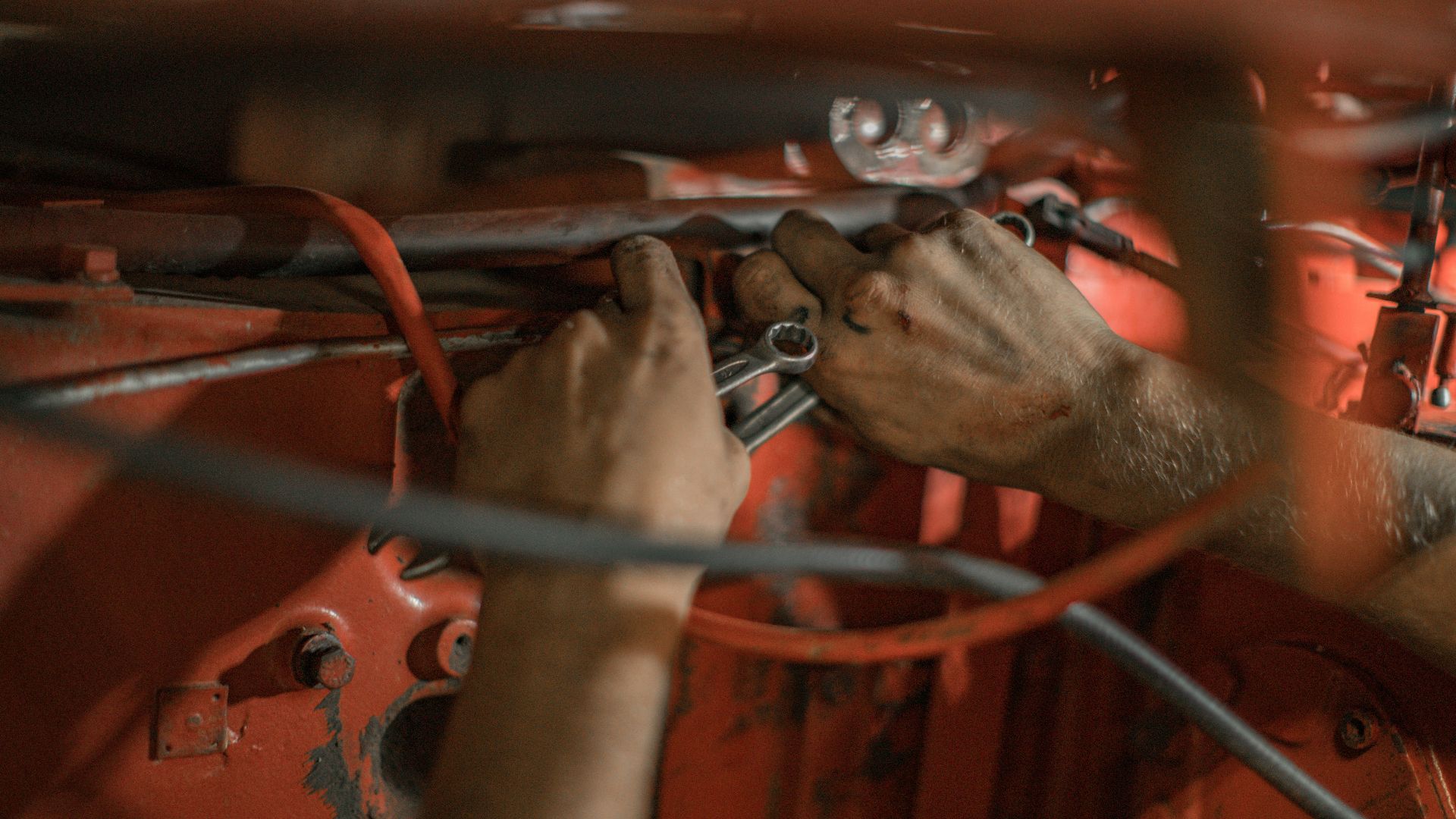
Body language can reveal to the mechanic whether you're friendly or if you think the service writer is stealing your hard-earned money. Your overall demeanor during your stay will affect how thoroughly they go through your car. If you're nice to the front desk, your mechanic will probably appreciate it.
18. The Age of Your Battery
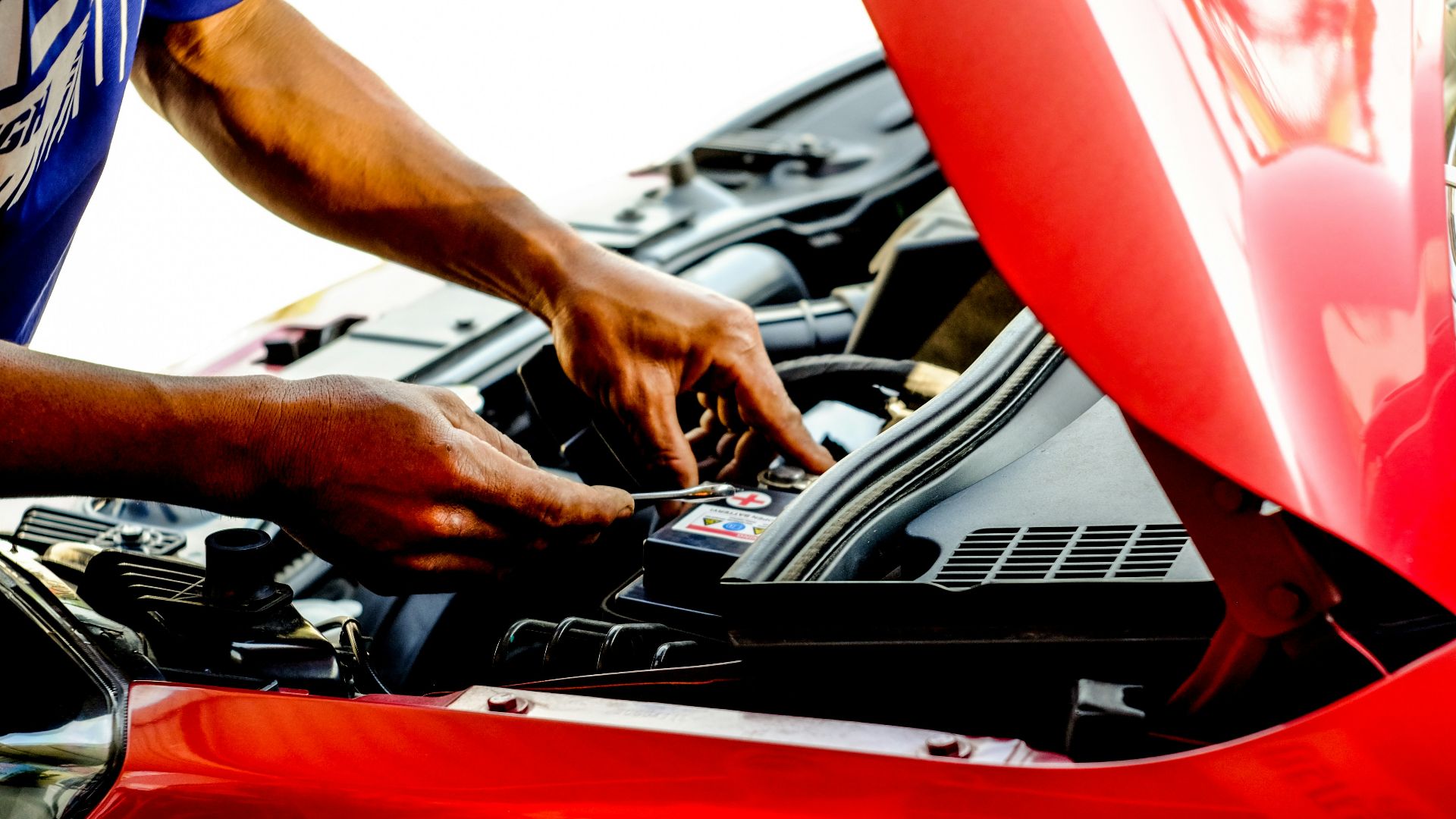
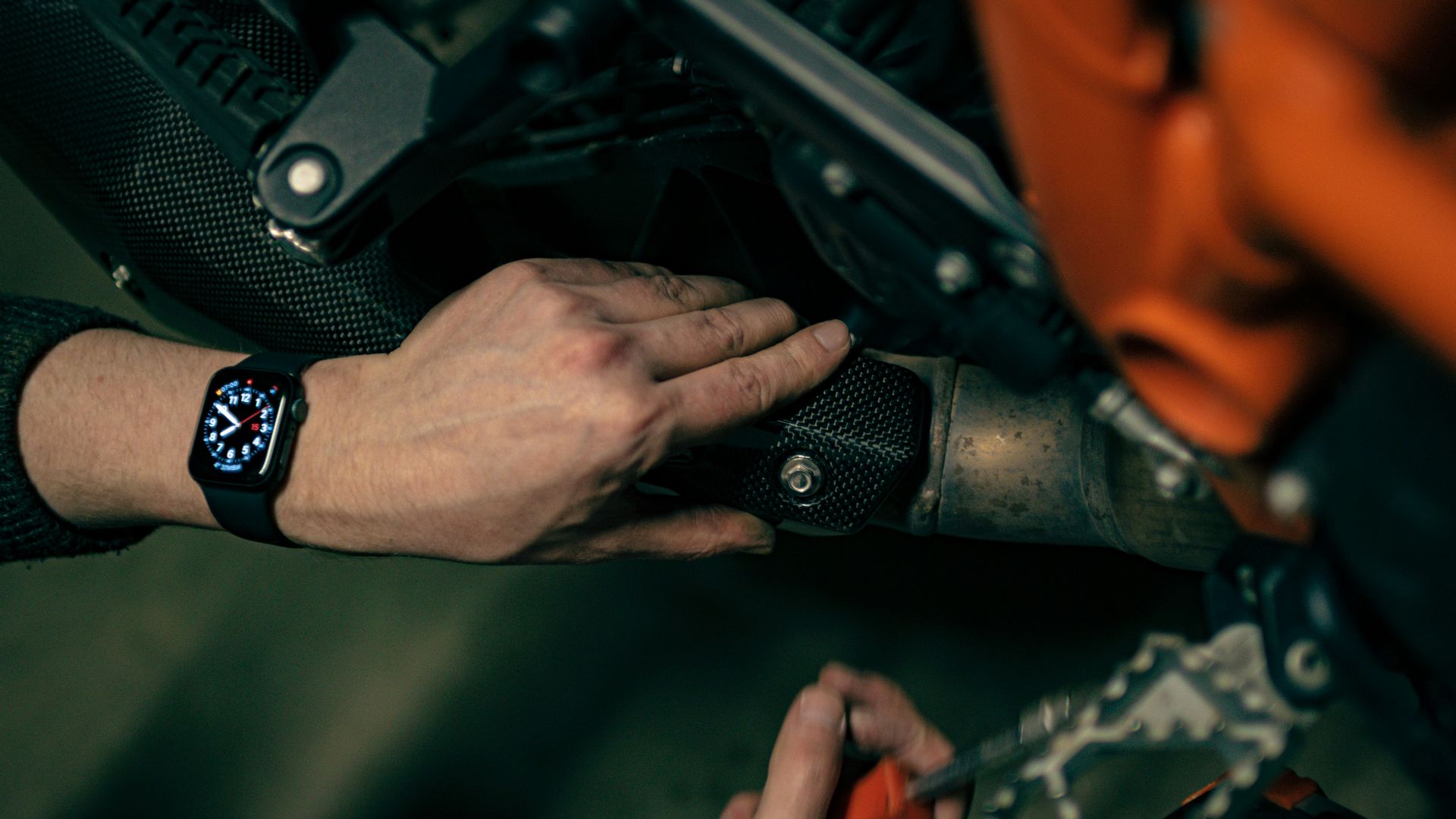
Seeing a thick layer of white corrosion on the terminals tells a mechanic that your battery is likely on its last legs. Looking at the date printed on the side of your battery can give them a good idea when you'll be calling for a tow. Simple details like battery health are often overlooked by car owners.
 Laurel and Michael Evans on Unsplash
19. Fluid Puddles in Your Driveway
Technicians often look at the underside of your car for stains that indicate long-term leaks you've been ignoring for months. If they see a rainbow of colors on the undercarriage, they know you've been topping off your fluids instead of fixing the actual seals. It's a sign that you might be trying to "limp" the car along.
20. The Brand of Your Tires
Cheap, no-name brands immediately classify you as someone who just wants to get by. Opting for a well-known tire brand shows you know there's only one thing on the road your car touches consistently. Your choices in tires can determine how your mechanic views you as a car owner.