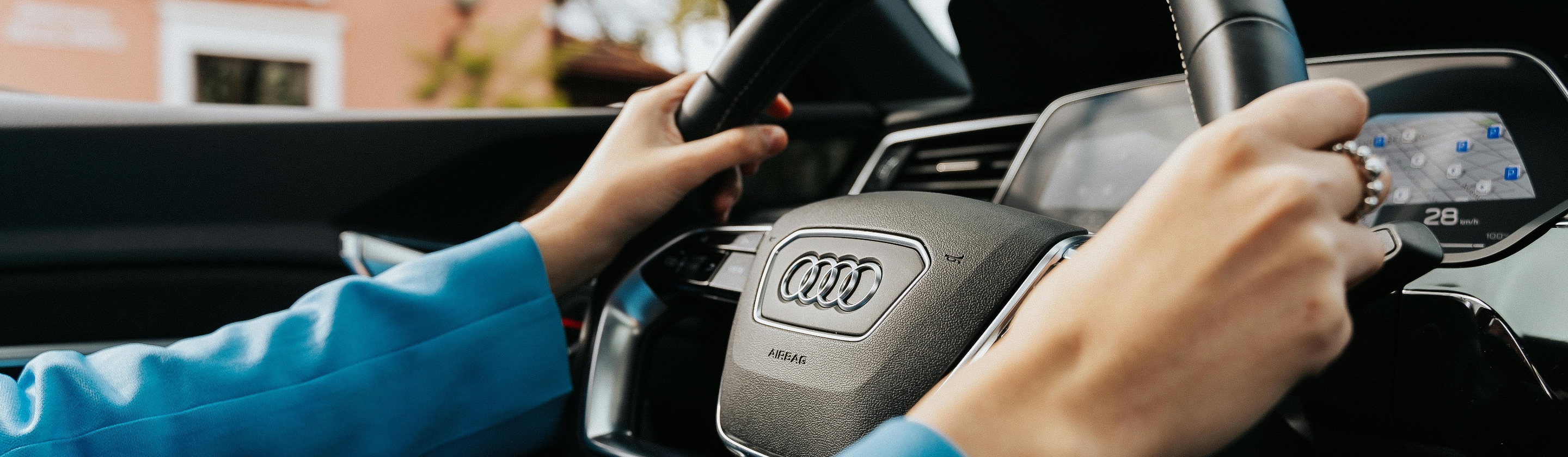

What Examiners Usually Notice
Driving tests aren’t designed to trick you, but they do reward drivers who show calm, consistent habits. Most point deductions come from small lapses that suggest you’re not fully scanning, not fully in control, or not following directions precisely. If you know what examiners typically flag and you practice fixing those patterns, you’ll walk in feeling steadier and you’ll drive away with your new license in your pocket. Here are 20 of the most common mistakes people make on their driving test.

1. Forgetting to Adjust Your Seat and Mirrors
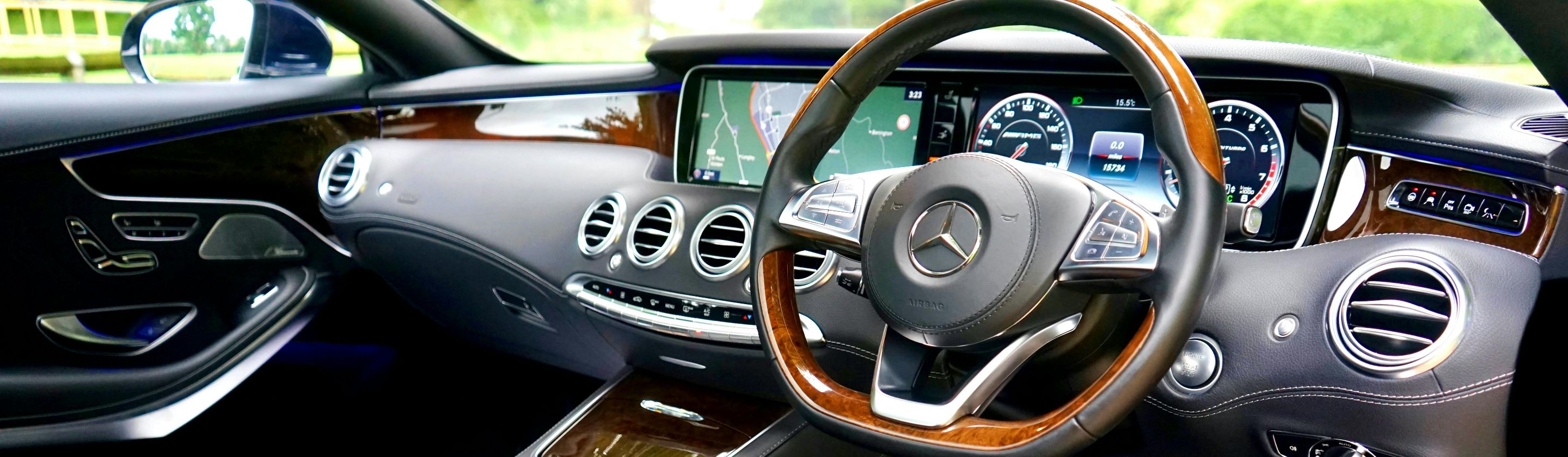
Some people hop in and start driving without setting themselves up properly. If your seat, headrest, and mirrors aren’t adjusted, your visibility and control take a hit right away, and your examiner might not even let you get on the road. Take a moment to set everything before you even touch the ignition, because it shows readiness and prevents avoidable errors.

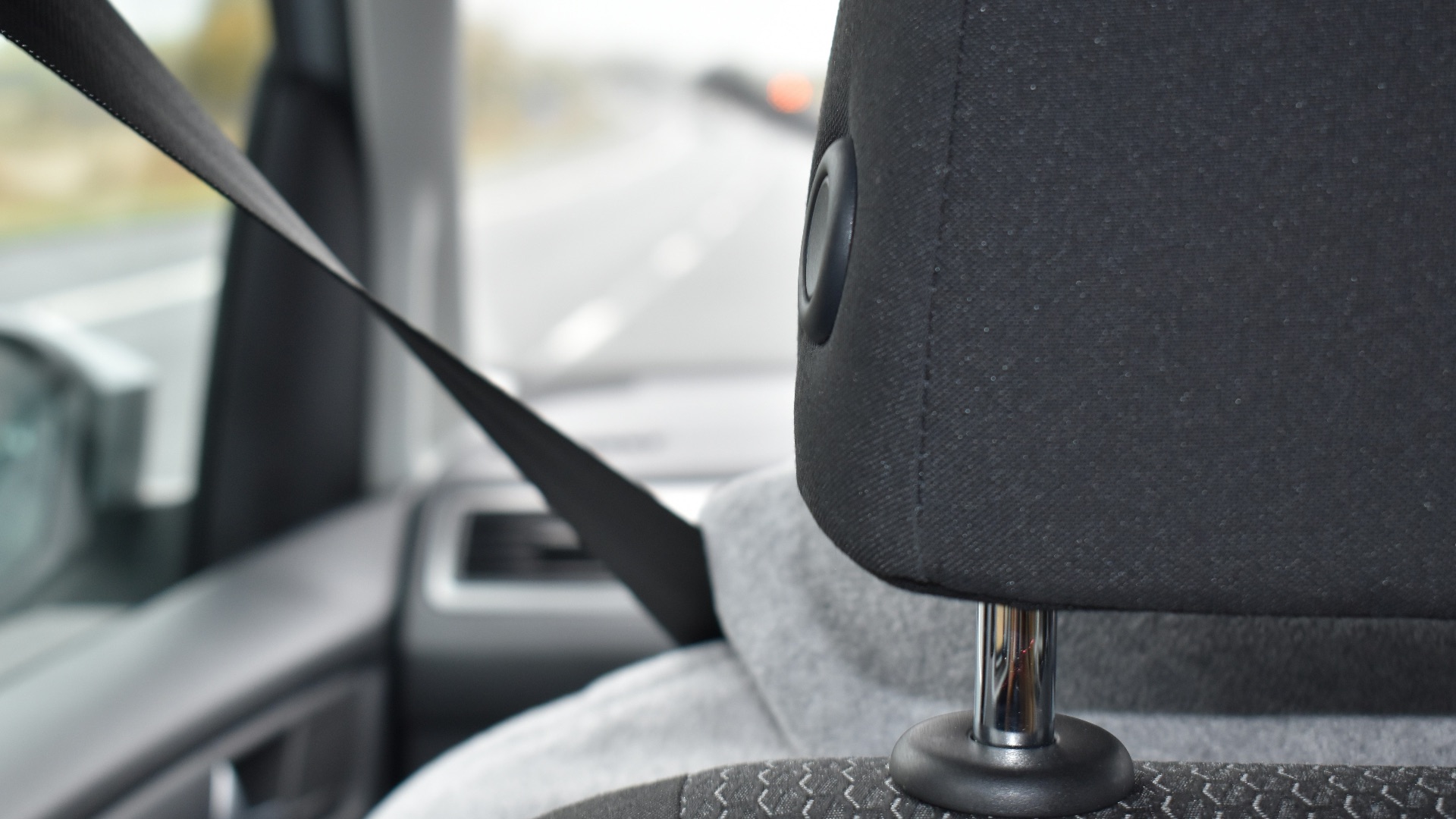
2. Skipping the Seat Belt Check
It sounds obvious, but test nerves can make you miss basic steps. If you forget your seat belt or don’t ensure passengers are buckled when required, it’s an instant red flag. Buckling up early also helps you settle in and focus on the drive.
 Alexandria Gilliott on Unsplash
3. Starting Without Checking Your Surroundings
A lot of failures begin in the first few seconds. Backing out or pulling away without scanning mirrors and doing a shoulder check can create immediate risk. Show the examiner you’re aware of pedestrians, cars, and bikes before you move.
4. Rolling Through Stop Signs
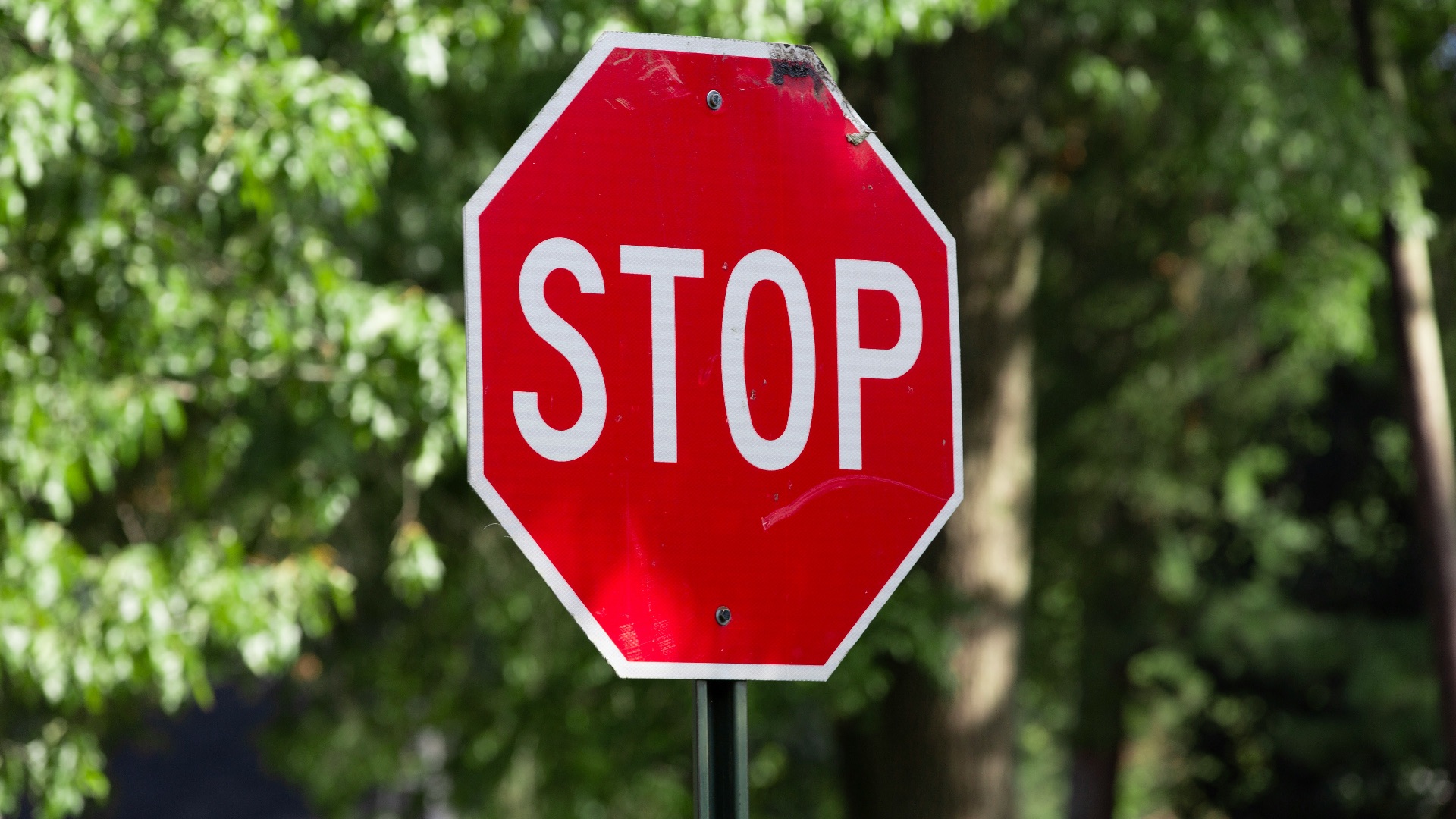
A “rolling stop” is one of the most common ways people lose points quickly. If the wheels don’t fully stop behind the line or crosswalk, it usually counts as not stopping. Come to a complete stop, pause, and then proceed when it’s clearly safe.
5. Speeding, Even Slightly
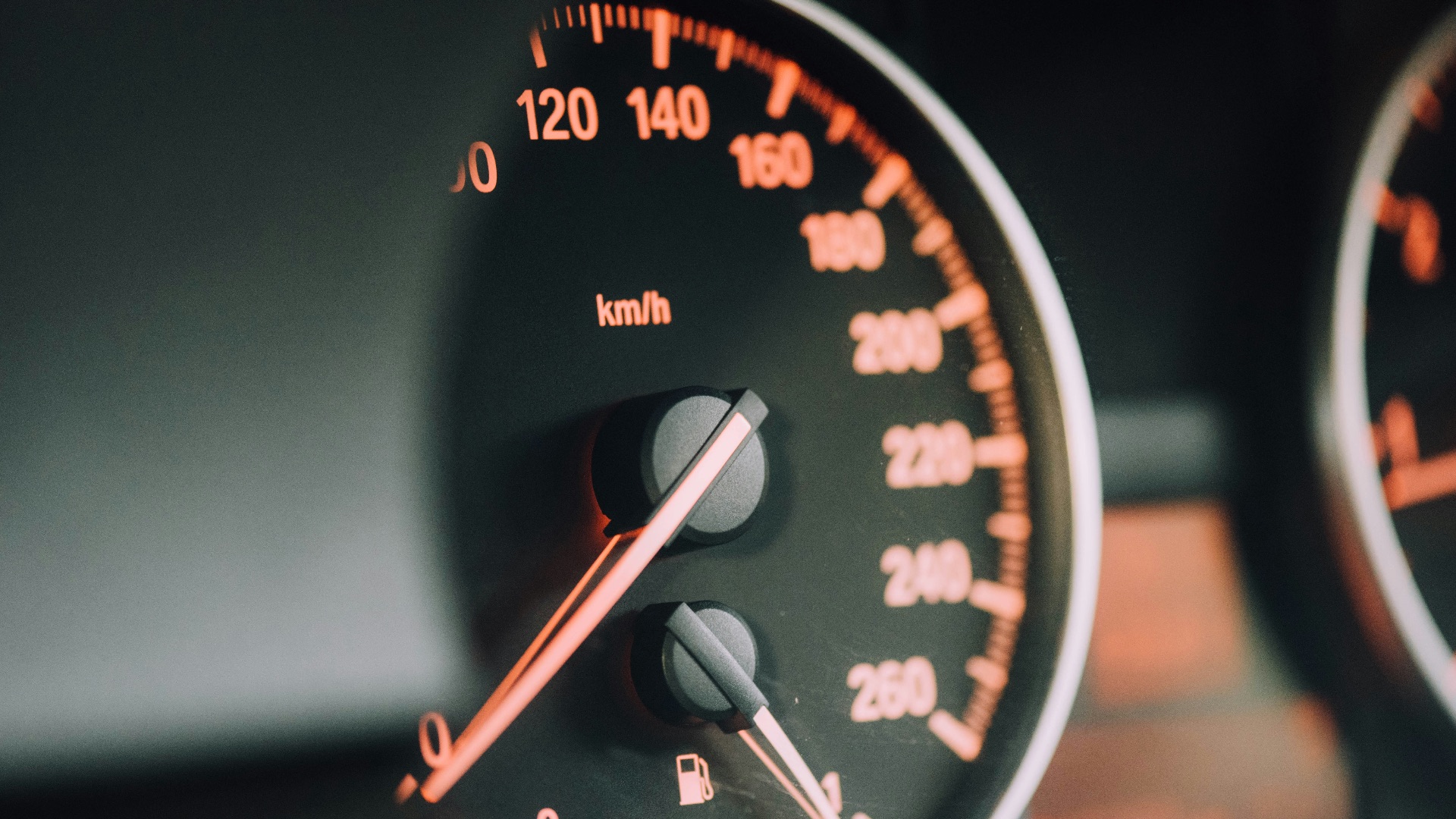
Many drivers think 5 mph over is harmless, but a test is judged by the rules, not what you think feels okay. Exceeding the limit can be marked as poor control or failure to follow traffic laws. Keep checking your speedometer and adjust smoothly instead of reacting at the last second.
6. Driving Too Slowly and Blocking Traffic
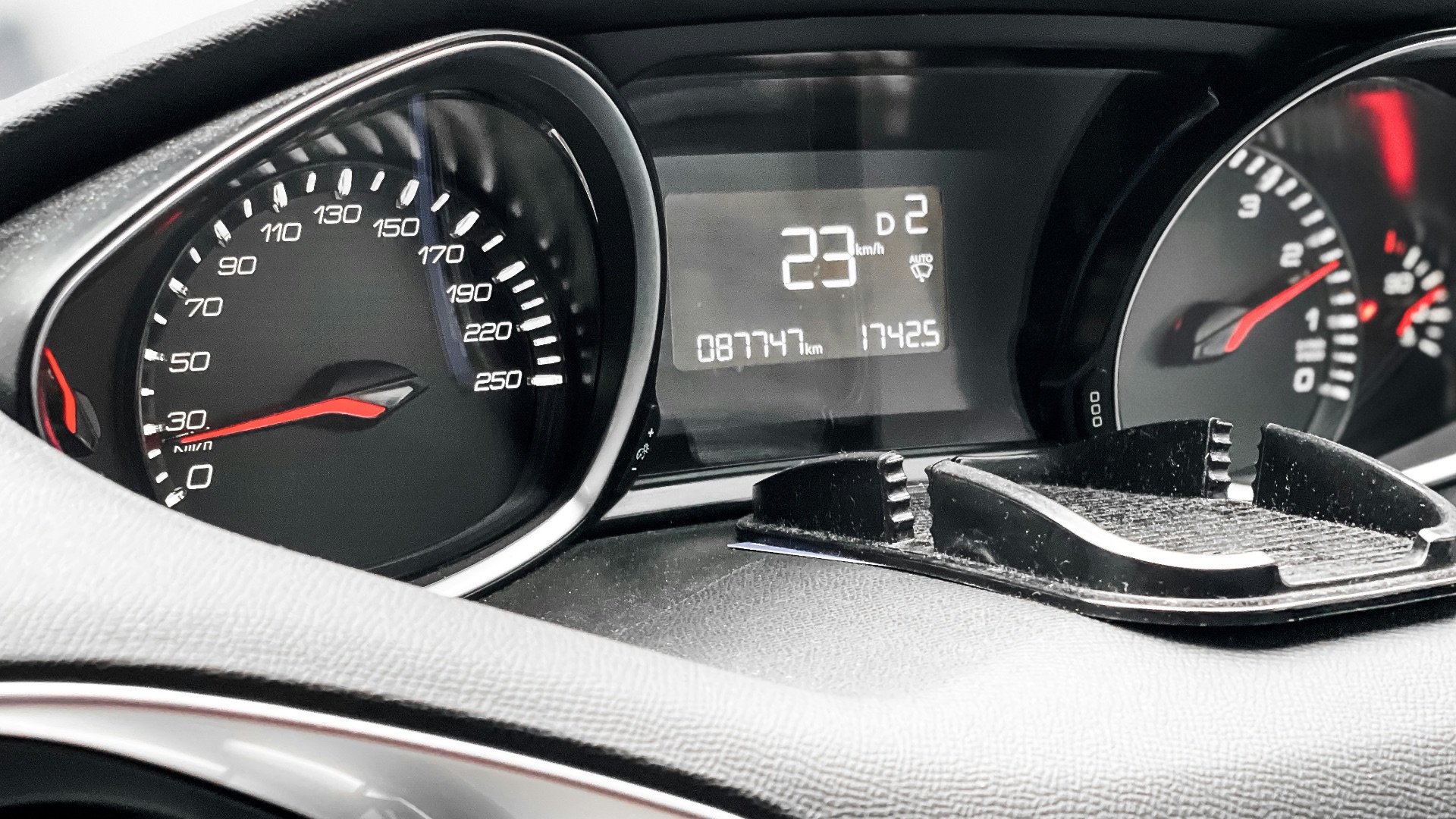
Speeding isn't good, but going under the limit isn’t automatically safer either, and examiners notice when you disrupt normal flow. If you crawl without a clear reason, it can look like uncertainty or a lack of confidence. Match the posted speed when conditions allow, and keep your pace steady.
7. Not Scanning Intersections Properly
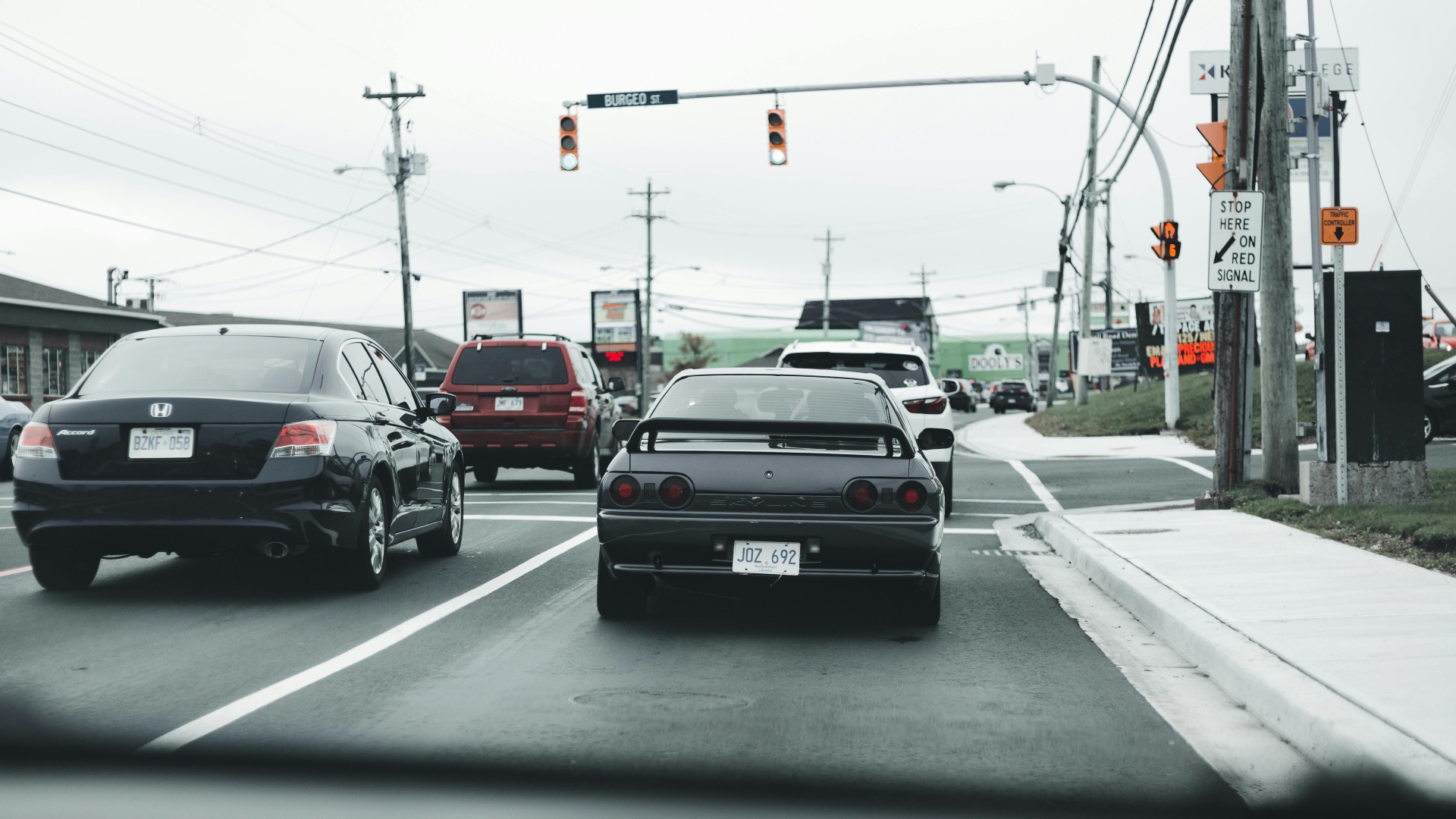
Some test-takers stare straight ahead and miss what’s happening to the sides of the road. Examiners want to see your head and eyes actively checking left, right, and ahead as you approach. A quick, deliberate scan helps you catch late walkers, red-light runners, and turning vehicles.
8. Forgetting to Yield When You Should
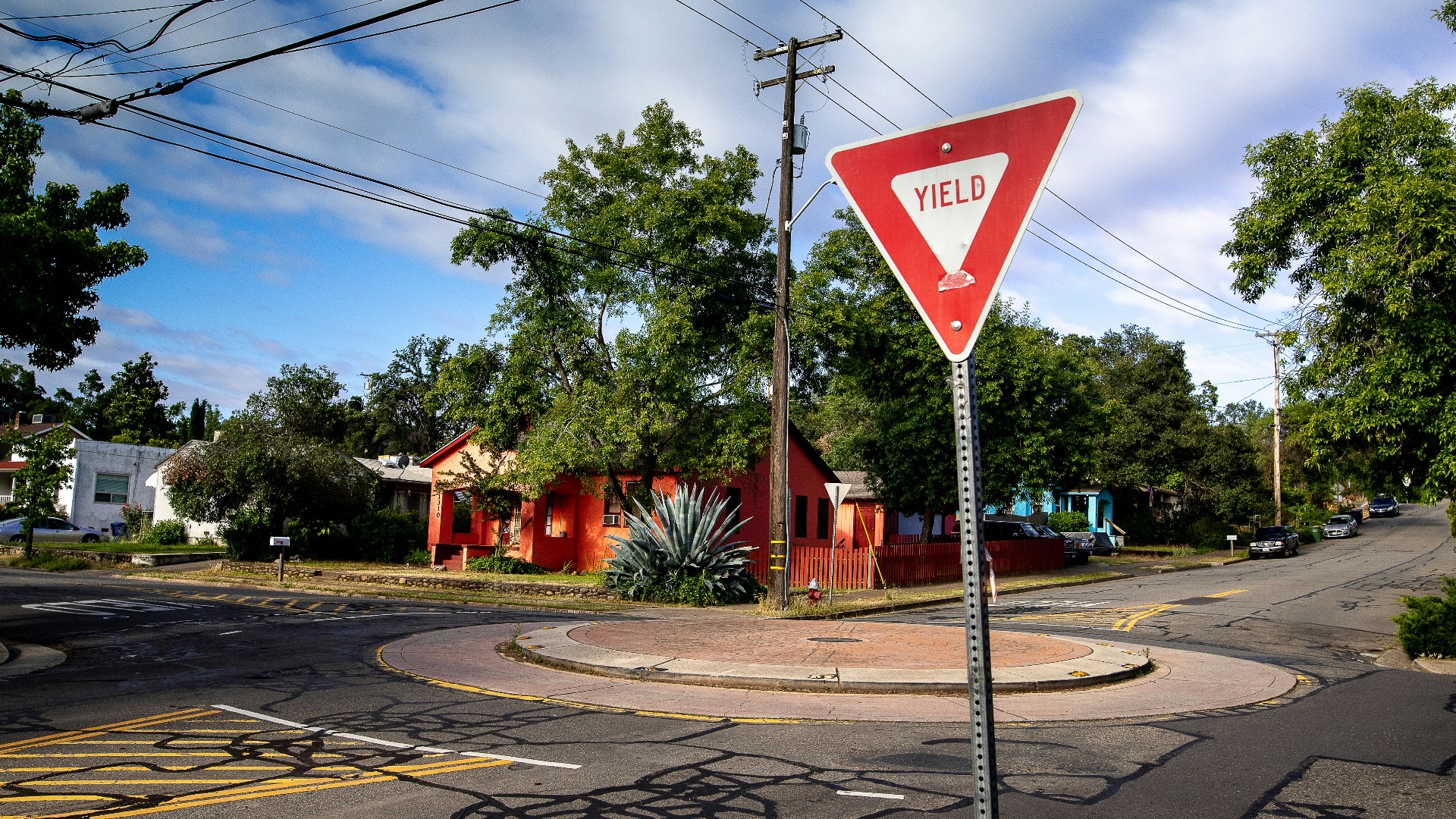
Yield rules come up constantly, especially at turns, merges, and uncontrolled intersections. If you force another road user to slow down or change course, that’s usually a serious deduction. Make your yields obvious by easing off early and going only when the gap is clearly adequate.
9. Turning Too Wide or Too Tight
Turns show how well you judge space and lane position. Cutting the corner or drifting wide can put you into another lane or too close to the curb. Slow a bit before the turn, look through it, and finish centered in the correct lane.
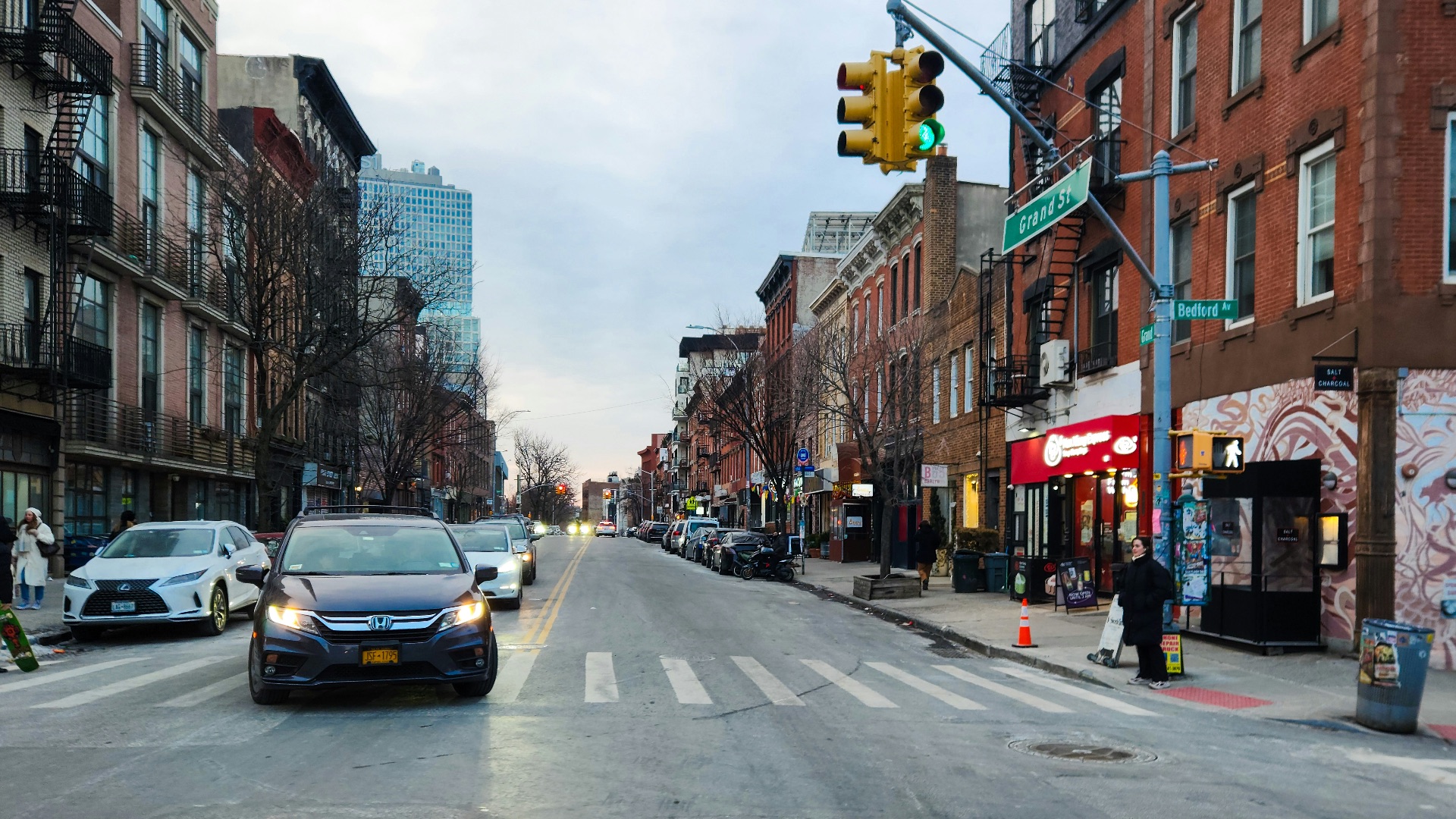
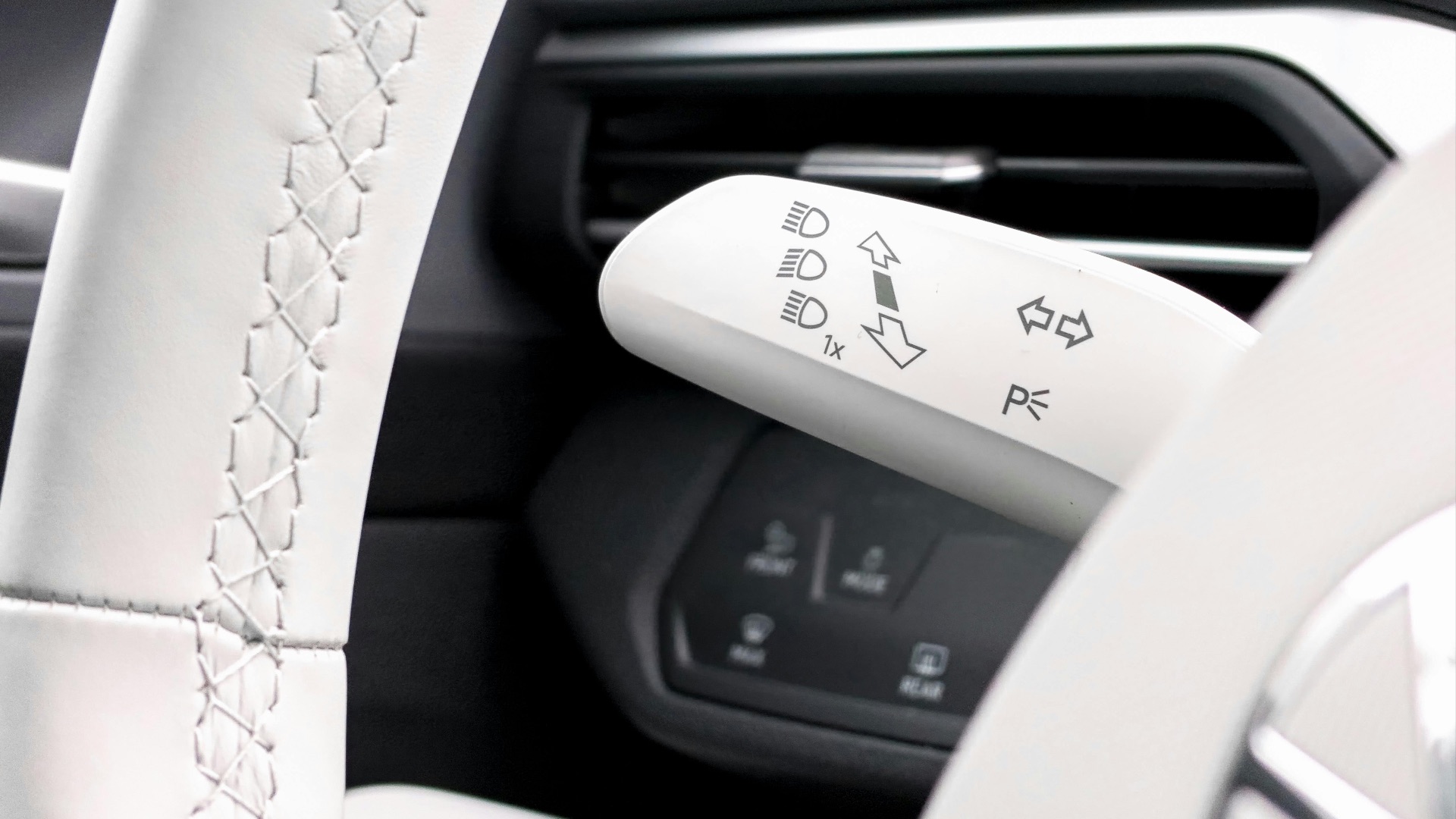
10. Failing to Use Turn Signals Correctly
Signaling late, not signaling at all, or leaving a signal on can all cost you points. The examiner is watching whether you communicate your intentions clearly and consistently. Signal early enough to be useful, cancel it after the maneuver, and double-check it’s off.
 Karen Radley Volkswagen on Pexels
11. Braking Too Hard or Too Late
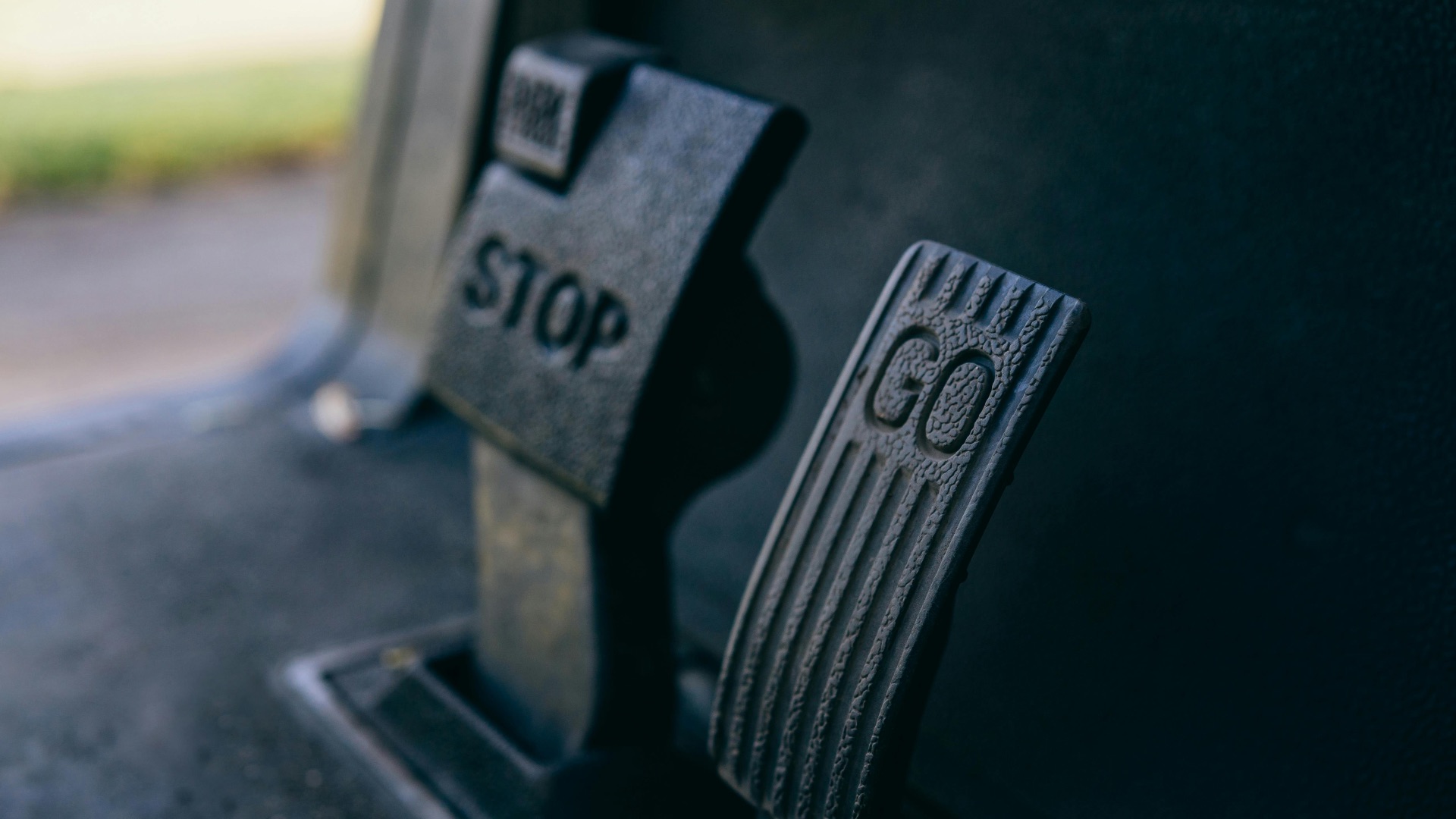
Sudden braking makes the ride rough and suggests you aren’t planning ahead. Examiners prefer smooth, progressive slowing that shows you anticipated the situation and know how to react safely. Start easing off the accelerator early, then brake gently with a steady pressure.
12. Inconsistent Following Distance
Tailgating is a quick way to look unsafe, even if traffic is moving slowly. Leaving too much space can also be marked if it’s extreme and you’re not keeping pace. Aim for a reasonable buffer and adjust it when speed, weather, or traffic changes.

13. Forgetting to Shoulder Check
Mirrors are helpful, but they don’t show everything. If you change lanes or merge without checking your blind spots, it can count as a critical safety miss. Make the shoulder check quick and purposeful so you don’t drift while doing it.
 Karolina Grabowska www.kaboompics.com on Pexels
14. Poor Lane Positioning
Drifting within your lane or hugging the line tells the examiner you’re not fully stable. This mistake often happens when you’re focused on the examiner’s directions instead of steering discipline. Keep your eyes farther ahead and make small corrections rather than big ones.
15. Changing Lanes at the Wrong Time
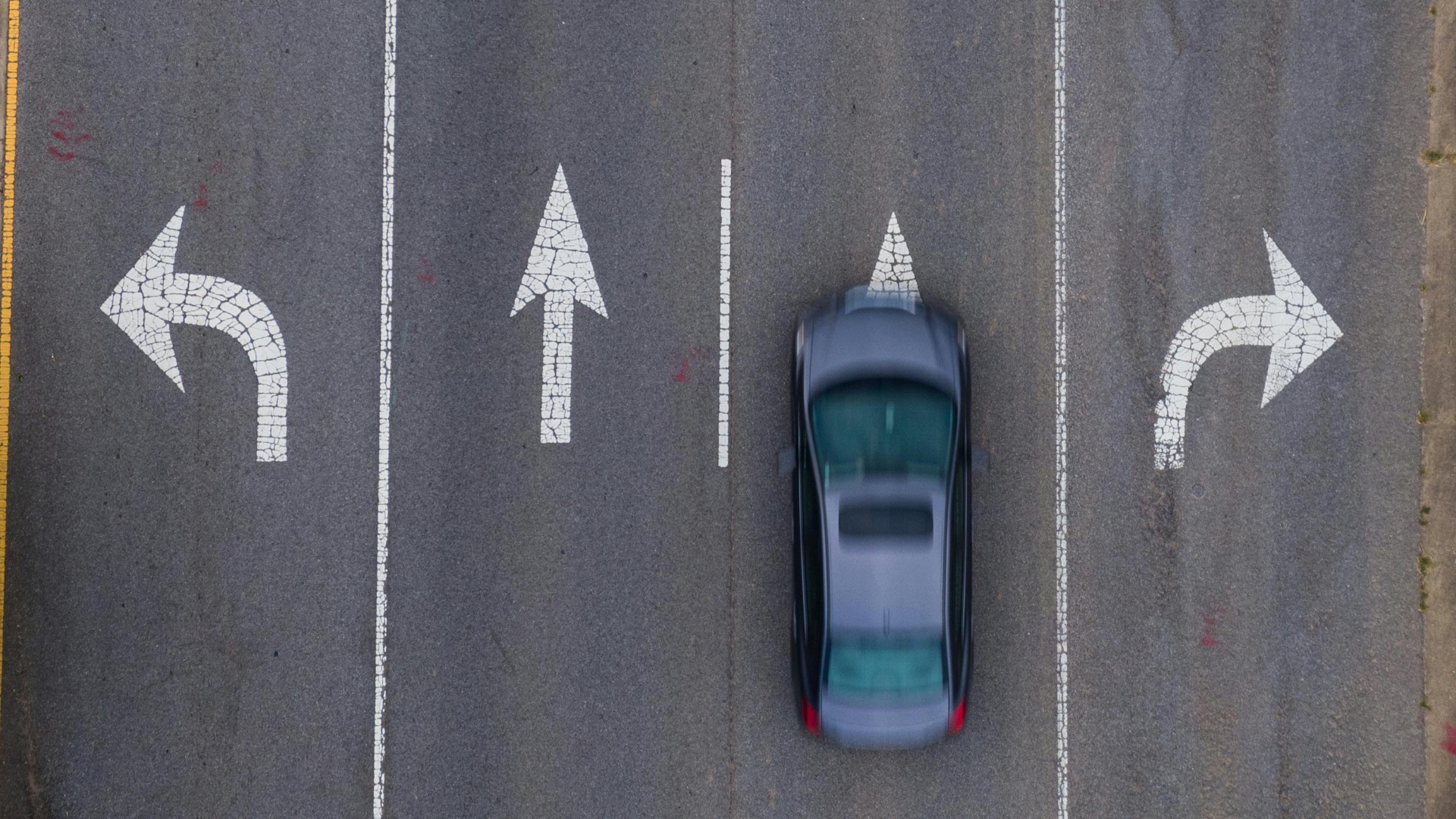
Some people switch lanes too late, too early, or in places where it’s not allowed. Examiners watch whether you plan ahead and choose safe, legal opportunities. If you’re unsure, stay put until you have a clear opening and enough space to complete it smoothly.
16. Roundabout Mistakes
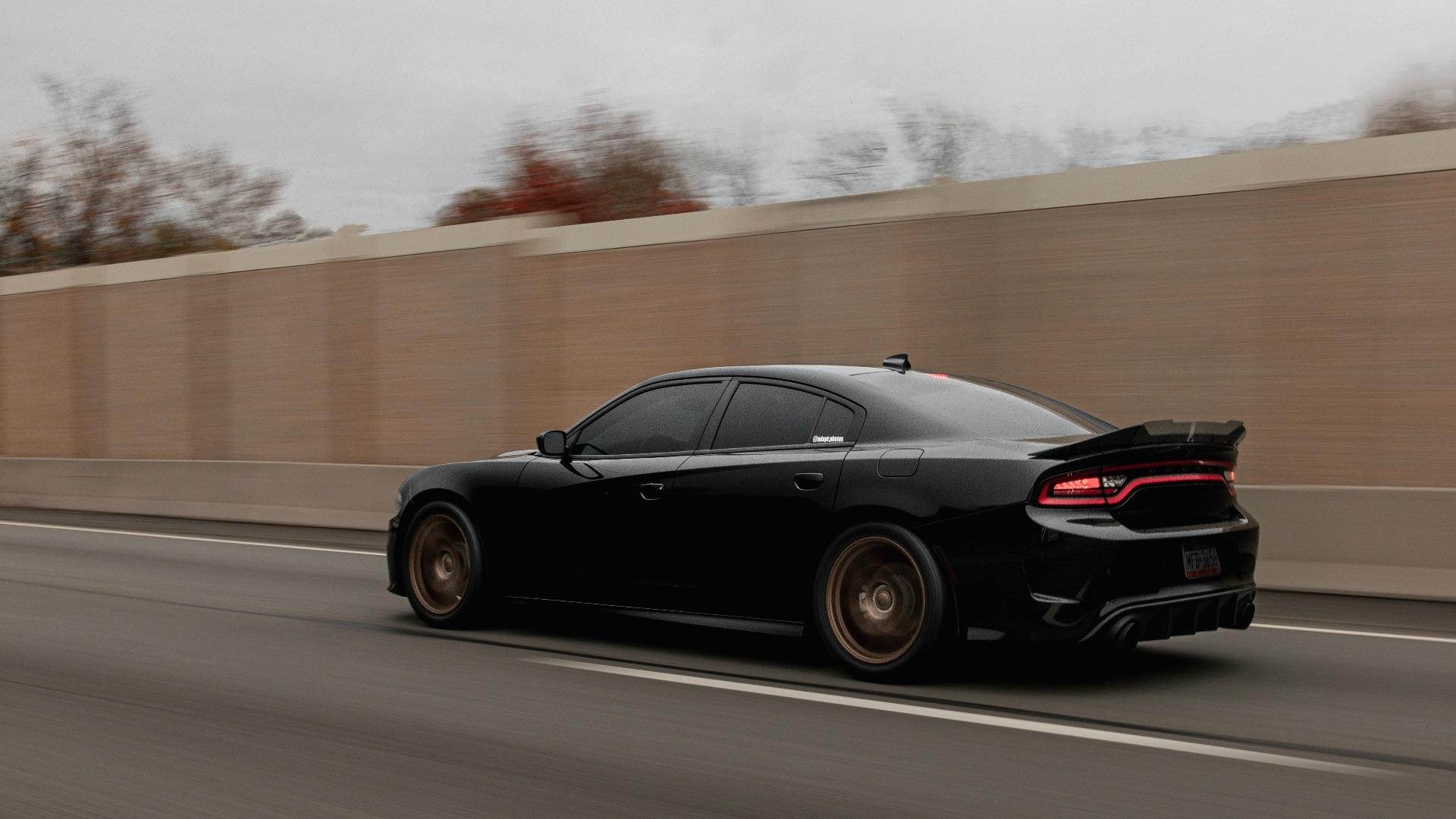
Roundabouts can trip you up when you enter too fast, look too close in front of the hood, or try to correct your lane position mid-circle. Drifting over lane markings or cutting across lanes on exit can get marked as unsafe because other drivers can’t predict where you’re going. Choose the correct approach lane early, yield properly, stay centered in your lane, and exit cleanly without crossing into another lane.

17. Using Your Phone During the Test
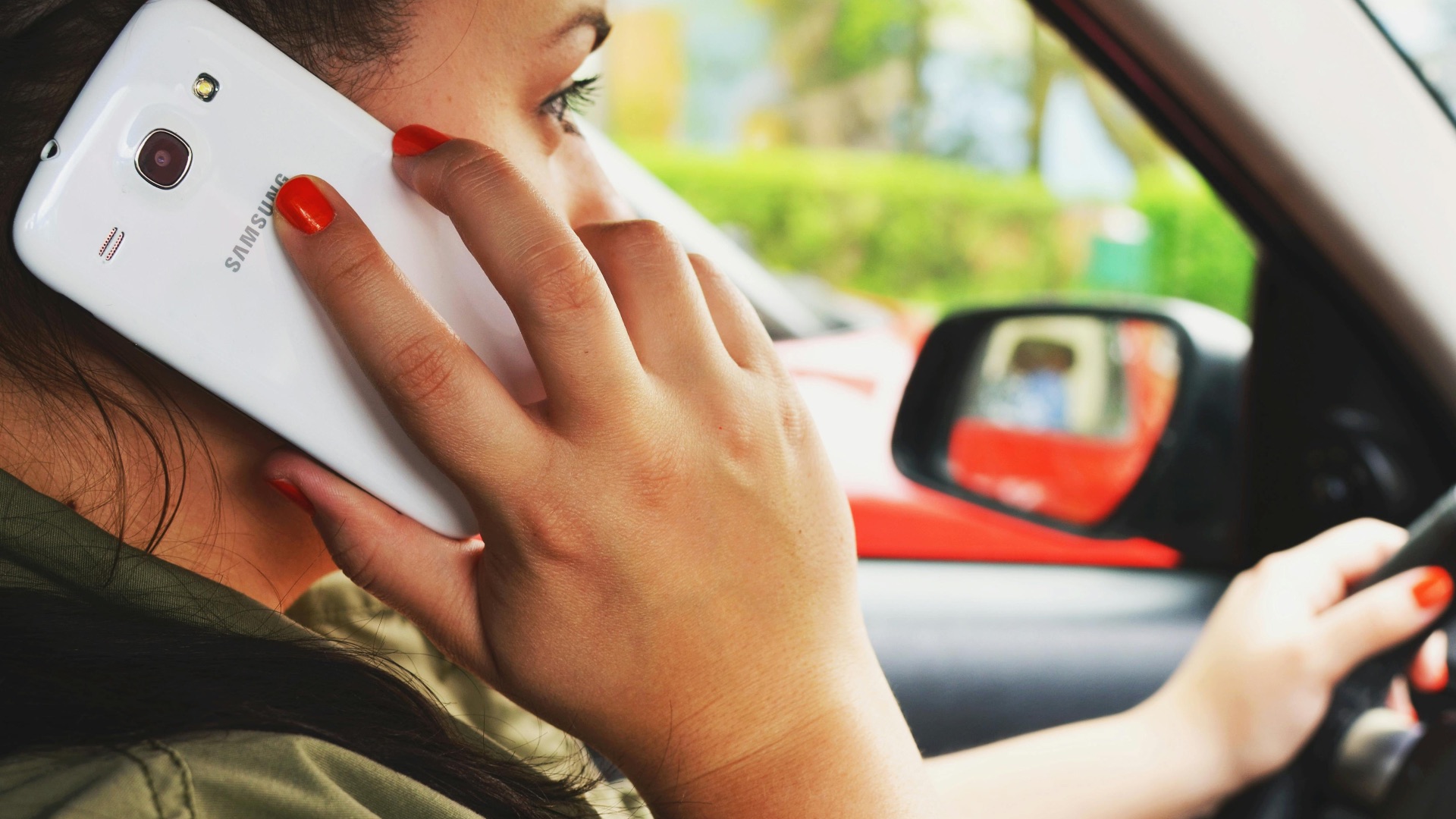
This is a major no-no. Even touching your phone to glance at a notification can be treated as distracted driving, and many examiners will end the test right there. Beyond the rule itself, it signals you’re willing to take your attention off the road at the exact moment you’re being evaluated for safe habits. Put your phone on silent before you start, keep it out of reach, and if you truly need something (like navigation), ask the examiner about it before you move.
18. Stalling the Car
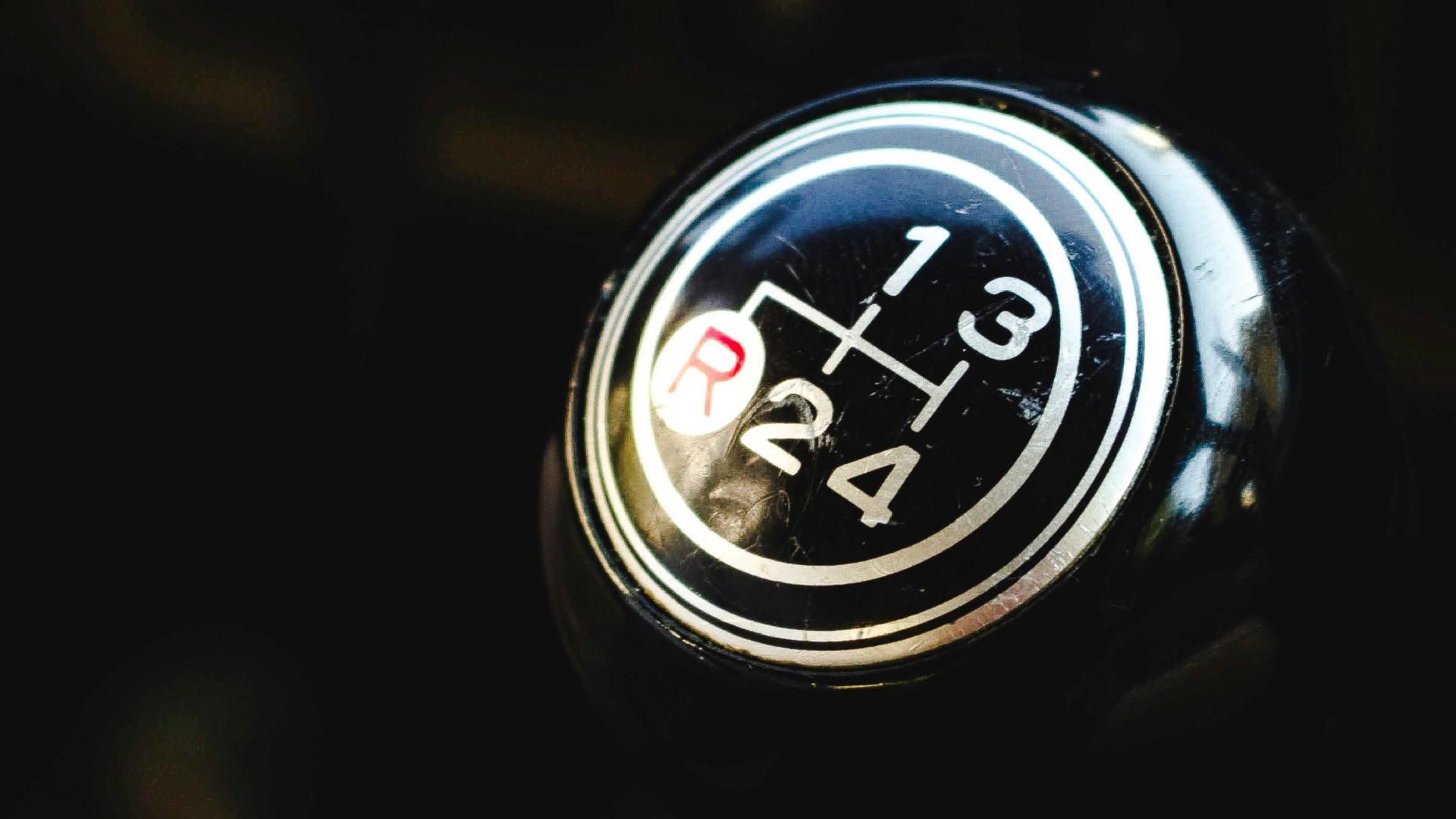
Stalling usually comes from releasing the clutch too quickly, not giving enough gas, or starting in the wrong gear when you’re tense. One stall might not end your test, but repeated stalling can make it look like you don’t have solid control of the vehicle, especially in traffic. If it happens, keep it simple: clutch in, brake if needed, shift to neutral, restart, then move off smoothly only when you’ve checked that it’s safe.
19. Missing School Zones or Temporary Speed Changes
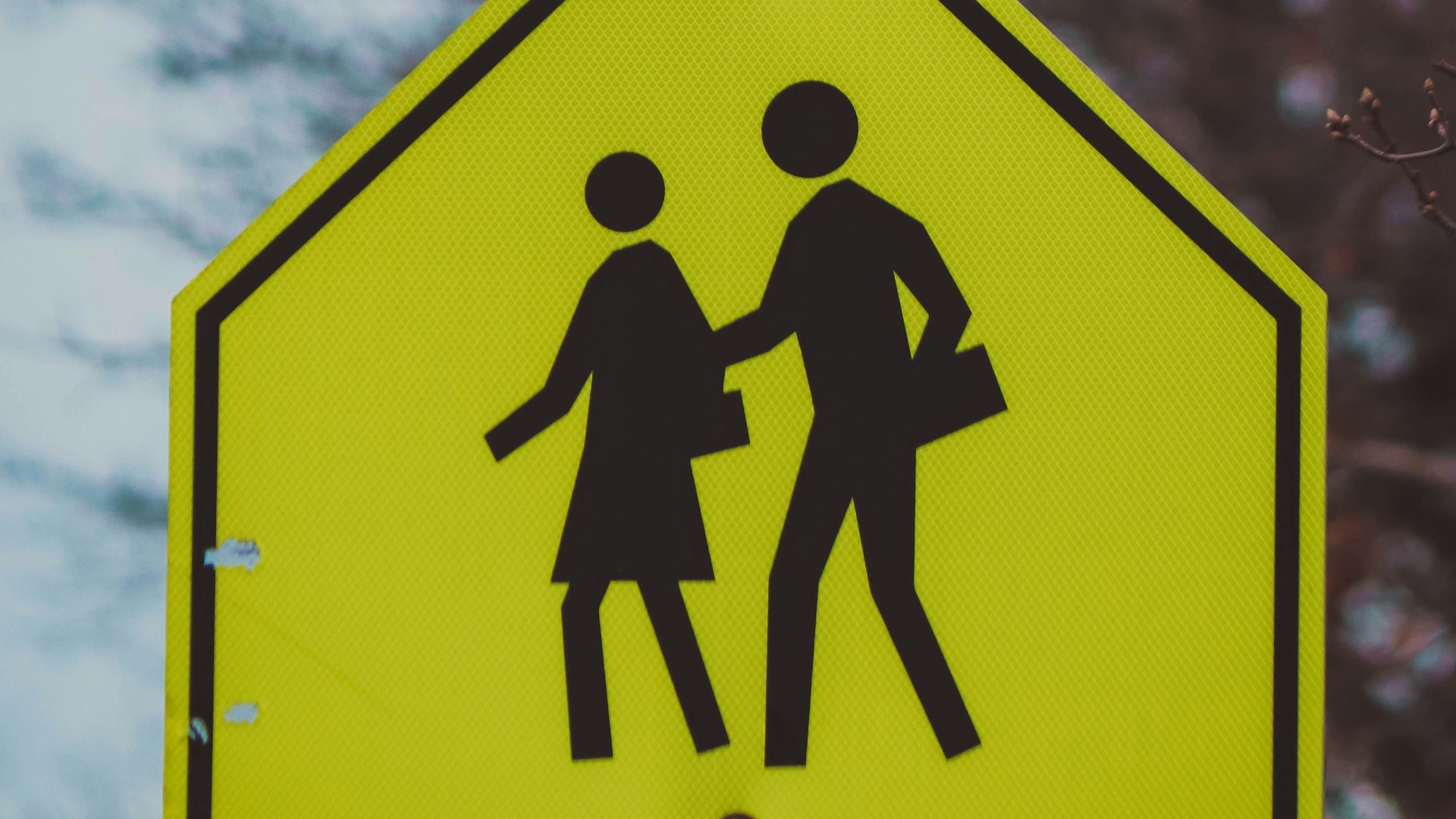
Speed limits aren’t always one number for the whole route. School zones, construction signs, and flashing beacons require you to notice and adapt right away. Keep your eyes moving for posted changes and reduce speed early so it’s smooth, not sudden.
20. Letting Nerves Override Basic Safety Habits
Even strong drivers can slip when they’re trying to be perfect. Overthinking can make you forget checks, hesitate at simple situations, or miss signs because your mind is racing. Take a breath, focus on doing the next safe action, and remember the examiner wants steady decisions more than fancy driving.