
Traffic Rules That Flip the Script
Driving abroad can feel like stepping into a parallel universe where familiar habits suddenly don’t apply. Rules you’ve followed for years are discarded, and everyday decisions—like turning and signaling—come with unexpected twists. Many of these driving laws weren’t created to confuse visitors but grew from local culture and ideas about safety that differ wildly from what American drivers know. Ahead, we go through 20 foreign road rules that will probably make no sense to you.

1. Driving On The Left Side (UK)
Centuries-old customs still shape modern traffic in the UK, where everyone drives on the left. The practice began in medieval times when jousting knights passed each other on the left to avoid clashing swords, and it later became law. Today, England, Scotland, Wales, and Northern Ireland all maintain this system.

2. No Right Turn On Red (France)
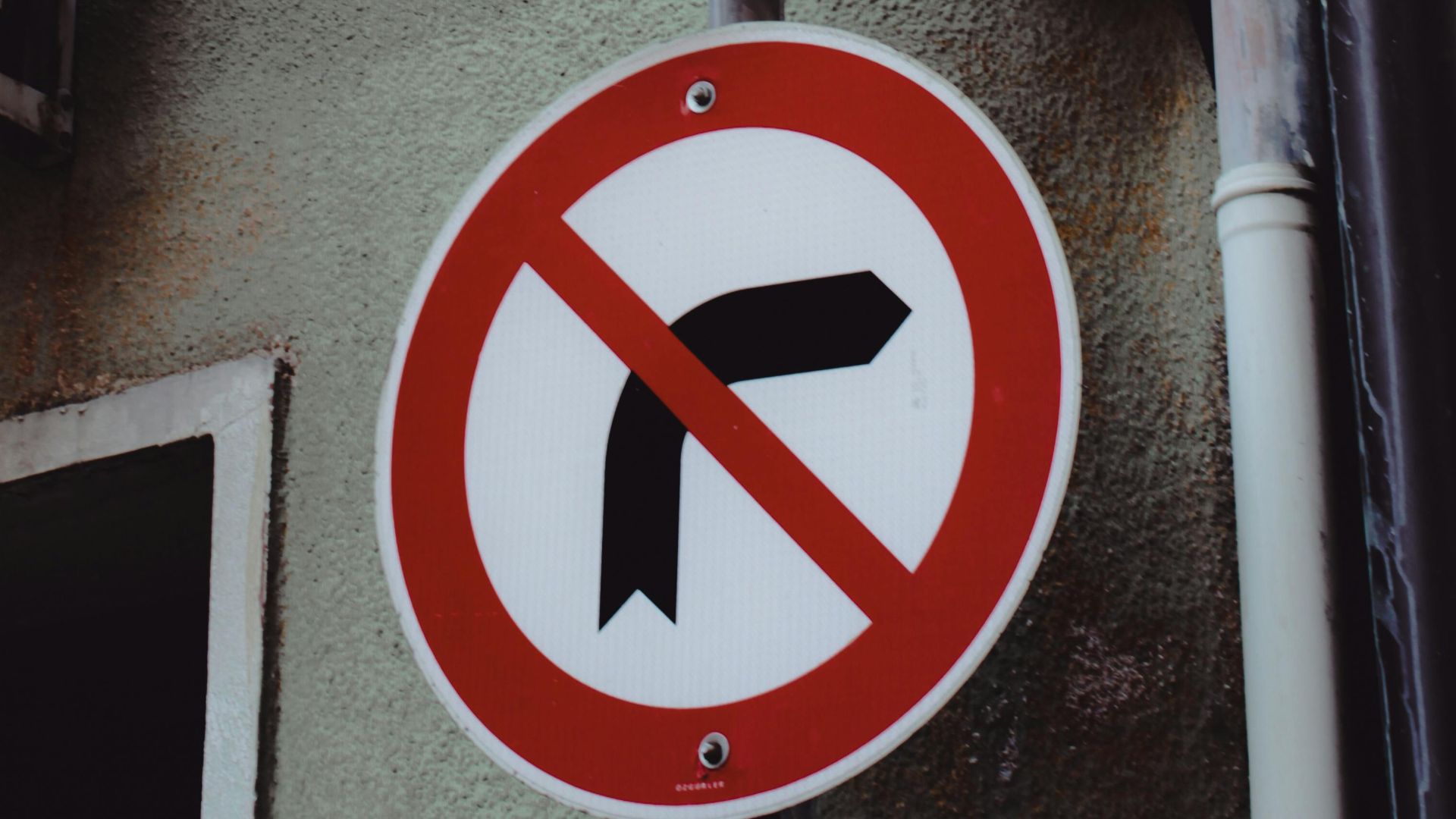
A red light in France means no turning right unless a specific sign grants permission for it. Without that sign or a dedicated green arrow, drivers must wait. The country pairs this rule with strict equipment requirements, including a warning triangle and reflective vest.
3. No Dirty Cars (Russia & UAE)
Several cities in Russia and the UAE can fine drivers for excessively dirty cars. Police may stop vehicles that fail this cleanliness standard, particularly in urban areas. Rural enforcement is lighter, and drivers often joke that it’s easier to get fined than to locate a car wash.

4. Priority To Cars Inside Roundabouts (Portugal)
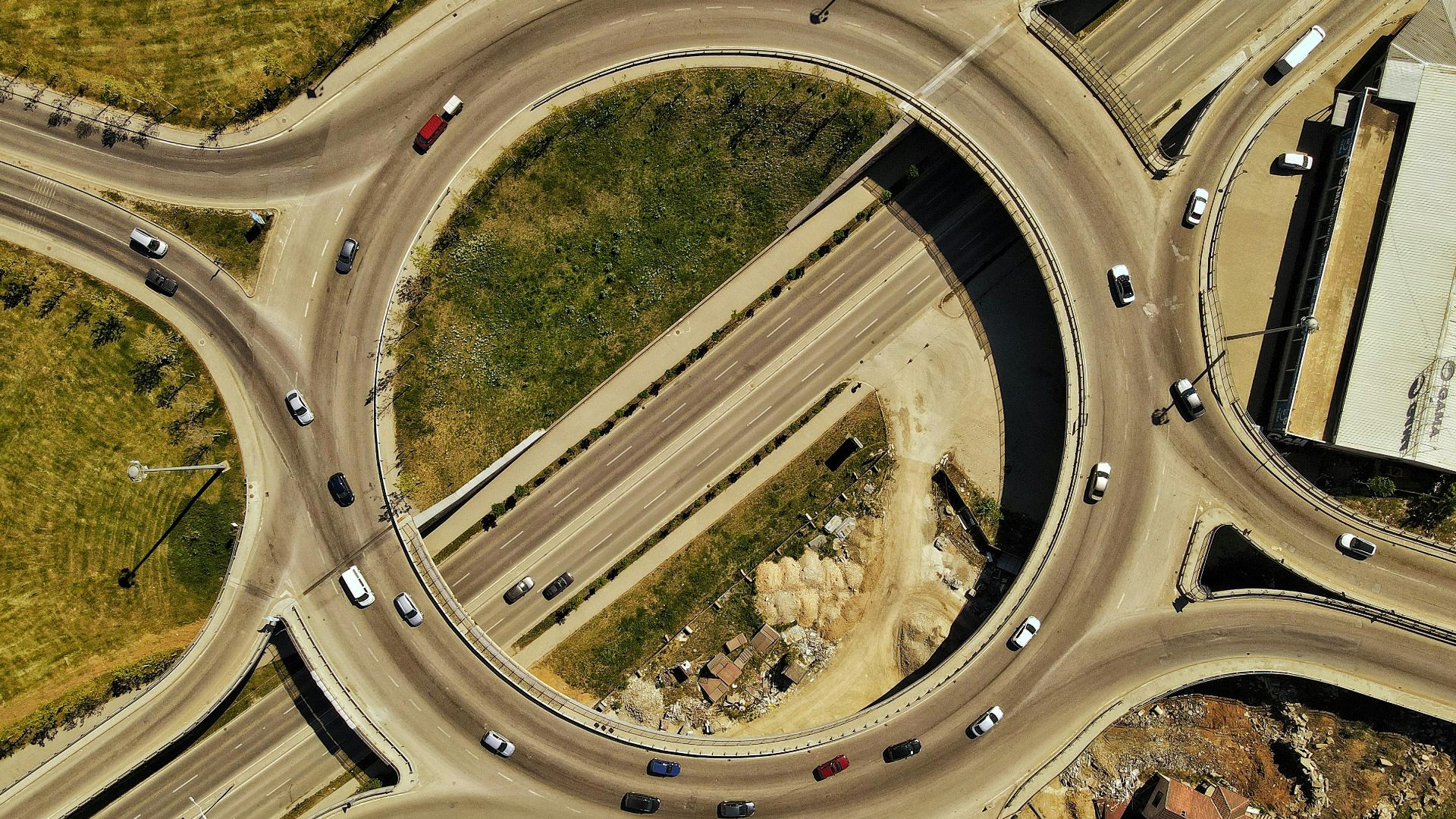
Roundabouts in Portugal work on a simple principle: vehicles already inside always have the right of way. Drivers preparing to enter must yield fully to circulating traffic. This setup contrasts with countries where entering cars sometimes share or hold priority.
5. Flashing Headlights Signal A Road Hazard (Mexico)
On Mexican roads, flashing headlights serve as a quick warning system for hazards, accidents, or upcoming police checkpoints. Drivers may also use hazard lights to alert others to slow-moving traffic or unexpected obstacles. In the U.S., moving vehicles rarely use hazard lights except during major emergencies.

6. Mandatory Winter Tires (Canada)
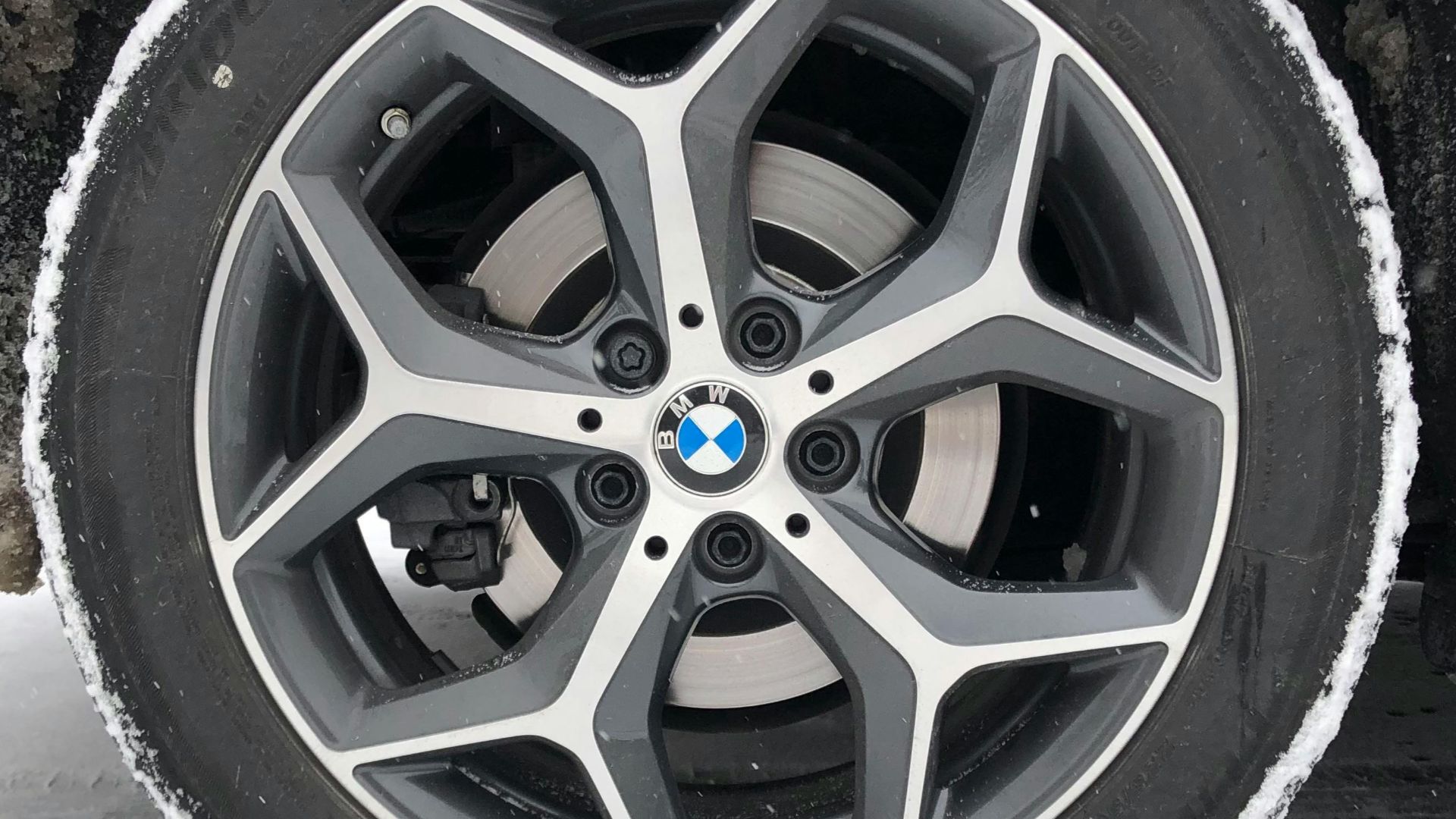
Certain Canadian provinces legally require drivers to use winter tires during the colder months. These tires must meet tread-depth standards, and they feature the three-peak mountain snowflake. There are also similar regulations in Nordic countries.
7. Mandatory Reflective Vests In The Trunk (France)
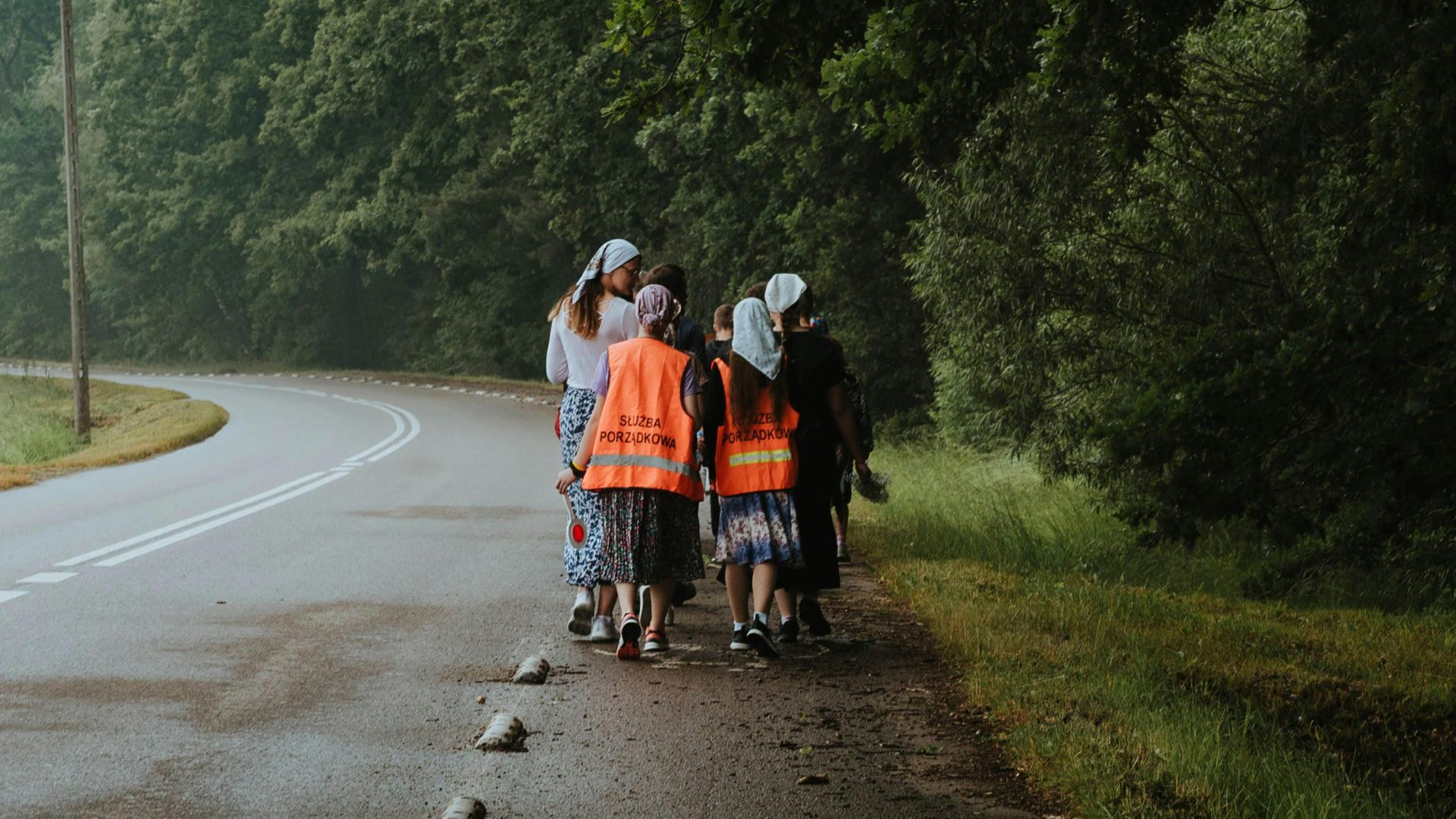
Every driver in France must keep a reflective vest inside the vehicle. When stepping out on a highway, they must wear it. The rule helps to improve visibility and safety, and skipping it can lead to fines.
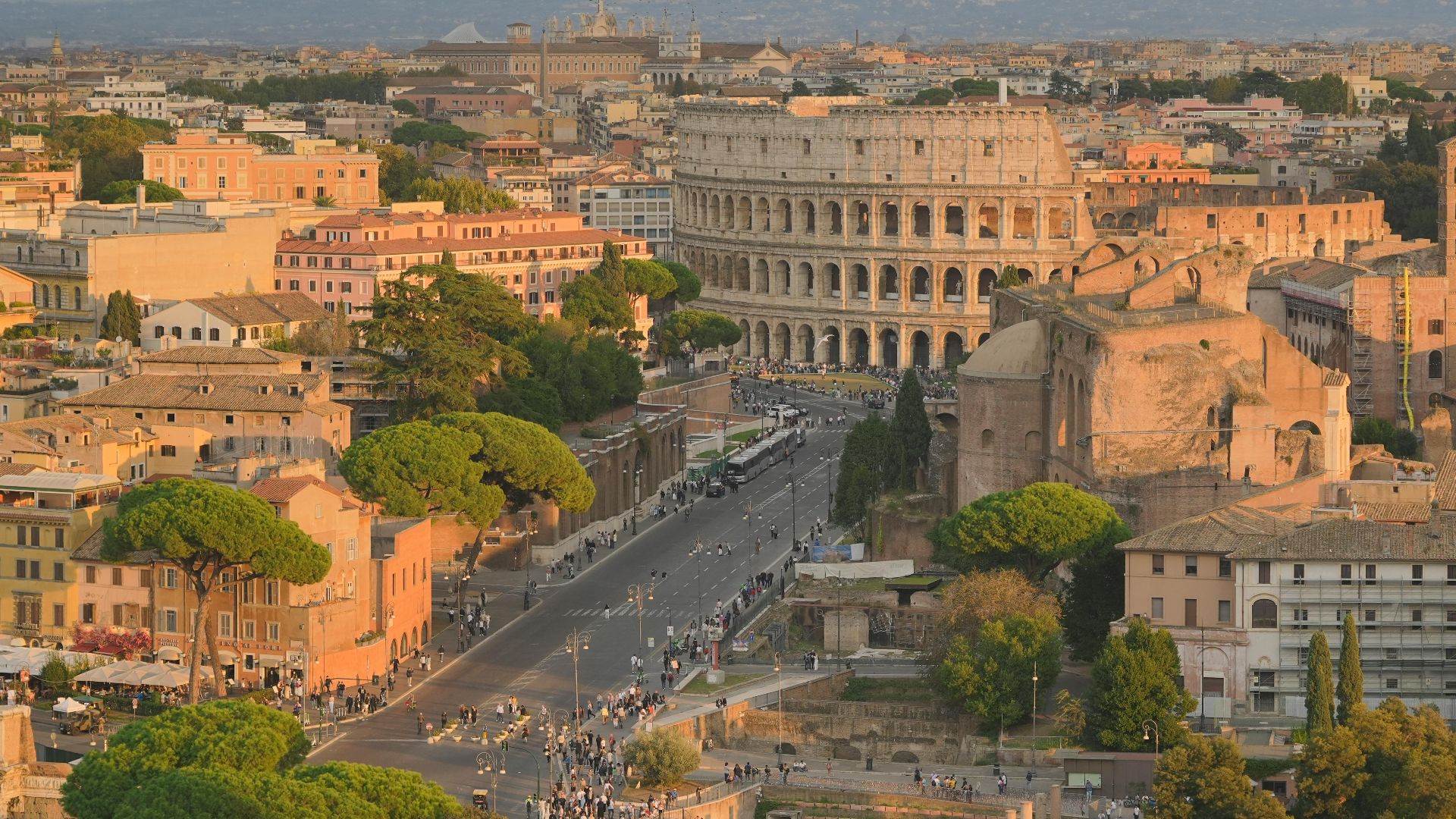
8. Cars Banned From City Centers On Certain Days (Italy)
To fight pollution and congestion, Italian cities sometimes bar cars from their historic centers on designated days. These restrictions may follow number-plate rotation schemes or respond to periods of poor air quality. Some cities enforce ZTL zones that block unauthorized vehicles during specific hours.
9. Flashing Lights Allowed Only For Emergencies (Sweden)
Sweden requires drivers to keep headlights on at all times, regardless of the hour or season. Daytime running lights improve visibility in frequent fog and snowy conditions. Flashing headlights, however, are reserved strictly for emergencies, and misusing them can lead to fines.

10. Children Forbidden in Front Seats (Brazil)
Brazilian law keeps children under 10 out of the front passenger seat for safety reasons. These children must ride in the rear with proper restraints, and violations can result in fines. Also, anyone under eighteen needs safety devices to sit in front.

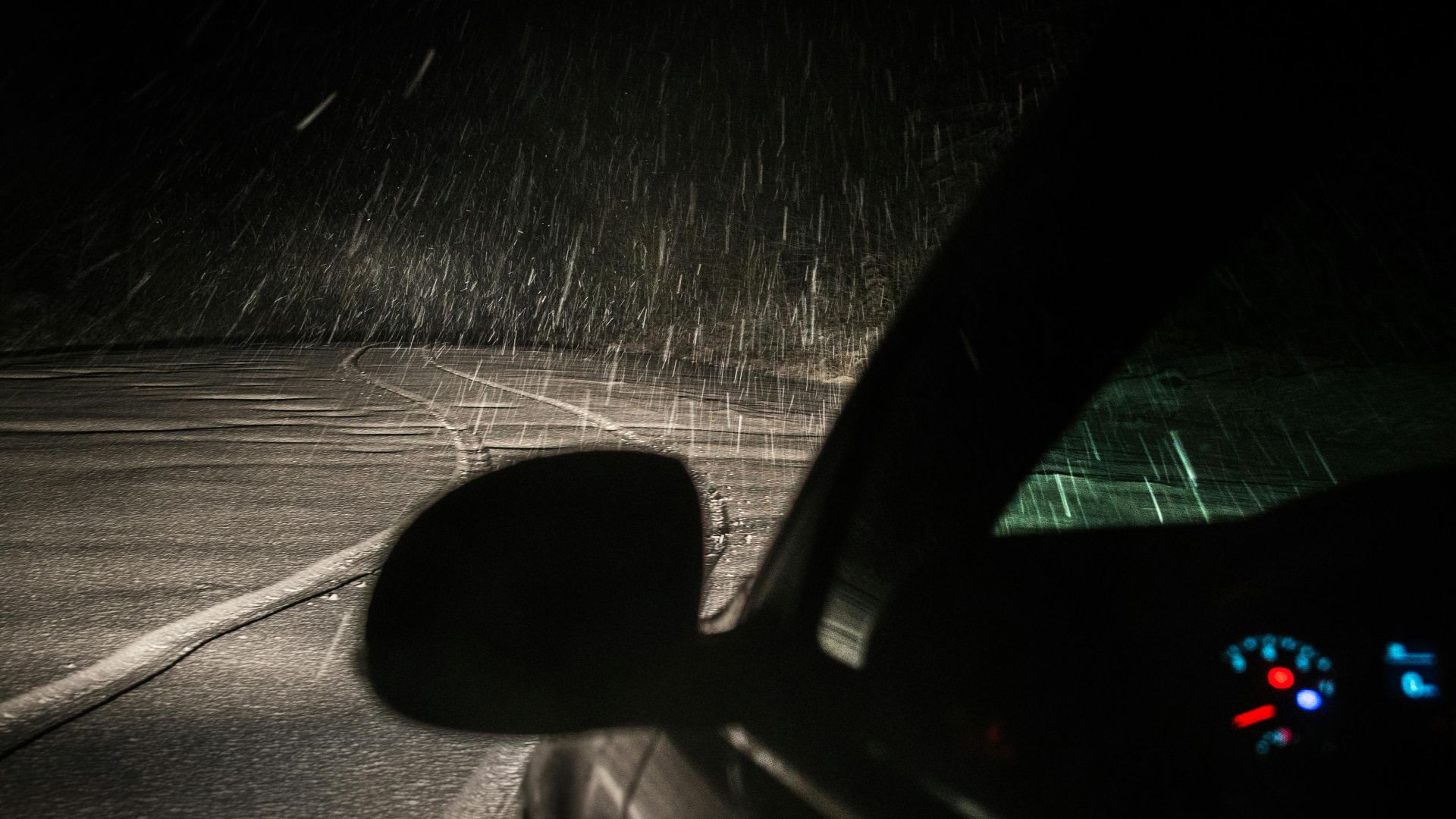
11. Night Driving Restrictions For New Drivers (New Zealand)
In New Zealand, there are limits to when new drivers are allowed behind the wheel at night to reduce accidents among inexperienced motorists. At night, learners cannot drive without a supervisor, and license classes come with specific nighttime rules.
12. Headscarf Required For Women Drivers (Iran)
Women driving in Iran must wear a headscarf on all public roads. Many keep a scarf in the car specifically for driving to ensure compliance with this rule. Even tourists are expected to follow the rule as well.

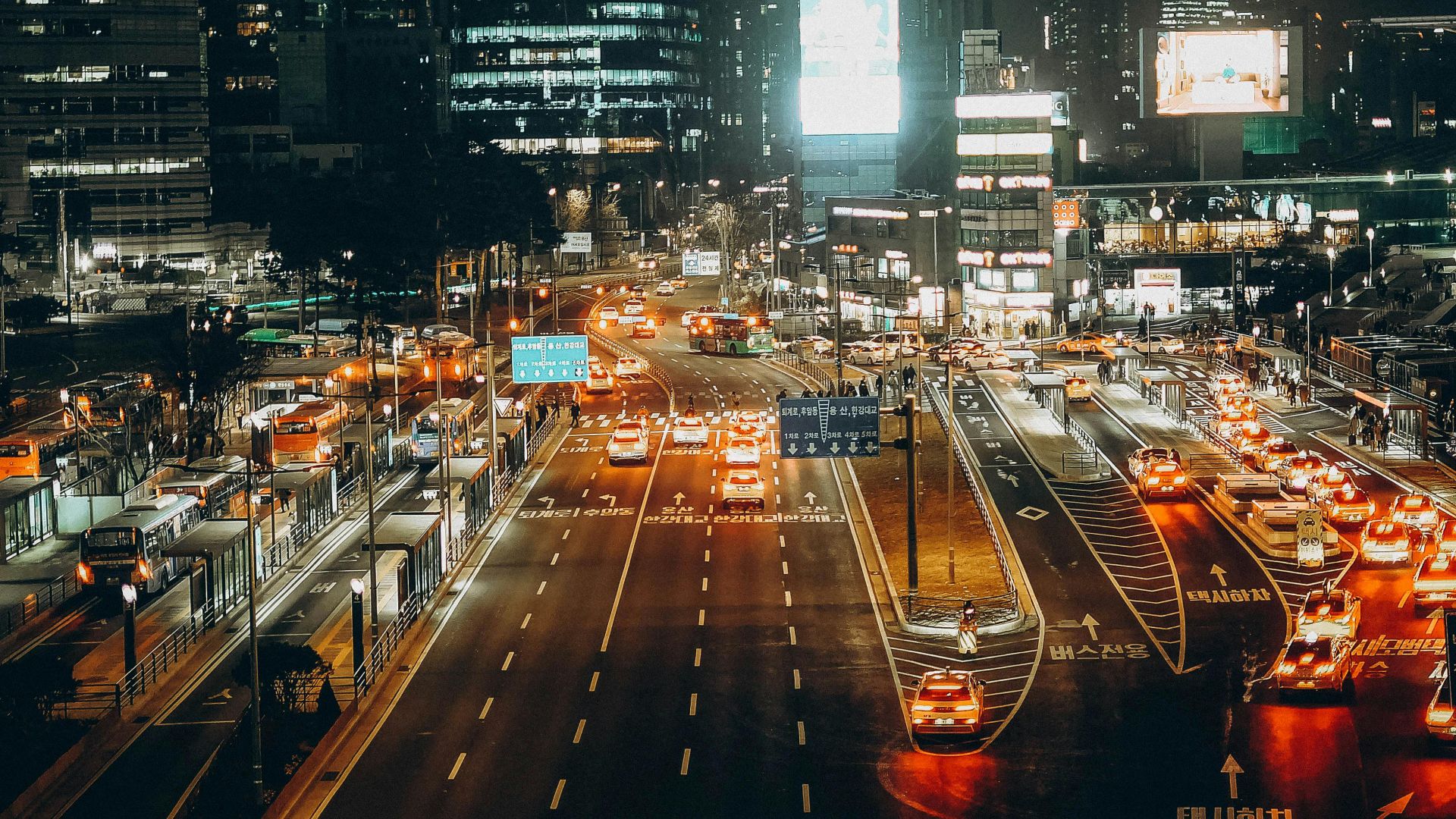
13. Expressway Speed Minimums (South Korea)
South Korean expressways give drivers limits to stay above. Minimum speeds, often set at 50 km/h, help maintain smooth traffic flow. Falling below that threshold can lead to fines, making this rule stand out from countries that focus solely on maximum speeds.
14. Permit Required to Drive in National Parks (Kenya)
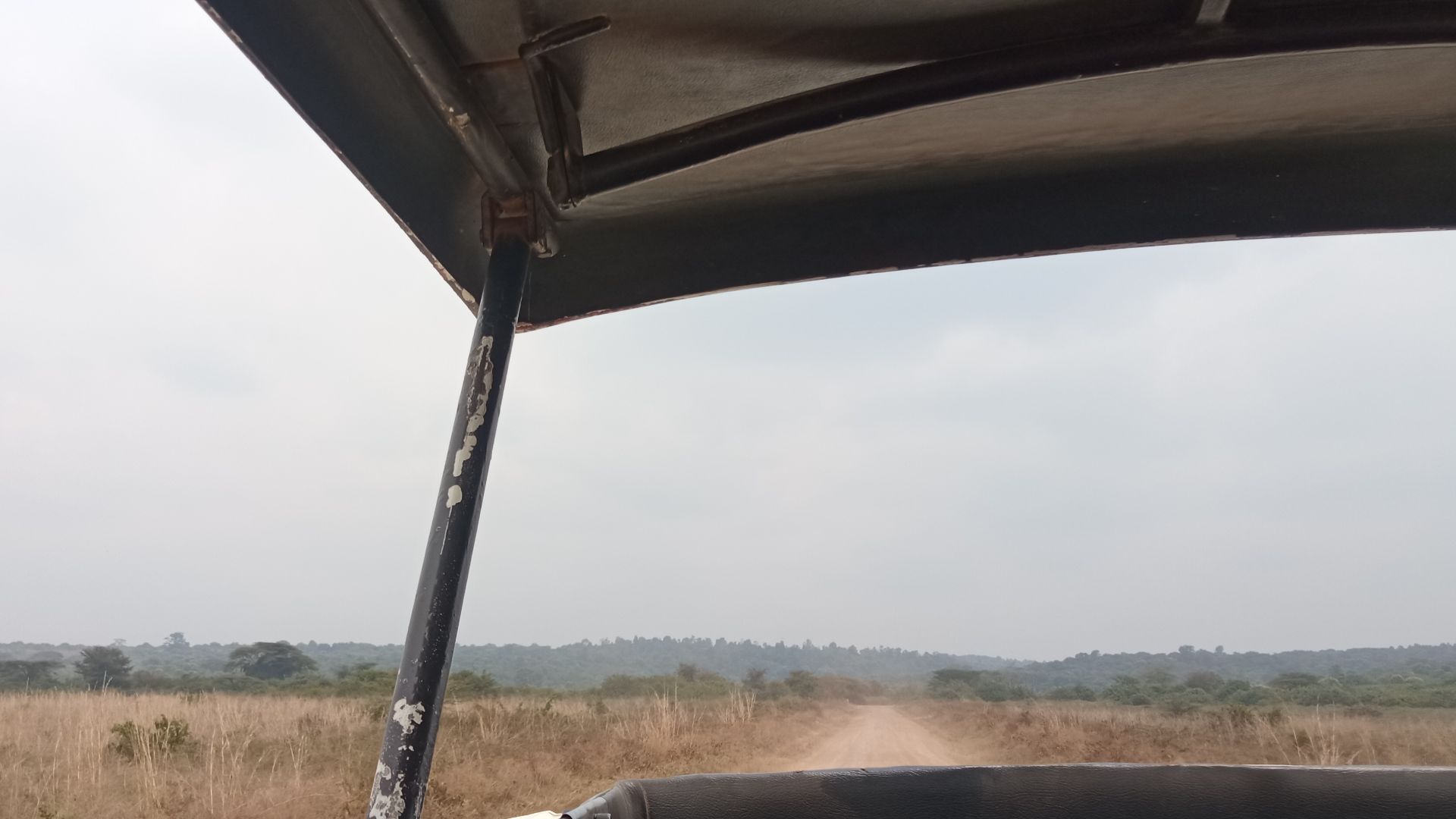
Driving inside Kenya’s national parks begins with securing the proper entry permits and following park-specific regulations. Self-drive visitors must have valid documentation and respect wildlife protection rules. Permits are arranged through tour operators or at the gates.
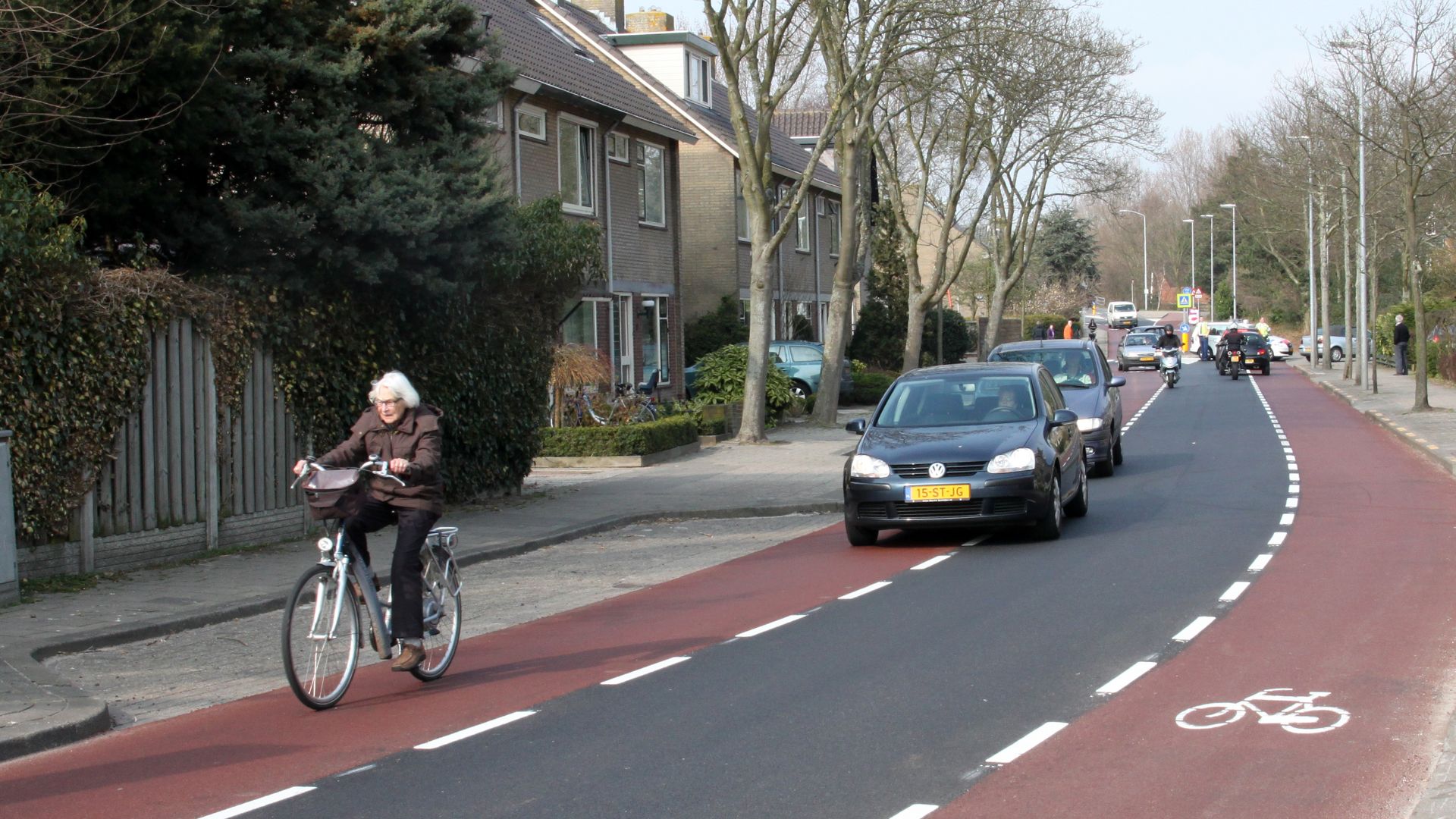
15. Motorists Responsible For Cyclist Safety (Netherlands)
In the Netherlands, drivers are legally responsible for protecting cyclists, a rule that reflects the country's strong cycling culture. Motorists must yield on shared roads and bike lanes, and strict liability laws presume driver fault unless they can prove they took every reasonable precaution.
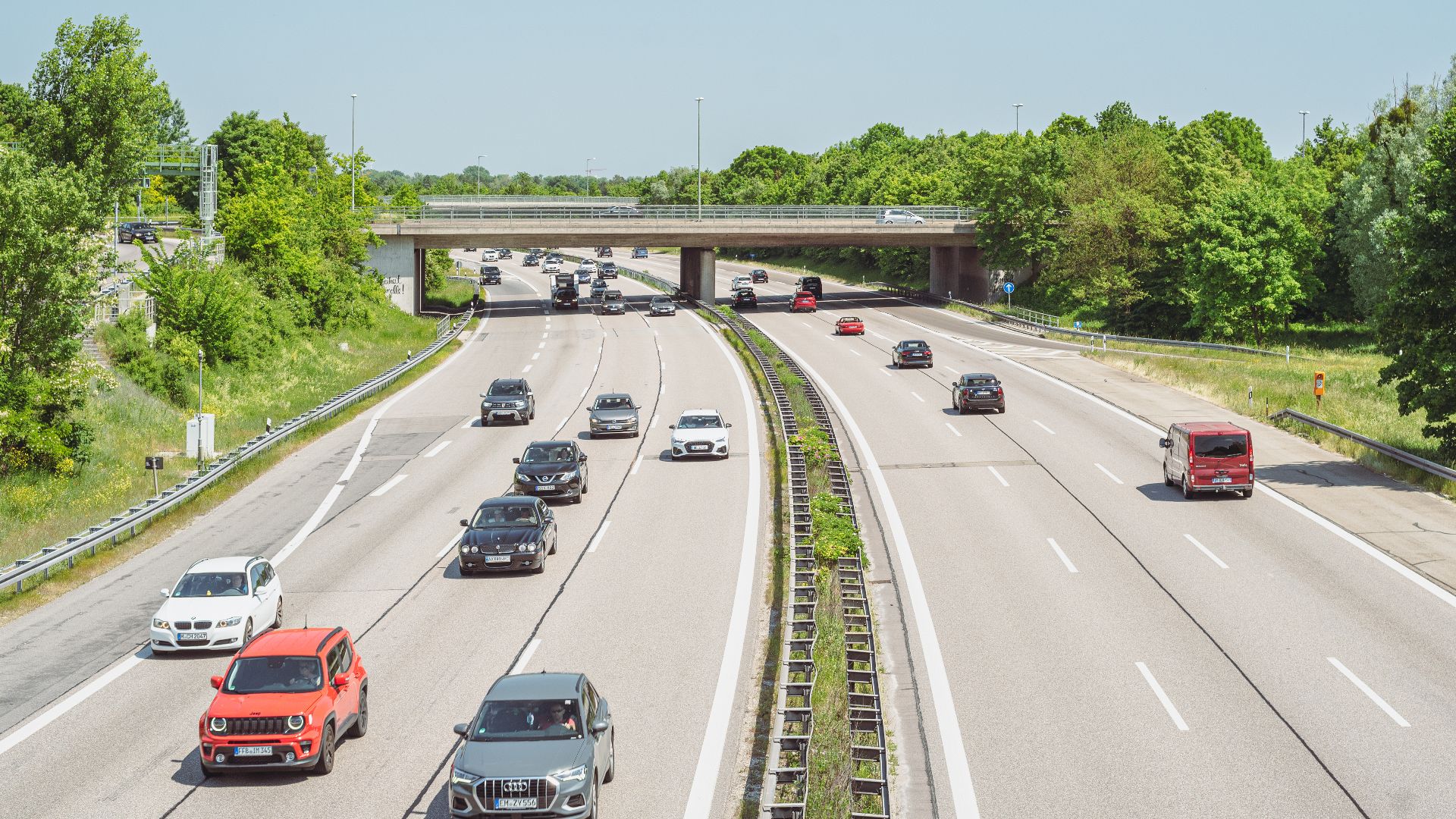
16. No Stopping On The Autobahn (Germany)
Germany’s Autobahn bans stopping except in true emergencies. Breakdown lanes are strictly reserved for accidents or mechanical failure. Some stretches allow unlimited speeds, and drivers must carry a roadside warning triangle for emergencies.
17. No Eating Or Drinking While Driving (Cyprus)
In Cyprus, grabbing a snack behind the wheel can lead to a fine. The law aims to cut down on distractions, making food and drinks off-limits while driving. Even a coffee cup is technically a violation.

18. Fire Extinguisher Mandatory (Bulgaria)
Bulgarian law requires every car to carry a functioning fire extinguisher, and police can issue fines if it’s missing or expired. The device must be securely mounted inside the vehicle. Some locals even keep a second extinguisher for peace of mind.
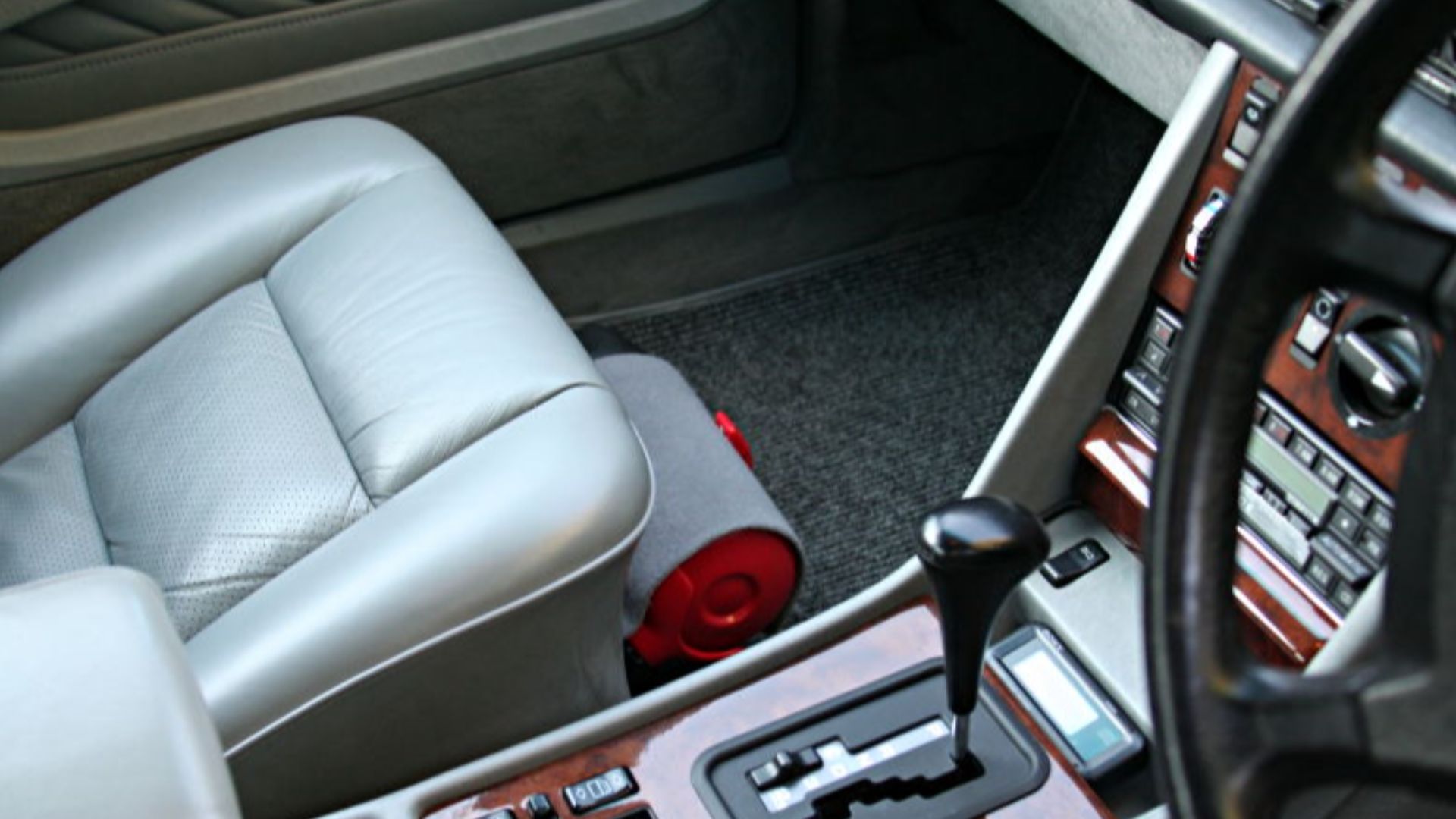 The original uploader was Dawidl at English Wikipedia. on Wikimedia
19. No Slamming Car Doors (Switzerland)
Switzerland takes noise rules seriously, extending even to how car doors are closed. Drivers and passengers must shut doors gently to avoid fines for noise pollution. This rule applies even in residential streets to parking lots. Parents often remind children to be mindful of it as well.
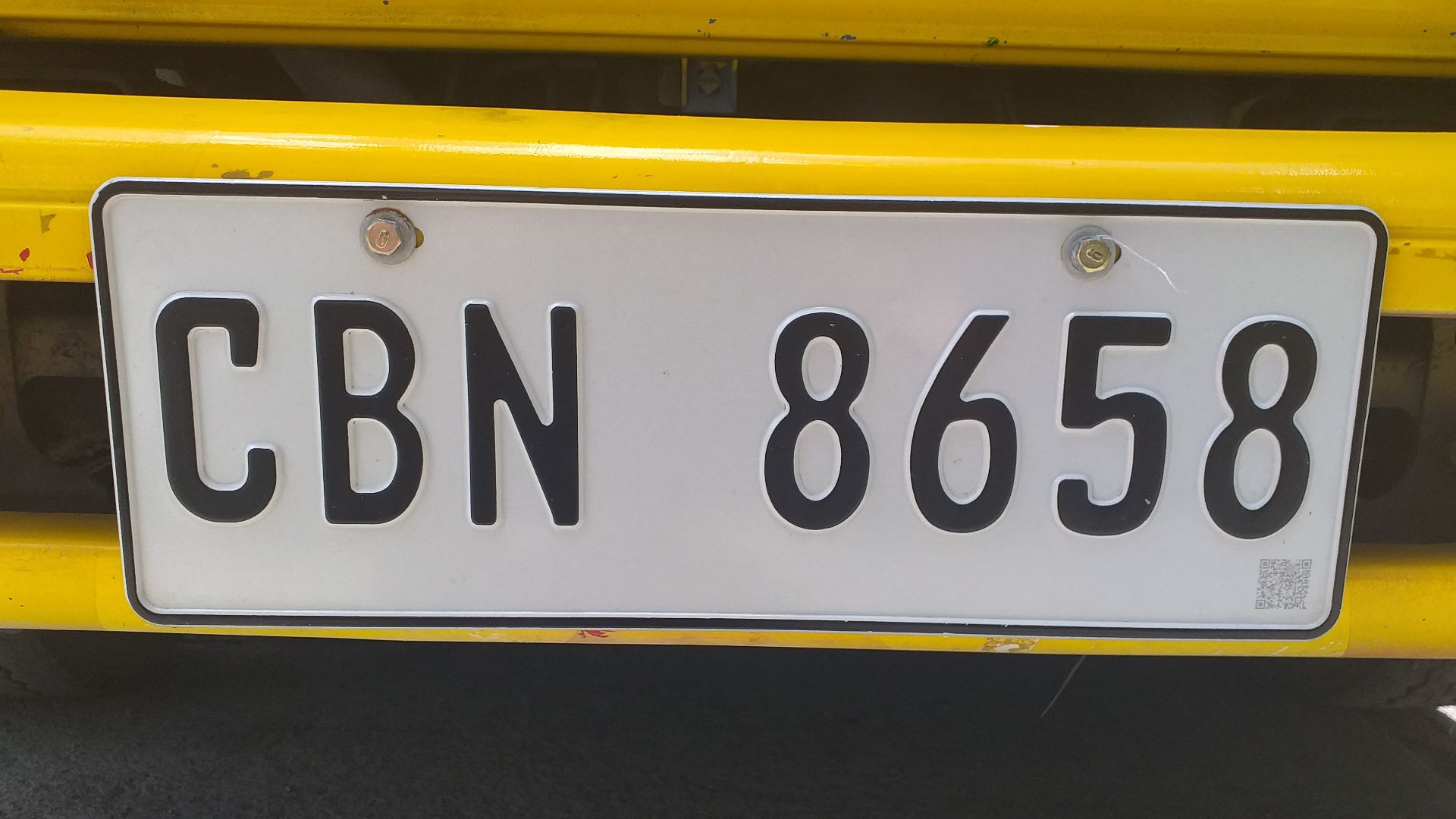
20. License Plate Number-Coding (Philippines)
In parts of the Philippines, driving privileges depend on the last digit of a license plate. The “number coding” system restricts road access during peak hours to help reduce congestion. Some drivers even rent a second car to get around the rule.