

10 Common Reasons Drivers Get Ticketed & 10 Tips to Stay Out of Trouble with Police
Commonly Broken Road Rules
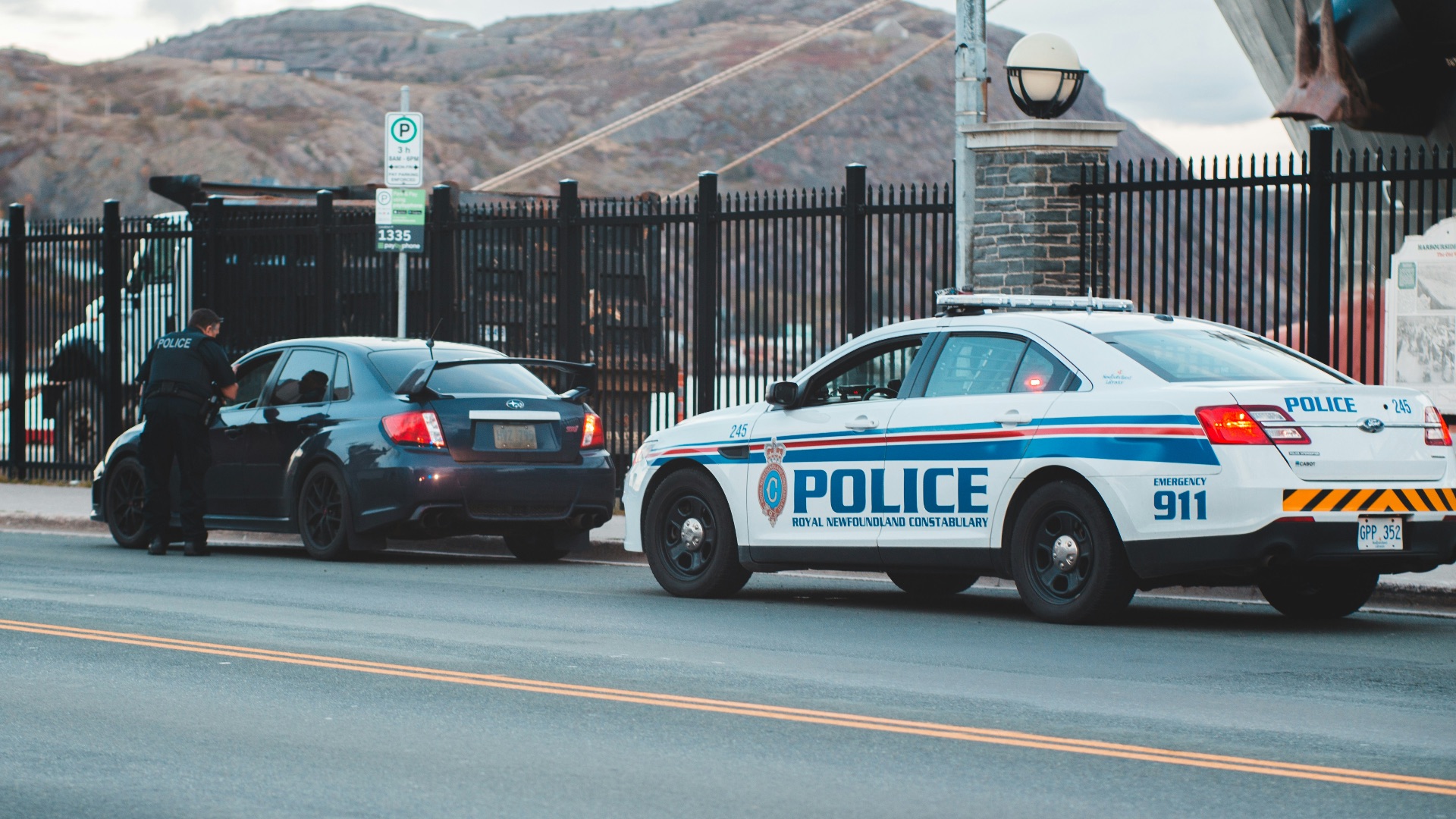
Contrary to what you might think, most drivers don't get pulled over because of some drastic mistake. In many cases, it's the slip in ordinary habits that gets caught, like rolling through a stop sign, driving a little faster than the limit, or forgetting to fix a broken headlight. After all, if you want to stay out of trouble with the police, it pays well to be smart and safe behind the wheel. Don't want to get pulled over or ticketed? Here's what you should know.
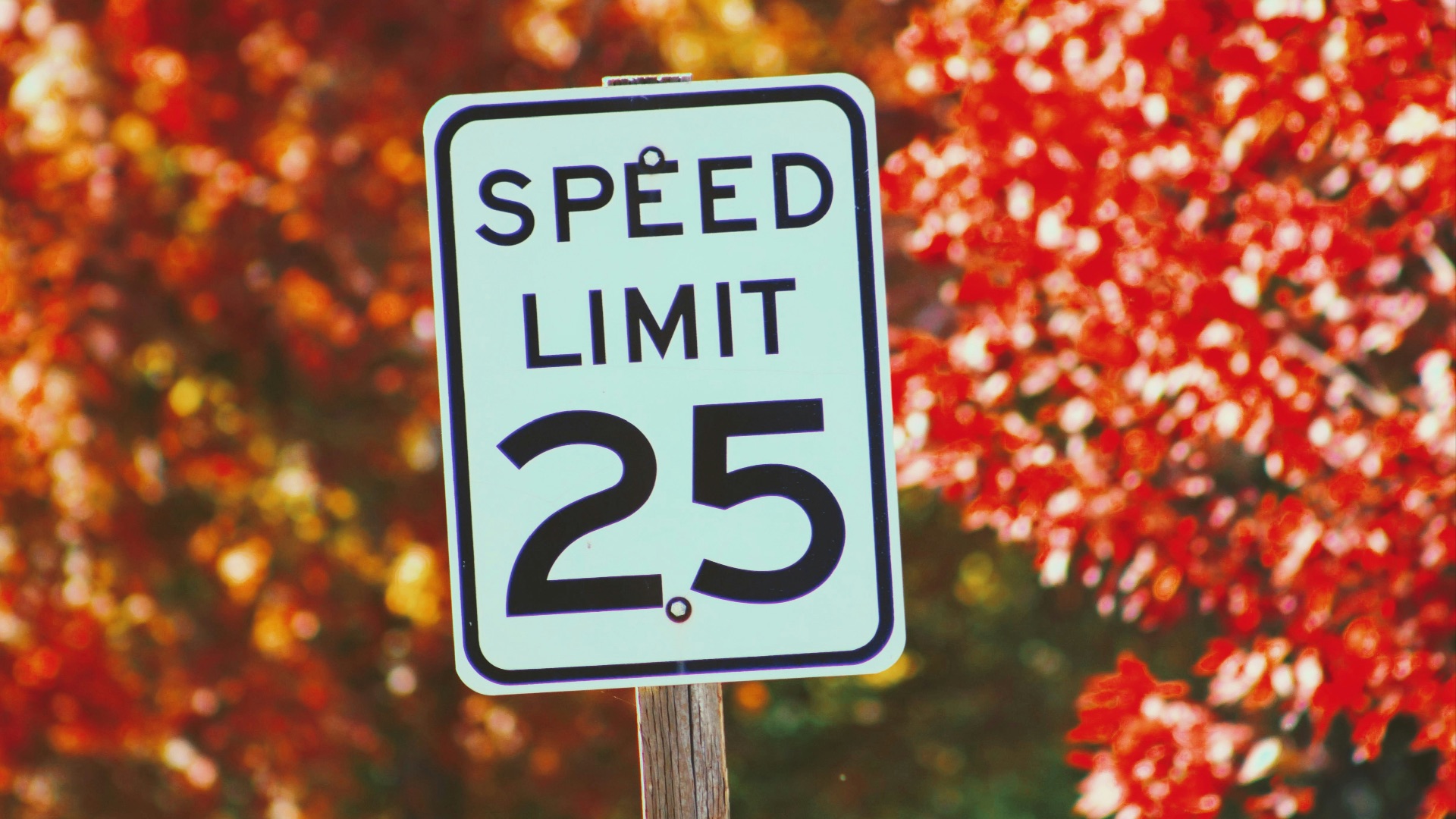
1. Speeding Even Slightly Over the Limit
A lot of drivers assume a few miles per hour over the limit won't matter, but it's that kind of thinking that leads to tickets every day. Speed laws are enforced differently depending on the area, and some roads are watched much more closely than people expect. Once you make a habit of creeping over the limit, it becomes easy to miss when traffic conditions or enforcement zones change.
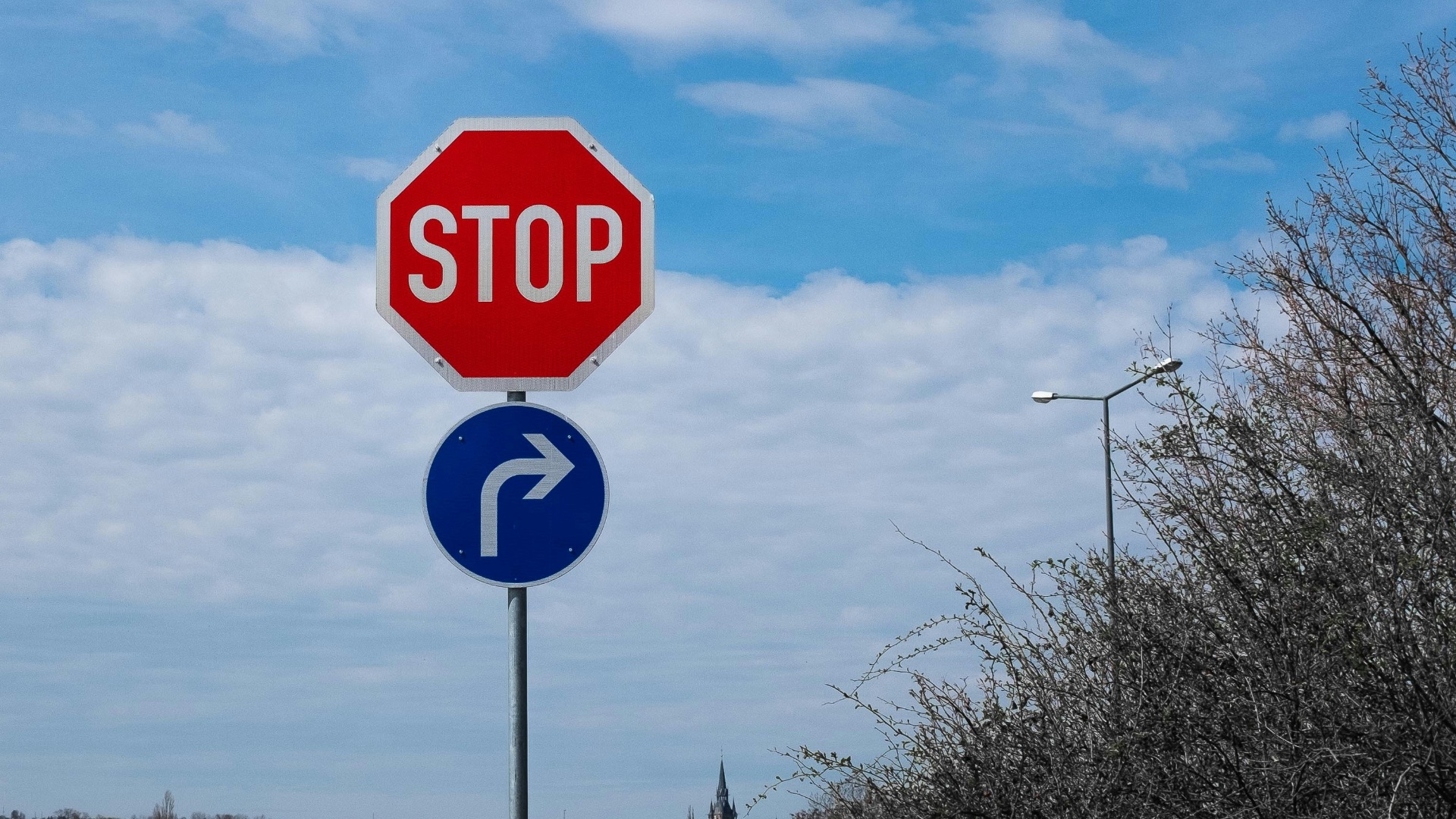
2. Rolling Through Stop Signs
Many people don't come to a full stop unless they clearly see other cars around them, and that creates an easy reason for an officer to pull them over. A rolling stop is still a traffic violation, even if the road looks empty and the move seems harmless. In neighborhoods and residential areas especially, police often watch intersections where drivers tend to cut corners.
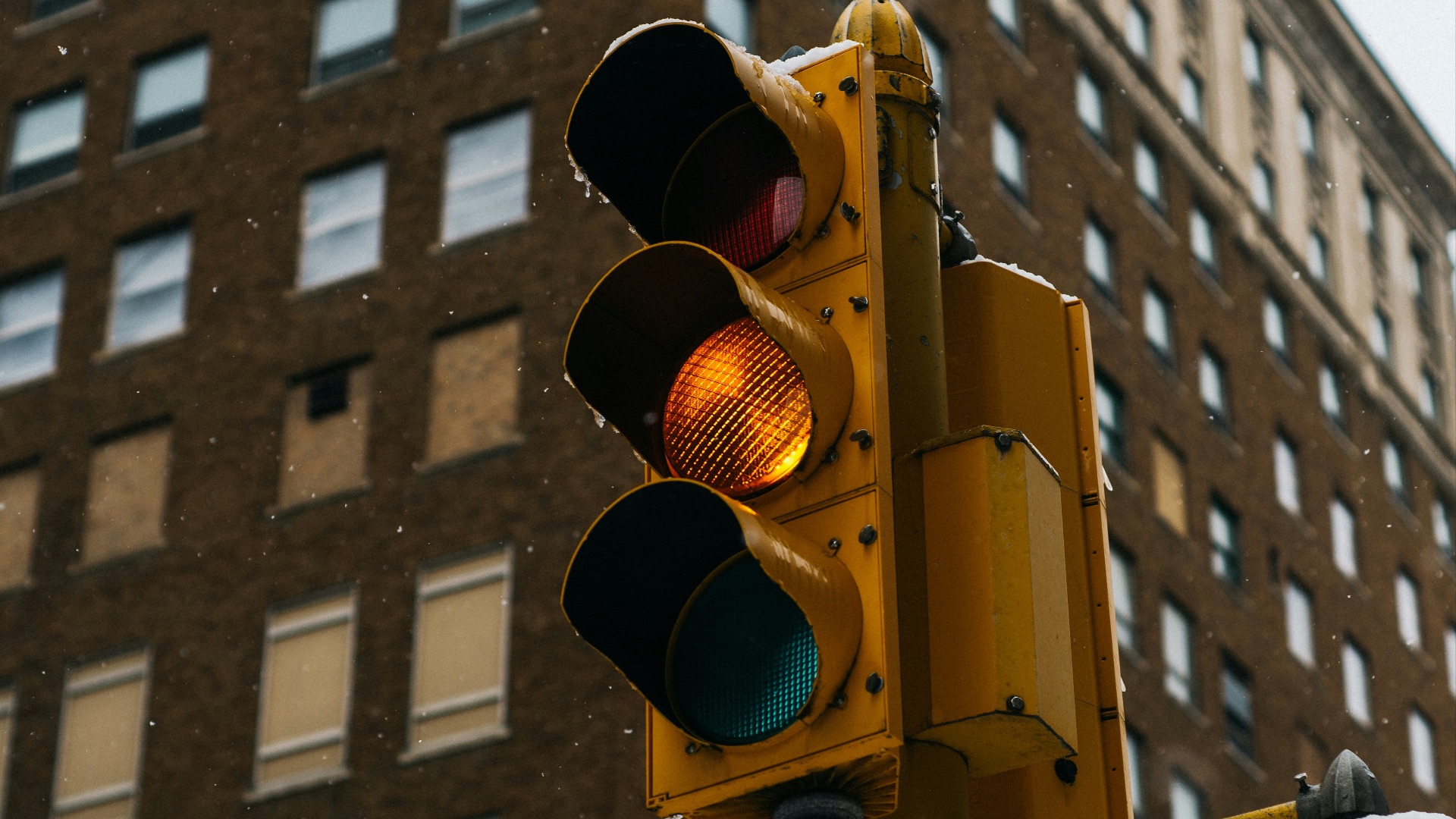
3. Running Yellow Lights
Drivers often convince themselves they can make it through an intersection just before the light changes, but that split-second decision can turn into a red-light violation. Even when it doesn't result in a formal red-light ticket, aggressive driving at intersections can still draw police attention. Officers tend to notice drivers who accelerate hard instead of slowing down when a light is changing.
4. Broken Tail Lights or Headlights
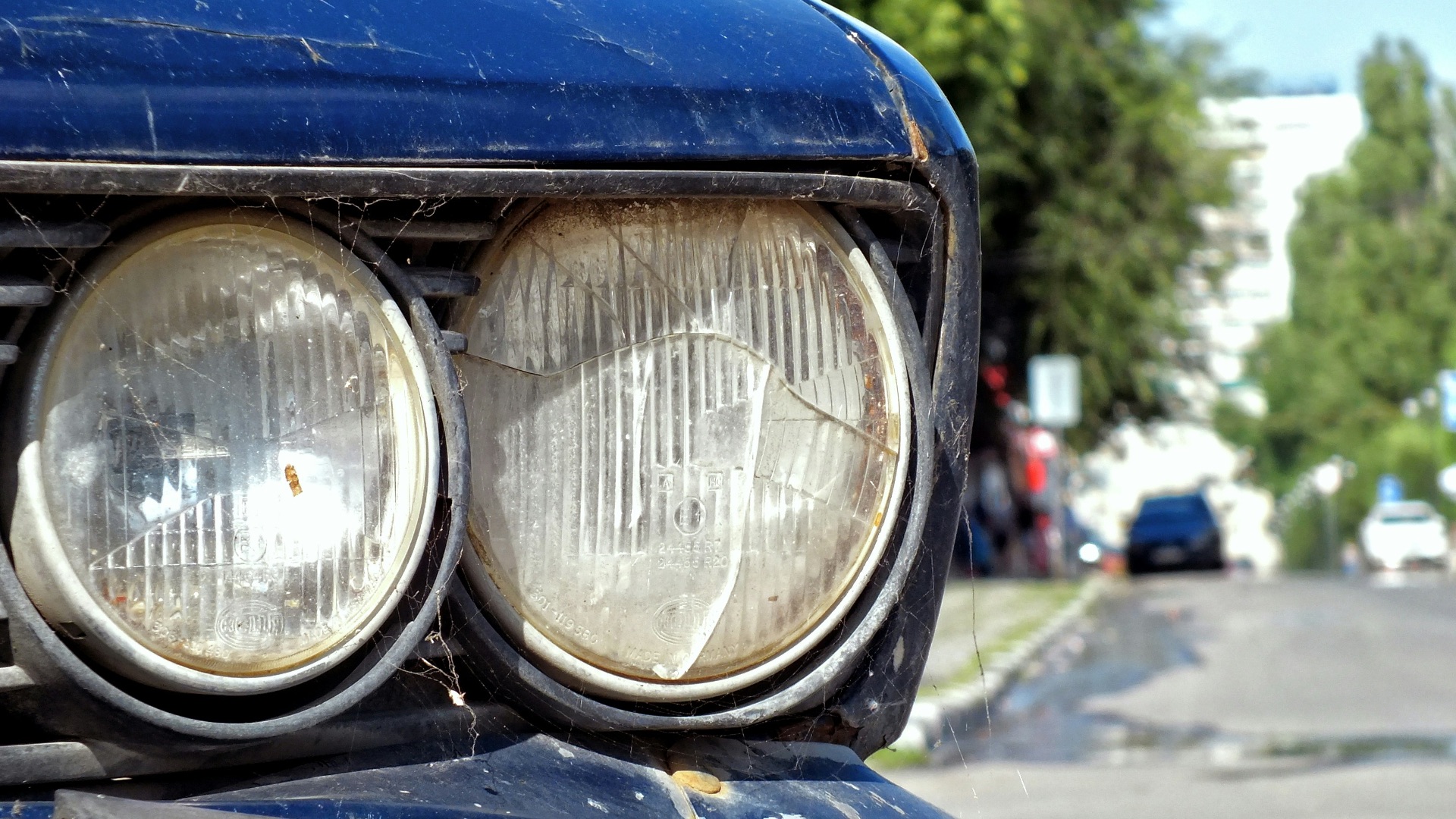
Equipment violations are one of the simplest ways to get stopped because they stand out immediately, especially at night. A burned-out brake light, cracked headlamp, or missing turn signal may seem minor to you, but it's enough to justify a traffic stop. In many situations, the problem isn't the repair cost as much as the unnecessary interaction it creates.
5. Expired Registration or Tags
Expired tags are easy for officers to spot, and they often lead to stops that could have been avoided with basic upkeep. Some drivers put it off because they're busy or assume a short delay won't matter, but expired registration is one of the most straightforward reasons to get ticketed. It also creates the impression that other paperwork may not be up to date either.

6. Illegal or Improper Turns
Turning where signs clearly prohibit it, failing to yield, or making wide, careless turns can all result in citations. These violations are common in busy areas where traffic patterns are stricter and officers are already watching how drivers move through intersections. What feels like a quick decision to save time can look like reckless or inattentive driving from the outside.

7. Distracted Driving Behind the Wheel
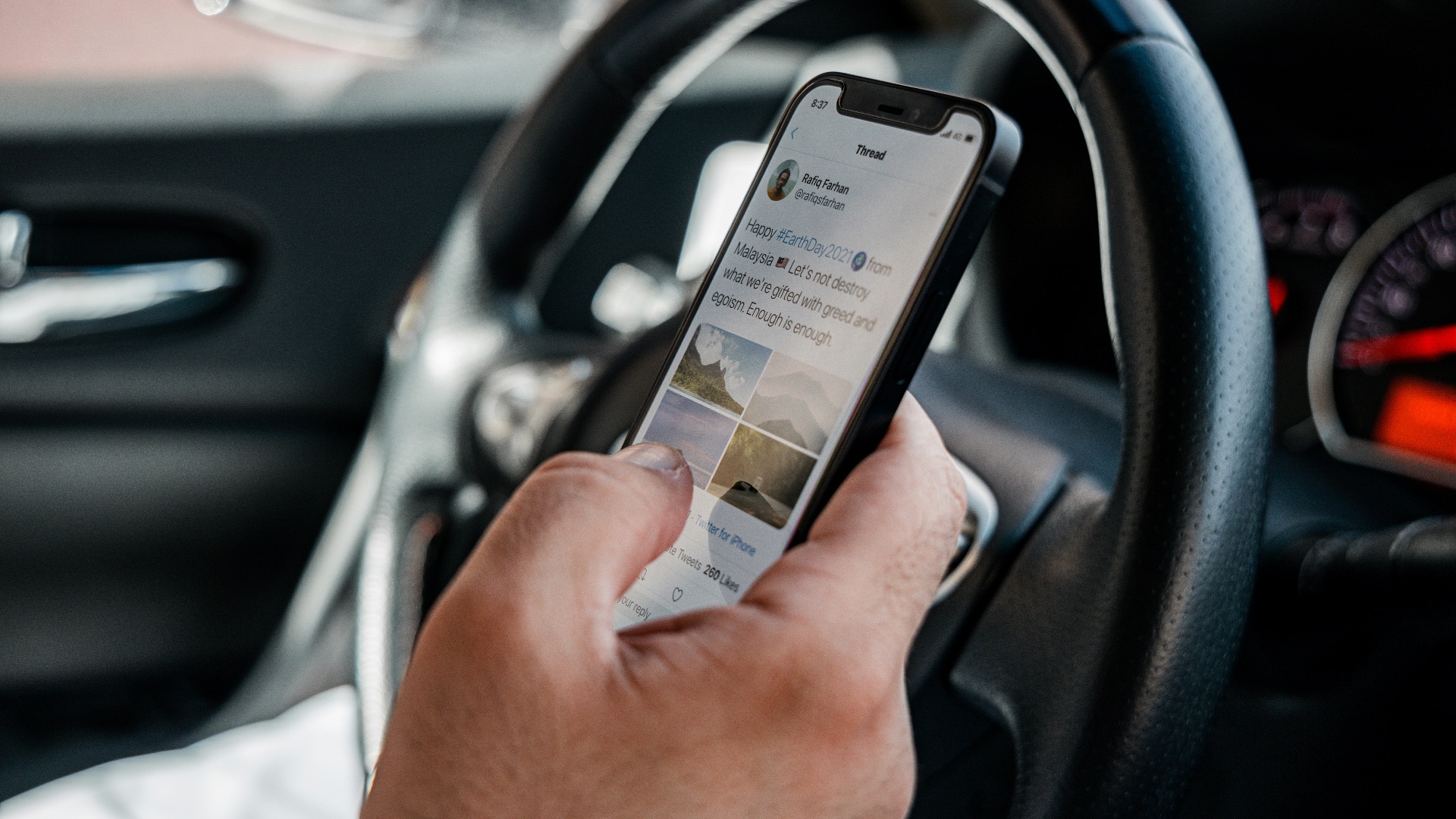
Using a phone while driving remains one of the most common reasons people get stopped, even when they think they're being discreet about it. Looking down at a screen at a red light or holding a phone near the steering wheel is often enough for an officer to notice. Distracted driving laws are taken seriously because they involve both traffic safety and clear driver responsibility.
8. Failing to Signal Lane Changes or Turns
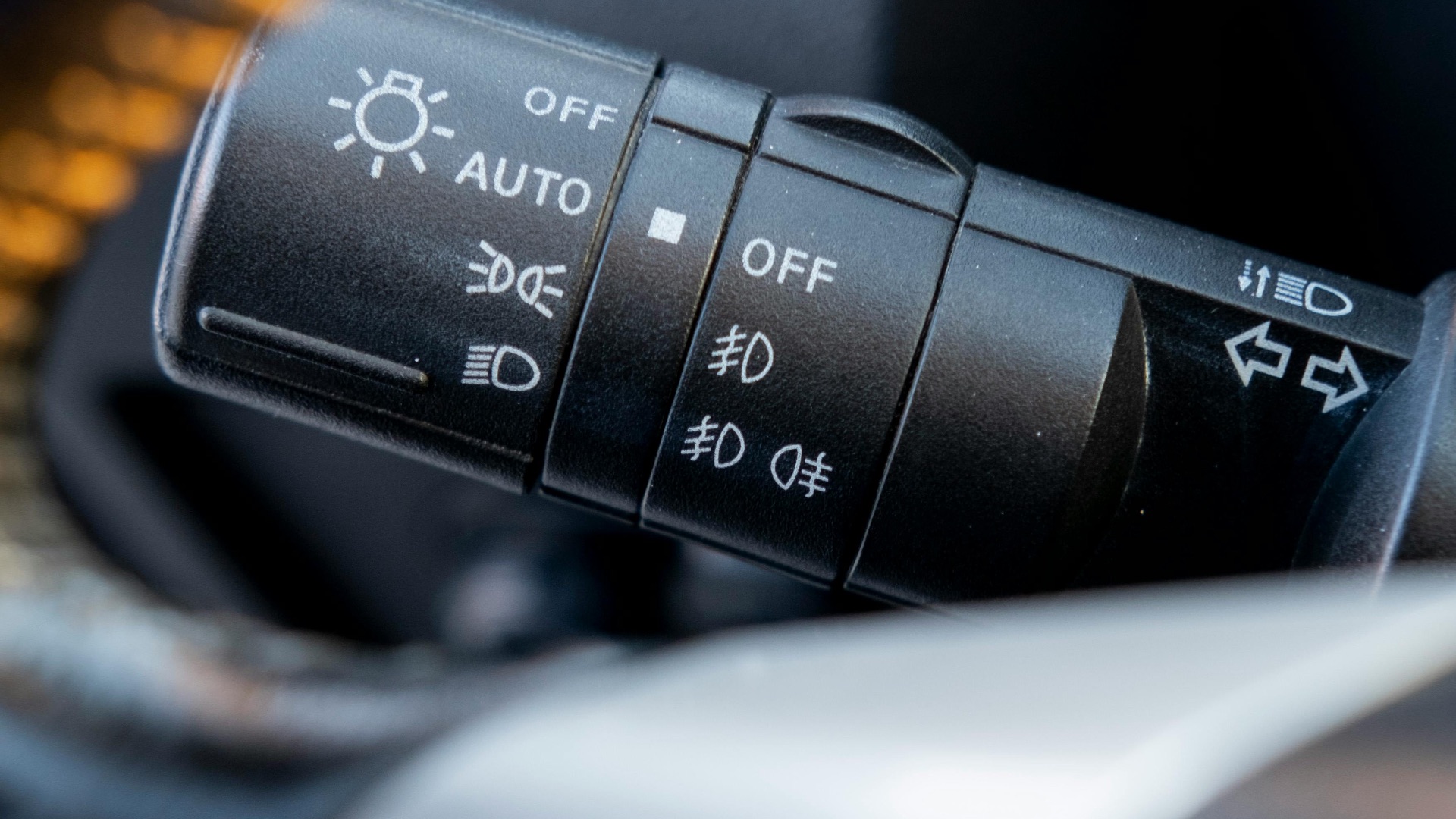
Not using your turn signal may seem like a small thing, but police view it as a sign that a driver isn't operating carefully or predictably. Signaling is one of the most basic expectations on the road, and skipping it gives officers a very simple basis for a stop. It becomes even more noticeable in moderate or heavy traffic, where other drivers depend on that signal to react safely.
9. Seat Belt Violations
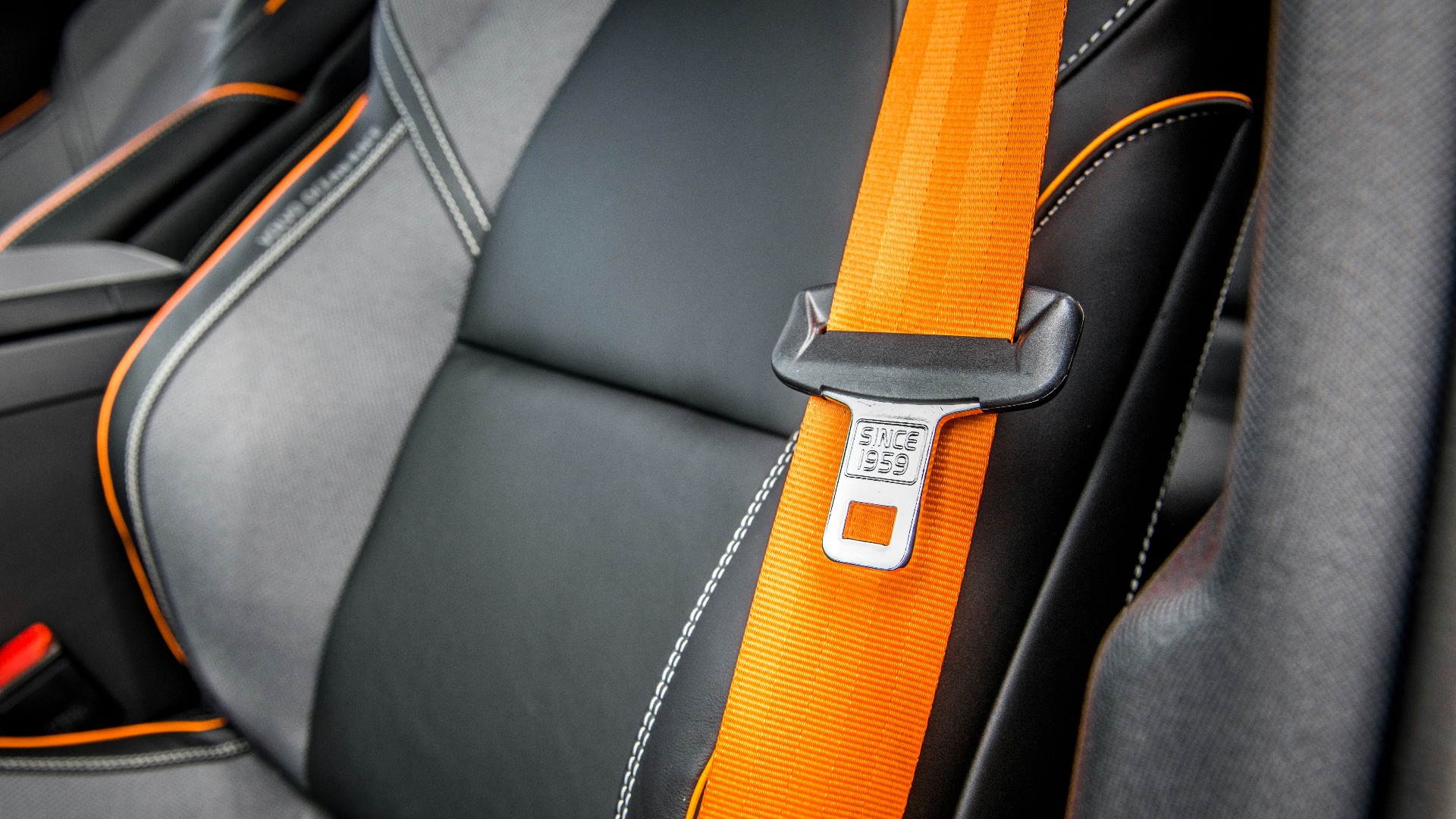
Drivers and passengers still get ticketed for not wearing seat belts, even though the rule is well-known. Some people let their guard down on short drives, in parking lots, or on local roads, assuming enforcement is focused elsewhere. In reality, seat belt laws are easy to enforce because the violation is often visible before a stop even begins.
10. Driving with Missing or Out-of-Date Documents
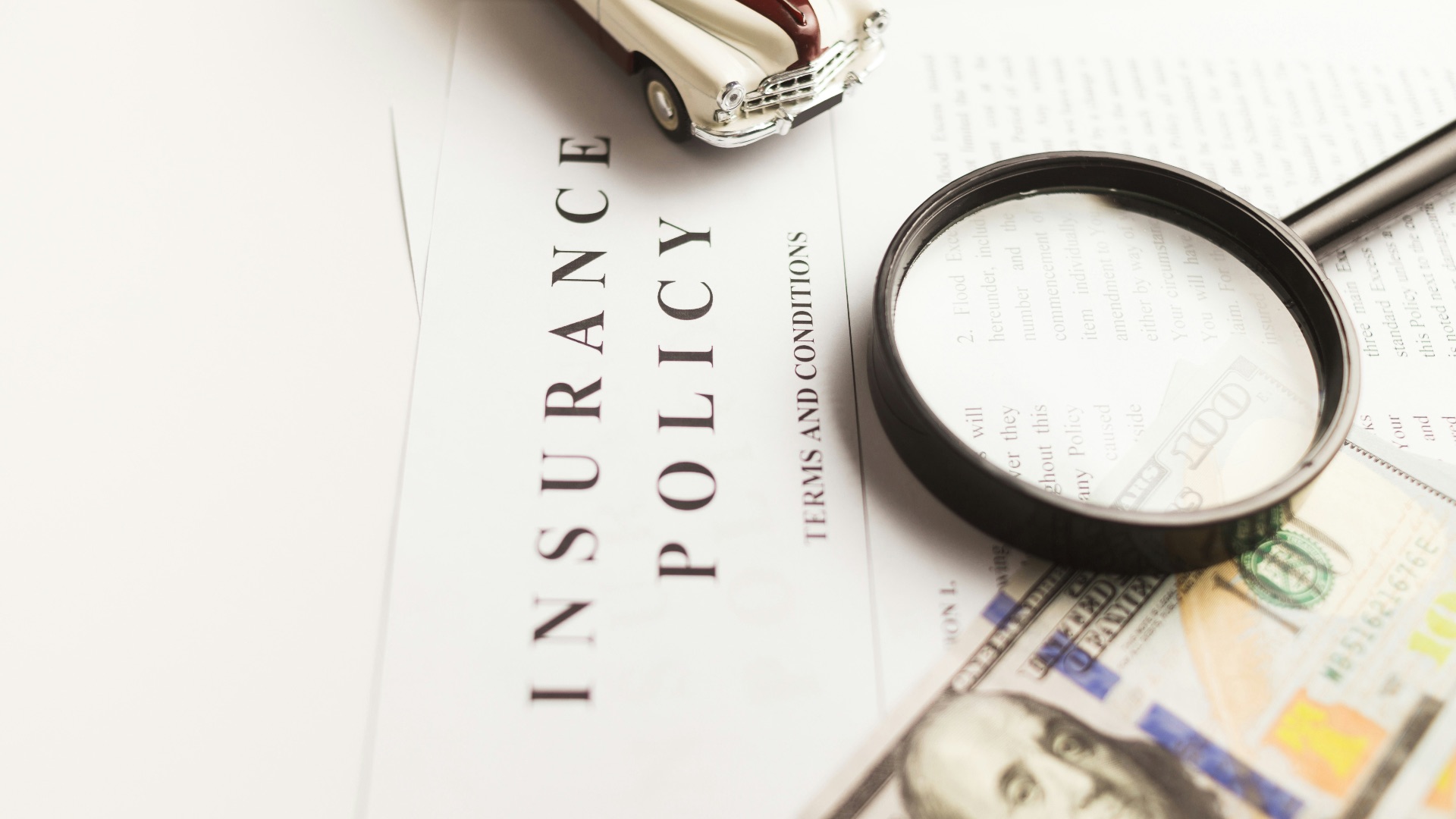
Even if you get pulled over for something minor, a missing license, expired insurance card, or outdated paperwork can quickly escalate the problem. Drivers sometimes forget to replace documents in the car after renewals or policy changes, and that oversight can lead to additional citations. What could have been a brief warning can become more serious when you can't produce what the law requires.
Avoiding tickets usually starts with fixing the habits and oversights that lead to stops in the first place. Just as important, though, is your actions on the road every day, because good judgment and preparation can reduce the odds of unwanted police attention even more. Here are 10 tips to keep in mind if you want to avoid catching the attention of law enforcement.
1. Keep Your Vehicle in Legal Working Order
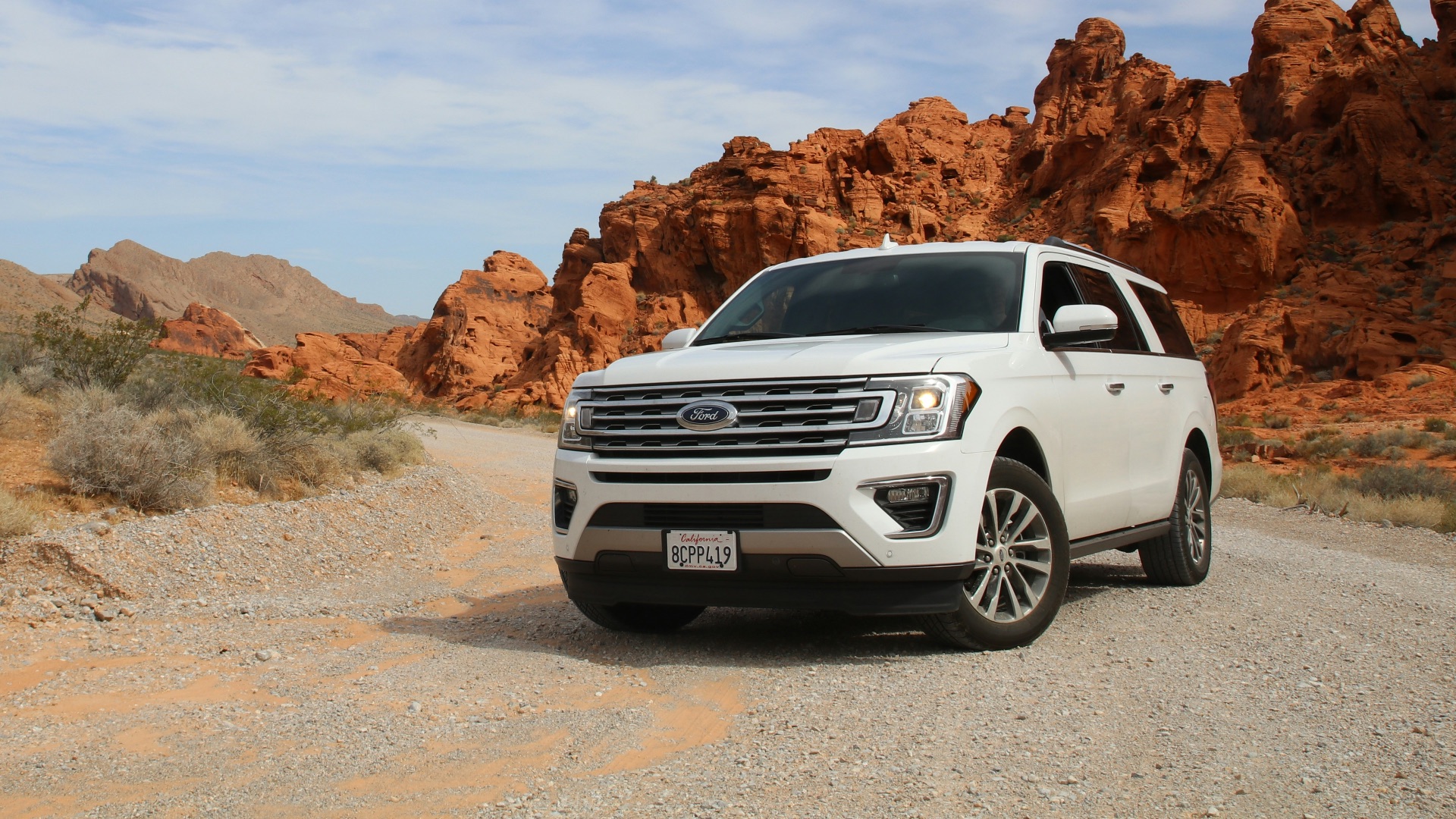
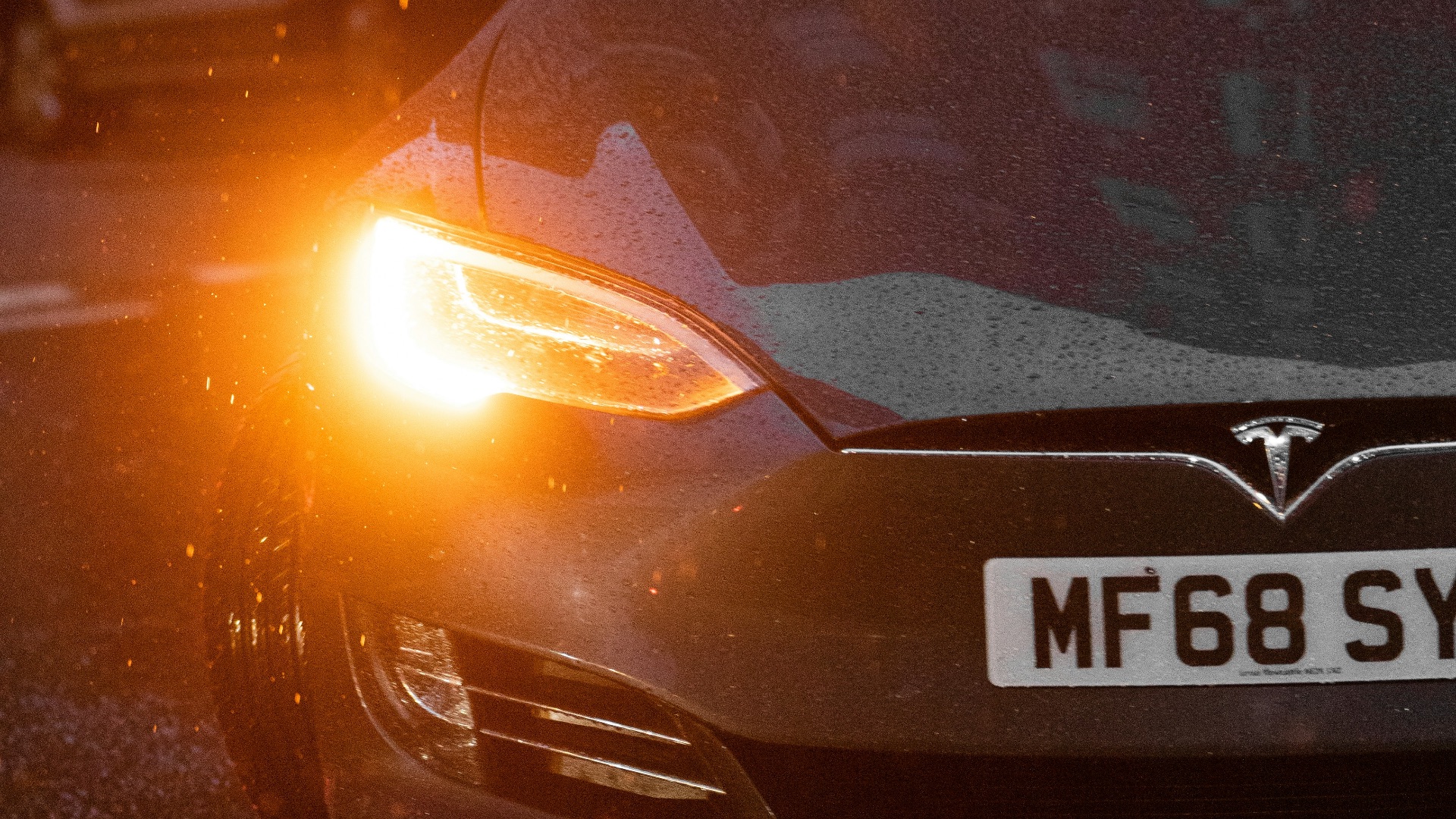
Check your lights, signals, license plate visibility, and windshield condition on a regular basis so small issues don't turn into traffic stops. A car that is clearly maintained gives officers fewer reasons to notice you for equipment problems. Staying ahead of repairs is one of the easiest ways to prevent unnecessary contact before it starts.
2. Take Speed Limits Seriously
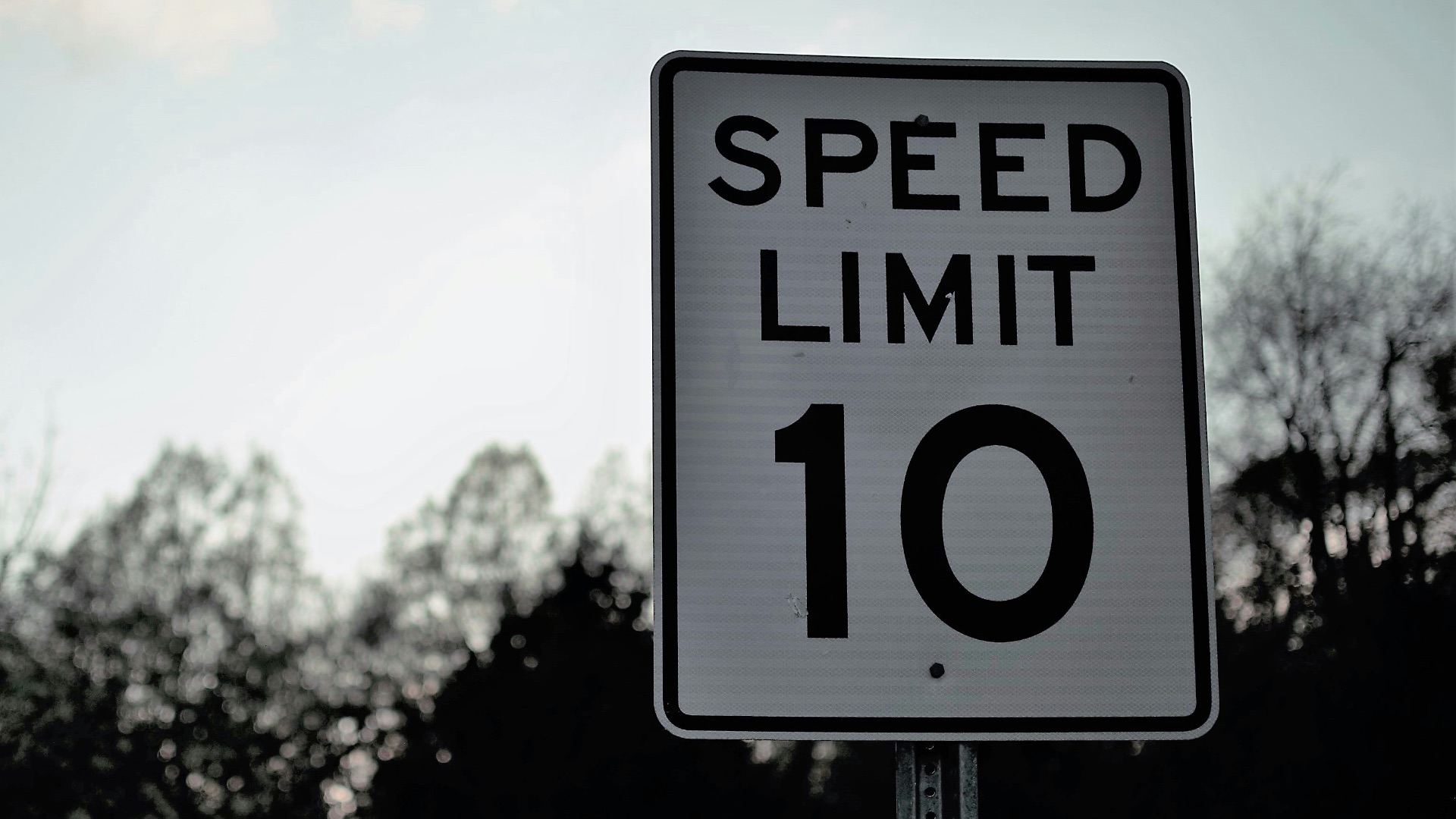
Instead of guessing what you can get away with, drive with the posted limit in mind and adjust for weather, traffic, and road design. That approach keeps you from making the kind of casual mistakes that lead to citations on roads with strict enforcement. It also helps you stay more aware of school zones, construction areas, and other places where penalties may be higher.
3. Come to Complete Stops Every Time
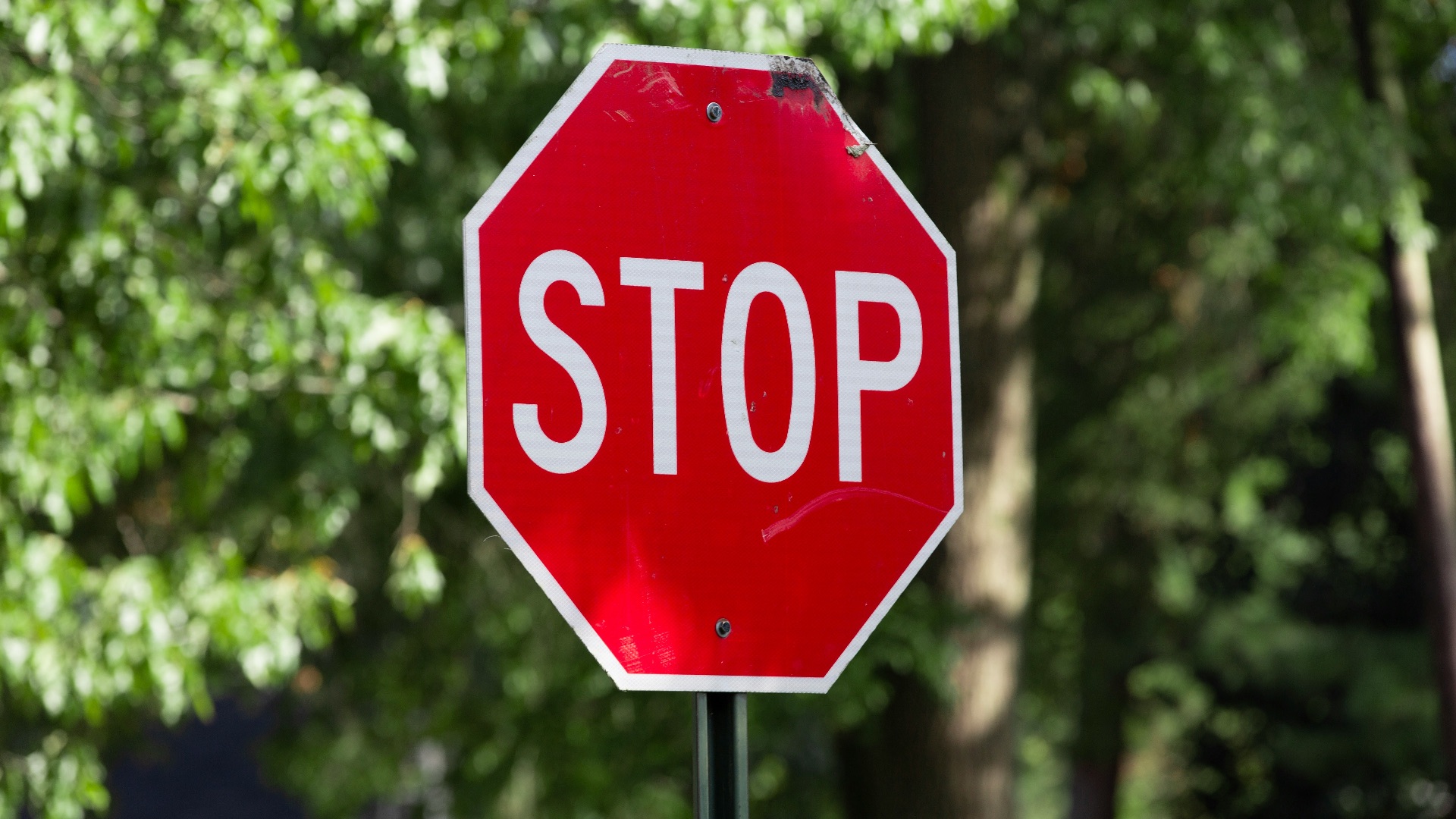
Make it a habit to stop fully at stop signs and before turning right on red when required. That pause should be clear and deliberate, and last at least three full seconds, not just a slight reduction in speed before moving again. When you follow this rule consistently, you remove one of the most common reasons officers use to justify a pull-over.
4. Use Your Signals
Always signal your intention before turns, merges, and lane changes with enough time for other drivers to understand what you're doing. Waiting until the last second defeats the point and makes other road users have to guess your next move. Consistent signaling shows predictability, and that matters both for safety and for avoiding police attention.
5. Stay Off Your Phone Completely
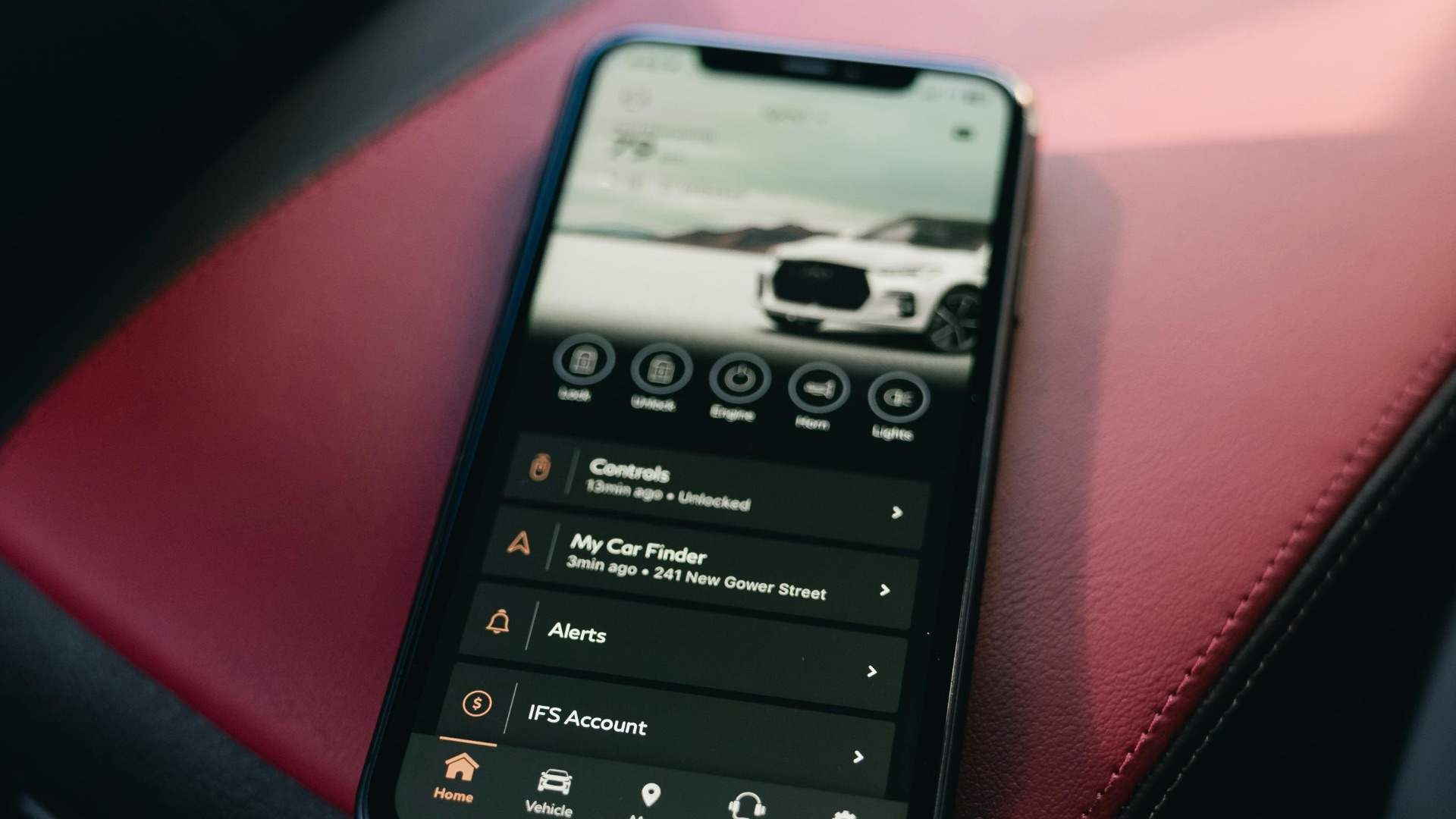
When you're behind the wheel, keep your phone out of reach and out of sight so there's no question about whether you're distracted by it or not. Hands-free options can help, but even then, your main focus should stay on the road rather than on a conversation or a screen. If something can't wait, pull over somewhere legal and deal with it there.
6. Keep Registration, Insurance, and License Information Current
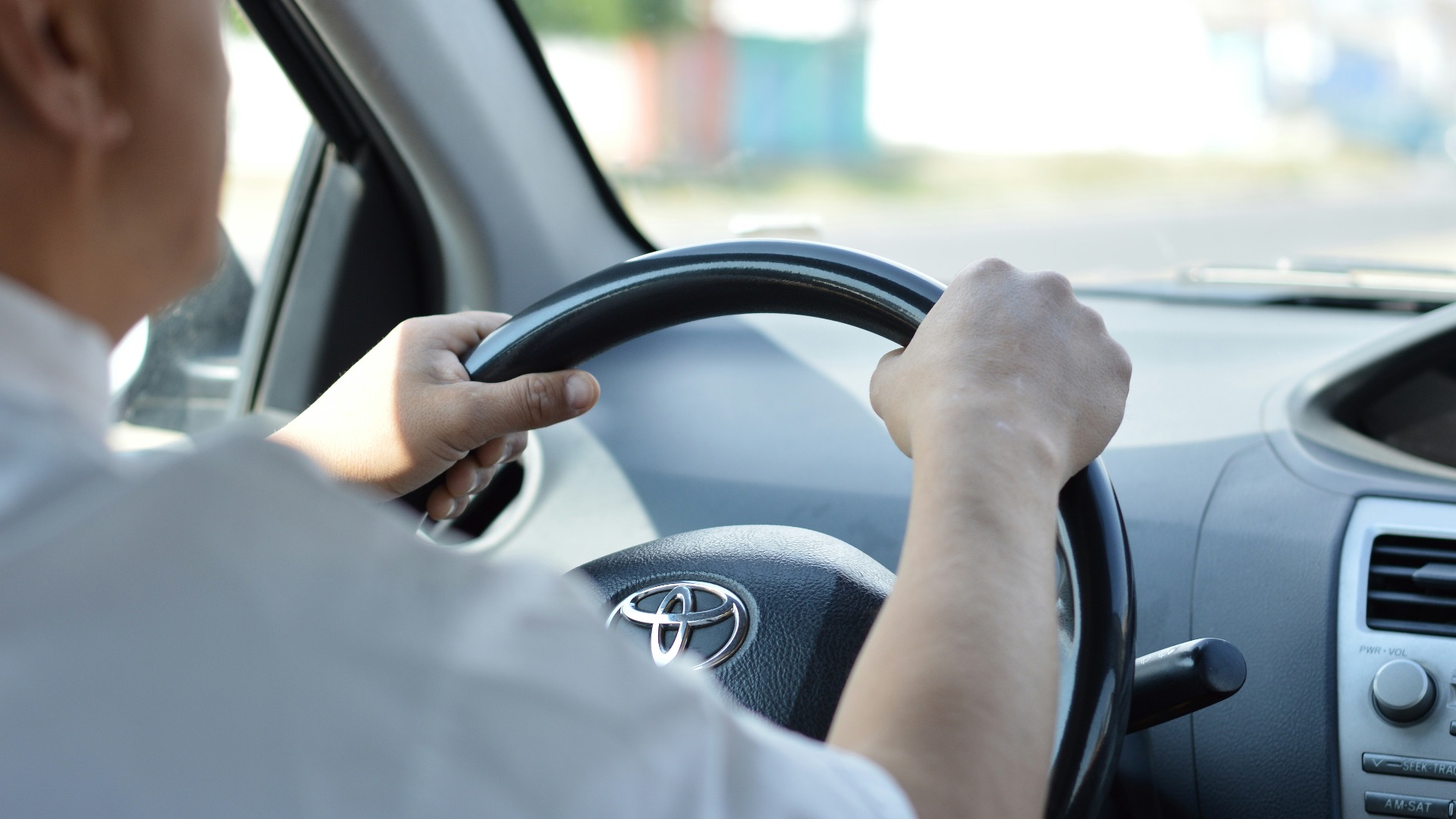
Make sure your registration is renewed on time and that your proof of insurance is valid and easy to access. It also helps to know exactly where your documents are before you ever get stopped, rather than searching for them under pressure. Being organized won't prevent every interaction, but it can keep a routine stop from getting worse.

7. Drive Safely and Predictably
Rapid lane changes, tailgating, hard braking, and weaving through traffic will draw attention even if they don't always result in an immediate citation. Officers often notice patterns that suggest impatience or poor judgment before they focus on one specific violation. If you don't want to get stopped, drive safely and predictably; that'll make you less likely to be singled out in the first place.
8. Pay Attention to Local Traffic Rules
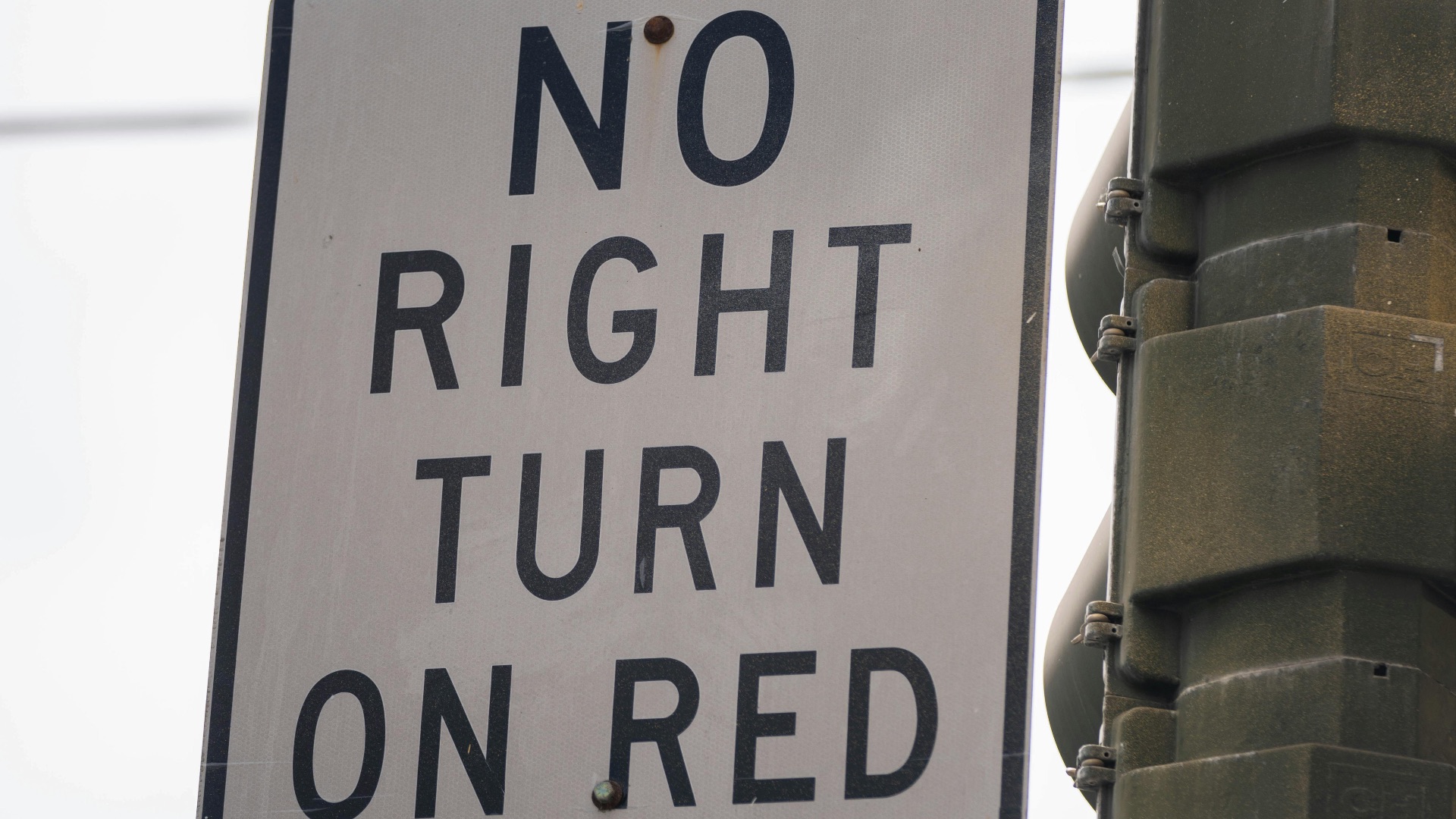
Not every area is enforced the same way, and some cities are stricter about turns on red, school zones, hands-free laws, or front plate requirements. If you're driving somewhere unfamiliar, take a moment to know the local rules rather than relying on habit. A lot of tickets happen because people assume the standards are the same everywhere they go.
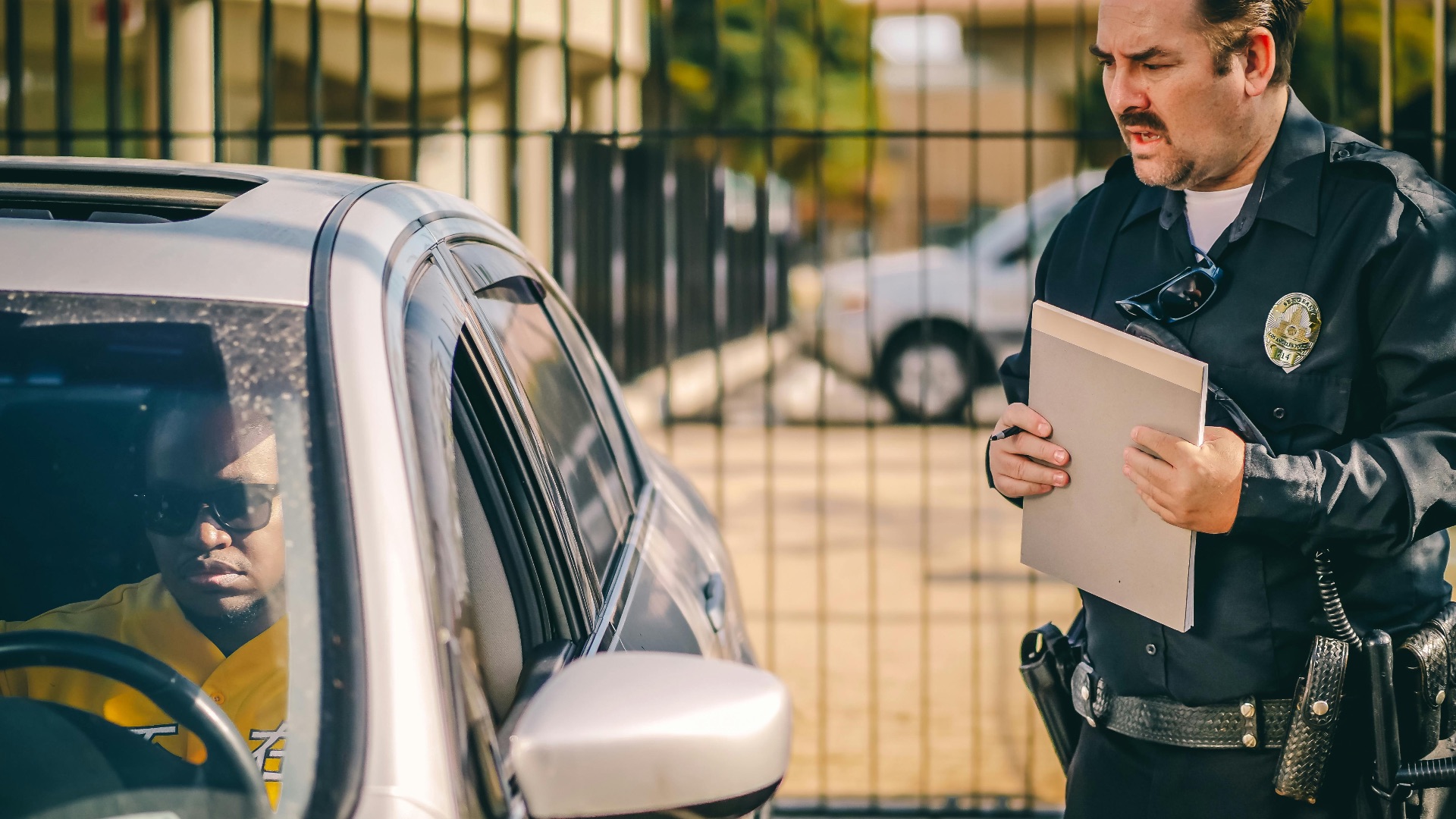
9. Be Respectful and Composed When Pulled Over
If you get pulled over, keep your movements calm, follow instructions, and avoid turning a basic stop into a tense exchange. Being argumentative at the roadside usually doesn't improve the outcome, and it can make the interaction longer and more stressful. A respectful attitude won't erase a violation, but it can help keep things from escalating unnecessarily.
10. Don't Give Police More Than One Reason to Stop You
Minor issues tend to pile up when drivers get careless, such as speeding while using a phone in a car with expired tags. Even if one problem might have gone unnoticed, a combination of violations makes attention much more likely. The best strategy is to stay consistent across the board so there isn't an obvious reason for an officer to take interest in you.