
Passengers: A Blessing or a Hazard?
Anyone who's ever driven with a full car knows that passengers can completely change the experience behind the wheel. The people riding with you have more influence over how safely you drive than most of us would care to admit, and that influence can swing in either direction depending on how everyone in the car behaves. Whether you're the one driving or the one along for the ride, it's worth knowing exactly how that dynamic plays out. Here are 10 ways passengers can make driving more dangerous, and 10 ways they're a blessing in disguise.

1. Keeping Up Constant Conversation
Maintaining a running conversation while behind the wheel sounds harmless enough, but it can pull a driver's mental focus away from the road in a surprisingly significant way. Research has found that engaging in complex verbal exchanges demands cognitive resources that would otherwise be directed toward scanning for hazards, processing traffic signals, and anticipating other drivers' actions. Even when the chat feels light, it's easy for a driver to get absorbed in what's being said and miss something critical happening just ahead.
2. Fighting Over the Music
When a passenger cranks up the volume or starts a dispute over what to listen to, the noise level in the car can quickly become a distraction in its own right. Loud audio makes it harder to hear important sounds from outside the vehicle, including emergency sirens, car horns, or the screech of brakes from a nearby car. Beyond the volume itself, the back-and-forth negotiation over playlists is its own distraction that takes the driver's attention away from what's happening on the road.
3. Reaching Into the Driver's Space
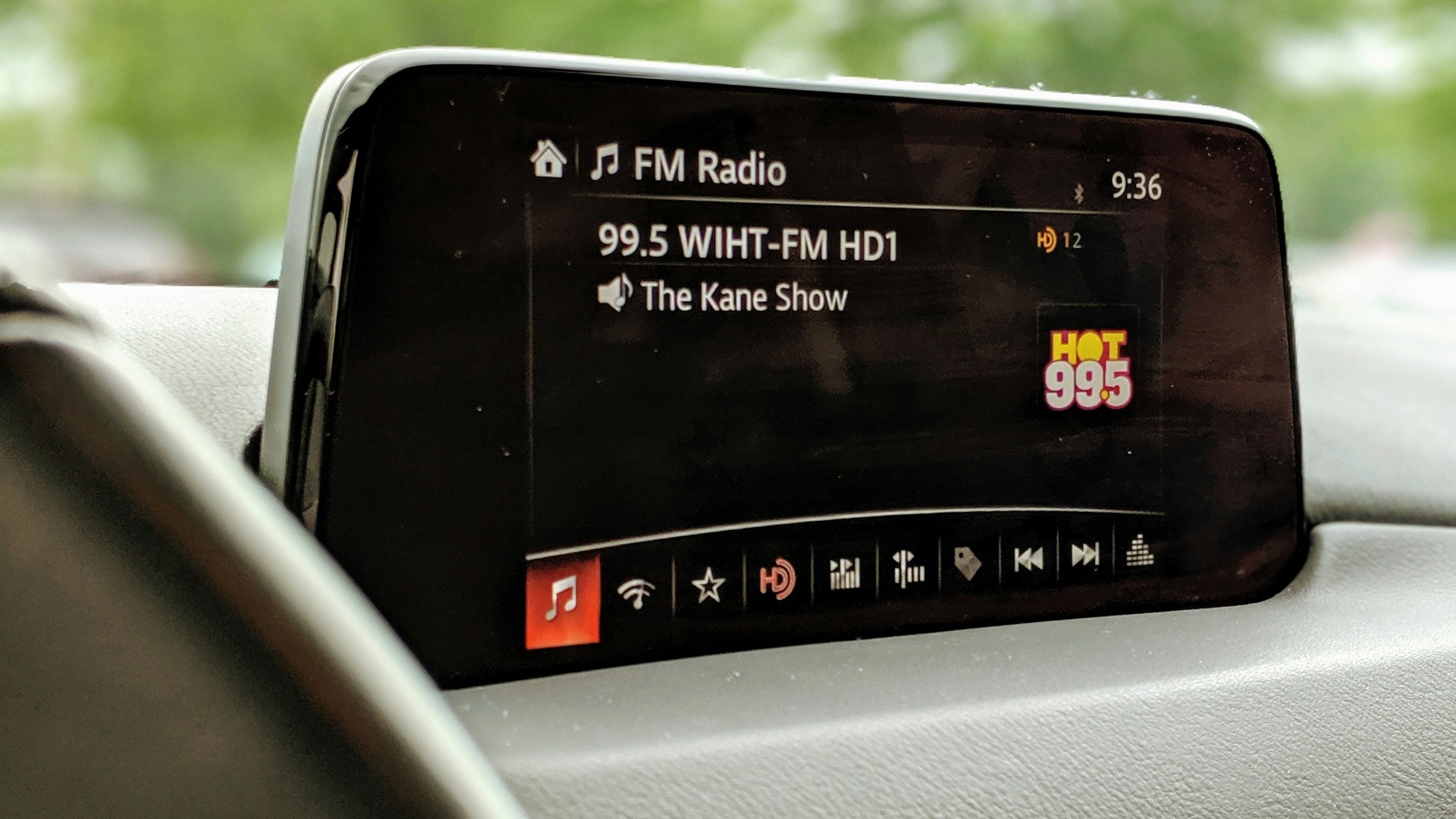
Some passengers don't think twice about leaning over to adjust the radio, grab something from the glove compartment, or point at something on the navigation screen. But any physical intrusion into the driver's space can startle them, obstruct their view, or even cause their hands to slip off the wheel at an inopportune moment, which can be incredibly distracting (and annoying).
4. Holding Up a Phone Screen
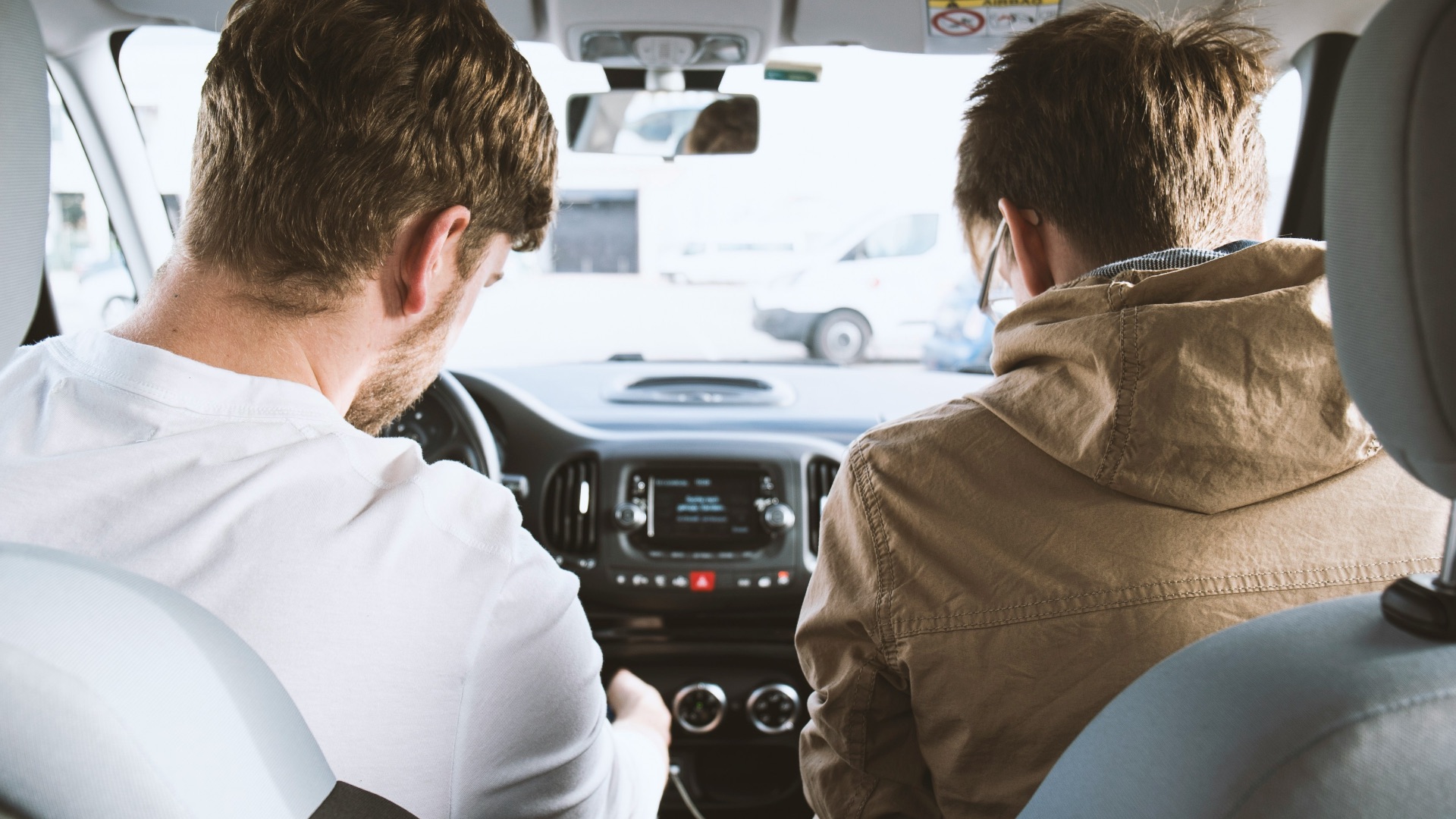
Passengers sometimes want to share something funny or urgent from their phone and hold it up where the driver can see it, often without thinking about the timing; sometimes it's because they want to take a photo. But even a glance away from the road for a second or two can be enough to miss a stop sign, a pedestrian stepping off the curb, or a car braking suddenly up ahead. The driver's eyes belong on the road, and no video, notification, or picture is worth the risk of splitting that attention.

5. Startling the Driver with Sudden Outbursts
Gasping loudly, screaming, or grabbing the dashboard in a panic can cause even a seasoned driver to react in a way that makes things considerably worse. A sudden jolt of adrenaline triggered by an unexpected outburst can cause the driver to swerve, brake too hard, or momentarily lose their grip on the wheel. If you genuinely notice something alarming, calmly alerting the driver is far safer than reacting in a way that sends them into a panic, too.

6. Backseat Driving
A steady stream of instructions, corrections, and unsolicited commentary from the passenger seat can create a tense environment that negatively affects how the driver performs. When someone is second-guessing every lane change or insisting the driver slow down on a perfectly clear stretch of road, it can introduce hesitation and anxiety into what should be a confident, focused activity. Too many competing voices can also cause the driver to lose their grip on their own decision-making process at the worst possible times.

7. Passing Food While Moving
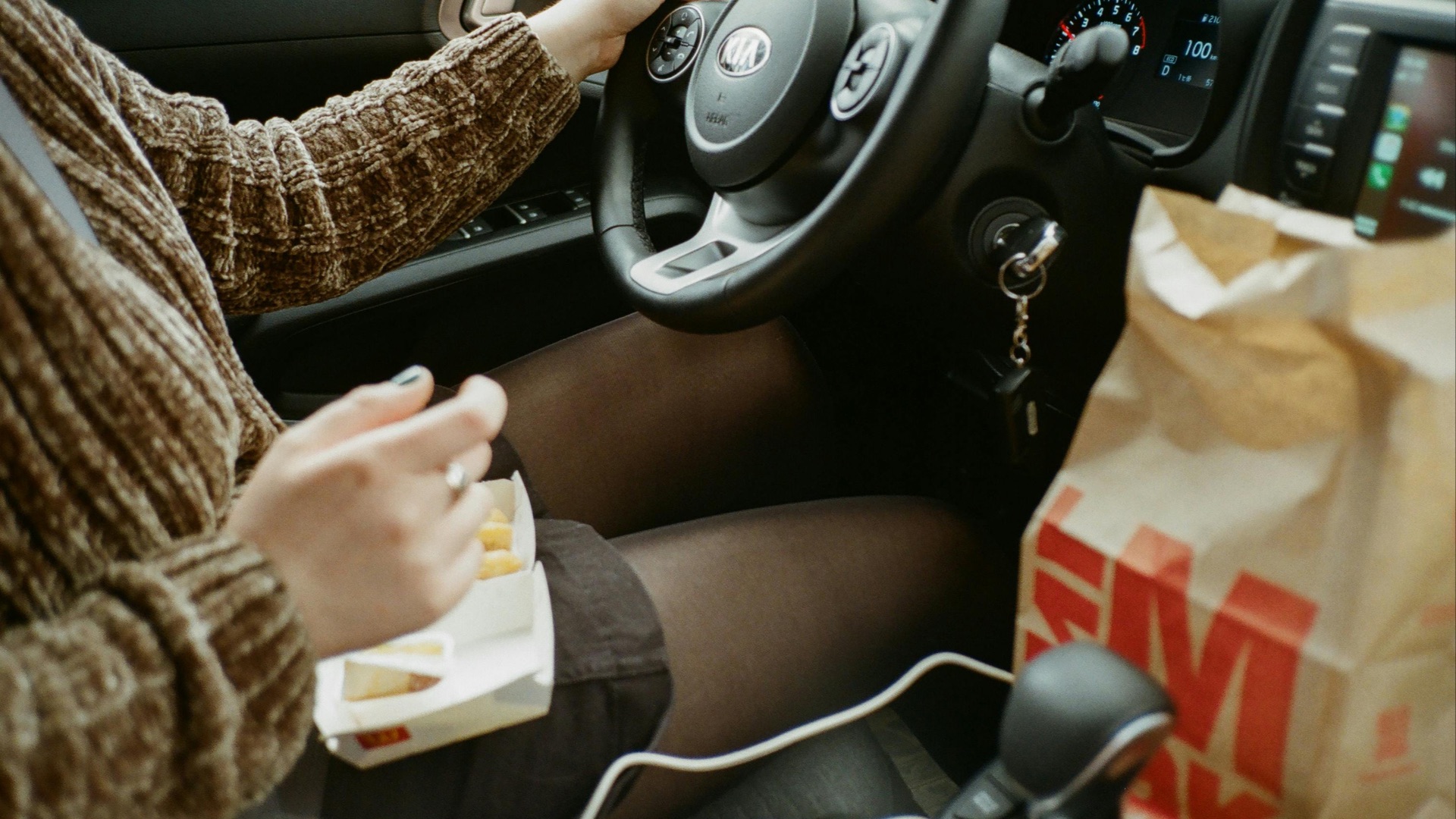
Passengers who hand food or drinks to the driver while the car is in motion may not realize just how much coordination that simple act actually requires. The driver has to take their hand off the wheel, look sideways or down to receive the item, and then manage holding it while simultaneously steering through traffic. Keeping snacks and beverages firmly in the passenger's hands until the car is safely parked is always the smarter and safer choice.
8. Arguing or Creating Emotional Tension
A heated argument between a driver and passenger introduces emotional stress that's genuinely difficult to compartmentalize in a moving vehicle. Anger, frustration, and hurt feelings don't conveniently stay out of the way when the driver needs to concentrate; they tend to cloud judgment and slow down reaction times in measurable ways. Difficult conversations are best saved for when the car is parked and everyone can give the discussion the full attention it deserves.

9. Riding Without a Seatbelt
When a passenger chooses not to wear their seatbelt, they're not just putting themselves at risk; they're creating a hazard for every other person in the vehicle. In the event of a collision, an unbelted passenger can be thrown forward with tremendous force, potentially injuring the driver or other passengers in the process. It's worth addressing the seatbelt situation before the car moves, even if it means a brief awkward moment before you pull out of the driveway.
 Alexandria Gilliott on Unsplash
10. Encouraging Reckless Behavior
Some passengers actively pressure the driver to speed, weave through traffic, or show off in ways that significantly raise the risk of an accident. Whether it's a group of friends laughing and urging someone to push the speedometer higher or a single passenger insisting there's no need to ease off the gas, that kind of social pressure can be genuinely dangerous. Drivers are ultimately responsible for their own choices, but the dynamics inside a car can make it surprisingly hard to push back against that kind of encouragement.
But having passengers in your car isn't always a bad thing; in fact, they can sometimes make things safer. Let's take a look at how:

1. Serving as a Second Set of Eyes
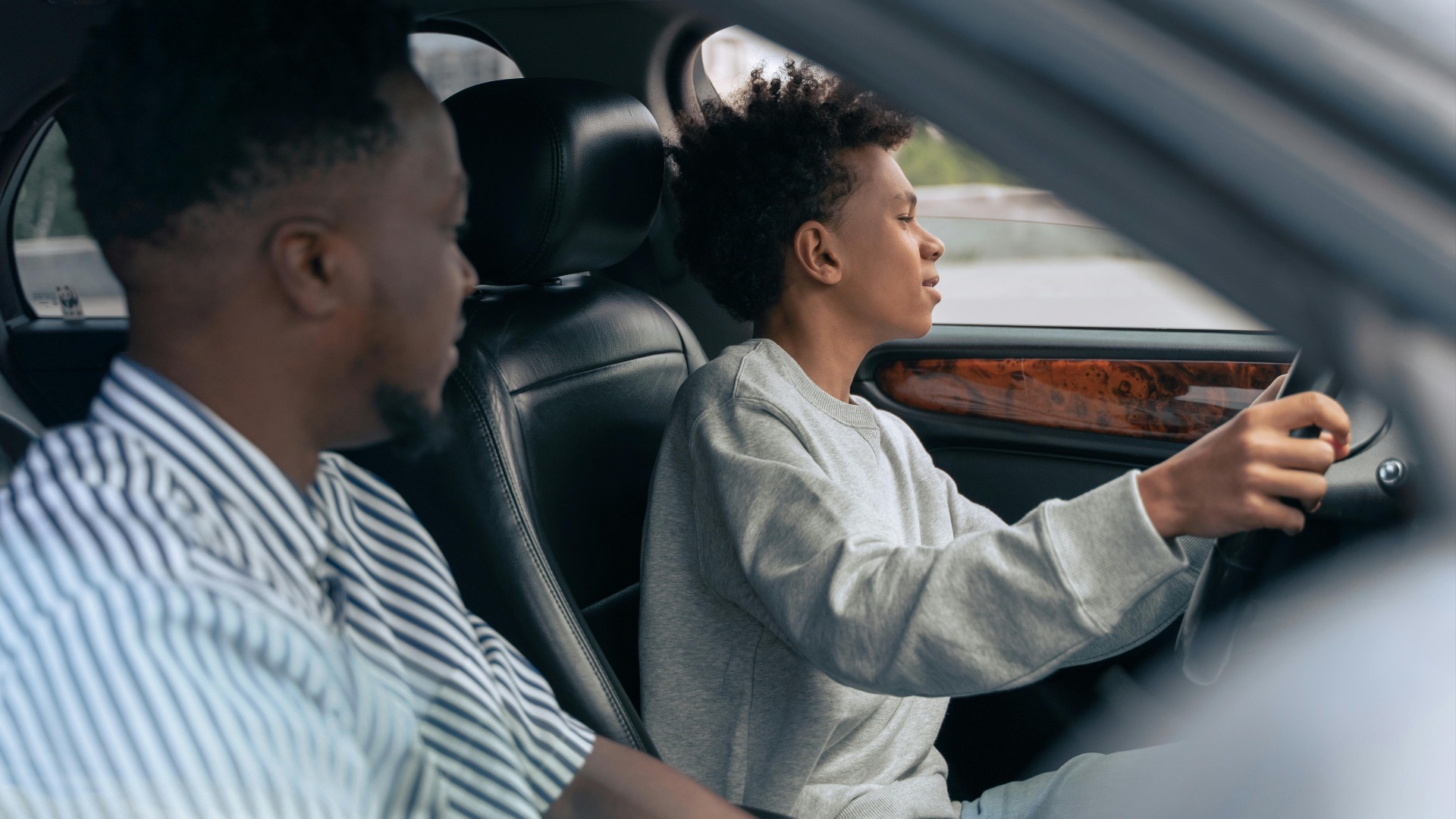
A passenger who's actively paying attention to the road can catch things the driver might miss, such as a car running a red light, a pedestrian stepping out unexpectedly, or a hazard materializing up ahead. Having someone in the passenger seat who's alert and ready to give a calm, clear heads-up can genuinely reduce the chance of a close call. It's one of the best contributions a passenger can make to a safe and uneventful trip.
2. Taking Over Navigation
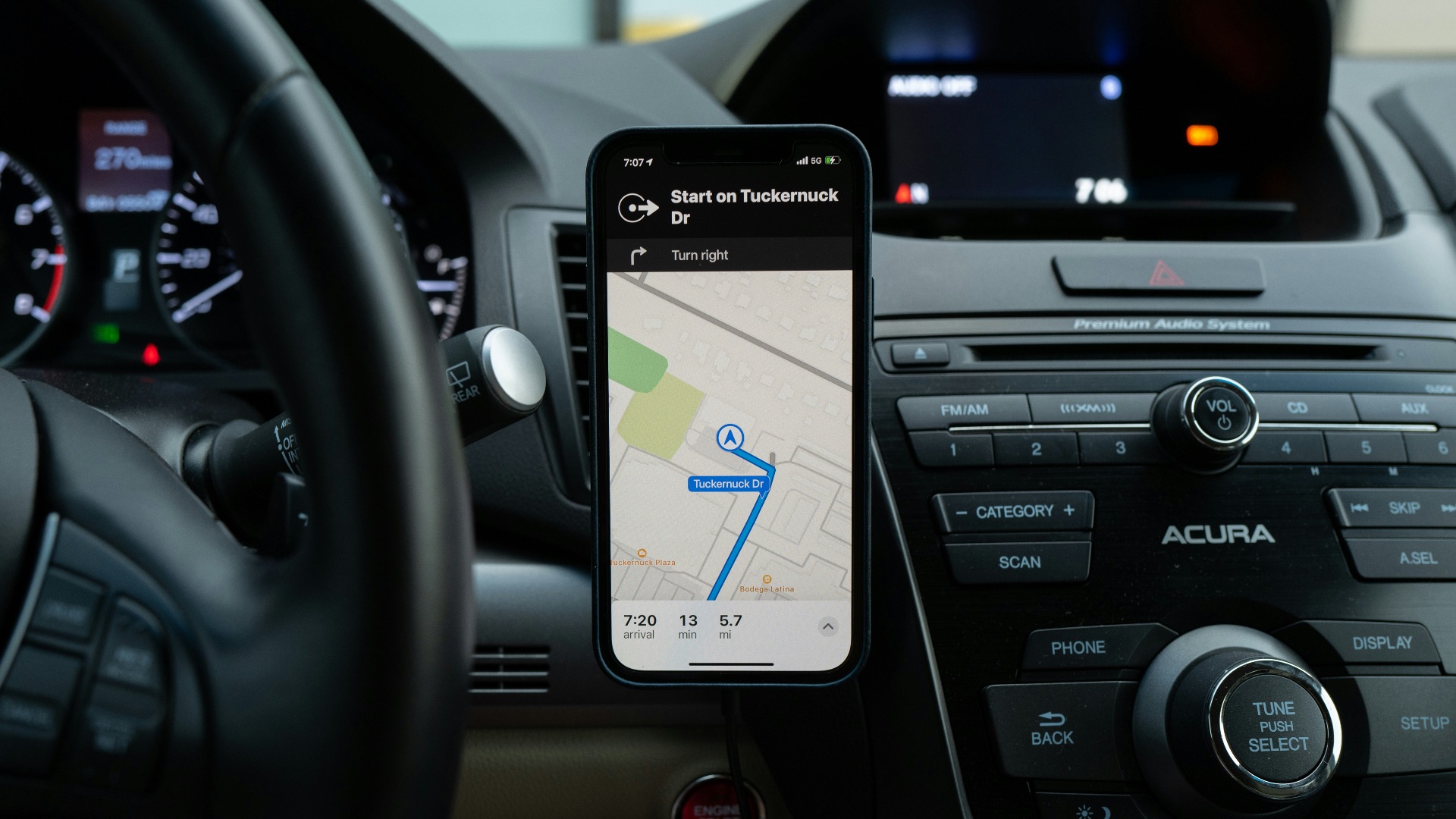
Asking a driver to read directions off a phone screen while managing traffic is a reliable recipe for distraction. A passenger who handles navigation can relay turn-by-turn instructions verbally, meaning the driver never needs to glance away from the road to figure out where they're going, and that division of responsibilities makes the whole journey smoother and noticeably safer for everyone on board.
3. Managing the Music
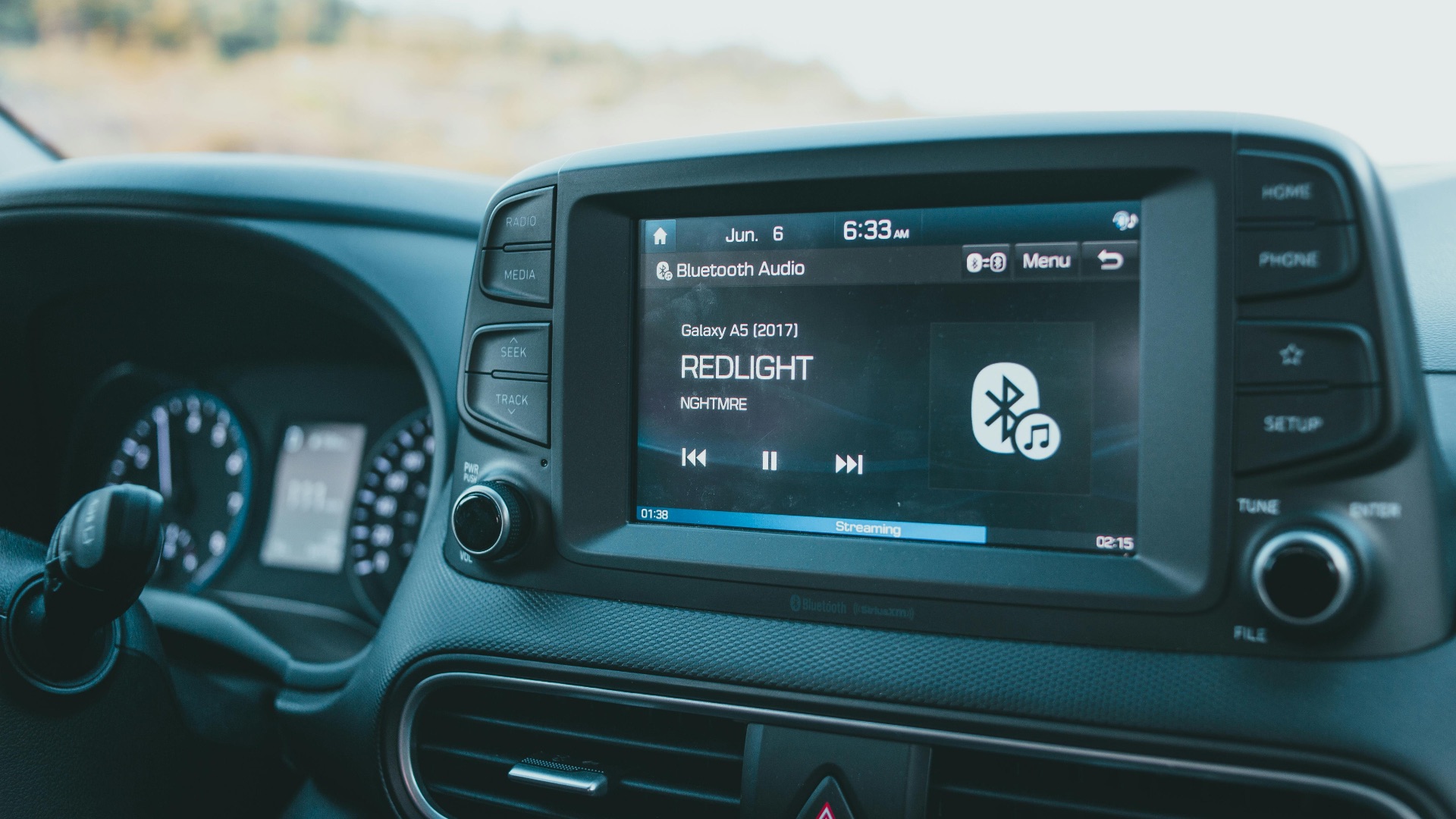
When a passenger takes on DJ duties, it frees the driver from having to fiddle with their phone or the stereo controls while the car is moving. Scrolling through playlists or searching for a specific track requires more visual attention than most people give it credit for, so handing that task to someone else is a genuinely practical call. The driver gets to stay focused on the road while the music gets handled without any interruption to their concentration.
4. Helping the Driver Stay Alert on Long Trips
Fatigue is one of the most dangerous conditions a driver can be in, and a passenger who keeps the conversation light and engaging can help combat drowsiness during a long haul. A gentle, low-key exchange can be enough to keep the driver's alertness up when they might otherwise start to feel their eyelids getting heavy. If the driver shows real signs of exhaustion, a thoughtful passenger will also be the first to suggest pulling over at the next rest stop rather than pushing on.

5. Guiding Parking and Reversing
Maneuvering into tight spaces is one of the trickier parts of everyday driving, and a passenger can be an excellent guide when parallel parking or reversing into a spot. They can step out to check clearance, offer verbal cues about how much space is left on either side, or simply keep an eye on a blind spot the driver can't easily monitor from behind the wheel. That extra perspective can prevent the kind of minor fender benders that are entirely avoidable with a little help.
6. Tending to Children or Pets in the Back
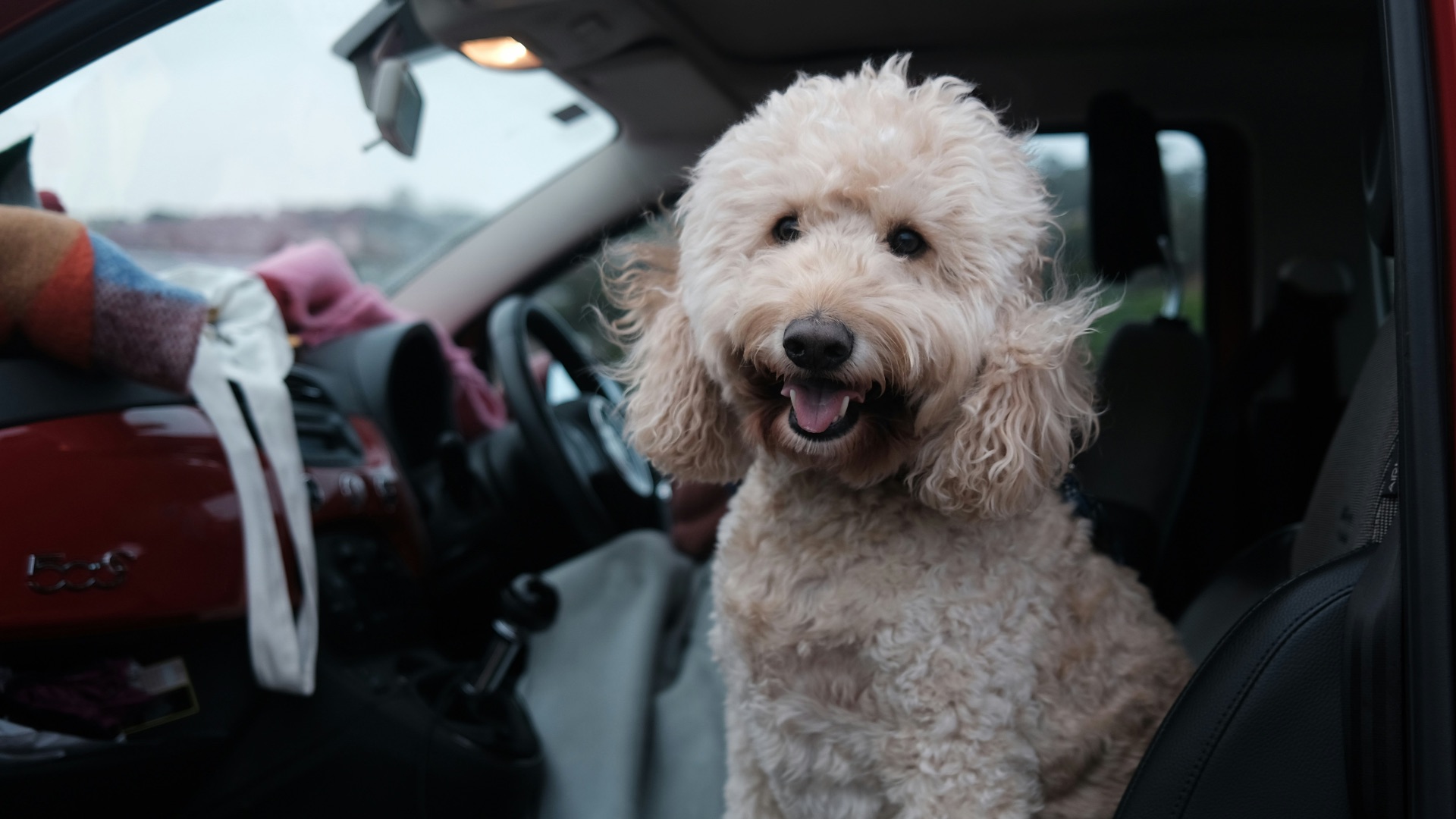
A passenger who can attend to a fussy child or an anxious pet takes an enormous amount of pressure off the driver without requiring the car to stop. Turning around to address a child or reaching back to calm a restless animal is a real and serious distraction; having a co-passenger handle it keeps the driver's focus exactly where it needs to be. When the driver can keep both hands on the wheel and both eyes on the road, everyone in the car is better off for it.
7. Monitoring Weather and Traffic Updates
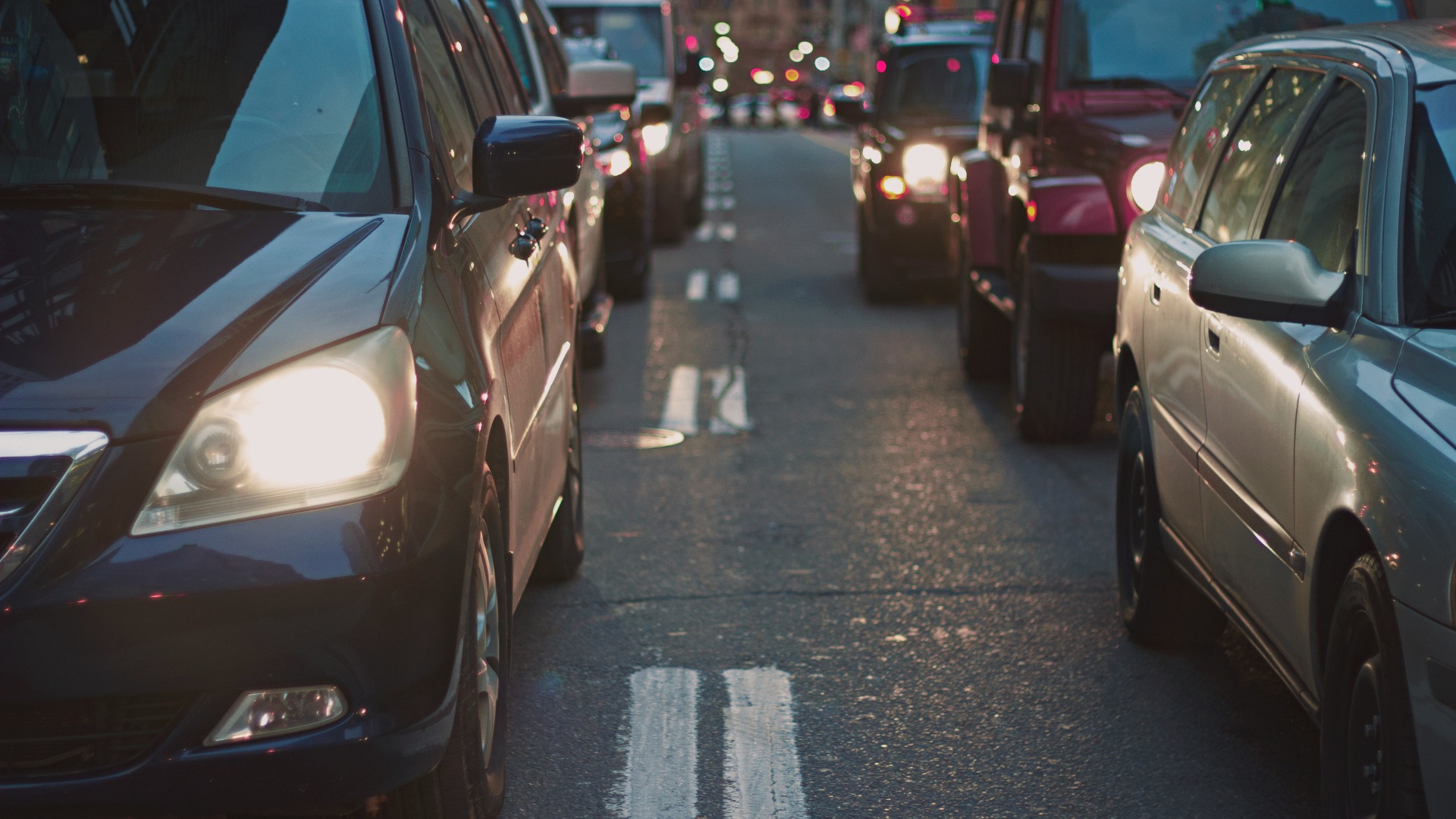
A passenger with a phone can keep an eye on weather forecasts, traffic alerts, and road condition reports in real time during the journey. If a storm is moving in, an accident is backing up the route ahead, or a road closure is being reported, the passenger can flag it early and help the driver make a smarter decision about whether to reroute. That extra layer of up-to-date information can make a real difference, especially on unfamiliar roads or in unpredictable conditions.
8. Stepping Up in an Emergency
If a medical issue, mechanical problem, or roadside situation comes up unexpectedly, a calm and capable passenger can take on tasks that the driver simply can't manage alone. They can contact emergency services, locate a first aid kit or hazard triangles, or relay important information to help authorities while the driver focuses on pulling safely to the side of the road. Having a composed co-passenger available can turn a potentially chaotic moment into something far more manageable.

9. Staying Sober as a Backup Driver
One of the most practical things a passenger can do is stay sober when there's any chance the driver might need to be relieved during a long trip or after a social event. Having a designated backup driver means there's always a safe option available if the primary driver becomes too fatigued, unwell, or otherwise unable to continue. Planning ahead this way is a simple, effective measure that protects everyone in the car and everyone else sharing the road.
 Jaxon Matthew Willis on Pexels
10. Providing a Calm, Steady Presence
A passenger who stays composed and relaxed in the seat beside you can have a positive effect on how you drive, even if neither of you is consciously aware of it. Stress and anxiety have a way of spreading in enclosed spaces, and a co-passenger who doesn't panic in heavy traffic or tense road situations can help the driver maintain a steady, clear-headed approach throughout the trip.