
Building Road Confidence
Your examiner tells you the results, and your heart sinks: you've failed the road test. It can feel frustrating and upsetting, but it's not all doom and gloom. In fact, there are plenty of ways to rebuild your confidence, starting with reframing your mindset and getting in lots of practice. Here are 10 things to do after you fail a driving test—and 10 tips to boost your confidence.
 Antoni Shkraba Studio on Pexels
1. Practice, Practice, Practice
Practice makes perfect, so make sure to get back up and try again instead of replaying every mistake you made in your head. Ask a friend or family member to drive with you so you can brush up on your skills, or continue scheduling weekly lessons with an instructor until you've got everything down pat.

2. Identify Areas of Weakness
Pay attention to the key areas of weakness that the examiner mentioned to you after the test. Why did they think you weren't ready? Was it because you forgot to shoulder check? Was it because you couldn't carry out certain maneuvers, like parallel parking? By identifying which issues to focus on and correct, you'll have a better idea of how to improve.
3. Watch Videos
It may help to watch videos before practicing in real life. If you're struggling with parking or changing lanes, you'll often be able to find helpful clips online that can give you great advice. Try applying these tips the next time you're on the road, and don't be afraid of rewatching and reviewing more instructional videos.
 Christian Wiediger on Unsplash
4. Don't Beat Yourself Up Over Mistakes
It might seem like the end of the world after you fail your driving test, but it's not. In fact, it happens much more often than you think. Instead of beating yourself up over mistakes and hurting your confidence, allow the experience to make you into a better, smarter driver.

5. Take Another Mock Test
Ask an instructor, friend, or family member to sit next to you as you simulate a road test. Pick a route you know might come up on the actual exam, and repeat through it until you've confidently got it down. Better yet, practice different routes until you're confident driving through all of them.

6. Observe How Others Drive
Even when you're not the one behind the wheel, pay close attention when others are driving. What do they do before switching lanes? What references do they use to park? How do they gauge when it's okay to turn? Sometimes, just plainly observing can give you a lot more insight than you realize.

7. Drive Despite the Weather
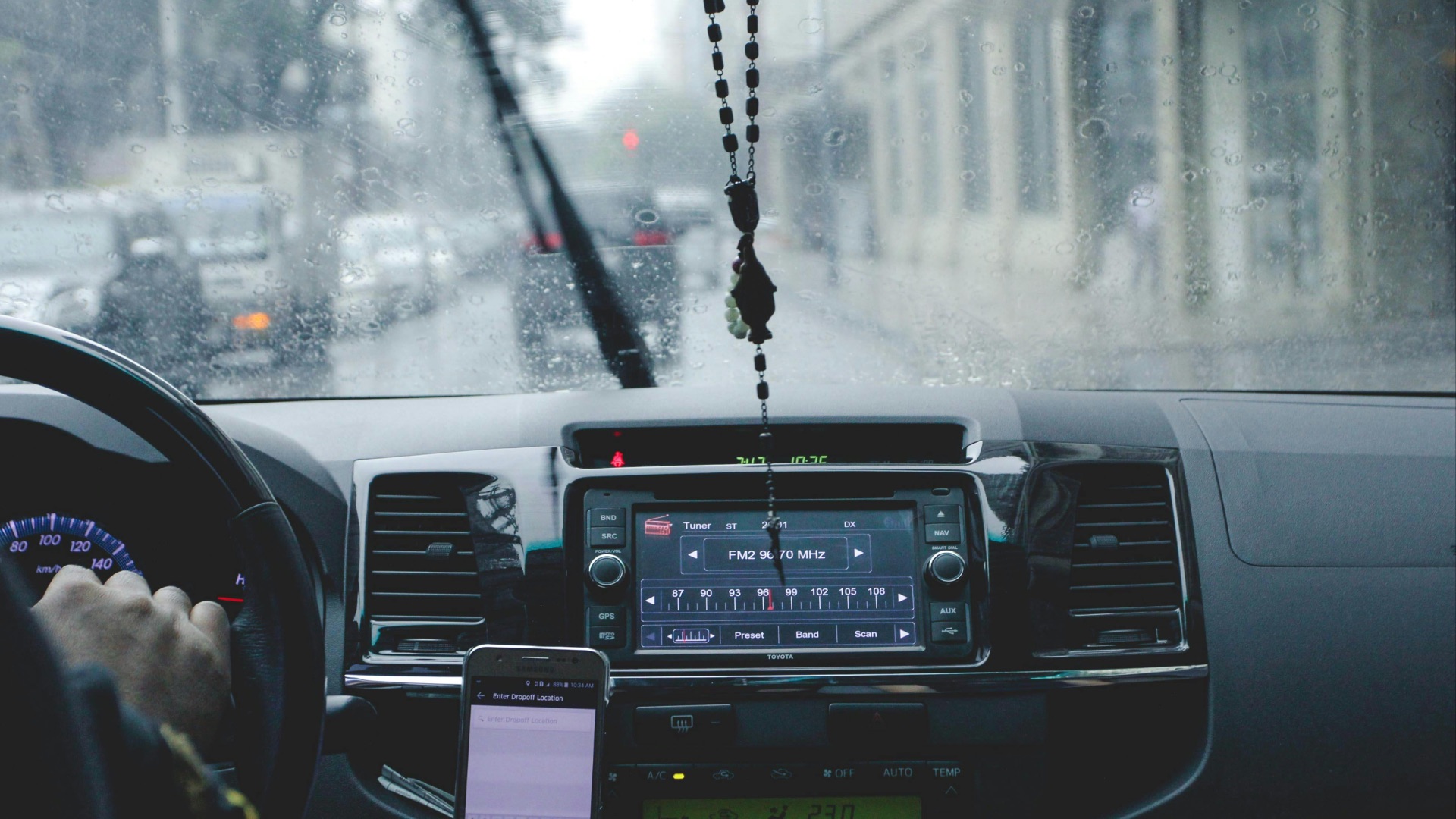
To build more confidence on the road, don't just stick to driving on bright, sunny days. Go out for a spin even when it's raining or foggy out. Driving in adverse weather conditions will help you become a more vigilant driver, and you'll be better equipped to handle your road test, no matter what the weather is like that day.
8. Celebrate Small Wins
Instead of focusing on your mistakes, celebrate your progress. You've come so far in your journey, and one fail (or even two) doesn't automatically make you a terrible driver. If anything, it'll only allow you to sharpen your skills and gain more experience.
9. Don't Set a New Test Date Until You're Ready
It's important to set a new test date only when you're ready to tackle the road again. Rush it, and you might not have enough time to practice and improve, which would only end up wasting your time and money. Give yourself some leeway, fix your weaknesses, and then go for your second attempt.

10. Look on the Bright Side
Instead of focusing on the negatives, try to reframe your mindset. If your examiner had passed you despite all the mistakes you made, you would've not known to correct them, and that likely would've affected how you perform in real-world driving conditions. Identifying them now gives you a chance to practice and perfect them, so that you're more prepared behind the wheel.
Looking for ways to boost your confidence so you're all ready to go on your second attempt? We've got you—read on.

1. Visualize Success
It might sound silly, but it works—even athletes do this. Instead of letting your anxiety take over and imagining worst-case scenarios, try visualizing your success. Picture that you pass your driving test and that you do so well, your examiner is impressed with how much you've improved in such a short time. By doing this, you help reframe your mindset by thinking more positive thoughts.

2. Practice with a Calm Passenger
When picking a passenger to drive with you, find someone who will be patient with you, even if you can't get maneuvers down in one try. If you choose a friend or parent who often overreacts or makes you more stressed out, you probably won't have a very productive or successful session.

3. Stick with Familiar Neighborhoods First
Before tackling busy intersections and highways, stick to familiar neighborhoods first. This way, you'll learn to better familiarize yourself with common maneuvers, like shoulder checking and switching lanes, without being forced to make split-second decisions in high-traffic areas.
4. Break Down Challenging Maneuvers
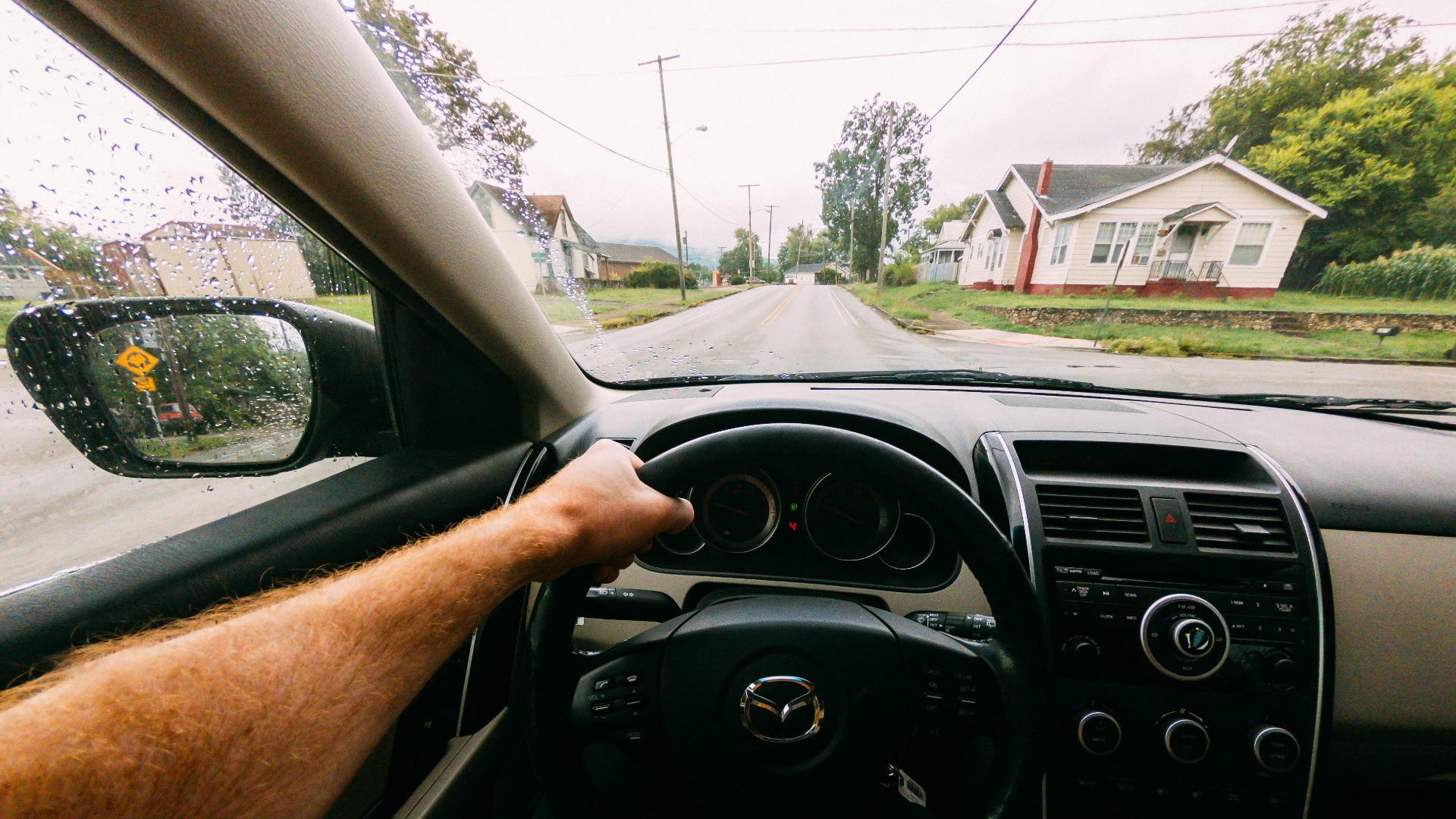
Challenging maneuvers, such as reverse and parallel parking, can make you extremely nervous. But instead of thinking of the big picture, try breaking down these maneuvers into simpler parts. Focus on setting up your mirrors first, and then finding your references, and so on.
 Possessed Photography on Unsplash
5. Use Positive Self-Talk
As mentioned earlier, nothing good will come out of beating yourself up over your mistakes. Ignore the negative voice in your head and focus on positive self-talk. You're capable of this, and you'll improve and pass the test in no time.

6. Drive in Low-Stress Environments First
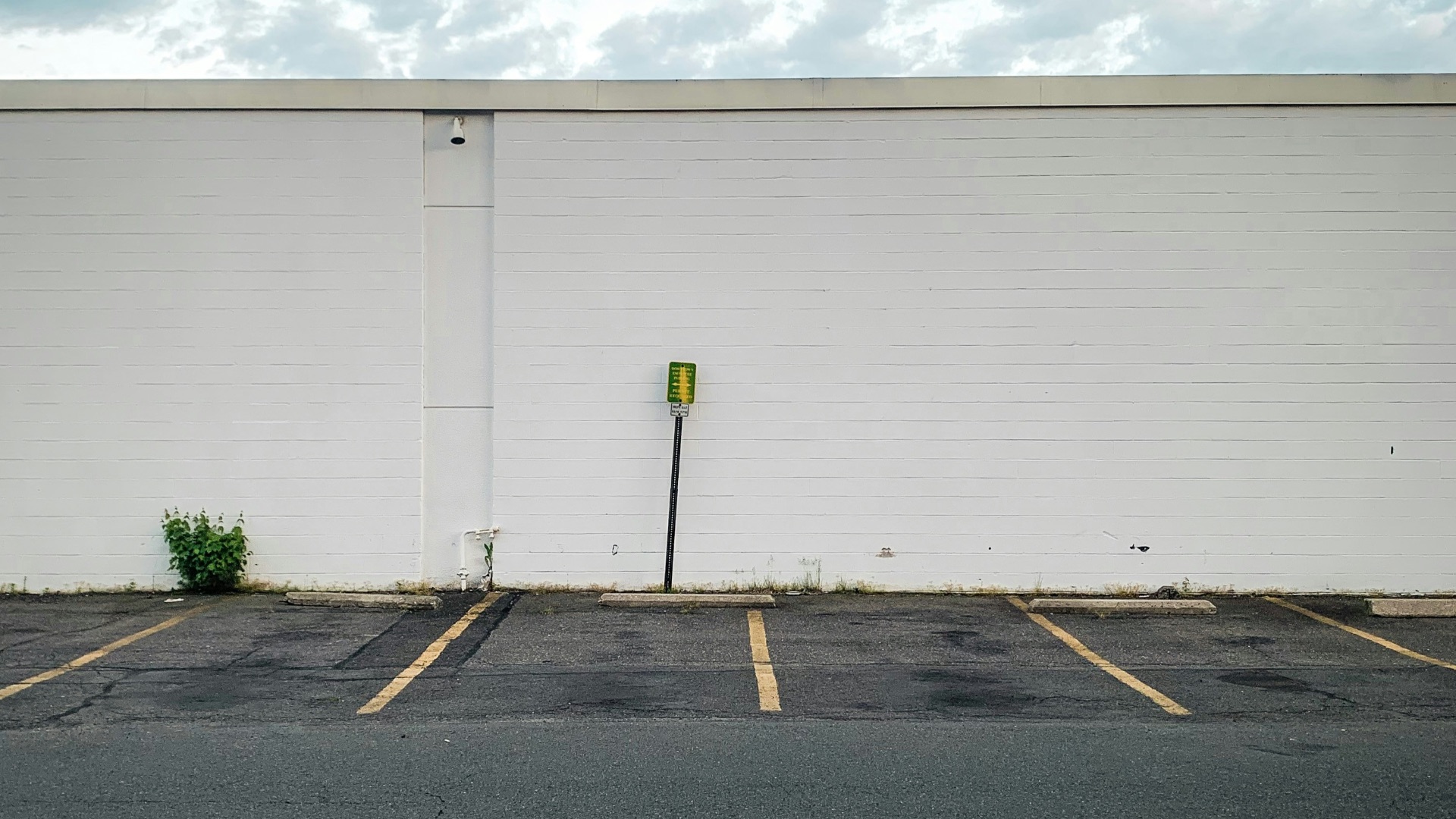
Just as you should start out in familiar neighborhoods first, make sure to drive in low-stress environments. For example, try practicing your parking skills in an empty parking lot before attempting to park at a busy mall.
 Chris Mok || @cr.mok on Unsplash
7. Minimize Distractions
You might think it's easier to focus when you have music on, but it's actually better to minimize distractions as much as possible. Keep the volume low, put your phone away, and keep your eyes on the road. You can even ask your passengers to chat quietly.
8. Be Patient with Yourself
Some of us take longer to get better at driving, and that's okay. No matter how frustrating it might be, be patient with yourself and keep going. You'll eventually be able to master all the skills you need, as long as you continue putting in the effort.

9. Practice & Practice Some More
Again: practice makes perfect. The drivers you see on the road who are able to handle all types of situations flawlessly have years of experience under their belt. Rome wasn't built in a day, and neither are driving skills.

10. Reward Yourself
Remember to reward yourself, no matter how well a session went or not. Progress, even if small, is still progress, and you should still be very proud of yourself for your efforts. Plus, rewarding yourself regularly often motivates you to keep pushing.