10 Signs Your Car's Technology Has Made You a Lazier Driver & 10 Ways to Be Less Reliant
10 Signs Your Car's Technology Has Made You a Lazier Driver & 10 Ways to Be Less Reliant
Has Tech Made You a Lazy Driver?
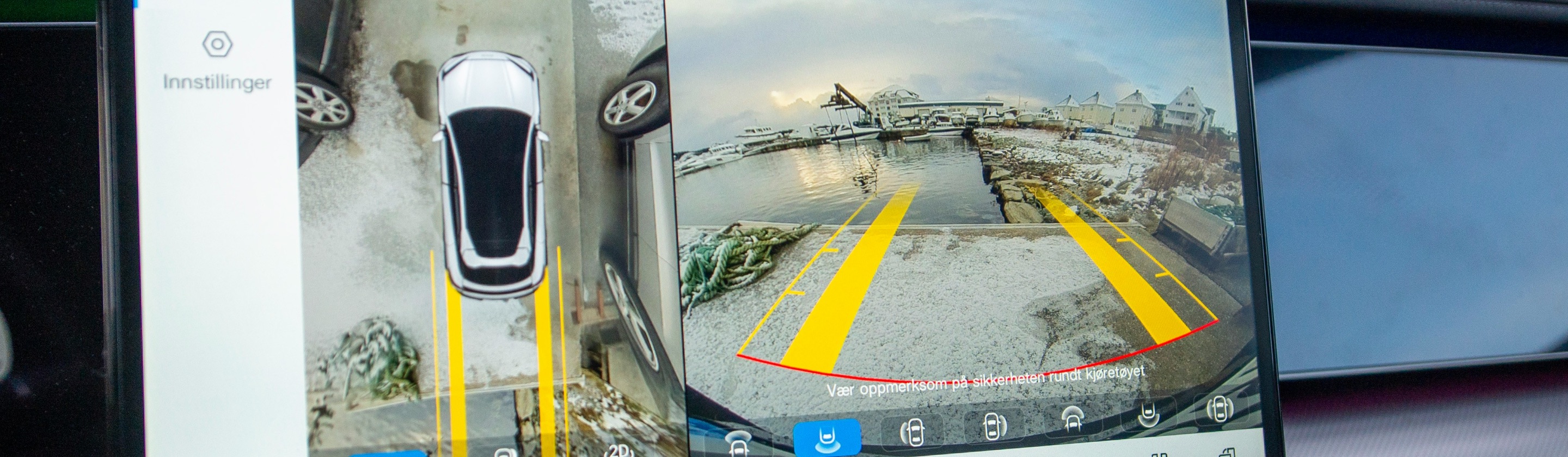
When you're about to change lanes or park into a tight space, how often are you relying more on your vehicle's sensors than your own judgment? Sure, modern car technology can make driving safer and less stressful, but it's not hard to see how it can also make you lazier behind the wheel. After all, why bother checking your mirrors if your sensors already do everything for you? But beware: from backup cameras to blind-spot monitors, GPS, and adaptive cruise control, if your car is doing more of the thinking than you are, it might be time to take a closer look at how much you’re relying on it.
1. You Rarely Turn Your Head Anymore
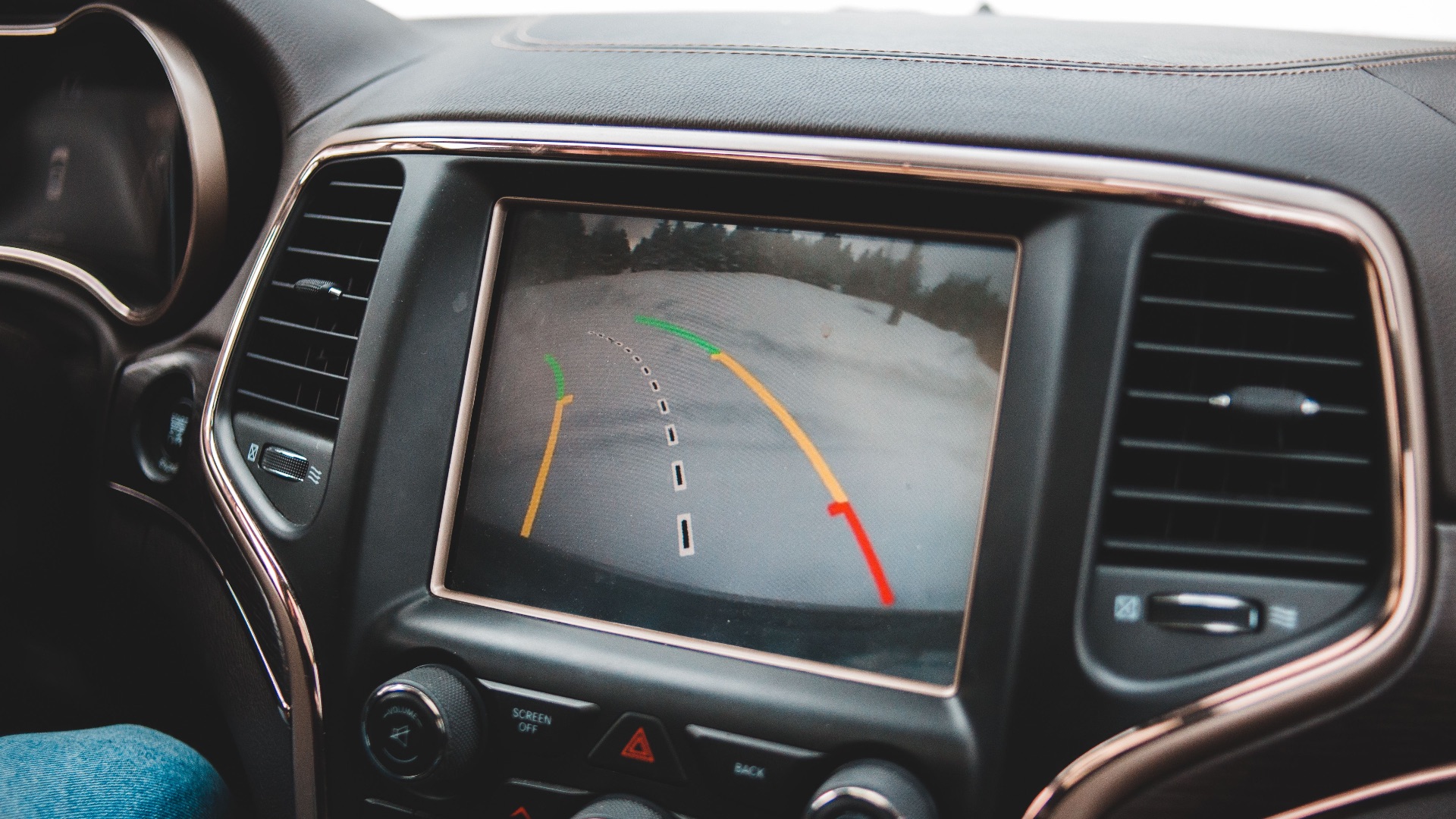
If you depend entirely on your backup camera or blind-spot monitor, you might not physically check your surroundings as often as you should. Those systems can miss low objects, fast-moving bikes, pedestrians, or vehicles approaching at odd angles. Turning your head gives you a fuller sense of what’s happening around the car. Technology can support that habit, but it shouldn’t replace it.

2. You Let Lane Assist Correct Your Sloppy Steering
Lane-keeping assist can be helpful on long drives, especially when you’re tired or distracted. Still, it shouldn’t become a reason to stop holding a steady line on your own. If you feel the car nudging you back often, that’s a sign you’re not paying enough attention to your lane position. The feature should support your driving, not cover for lazy steering.

3. You Trust Parking Sensors More Than Your Own Judgment
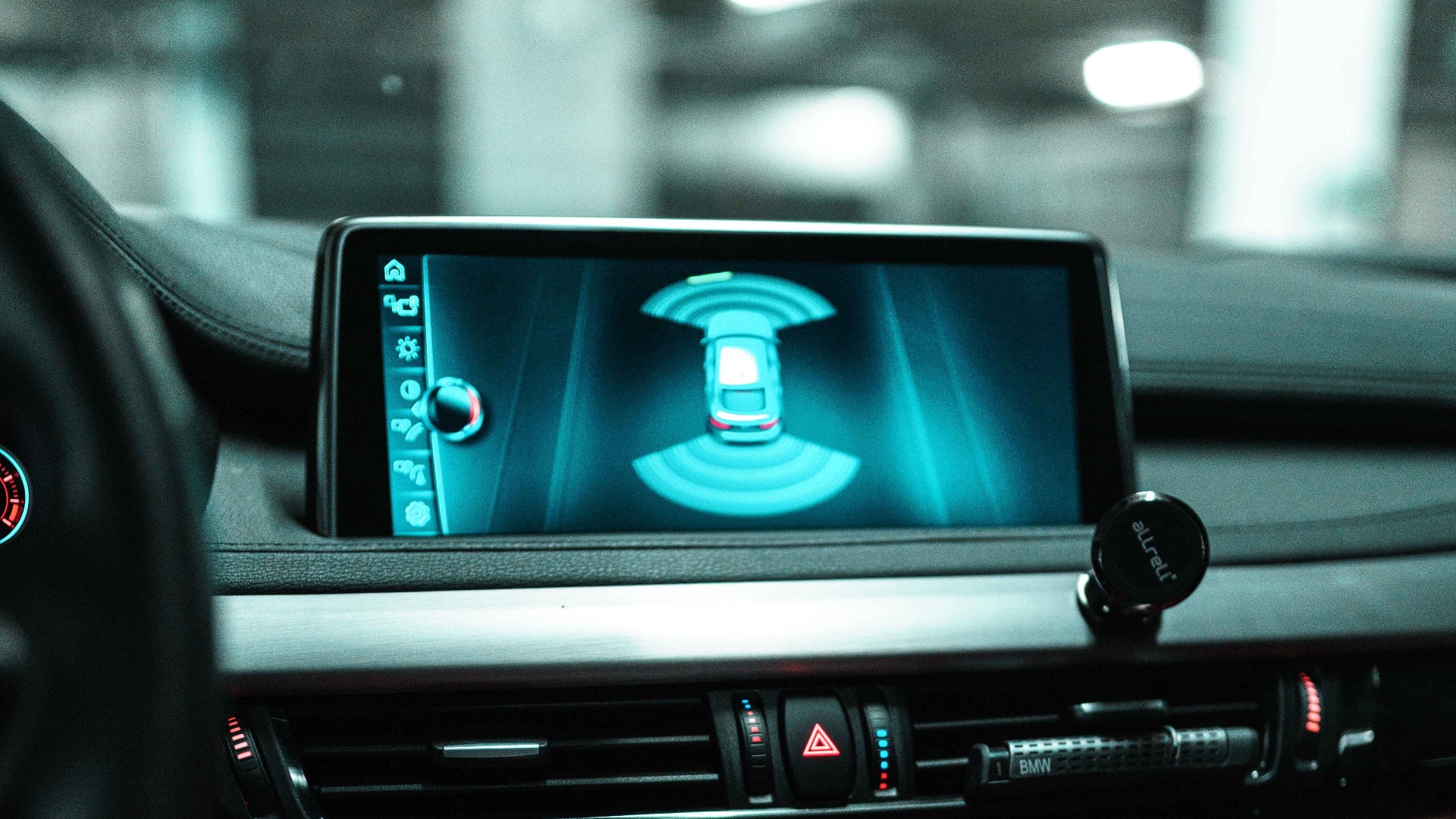
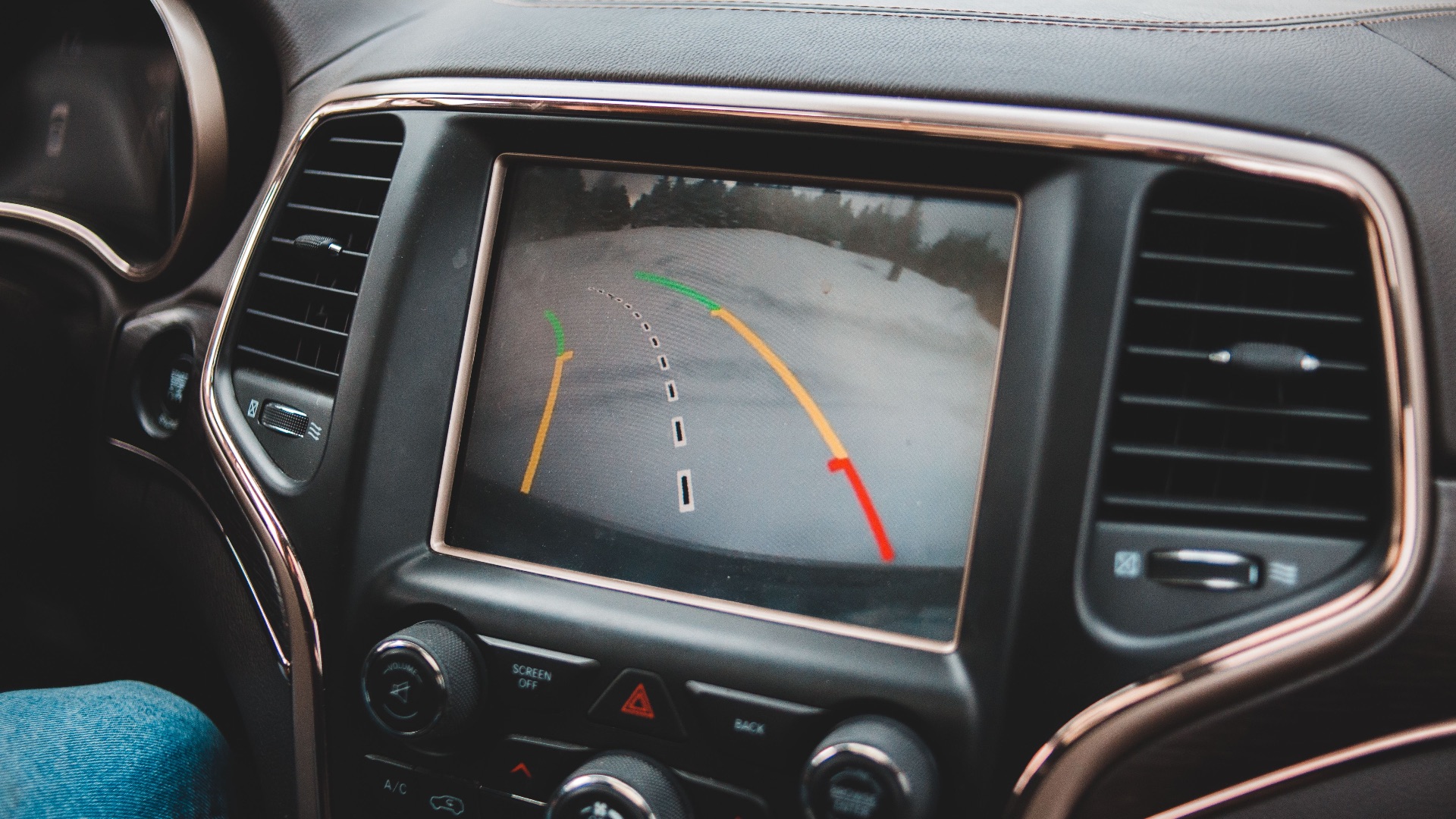
Parking sensors are great for tight spaces, but they can make you less confident in judging distance on your own. If you freeze the moment the beeping starts, you might be reacting more to the sound than to the actual space around you. Sensors can also miss narrow posts, curbs, angled objects, or things outside their detection range. A careful driver uses them as an extra warning, not as the only source of information.
4. You Can’t Navigate Without GPS
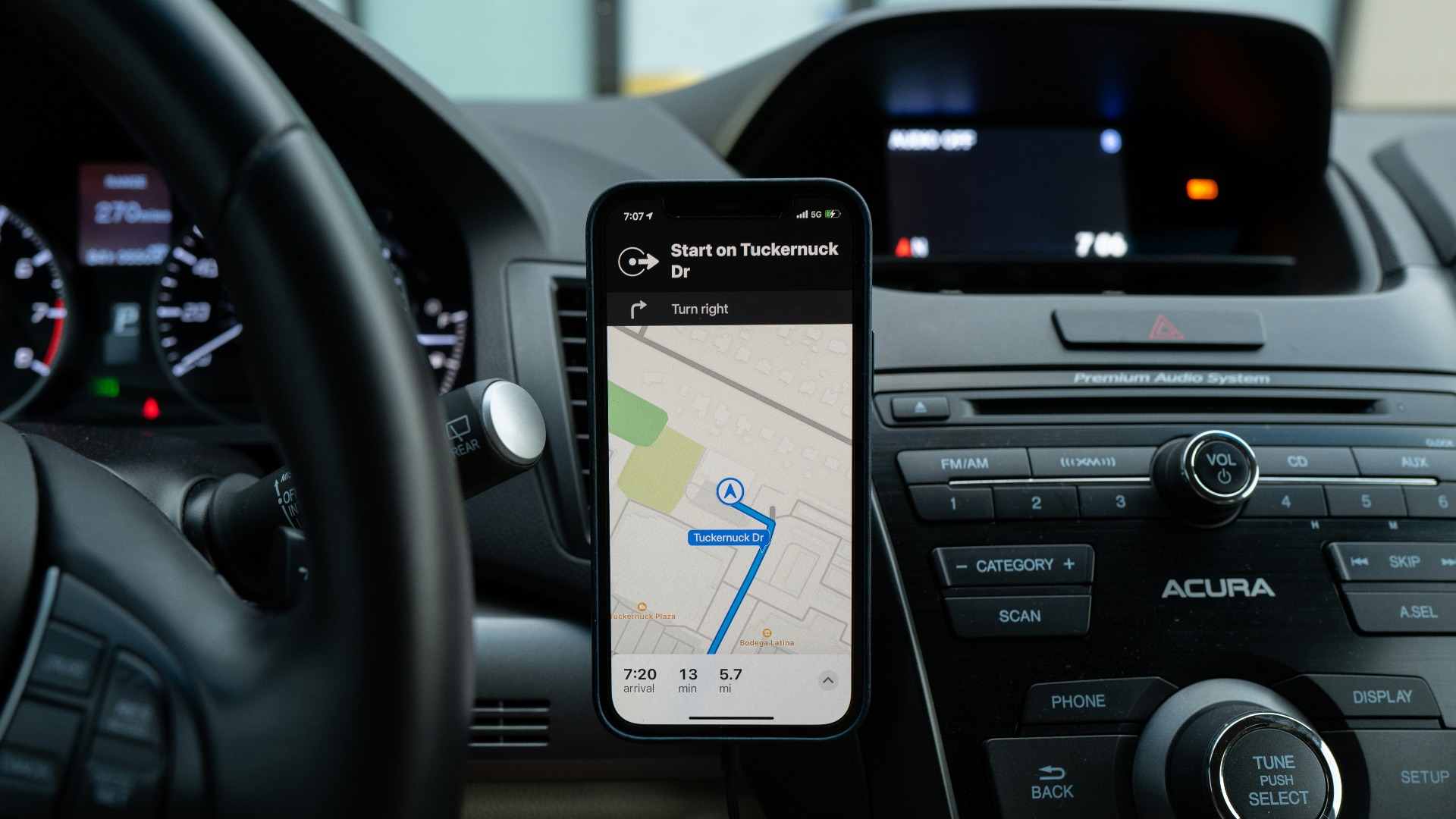
GPS has made travel easier, but it can weaken your sense of direction if you never pay attention to where you’re going. If you’re constantly surprised by turns or exits because you’re just waiting for voice instructions, you’re not building a mental map. That can become a problem when your signal drops, your phone dies, or the app sends you through a confusing route. Basic navigation skills still matter, especially in unfamiliar areas.
5. You Trust Blind-Spot Monitoring More Than Your Own Eyes
Blind-spot alerts can save you from a bad lane change, but they’re not meant to do all the work. If you’ve stopped physically checking your blind spot, you’ve handed too much responsibility to a light on your mirror. Sensors can be delayed, blocked, or confused by weather and road conditions. The safest habit is still to signal, check your mirrors, glance over your shoulder, and then move when it’s clear.

6. You Rely on Adaptive Cruise Control in Heavy Traffic
Adaptive cruise control can reduce fatigue, but it can also make you too passive in stop-and-go traffic. If you let the car manage distance while your mind wanders, you may react more slowly when something unusual happens. Traffic doesn’t always move predictably, and human drivers still make sudden choices that systems can’t always anticipate smoothly. Staying mentally involved is part of using the feature responsibly.

7. You Ignore Warning Lights
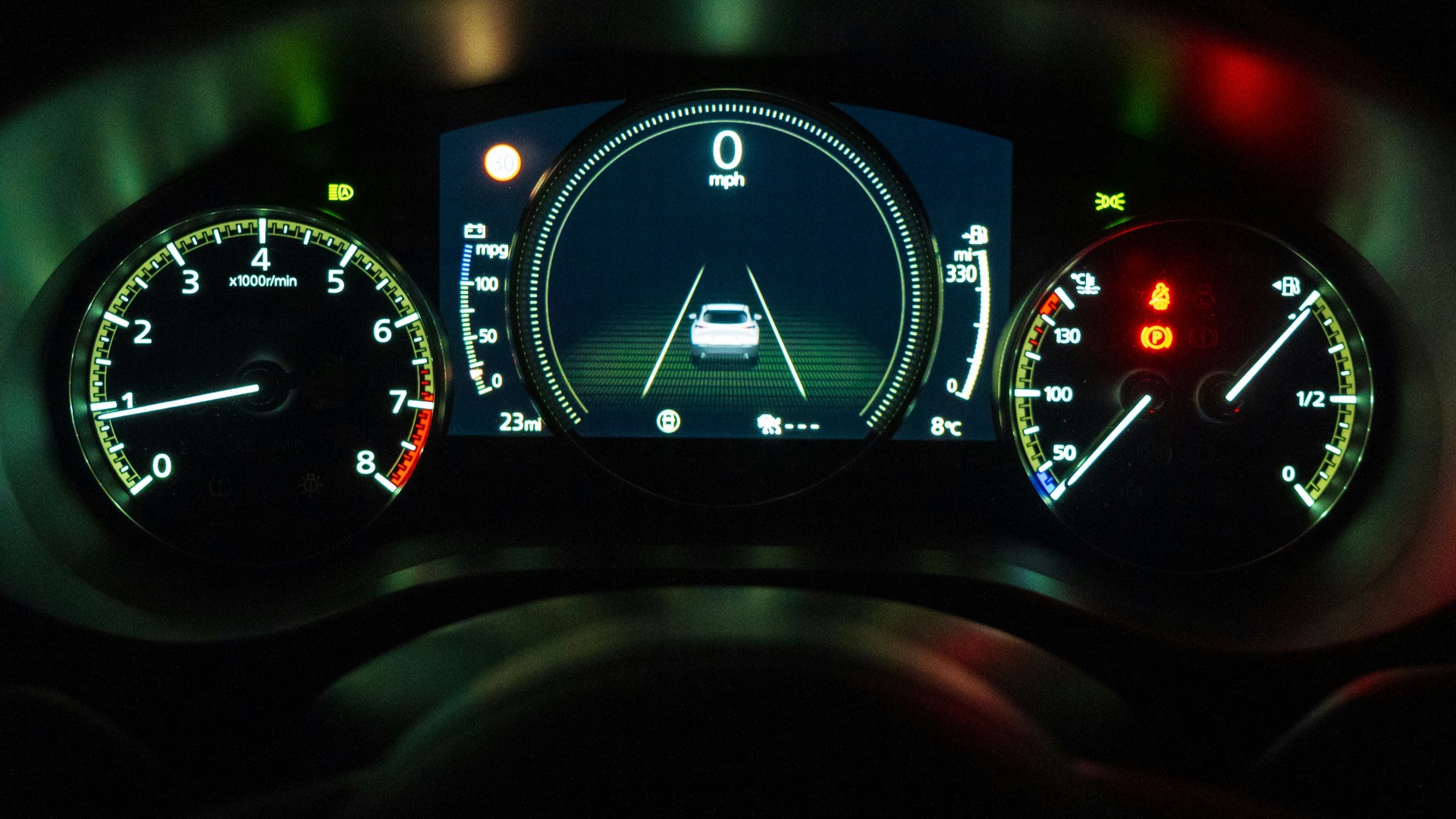
Modern dashboards can tell you a lot, but that convenience can make you less curious about how your car works. If you wait for an alert before thinking about tire pressure, fluid levels, brakes, or strange noises, you’re giving up basic ownership awareness. Some problems show physical signs before a warning light appears. Knowing your car’s normal sounds, feel, and behavior helps you catch issues earlier.
8. You Don’t Practice Basic Parking Skills
If you avoid parallel parking unless your car can assist, your confidence can fade quickly. Parking technology can make tricky spots less intimidating, but it doesn’t keep your spatial awareness sharp. There may be times when sensors fail, cameras are dirty, or the feature isn’t available. Being able to park without assistance keeps you more adaptable.
9. You Feel Anxious Driving Older Cars
One clear sign of overreliance is feeling uncomfortable in a car without modern driver-assistance features. If an older vehicle makes you feel exposed because it doesn’t have all the bells and whistles you're familiar with, your core driving habits may need attention. A driver should be able to operate safely without depending on a specific tech package. Features are helpful, but they shouldn’t become emotional crutches.

10. You Assume Technology Makes You a Better Driver
Advanced features can make driving safer, but they don’t automatically make you more skilled. If you’ve started confusing assistance with ability, that’s when technology becomes a problem. A good driver uses these systems as backup while still staying aware, patient, and engaged. Your car can help you drive, but it can’t replace the judgment you’re supposed to bring every time you get behind the wheel.
Technology isn’t the enemy here. But still, you don't want to become over-reliant. Here's how to pull back on your dependence on these features you've learned to love.
1. Use Tech as a Backup
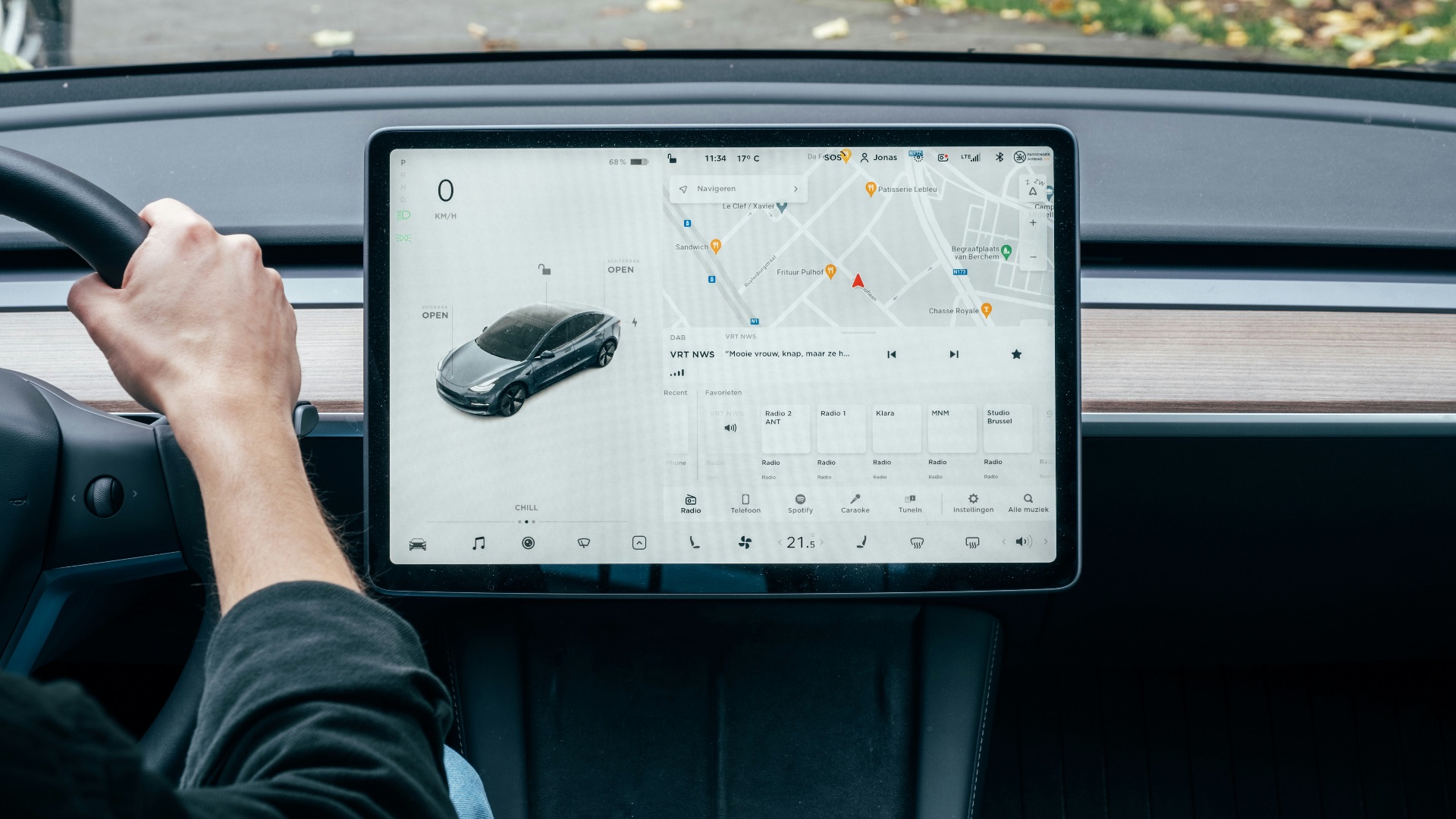
Start treating your car’s features as extra support instead of your first instinct. Check mirrors, turn your head, judge distance, and read the road before you rely on alerts or cameras. Once you’ve gathered the information yourself, let the technology confirm what you already noticed. That simple shift can make you much more engaged behind the wheel.
2. Do Manual Mirror Checks Every Drive
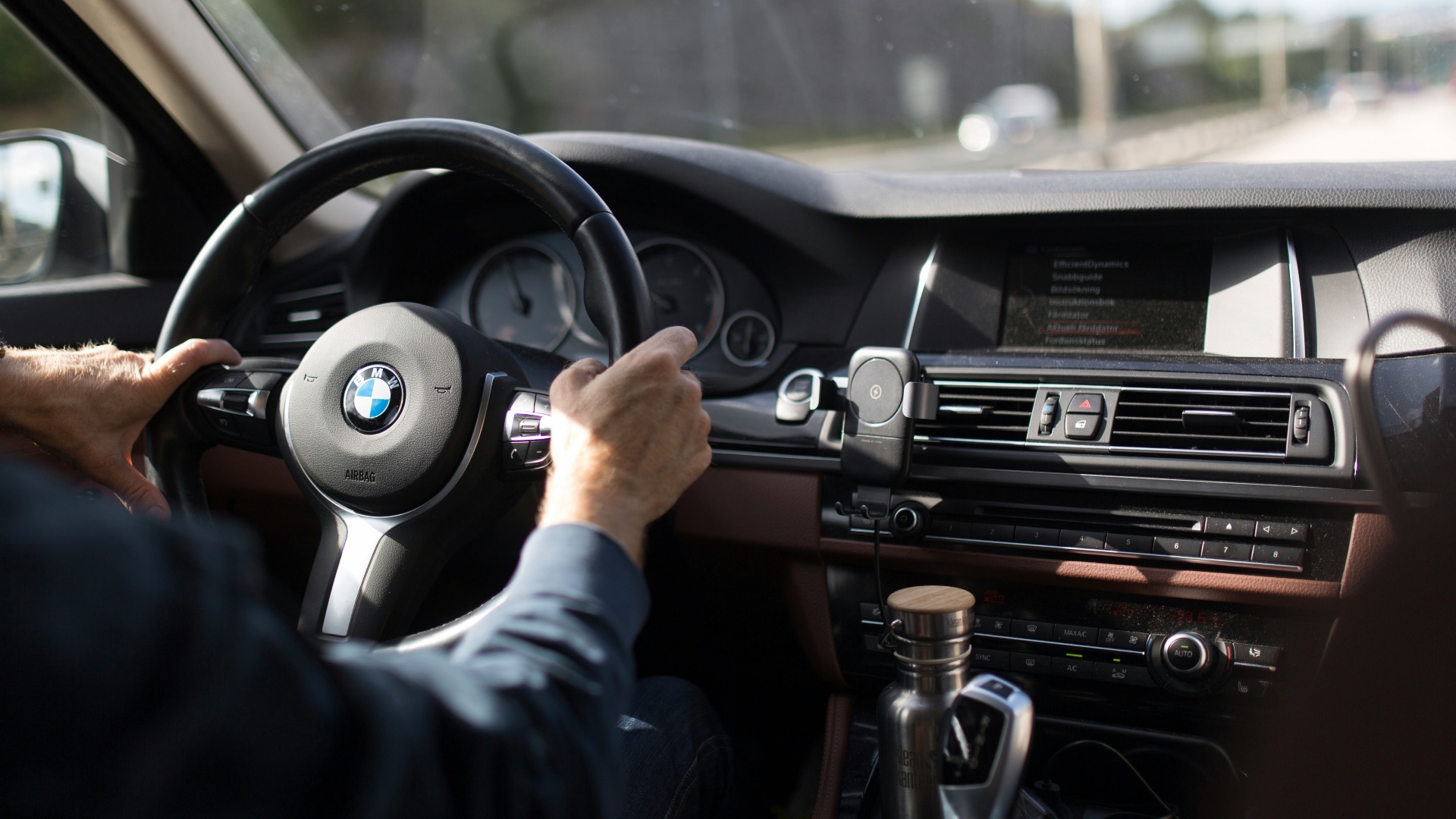
Make mirror checks part of your normal rhythm, even when your car has blind-spot monitoring. Look ahead, glance at your mirrors, and stay aware of what’s beside and behind you before changing lanes or braking. The point is to build a habit that works in any vehicle. A warning light should never be the first time you notice another car.
3. Turn Off Certain Features Occasionally
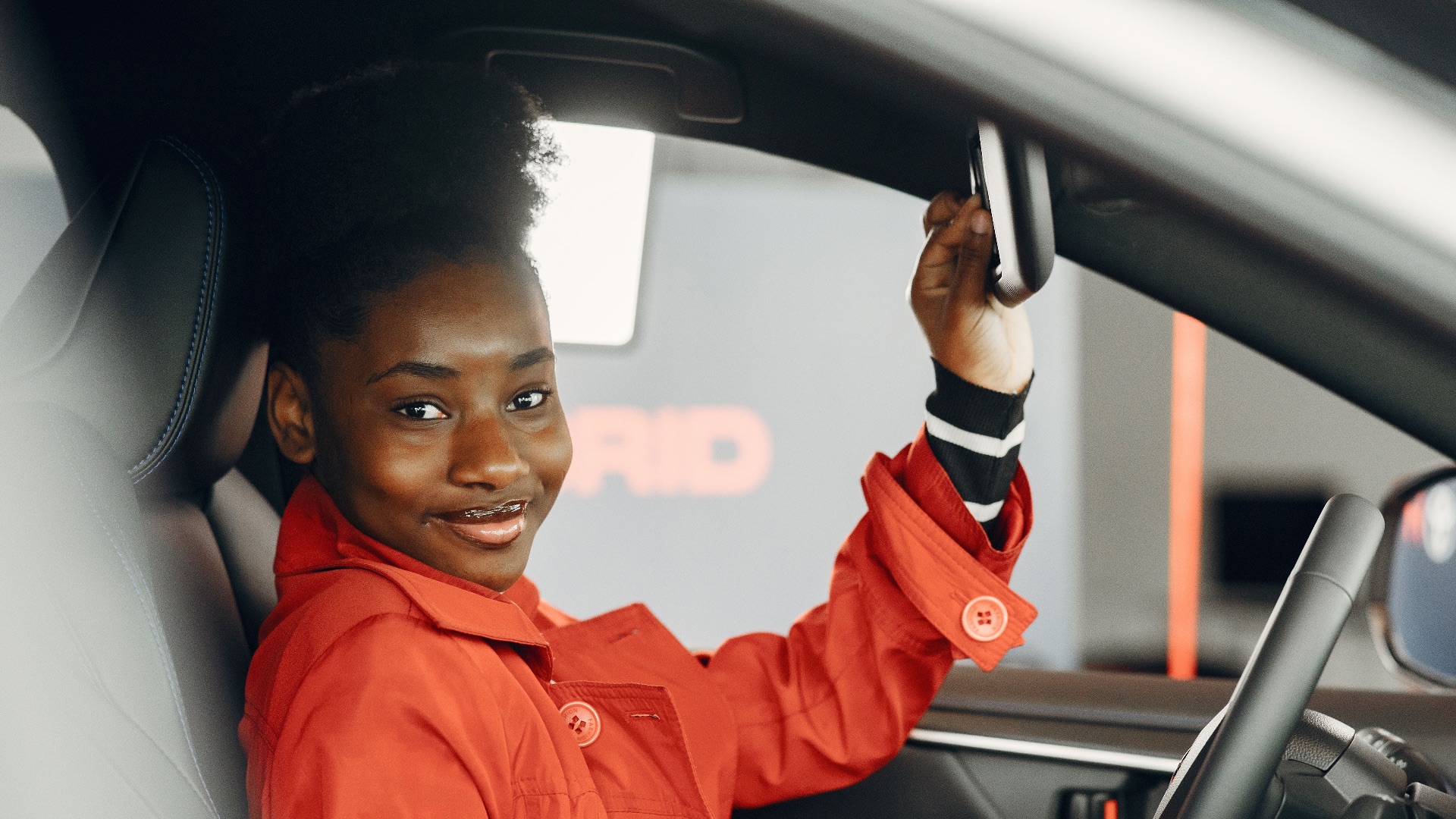
When it’s safe and legal to do so, consider driving without some convenience features for short periods. You might turn off lane-centering assistance on a familiar road or skip adaptive cruise control during an easy drive. This helps you practice staying centered, managing speed, and maintaining distance on your own. Keep essential safety systems on, but don’t be afraid to reduce convenience once in a while.
4. Relearn How to Park Without Assistance
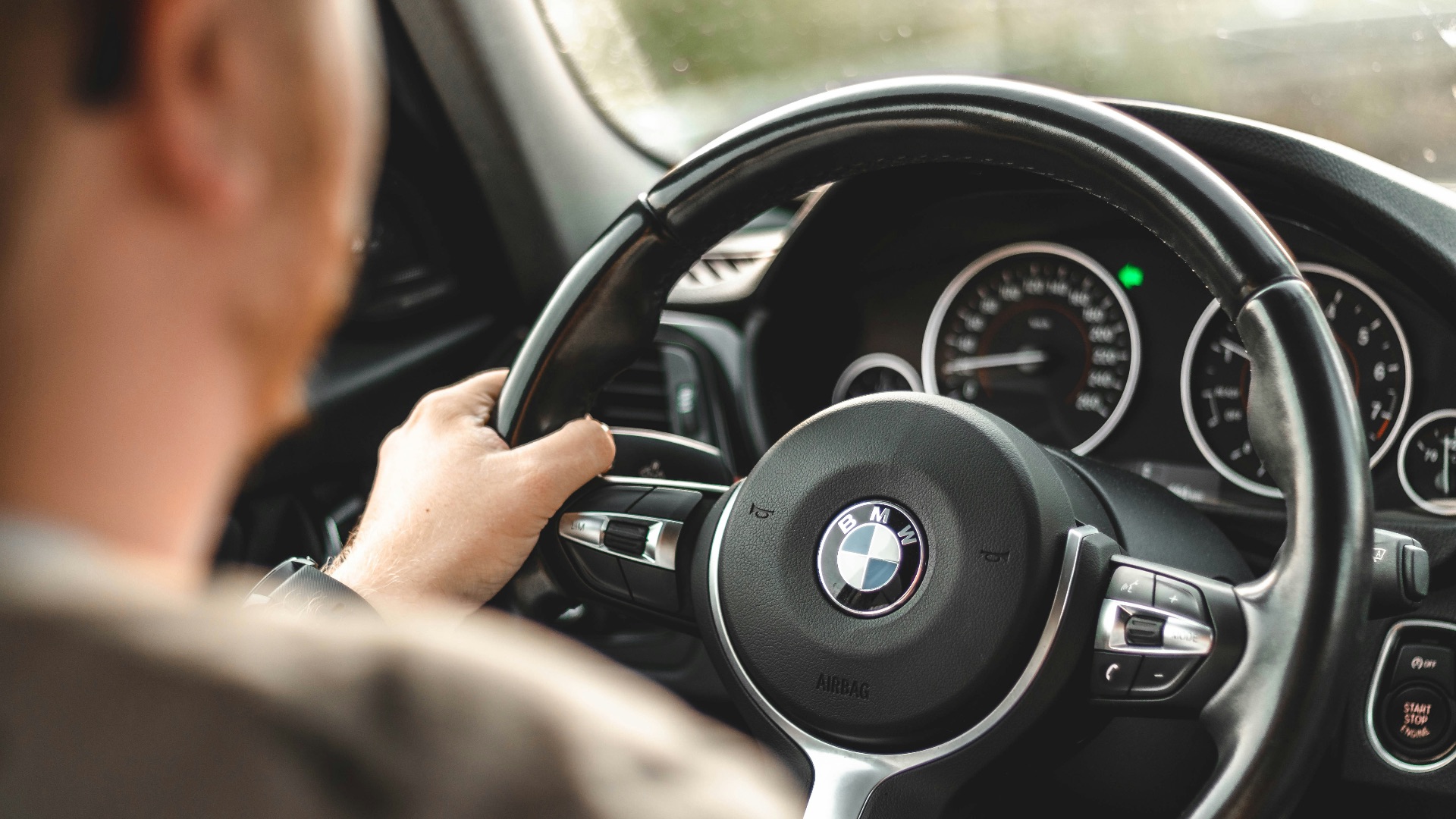
Choose a low-pressure area and practice parking without watching the camera the entire time. Use your mirrors, reference points, and steering control before checking the screen. You don’t have to abandon the camera, but you should be able to complete the maneuver without depending on it second by second. Parking confidence comes from repetition, not just technology.
5. Study Your Route Before You Start Driving
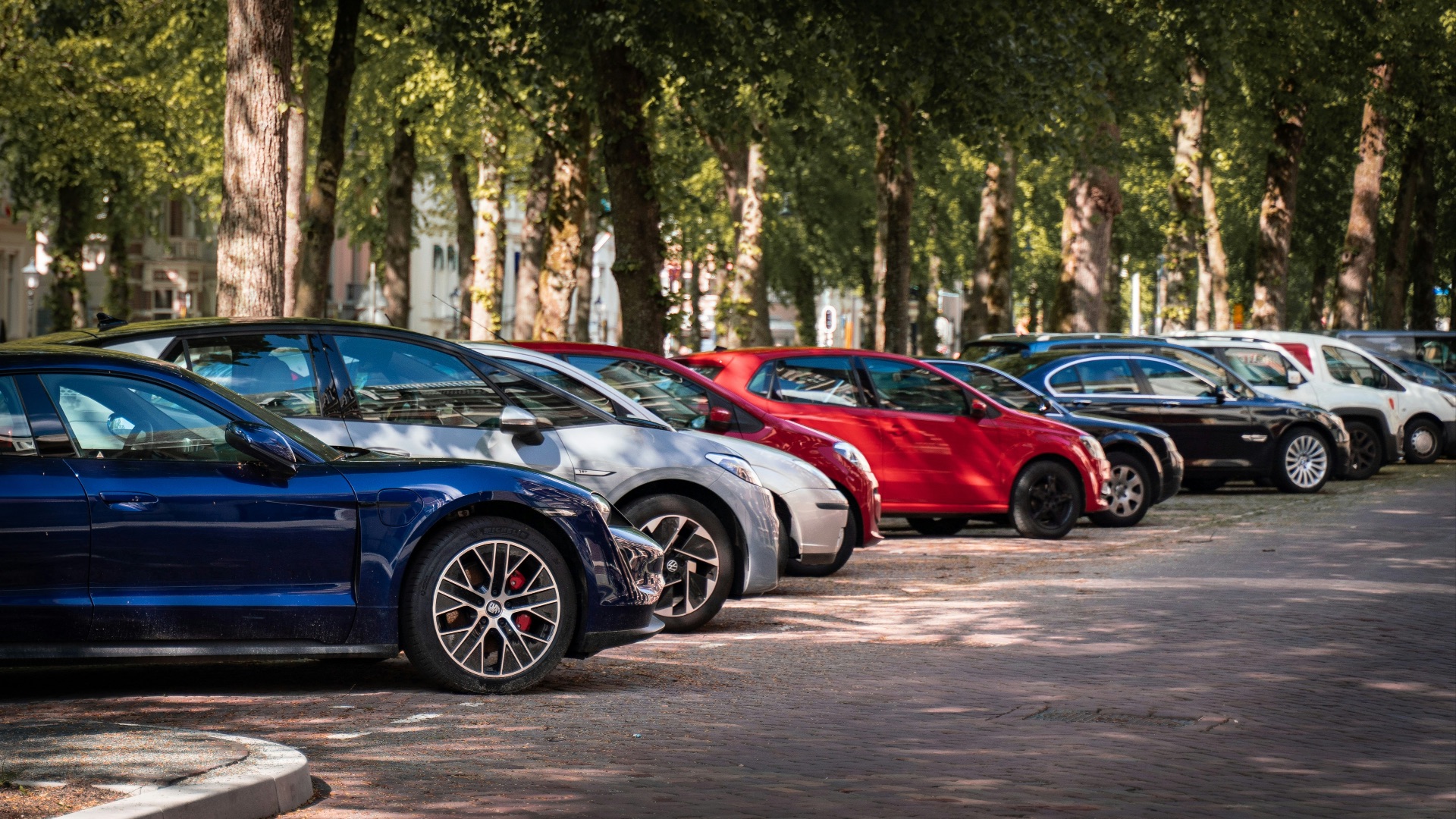
Before you pull away, take a minute to look at the route instead of blindly following turn-by-turn directions. Notice major roads, exits, landmarks, and the general direction you’ll be traveling. This helps you understand the trip rather than simply obeying instructions from an app. You’ll feel less lost if the route changes or the GPS becomes unreliable.

6. Keep a Safe Following Distance
Don’t let adaptive cruise control convince you that close spacing is safe. Leave enough room to react even if the system hesitates, disengages, or misreads a situation. Weather, speed, road surface, and traffic density should all affect how much space you allow. The car can assist with distance, but you should still decide what feels safe.
7. Stay Aware of Your Surroundings at All Times
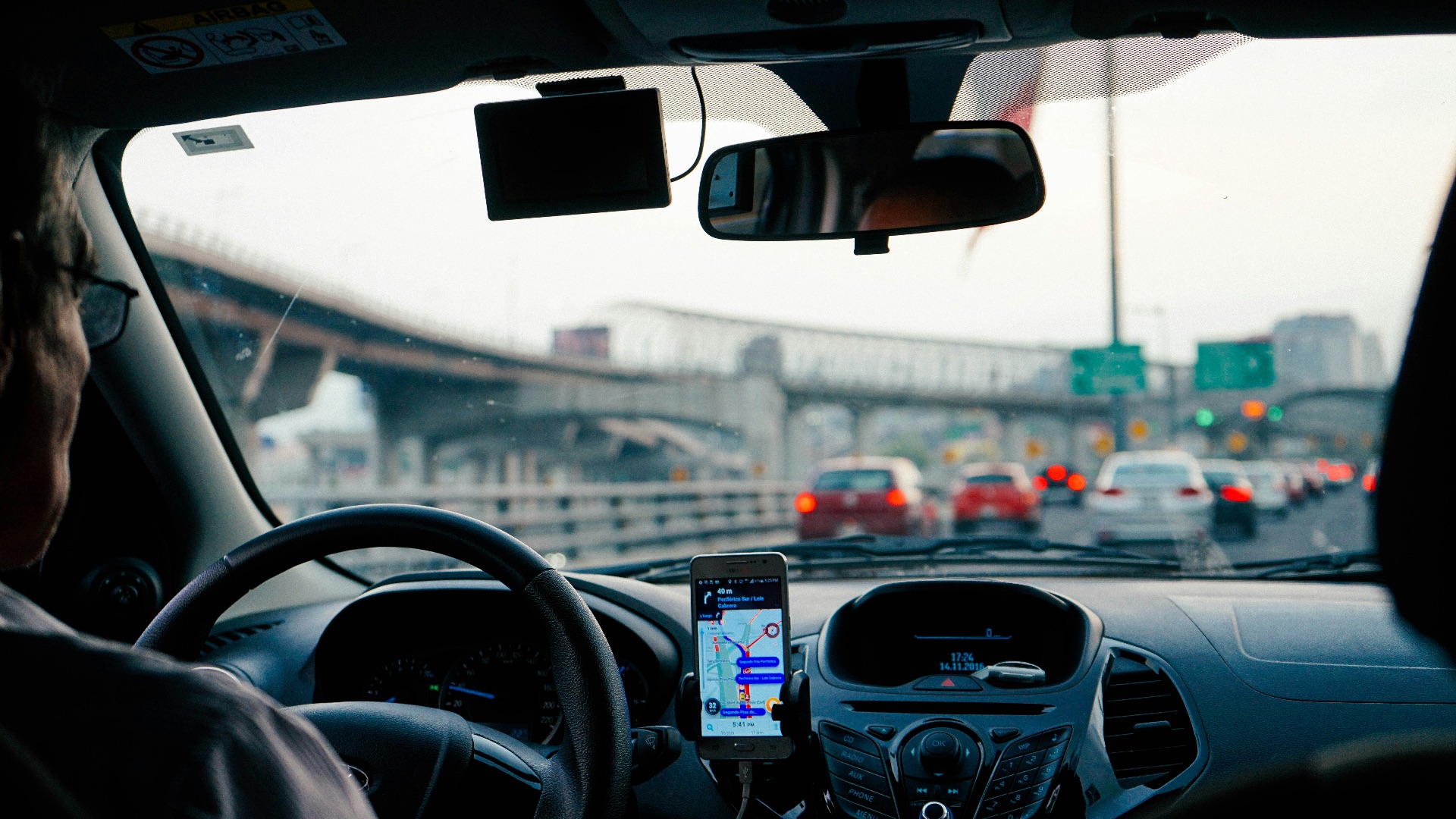
Even with advanced driver-assistance features, your awareness should always come first. Keep scanning the road ahead, checking mirrors, and noticing how traffic is moving around you. Technology can support your awareness, but it can’t replace your ability to anticipate what other drivers might do. Staying mentally present helps you react more quickly and make better decisions in unexpected situations.

8. Pay Attention to How the Car Feels
Spend more time noticing steering feel, brake response, engine sound, tire noise, and how the car handles bumps or turns. These details can tell you when something feels different before a dashboard warning appears. You don’t need to become a mechanic to understand your own vehicle better. Awareness builds confidence and makes you less dependent on alerts.

9. Drive an Older or Simpler Car When You Can
If you have access to a car with fewer features, driving it occasionally can sharpen your basic skills. You’ll be reminded to check blind spots yourself, manage speed directly, and park without extra visual aids. Even a short drive can reveal which habits have become too automated. The point isn’t to prefer older cars, but to prove you can still drive well without constant assistance.

10. Stay Mentally Involved the Whole Time
The best way to be less reliant is to keep treating driving as an active task. Watch traffic patterns, scan intersections, prepare for lane changes early, and notice what other drivers might do next. Your car may be smarter than older models, but it still needs an attentive person to make decisions. When you stay engaged, technology becomes a helpful tool instead of something you lean on too heavily.