
10 Countries With the Most Lax Road Laws & 10 With The Strictest
Before You Drive Abroad, Know What “Normal” Means There
Road rules aren’t just about safety; they’re about culture, enforcement, and what a country decides to tolerate. Some places feel “lax” because their laws are more permissive in a few headline areas (like higher speed limits, fewer blanket restrictions, or looser day-to-day enforcement), while others are strict because the rules are tight and the consequences arrive fast. Here are 10 countries that are often more permissive in at least one major way, and 10 that are known for strict rules and serious enforcement.

1. Antigua and Barbuda
WHO-referenced data lists Antigua and Barbuda among countries with no legal blood alcohol (BAC) limit on record, which can surprise visitors who expect a clear number. That doesn’t mean it’s smart to gamble, because enforcement and penalties can still exist even without a published threshold.

2. Barbados
Barbados also shows up in WHO-linked lists as having no legal BAC limit recorded. From a traveler’s perspective, that kind of ambiguity can feel “lax,” but it’s also confusing. If you want to avoid a vacation-ending headache, treat it like a zero-drink situation. Clear choices beat unclear rules.

3. India
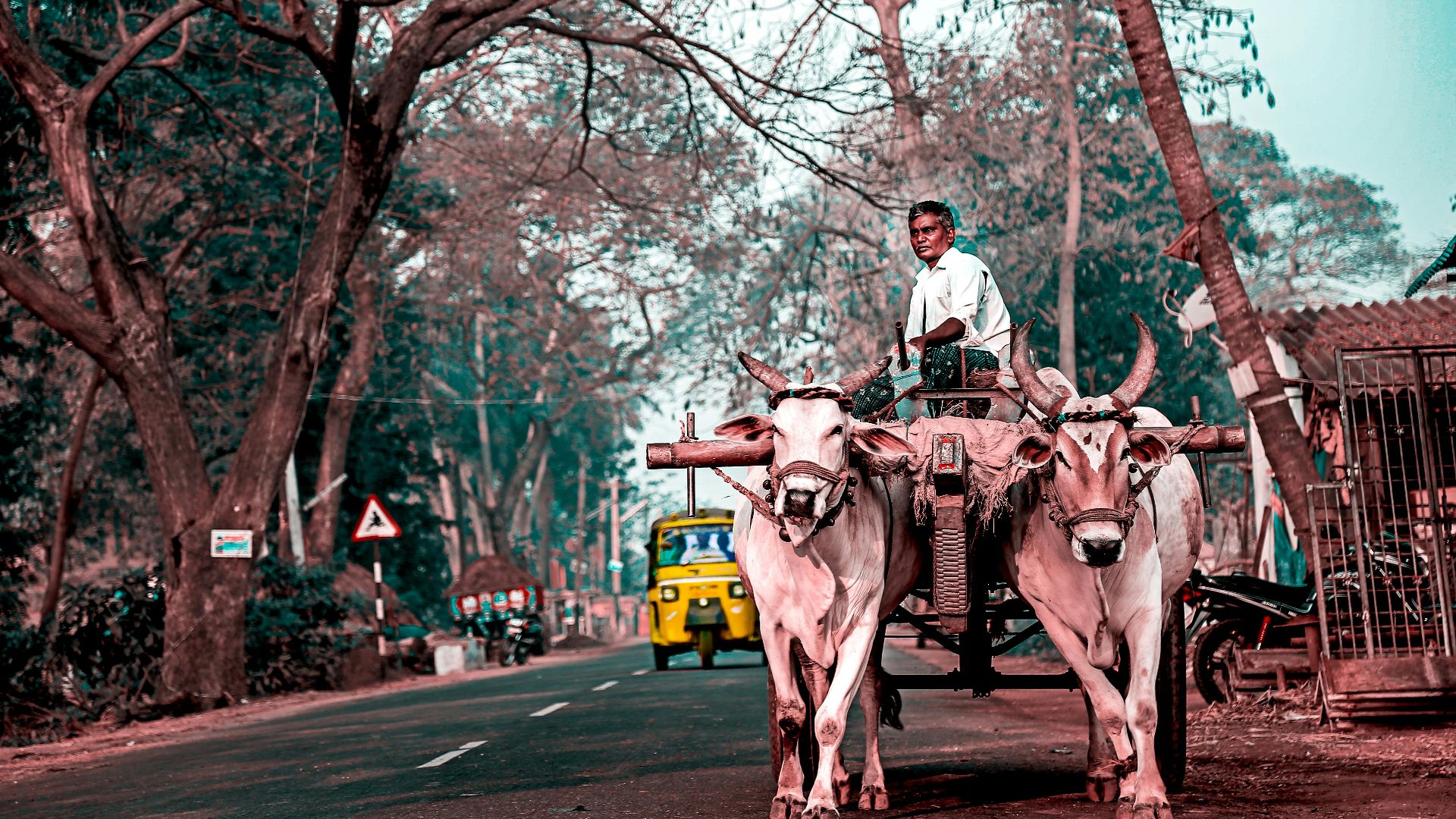
India is notorious for having chaotic roads in major cities despite having a modern legal framework for traffic rules. This is because enforcement and real-world driving norms vary a lot by city, state, and even neighborhood, which is why driving can feel wild compared with countries where rule-following is more consistent. If you’re visiting and planning to drive, you’ll usually have a calmer trip using hired drivers or ride services.
4. Syria
In Syria, road travel is considered dangerous in part due to unenforced traffic laws alongside poor infrastructure and road conditions. In practical terms, that means you can’t rely on normal expectations about right-of-way, signaling, or consistent policing. If you’re traveling there for any reason, it’s not a road-trip destination.
 Abd Alrhman Al Darra on Pexels
5. Indonesia
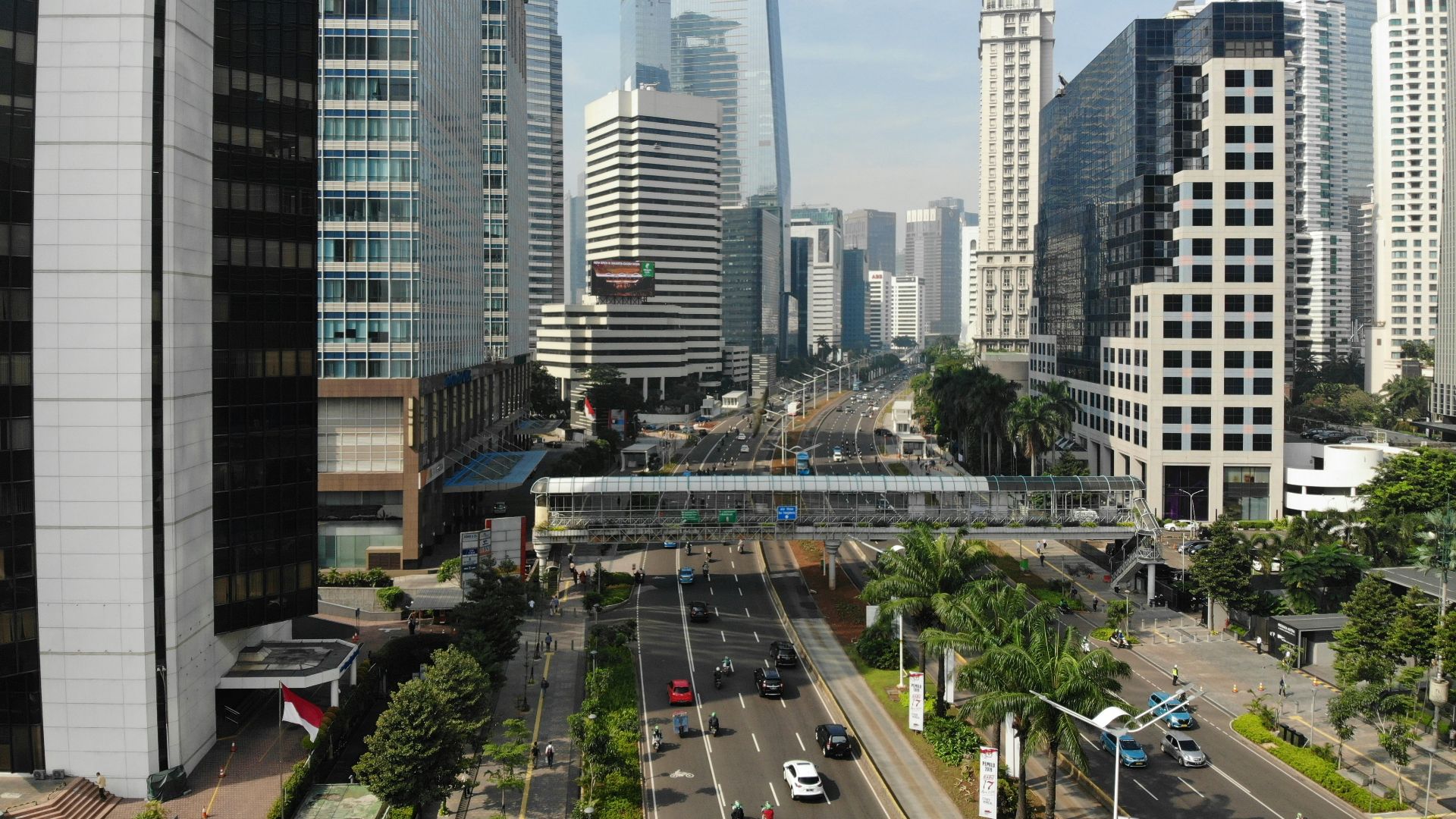
Indonesia also appears in the WHO-linked list as having no legal BAC limit recorded. Combined with the fact that many visitors drive scooters in busy areas, this is one of those places where “don’t risk it” is the only sensible advice. The law on paper is one thing, but real-world traffic conditions are another.
6. Mexico
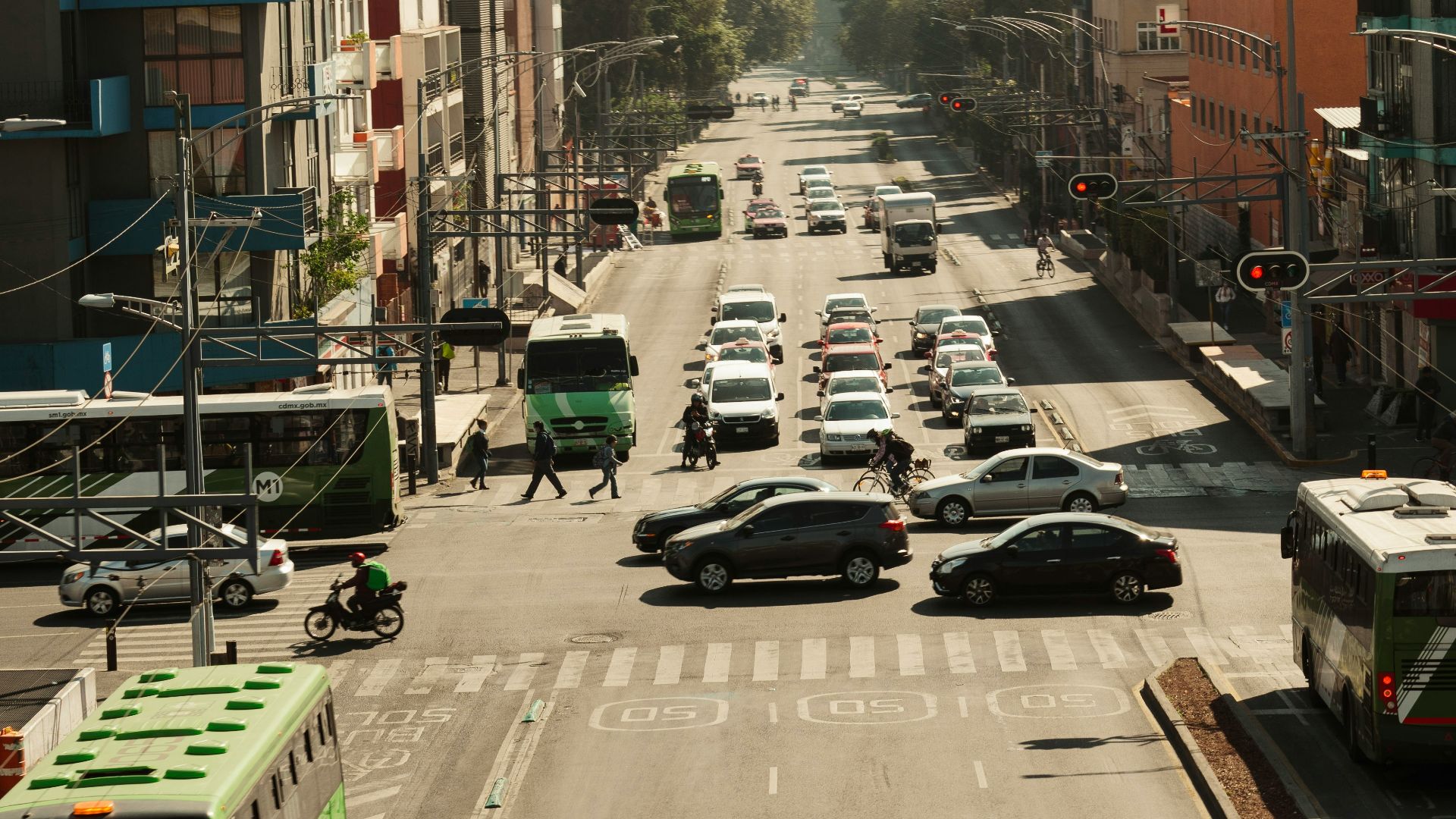
Mexico’s BAC rules are often described as varying by jurisdiction, with a commonly cited range of 0.04–0.10 depending on location. Even outside of BAC, the country is often perceived as having more relaxed enforcement of traffic laws, resulting in more "adventurous" driving conditions for visitors.
7. The United Kingdom
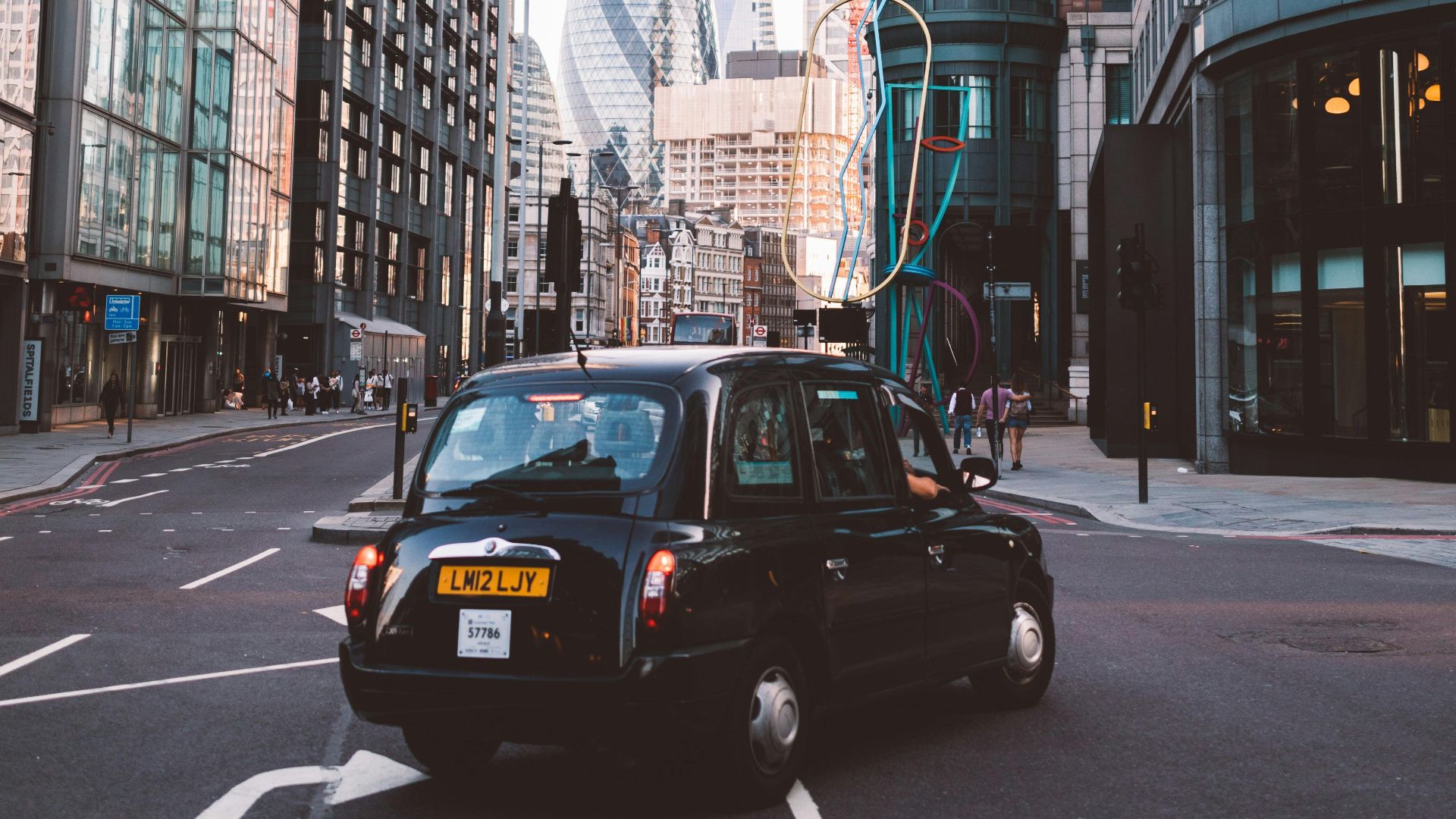
Parts of the UK use a higher drink-drive limit than many European countries, with 0.08% BAC commonly cited. That number can feel generous if you’re used to 0.05 or lower. Still, enforcement and penalties exist, and “I felt fine” isn’t a defense anyone cares about.
8. Lebanon
Lebanon has a modern traffic law framework, yet reporting has pointed to weak follow-through in road-safety governance and limited effective oversight in practice. On the street level, visitors often experience the result as chaotic flow, inconsistent lane discipline, and a “do what you can” approach rather than predictable compliance.

9. Germany
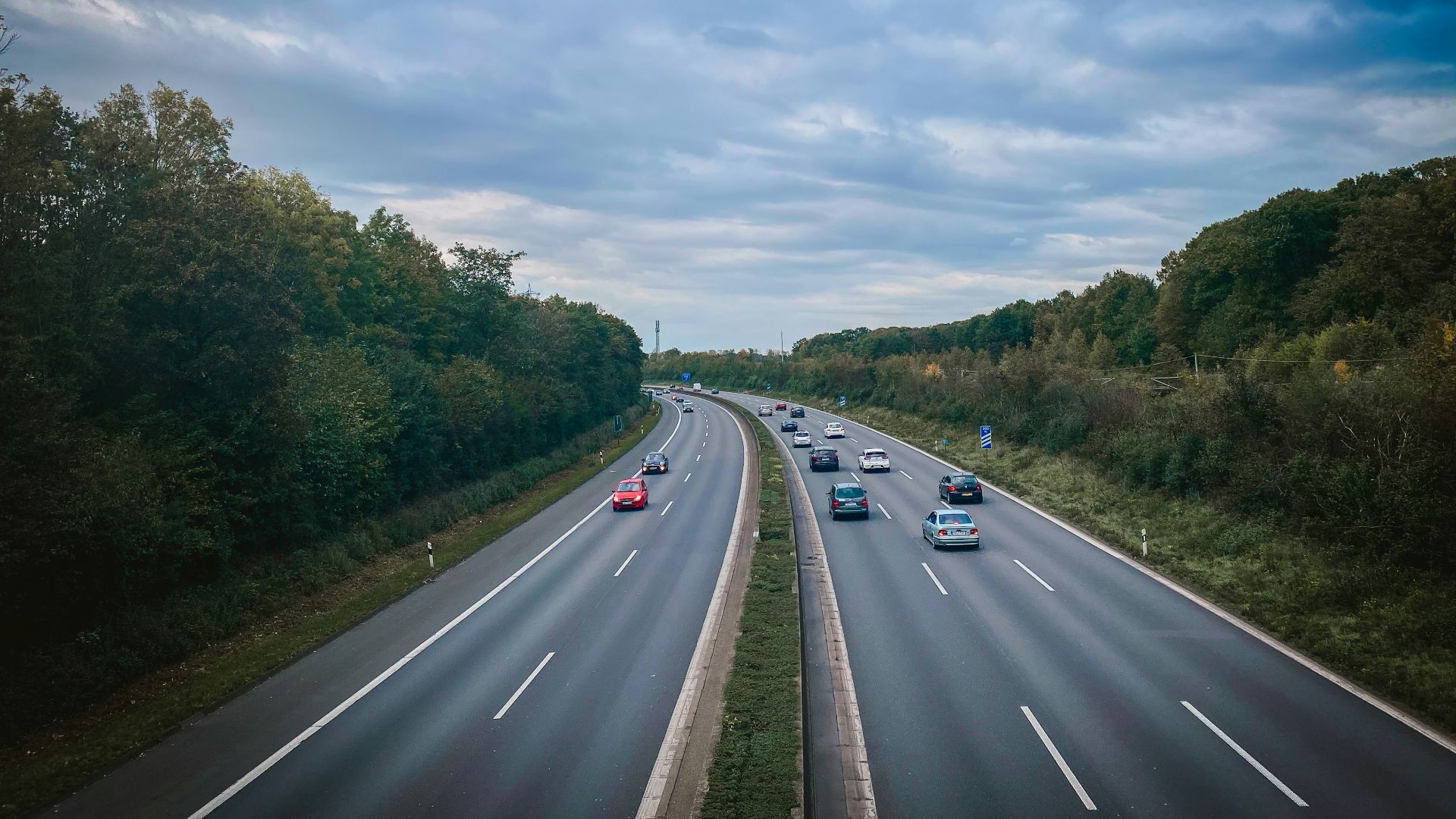
Germany is famous for Autobahn sections with no general speed limit, which is about as “lax” as speed policy gets in a wealthy country. It’s not an anything-goes environment—German driving norms are disciplined, which is precisely why they can get away with having no speed limit zones.
 Jennifer Latuperisa-Andresen on Unsplash
10. Turkey
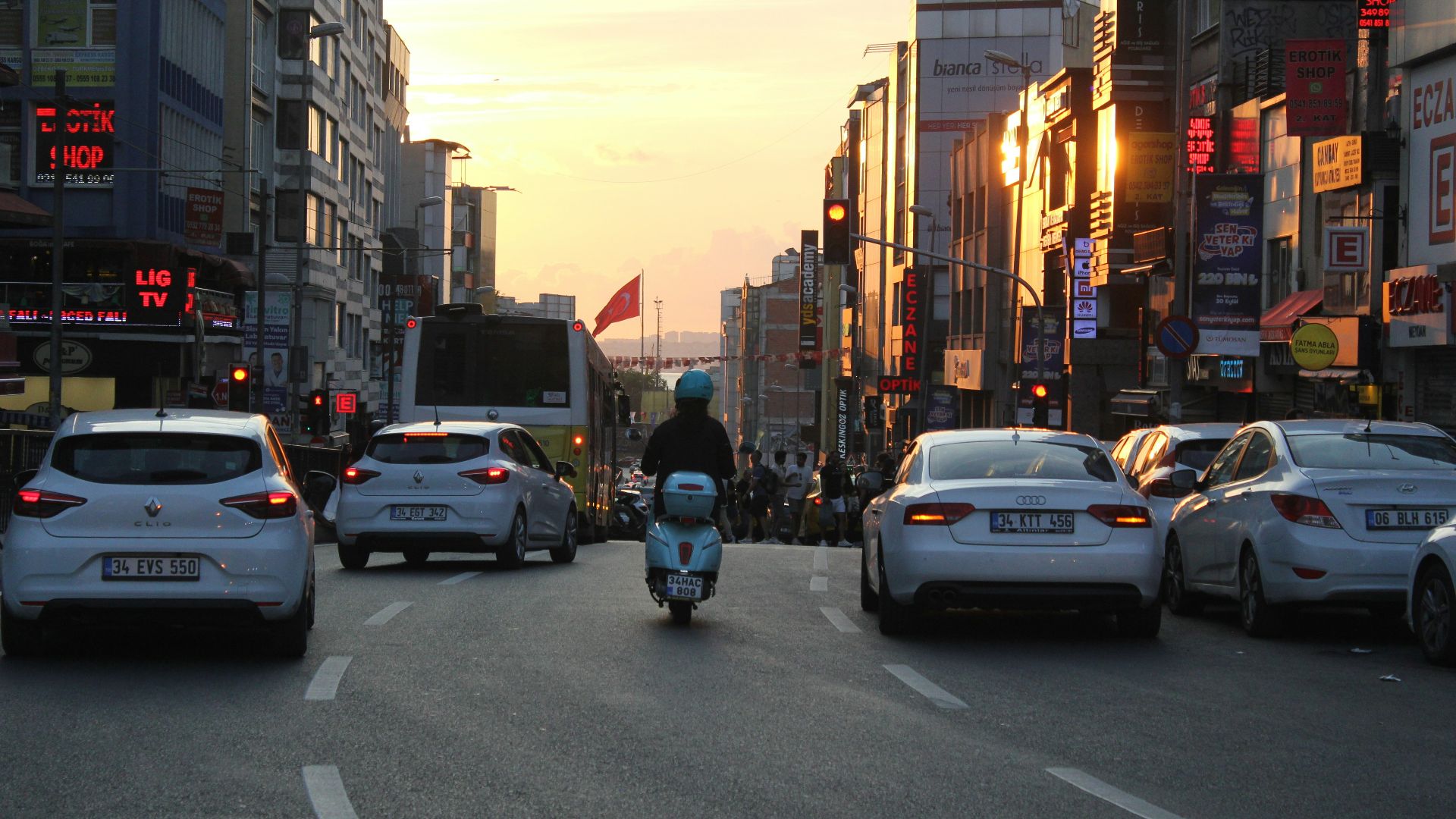
Turkey has formal traffic rules, but the on-the-ground driving culture can feel more “interpretive” than visitors expect. Some Turkish road-safety analysis points out gaps in how dangerous or aggressive driving is clearly defined and addressed as a holistic enforcement problem, which helps explain why behavior can feel uneven.
Now that we've talked about the countries where road laws may be considered "lax," let's cover the places where they're very strict.
1. Czech Republic
The Czech Republic is known for its zero-tolerance drunk-driving laws, meaning the BAC limit is effectively 0.00. That kind of rule leaves almost no room for “I only had one.” Travelers who treat it like a suggestion can end up with an expensive lesson.

2. Sweden
Sweden’s road-safety strategy is built around safety cameras and intelligent speed assistance. This means the whole system is designed to make you follow road rules. Drivers often feel the strictness in the infrastructure, not only in ticketing.

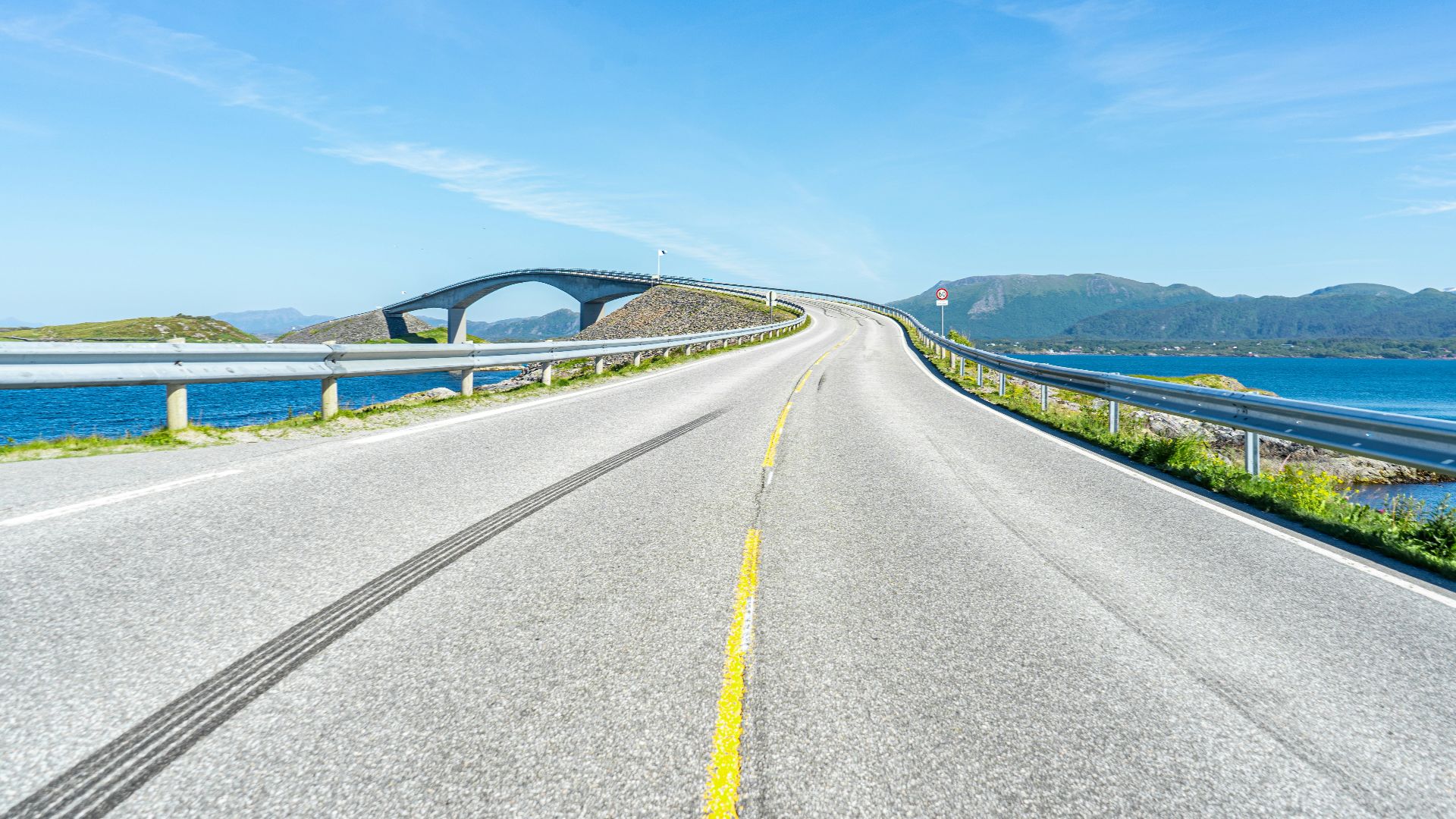
3. Norway
Norway is widely recognized for its very strict impaired-driving policy, with a low BAC limit and strong enforcement culture. The practical effect is that even mild drinking and driving behavior can carry real consequences. Visitors also tend to notice how seriously locals treat compliance, which sets the tone on the road.
4. Singapore
Singapore runs a structured demerit-point regime called the Driver Improvement Points System (DIPS), which assigns points and fines based on offense severity. That system makes driving feel strict because consequences accumulate in an organized, predictable way. You can’t rely on charm or confusion, since the framework is built to be consistent.

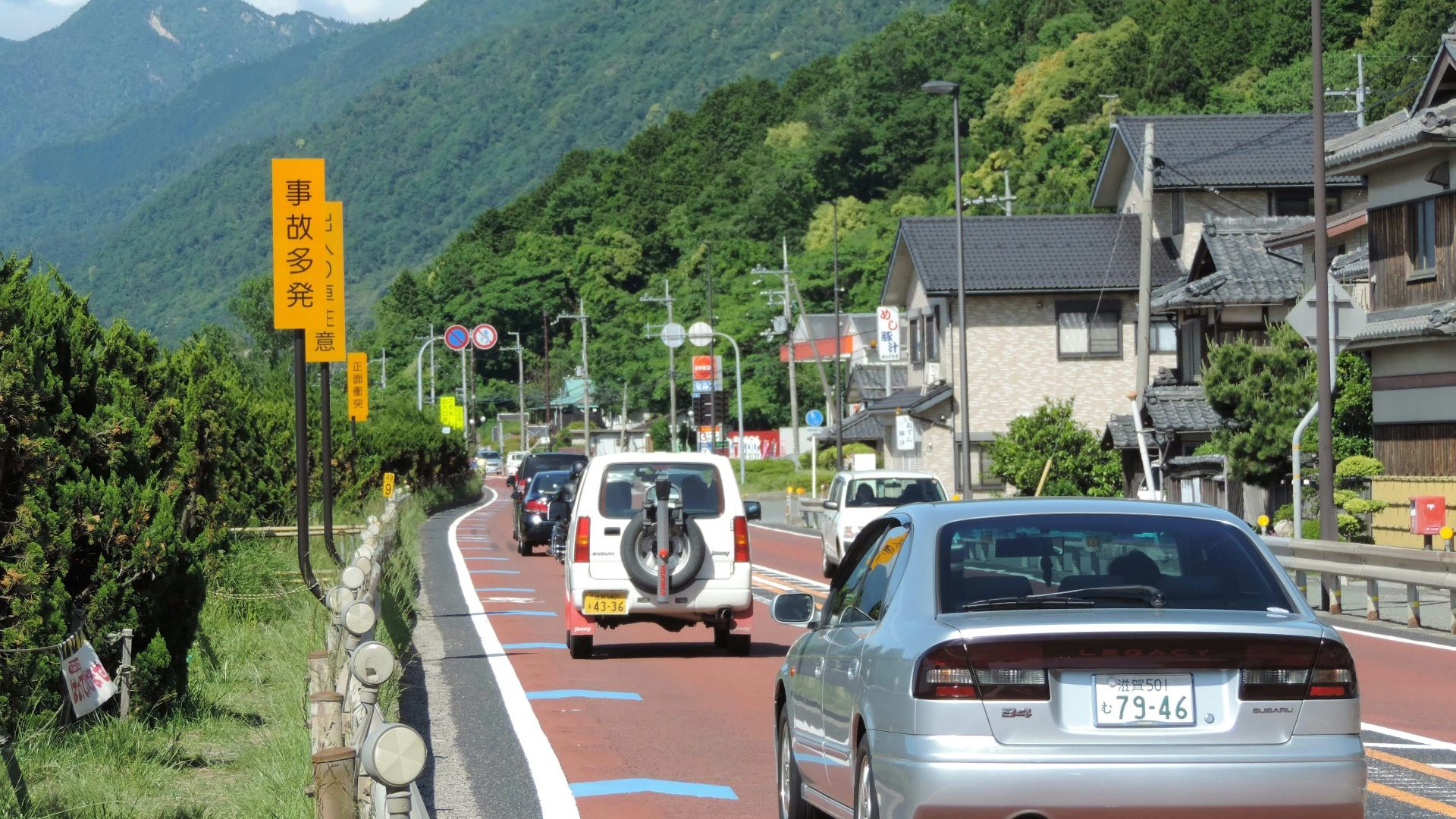
5. Japan
Japan uses a points-based approach to traffic violations with clear penalties and license consequences, which can be a shock if you’re used to casual enforcement. The strictness often shows up in how seriously routine behavior is treated, from speeding to signal discipline.
6. Switzerland
Switzerland can be strict in a way that feels personal, because serious speeding penalties can be calculated with income-based daily fines. That means a violation can cost vastly more than you’d expect if you’re thinking in flat-ticket terms, and being rich doesn't make the penalty hurt less.

7. United Arab Emirates
The UAE is widely described as having zero tolerance for drinking and driving, with severe penalties and an enforcement culture that doesn’t play around. When the legal expectation is effectively “none,” you don’t get to negotiate with the rules. Many travelers find that the strictness is also amplified by how modern and monitored the road network can feel.

8. Hungary
Hungary is another European country commonly cited for a 0.00 BAC approach. The main advantage of strict rules is that they’re simple, even when they’re harsh. You don’t have to guess where the line is because the line is “don’t.” For road-trippers, that clarity removes a lot of mental clutter.

9. Qatar
Qatar is generally listed among countries with zero-tolerance drink-driving limits. Even if your trip is mostly city-based, strict rules matter because tourists often rely on rentals and ride shares interchangeably. In a zero-limit country, it’s better to decide early which nights are driving nights and which aren’t.

10. Bahrain
Bahrain is also commonly cited with a 0.00 BAC drink-driving limit. That level of strictness tends to come with strong deterrence, because there’s no “safe” margin to aim for. Visitors usually do best by planning transport the way locals do, rather than assuming their home rules apply. If you’re unsure, choosing not to drive is the simplest win.