

The Engine That Looked Brilliant on Paper but Became a Reliability Disaster
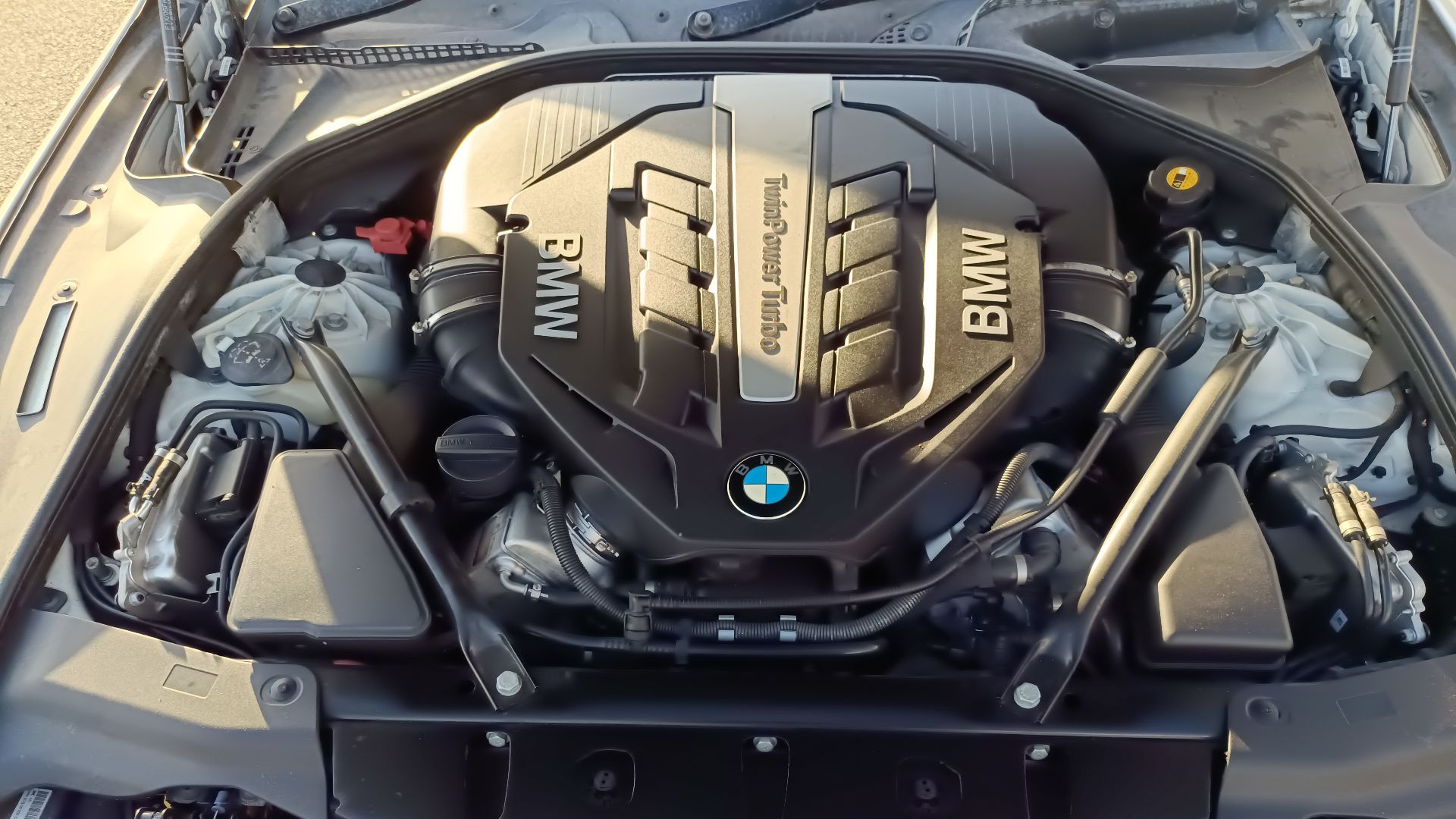
Some engines earn a bad reputation because they were outdated from day one, but BMW's original N63 V8 had the opposite problem. When it appeared in 2008, it packed together twin turbochargers, direct injection, impressive output, and unusually compact packaging in a way that made it seem like a glimpse into the future.
When something is that good on paper, it naturally gets met with skepticism, and unfortunately in this case the skeptics were right. Putting that much technology into one engine proved to bring expensive problems. Early N63-powered BMWs eventually became known for issues involving oil consumption, fuel injectors, timing components, seals, and other hardware.
The N63 Was Incredibly Ambitious
BMW introduced the 4.4-liter N63 in the E71-generation X6 xDrive50i, where it produced 400 horsepower and 450 lb-ft of torque. Compared with the naturally aspirated 4.8-liter N62 it replaced, the smaller engine delivered considerably more performance. BMW's goal was straightforward: combine higher output with improved efficiency rather than simply increasing displacement.
The most unusual part was where BMW placed the turbochargers. Instead of hanging them outside the cylinder banks, engineers fitted both turbochargers and the nearby catalytic converters inside the V of the engine. BMW described the N63 as the first production engine to use this type of integrated arrangement, which helped create a remarkably compact powertrain.
There were clear performance advantages to that layout. Shorter exhaust paths helped the turbochargers respond quickly, while direct fuel injection allowed BMW to extract substantial power from a relatively modest displacement. For drivers stepping into a 7 Series, X5, X6, or later a 5 or 6 Series with the engine, the N63 provided effortless acceleration without requiring a massive naturally aspirated V8.
That sophistication also meant the engine bay was extremely crowded. Turbochargers produce a lot of heat, and placing them in the center of the engine concentrated much of that hot air in a tightly packed area. The design made excellent sense for performance and packaging, but it also placed numerous seals, hoses, electrical parts, and other components in a demanding environment.
Then the Problems Began Adding Up
While there wasn't one catastrophic flaw, owners eventually encountered a range of issues. BMW's own Customer Care Package called for inspections and, when necessary, replacement of components including fuel injectors, the vacuum pump, turbocharger intake seals, crankcase ventilation hoses, airflow sensors, and parts of the low-pressure fuel system, which isn't a particularly short shopping list.
Oil consumption became another major complaint surrounding early N63 engines. BMW later provided oil-consumption testing and related repairs for eligible vehicles as part of a legal settlement, while the company's service material also addressed valve-seal replacement procedures. In severe qualifying cases, the settlement even provided a path toward engine replacement.
Timing chains caused additional concern. BMW issued procedures for checking N63 timing chains for wear and instructed technicians to modify affected vehicles to use shorter oil-service intervals after completing certain repairs. Later technical documentation also directed technicians to inspect timing-chain guides when performing particular valve-seal repairs.
Even the engine's supporting systems could become troublesome. The Customer Care Package addressed multiple items at once because different cars could arrive at dealerships with very different combinations of symptoms. Some vehicles merely needed preventative updates, while others already had drivability problems that required conventional warranty repairs before the broader care package could be completed.
BMW Didn't Give Up on the Idea
Even after all that headache, BMW refused to give up on the engine. By 2015, the company's response had grown into something unusually comprehensive. Dealers were instructed to carry out a multipoint N63 inspection and replace qualifying components at no cost, although BMW specifically stated that the program wasn't a recall. The company described it as a proactive effort intended to address potential problems before owners experienced them.
The affected list was substantial. Early versions of the engine appeared across BMW's 5 Series, 6 Series, 7 Series, X5, X6, and related models produced over several years. That meant the N63's troubles touched some of BMW's most expensive and technologically advanced vehicles.
The basic concept behind the engine didn't disappear. BMW continued developing the N63 family rather than abandoning turbocharged V8s or its compact turbo placement altogether. In that sense, the original engine's story isn't really one of a hopeless design, but of ambitious engineering arriving with problems that hadn't yet been fully worked out. BMW eventually mostly fixed the engine's notorious problems, but it took massive updates over years
On paper, nearly everything about the N63 sounded desirable: more power, smaller displacement, quicker turbo response, clever packaging, and better efficiency. Those ideas helped shape BMW's future engines, but early buyers sometimes ended up serving as unwilling testers for just how complicated that future could become.