The Times Have Changed
Remember when cars were just heavy hunks of metal that happened to have controllable wheels? Yeah, those days are long gone. The modern vehicles we have today are practically moving computers, so sophisticated you probably don't even know half of what they're actually capable of. From push-start buttons to giant touchscreens and self-driving abilities, this is truly the future we once only ever fantasized about. Here are 20 odd things about present-day cars that longtime drivers likely find incredibly disorienting.
1. Door Handles That Don't Look Like Door Handles
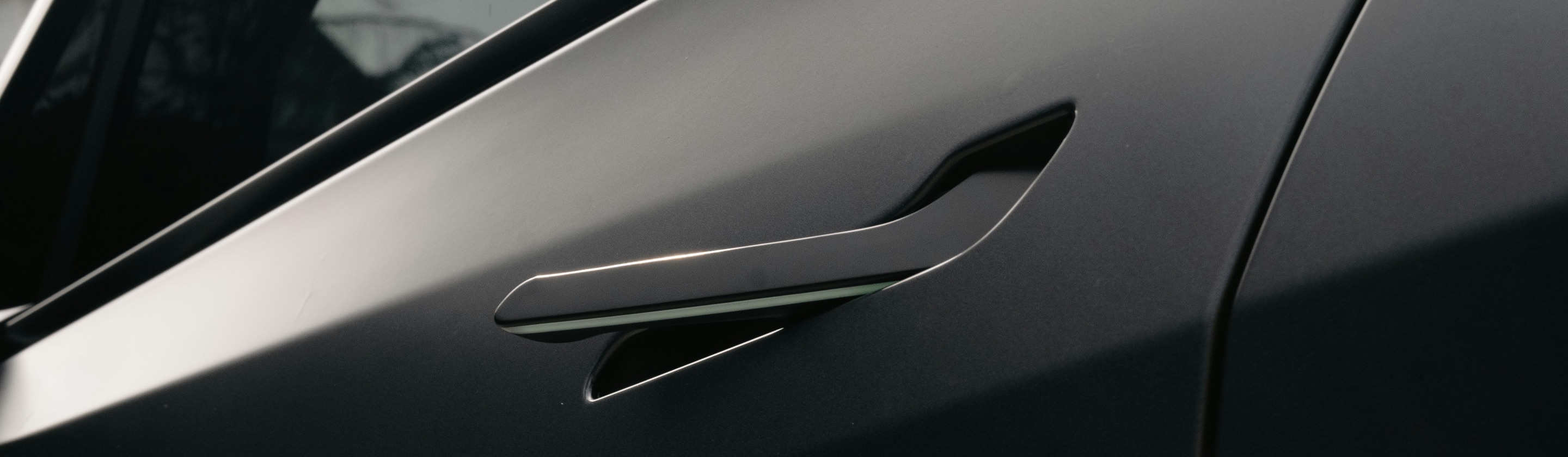
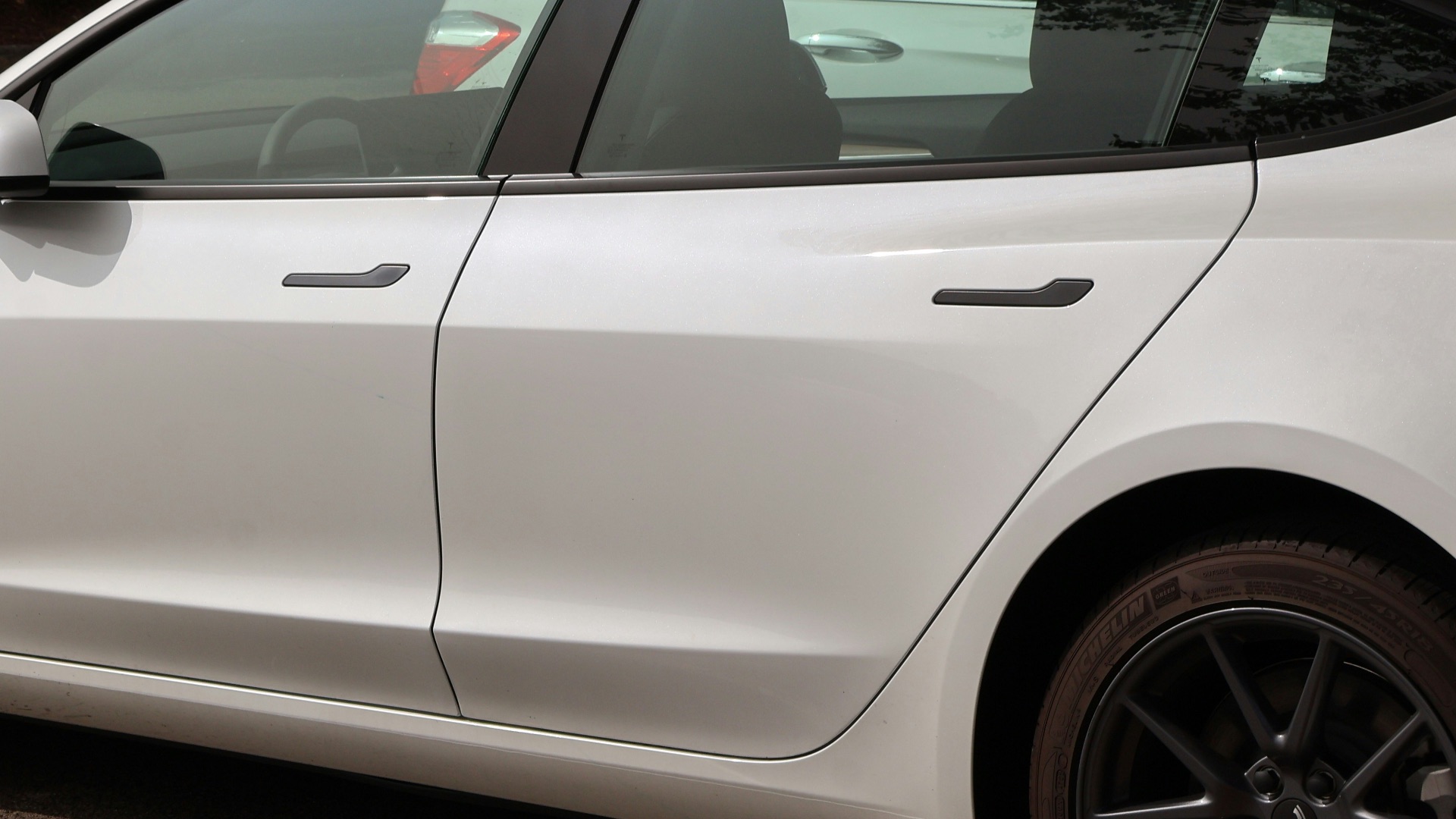
Back then, car doors looked like car doors. Nowadays, you'll see door handles that sit flush with the exterior door rather than sticking out where you'd expect them. Anyone accustomed to simply grabbing a handle may need a moment to figure out how they're supposed to get inside.
2. Keys That Never Leave Your Pocket
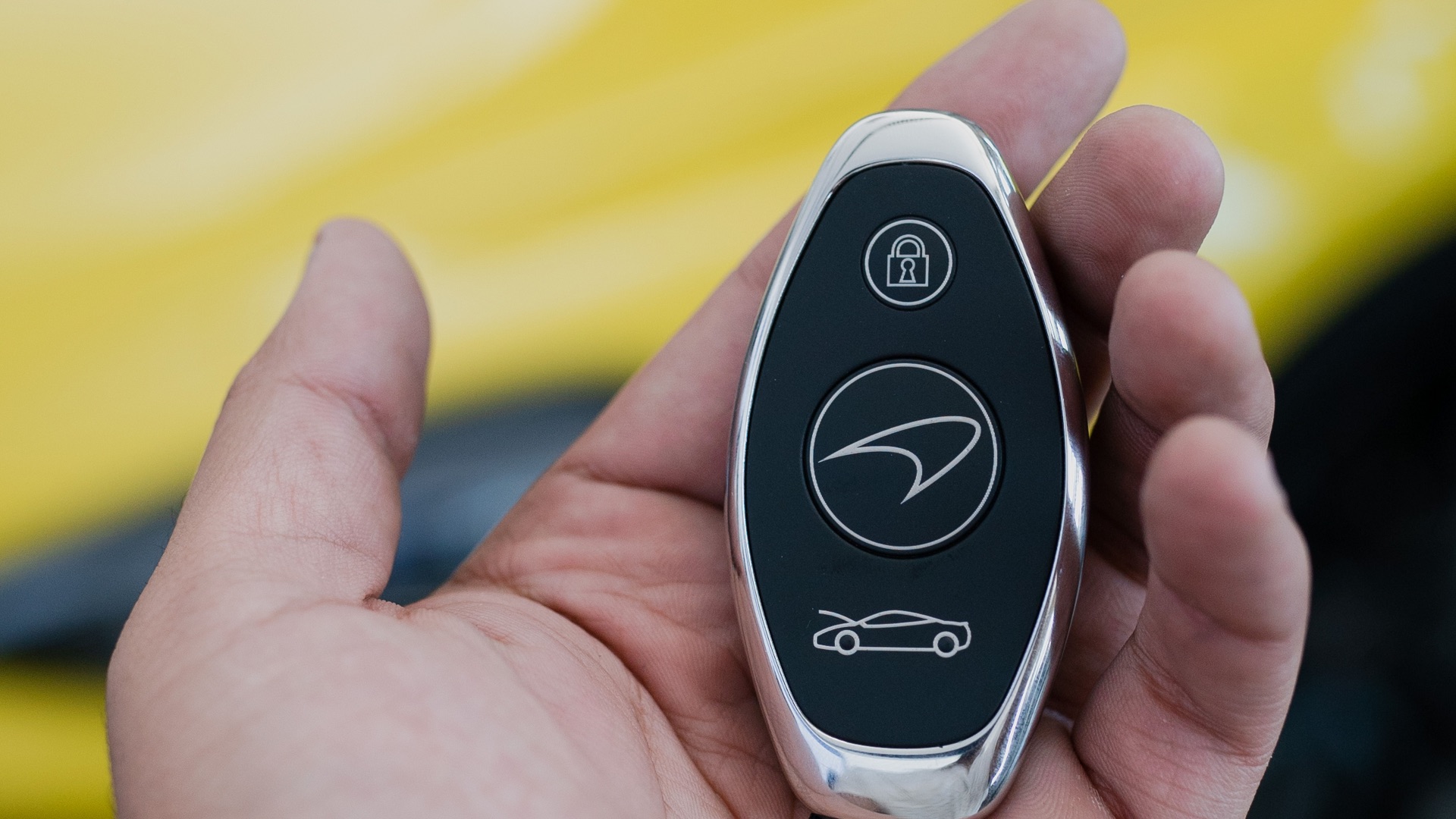
Forget about the door handles—even unlocking modern cars is weird. With keyless entry, all you'd have to do is walk up to a car with the key fob on you, and the doors will unlock automatically or after you touch the handle. Drivers who spent decades physically turning a key may still find it strange that the car somehow knows they're standing beside it.
3. Starting the Car with a Button
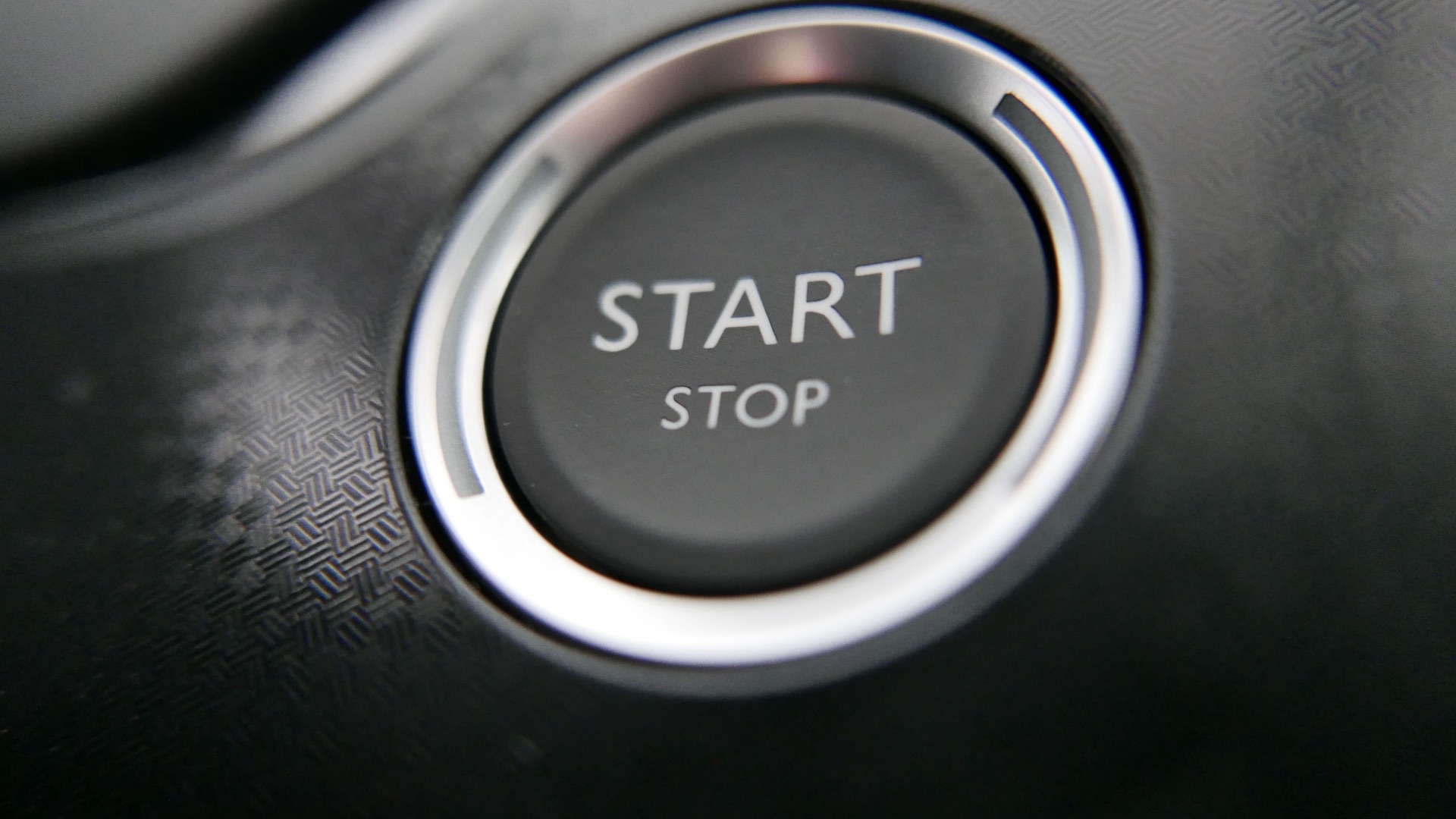
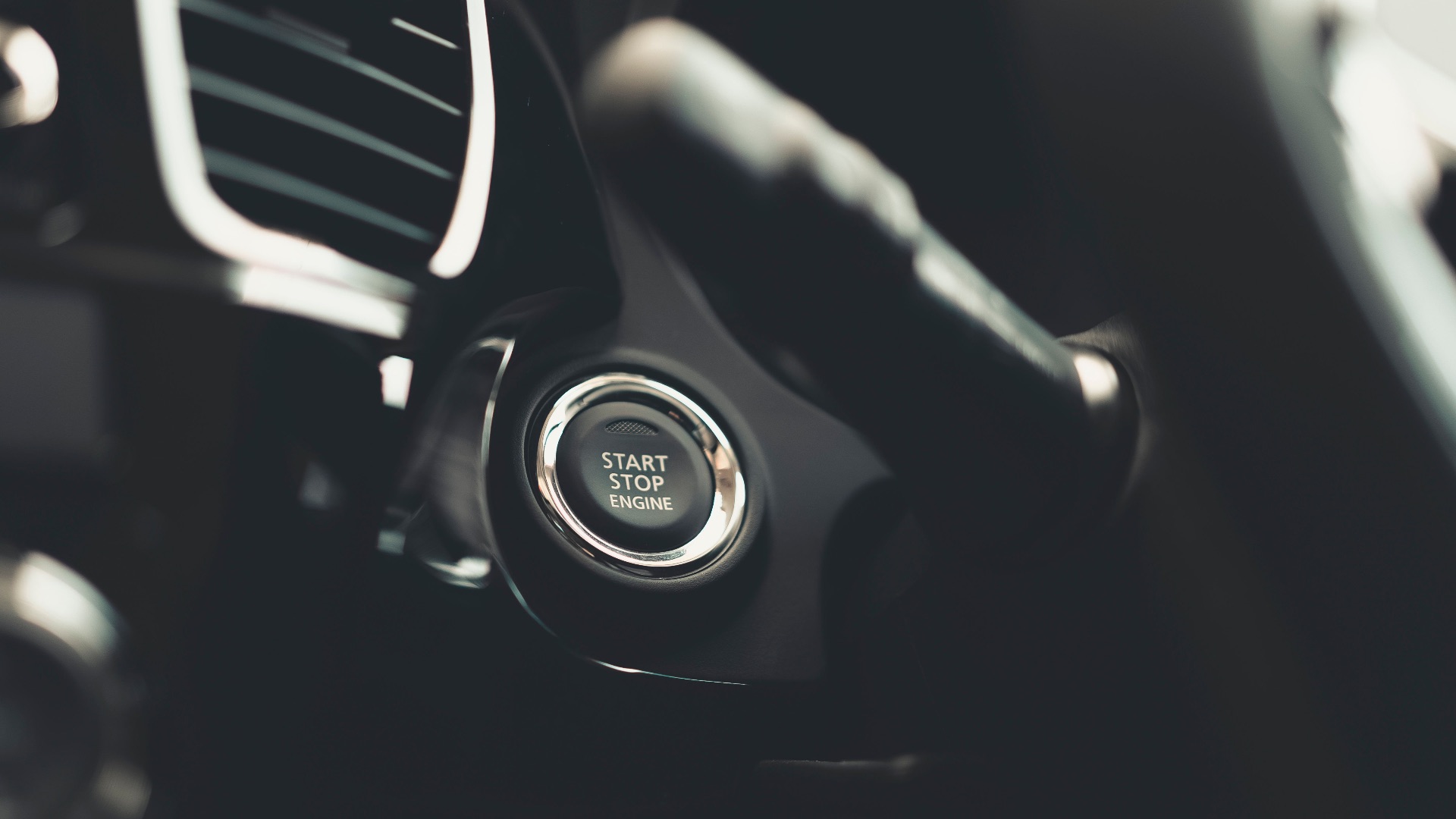
Not only do you not need keys to open the door, but present-day cars don't require a key to switch on the ignition. All that's in its place now is a start button. You still need the key fob somewhere inside the vehicle, of course, but after that, you just need to push the button.
4. Shifters That Barely Resemble Shifters
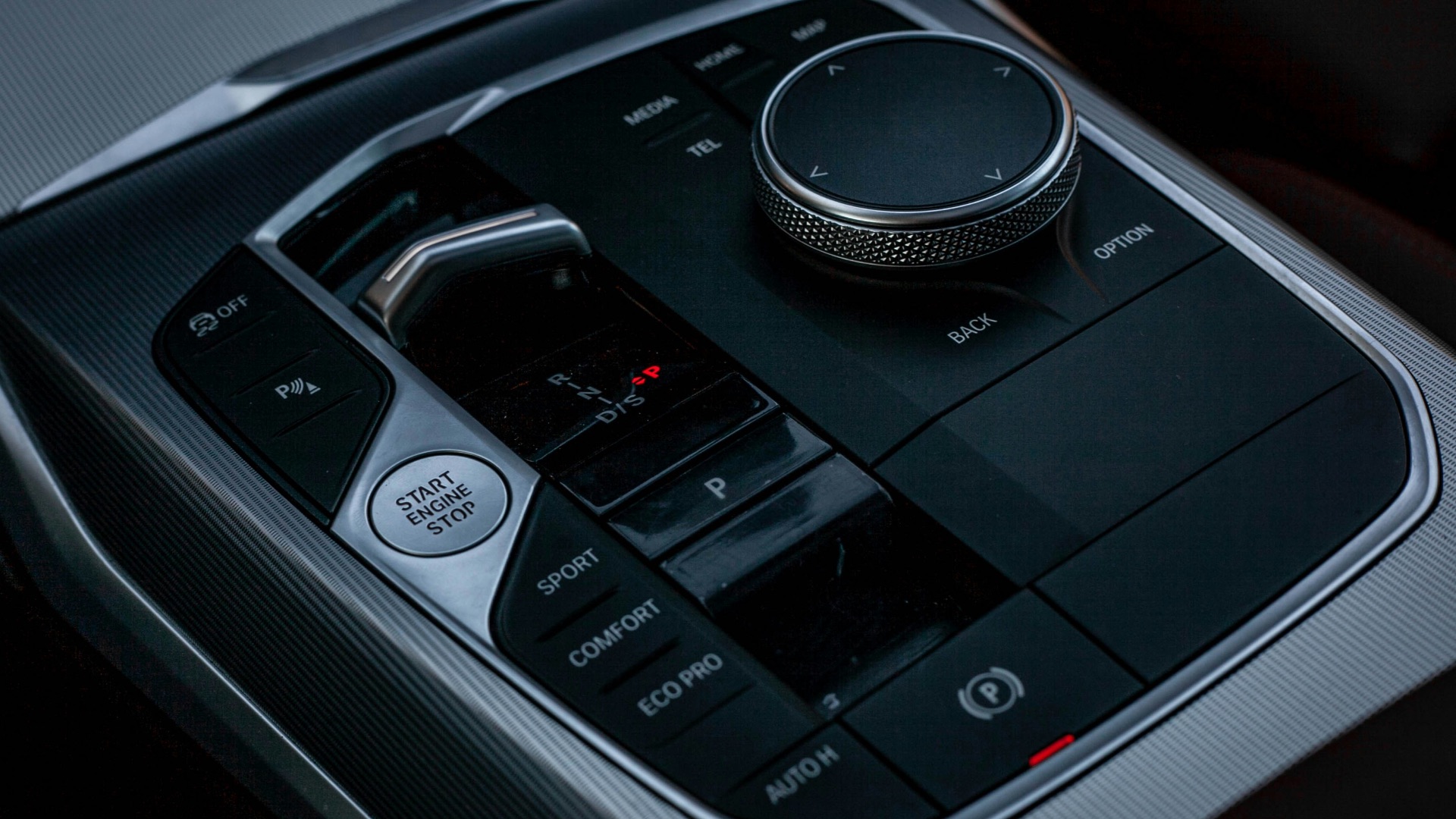
Traditional gear levers are no longer guaranteed in a modern car. Sounds crazy, right? Modern vehicles have since swapped those out for rotary dials, dashboard buttons, or stalk-mounted selectors instead. That variety can be disorienting when you've spent years expecting Park, Reverse, Neutral, and Drive to appear along the same familiar lever.
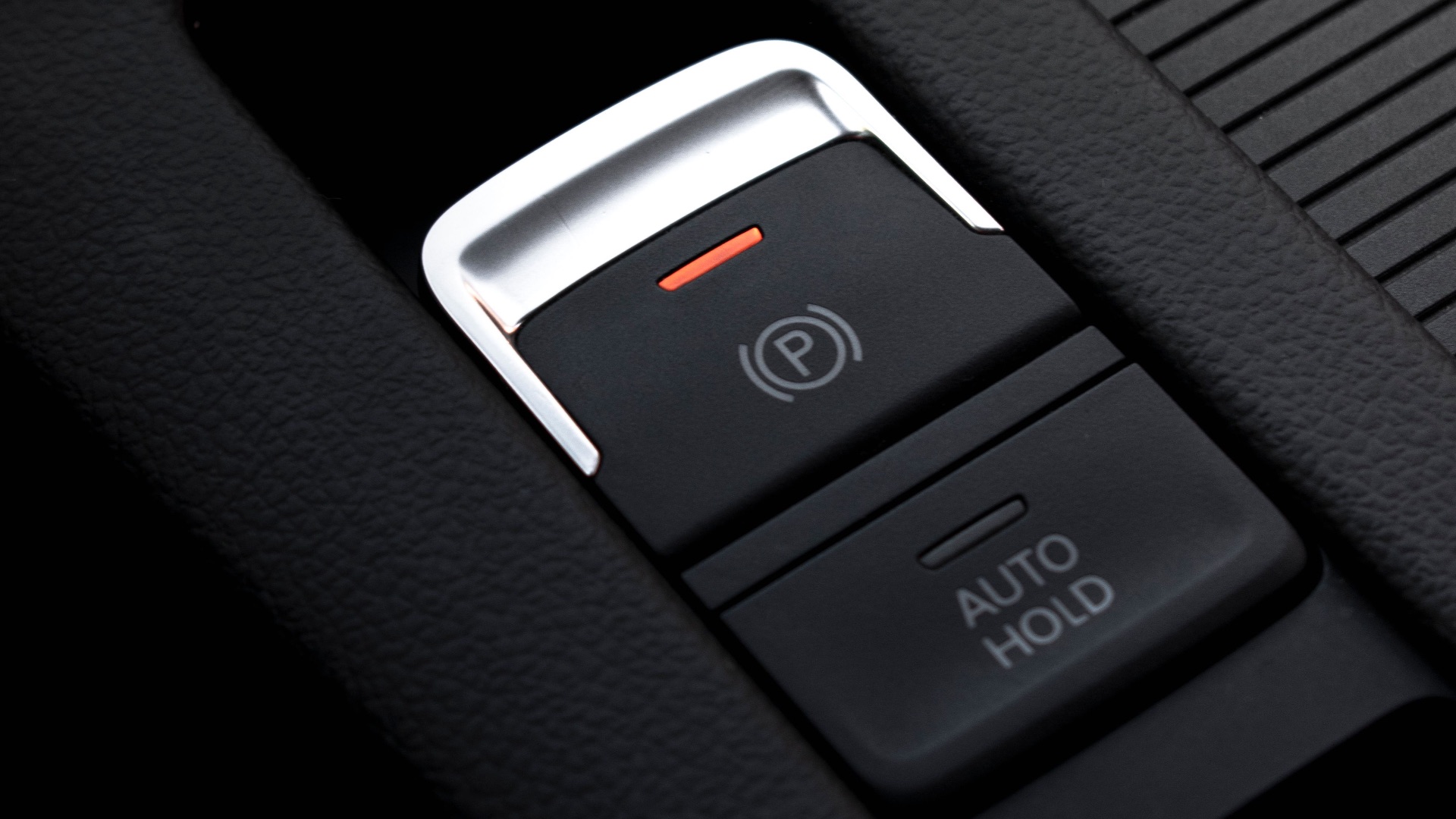
5. Parking Brakes Without Levers or Pedals
Pulling a handbrake or pressing a parking-brake pedal used to provide a very physical confirmation that your car wasn't going anywhere after you've stopped it. But, like the start-engine button, you'll see electronic parking brakes everywhere, and some activate automatically when you park. It works perfectly well, but to longtime drivers, it doesn't always feel as reassuring as a lever.
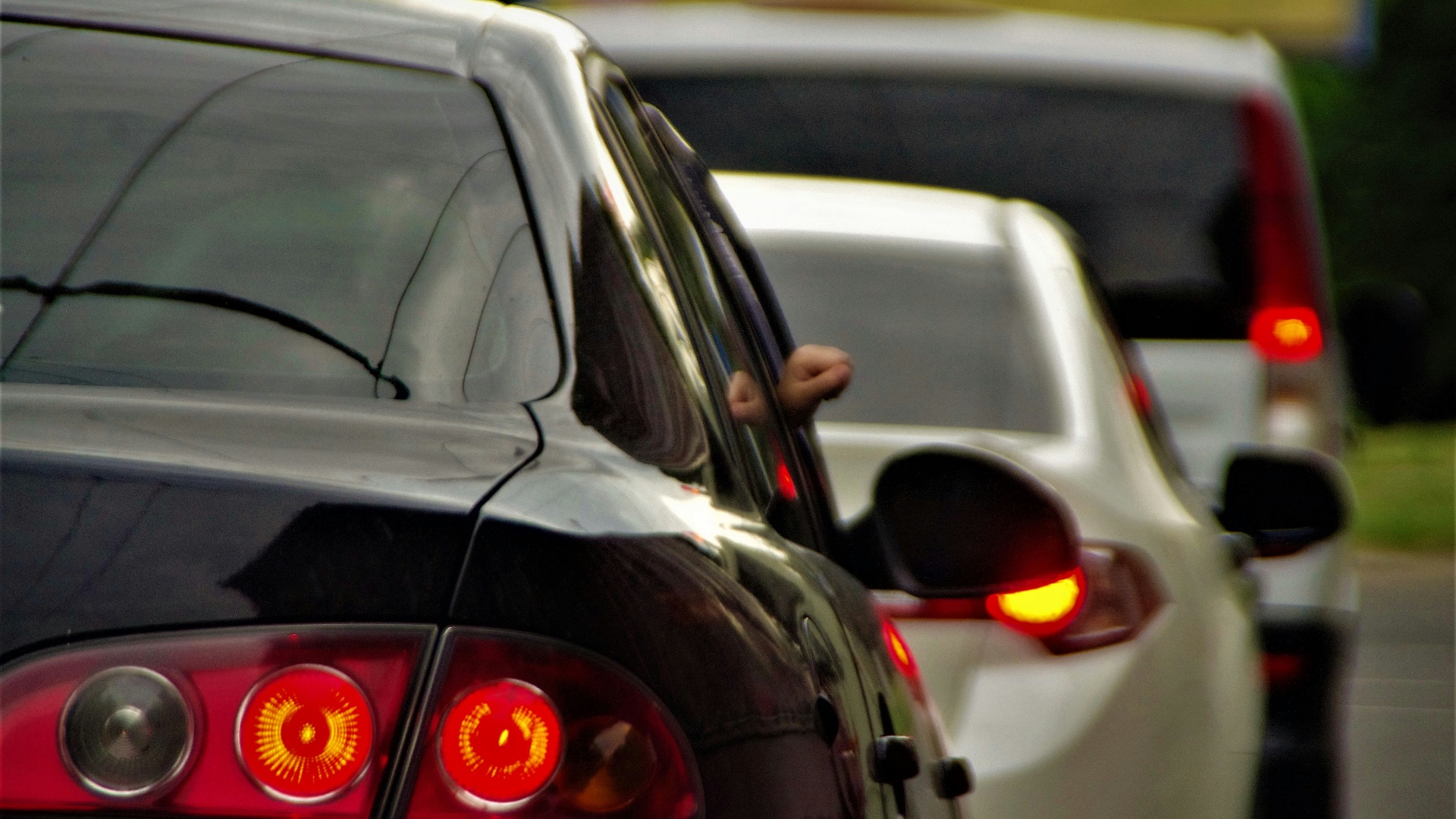
6. Cars That Turn Themselves Off at Red Lights
If you've been driving for decades before newer features were added in modern cars, you might be confused every time you hear a vehicle's engine kick back on after a red light turns green. But that's actually the norm now: automatic stop-start systems can shut the engine down whenever the vehicle comes to a stop, then restart it as you lift your foot from the brake. As you can probably guess, the feature is intended to reduce unnecessary fuel consumption and emissions during idling.
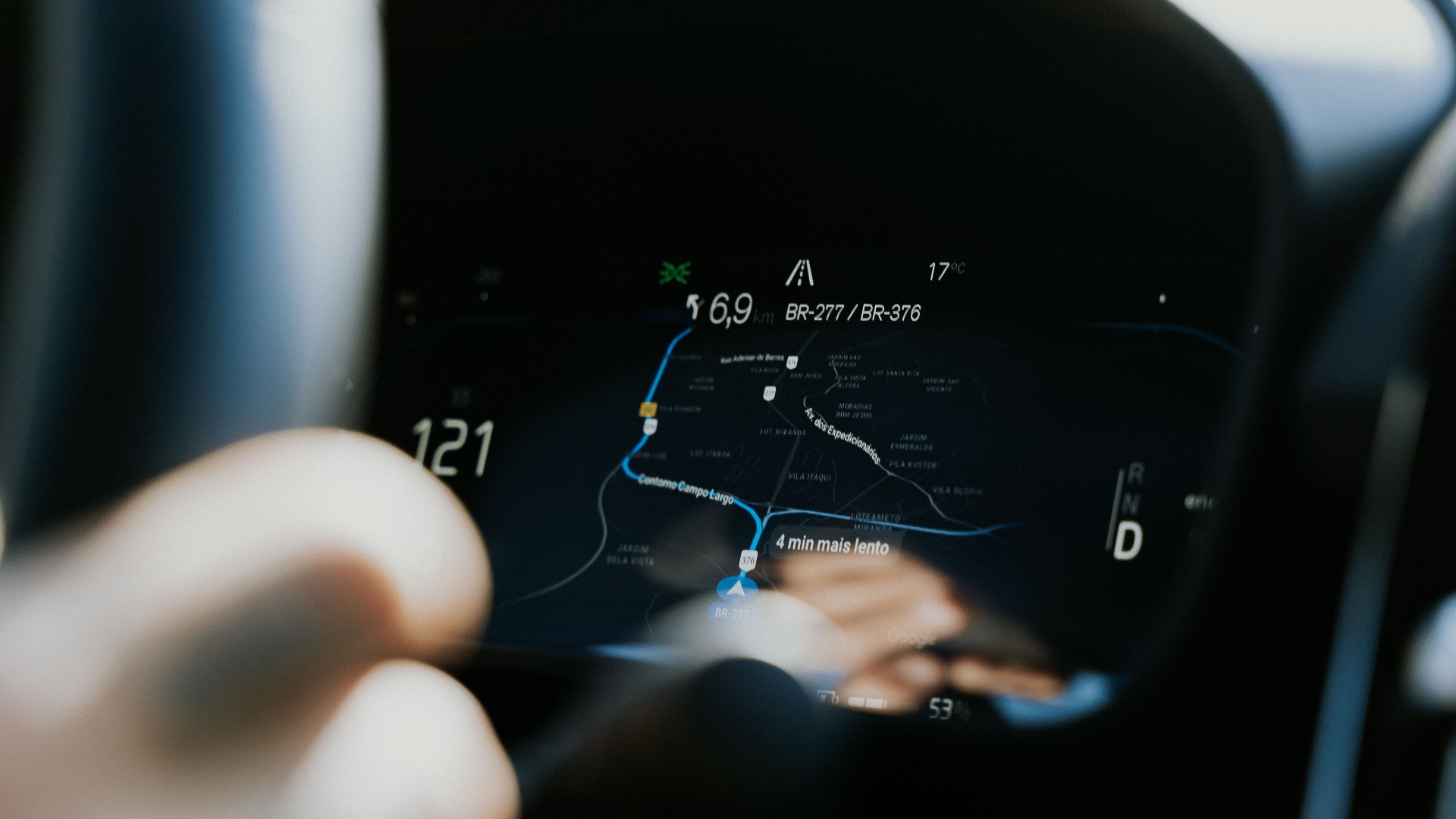
7. Dashboards That Are Basically Computer Screens
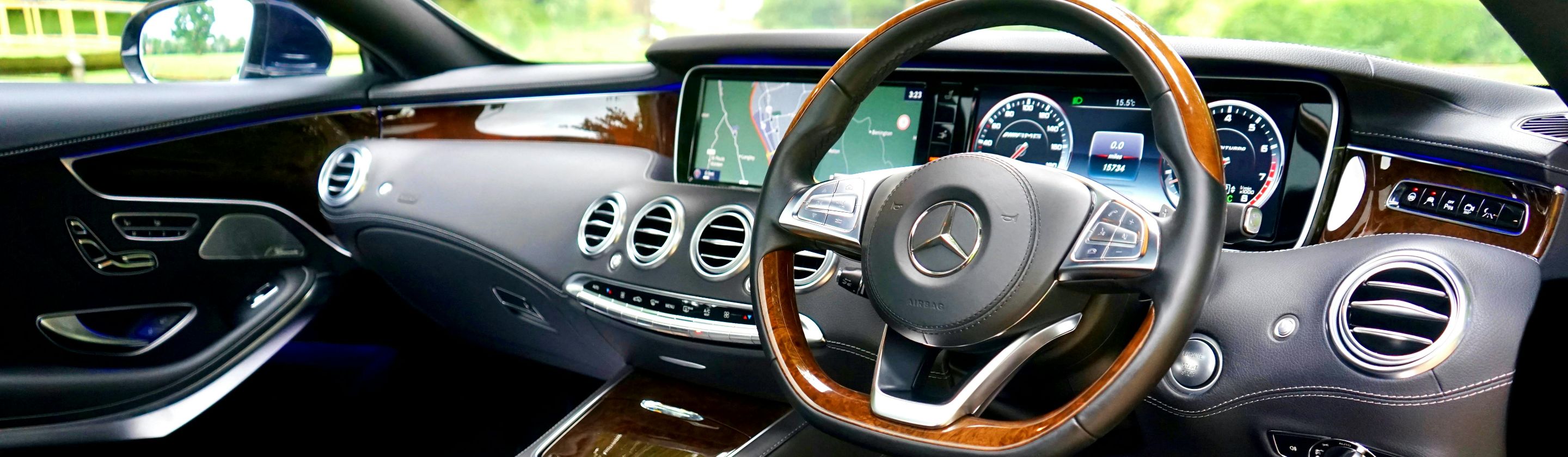
Goodbye, analog speedometers and fuel gauges; hello, digital instrument clusters. Even dashboards in the modern era of automobiles look strikingly different. Longtime drivers who prefer a fixed needle and a clearly marked dial may need more than a few weeks to adjust.
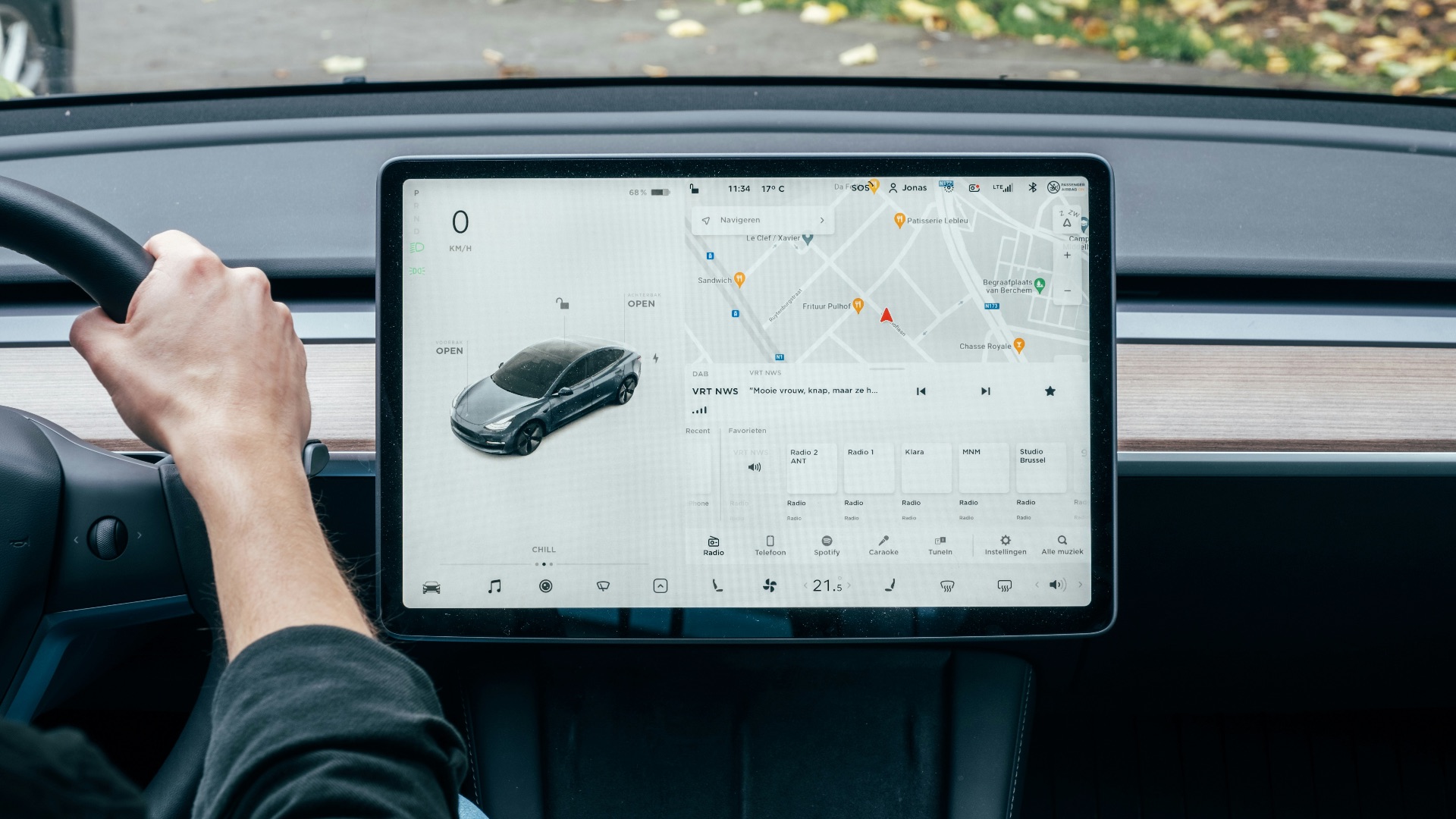
8. Touchscreen Controls
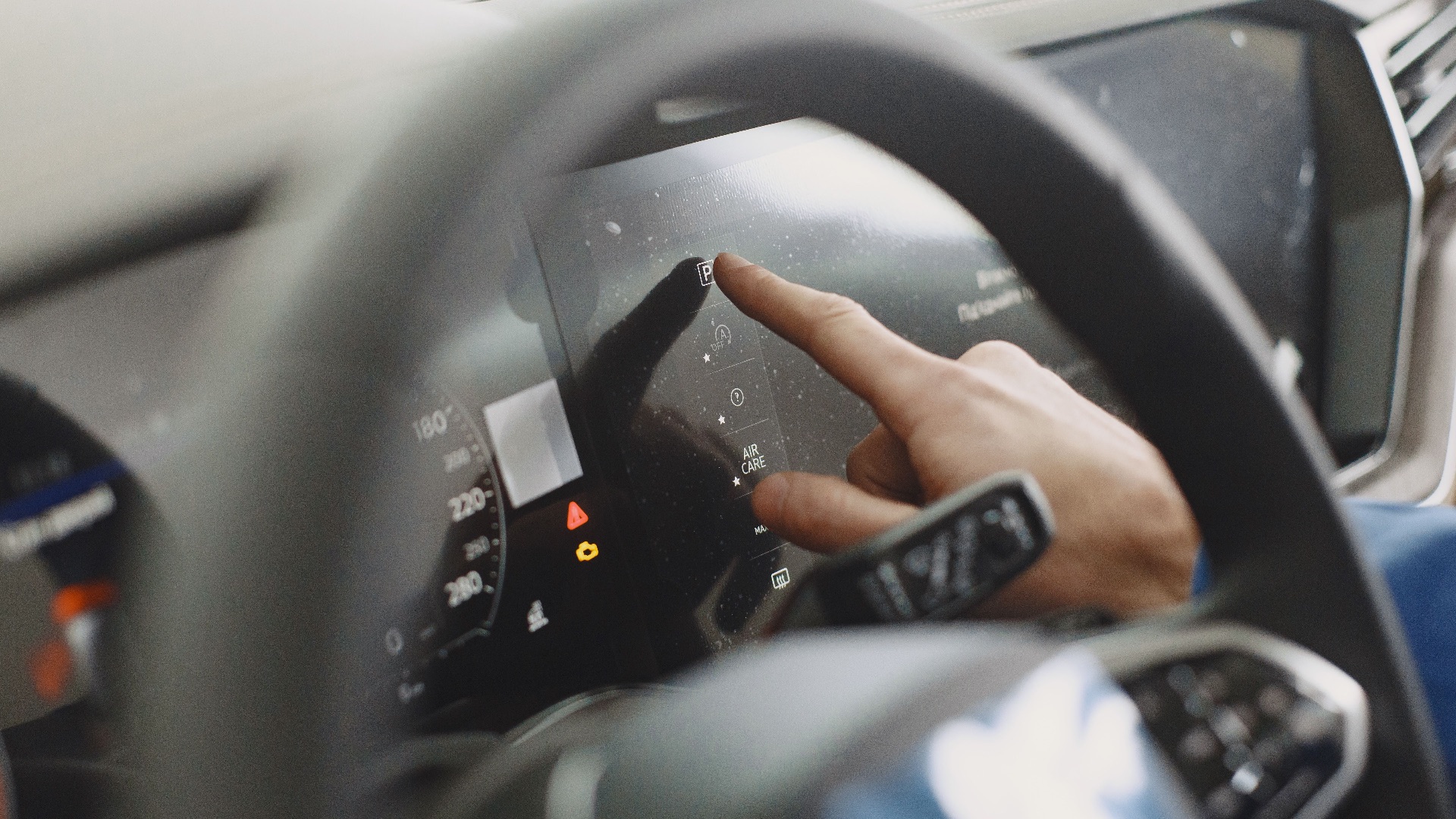
From climate controls to radio settings and GPS, all the physical buttons you were once used to may now be buried inside one central touchscreen. While software-based controls certainly offer a cleaner appearance and flexibility, they aren't necessarily easier to operate while driving.
9. Cars That Watch Your Blind Spots
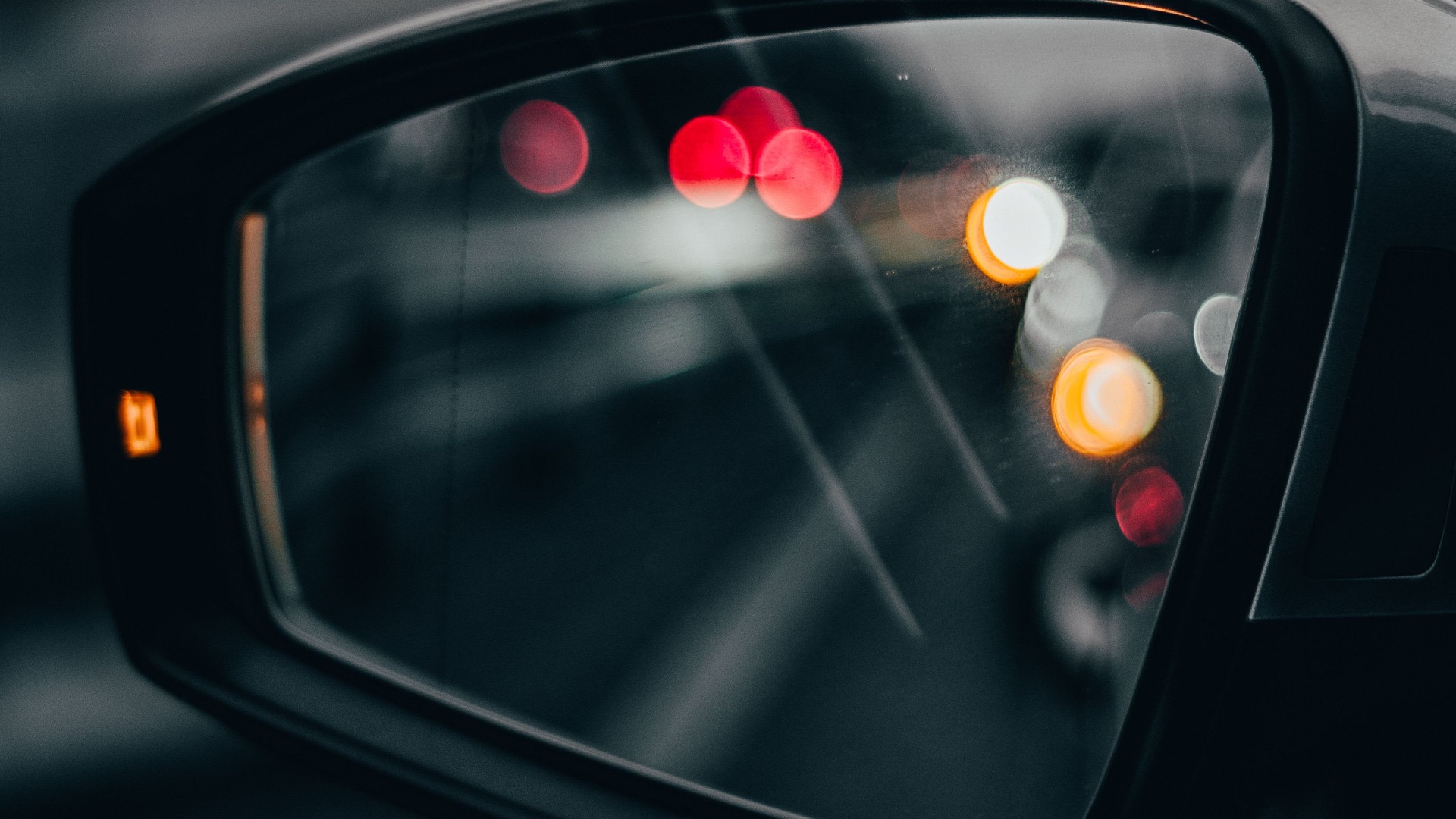
Remember those circular blind-spot mirrors you could tack onto your side mirrors? Well, you don't really need those anymore: modern cars now have blind-spot monitoring sensors that help detect vehicles around you. Longtime drivers may find it bizarre that you can now rely on those small warning lights that appear on the side mirror whenever other cars get close.
10. Steering Wheels That Correct Your Course
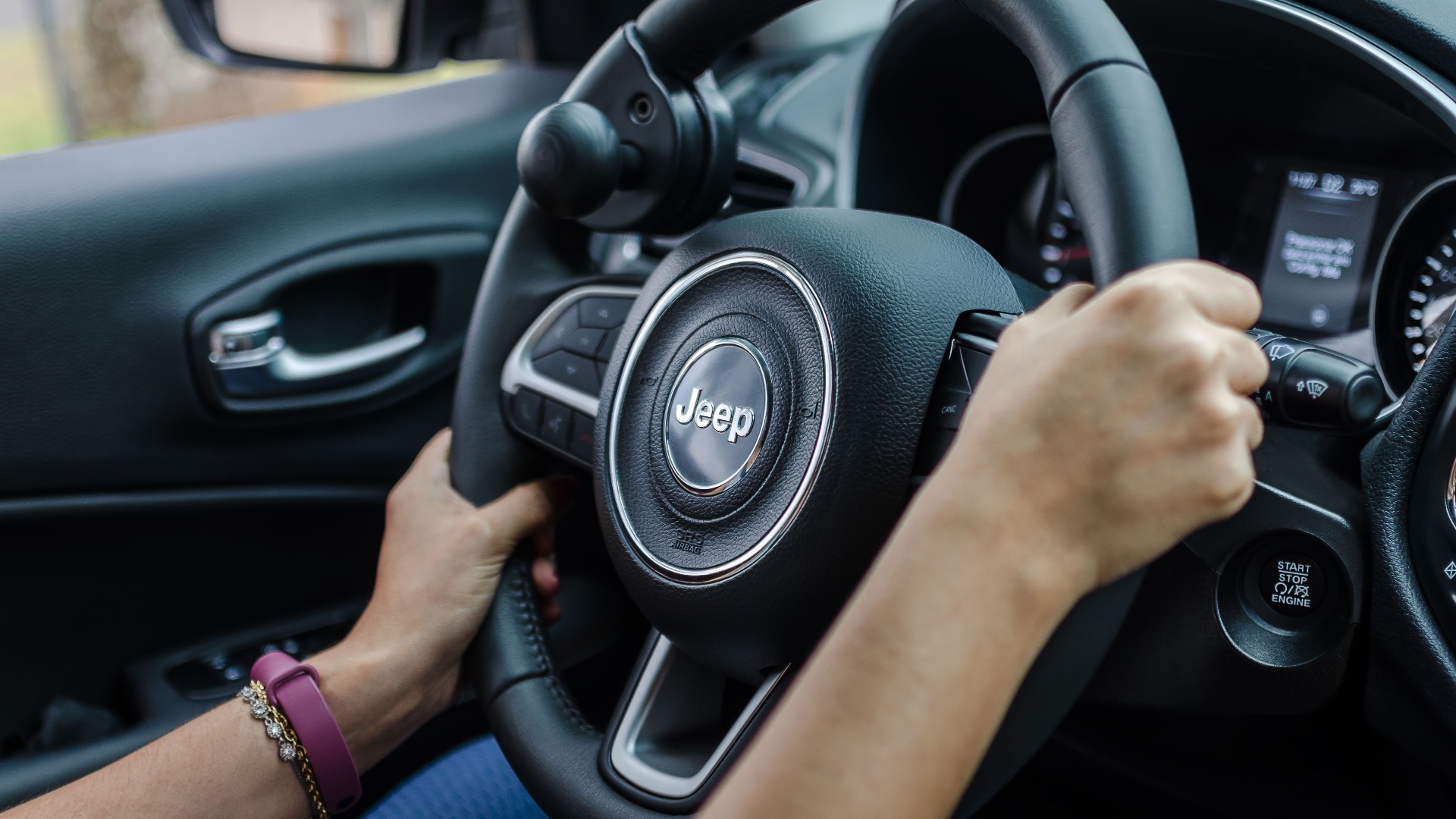
Ever accidentally veered from your lane? Well, nowadays lane-keeping systems can detect lane markings and apply steering assistance when your car starts to drift. Depending on the vehicle, that correction may feel like a vibration, or the steering wheel actually moving beneath your hands, which can be quite startling for those unused to the feature.
11. Cruise Control That Uses the Brakes
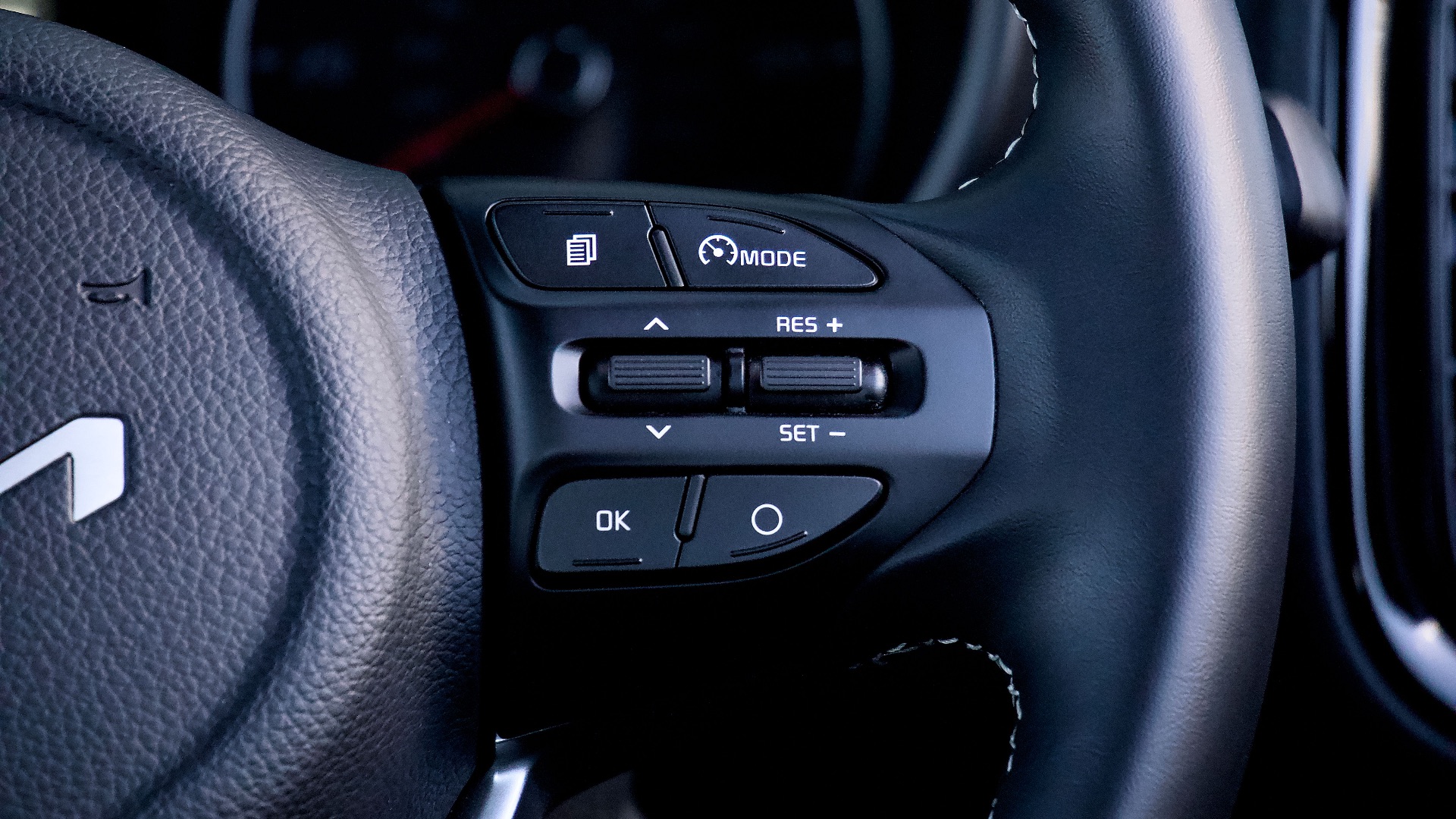
While longtime drivers are probably used to maintaining constant speed on a highway, adaptive cruise control can now follow the vehicle ahead, reduce speed automatically, and accelerate again once it's deemed safe. Seeing your own car operate the accelerator and brakes after years of doing it yourself can, understandably, take some getting used to.
12. Cars That Park Themselves
Still getting used to backup cameras? Well, the technology has developed even further. Some modern cars can actually identify a suitable space and control the steering, while more advanced systems can even do much of the maneuvering themselves. Parallel parking was once treated as a basic test of driving ability, but not anymore.
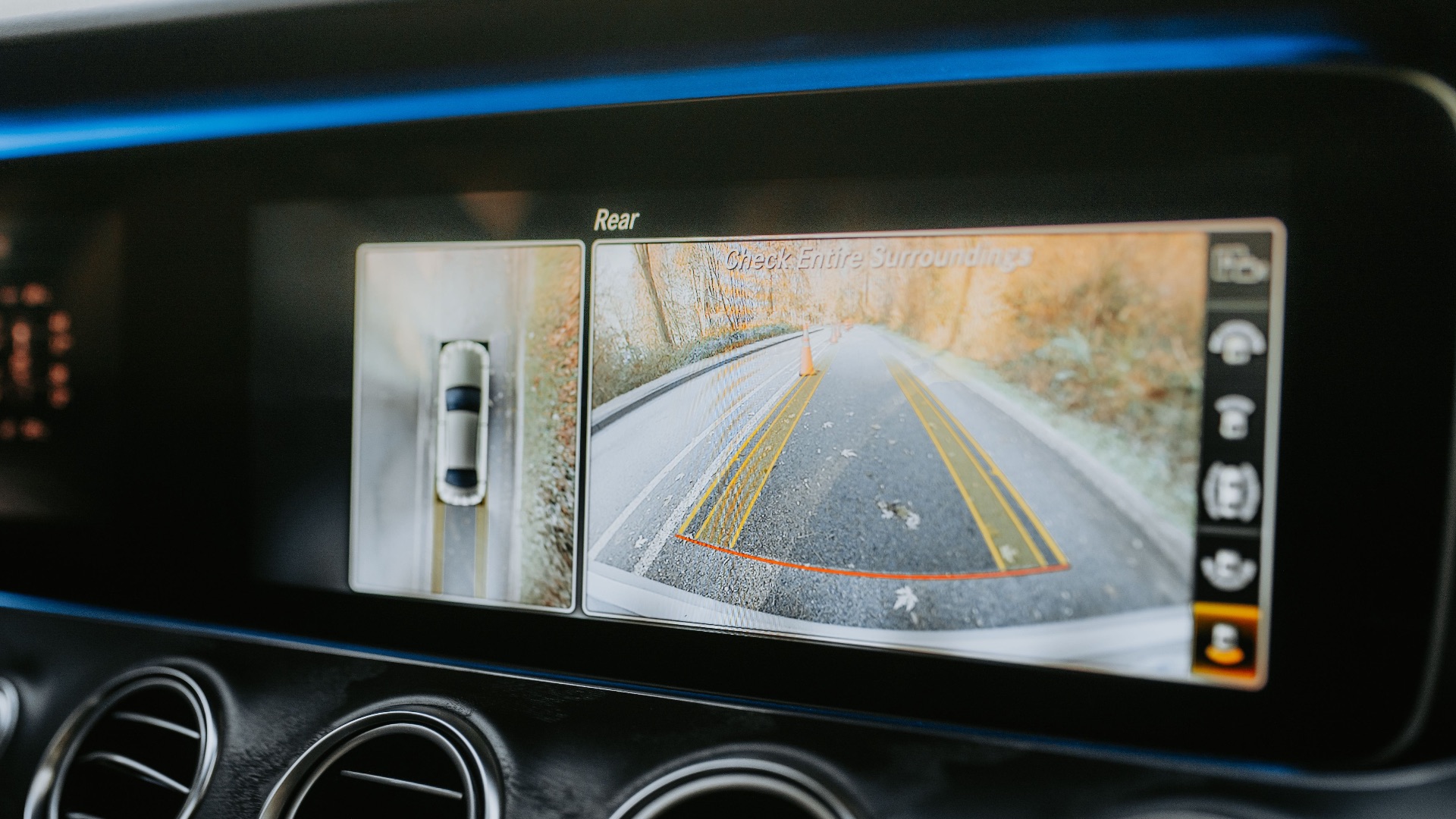
13. Cameras Showing Views You Couldn't Possibly See
As we just mentioned, rearview cameras are now only just the beginning. Present-day vehicles can combine several camera feeds into a simulated overhead view, meaning you can practically see all possible angles before you even move.
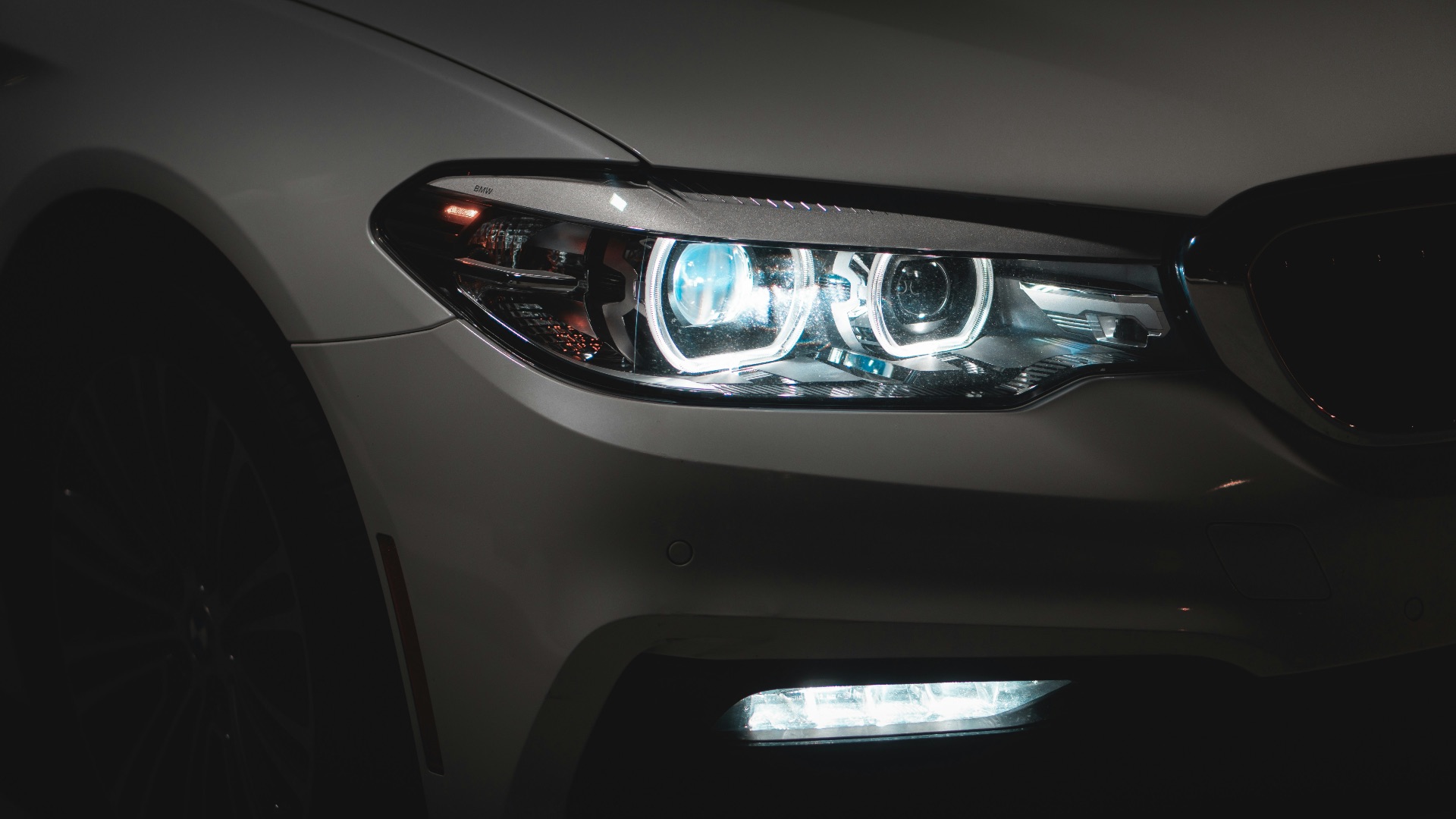
14. Headlights That Make Decisions for You
You're probably well-acquainted with automatic headlights. More sophisticated lighting systems, though, can do more than just that—they can even adjust beam patterns depending on traffic and road conditions!
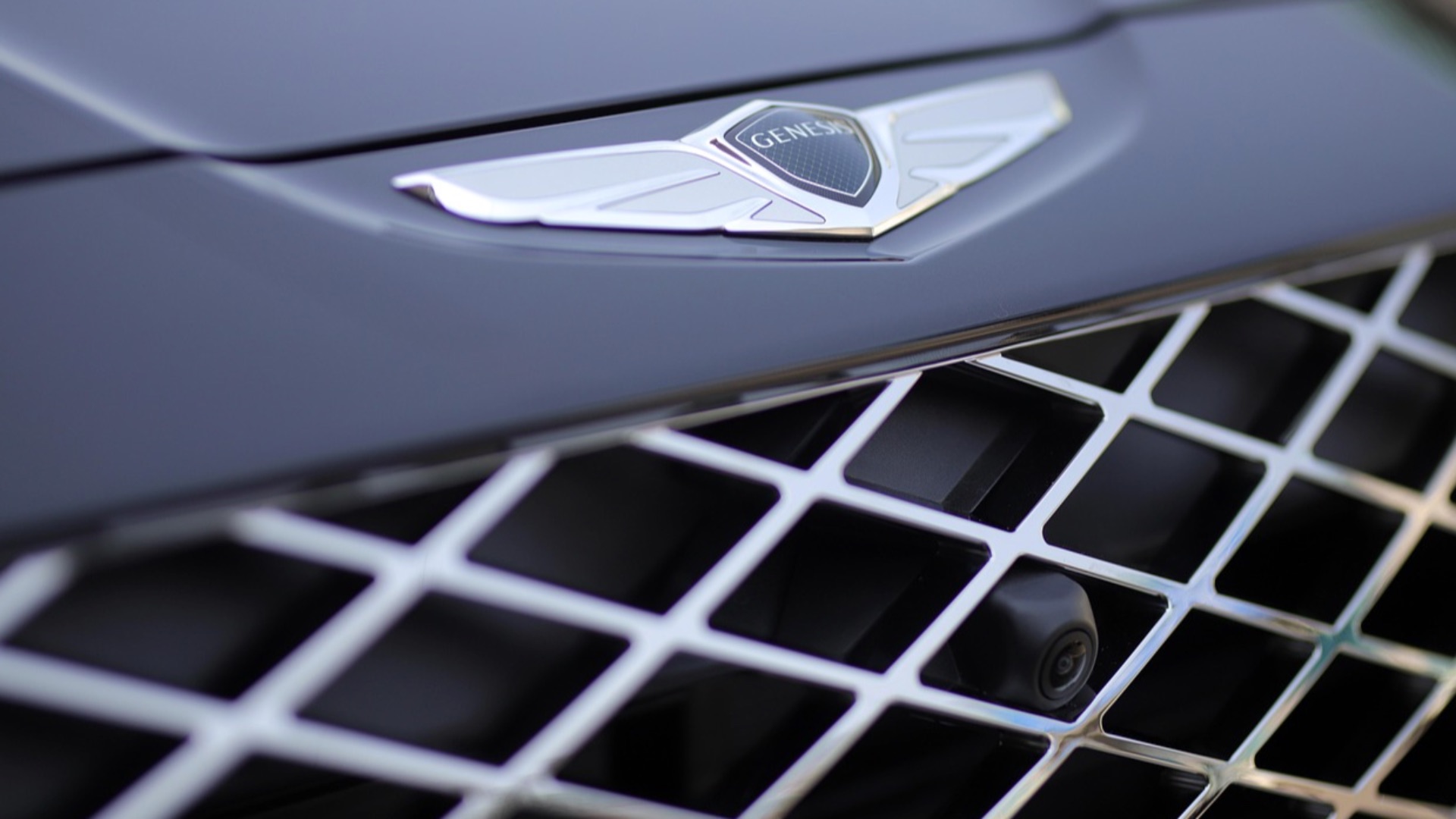
15. Mirrors Being Replaced by Cameras
Some newer vehicles have traded traditional mirrors for camera-based displays, while certain models have swapped out exterior mirrors entirely. When you've been on the road for decades, seeing more cameras than mirrors can be pretty jarring.
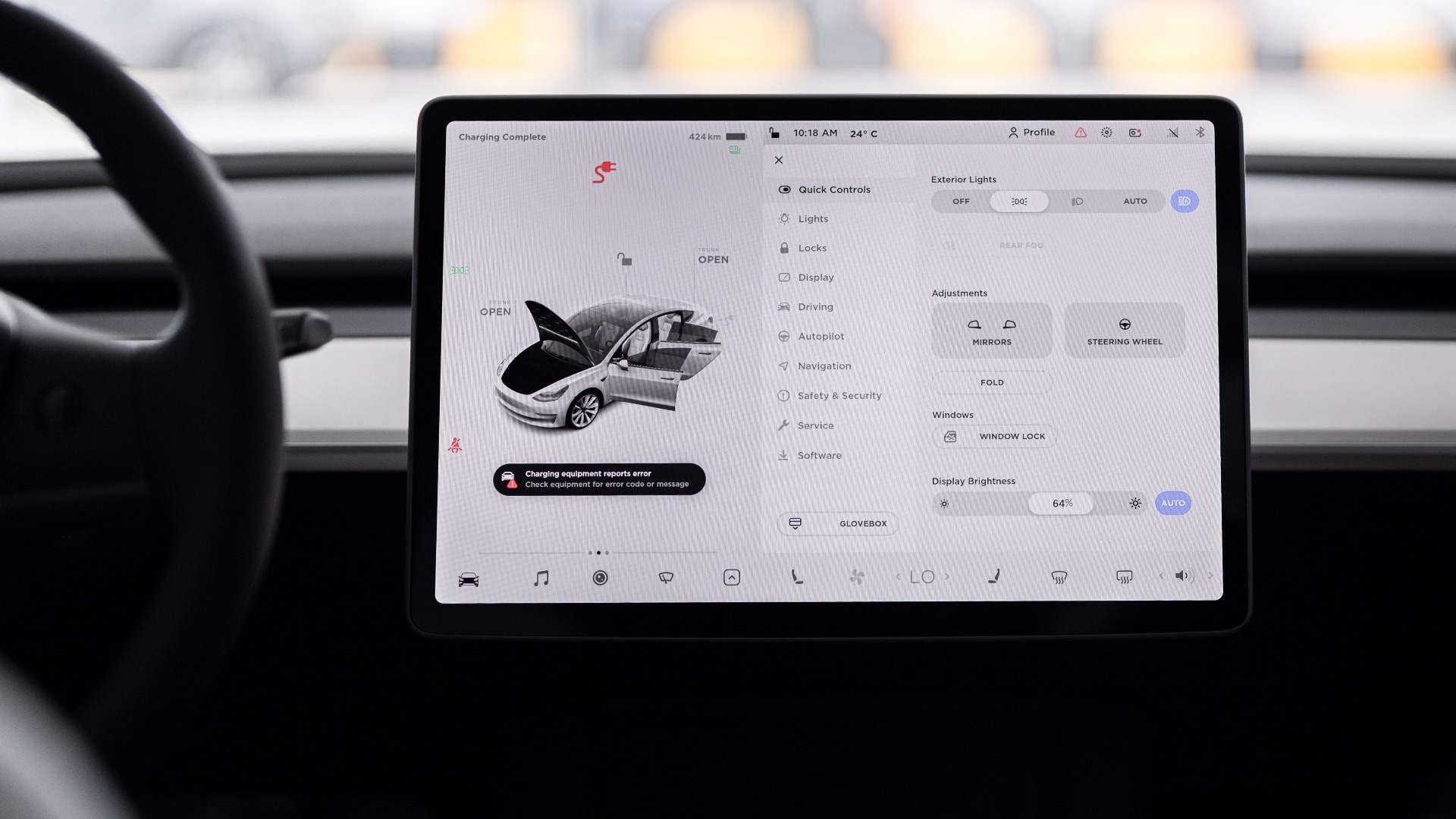
16. Cars That Can Receive Updates Overnight
Yep, you read that right. Modern cars function almost like smartphones; leave it sitting in the driveway, and it can receive over-the-air updates overnight. The next morning when you turn it back on, these updates may add features, improve existing functions, or even alter how certain systems behave.
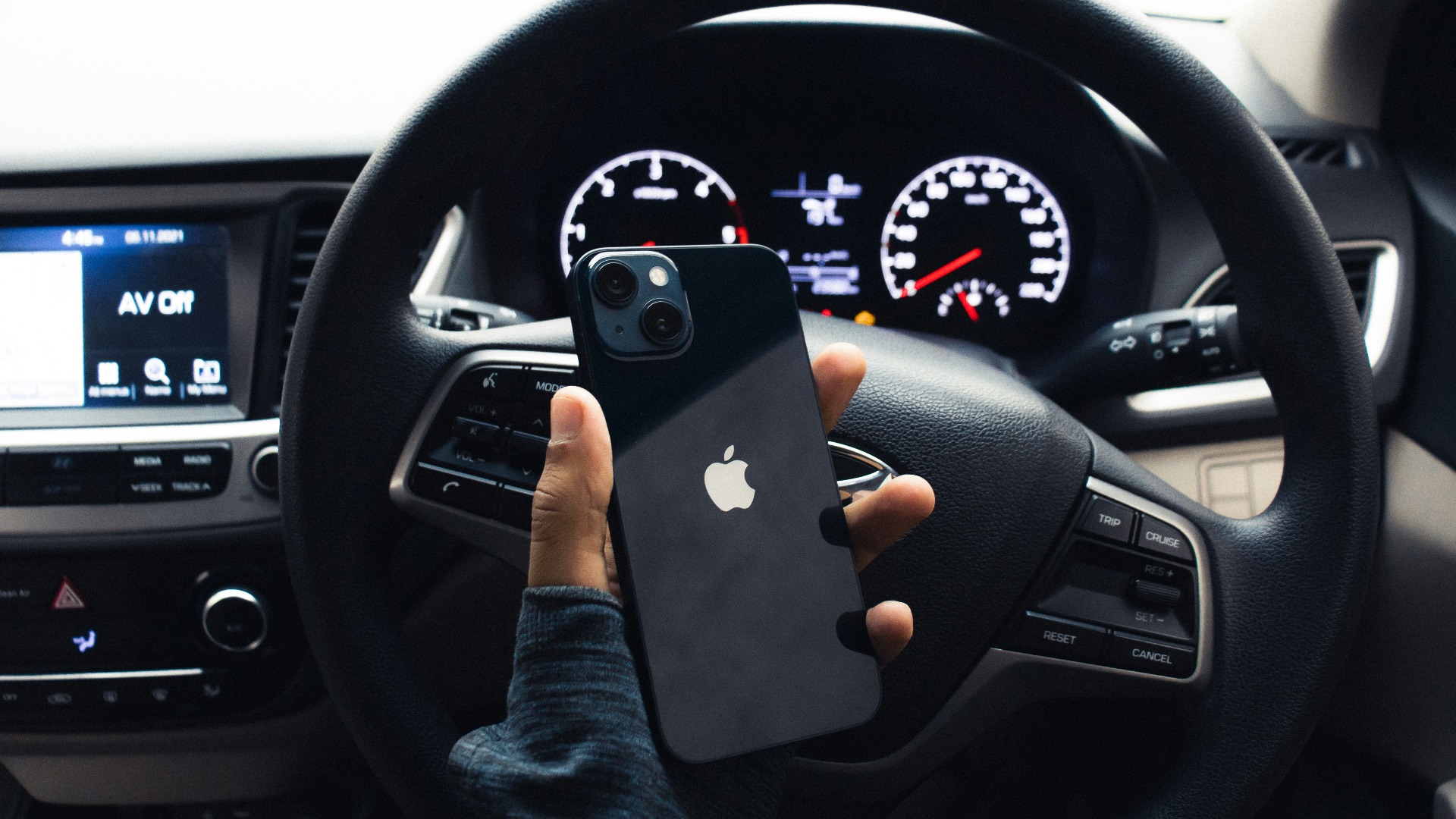
17. Using a Phone Instead of a Car Key
Remember the keyless key fob we mentioned earlier? As it turns out, cars nowadays don't even need that, either; all you need is your smartphone to unlock and start the car. Access can sometimes even be shared electronically with another driver, which means no more accidentally locking yourself out.
18. Cars That Keep Track of Whether You're Paying Attention
Longtime drivers are probably pretty good at multitasking, but modern driver-monitoring systems can actually use cameras to see whether you're staying engaged. If you seem distracted, you may get a warning. Having your own vehicle check up on your behavior, weird as it might be, can be kind of neat.
19. Driving Assistance That Feels Almost Like Autopilot
More than just cruise contro, advanced driver-assistance systems can maintain speed, follow traffic, and perform increasingly sophisticated highway maneuvers under certain conditions, too. Of course, driver supervision is still required, but for someone who learned in a completely mechanical car, this feature might feel sci-fi-like.
20. Electric Cars That Barely Need the Brake Pedal
Many electric vehicles offer strong regenerative braking, which means your cars slows as soon as you lift off the accelerator. Anyone accustomed to constantly shifting between the accelerator and brake may find this new rhythm surprisingly foreign in the beginning, especially if you've been doing it the old way for decades.