
Bad, Bad Habits
Like most drivers, you probably baby your car. You hand-wash it when you can, you're gentle on the controls, and you definitely never let the paint get scratched. And yet, you're likely guilty of other bad habits that cause more wear and tear than you realize. Don't believe us? From climbing curbs to driving through large puddles, if you do any of the 20 things on this list, you're putting your car through the wringer.
 Volodymyr Dobrovolskyy on Unsplash
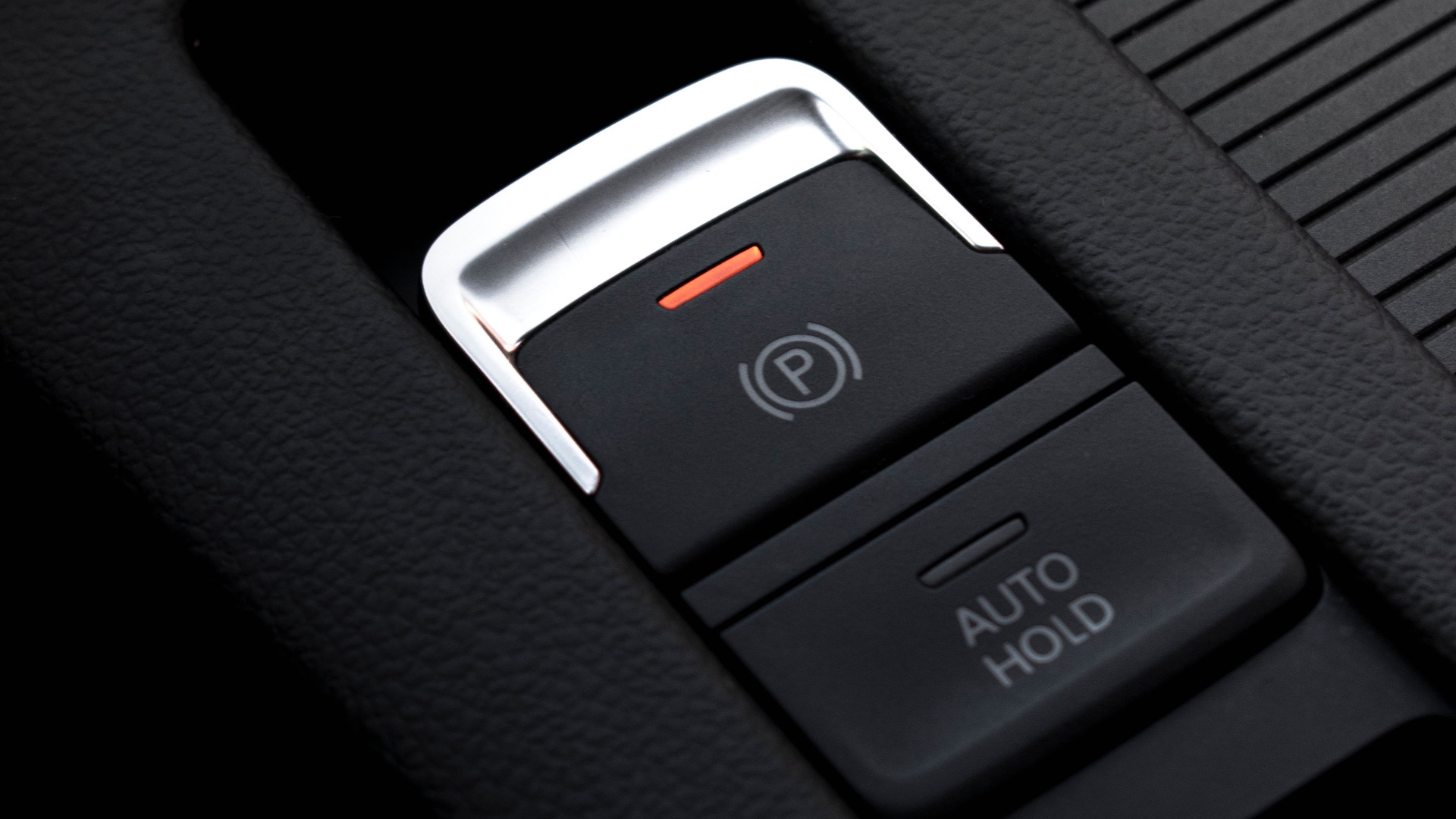
1. Using the Parking Brake Only When You're on a Hill
Plenty of drivers leave an automatic car in Park and rarely touch the parking brake unless they're sitting on a steep incline. You might assume the transmission can handle everything for you—it has all the other times, you reason—but regularly using it can damage your vehicle over time.
2. Riding the Clutch in Traffic
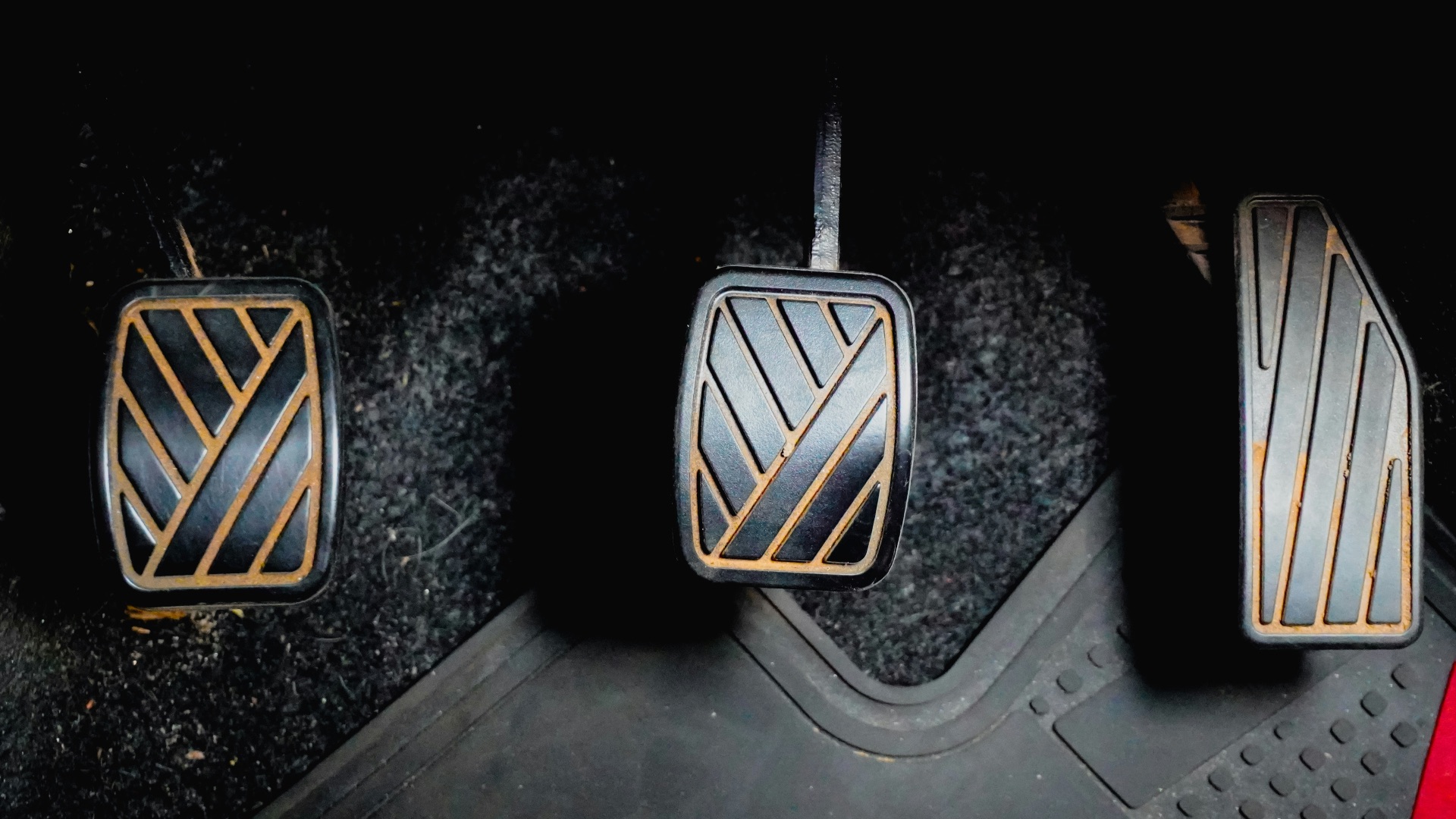
Drive a manual? Don't keep the clutch partially engaged while creeping through traffic. If you do this, you'll generate extra heat and friction, and over time, repeated slipping can shorten clutch life and leave you facing an expensive replacement later on.
3. Holding the Car on a Hill with the Accelerator
Balancing the throttle and clutch to keep a manual transmission car stationary on an incline might seem convenient, but your clutch will face unnecessary wear. The solution? Use the brake or parking brake instead until you're ready to pull away.
4. Leaving the Wheels Turned When You Park
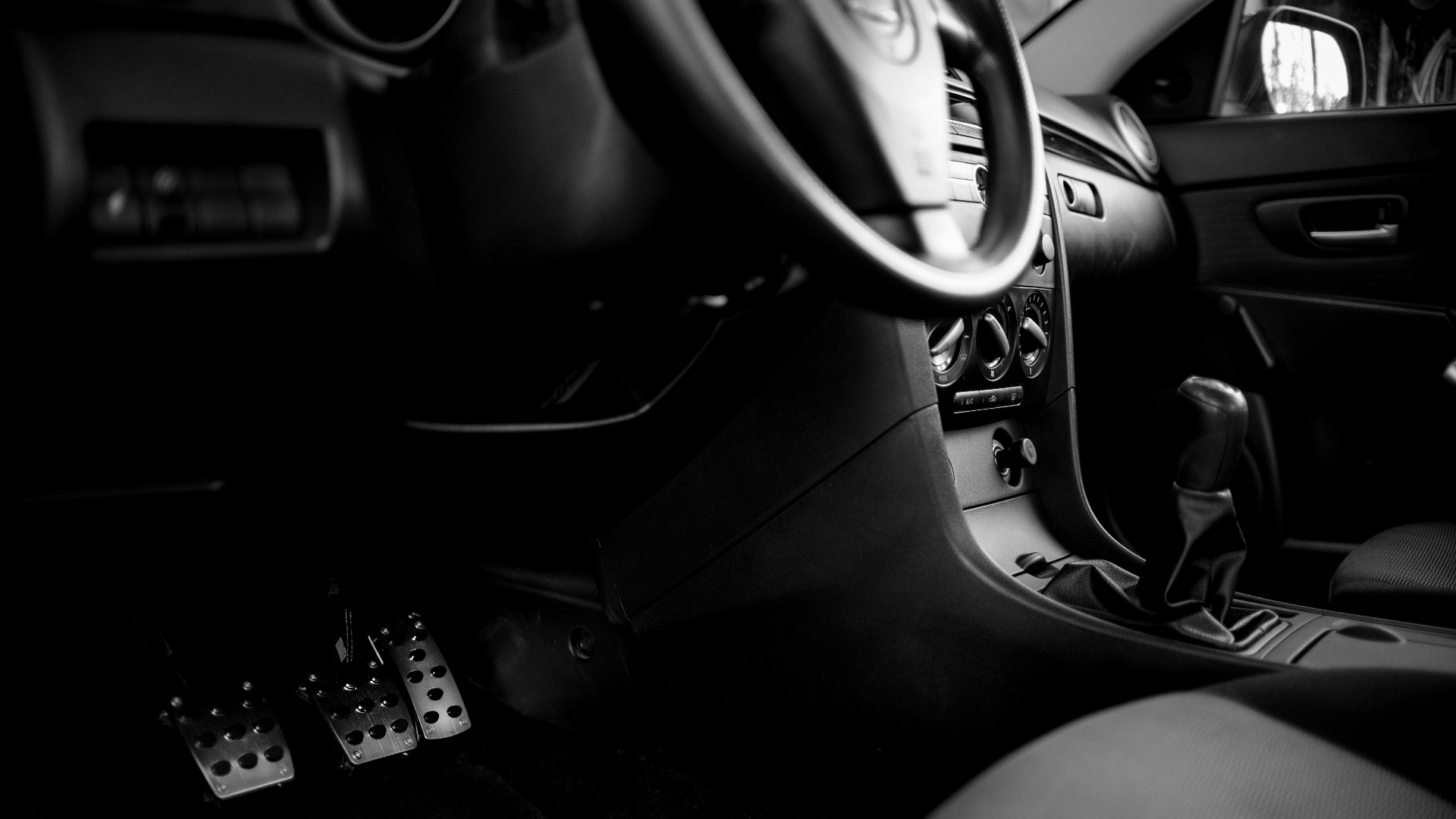
It's easy to shut the car off with your wheels still at full-crank after you've maneuvered into a tight spot. Leaving the steering and suspension sitting in an angled position isn't ideal, though, and it's even worse if your tires are also pressed against a curb or you're parked on uneven ground.
5. Cranking the Steering Wheel While Parked
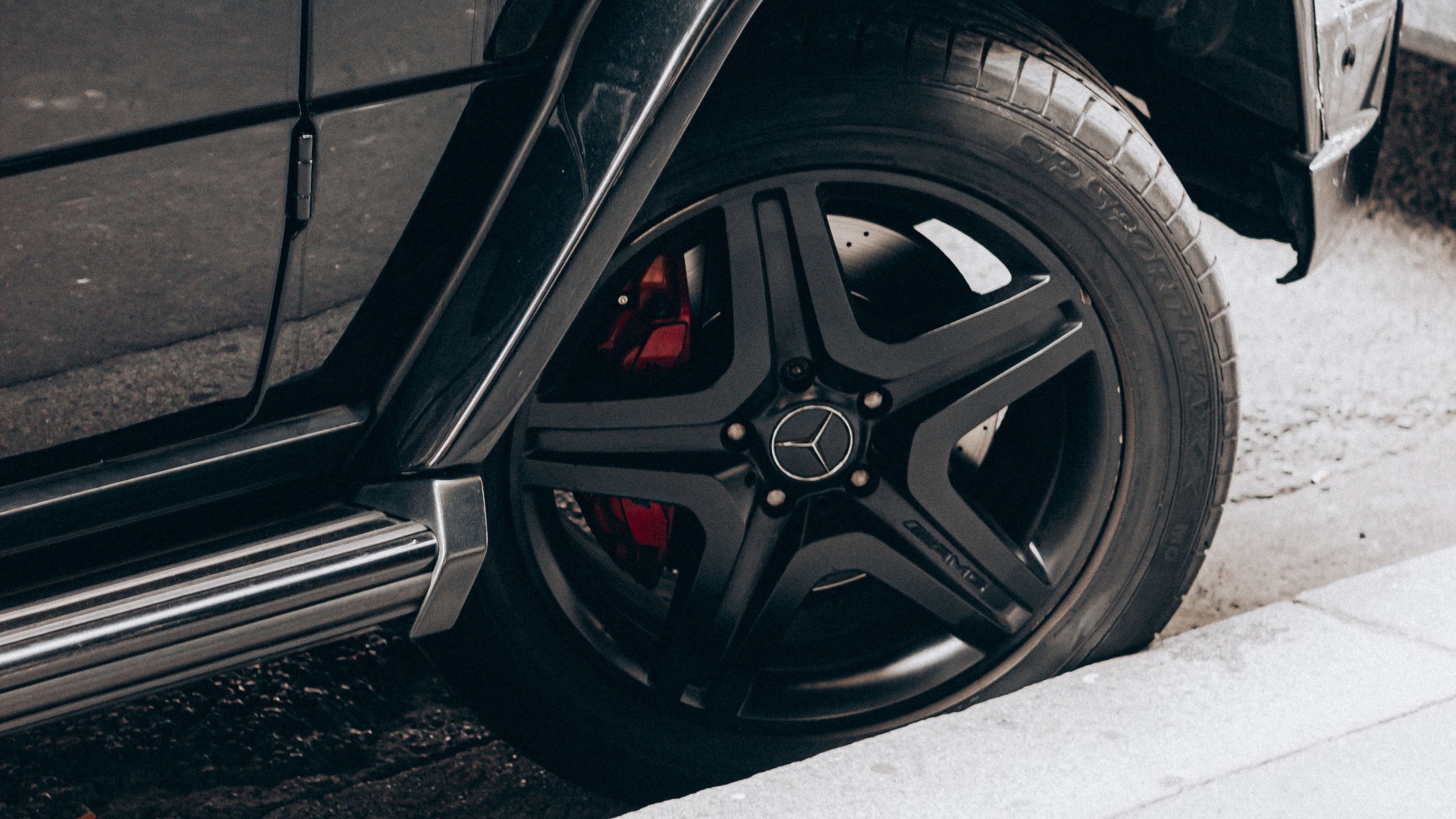
Admit it: you've probably turned the wheel while your car was still completely stationary. You might not even think anything of it. You should, though: doing this forces the tires to scrub across the pavement, which is known as dry steering, and can greatly increase tire wear.
6. Holding the Steering Wheel Against Full Lock
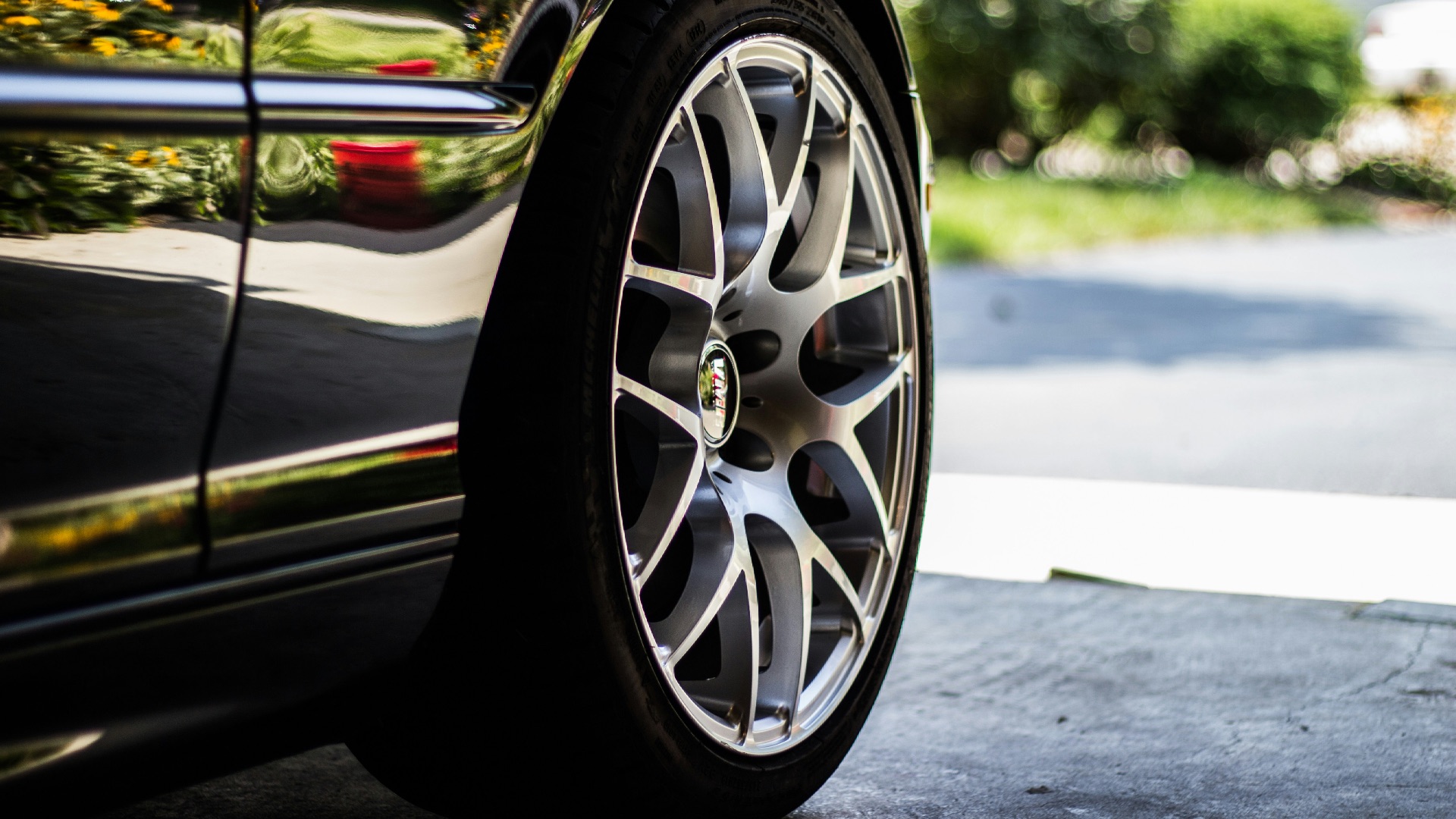
Once the steering wheel reaches its limit, don't push it further. Not only will it not do much, but on vehicles with hydraulic power steering, holding it there will only increase pressure and strain within the system.

7. Parking with Tires Pressed Against the Curb
You likely already know you shouldn't do this, but it's still worth repeating. After all, some drivers like to use the curb as a physical stopping point when they're parking, purposely leaving the tire firmly pressed against the concrete. But repeated contact can damage the sidewall, which is one of the tire's more vulnerable areas.
8. Climbing Curbs
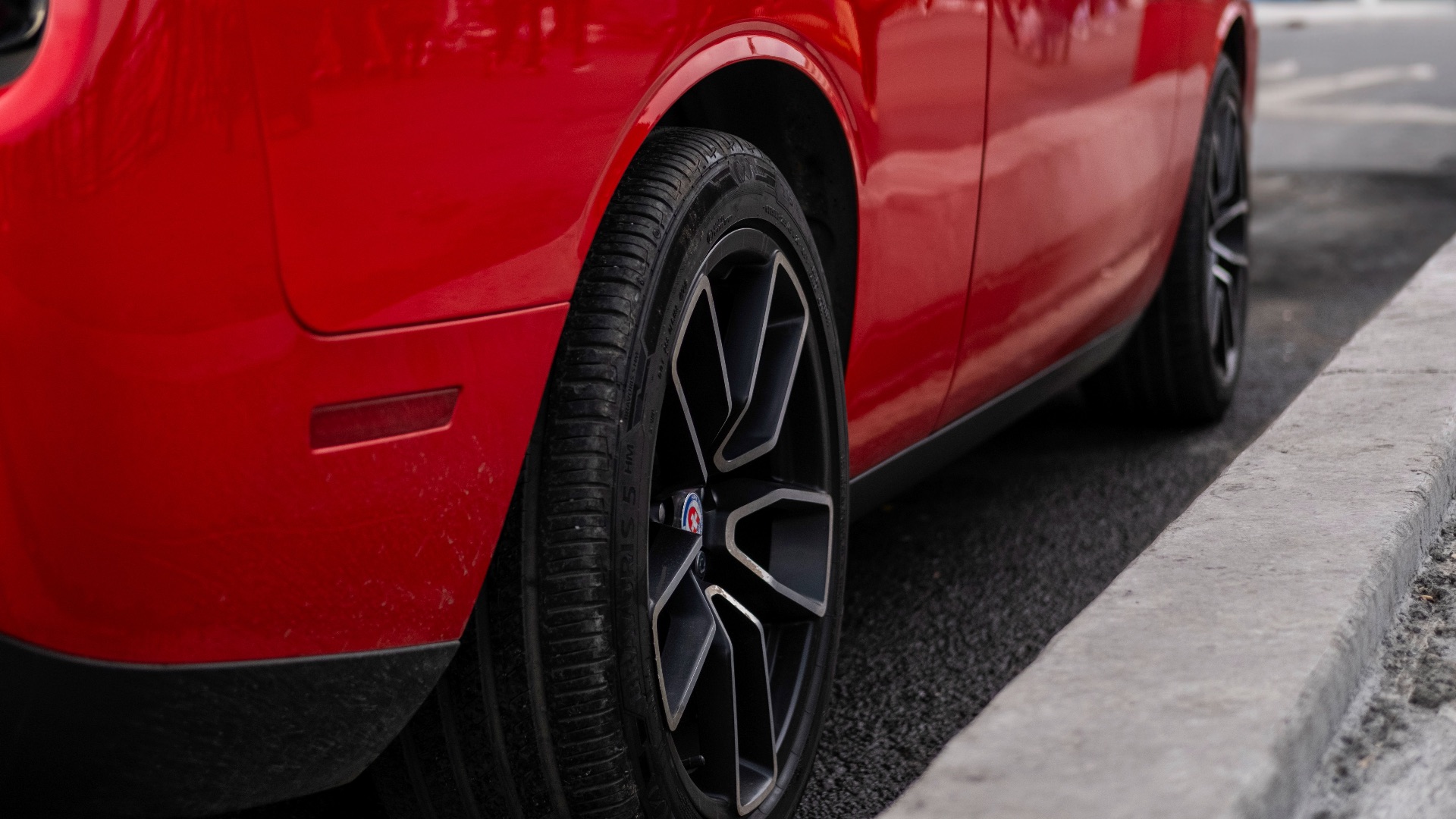
Some drivers like to cut across a curb instead of making a full turn, but your car will pay for the shortcut. Once or twice might not do too much harm, but constant curb impacts can damage tire sidewalls, affect alignment, and place sudden loads on suspension components.

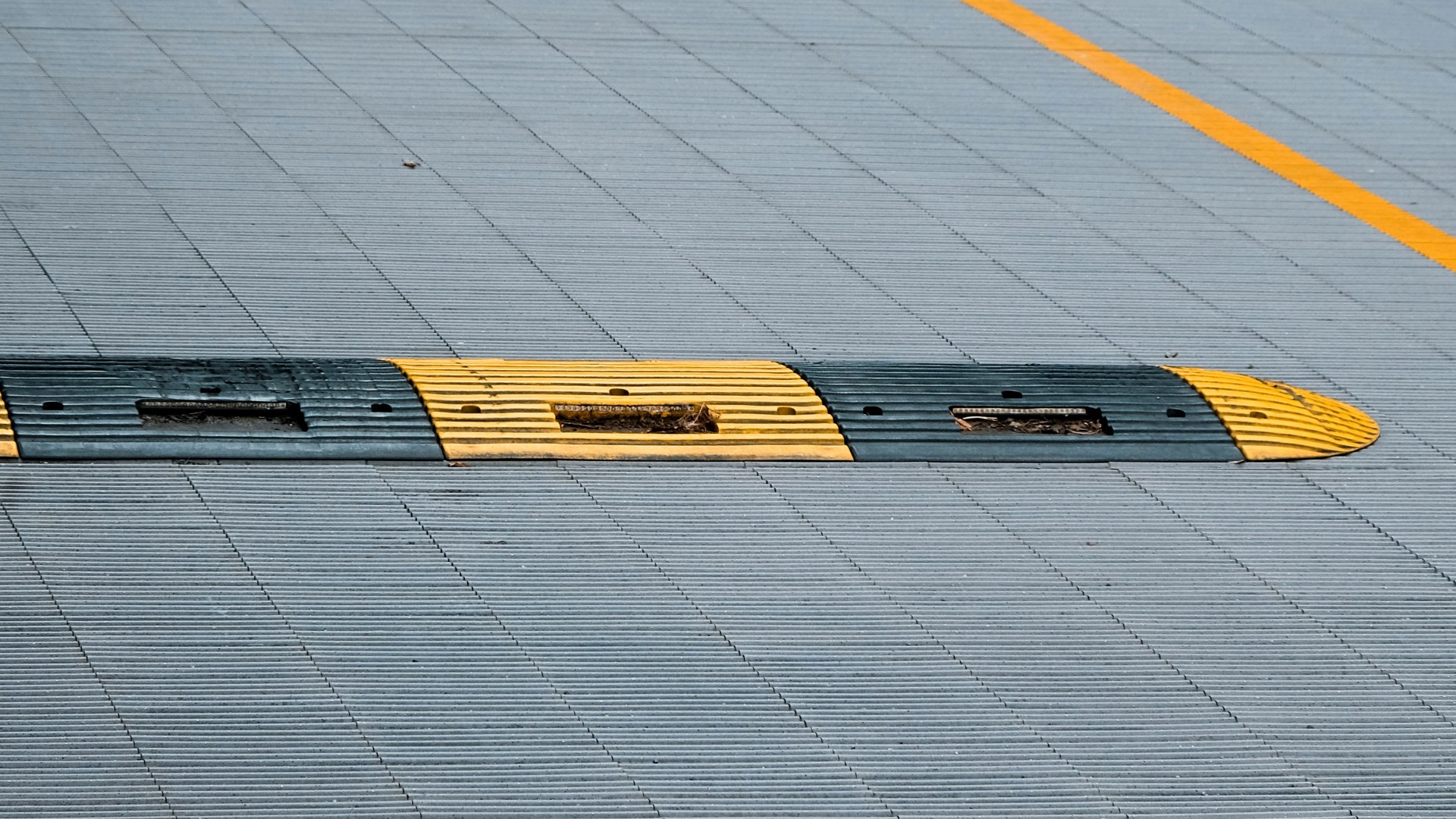
9. Taking Speed Bumps at an Angle
If you think it's better to cross large speed bumps diagonally, think again. Depending on what car you drive, this maneuver can force individual wheels through very different suspension movements and twist the chassis unevenly. Whatever good you think doing this brings, just know that it's only doing the opposite.
10. Driving Through Deep Water
A flooded stretch of road might appear harmless from far away, but looks can be deceiving. Rolling through all that water can result in faulty electrical components, as many areas aren't meant to spend much time submerged. If the water is deep enough to reach the engine's intake, the consequences can become even more serious.

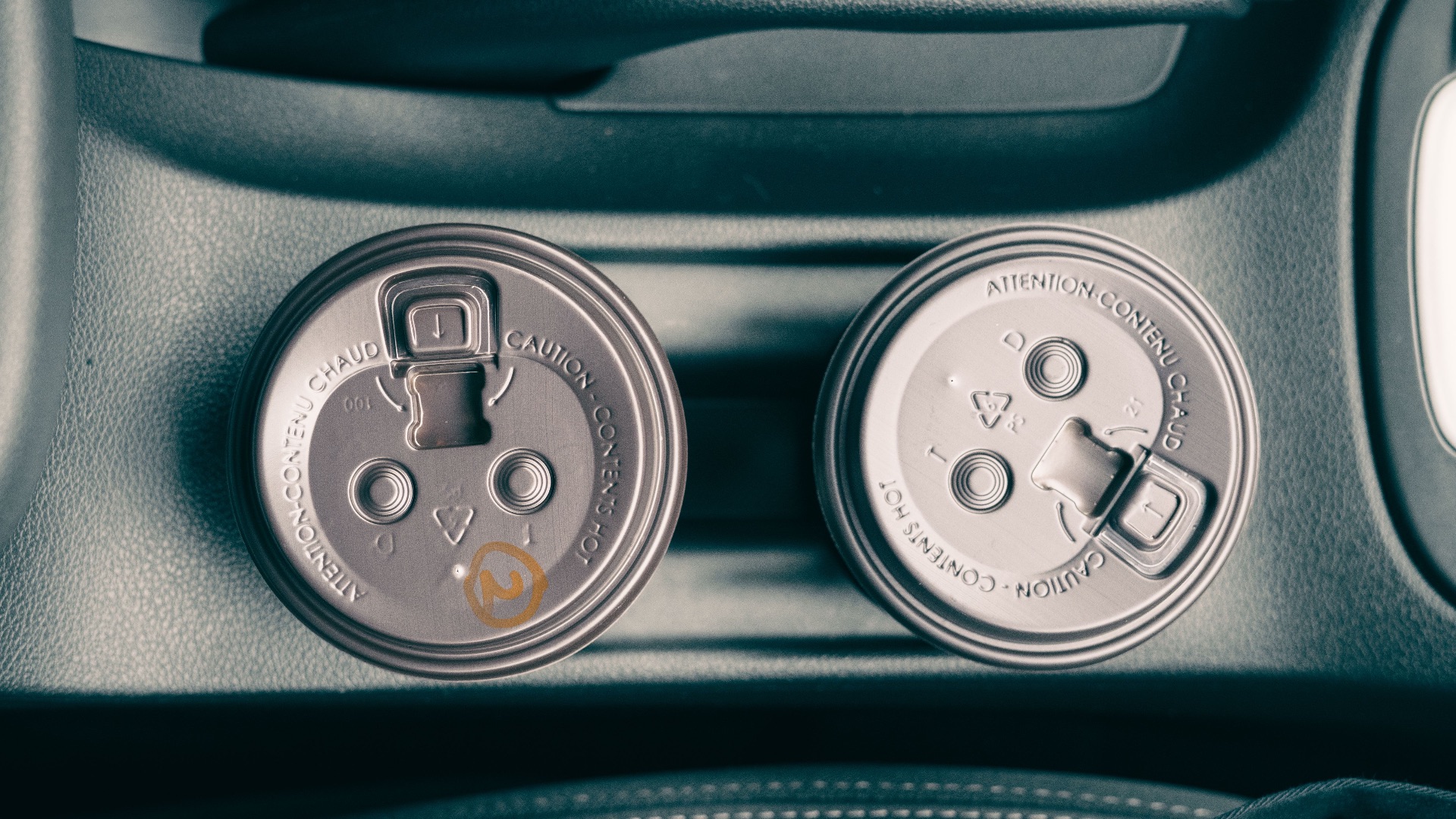
11. Leaving Spilled Drinks in Cupholders
Spilled coffee or soda may seem like little more than a sticky nuisance. Modern center consoles, however, often house switches, charging ports, and electronic controls only inches away, which means letting liquid seep into narrow gaps can eventually create irreversible problems.
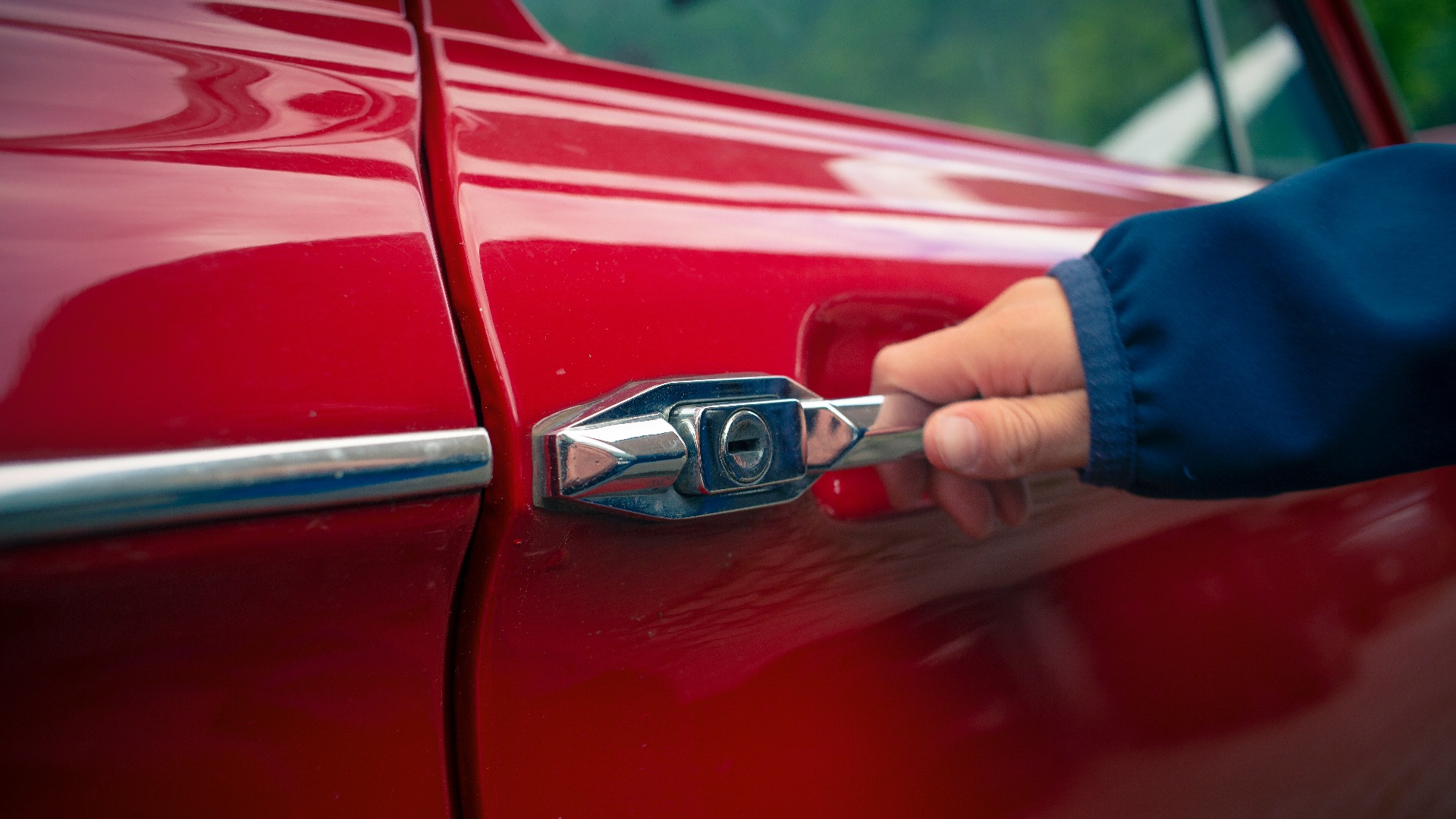
12. Slamming the Doors
Ever slammed a car door because you were having a bad day? We get it; it happens. Just don't repeatedly slam them—this can gradually wear hinges and other components inside the door itself. The effects tend to become more noticeable as your car ages.
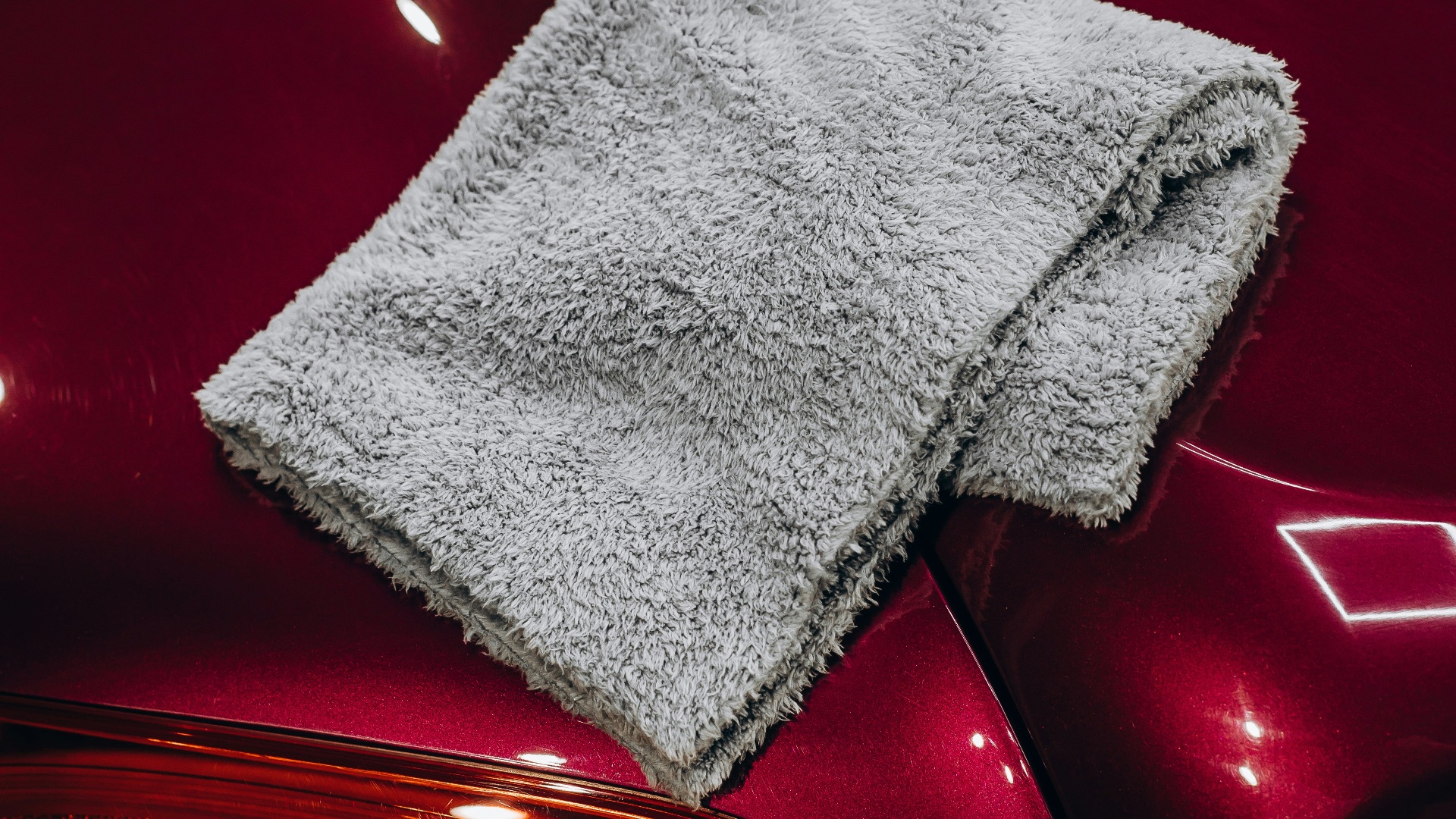
13. Carelessly Wiping Dust Off the Paint
Dragging an old towel across dusty paint seems harmless, right? Not so fast: doing this will only grind fine particles into the finish. The car may look cleaner afterward, but look a little closer and you just might discover swirl marks and fine scratches. Yikes!
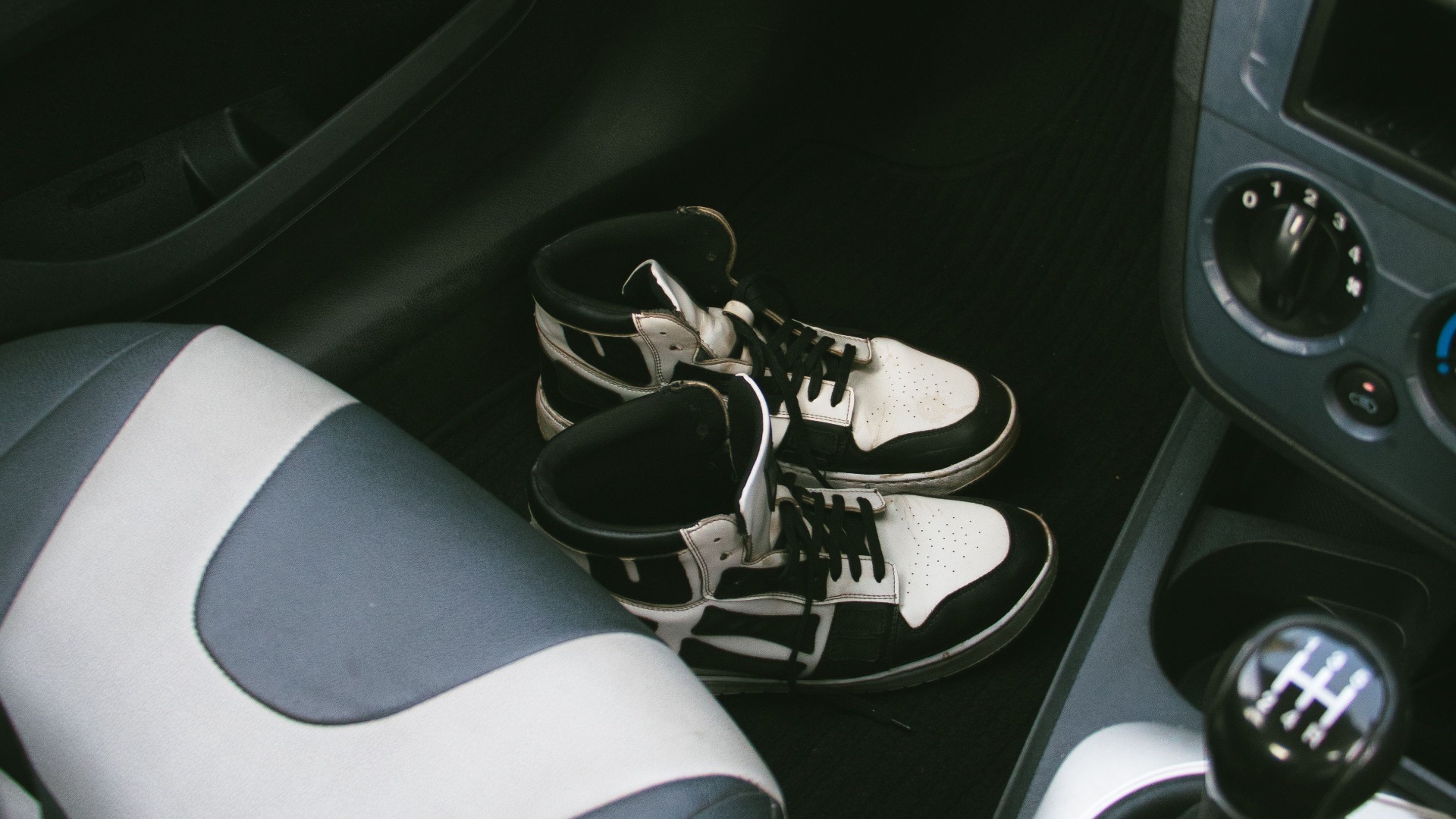
14. Leaving Wet Floor Mats Inside
Snow, rain, spilled drinks, and muddy shoes can all leave floor mats damp for days. Worse yet, persistent moisture can encourage unpleasant odors, mildew, and other problems beneath the carpeting. The next time your car smells off, you might want to suspect the mats beneath your feet.
15. Letting Trash Block Interior Airflow
It's time to toss out all that trash in your car! If enough debris blocks your vents or air intakes, the climate-control system may have to work twice as hard to circulate air effectively. Plus, we know you don't really need those receipts from two months ago.

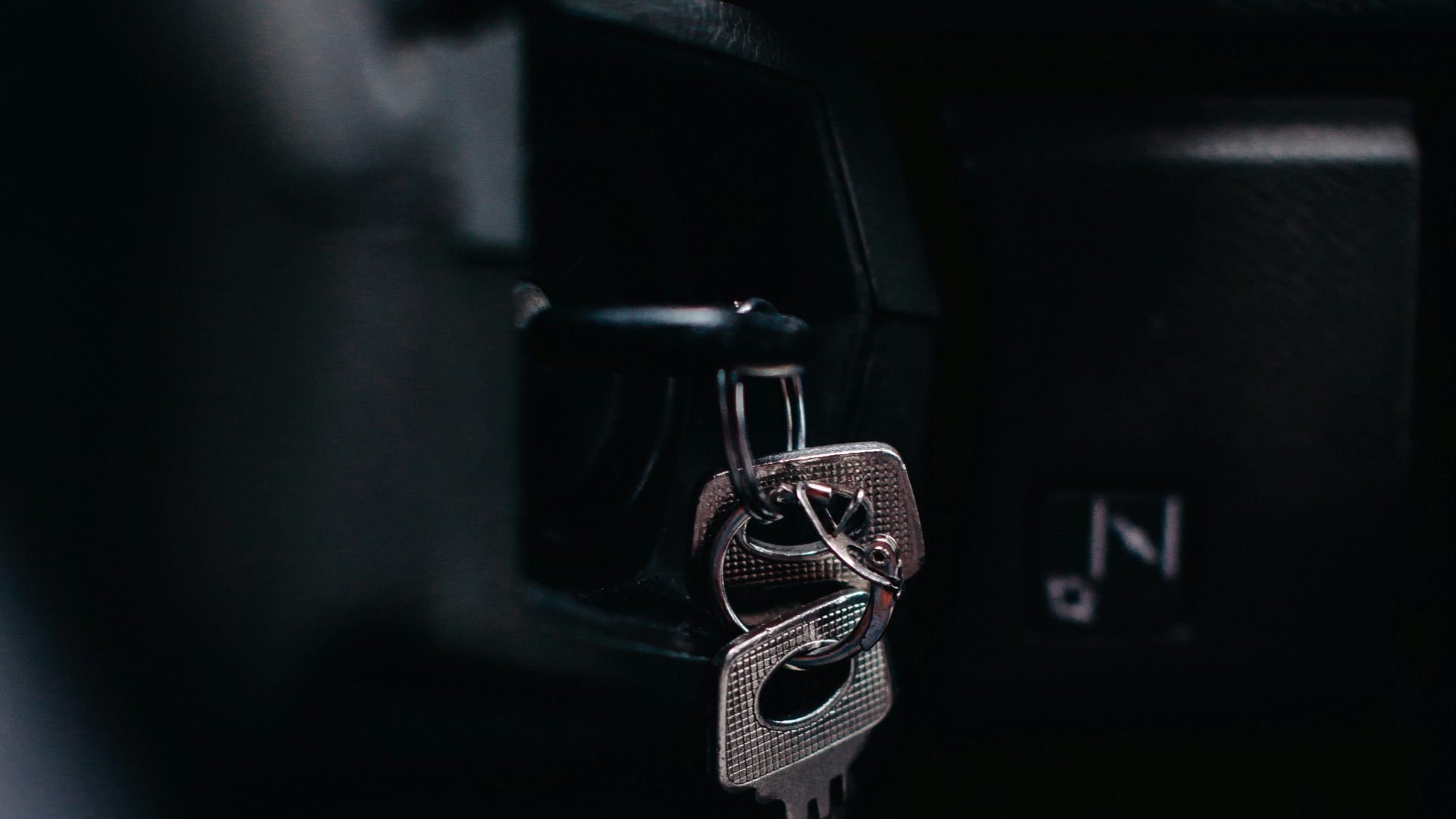
16. Hanging Too Much Weight from the Ignition Key
Cars that still use a traditional ignition key can suffer from a surprisingly simple problem: an overloaded keychain. Sure, you might like decorating your keys with extra accessories, but cute as they are, they'll only place additional weight on the ignition mechanism every time the vehicle is driven.
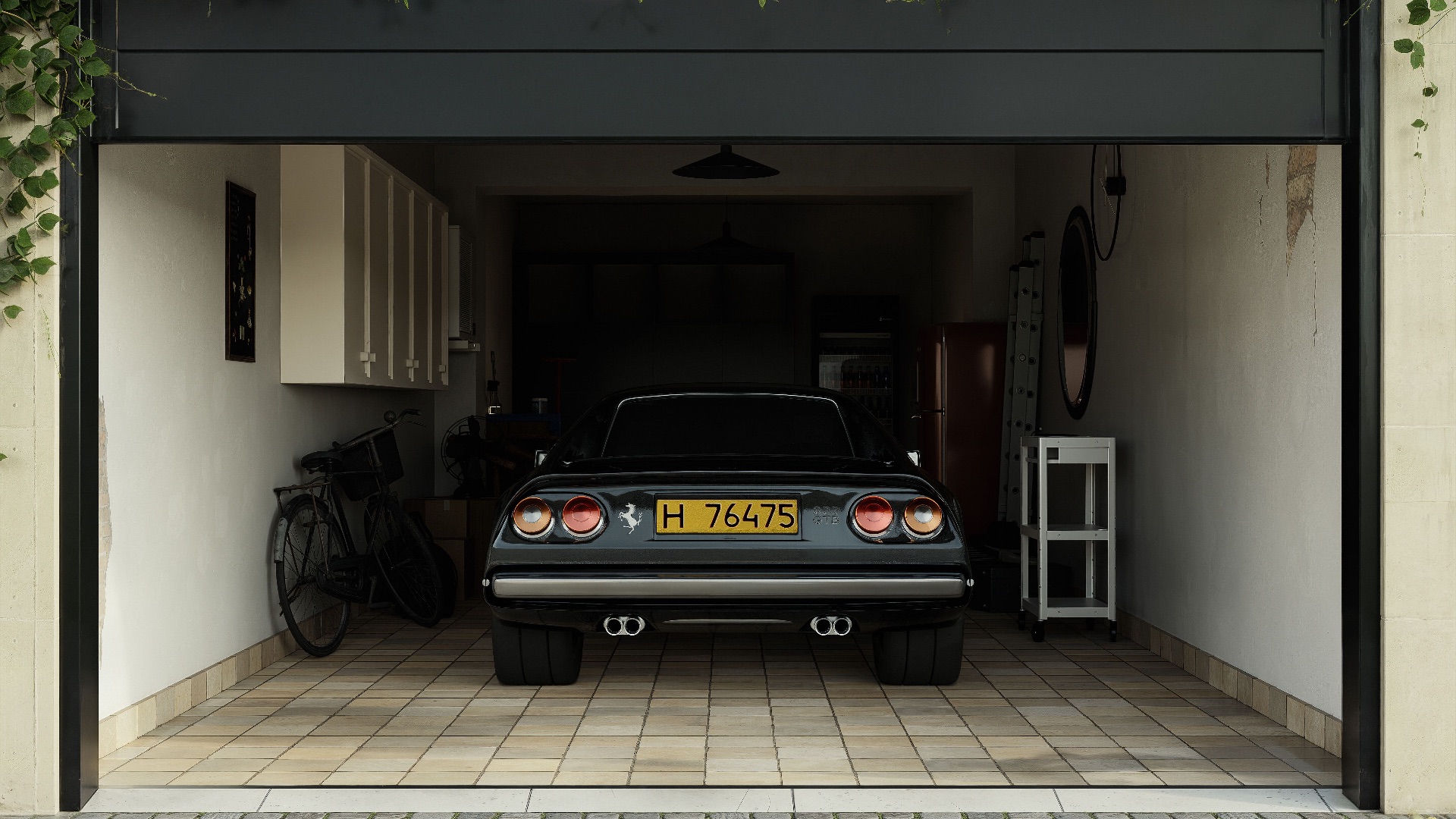
17. Letting the Car Sit for Long Periods Without Moving
Extended periods of inactivity might seem protective, but it can actually discharge batteries, cause tires to develop flat spots, brakes to accumulate corrosion, and fluids or seals to experience problems. If you know your car will sit for weeks or months, prepare it properly. Don't just park and forget about it.
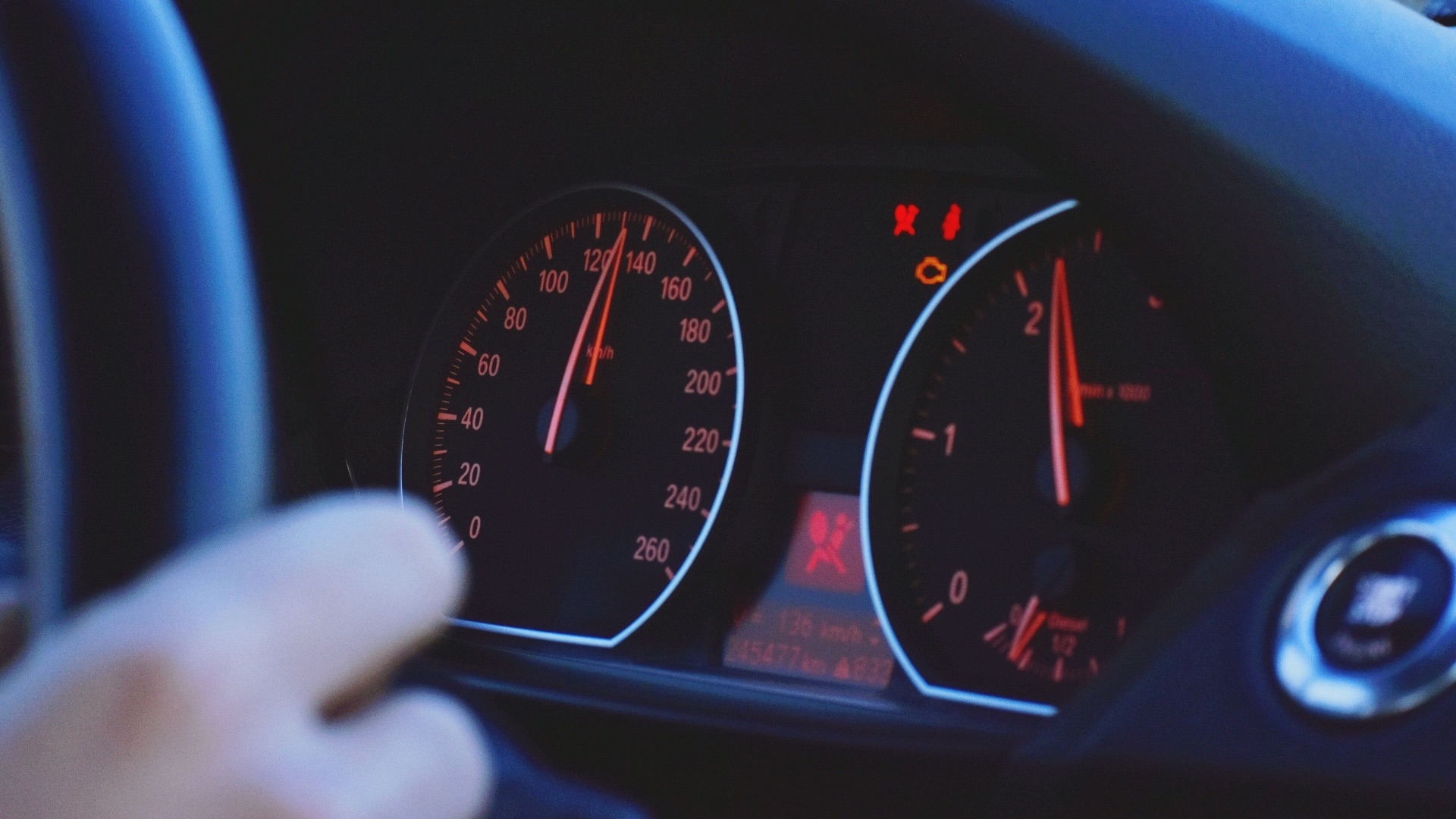
18. Flooring the Accelerator in a High Gear at Low RPM
Asking for maximum acceleration while the engine is turning slowly can place considerable load on the drivetrain, especially in a manual car. The engine may struggle until its RPM rises into a more suitable range, resulting in unnecessary strain. Flooring it might sound fun in theory, but in reality, you (and your car) will face the consequences.
19. Ignoring Small Windshield Chips
Minor chips in your windshield are no biggie, right? Wrong. Anything from temperature swings to additional impacts can cause the damaged area to spread into a much larger crack. If you spot a small scratch, it's best to address it as soon as possible.

20. Ignoring Damaged Weatherstripping
The rubber seals around doors, windows, and the trunk rarely get much attention—that is, until they stop doing their job properly. Cracked or displaced weatherstripping can allow moisture and outside air to seep through, contributing to odors, interior damage, or corrosion over time. It could lead to mold!
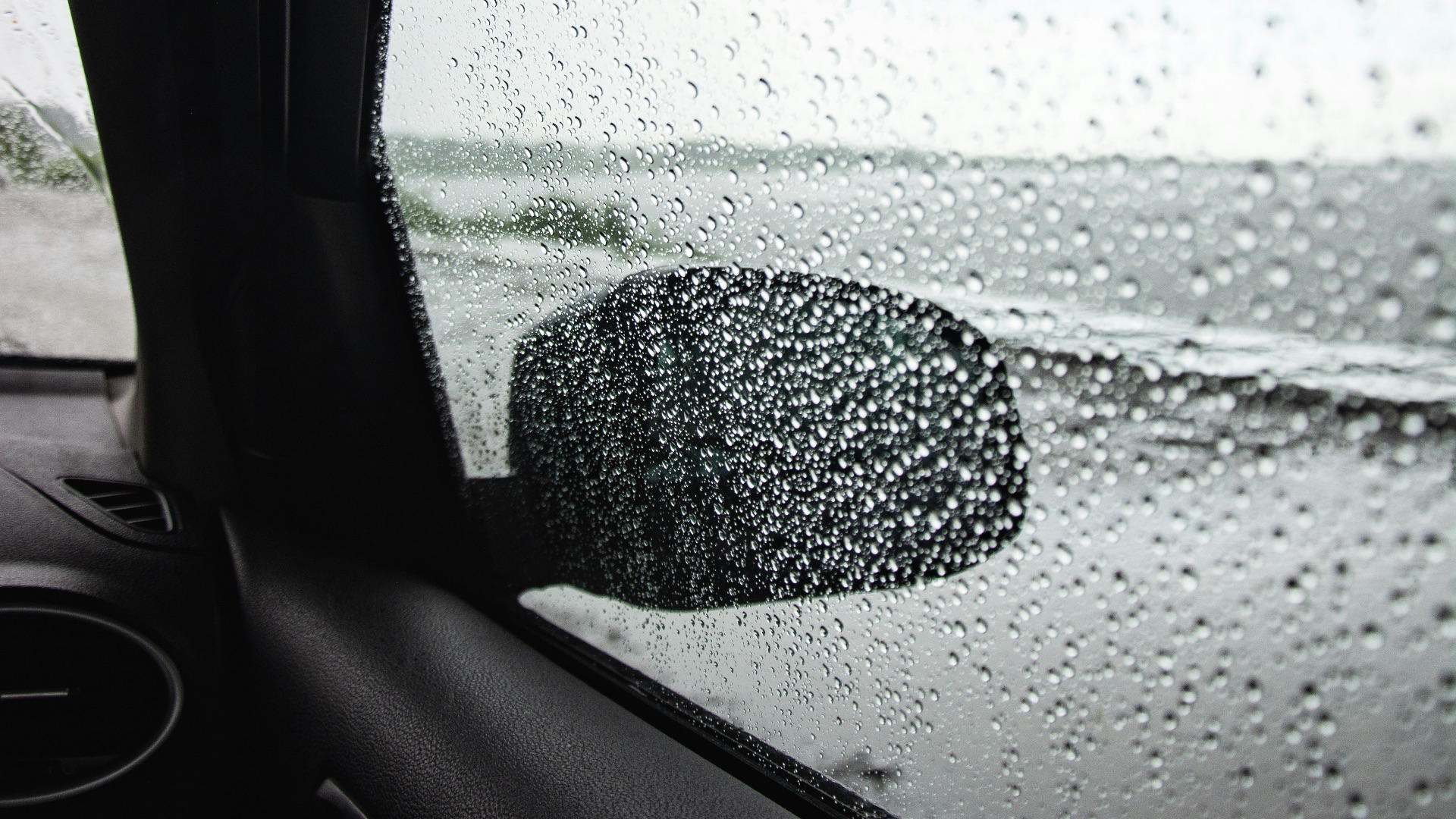 Екатерина Балабанова on Unsplash