If It Ain't Broke, Don't Fix It
If a car is already perfect as it is, would you try to change it? Internally, sure, you might want to spice it up a bit, give it a bit more kick. But the exterior usually needs nothing more than an occasional wash and shine. Alas, some classic beloved models didn't follow the same blueprint and instead followed styling trends that haven't aged nearly as well. Beauty will always be subjective, of course, but these redesigns are a hard pass.
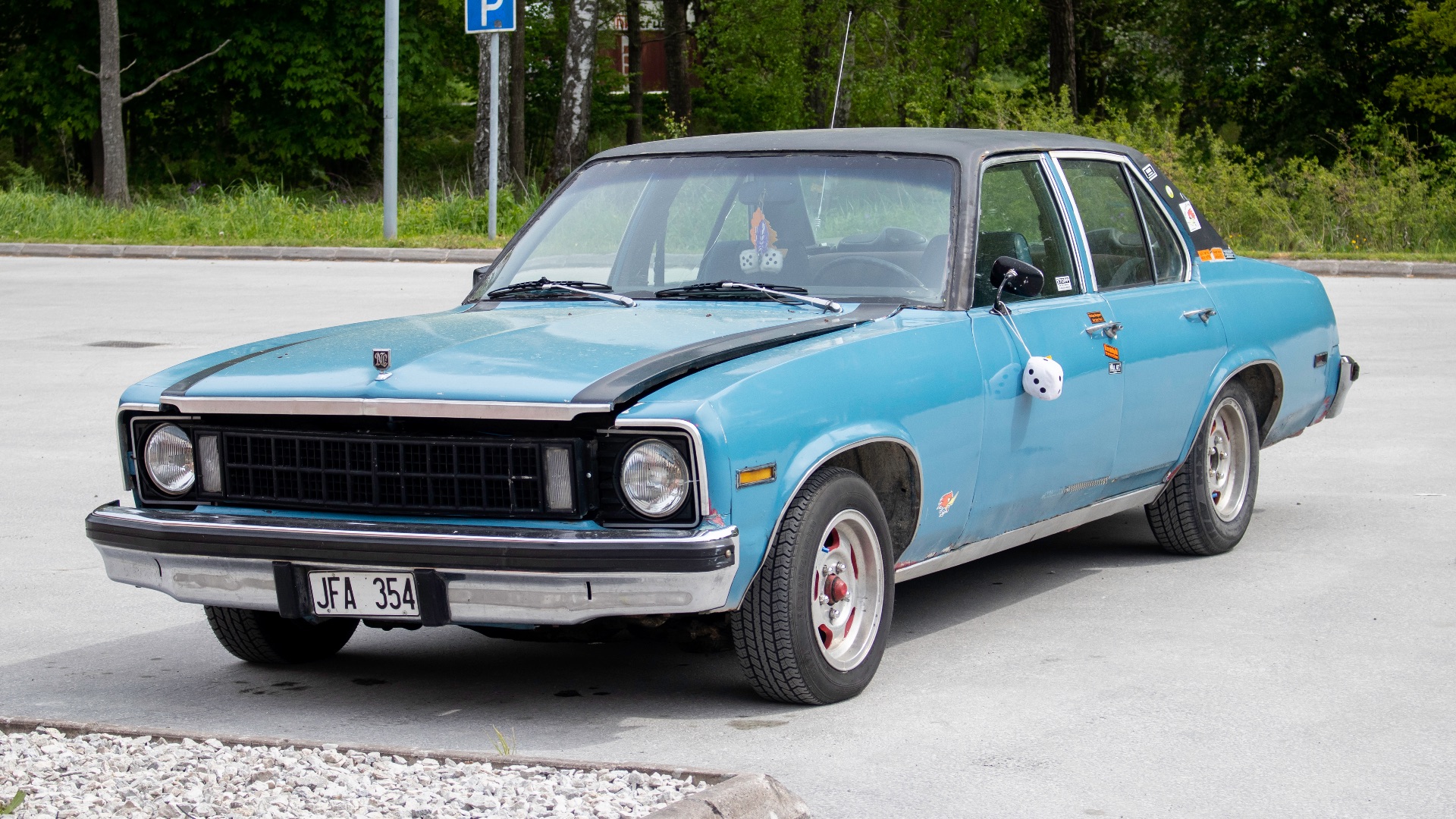
1. 1958 Ford Thunderbird
The original Thunderbird had compact proportions, a low profile, and the simplicity of a two-seat roadster, but Ford decided to take a completely different approach in 1958. The second-generation "Square Bird" became a four-seater with a heavily ornamented, bulky body, erasing the delicate appearance of the 1955-57 cars.
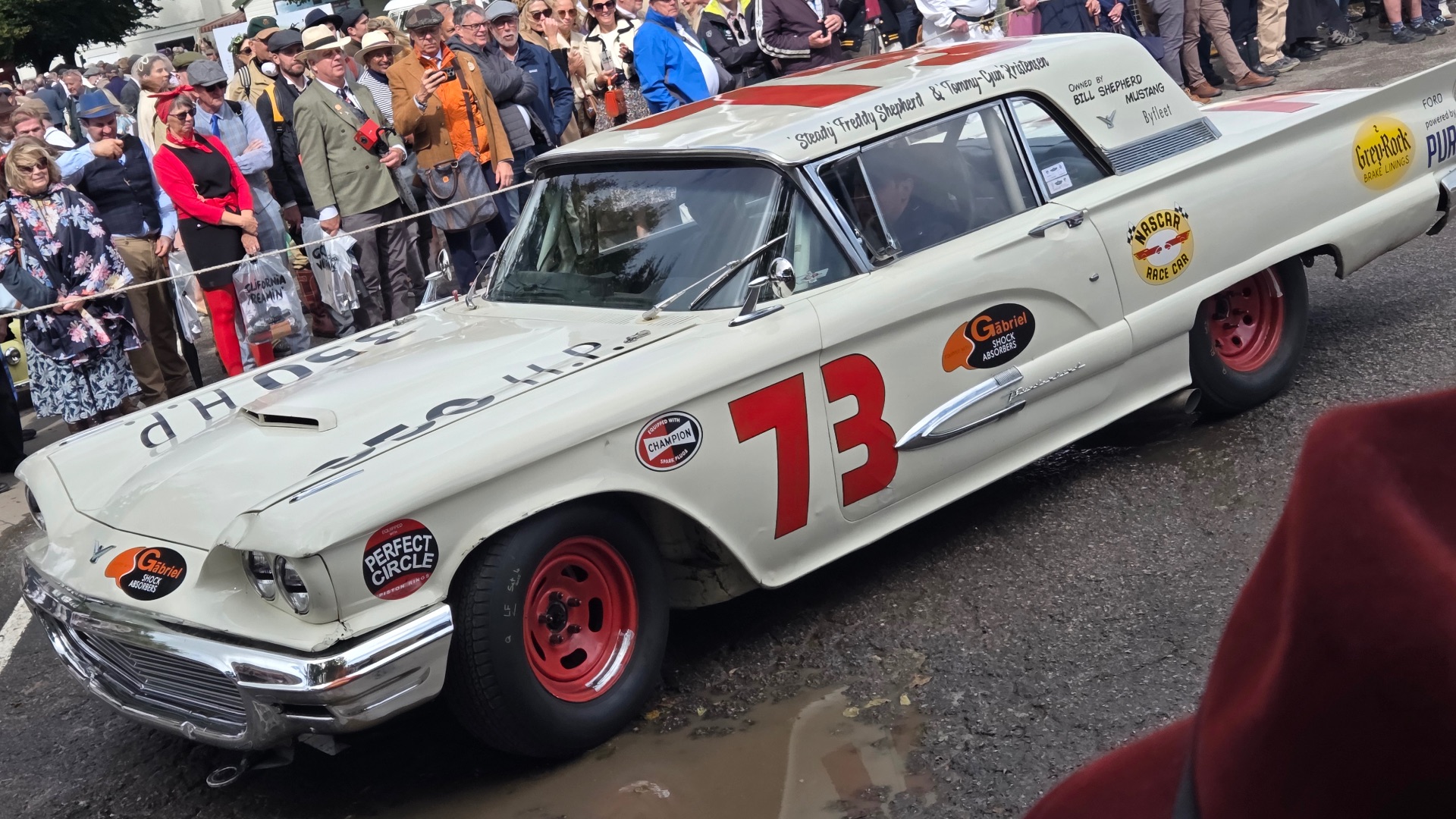 Andrew Bone from Weymouth, England on Wikimedia
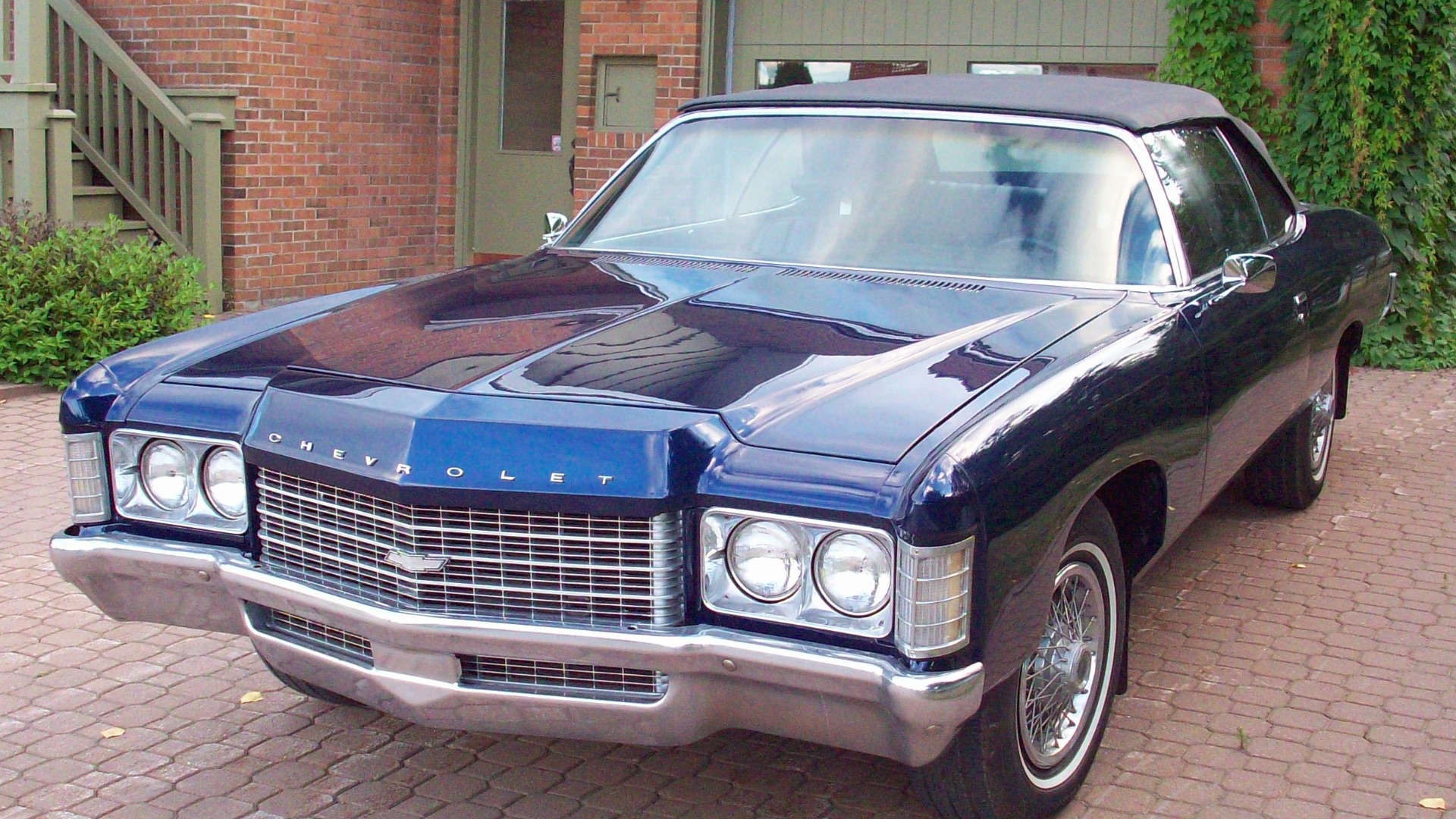
2. 1971 Chevrolet Impala
Chevrolet's late-1960s Impalas had a much cleaner appearance than most full-size American sedans. When the redesigned 1971 model came in, though, it became longer, broader, with deeply sculpted sides and heavier front-end detailing. There and then, the crispness that characterized earlier Impalas was long gone.
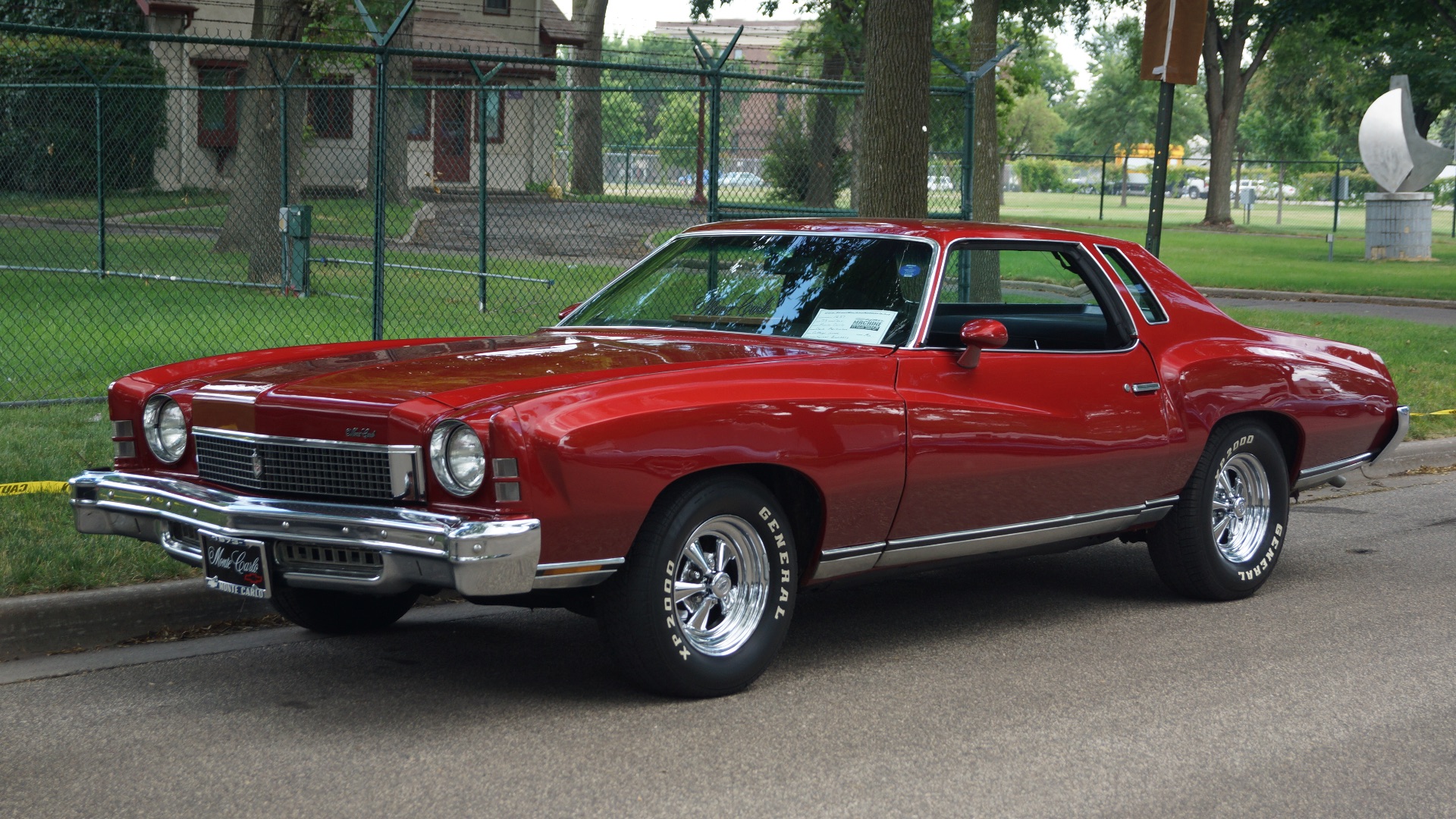
3. 1973 Chevrolet Monte Carlo
The first-generation Monte Carlo had a long hood and a short rear deck, which gave the luxury coupe a tidy appearance. The new Colonnade-era body in 1973, however, introduced thicker pillars and a more formal roofline. Though it certainly looked expensive for its time, it sacrificed the leaner profile that made the original so appealing.
 Greg Gjerdingen from Willmar, USA on Wikimedia
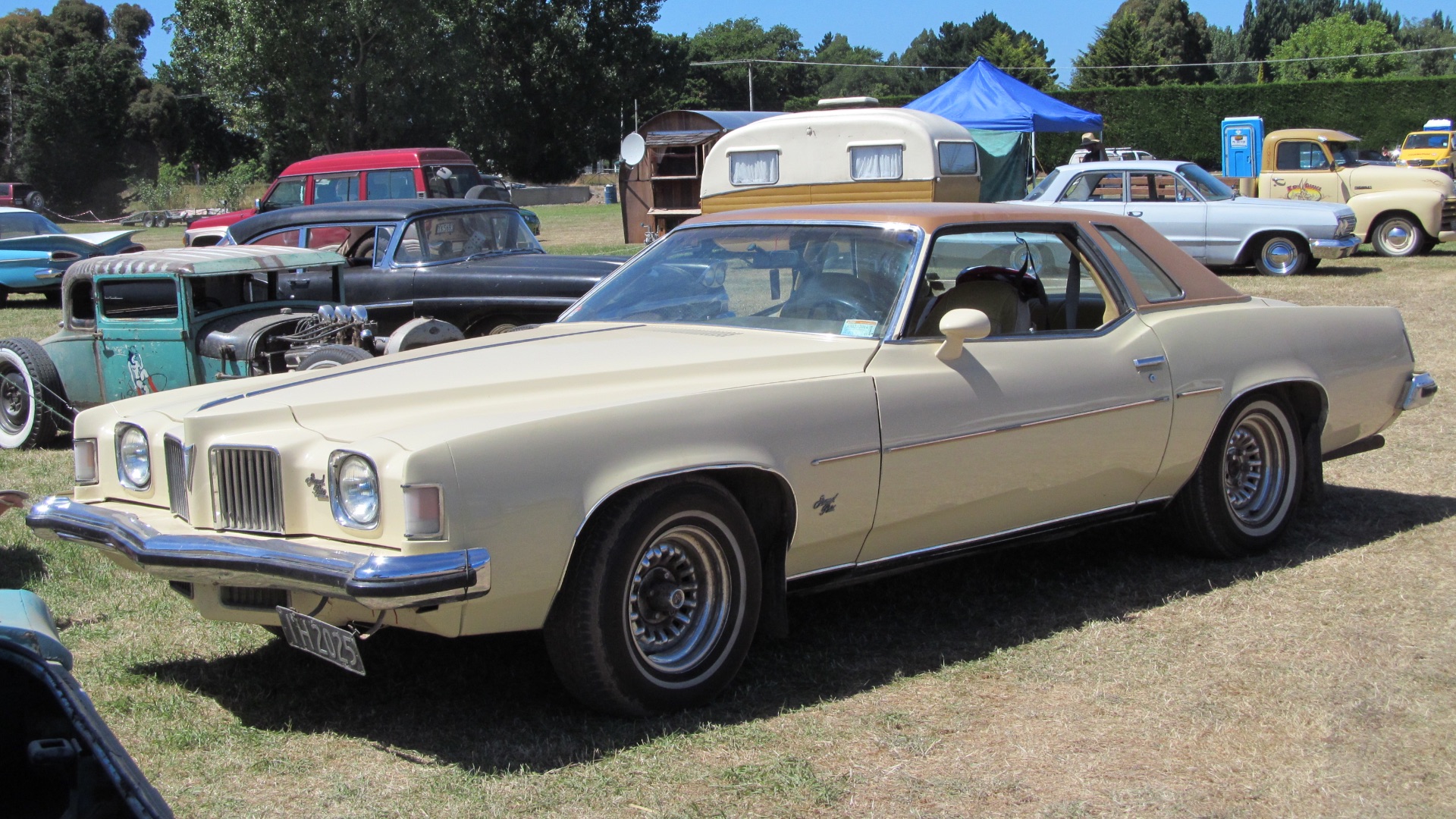
4. 1973 Pontiac Grand Prix
The 1973 replacement of the 1969 Pontiac Grand Prix brought in GM's larger Colonnade architecture, including thicker pillars and more elaborate bodywork, essentially ruining one of the most distinctive profiles of its era, which the original boasted. Sales remained strong, but there were no more of the earlier car's cleaner proportions.
 Riley from Christchurch, New Zealand on Wikimedia
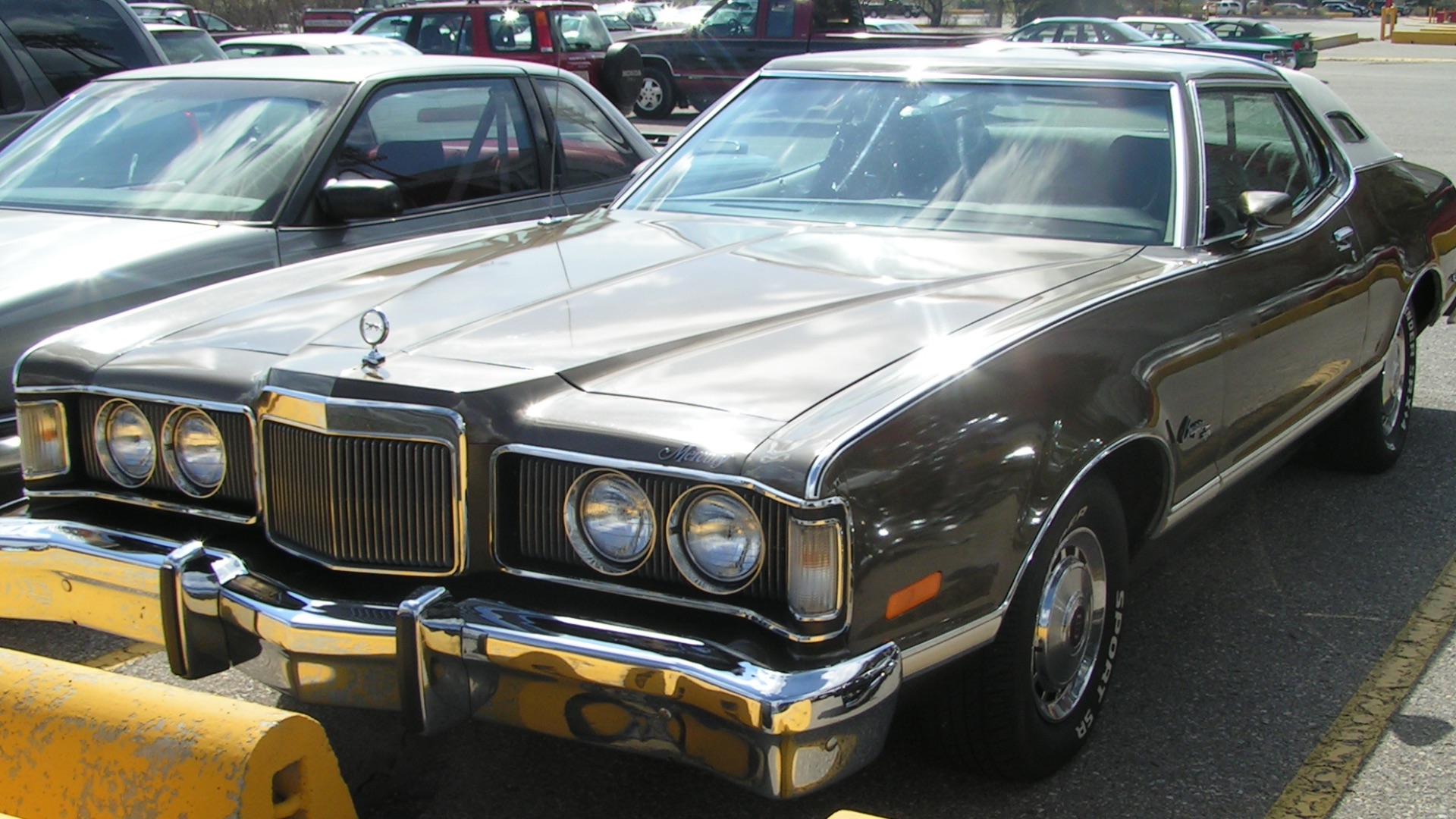
5. 1974 Mercury Cougar
The earliest Cougars took the basic pony-car formula and dressed it in upscale details, all without hiding their sporty proportions. That would change substantially in 1974, when Mercury repositioned the Cougar as a personal luxury coupe, fit with opera windows and a more formal body.
 dave_7 from Lethbridge, Canada on Wikimedia
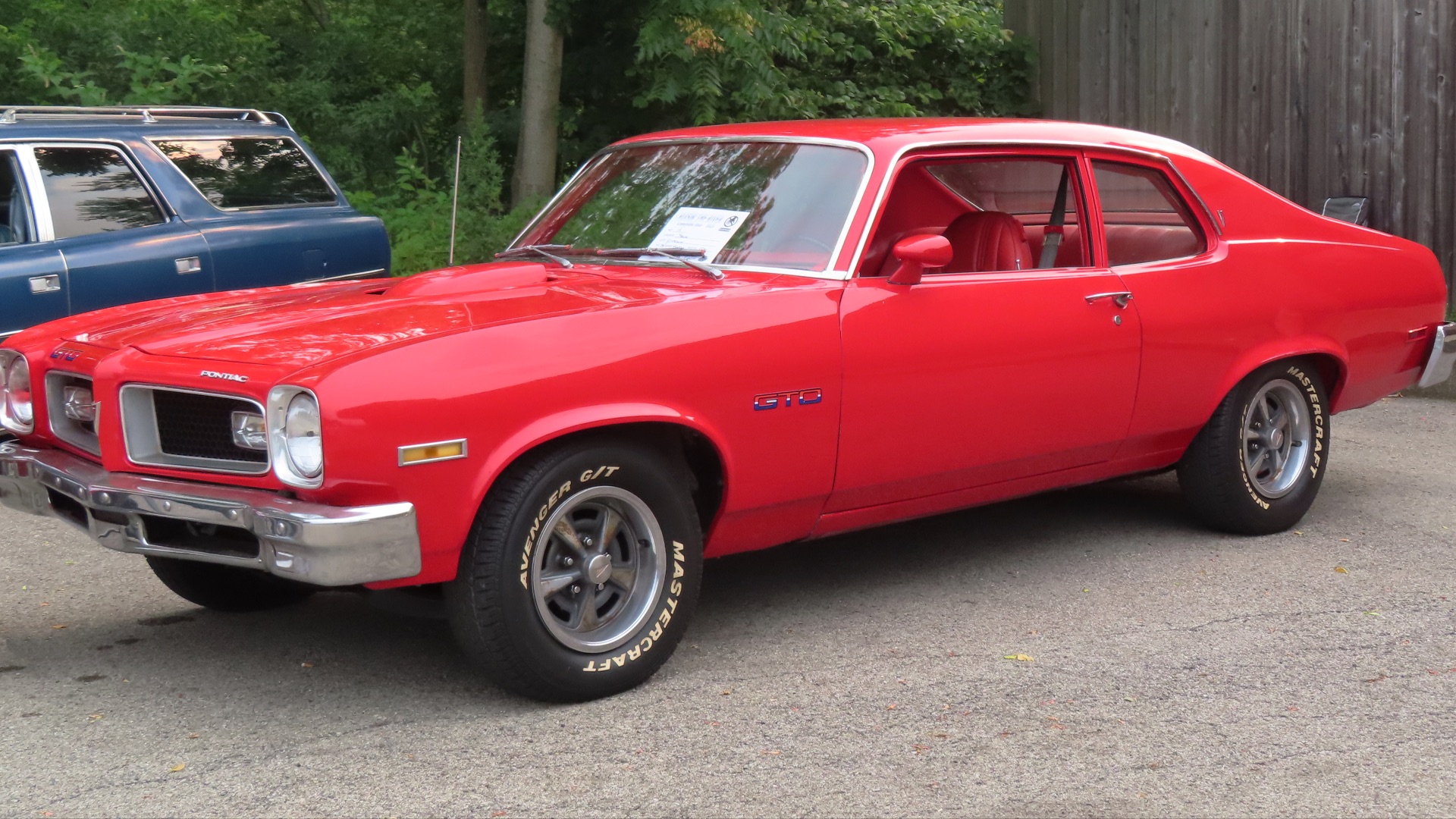
6. 1974 Pontiac GTO
Seeing the GTO go from one of America's defining muscle cars to a performance version of the compact Pontiac Ventura, for many car enthusiasts, was probably pretty jarring. With an added shaker hood, split grille, and other GTO-specific touches, the original body all but vanished. It's likely why the 1974 model had to work twice as hard to establish its identity.
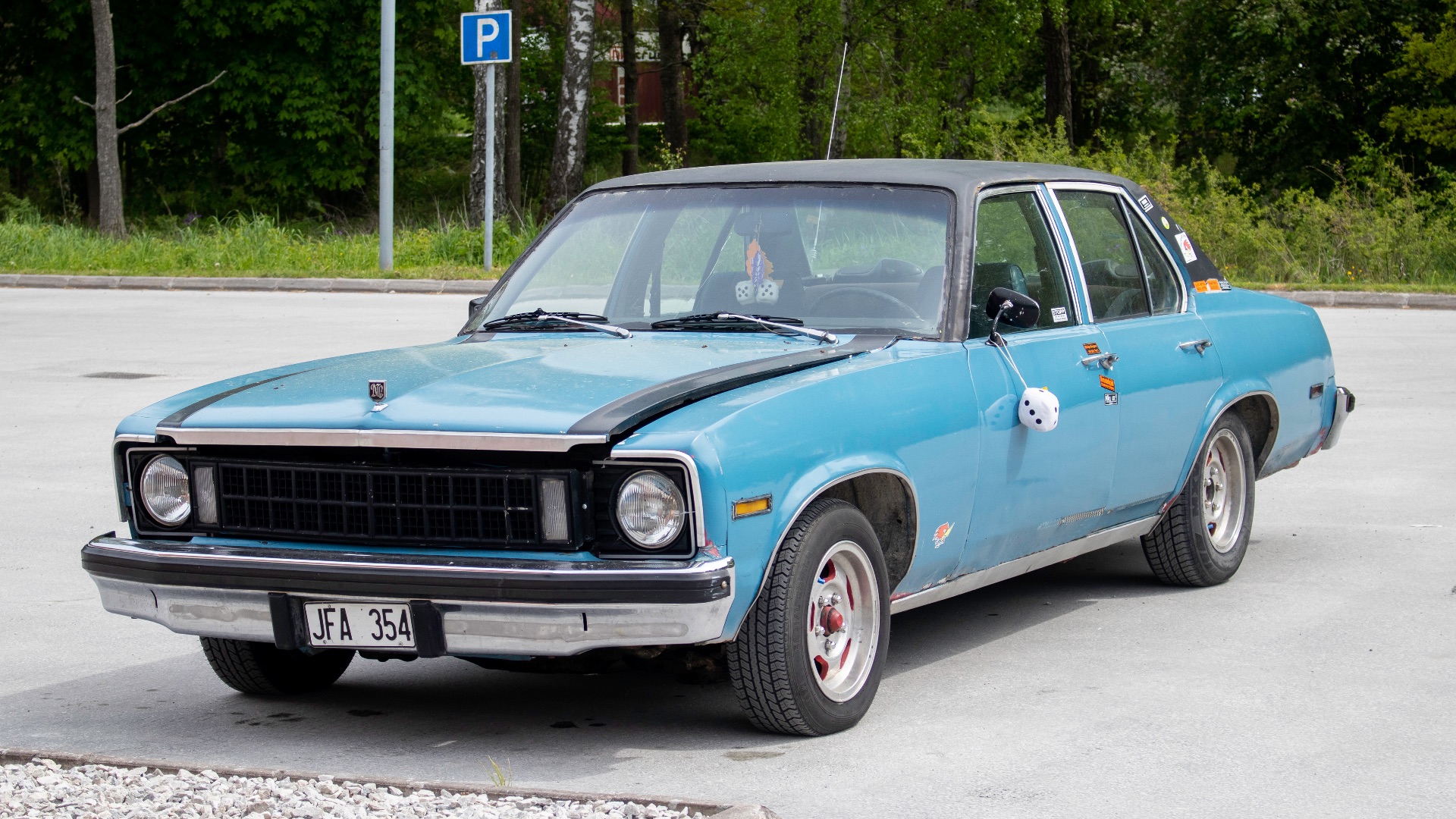
7. 1975 Chevrolet Nova
The 1968-74 Nova had compact proportions that made it great for basic transportation and serious muscle-car duty. Then came the 1975 redesign, which introduced a greater body mass and front-end styling. It wasn't terrible-looking by any means, but it definitely didn't hold a candle to the earlier models.
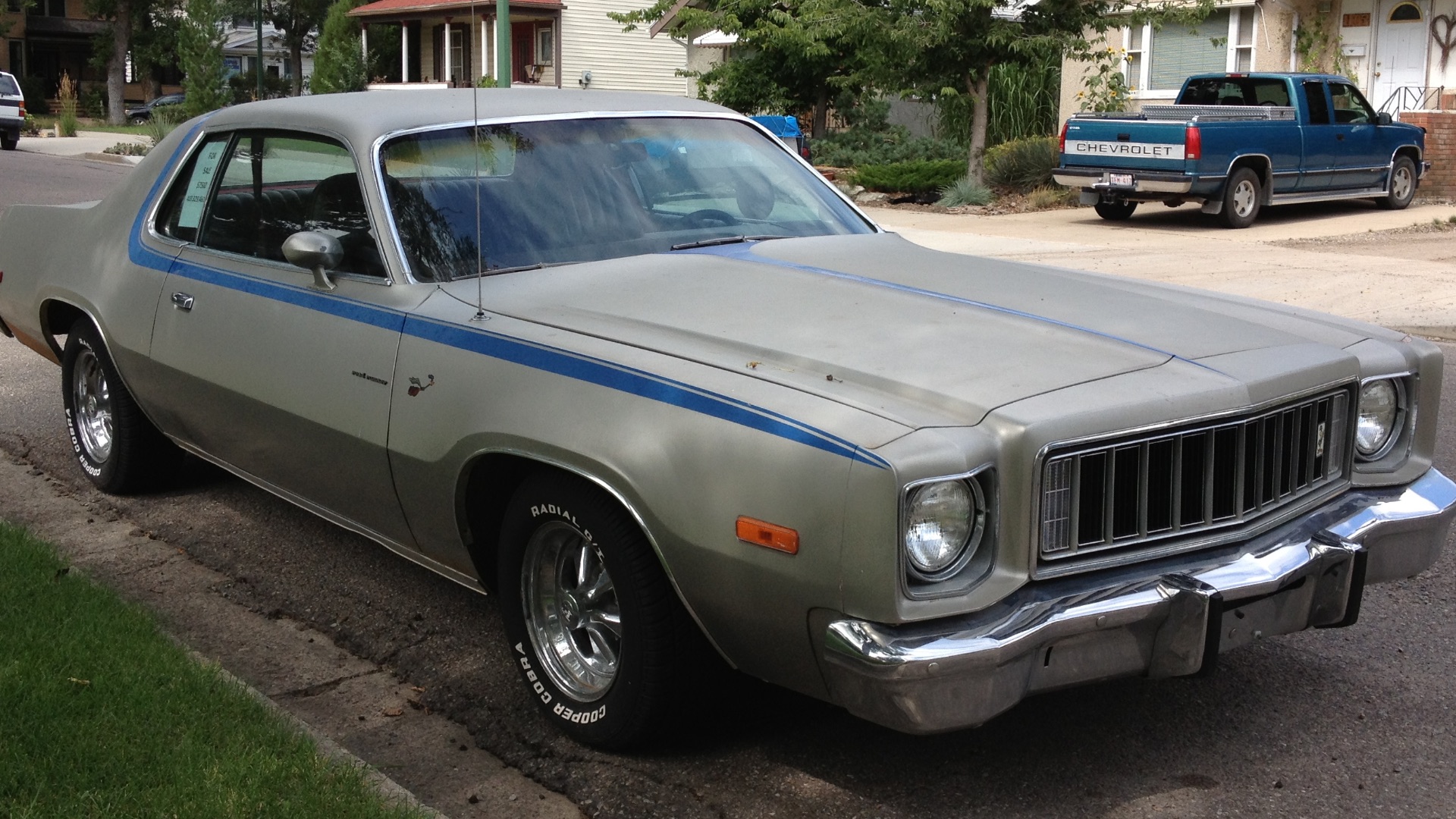
8. 1975 Plymouth Road Runner
When the 1975 redesign came, the early Road Runners, which had both the muscular proportions and playful graphics that gave it its appeal, were replaced with a more stuffy appearance. While the cheeky Road Runner graphic survived, the body beneath it was sadly no longer recognizable.
 dave_7 from Lethbridge, Canada on Wikimedia
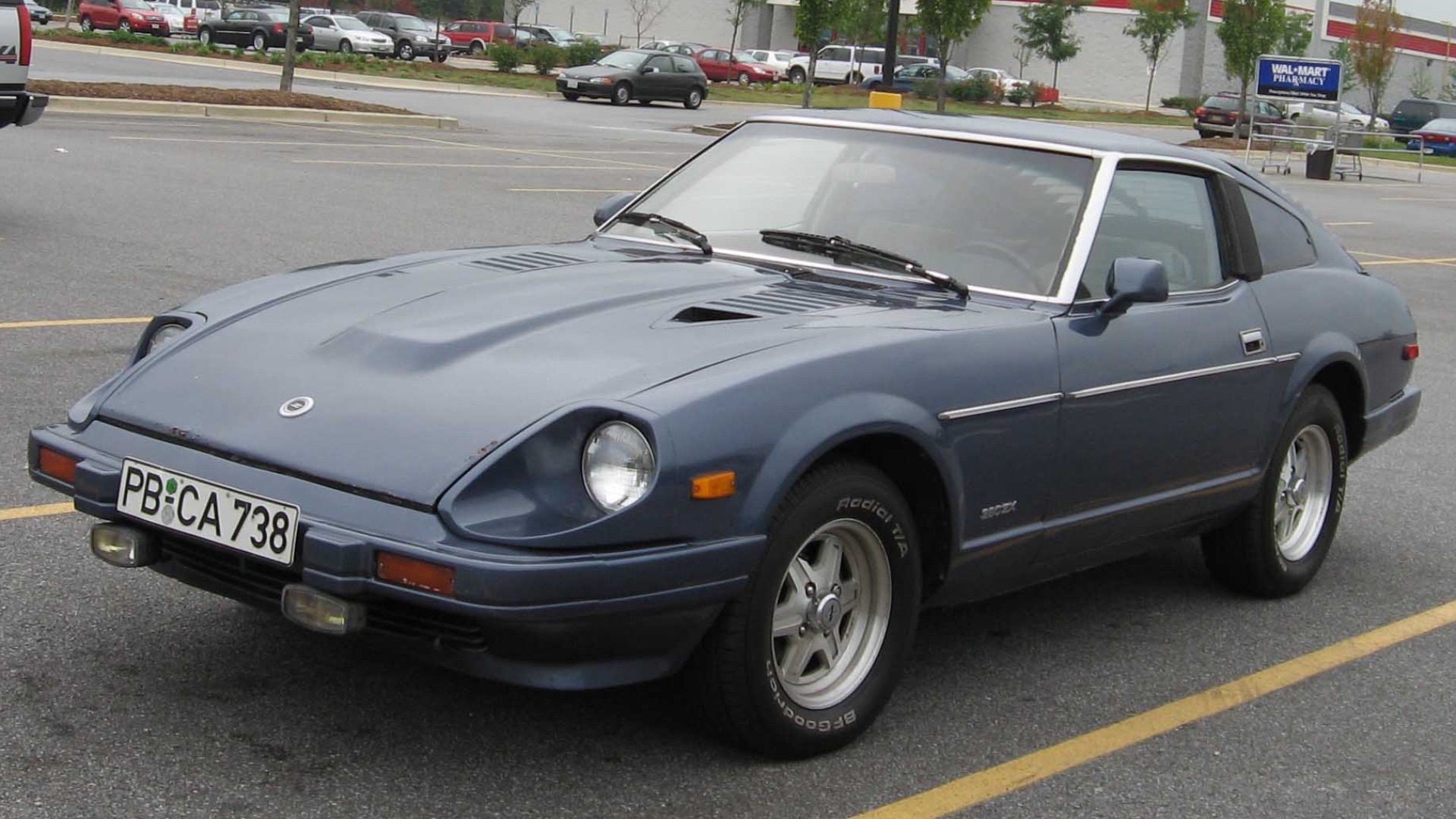
9. 1979 Datsun 280ZX
The original Z-car earned much of its reputation through a beautifully simple sports-car shape. And yet, when Datsun pushed the 1979 280ZX toward the personal luxury market, they added more elaborate trim and proportions that weren't quite as athletic. Plenty of enthusiasts still prefer the models that preceded it.
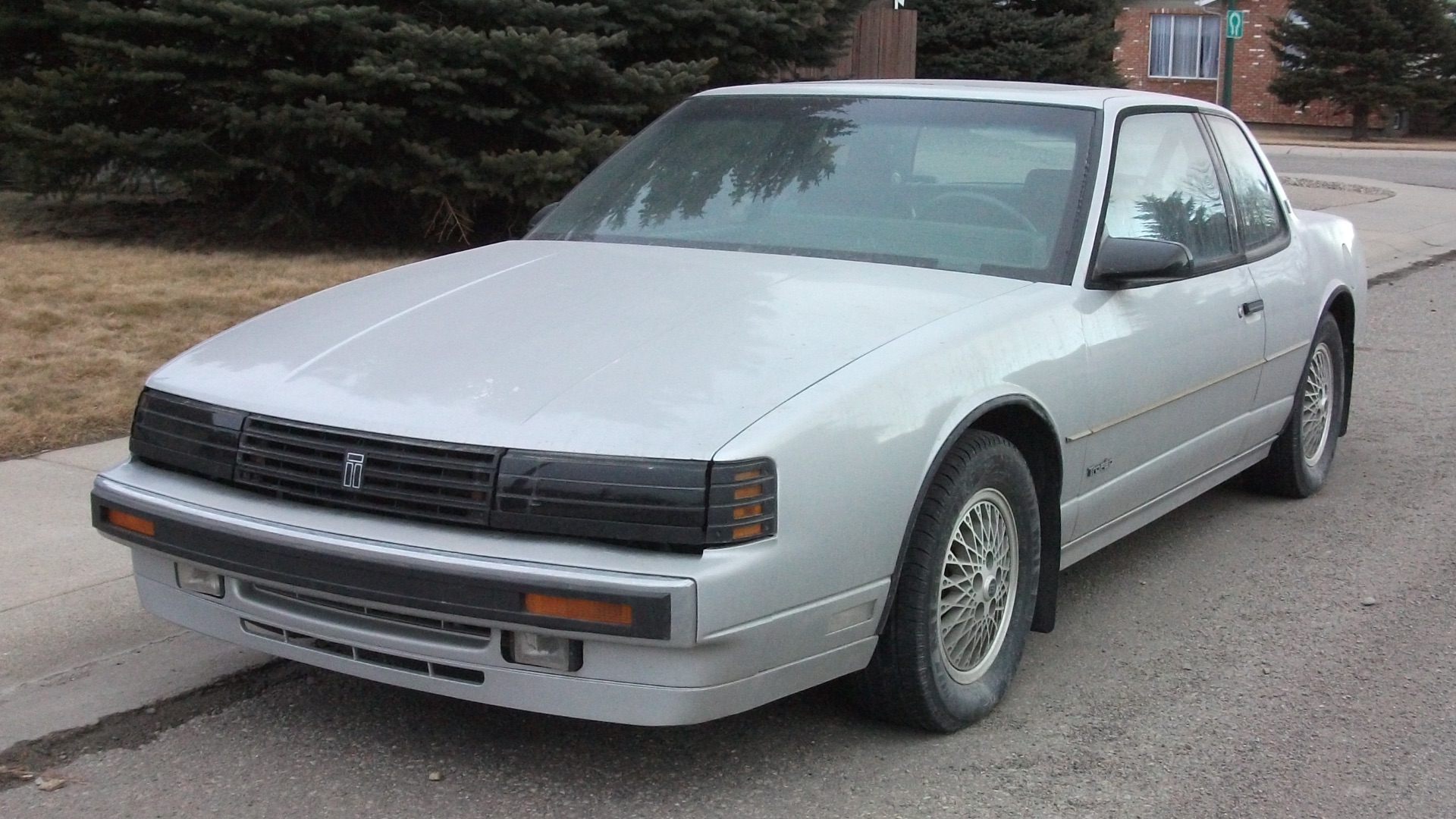
10. 1986 Oldsmobile Toronado
Though the Toronado had already been redesigned several times by the mid-1980s, the 1986 version was particularly dramatic. The new car lost well over a foot of overall length, making it resemble much cheaper GM models despite being marketed as a luxury coupe. Buyers weren't especially receptive either, and Oldsmobile would later re-elongate the car.
11. 1987 Pontiac Bonneville
For decades, the Bonneville name had been linked to large Pontiacs with the road presence everyone expected from a traditional American sedan. Then the 1987 redesign turned it into a substantially smaller, front-wheel-drive four-door model. Because it gave up much of what had previously made a Bonneville recognizable, you can probably imagine the surprise and disappointment.
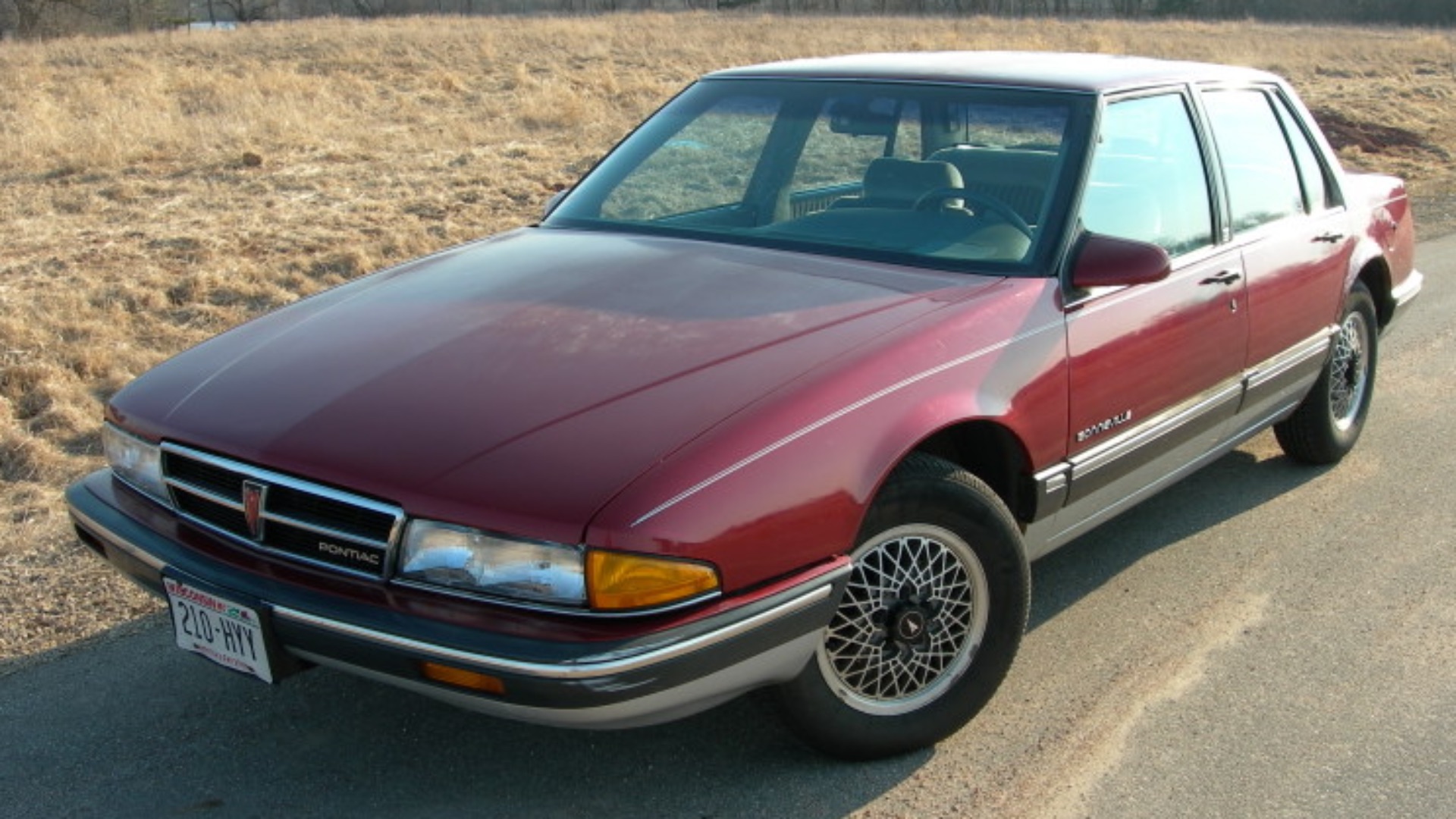 Wjcollier07 at English Wikipedia on Wikimedia
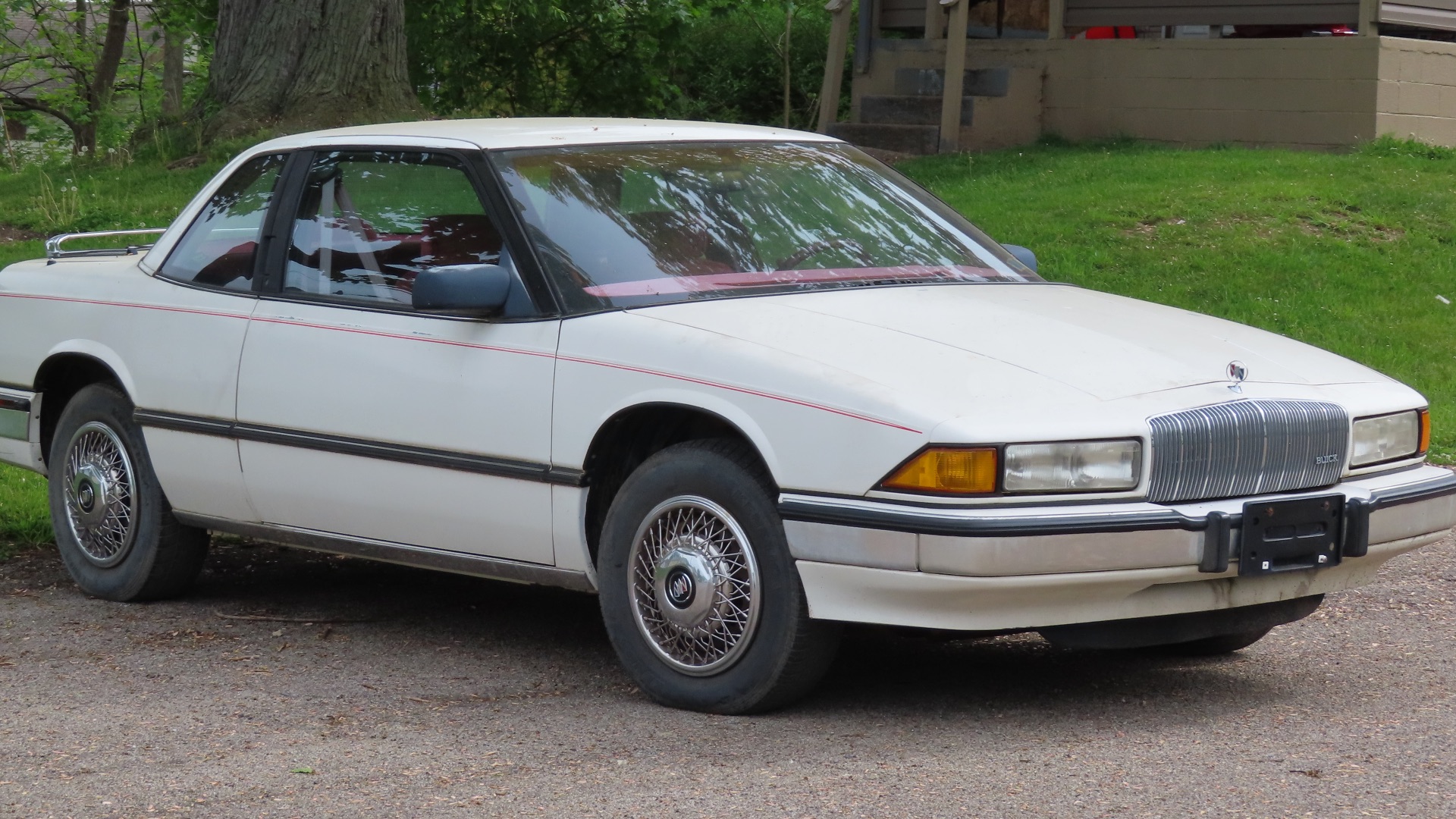
12. 1988 Buick Regal
Mention a 1980s Regal to an enthusiast, and they'll likely picture the squared-off rear-wheel-drive coupe that spawned the Grand National and GNX. Several years later, Buick would completely change direction, transforming the Regal into a smaller front-wheel-drive coupe with rounded styling. Modern as it looked, it lacked the strong stance that made the earlier models so beloved.
13. 1988 Oldsmobile Cutlass Supreme
As one of the defining American coupes of the 1970s and 1980s, the Cutlass Supreme was favored for its traditional long-hood proportions. Part of its name would foreshadow its future, though: once its front-wheel-drive successor came in 1988, it unfortunately adopted a much shorter-looking nose.
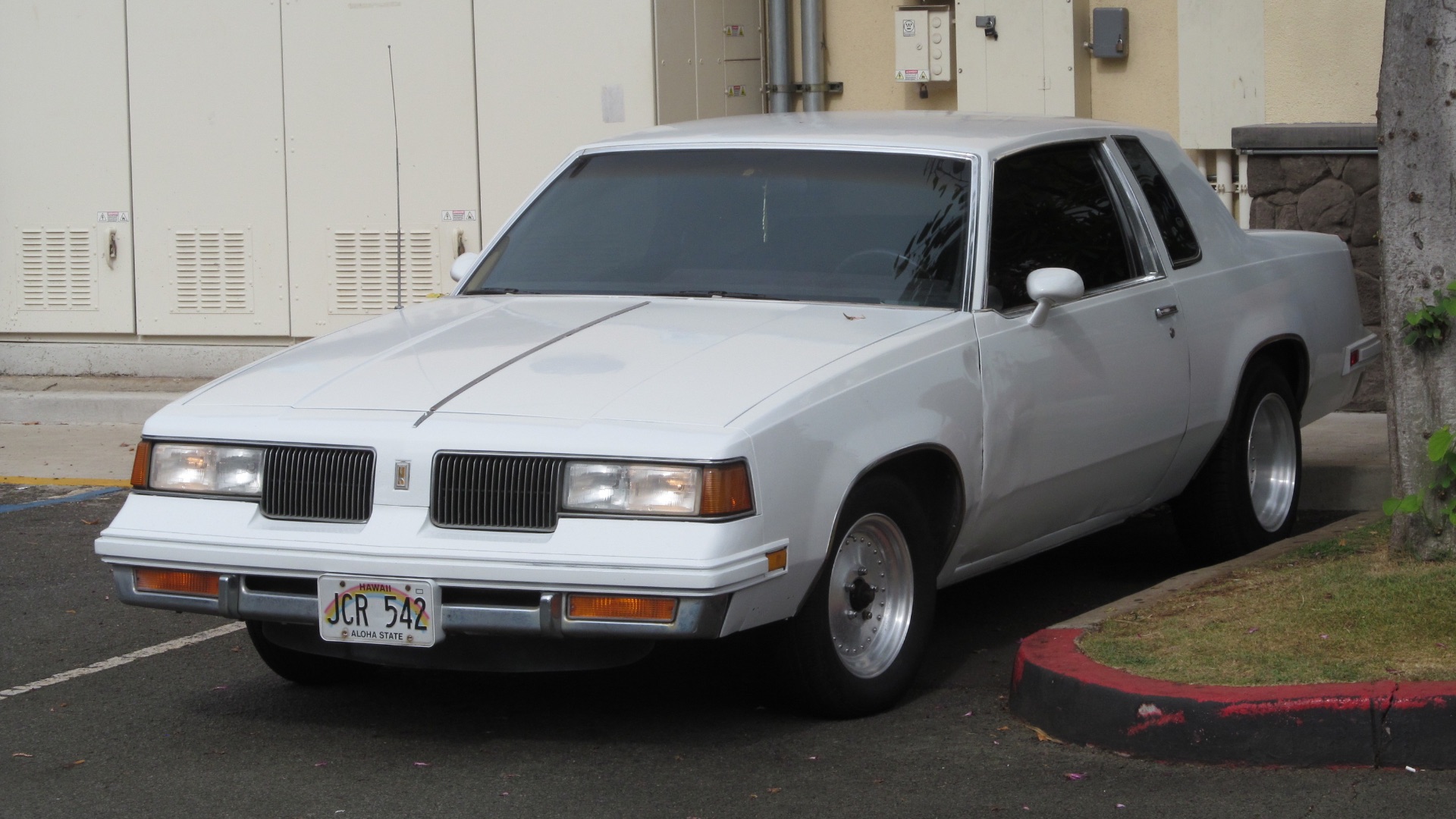 Riley from Christchurch, New Zealand on Wikimedia
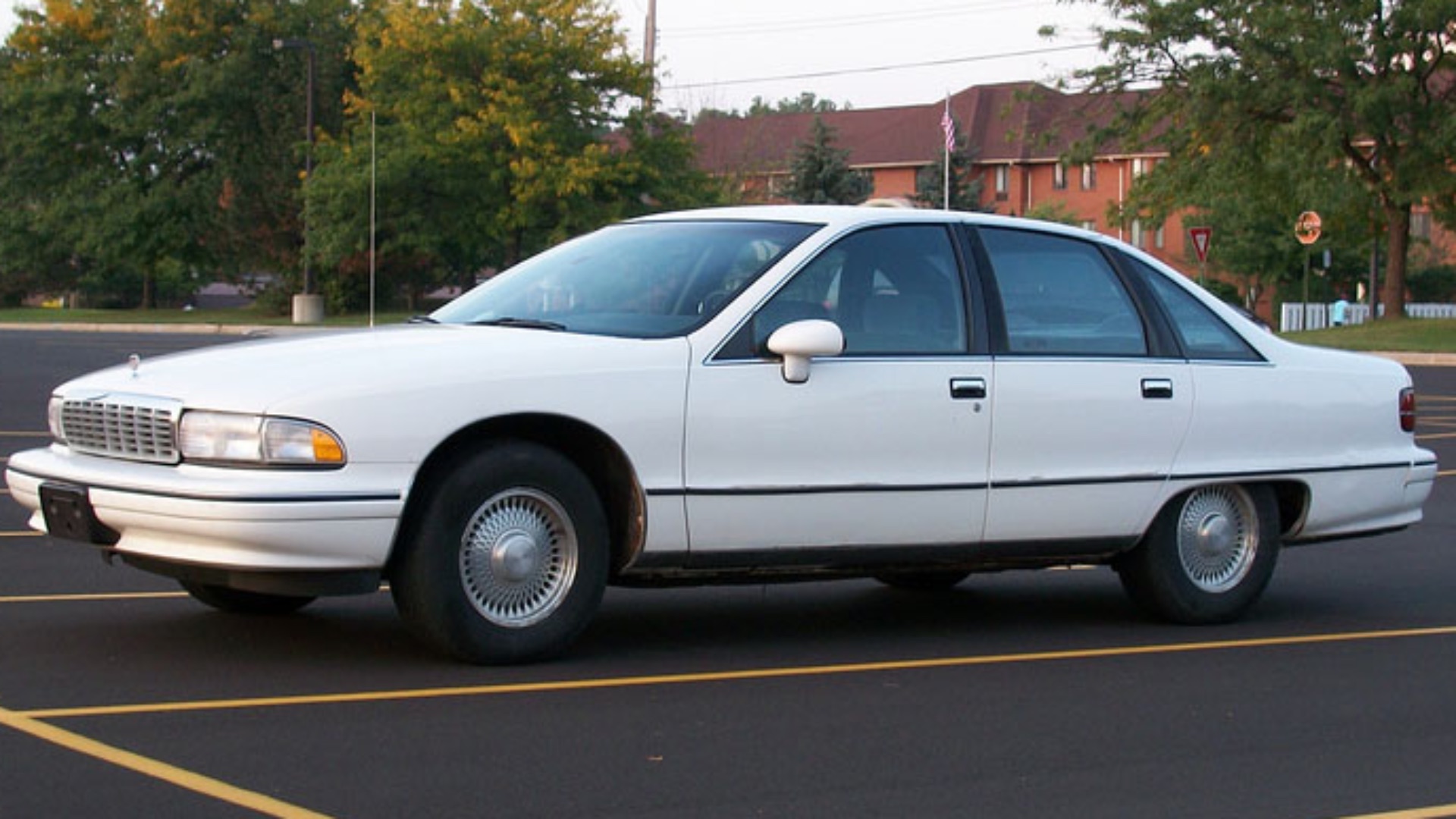
14. 1991 Chevrolet Caprice
The square-bodied Caprice wasn't particularly daring, but no one could deny it had an imposing body. Despite what made it so memorable, Chevrolet abandoned that formula for 1991, bringing in bulbous, heavily rounded bodywork. The redesigned Caprice proportions still divide enthusiasts today.
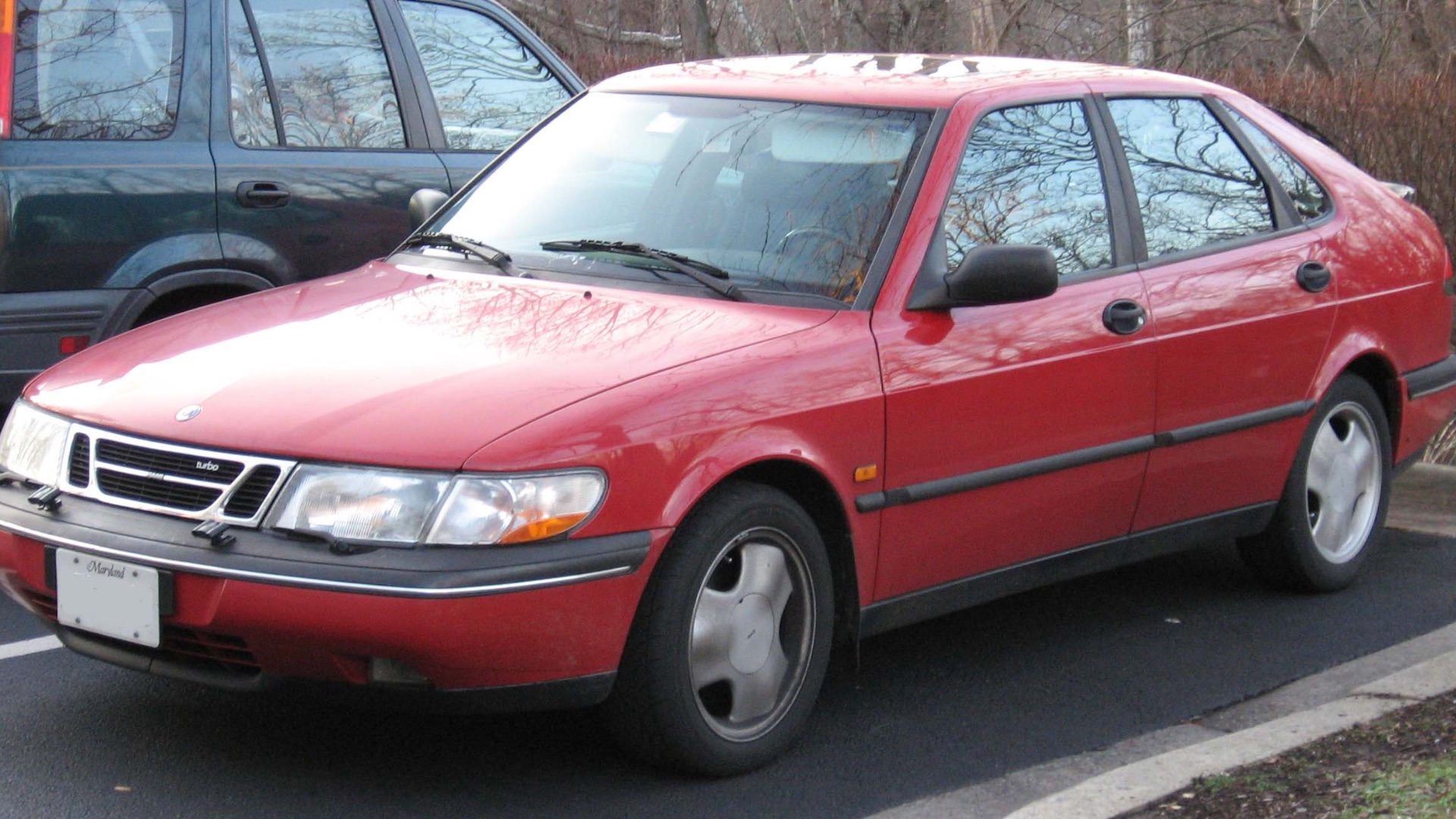
15. 1994 Saab 900
Part of the charm that the original Saab 900 had was due to its unusual look, from its steeply curved windshield to its long sloping rear hatch. Many would've probably opted to keep that design for another few years, but its 1994 successor would ruin that wish, ridding much of the eccentric design that gave the car such a strong following.
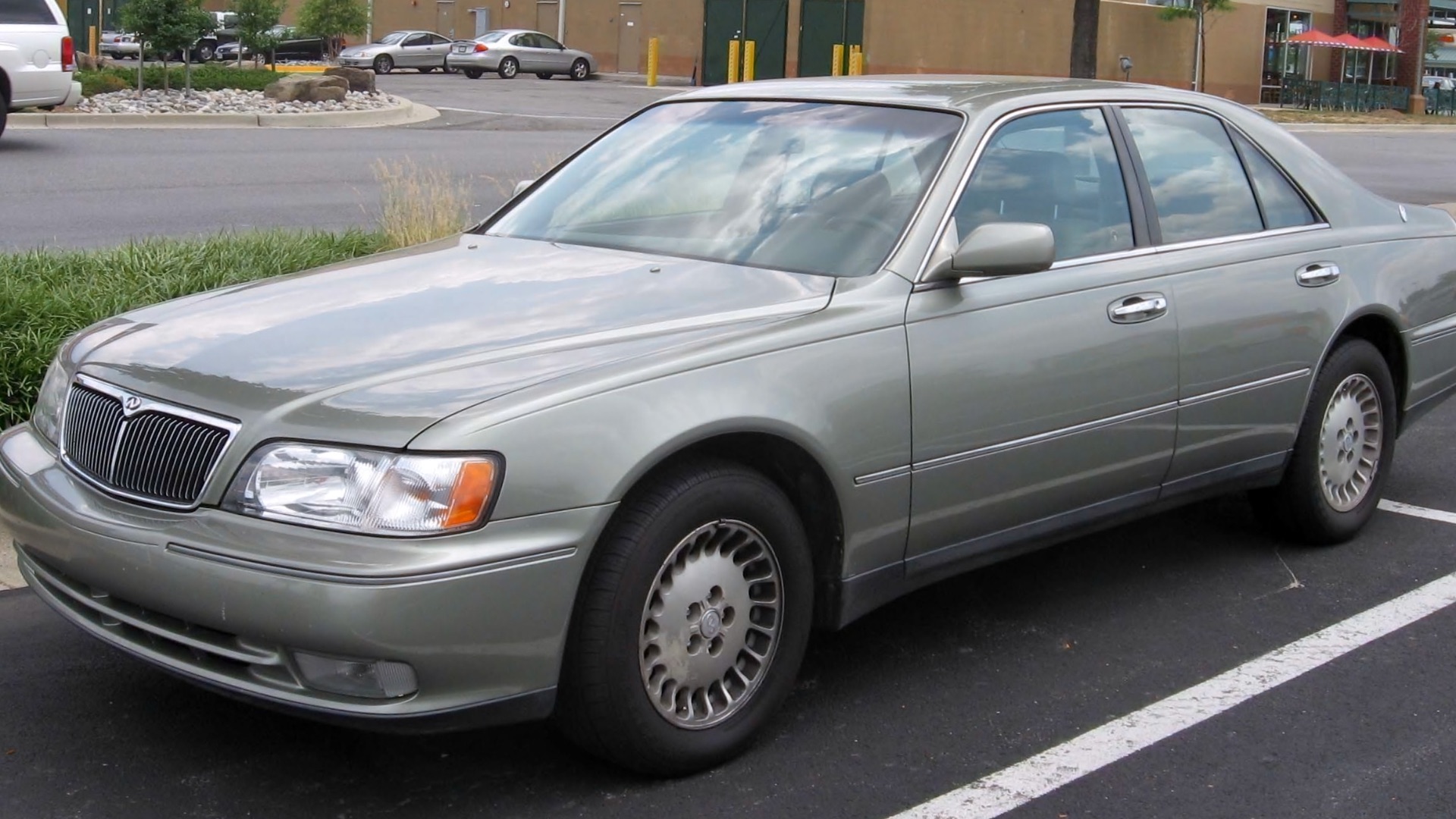
16. 1997 Infiniti Q45
Despite Infiniti's original Q45 having distinctive proportions with a clean front end, the second generation went in a safer direction. The redesign added a more conventional grille and conservative luxury styling, and the car no longer had the unique look its flagship flaunted.
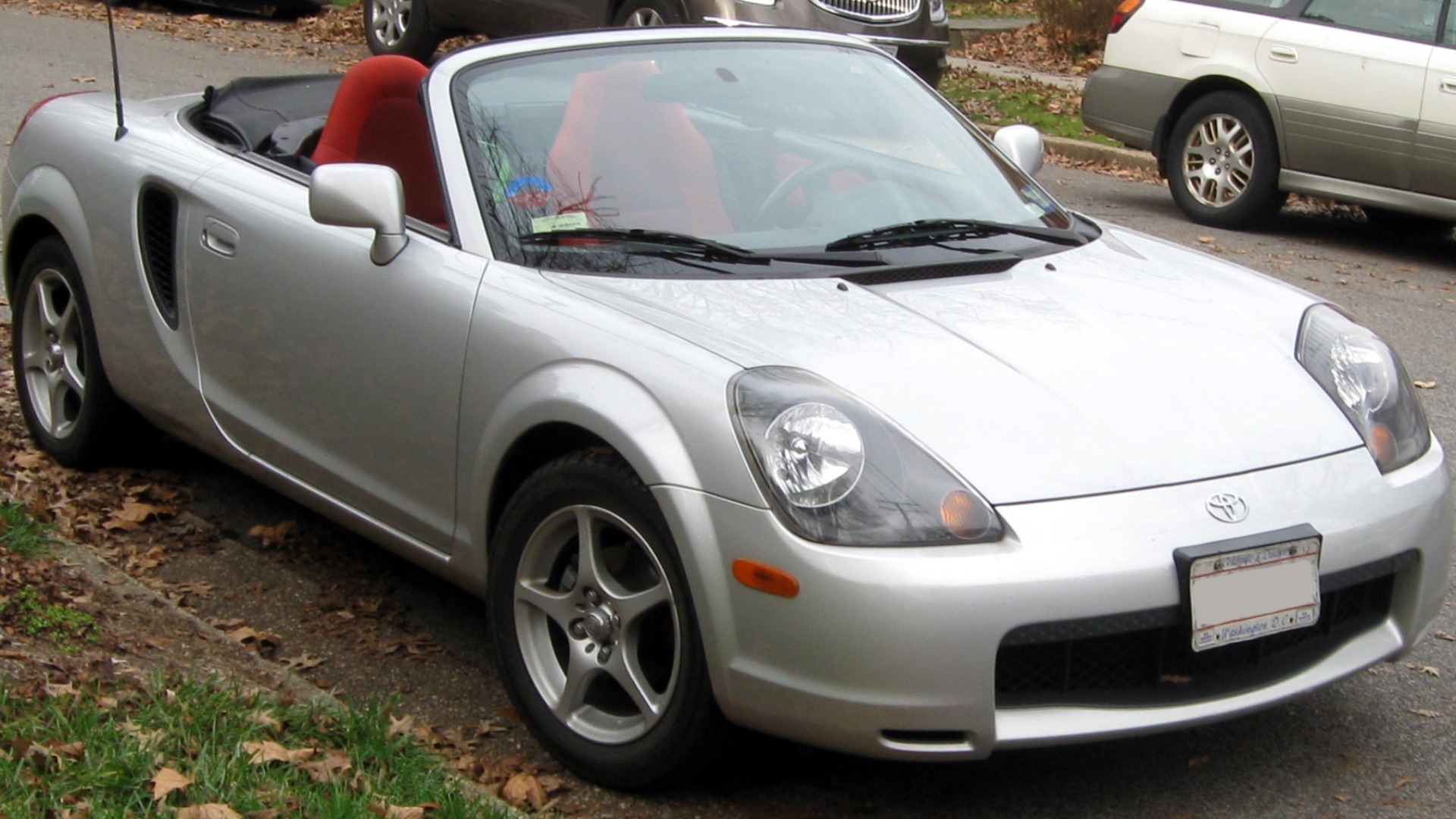
17. 2000 Toyota MR2 Spyder
The second-generation MR2 had dramatic proportions: pop-up headlights, broad rear haunches, a substantial-looking coupe body. Then it became a smaller roadster in its third generation. Sure, this revamp made it lighter and fun to drive, but it definitely didn't have the same visual presence as it once had.
18. 2001 Lexus SC 430
Lexus's first SC coupe remains one of the brand's cleanest early designs, yet the SC 430 that followed became a convertible with much rounder proportions and a shorter-looking nose, complete with a tall rear section to accommodate its folding roof. While it offered more mechanical complexity, ask any enthusiast and they'd probably say the sleek SC 300 and SC 400 have aged more gracefully.
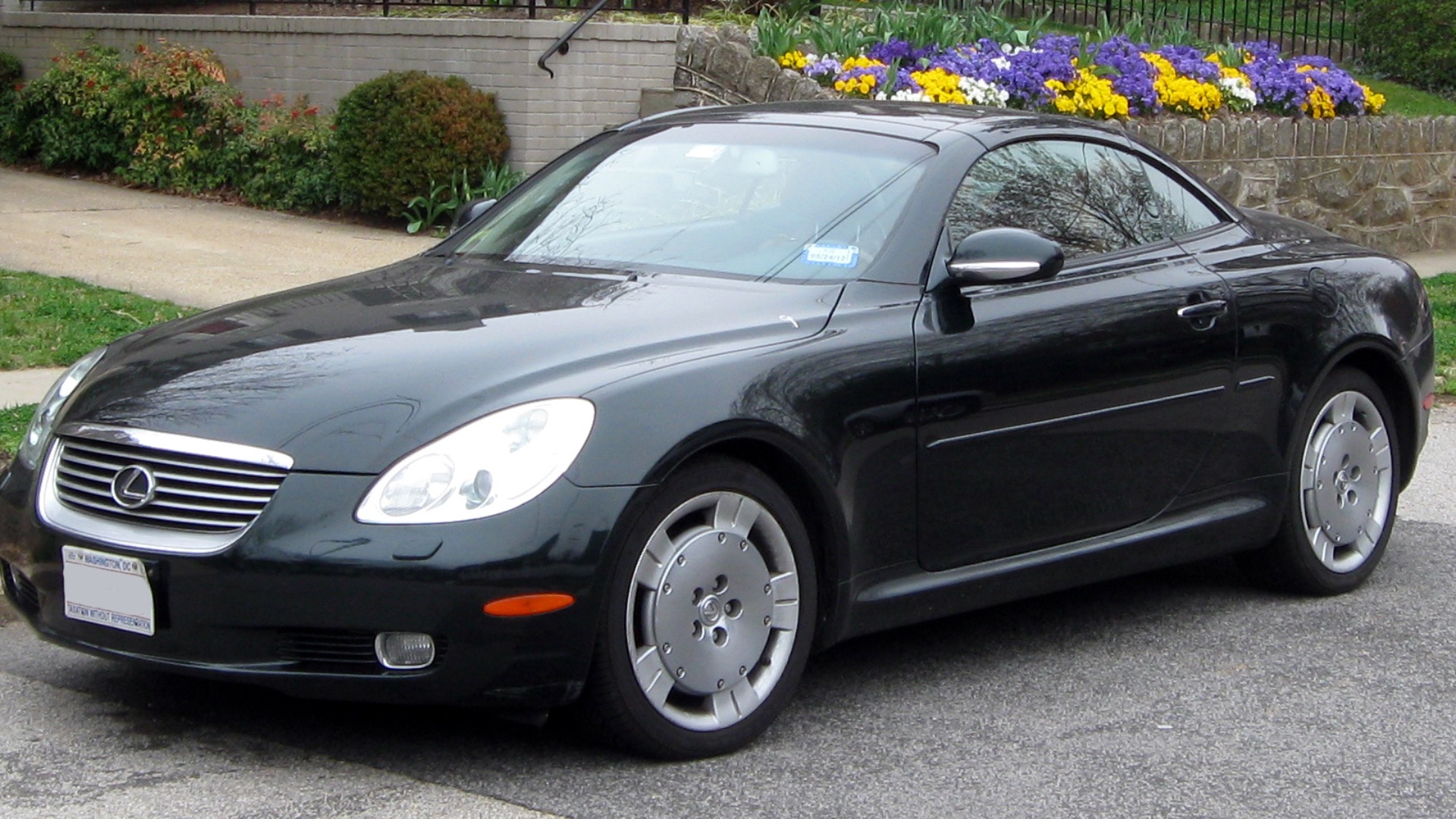
19. 2004 BMW 5 Series
When BMW replaced the E39 5 Series, a sedan that was admired for its balanced proportions and exceptionally restrained detailing, they made a bad decision. The high trunk alone of the E60 generation made it one of BMW's more controversial designs of the period. It's one of the clearest examples of a company abandoning a proven visual formula.
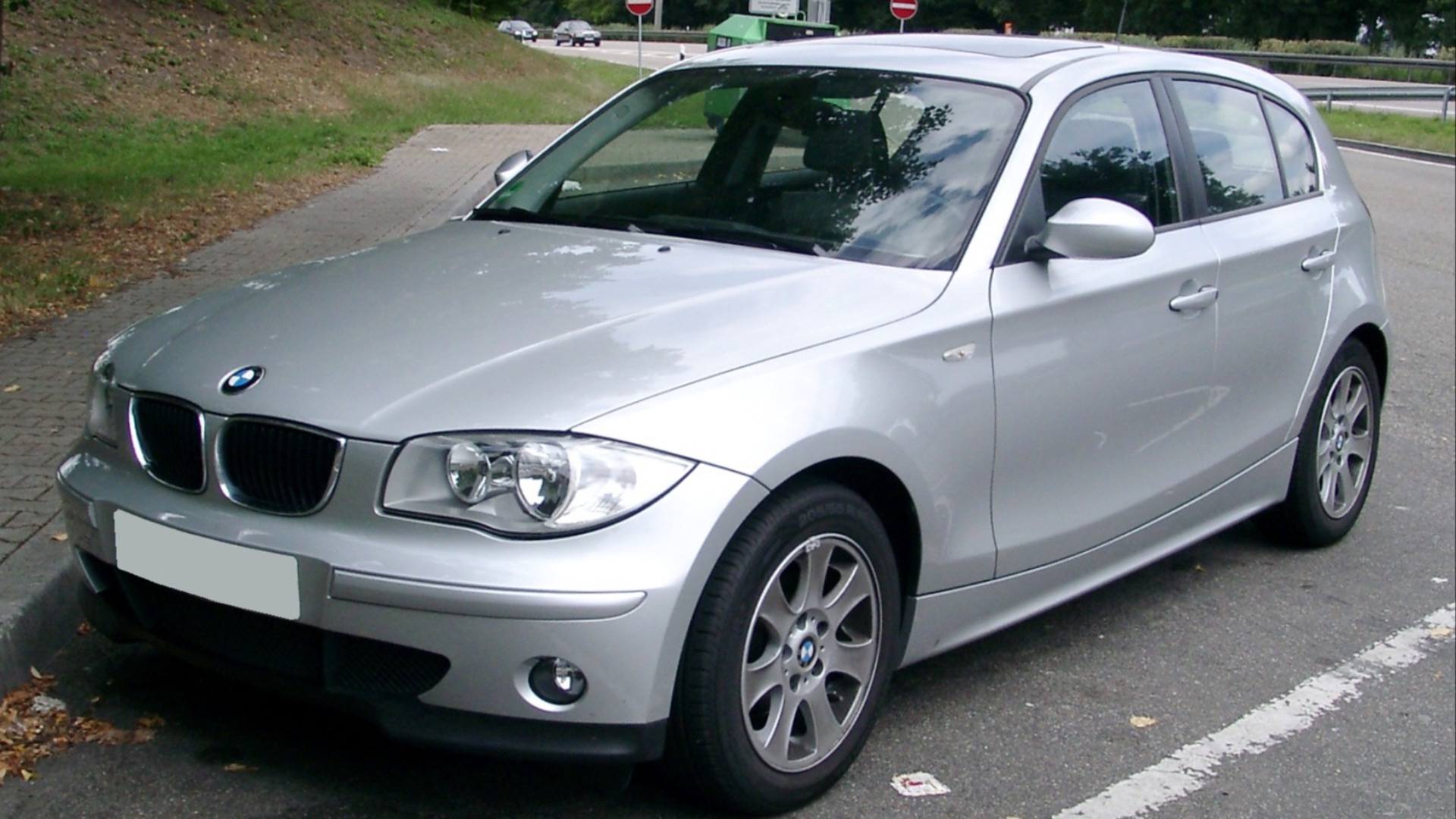
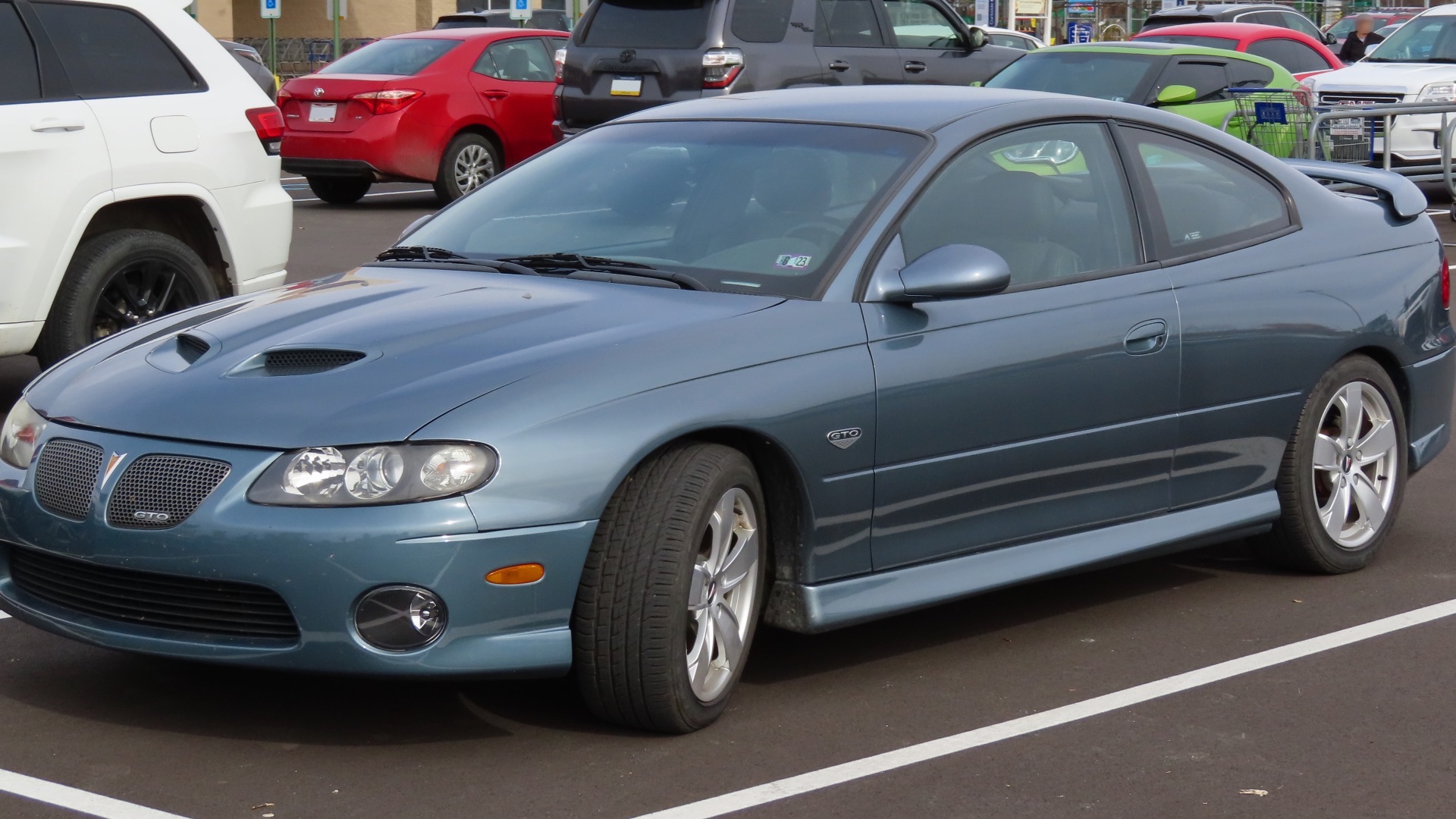
20. 2004 Pontiac GTO
Bringing back the GTO name created enormous expectations, but Pontiac's new model with its Holden Monaro-derived body was so understated that criticism frequently centered on its appearance. Though the car has become more appreciated with age, its design never really lived up to a revival of the GTO.