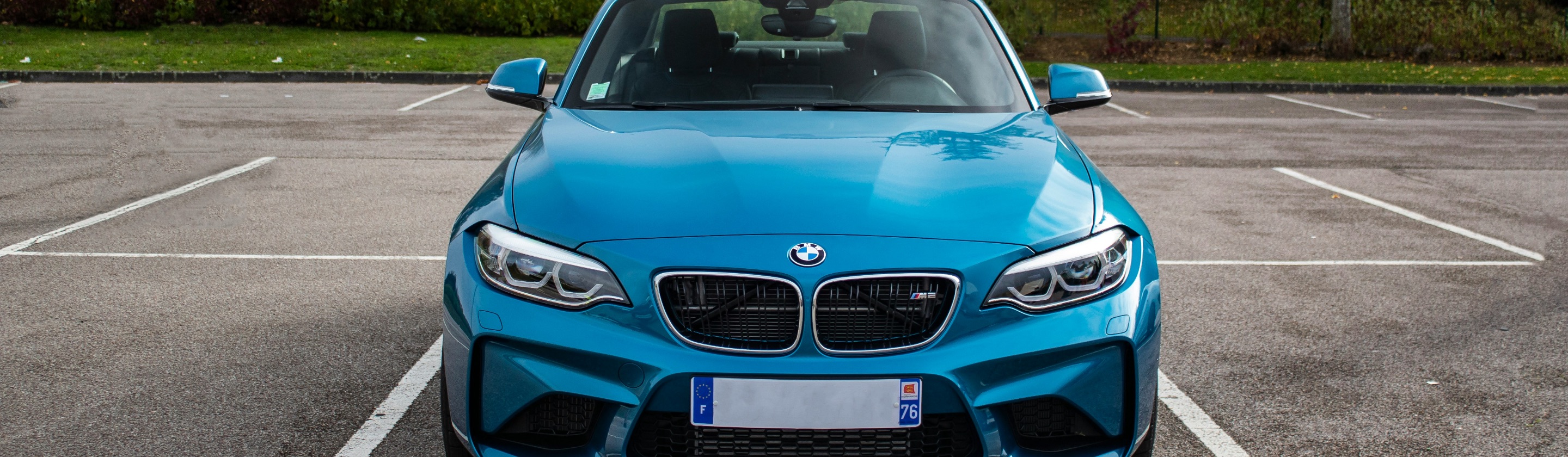
Bad Habits Can Add Up Over Time
How healthy is your car? If you can't answer that confidently, chances are your vehicle might be in not-so-great shape, even if it looks fine. Most drivers don’t set out to damage their cars, of course, but your everyday habits (such as waiting too long in between washes) can wear down major parts faster than you think. If you're always ignoring odd sounds, skipping maintenance checks, and leaving your vehicle in the garage for long periods at a time, you could be putting unnecessary strain on your vehicle, making for some hefty repair bills. Here are 20 ways you're shortening the lifespan of your car without knowing.

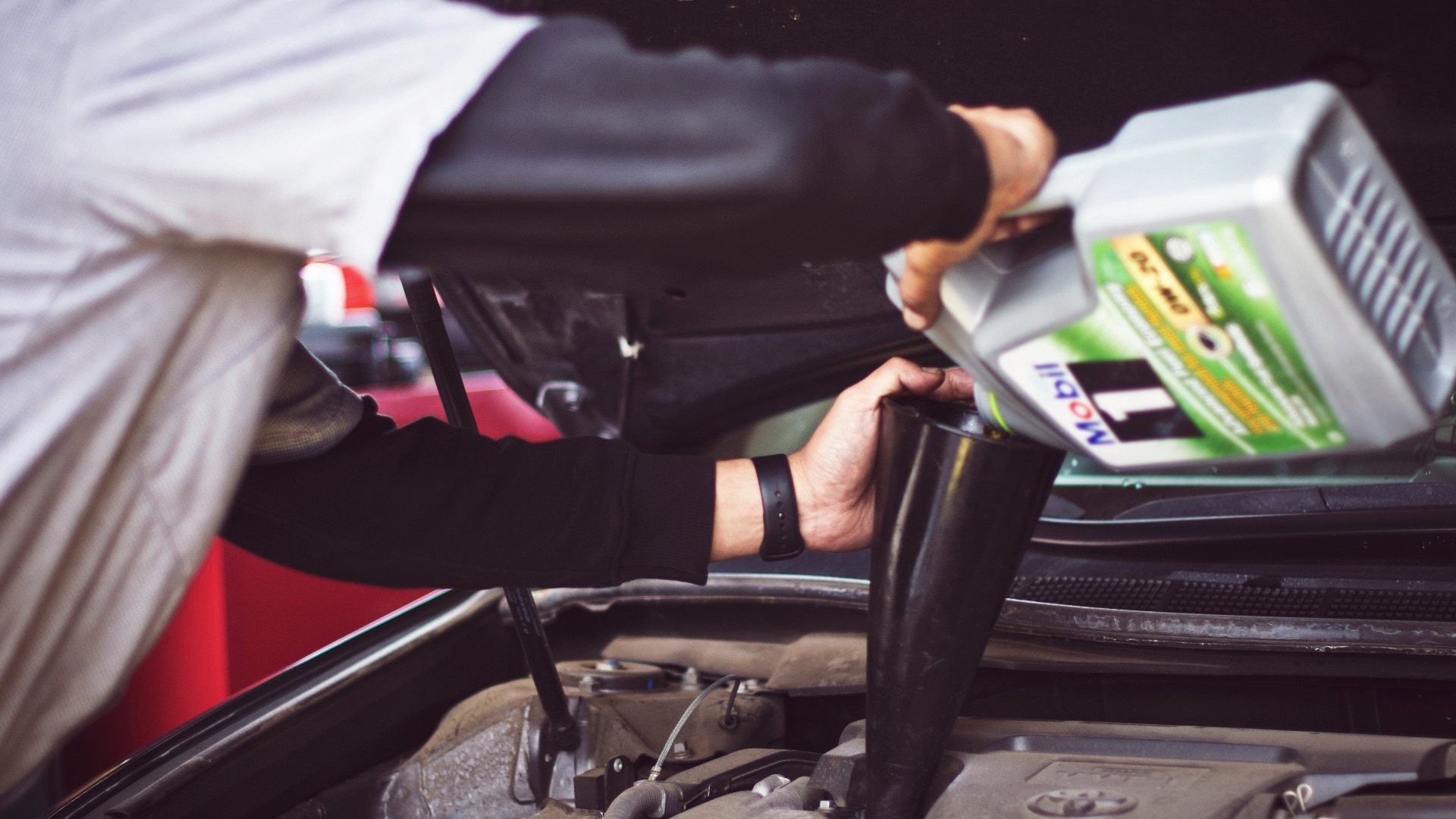
1. Ignoring Regular Oil Changes
Oil keeps the engine’s moving parts lubricated, cooled, and protected from excessive friction. When you delay oil changes too long, the oil breaks down and becomes less effective at doing its job. Over time, dirty or degraded oil can increase engine wear and lead to serious damage that could have been prevented.
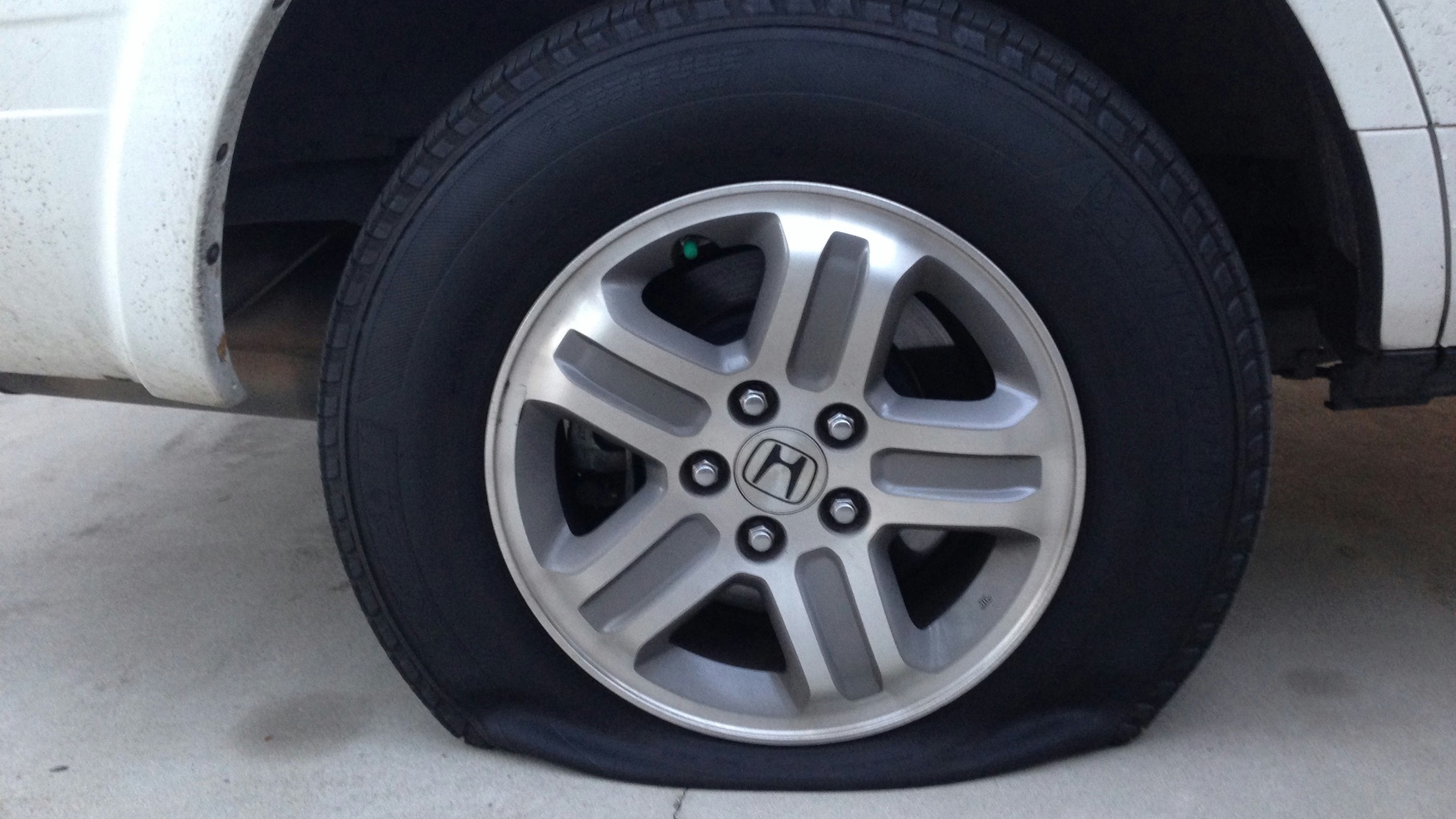
2. Driving with Low Tire Pressure
Underinflated tires make your car work harder because they create more rolling resistance on the road. This can reduce fuel economy, wear out tires unevenly, and put added strain on the suspension. Checking tire pressure regularly is a simple habit that helps protect both your tires and other connected parts.
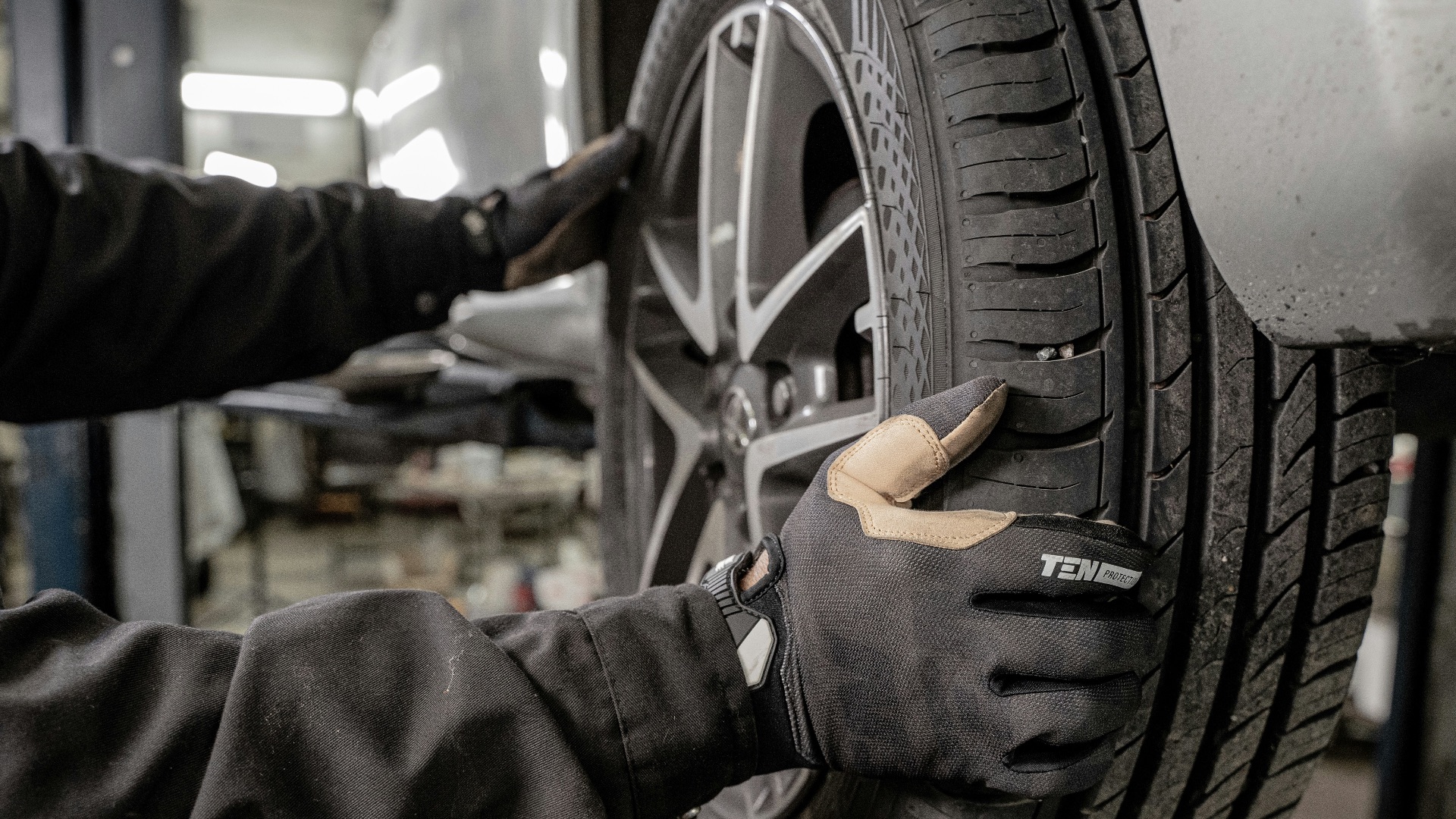
3. Skipping Tire Rotations
Tires don’t wear evenly from front to back because each position on the vehicle handles different forces. When you skip rotations, some tires can wear down much faster than others, which shortens the life of the whole set. Regular rotations help maintain better handling, smoother driving, and more predictable braking.
 Jimmy Nilsson Masth on Unsplash
4. Resting Your Hand on the Gear Shifter
It may feel harmless to leave your hand on the gear shifter, especially during casual driving. In manual vehicles, that pressure can place unnecessary stress on parts inside the transmission. Even small habits like this can contribute to premature wear when they happen every day.

5. Riding the Brakes Downhill
Keeping constant pressure on the brake pedal while going downhill can overheat the brake system. Heat reduces braking performance and can wear out pads and rotors faster than normal. It’s better to use controlled braking and, when appropriate, shift to a lower gear so the engine can help manage speed.

6. Accelerating Hard Before the Engine Warms Up
An engine needs a little time for oil to circulate properly after startup, especially in colder weather. If you accelerate aggressively right away, internal parts may face extra stress before they’re fully lubricated. You don’t need to idle for a long time, but gentle driving during the first few minutes can make a difference.

7. Letting the Fuel Tank Run Nearly Empty
Driving on a near-empty tank can cause the fuel pump to work harder than it should. Fuel helps cool and lubricate the pump, so consistently running low may shorten its lifespan. Keeping the tank above a quarter full is a practical way to reduce strain and avoid getting stranded.
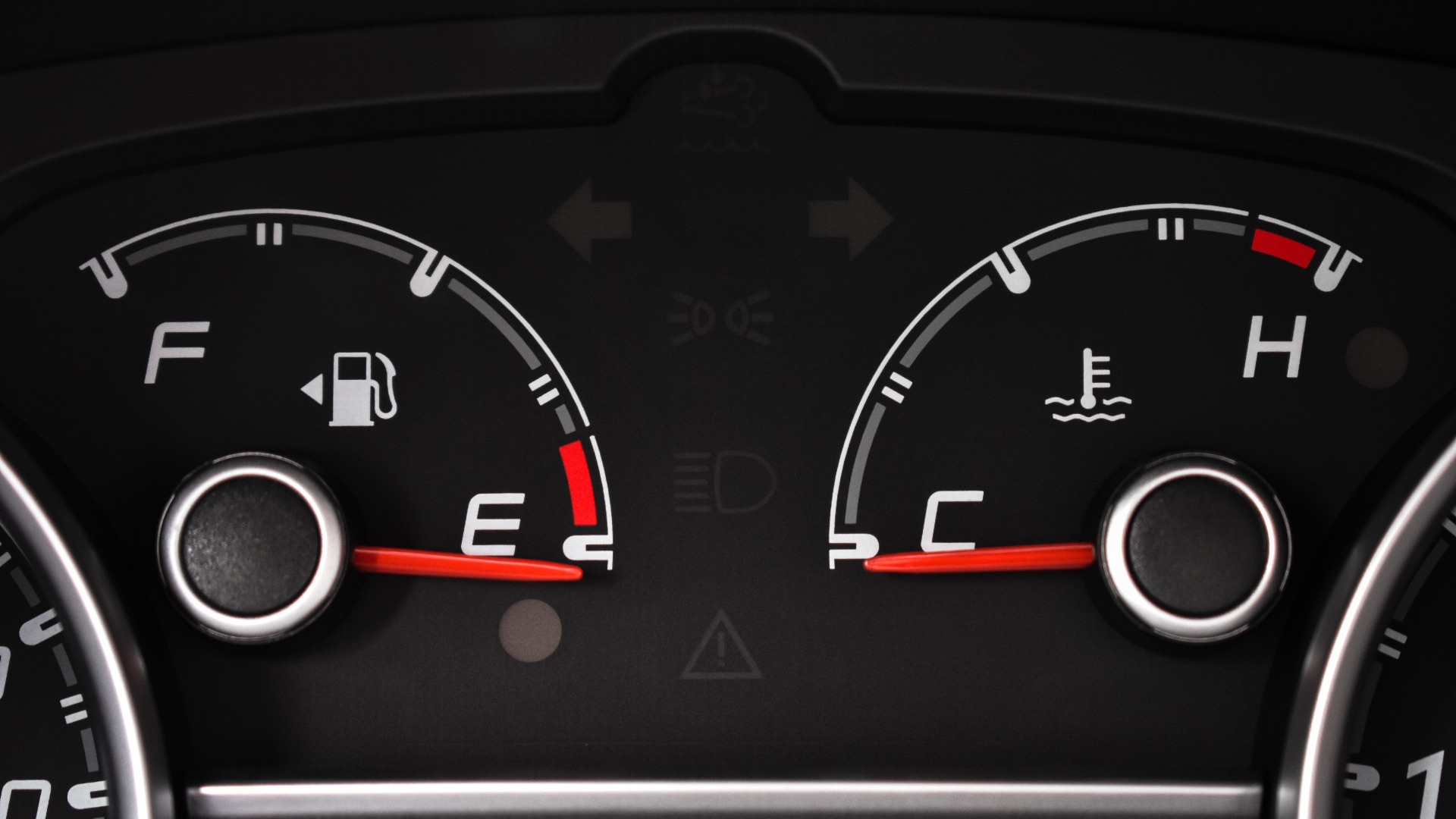
8. Ignoring Dashboard Warning Lights
A warning light is your car’s way of telling you something needs attention. Some alerts may be minor, but others can point to problems that become expensive if you keep driving without checking them. Addressing warning lights early gives you a better chance of fixing a small issue before it damages other parts.
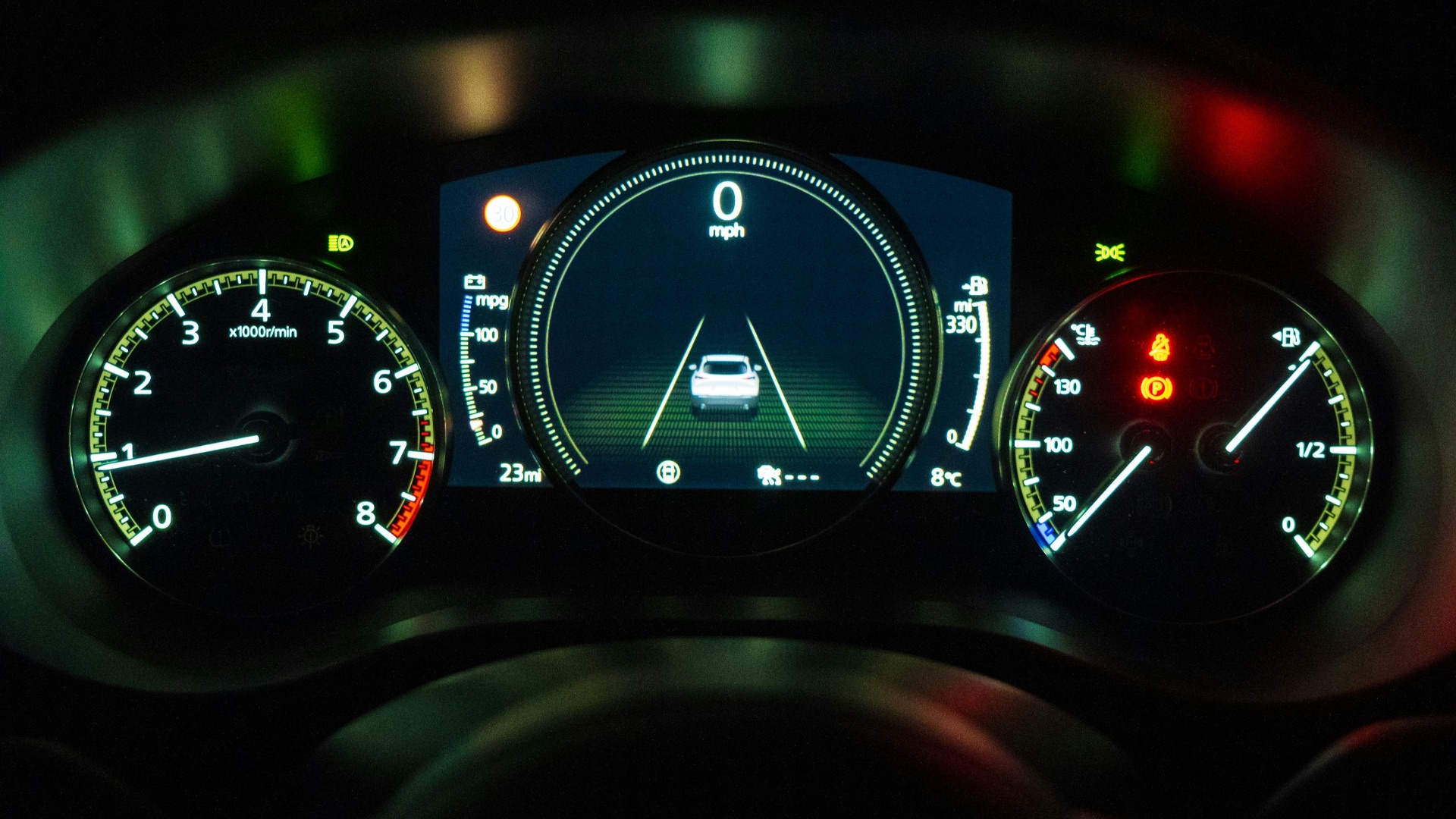
9. Using the Wrong Type of Fuel
Your owner’s manual specifies the fuel grade your engine was designed to use. Using fuel that doesn’t match the manufacturer’s recommendation can affect performance, efficiency, or long-term engine health. If your car requires premium fuel, regularly choosing a lower grade may create problems over time.
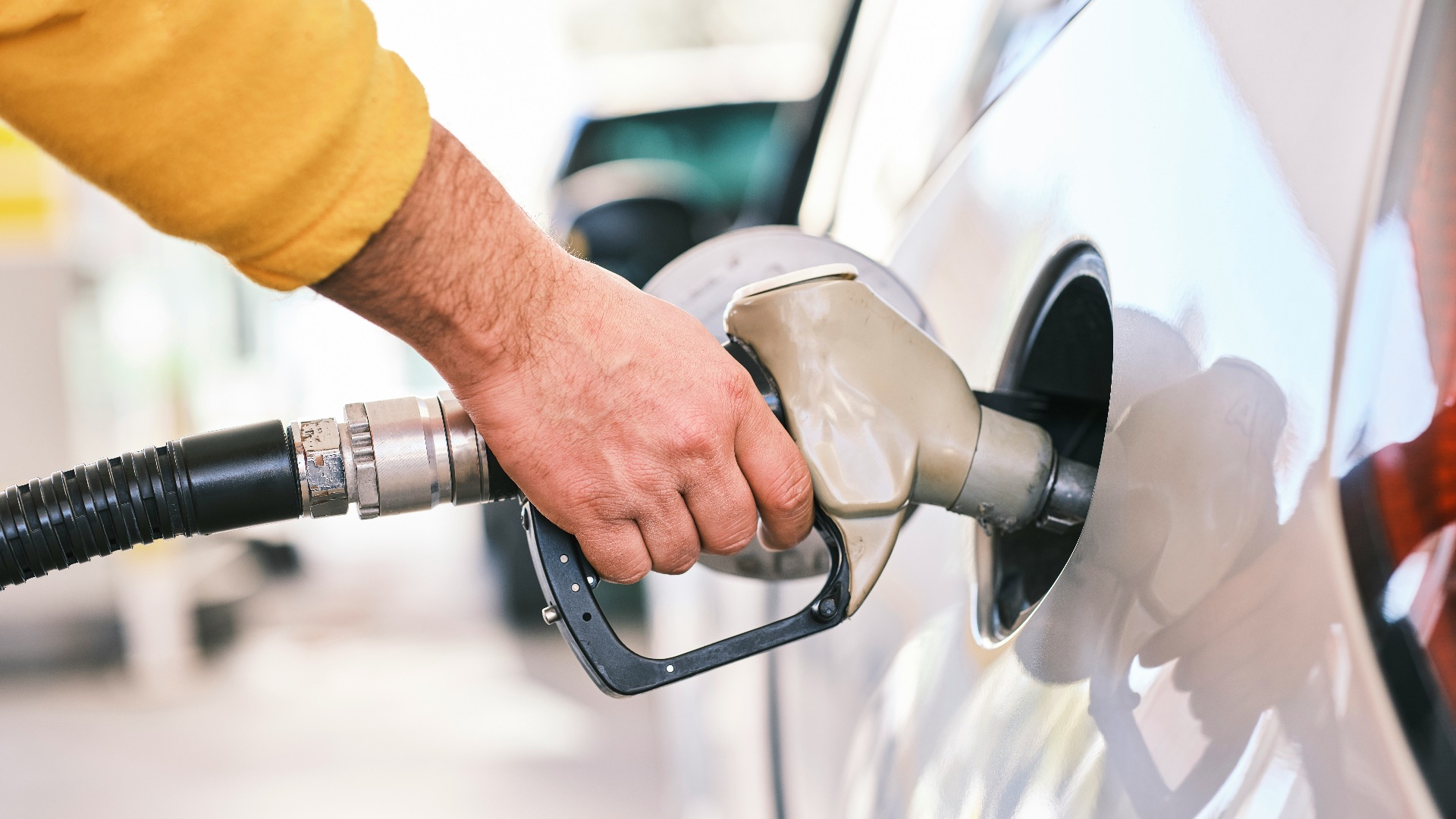
10. Forgetting to Replace the Air Filter
The engine air filter helps keep dirt, dust, and debris from entering the engine. When it becomes clogged, your engine may have to work harder to get the airflow it needs. Replacing the filter on schedule can support better performance and help prevent unnecessary engine strain.
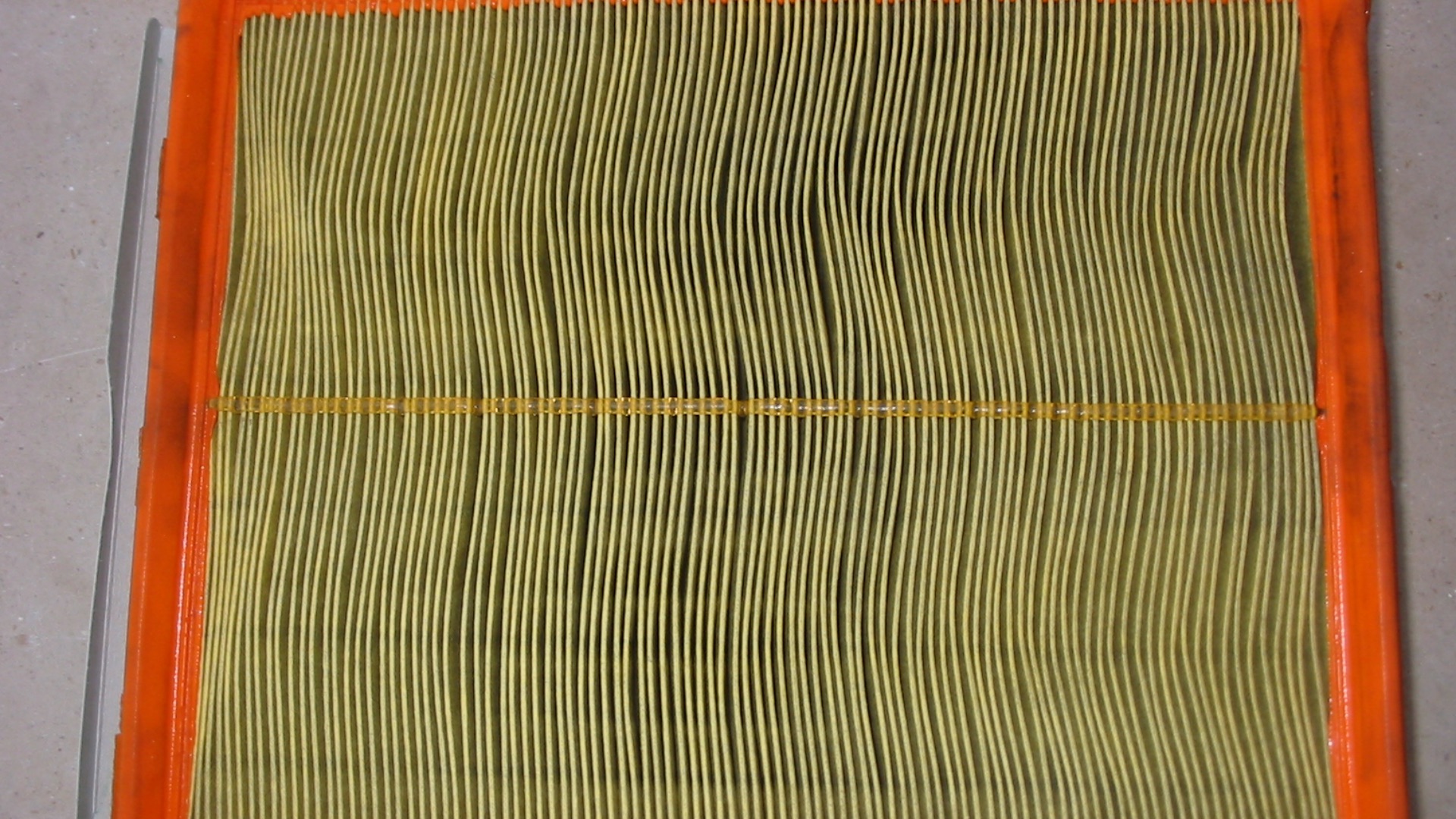
11. Driving Over Potholes at High Speed
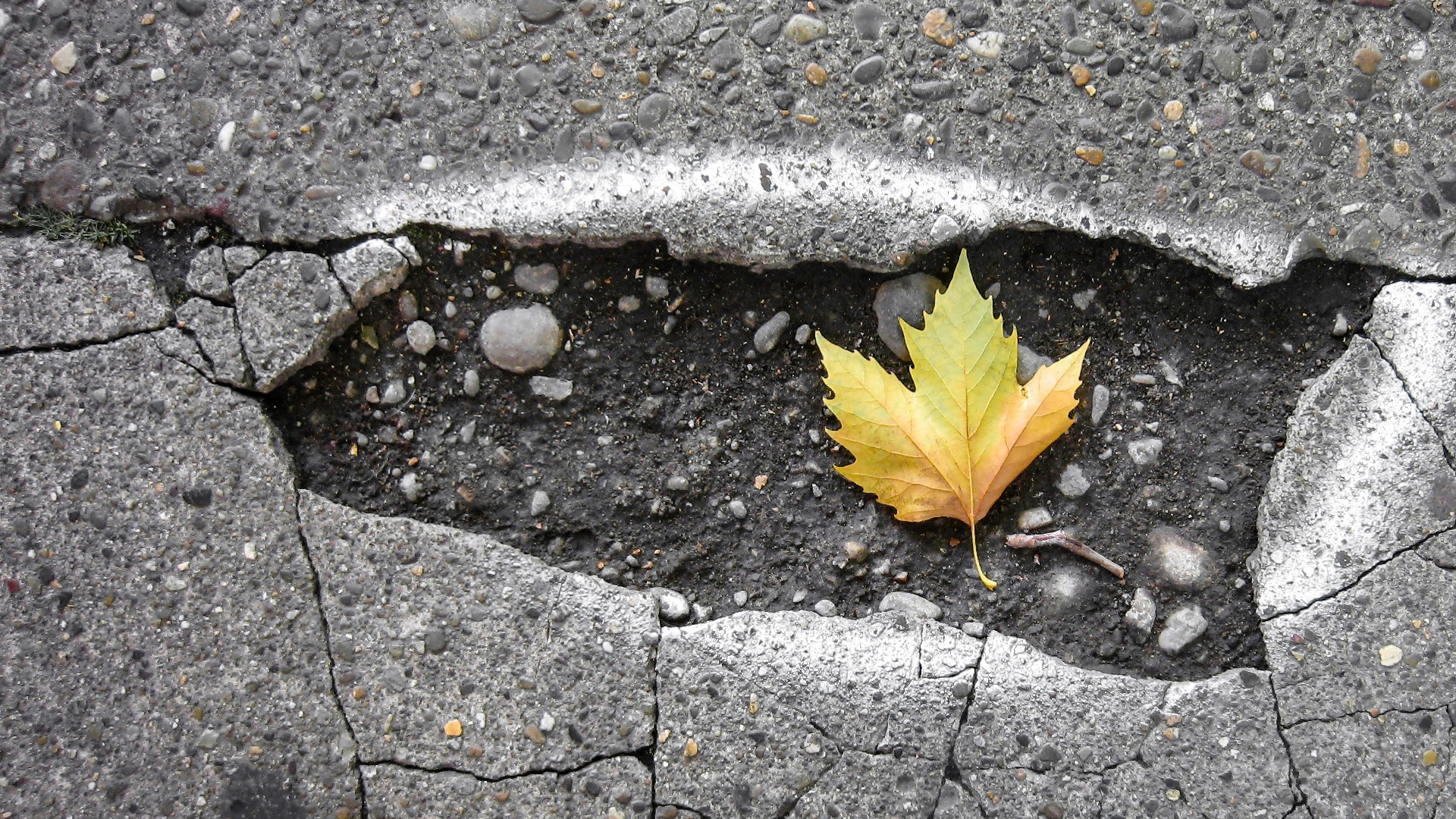
Potholes can damage tires, wheels, suspension parts, and alignment when you hit them with too much speed. Even if the car seems fine afterward, repeated impacts can wear down components gradually. Slowing down when the road is rough can help protect parts that are costly to repair.
12. Neglecting Fluid Checks
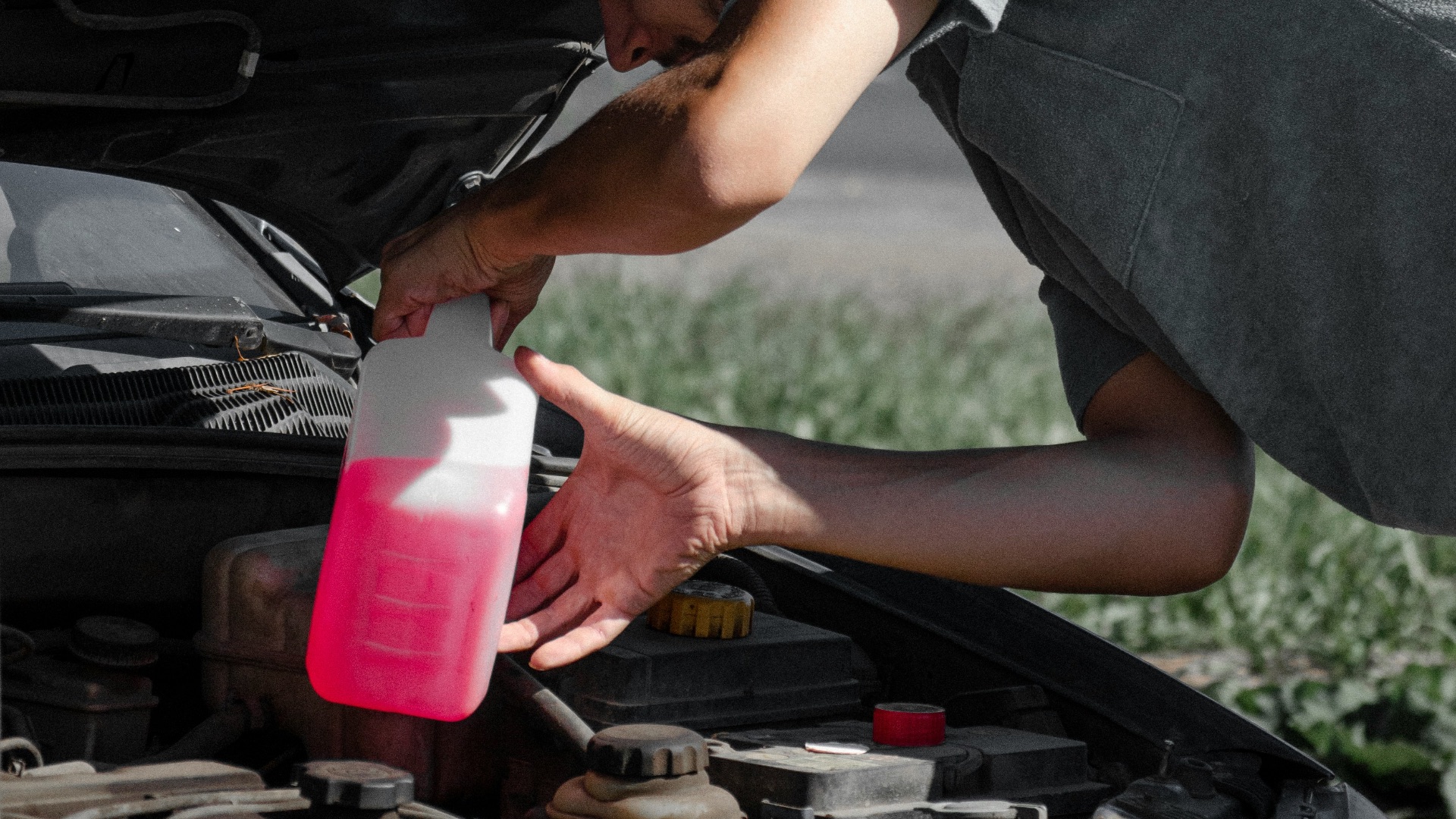
Your car depends on more than engine oil to run safely and smoothly. Coolant, brake fluid, transmission fluid, power steering fluid, and windshield washer fluid all have specific jobs. When these fluids are low, dirty, or overdue for replacement, the systems they support may wear out faster or fail unexpectedly.
13. Shifting from Reverse to Drive Too Quickly
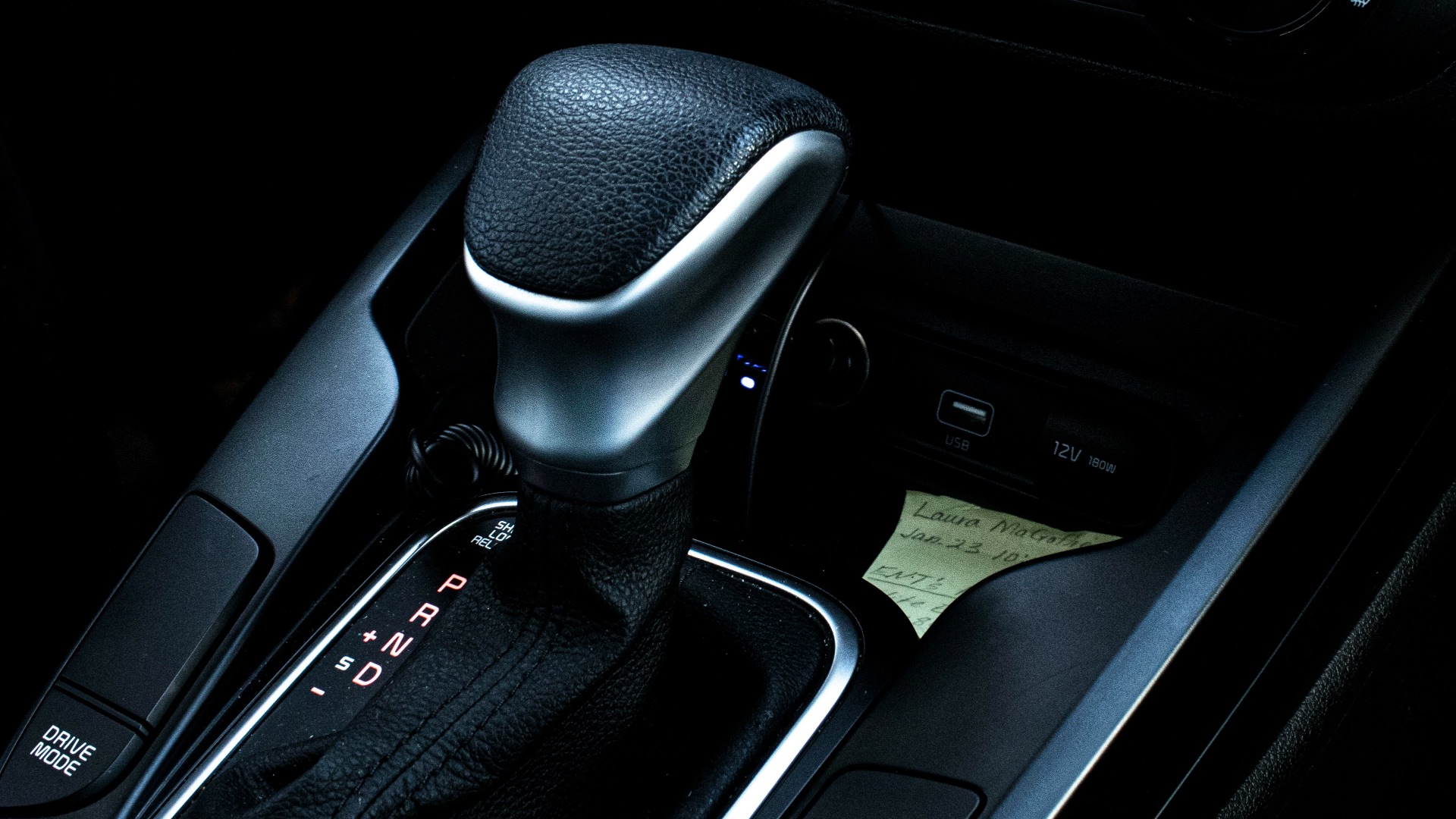
Switching gears before the car has fully stopped can put stress on the transmission. This often happens in parking lots or driveways when drivers are in a hurry. Taking an extra second to stop completely before shifting helps protect one of the most expensive systems in the vehicle.
14. Overloading the Car
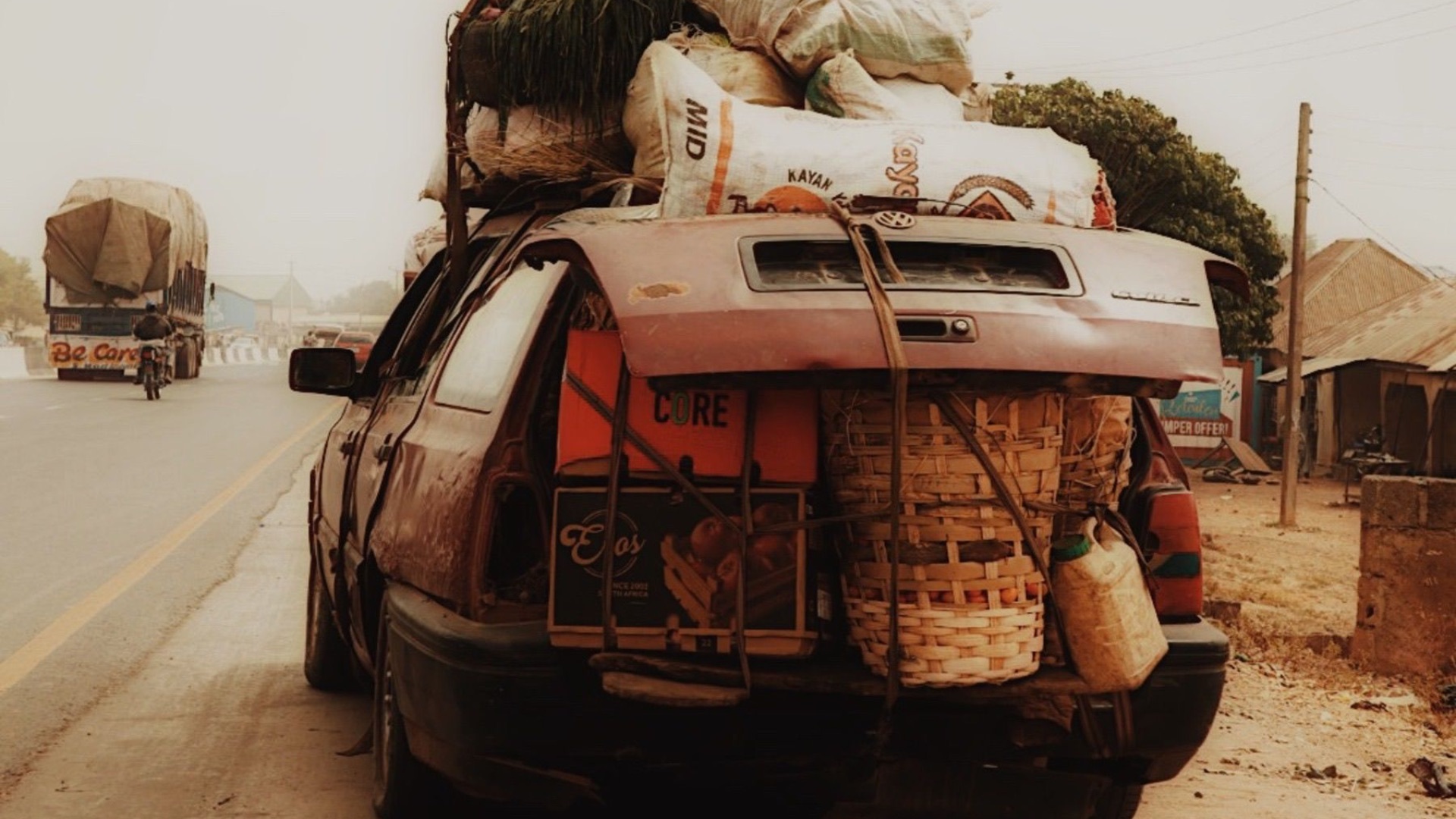
Carrying too much weight makes the engine, brakes, tires, and suspension work harder than they were designed to. Extra weight can also reduce fuel efficiency and make the vehicle less responsive. Checking your vehicle’s load limit and clearing out unnecessary heavy items can reduce long-term wear.
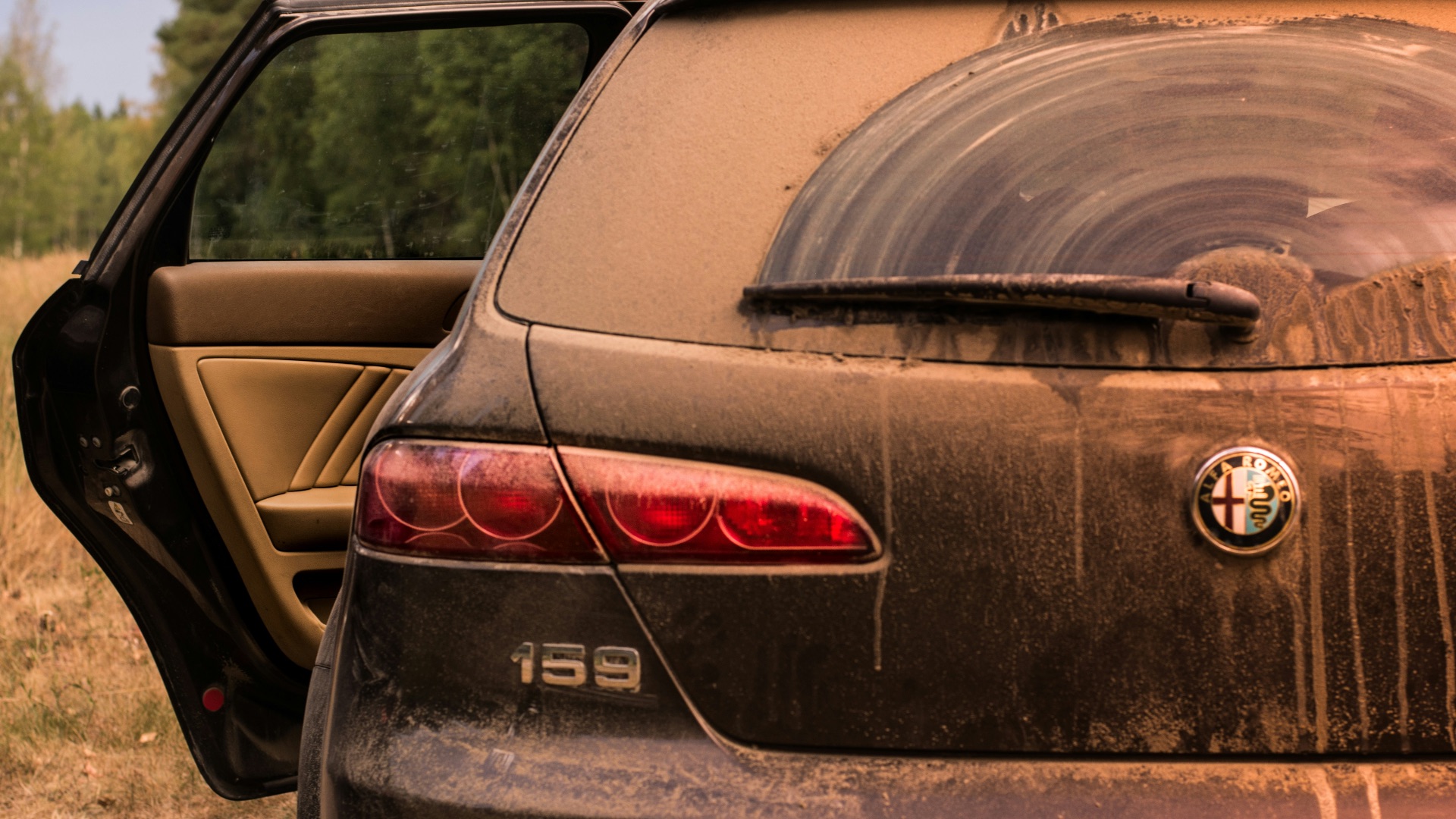
15. Washing the Car Once in a Blue Moon
Dirt, road salt, bird droppings, and grime can damage paint and encourage rust if they sit too long. This is especially important in areas where roads are salted during winter. Regular washing protects the exterior and helps preserve the car’s structure and resale value.
16. Using Cheap or Incorrect Replacement Parts
Not every replacement part is made to the same standard or designed to fit your vehicle properly. A low-quality part may save money upfront, but it can wear out faster or cause related components to work harder. Choosing parts that meet the manufacturer’s specifications helps keep repairs from turning into repeat problems.
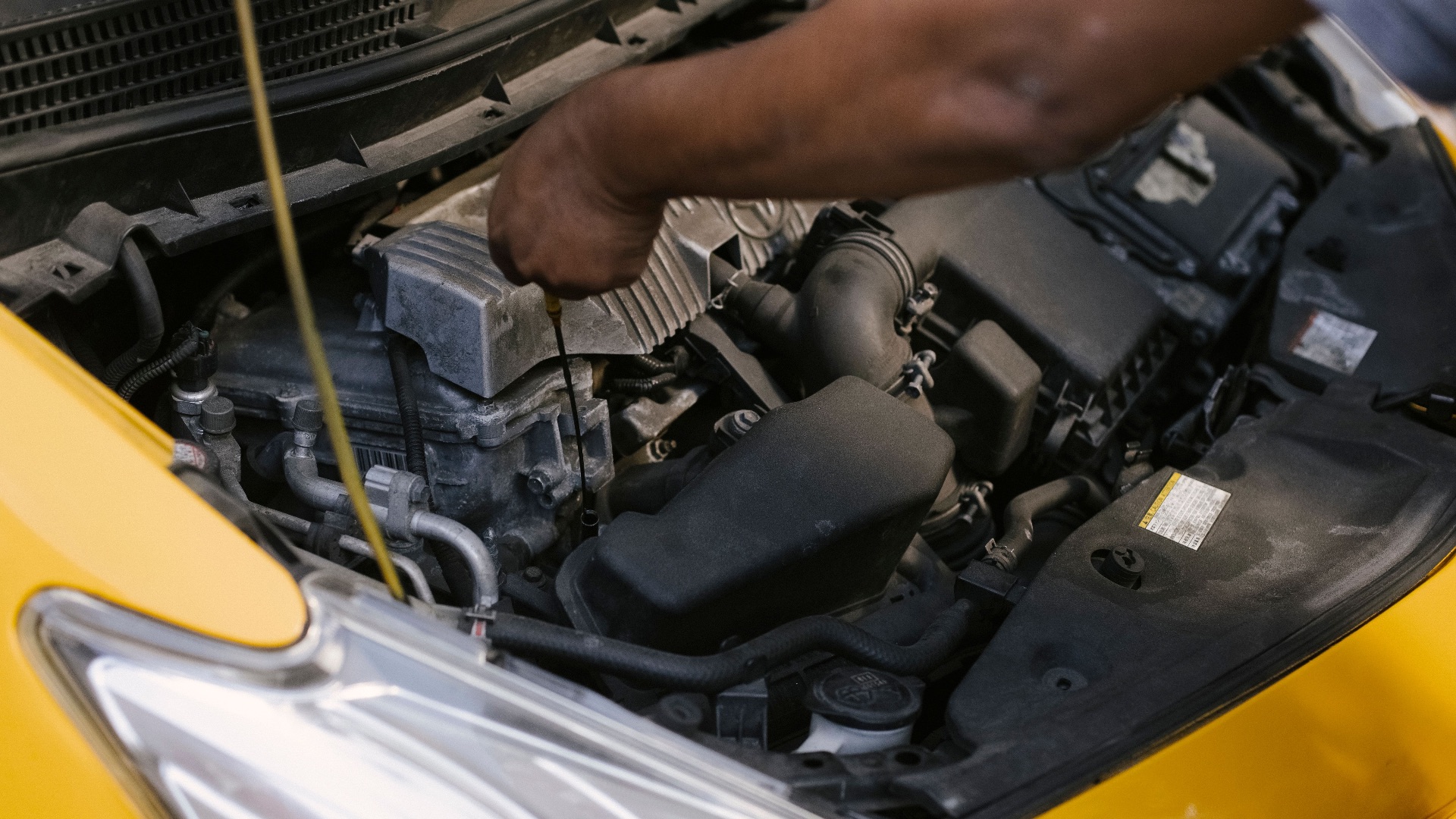
17. Ignoring Strange Noises
New sounds from the engine, brakes, suspension, or steering system shouldn’t be brushed off. Squealing, grinding, knocking, or clunking can signal wear that needs attention before it gets worse. Getting unusual noises checked early can often prevent a small repair from becoming a major one.
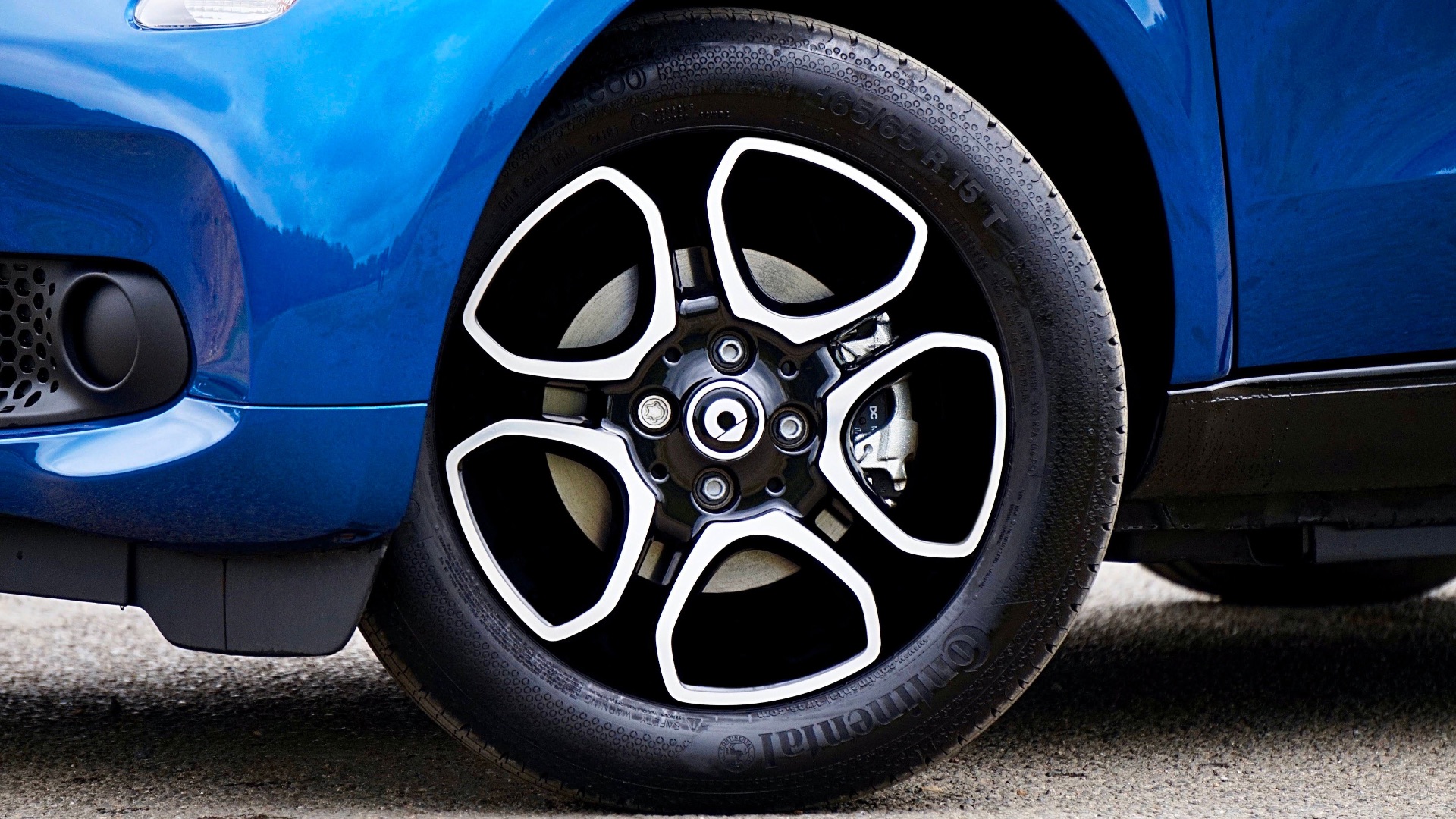
18. Parking in Direct Sunlight All the Time
Constant sun exposure can fade paint, dry out rubber seals, and make interior materials crack or age faster. Heat can also put extra stress on the battery, especially during long hot spells. Parking in shade, using a windshield sunshade, or choosing covered parking when available can help reduce that wear.
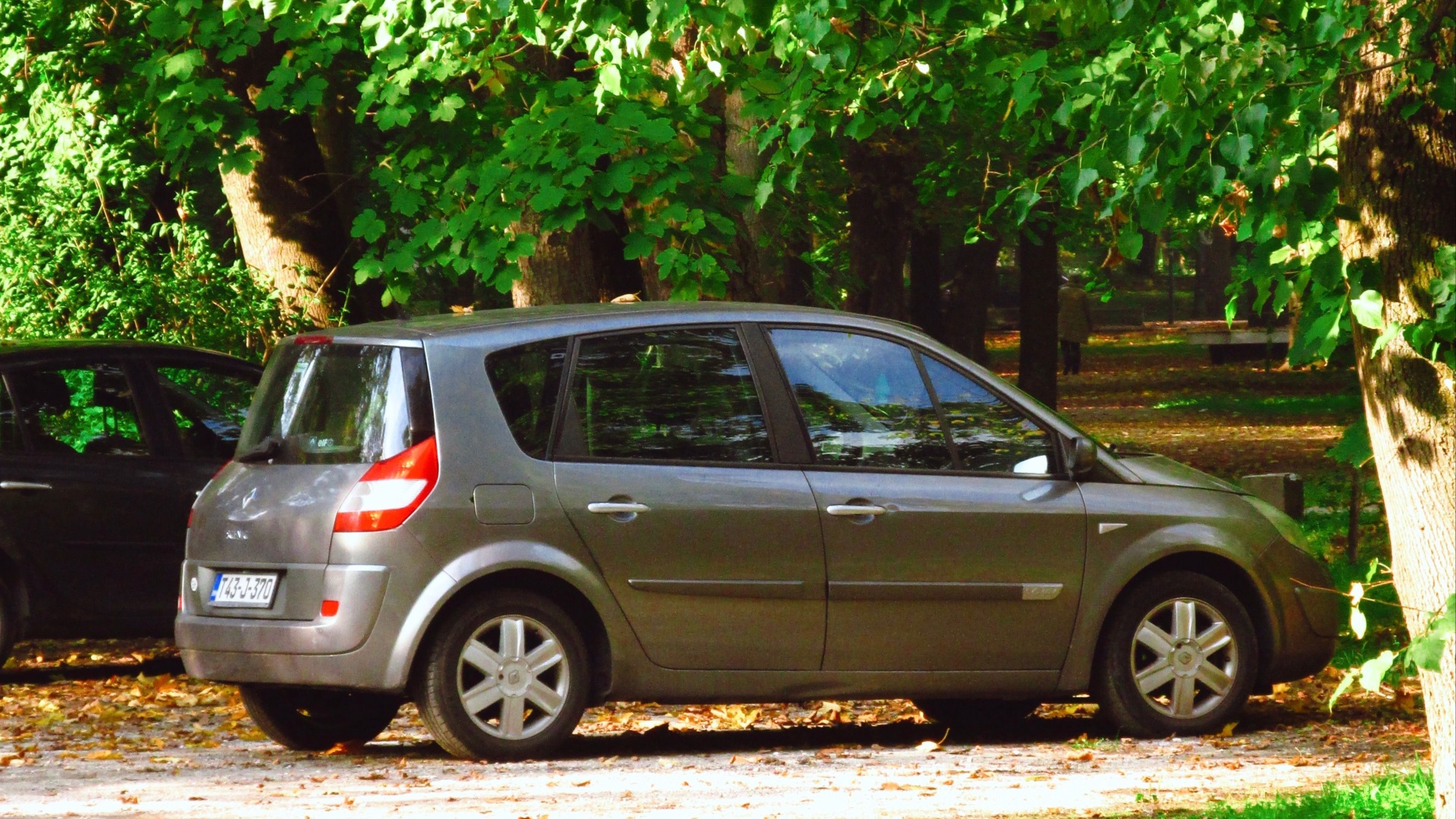
19. Skipping Wheel Alignments
Poor alignment can cause uneven tire wear and make the car pull to one side. It can also affect steering control and make the suspension work harder than necessary. If you notice the steering wheel is off-center or the vehicle doesn’t track straight, it’s worth having the alignment checked.

20. Not Driving Often Enough
Many people assume less driving automatically means less wear, but cars are designed to be used regularly. When a vehicle sits for long periods, the battery can lose charge, fluids may not circulate properly, and tires can develop flat spots. Taking your car out for occasional drives helps keep important systems functioning as intended and can prevent problems caused by extended inactivity.