The Road Teaches Fast
Getting a driver’s license can make you feel ready for anything, but those first few months behind the wheel usually prove there’s way more to driving than passing the test. How do you know when the right time to merge is? What should you do when the cars in the next lane won't let you in? Does parking ever get easier? New drivers often learn the hard way that driving takes a lot more skill and patience than they initially thought, and just knowing the rules of the road isn't always enough. If you're a newbie, you'll likely relate to these 20 things.

1. Other Drivers Won’t Always Follow the Rules
New drivers often assume everyone else will drive the way the handbook says they should. Then someone runs a red light, cuts across lanes without signaling, or speeds through a parking lot like nothing can go wrong. You learn fast that defensive driving isn’t optional because you can’t control what other people do. Paying attention to everyone around you matters just as much as following the rules yourself.
2. Parking Takes More Skill Than It Looks
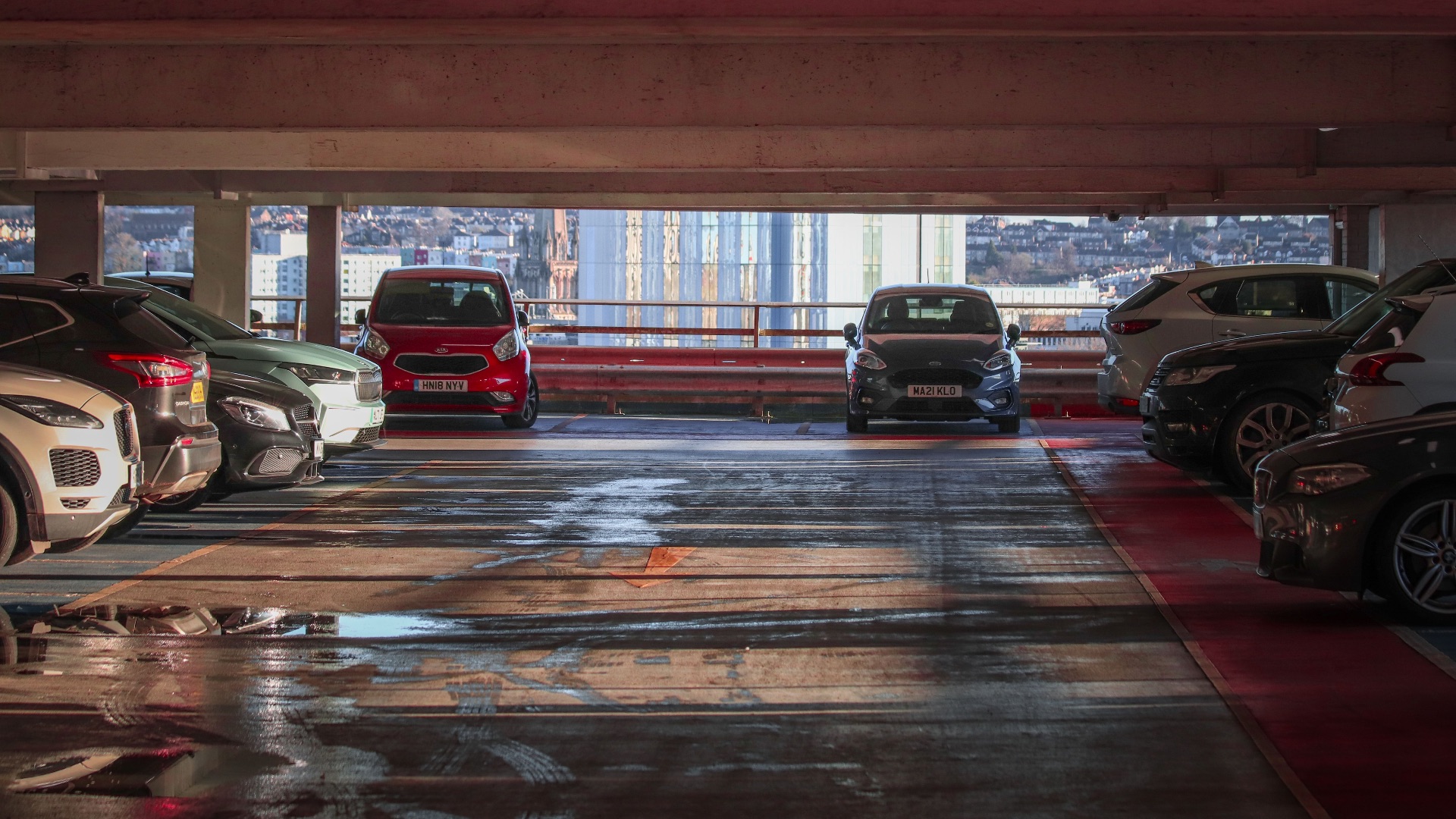
Parking seems simple until you’re trying to fit into a tight space while another car waits behind you. New drivers often realize that steering, spacing, and timing all feel different at low speeds than they do on the open road. Even basic parking can become stressful when there are pedestrians, curbs, shopping carts, and impatient drivers nearby. The only real fix is practice, because guessing usually makes the situation worse.
 Boys in Bristol Photography on Pexels
3. Blind Spots Are Easy to Forget
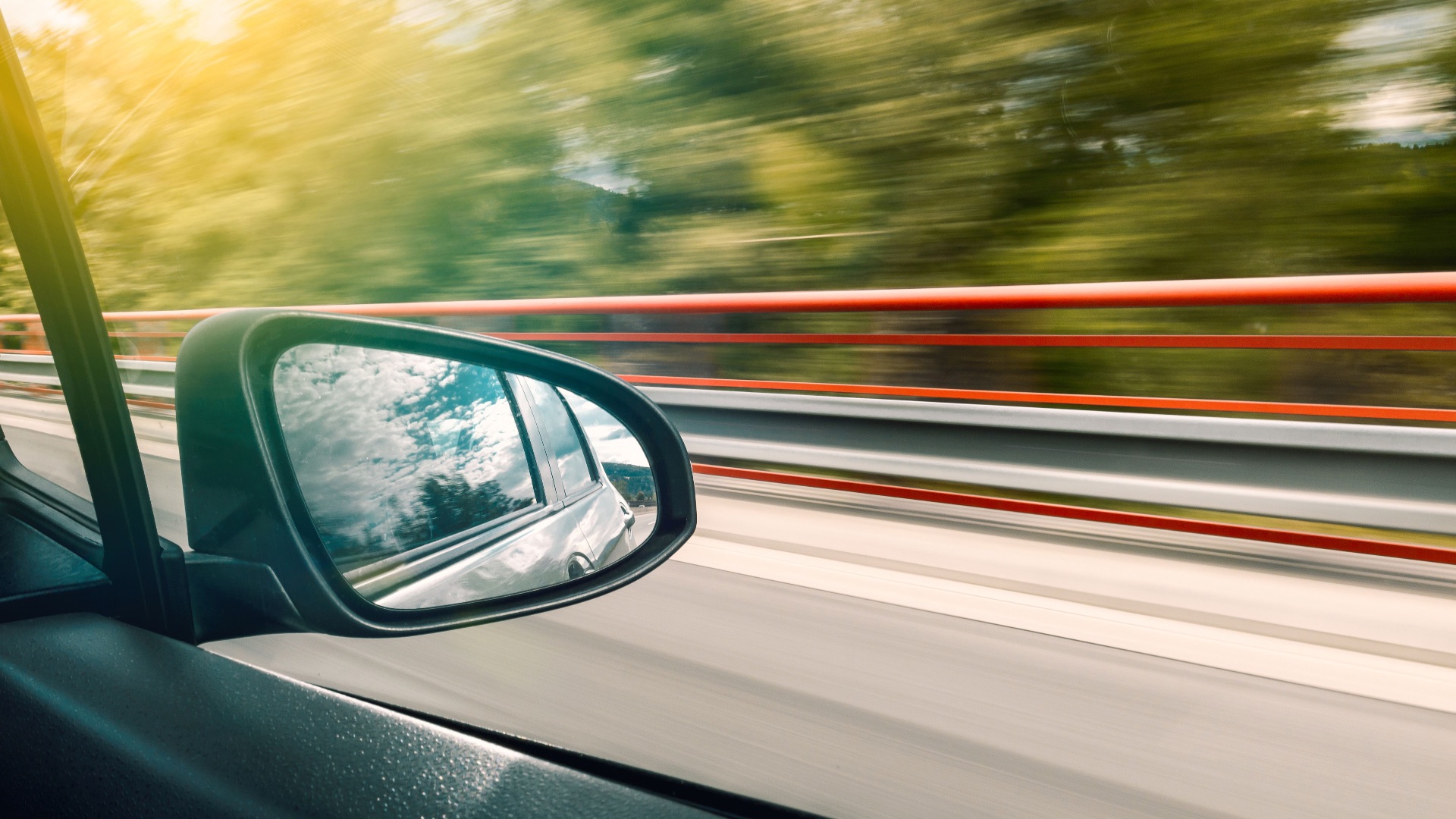
Checking mirrors can make a new driver feel like they’ve covered everything, but mirrors don’t show the whole story. A car, cyclist, or motorcycle can be right beside you and still stay out of view if you don’t turn your head. Many new drivers learn this through a scary lane-change moment that makes their stomach drop. After that, checking blind spots becomes a habit you don’t want to skip.

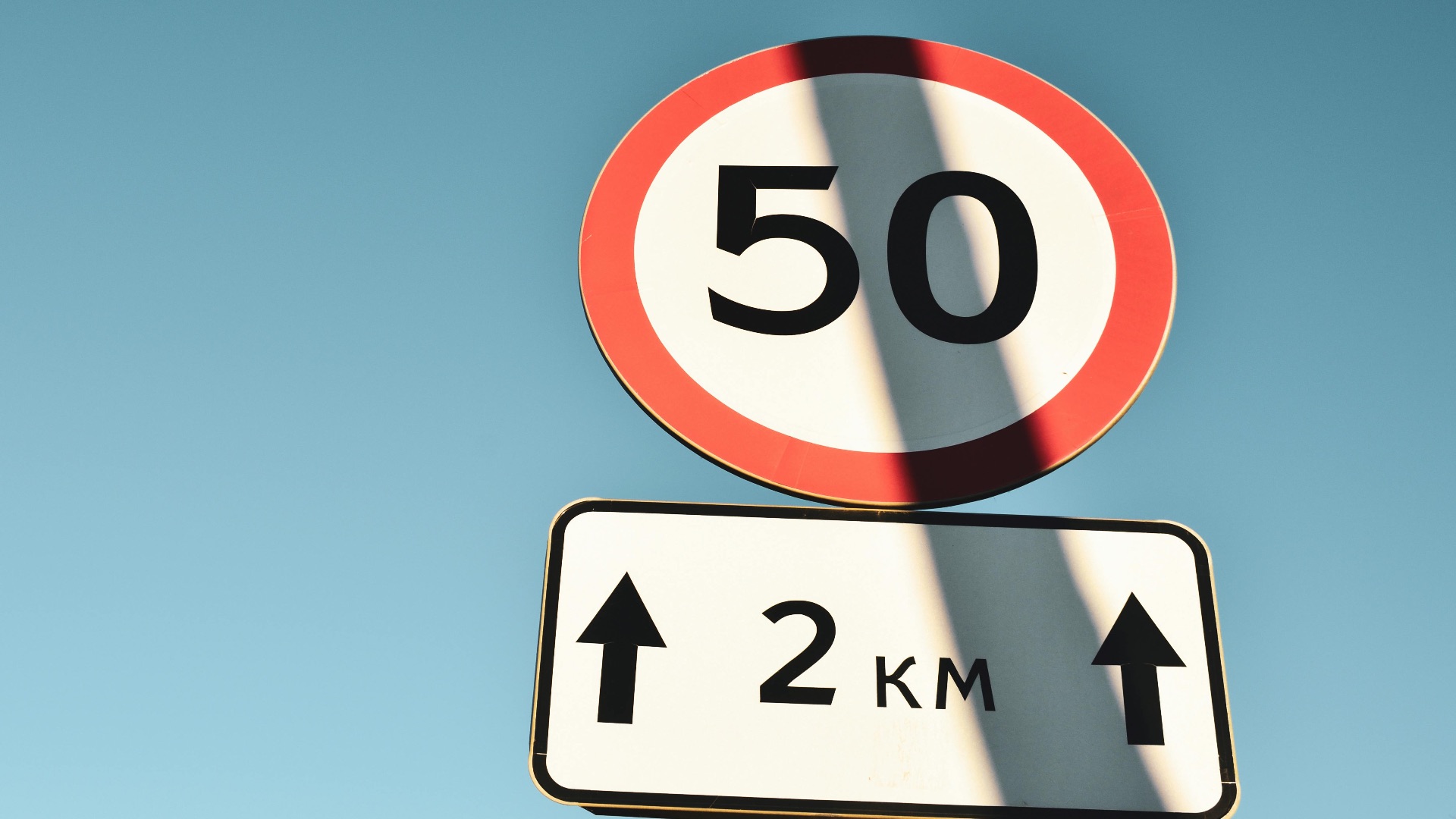
4. Speed Feels Different in Different Places
Driving 35 miles per hour on a wide road might feel slow, but the same speed in a crowded neighborhood can feel way too fast. New drivers often discover that speed limits don’t always tell the whole story about what’s safe for the situation. Weather, traffic, pedestrians, parked cars, and visibility all change how fast you should actually be going. Good drivers learn to adjust instead of just staring at the number on the sign.
5. Tailgating Doesn’t Get You There Faster
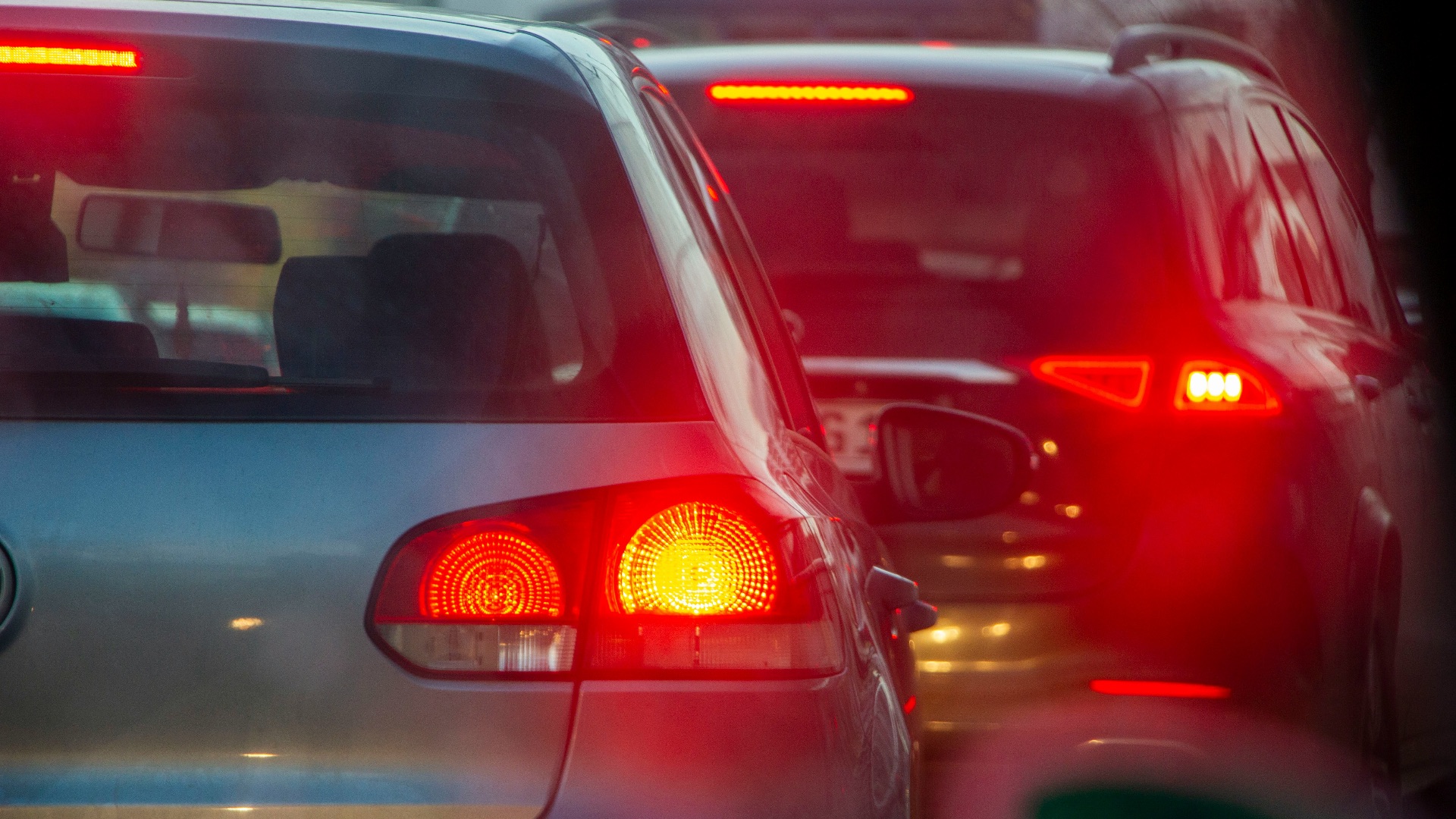
At first, it can feel natural to follow closely when traffic is moving slowly or when you’re worried someone will cut in front of you. Then the car ahead brakes suddenly, and you realize how little time you gave yourself to react. New drivers learn that a safe following distance isn’t just a rule from driver’s ed. It’s the space that keeps a normal stop from turning into a crash.
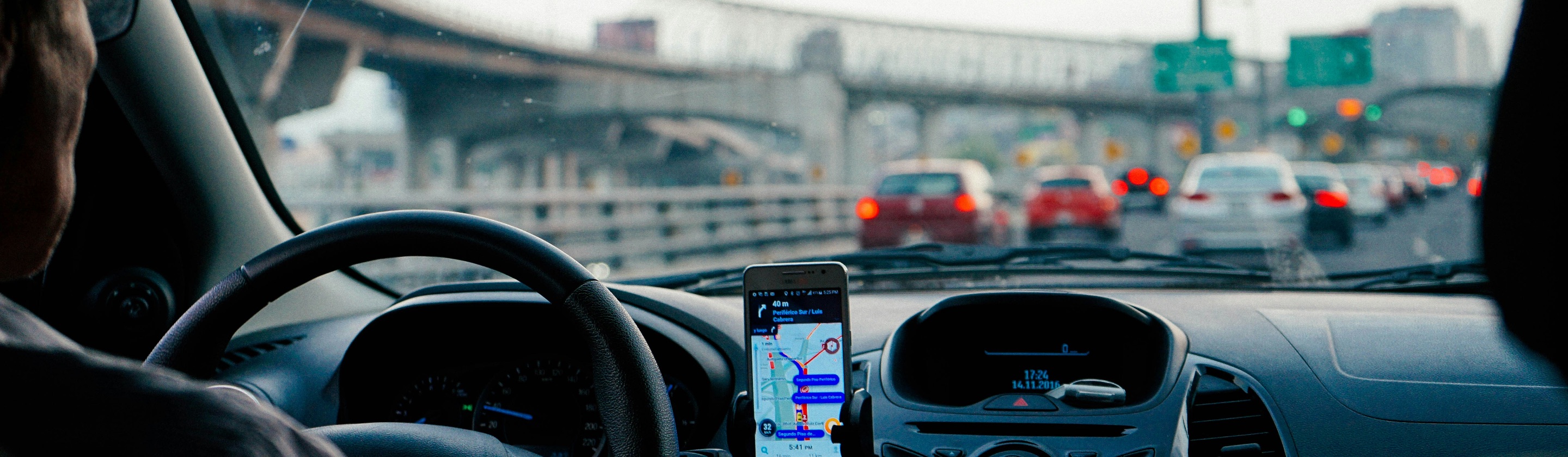
6. GPS Can Be Distracting at the Worst Time
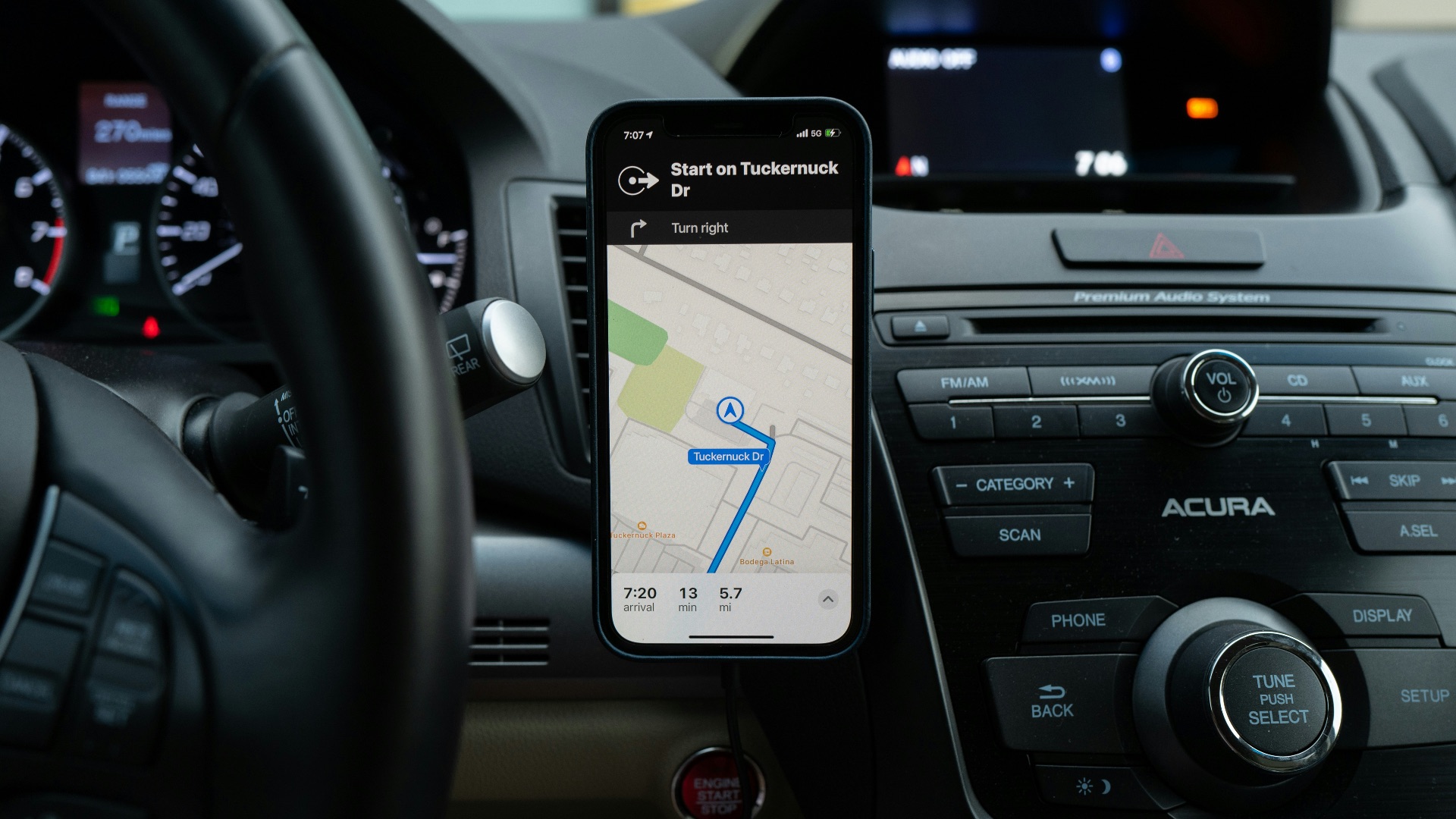
Navigation apps are helpful, but they can also create stress when they change directions late or tell you to turn after you’ve already passed the street. New drivers often depend on GPS so much that they forget to scan signs, lane markings, and traffic conditions. Looking down at the screen for even a second can be enough to miss something important. It’s much safer to review the route before leaving and use voice directions whenever possible.
7. Merging Requires Confidence and Timing
Merging onto a busy road can make even a prepared new driver tense up. You have to judge speed, find a gap, accelerate smoothly, and commit without hesitating too much. The hard part is that being overly cautious can sometimes be just as risky as being careless. With experience, you learn that merging works best when you’re alert, predictable, and ready to match the flow of traffic.

8. Weather Changes Everything
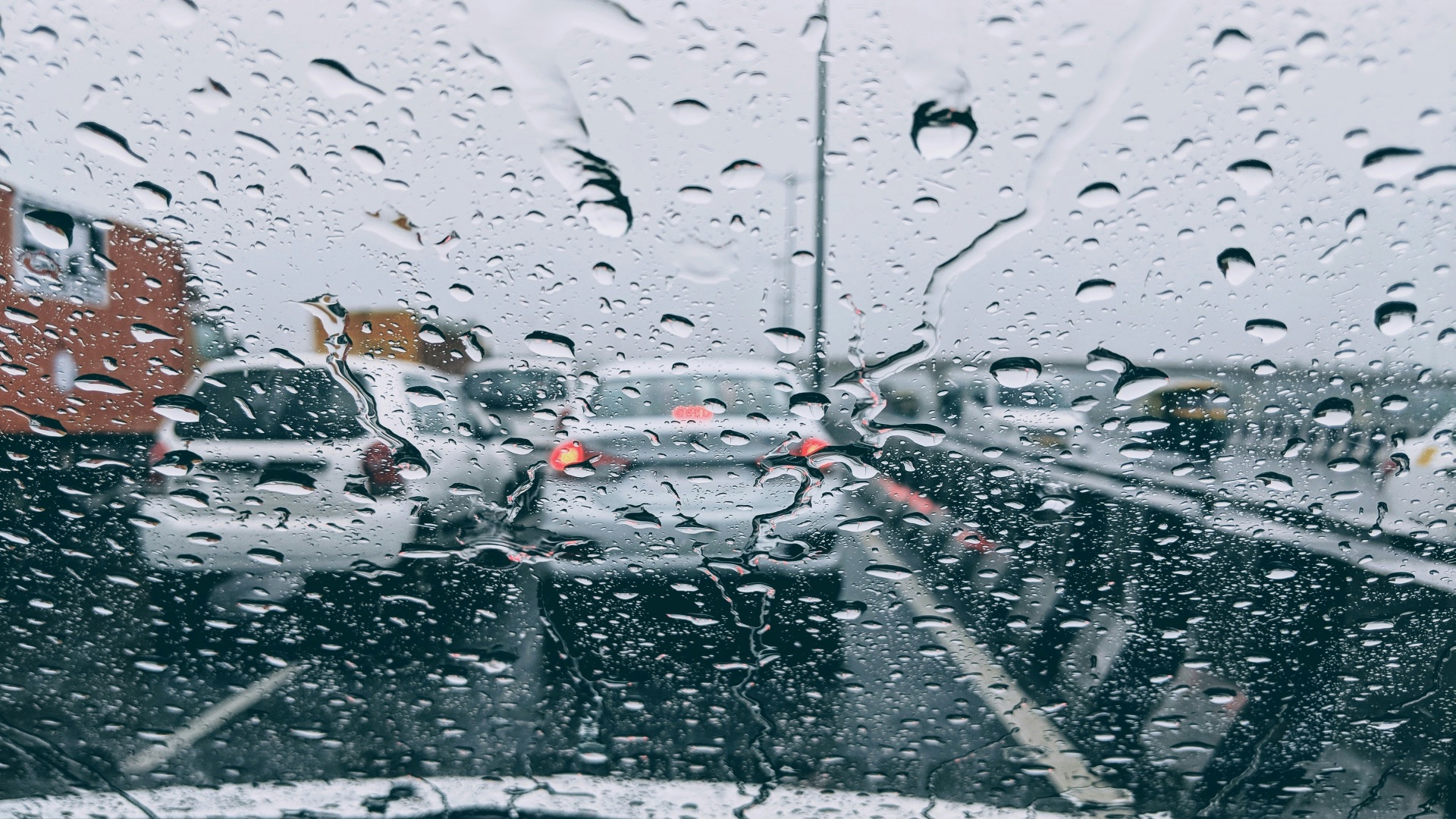
Rain, snow, fog, and ice can make familiar roads feel completely different. New drivers may not realize how much longer it takes to stop or how easily tires can lose traction. Even a light rain can bring oil to the surface of the road and make turns or sudden braking more dangerous. Learning to slow down before conditions get bad is one of the most important driving lessons there is.
 Ashwini Chaudhary(Monty) on Unsplash
9. Pedestrians Don’t Always Act Predictably
You can’t assume pedestrians will wait, look both ways, or cross only where they’re supposed to. Someone may step between parked cars, jog across at the last second, or stare at a phone while walking into the street. New drivers quickly learn that intersections, school zones, and parking lots demand extra attention. Being careful around pedestrians isn’t about being nervous; it’s about understanding how quickly a situation can change.

10. You Need to Know More Than How to Drive
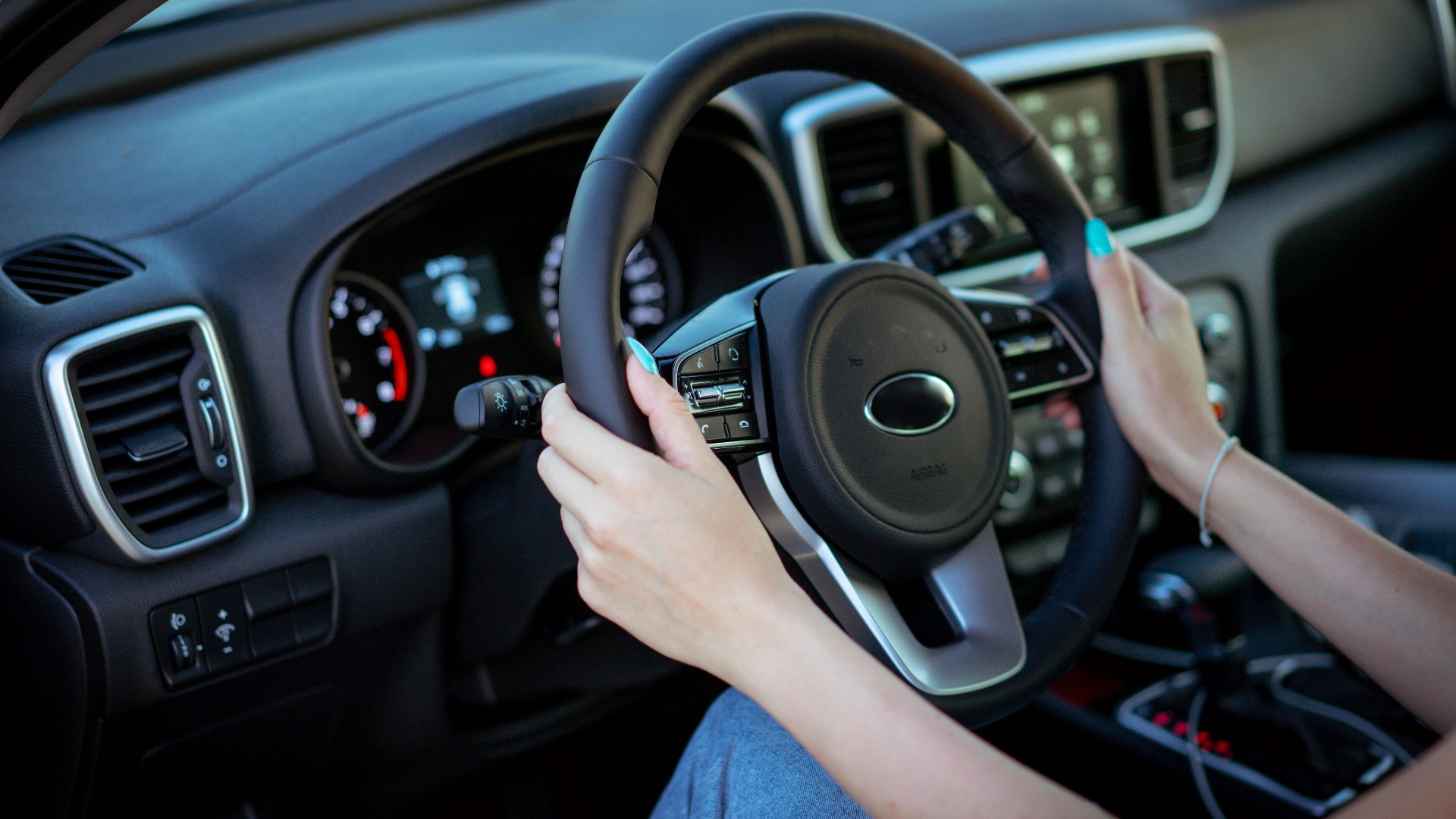
Many new drivers focus so much on steering, braking, and traffic laws that they forget about basic car knowledge. Then a warning light comes on, a tire loses air, or the windshield fluid runs out during bad weather. Knowing how to check tire pressure, read dashboard alerts, refill fluids, and handle a dead battery can save you a lot of stress. Driving includes taking care of the vehicle, not just operating it.
11. Passengers Can Make Driving Harder
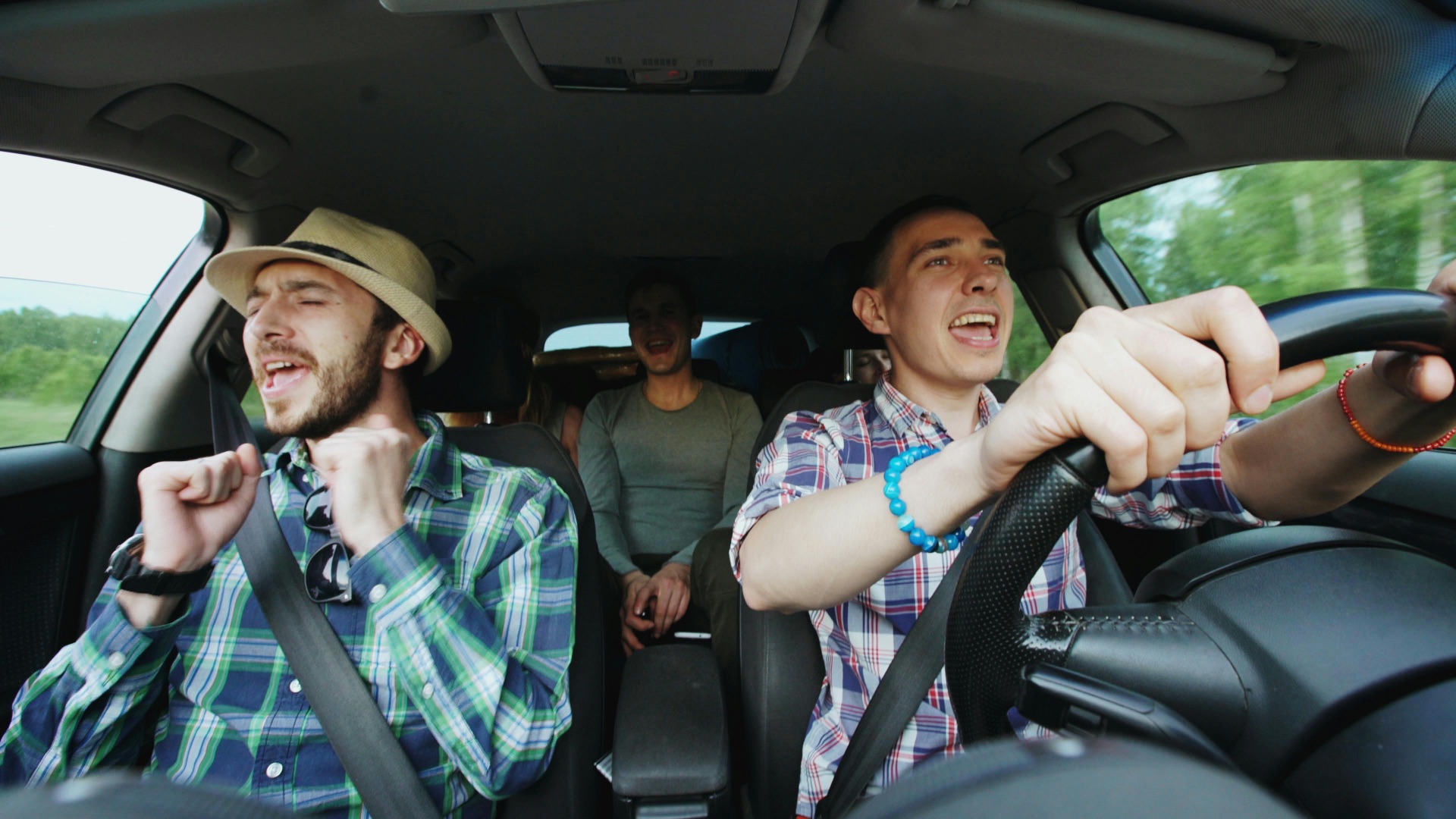
Having friends in the car can make a new driver feel more relaxed, but it can also create distractions. Conversations, music, laughter, and people giving conflicting directions can pull your attention away from the road. You may learn the hard way that being the driver means setting limits, even if it feels awkward. The person behind the wheel is responsible for the car, no matter who else is inside it.
12. Parking Lots Are More Chaotic Than Roads
Parking lots look slow and harmless, but they’re full of movement from every direction. Cars back out suddenly, people walk behind vehicles, and drivers often ignore signs because they think the stakes are lower. New drivers sometimes relax too much in these areas, which is exactly when small accidents happen. Moving slowly and checking constantly is the safest approach.

13. Turning Left Can Be More Complicated Than Expected
A simple left turn can become stressful when you’re judging oncoming traffic, pedestrians, traffic lights, and cars behind you. New drivers often feel pressured to go before they’re fully comfortable. The hard lesson is that rushing a turn is never worth it. Waiting for a clear, safe opening is better than letting another driver’s impatience make the decision for you.
 Harvey Tan Villarino on Pexels
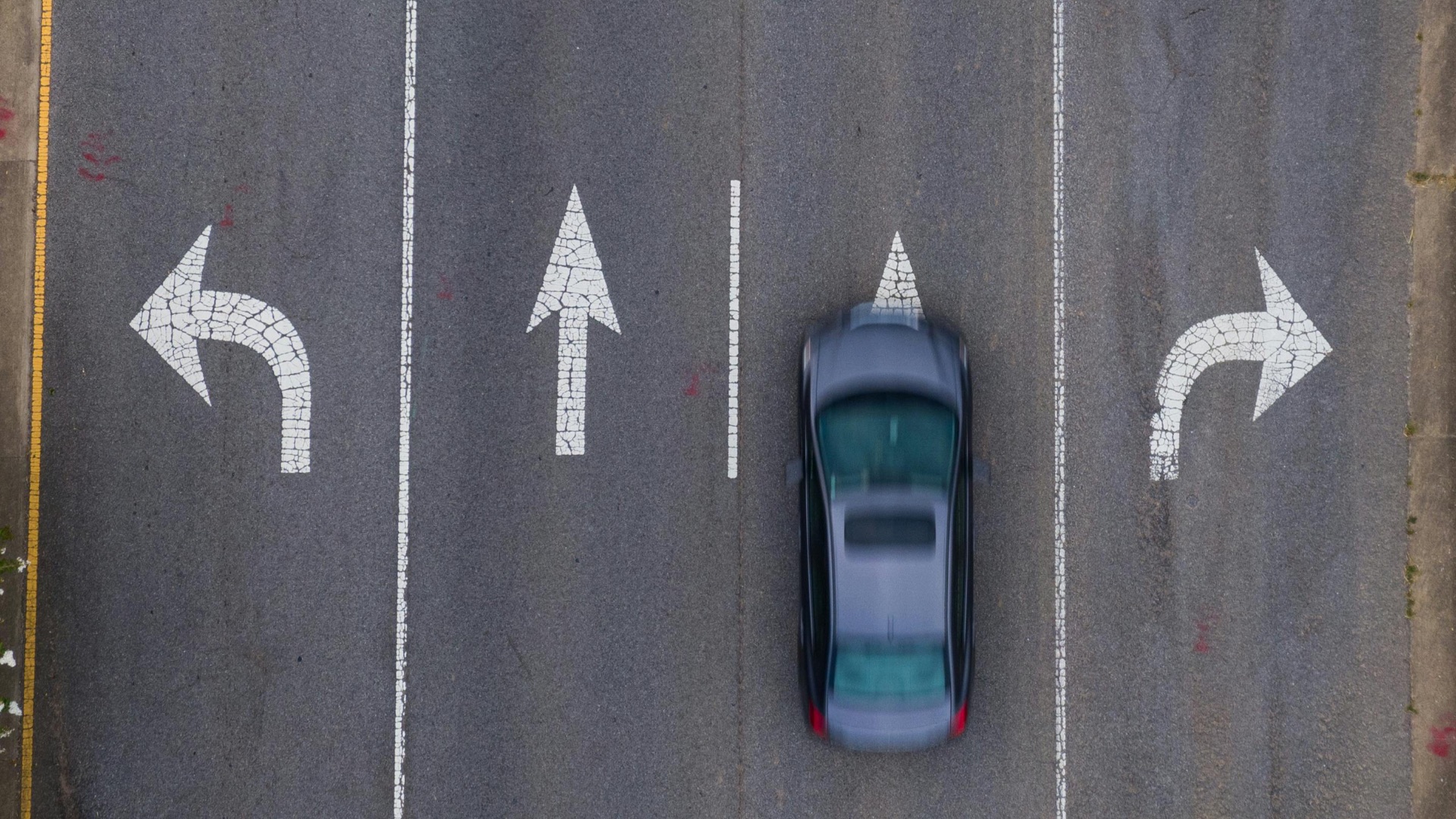
14. Lane Choice Matters More Than You Think
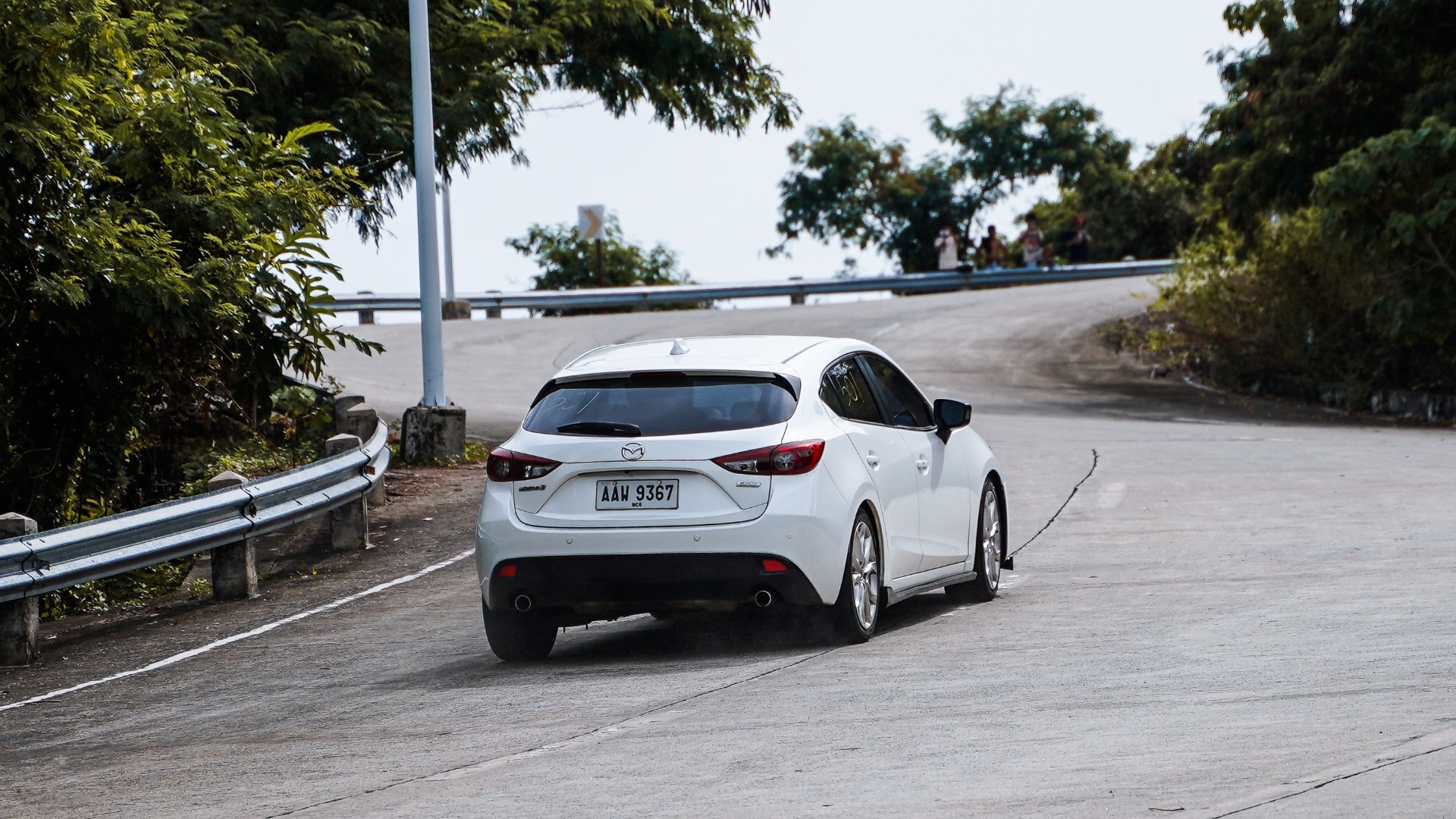
Choosing the wrong lane can turn a normal trip into a scramble at the last second. New drivers may realize too late that their lane ends, turns only, or puts them in a difficult spot for the next intersection. Good lane planning gives you more time to react and keeps you from making sudden moves. The earlier you read signs and think ahead, the smoother your drive becomes.
15. Night Driving Takes Extra Focus
Driving at night can feel freeing at first because there may be less traffic, but visibility is much worse. Headlights, glare, dark clothing, poorly lit roads, and tiredness all make it harder to notice hazards. New drivers often underestimate how much more mental effort night driving requires. Slowing down and keeping your windshield clean can make a bigger difference than you might expect.
 Volodymyr Proskurovskyi on Unsplash
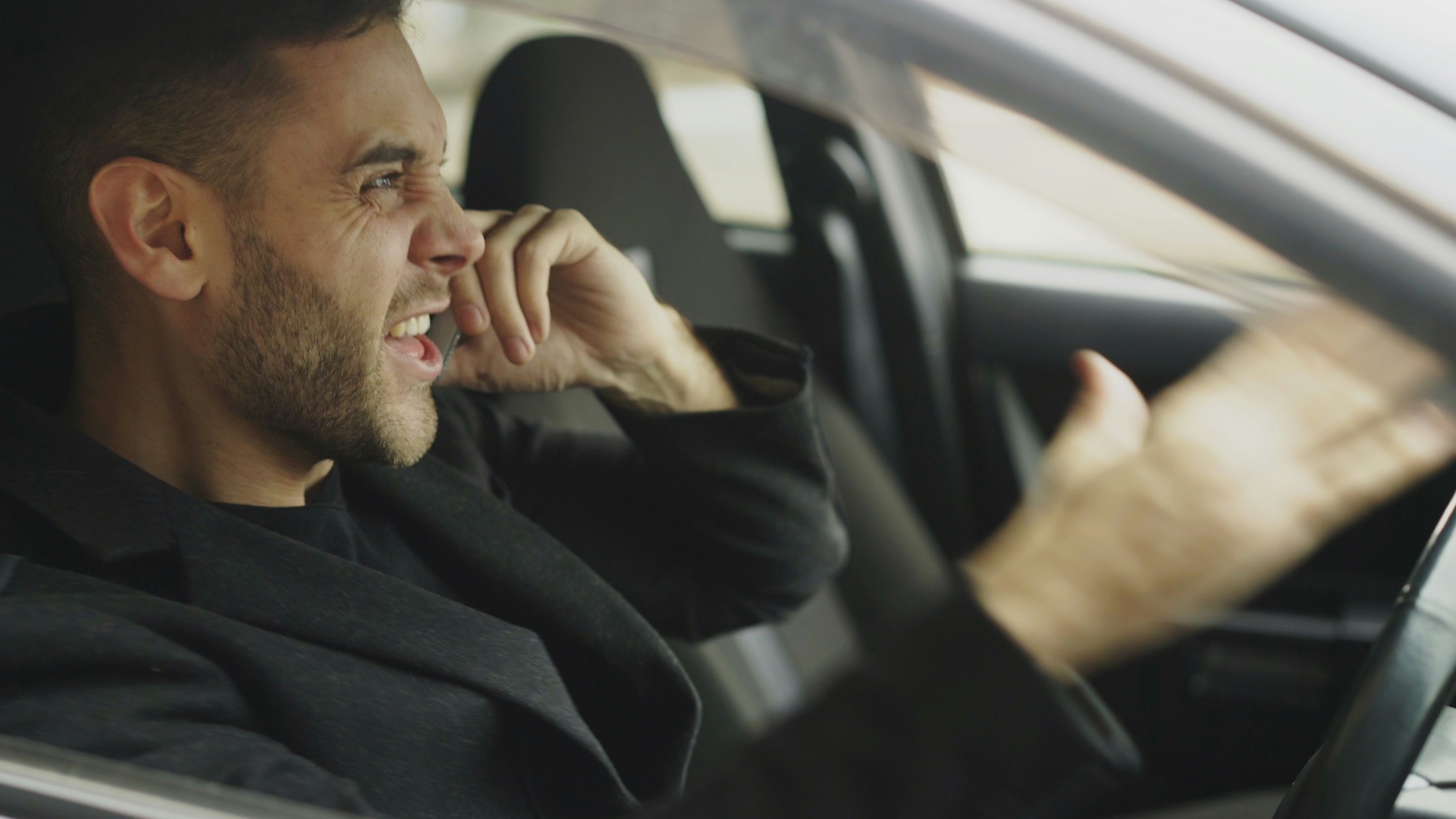
16. Road Rage Is Never Worth Joining
New drivers can feel personally attacked when someone honks, tailgates, or cuts them off. It’s tempting to react, speed up, brake suddenly, or prove a point. The hard truth is that engaging with an aggressive driver only increases the risk for everyone nearby. Staying calm, creating distance, and letting them go is usually the smartest choice.
17. Small Mistakes Can Get Expensive Quickly
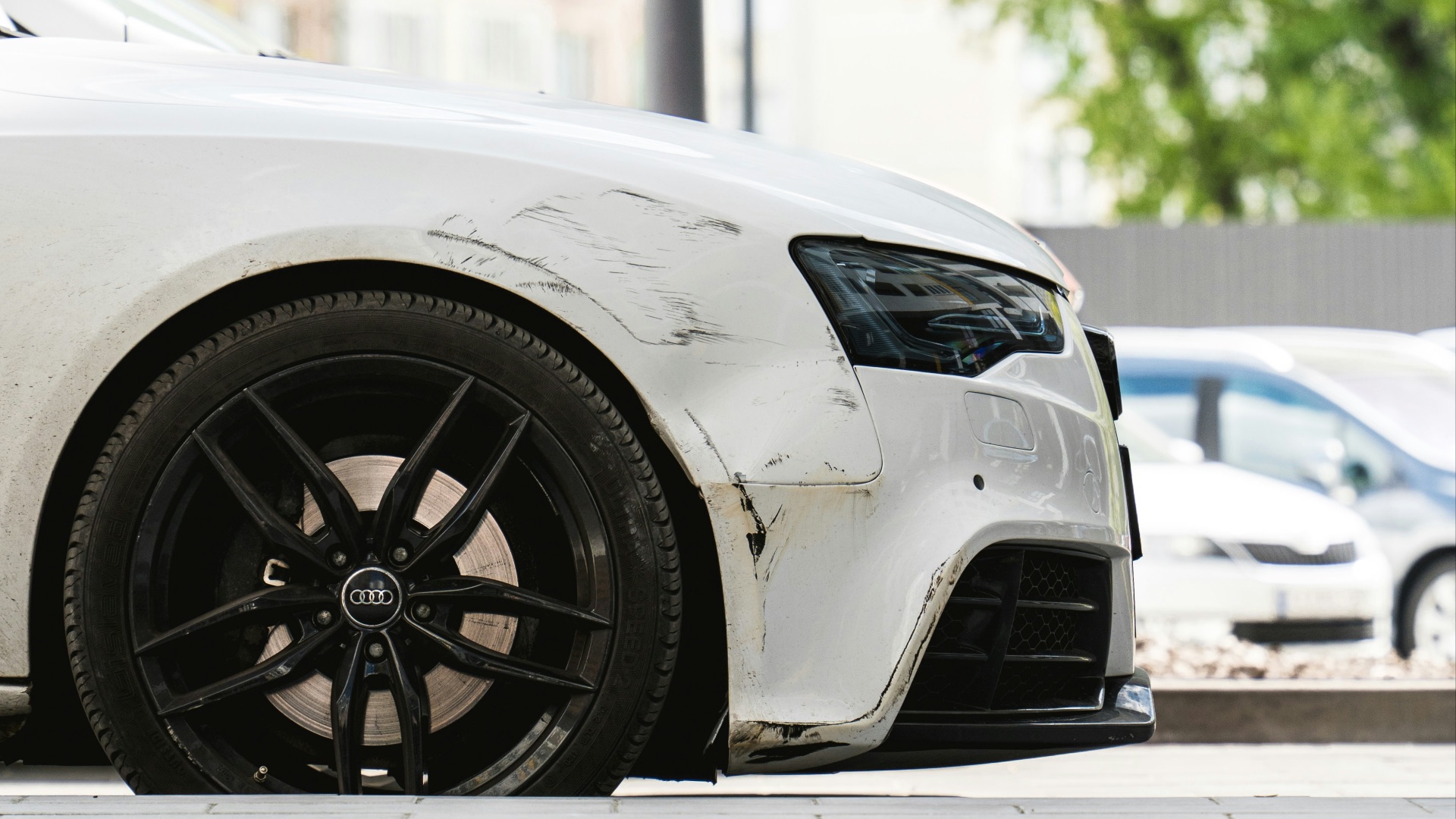
A quick parking scrape, a missed stop sign, or a forgotten turn signal may seem minor in the moment. Then come repair costs, insurance consequences, tickets, or uncomfortable conversations with parents or guardians. New drivers learn that little lapses can carry real financial consequences. Careful driving protects your wallet as much as your safety.
 Volodymyr Dobrovolskyy on Unsplash
18. Confidence Can Turn Into Overconfidence
After a few weeks or months of driving, it’s easy to start feeling like you’ve mastered it. That’s often when new drivers begin taking shortcuts, checking mirrors less often, or driving a little faster than they should. Experience is helpful, but early confidence can make you overlook risks you used to take seriously. The best drivers stay aware that being comfortable doesn’t mean being careless.
19. You Can’t Rely on Other People to Let You In
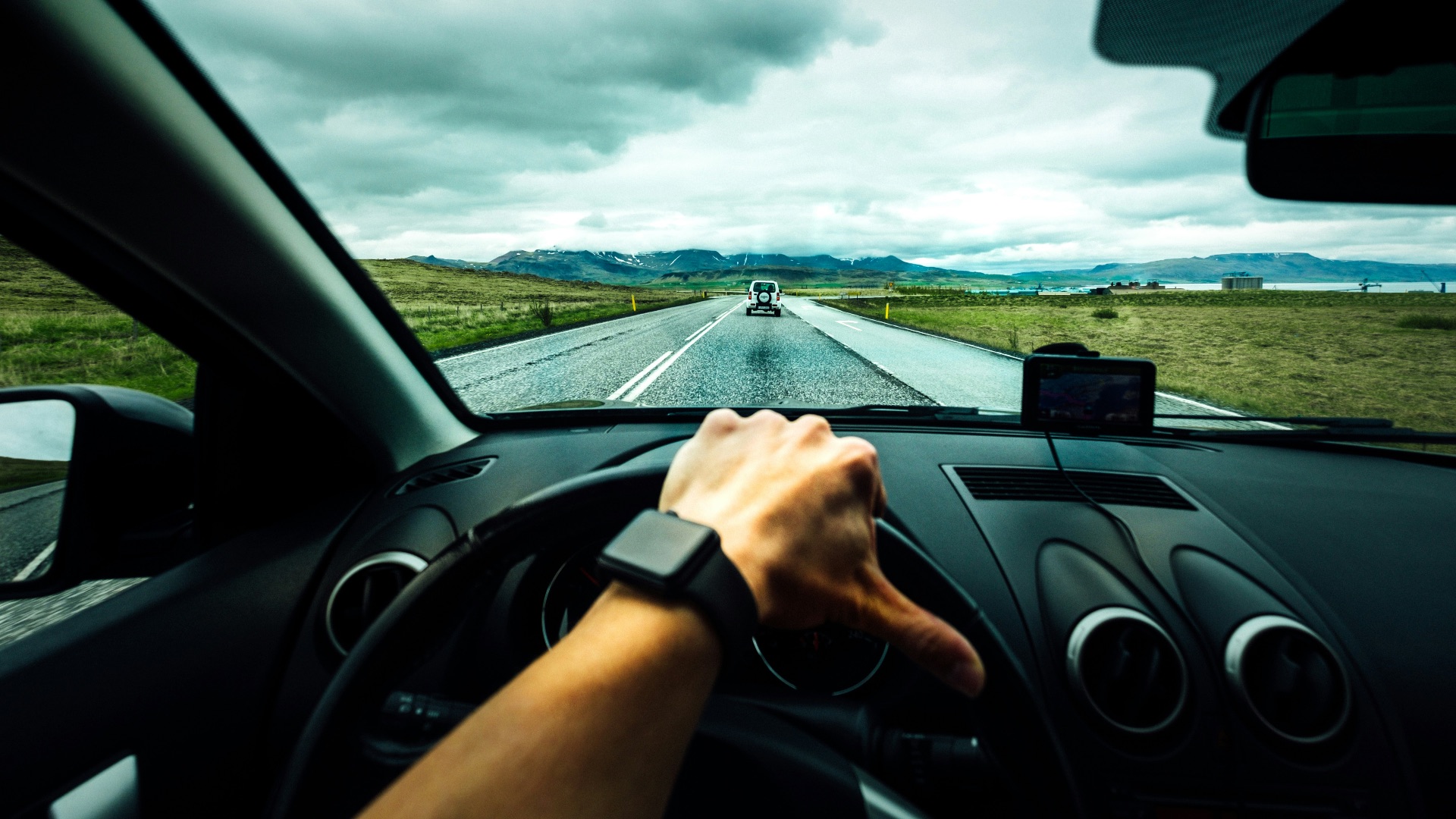
New drivers may expect others to make room when they need to change lanes or merge. Sometimes they will, but sometimes they won’t, and waiting too long can leave you stuck in the wrong place. You learn that planning ahead is easier than hoping for generosity at the last second. Signaling early and moving when there’s a safe opening gives you more control.
20. Staying Calm Is a Driving Skill
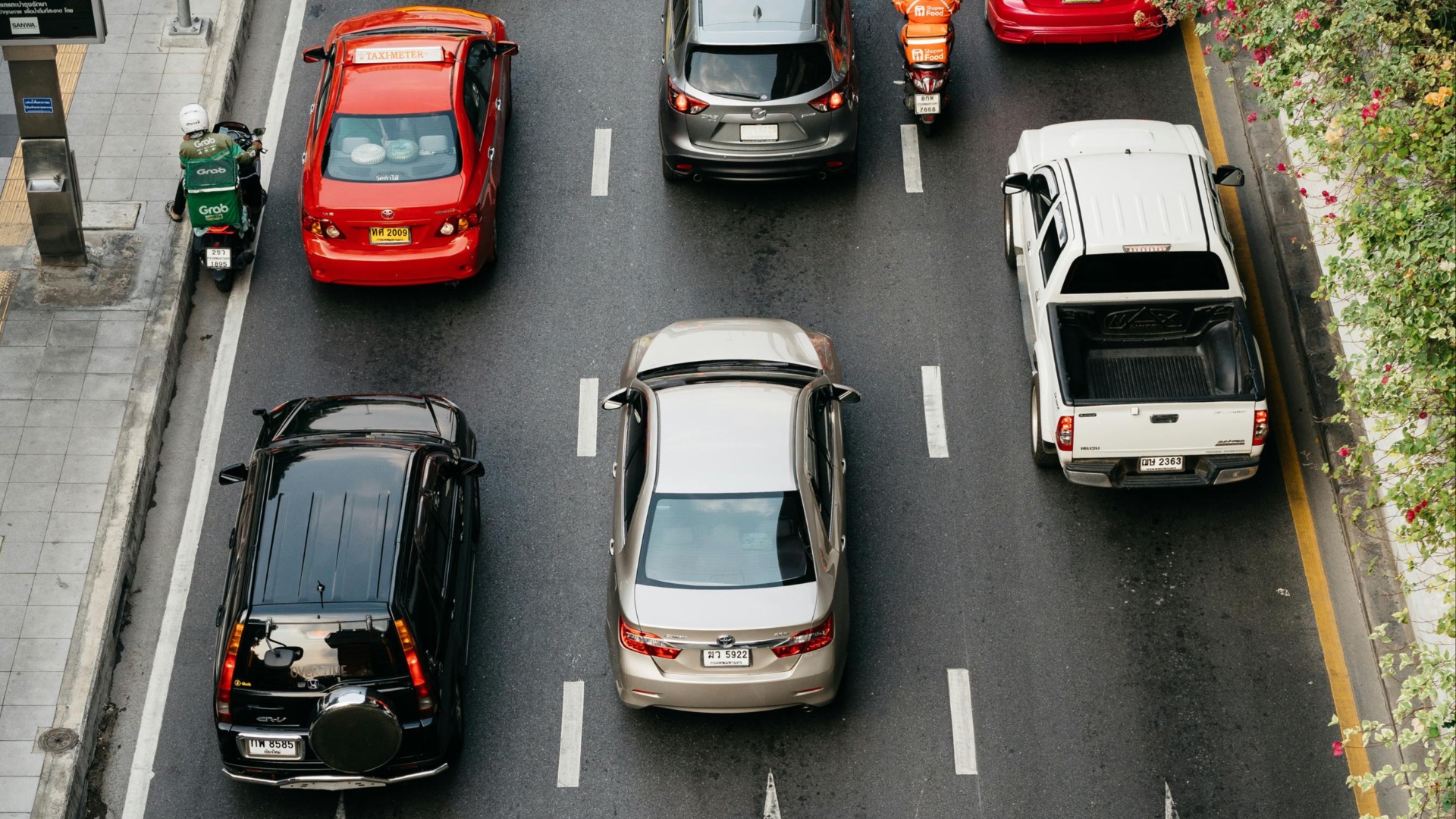
A missed turn, a honking driver, or heavy traffic can make a new driver panic more than they expected. Once stress takes over, it becomes harder to make good decisions and easier to overcorrect. The lesson is that staying calm isn’t just about attitude; it directly affects how safely you drive. Taking a breath, slowing down, and choosing the next safe move will get you farther than reacting in a rush.