10 Reasons Tesla Owners Are the Worst Drivers on the Road & 10 Ways They Can Be Safer
Do Tesla Drivers Deserve the Heat?
Tesla owners don’t exactly have the best reputation on the road, and that's probably unsurprising. After all, between inattention, heavy reliance on tech, bold lane changes, and the occasional sense that the car is smarter (and better) than everyone around it, Tesla drivers can be pretty irksome on the road. If you're a Tesla driver yourself and you think these claims are unfair, have a look for yourself why the consensus seems to be so overwhelmingly negative—and how you can be safer behind the wheel.
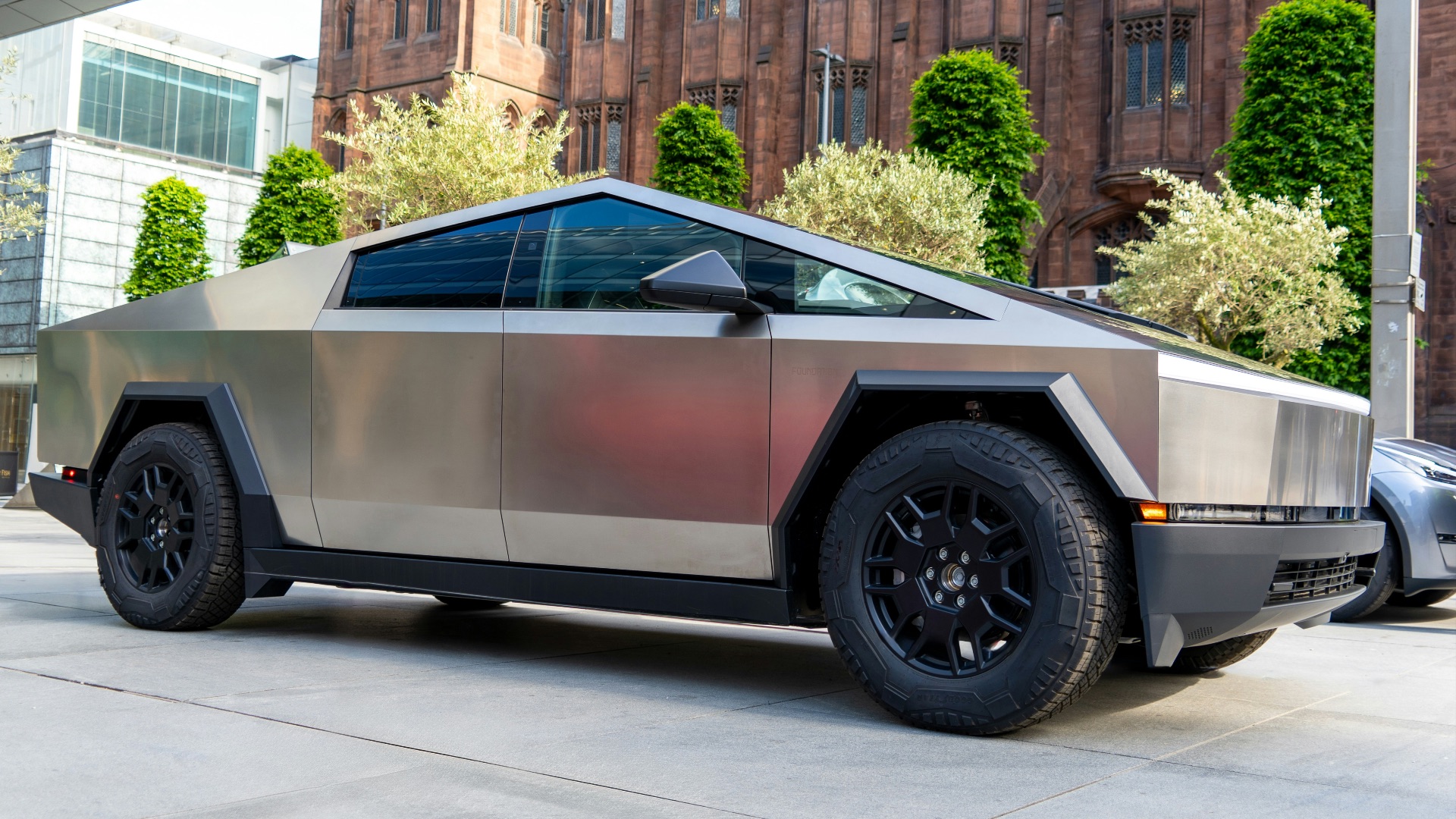
1. They Rely on the Technology Too Much
Tesla’s driver-assistance features can be impressive, but they’re not a replacement for paying attention. Some drivers act as if the car can handle every situation perfectly, even when traffic, weather, construction, or confusing lane markings demand full human judgment. When you lean too hard on the system, you can miss the small changes that make the difference between a smooth drive and a close call.
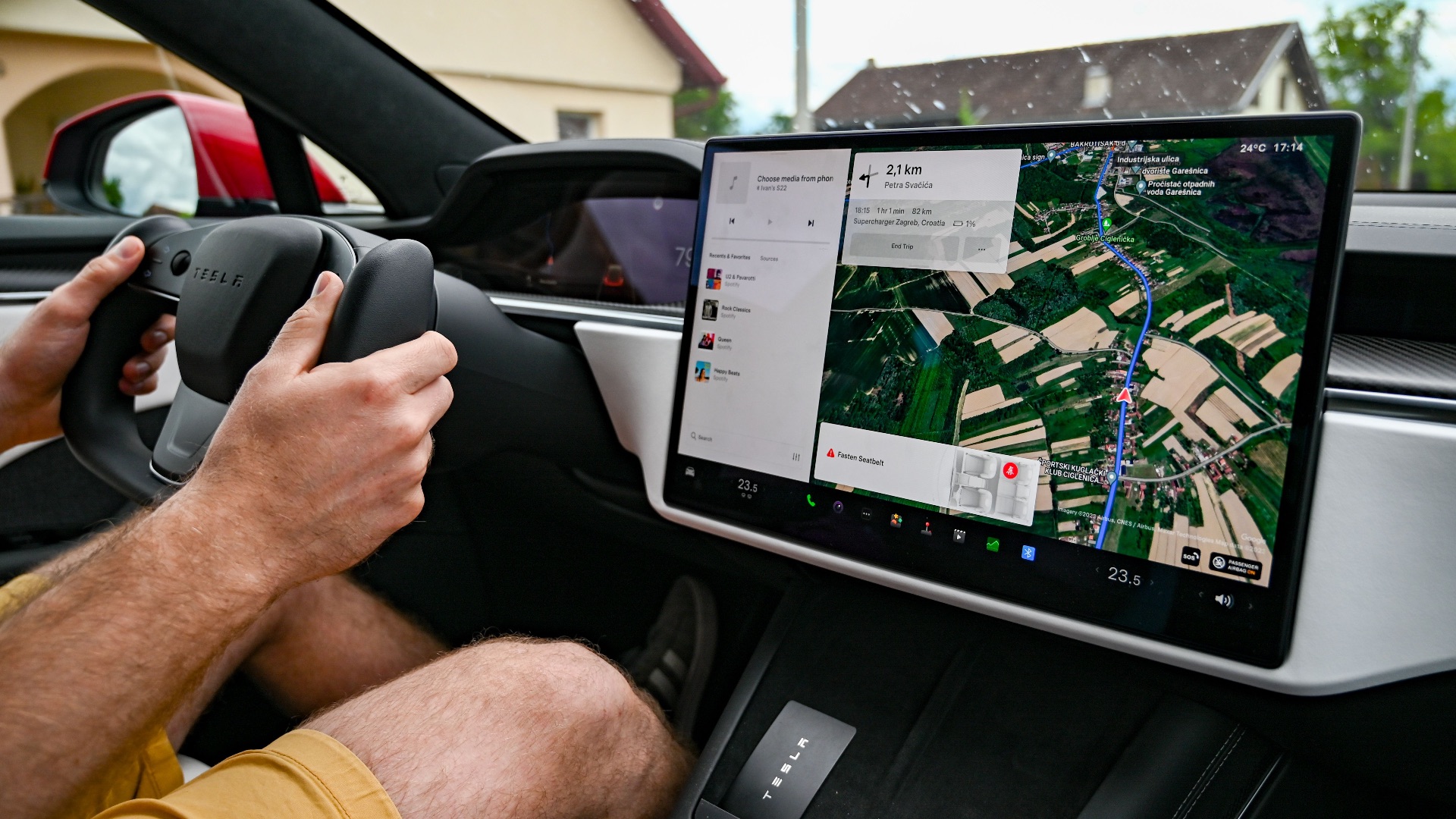
2. They Accelerate Like There's No Tomorrow
One of the most noticeable things about many Teslas is how fast they can launch from a stop. That instant torque might feel fun from behind the wheel, but it can surprise pedestrians, cyclists, and other drivers who aren’t expecting such a sudden burst of speed. Quick acceleration also makes it easier to misjudge gaps, tailgate without meaning to, or turn a normal city street into an unnecessary risk.
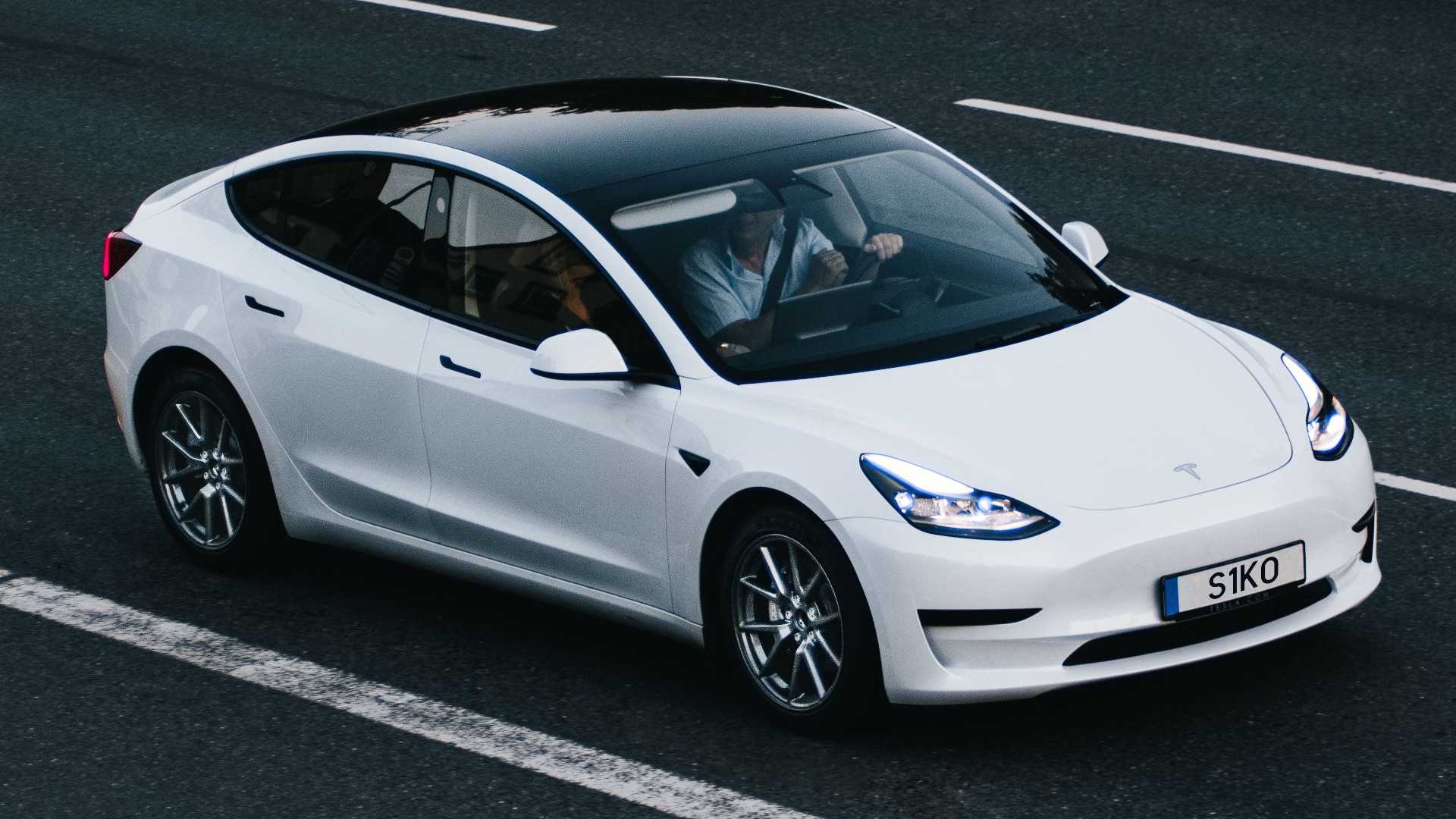
3. They Change Lanes Too Aggressively
Sure, drivers of all cars do this, too, but Tesla drivers in particular sometimes have a reputation for sliding into gaps as if the rest of traffic should automatically adjust. Even when the car has cameras and sensors, other drivers still need clear signals and enough time to react. A lane change that feels clean from inside a tech-heavy cabin can look abrupt and selfish to everyone else around you.
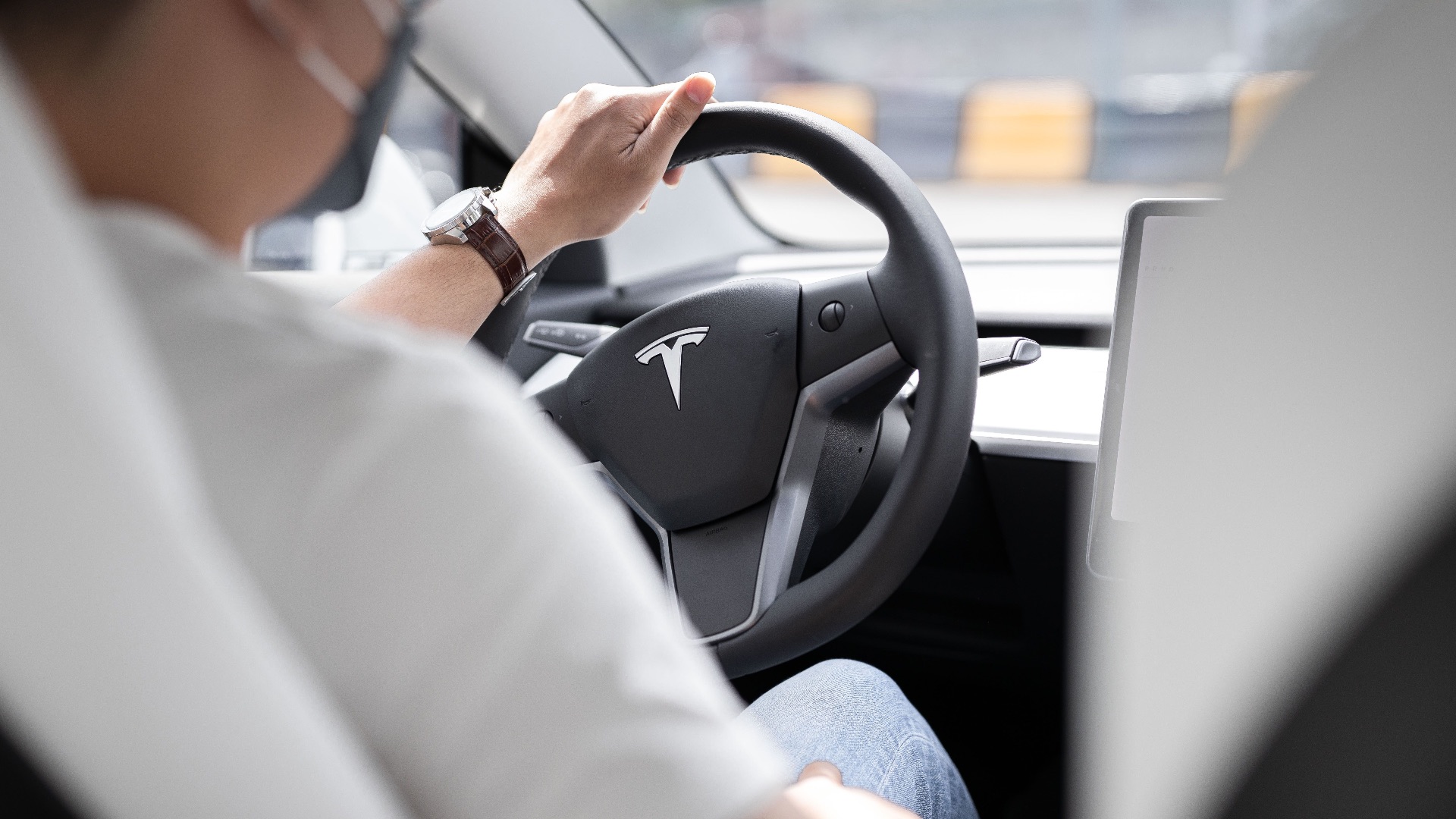
4. They Let the Screen Distract Them
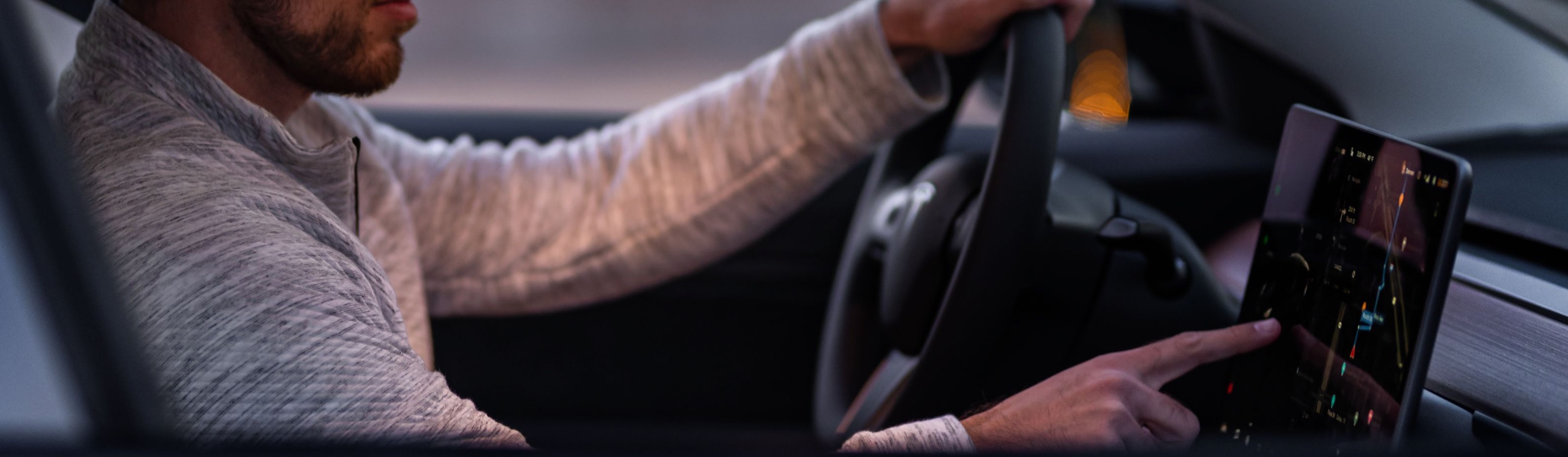
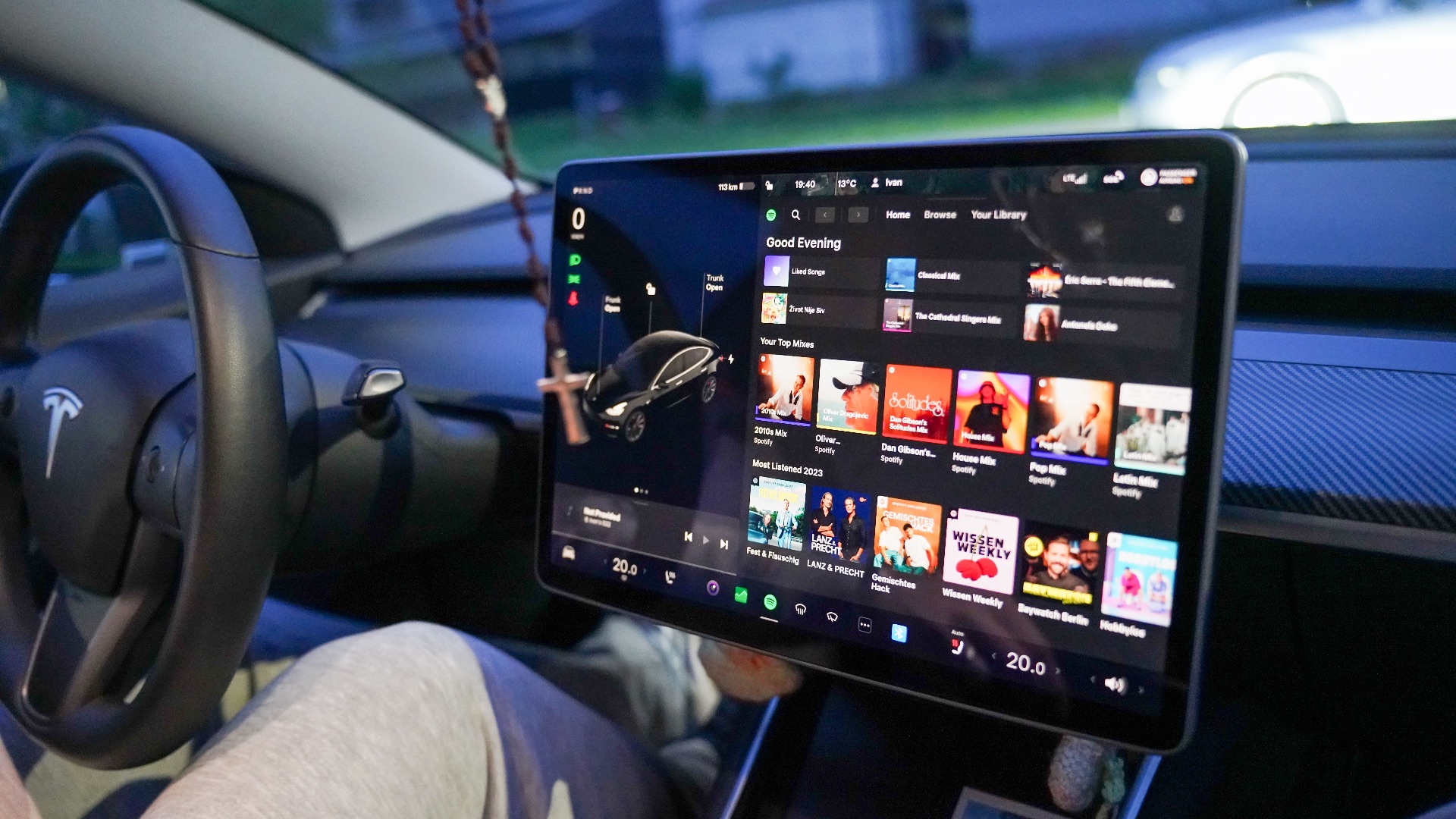
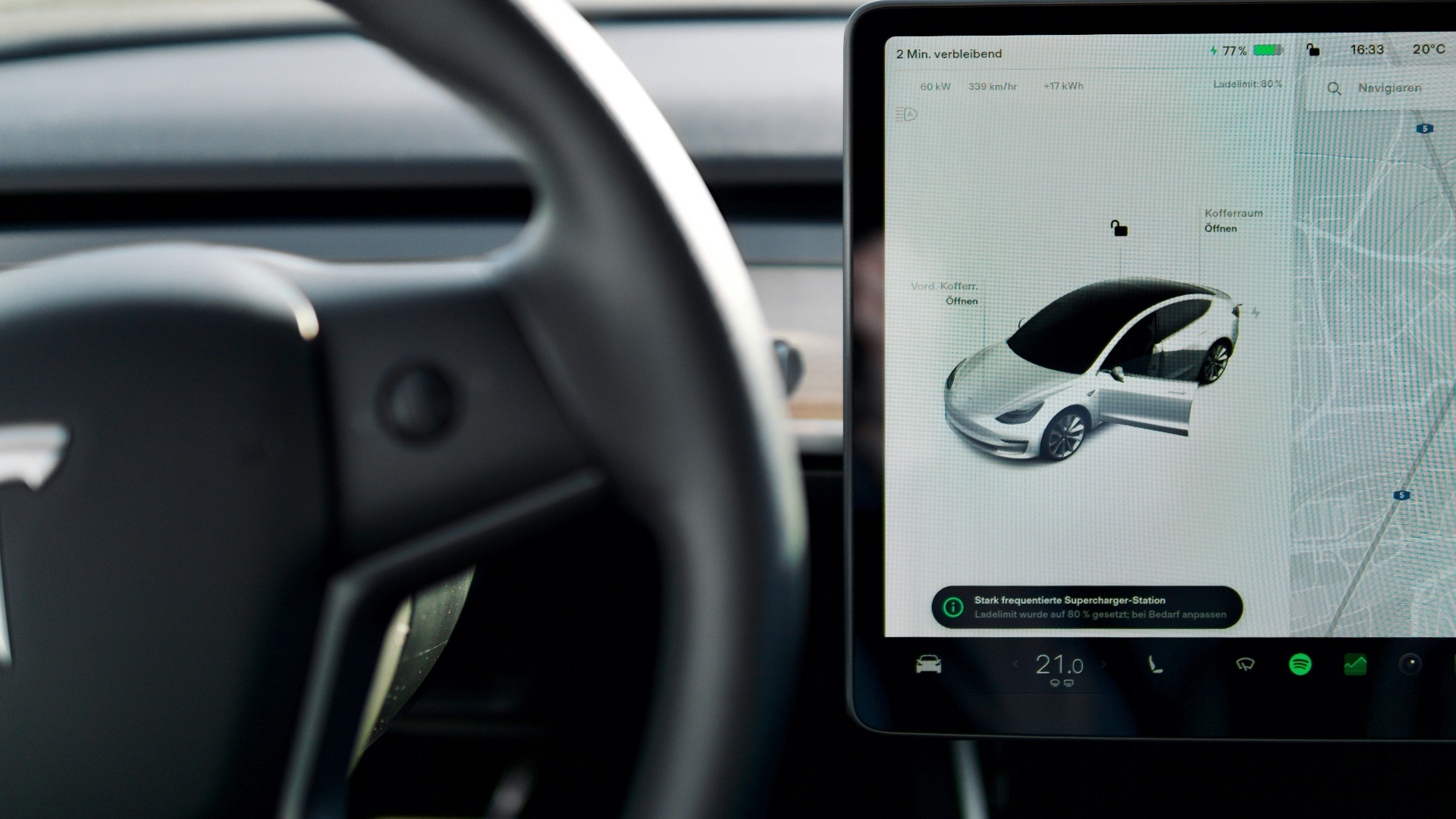
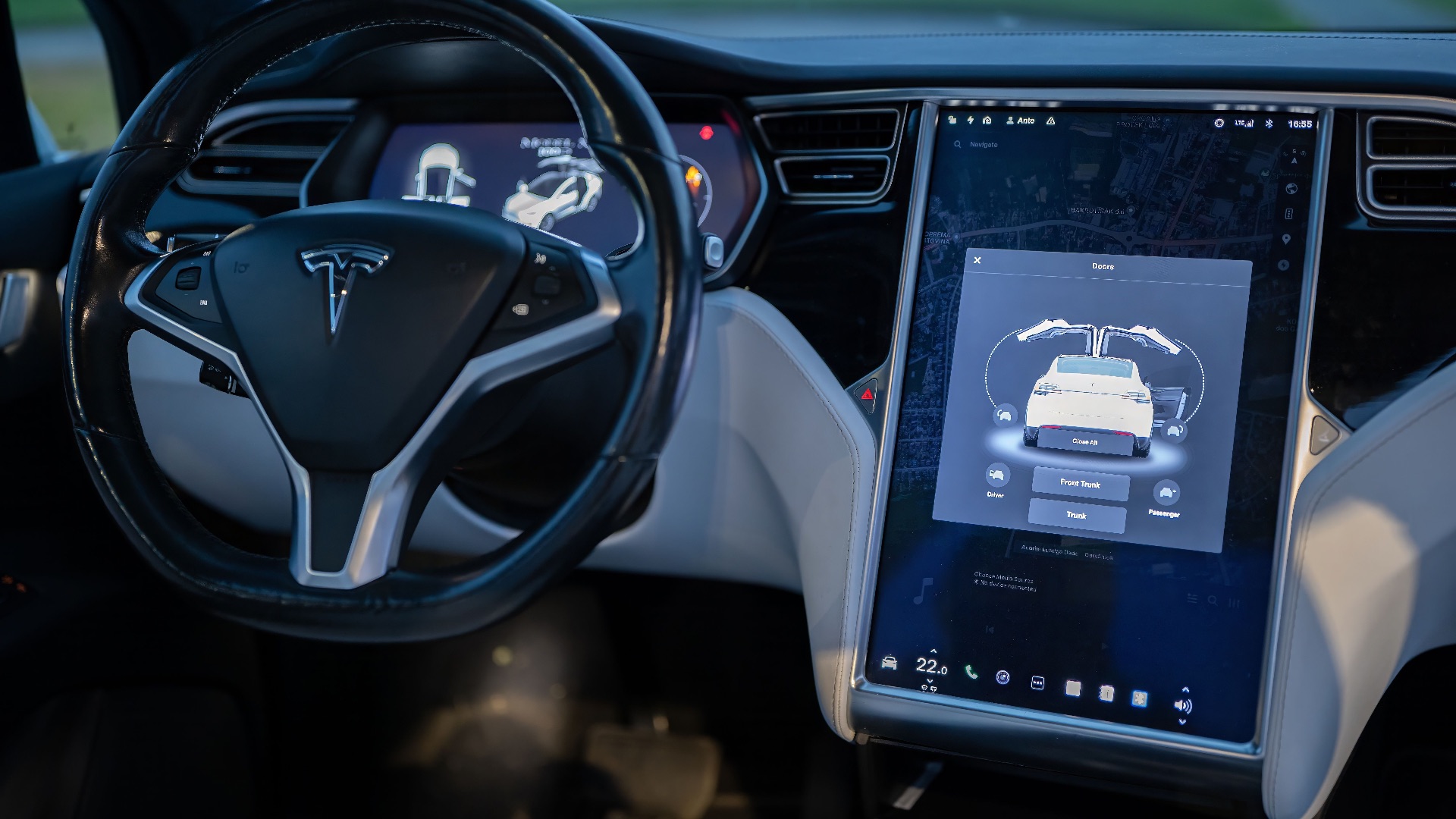
Tesla interiors put a lot of controls on a central touchscreen, which can make simple tasks feel more involved than they should be. Adjusting settings, checking menus, or looking at navigation can pull your eyes away from the road at exactly the wrong moment. Even a quick glance becomes a problem when traffic is stopping, a cyclist is passing, or a pedestrian steps off the curb.
5. They Brake Abruptly
Regenerative braking can feel natural once you’re used to it, but it can catch other road users off guard. A Tesla may slow down more sharply than expected when the driver eases off the accelerator, especially in traffic where everyone is trying to read each other’s movements. When that happens without clear spacing, the driver behind has less time to respond.
6. They Assume Other People Understand Tesla Behavior
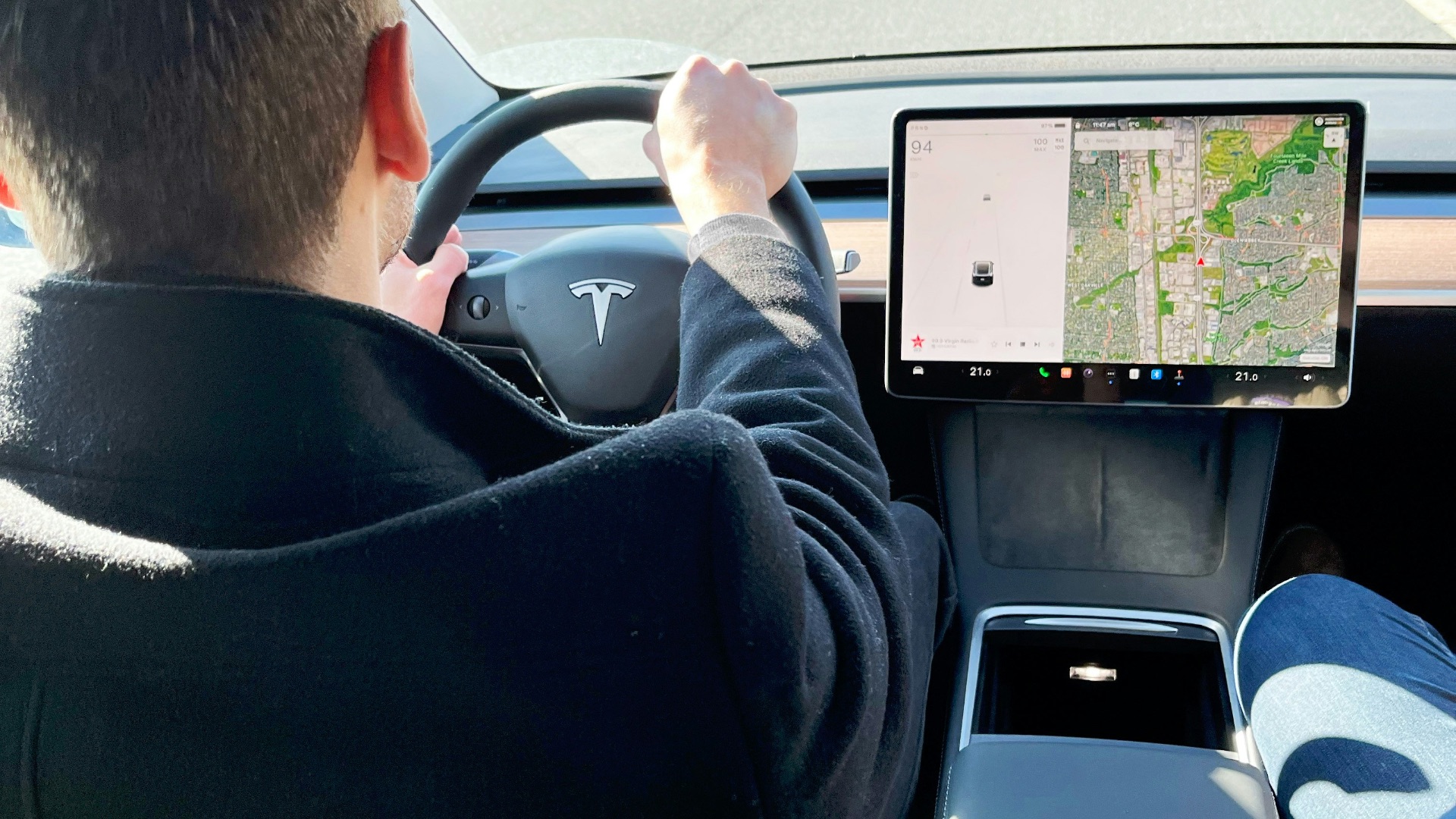
Tesla owners may know how their car accelerates, slows, signals, parks, or assists with steering, but everyone else on the road doesn’t share that same experience. If your vehicle behaves differently from a typical gas car, you have to account for that instead of expecting other drivers to figure it out in real time. Good driving means making your intentions obvious, not just trusting that your car’s systems are doing their part.
7. They Relax with Autopilot On
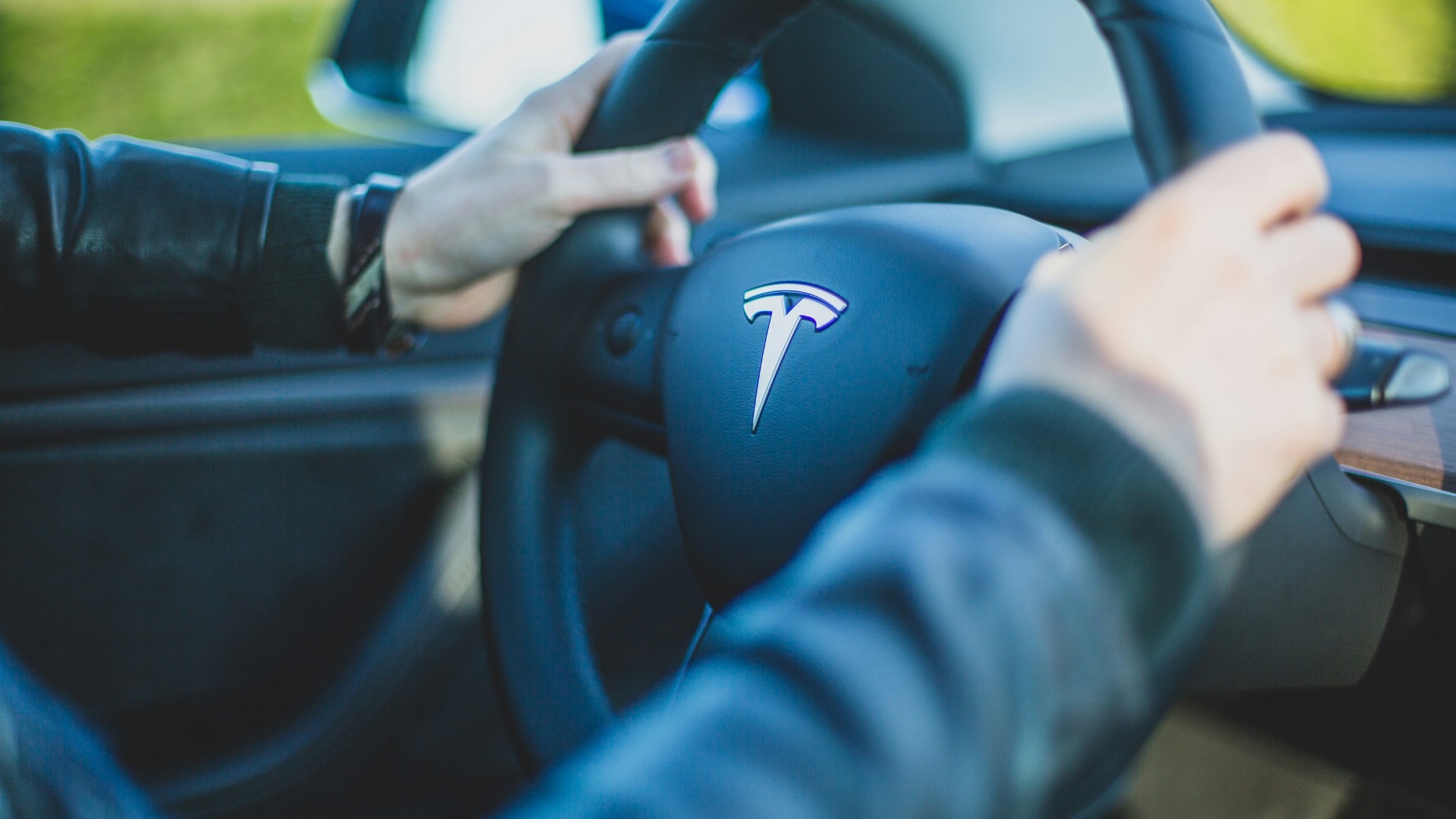
The name “Autopilot” can create the wrong mindset, even when the driver knows they’re supposed to stay engaged. Some people get too comfortable and start looking away, loosening their grip, or reacting more slowly because the car seems to be doing fine. The danger is that driver-assistance systems usually work well until they suddenly need you to take over immediately.
8. They Hog Charging Spots and Parking Areas
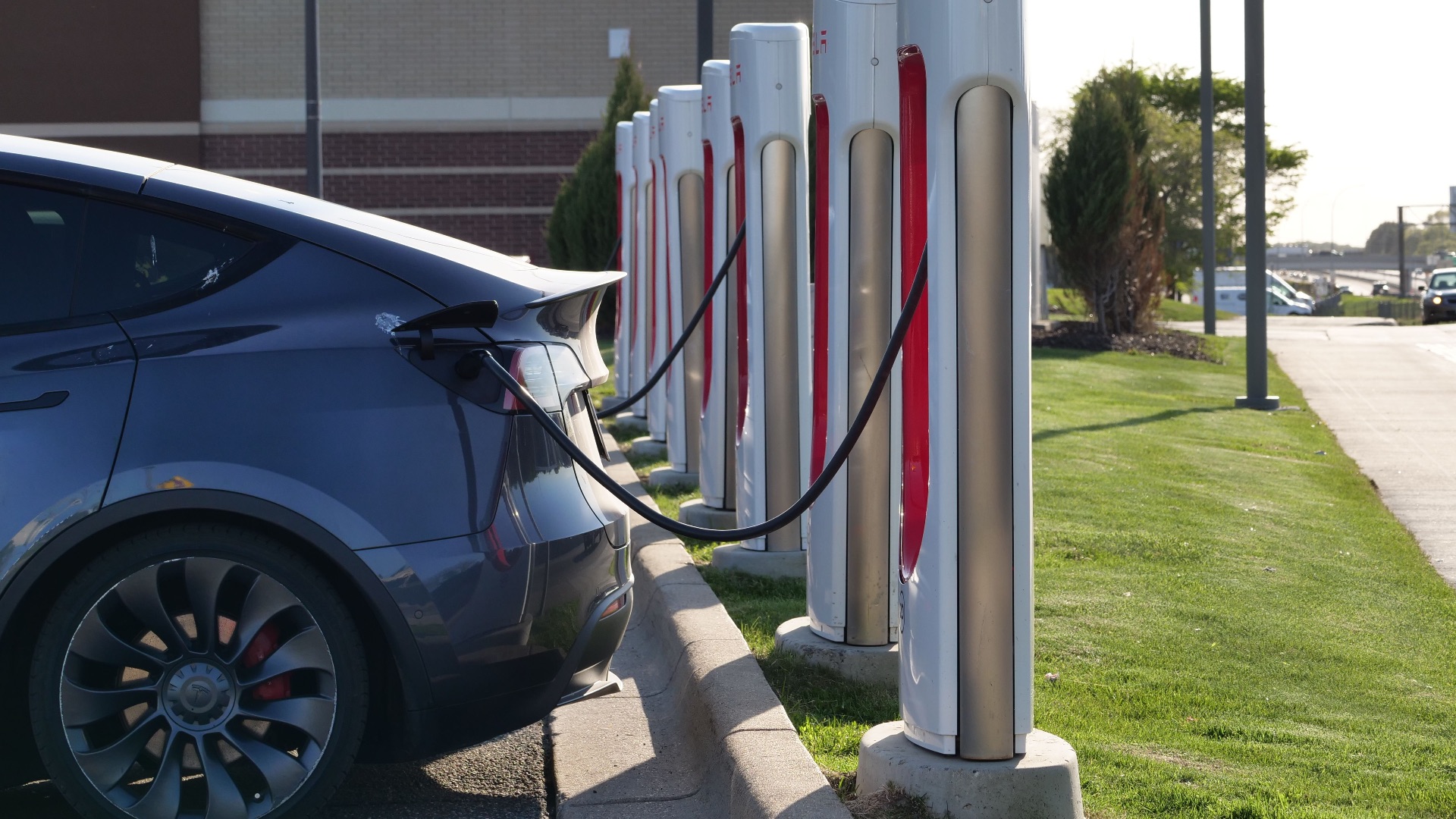
Bad driving isn’t only about what happens at highway speed; it also includes how people behave in shared spaces. Some Tesla owners park carelessly at charging stations, block access, sit too long after charging is finished, or treat EV spots like personal reserved parking. That kind of behavior frustrates other drivers and adds to the reputation that Tesla owners think normal rules don’t apply to them.
9. Their Accident Rates Keep Making Headlines
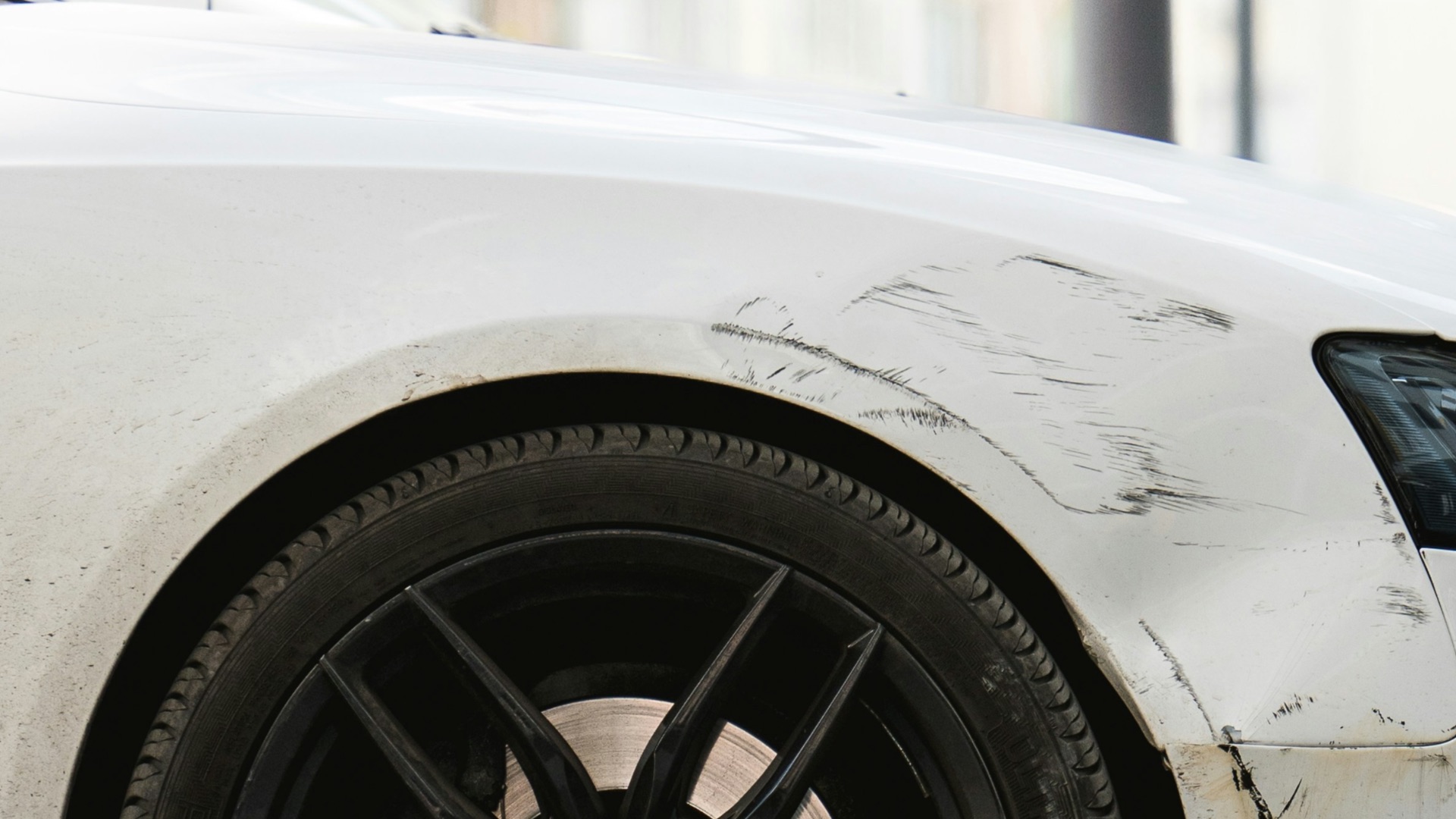
Tesla drivers have been singled out in insurance-related studies for unusually high incident and accident rates, which is one reason the stereotype has stuck so hard. A 2024 analysis, for example, found Tesla drivers had 36.94 incidents per 1,000 drivers, up from 31.13 in its prior analysis, with incidents including accidents, DUIs, speeding, and citations. Yikes.
 Volodymyr Dobrovolskyy on Unsplash
10. They Make the Brand Their Driving Personality
For some owners, driving a Tesla becomes wrapped up in status, tech pride, or the feeling of being ahead of everyone else. That attitude can spill into the way they drive, whether it shows up as impatience with slower traffic, smugness toward gas cars, or a belief that their vehicle is more capable than the situation allows. The road works better when everyone remembers they’re just another driver sharing public space.
Are you a proud Tesla owner and disagreeing with the points we've mentioned? Don't worry; there are ways to be a safer driver on the road. Just remember to follow these next 10 tips:
1. Keep Your Hands and Eyes Engaged
Even when using driver-assistance features, you’re still responsible for the car. Keep your hands ready, watch the road ahead, and scan mirrors instead of letting the system lull you into a passive role. The safest Tesla driver is the one who treats the tech as backup, not as the main decision-maker.
2. Accelerate Smoothly in Everyday Traffic
You don’t need to prove how fast the car is every time the light turns green. Gentle acceleration gives pedestrians, cyclists, and nearby drivers more time to understand what you’re doing. It also makes your driving look calmer and more controlled, which helps reduce the tension that often builds around aggressive vehicles.
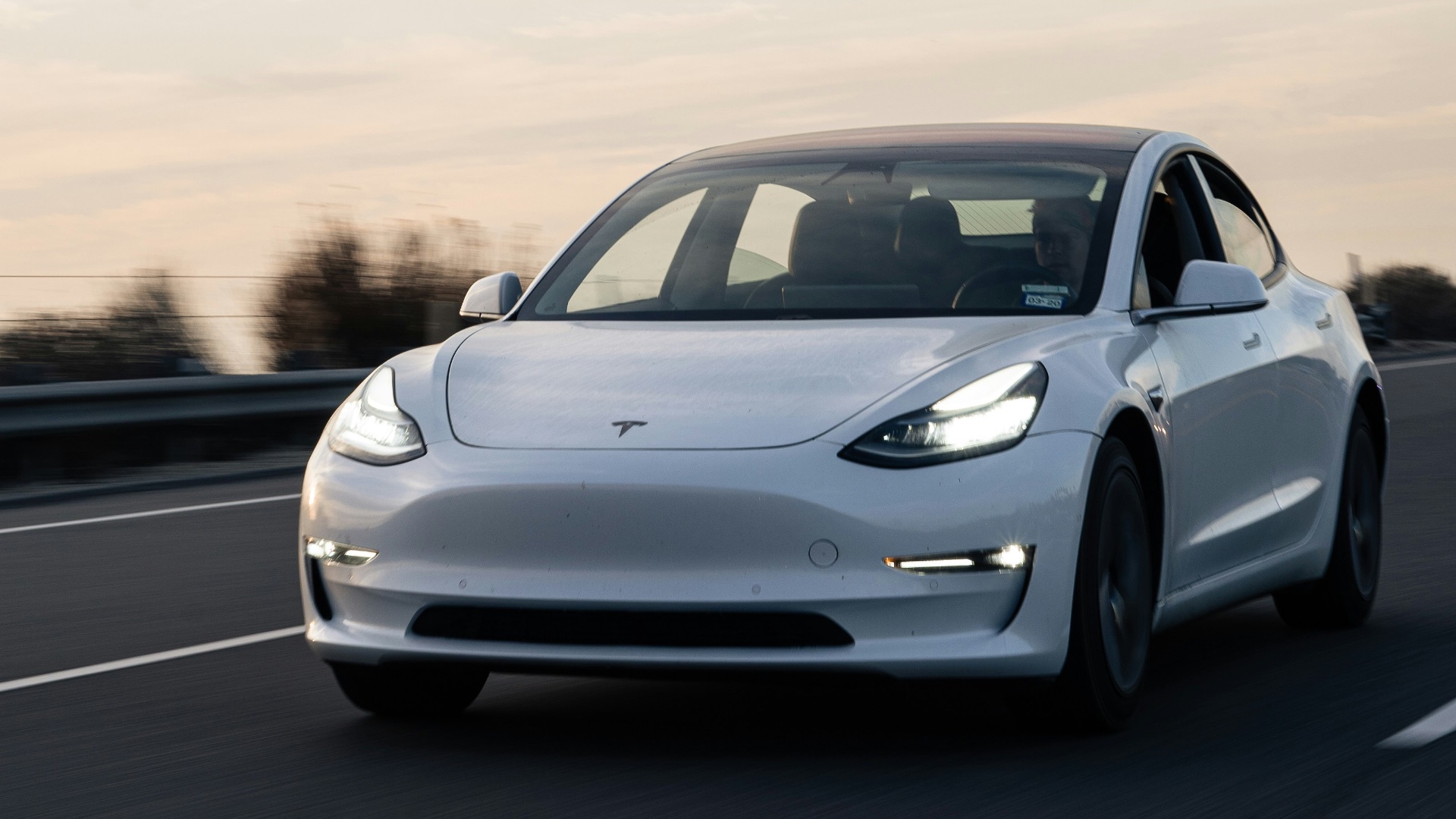
3. Signal Early and Give People Space
A turn signal shouldn’t be an afterthought that appears halfway through a lane change. Use it early enough for other drivers to adjust, and don’t squeeze into gaps that require someone else to brake hard. Predictability is one of the simplest ways to become a safer and less irritating driver.
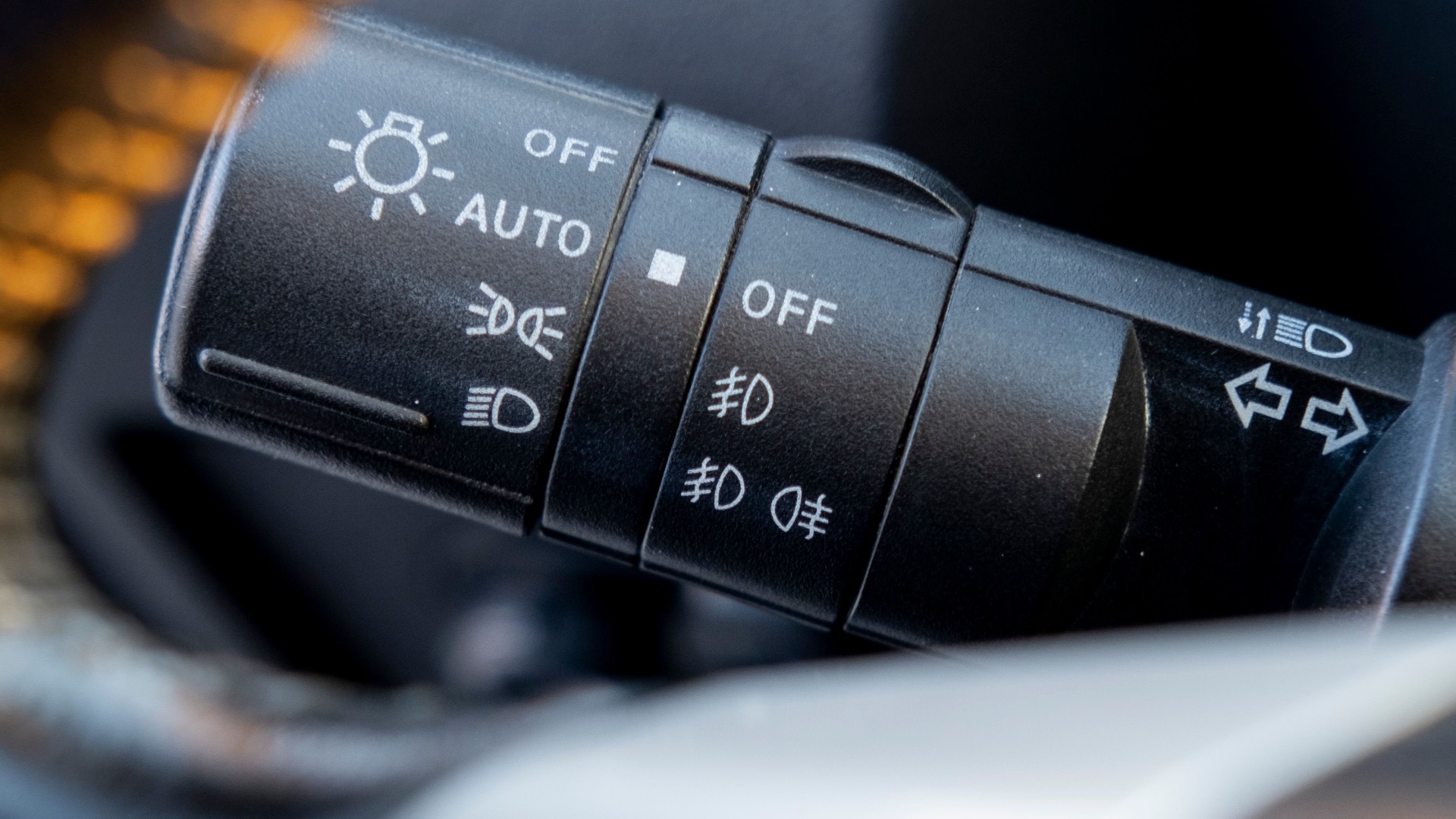
4. Learn the Touchscreen Before You Drive
Set your mirrors, climate preferences, navigation, music, and driving modes before pulling away. The less you need to tap through menus on the road, the more attention you can give to traffic. If something can wait until you’re parked, let it wait.
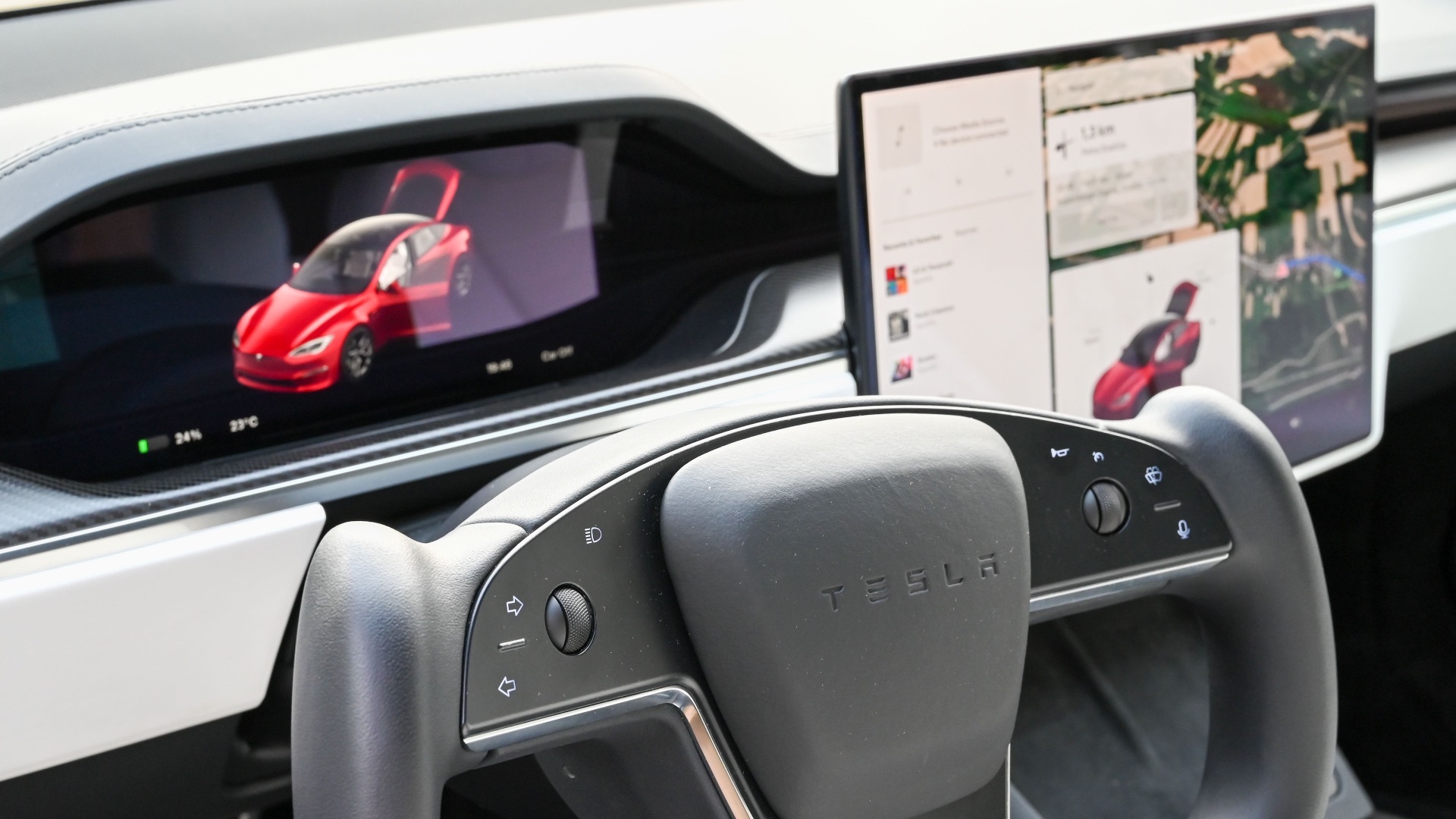
5. Adjust Regenerative Braking Awareness
Regenerative braking may be normal to you, but it still affects the flow of traffic behind you. Leave more following distance, ease off the accelerator gradually, and pay attention to how quickly your car slows in different settings. Smooth deceleration helps others respond without sudden braking or frustration.
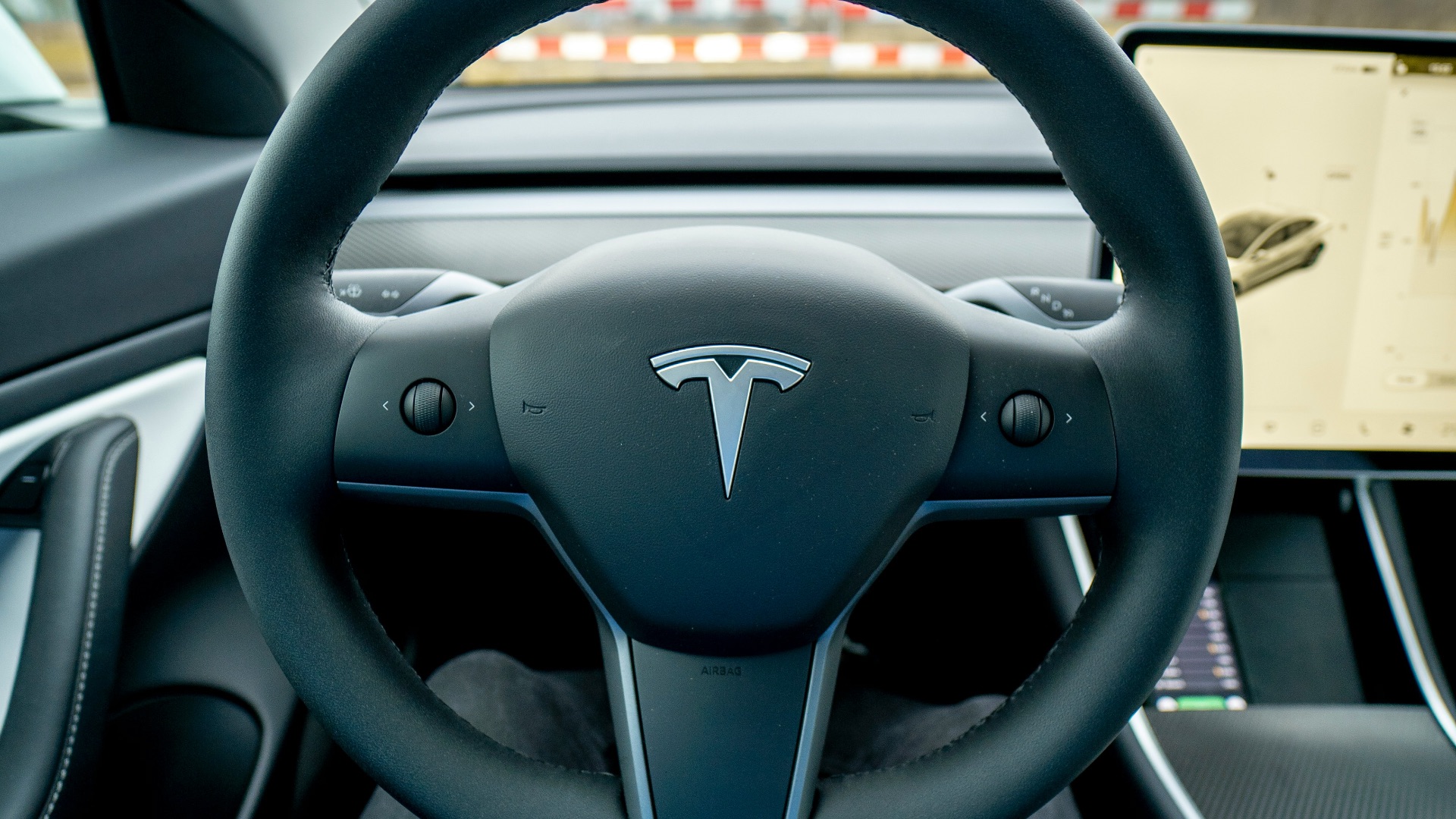
6. Don’t Use Driver Assistance in Bad Conditions
Heavy rain, snow, poor lane markings, glare, construction zones, and complicated city streets can all confuse automated systems. In those moments, it’s smarter to drive manually and stay fully involved. Technology is useful, but judgment matters most when the environment becomes less predictable.
7. Watch Your Speed More Deliberately
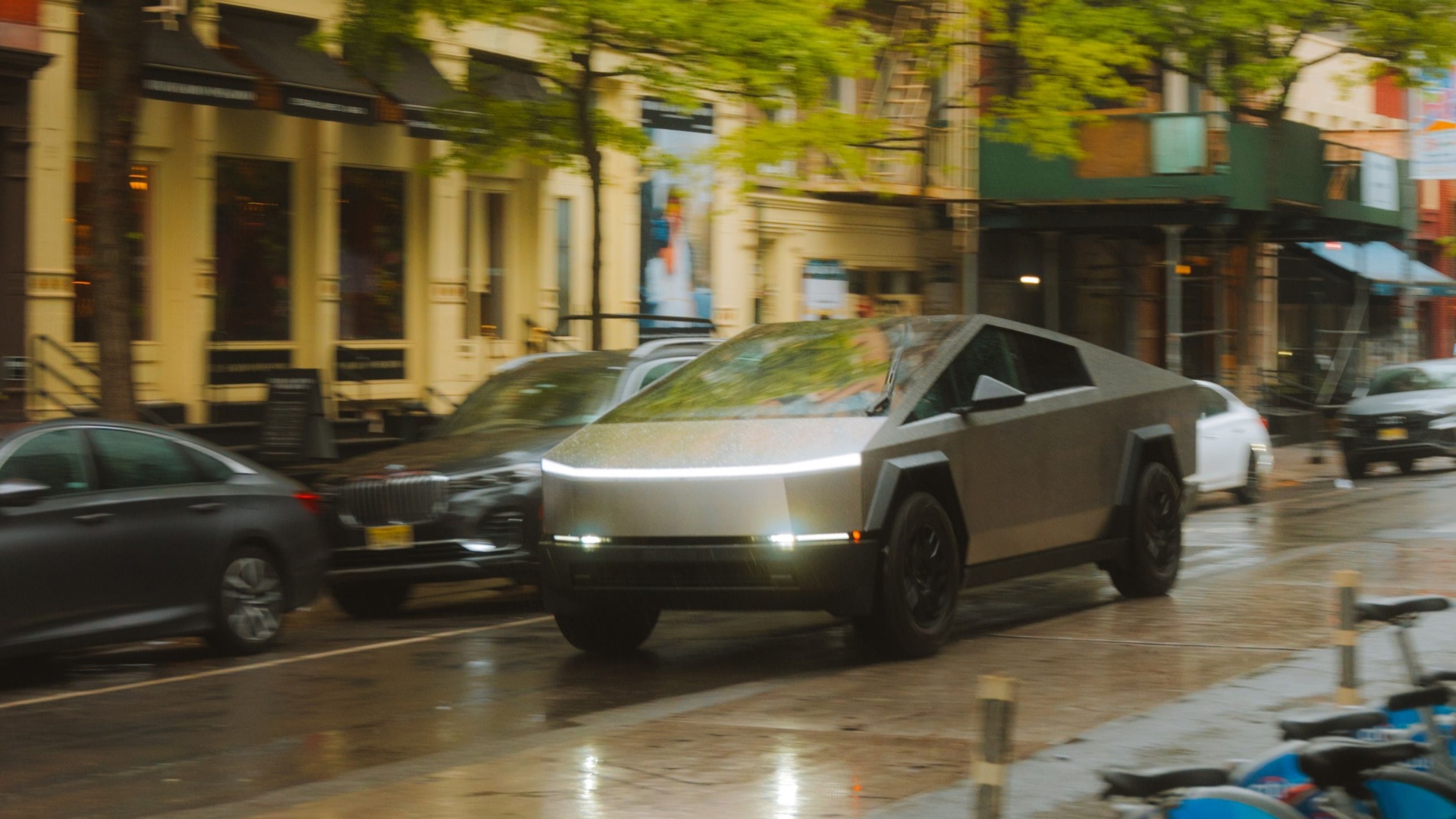
A Tesla can reach illegal speeds so easily that you may not notice how fast you’re going until it’s already a problem. Make a habit of checking your speedometer, especially after merging, passing, or leaving a stoplight. Staying within the limit isn’t just about avoiding tickets; it gives everyone more time to react.
8. Be Considerate at Charging Stations
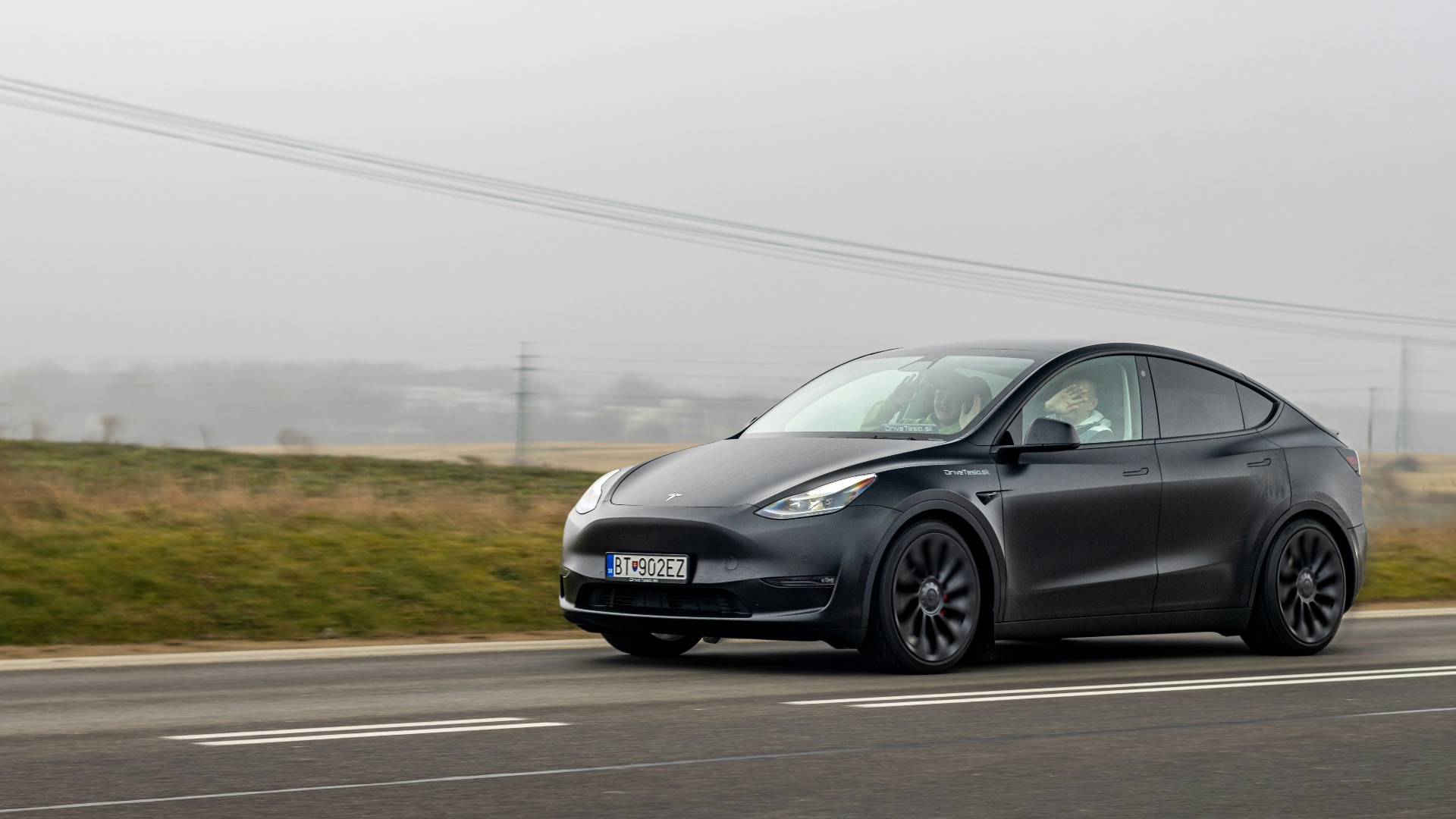
Move your car when charging is complete, park within the lines, and don’t block stalls you aren’t using. Charging stations already require more planning than gas pumps, so small acts of courtesy make a real difference. When Tesla owners behave well in shared spaces, they help improve the reputation of EV drivers overall.
9. Treat Safety Features as Support
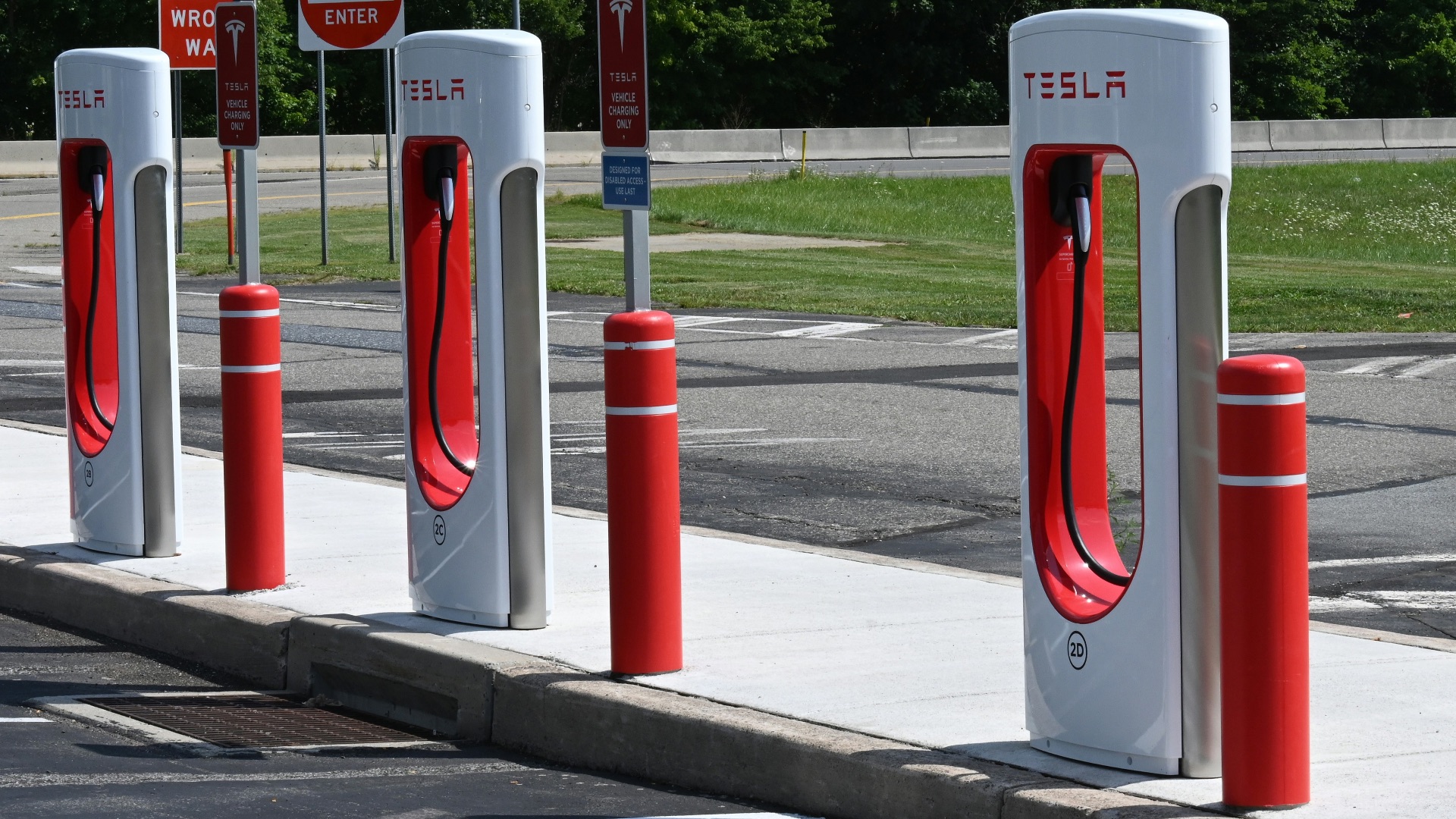
Collision warnings, cameras, sensors, and automatic braking are there to reduce risk, not justify risky behavior. You shouldn’t follow too closely, speed through traffic, or make sharp moves just because the car has advanced systems. The best safety feature is still a driver who avoids creating dangerous situations in the first place.
10. Drive Like You’re Representing Yourself
Fair or not, people often judge Tesla owners as a group when they see one behaving badly. If you drive patiently, signal clearly, park responsibly, and stay engaged, you help weaken the stereotype every time you get behind the wheel.