
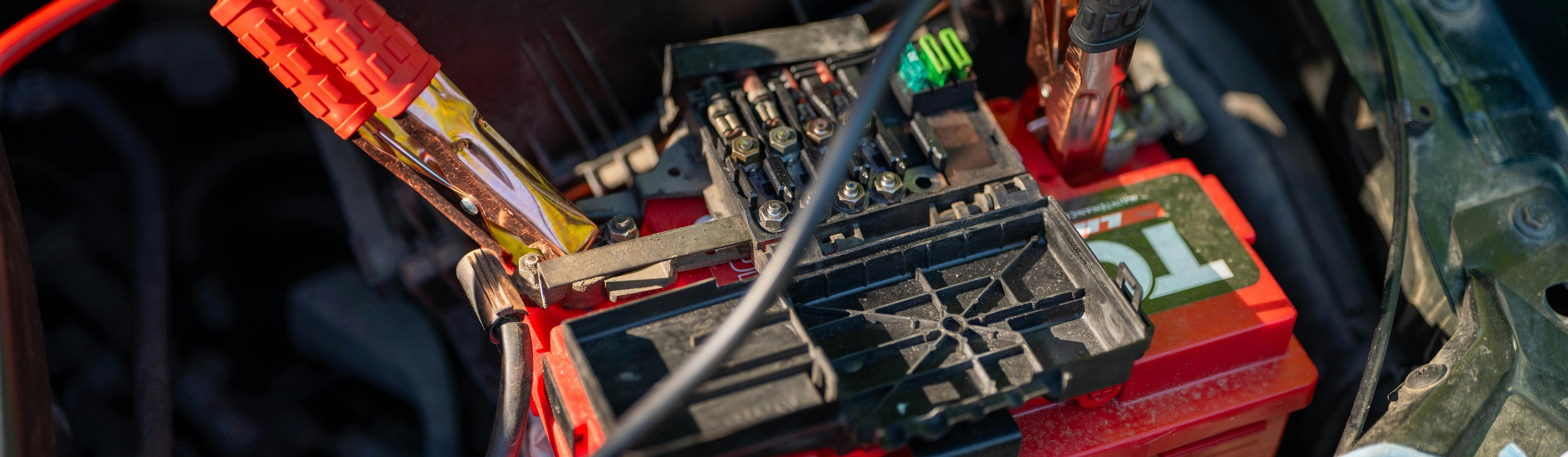
How to Care for Your Car Battery
You're probably familiar with this scenario: you've just gotten back in your car after a quick grocery run, and—uh, oh, your car won't start. Of course, your car battery won't run forever and it's recommended to change it every 3-5 years, but certain bad habits can still shorten its lifespan. If you don't want to accidentally leave yourself stranded at the worst possible time, here are 10 things that can put extreme wear and tear on your car battery, and 10 better habits that help extend its life.
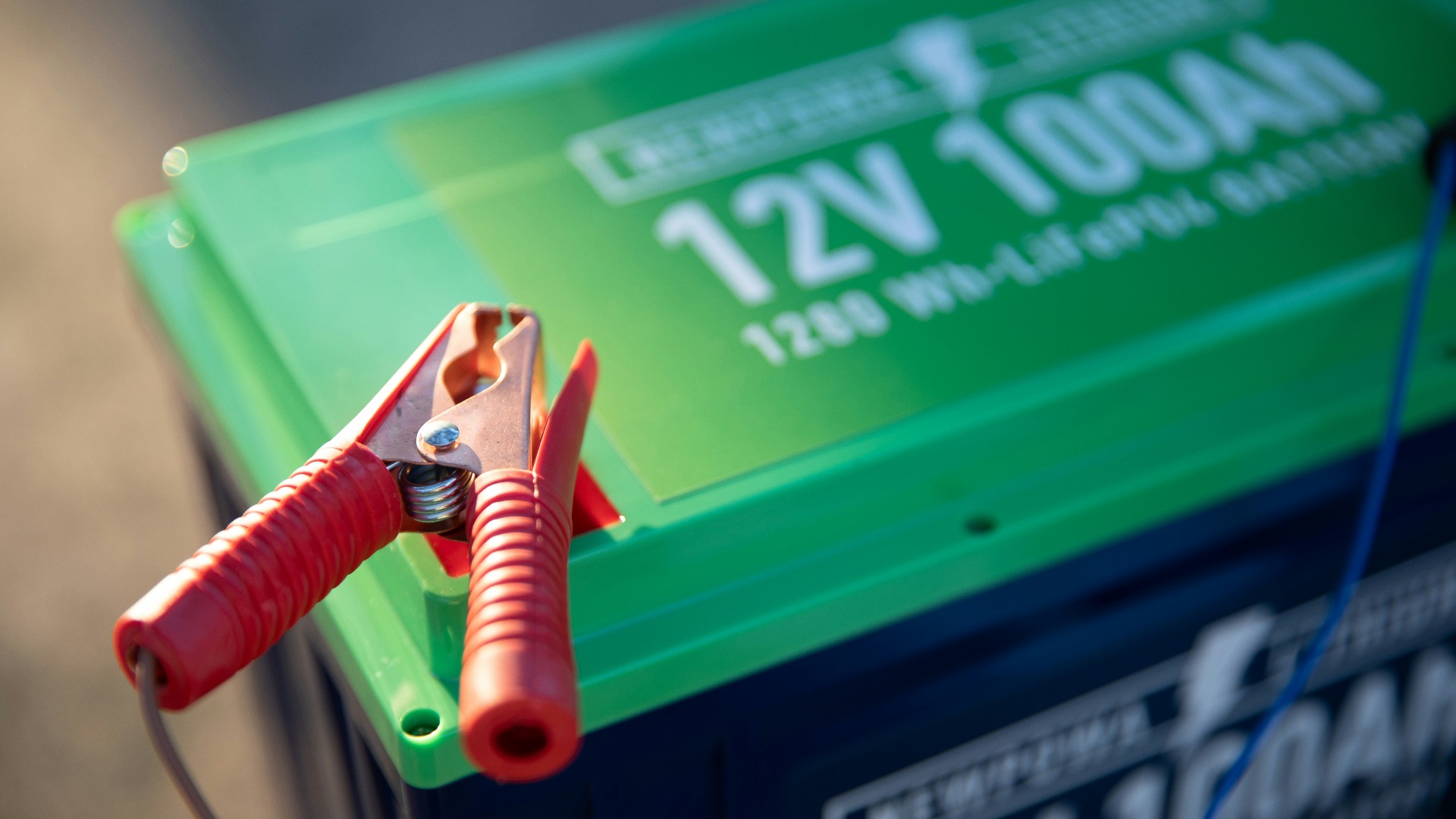
1. Leaving Lights on After Parking
Headlights, dome lights, trunk lights, and even small interior bulbs can drain a battery when they’re left on for hours. Modern vehicles often have automatic shutoff features, but not every light is controlled by the system. Before walking away from your car, it’s worth taking a quick look to make sure nothing is still glowing inside or outside the vehicle.

2. Taking Too Many Short Trips
Short drives don’t always give the alternator enough time to recharge the battery after starting the engine. Each start uses a burst of power, and if you only drive a few minutes at a time, the battery may slowly lose more charge than it gains. Over time, this pattern can leave the battery weak even if the car seems fine during daily use.

3. Letting the Car Sit Unused for Too Long
A parked car still uses a small amount of electrical power to maintain systems like the clock, alarm, and onboard computer memory. When a vehicle sits for weeks without being started or driven, that small draw can become enough to drain the battery. This is especially common with second cars, seasonal vehicles, or cars left unused during vacations.

4. Exposing the Battery to Extreme Heat
High temperatures can speed up chemical reactions inside the battery and cause internal components to wear out faster. Heat can also increase fluid evaporation in some batteries, which reduces performance and shortens battery life. Drivers often blame winter when a battery dies, but summer heat may have already done much of the damage.

5. Relying on an Aging Battery
Most car batteries have a limited lifespan, and once they’re near the end of it, they become less reliable. An older battery may still start the car on mild days but struggle when temperatures drop or electrical demand rises. Ignoring its age can leave you dealing with a no-start situation at the least convenient moment.
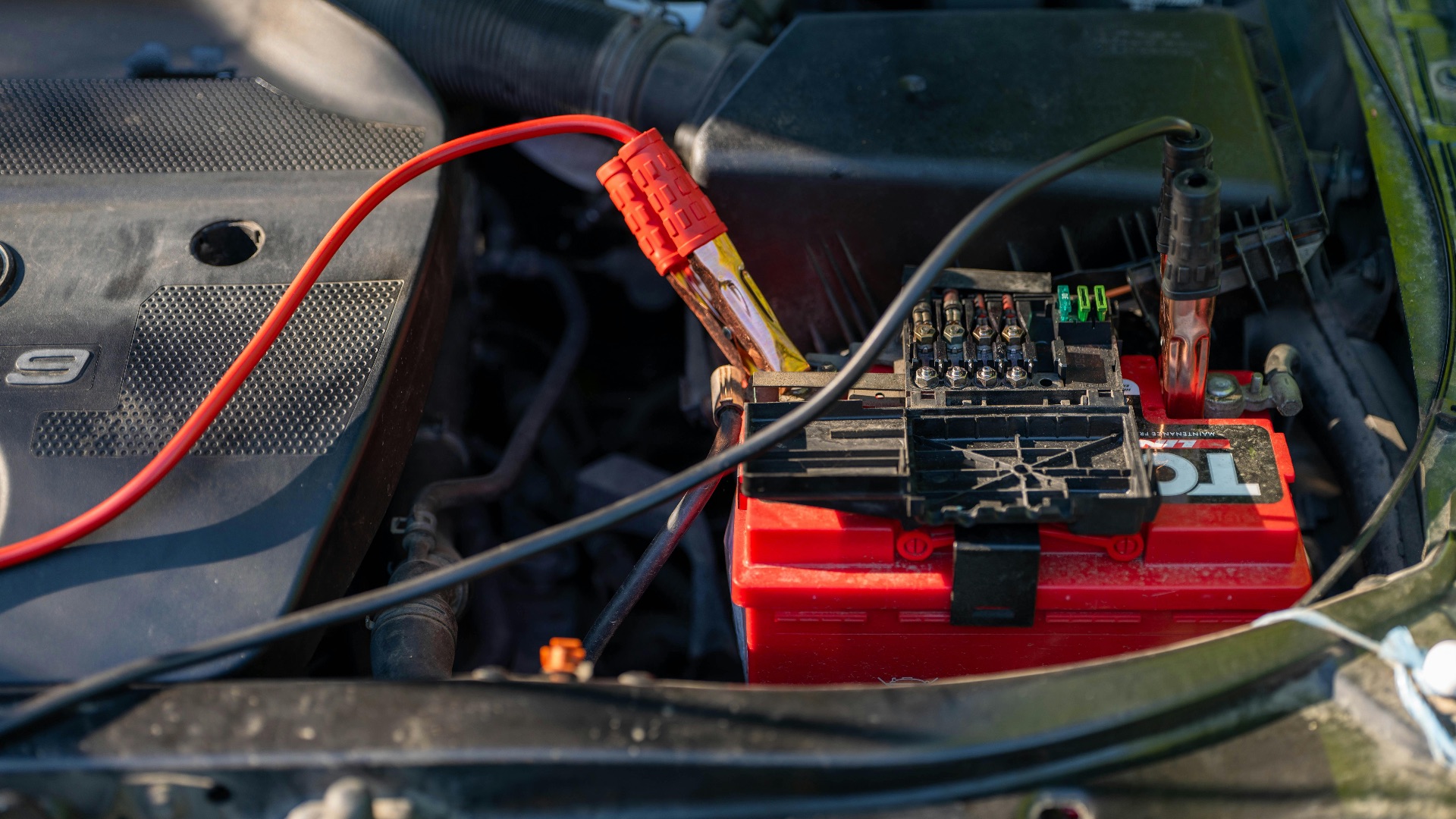
6. Ignoring Corrosion on the Terminals
Corrosion around the battery terminals can interfere with the connection between the battery and the vehicle’s electrical system. Even if the battery itself has power, a poor connection can make starting difficult or inconsistent. That chalky buildup is more than just an appearance issue, so it shouldn’t be brushed off for too long.
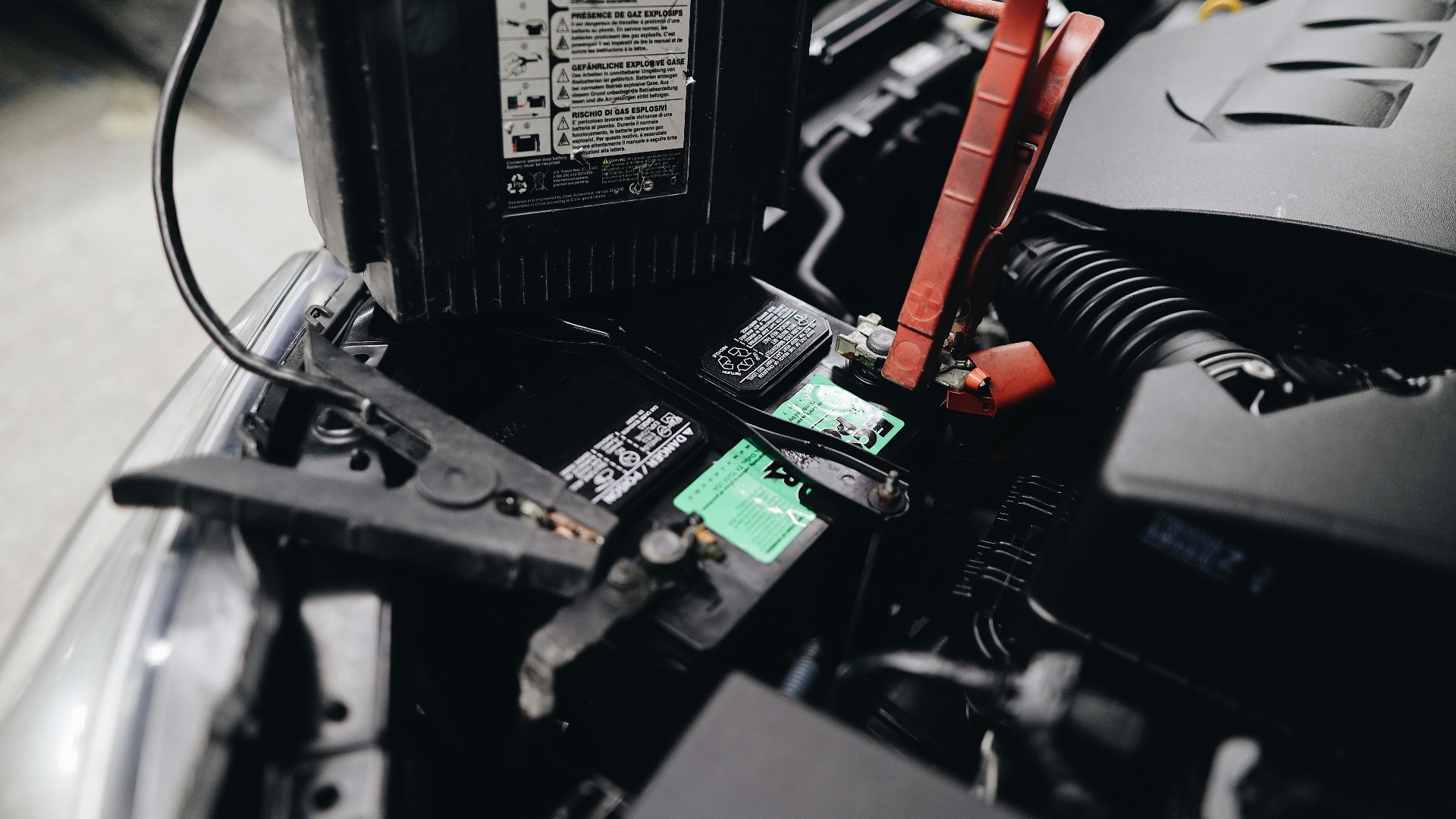
7. Using Electronics While the Engine Is Off
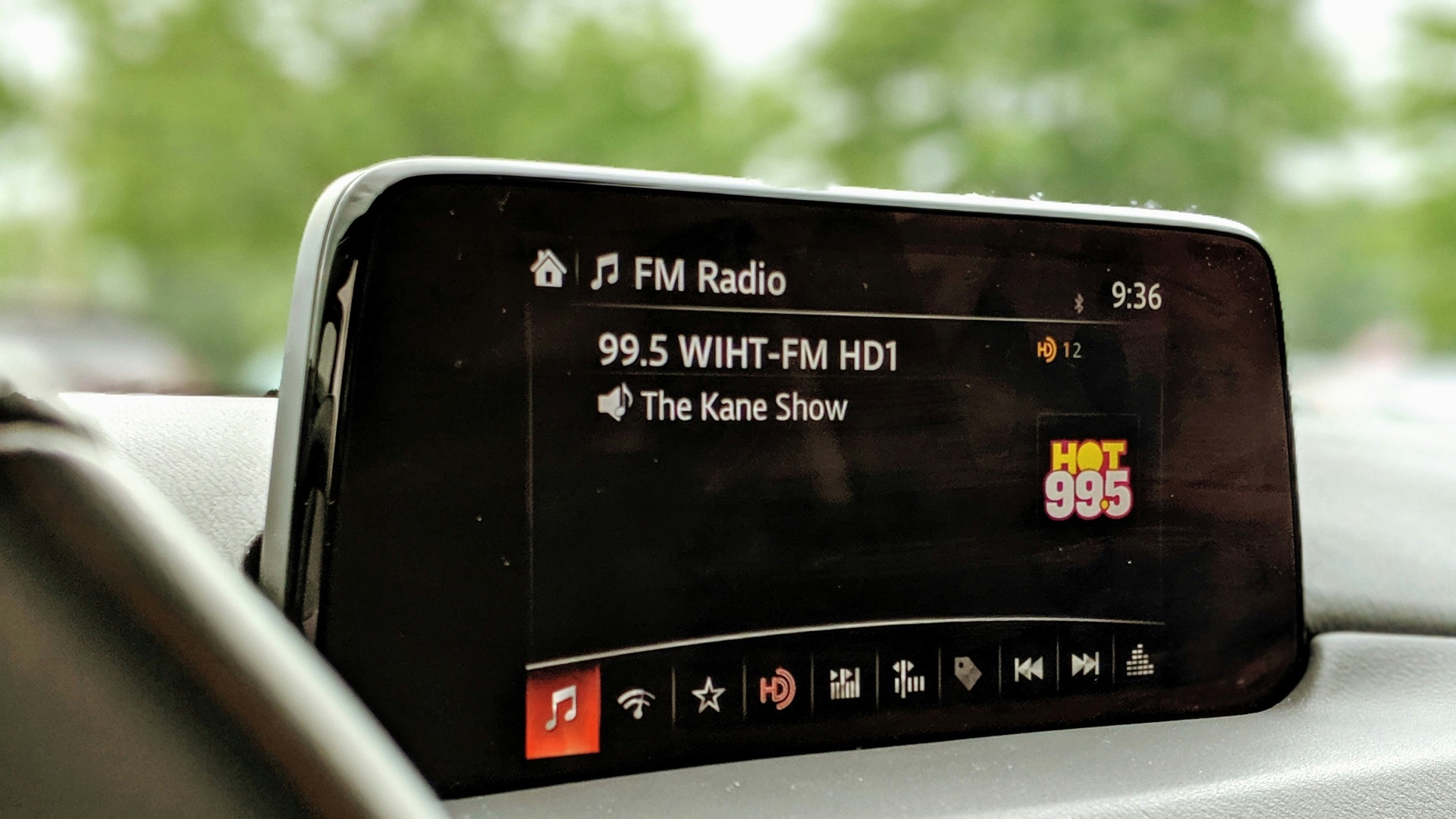
Running the radio, charging devices, using heated seats, or keeping accessories on while the engine isn’t running can pull power directly from the battery. A few minutes usually isn’t a problem, but longer periods can drain the battery quickly. This is especially risky if the battery is already older or partially discharged.
8. Having a Faulty Charging System
The alternator is responsible for recharging the battery while the engine runs, so a weak or failing alternator can leave the battery undercharged. In some cases, the battery gets blamed when the real issue is that it’s not being replenished properly. Warning lights, dimming lights, or repeated dead-battery problems can point to a charging system issue.

9. Leaving Doors or the Trunk Slightly Open
A door, hatch, or trunk that isn’t fully closed can keep interior lights or electronic modules active longer than expected. Even a small gap can prevent the vehicle from fully shutting down its electrical systems. It’s an easy mistake, but it can be enough to drain the battery overnight.
10. Driving with Loose or Damaged Battery Cables
Loose, cracked, or damaged cables can prevent the battery from delivering power efficiently. The car may start intermittently, accessories may act strangely, or the battery may seem weaker than it really is. Because the cables are part of the battery’s connection to the entire vehicle, they matter just as much as the battery itself.
Now that you know what wears a battery down, let's jump into the important part: how to extend its life.
 Daniel @ bestjumpstarterreview.com on Unsplash
1. Drive Long Enough to Recharge the Battery
When possible, give your car enough driving time to let the alternator restore the power used during startup. A longer drive every so often can be especially helpful if your usual routine involves quick errands or short commutes. You don’t need to overthink it, but avoiding constant start-and-stop use can help keep the battery healthier.

2. Turn Everything Off Before Leaving the Car
Before you shut the door and walk away, make sure the headlights, interior lights, and accessories are off. This small habit can prevent one of the most common and avoidable causes of a dead battery. It’s especially useful if you drive an older vehicle that doesn’t automatically shut everything down.
3. Keep the Battery Terminals Clean
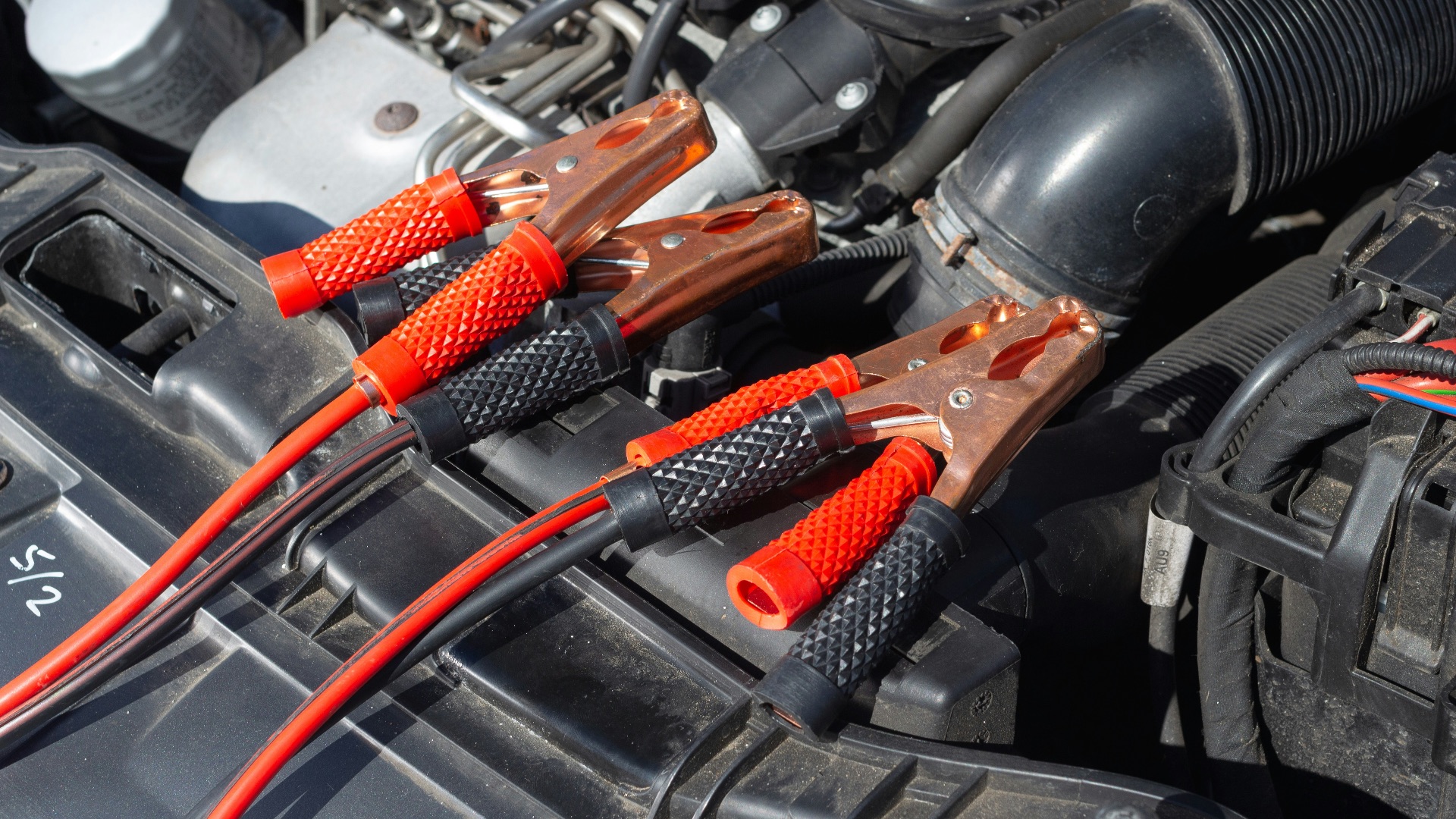
Clean terminals help the battery maintain a strong connection with the vehicle’s electrical system. If you notice corrosion, it’s best to have it cleaned properly or handle it carefully with the right tools and safety precautions. A clean connection can make starting more reliable and reduce unnecessary strain on the battery.
 Daniel @ bestjumpstarterreview.com on Unsplash
4. Test the Battery Before Trouble Starts
A battery test can reveal weakness before the car refuses to start. Many repair shops and auto parts stores can check battery health, especially before winter or after several years of use. Catching a fading battery early gives you time to replace it on your schedule instead of during an emergency.
5. Limit Accessory Use When the Engine Is Off
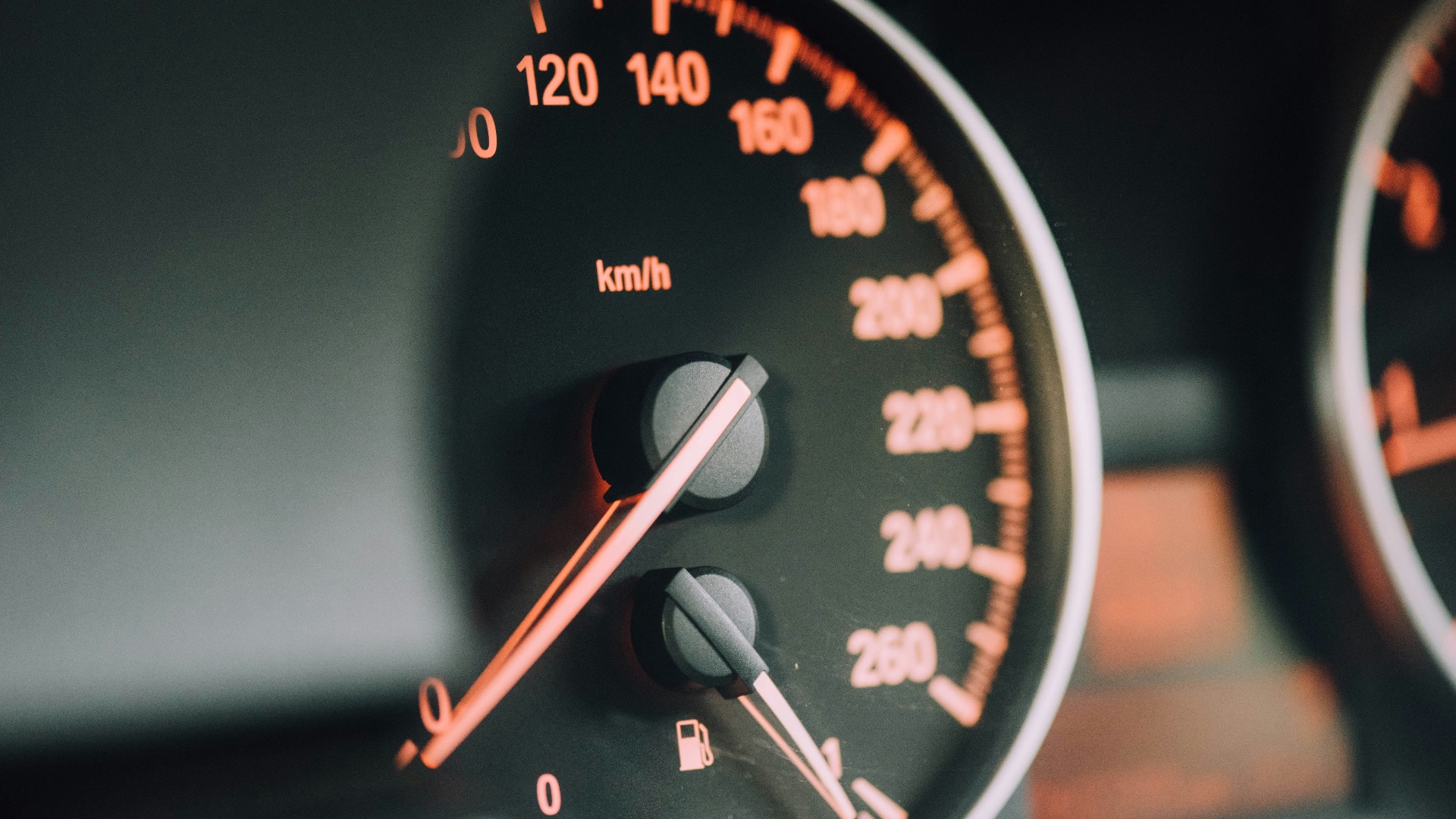
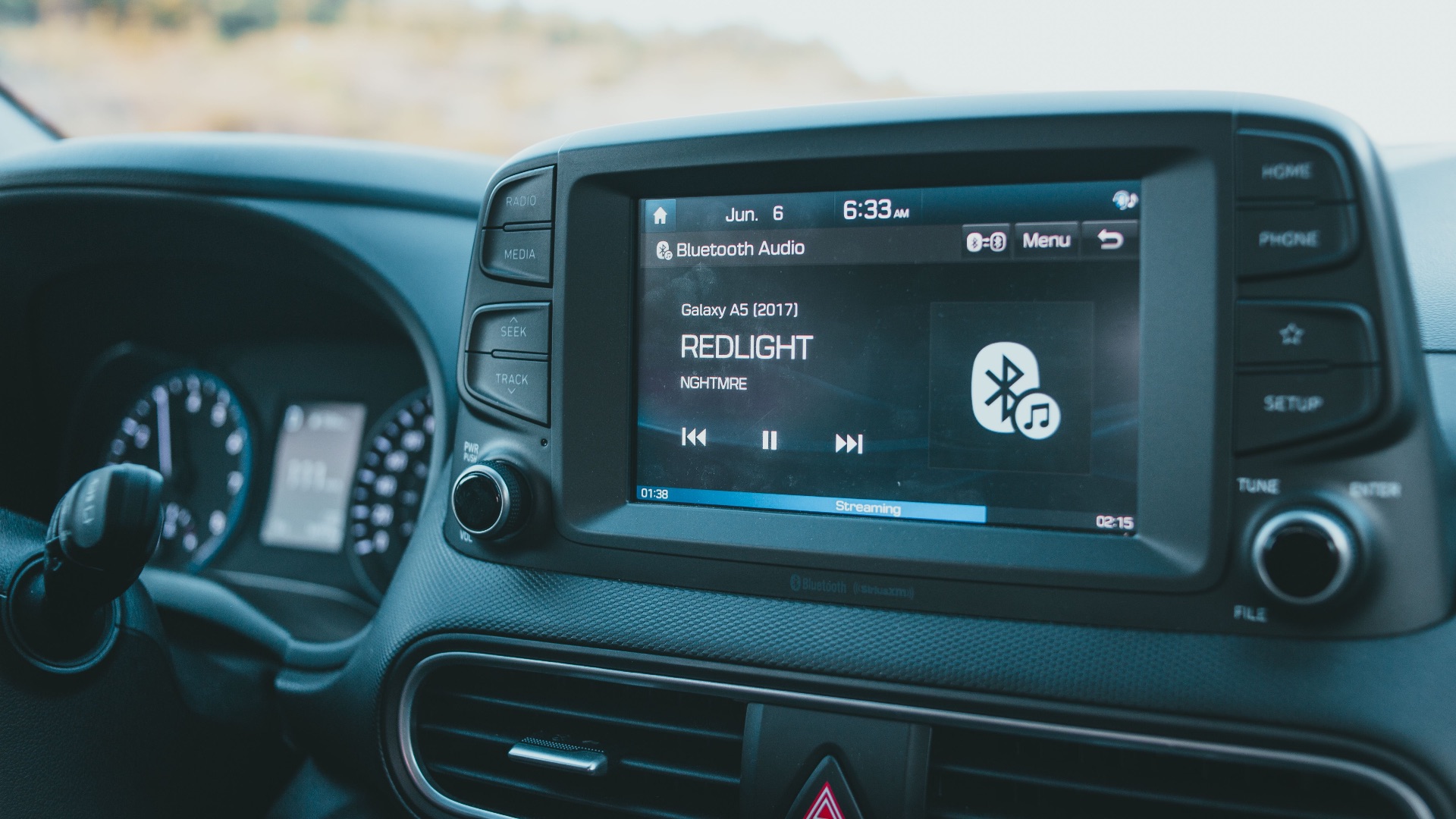
It’s fine to use your car’s electronics for a short time, but it’s smart not to make a habit of doing it for long stretches. The battery is meant to start the engine, not power every feature for extended periods while parked. Starting the engine when you need longer accessory use helps reduce the chance of draining the battery too far.
6. Secure the Battery Properly
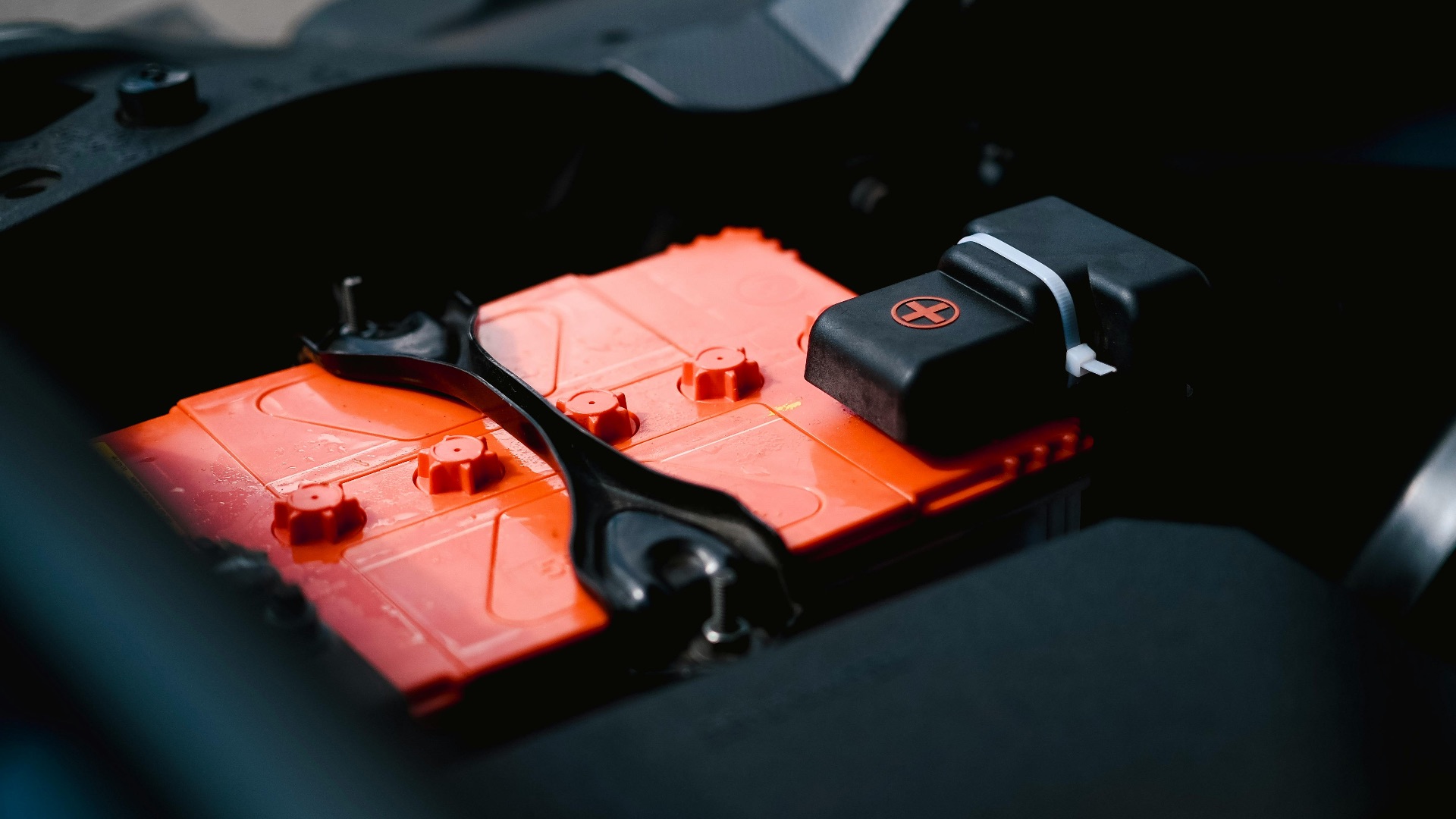
A loose battery can vibrate while the car is moving, and that movement can damage internal parts or loosen connections. Making sure the battery is firmly mounted helps protect it from unnecessary wear. If you ever hear rattling from the battery area or notice movement under the hood, it’s worth getting checked.
7. Pay Attention to Slow Starts
If the engine cranks more slowly than usual, don’t ignore it. Slow starting can be an early sign that the battery is weak, the terminals need attention, or the charging system isn’t doing its job. Addressing the issue early can prevent a minor warning sign from turning into a dead car in a parking lot.

8. Use a Battery Maintainer for Long Storage
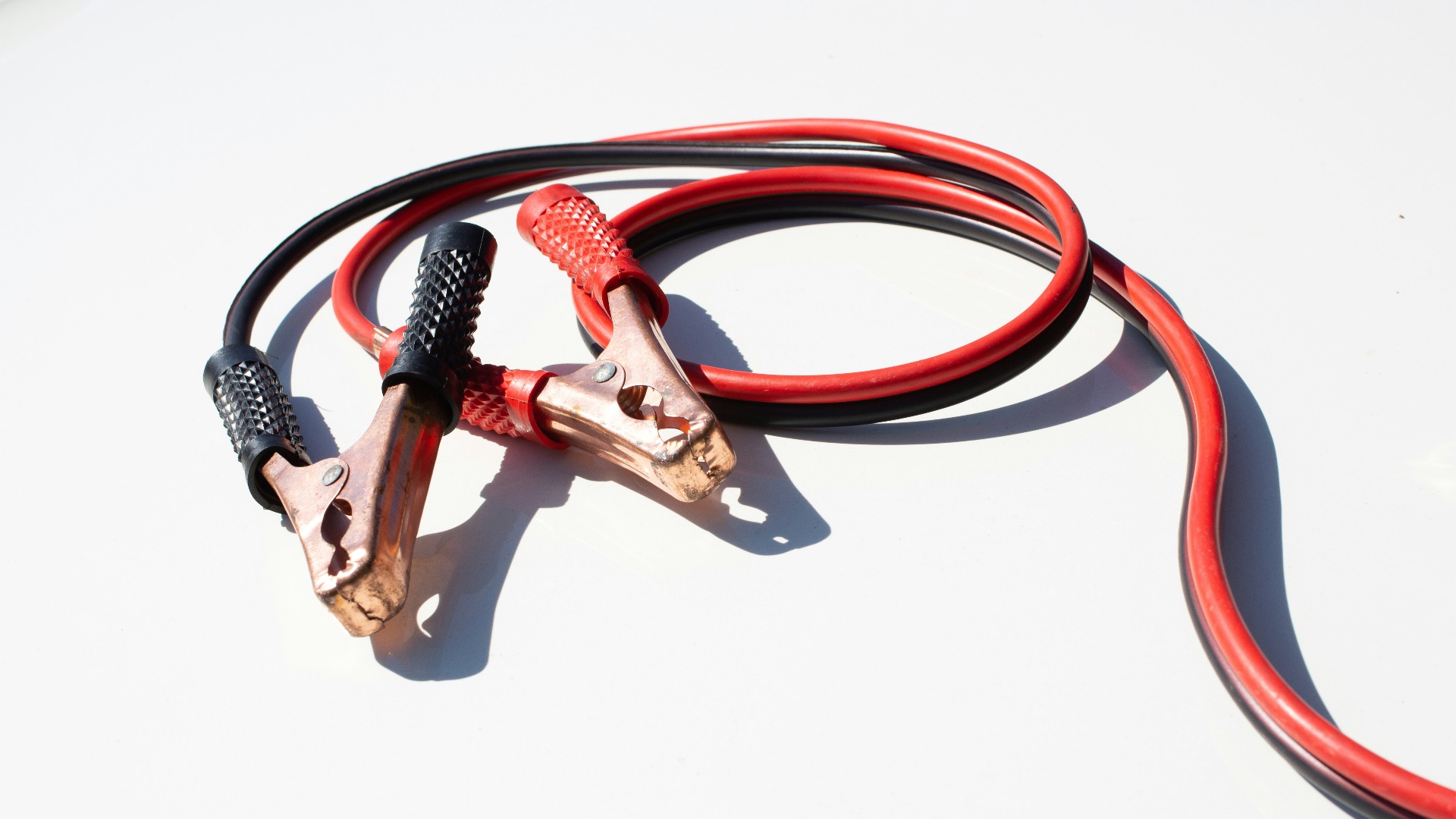
If your car will sit for a long time, a battery maintainer can help keep the charge at a safe level. This is different from simply jump-starting the car after the battery has already drained. A maintainer is especially useful for seasonal vehicles, stored cars, or vehicles that only get driven occasionally.

9. Protect the Battery from Extreme Conditions When You Can
You can’t control the weather, but parking in a garage or shaded area can help reduce exposure to harsh temperatures. Extreme heat and cold both make the battery work harder in different ways. Choosing more protected parking when it’s available can support better battery performance over time.

10. Replace the Battery Before It Fails Completely
Waiting until a battery dies may seem practical, but it can leave you stranded and put extra stress on other parts of the vehicle. If your battery is several years old and testing weak, replacing it early is often the smarter move. A planned replacement is usually far less stressful than dealing with a sudden no-start on a busy morning.