
The Art of the Deal
After years of wild price swings and empty lots, the 2026 used car market has finally settled into a predictable rhythm that savvy shoppers can use to their advantage. You're entering a landscape where inventory is rebounding and interest rates are starting to cooperate, but you still need a sharp strategy to avoid overpaying. The secret isn't just about finding a cheap car; it’s about knowing which specific segments are flooded and which old-school dealership tactics are being phased out by new digital tools.
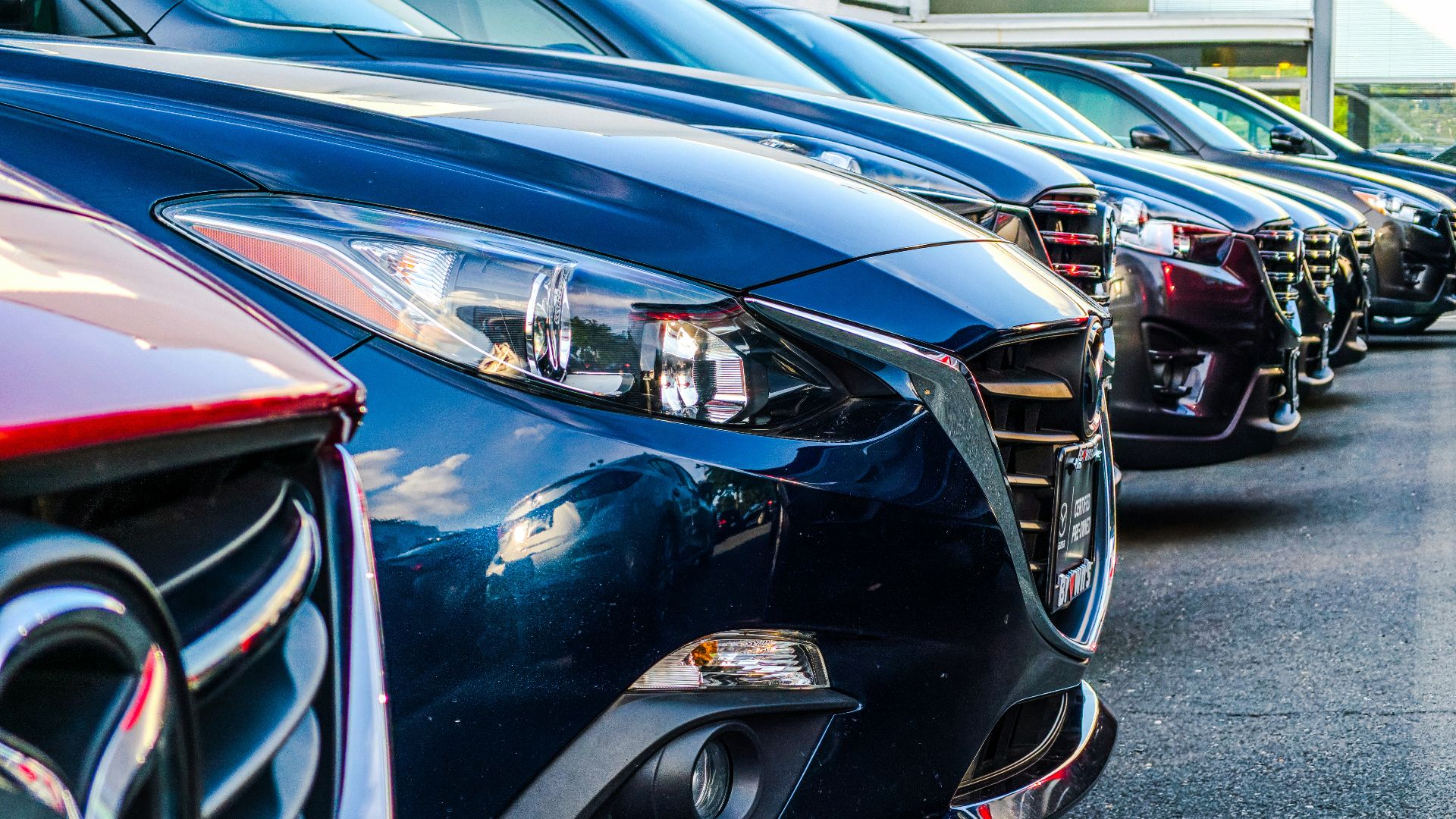
 Antoni Shkraba Studio on Pexels
1. Hunt for Off-Lease EVs
So many electric vehicles are being turned in from the 2023 leasing bubble that there's an unprecedented glut you can take advantage of. All dealers are trying to unload right now is electric because they fear battery technology will outpace their current inventory. Buy a technology-packed vehicle that still has 18-24 months of manufacturer warranty for a small fraction.
2. Time Your Purchase for Late Fall
Historically, the end of the year is great, but 2026 data shows a specific dip in November as dealers clear space for incoming 2027 models. You'll find that sales managers are much more willing to slash prices on used inventory to meet their annual volume targets. It’s the perfect window to catch a motivated seller.

3. Leverage "Days on Lot" Data
Most online listing sites now allow you to see exactly how long a car has been sitting in the dealer’s inventory. If a vehicle has passed the 60-day mark, it’s costing the dealership money in floorplan interest every single day it stays there. You can use this "stale" inventory as leverage.
4. Skip the "Market Mandatory" Add-ons
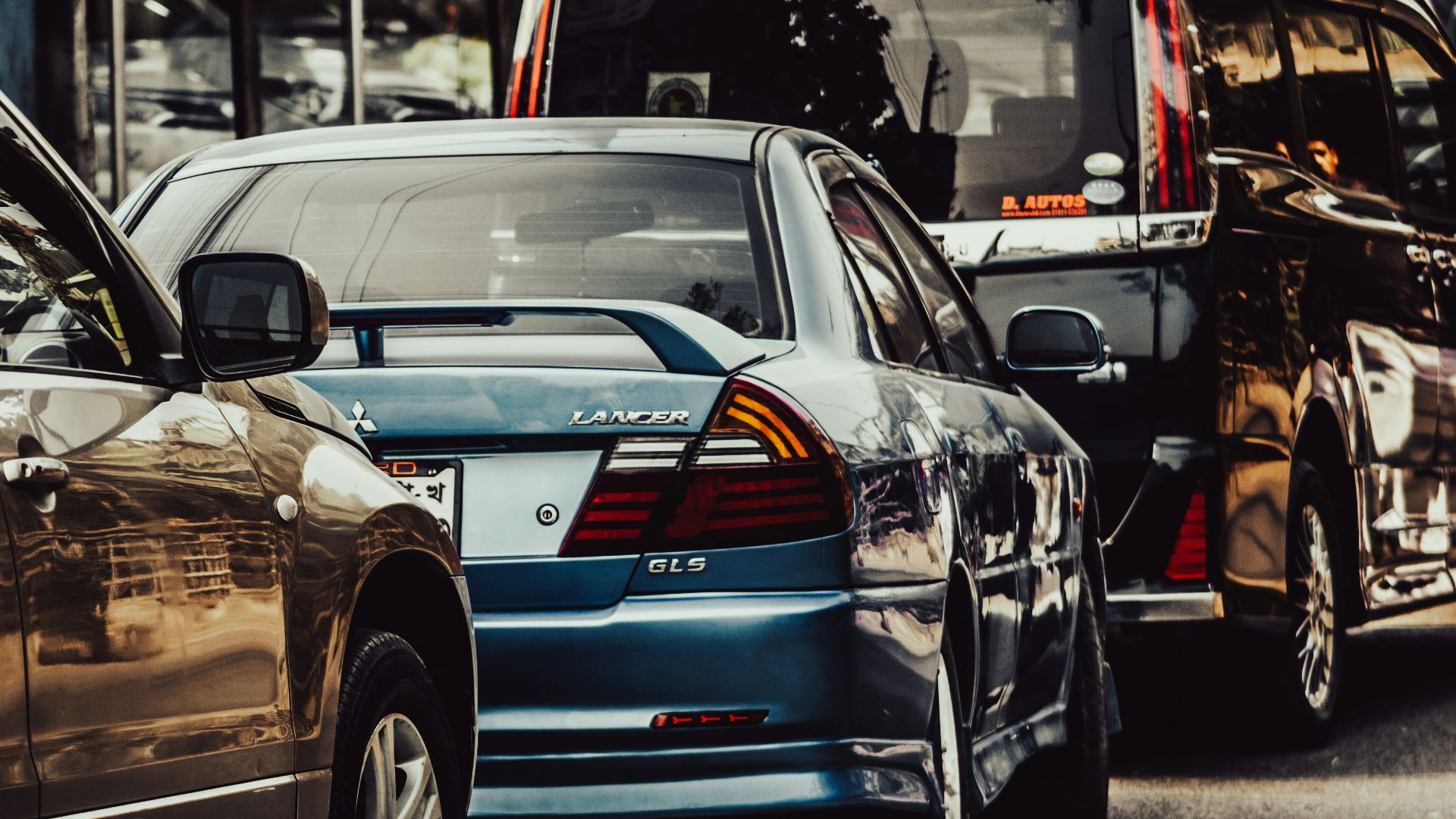
Nitrogen tires and “protective” paint sealants are still being marketed as “market mandatory” fees in 2026. Don’t accept these fees as a part of doing business, especially since the market is soft enough for you to walk if they insist. Push back on these dealers and ask them to waive the fees.
 Pop Emanuel Alexandru on Unsplash
5. Focus on the Out-the-Door Price
Salespeople will constantly try to pivot the conversation toward a "comfortable monthly payment" to hide the true cost of the car. You need to keep the focus strictly on the total out-the-door price, including all taxes and fees, before you even talk about financing. Once you’ve locked in a fair purchase price, you can then decide what to do.
6. Get Your Own Financing First
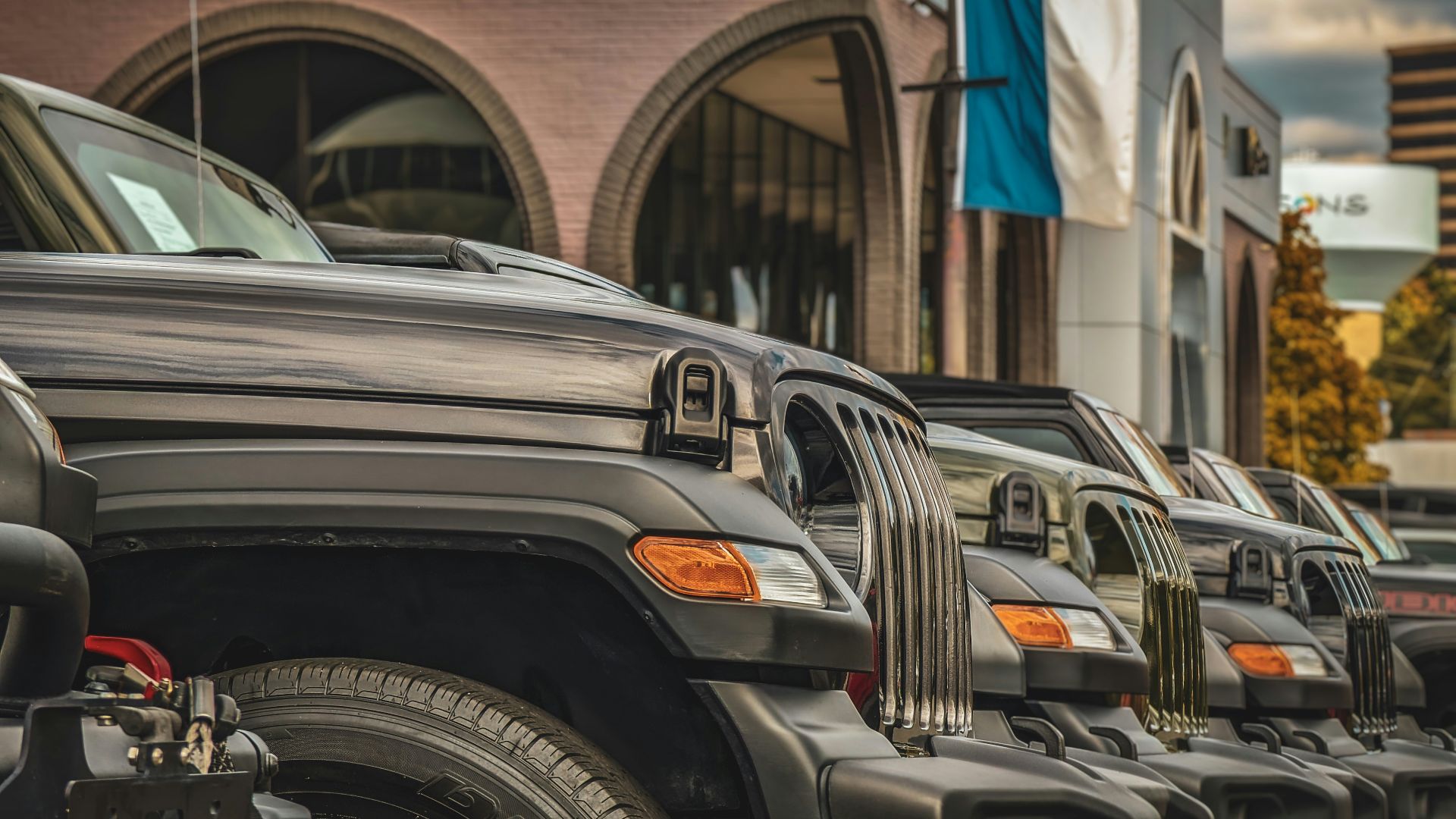
Walking into a dealership with a pre-approval from your local credit union or bank gives you an immediate upper hand. It forces the dealer’s finance office to either beat that rate or lose out on the "reserve" commission they make from the lender. You’ll often find they magically discover a better interest rate.
7. Target Unpopular Colors
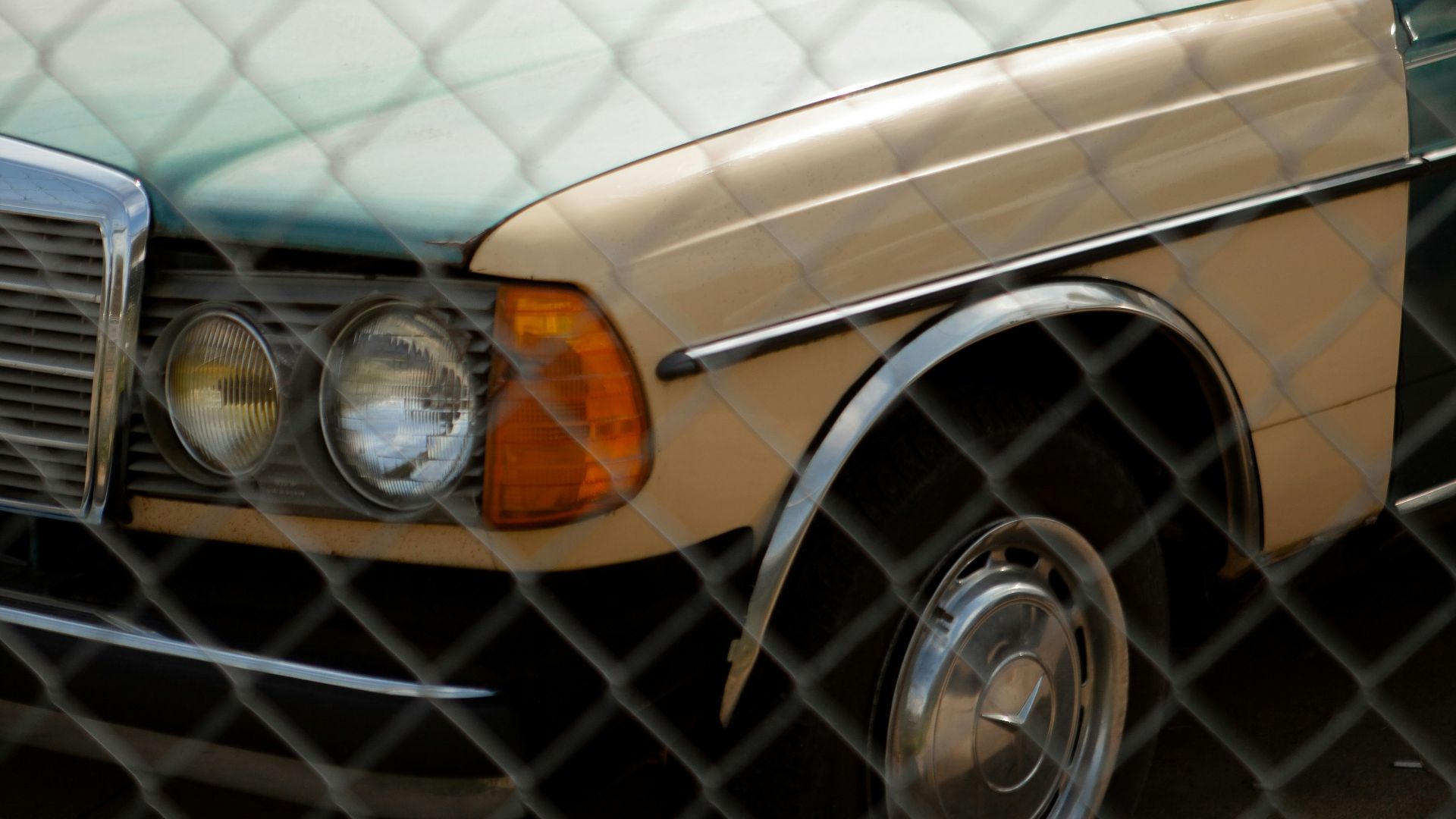
It sounds simple, but a car in a "boring" or polarizing color like beige or bright orange often sits on the lot significantly longer than silver or black ones. If you don't mind a unique shade, you can negotiate a much better deal on a vehicle that most people are overlooking. You’re essentially getting the same mechanical reliability for a discount.
8. Use Private Party Inspections
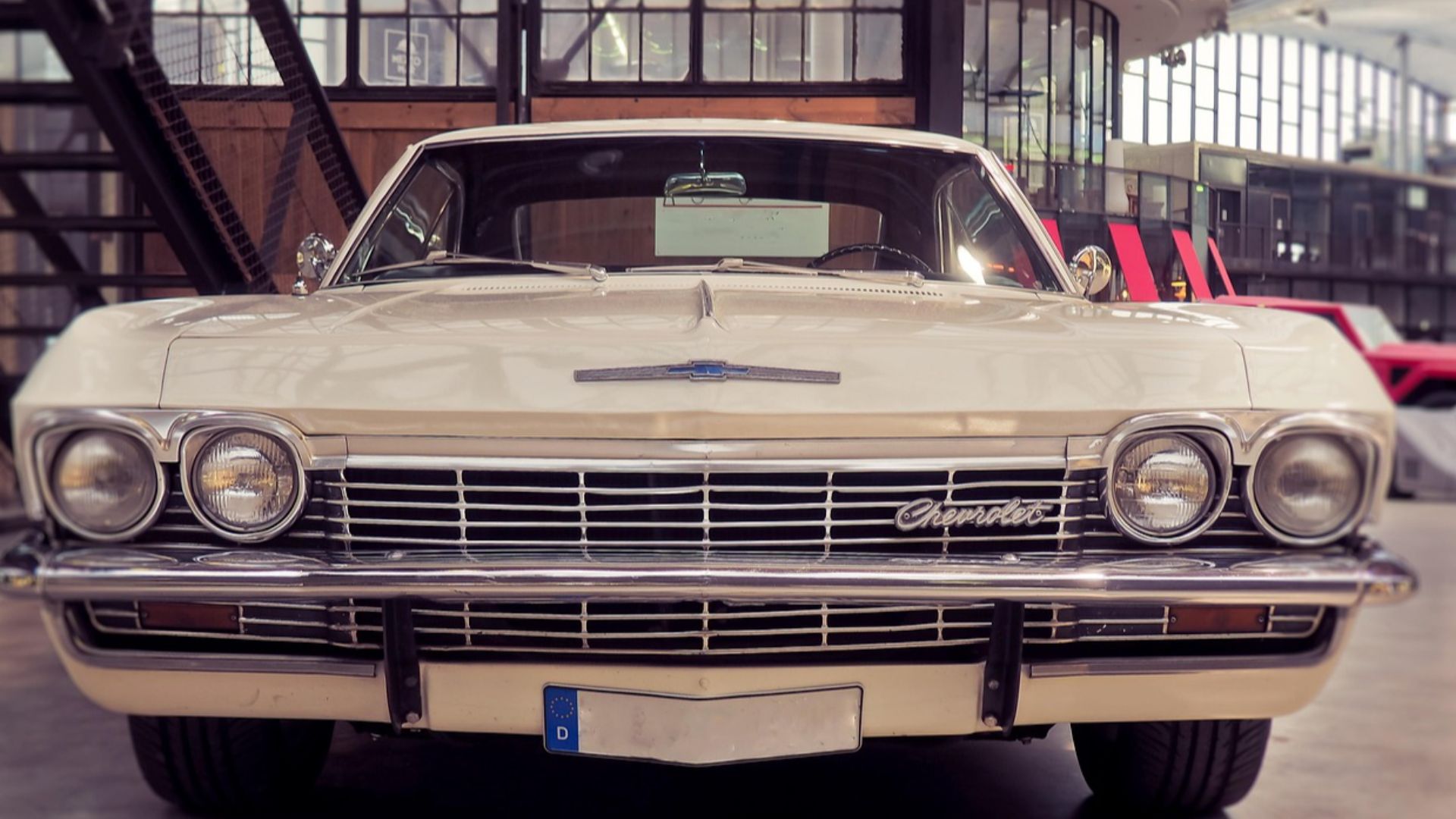
Online selling platforms are allowing more and more people to sell their cars without going through a dealership in 2026. Private-party buyers allow you to skip the dealership markup, but make sure to pay a mechanic to inspect the vehicle beforehand.

9. Monitor Wholesale Price Drops
Wholesale prices at auctions tend to roll out much quicker than retail prices do. If you track auctions and see that values are dropping, wait 30 days to see if retail prices finally adjust. All it takes is some patience.
10. Maximize Your Trade-In Value
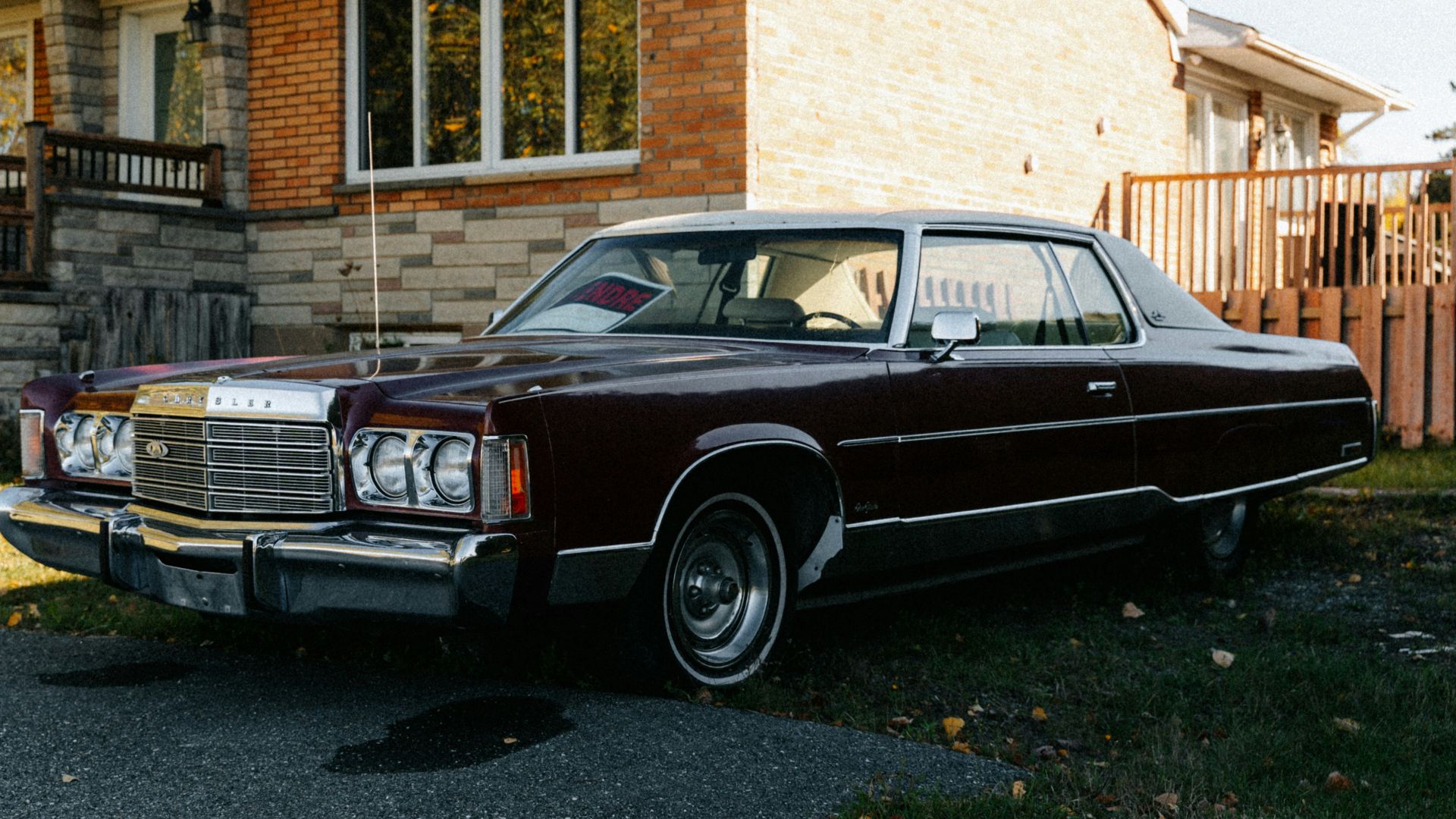
Many dealerships try to lowball you on trade-ins to make more profit. Avoid this by getting retail offers online from companies like Carvana, CarMax, and Vroom before visiting a dealer. Tell them those are the prices you’ve been quoted.

11. Explore Certified Pre-Owned (CPO) Benefits
In 2026, many manufacturers have expanded their CPO programs to include older vehicles with slightly higher mileage to keep things affordable. You get the peace of mind of a factory-backed warranty and a rigorous inspection without the steep price tag of a brand-new car. It’s often the best middle ground for buyers who want reliability but can't stomach the new-car depreciation.
12. Check the "Window" on Hybrid Batteries
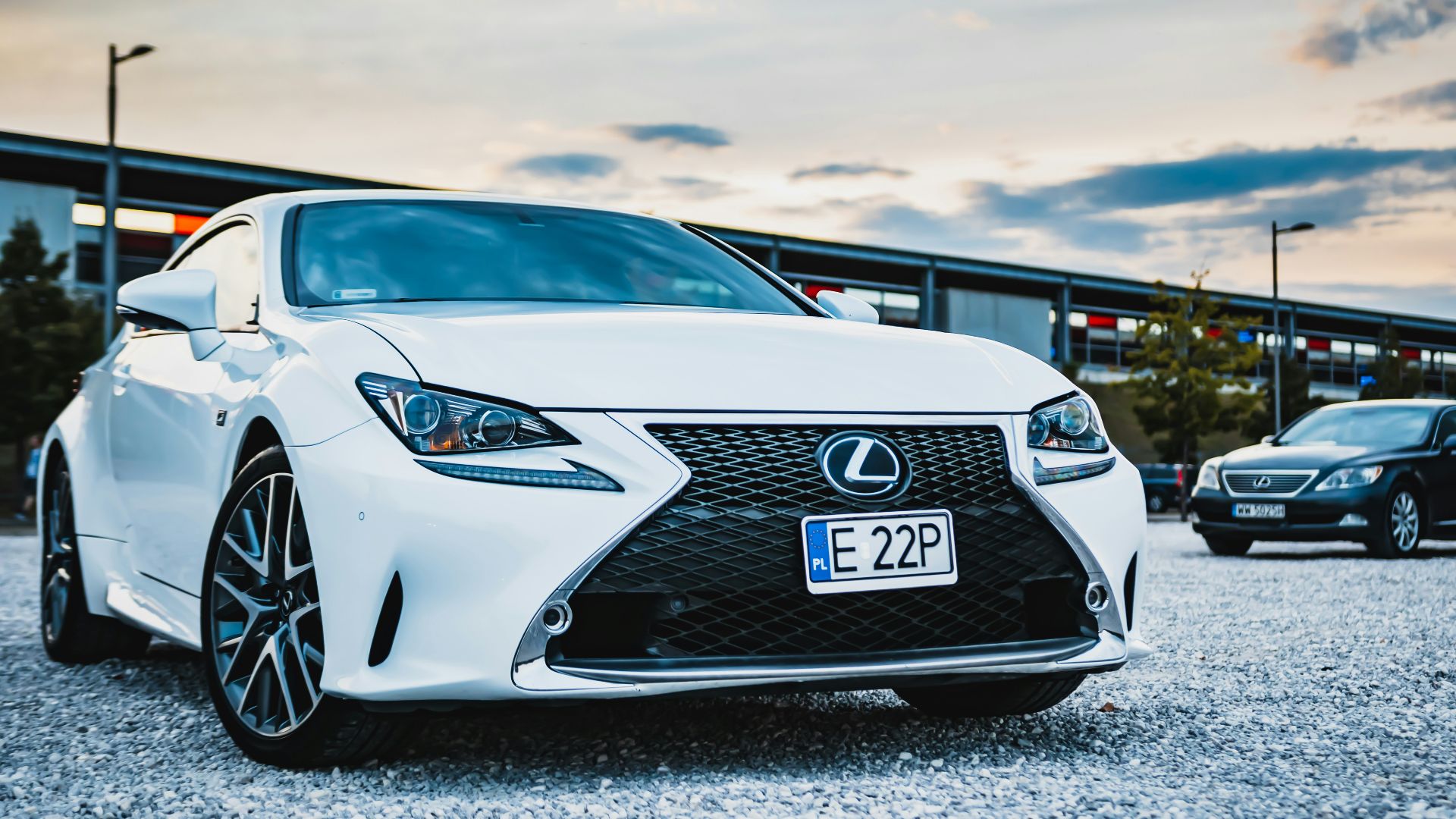
Hybrids are incredibly popular right now, but many are reaching the age where their original battery warranties are about to expire. You can "game" the market by finding a well-maintained hybrid that just passed its warranty period, as the price often drops significantly due to buyer fear. If you’ve done your research and the battery health is good, you’re getting a high-efficiency car for a bargain.
13. Negotiate via Email First
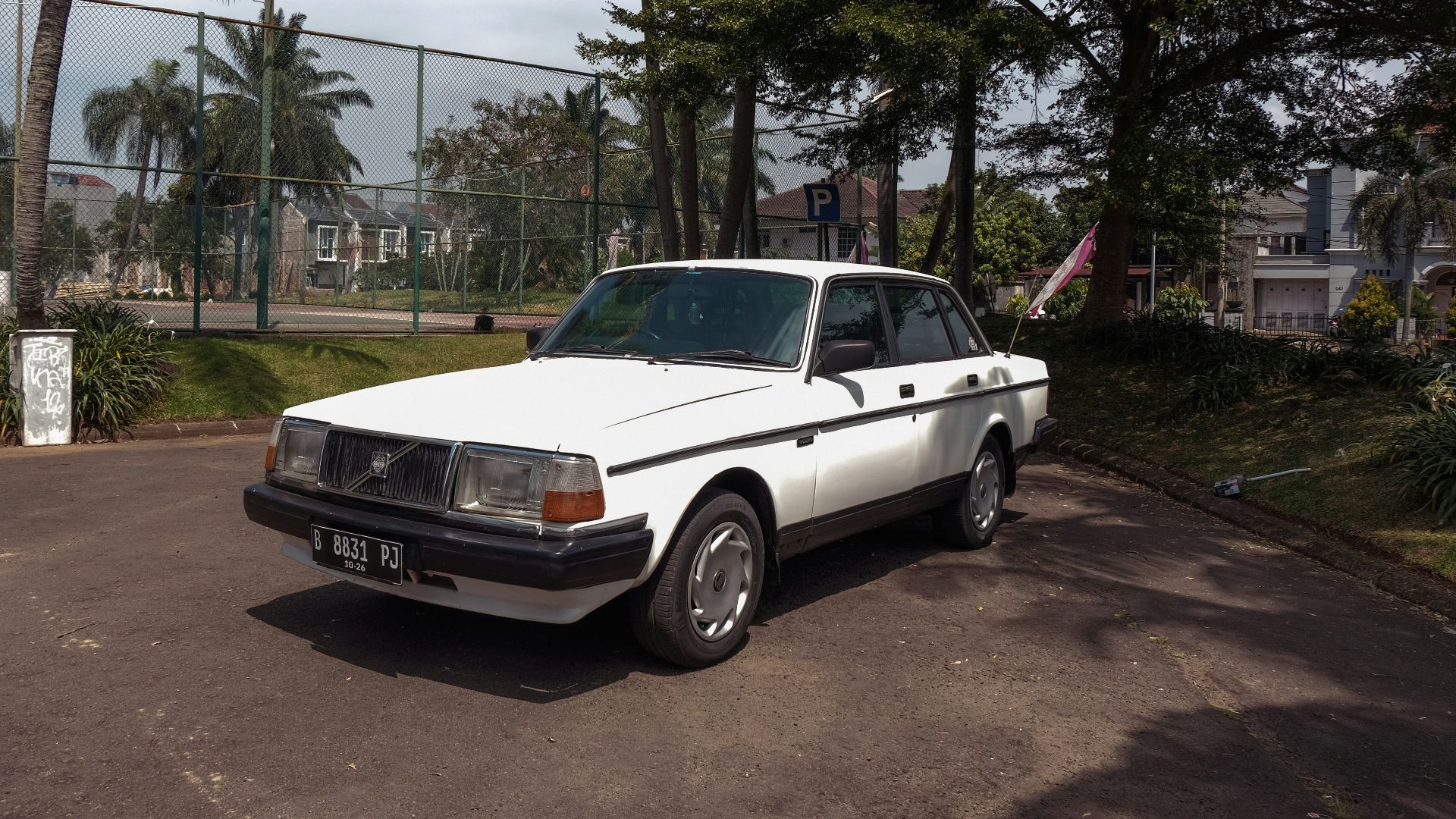
Forget wasting your time sitting in a dealership. Send personalized emails to dealers asking for their best price on a vehicle you’re interested in. Not only will they be competing against other dealers over email, but you eliminate the awkwardness of in-person haggling.
14. Watch for Rental Fleet Liquidations
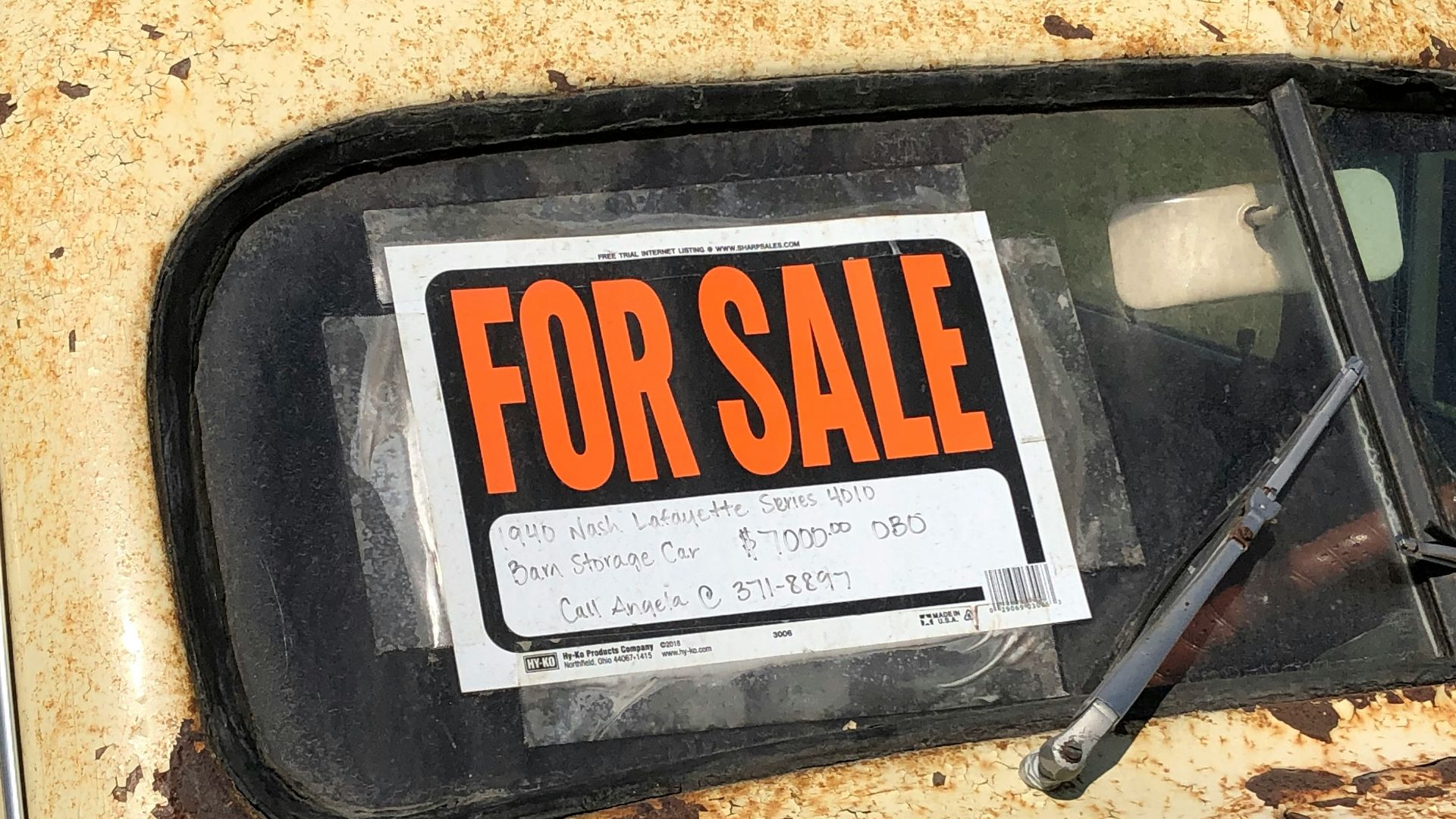
Due to high volume, rental companies are updating their fleets more often in 2026. There are tons of two-to-three year old cars being sold at significant discounts due to high mileage. These vehicles make up some of the best deals you’ll find on late model sedans and small SUVs.

15. Verify the "Carfax" or History Report
Don't just take the dealer's word for it; always pull a fresh vehicle history report yourself to check for title brands or hidden accidents. In 2026, some smaller lots try to "wash" titles from other states to hide flood damage or lemon law buybacks. Spending a few dollars on your own report can save you from a massive financial disaster down the road.
16. Target Leftover 2025 Models
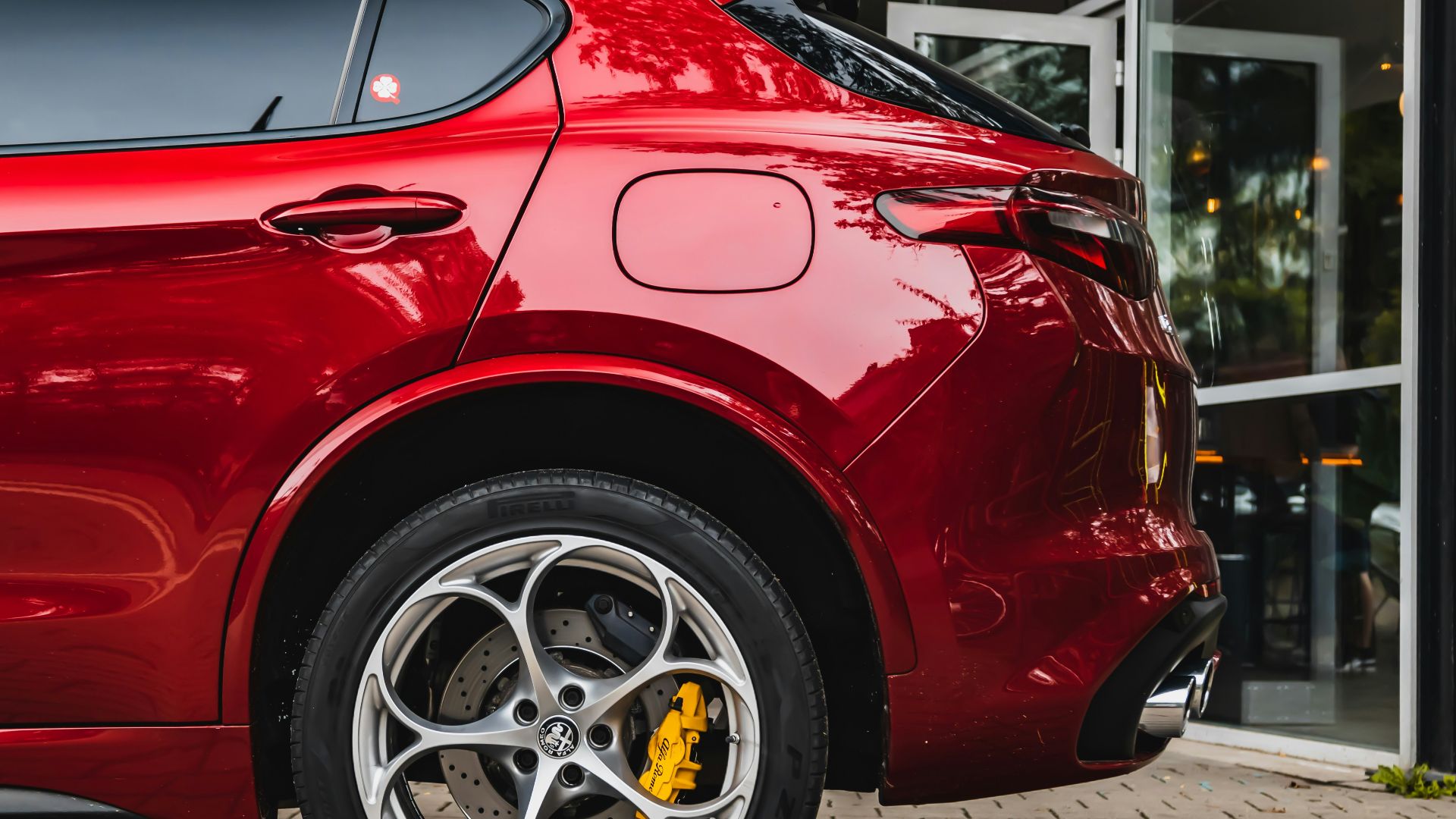
The later into the year 2026 you buy, the more leftover 2025 models you’ll find at dealerships. Because these cars are now “last year” models, they will be extremely eager to sell you one at a steep discount. Plus, you’ll get nearly all the factory warranty left just by buying last year’s model.

17. Use "Social" Marketplaces Strategically
Local buy-and-sell groups on social media can be goldmines for finding deals from people who just want a quick, hassle-free sale. You’ll find that these sellers are often more flexible than dealerships and aren't trying to hit a specific profit margin. Just stay alert for scams and always meet in a safe, public place like a police station parking lot.

18. Research Regional Price Gaps
A car that is overpriced in Los Angeles may be inexpensive in a neighboring town an hour away. Expand your search radius and price out vehicles that may be cheaper to drive to instead of paying an inflated price. This works incredibly well if there is a supply and demand imbalance in your immediate area.
 Swansway Motor Group on Unsplash
19. Ask for the Service Records
A used car with a documented history of oil changes and scheduled maintenance is worth a premium, but you can use the absence of records to negotiate. If a dealer can't prove that the 30,000-mile service was done, you should demand they perform it for free or drop the price accordingly. You're holding them accountable for the quality of the product.
20. Be Ready to Walk Away
Your most powerful tool in 2026 is still your ability to say "no" and head for the exit. If the numbers aren't making sense or you feel like you're being pressured into a bad deal, don't hesitate to leave the lot. There are plenty of other cars and dealerships out there.