
The 10 Most Controversial Car Companies & the 10 Most Beloved
Some Brands Inspire Devotion, & Some Start Arguments in Seconds
Car companies rarely stay in the middle for long. Some build the kind of reputation that makes owners defend them like family, while others seem to collect backlash, scandals, quality complaints, or brand drama that follows them for years. That doesn't always mean the beloved brands are perfect or the controversial ones are hopeless. It just means public opinion around carmakers tends to get emotional very quickly, especially when reliability, design, politics, and money all get involved. Here are the 10 most controversial automakers and the 10 most universally loved.
1. Tesla
Tesla is controversial because it somehow manages to be admired, criticized, and argued about all at the same time. Consumer Reports still shows strong owner satisfaction for the brand, yet Tesla’s public image has taken repeated hits from political backlash around Elon Musk, as well as ongoing lawsuits and Autopilot-related scrutiny. It's not easy being the trailblazer.
2. Volkswagen
Volkswagen still lives under the shadow of Dieselgate, which remains one of the biggest automotive scandals of the modern era. The ICCT’s ten-year look back on the emissions scandal makes it clear just how much damage the cheating case did to trust in the company and in diesel technology more broadly. Even when Volkswagen builds strong products, the brand still carries that stain with it.
3. General Motors
GM gets criticism because the ignition-switch recall saga became one of the most painful safety scandals in recent American car history. The defect was linked to 124 fatalities, and the company’s delayed response badly damaged public confidence.
4. Stellantis
Stellantis has become a lightning rod partly because it sits on a sprawling pile of brands while also drawing complaints about layoffs, strategy, and uneven execution. The labor side has been especially noisy, with the UAW publicly pressuring the company over jobs and factory commitments. When a car company starts feeling cold, corporate, and confusing all at once, controversy usually follows.
5. Nissan
Nissan remains a recognizable global brand, but the Carlos Ghosn scandal did lasting damage to how people talked about the company. The allegations around underreported pay, the internal power struggle, and the years of fallout made Nissan feel less stable and less focused than it once did. Even now, that whole period still hangs over the brand’s image.
6. Mitsubishi
Mitsubishi is controversial because it's had more than one trust problem to explain. Beyond older defect cover-up issues, the company admitted in 2016 that it had used improper fuel-economy testing methods for 25 years. That's the kind of statement that makes people wonder what else they were supposed to take on faith.
7. Jaguar
Jaguar made itself controversial again with its radical rebrand to an all-electric luxury company by the end of the year, which sparked a truly loud reaction online and in the press. A company can call that attention bold and fearless, but it still means people are arguing about what the brand even is now. Confusion isn't always the same thing as excitement, and Jaguar has had plenty of both lately.
8. Land Rover
Land Rover is one of those brands people want to love more than they always trust. Consumer Reports’ latest brand rankings placed Land Rover near the bottom, which reinforces the long-running complaint that the image is often stronger than the ownership experience. When a luxury badge keeps getting paired with reliability anxiety, the brand becomes polarizing by default.
9. Jeep
Jeep gets criticized because it has one of the strongest images in the business and one of the more uneven reputations for quality. Consumer Reports has flagged Jeep near the bottom of recent brand rankings, and that gap between promise and execution frustrates people more than bland mediocrity ever could. Buyers expect rugged charm and often wind up discussing repair probabilities instead.
10. Renault
Renault is controversial because of how often it's embroiled in high-profile scandals, management turmoil, and reliability debates. The company still carries a lot of baggage from the long Carlos Ghosn saga and the instability that surrounded the Renault-Nissan alliance. That doesn't mean Renault can't build strong products, but it does mean the company’s image has been shaped by disrepute and internal tension as much as by the cars themselves.
Now that we've covered the most controversial car manufacturers, let's talk about the ones people tend to love so much that they become brand loyal for life.
1. Toyota
Toyota is beloved because it keeps winning the least glamorous compliment in the car world: it's reliable. YouGov found it was the most trusted brand for longevity in the U.S., and Consumer Reports still places it near the top for reliability. A company doesn't need to be exciting every second when so many buyers just want a car that behaves.
2. Lexus
Lexus has built the luxury version of that same trust. It ranks at the top of both Consumer Reports reliability and J.D. Power dependability. It's an expensive brand, but at least buyers feel like they get what they paid for.
3. Subaru
Subaru has an unusually loyal following because it combines good reliability, strong owner satisfaction, and a very specific outdoorsy identity people genuinely buy into. Consumer Reports ranked it first overall among tested brands and also near the top for owner satisfaction. That's what happens when a brand feels both practical and personal.
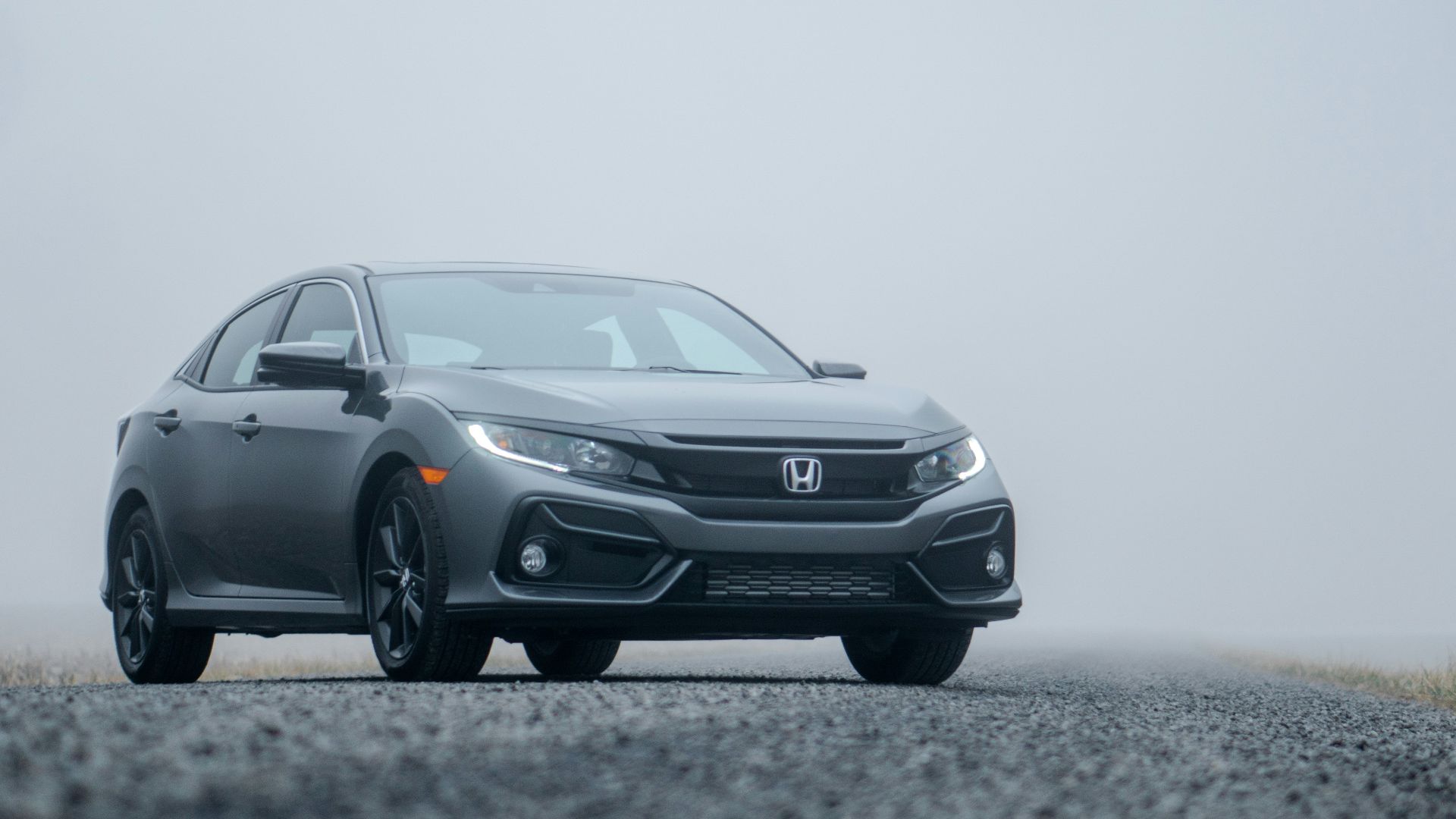
4. Honda
Honda remains beloved because it keeps offering the kind of competence people don't get tired of. It scores well in Consumer Reports reliability rankings, performs strongly in YouGov’s longevity perceptions, and still feels like a safe answer for buyers who don't want drama. Sometimes being dependable and broadly likable is enough to make people very loyal.
5. Porsche
Porsche is loved because it's managed the rare trick of feeling aspirational and genuinely good at the same time. Consumer Reports ranks it near the top overall, and J.D. Power places it high among premium brands for dependability. That combination gives people permission to admire it without feeling like they're choosing style over substance.
6. BMW
BMW does very well with people who care about the driving experience but still want a brand with strong current consumer momentum. Consumer Reports places BMW near the top overall and near the top in owner satisfaction, which suggests the brand’s fans aren't just buying the badge and regretting it later.
7. Mazda
Mazda tends to be loved by people who want something a little more stylish and engaging without leaving the realm of sensible ownership. J.D. Power ranked it second in 2025 among mass-market brands for dependability. It often feels like the brand for buyers who want something tasteful and a little more fun without the headache.
8. Genesis
Genesis has become a beloved upstart because it feels like it's still trying harder than the brands it wants to embarrass. Consumer Reports places it high in owner satisfaction, which matters because luxury buyers can be ruthless when a brand overpromises. When people feel they got a lot of car for the money, affection tends to follow quickly.
9. Rivian
Consumer Reports put Rivian at the top of its owner-satisfaction rankings, which is a remarkable place for a newer brand to land. That kind of love usually comes from a company making customers feel like they bought into something exciting rather than merely functional.
10. Buick
Buick isn't always the first brand people name when they talk about beloved car companies, but that's partly why its reputation is so interesting. J.D. Power ranked it highest among mass-market brands in the 2025 dependability study, which suggests the company is doing a much better job than the jokes about old Buicks would imply.