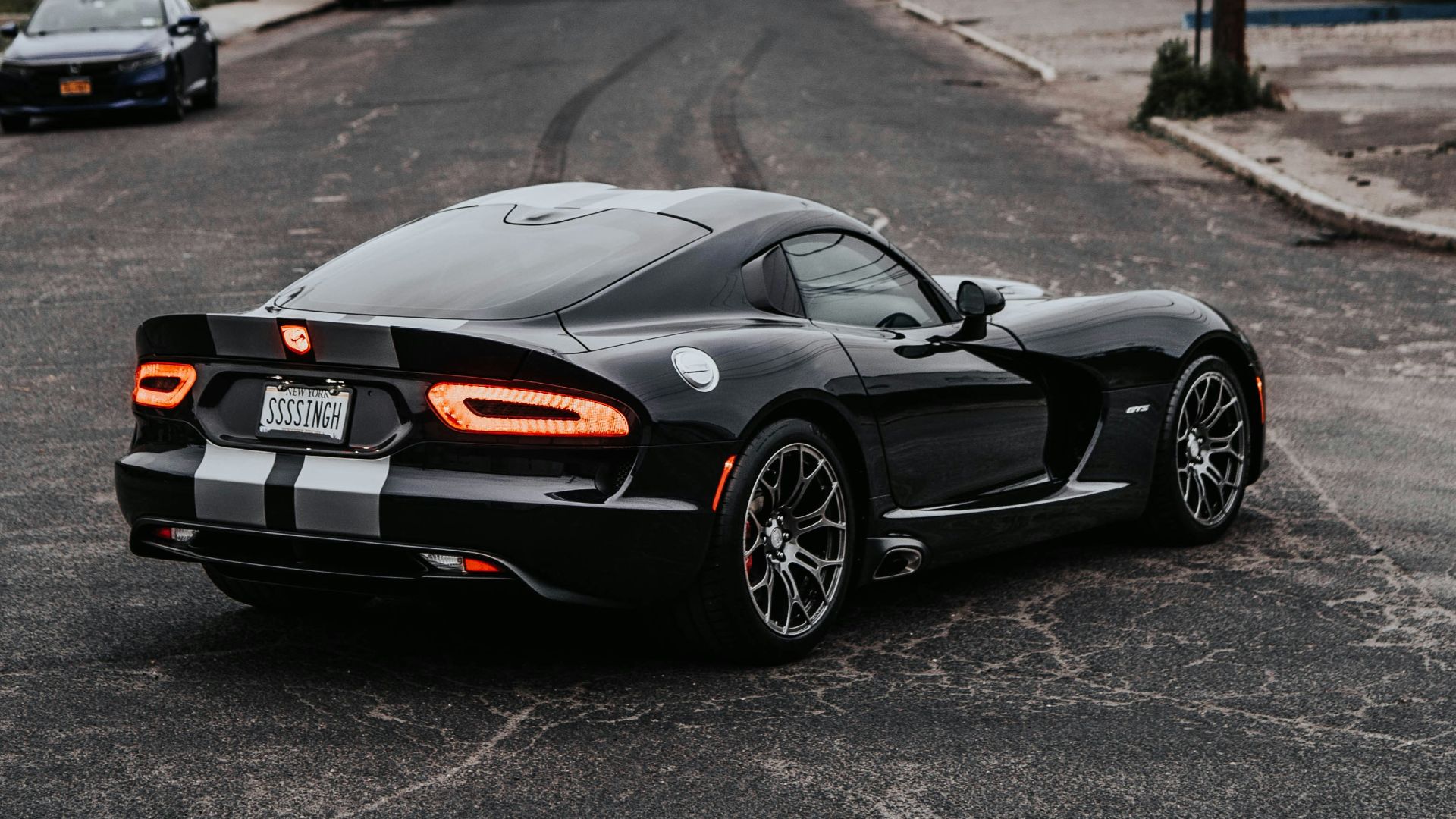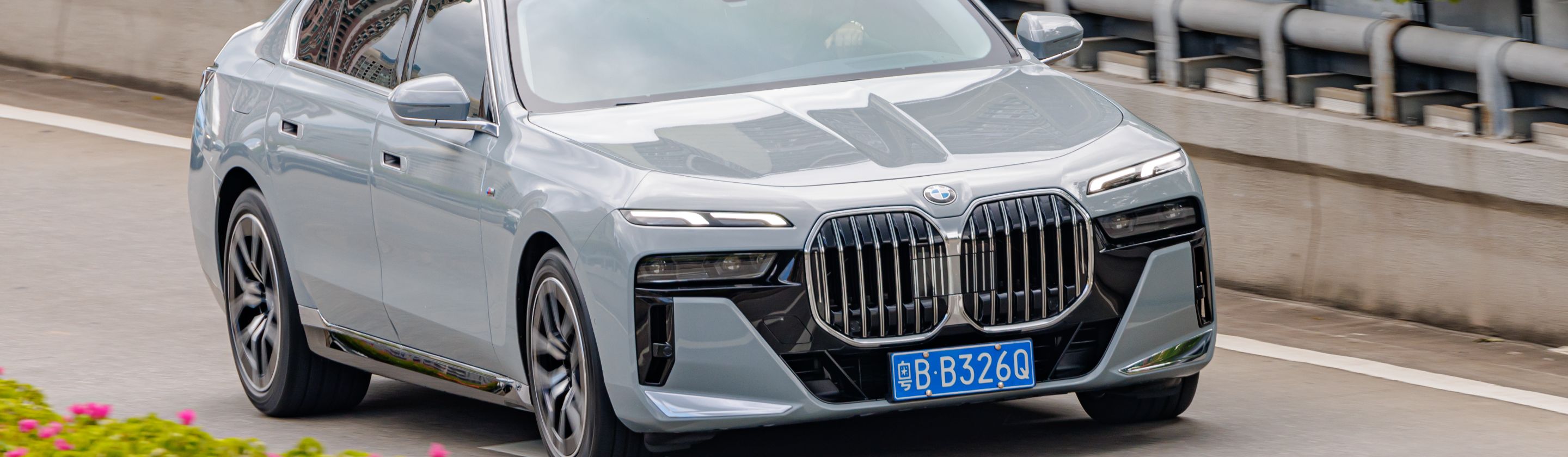

Cars From A Completely Different Era
Every generation grows up with a different idea of what a normal car looks and feels like. For Millennials, raised during the transition from analog technology to smartphones, some older cars can seem especially strange because they lack the features that became standard during their lifetime. There are vehicles with enormous engines, unusual controls, questionable ergonomics, and styling choices that make perfect sense only when you know what was popular at the time.

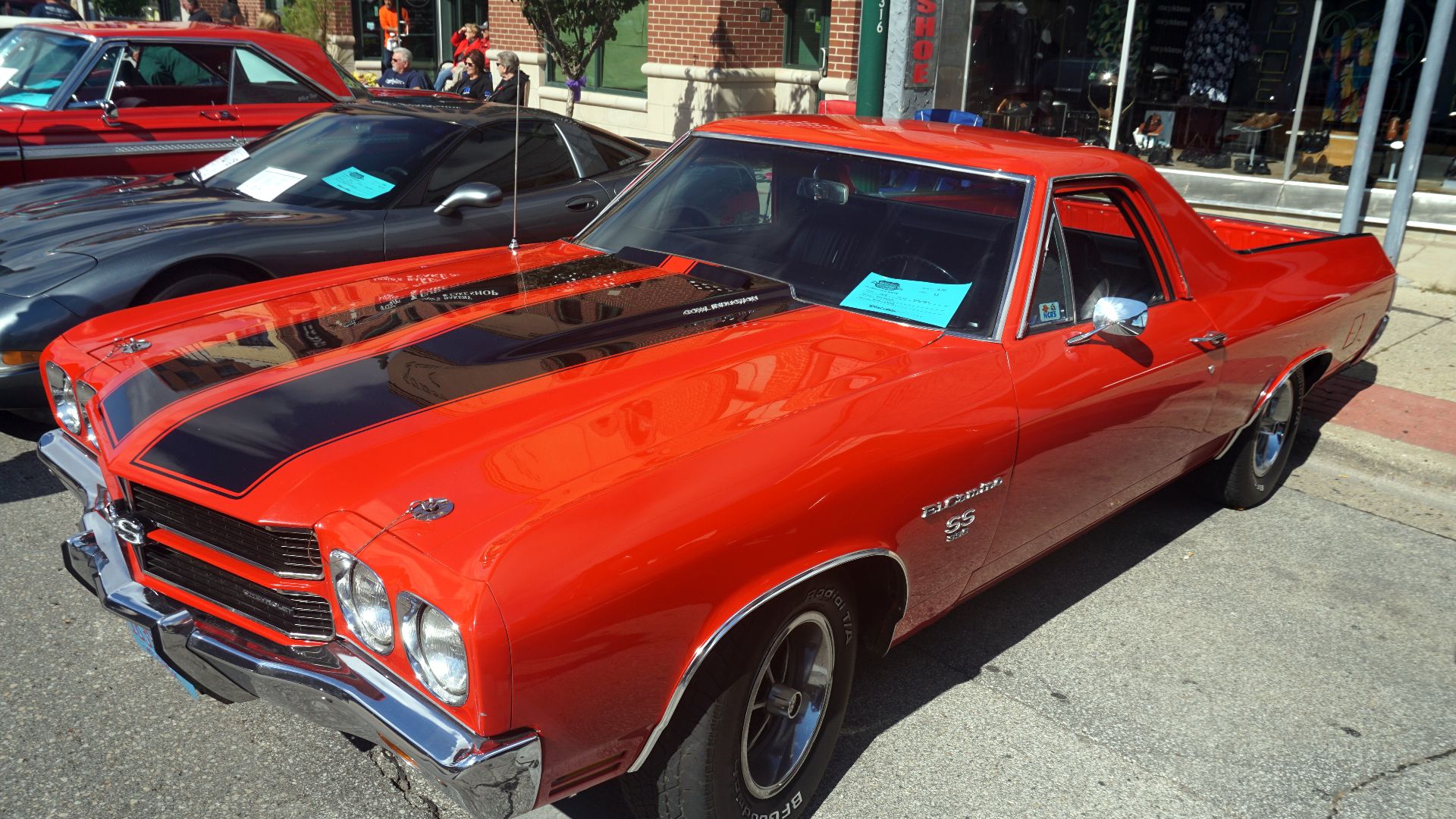
1. Chevrolet El Camino
The Chevrolet El Camino looks like someone couldn't decide whether they wanted a muscle car or a pickup truck. Older generations understood the appeal immediately, especially when powerful V8 versions were available. To many Millennials, though, it looks like a very specific answer to a question nobody remembers asking.
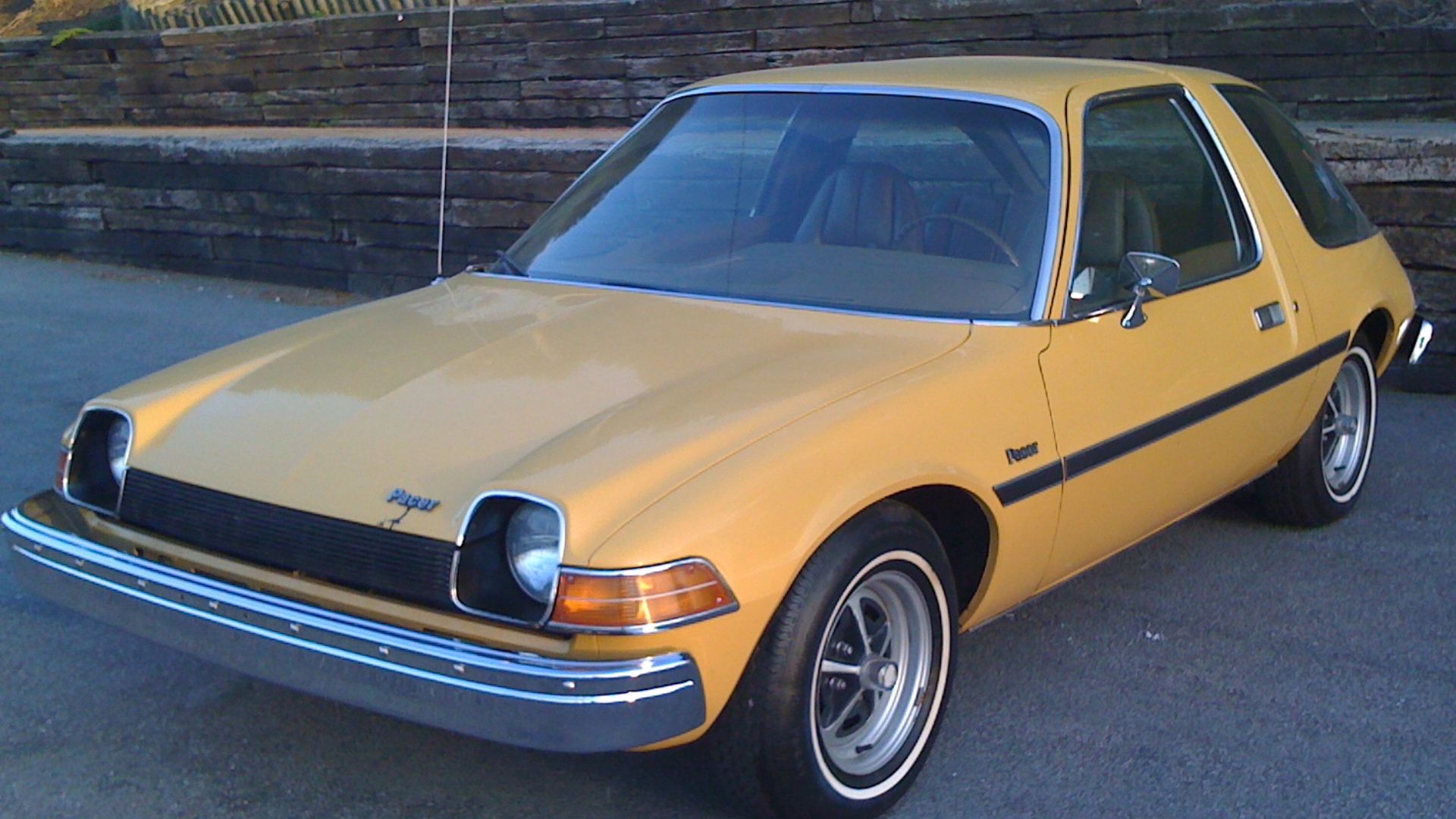
2. AMC Pacer
The AMC Pacer was supposed to offer a futuristic take on the compact car, but its unusual proportions haven't aged quietly. Boasting some of the highest glass-to-metal ratios on the road, not to mention curved lines and oddly shaped doors, it certainly stood out during its day. Millennials may have only seen its shellacked vinyl interior and inexplicable shape in movies or on television.
3. Volkswagen Beetle
While today's cars often chase technology trends, the original Beetle was built on mechanical simplicity that seems quaint by modern standards. The interior was basic, the performance was modest, and there wasn't much emphasis on the technology modern drivers take for granted. For someone accustomed to fuel injection, climate control, and infotainment screens, an old Beetle can feel surprisingly primitive.

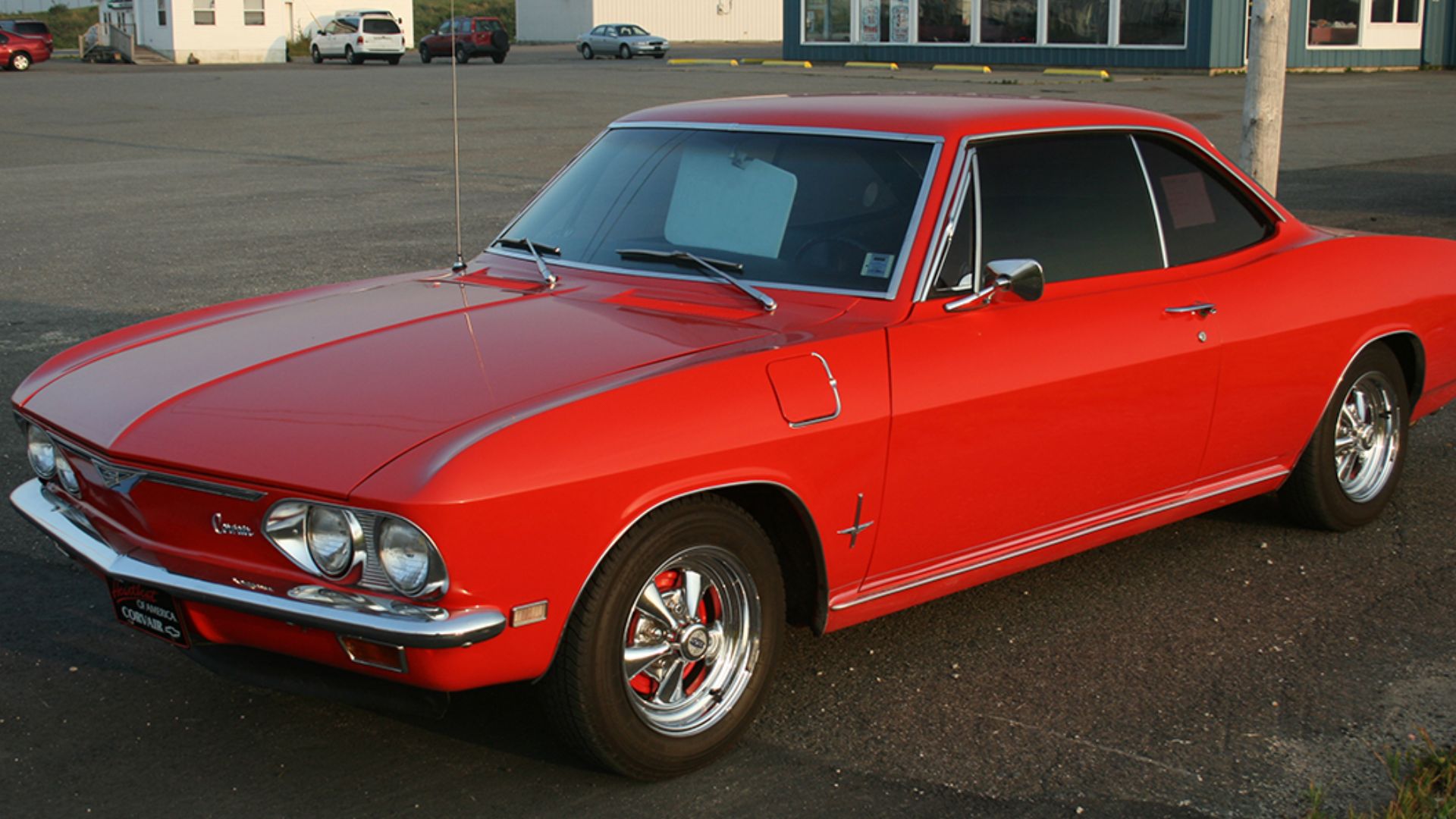
4. Chevrolet Corvair
This is one car that will make Millennials question just how drivable most old cars really were. Because Chevrolet equipped the Corvair with a rear-mounted, air-cooled flat-six engine, drivers got a distinctive experience that stood in stark contrast to contemporary FWD and RWD models. Its engineering history is also tied to major safety debates of the 1960s, making the Corvair much more complicated than its cheerful appearance suggests.
5. Ford Pinto
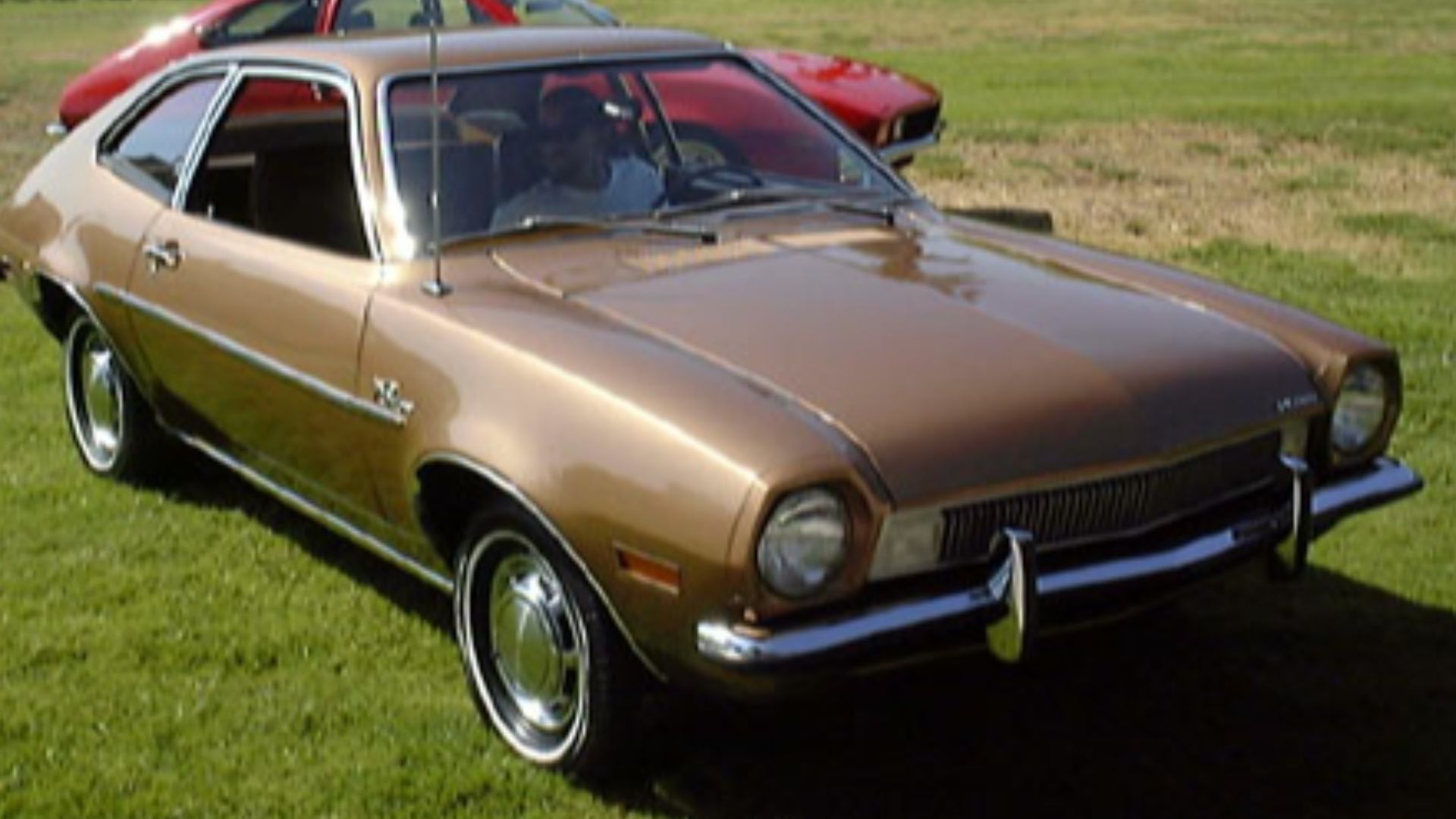
The Ford Pinto was one of America's most recognizable small cars during the 1970s, but its reputation today is dominated by its safety controversies. Its compact dimensions and simple construction made sense in an era of changing fuel prices and consumer preferences. Millennials may recognize the name from history books and jokes more readily than from actually seeing one on the road.
 User Morven on en.wikipedia on Wikimedia
6. Cadillac Fleetwood
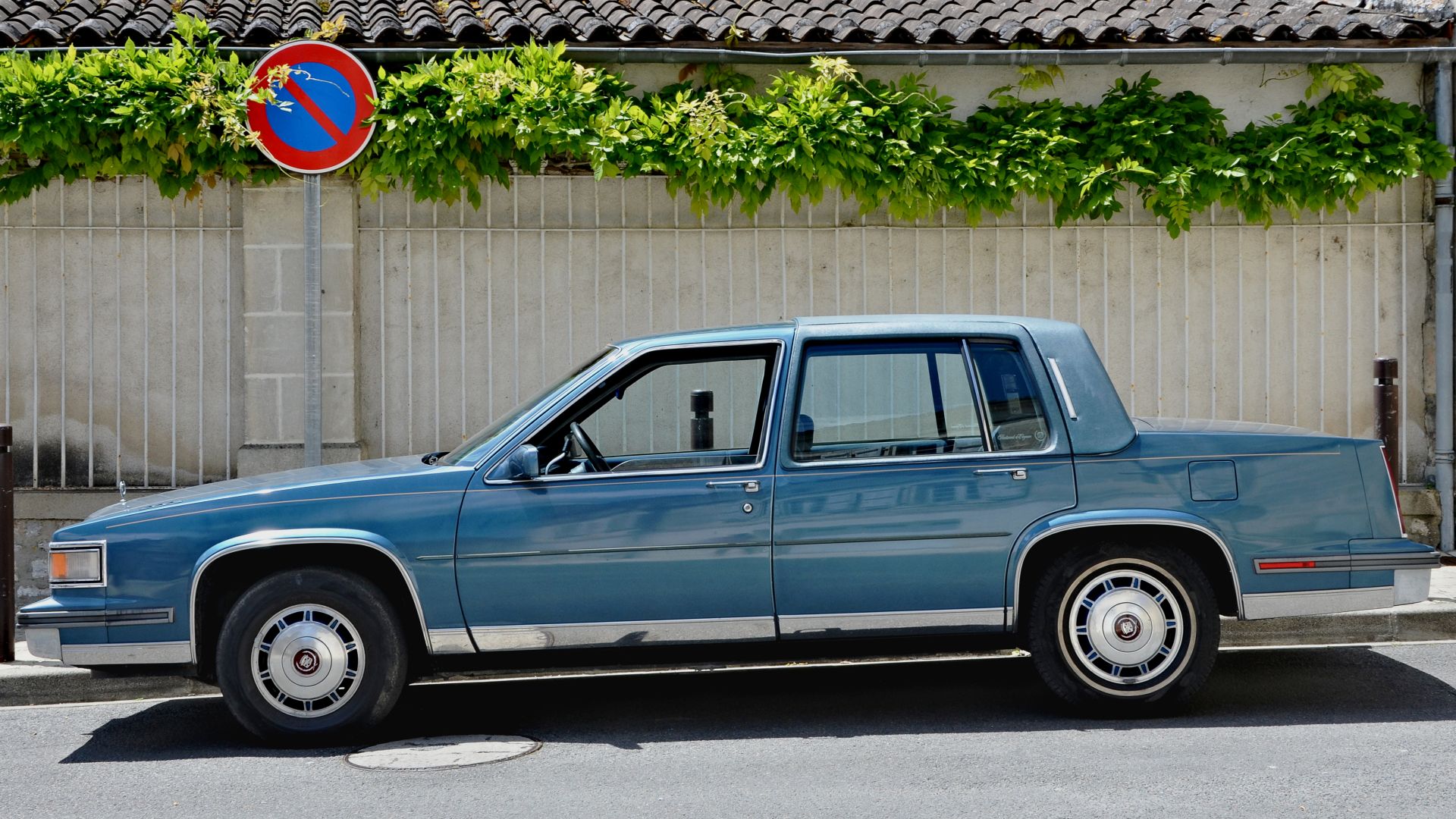
Millennials love large trucks and monster SUVs, so just how huge some modern classics used to be may come as something of a surprise. Case in point: the Cadillac Fleetwood, which hasn't looked this big since the early 20th century. If you've only experienced today's SUVs and sedans, the parking requirements alone might be enough to make you nervous.
7. AMC Gremlin
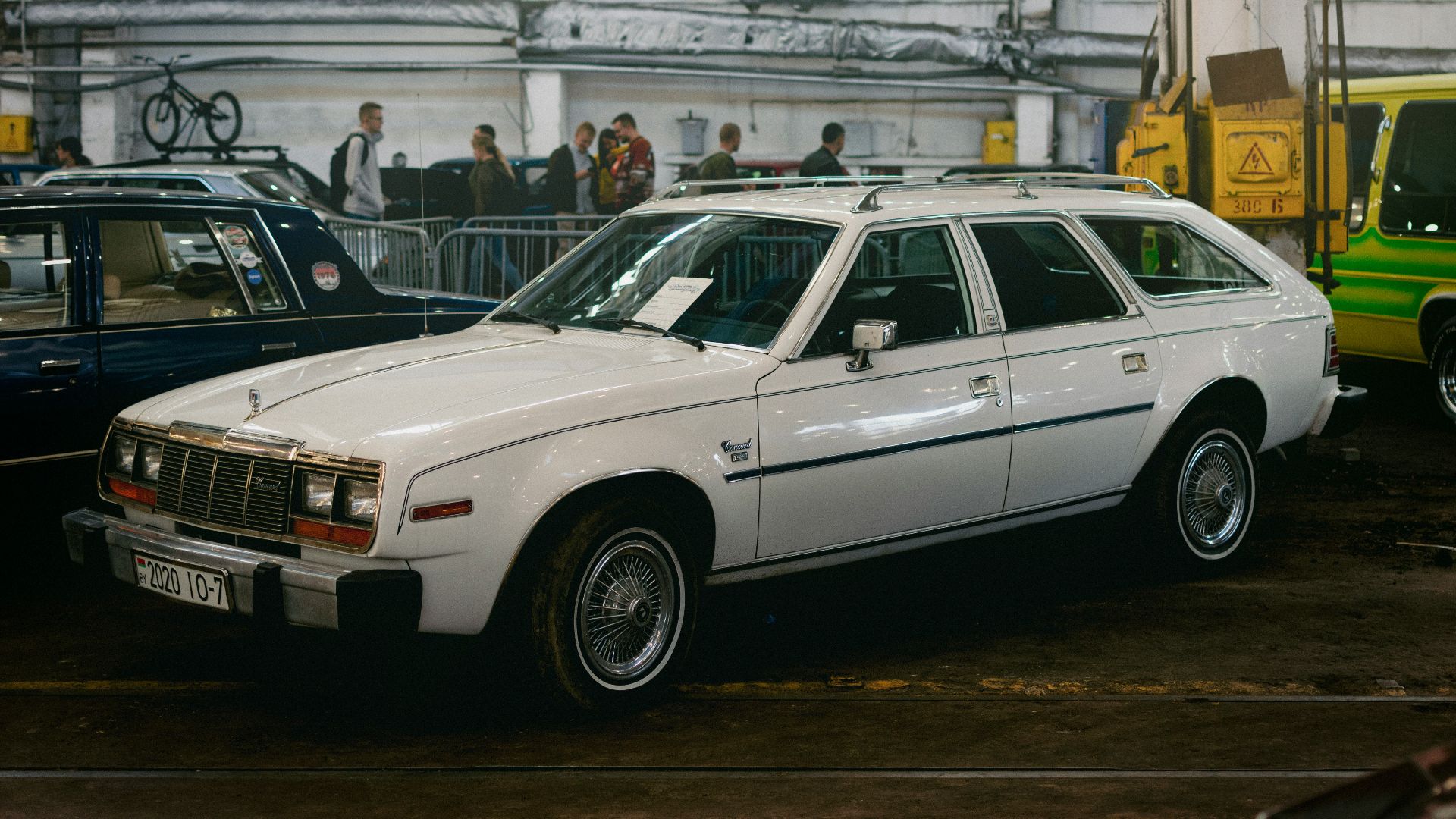
It looks like a glove was stretched over a tennis ball and then somehow fashioned into a car. Whether that's how the AMC Gremlin looks to Millennials or not, its shrunken size and chopped-off rear end definitely gave it personality back in the day. Yet plenty of buyers in the 1970s saw it as an affordable and practical little car.
 Evgeni Adutskevich on Unsplash
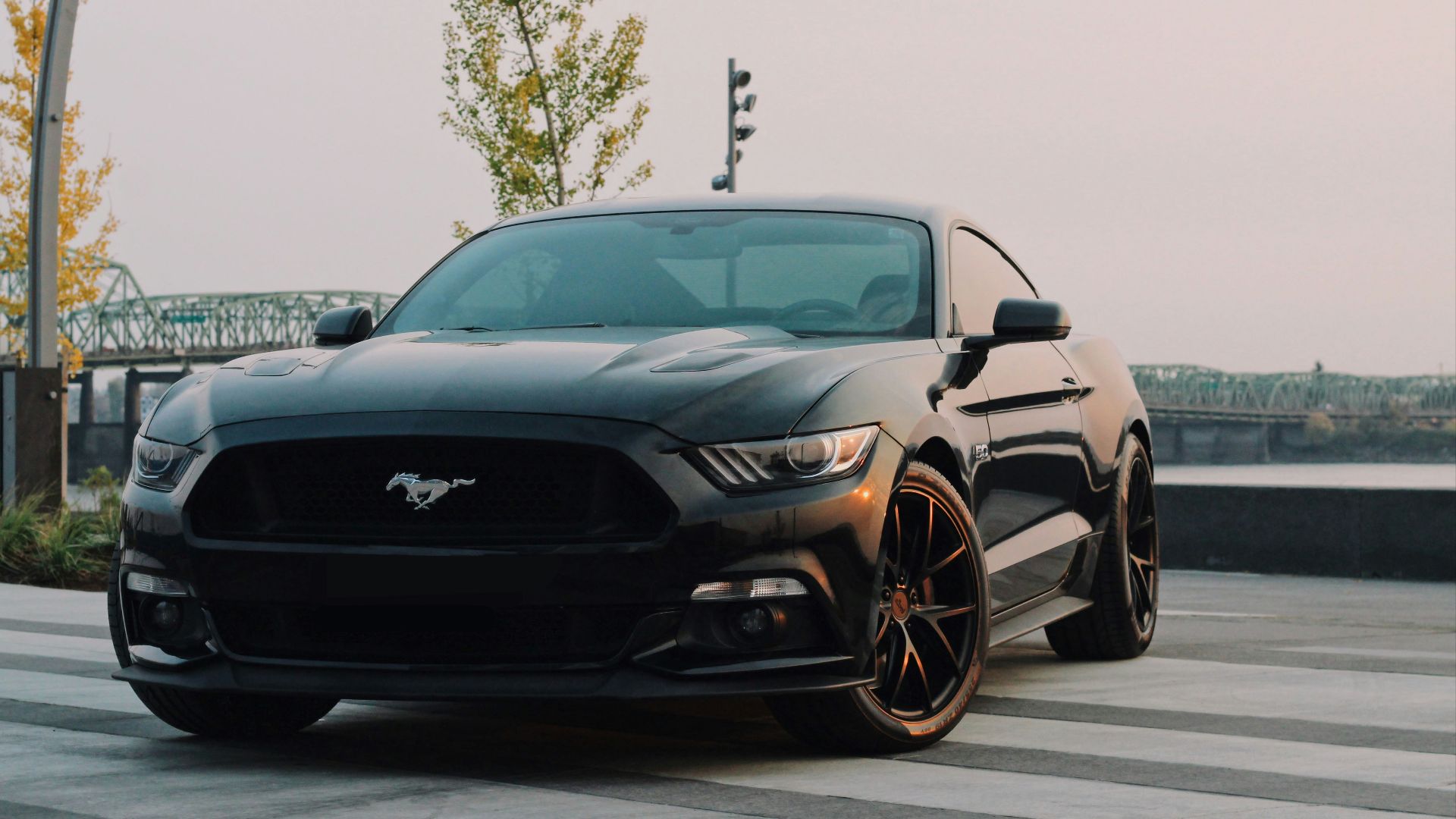
8. Ford Mustang II
Millennials know Mustangs. They're big. They're powerful. They have screaming-fast V8 engines that wouldn't start until you pressed a button. For Millennials accustomed to modern Mustangs making hundreds of horsepower, the Mustang II requires a serious adjustment in expectations.
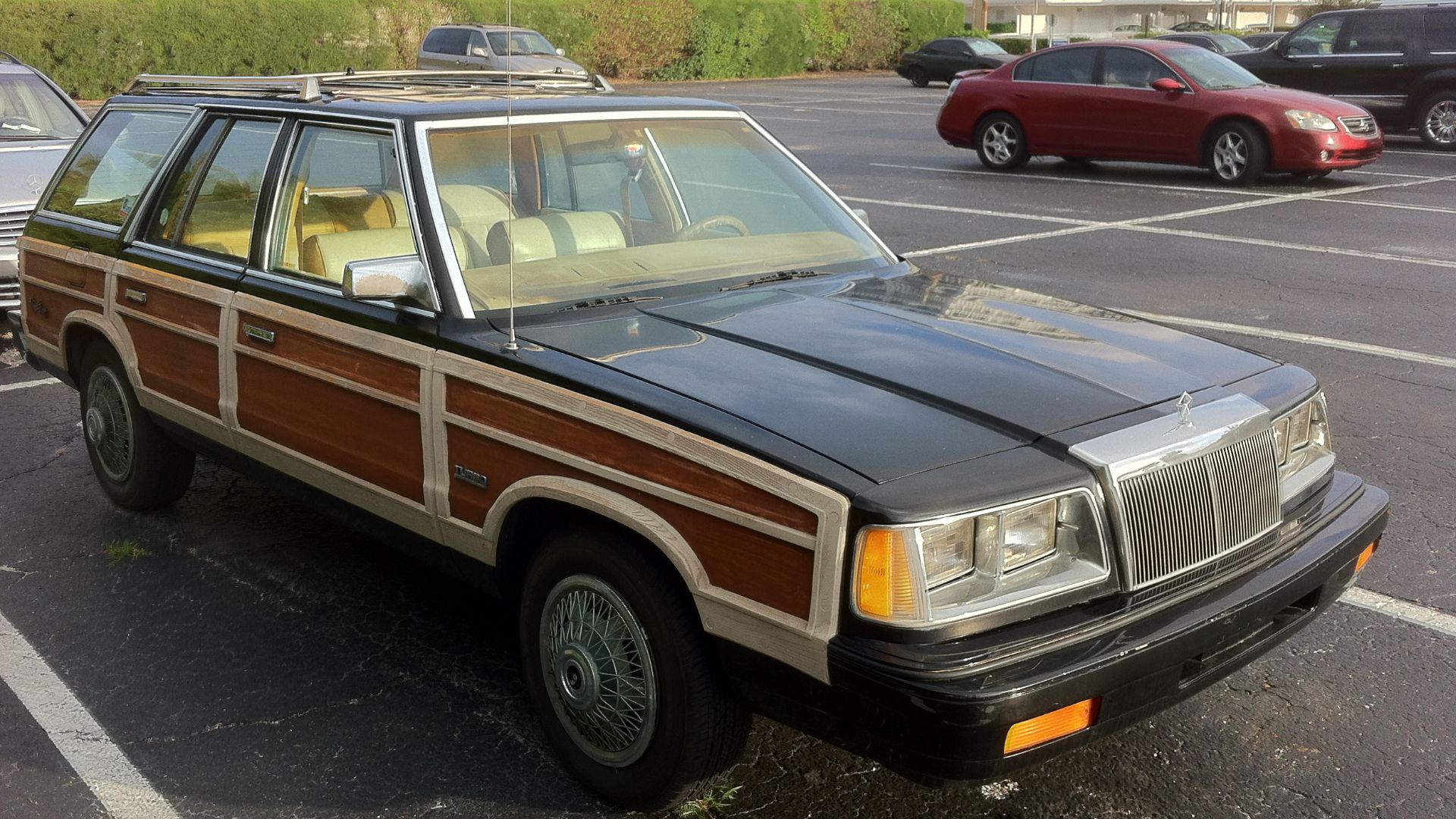
9. Chrysler K-Car
Here's an old car so uninspiring that it almost hides in plain sight. Enter Chrysler's K-car, which basically refers to the front-wheel-drive car platform that spawned the Dodge Aries and Plymouth Reliant. To a Millennial, it may simply look like an extremely ordinary old sedan, which is precisely why its historical importance can be easy to miss.
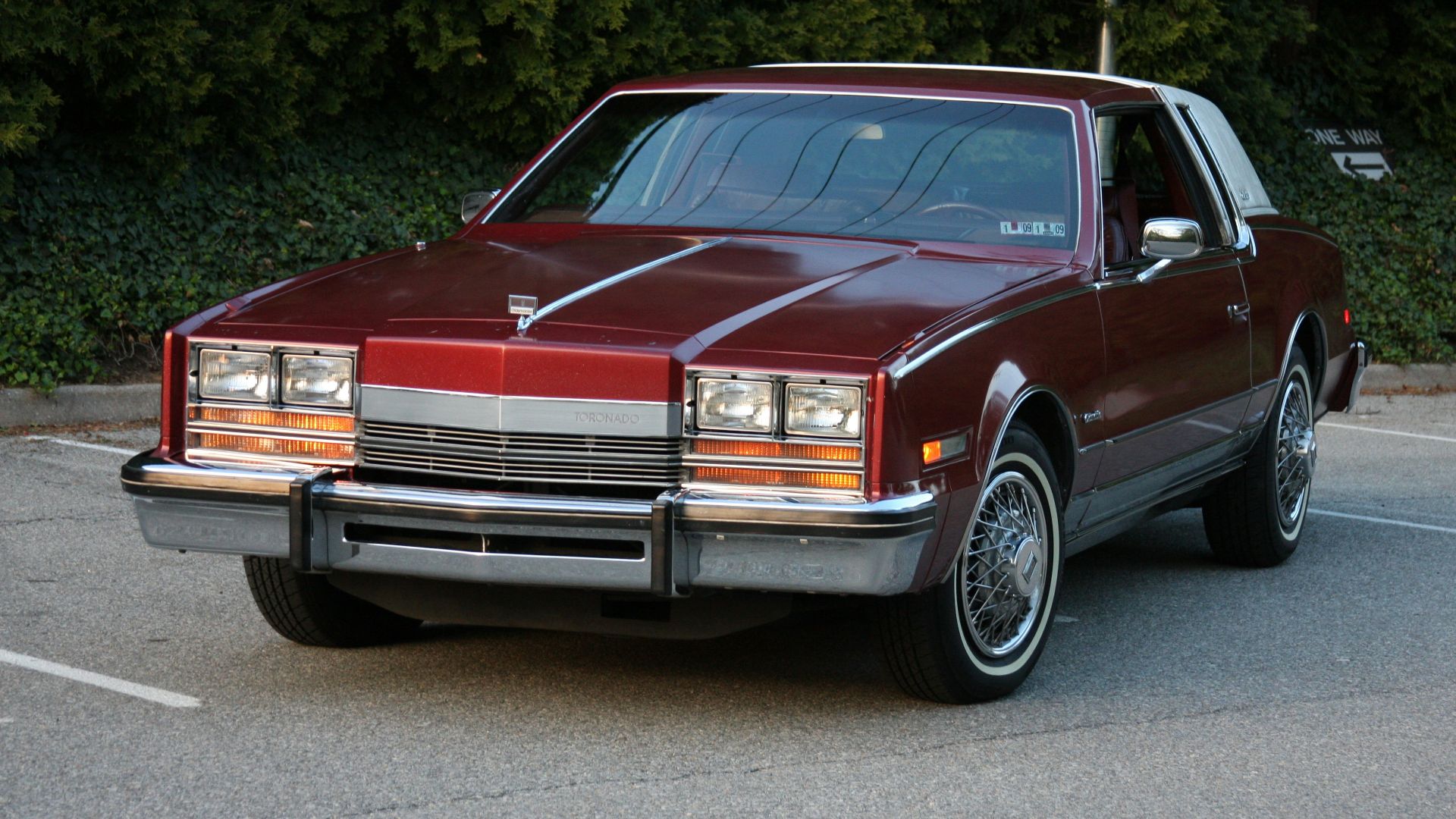
10. Oldsmobile Toronado
When automotive journalists want to drive cars from the past, they usually choose exotic imports or high-end American classics. But have you seen what Americans used to drive back in the day? Yikes. A Millennial seeing one today might reasonably ask why anyone wanted a front-wheel-drive luxury car that looked ready for a movie premiere.
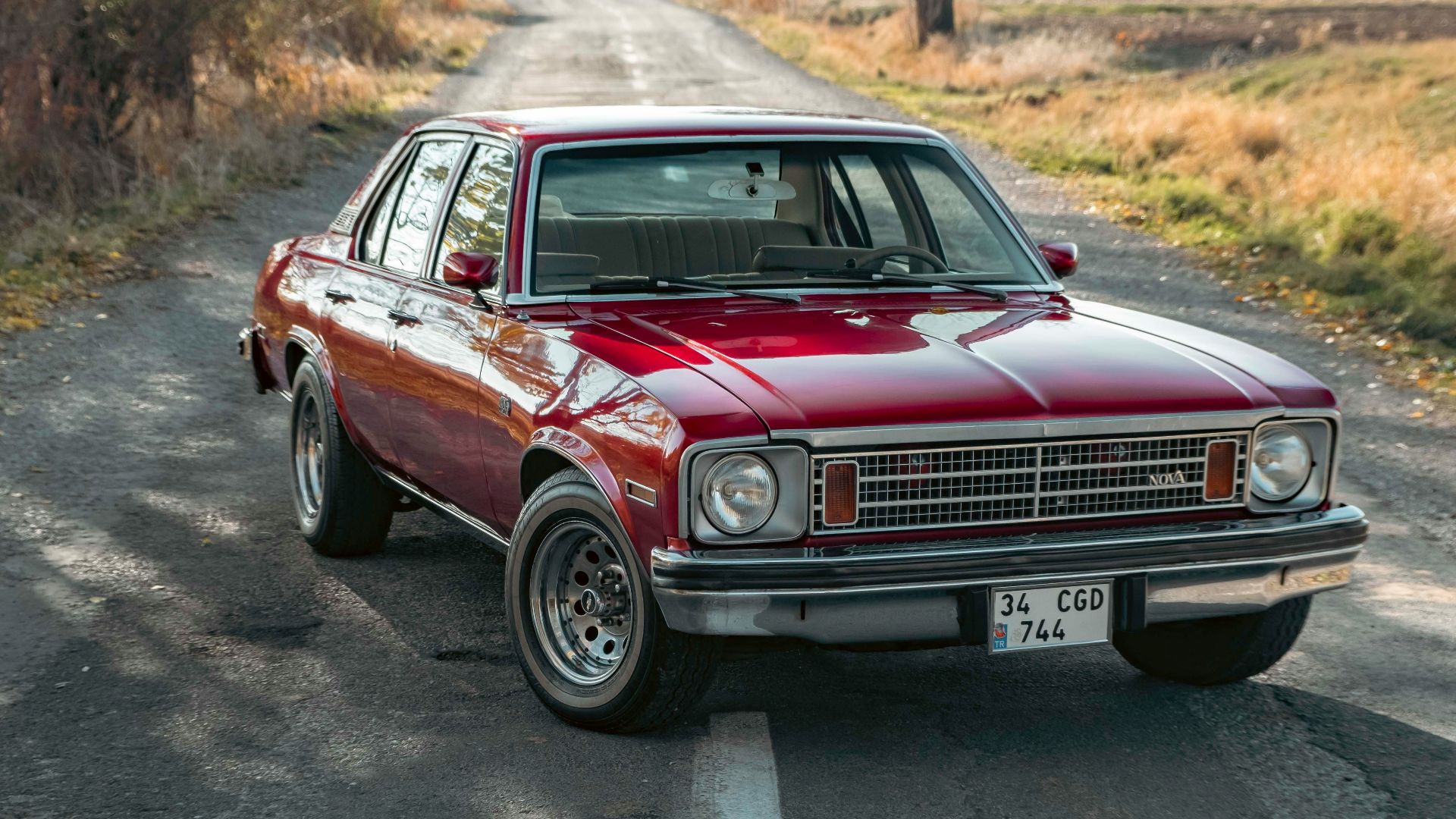
11. Chevrolet Vega
The Chevrolet Vega was introduced as a lightweight compact designed to compete with increasingly popular imported cars. Its aluminum engine and lightweight construction were technically ambitious, but the model became associated with reliability and rust problems during its production run. That history makes it difficult to understand why buyers initially found the car appealing.
12. Ford LTD
The Ford LTD belongs to a time when a family sedan could be almost comically large by modern standards. It offered generous seating, a large trunk, and V8 power in a package that would feel enormous in today's parking lots. Fuel economy wasn't the central concern it would later become, particularly before the fuel crises changed American buying habits.

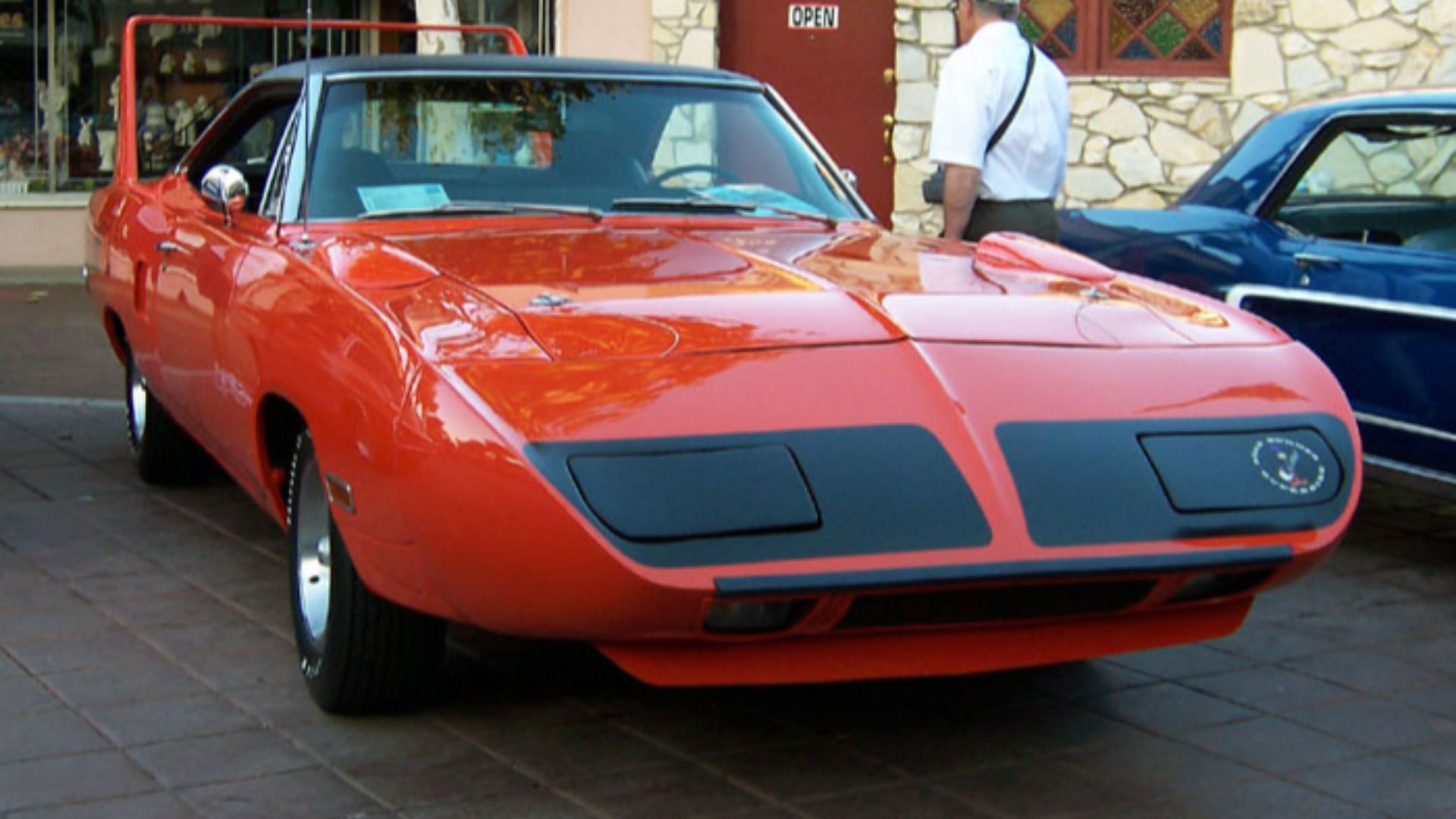
13. Plymouth Superbird
In an effort to gain an advantage at NASCAR tracks around the country, Plymouth equipped this car with a giant wing on the rear and let everyone else wonder what it was. The car's appearance was so extreme that it stands out even among other classic muscle cars. Modern Millennials may understand the racing connection but still wonder how anyone thought a giant wing belonged on a street car.
 The original uploader was Morven at English Wikipedia. on Wikimedia
14. Pontiac Aztek
The Aztek wasn't exactly a pretty car by any stretch of the imagination. But it also wasn't as silly as everyone made it out to be. Millennials may understand the practical concept perfectly while still struggling to understand the design decisions.

15. Hummer H1
Needless to say, vehicles like the Hummer H1 don't look all that impressive when you've already seen modern pickup trucks topped with monster RV-sized SUVs. Its existence makes more sense when viewed through the 1990s fascination with military equipment and oversized American vehicles.

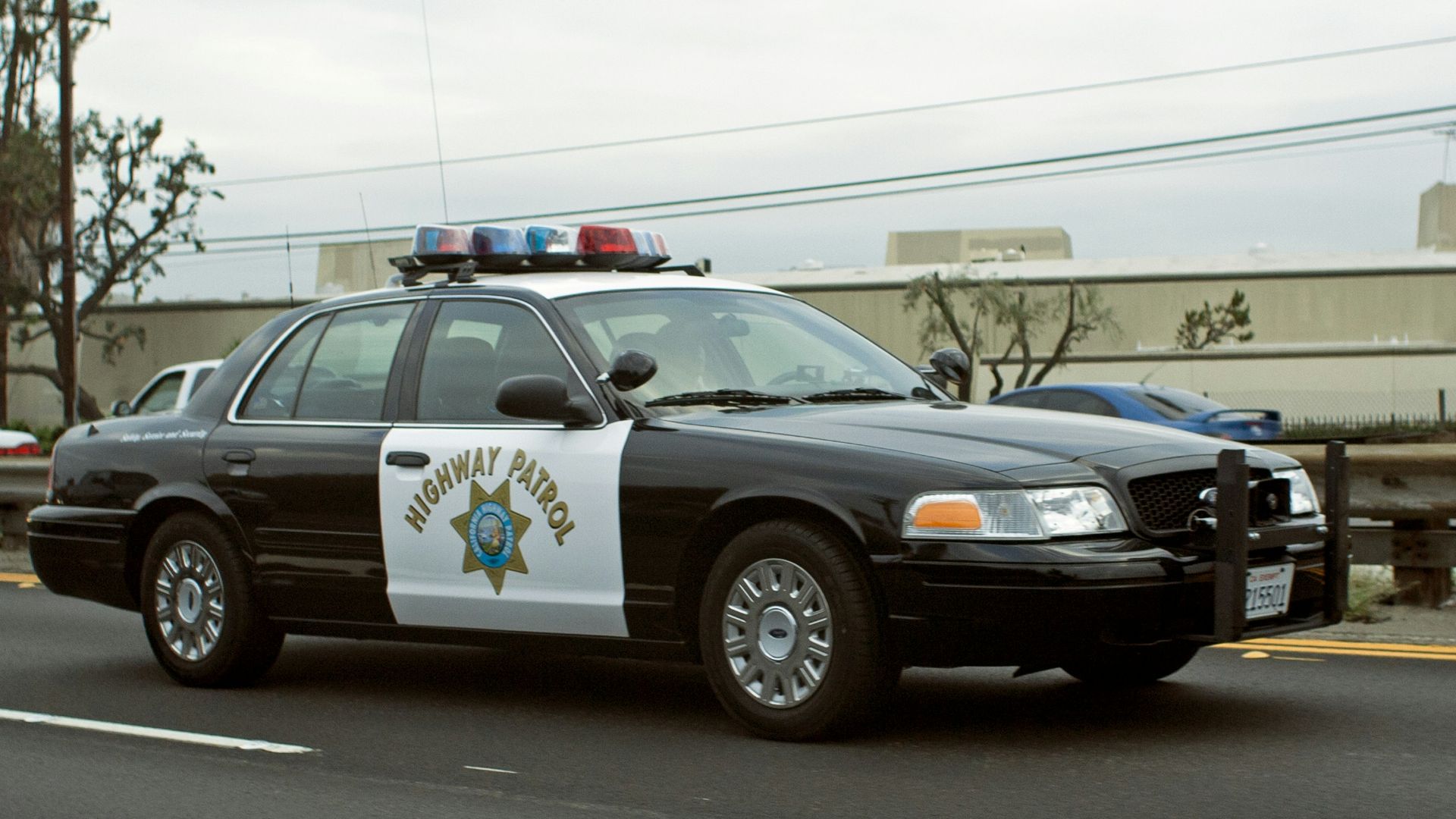
16. Ford Crown Victoria
The Ford Crown Victoria was once an extremely familiar sight, particularly as a police car, taxi, and fleet vehicle. Its body-on-frame construction, rear-wheel drive, and traditional V8 layout reflected an older approach to building large American sedans. Millennials may recognize the shape immediately from movies and television without realizing how common these cars once were in everyday life.
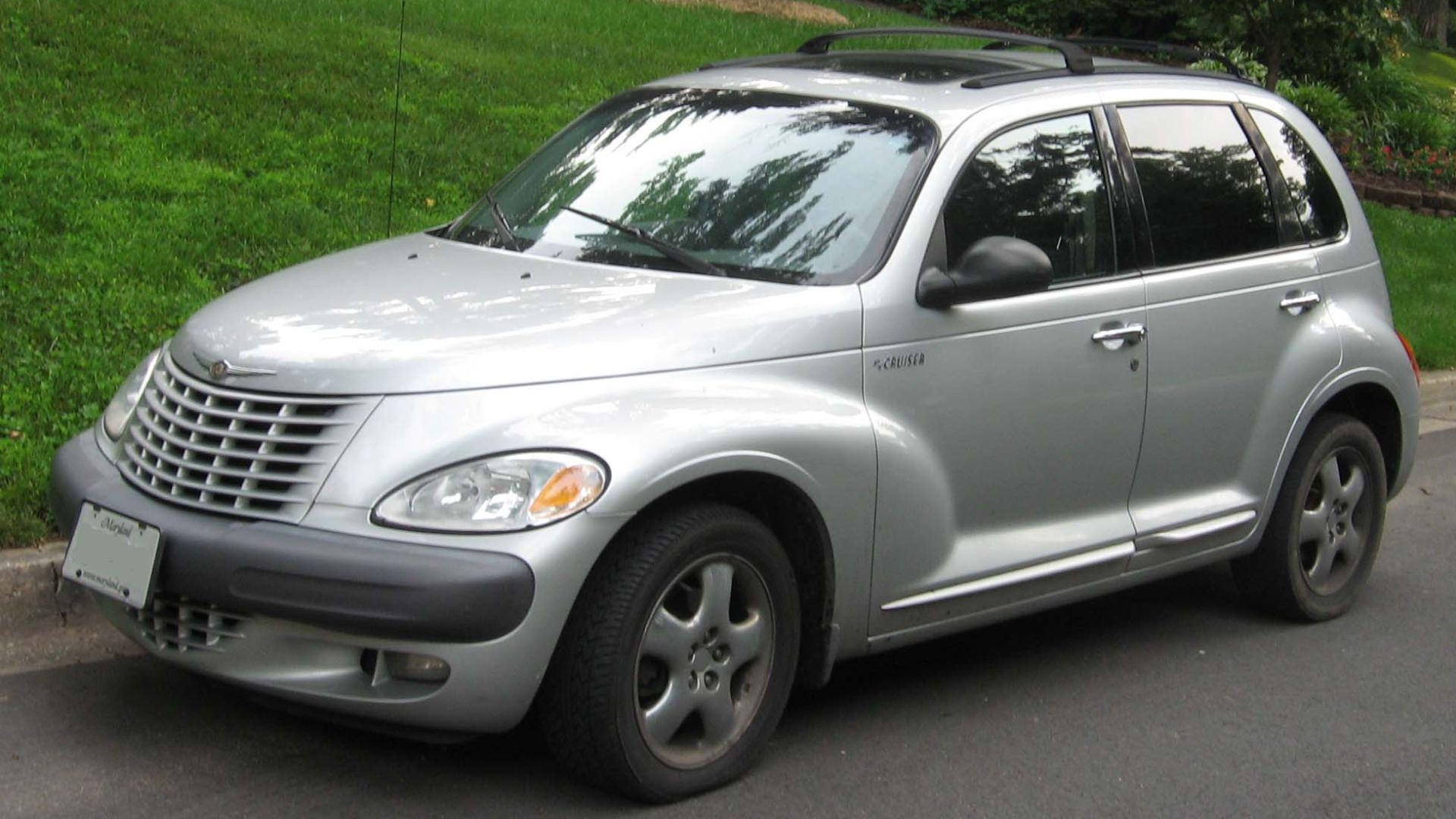
17. Chrysler PT Cruiser
The PT Cruiser was intended to combine practical hatchback utility with retro-inspired styling, and it became surprisingly popular when it debuted. Its tall body, upright windshield, rounded fenders, and prominent headlights gave it an unmistakable appearance. The design was very much a product of the late 1990s and early 2000s fascination with retro vehicles.
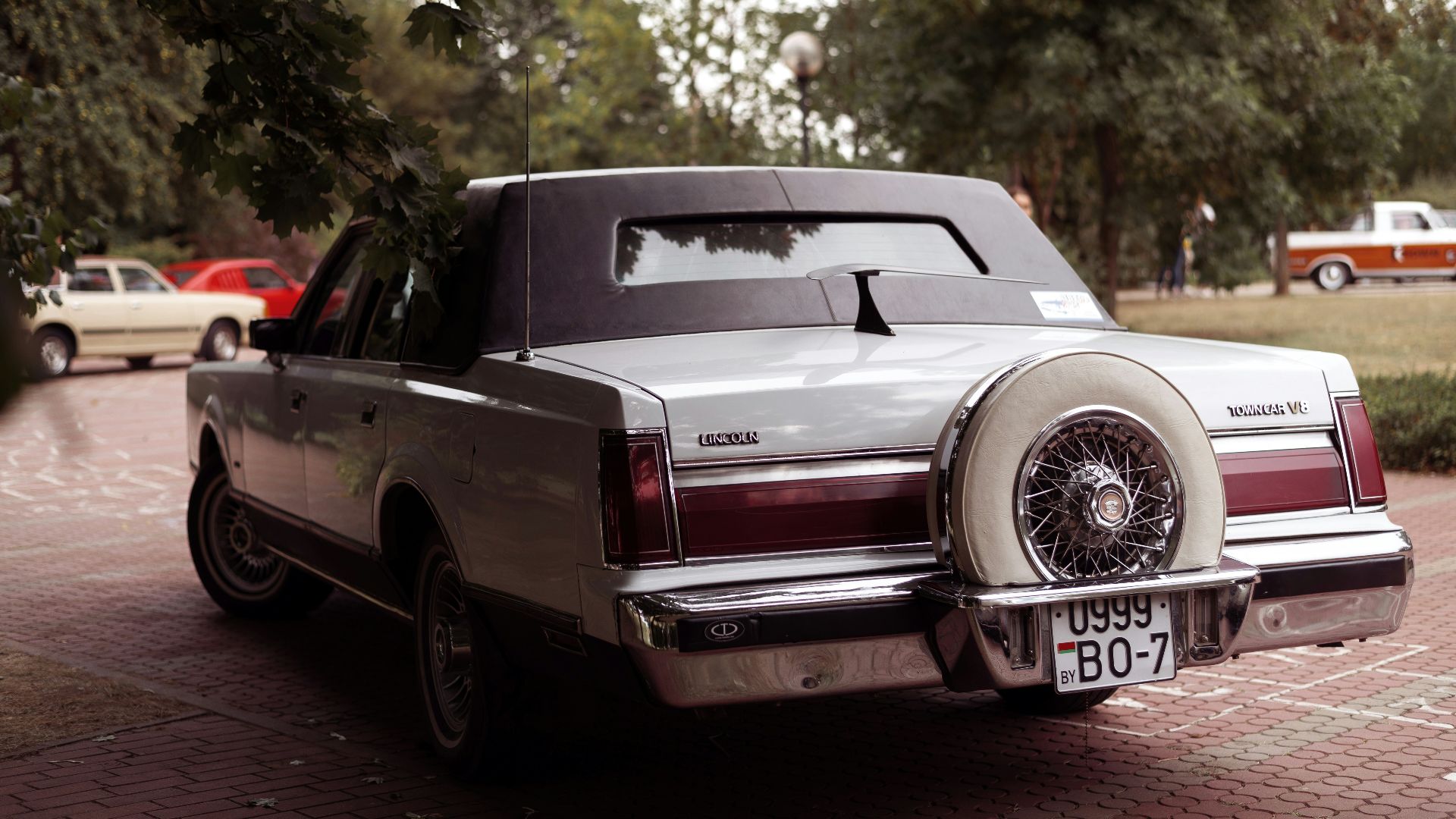
18. Lincoln Town Car
Just how luxuriously inefficient can a car get? Well, strap yourself into a modern sports car and drive it until the tank is empty. Or you could hop behind the wheel of a Lincoln Town Car. A Millennial accustomed to luxury cars packed with screens and performance features may find its quiet, floaty approach surprisingly foreign.
 Vitali Adutskevich on Unsplash
19. Pontiac Fiero
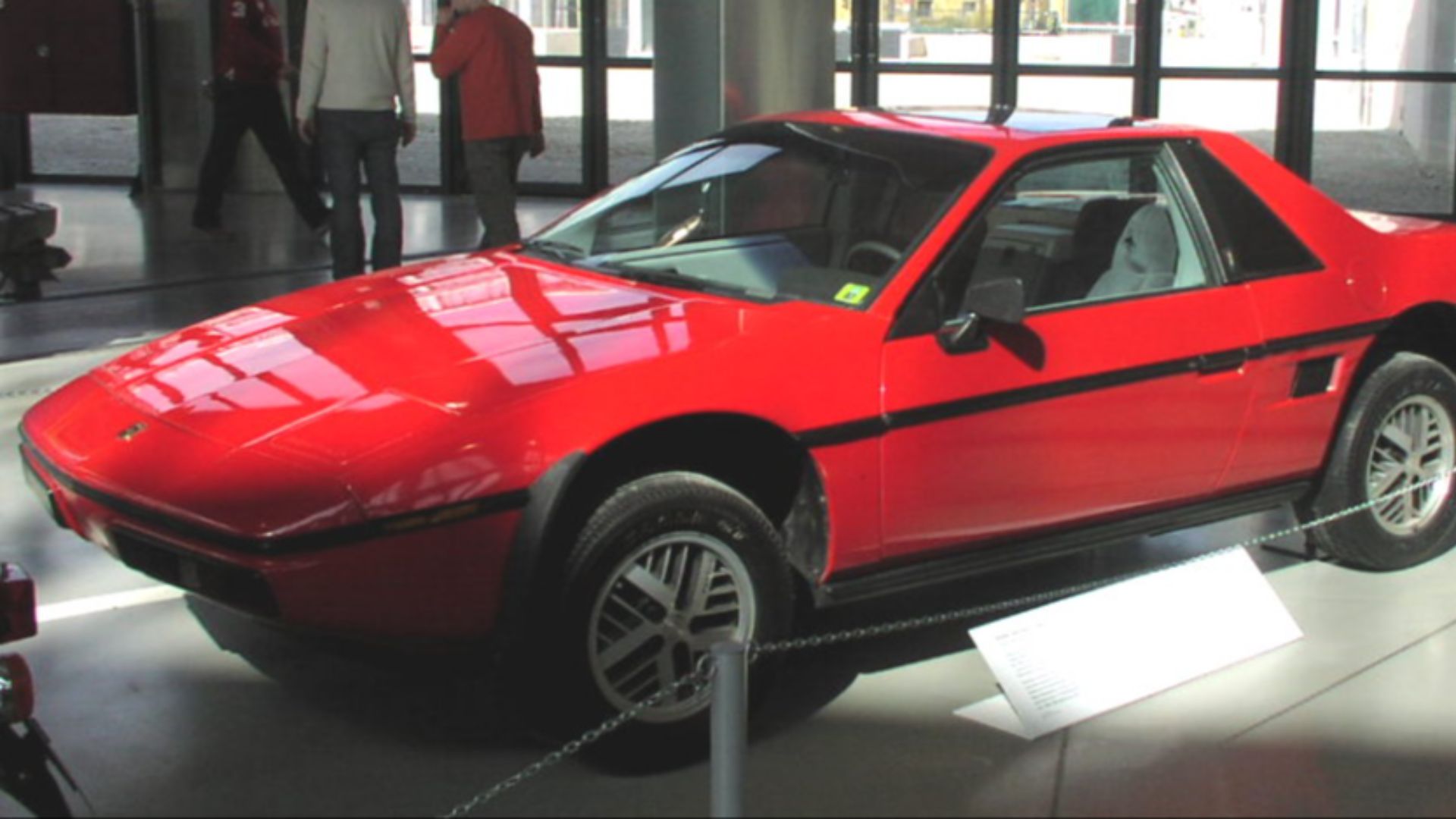
The Pontiac Fiero was a mid-engine sports car produced by Pontiac during the 1980s, making it quite unusual among affordable American cars of the period. Its layout put the engine behind the passenger compartment, giving the little two-seater an interesting engineering identity. This meant awkward driving dynamics despite a fairly interesting layout.
20. Dodge Viper
The original Dodge Viper is difficult to understand from a modern perspective because it was remarkably unconcerned with comfort. It paired a huge V10 engine with aggressive styling and very little of the electronic assistance found in contemporary performance cars. Early versions didn't even have exterior door handles, airbags, or conventional side windows, depending on the model year. Millennials may appreciate the Viper's absurdity, but actually driving one would be undesirable.