20 Structural Flaws That Consistently Place Jeep At The Bottom Of Reliability Rankings
Rugged Reputation, Complicated Reality
Jeep has earned an enormous following by building vehicles with distinctive styling, genuine off-road capability, and plenty of personality. Unfortunately, that reputation hasn't always translated into stellar long-term reliability, with several Jeep models appearing near the bottom of major reliability surveys over the years. It would be unfair to suggest that every Jeep has the same problems, but recurring issues hint at something under the surface.
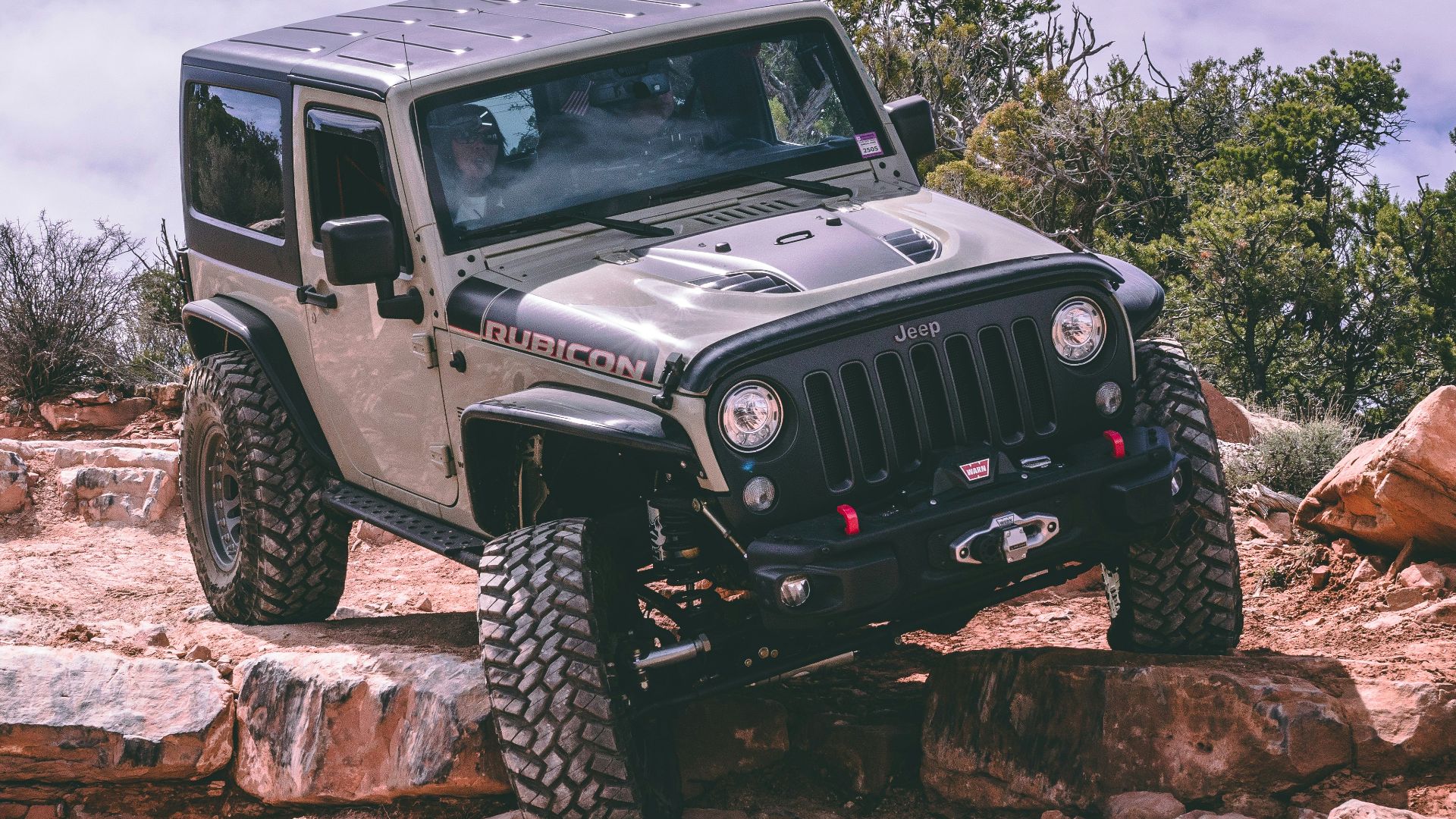
1. Complex Drivetrains Create More Failure Points
Jeeps’ four-wheel-drive capabilities are frequently a primary reason buyers choose them. However, transfer cases, differentials, driveshafts, axles, and electronically controlled components all add complexity compared with a basic two-wheel-drive crossover. When several systems have to work together, a relatively small mechanical or electronic problem can become considerably more expensive to diagnose.
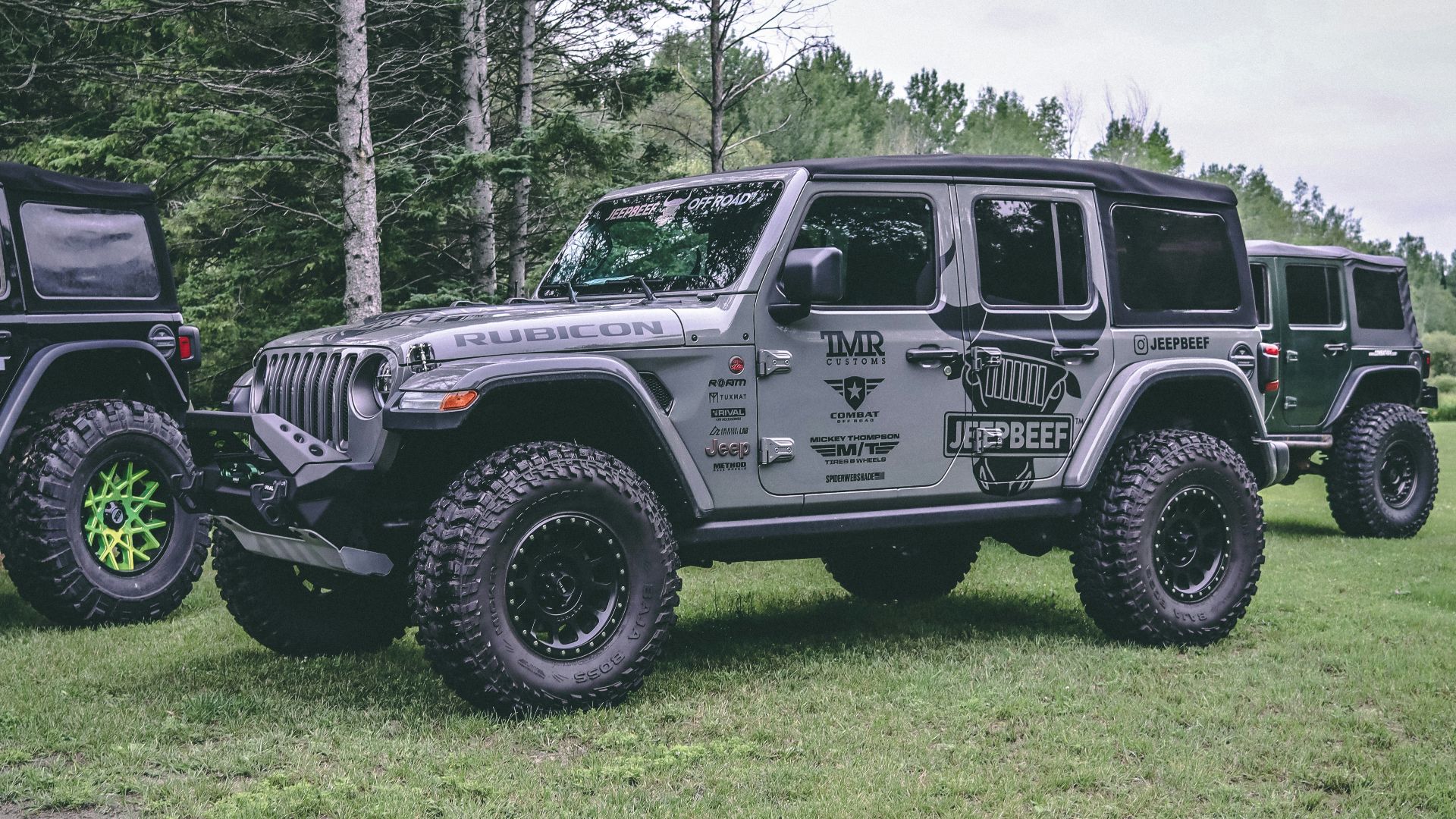
2. Suspension Components Take Serious Abuse
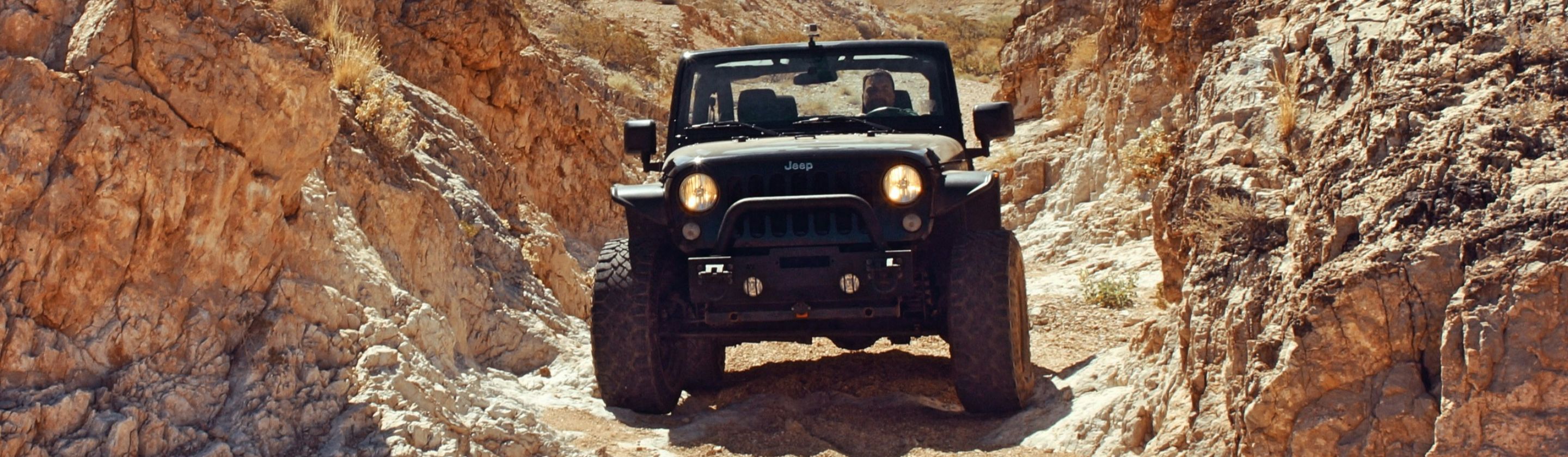
Jeeps are often driven on and off road more than the average daily-driver SUV. Going over rocks, roots, and everything in between eventually weakens your Jeep’s control arms, bushings, ball joints, shocks, and other suspension parts. Even a vehicle that is mostly driven on paved roads can suffer excessive wear over time.
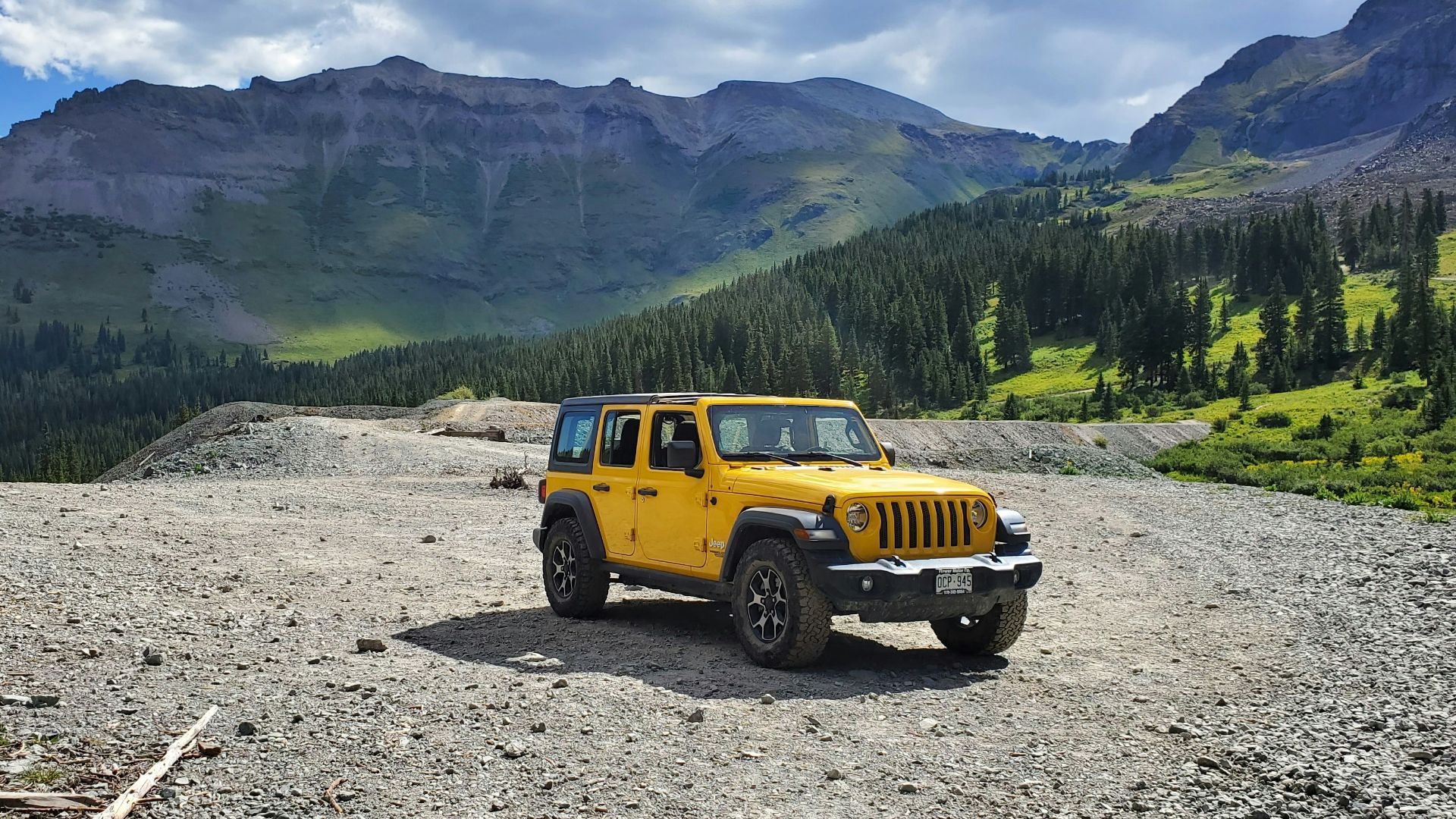
3. Solid Axles Have Their Trade-Offs
Jeep’s solid-axle design affords excellent durability off road, but this feature can create excess wear during typical on-road driving. Components such as ball joints, axle seals, wheel bearings, and steering parts can experience significant loads, particularly when larger tires or aftermarket modifications are installed. The design itself isn't inherently unreliable, but owners need to recognize that rugged hardware still requires regular inspection and maintenance.
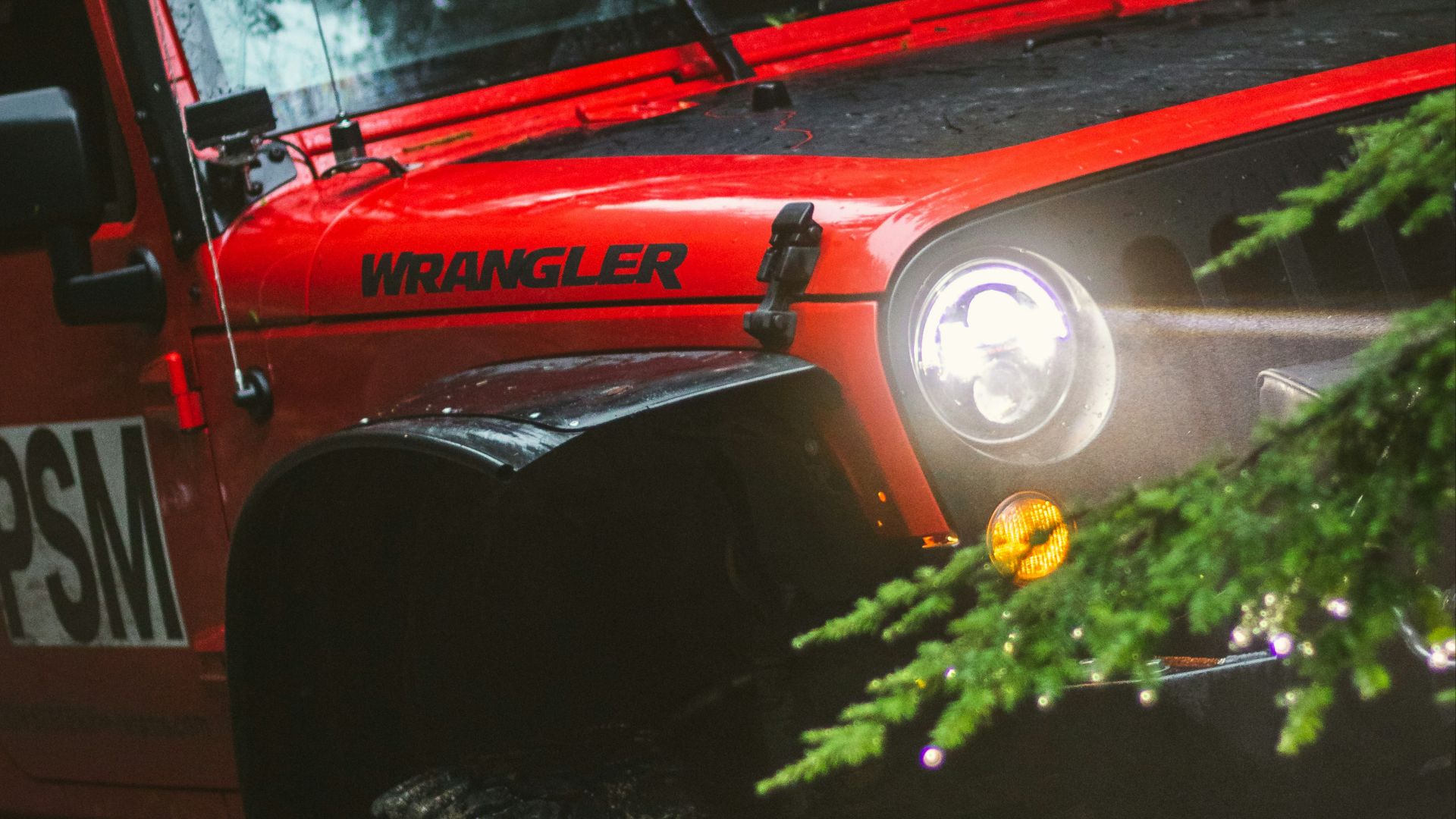
4. Steering Problems Can Become Expensive
Suspension and steering complaints have been common on several Jeep models, especially when poor wheel alignment is caused by worn suspension parts. Steering complaints can cause wandering, vibration, abnormal tire wear, or a feeling of looseness when you turn the wheel. If you notice those symptoms, ignoring them isn't a good idea because steering and suspension issues can compound over time.
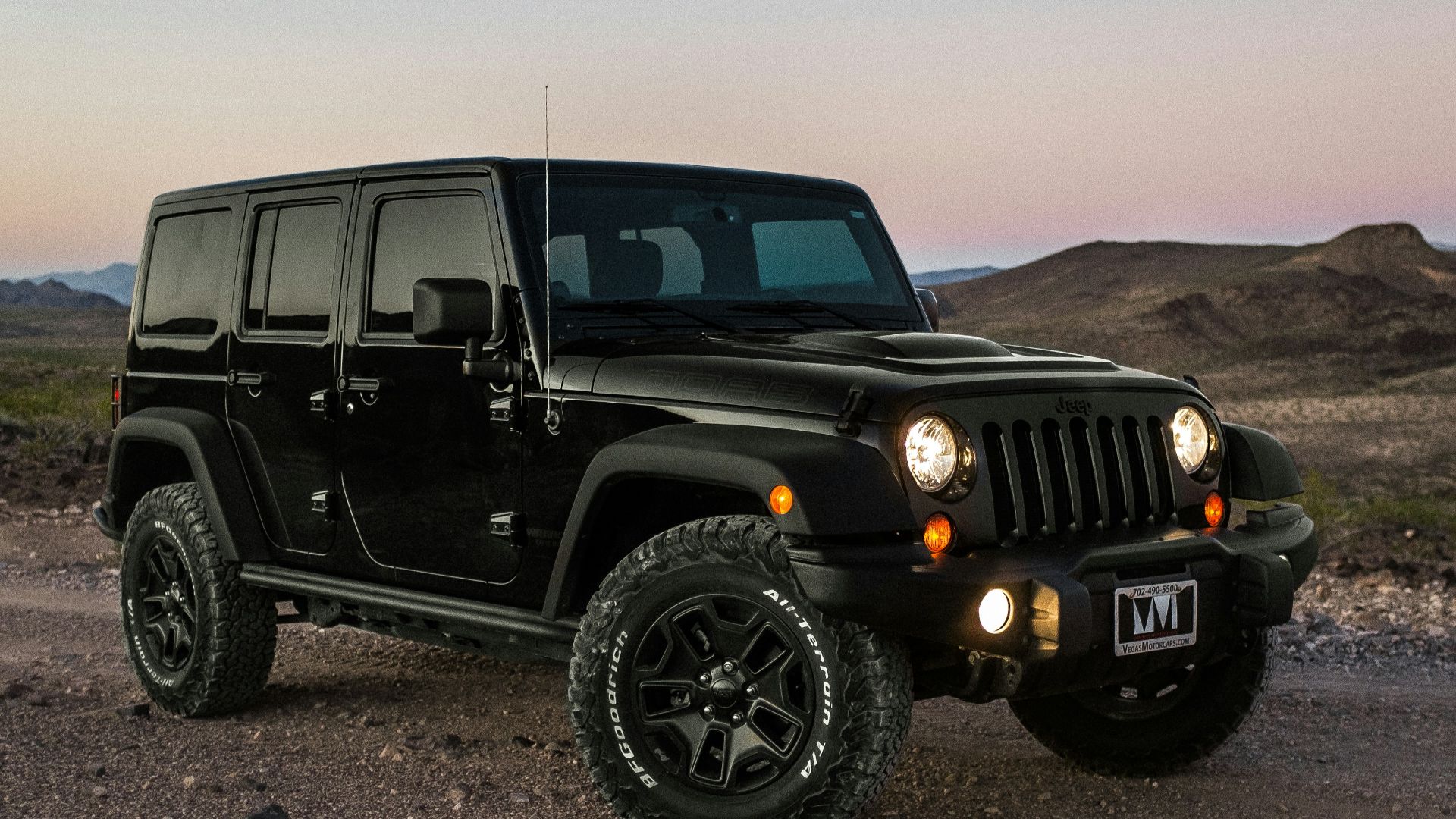
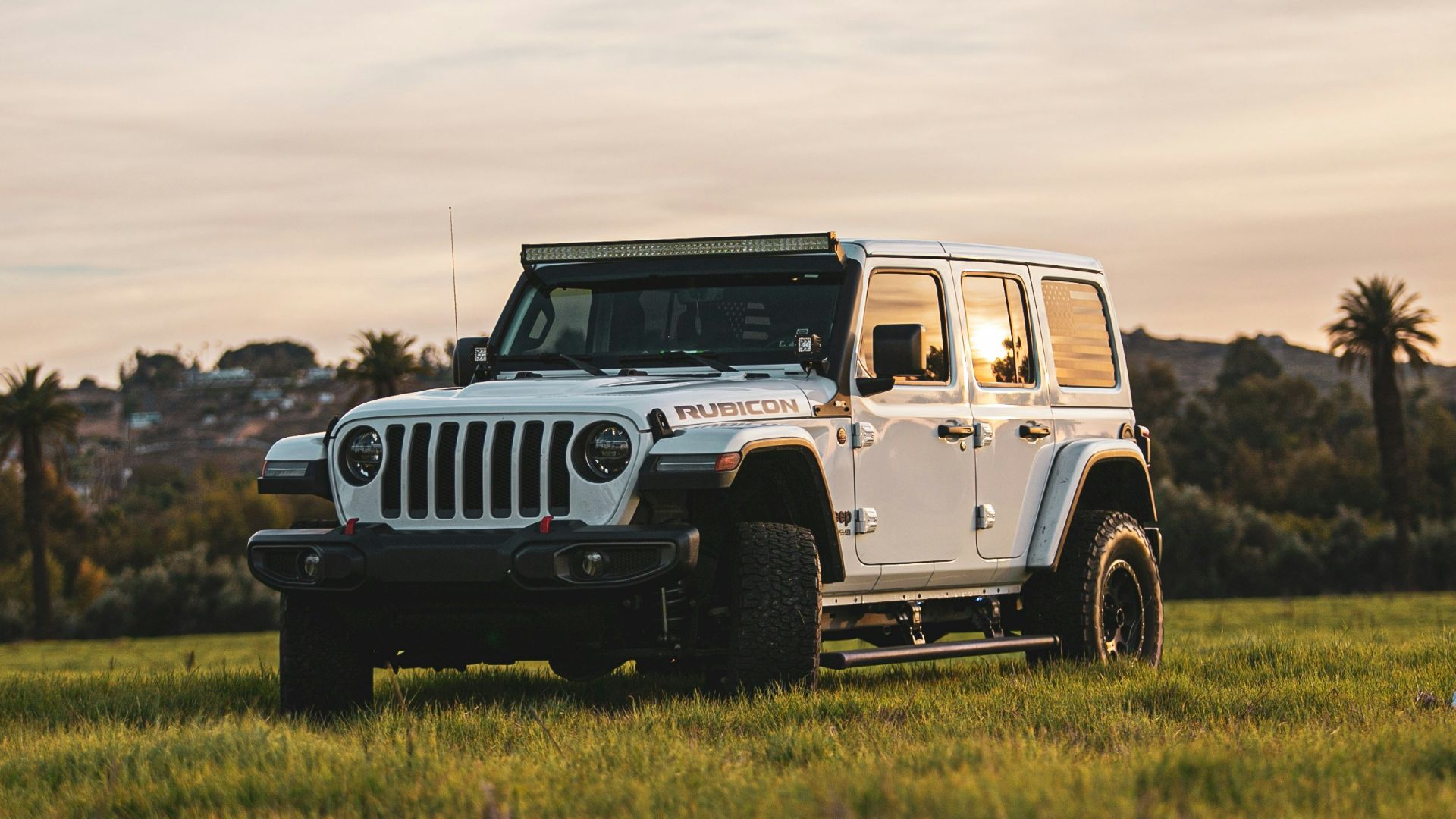 LOGAN WEAVER | @LGNWVR on Unsplash
5. Electrical Systems Have Developed A Reputation
Jeeps use complex electrical systems for many aspects of the vehicle. Some owners have experienced electrical problems including warning lights, bad sensors, malfunctioning screens, and modules. Unfortunately, electronics can be difficult to diagnose when the issue is intermittent.
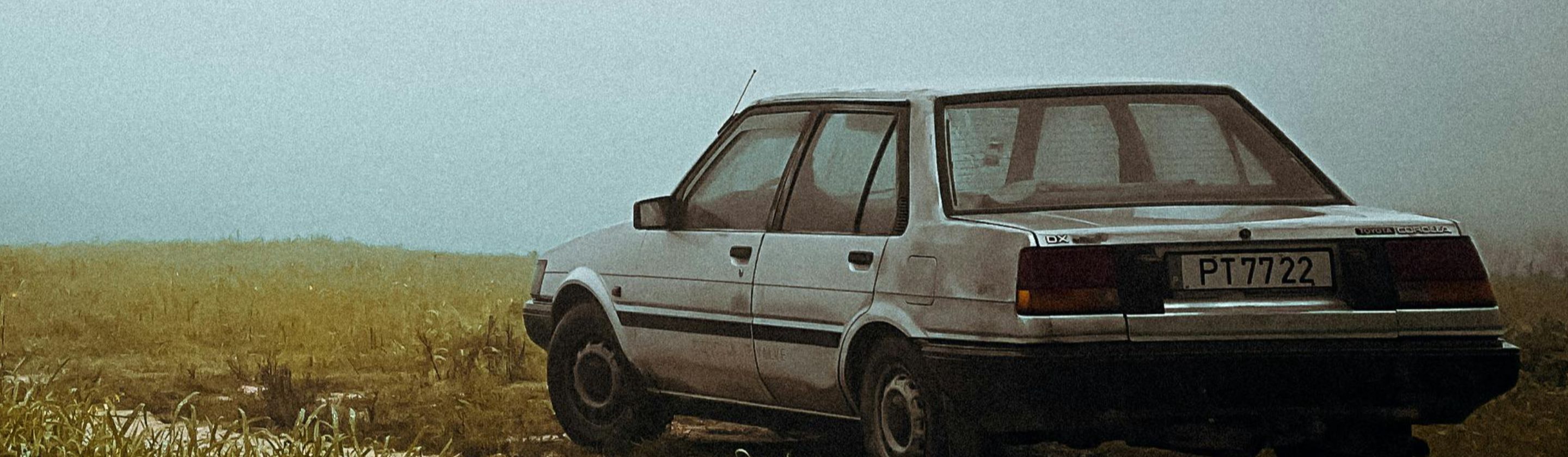
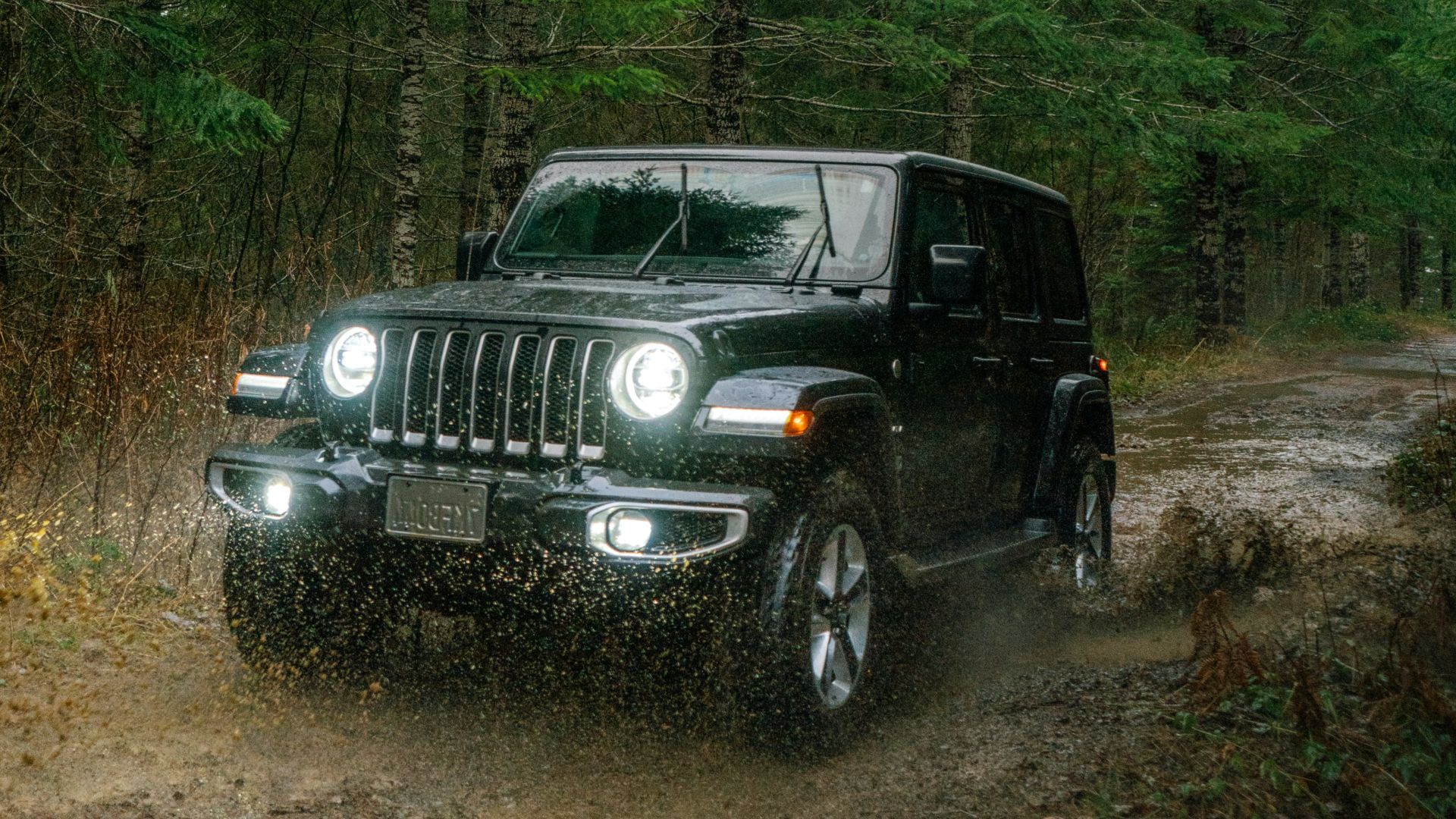 Cristofer Maximilian on Unsplash
6. The Infotainment System Can Be Temperamental
Jeep’s Uconnect has a checkered history despite being one of their flagship features. Owners have complained about frozen screens, poor connections, and annoying glitches with various generations of the system. A broken infotainment system won’t leave you stranded, but it can be annoying when your vehicle’s controls are connected to the Uconnect system.
7. Cooling Systems Deserve Close Attention
An engine needs cooling to avoid damaging itself, and Jeep owners have experienced failures with radiators, thermostats, water pumps, cooling fans, and more. It’s not always easy to spot a minor cooling-system failure, since you might only notice a slight leak or erratic temperature gauge reading at first. Don’t ignore the problem.
8. Transmission Complaints Have Hurt Jeep's Reputation
Jeep owners have reported issues ranging from awkward shifts to complete transmission failures. Owners have reported problems ranging from rough shifting and hesitation to more substantial transmission failures, although the severity varies considerably by vehicle and powertrain. Regular maintenance and prompt attention to unusual shifting behavior can make a meaningful difference.
9. Oil Leaks Can Appear With Age
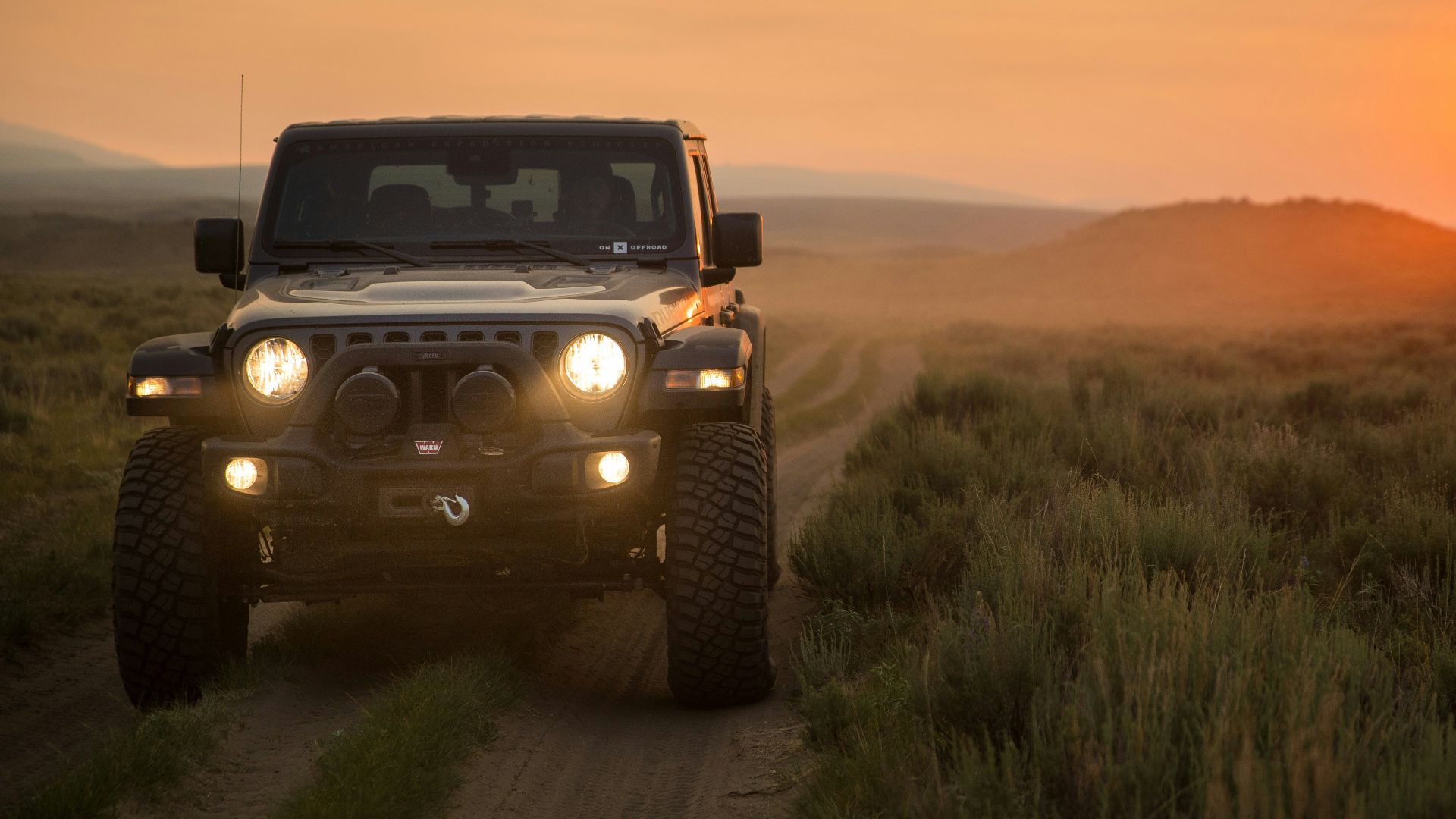
Oil leaks aren’t a deal breaker, but they can be incredibly frustrating to deal with as your Jeep ages. Aging gaskets, seals, oil coolers, and other components can allow oil to escape, sometimes leaving little more than a small stain before the problem becomes obvious. Keeping an eye underneath the vehicle is worthwhile.
10. Engine Cooling And Oil Systems Can Intersect
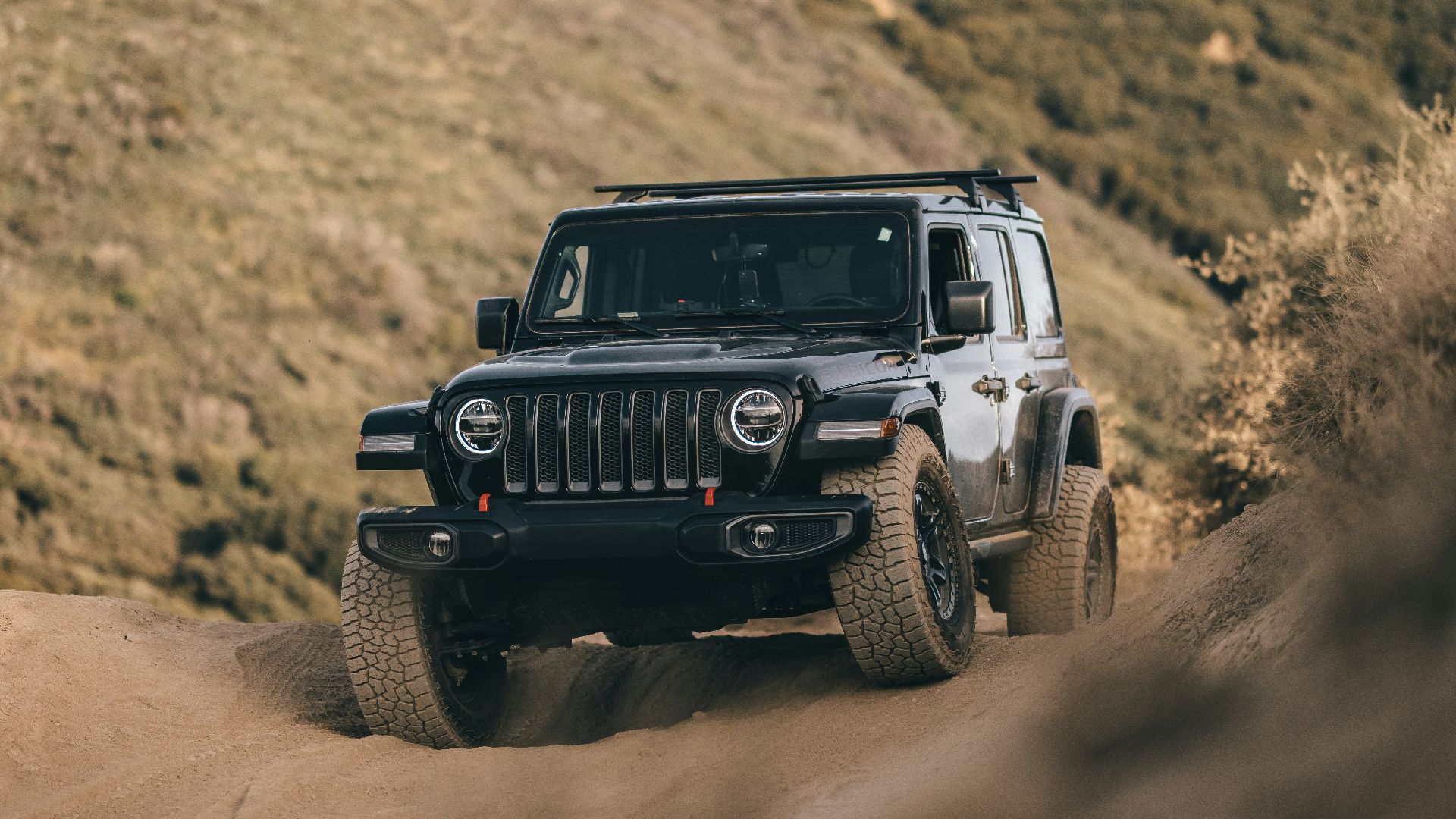
Leaks involving the engine’s oil cooler are especially aggravating when they occur at the same time as cooling-system problems. Rubber seals and cooler jackets can wear out over time, creating bigger problems than an oil stain on your garage floor. For Jeep owners, unexplained fluid loss, warning lights, or unusual engine behavior deserve attention rather than being dismissed as an ordinary quirk.
11. Water Leaks Are An Annoying Jeep Problem
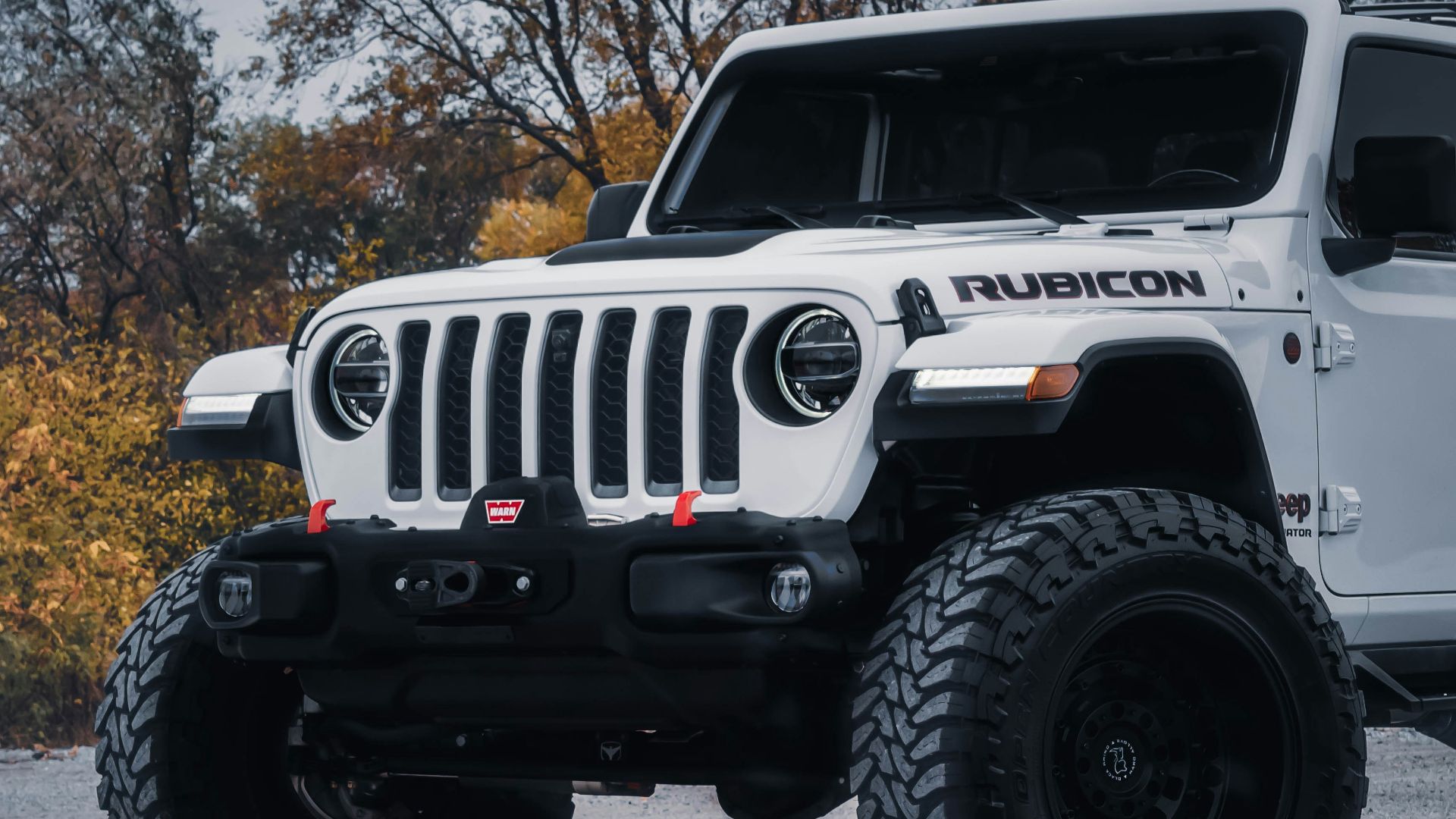
Roof racks, windshields, doors, and window seals can create opportunities for water leaks on many Jeep models. Owners have reported leaks around roof areas and other body openings, particularly on certain Wrangler configurations. A small leak may initially seem harmless, but persistent moisture can damage carpeting, encourage corrosion, or create electrical problems inside the cabin.
12. Wrangler Doors And Roof Components Need Attention
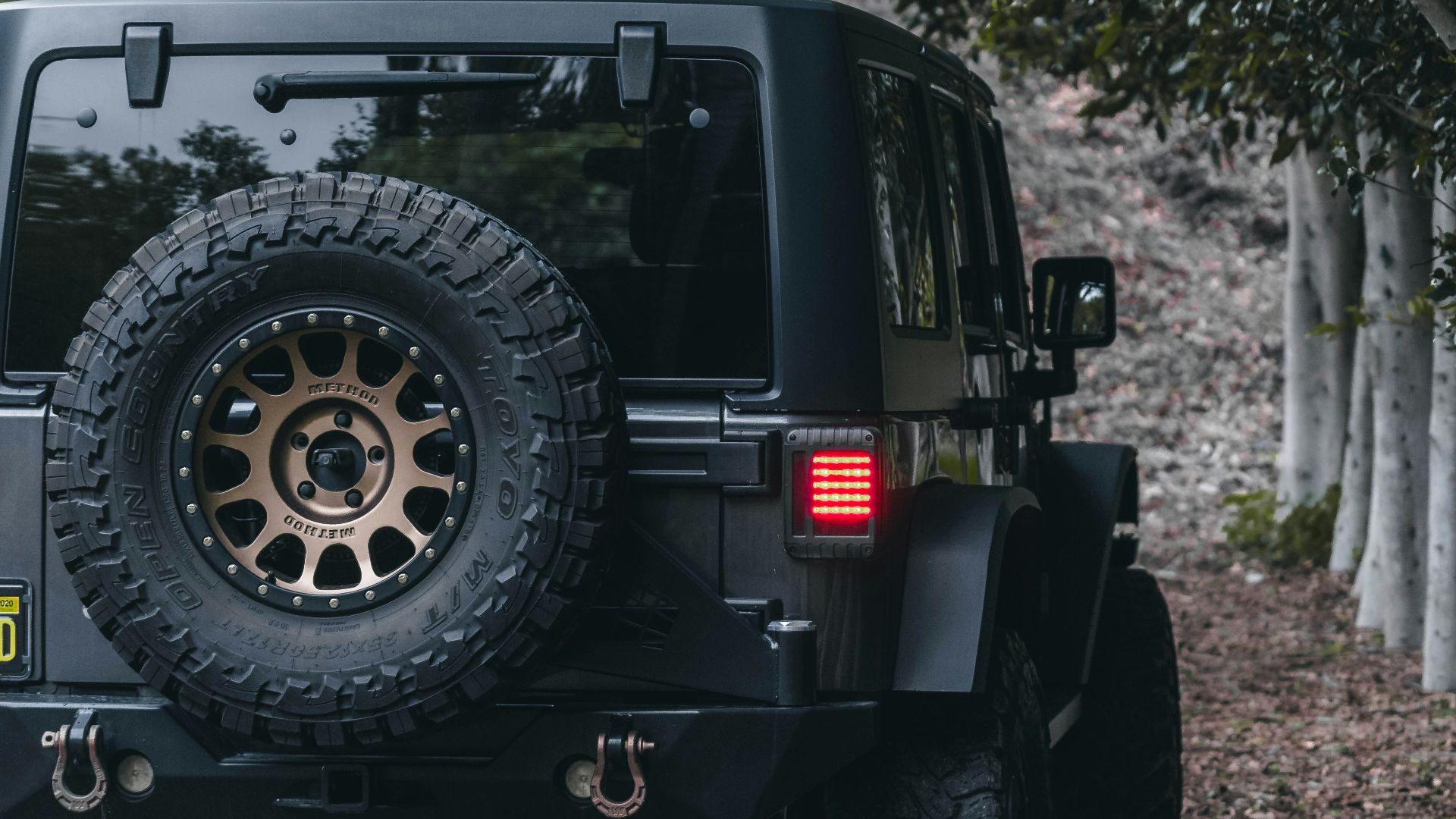
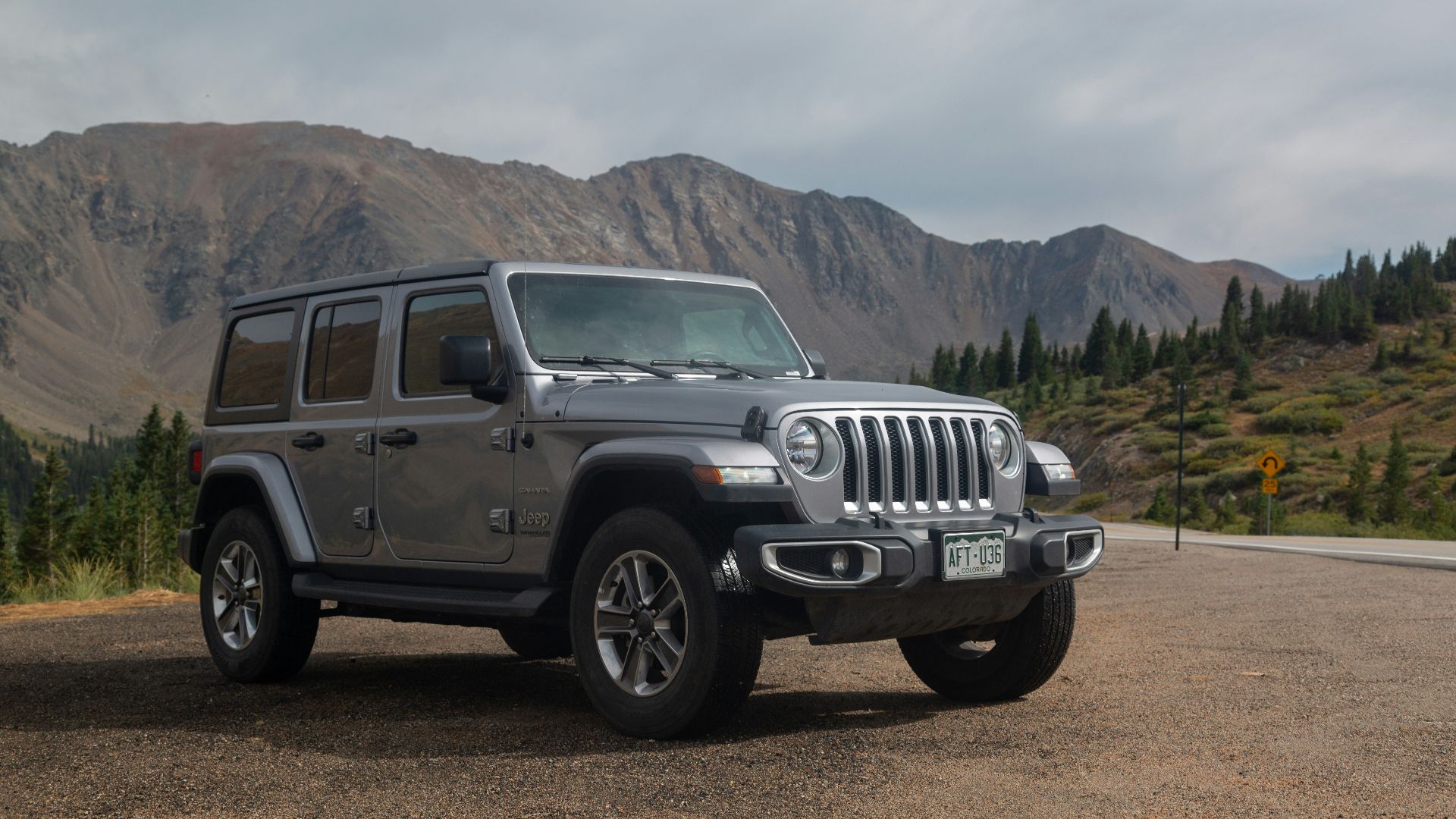
Vehicle weight naturally affects your brakes and tires, and heavier Jeeps require more stopping power and durable tires. Extra weight from upgrades like bigger tires can also cause additional wear. If you're buying a used Wrangler, checking that every removable component fits correctly and operates smoothly can prevent some unpleasant surprises.
13. Weight Increases Wear On Brakes And Tires
Many Jeep models are relatively heavy, especially when equipped with four-wheel drive, larger engines, and additional equipment. That weight naturally places greater demands on brakes, tires, wheel bearings, and suspension components. Drivers who add oversized wheels and tires can increase those stresses further, potentially accelerating wear on components that were already carrying substantial loads.
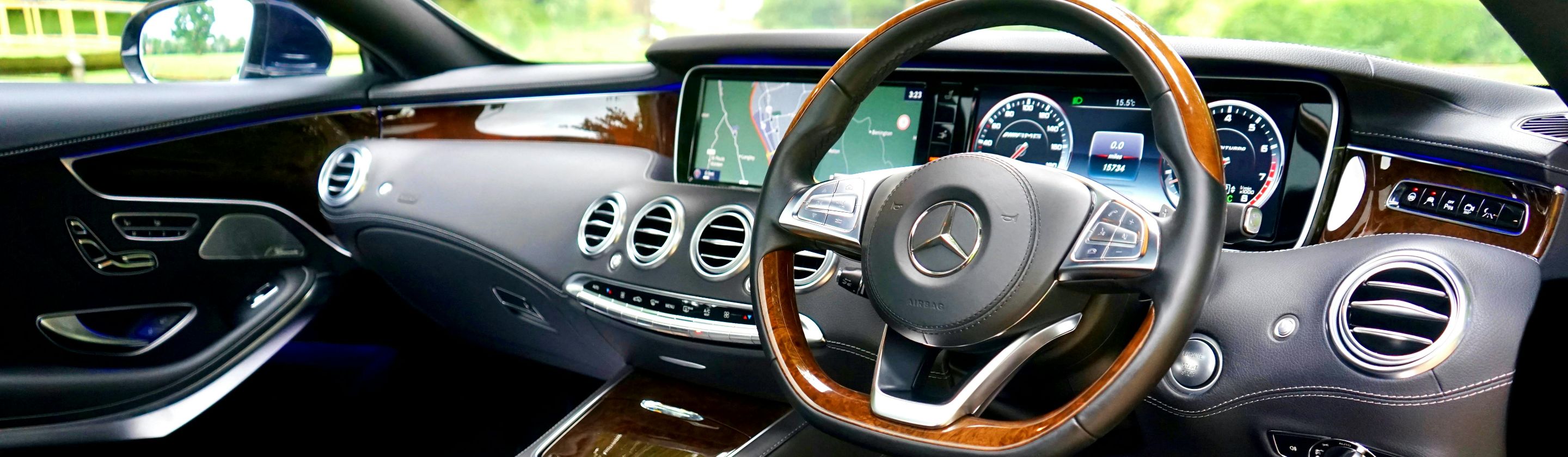
 Cristofer Maximilian on Unsplash
14. Aftermarket Modifications Can Make Things Worse
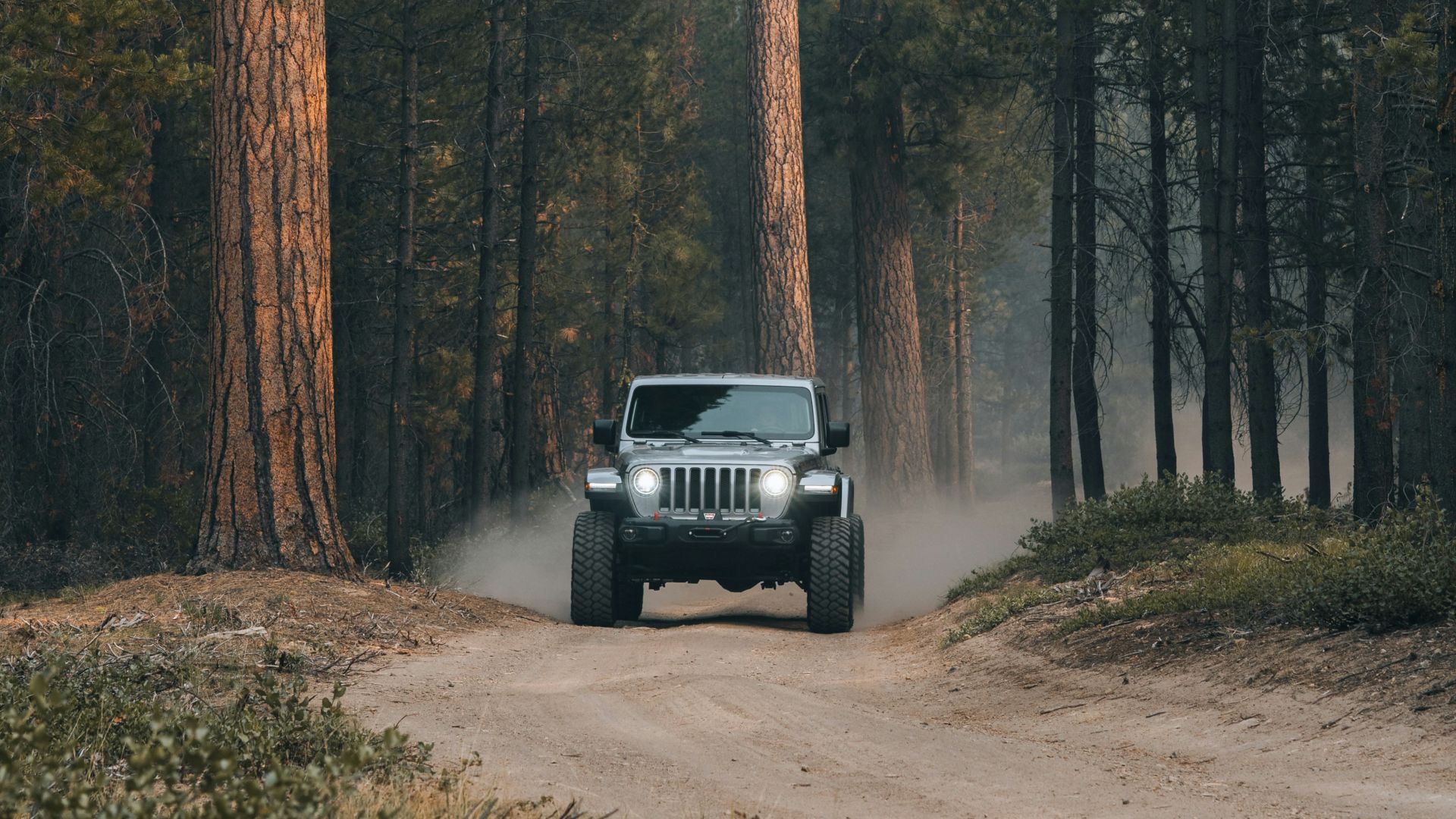
Body lifts, larger wheels and tires, larger bumpers, and upgraded suspension are very common on Jeeps. Aftermarket modifications aren’t inherently bad and can be done properly, but sloppy workmanship can create additional problems down the road.
15. Rust Can Become A Long-Term Concern
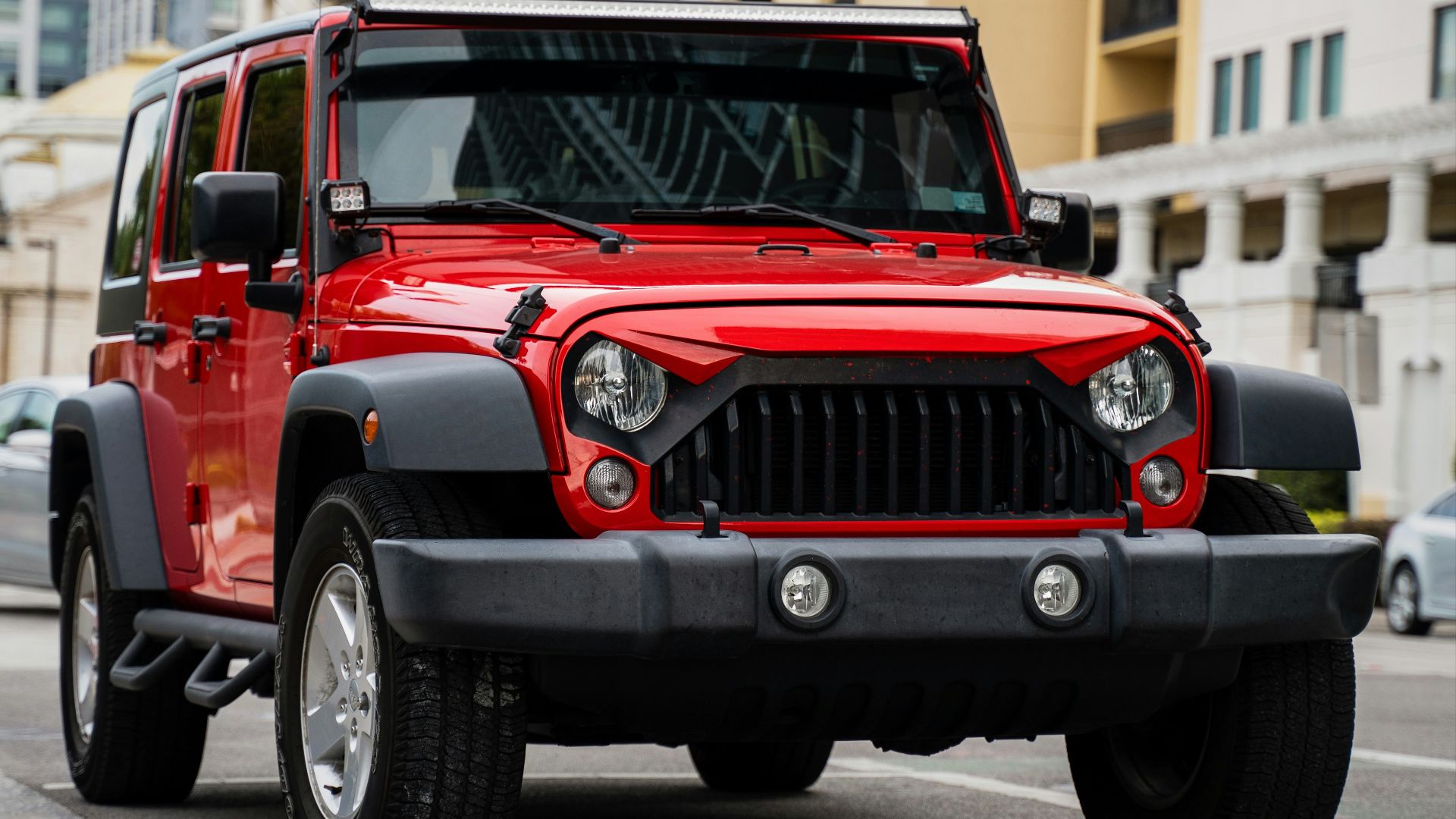
Rock crawling and adventure driving can leave behind mud, debris, and water that promote rust. Salt is another problem if you live in or visit areas where roads are salted during the winter. Doorframe rust is another typical weak spot to inspect.
16. Wheel Bearings Don't Get An Easy Life
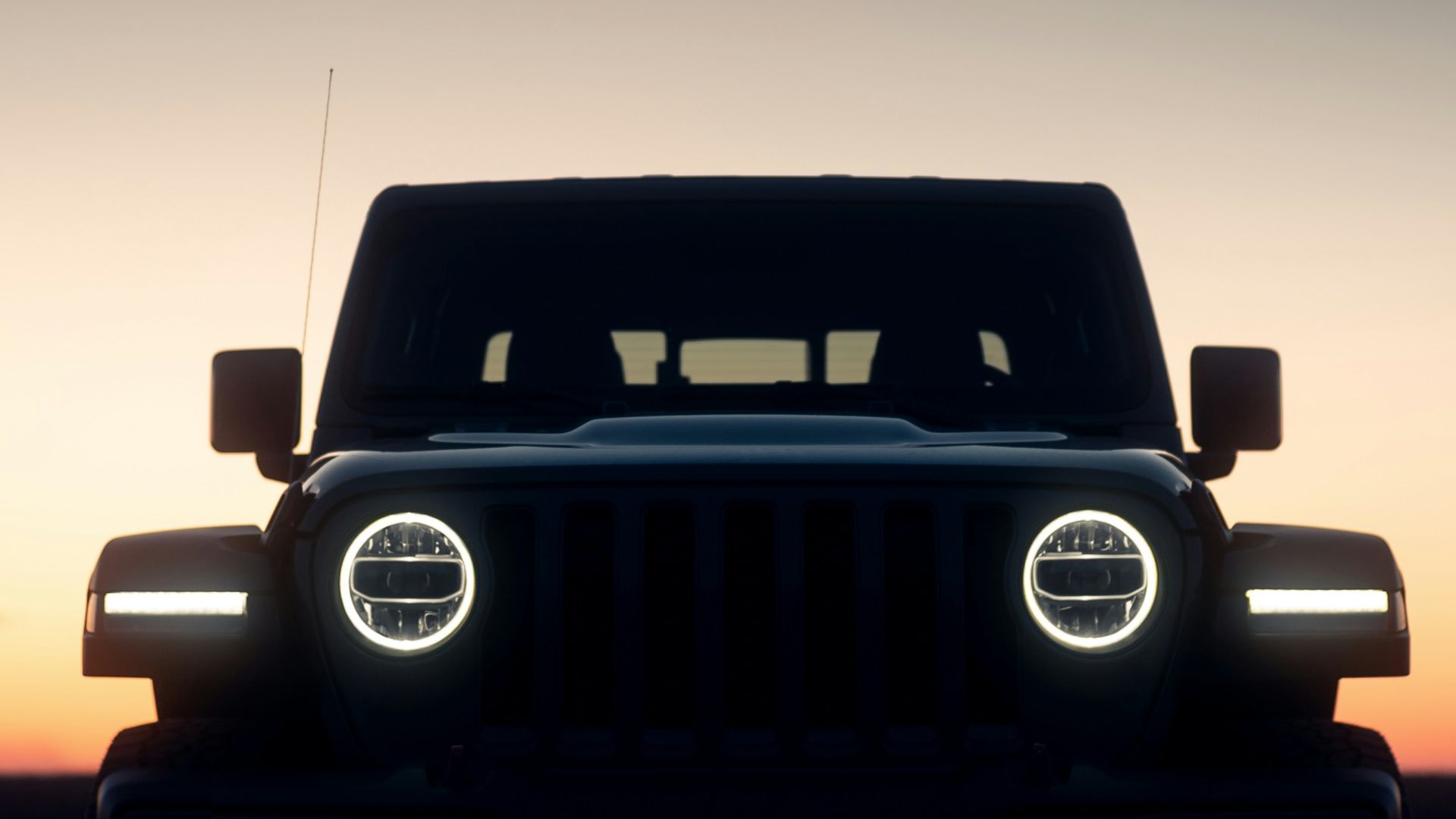
Wheel bearings are helpful but overworked parts of any vehicle. Off-roading, bigger tires, and punishment from potholes won’t do your wheel bearings any favors either. A noisy wheel bearing can damage other parts if left unchecked.
17. Sensors Can Turn Small Problems Into Big Headaches
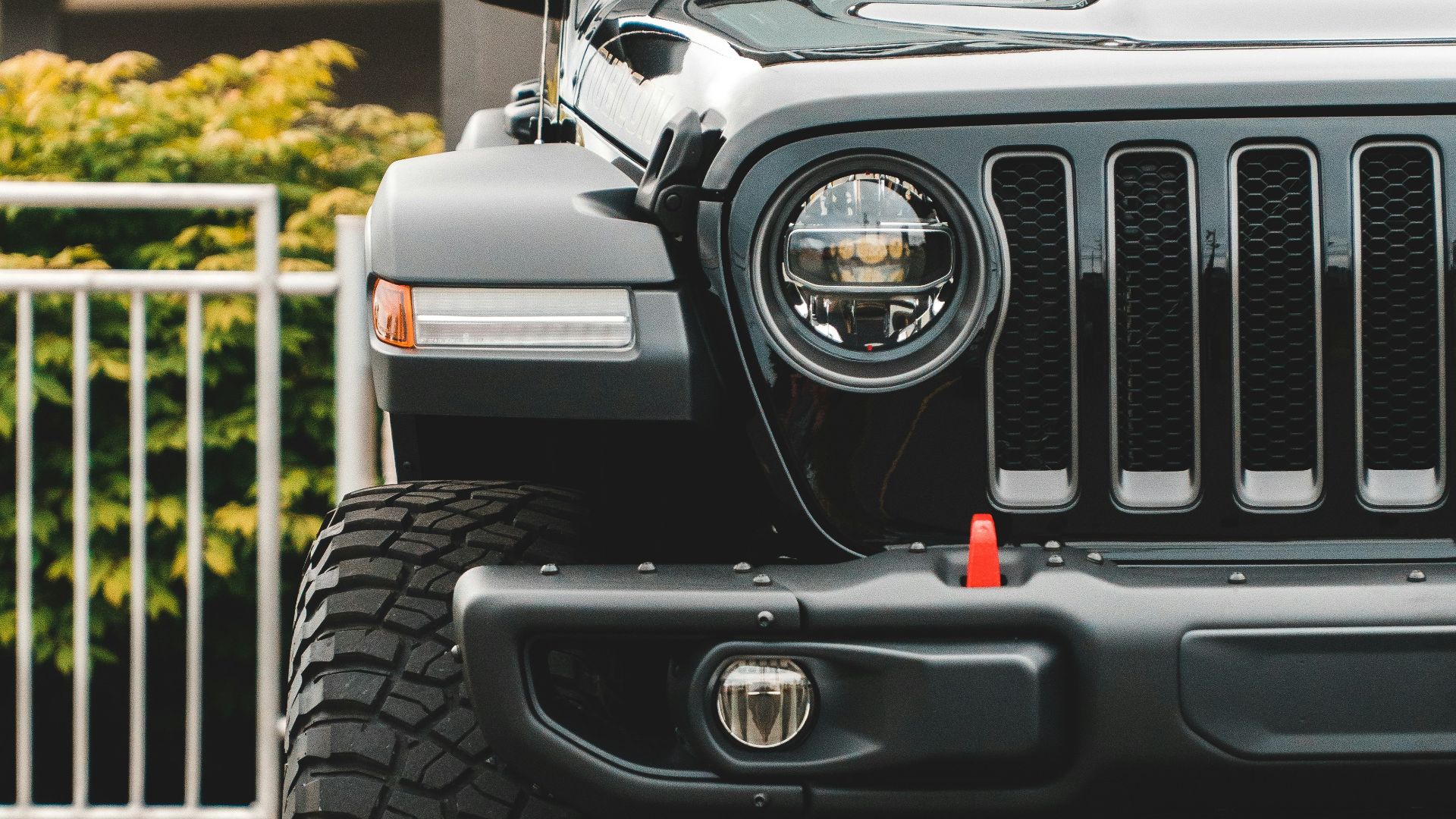
Jeep has lots of sensors these days. Sensors report wheel speed, outside temperature, engine information, tire pressure, oil level, and other data used by many modern vehicle systems. Finding the correct failed component can sometimes require specialized diagnostic equipment, especially when multiple warning messages appear at once.
18. Recalls Have Added To The Reliability Conversation
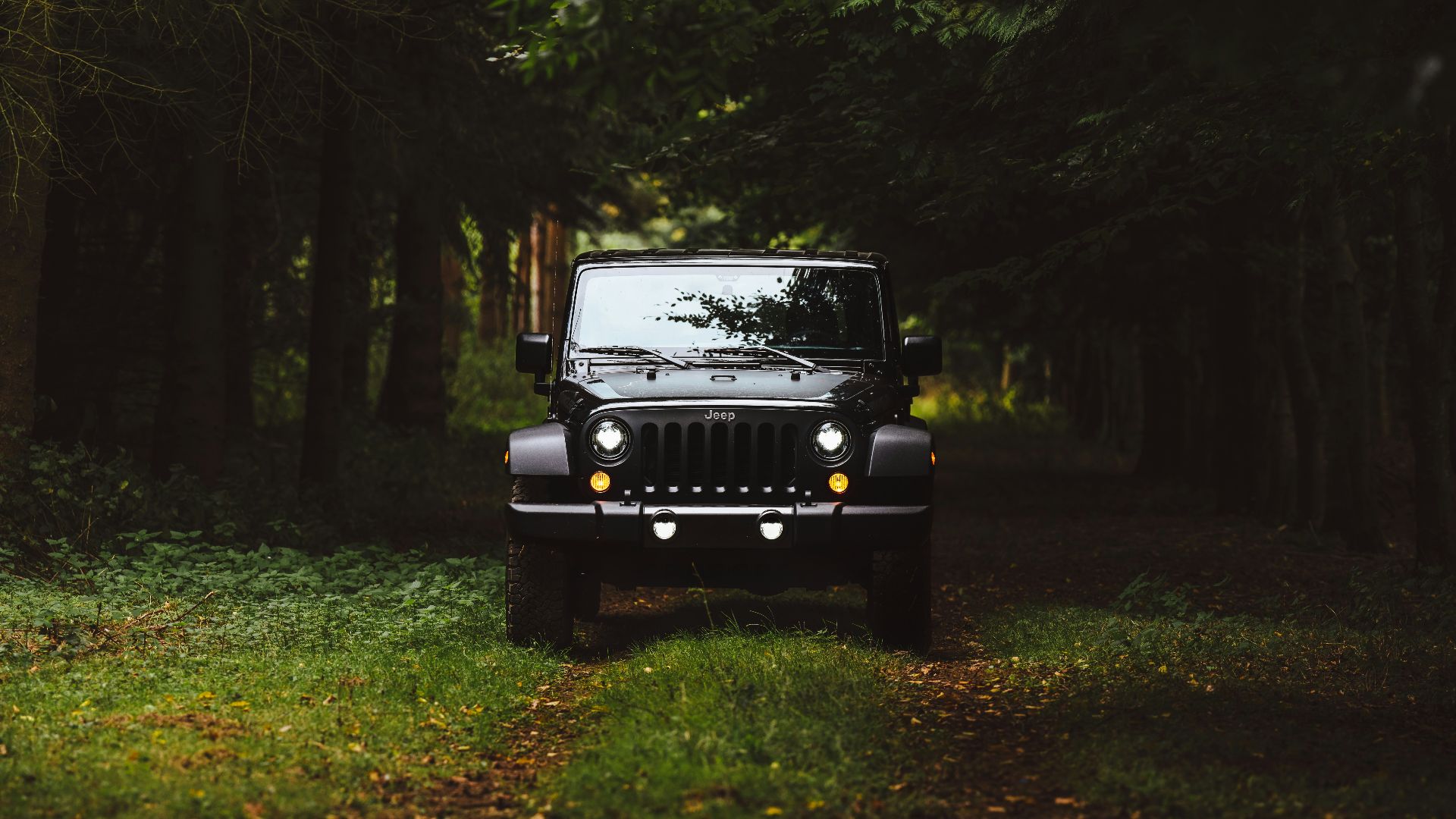
Recalls don’t mean that a vehicle is unreliable; every automaker issues recalls. Jeep owners have been affected by recalls for mechanical issues, faulty airbags, seat belts, and more. Before buying a used Jeep, check for open recalls to see if your Jeep has any.
19. Repair Costs Can Rise As Vehicles Age
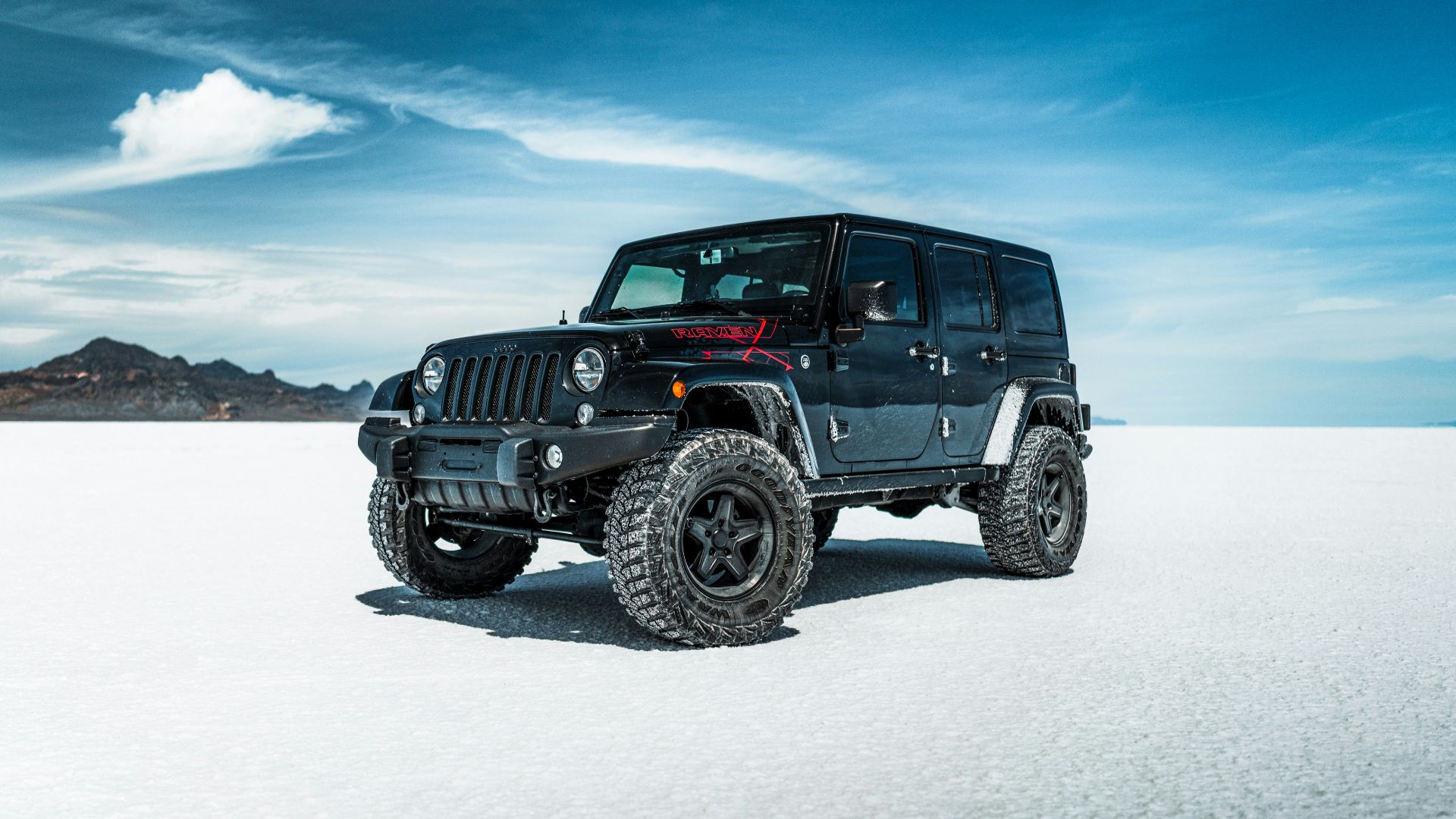
Jeep may be inexpensive to buy when compared to other luxury-brand SUVs, but repair costs can still add up. Parts specific to four-wheel-drive systems, electronics, and sophisticated engine management systems may cost more to repair. Old Jeeps with high mileage can experience wear across multiple vehicle systems.
20. Reliability Varies More Than The Badge Suggests
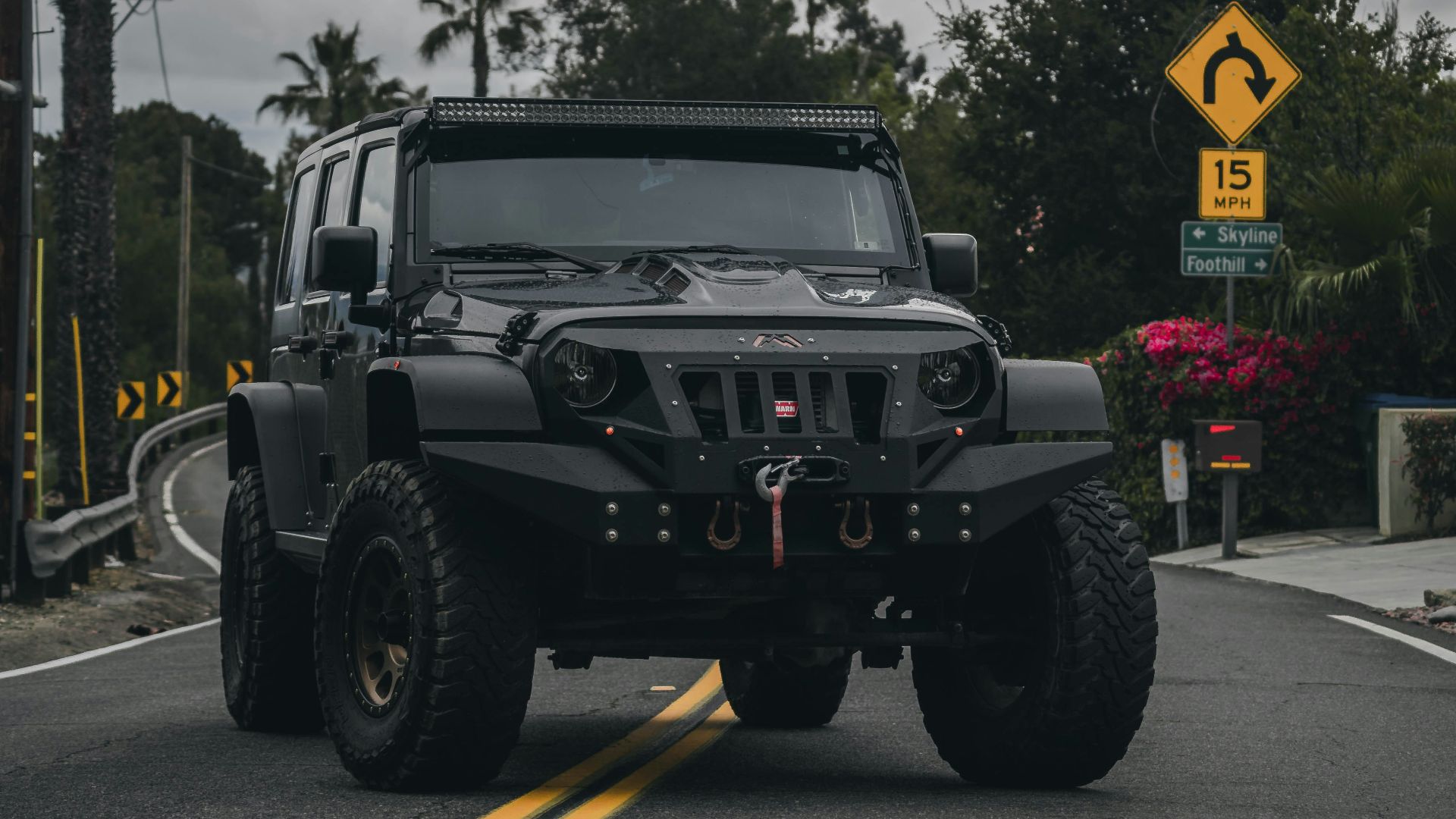
Simply because something is a Jeep doesn’t mean it will have the same problems as another Jeep. Maintenance history, model year, and even trim level matter when predicting how a used Jeep might behave. Do your homework and have a mechanic inspect any used Jeep before buying.