
The Secret Wisdom of the Garage Elders
Long before computer scanners and digital sensors took over the automotive world, mechanics had to rely on sheer cleverness and a few everyday household items to get a broken car back on the road. These old-school garage veterans possessed a deep, intuitive understanding of machinery that allowed them to diagnose complex engine issues and fix stubborn parts without spending a fortune on specialized tools. While modern dealership technicians might reach for a laptop, the classic grease monkey reached for a bar of soap, a coin, or a piece of chalk to solve the exact same problem.

1. The Soap Belt Silencer
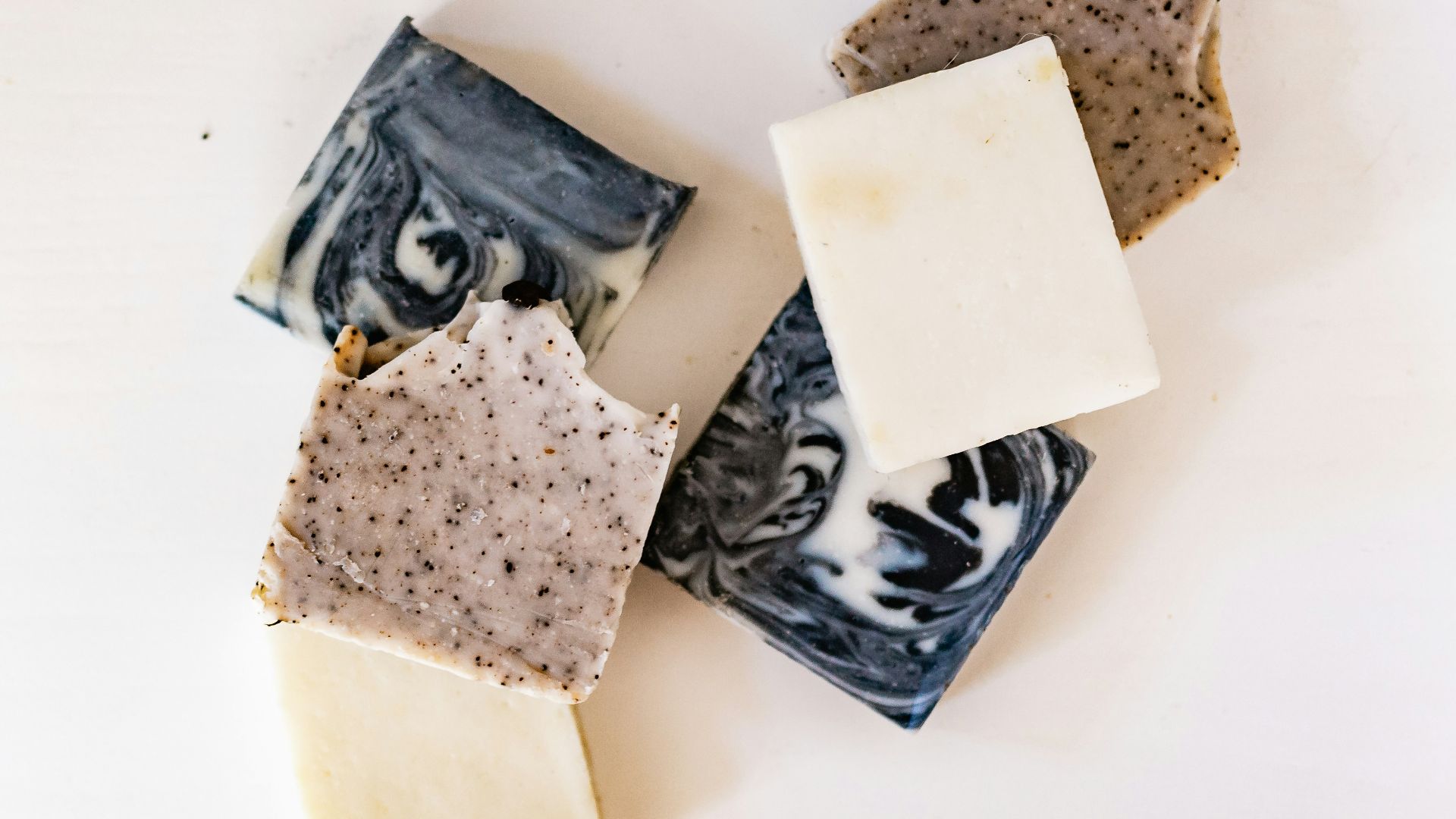
Does your engine make that super-annoying squealing sound? Grab a bar of dry soap and gently rub it over the edge of the rubber accessory drive belt with the engine off. The wax-like residue will temporarily condition the rubber.
2. Finding Vacuum Leaks with a Propane Torch
Locating a tiny, invisible crack in a rubber vacuum line can drive you absolutely crazy because you cannot see the air escaping with your bare eyes. An old trick involves cracking open an unlit propane torch and passing the nozzle slowly along the various hoses while the engine idles. When the engine suddenly revs up or smooths out, you have found the leak.

3. The Screwdriver Stethoscope
You do not need a fancy medical tool to pinpoint exactly which engine pulley is about to fail under the hood. Simply place the metal tip of a long screwdriver against a non-moving part of the suspect component and press your ear firmly against the plastic handle. The solid metal shaft acts as a perfect conductor.

4. Transparent Tube
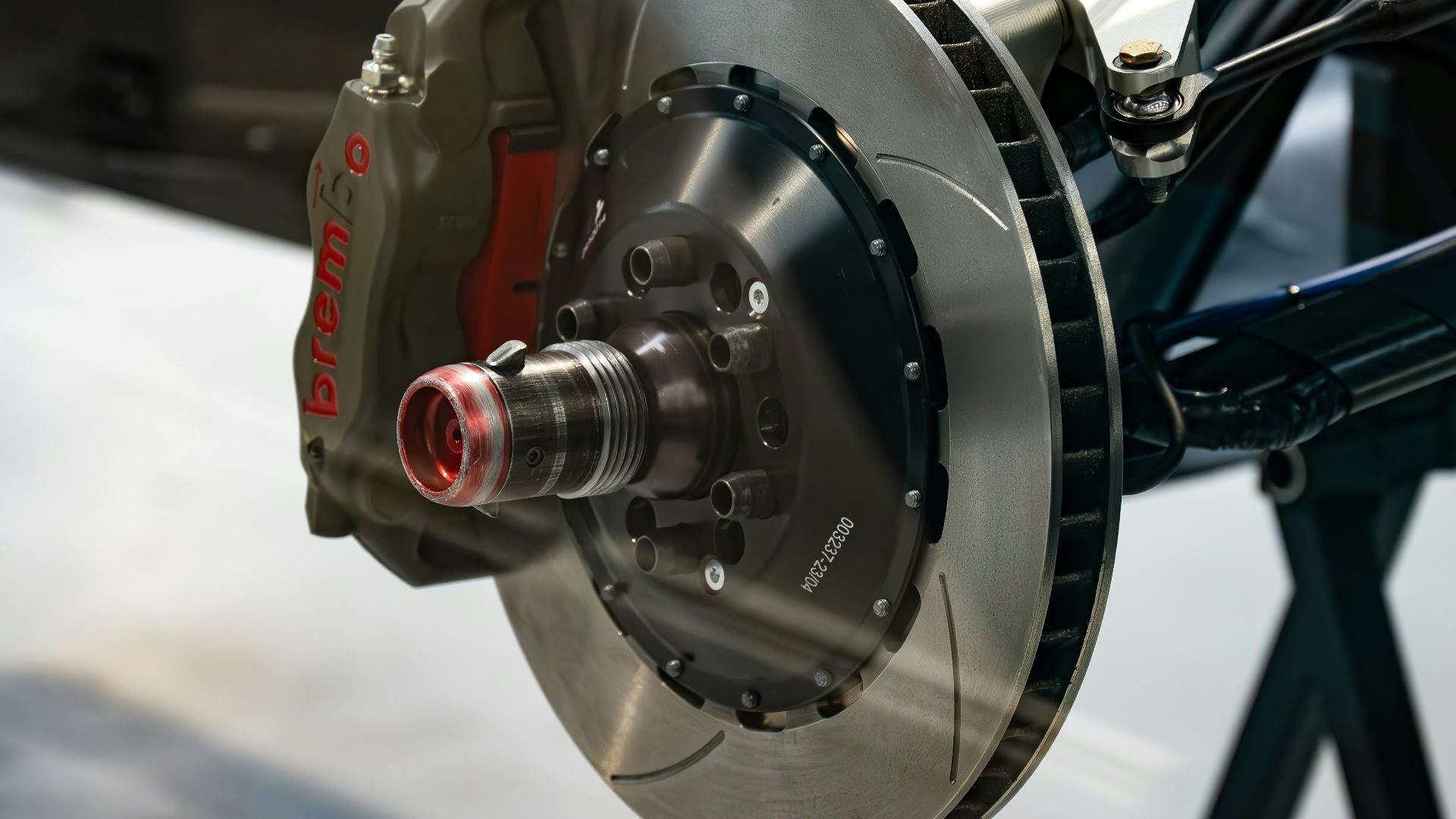
Trying to flush your brake fluid without a helper usually results in air getting trapped back inside the lines, creating a dangerously mushy pedal. To fix this solo, slip a piece of clear vinyl tubing over the bleeder valve and submerge the opposite end into a bottle half-filled with fresh fluid. Pumping the pedal forces the old air bubbles out.
5. The Magnet Oil Filter Savior
Slapping a powerful rare-earth magnet onto the exterior metal casing of your oil filter is a brilliant way to extend the life of your engine. The magnetic field traps microscopic shards of steel and iron that slip past the standard paper filter element. When you spin the old filter off during your next oil change, all those damaging metallic particles leave your vehicle for good.
6. Shaving Cream Windshield Defogger
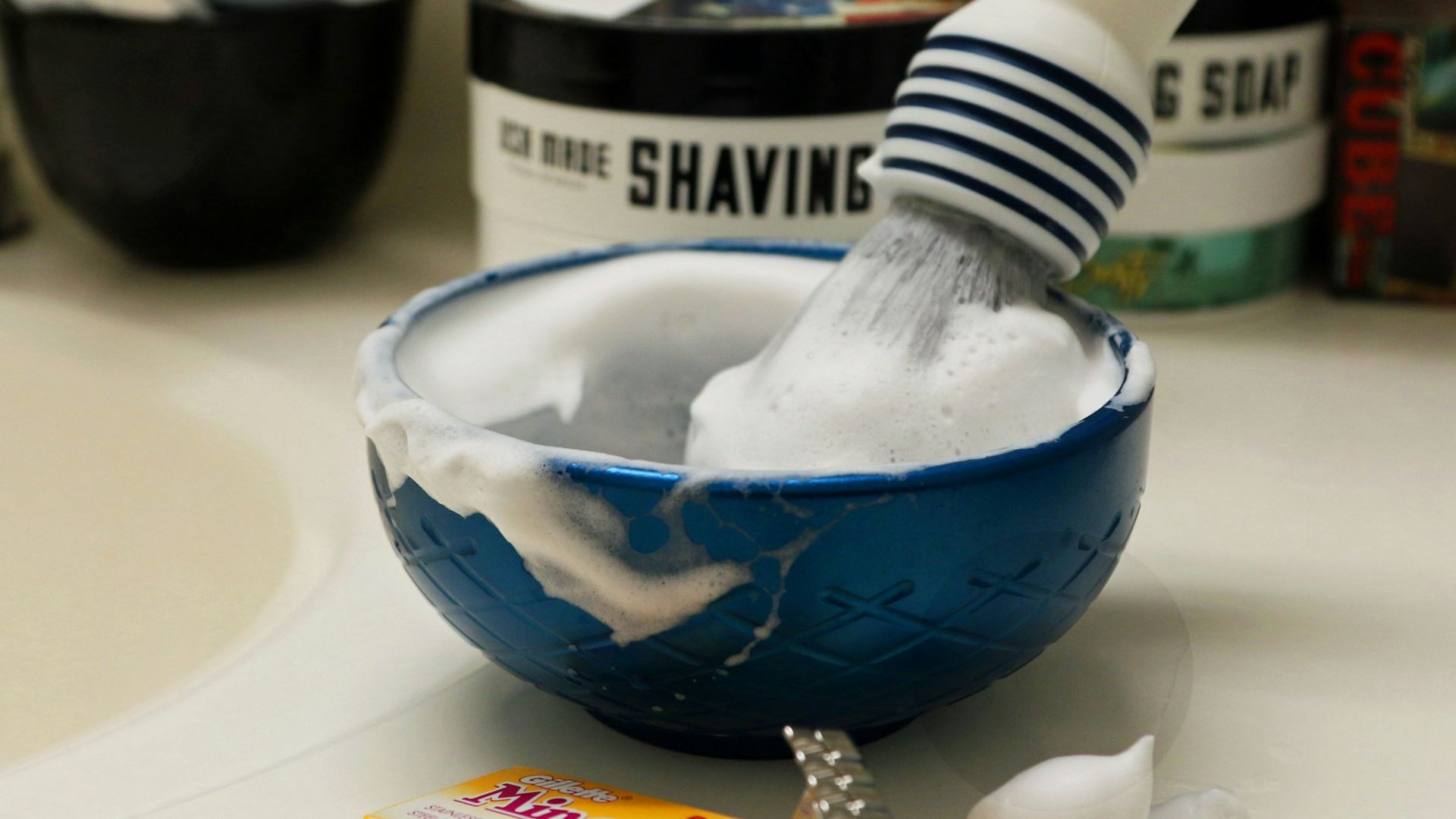
Few things are more frustrating than the tiny water droplets that fog up your windshield in the morning. Stop spending your hard-earned money on electrical defoggers by applying some ordinary shaving cream to the inside of your windshield. Apply a liberal amount of white foam across the entire glass surface and then wipe it dry.
7. Loosening Bolts with Acetone and ATF
When a rusted suspension bolt refuses to budge, skip the expensive store-bought penetrating sprays and head to your chemical shelf. Mixing equal parts of automatic transmission fluid and standard nail polish remover creates a homemade lubricant that outperforms almost everything else on the market. The thin acetone carries the heavy oil deep into the rusted threads.

8. Baking Soda Battery Cleaner
A fuzzy mound of white and green corrosion around your battery terminals will slowly choke out your electrical system until the car refuses to crank. Mixing a hefty spoonful of common baking soda into a warm cup of water creates an alkaline solution. The solution neutralizes the acidic crust instantly upon contact.
9. Finding a Dead Cylinder with Water
If your motor is running incredibly rough but you cannot figure out which spark plug is failing, grab a simple spray bottle filled with tap water. Spritzing a fine mist onto each individual exhaust manifold runner while the car runs will give you an instant answer. The pipes connected to healthy cylinders will instantly hiss and vaporize the water, while a dead, cold cylinder will leave the metal wet.

10. The Penny Tire Tread Gauge
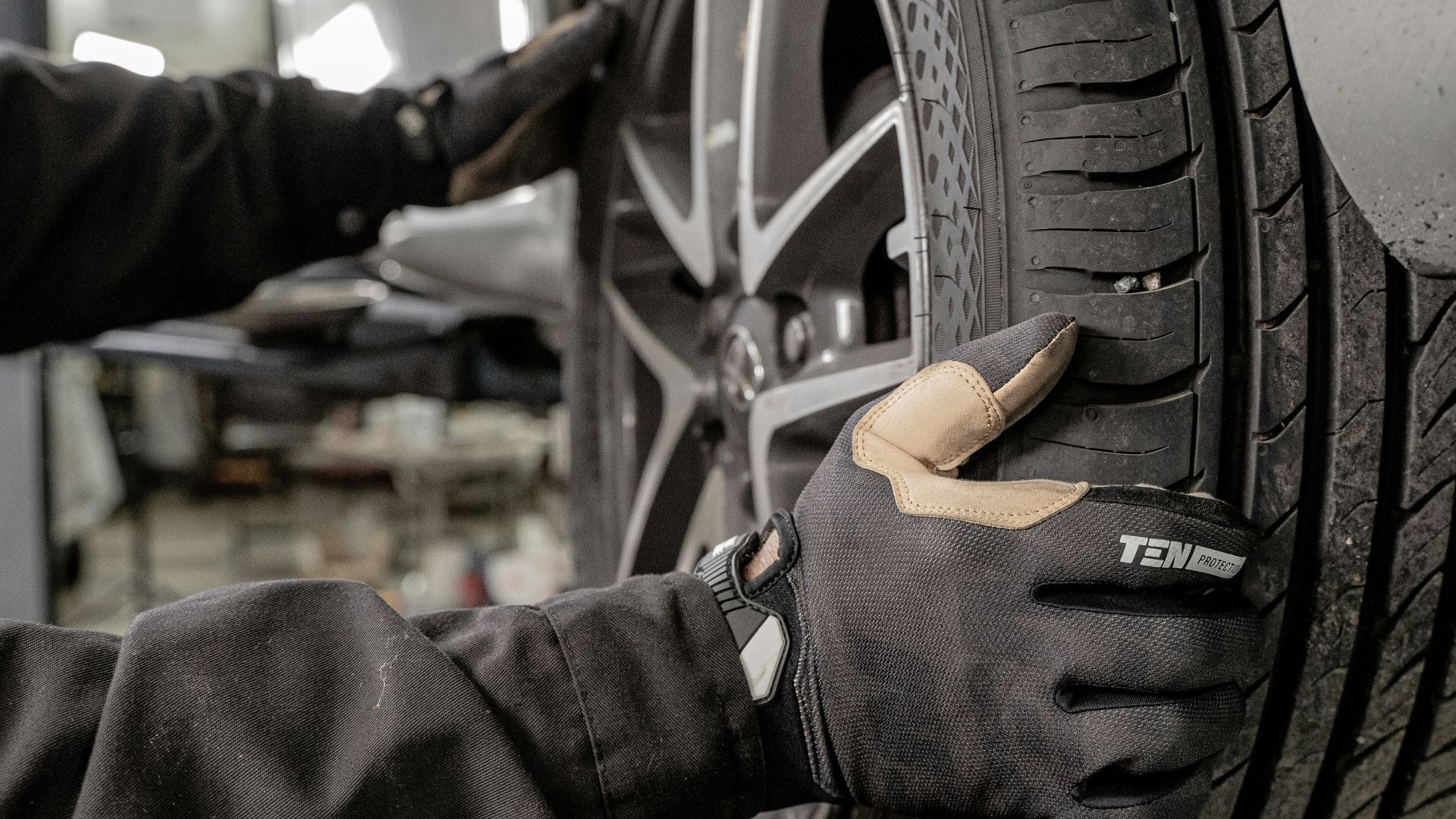
Checking your tires for safety does not require a trip to a tire shop or a digital measuring instrument. Take a standard copper penny and insert Lincoln's head upside down directly into the deepest groove of your tread pattern. If you can see the very top of his forehead, your tires are dangerously worn down.

11. Chalking the Tires for Alignment
A DIY wheel alignment can be done in your driveway with just a simple piece of sidewalk chalk and a tape measure. Run a bold line all the way around the center of your tire tread, then roll the vehicle forward slightly to create a perfect reference mark. Measuring the distance between the chalk lines at both the front and back of the tires lets you calculate your toe-in angle down to the millimeter.
 Jimmy Nilsson Masth on Unsplash
12. Sealing Gas Leaks with Bar Soap
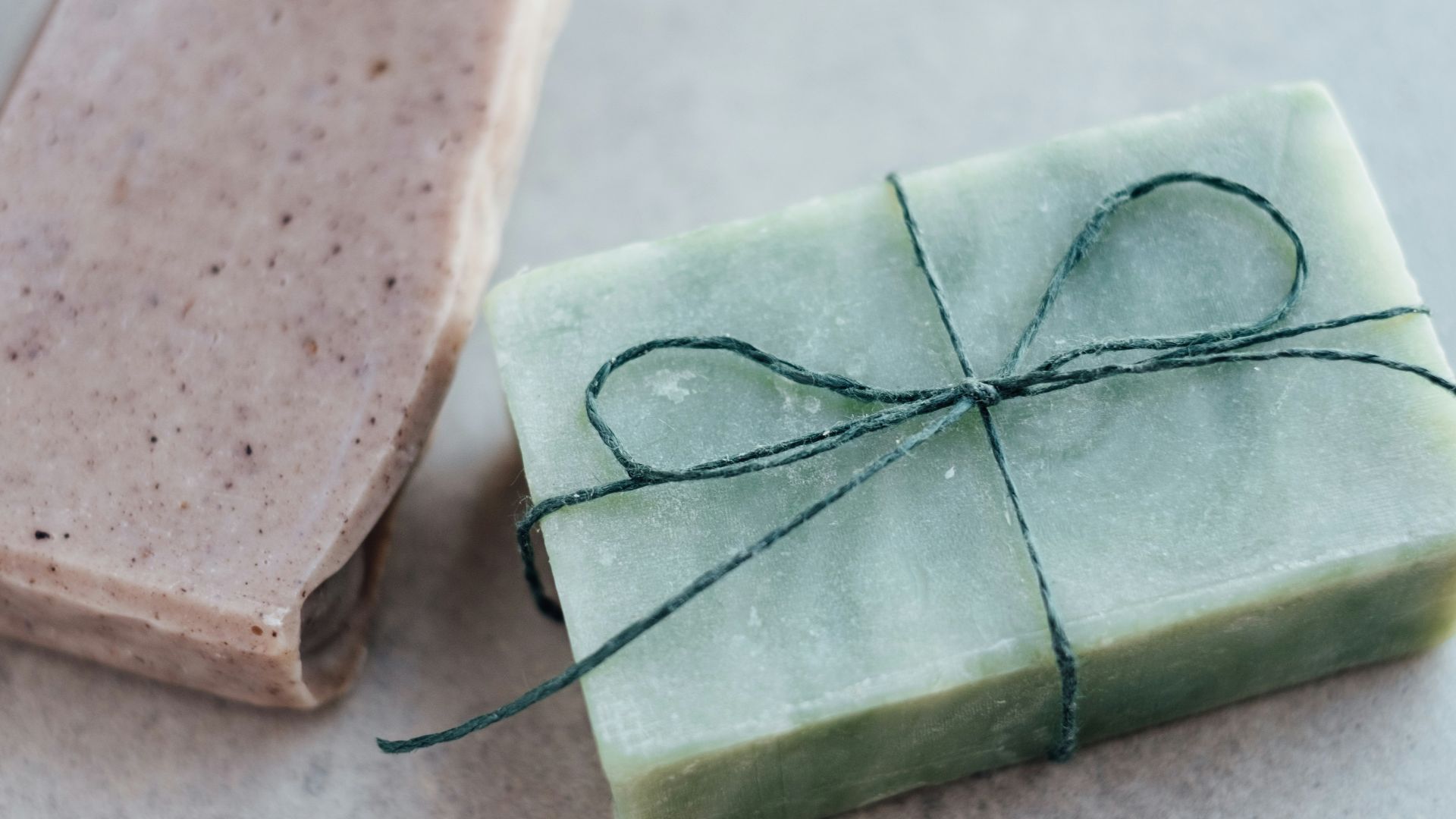
If a rogue rock from the highway punches a tiny pinhole into your metal gas tank, you can stop the leaking fuel with a classic bathroom item. Rubbing a damp bar of hand soap firmly over the puncture creates a temporary chemical paste that gasoline cannot dissolve. This quick fix plugs the hole effectively.
13. The Coca-Cola Rust Buster
Cleaning out that rusty muffler bracket or busted bumper charm does not have to be difficult. Pour yourself a can of Coke and grab a ball of aluminum foil. Coca-Cola contains phosphoric acid, which safely breaks down rust without harming the metal underneath.

14. Smoke for EVAP Leaks
Unexplained check engine lights are frequently caused by microscopic leaks somewhere along the complex fuel vapor lines. Old-timers would pull off a main vacuum hose and blow a thick cloud of smoke directly into the intake tract before sealing the end. Watching where the white wisps drifted out from under the chassis allowed them to pinpoint the faulty connection.

15. The Rope Trick for Valve Springs
Replacing a broken valve spring usually requires removing the entire cylinder head. You can bypass this teardown by feeding a length of clean nylon rope through the spark plug. Rotating the engine by hand pushes the piston up against the rope, locking the valves safely.

16. Vaseline for Fuel Pump O-Rings
Installing a fresh rubber seal during a fuel pump swap can be incredibly frustrating because dry rubber loves to bunch up and tear. Dab a tiny bit of petroleum jelly around the rim to allow the new gasket to slide smoothly into its seating groove without pinching. The lubricant dissolves safely into the fuel over time.

17. The Hammer Tap for Stuck Starters
When you turn the ignition key and hear absolutely nothing but a faint click, your starter motor is likely jammed on its internal shaft. Crawling underneath and giving the metal starter housing a few sharp taps with a hammer can jar the internal electrical brushes back into position. This simple jolt will usually give you just enough juice.

18. Indexing Spark Plugs with a Sharpie
Serious hot-rodders maximize their engine power by ensuring the open gap of a spark plug faces directly toward the intake valve. Mark the porcelain side of the plug with a black marker to show exactly where the open electrode sits before screwing it into the engine. This visual guide allows you to swap plugs around.

19. Grease for Holding Loose Washers
Trying to thread a tiny washer onto a bolt in a cramped, dark corner of an engine bay is an easy way to lose hardware forever. Smear a small dollop of heavy chassis grease onto the back of the washer to stick it firmly to your finger or the tool. The sticky paste acts like a temporary glue.

20. The Cardboard Radiator Shield
During brutal winter months, an older car's heater can take an eternity to warm up because the icy wind cools the radiator too efficiently. Sliding a simple piece of grocery store cardboard directly in front of the grille blocks a portion of that freezing airflow. This restriction helps the engine reach its optimal operating temperature much faster.