
A Smarter Way to Use Garage Storage
When you have a garage, it can feel tempting to stash everything in there. In fact, you probably already do that. But here's the catch: most garages aren’t climate-controlled, which means anything from extreme temperatures to pests, rodents, humidity, and fumes can create hazards you might not expect. You're better off only storing your vehicle in there, as that's what your garage is for. If you're still prone to using it as a storage, however, it'll help to know what you can't—and can—store in there.

1. Paint
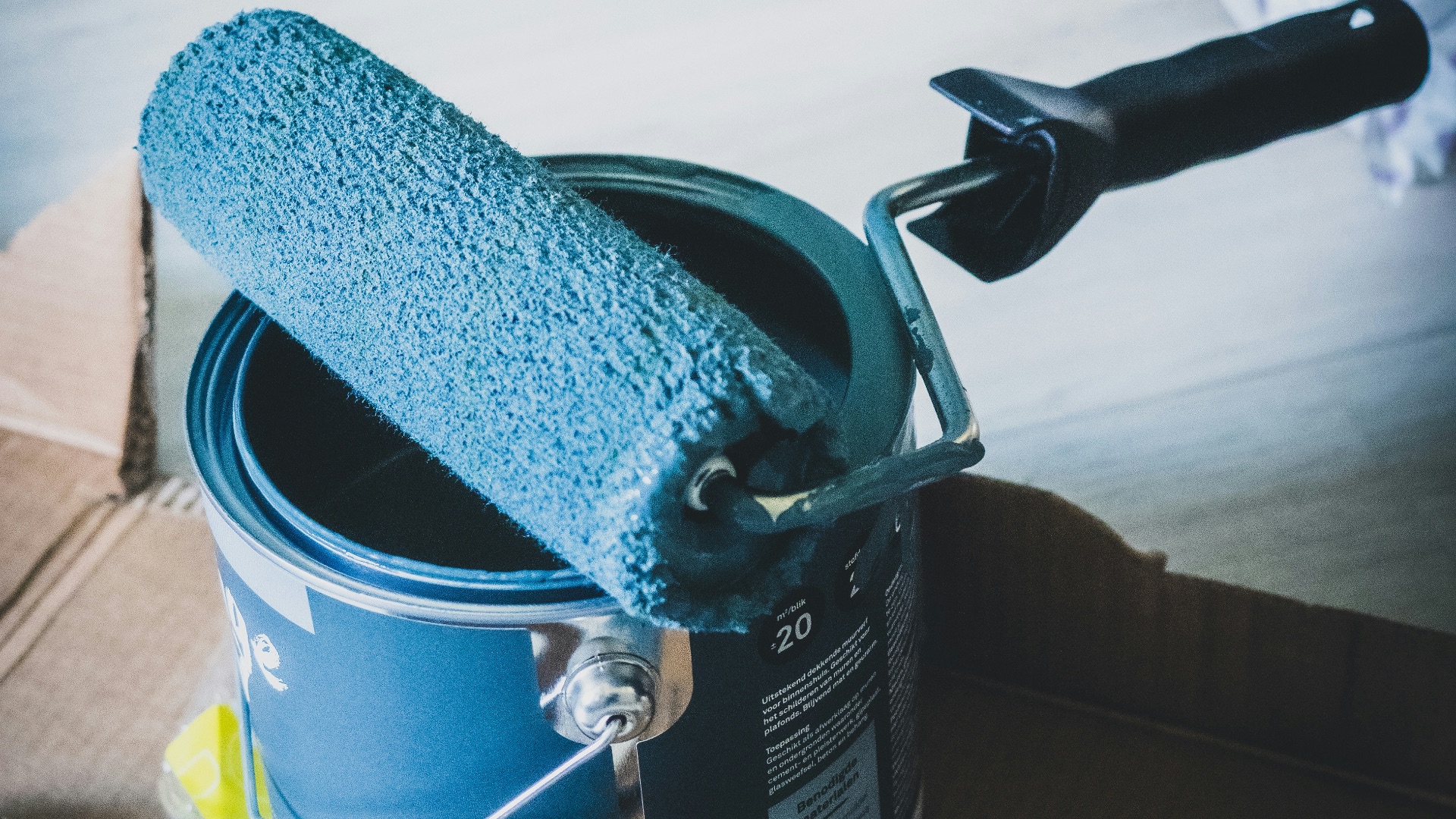
Paint may seem like a natural garage item, especially if you use it for household projects, but temperature changes can ruin its consistency. When paint freezes, overheats, or goes through repeated hot-and-cold cycles, it can separate or become lumpy. Once that happens, it may not spread smoothly or match the finish you expected. Store paint indoors in a cool, dry place where the temperature stays more consistent.
2. Gasoline and Propane Tanks
Gasoline and propane are much too risky to treat like ordinary garage clutter. Their vapors can ignite if they’re stored near pilot lights, water heaters, electrical tools, or other sources of heat and sparks. Even a small amount of fuel should be kept in an approved container and stored according to local safety rules. For many homes, a detached outdoor shed is a safer choice than an attached garage.

3. Pet Food
Pet food doesn’t belong in the garage unless it’s in a tightly sealed, pest-resistant container, and even then it’s not ideal. The smell can attract mice, ants, insects, and other unwanted visitors. Humidity can also affect the texture and freshness of dry food, especially once the bag has been opened. You’re better off keeping pet food indoors with your regular pantry items.

4. Books and Important Papers
Books, documents, tax records, and keepsakes made of paper can suffer quickly in a damp garage. Humidity may cause pages to curl, covers to warp, and paper to develop mold over time. Pests can also chew through boxes or nest inside them if they’re left undisturbed. Anything important enough to save should be stored inside in a dry, protected area.

5. Clothing and Linens
Garages are rough on fabrics, even when clothing and linens are folded neatly into bins. Moisture can leave them smelling musty, while pests may damage natural fibers or hide in stored textiles. Bedding, towels, seasonal clothes, and baby items are especially worth protecting because they touch your skin. Keep them in indoor closets or under-bed storage instead of letting them sit through garage temperature swings.

6. Electronics
Old laptops, speakers, gaming systems, televisions, and spare chargers shouldn’t spend months in the garage. Heat can shorten battery life, cold can affect screens and internal components, and moisture can encourage corrosion. Dust is another issue because it can work its way into vents and ports. If the item still works or you may need it later, store it somewhere inside the house.

7. Canned and Packaged Food
Food storage in the garage is rarely as safe as it looks, even when everything is sealed. Extreme temperatures can affect the quality of canned goods, and pests are often drawn to boxed snacks, grains, and pantry overflow. If packaging becomes damp or chewed, the food may no longer be safe to use. Keep extra groceries in a pantry, basement, or interior storage area with stable conditions.
8. Photos and Artwork
Photos, framed prints, canvases, and children’s artwork can be permanently damaged in a garage. Heat, moisture, and pests may cause fading, warping, mildew, or sticking between stacked pieces. Since many of these items are sentimental and hard to replace, they deserve better protection than a garage shelf can usually provide. Store them indoors in archival boxes or protective sleeves.

9. Firewood
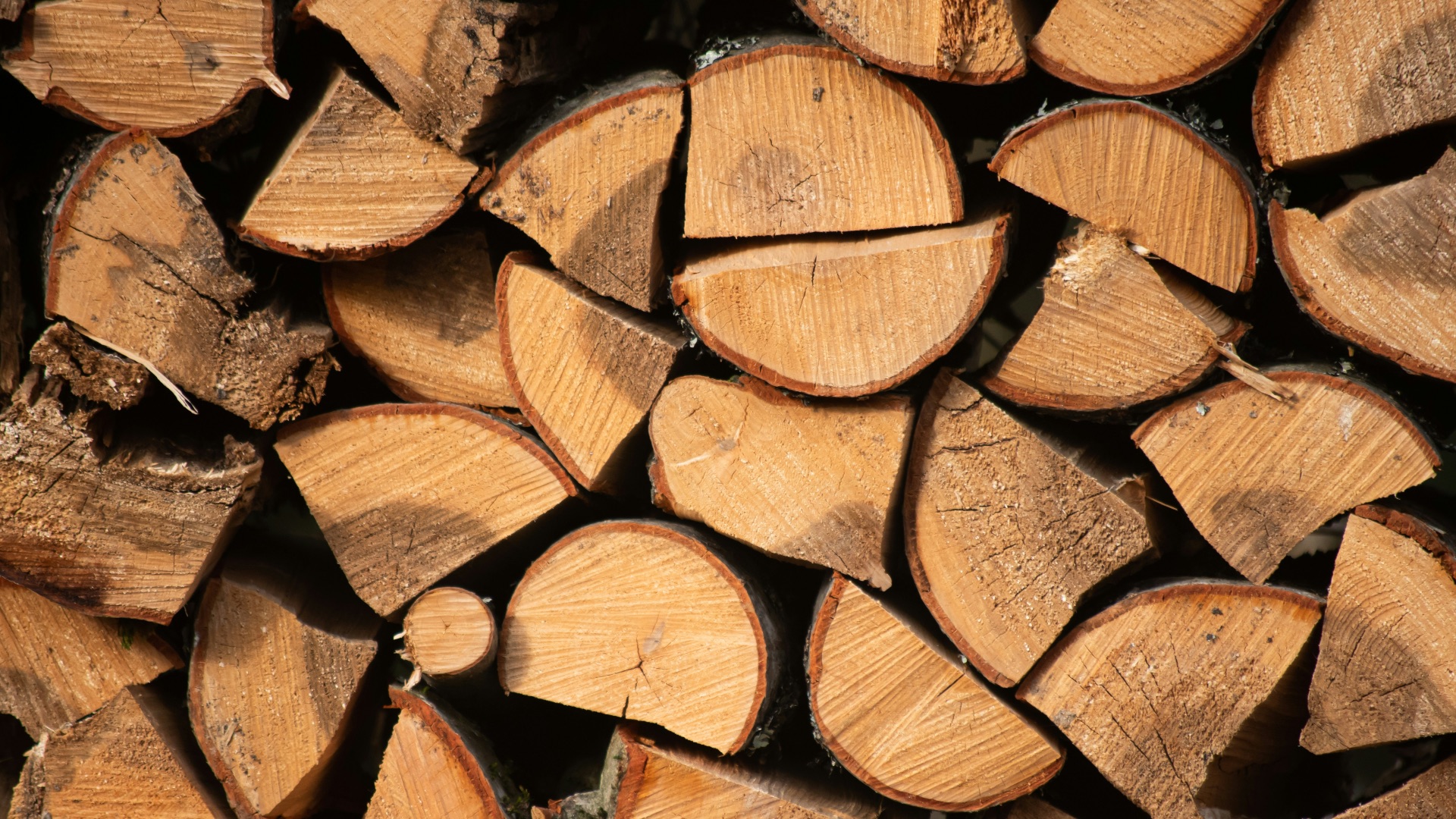
Firewood might feel like it belongs in the garage because it’s bulky, but it can actually bring pests closer to your living space. Bugs, rodents, and even mildew and mold can hide in the stack, especially if poor ventilation traps in moisture. Keep firewood outside, elevated, and covered in a way that still allows airflow.
10. Garbage
Garbage shouldn't be stored in the garage any longer than necessary. Food scraps, packaging, and other waste can attract rodents, insects, and other pests that are looking for an easy food source. Once pests find their way into the garage, they may be more likely to move closer to your home. Taking trash out regularly and keeping bins tightly sealed can help prevent unwanted visitors.
Most of the items you should avoid storing in a garage have one thing in common: they’re sensitive to heat, moisture, pests, or fire risks. So, what can you safely store in your garage? Let's jump into that next.
1. Your Car
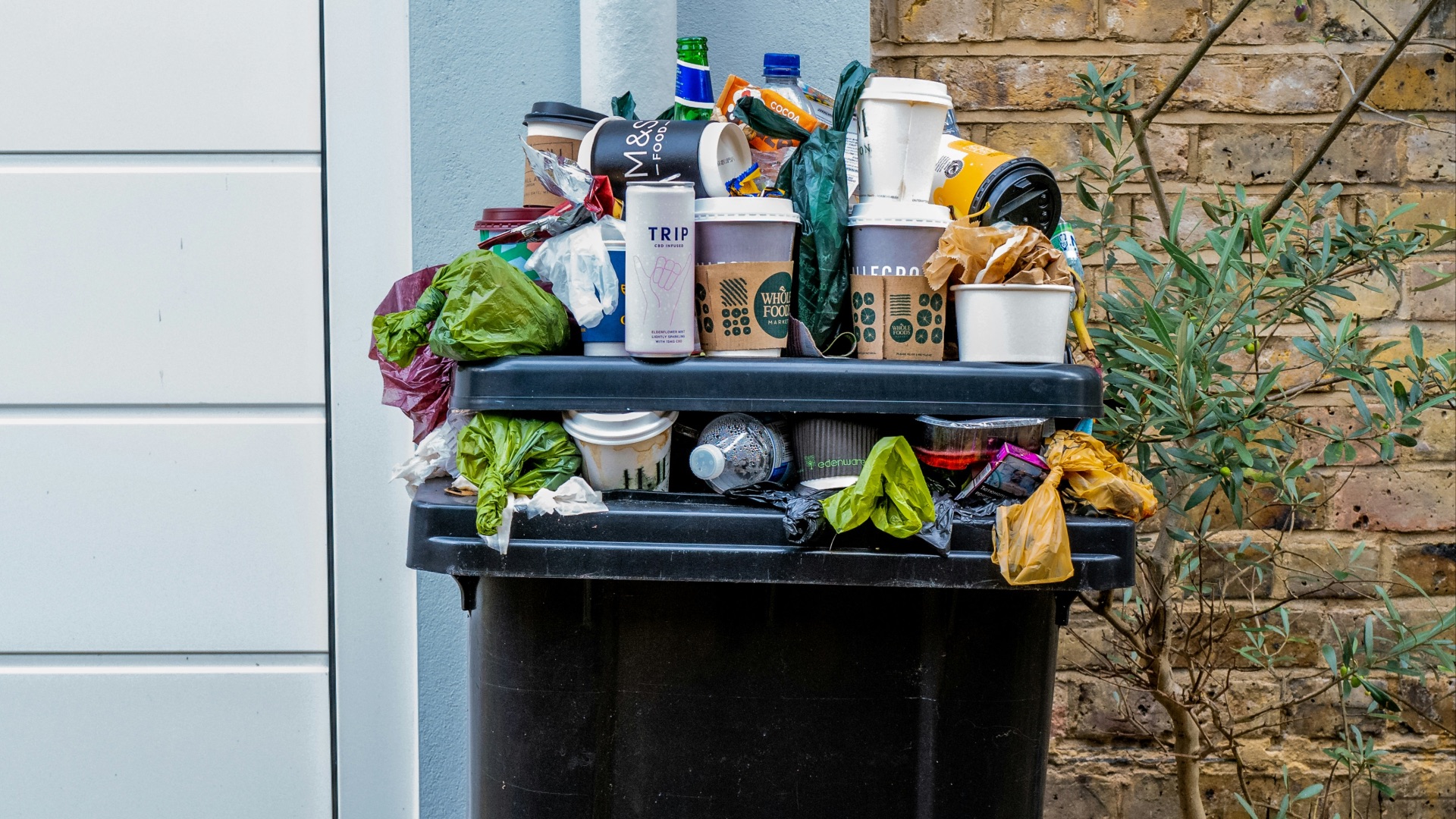
Unsurprisingly, your vehicle can, and should, be stored in the garage. After all, leaving it out on your open driveway can expose it to dirt, dust, and extreme temperatures, among other things. Covered inside your garage, however, keeps it safe from outdoor irritants.
2. Gardening Tools
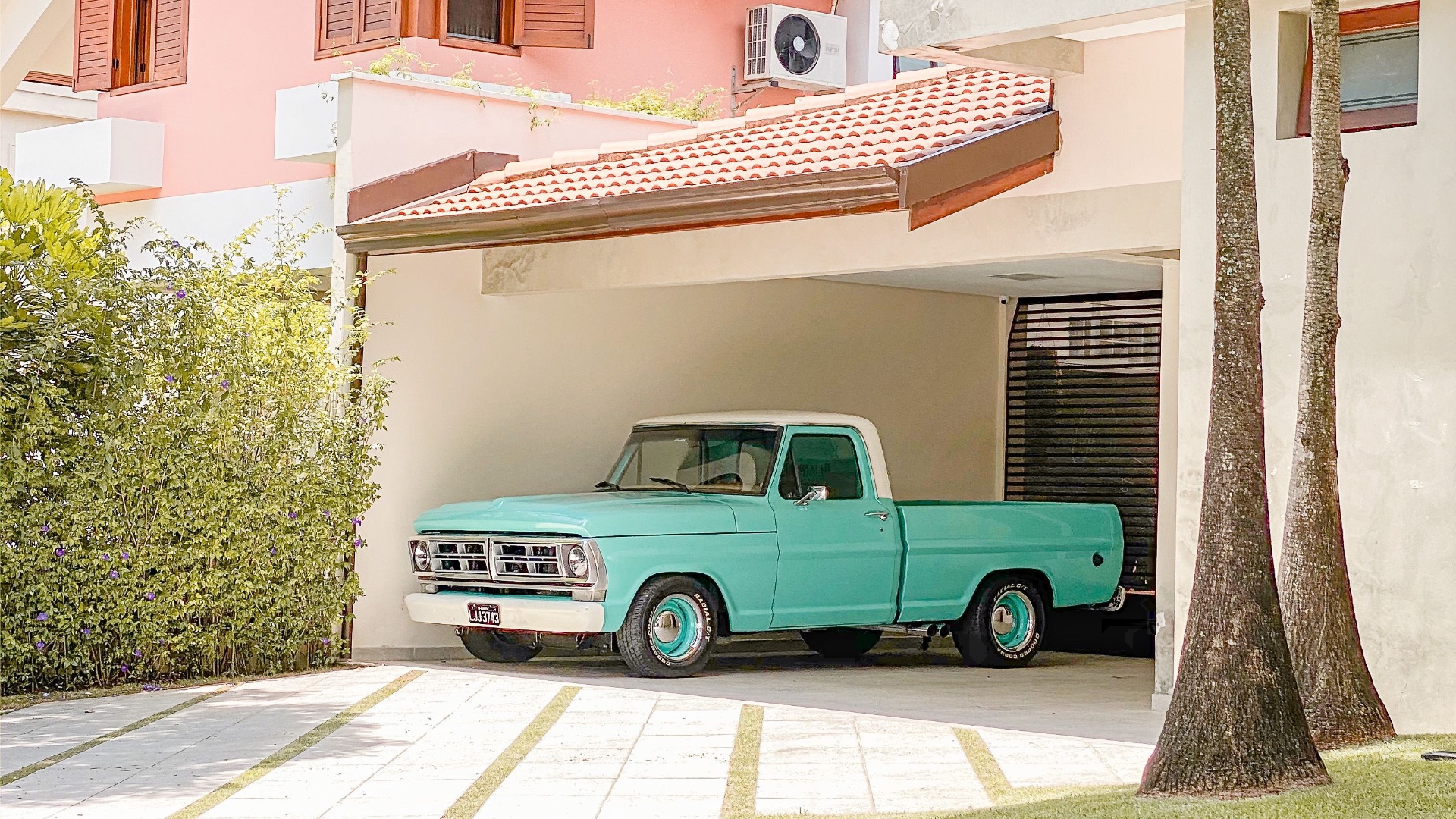
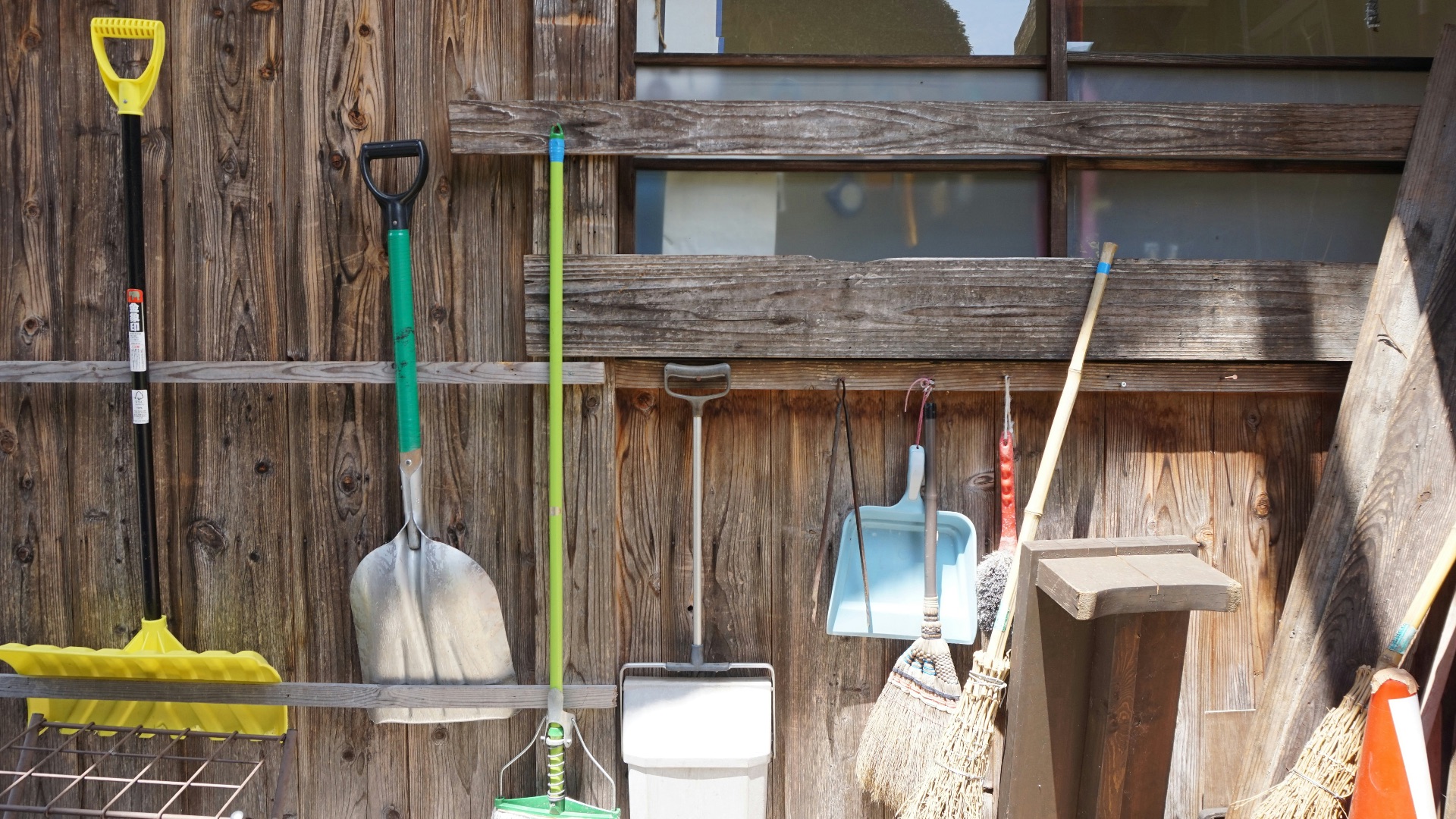
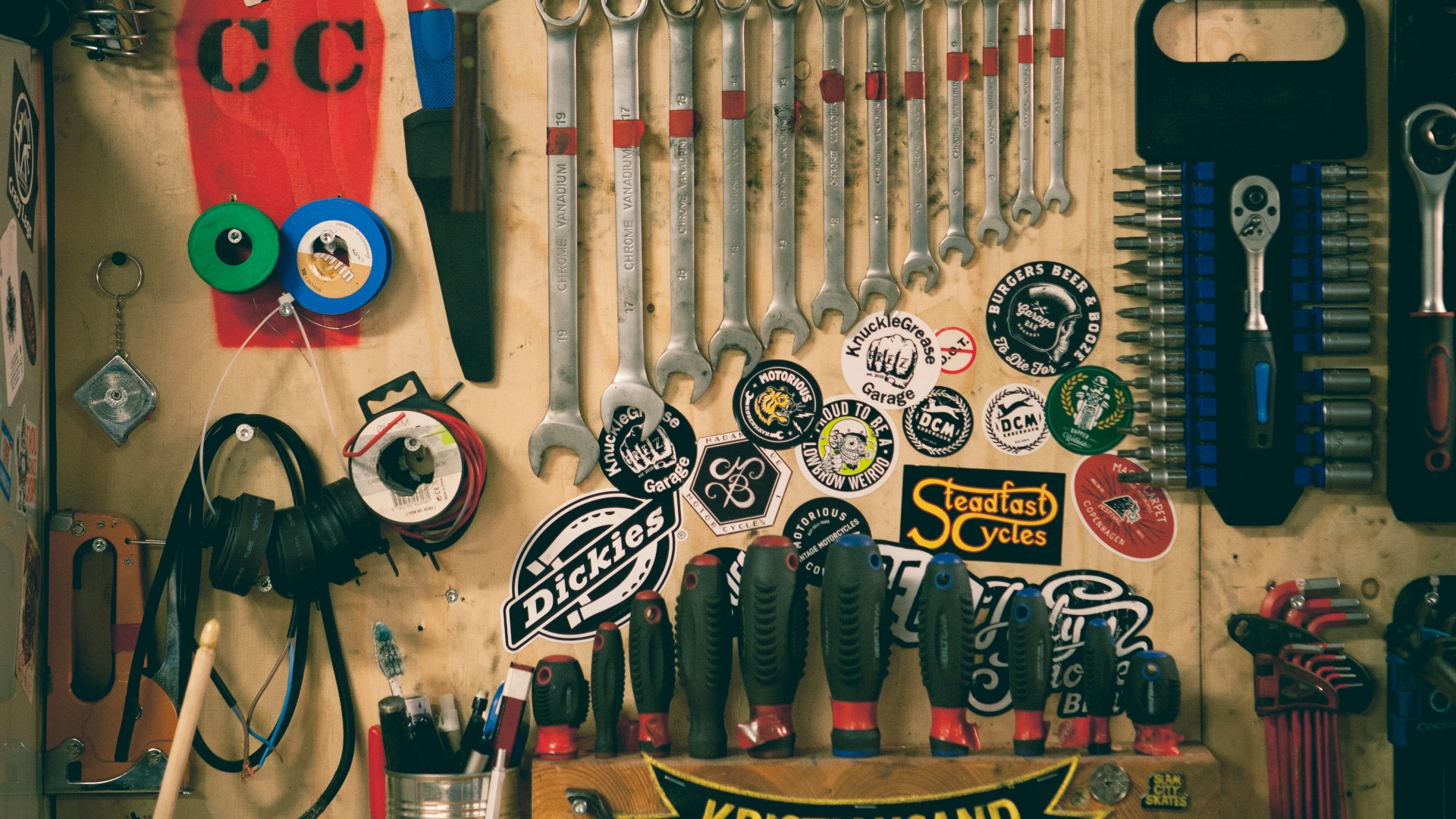
Enjoy gardening? Thankfully, your tools are well-suited for garage storage, as they don’t need the same protection as delicate household items. Wall hooks, pegboards, or a standing tool rack can keep them organized and easy to reach. Just clean off heavy mud before storing them so the garage doesn’t become harder to maintain.
3. Sports Equipment
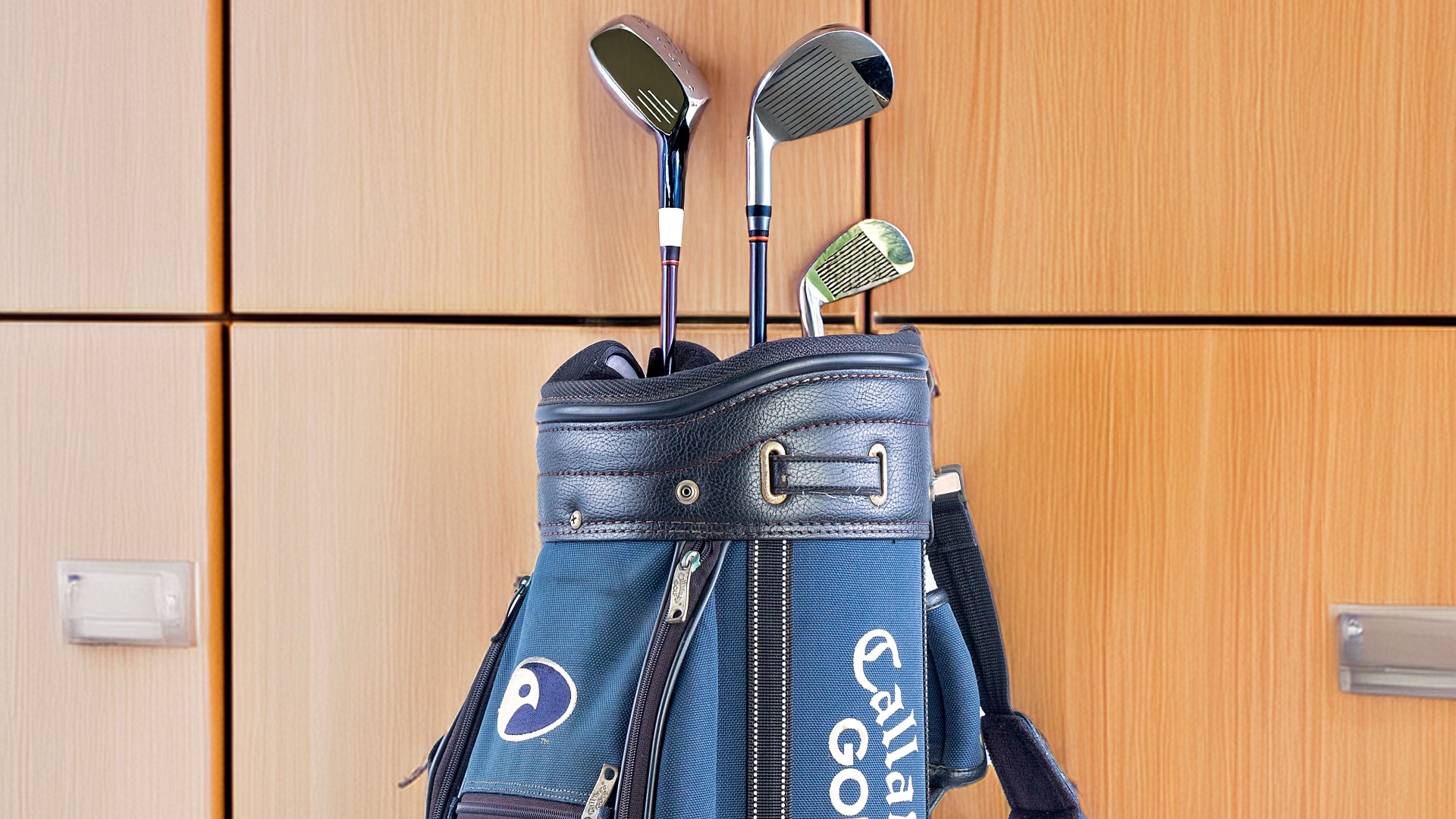
Sports gear usually does fine in a garage, though a labeled bin or open shelving system can help prevent everything from becoming a cluttered heap. For leather items or expensive specialty gear, however, you'll want to check the care instructions before leaving them unattended long-term.
4. Bicycles
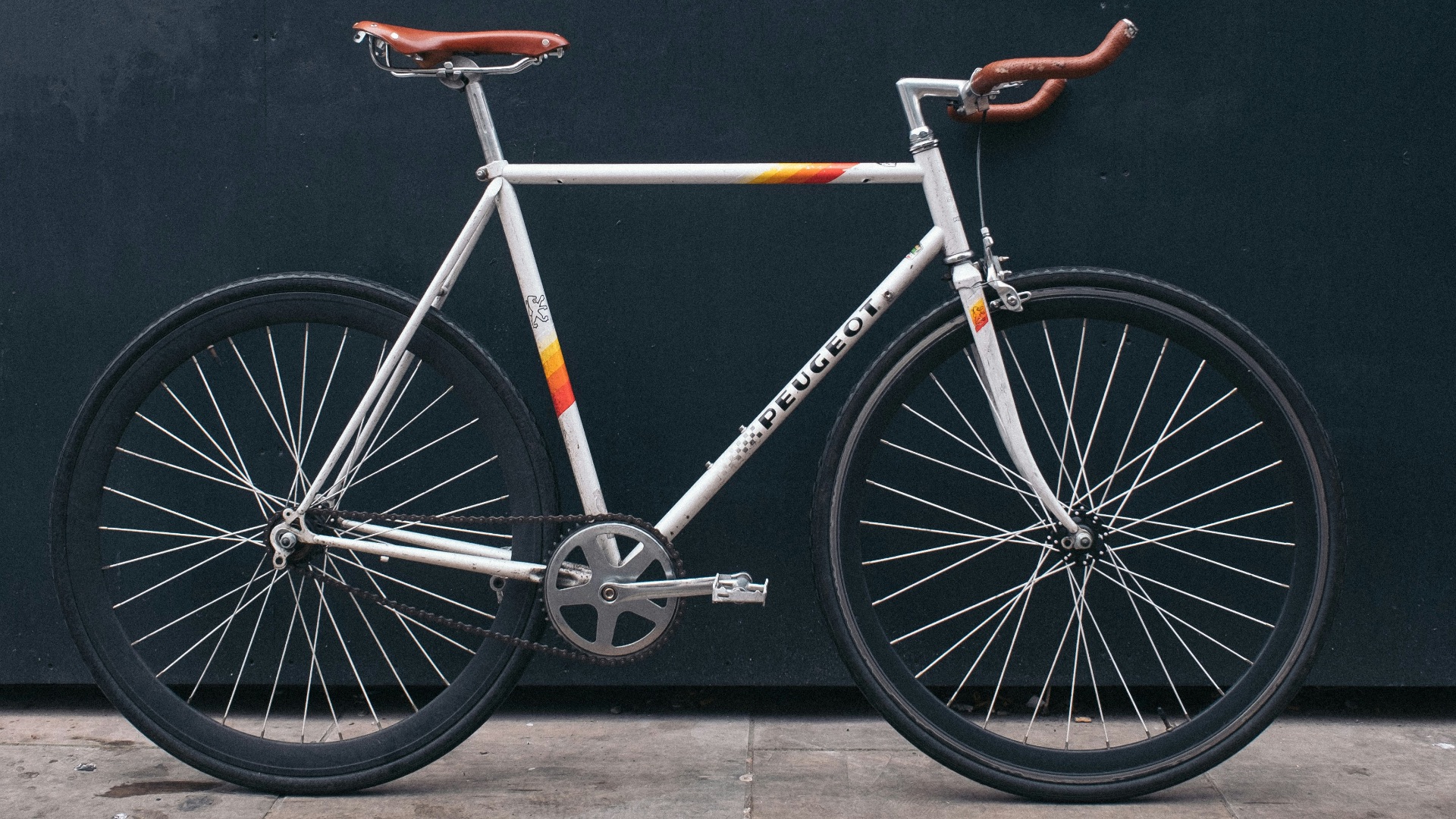
Bicycles are a practical garage item because they’re bulky, used outdoors, and often needed near the driveway. Hanging them on wall hooks or ceiling mounts can free up floor space and prevent accidental scratches. Before storing a bike for the season, wipe it down and check that the tires aren’t sitting flat in one position for too long. A garage also makes it easier to keep helmets, pumps, and locks nearby.
5. Holiday Decorations
Many holiday decorations can stay in the garage as long as they’re packed properly. Plastic ornaments, wreath forms, artificial trees, and outdoor lights are usually fine in sturdy bins with tight lids. Avoid storing delicate paper decorations, candles, or fragile heirlooms there because heat and moisture can damage them. Clear labels will save you from opening six boxes just to find one strand of lights.

6. Lawn Care Supplies
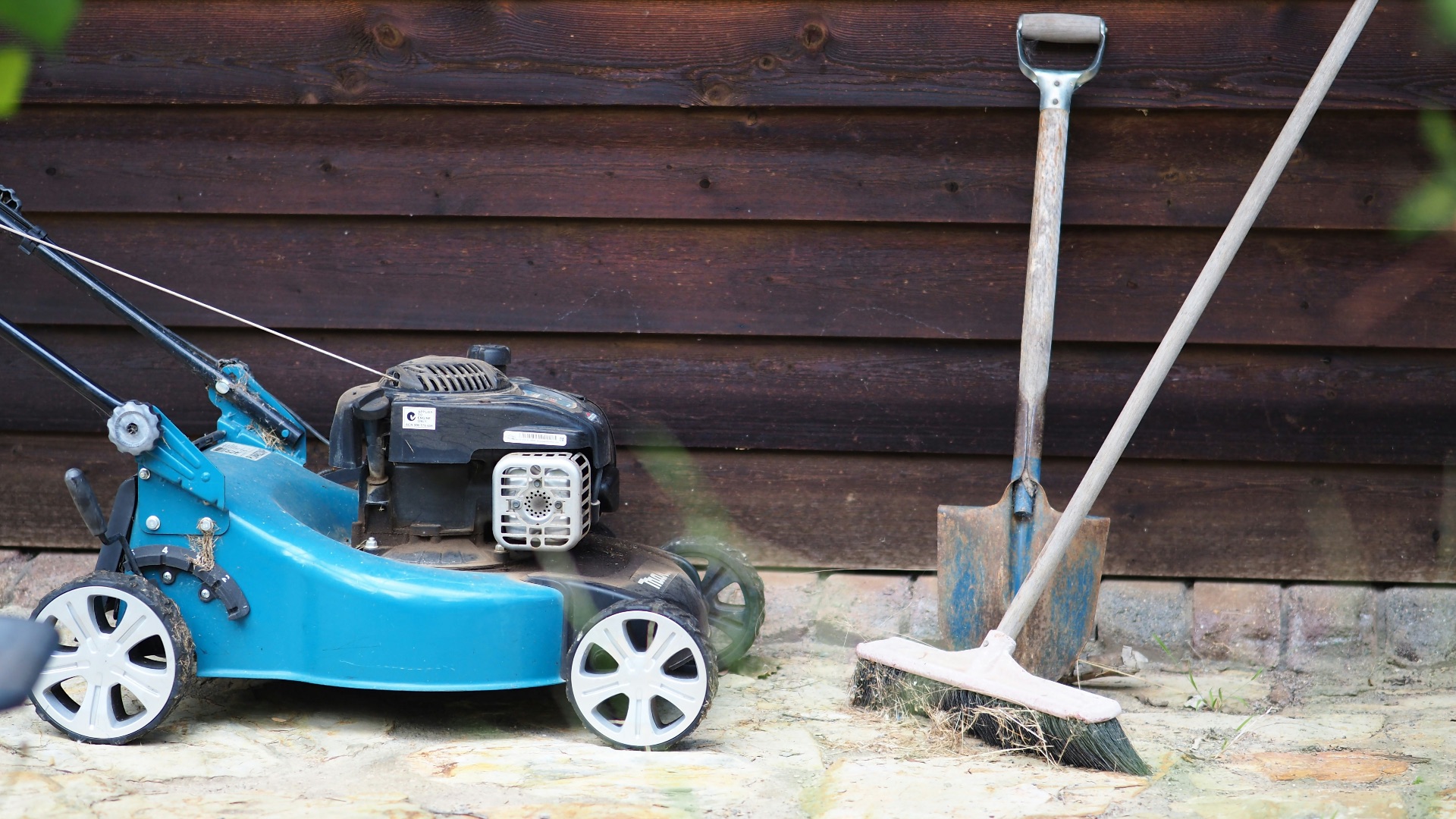
Grass seed, spreaders, watering cans, hoses, and basic lawn tools often make sense in the garage. They’re already tied to outdoor maintenance, and keeping them near the yard or driveway makes seasonal chores easier. Store liquids, fertilizers, and chemicals according to the label, especially if your garage gets very hot or cold. Keep anything hazardous out of reach of children and pets.
7. Empty Coolers
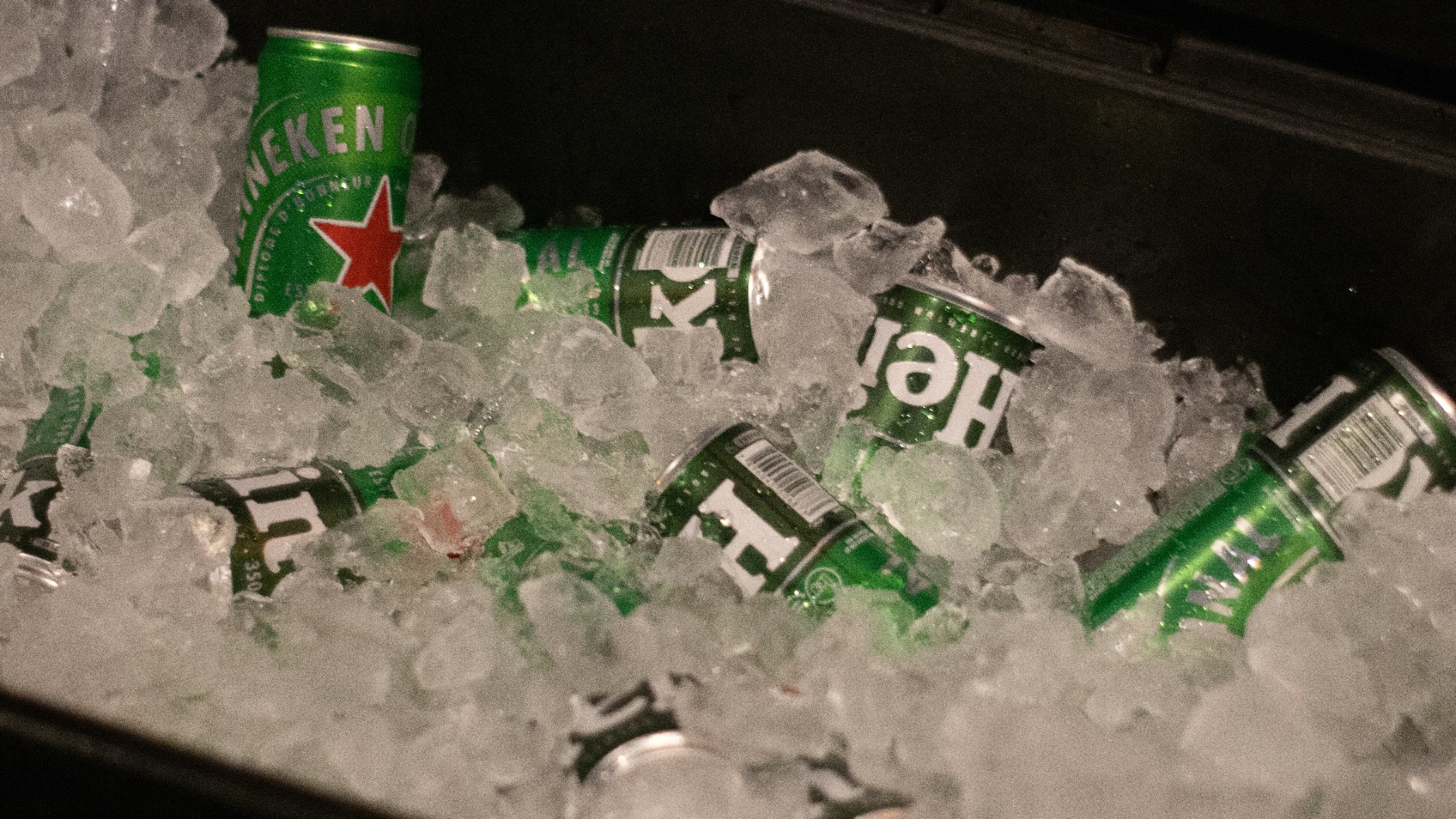
Coolers are sturdy enough for garage storage and don’t usually need indoor closet space. Before putting one away, wash it thoroughly and leave it open until every bit of moisture is gone. You can also choose to repurpose it into a beer cooler if needed.
8. Car Care Products
Many car care items are reasonable to keep in the garage because that’s where you’ll use them. Microfiber towels, windshield washer fluid, tire gauges, wax, and basic detailing tools can be organized on a shelf or in a utility cabinet. Be more careful with flammable products, aerosol cans, and anything with a warning label. Those items should be stored exactly as directed and kept away from heat sources.
9. Patio Umbrellas and Outdoor Covers
Patio umbrellas, grill covers, furniture covers, and shade accessories can usually be stored in the garage during the off-season. Make sure they’re dry before folding them, because trapped moisture can lead to mildew. A tall bin, wall rack, or designated shelf can keep them from getting bent or crushed. This kind of storage works best when you avoid piling heavy boxes on top of fabric or framed pieces.

10. Plastic Storage Totes
Sturdy plastic totes filled with durable items can work well in a garage. Think camping gear, extension cords, spare flowerpots, tarps, outdoor games, or non-delicate household extras you don’t need every week. The container matters because thinner materials may invite moisture damage and are easier for pests to chew through, and can become misshapen if your garage heats up in the summer. Choose bins with secure lids, label them clearly, and keep them raised if your garage floor is prone to dampness.