Stepping Back Into the Showroom
Climbing into a brand-new vehicle today is a highly digital experience, dominated by massive touchscreens, sleek piano-black plastics, and synthetic materials designed to last forever. If you look back a few decades, automotive interiors felt much more tactile, distinct, and sensory, possessing unique smells and textures that are completely absent from modern showrooms. Car manufacturers used to rely on real metals, heavy fabrics, and chemical formulas for adhesives that gave each brand a signature atmosphere the moment you opened the heavy door.
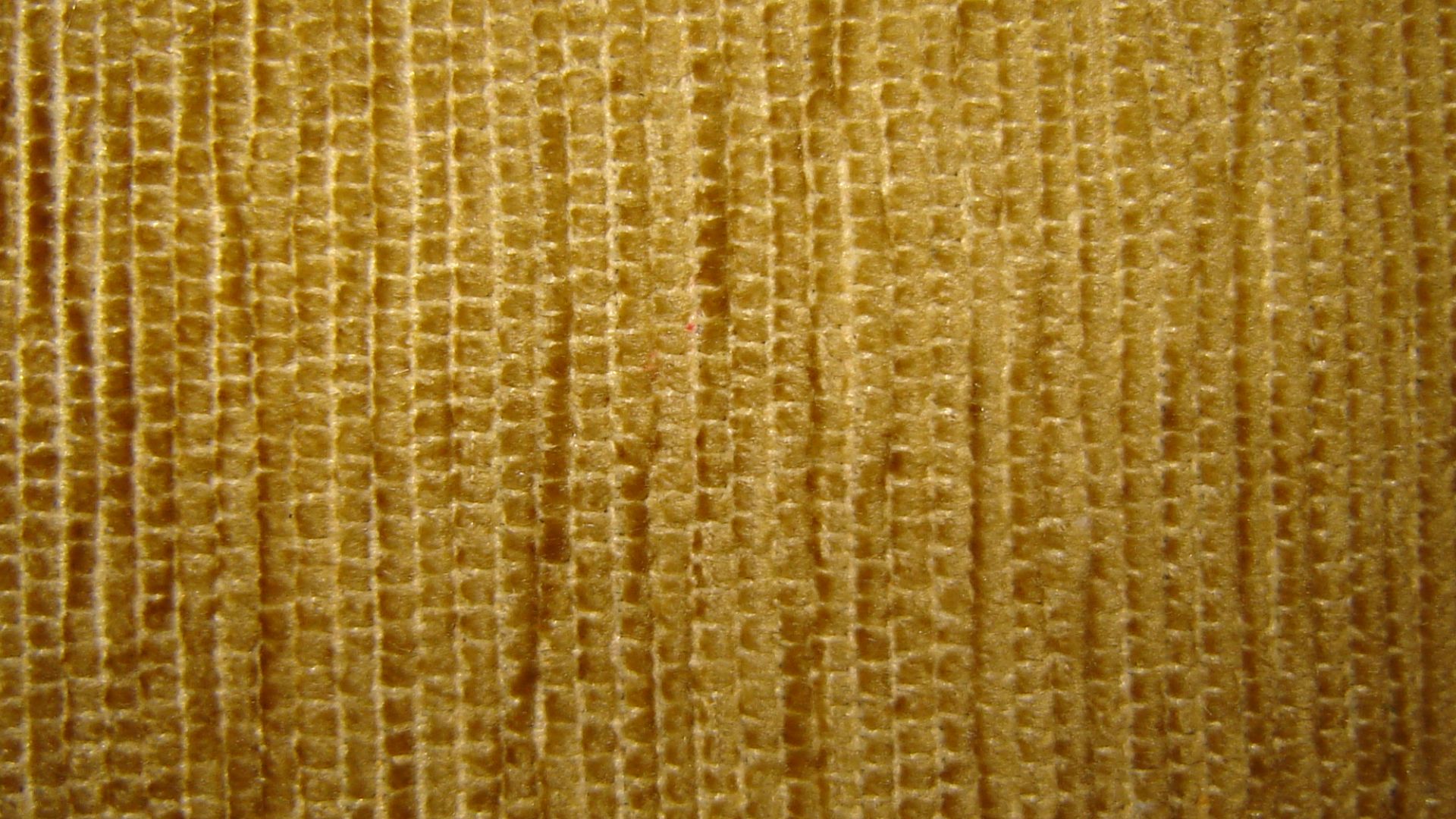
1. Plush Velour Seating
It’s difficult to beat that plush fabric upholstery found in cars of yesteryear. Getting into a cushy velour seat always felt like slipping into a cloud. The material itself did a great job insulating passengers from both summer and winter temperatures.
2. The Pungent Aroma of New Vinyl
The signature smell of late twentieth-century car interiors was largely the result of chemicals reacting in direct sunlight. Every time you opened the door of a new sedan or wagon, you were hit with that sweet smell of vinyl curing. Thankfully, regulations have eliminated this odor in recent years for safety concerns.
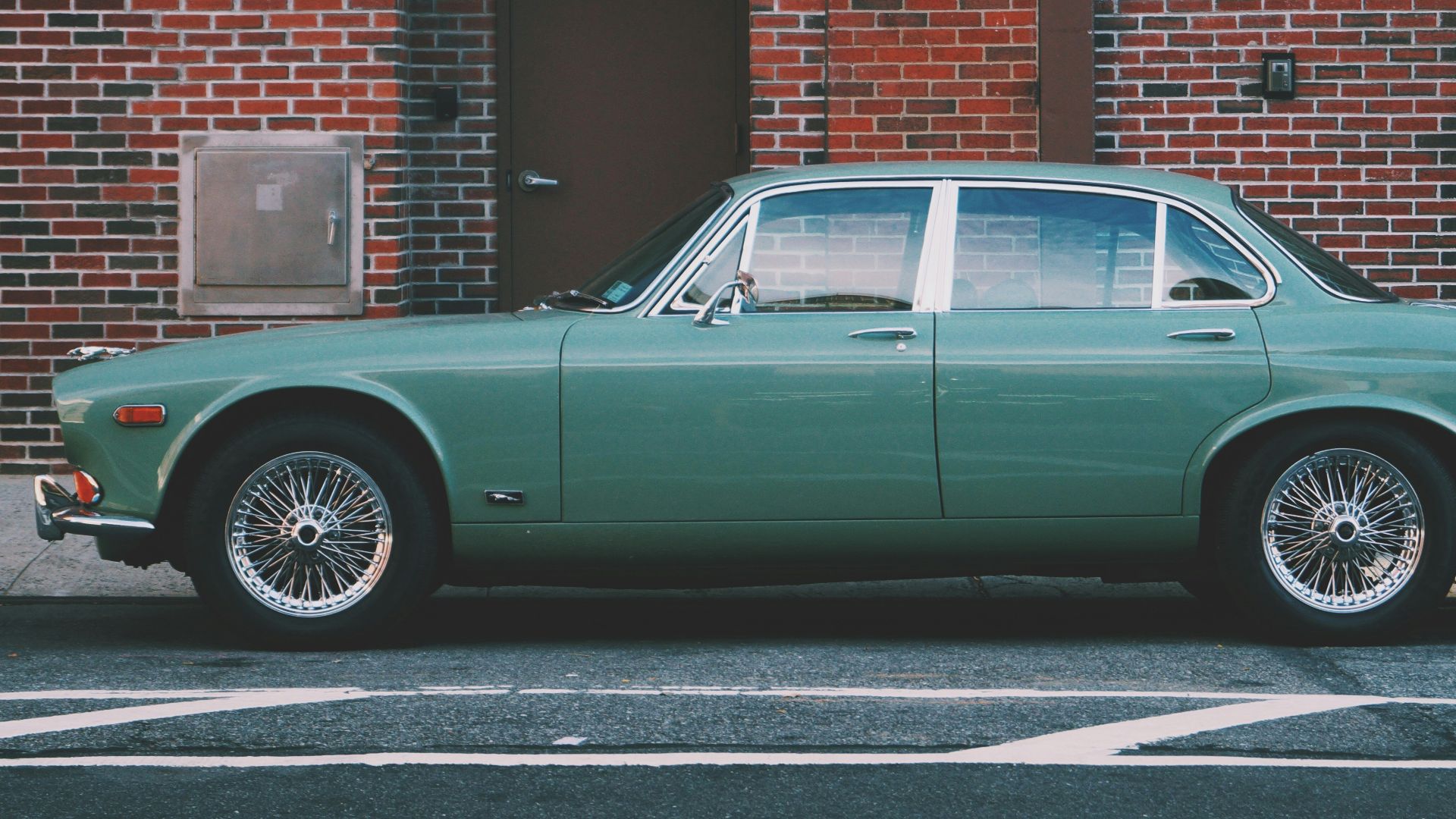
3. Deeply Tufted Shag Carpeting
Luxury sedans from the late nineteen-seventies boasted flooring so thick and fuzzy that your shoes would practically sink out of sight. Manufacturers did not skimp on the pile height, which gave the entire cabin a cozy, residential atmosphere that felt incredibly decadent. Cleaning french fries out of those long fibers was a total nightmare, but the sheer comfort underfoot made the extra vacuuming effort completely worth it.
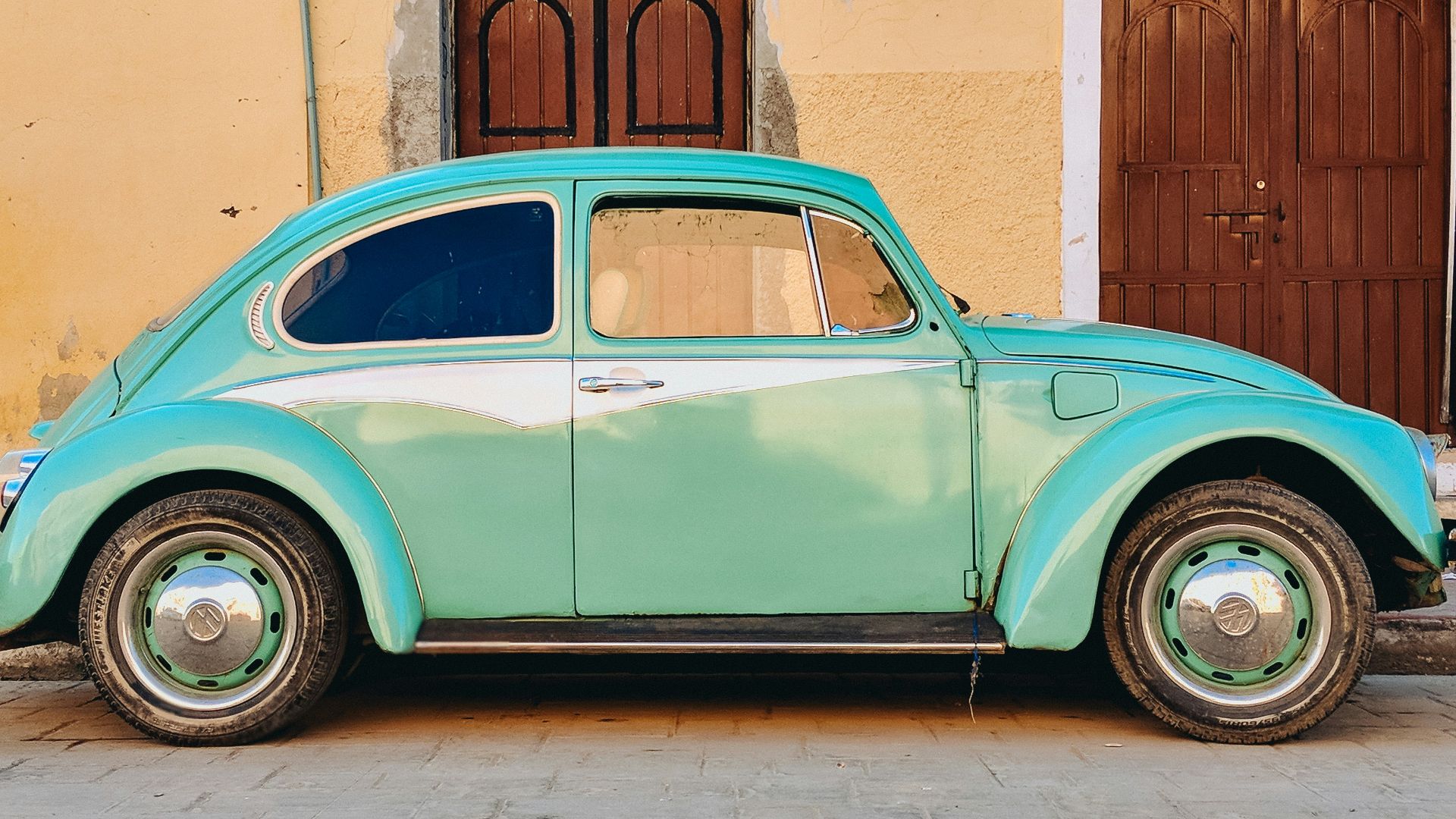
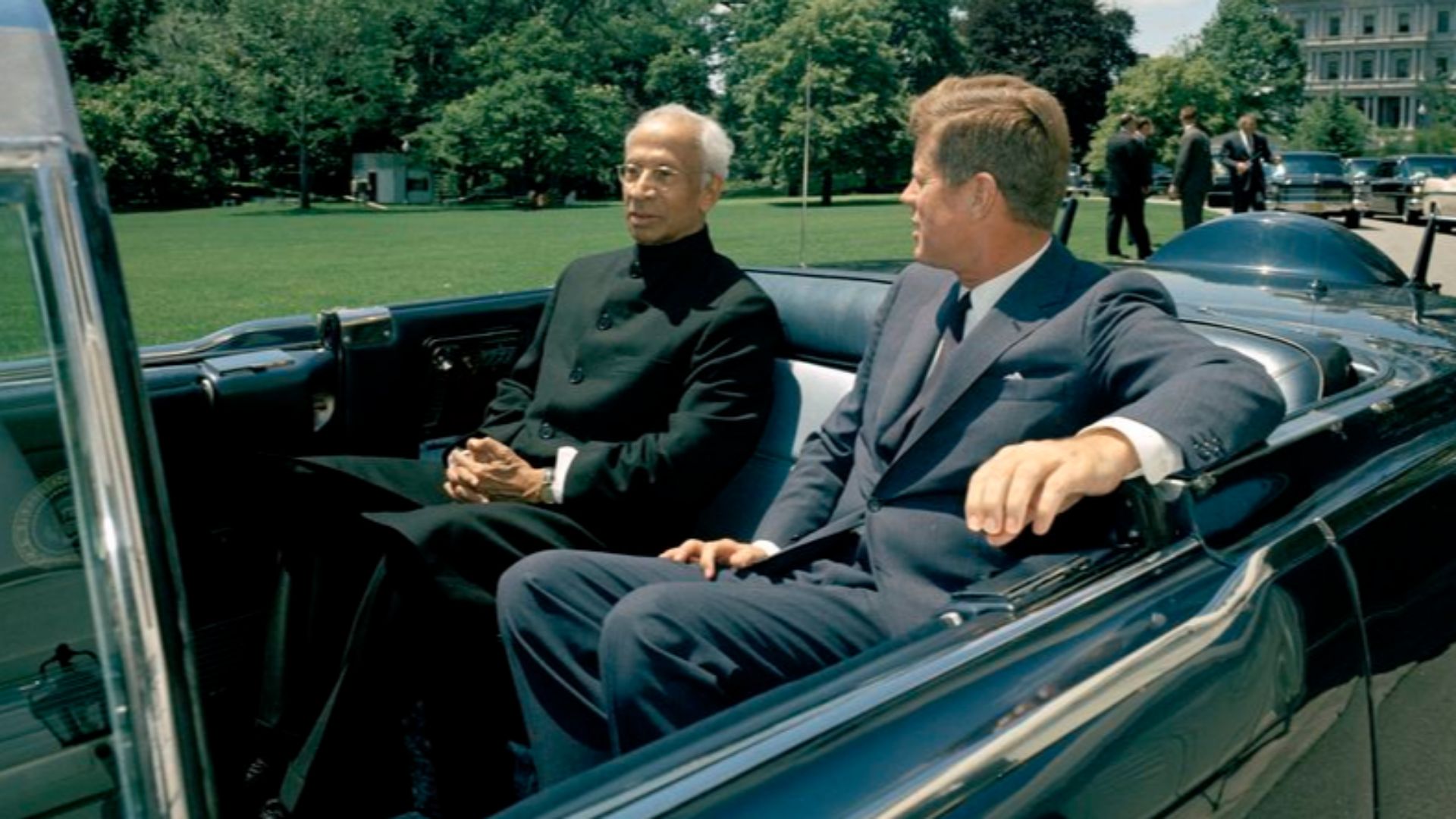
4. Real Premium Corinthian Leather
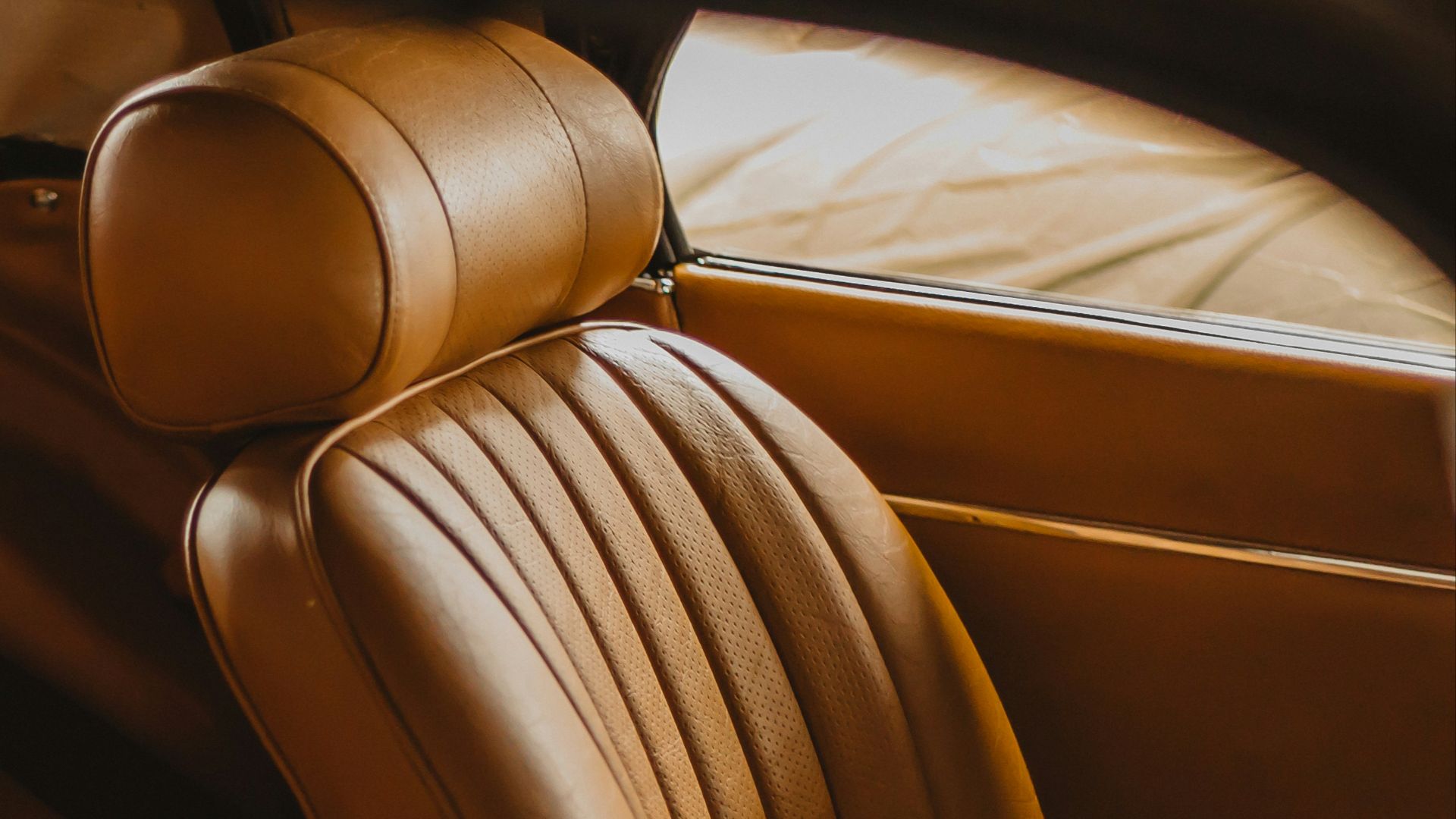
Chrysler famously popularized this luxurious upholstery material during the disco era, turning car cabins into upscale lounges. The smooth texture felt supple to the touch, and it aged beautifully by developing unique creases that showed the vehicle was genuinely loved. It smelled rich and expensive.
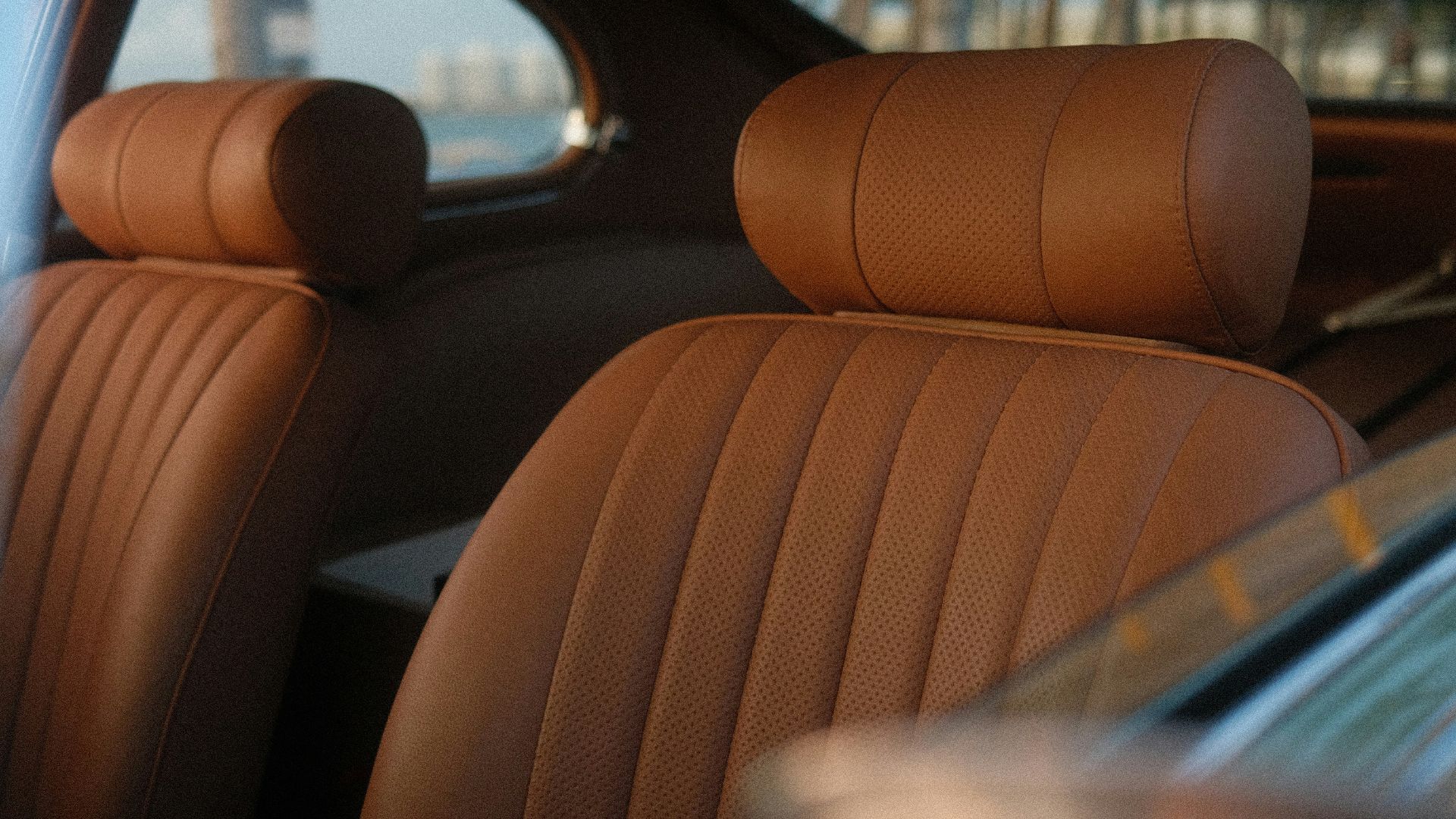
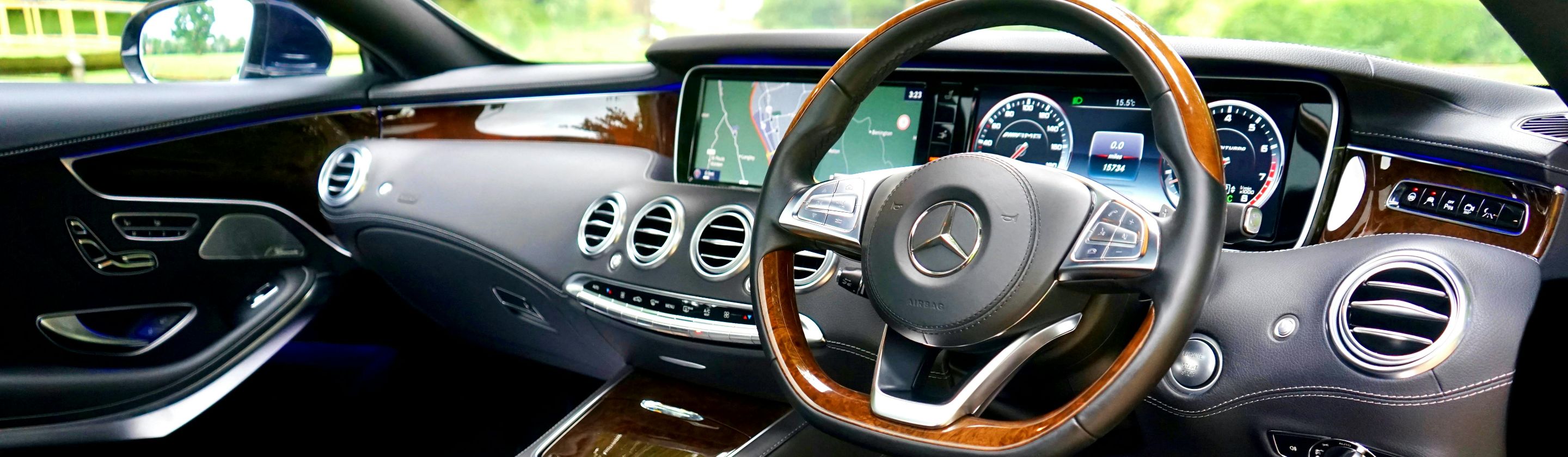
5. Genuine Ash Wood Veneer Panels
Dashboards and door panels used to proudly feature real wood trim amidst their ecosystems of plastic and metal. Run your hand over that wood, and you can feel the grain of the natural material. Nowadays, cars use printed film to imitate that same wood grain, but it just doesn’t feel authentic.
 The Cleveland Museum of Art on Unsplash
6. Chrome Horn Rings on Steering Wheels
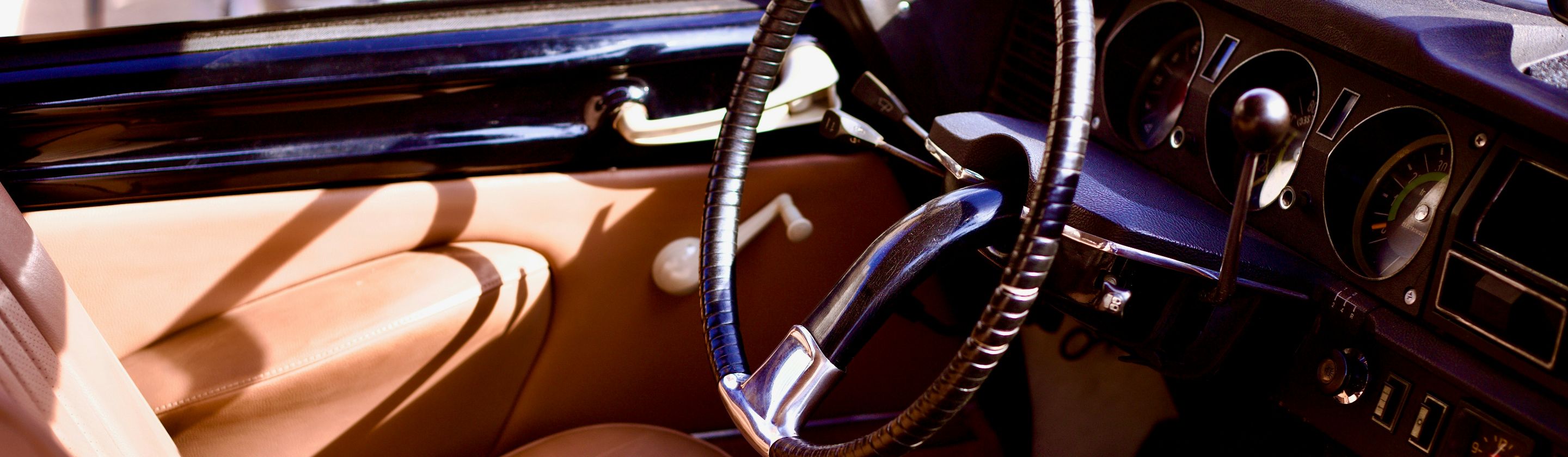
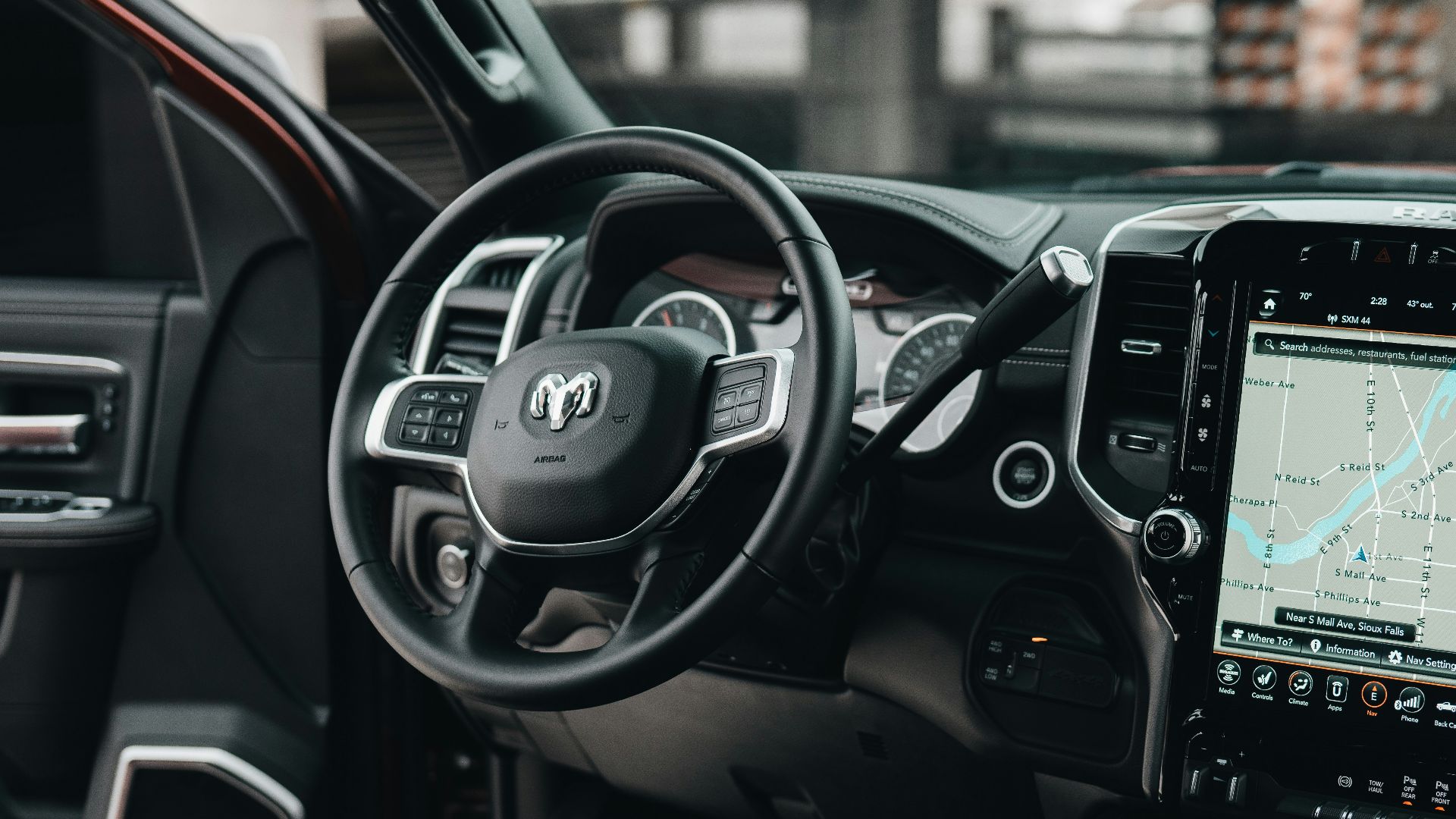
Steering wheels used to be beautifully simple circles made of hard, glossy plastic accented by a heavy metal crescent in the center. Pressing that cold, polished ring unleashed a satisfyingly loud blare that commanded instant respect from other drivers on the road. The weight of the metal felt substantial in your hand.
7. Heavy-Duty Rubber Floor Mats
Years before lightweight crossovers tried to act tough, trucks and SUVs were actually built for work. That meant heavy-duty rubber floor trays instead of shag carpeting. They smelled wonderful, like factory machinery, and they shed rain and dirt like nobody's business.

8. Perforated Vinyl Headliners
Look up in a classic vintage cruiser, and you will likely see a taut canopy of cream-colored vinyl covered in thousands of tiny, uniform holes. This material gave the upper half of the cabin a clean, textured look while doing double duty by absorbing echoing road noise. It had a habit of gently sagging over decades.
9. Intricate Houndstooth Fabric Inserts
Car makers had a lot of fun accenting everything from coupes to compacts with fun patches of houndstooth in the center of their seats. This tightly woven cotton or wool blend was very durable and stood up to stains with ease. Beyond function, it also helped dress up an otherwise drab dashboard.
10. Cold Metal Window Cranks
Rolling down your window used to require a bit of physical effort and a sturdy mechanical handle made of die-cast zinc. The little plastic knob on the end would spin freely between your thumb and forefinger as you frantically cranked the window open to catch a cool breeze. They never suffered from blown fuses or faulty wiring harnesses.
 Sebastian Schuster on Unsplash
11. Woven Straw-Texture Seats
Pop into the driver’s seat of many vintage imports or compact cars, and you’ll likely find seats covered in a breathable synthetic material that mimicked straw. This tightly woven cross-hatch allowed air to flow freely behind you so you wouldn’t roast in the summer. It also felt wonderfully rugged.
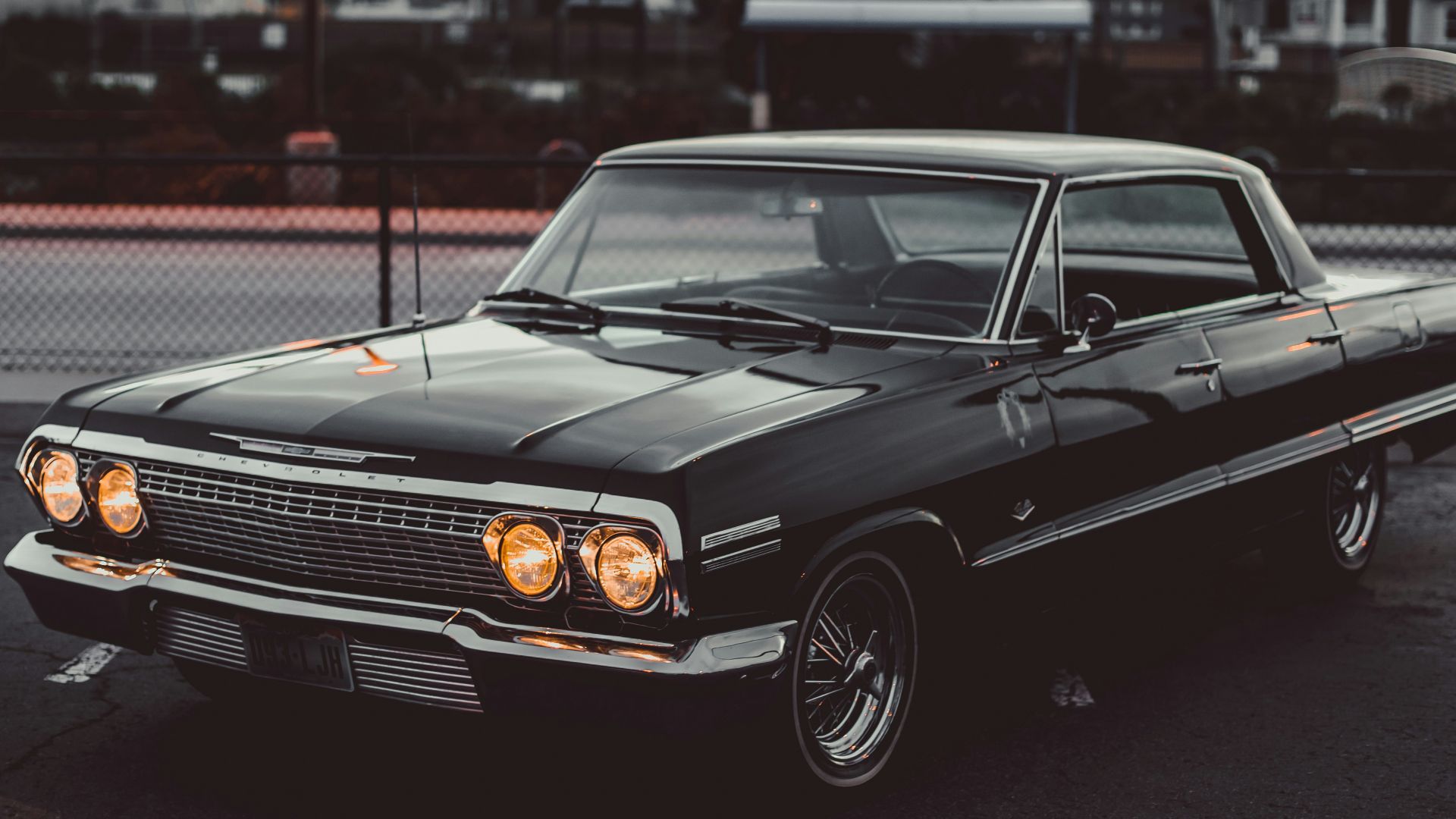
12. Heavy Wool Broadcloth Upholstery
Pre-war luxury cars featured interiors lined with the same heavy, durable wool fabric used to make high-end tailored winter coats. This material absorbed sound beautifully, creating a quiet, tomb-like serenity inside the cabin as you glided down the highway. It possessed a faint, comforting scent of cedar.
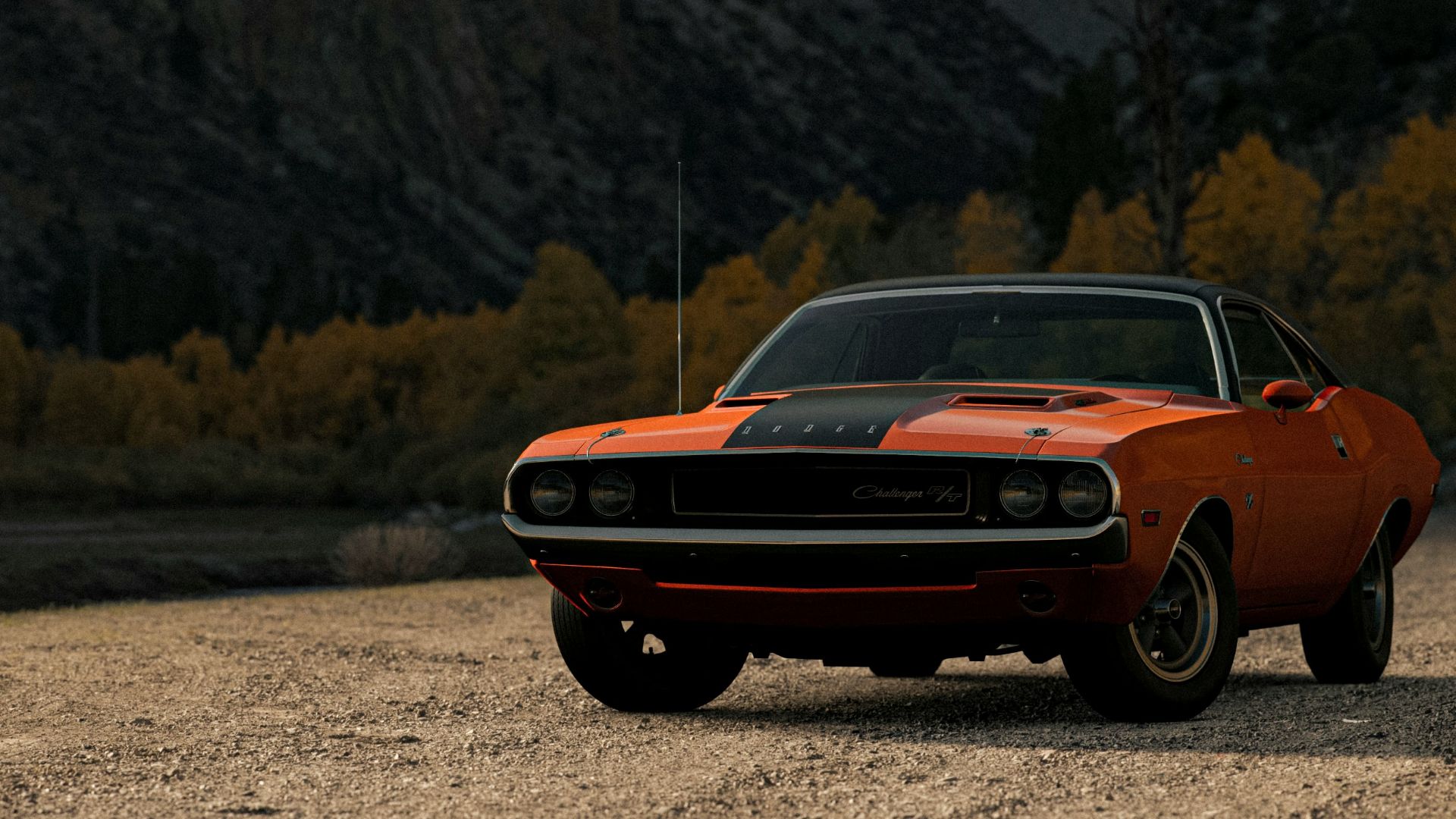 Alexandros Athanasopoulos on Unsplash
13. Bright Red Monochromatic Vinyl
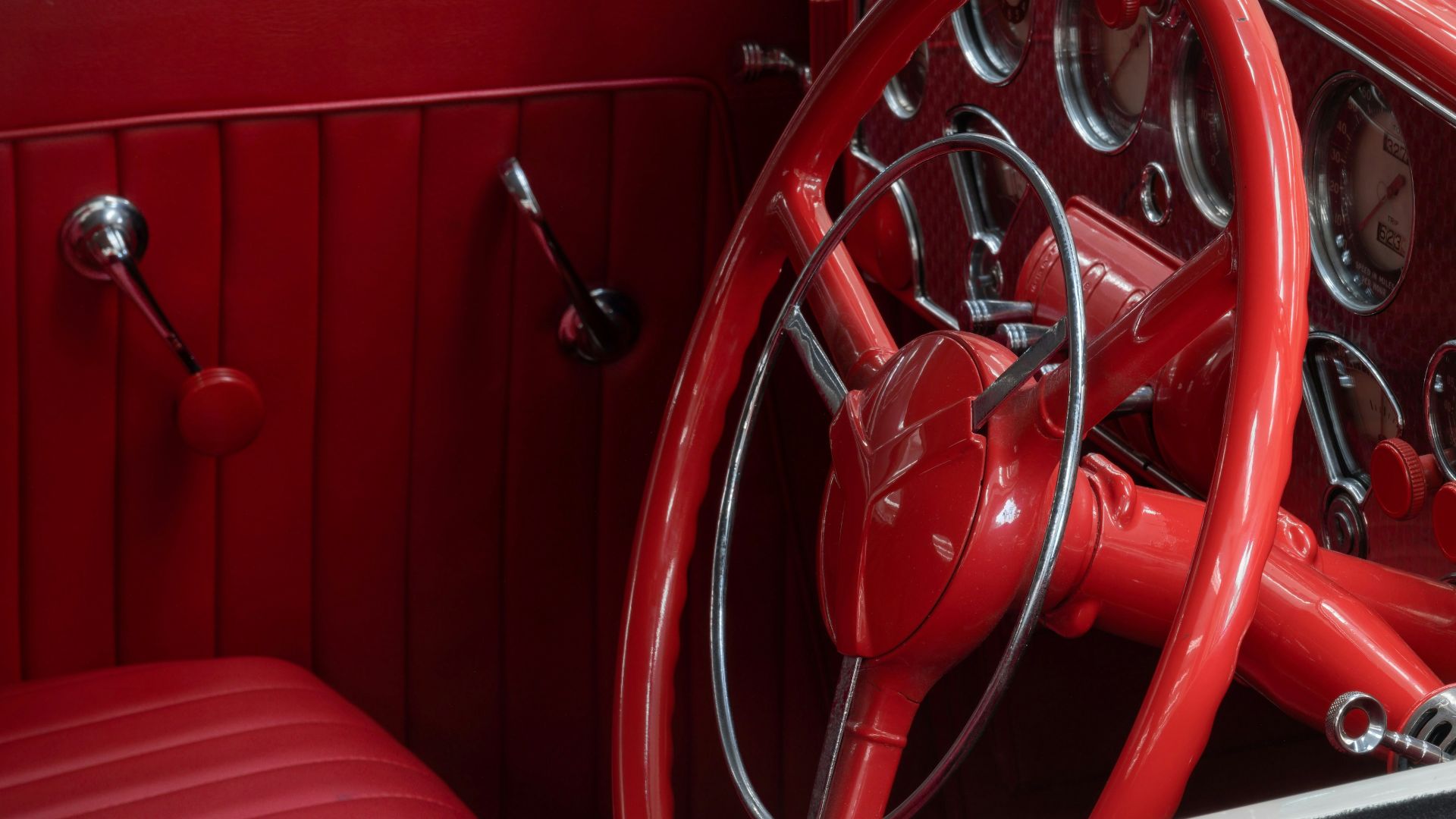
There was a glorious period when you could order an automobile with a dashboard, carpet, steering wheel, and seating that were all matching shades of crimson. This vibrant aesthetic made stepping inside feel like entering an exclusive nightclub or a futuristic spaceship. Modern safety standards and resale anxieties have banished these bold color choices, leaving us with a sea of uninspired black and charcoal options.
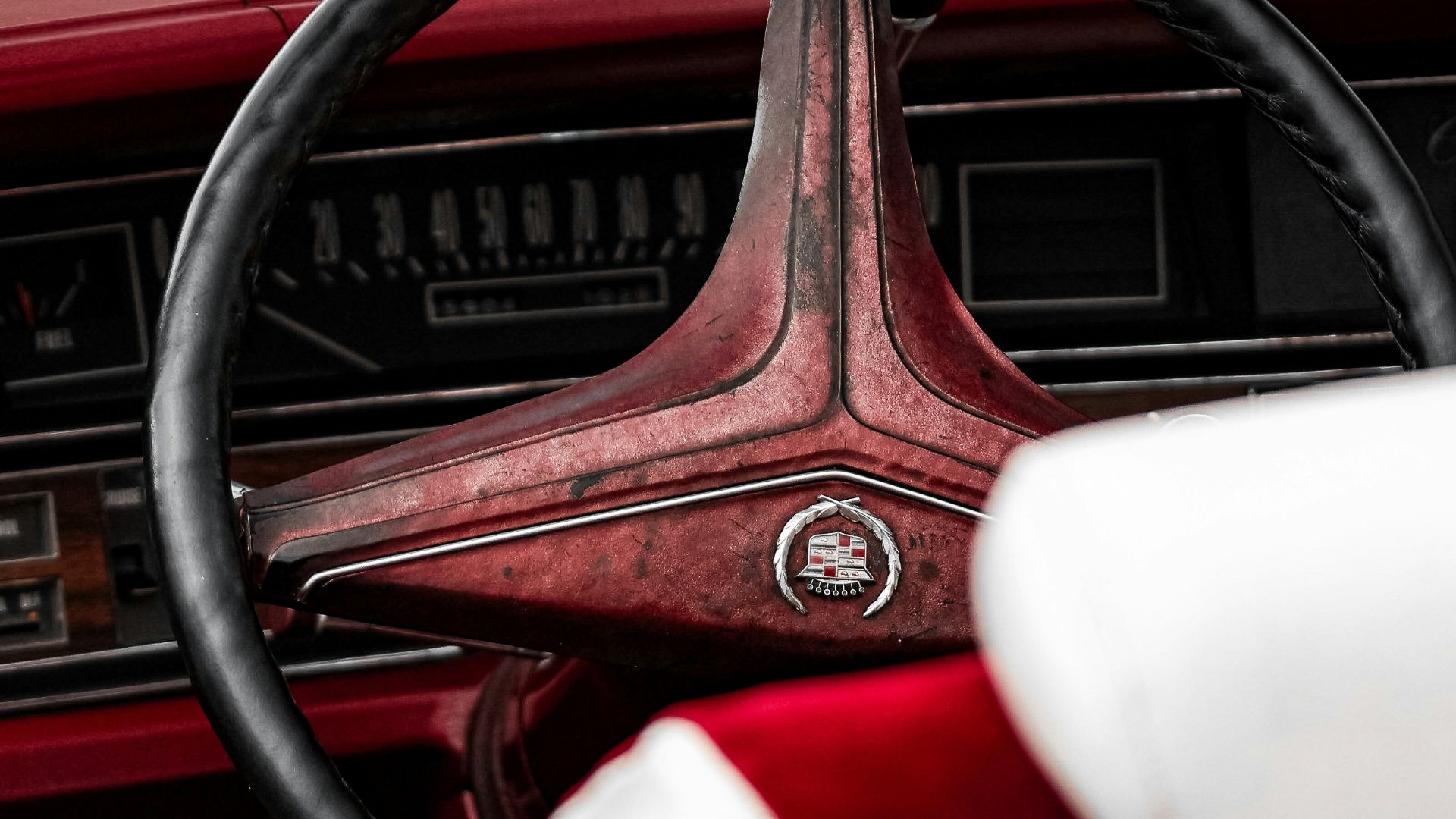
14. Knurled Aluminum Radio Dials
Adjusting the volume on an old dashboard radio offered a wonderful tactile treat because the small control knobs were made of heavy, patterned metal. Each tiny rotation was accompanied by a distinct, mechanical click that allowed you to fine-tune your station without ever taking your eyes off the pavement ahead.

15. Real Die-Cast Metal Dash Knobs
Pulling out the headlight switch or adjusting the climate slider used to provide a heavy, mechanical resistance that felt incredibly satisfying. These controls connected directly to robust metal rods and cables behind the dashboard rather than sending digital signals to a computer screen. They were built to survive centuries of daily use.

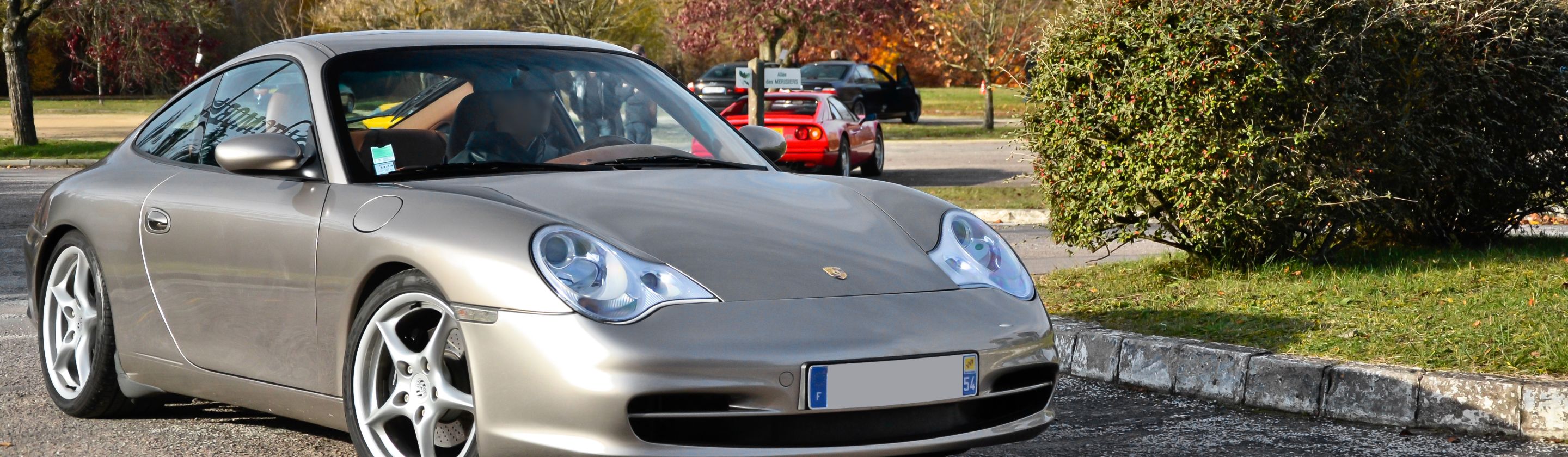
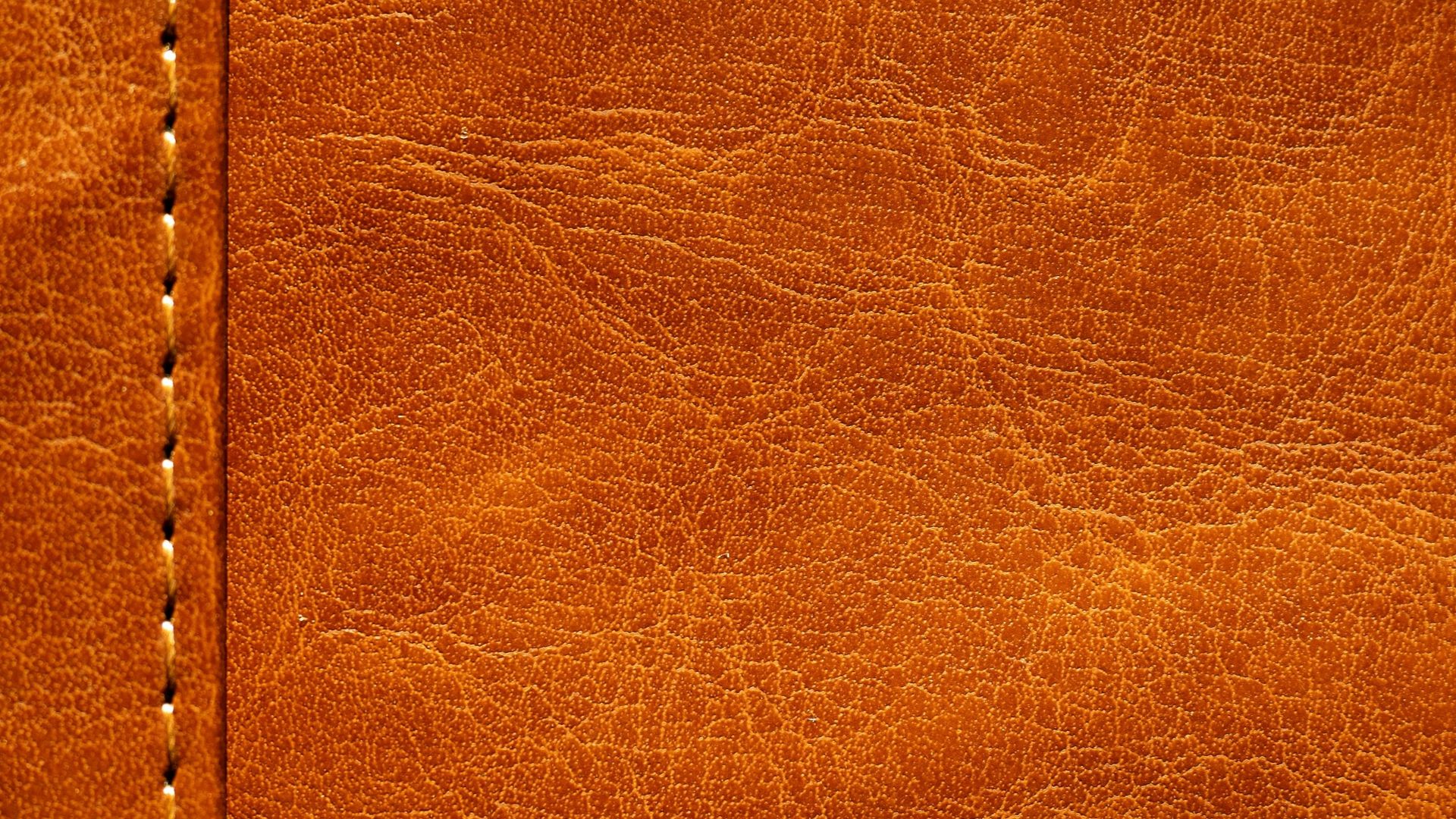
16. The Musk of Aged Leather and Oil
If you’ve ever owned or spent enough time with a classic sports car, you will quickly notice they develop a distinctive odor. The smell of aging leather mixed with motor oil is truly something special. It’s comforting, like spending an afternoon baking cookies with grandma.
17. Deeply Padded Dash Pads
In order for airbags to do their job, vehicle dashboards these days need to be flush and unforgiving. Back in the day, your fingertips could push right into the dash as if it were made of foam. Now that’s what we call luxury!
18. Thick Jacquard Weave Fabric
Family station wagons from the nineteen-eighties frequently featured intricate, tapestry-style fabric that looked like it belonged on a Victorian dining room chair. The raised threads created a complex landscape of textures that kept you from sliding around during sharp corners. This heavy material was virtually indestructible.
19. Exposed Metal Door Frames
Budget cars from the mid-twentieth century kept costs down by leaving the painted sheet metal of the exterior door completely visible inside the cabin. Resting your arm on the window sill meant touching the cool, smooth paint that matched the outside of the vehicle perfectly. This design detail linked the interior and exterior of the automobile seamlessly.
20. Soft Chenille Piping
Seat edges used to be framed by rows upon rows of fuzzy chenille piping. Chenille protected seat seams from wear and tear while giving automobiles that extra pop of color we loved. Slide across your seats, and that little ridge of chenille would brush against your leg for some nice tactile feedback.