When Innovation Got a Little Too Confident
Car technology can be amazing when it makes driving safer, easier, cleaner, or more comfortable. The trouble starts when automakers pack a vehicle with clever features before the real world is ready to cooperate. Some cars were ahead of their time, some were trying way too hard, and others proved that a simple knob, button, or mechanical part can sometimes beat a complicated system with a very expensive attitude. Here are 20 cars that proved more technology is not always better.
1. Cadillac ELR
The Cadillac ELR was loaded with advanced plug-in hybrid technology, using a version of the Chevrolet Volt’s powertrain wrapped in a sleek luxury coupe body. The idea was interesting, but the price was so high that many buyers couldn’t understand why it cost so much more than the Volt underneath. It proved that clever electrified tech doesn’t automatically create desire.
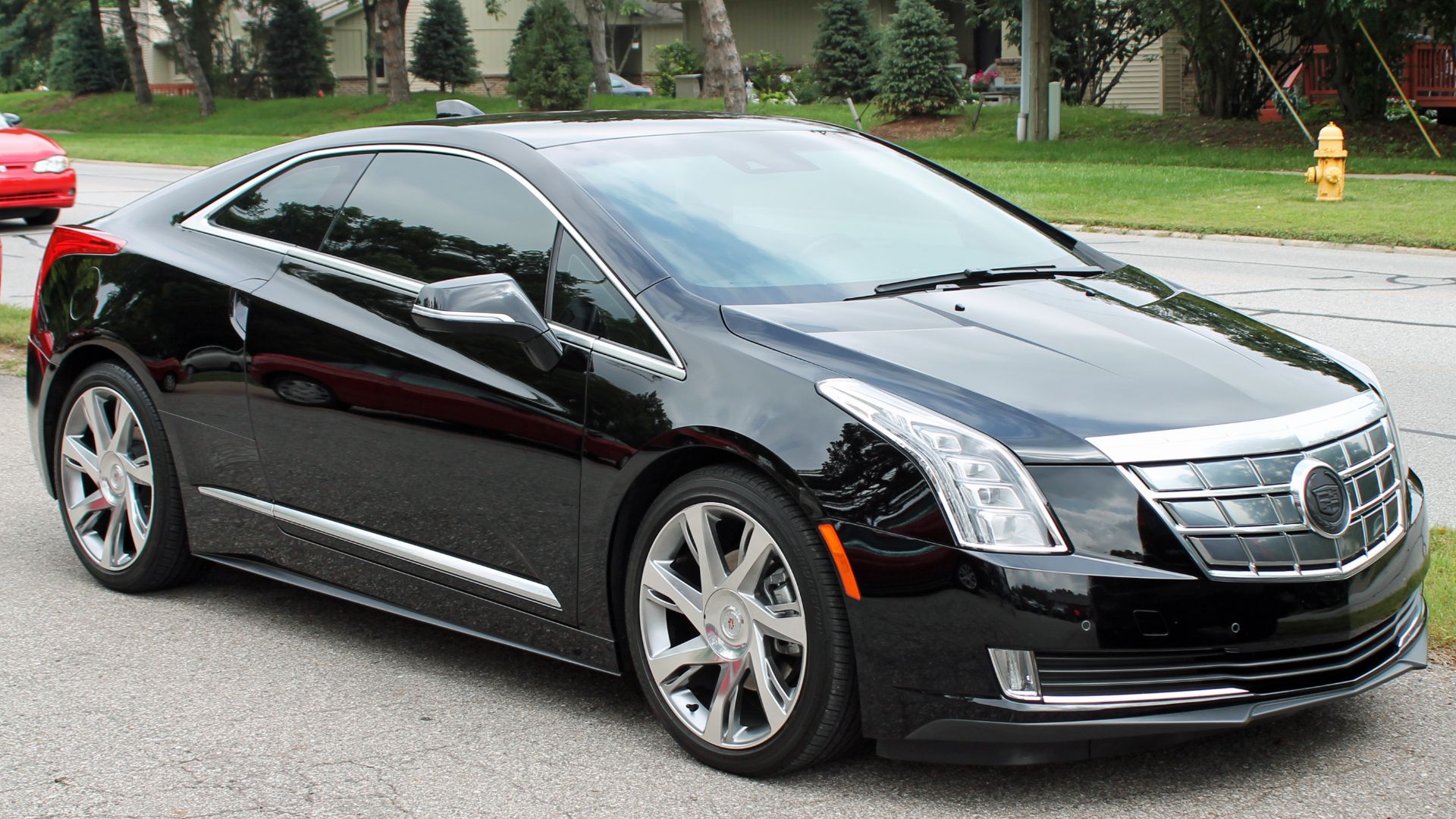 2014 Cadillac ELR on Wikimedia
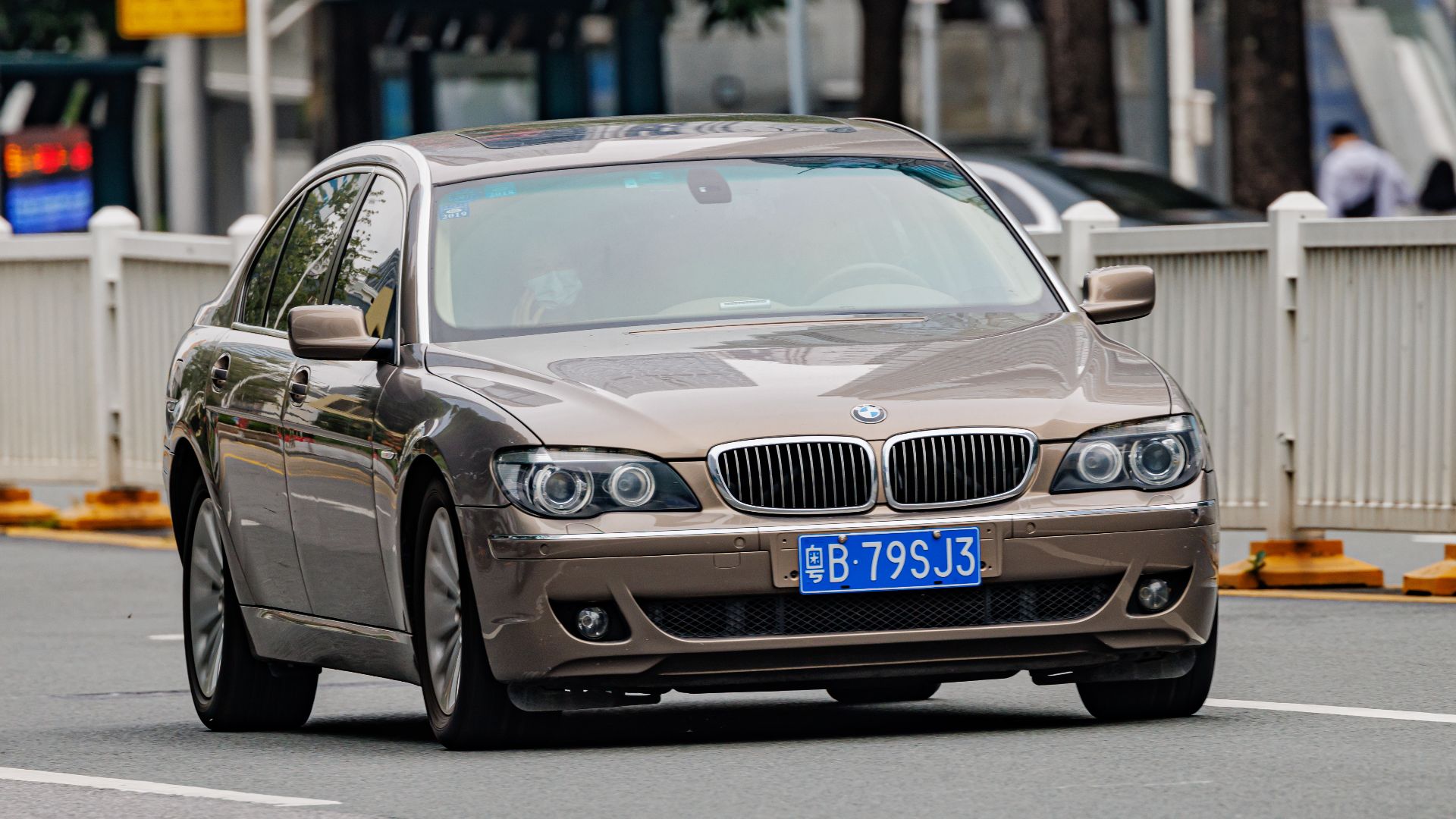
2. BMW 7 Series E65
The early-2000s BMW 7 Series tried to move luxury cars into a new digital age. Its iDrive system replaced many traditional controls with a central interface that confused plenty of drivers at first. The car had impressive technology, but it also showed that hiding basic functions inside menus can make a flagship feel more frustrating than futuristic.
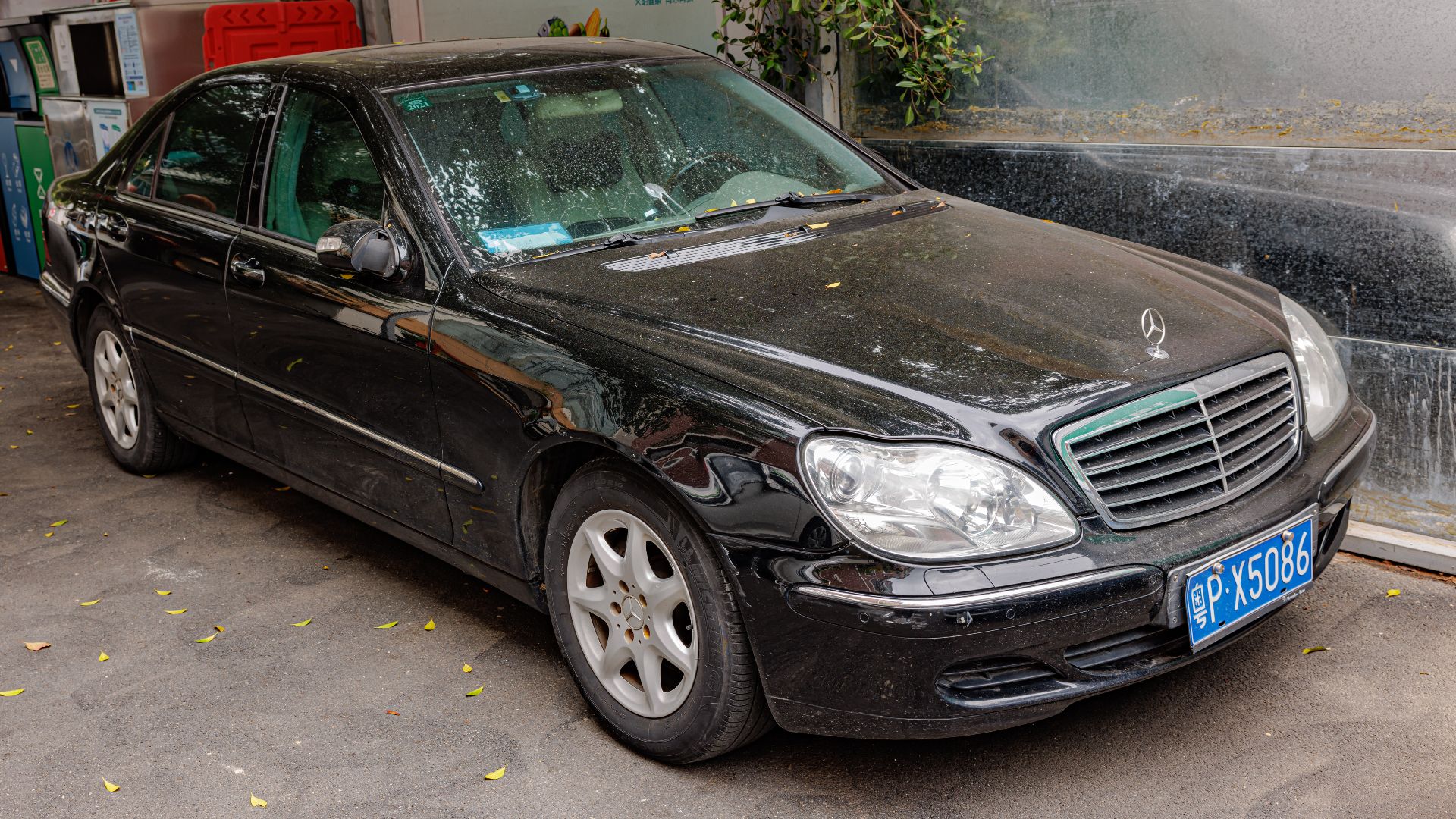
3. Mercedes-Benz S-Class W220
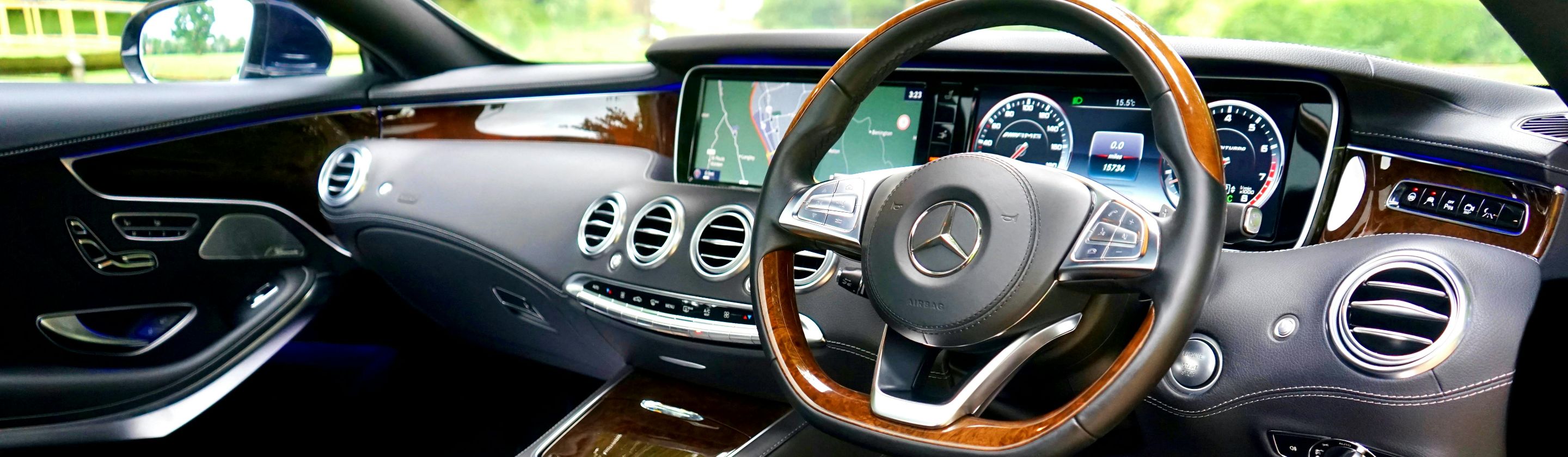
The W220 S-Class arrived packed with advanced features, including complex electronics and available air suspension. On paper, it looked like a technological leap forward from the older W140, but many owners later learned that high-tech luxury can age badly. When those sophisticated systems started failing, the repair bills made the previous generation’s simpler sturdiness look very appealing.
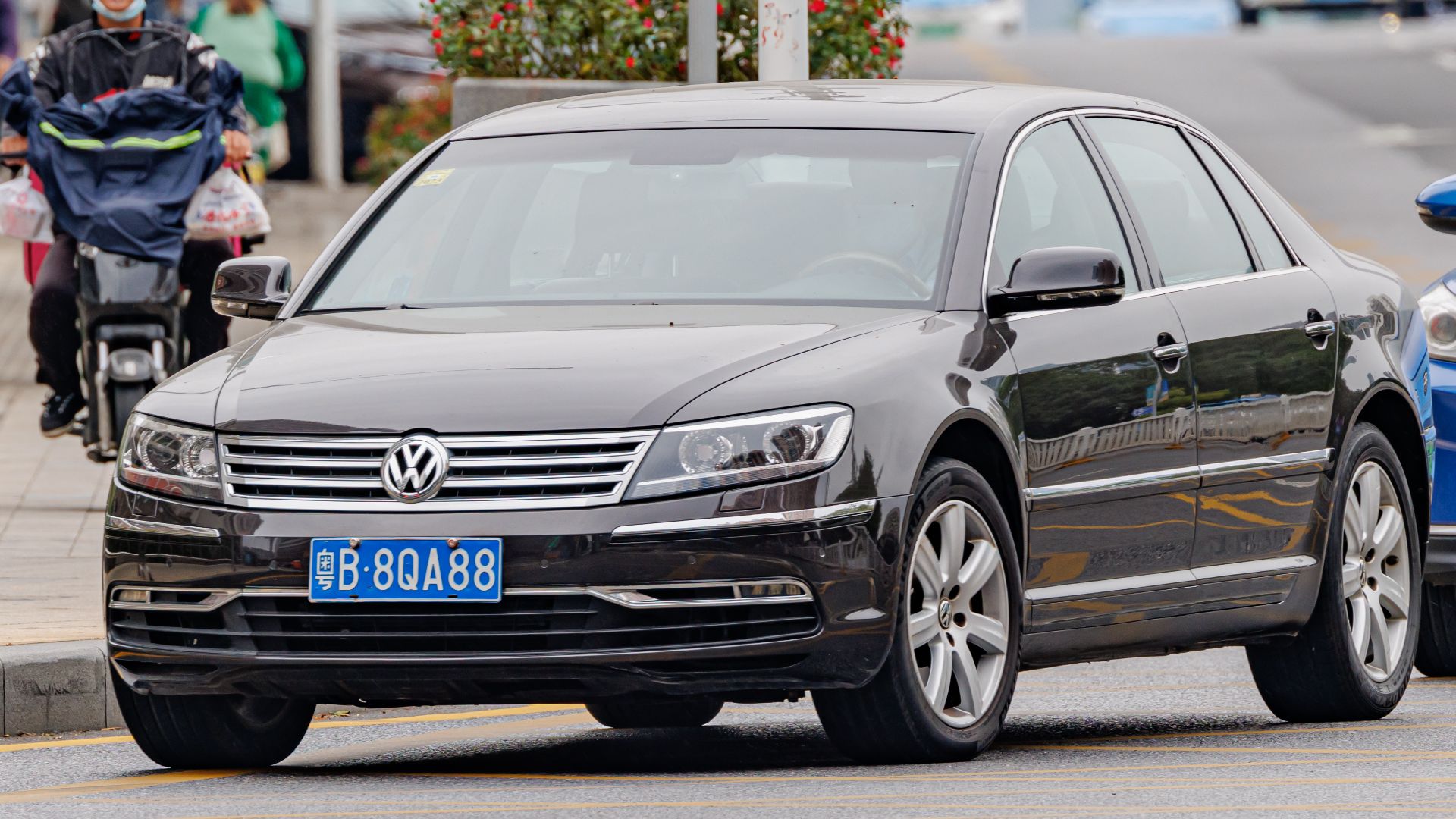
4. Volkswagen Phaeton
The Volkswagen Phaeton was a technical showcase that nobody was quite sure how to process. It had serious engineering, luxury features, and a deeply overbuilt personality, but it still wore a Volkswagen badge in markets where buyers expected that name to mean something else. Its technology was impressive, yet the car proved that brilliance doesn’t matter much if customers don’t understand why it exists.
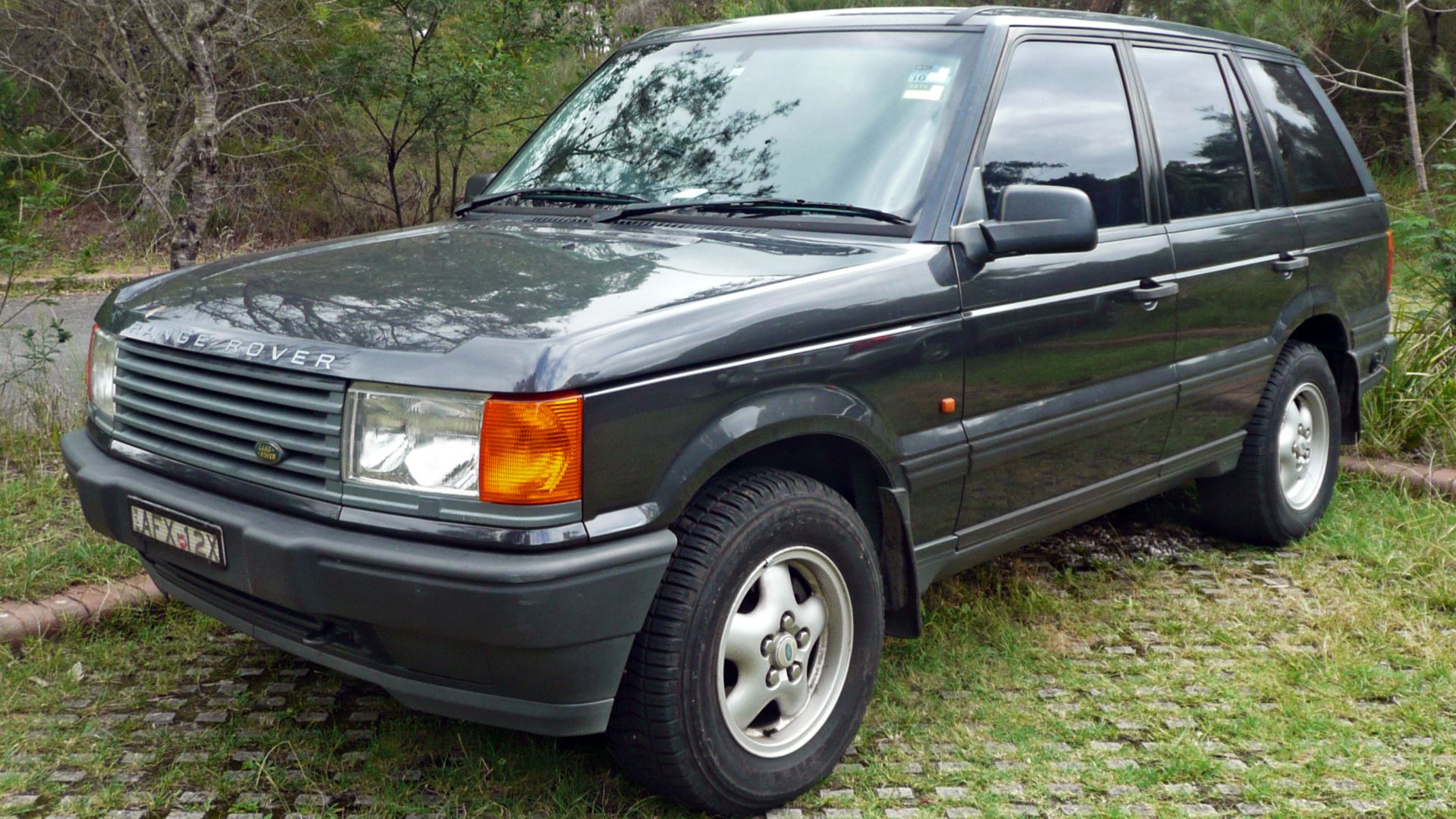
5. Range Rover P38
The second-generation Range Rover brought more electronics and luxury features to an already iconic SUV. Unfortunately, its air suspension, electrical systems, and security electronics became common sources of frustration as the vehicles aged.
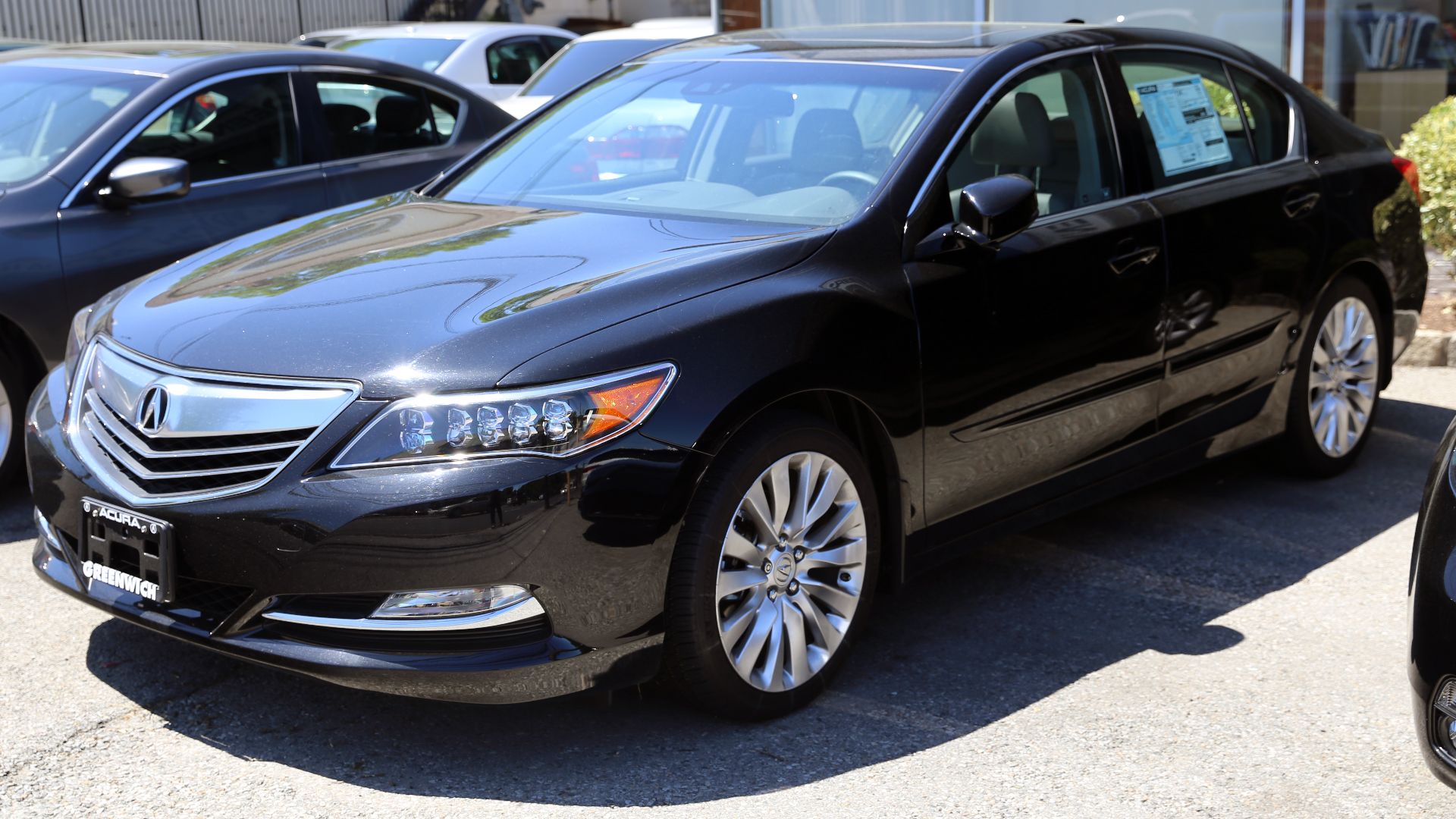
6. Acura RLX Sport Hybrid
The Acura RLX Sport Hybrid had genuinely clever technology, including a hybrid V6 powertrain and a three-motor all-wheel-drive system related to the setup used in the NSX. On paper, that made it quick, efficient, and technically impressive for a luxury sedan. The problem was that most buyers didn’t seem to care, partly because the car looked too understated for people to notice all that advanced engineering.
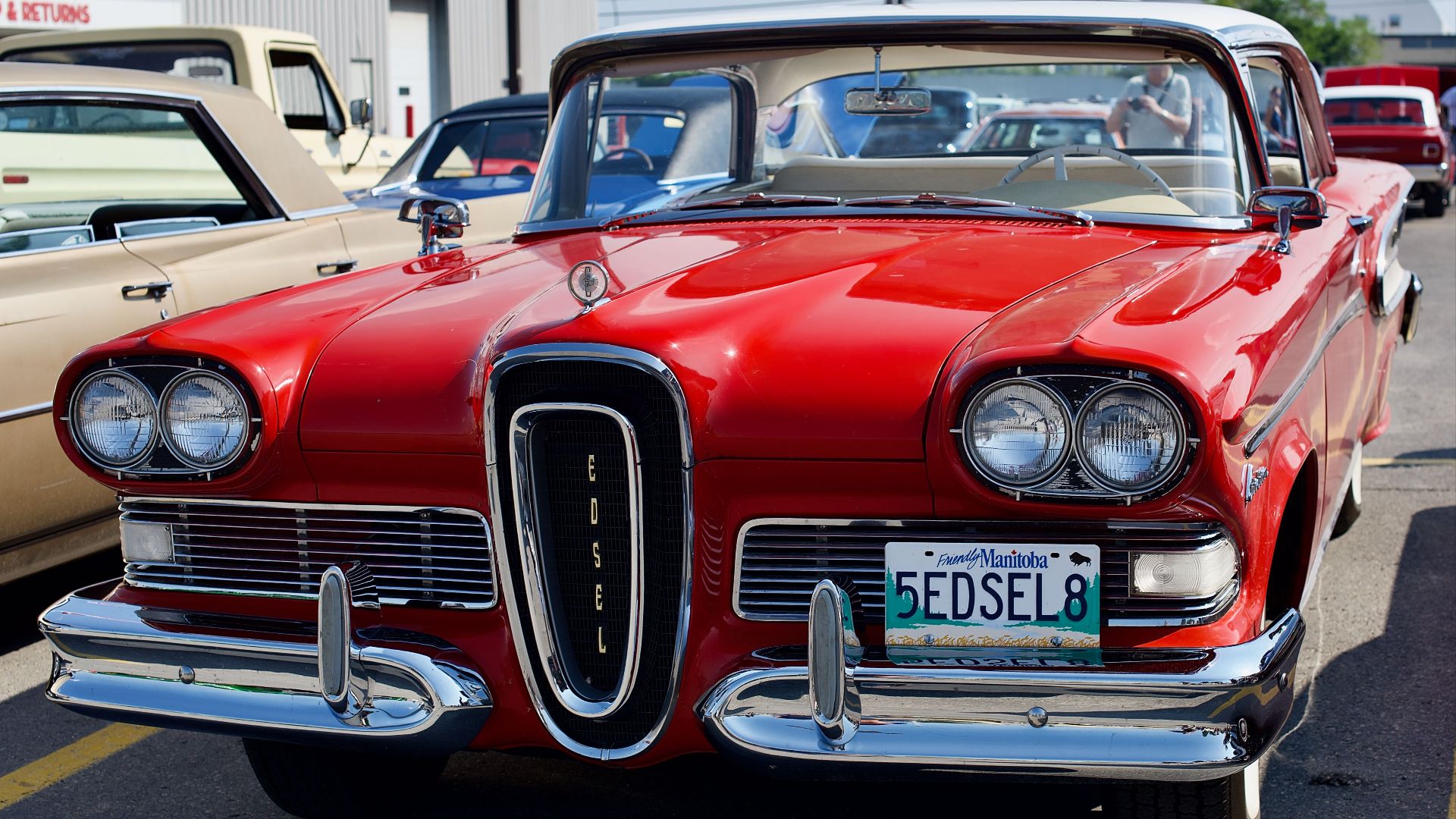
7. Ford Edsel
The Edsel had plenty of creative ideas, including unusual styling, push-button transmission controls on the steering wheel hub, and ambitious marketing. The problem was that the package confused more people than it impressed. Instead of feeling like the future, it became one of the most famous examples of a company misunderstanding what buyers actually wanted.
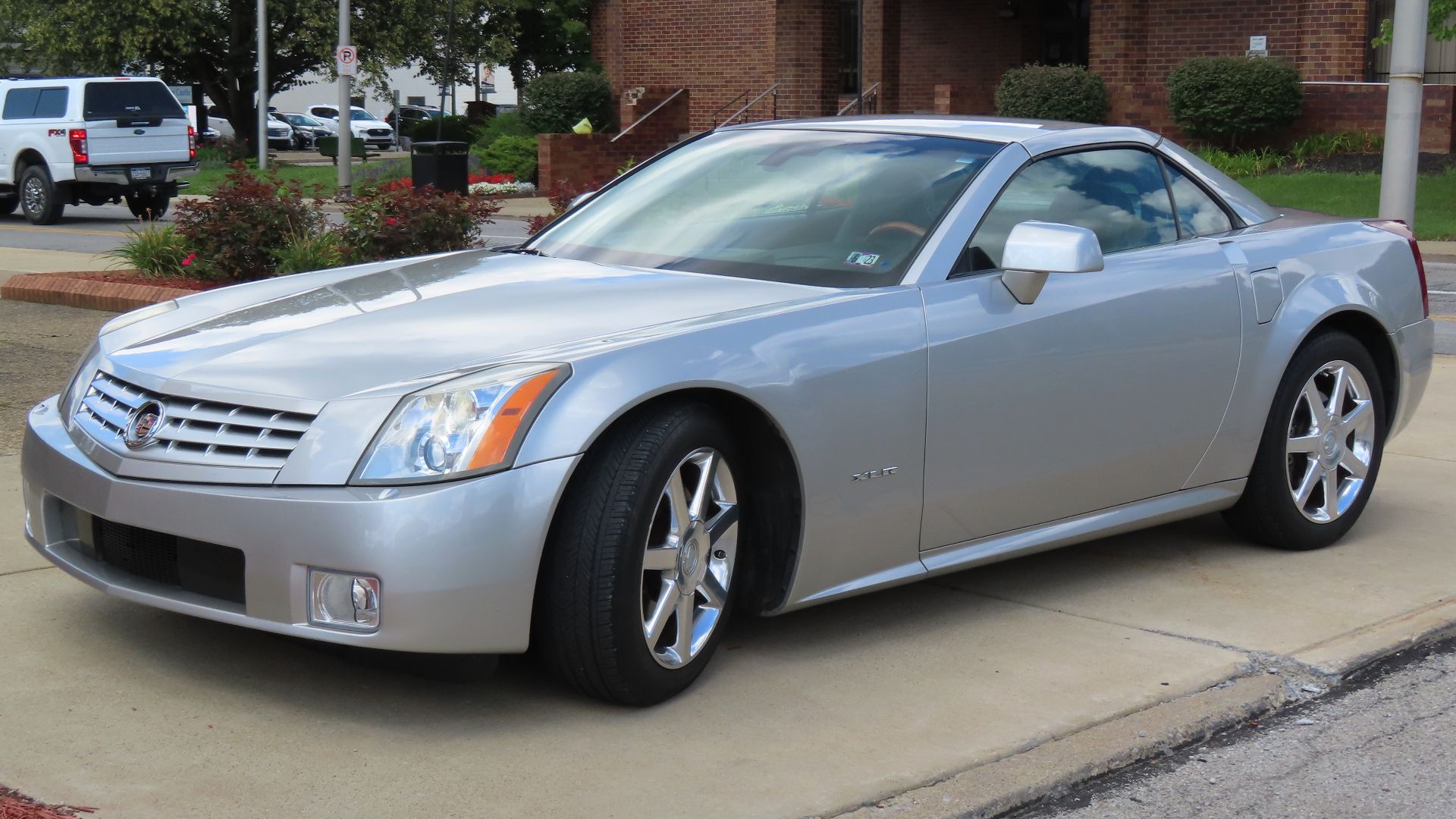
8. Cadillac XLR
The Cadillac XLR had plenty of technology for its time, including a power retractable hardtop, adaptive cruise control, Magnetic Ride Control, a head-up display, keyless access, and a Northstar V8. It looked like Cadillac’s chance to build a high-tech American luxury roadster, but the execution never quite matched the price or expectations. When the complex roof, electronics, or model-specific parts became expensive to fix, the XLR started feeling less like a bargain Corvette cousin and more like a very stylish headache.
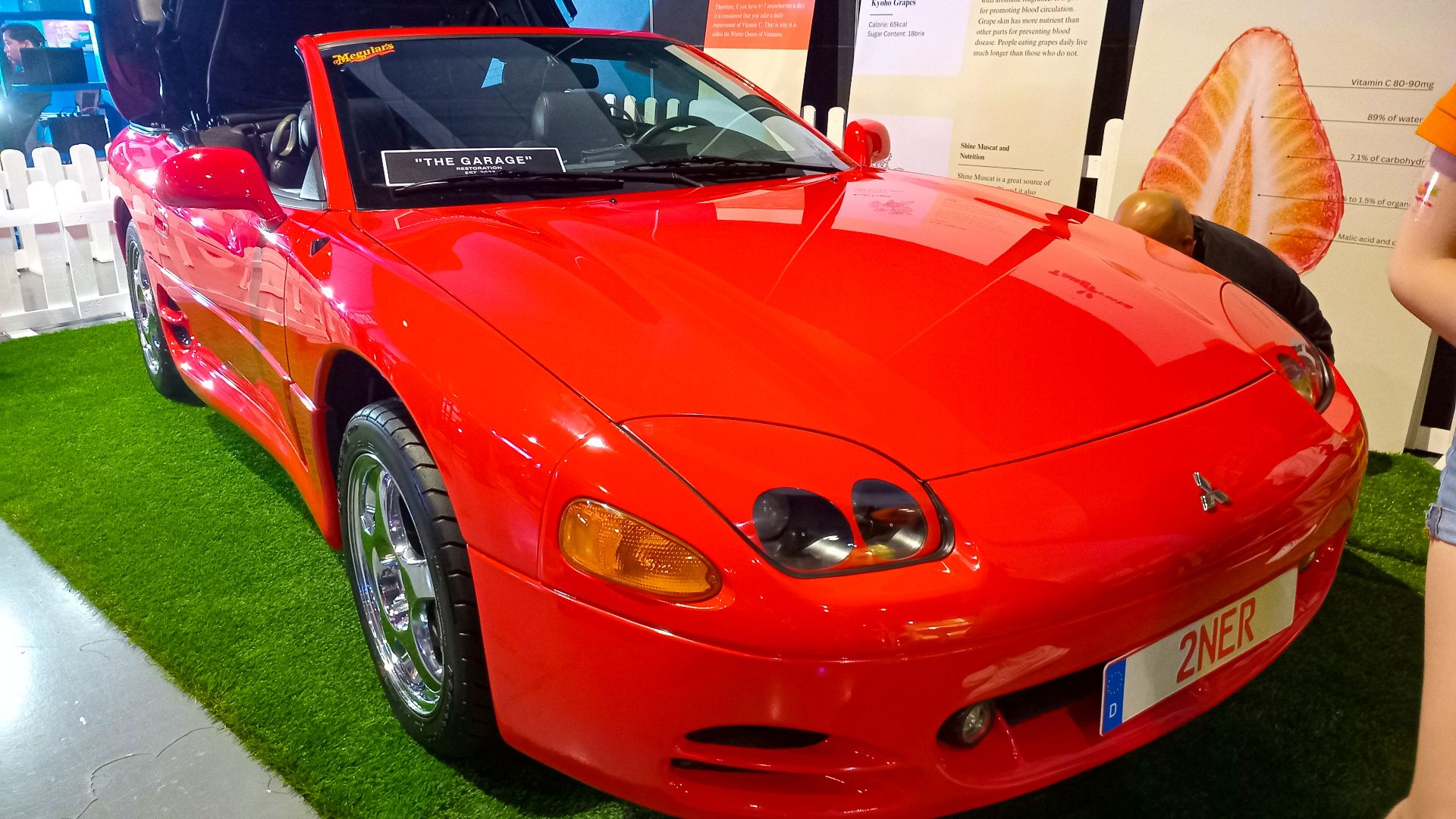
9. Mitsubishi 3000GT VR-4
The Mitsubishi 3000GT VR-4 was packed with technology that made it feel like a supercar bargain in the 1990s. It offered twin turbos, all-wheel drive, four-wheel steering, active aerodynamics, and adjustable suspension, which was a lot to cram into one coupe. The result was exciting, but age has made that complexity a serious consideration for anyone who doesn’t enjoy chasing rare parts and complicated repairs.
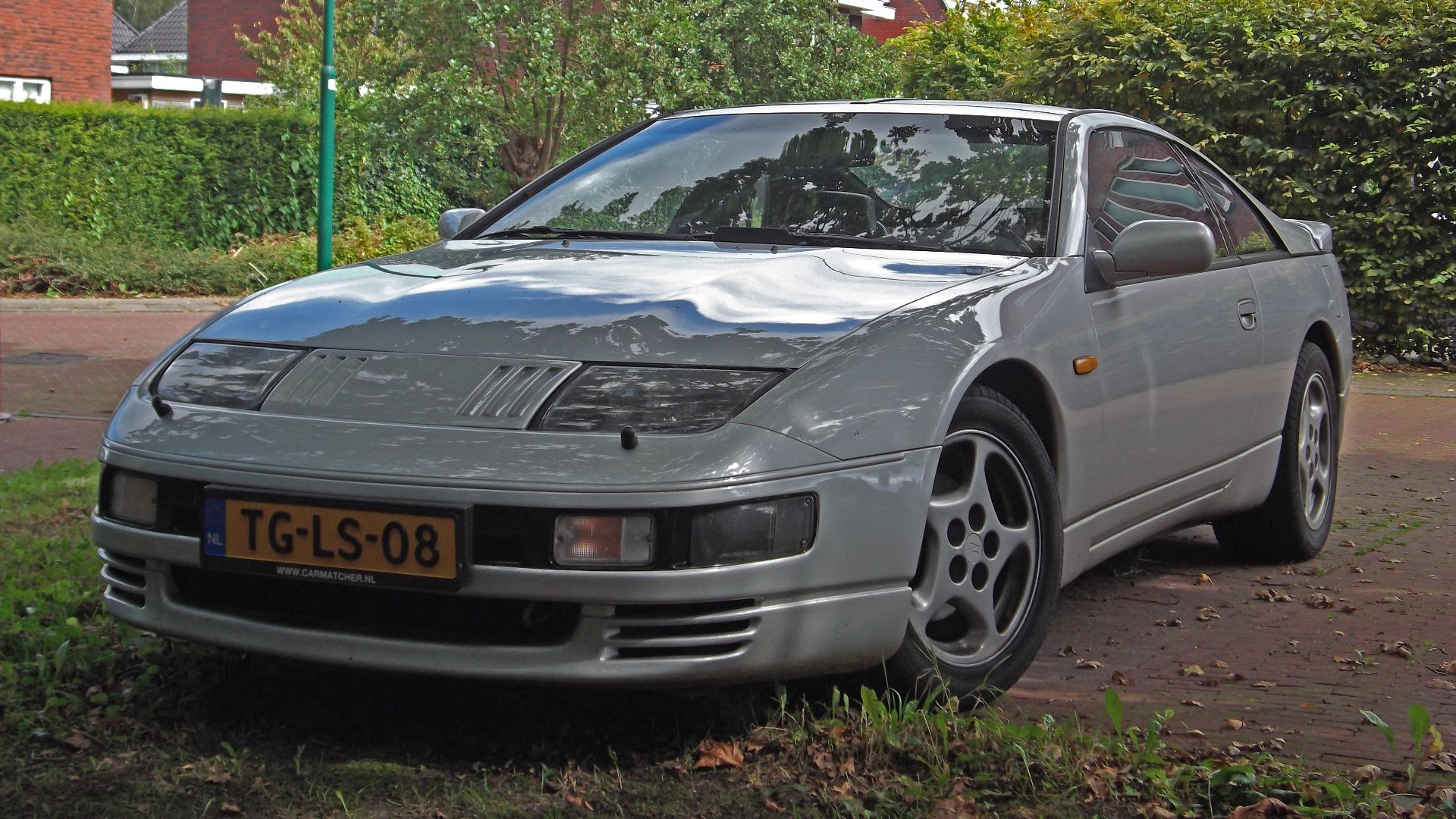
10. Nissan 300ZX Twin Turbo
The Z32 Nissan 300ZX Twin Turbo was a brilliant performance car, but its tight engine bay and complex systems made maintenance a challenge. Twin turbos, advanced electronics, and dense packaging helped it compete with serious sports cars. They also made even routine work feel more involved than many owners expected.
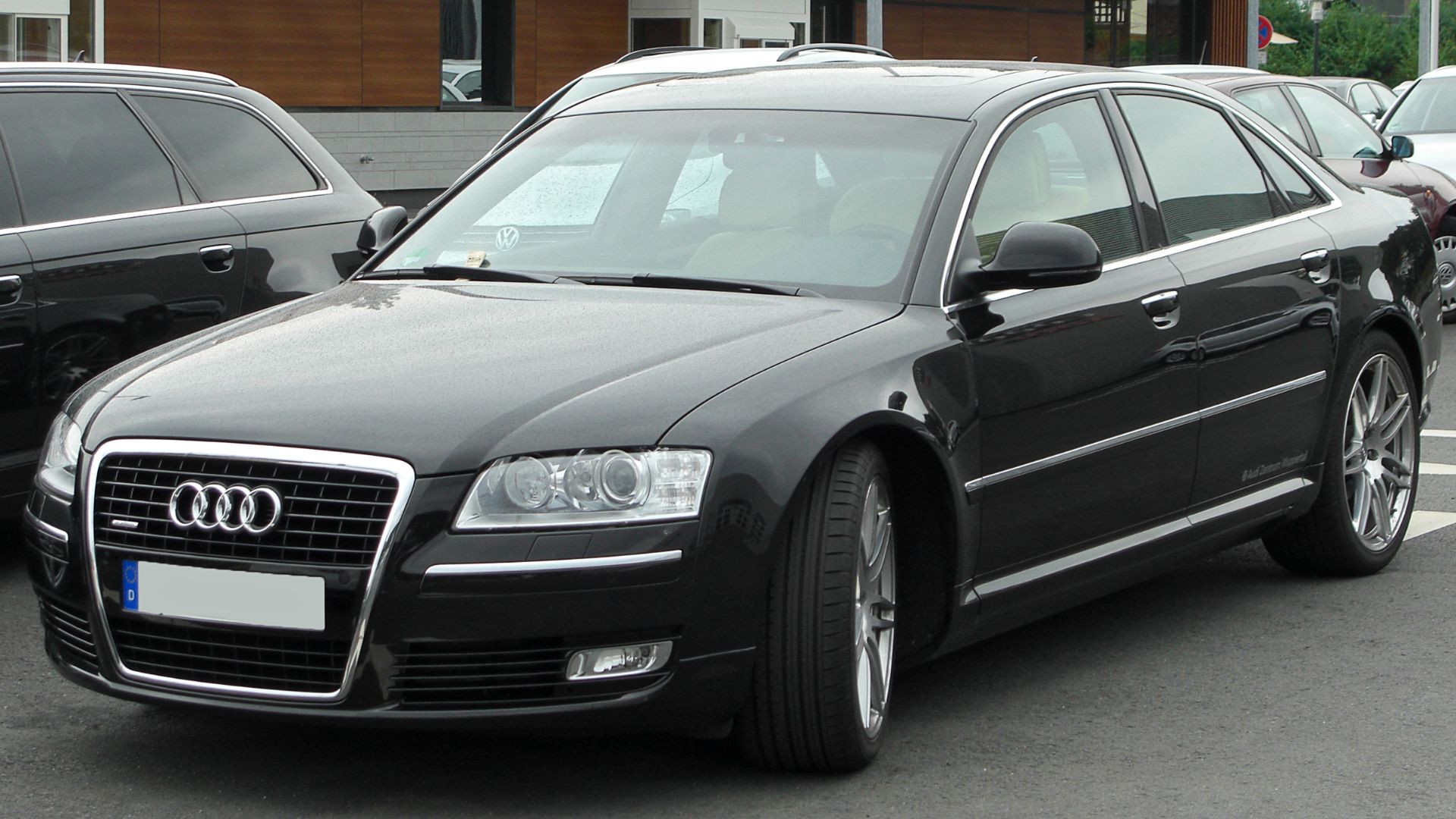
11. Audi A8 D3
The D3 Audi A8 brought aluminum construction, advanced all-wheel drive, and a cabin filled with premium technology. It was elegant, capable, and sophisticated, but it also became the kind of used luxury car that could scare off anyone doing repair math.
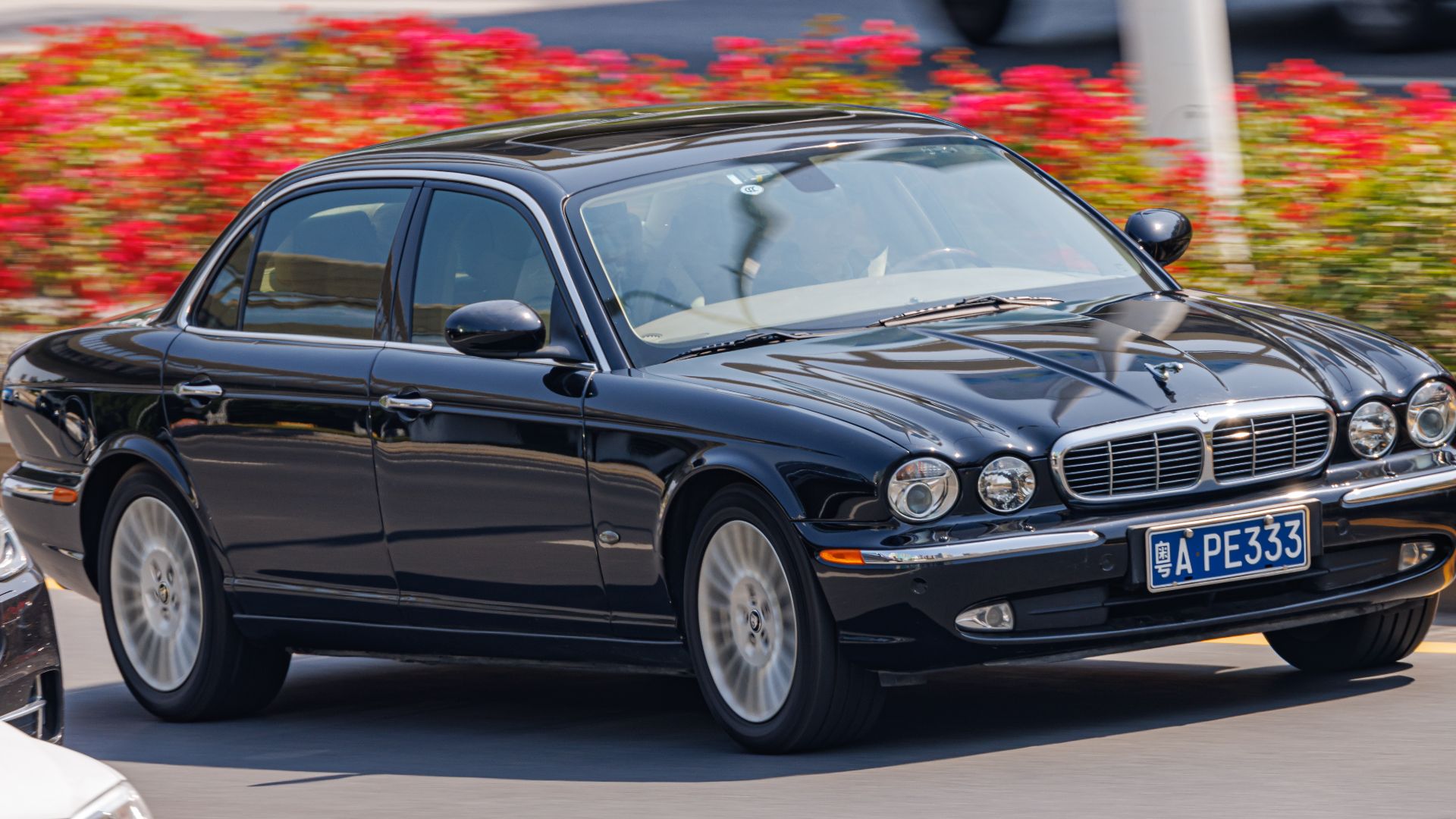
12. Jaguar XJ X350
The X350 Jaguar XJ used an aluminum body, air suspension, and a more modern electronic architecture than earlier models. It was lighter and more advanced than many rivals, while still keeping classic Jaguar character. The issue was that some of its high-tech systems could be expensive to diagnose and repair, proving that old-world charm and modern complexity don’t always make an easy partnership.
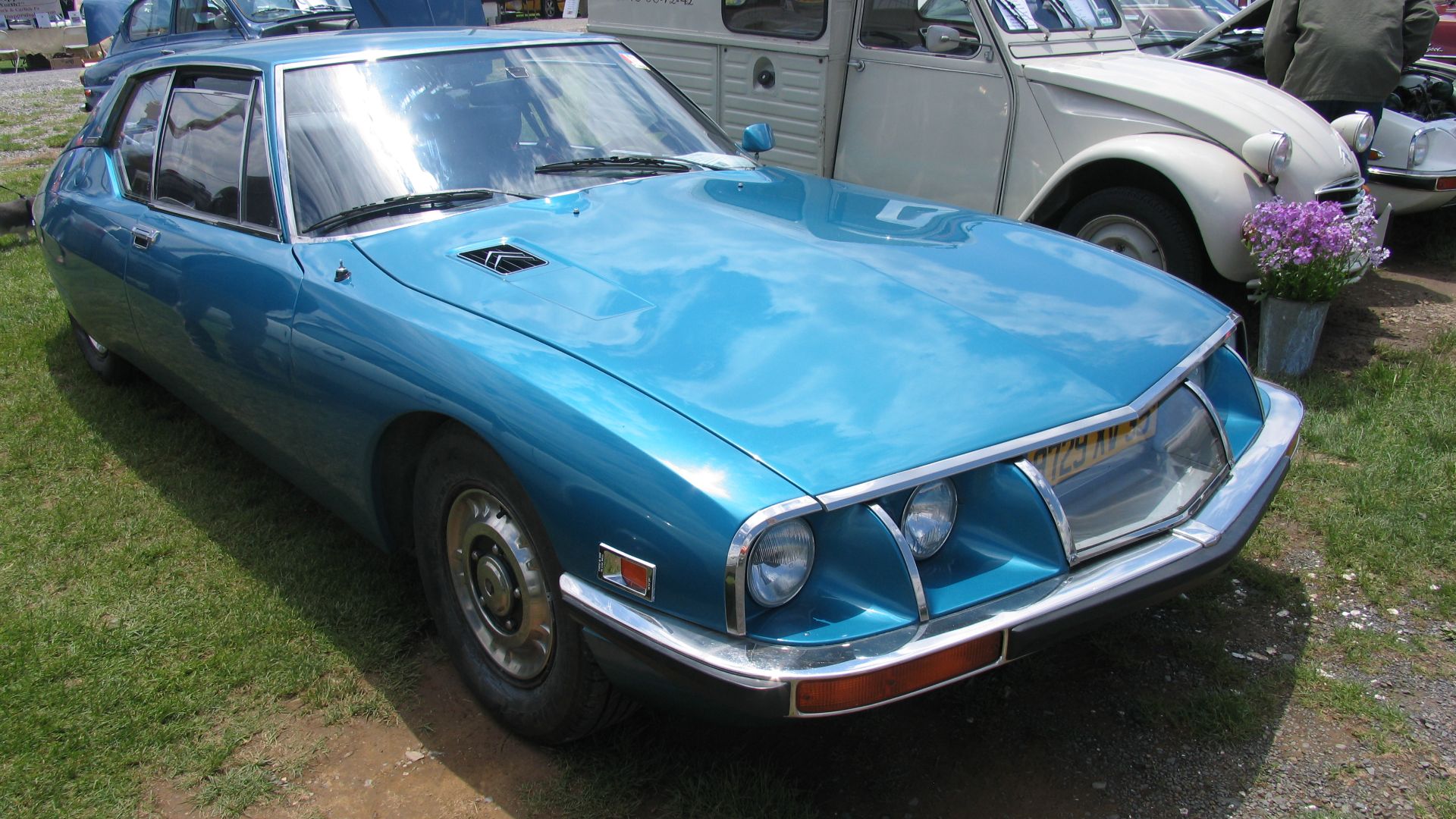
13. Citroën SM
The Citroën SM was a marvel of innovation, with hydropneumatic suspension, self-centering steering, and a Maserati engine. It delivered a driving experience unlike almost anything else, which is exactly why enthusiasts still adore it. However, the same cleverness that made it special also made it intimidating, especially once maintenance entered the conversation.
14. Cadillac V8-6-4
Cadillac’s V8-6-4 engine was an early attempt at cylinder deactivation, designed to improve fuel economy by shutting down cylinders when full power wasn’t needed. The idea was smart, but the electronics of the early 1980s weren’t fully up to the task. Drivers often experienced rough behavior and reliability complaints, making the system a classic case of a good concept arriving too soon.
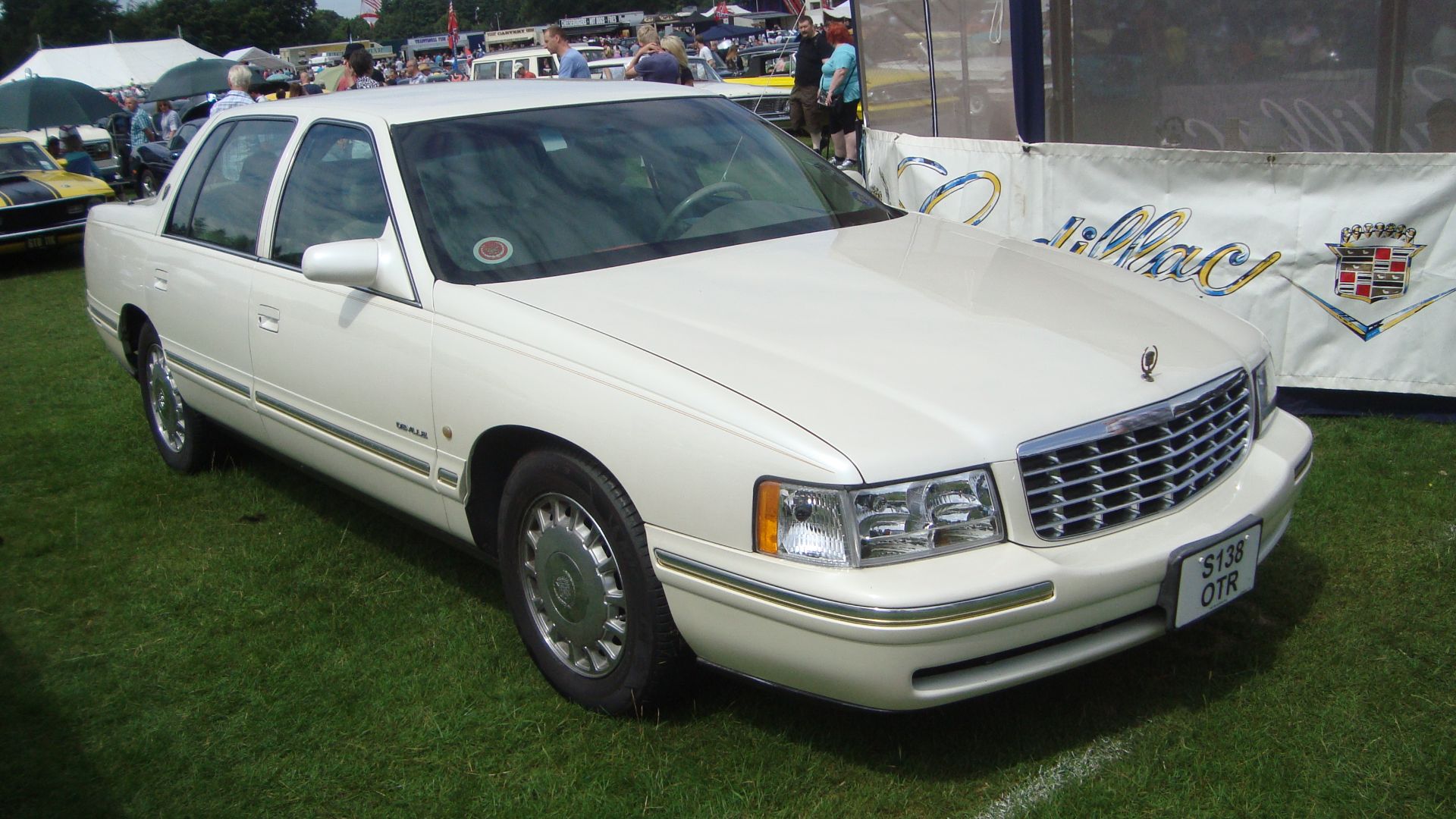
15. Cadillac CT6 Plug-In Hybrid
The Cadillac CT6 Plug-In Hybrid was a technically impressive luxury sedan with an advanced electrified powertrain, strong performance, and the ability to drive short distances on electric power alone. The problem was that it arrived in a market where buyers were already drifting toward SUVs. Its technology was clever, but it never became a major selling point, proving that advanced engineering can still miss the moment if the market has already moved somewhere else.
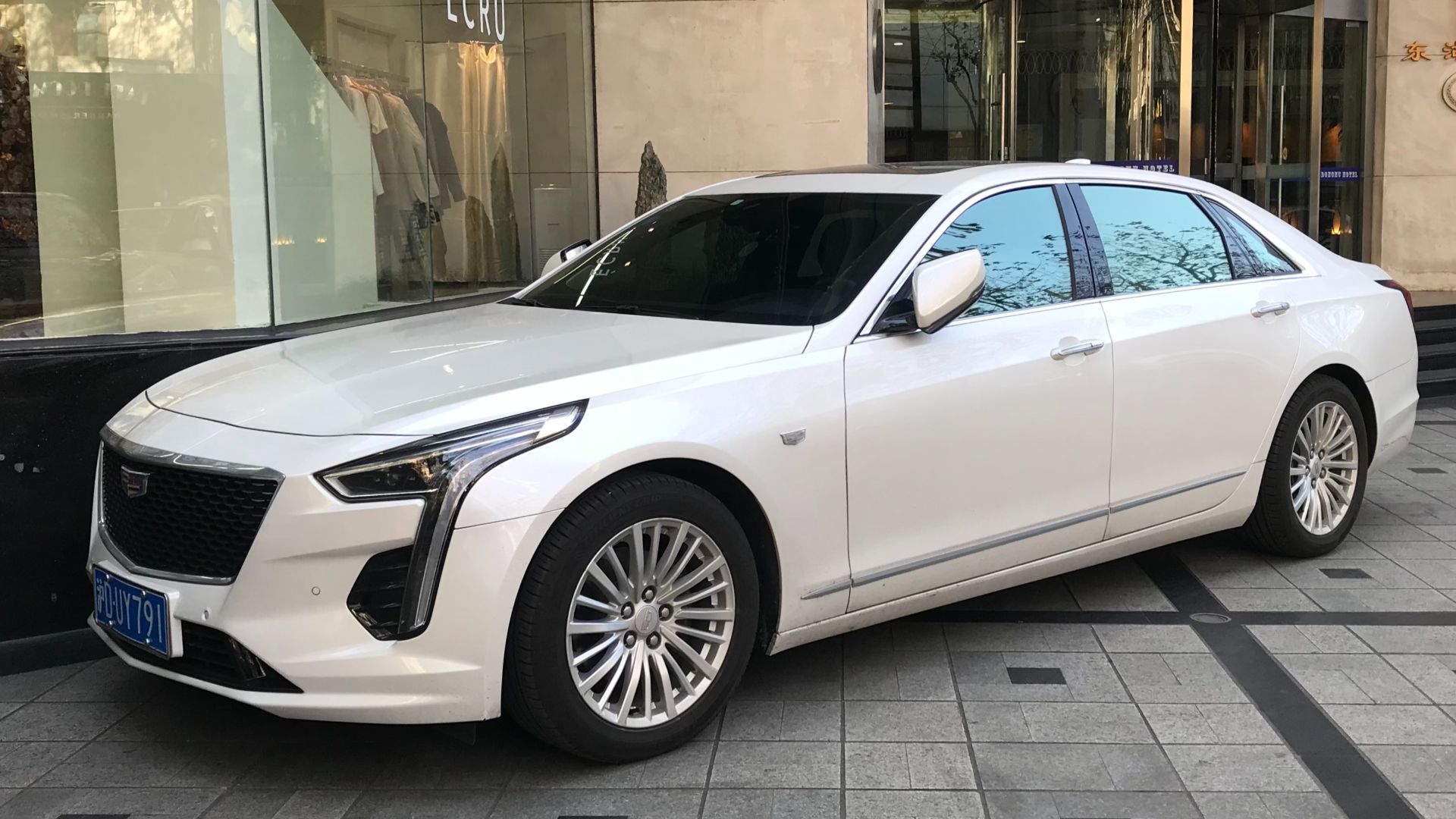
16. Lincoln Continental Mark VII
The Lincoln Continental Mark VII brought a lot of 1980s luxury technology to the table, including digital displays, air suspension, and electronic convenience features. It felt advanced for its time and had real appeal, especially in performance-oriented LSC form. As the cars aged, though, some of those systems became headaches, and owners learned that old luxury electronics rarely age gracefully.
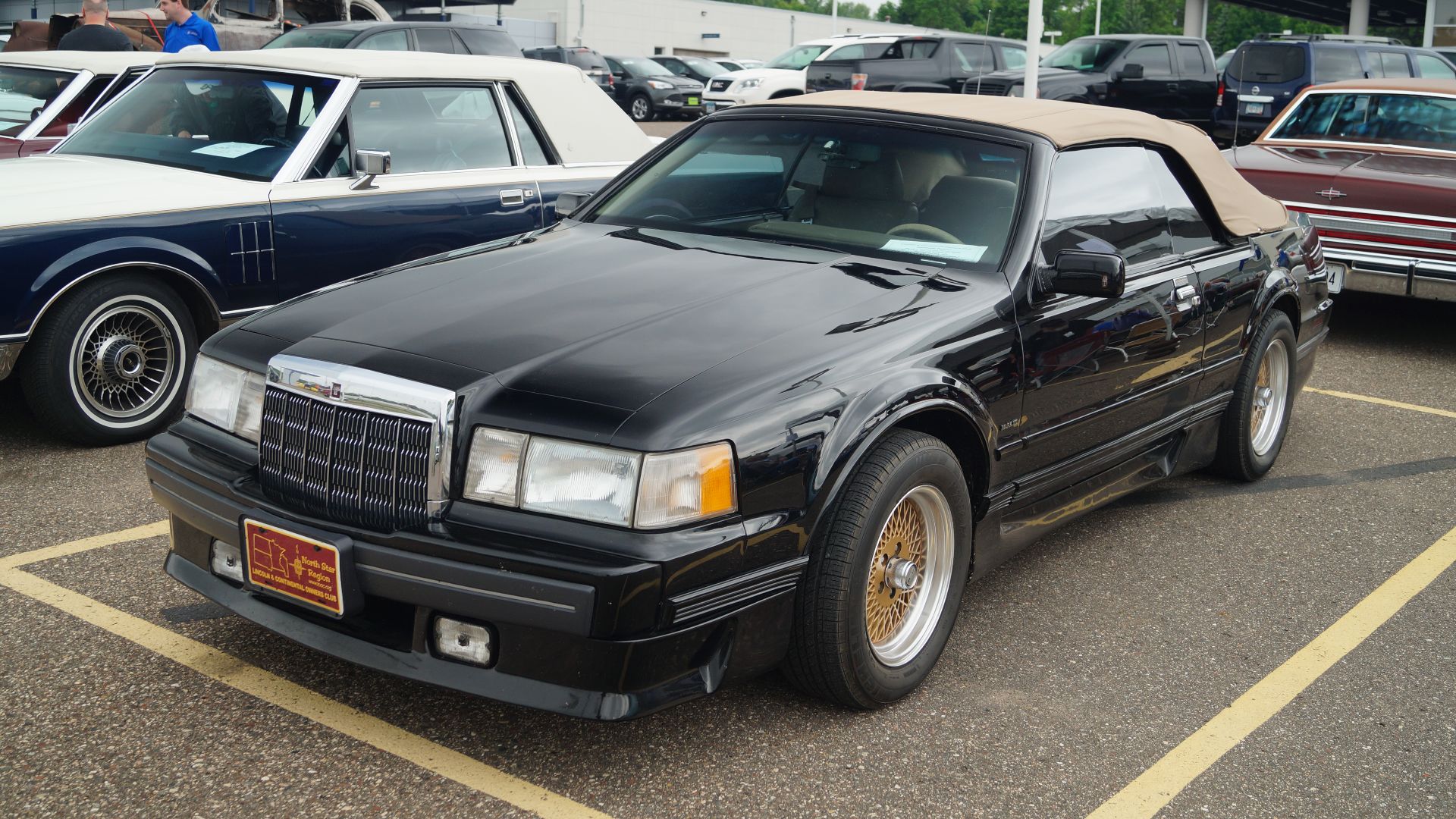
17. Subaru SVX
The Subaru SVX was unusual, expensive, and far more ambitious than most people expected from Subaru in the early 1990s. Its aircraft-like window design, advanced all-wheel drive, and smooth six-cylinder engine made it feel distinctive. Unfortunately, the car’s complexity, price, and automatic-only setup limited its appeal, proving that clever engineering still needs the right audience.
18. Renault Avantime
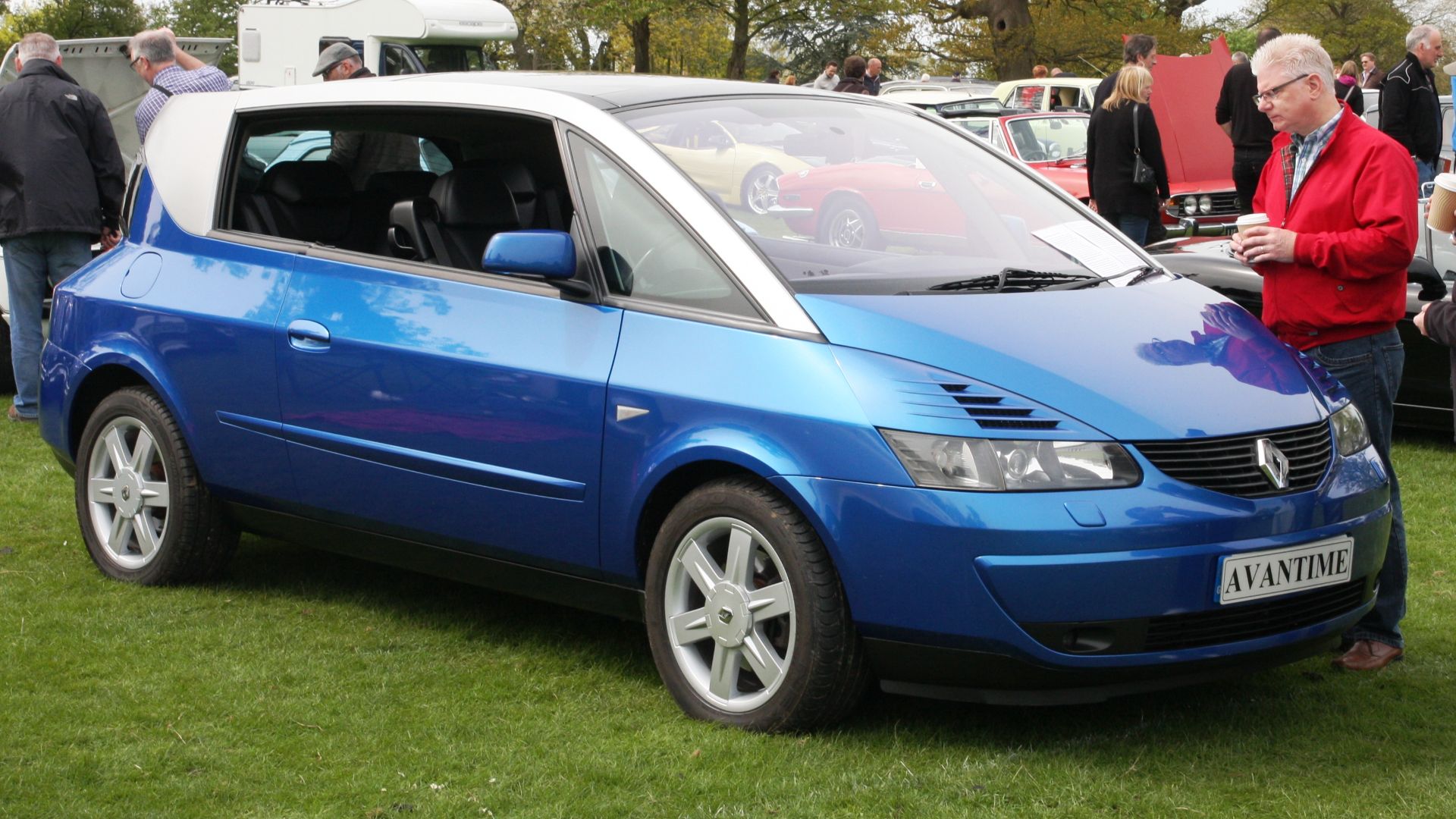
The Renault Avantime tried to blend coupe style, minivan proportions, and luxury-car weirdness into one bold package. It had clever doors, unusual styling, and a concept that sounded daring rather than sensible. Buyers mostly stayed away, which showed that innovation can become a problem when nobody can explain what category the car belongs in.
19. Tesla Model X
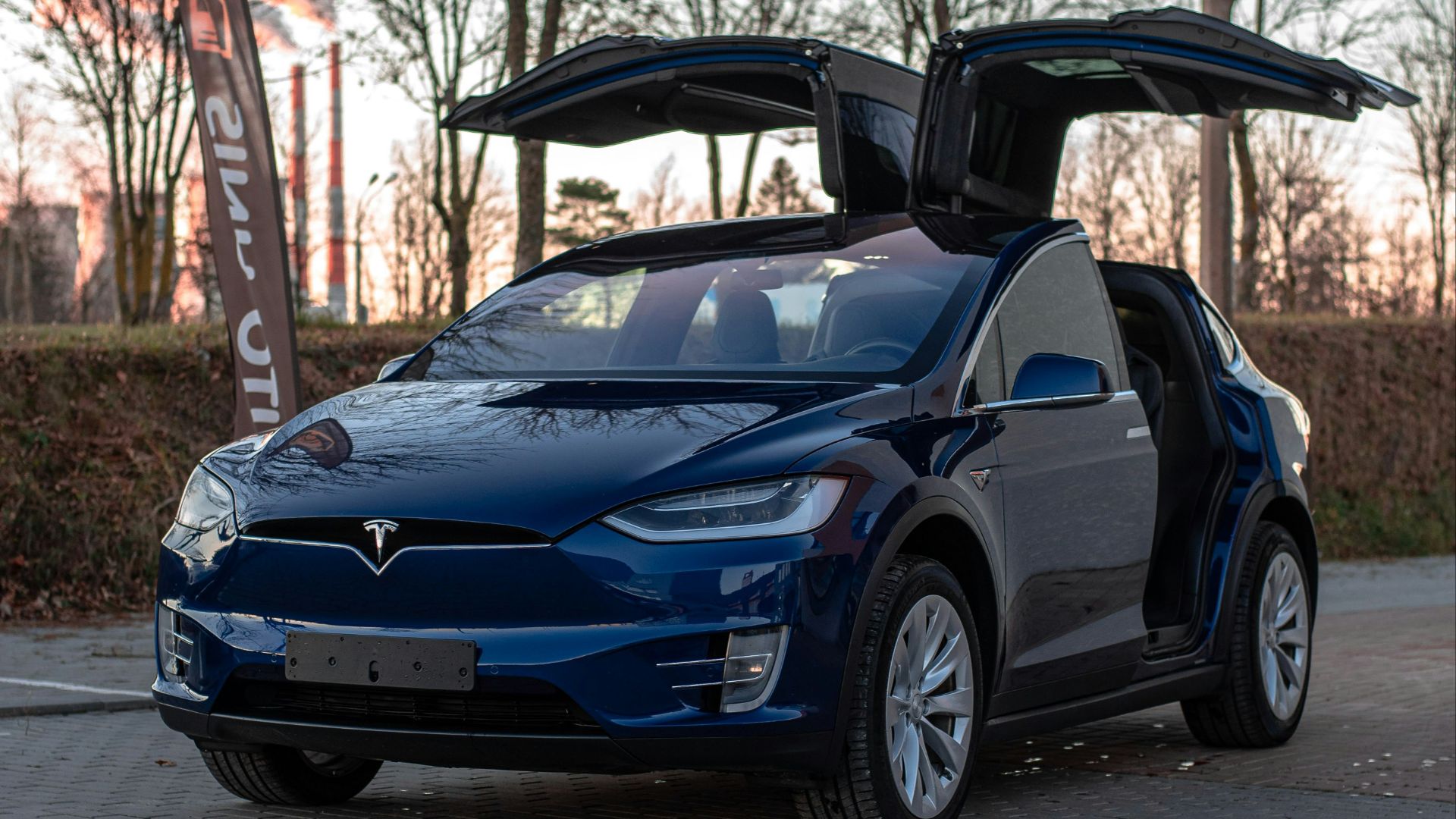
The Tesla Model X brought impressive electric performance, huge screens, advanced driver-assistance features, and those famous falcon-wing doors. The doors looked dramatic, but they also added complexity to a vehicle that already had plenty of electronic ambition. It proved that futuristic features can create excitement, but they can also make people miss the humble simplicity of a door that just opens.
20. Mercedes-Benz EQS
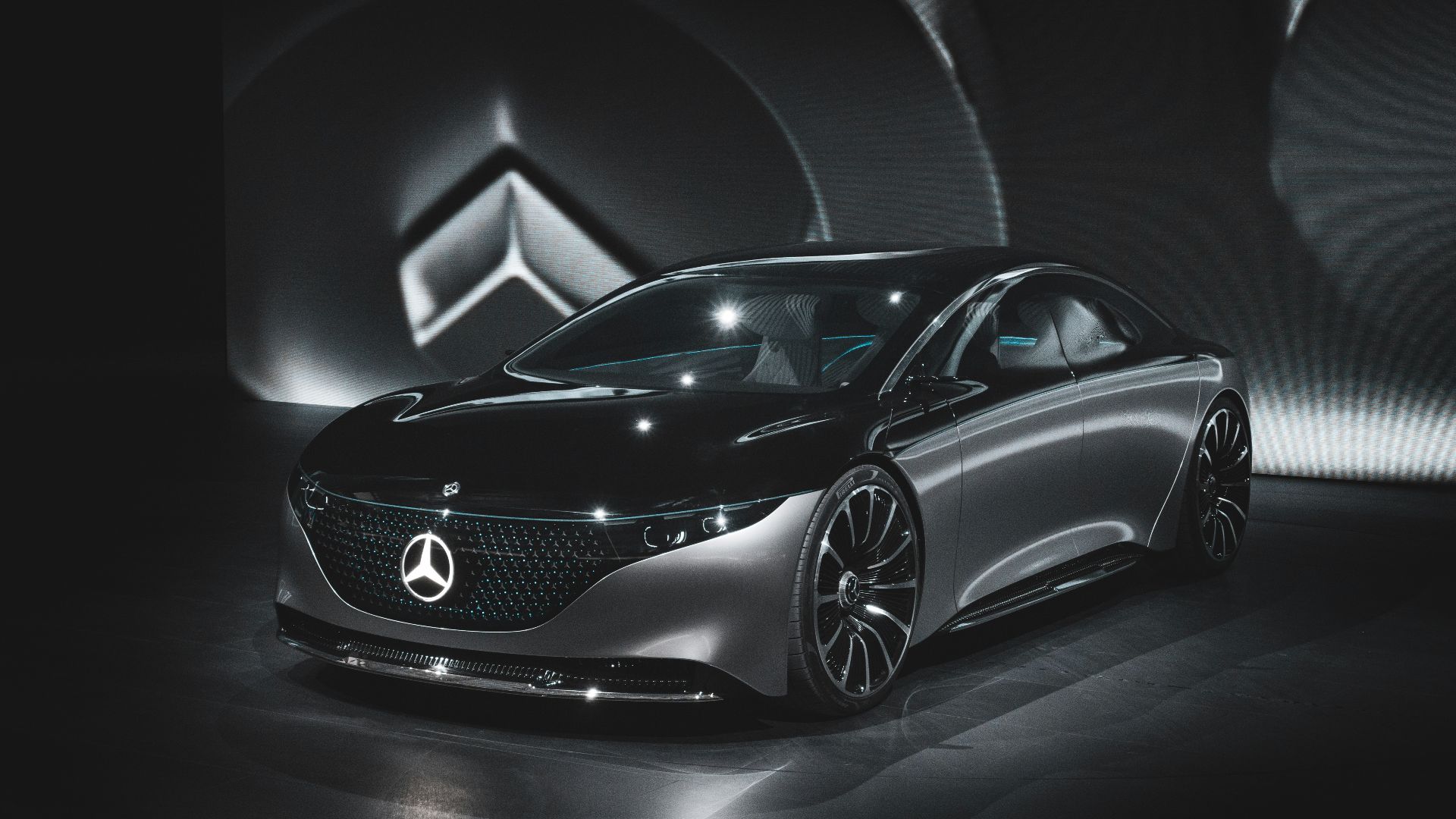
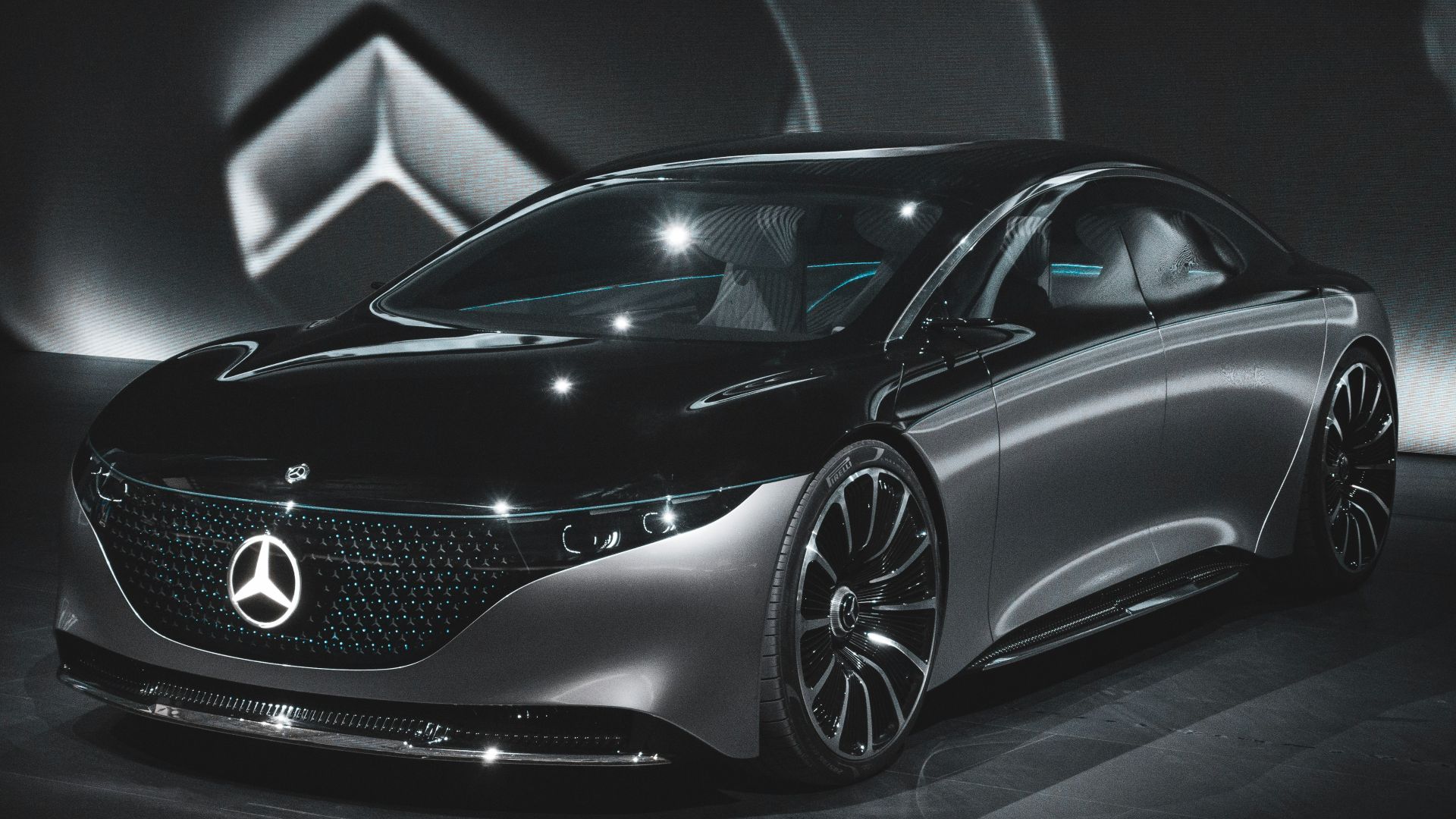
The Mercedes-Benz EQS is packed with screens, sensors, driver assists, and luxury tech meant to show where the brand is heading. Its massive Hyperscreen interior can look stunning, but it also raises the question of whether every function needs to become part of a digital display. The car is quiet, advanced, and deeply engineered, but it also makes drivers feel nostalgic for tactile nobs and buttons.