Is Your Car Problem Minor or Major?
What's that smell? What's that sound? Your car has a way of making you panic any time something seems off, but as important as it is to get some problems checked out right away (think a burning smell or a grinding sound), thankfully not every issue needs the same level of stress and urgency. The smart thing to do would still be getting a professional to look at your vehicle, but here's how to separate the major issues from the minor ones.

1. Brake Warning Light or Weak Braking
If your brake warning light comes on, don’t treat it like a suggestion. It could point to low brake fluid, worn brake pads, or a more serious problem in the braking system. A soft brake pedal, grinding sound, or longer stopping distance makes the situation even more urgent. Since brakes are directly tied to your safety, this is one repair you should handle as soon as possible.
2. Engine Overheating
An overheating engine can turn a manageable repair into a much bigger problem if you keep driving. You might notice steam, a rising temperature gauge, or a warning light on the dashboard. Common causes include low coolant, a failing thermostat, a broken water pump, or a radiator issue. Pull over safely, shut the car off, and avoid driving again until you know what’s wrong.
3. Flashing Check Engine Light
A steady check engine light can mean many things, but a flashing one is far more serious. It often signals an engine misfire, which can damage the catalytic converter if ignored. You may also feel the car shaking, struggling to accelerate, or running unevenly. Driving in that condition can make the repair more expensive, so it’s best to get the car checked right away.

4. Oil Pressure Warning Light
The oil pressure light is one of the dashboard warnings you shouldn’t brush aside. Low oil pressure can mean the engine isn’t getting enough lubrication, and that can cause severe damage in a short amount of time. You might also hear ticking, knocking, or rough engine sounds. Stop driving as soon as it’s safe, check the oil level if you know how, and call for help if the warning stays on.
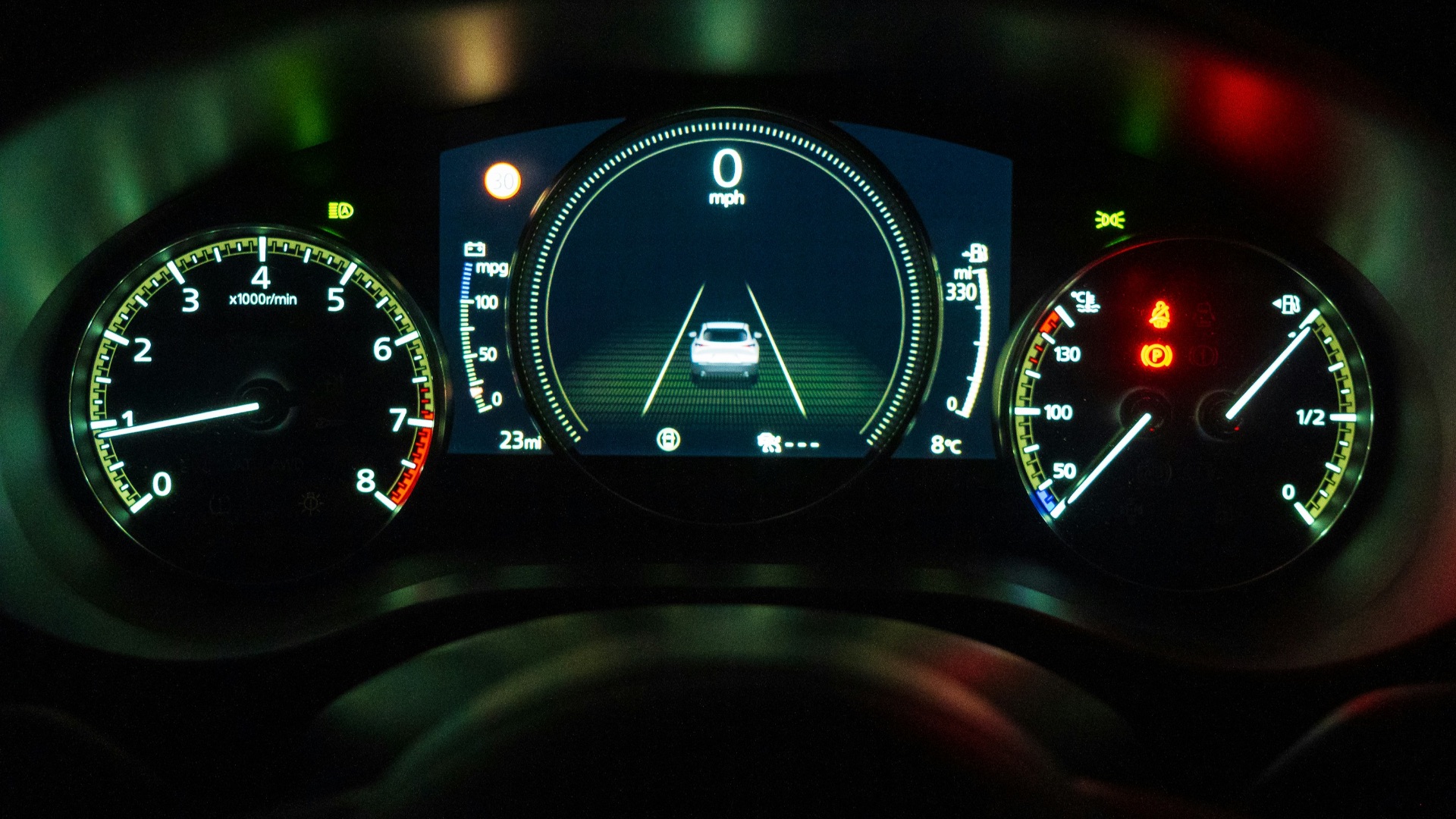
5. Burning Smell
A burning smell from your car should always get your attention. It could come from overheated brakes, leaking oil, electrical wiring, a slipping belt, or a clutch issue in a manual vehicle. Some causes are merely unpleasant, but others can become dangerous fast. Since smell alone doesn’t tell you the full story, it’s smart to have the car inspected before continuing regular use.
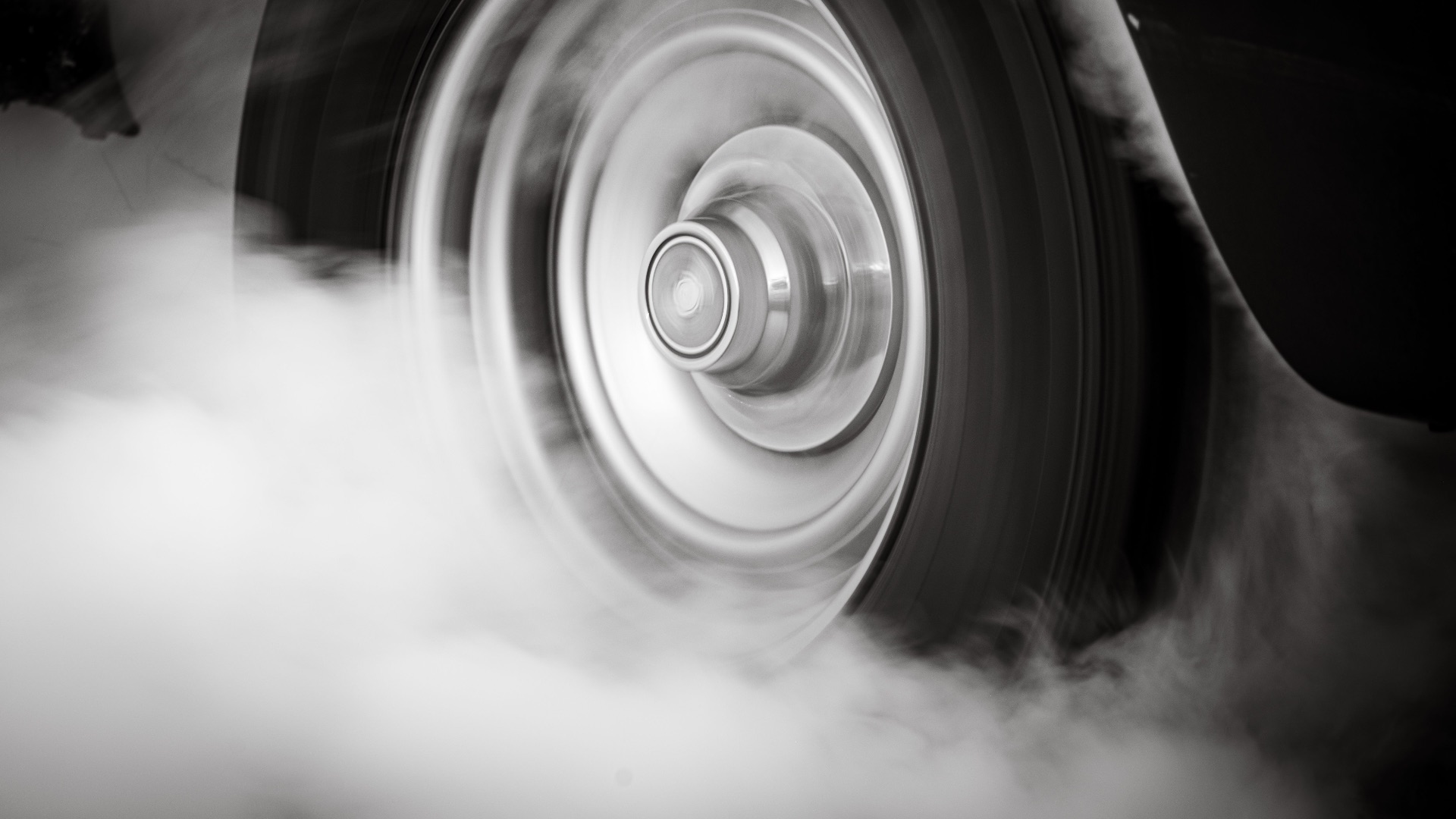
6. Fluid Leaks Under the Car
A few drops of clear water from the air conditioner usually aren’t a problem, but colored or oily fluid is different. Red or brown fluid could be transmission or power steering fluid, green or orange fluid may be coolant, and dark fluid might be engine oil. Leaks can lead to overheating, steering problems, brake trouble, or major engine wear. When you spot a fresh puddle, especially after the car has been parked, don’t ignore it.
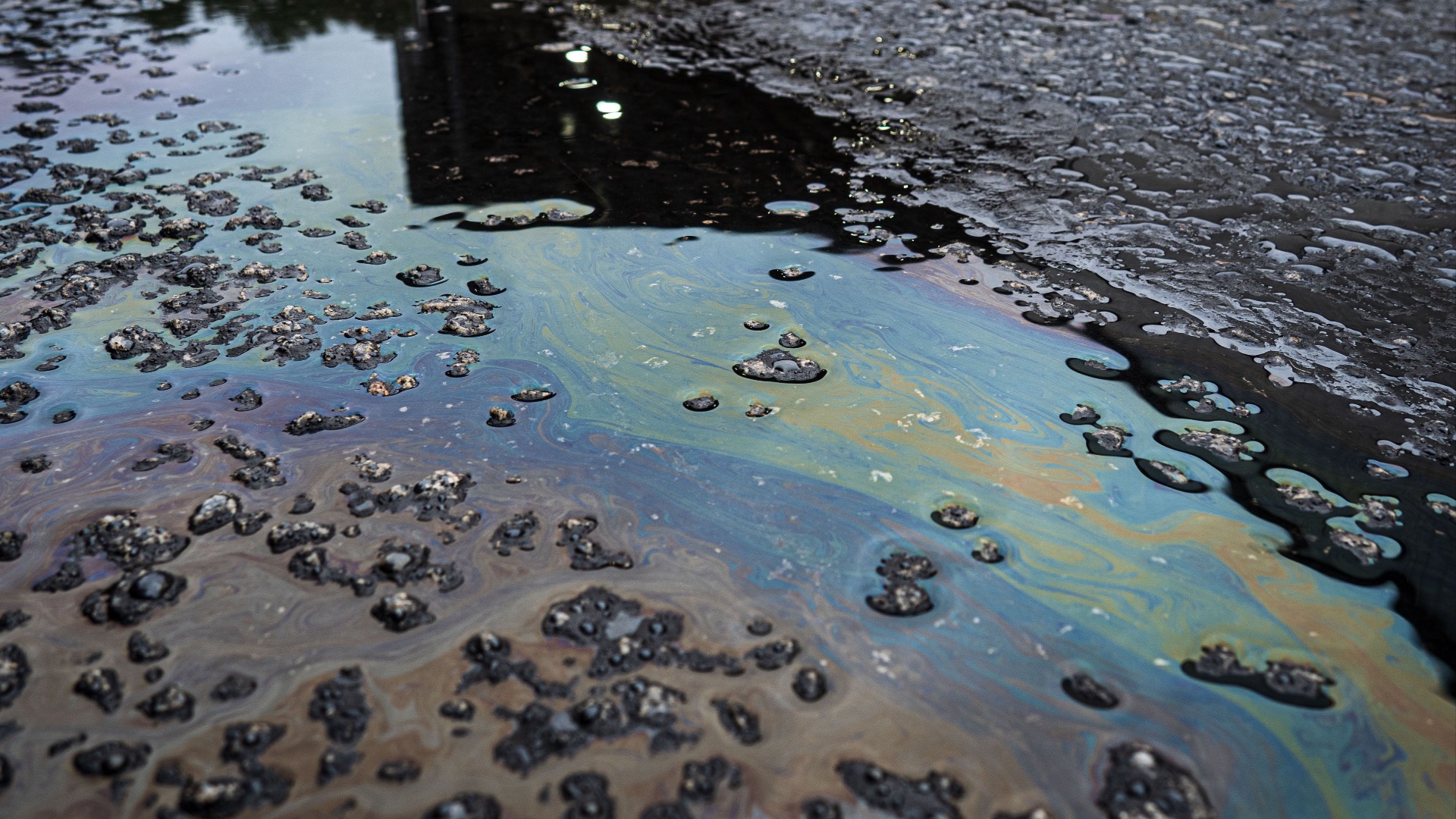
7. Tire Blowout, Bulge, or Severe Damage
A tire with a bulge, deep cut, exposed cord, or sudden loss of air needs immediate attention. Tire damage can reduce your control of the car, especially at highway speeds or in wet weather. Even if the tire still looks partly inflated, the structure may already be compromised. Replace or repair it before driving farther than absolutely necessary.
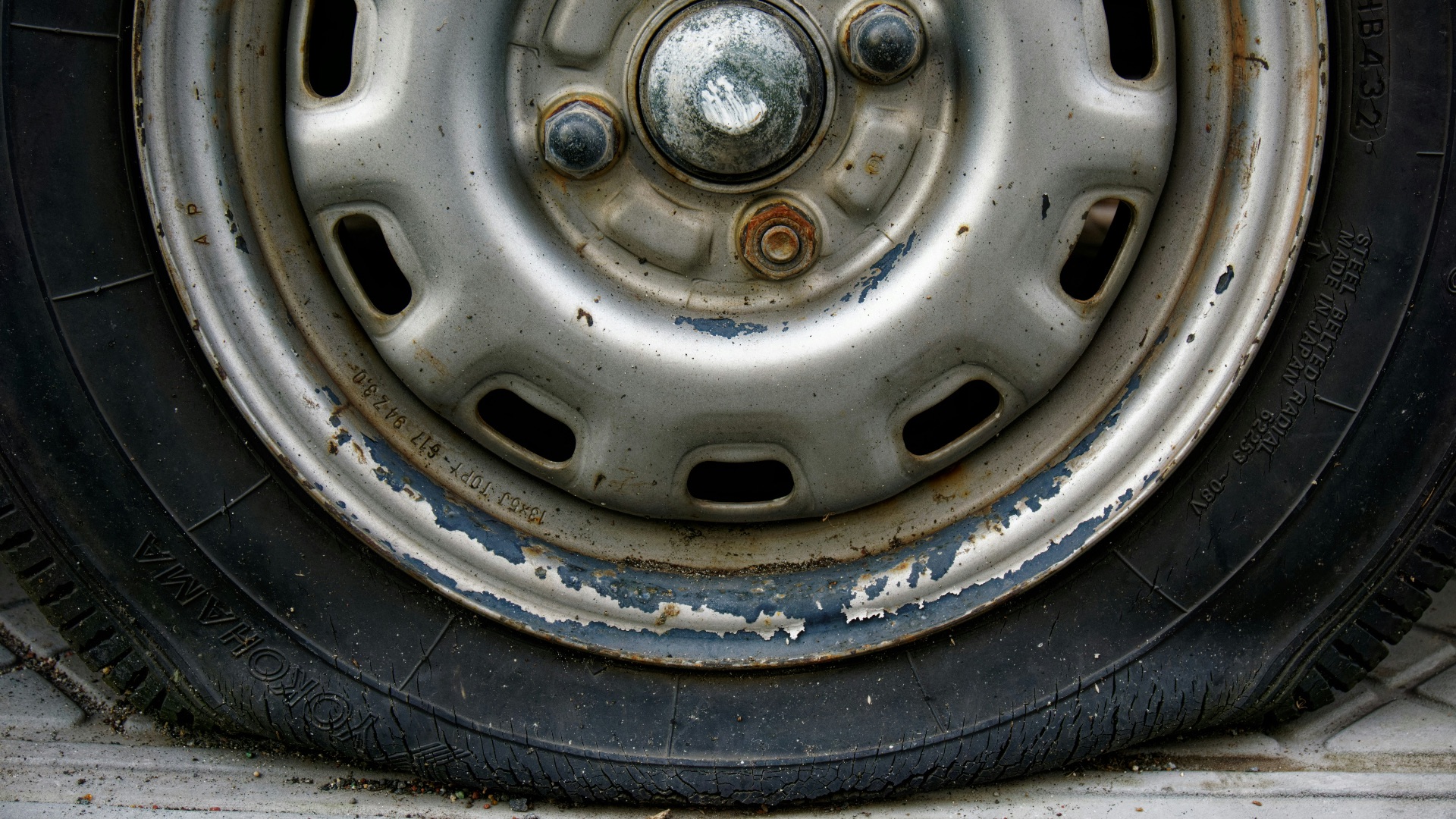
8. Steering Problems
If the steering wheel suddenly feels stiff, loose, shaky, or difficult to control, your car needs prompt service. The issue could involve power steering fluid, suspension parts, alignment, tires, or steering components. Any change that makes the vehicle harder to guide is a safety concern. Don’t wait for it to get worse, because steering problems can affect your ability to avoid hazards.

9. Smoke from the Engine or Exhaust
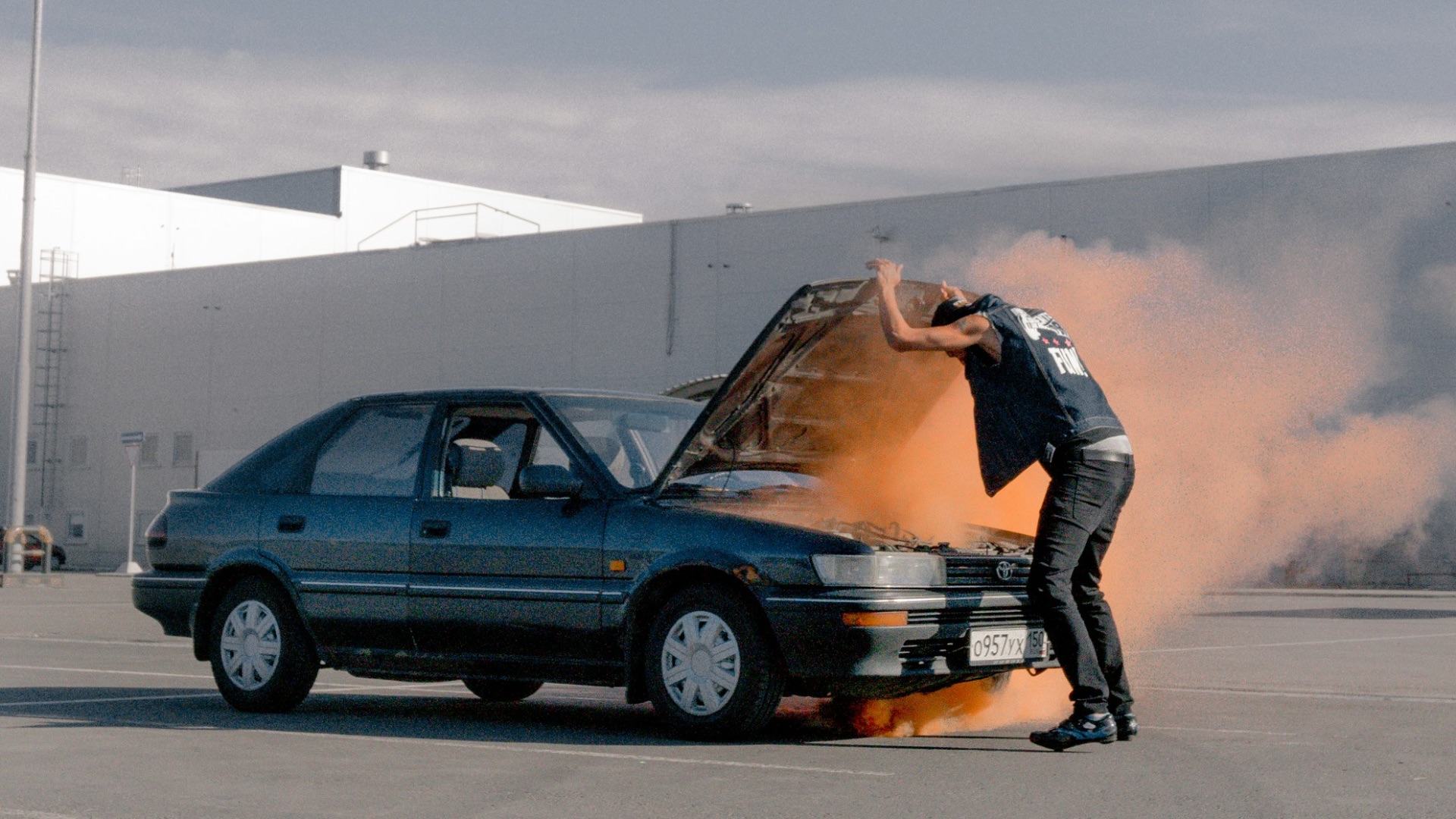
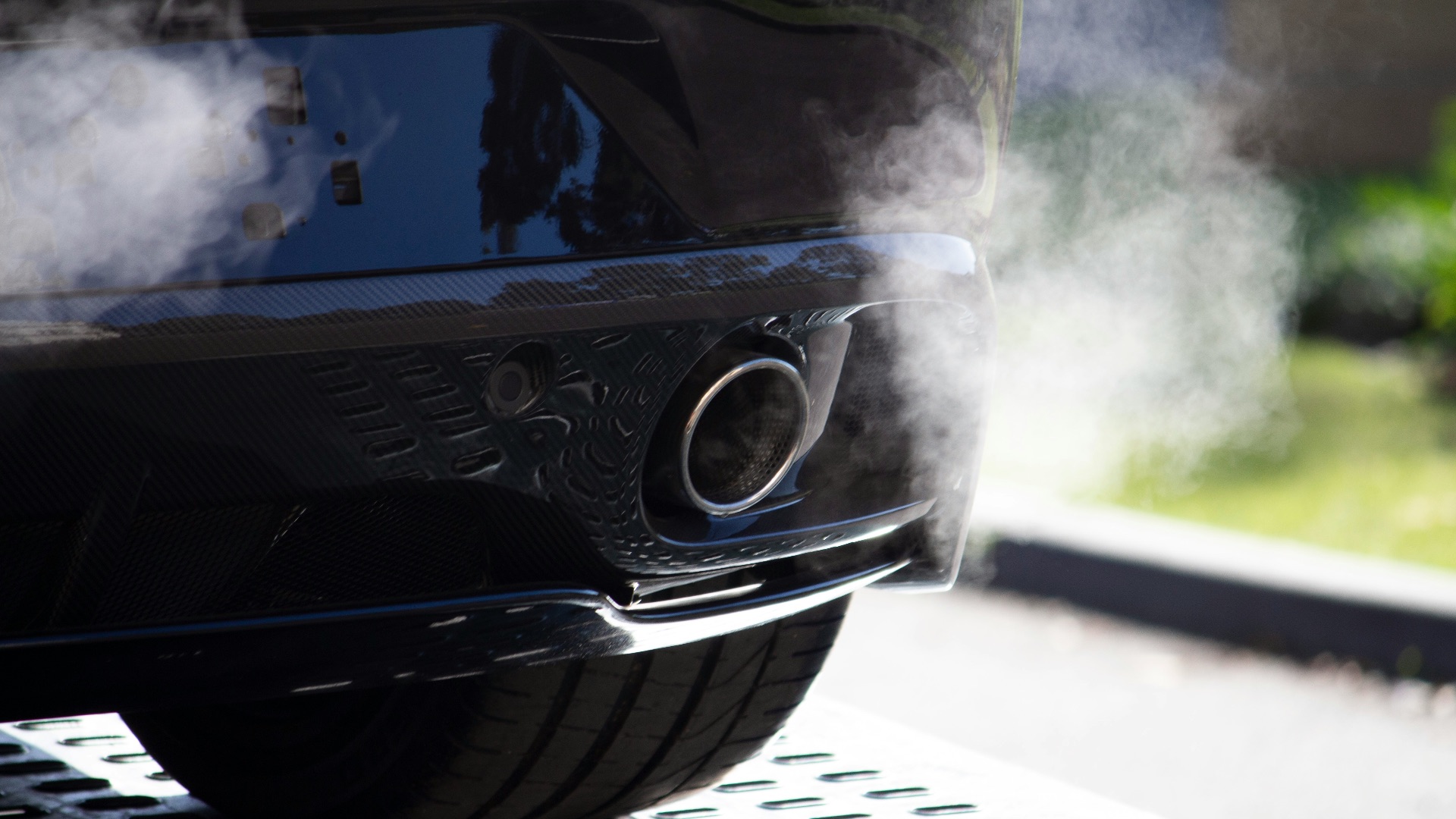
Smoke from the engine bay is an obvious sign that something isn’t right. It may be caused by fluid leakage, overheating, electrical issues, or something touching a hot surface. Smoke from the exhaust can also point to engine, coolant, or oil-burning issues, depending on the color and smell. Pull over safely and avoid guessing, because the cause needs to be checked before you keep driving.
10. Transmission Slipping or Delayed Gear Changes
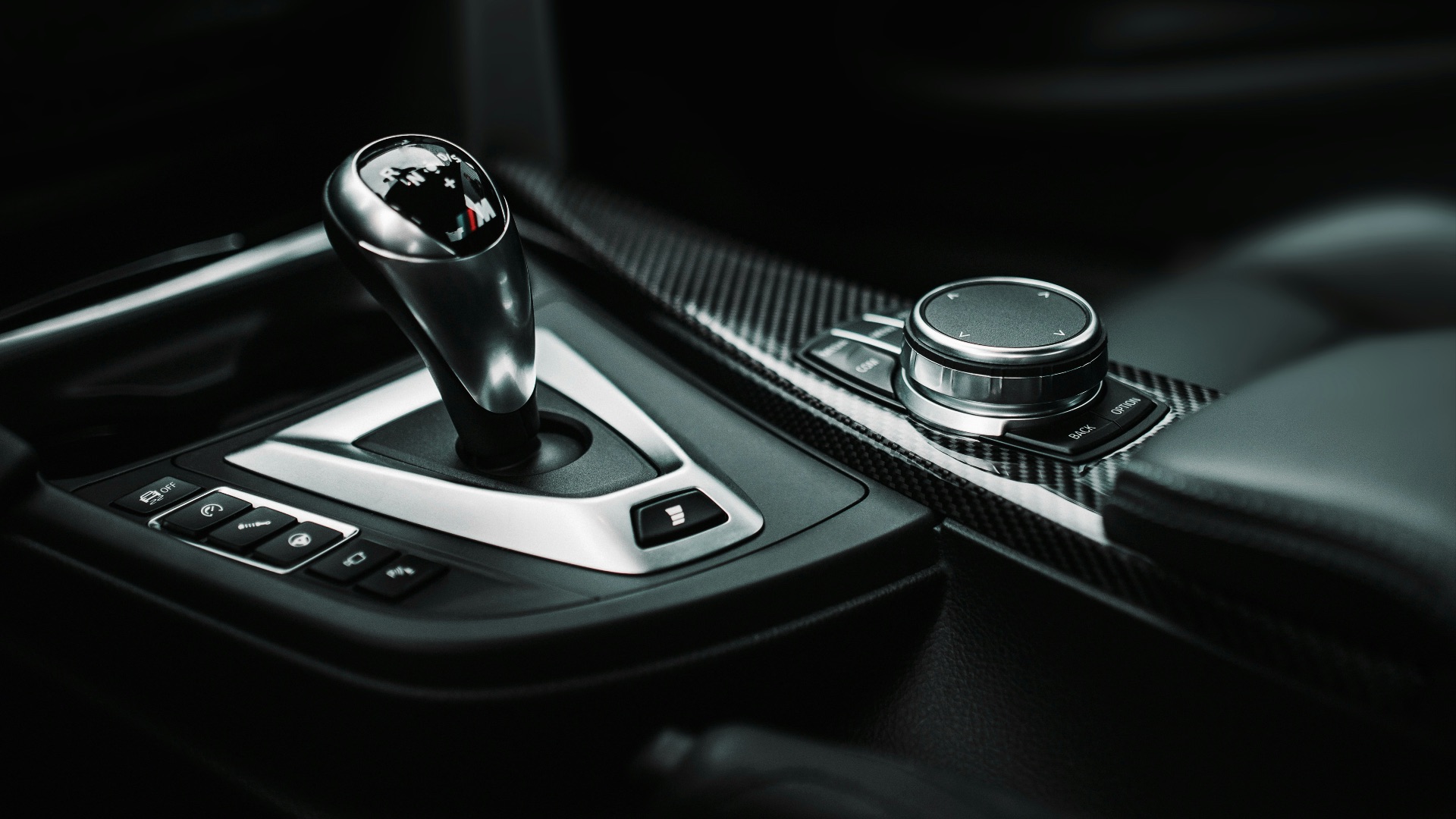
A slipping transmission can feel like the engine revs but the car doesn’t move the way it should. You might also notice delayed shifting, jerking, whining sounds, or a burning smell. Transmission problems rarely improve on their own, and continuing to drive can make the damage worse. Getting it diagnosed early may help you avoid a much larger repair bill.
Not every problem needs the same level of urgency, though. Some car issues are still worth fixing, but they usually won’t put you in immediate danger or cause major damage if you schedule them for later. These next 10 problems can often wait a little, as long as they don’t suddenly get worse or appear alongside other warning signs.
1. Small Paint Scratches
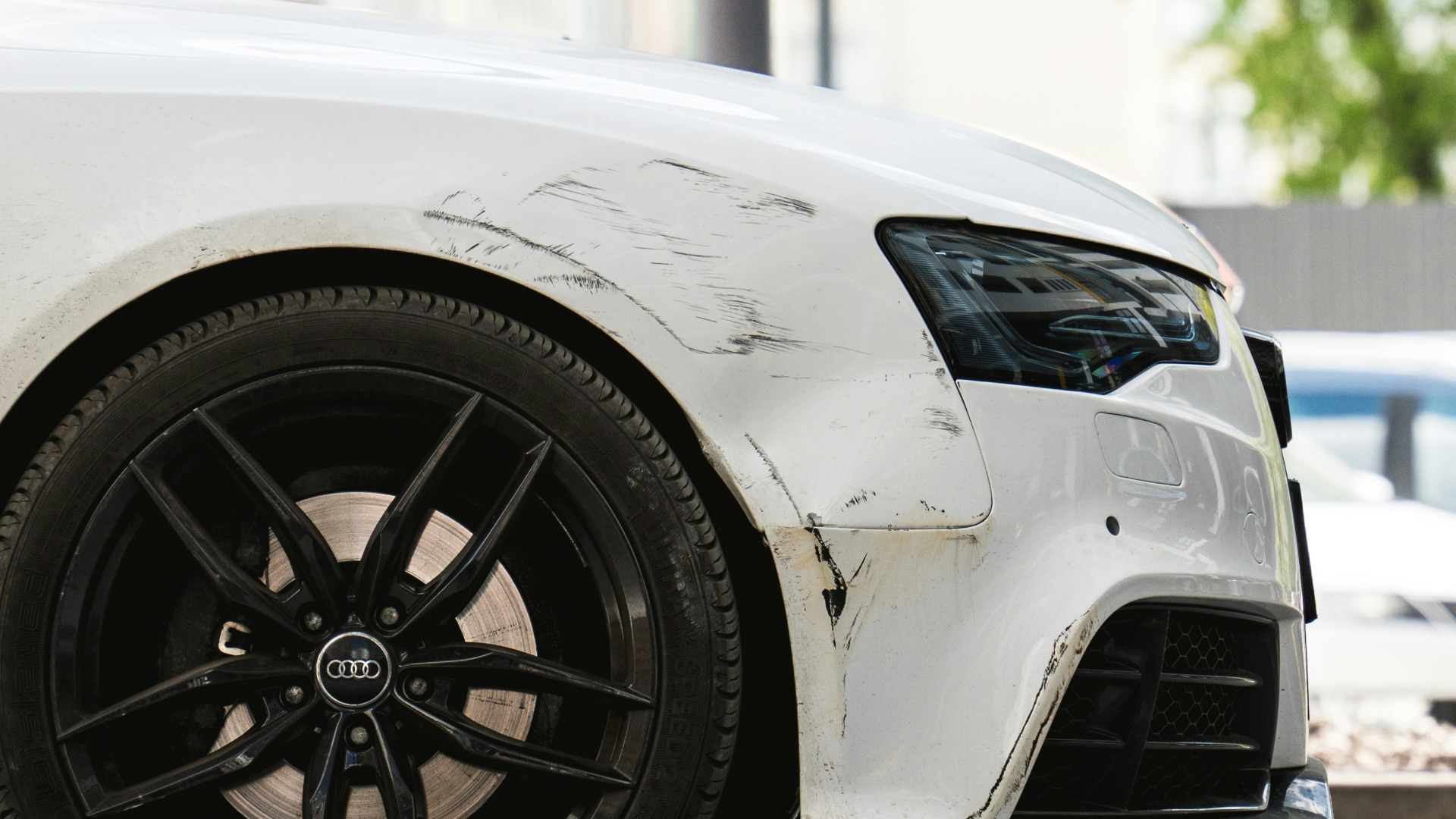
A small scratch in the paint can be annoying, especially if you like keeping your car looking sharp. In most cases, though, it’s not an urgent mechanical issue. You can usually wait until you have time for touch-up paint, detailing, or a body shop visit. If the scratch is deep enough to expose bare metal, handle it sooner so rust doesn’t have a chance to spread.
 Volodymyr Dobrovolskyy on Unsplash
2. Faded Headlight Lenses
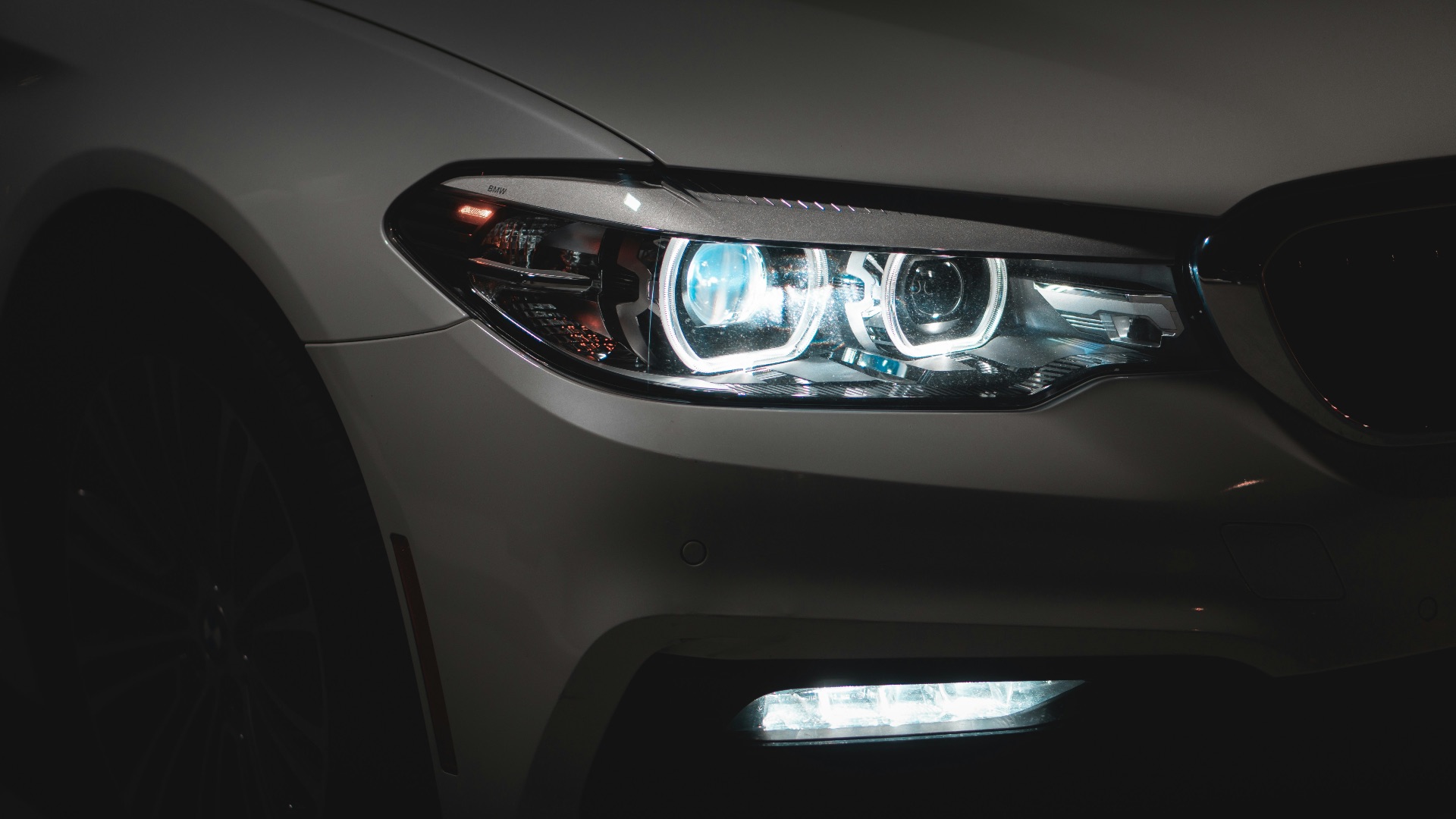
Cloudy or yellowed headlight lenses can make your car look older, and they may reduce brightness over time. If your lights still work well enough for safe driving, this repair can often be scheduled when convenient. Restoration kits or professional cleaning can improve visibility without requiring a full headlight replacement. Don’t put it off indefinitely if you drive often at night, since reduced light output can become a safety issue.
3. Minor Interior Rattles
A small rattle inside the cabin can be irritating, but it doesn’t always mean something important is broken. Loose trim, a glove box latch, a seat bracket cover, or items in a storage compartment can all create noise. Check the easy spots first before assuming there’s a mechanical problem. If the rattle comes from the suspension, steering, or under the hood, treat it more seriously.
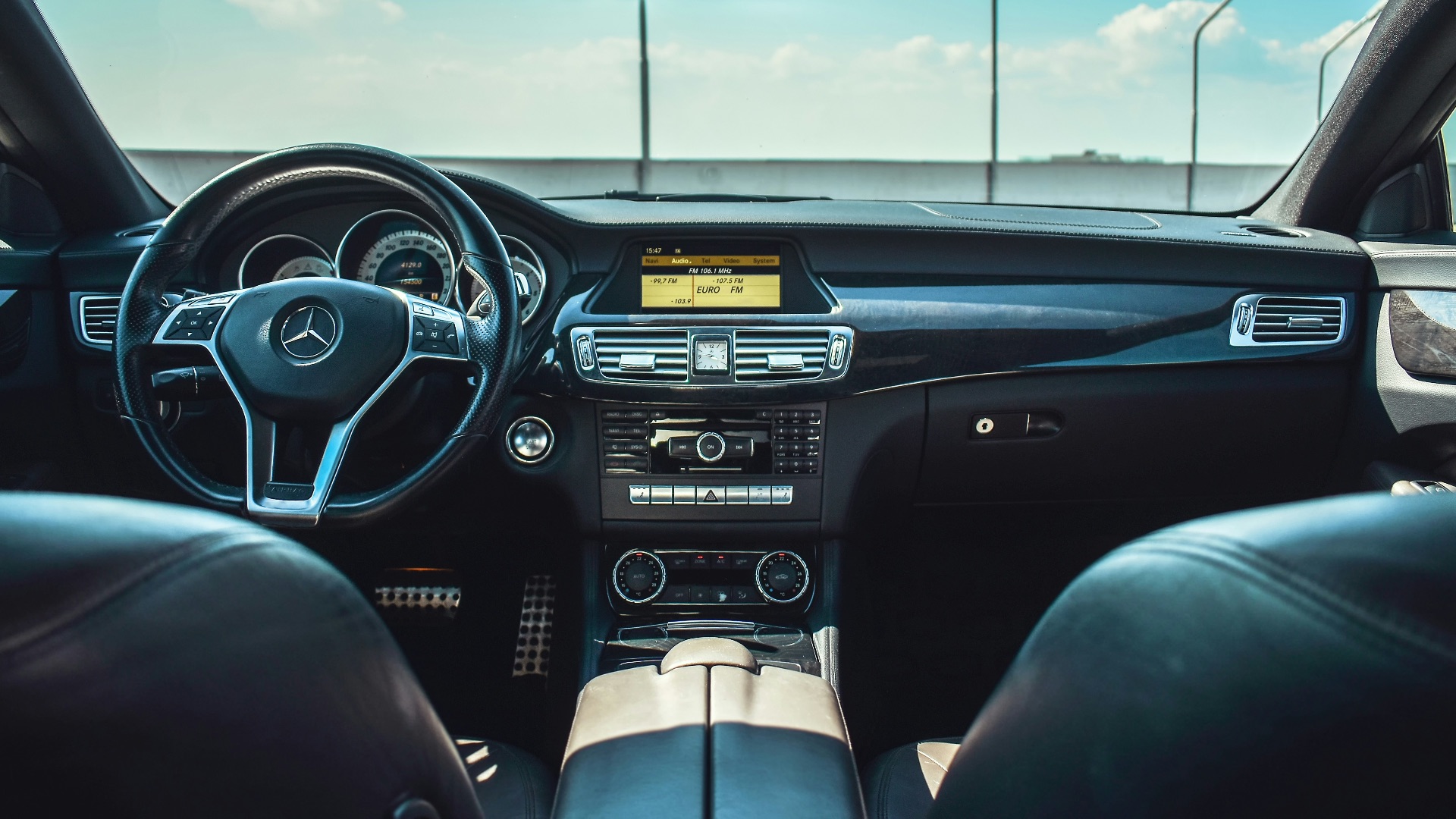
4. Worn Floor Mats
Floor mats take a lot of abuse from shoes, dirt, rain, and snow. When they’re stained or worn, the problem is usually more about cleanliness than safety. You can replace them whenever your budget and schedule allow. The exception is a mat that slides under the pedals, because that needs to be fixed immediately.
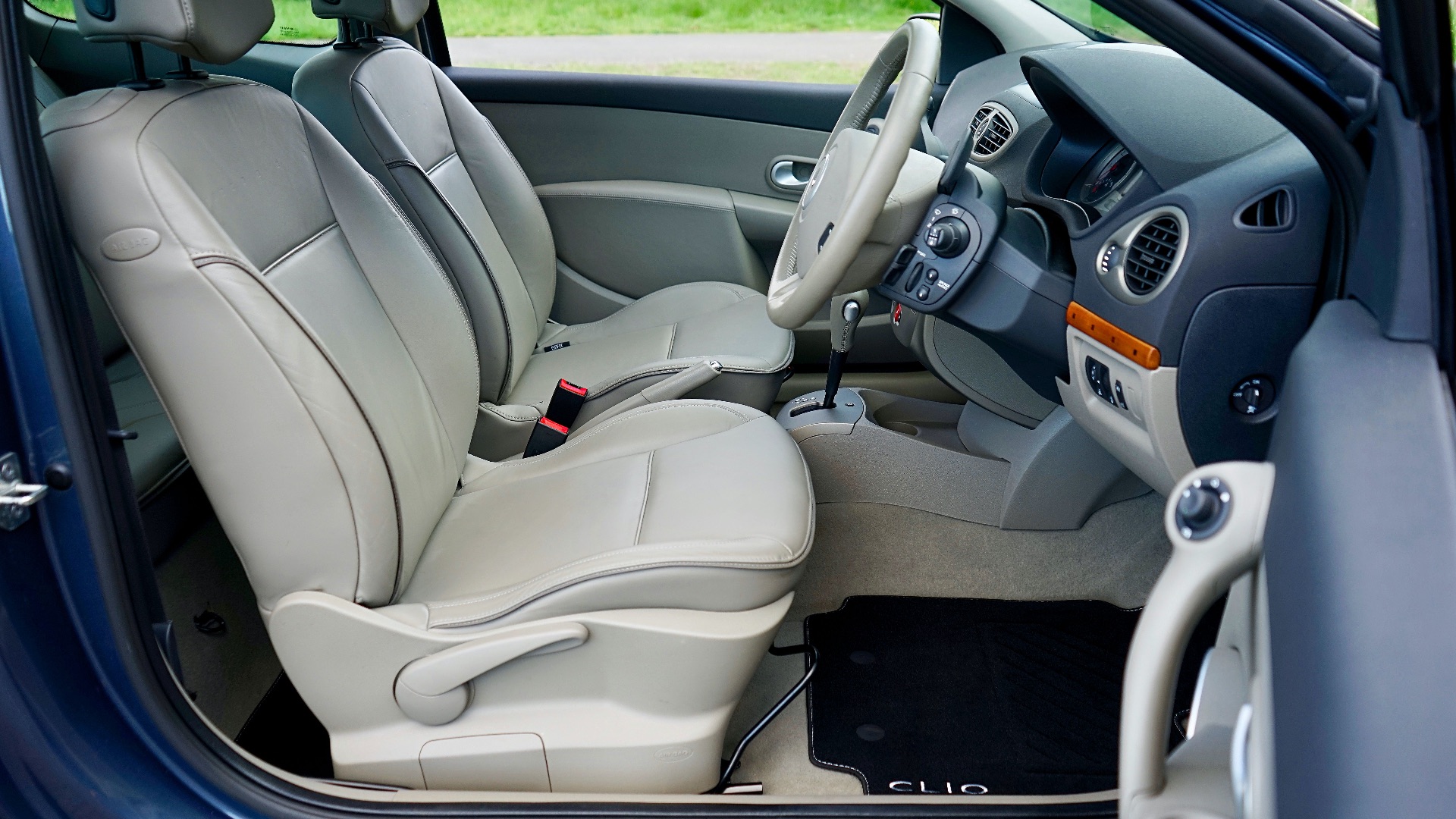
5. Small Windshield Chip Away from Your View
A tiny windshield chip doesn’t always require an emergency visit, especially if it’s away from your direct line of sight. Still, it’s worth monitoring because temperature changes and road vibration can make it spread. Many small chips can be repaired before they turn into long cracks. You don’t need to panic, but you shouldn’t forget about it either.
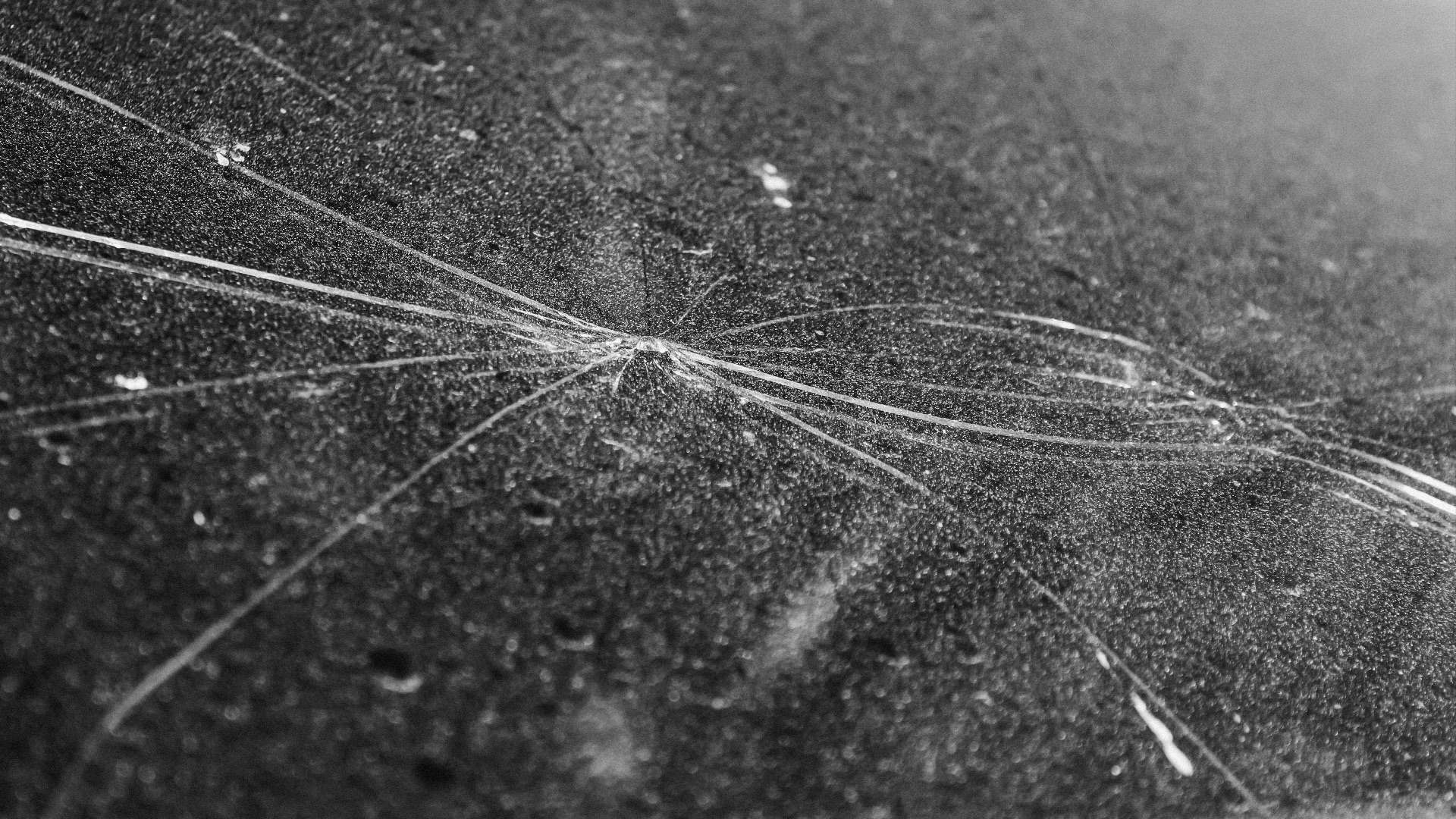
6. Weak Air Conditioning
Weak air conditioning can make summer driving uncomfortable, but it’s usually not urgent unless you’re dealing with extreme heat or transporting someone vulnerable. The cause may be low refrigerant, a clogged cabin air filter, or a failing component. You can often schedule this repair around your convenience. If the defroster also stops working properly, move it higher on your priority list because visibility matters.
7. Cosmetic Dents
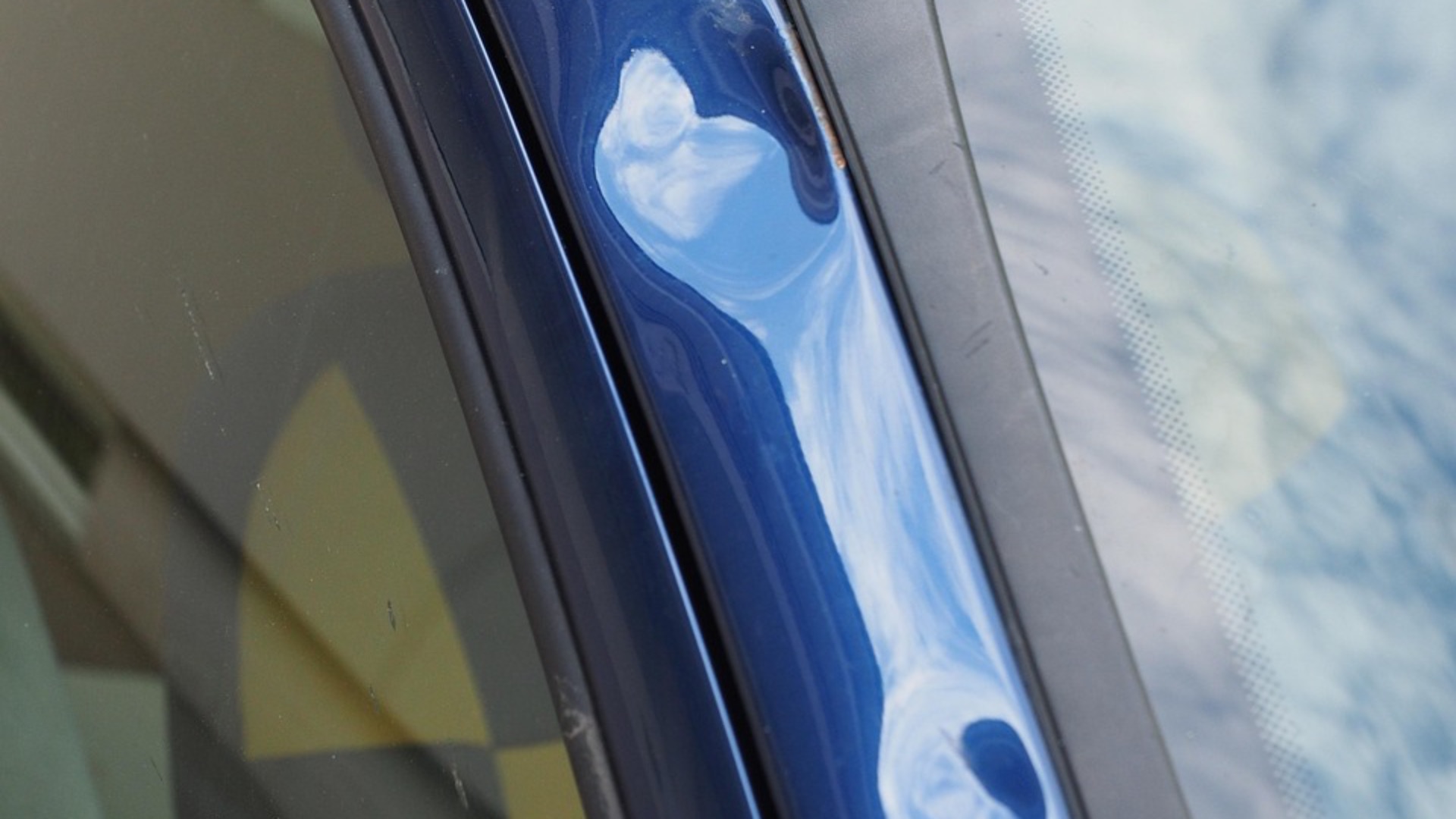
A small door ding or shallow dent may bother you every time you see it, but it usually doesn’t affect how the car drives. Paintless dent repair can often improve the look without major bodywork. Since cosmetic repairs can be pricey, it’s reasonable to wait until you’re ready. Just make sure the dent hasn’t cracked the paint, since exposed metal can lead to rust.
8. Missing Hubcap or Wheel Cover
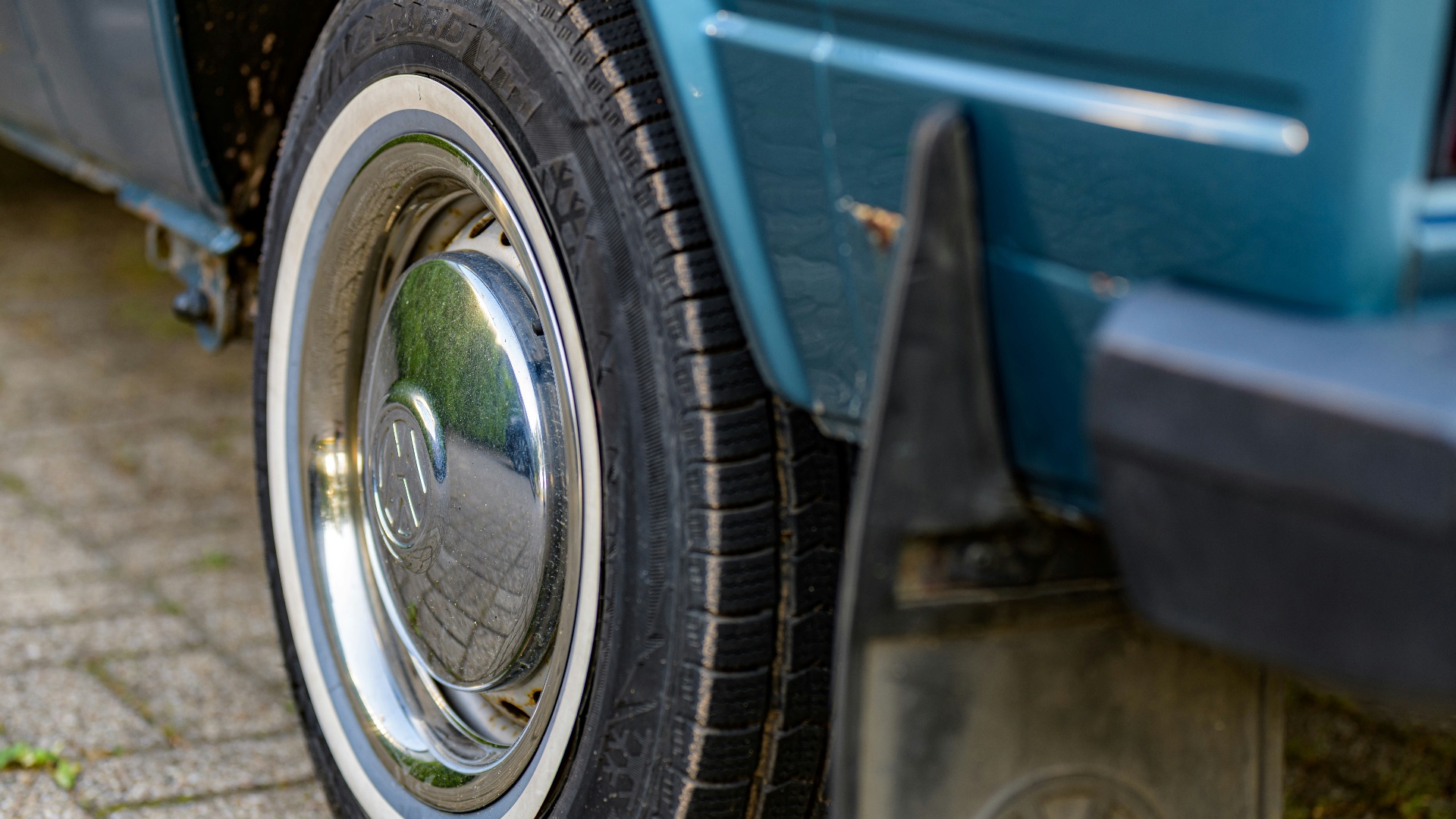
A missing hubcap can make your car look unfinished, but it’s rarely an emergency. Wheel covers are mostly cosmetic on many vehicles, though they can offer some protection from dirt and debris. You can replace one when it’s convenient, especially if the wheel itself isn’t damaged. If the loss happened after hitting a pothole or curb, inspect the tire and rim to make sure there isn’t a bigger issue.
9. Slow Power Window
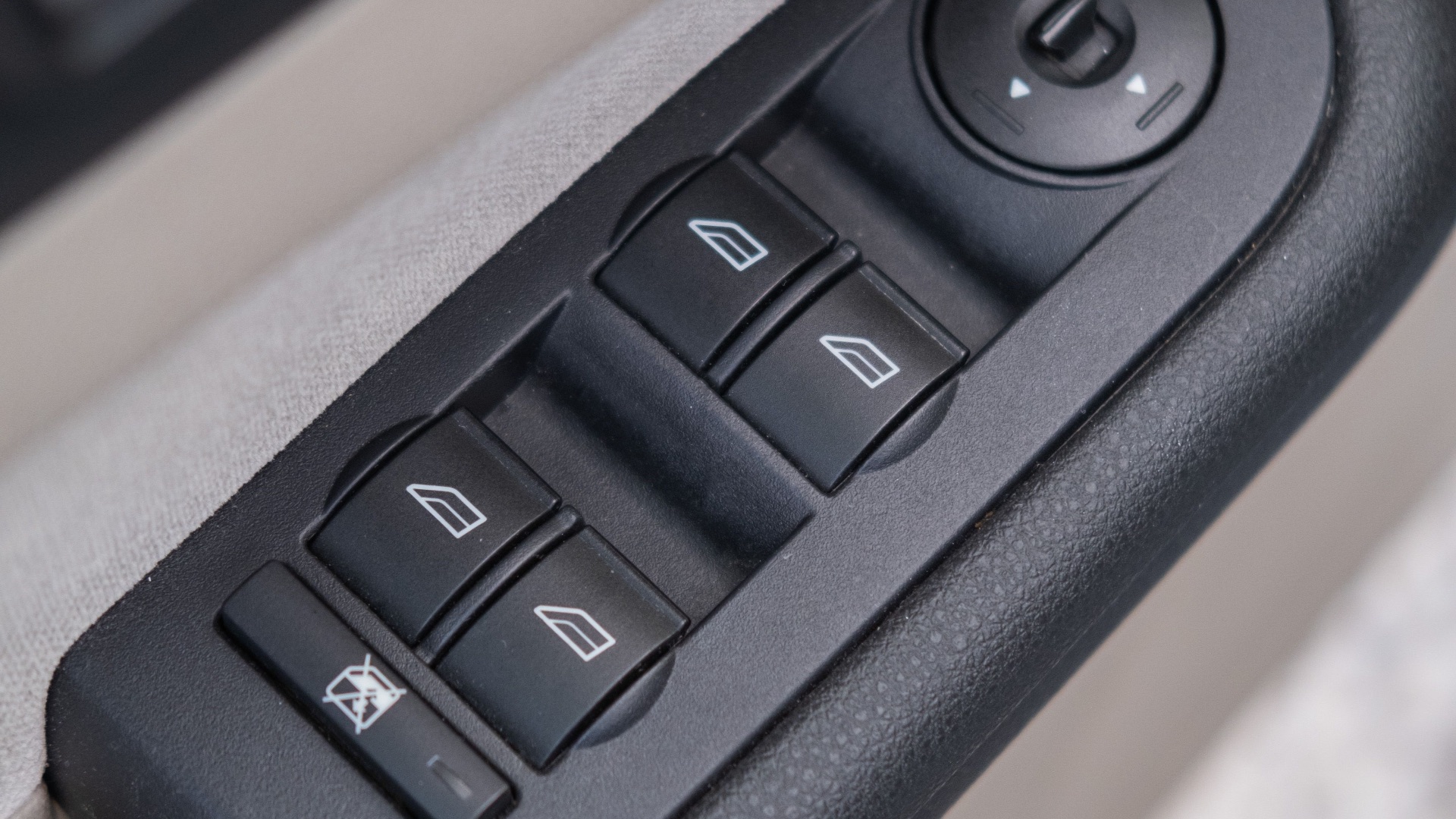
A power window that moves slowly can be frustrating, especially at drive-thrus or parking gates. It may be caused by worn tracks, a tired motor, or debris in the window channel. As long as the window still closes securely, the repair can usually wait for a planned appointment. Don’t delay too long if it starts getting stuck open, since that can create weather and security problems.
10. Slightly Worn Seat Upholstery
Cracked leather, faded fabric, or minor seat wear doesn’t usually affect the car’s performance. It can make the interior feel less polished, but it’s not something you need to fix immediately. Seat covers, conditioning products, or upholstery repairs can help when you’re ready. If the damage interferes with seatbelts, airbags, or seat adjustment, though, it becomes a safety matter instead of a cosmetic one.