Steer Clear of These Electric Money Pits
Shopping for a pre-owned electric vehicle can save you a bundle on fuel, but picking the wrong model might leave you with a massive repair bill or a car that barely makes it down the street. While the battery market has advanced rapidly, earlier iterations and certain missteps from major manufacturers have left a trail of high-depreciation lemons on used car lots. You want an EV that makes your life easier, not one that binds you to a charging station or a specialized mechanic who charges an absolute fortune.
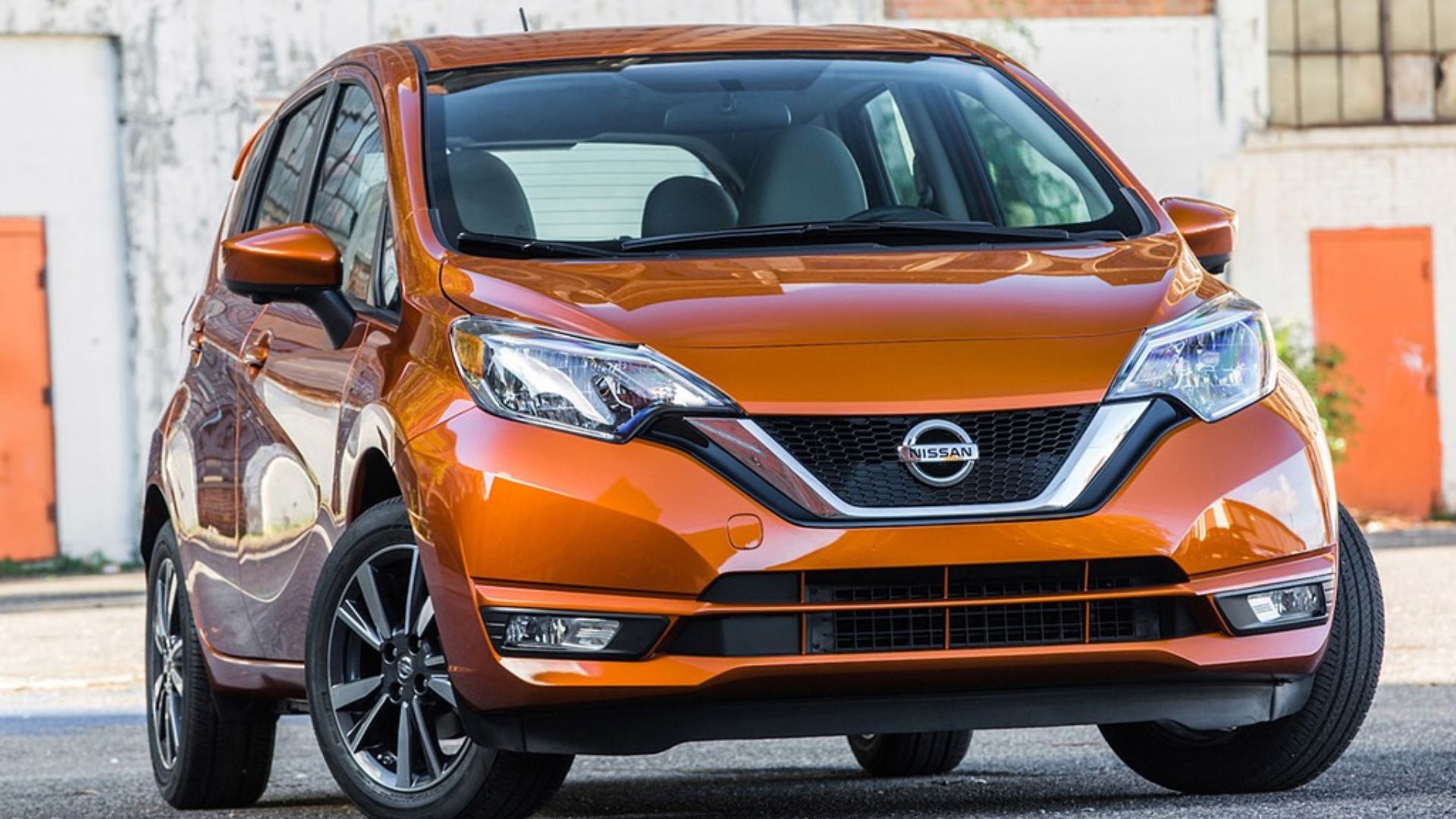
1. First-Generation Nissan Leaf
You should stay far away from early versions of this pioneering hatchback because they don't have a liquid cooling system for the battery pack. That lack of thermal management means everyday heat bakes the battery cells over time, drastically reducing your maximum driving distance. If you purchase one today, you'll likely find yourself stuck with a car that can only travel thirty or forty miles before needing a plug.
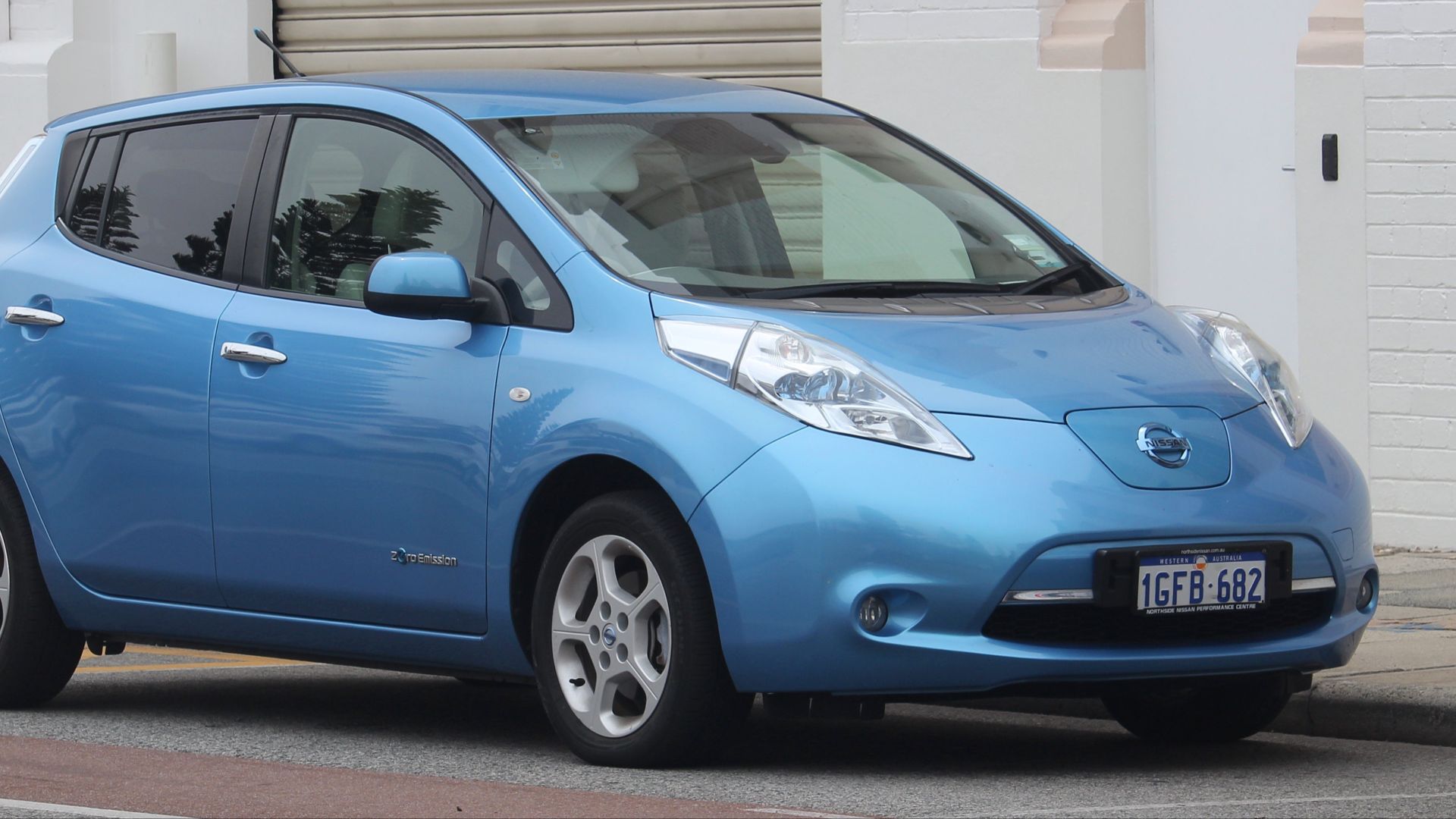
2. Early Fiat 500e Models
On paper, the Fiat 500e is adorable. However, with its single-digit range, you’ll never feel comfortable venturing too far from your charger. The hard-to-find parts and uncommon high-voltage design mean you’ll have no choice but to deal with serious electrical issues down the road.
3. Ford Focus Electric
Ford essentially crammed an electric powertrain into a traditional gas vehicle frame, which resulted in compromised trunk space and a heavy, inefficient ride. The battery capacity on these older hatchbacks degrades noticeably, leaving you with very little margin for error during winter commutes. Dealerships often struggle to service these rare models now, so you'll face lengthy wait times just to get a basic diagnostic check.
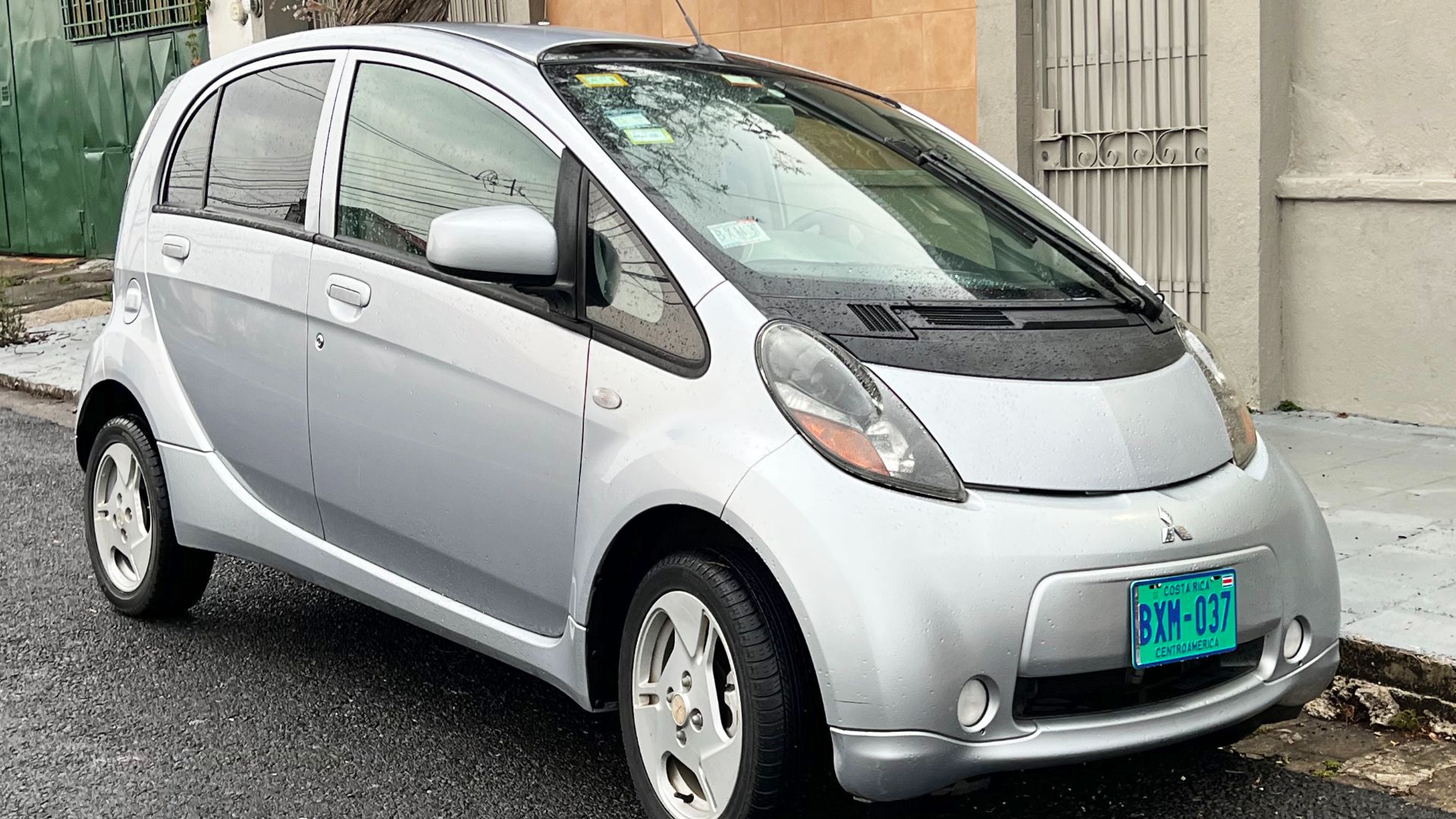
4. Mitsubishi i-MiEV
Cheap build quality is apparent from the moment you sit inside this pint-sized pod. The interior plastics are thin and flimsy, and sound insulation is basically nonexistent. As such, driving with the windows down is torture due to how much wind noise infiltrates the cabin.
 Mariordo (Mario Roberto Durán Ortiz) on Wikimedia
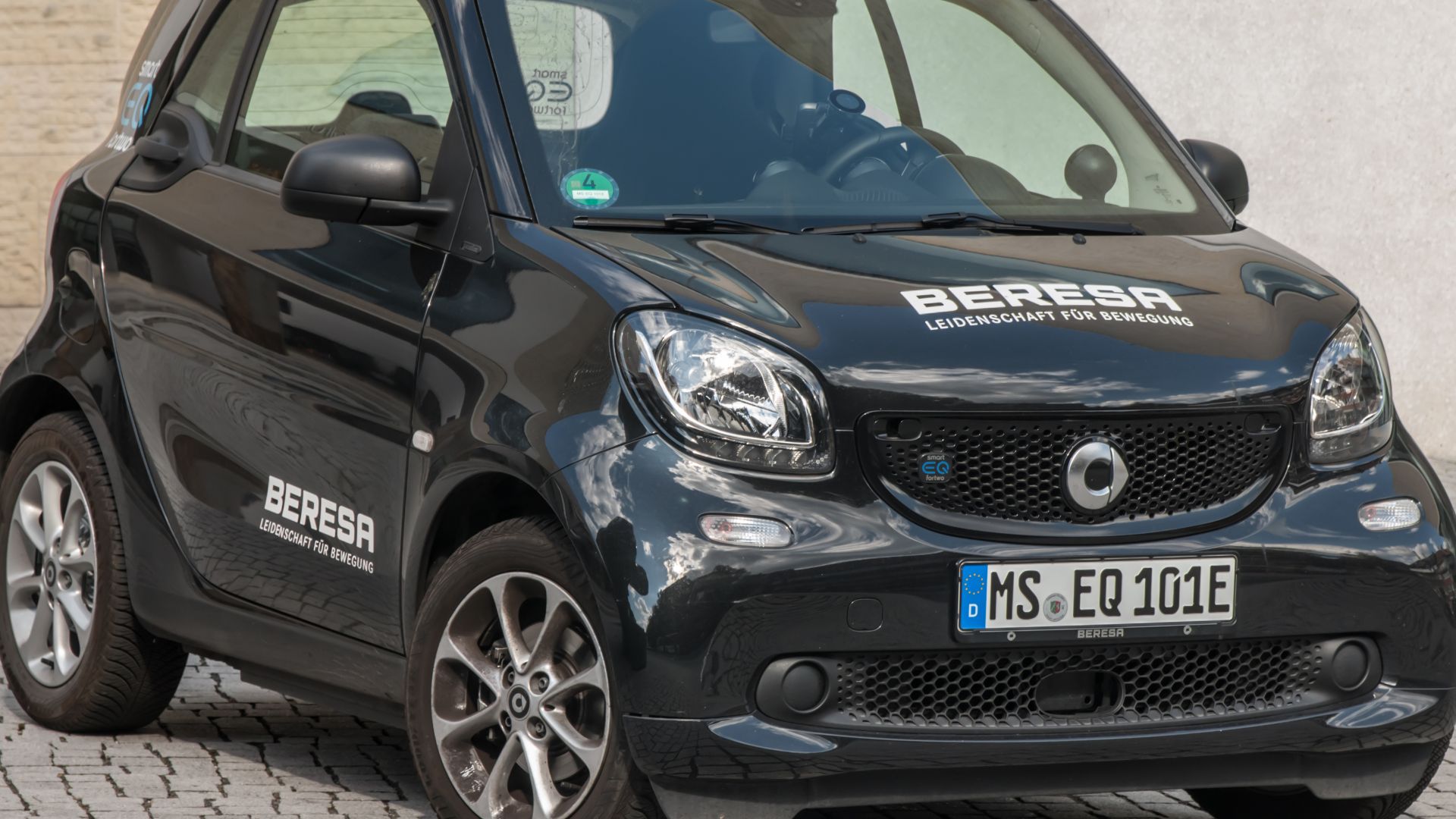
5. Smart EQ Fortwo
While parking this microscopic machine is incredibly easy in crowded cities, the minuscule battery pack offers a laughable driving distance before draining completely. You can't realistically take this vehicle on a weekend road trip because it lacks the ability to fast-charge efficiently at public stations. It serves a very narrow purpose, making it a poor investment for anyone who needs a versatile daily driver.
 Johannes Maximilian on Wikimedia
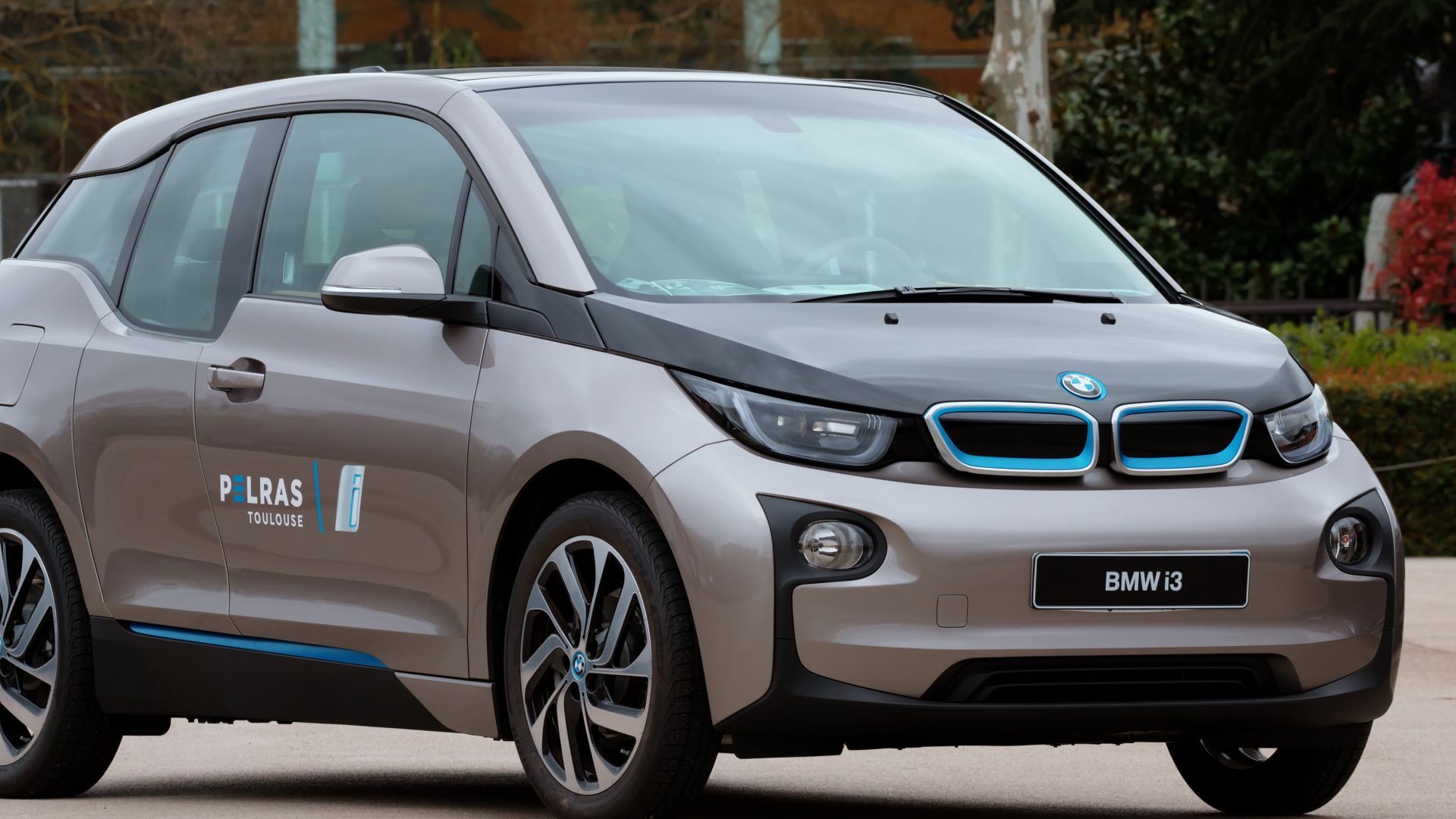
6. Early BMW i3
Installing an optional gasoline engine to generate extra electricity on demand opens you up to a slew of unnecessary mechanical problems. Although practicality certainly isn’t the i3’s strong suit, having a small range-extender engine adds complexity and hurts resale value. Maintenance and repair costs will skyrocket thanks to the i3’s bespoke carbon-fiber-reinforced body tub.
 Pierre-Selim Huard on Wikimedia
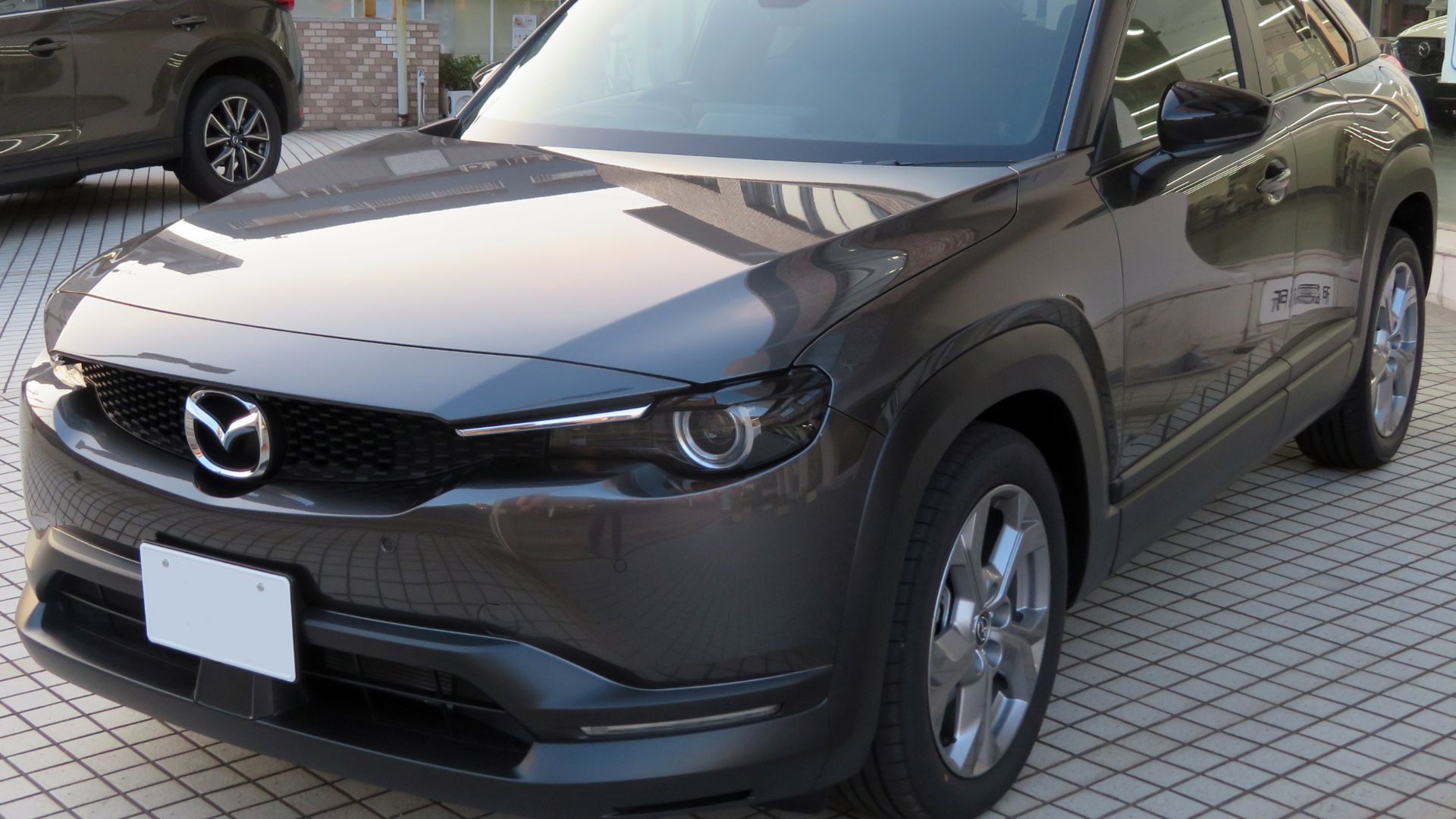
7. Mazda MX-30
Mazda released this model with a hundred-mile maximum range, which wasn't acceptable for a modern vehicle hitting the market. You'll find that the rear suicide doors are highly impractical for daily family duties since you must open the front doors first. It depreciated rapidly for good reason, and buying one used means accepting a frustratingly limited driving radius.
 Tokumeigakarinoaoshima on Wikimedia
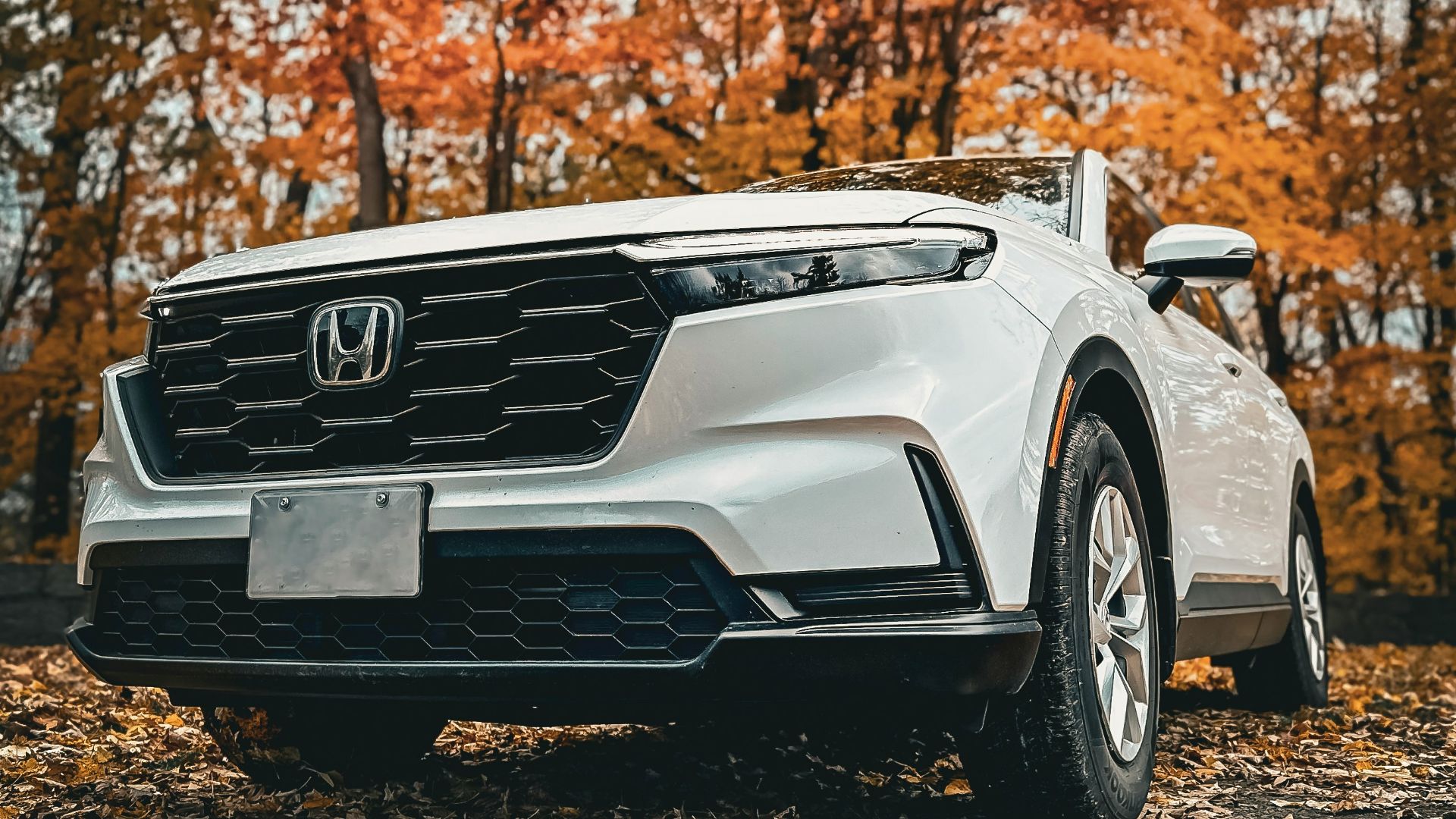
8. Honda Clarity Electric
Due to Honda’s decision to lease the Honda Clarity Electric only to customers in select states, you will have a hard time finding qualified technicians to fix your new toy. With only 89 miles of total range, you’ll constantly find yourself wanting more miles just to run that extra errand.
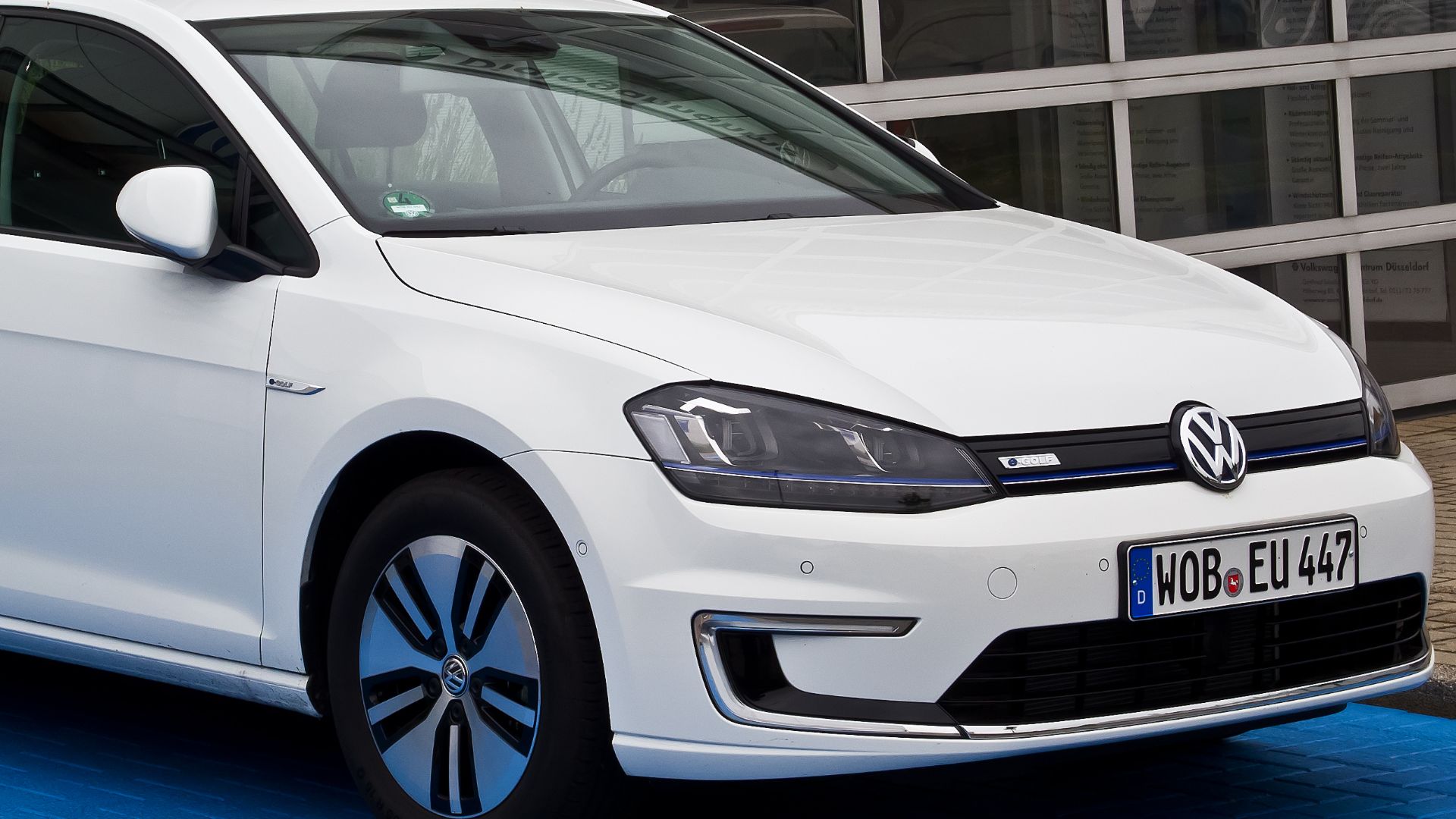
9. Early Volkswagen e-Golf Models
The earliest versions of this electric hatchback don't come with DC fast-charging capabilities as a standard feature, which forces you into agonizingly long wait times at public plugs. Because the battery depends entirely on air cooling, the overall health of the pack declines swiftly in warmer climates. You'll find much better alternatives that offer double the distance for the exact same price point.
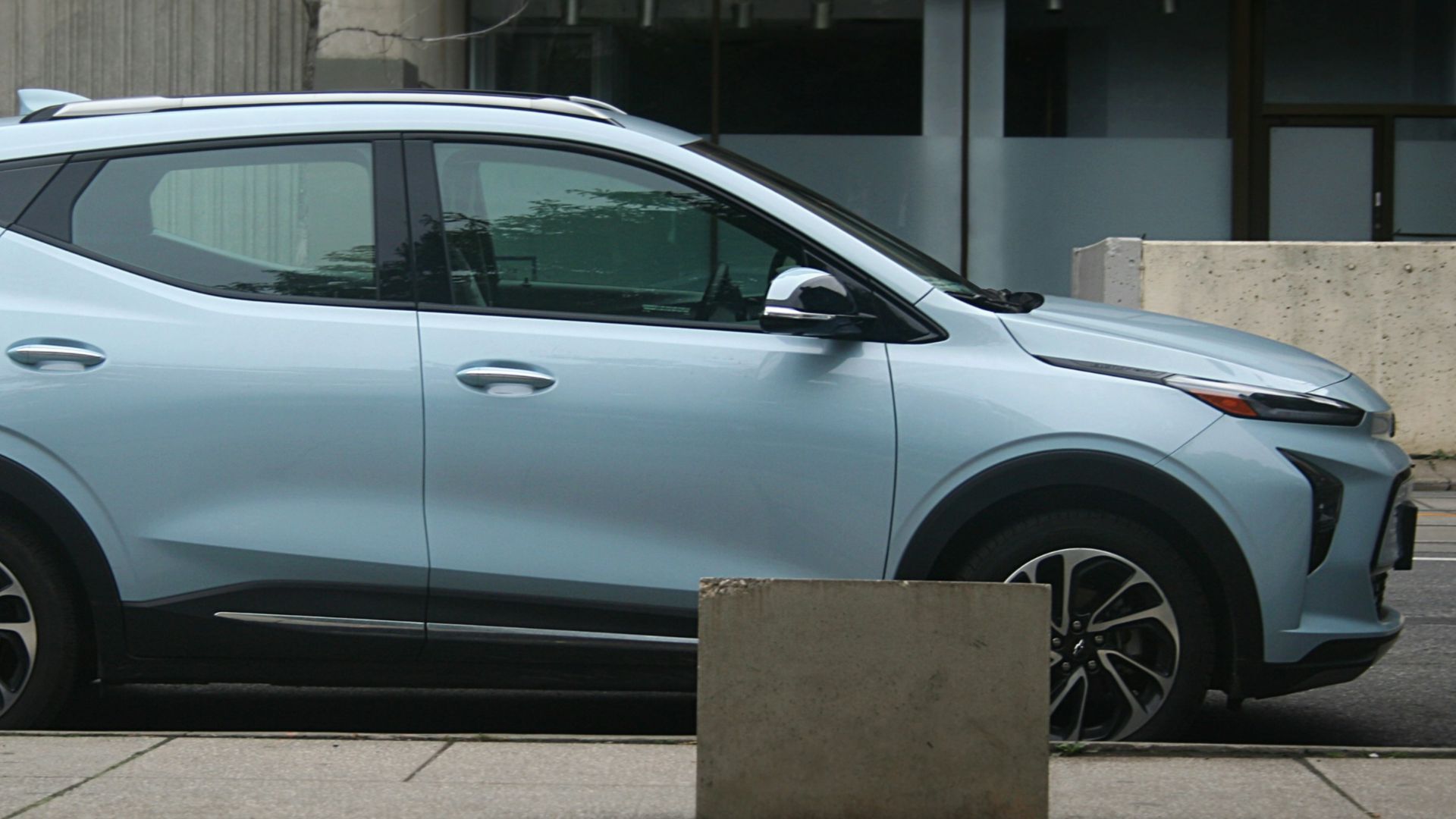
10. Chevrolet Bolt EV
Though these hatchbacks offer impressive range for the price, early model years were plagued by a massive battery fire recall that required total pack replacements. Even if the previous owner completed the recall work, you're still stuck with an outdated charging architecture that caps fast-charging speeds at a slow fifty kilowatts. That means you'll spend way too much time waiting around at highway charging plazas.
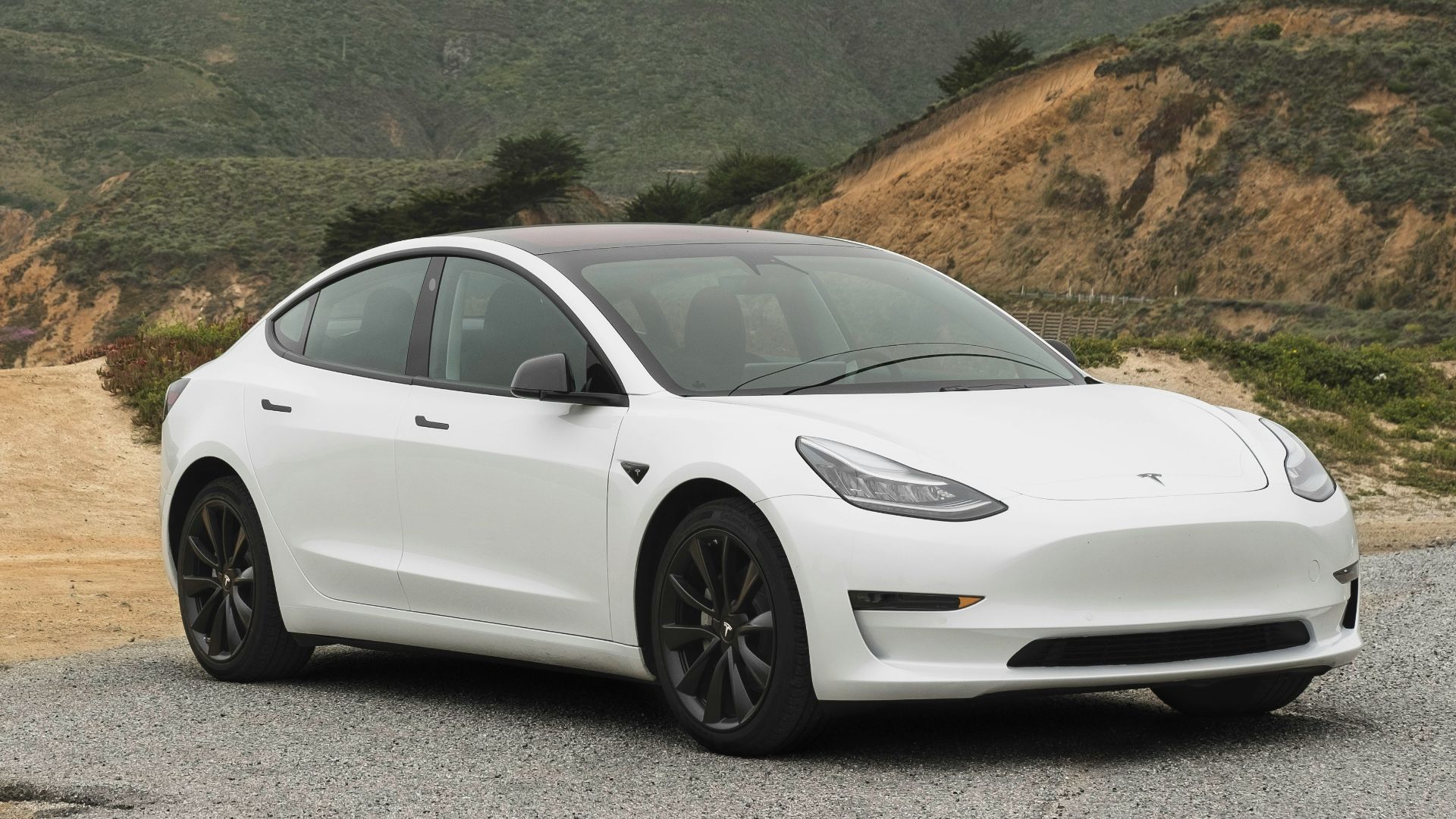
11. Early Tesla Model S
Many used Teslas will catch your eye because they’re dramatically cheaper than brand-new Model S sedans. While they provide incredible value at first glance, these older versions are prone to expensive problems like spontaneously losing the use of their motorized doors and experiencing main screen blackouts. Eventually, all batteries lose capacity.
12. Early Tesla Model X
The complex falcon-wing doors are notorious for sensor glitches that can leave you trapped outside or unable to close your car properly in a rainstorm. Front suspension components tend to wear out prematurely due to the immense weight of the vehicle, resulting in noisy and expensive repairs. You'll also face shockingly high insurance premiums because body panels are notoriously difficult to source and repair.
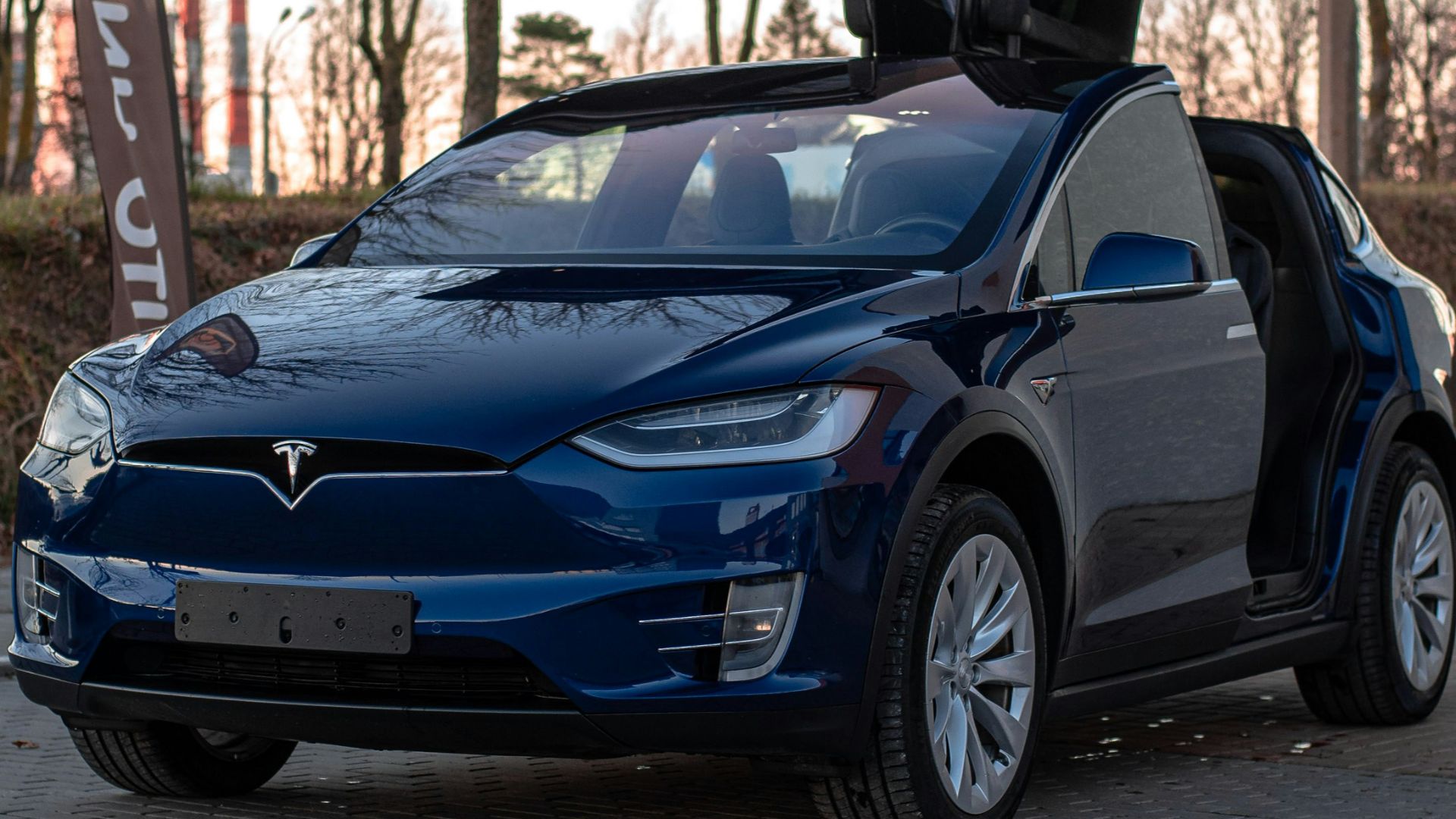
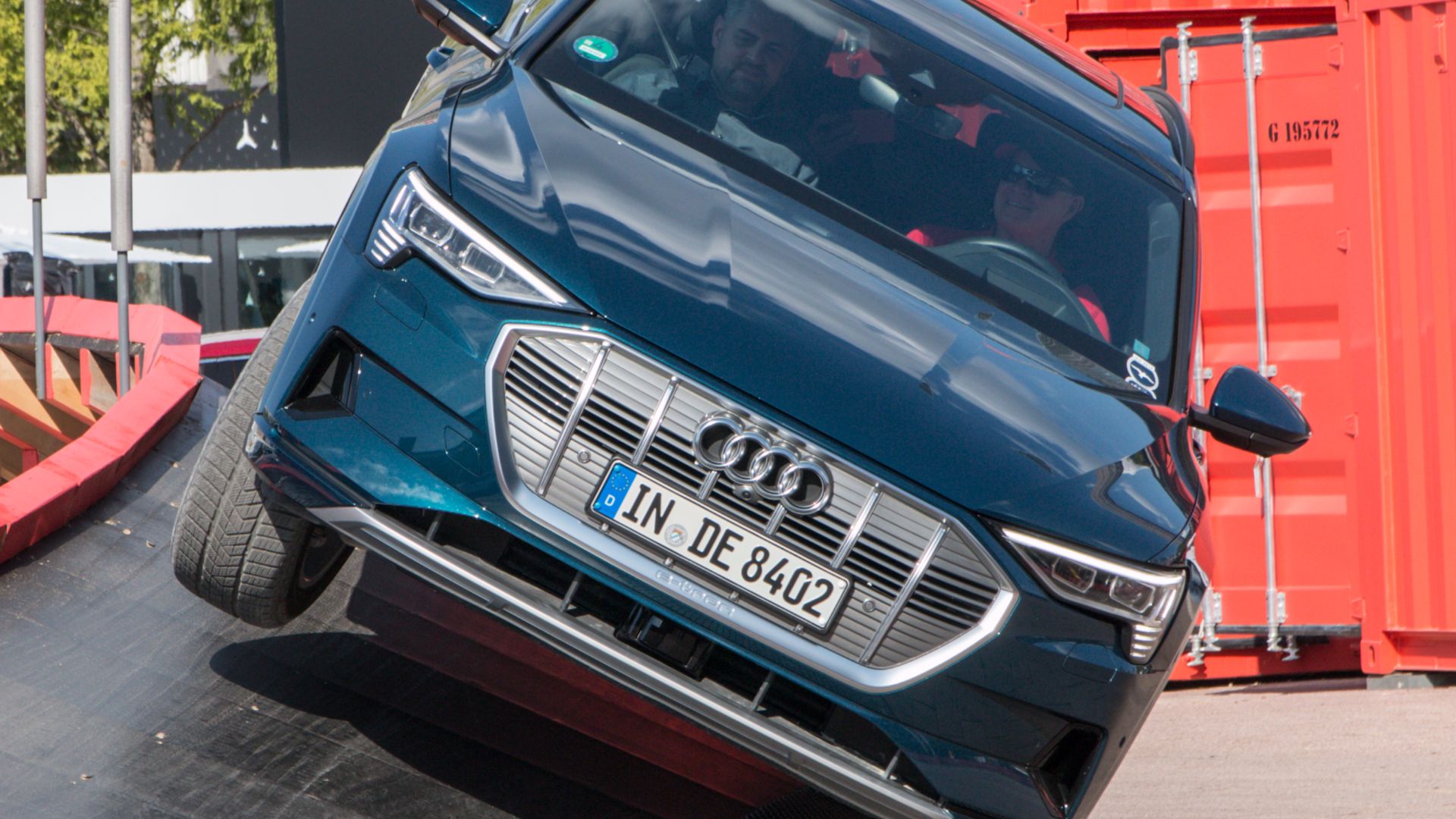
13. 2019 Audi e-tron
Yes, even your premium German electric SUV isn’t safe from used car-buying woes. Almost immediately after release, owners started noticing coolant leaking directly into their electric motors. Replacing an entire motor will set you back five figures, if you’re lucky enough to be under warranty.
 Johannes Maximilian on Wikimedia
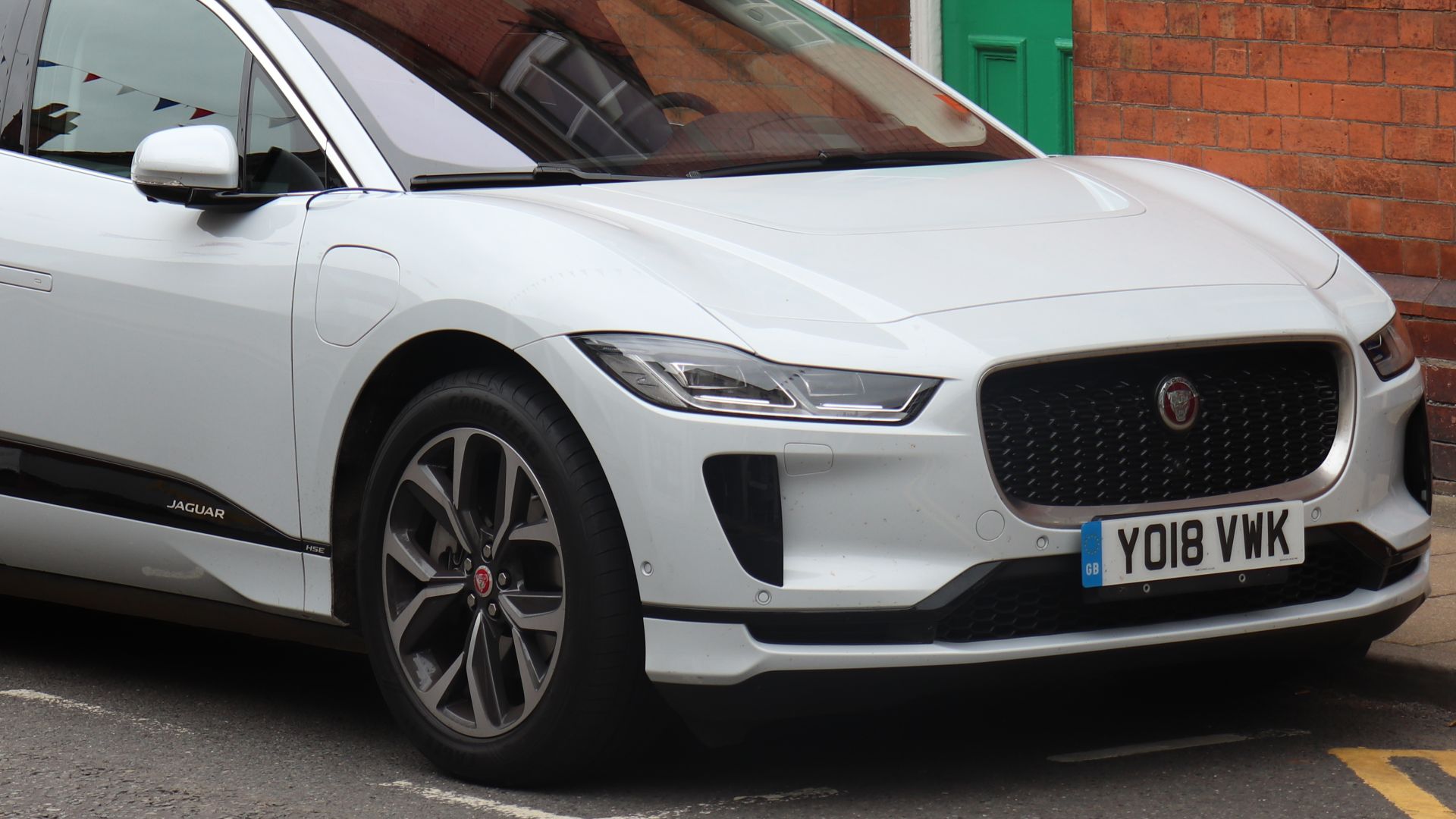
14. Jaguar I-Pace
Jaguar struggled with battery management software issues that ultimately led to several thermal runaway recalls and fire hazards. The infotainment system operates at a painfully slow pace, which can make navigating simple menus incredibly frustrating while you drive. With the brand shifting its overall strategy, finding dealership support for this low-volume crossover is becoming increasingly difficult.
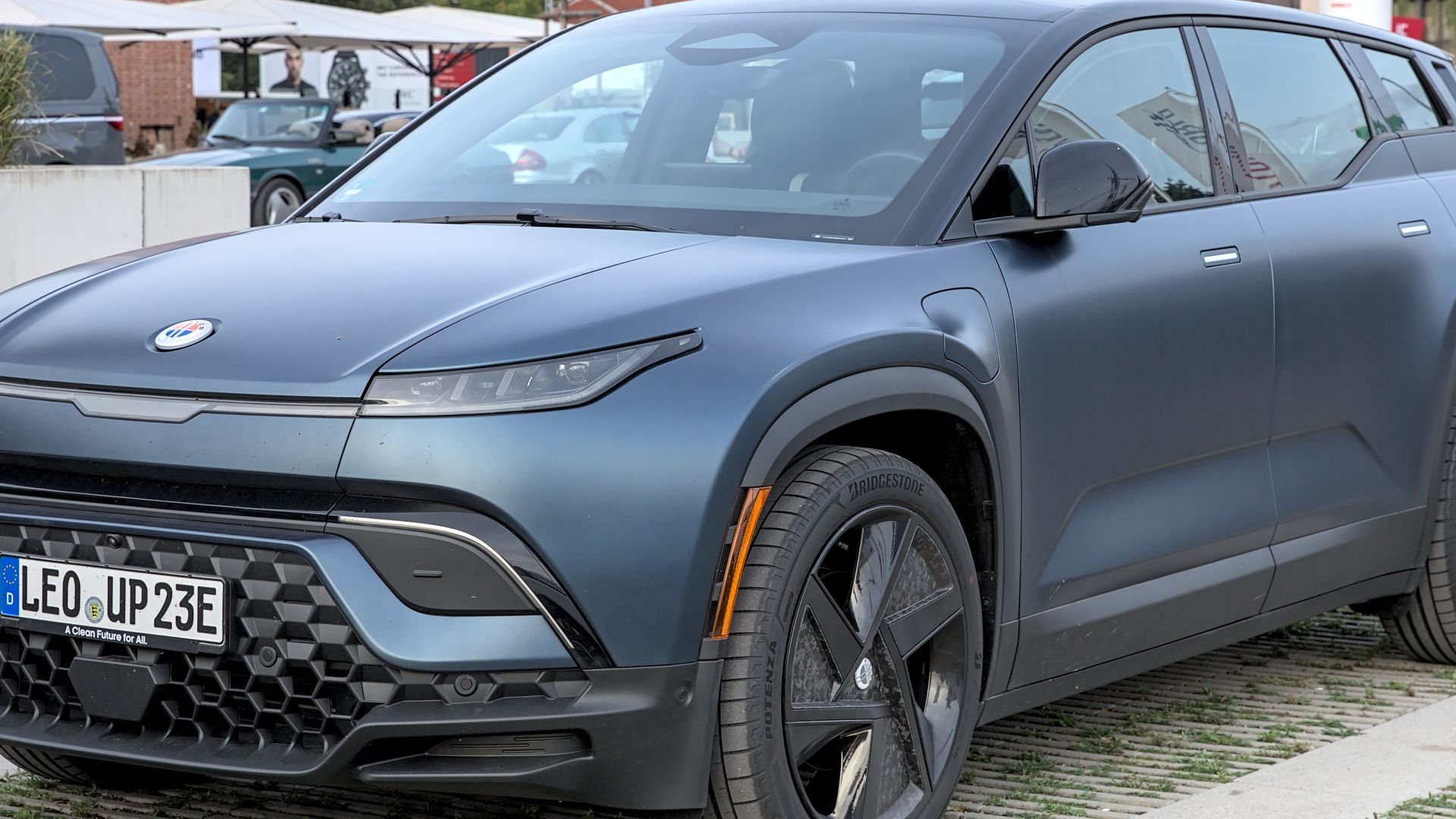
15. Fisker Ocean
When you purchase one of these beautiful EVs from an already bankrupt company, you’re gambling with your hard-earned cash. No factory support means menu glitches you can’t get fixed, and unrelated issues may cause your car to stop working completely.
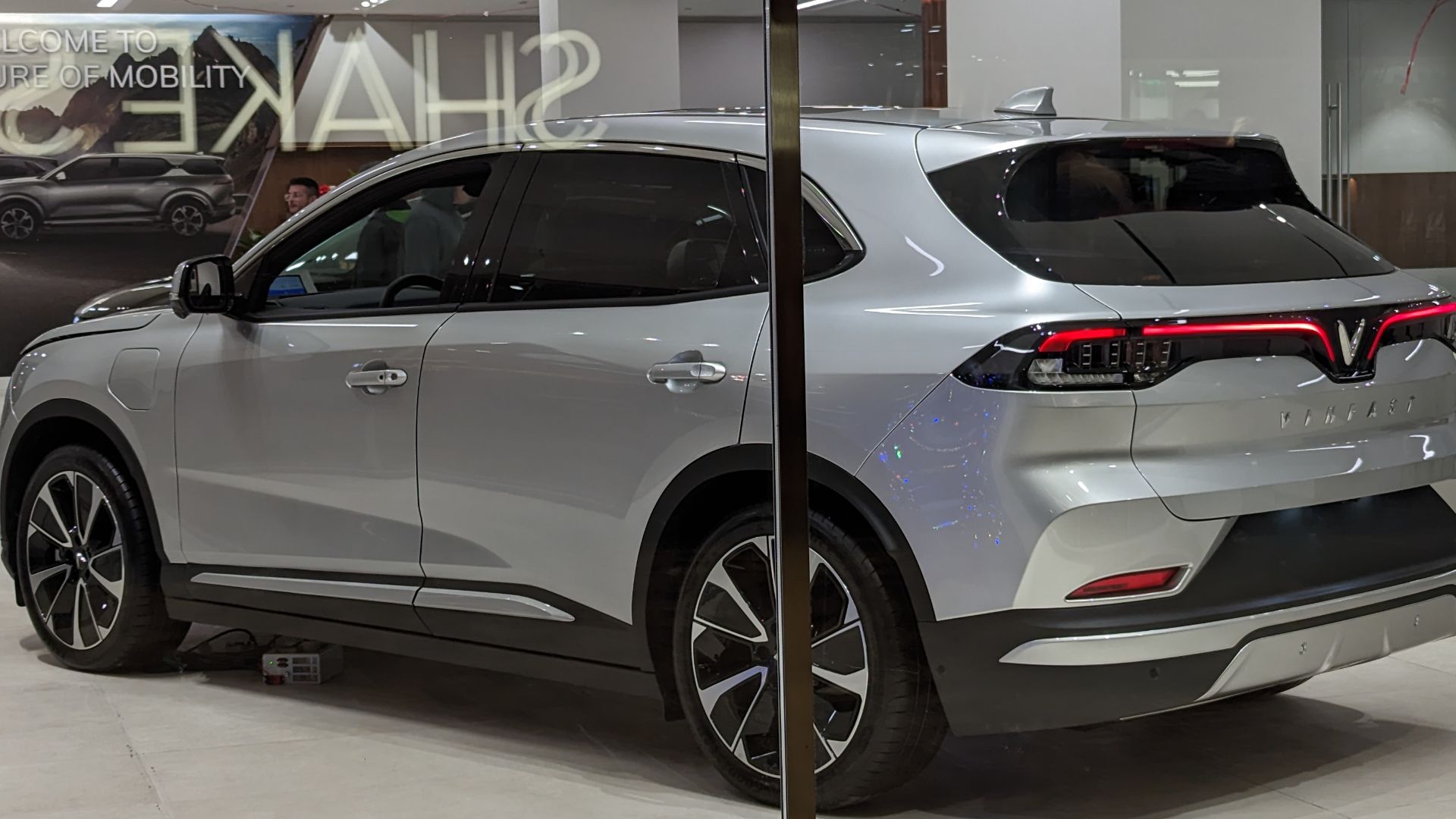
16. VinFast VF8
Early adopters faced a barrage of critical software errors that caused erratic behavior in the advanced driver-assistance systems and sudden power losses. The ride quality feels bouncy and unrefined, which makes long trips uncomfortable for everyone riding in the cabin. It's wiser to let this young brand mature before you consider putting one of its early attempts in your garage.
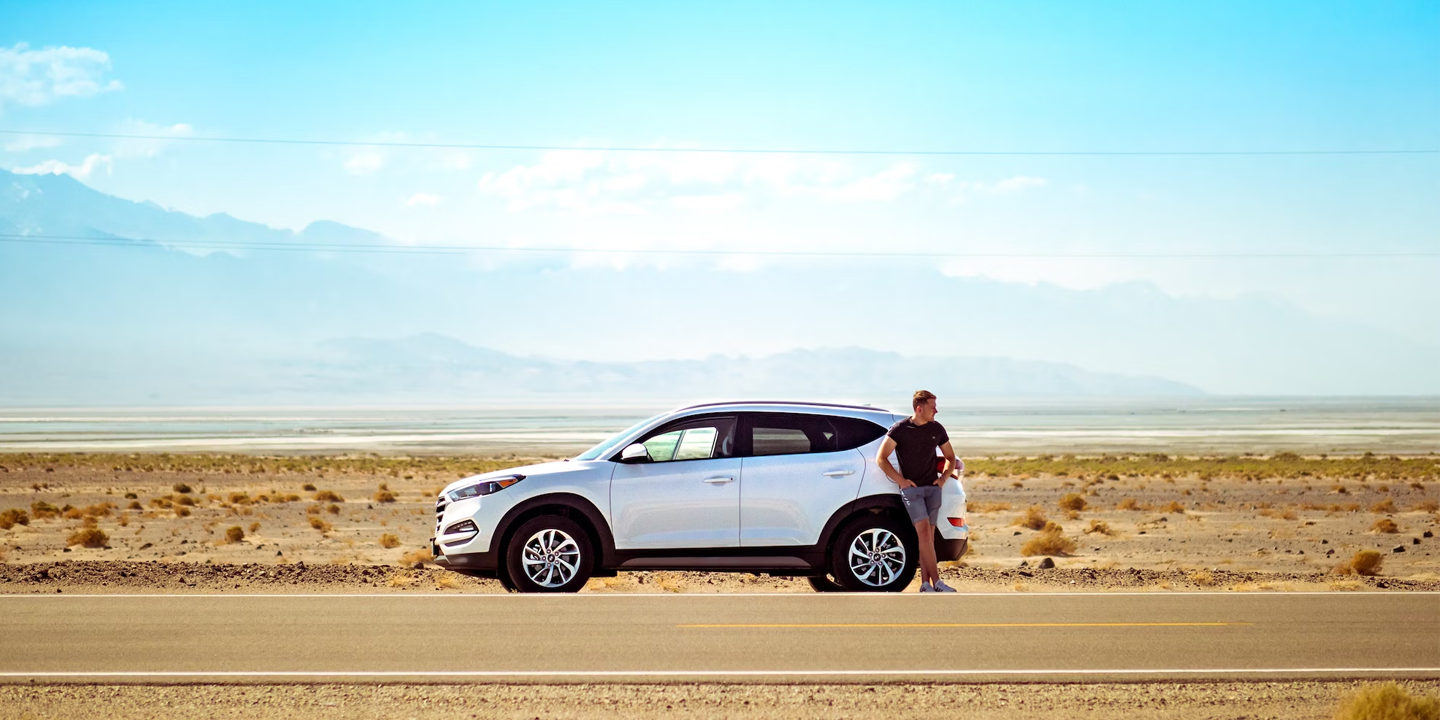
17. Early Hyundai Kona Electric
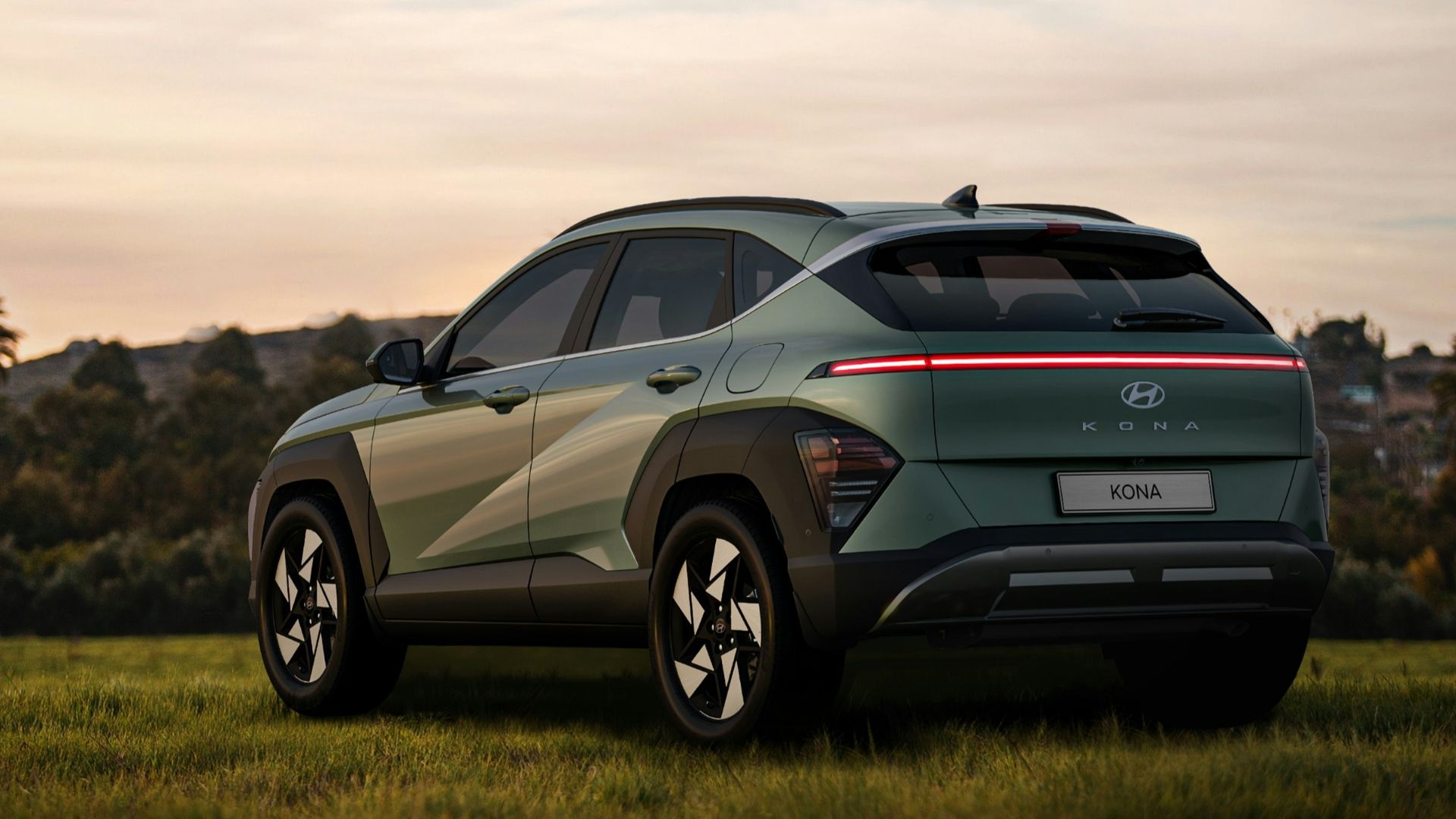
Kona EVs sold in the United States suffered from defective batteries that caught fire while charging. Although Hyundai replaced every affected battery pack free of charge, the interior is simply unpleasant to sit in during your commute. Everything from the dash buttons to the doors rattles incessantly when driving on highways.
 Hyundai Motor Group on Unsplash
18. Hyundai Ioniq Sedan
The small battery pack inside this older sedan delivers a very humble driving range that fails to keep up with modern commuter expectations. It uses an older charging standard that will limit your options as public networks upgrade their equipment over the next few years. You'll find that the cabin space feels cramped, especially if you try to fit adults in the rear seats.

19. Early Rivian R1T Pickups
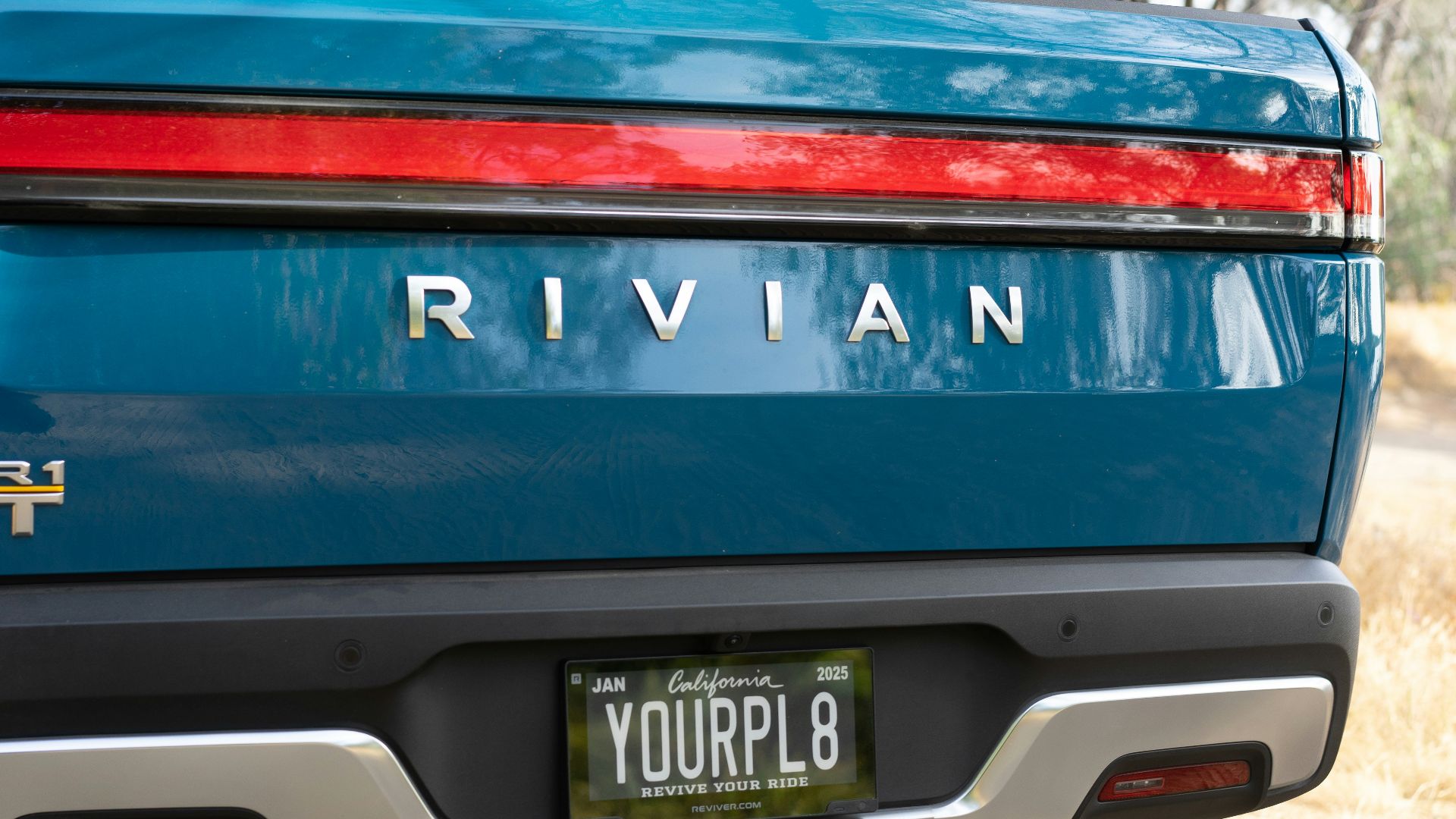
Launching trucks during a global semiconductor shortage was certainly questionable. Early trucks suffered from issues ranging from poorly aligned body panels to unforgiving wind noise. At best, your repair bills will be expensive due to limited service availability.
 Clayton Cardinalli on Unsplash
20. Launch Year Volkswagen ID.4
The debut model year of this electric crossover is infamous for an incredibly laggy infotainment setup that frequently crashes or goes completely dark. Touch-sensitive sliders on the dashboard lack backlighting, making it nearly impossible to adjust your temperature settings safely at night. Frequent software recalls mean you'll likely spend too much time visiting the dealership service bay for system updates.