Nostalgia Meets Reality
Classic cars have a way of pulling at your heartstrings, especially when they remind you of retro films, vintage posters you probably still hang up, or memories from your childhood. The problem, however, is that nostalgia doesn’t pay repair bills or make outdated engineering feel modern. As values shift and expectations change, some once-loved models just don’t make the cut anymore; unless, of course, you’re buying purely for sentiment. Here are 20 classic cars that will only cause more trouble than they're worth.
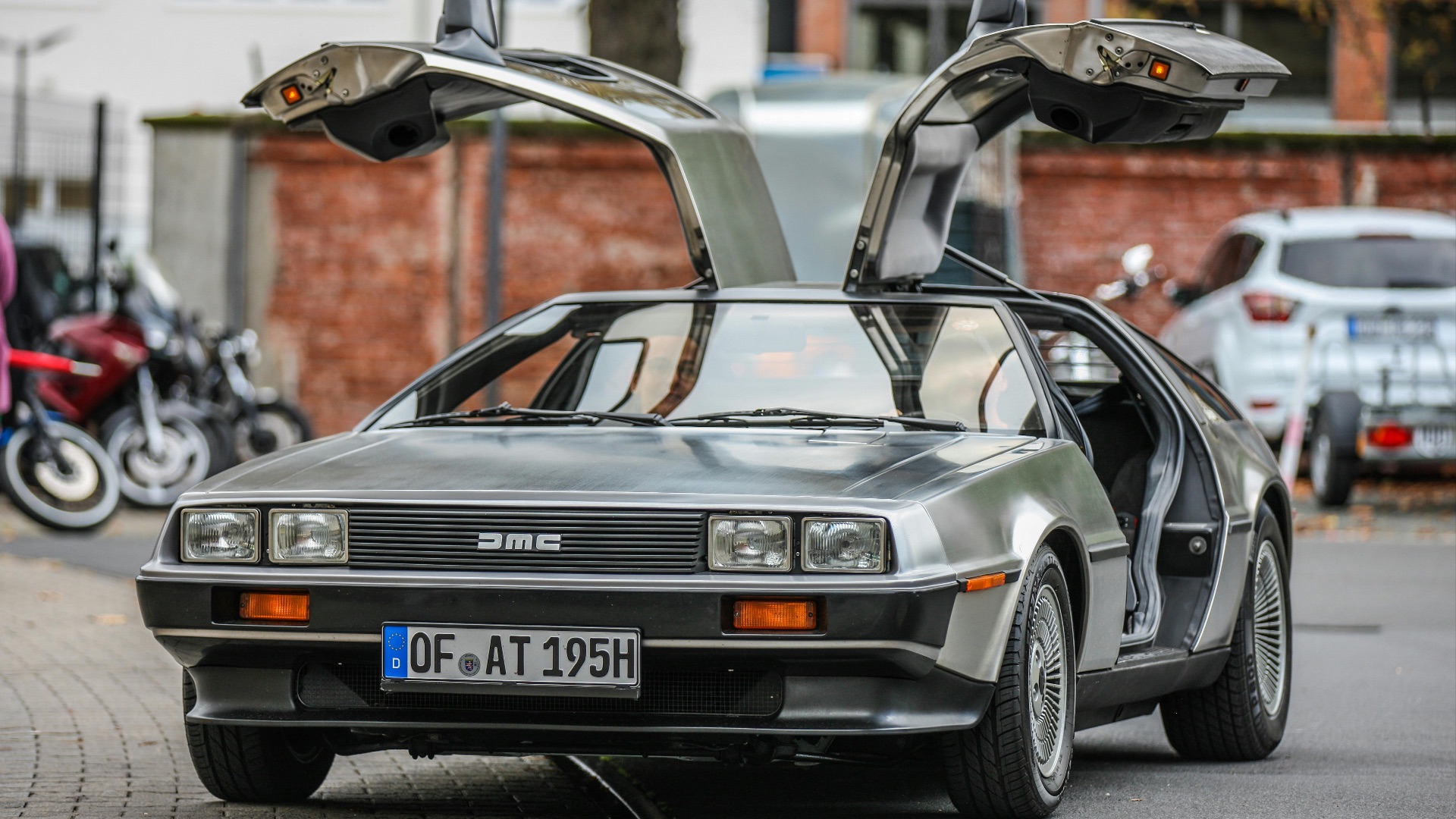
1. DeLorean DMC-12
The DeLorean still feels iconic thanks to its stainless-steel body and undeniable pop culture fame. Once you’re behind the wheel, though, the sluggish performance and fragile mechanicals make it clear this car is more about style than substance. You’re essentially paying for something that won't hold up today, and probably won't hold up for long.
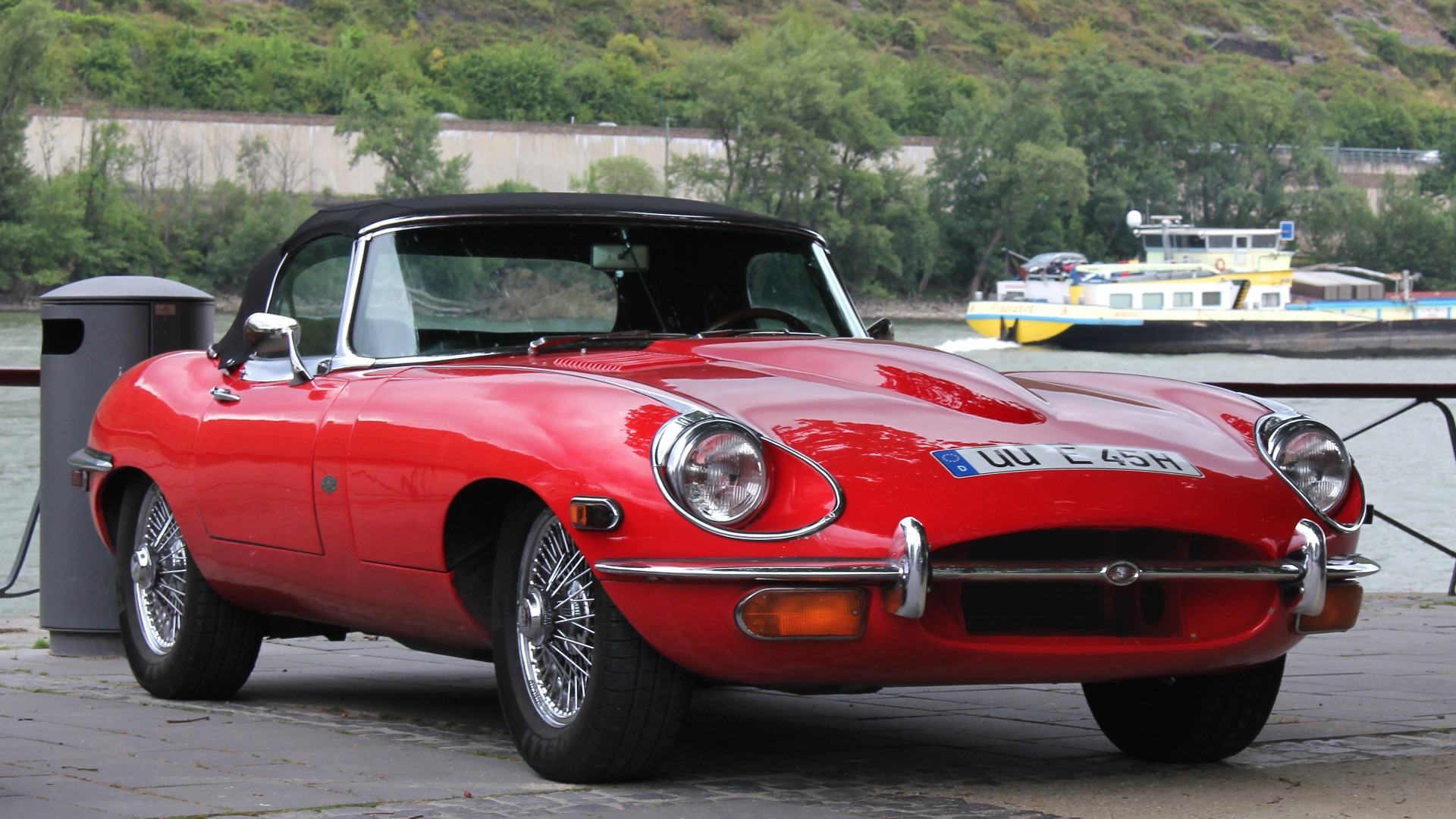
2. Jaguar E-Type
Few classics are as universally admired as the E-Type, and it earns every compliment for its looks alone. The trouble, however, begins when ownership sets in, as reliability issues and finicky electronics mean it demands constant, painstaking attention. While it's a car that’s breathtaking to admire, unless you enjoy constant tinkering, this beauty can get exhausting to live with.
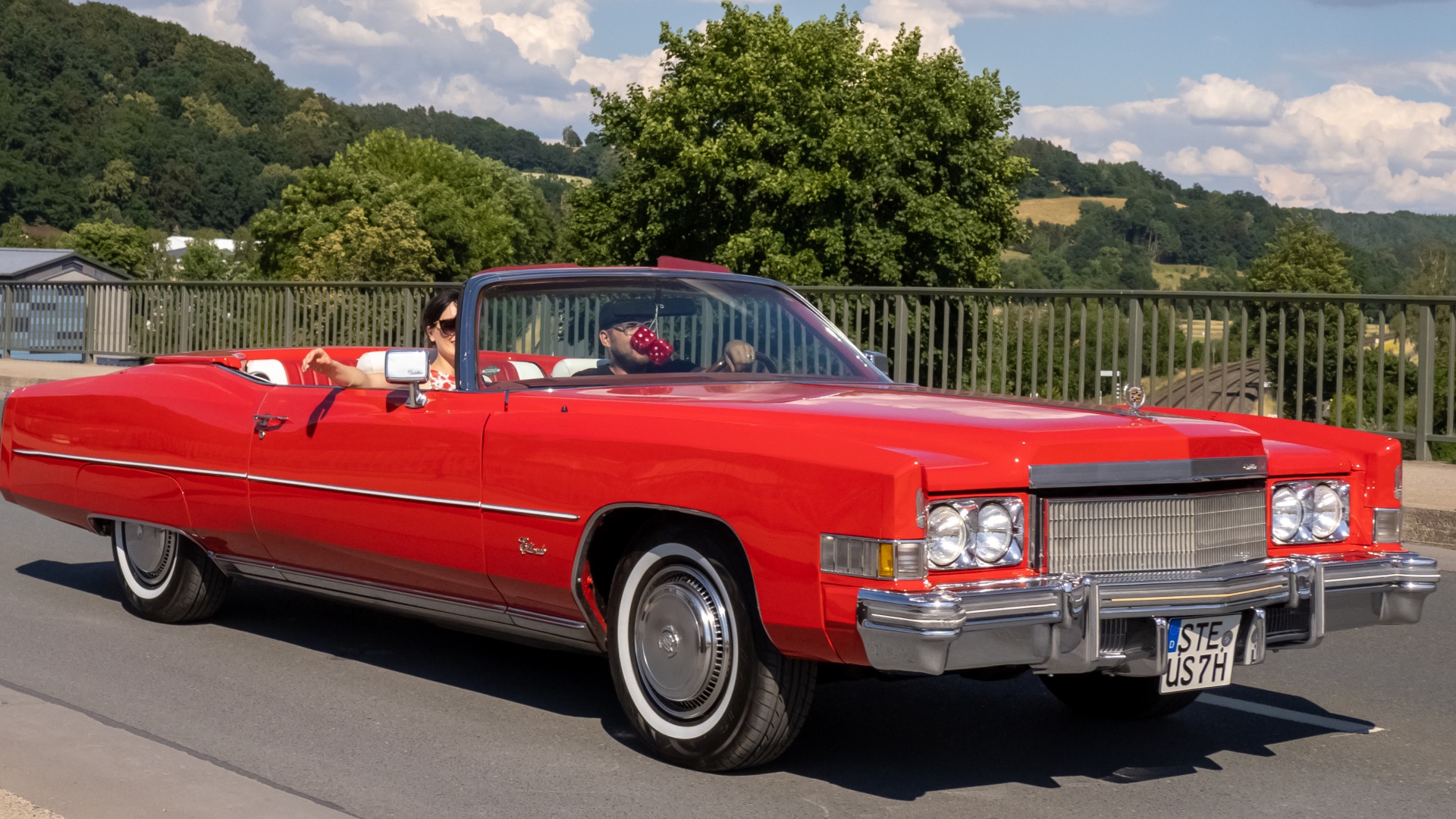
3. Cadillac Eldorado (1970s)
Big, bold, and unapologetically American, the Eldorado screams luxury from another era. Unfortunately, that size comes with thirsty engines, floaty handling, and technology that hasn’t aged gracefully. And trust us: you’ll feel its size everywhere you go, from the gas station to the parking lot.
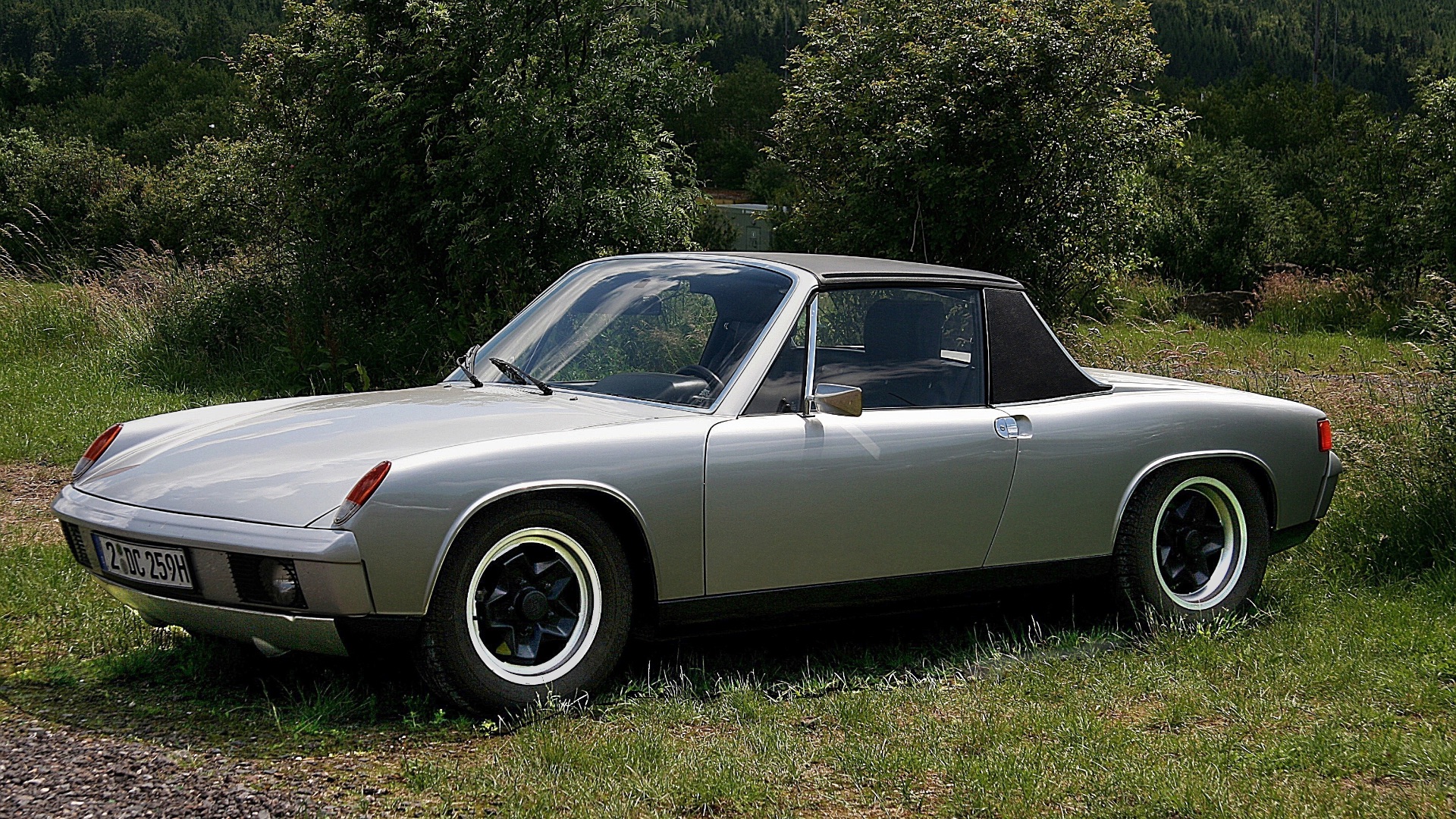
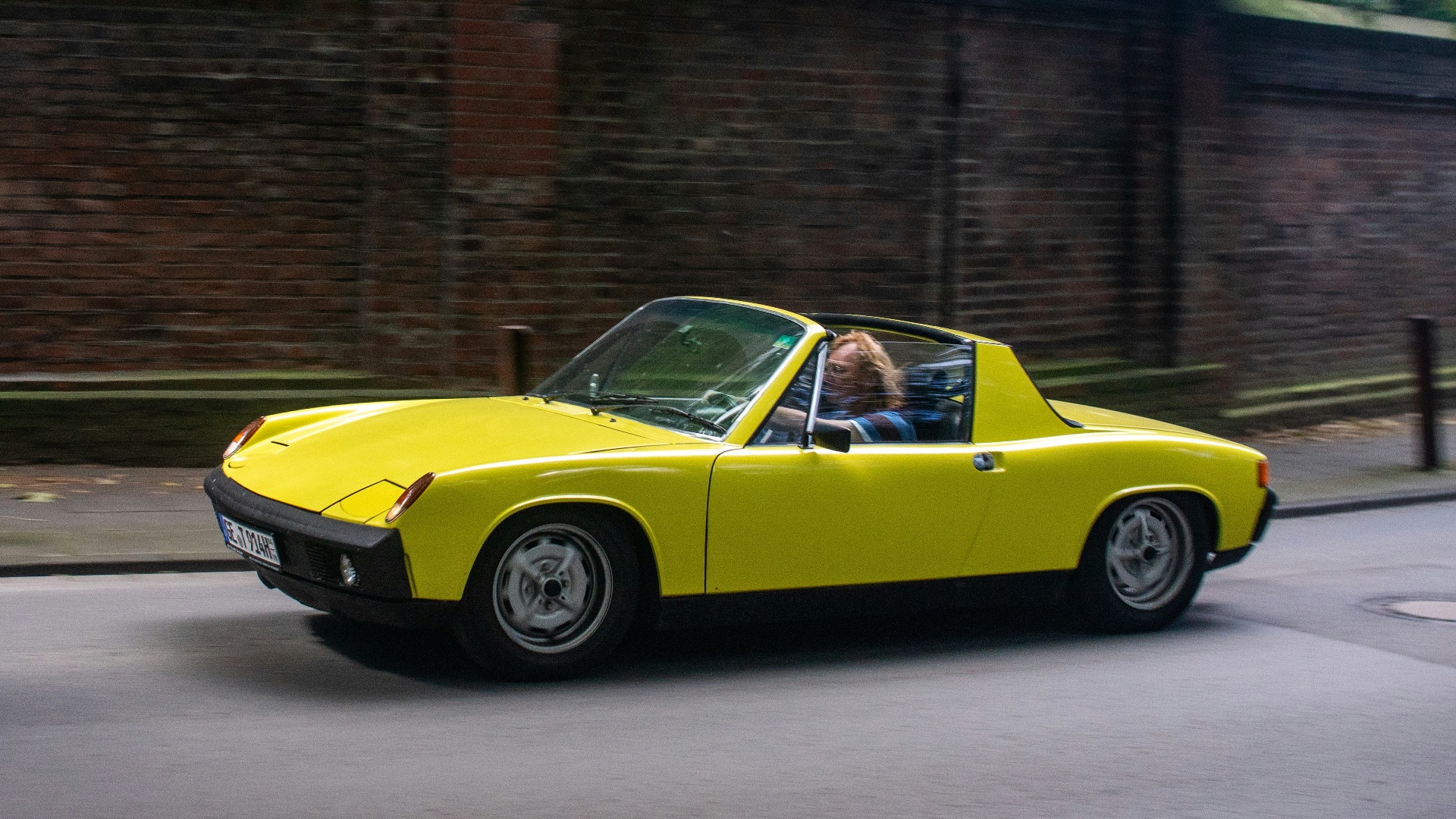
4. Porsche 914
Once considered an affordable way into Porsche ownership, the 914 has since lost that charming appeal. Prices have climbed while performance and interior quality haven’t kept up, making it feel very much like an entry-level Porsche, and a compromise that no longer saves you money.
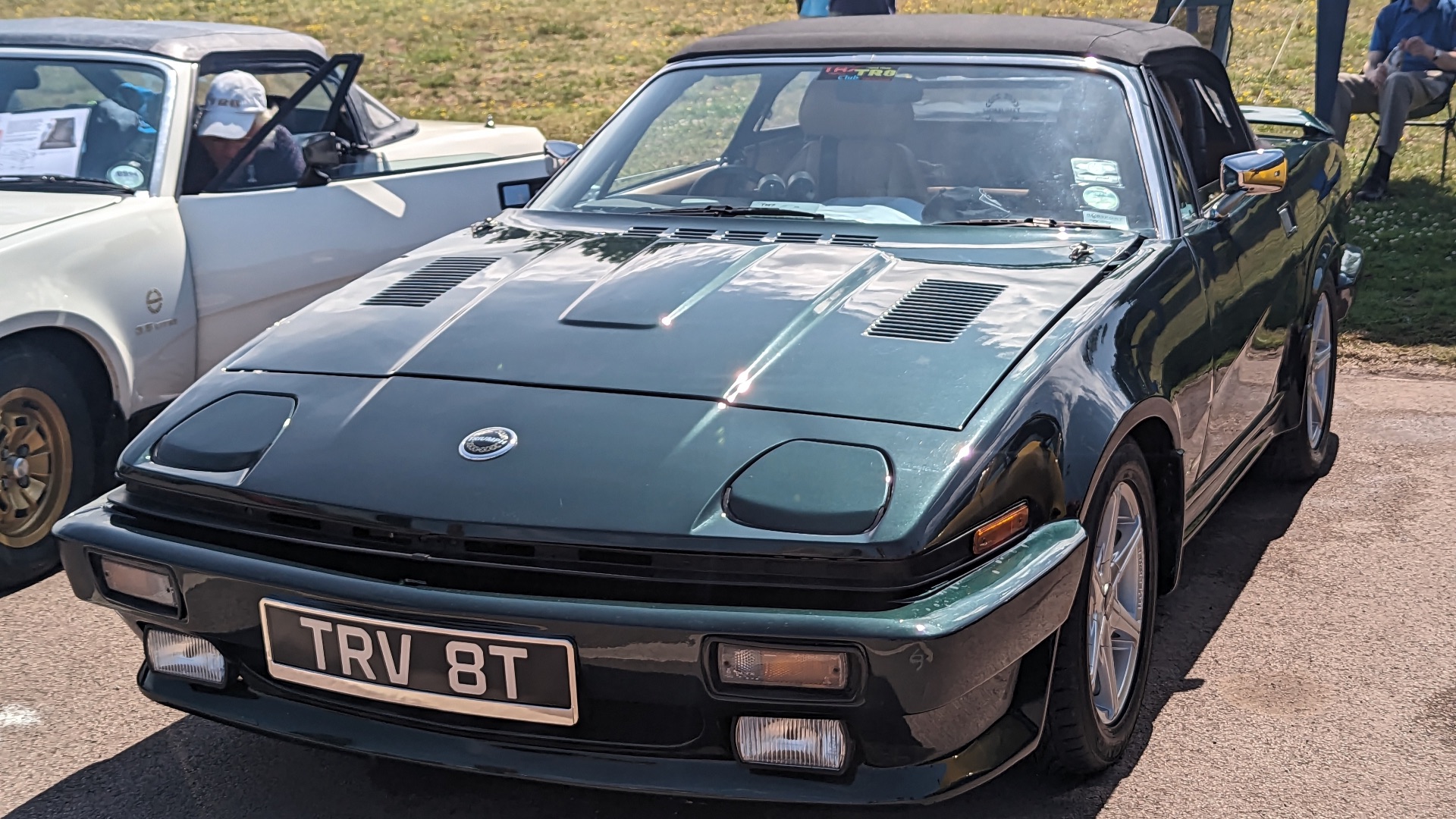
5. Triumph TR7
When the TR7 debuted, its sharp wedge design looked strikingly futuristic and daring. Over time, that styling hasn’t aged as well as Triumph may have hoped, and reliability problems remain a constant concern. Owning one today requires a level of patience that often outweighs the enjoyment, which can be disappointing.
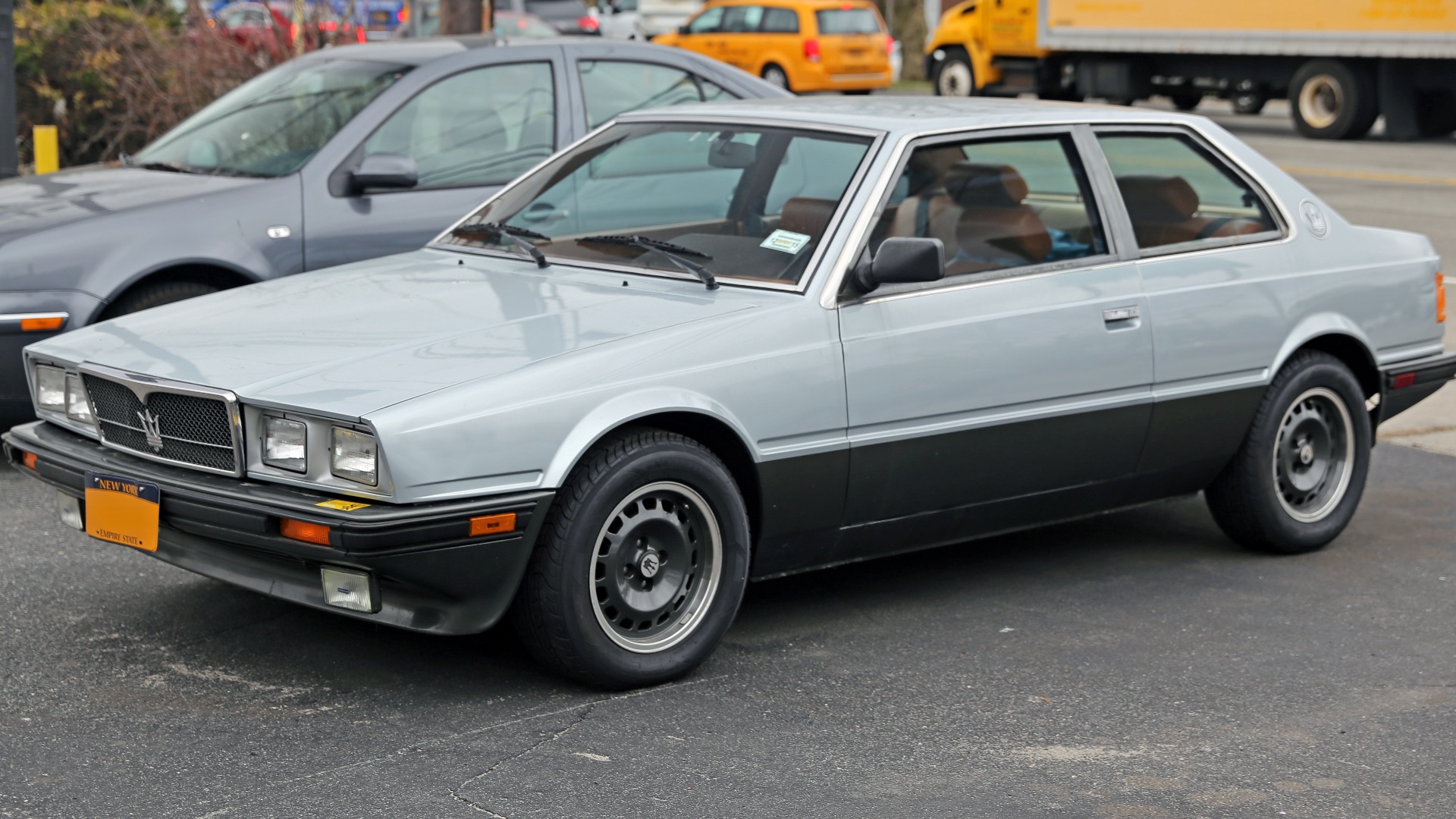
6. Maserati Biturbo
At first glance, the Biturbo seems like an affordable way to own something exotic and Italian. Dig a little deeper, though, and you’ll find inconsistent build quality paired with maintenance costs that add up and add up fast. The low purchase price rarely reflects what you’ll spend keeping it on the road.
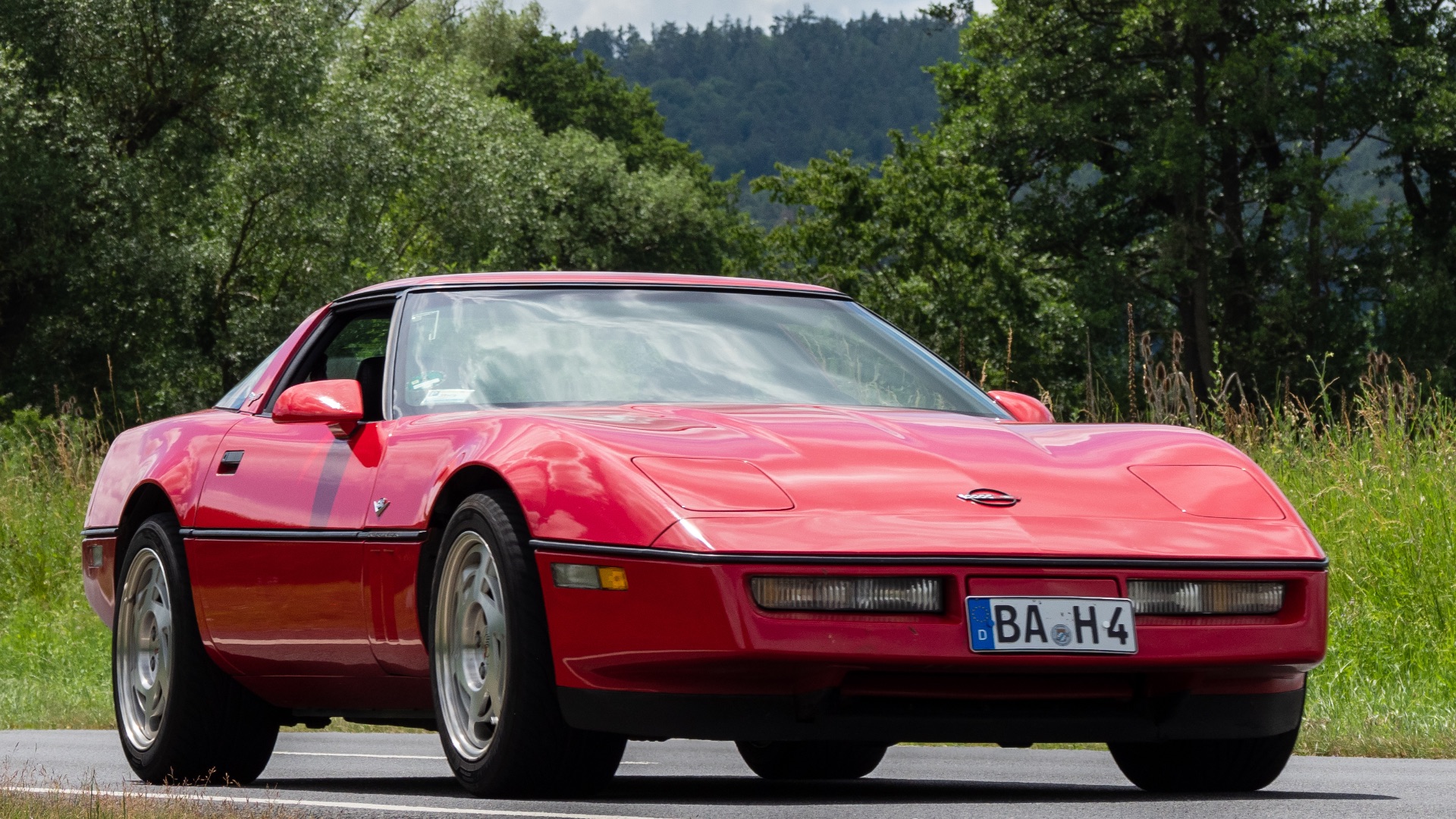
7. Chevrolet Corvette C4
The C4 marked a big step forward for Corvette, but unfortunately, time hasn’t been kind to it. Interior materials age poorly, and early electronics can be incredibly frustrating to deal with. There are better ways to get classic performance without the headaches.
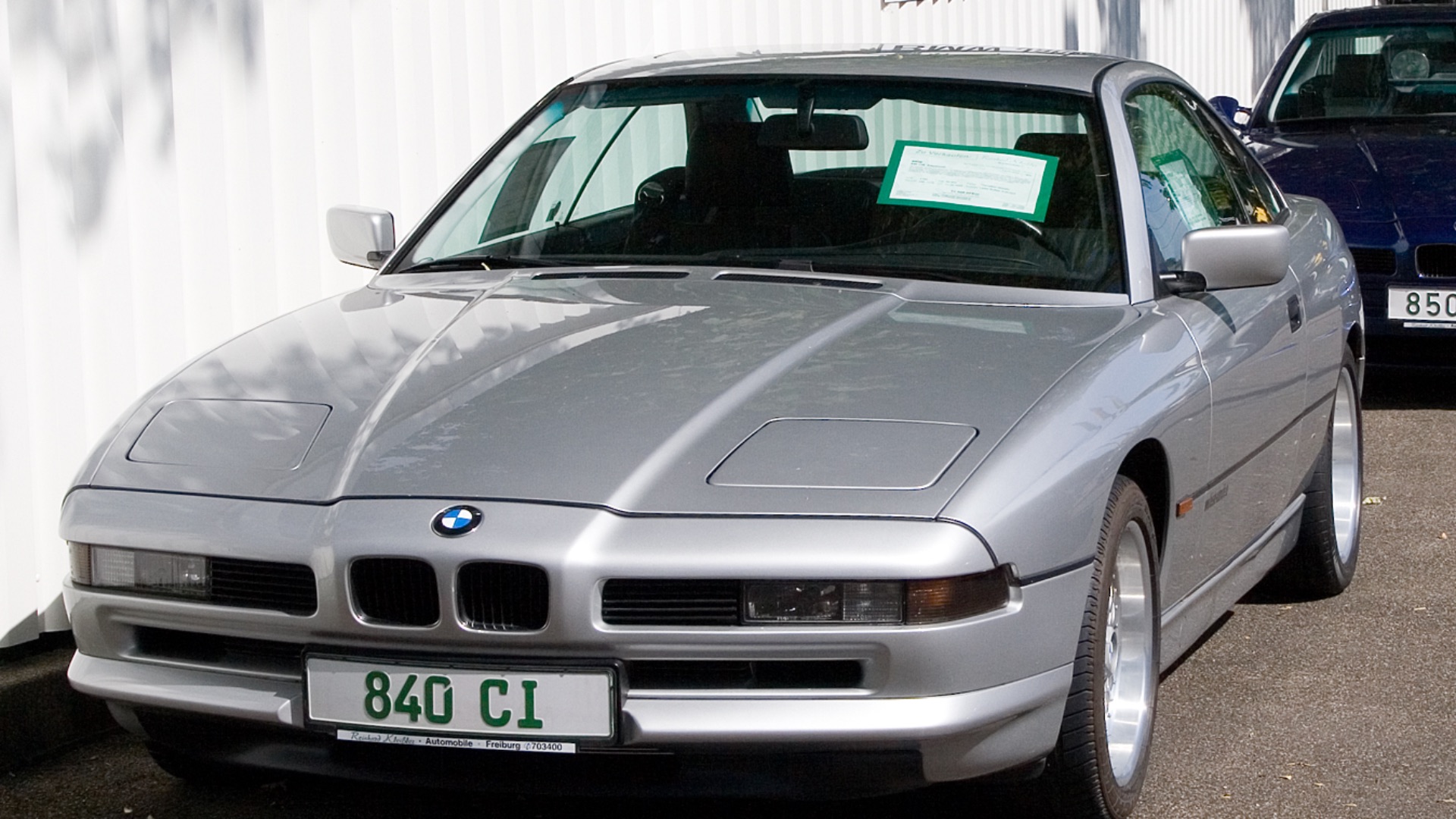
8. BMW 8 Series (E31)
The E31 still turns heads thanks to its low stance and pillarless windows, but owning one is a very different story. Packed with complex electronics and advanced-for-its-time systems, repairs can quickly spiral into four-figure bills that feel wildly out of proportion to the car’s current value. Unless you’re prepared for specialist labor and long downtime, this grand tourer can become more stressful than satisfying.
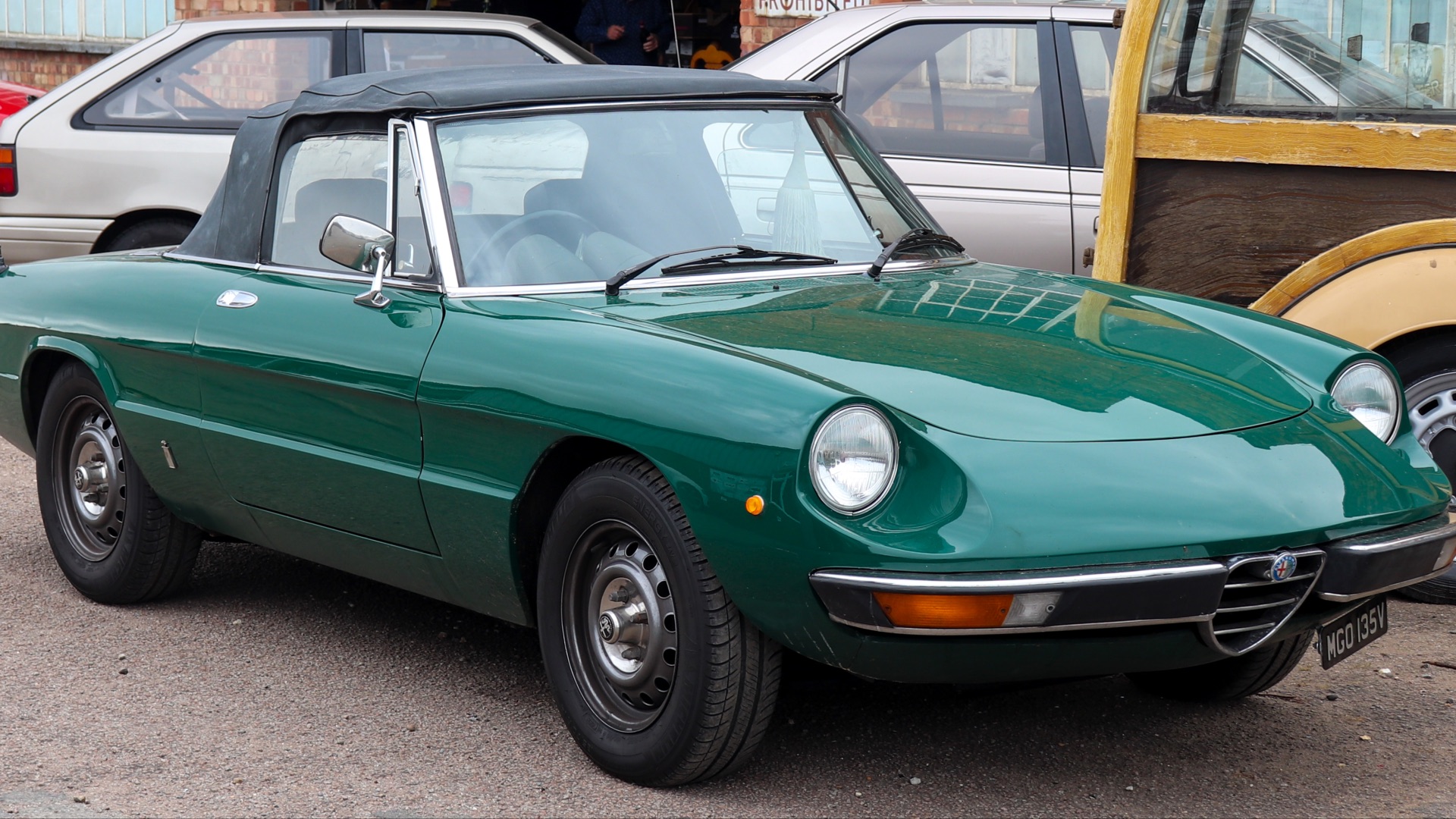
9. Alfa Romeo Spider (1970s)
There’s no denying the Spider’s classic Italian charm, especially with the top down while you're flying down a sunny road. The problem is that rust, temperamental wiring, and frequent mechanical attention tend to show up right when you least expect them to. You may love how it looks in your driveway, but living with it demands far more patience than most buyers are willing to give.
10. AMC Pacer
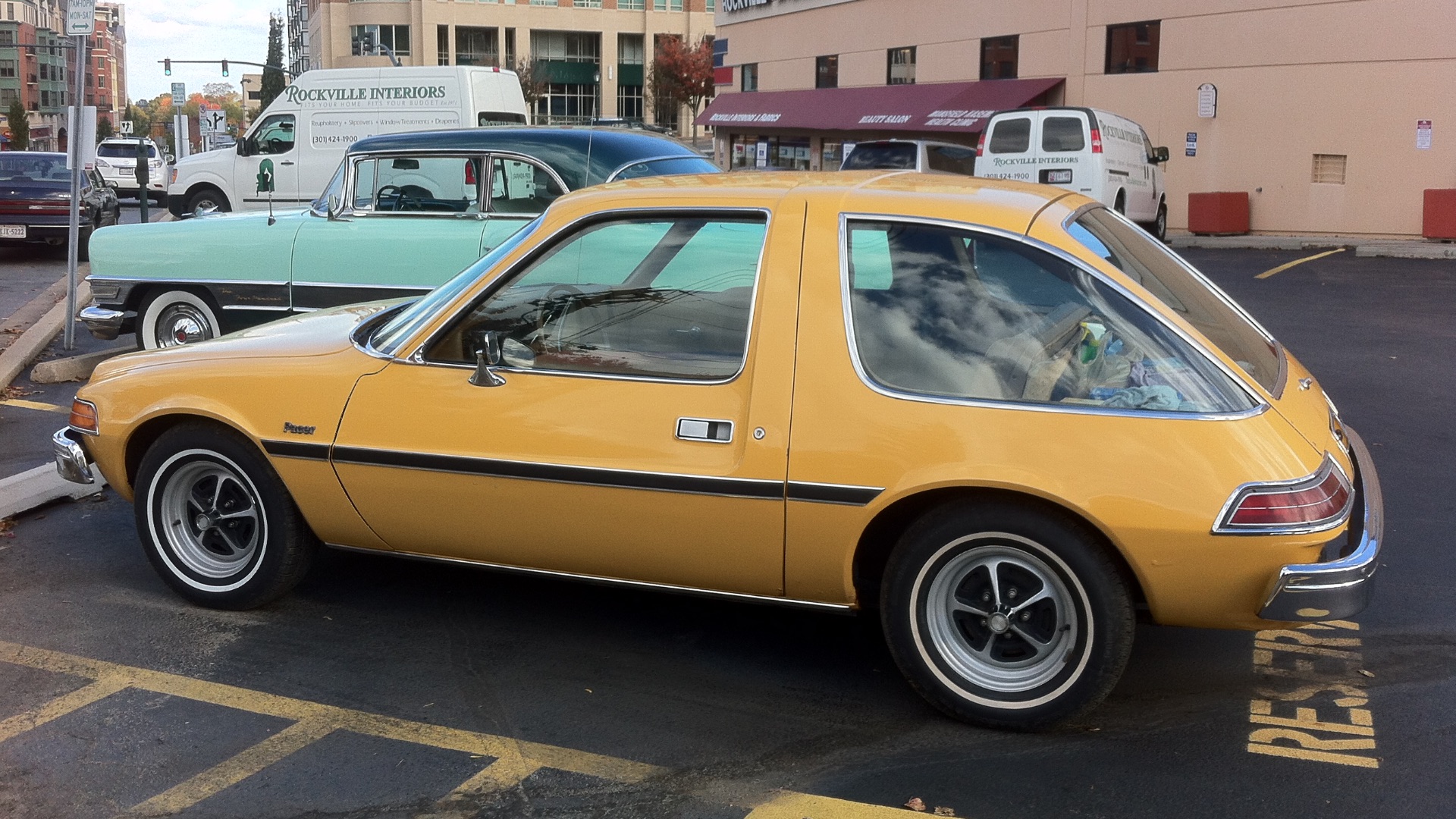
The Pacer’s fishbowl styling makes it one of the most recognizable cars of its era, and that novelty still gets heads turning today. Unfortunately, its quirky design doesn’t make up for its sluggish performance, limited parts availability, or questionable build quality. Once the novelty wears off, you’re left with a car that’s difficult to justify beyond its conversation-starting looks.
 Christopher Ziemnowicz on Wikimedia
11. Lotus Esprit (Early Models)
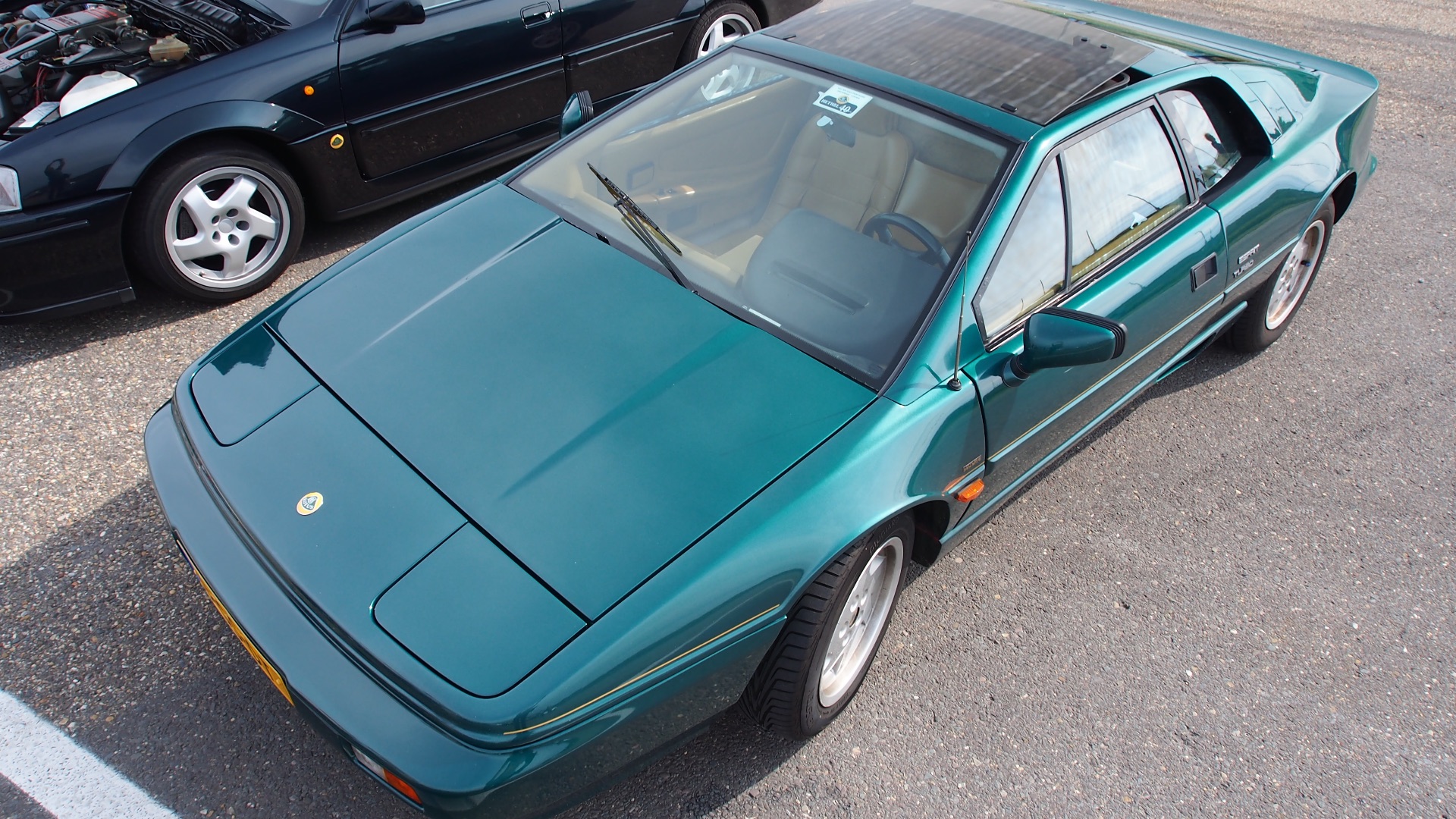
Early Esprits look like rolling concept cars, especially if you grew up watching them glide across movie screens. Behind the scenes, though, inconsistent build quality and fragile components mean owning one is a constant project. When every drive feels like a gamble, the excitement fades quickly.
12. Ford Thunderbird (Late 1970s)
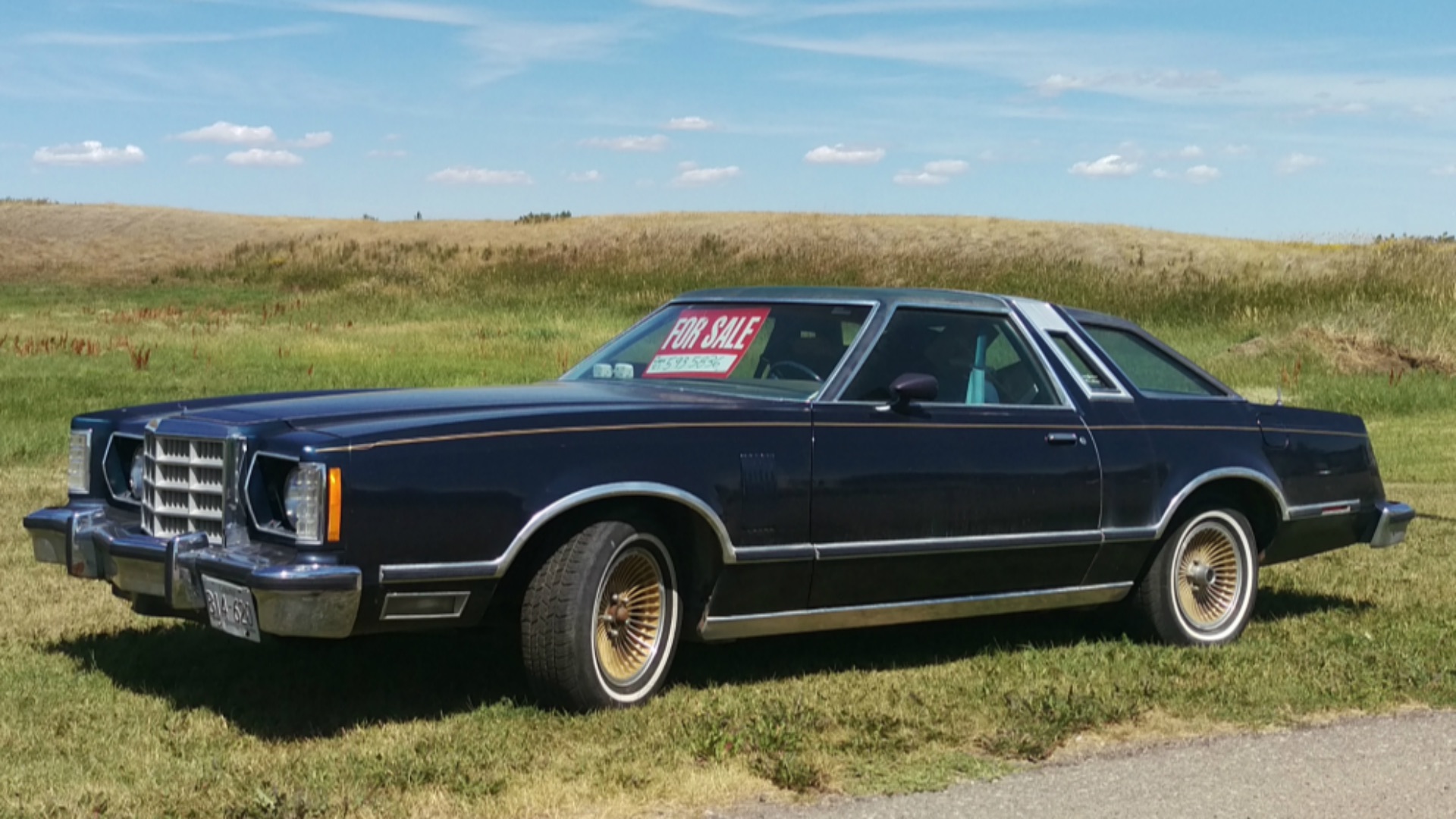
By the late 1970s, the Thunderbird leaned hard into plush styling and comfort rather than engaging performance. The result is a car that feels heavy, disconnected, and far less fun than its reputation suggests. It’s pleasant enough for cruising, but it rarely delivers the thrill people expect from a classic nameplate.
 dave_7 from Canada on Wikimedia
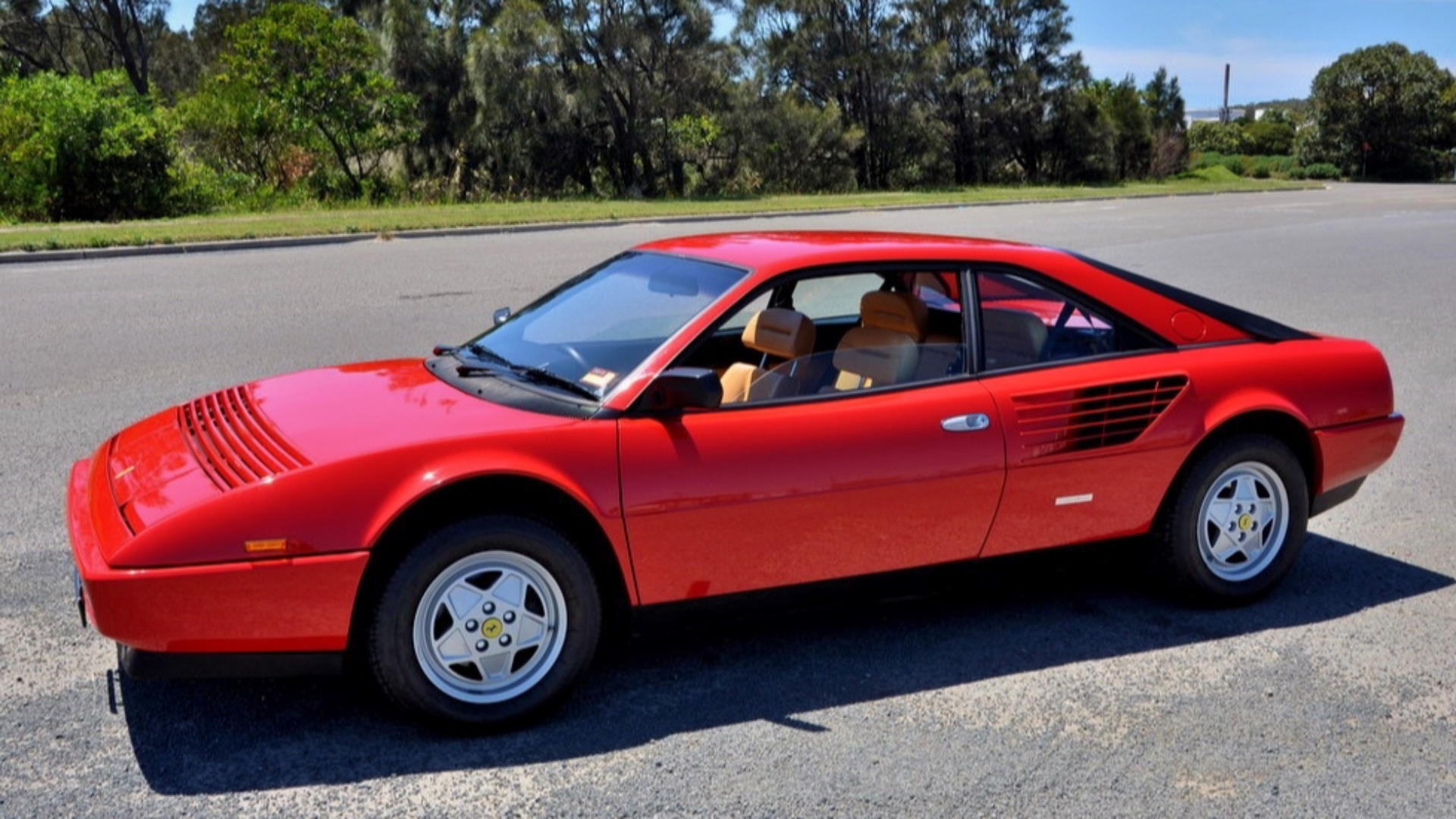
13. Ferrari Mondial
On paper, the Mondial sounds like an accessible entry into Ferrari ownership, which is exactly why many people consider it. In reality, maintenance costs remain very much Ferrari-level, even though the driving experience doesn’t actually match the badge’s promise. You end up paying dearly for just the logo rather than the performance or excitement.
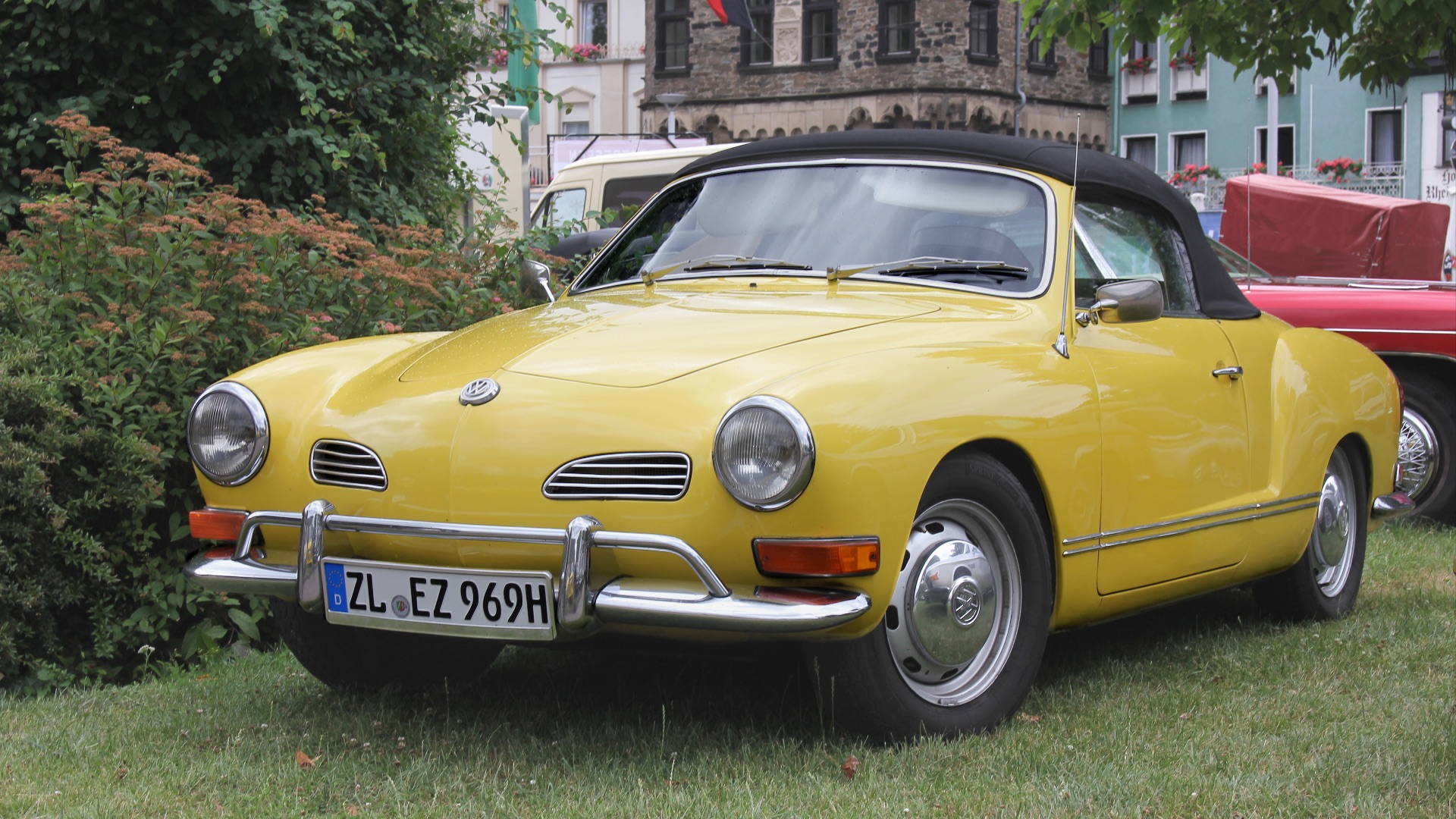
14. Volkswagen Karmann Ghia
The Karmann Ghia’s elegant curves have aged beautifully, and it still looks classy parked just about anywhere. Underneath that pretty body, though, it shares humble mechanicals that feel increasingly underwhelming as prices climb. At today’s values, you’re often paying far more for style than substance.
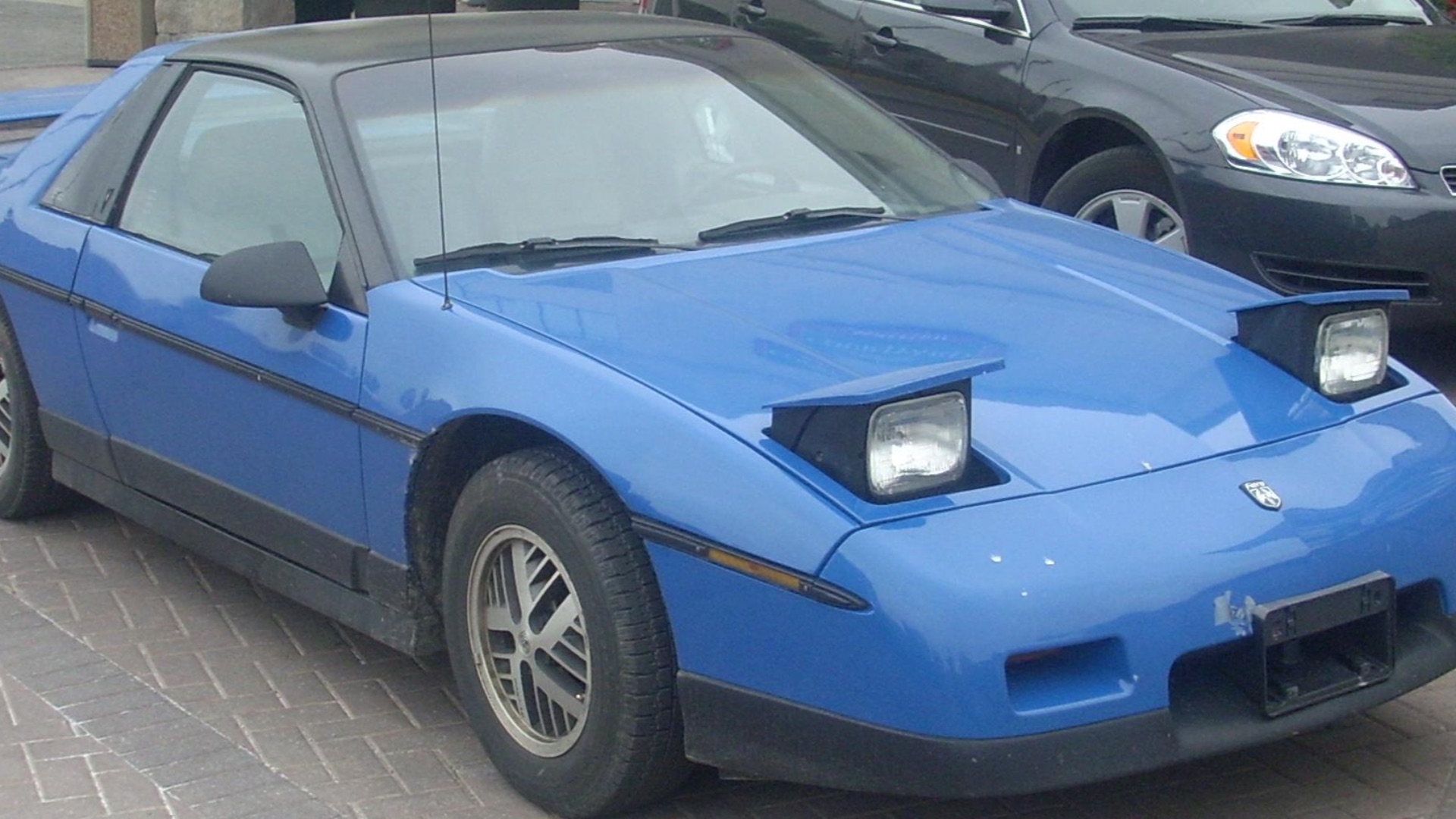
15. Pontiac Fiero
The Fiero’s mid-engine layout made it seem revolutionary when it debuted, and that idea still sounds appealing today. But early reliability problems and safety concerns permanently damaged its reputation, even though later versions improved. It’s hard to ignore the history when better, more reliable alternatives exist for similar money.
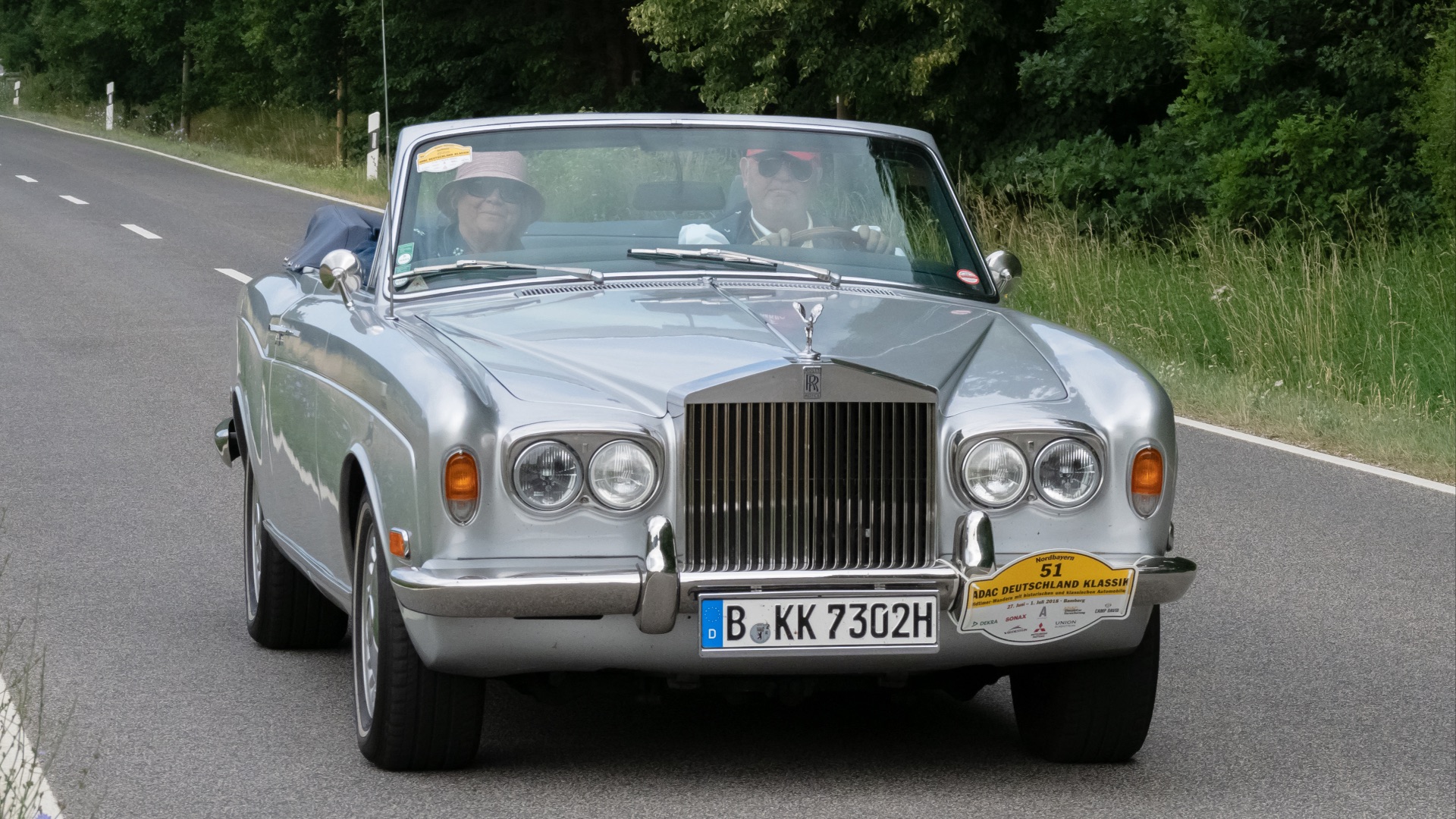
16. Rolls-Royce Silver Shadow
Few cars offer the same experience as a Silver Shadow, especially when you sink into that nice, plush interior. The downside? A maze of aging hydraulic systems and luxury features that are expensive to diagnose and repair. This makes ownership feel more like maintaining a museum piece rather than enjoying a classic car.
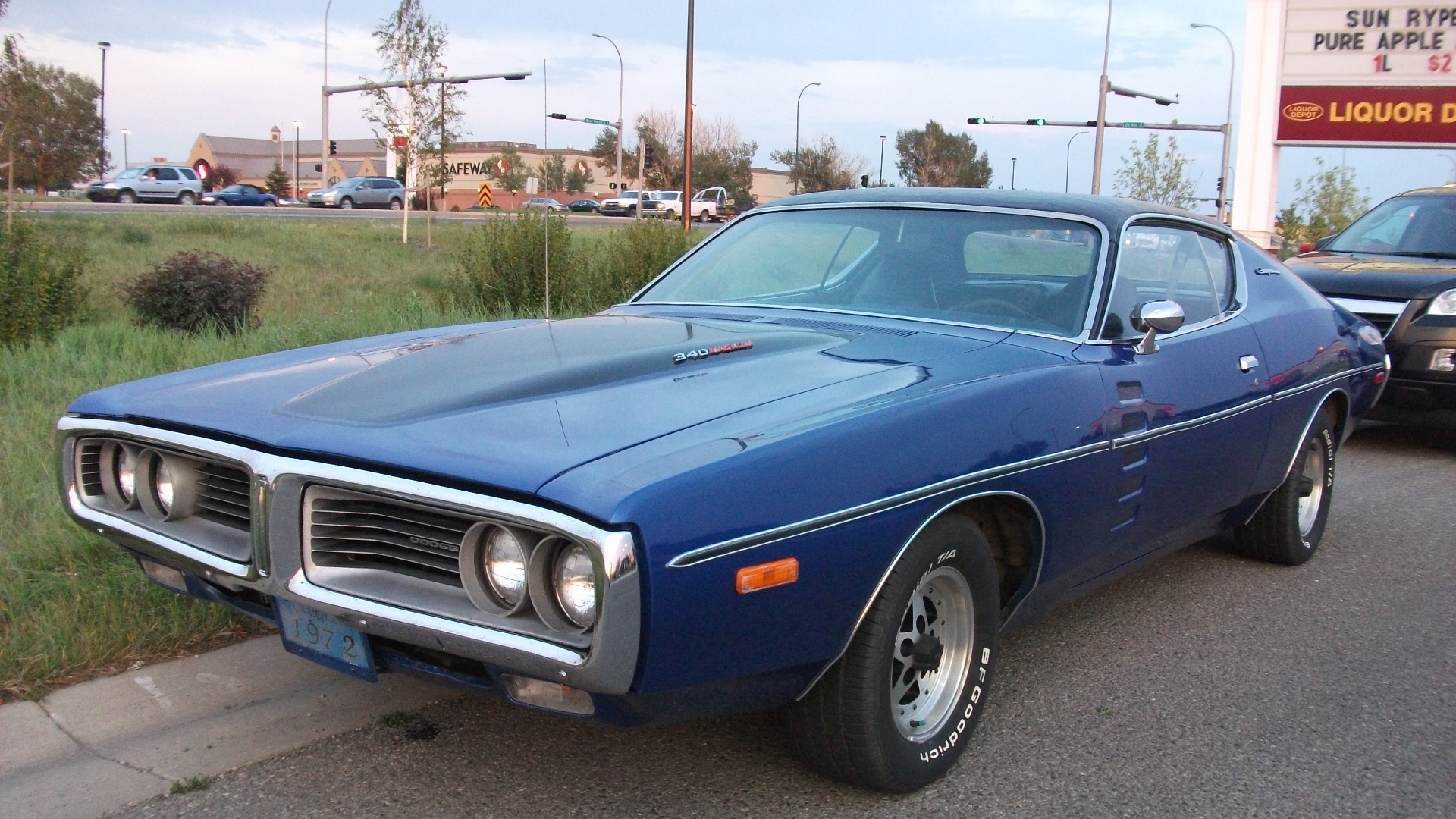
17. Dodge Charger (1970s)
When people hear “Charger,” they usually picture roaring muscle from the late ’60s, not the softened versions that followed. Emissions-era engines dulled performance, leaving these models feeling heavy and uninspiring behind the wheel. Sure, you get the name and the look, but you'll get very little of the attitude.
 dave_7 from Lethbridge, Canada on Wikimedia
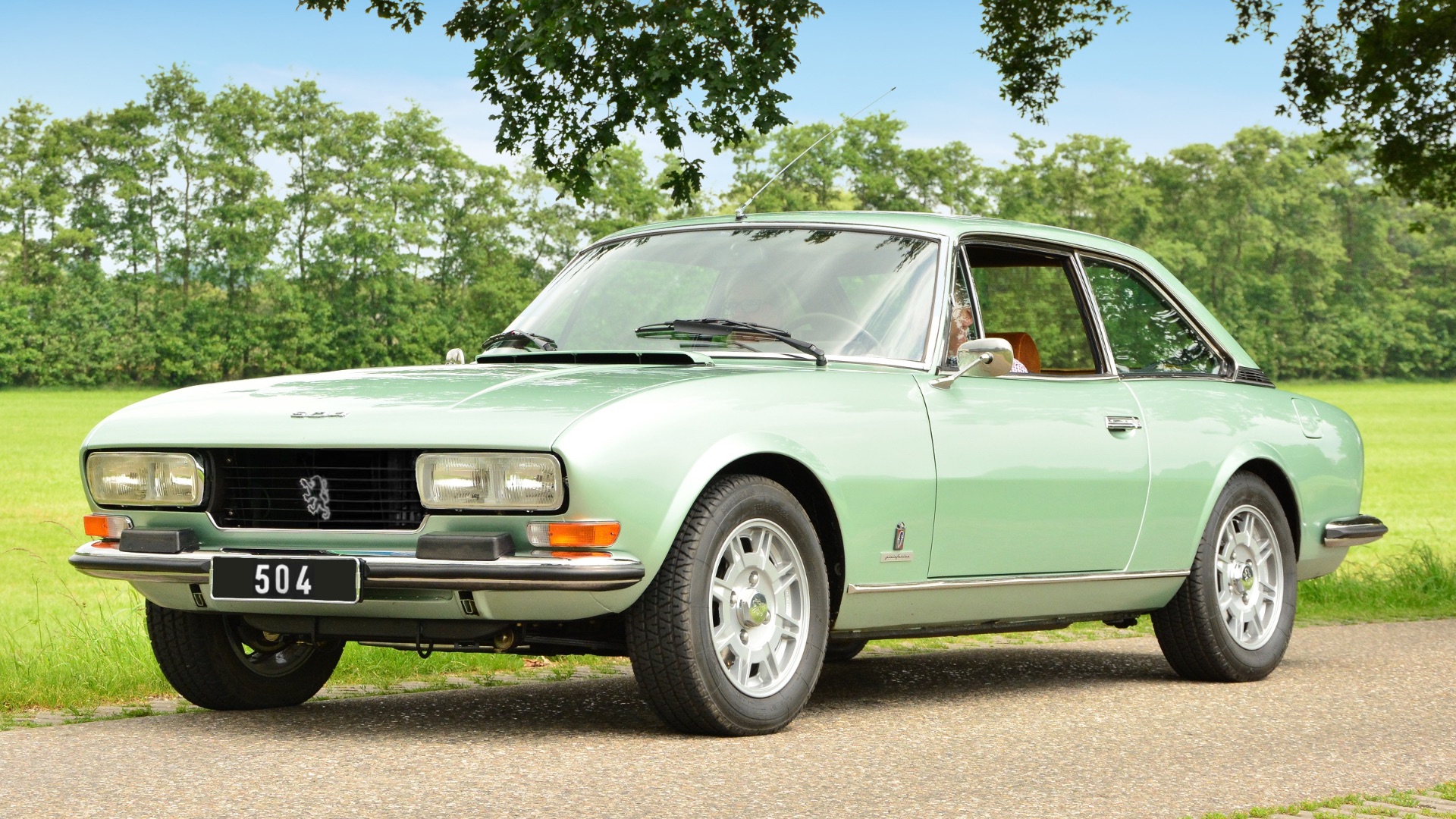
18. Peugeot 504 Coupe
The 504 Coupe stands out for its understated elegance and European flair, especially compared to flashier classics. That uniqueness, however, also means tracking down parts and knowledgeable mechanics, which can be frustrating and time-consuming. Over time, the effort required can outweigh the joy of owning something different.
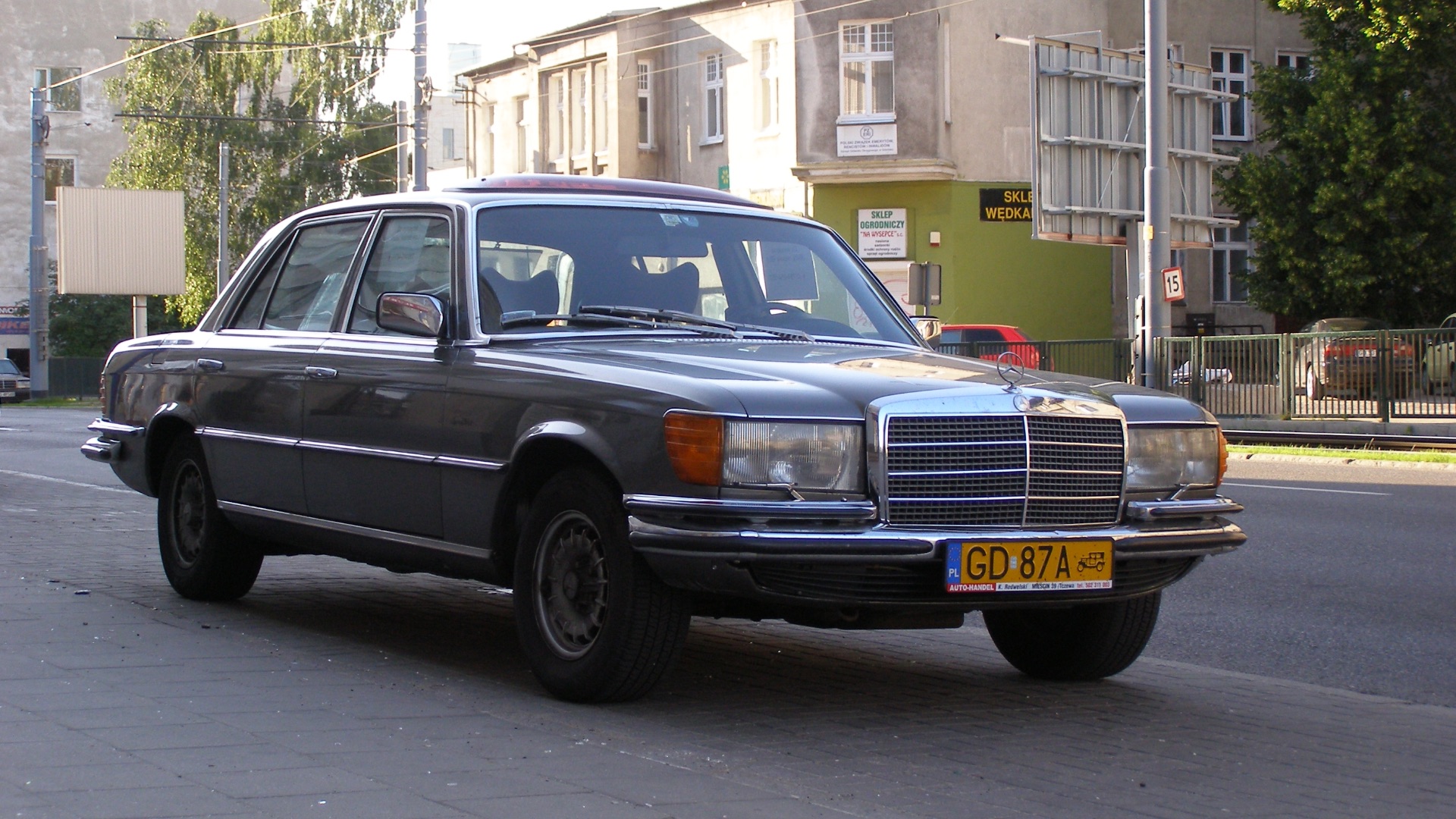
19. Mercedes-Benz 450SEL
In its day, the 450SEL represented cutting-edge luxury and engineering excellence. Decades later, those same advanced systems have become liabilities as components age and repairs grow ever more complex. It still feels solid and refined, but not in a way that’s easy on your budget.
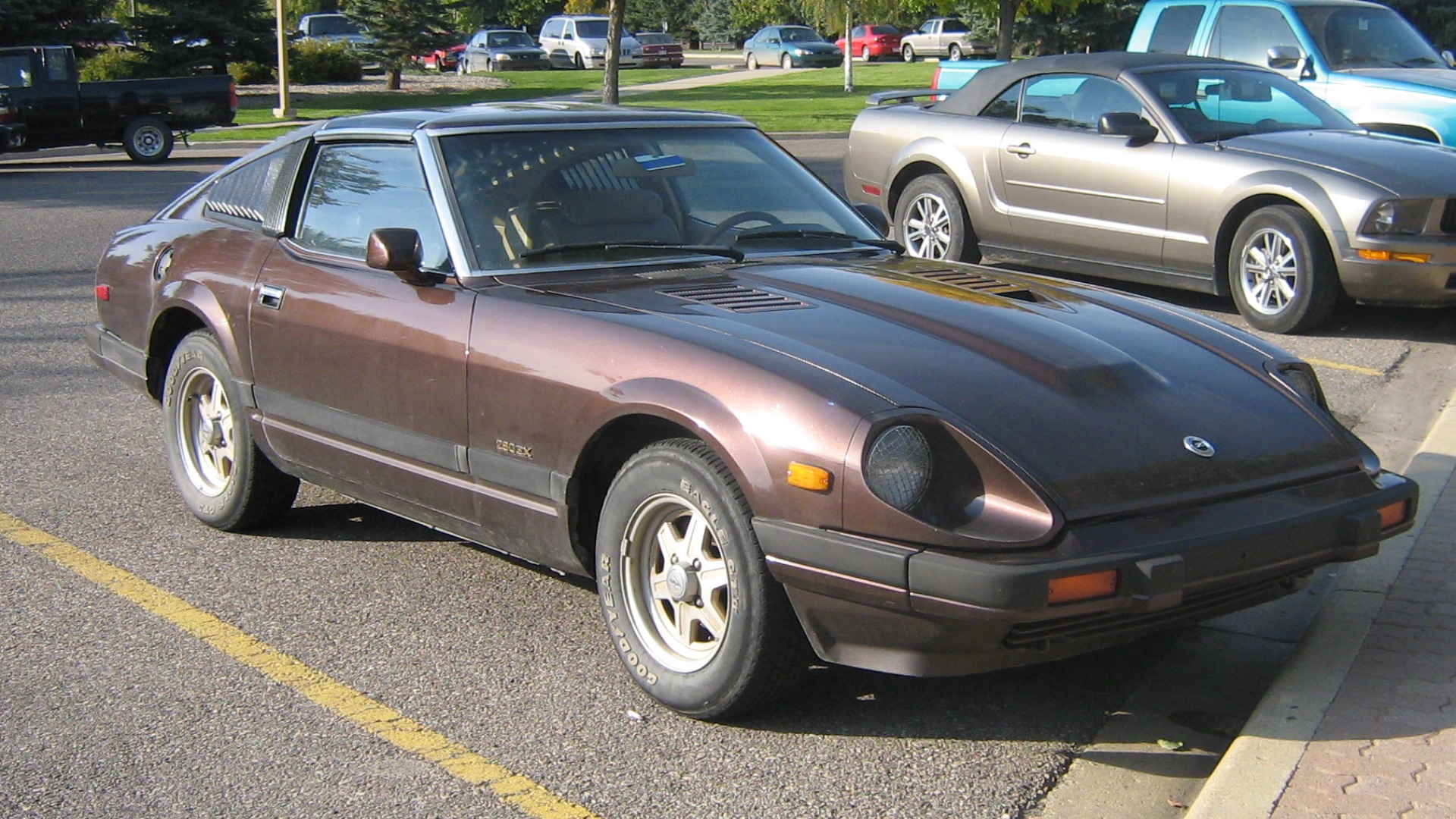
20. Datsun 280ZX
For fans of the original's raw edge, when the Z-car formula shifted toward comfort and refinement in the 280ZX, it likely caused some disappointment. Sure, it’s perfectly competent as a cruiser, but it lacks the excitement that made earlier models special. You might still appreciate it, though it'll rarely stir much emotion once you’re driving it.