Sometimes One Model Keeps the Lights On
Automakers can spend years making decent cars and still end up in trouble because timing, taste, money, and public trust don't always behave nicely. Then, every so often, one model arrives at exactly the right moment and gives the company a new story to tell. Some of these cars rescued brands from near-bankruptcy, while others saved reputations, opened new markets, or gave a struggling company enough breathing room to keep fighting. Here are 20 cars that saved their automakers.
1. Chrysler K-Car
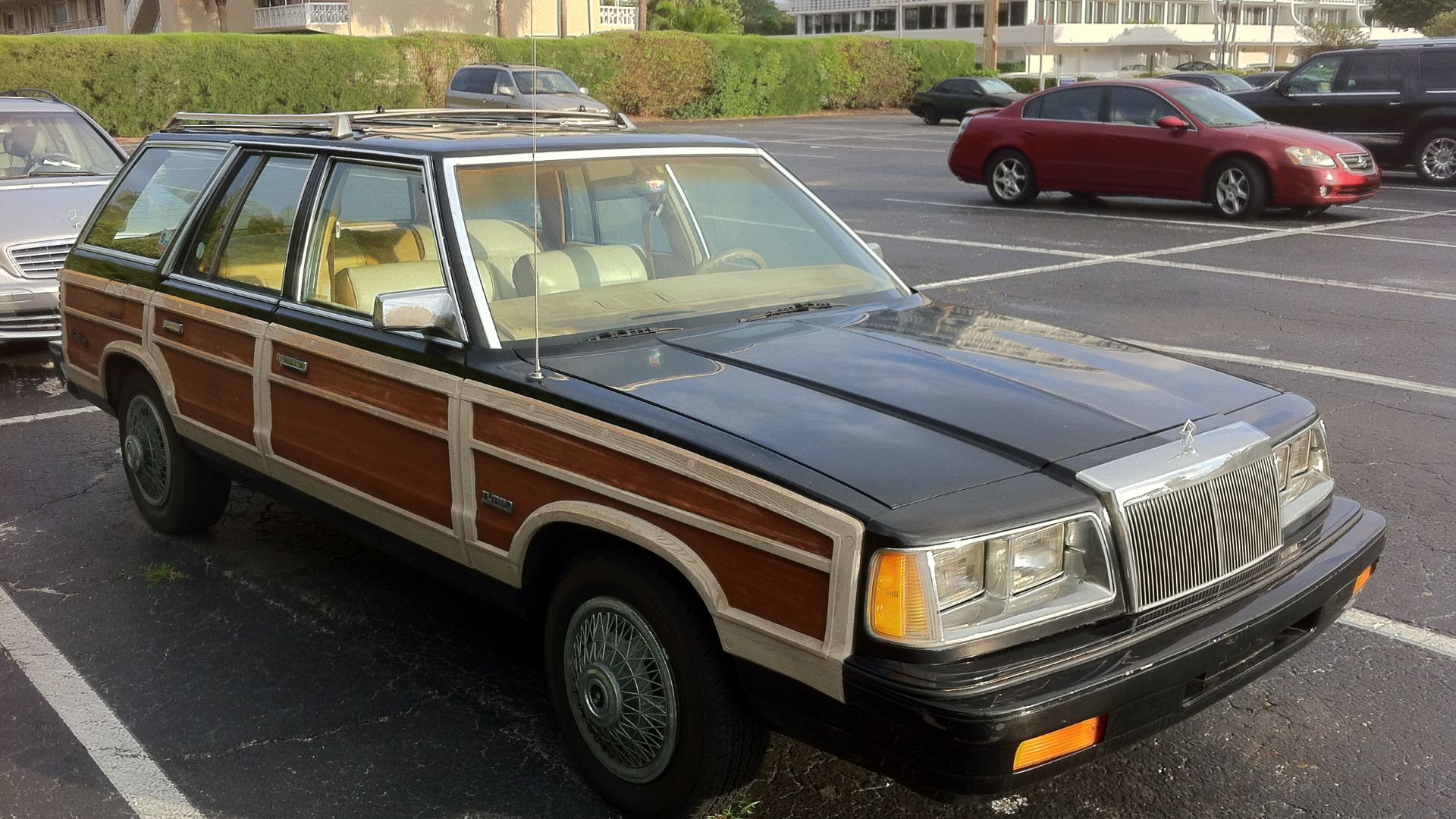
The Chrysler K-Car wasn't glamorous, but it helped keep Chrysler alive when the company was in serious financial trouble. Models like the Plymouth Reliant and Dodge Aries were practical, affordable, and efficient enough to appeal to buyers during a difficult period.
 CZmarlin — Christopher Ziemnowicz on Wikimedia
2. Chrysler Minivan
The Dodge Caravan and Plymouth Voyager helped Chrysler turn one clever idea into a family-hauling empire. These front-wheel-drive minivans arrived in the 1980s and gave parents something easier to drive than a full-size van. They created a segment that competitors rushed to copy, which is usually a good sign that someone hit the target.

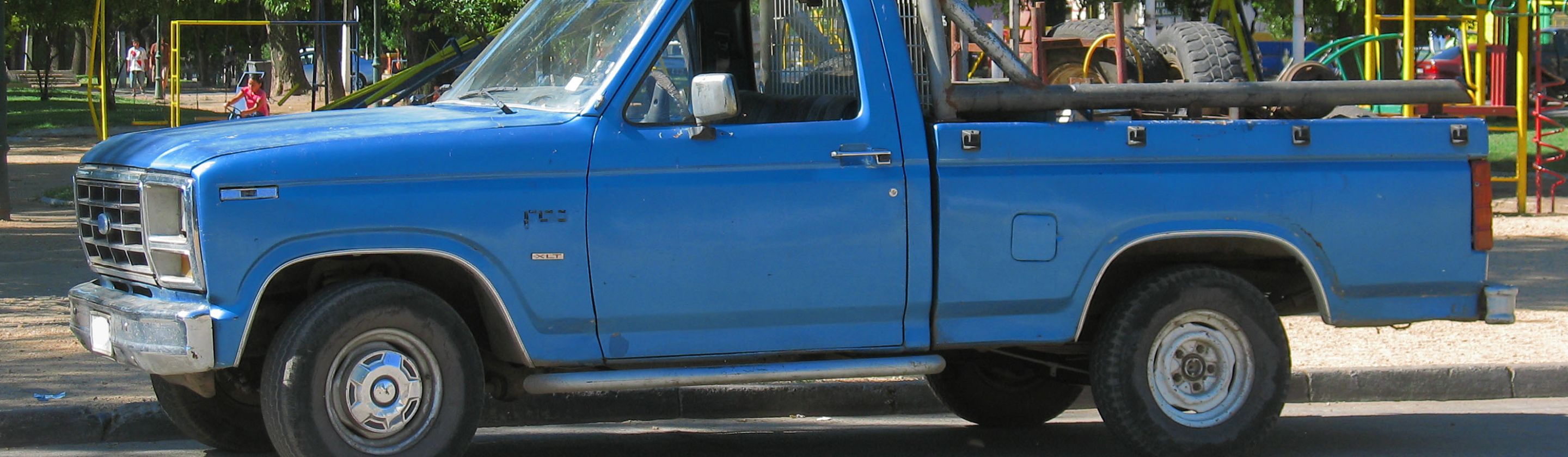
3. Ford Taurus
The Ford Taurus helped pull Ford out of a difficult period when its car lineup felt dated and the company needed a modern hit. Its aerodynamic design looked fresh next to many boxy rivals, and buyers responded strongly. The Taurus became one of America’s best-selling cars and gave Ford a major confidence boost in the family-sedan market.
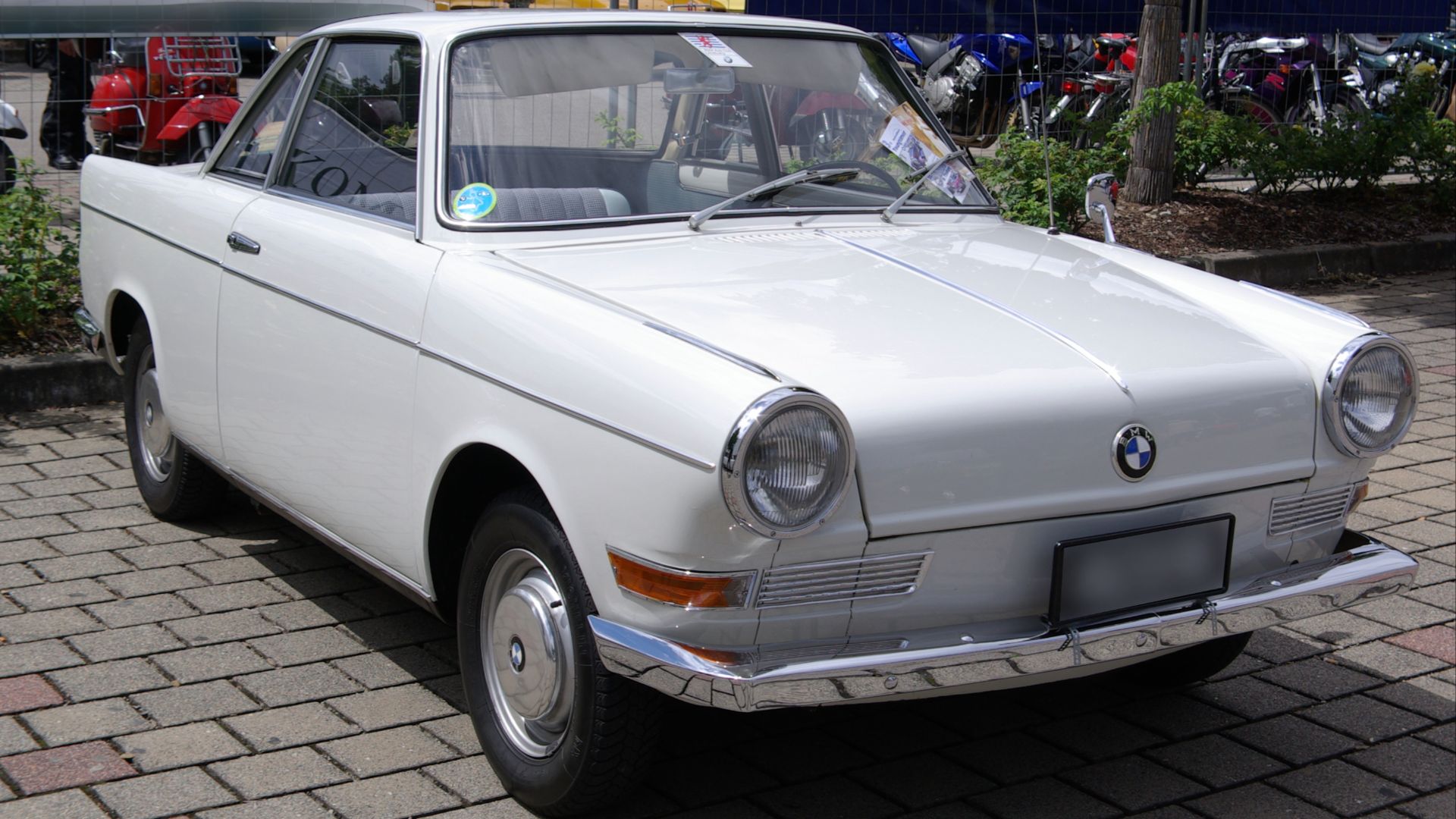
4. BMW 700
The BMW 700 played a crucial role when BMW was in serious danger of being absorbed by Daimler-Benz. It was a small, rear-engine car that gave BMW enough sales momentum to keep going while bigger plans were forming. The 700 wasn't the sporty luxury BMW people think of today, but it helped keep the company alive long enough to become that brand later.
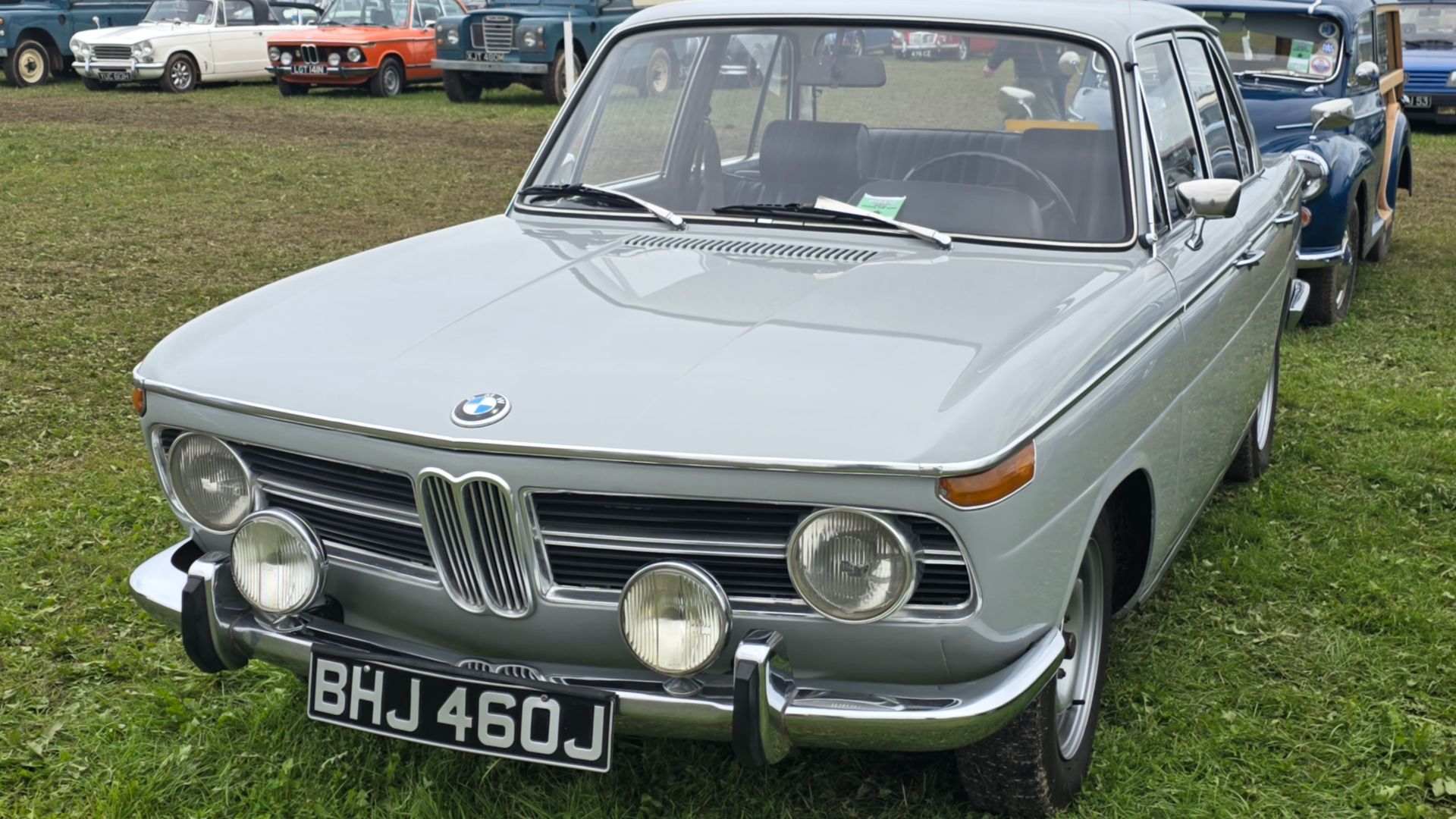
5. BMW 1500 Neue Klasse
The BMW 1500 Neue Klasse gave BMW the modern identity and sales success it needed after years of financial trouble. It introduced the company’s sports-sedan formula with practical size, sharp engineering, and real driver appeal. This wasn't just a nice new model; it helped move BMW away from survival mode and toward long-term success.
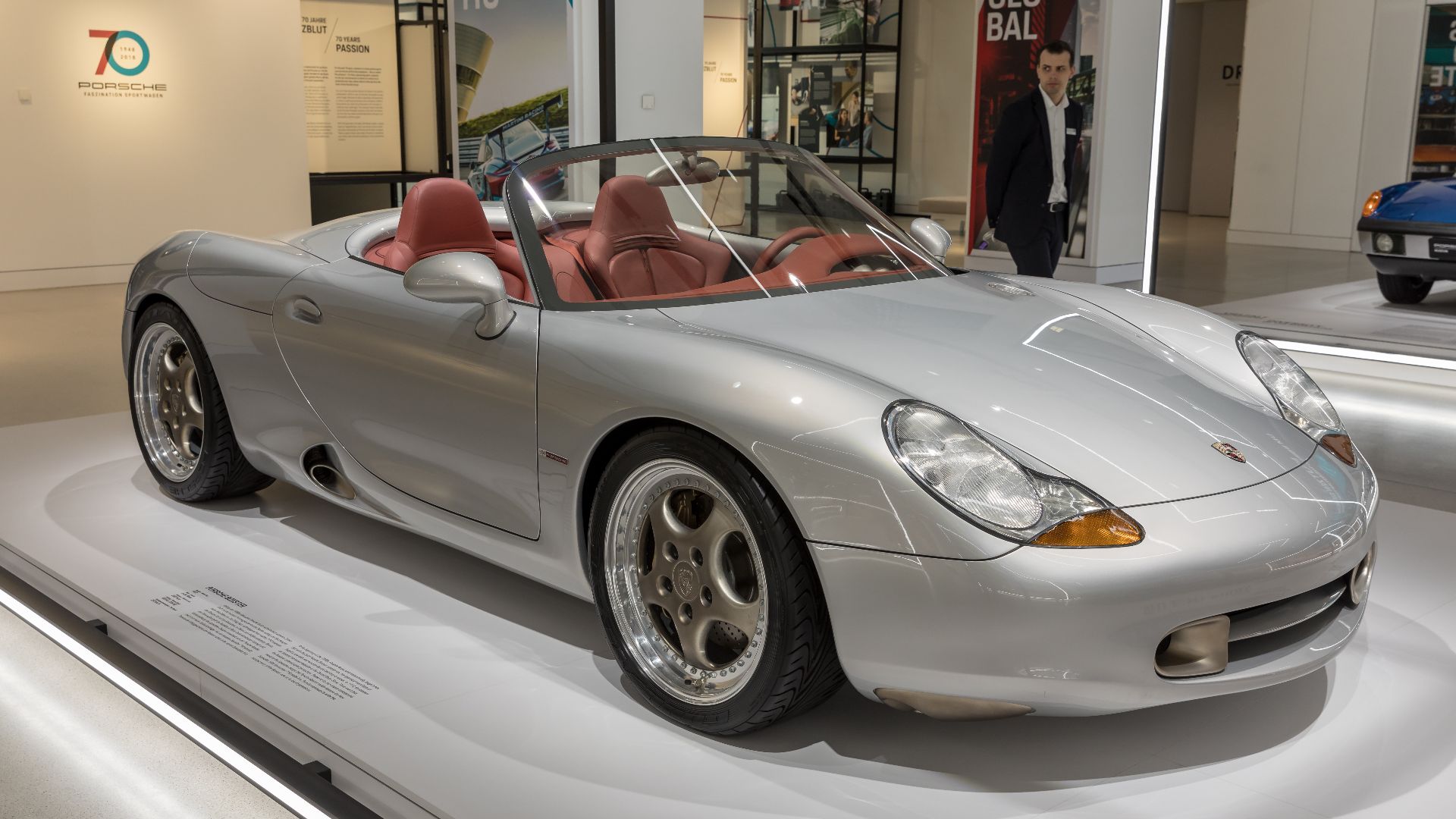
6. Porsche Boxster
The Porsche Boxster arrived in the 1990s when Porsche was under serious financial pressure. It gave the brand a more affordable entry point while sharing development ideas and components with the next 911. The Boxster proved Porsche could modernize without losing its soul completely.
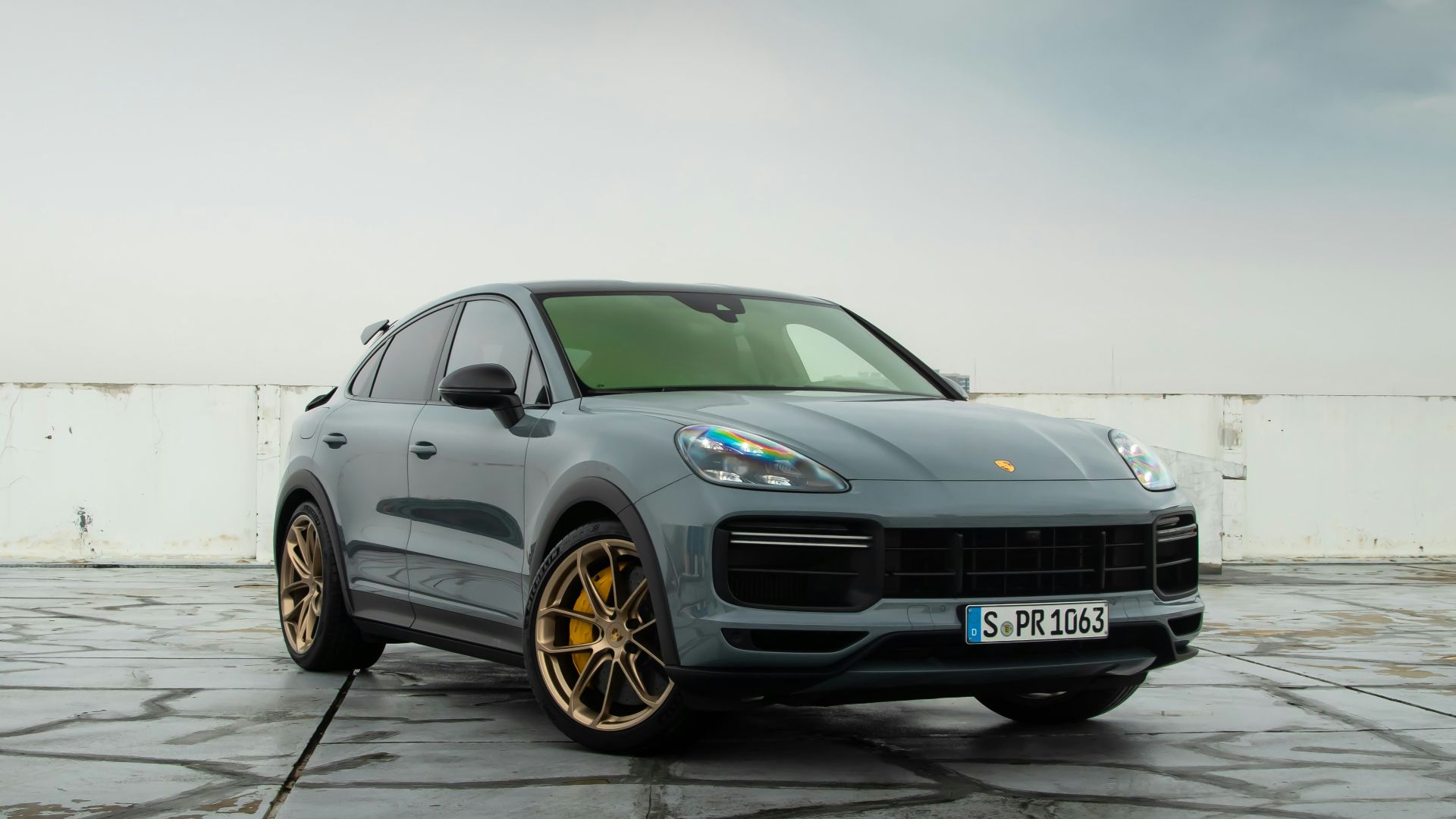
7. Porsche Cayenne
The Porsche Cayenne upset purists, but it became one of the most important vehicles Porsche ever built. A luxury SUV from a sports-car company sounded wrong to many fans, yet customers wanted it badly. Its success brought in enormous revenue and helped secure Porsche’s future far beyond low-volume sports cars.
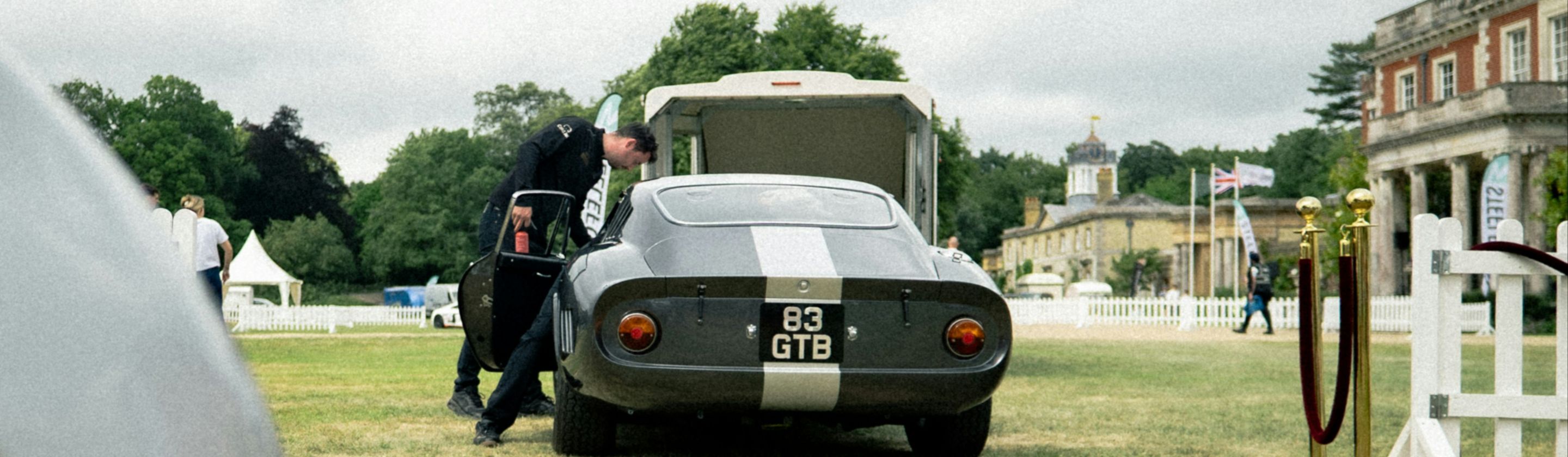
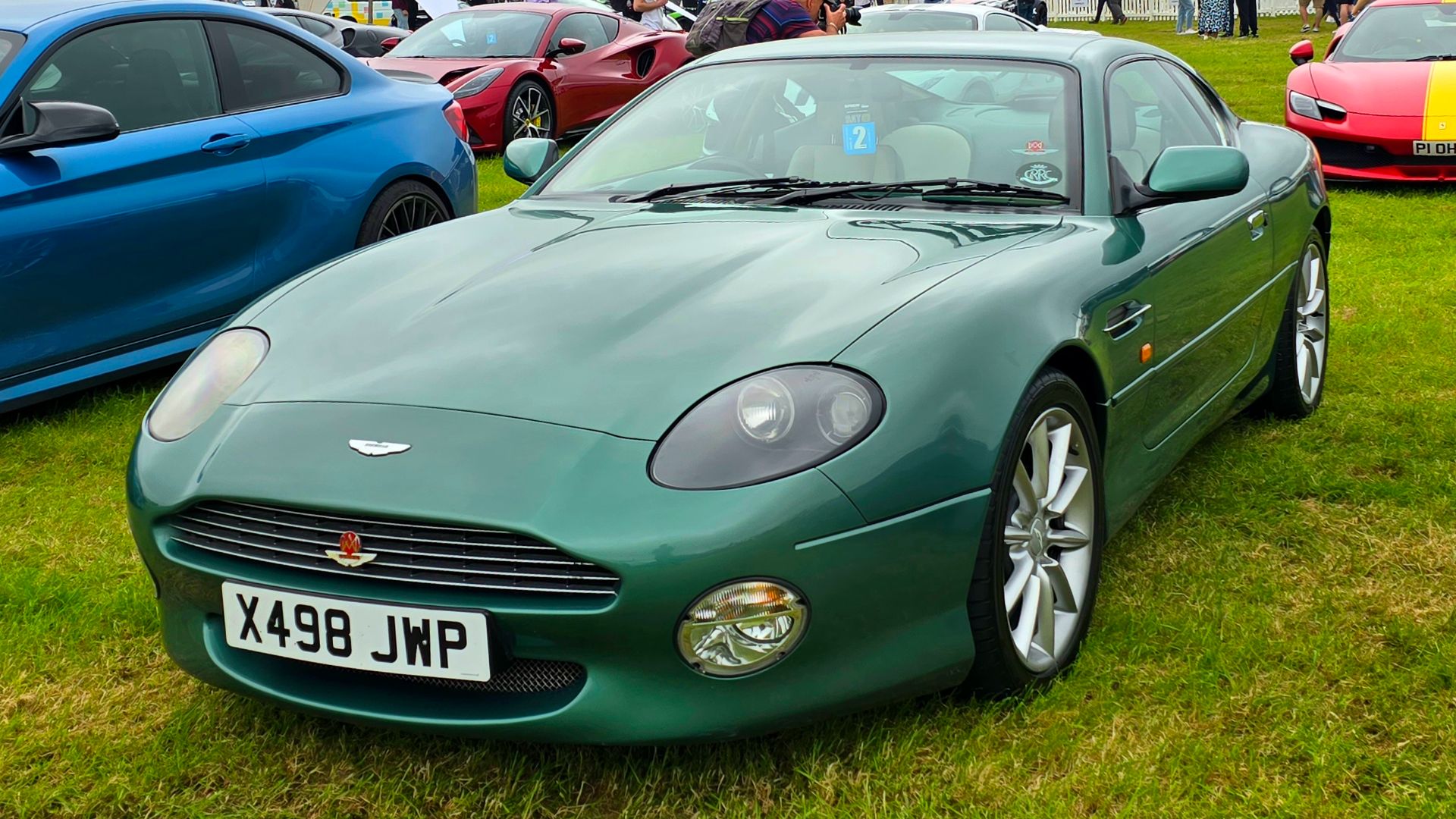
8. Aston Martin DB7
The Aston Martin DB7 helped rescue Aston Martin from a tiny-production, financially fragile existence. It was developed under Ford ownership with help from existing resources, which made it more realistic to build than a fully traditional Aston. The DB7 sold in numbers the company desperately needed and introduced the brand to a broader audience.
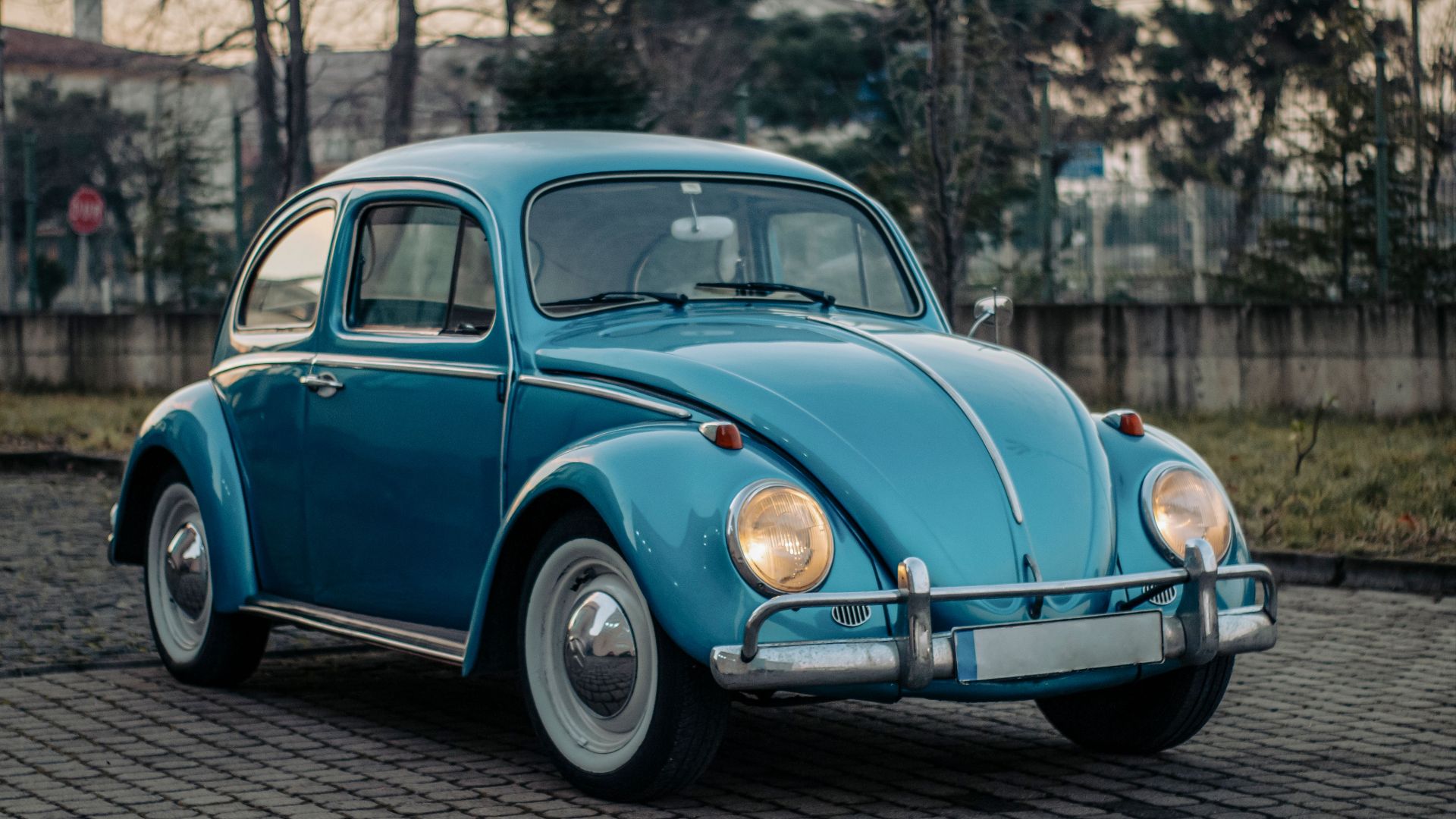
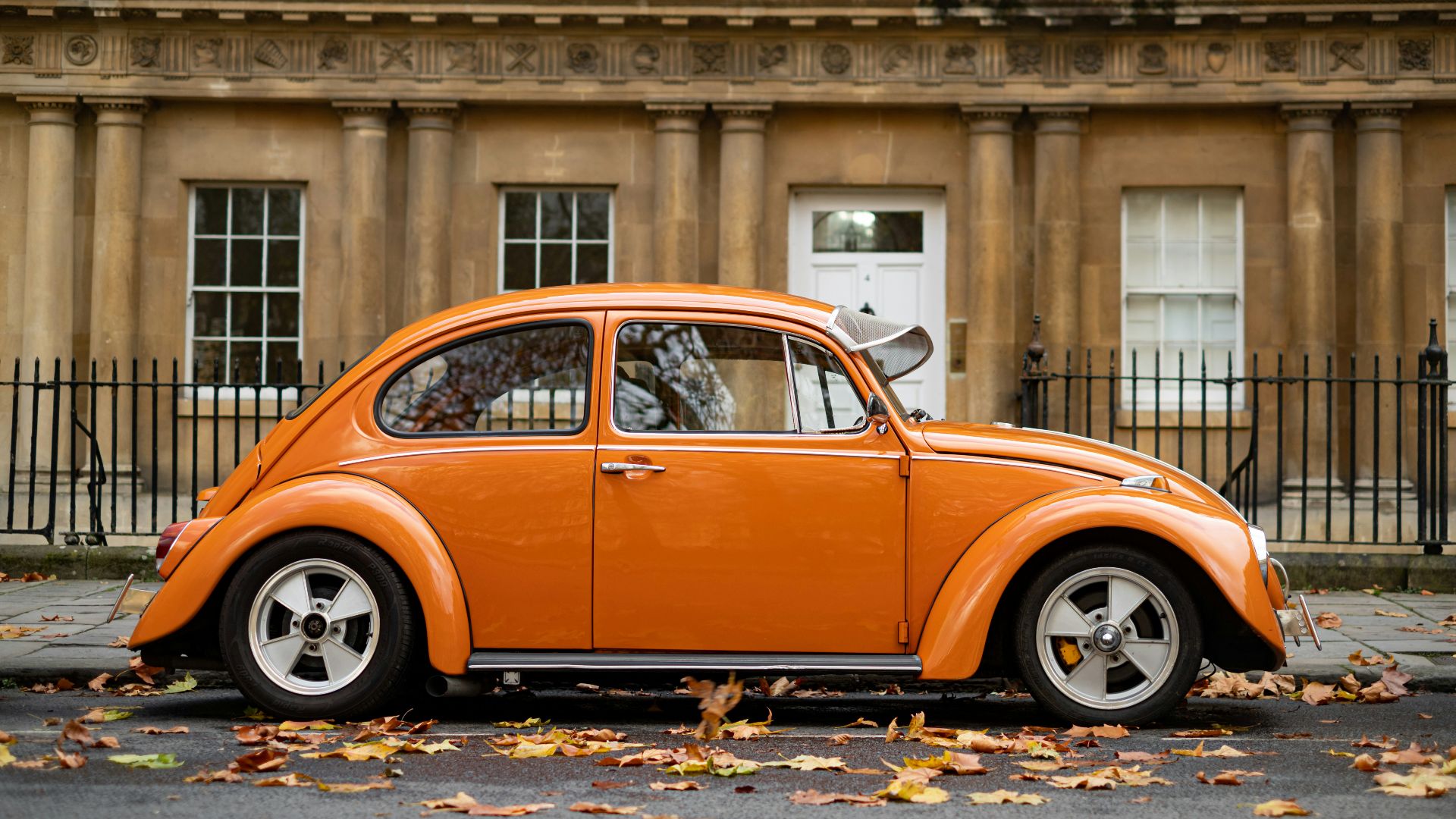
9. Volkswagen Beetle
After World War II, Volkswagen’s future was deeply uncertain, and the Beetle became the car that gave it a second life. It was simple, durable, affordable, and eventually loved across many countries. The Beetle’s huge export success turned Volkswagen into a global automaker.
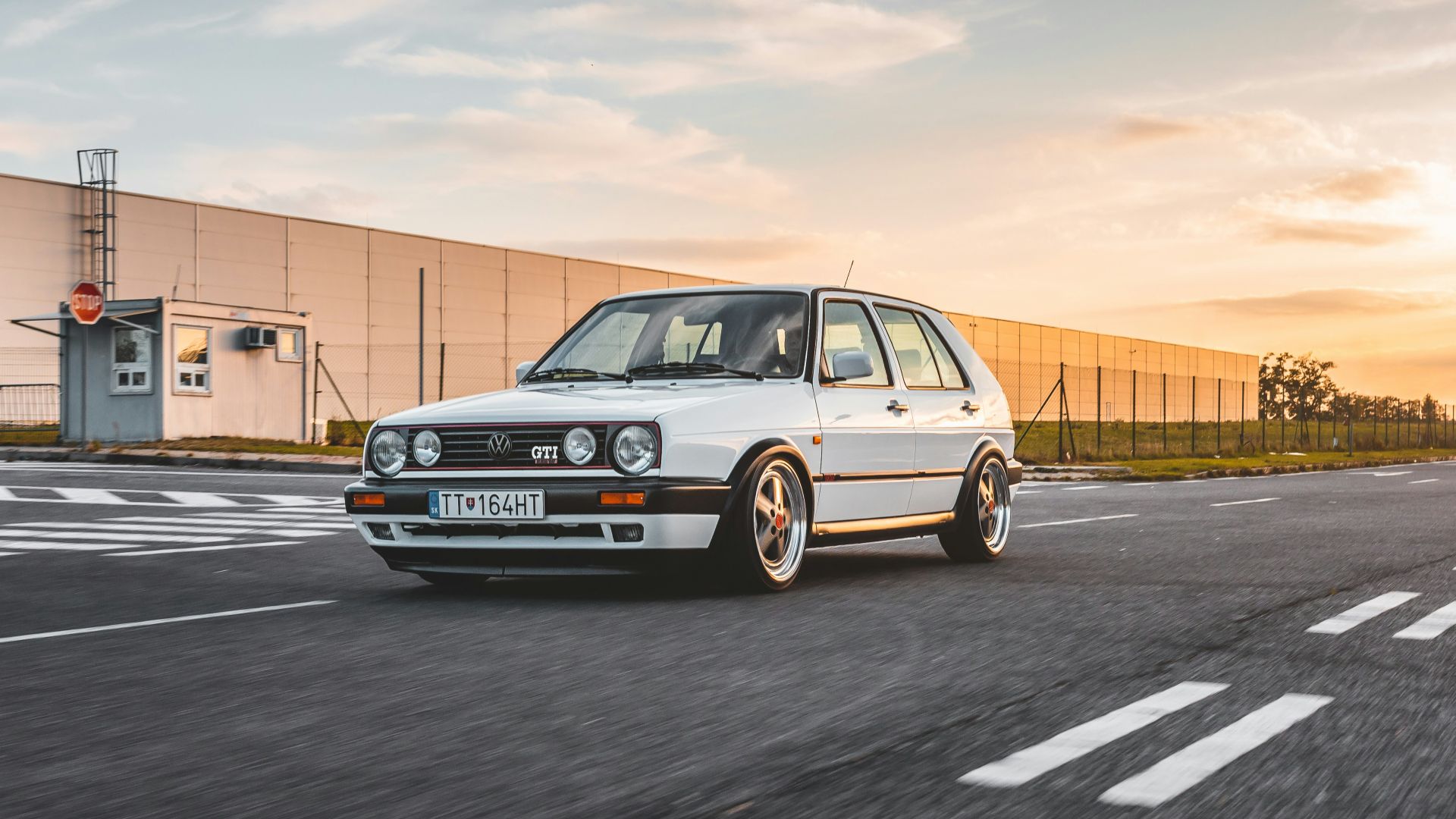
10. Volkswagen Golf
The Volkswagen Golf was a make-or-break replacement for the Beetle, and Volkswagen badly needed it to work. The Golf’s front-wheel-drive hatchback layout felt fresh, practical, and right for the 1970s. In the end, it didn't just replace the Beetle; it kept Volkswagen from being trapped by its own past.
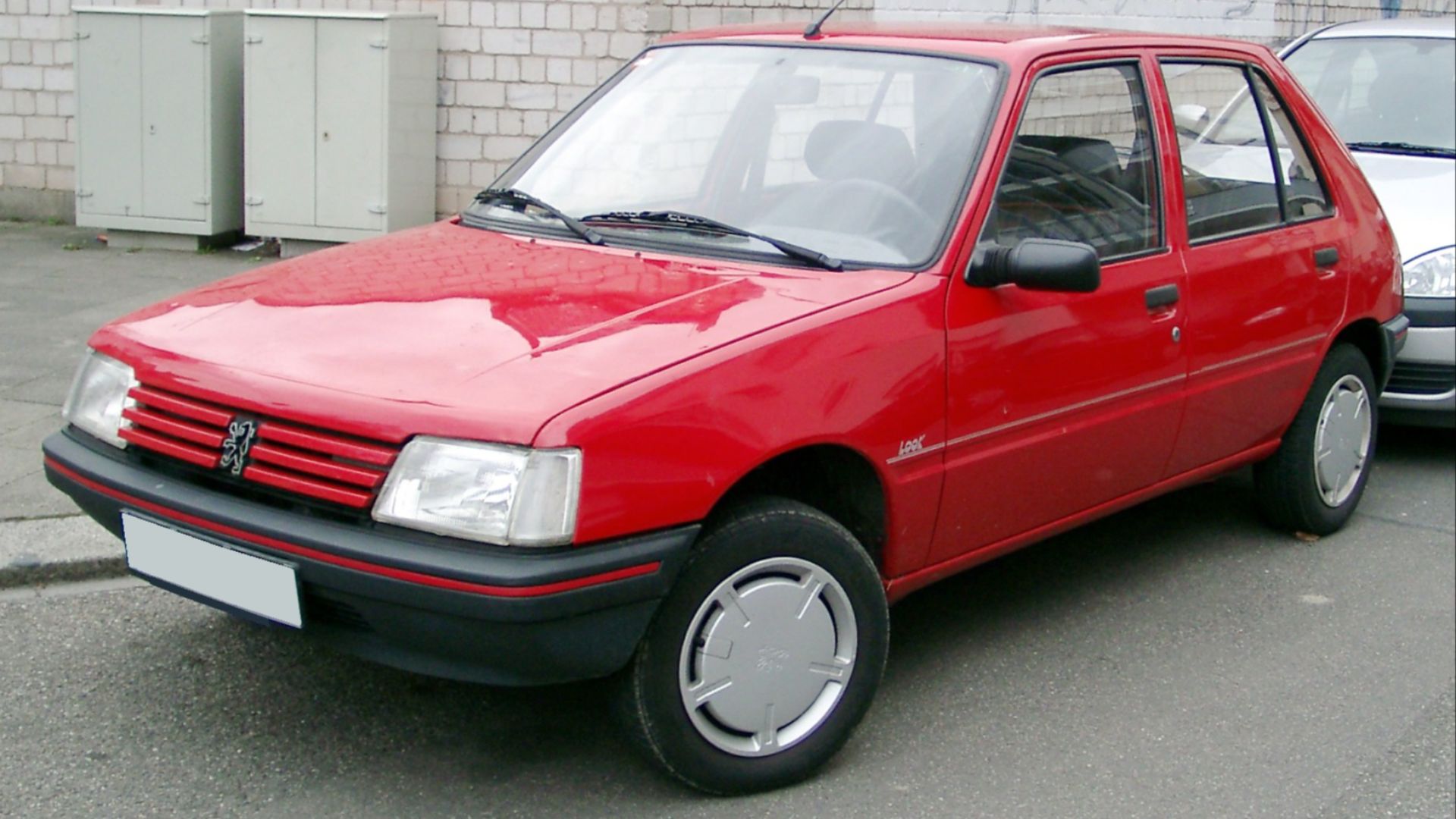
11. Peugeot 205
The Peugeot 205 arrived when Peugeot was under serious pressure after costly acquisitions and weak finances. This small hatchback became a massive success and helped restore the company’s confidence. It was practical, attractive, fun in performance versions, and exactly the kind of car European buyers wanted.
12. Citroën BX
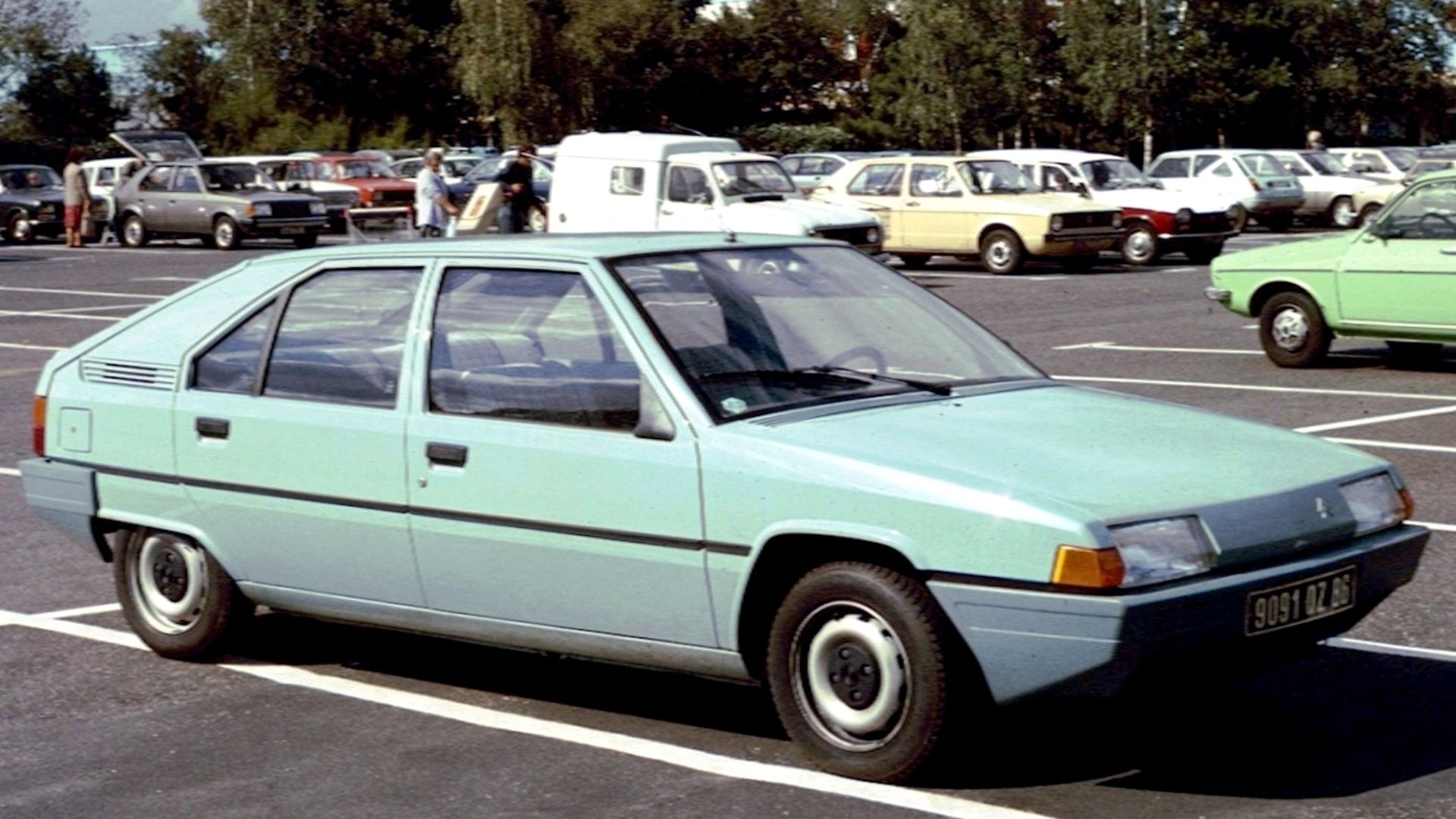
The Citroën BX helped PSA stabilize Citroën after years of financial strain and brand uncertainty. It combined distinctive styling with practical family-car appeal, giving Citroën something buyers could choose without needing to be full-time eccentrics. The BX sold strongly and helped keep Citroën’s unusual personality commercially viable.
13. Fiat 500
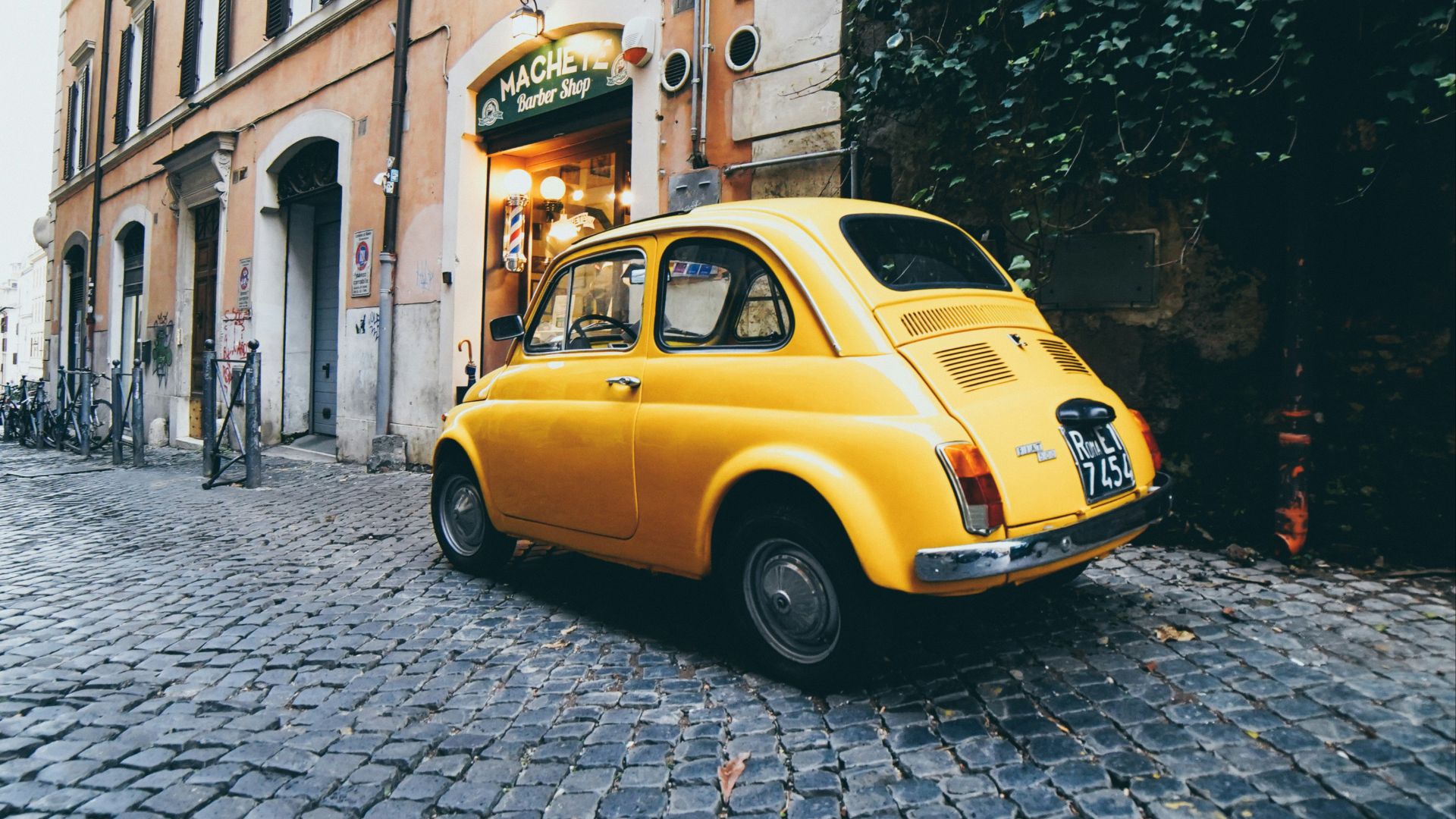
The original Fiat 500 helped Fiat thrive in postwar Italy by putting affordable transportation within reach for ordinary families. It was tiny, simple, and ideal for narrow streets and limited budgets. Fiat needed cars that matched the economic reality of the time, and the 500 did that beautifully.
14. Austin Mini
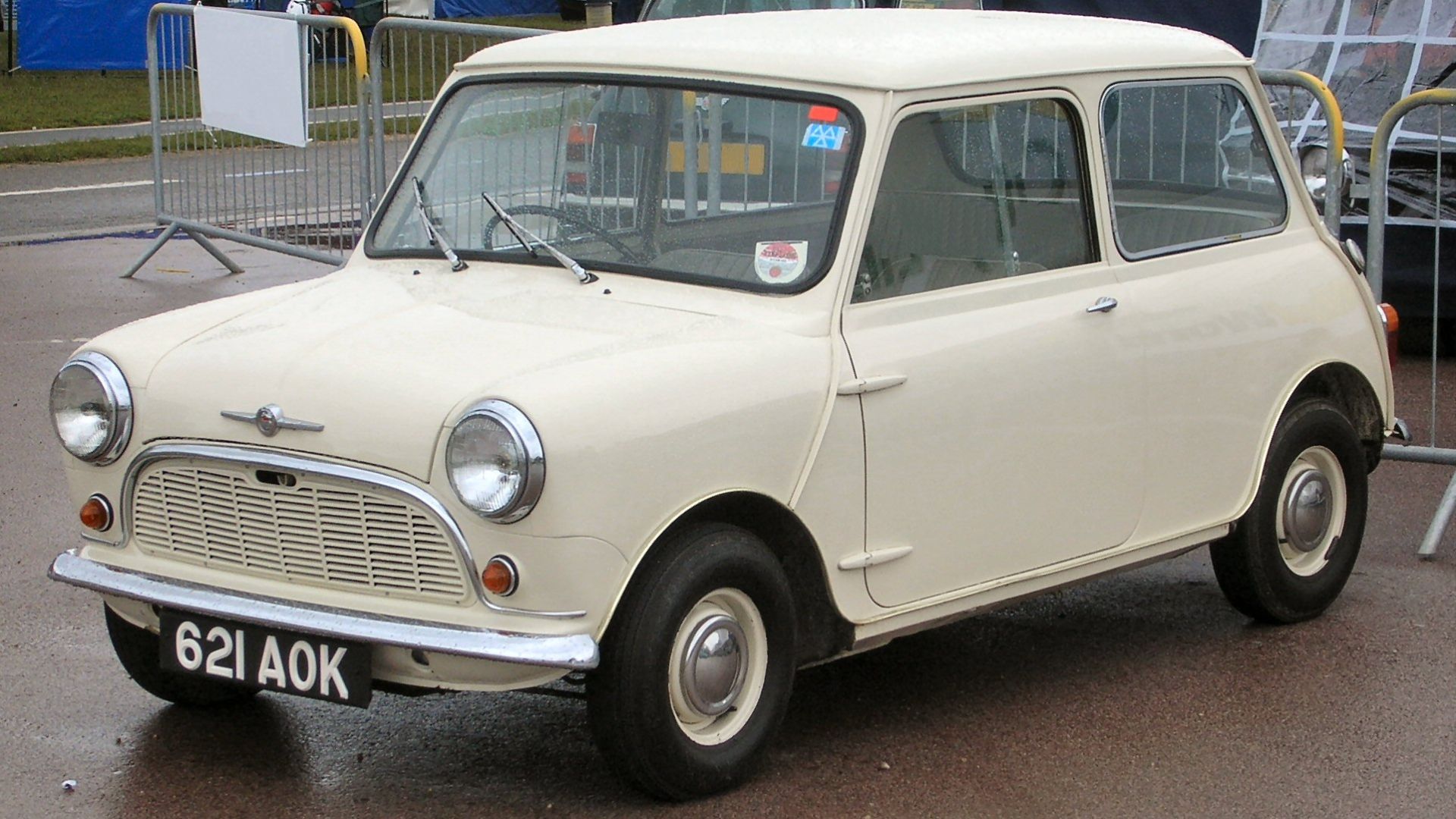
The original Mini arrived when the British Motor Corporation needed an efficient small car during the fuel-conscious late 1950s. Its clever packaging made it roomy inside despite its tiny footprint, which gave buyers something genuinely useful. The Mini became a cultural icon, but it also solved a real market problem at the right time.
15. Lotus Elise
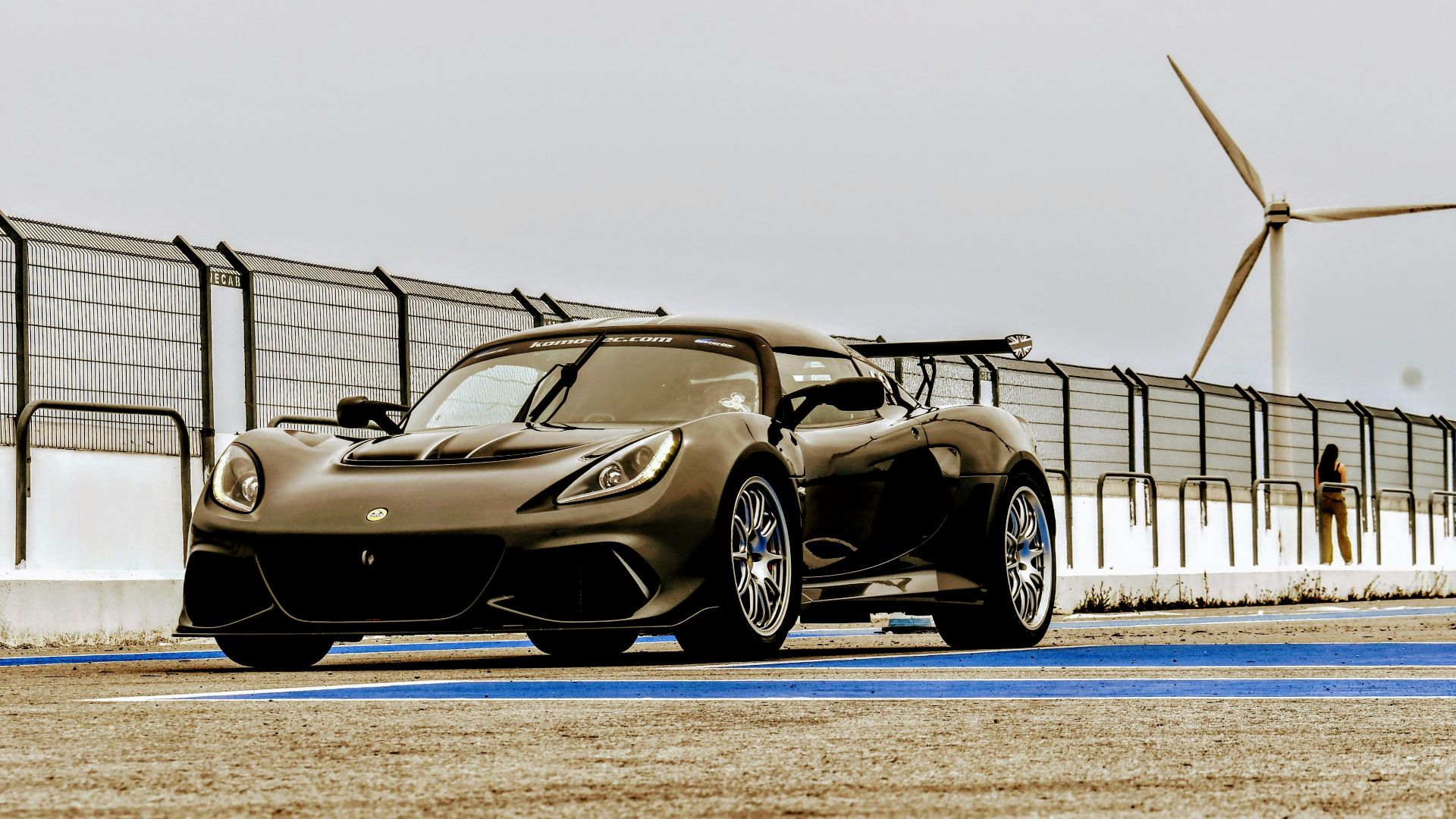
The Lotus Elise helped Lotus survive a difficult period when the company needed a simple, exciting car that could actually make sense to build. Its lightweight aluminum structure, sharp handling, and pure driving feel brought the brand back to its strengths. It was not overloaded with luxury or unnecessary complexity, which kept costs and weight under control.
16. Honda Civic
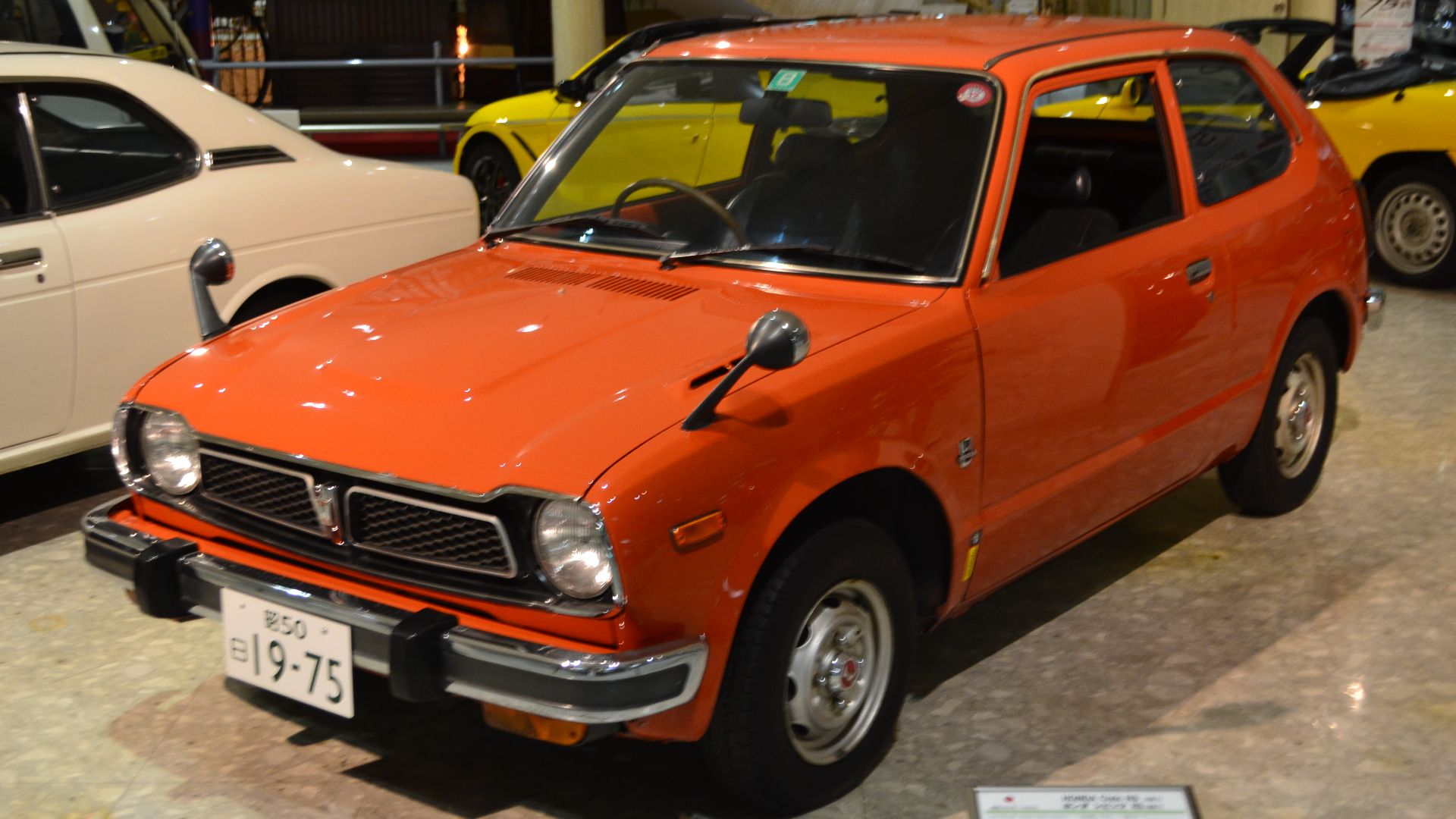
The Honda Civic arrived in the early 1970s at exactly the right time for Honda’s car business. Honda had struggled to gain serious traction with its early passenger cars, but the Civic gave buyers something small, efficient, reliable, and easy to live with. The oil crisis soon made fuel economy even more important, turning the Civic into the kind of hit that helped establish Honda as a real global automaker. It didn’t just sell well; it gave Honda’s car division the credibility it needed to stop being treated like a motorcycle company trying its luck with automobiles.
17. Nissan Qashqai
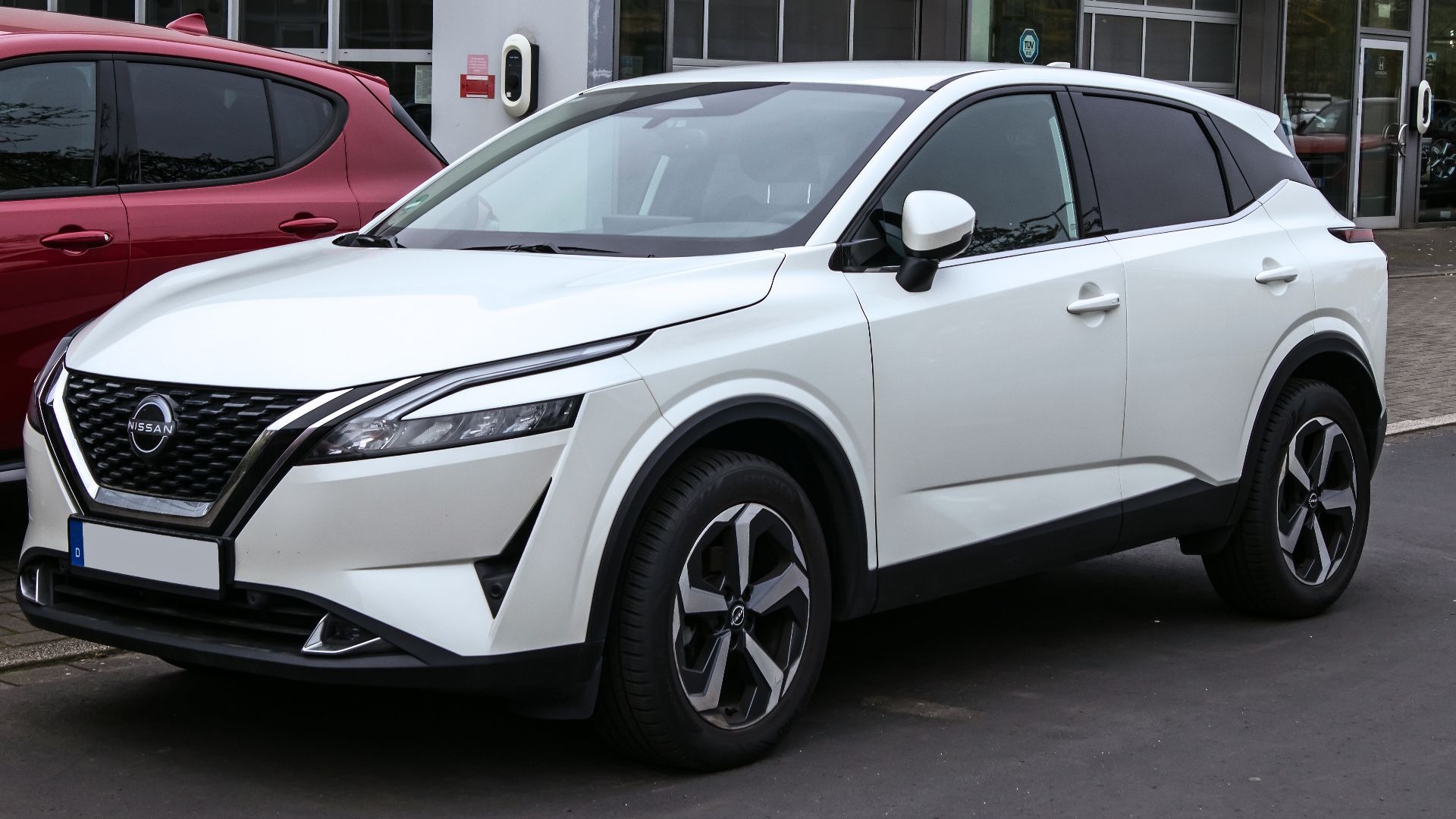
The Nissan Qashqai was especially important for Nissan’s European business. It helped popularize the modern family crossover, giving buyers a car-like alternative to traditional hatchbacks and SUVs. Nissan’s Sunderland plant and European lineup benefited hugely from its success.
18. Bentley Continental GT
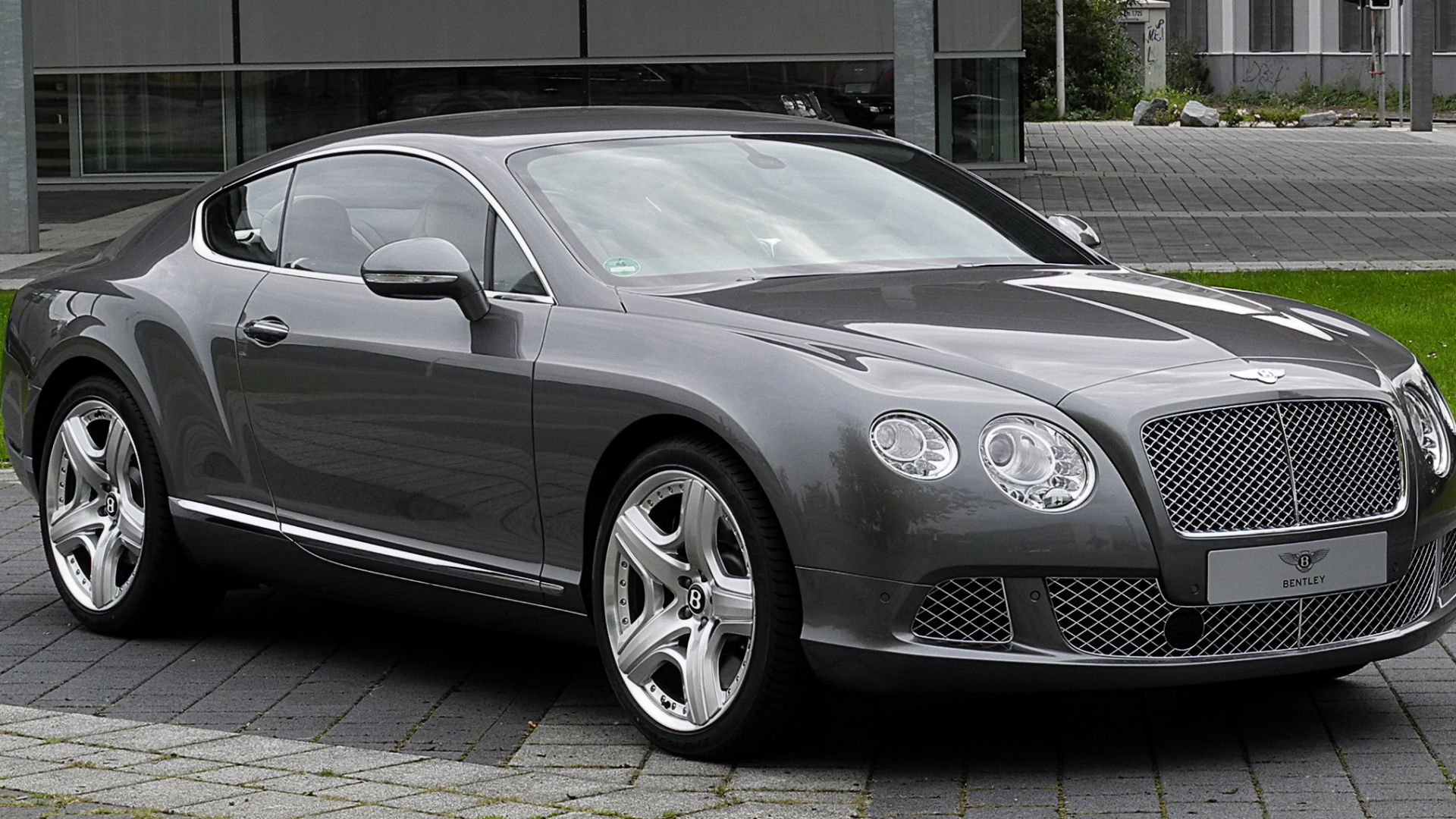
The Bentley Continental GT helped transform Bentley after Volkswagen took control of the brand. Before it, Bentley had prestige but limited modern volume and an uncertain future as a standalone luxury name. The Continental GT gave the company a desirable grand tourer that could sell in far larger numbers than its older models.
19. Tesla Model 3
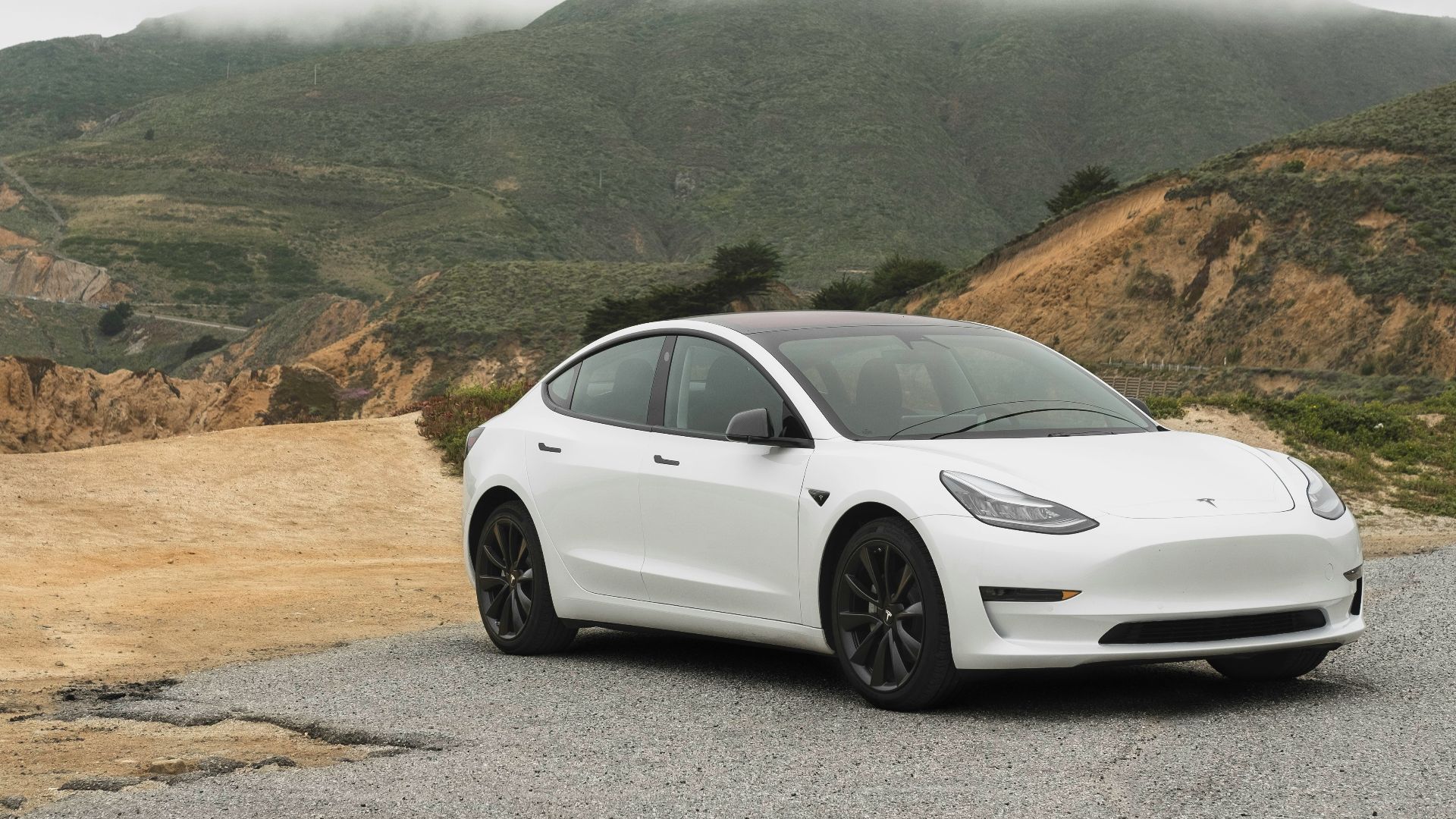
The Tesla Model 3 was a survival-level test for Tesla’s mass-market ambitions. The company needed to prove it could build an electric car in higher volume, not just expensive niche models for early adopters. Production was famously difficult, but the Model 3 eventually became central to Tesla’s growth.
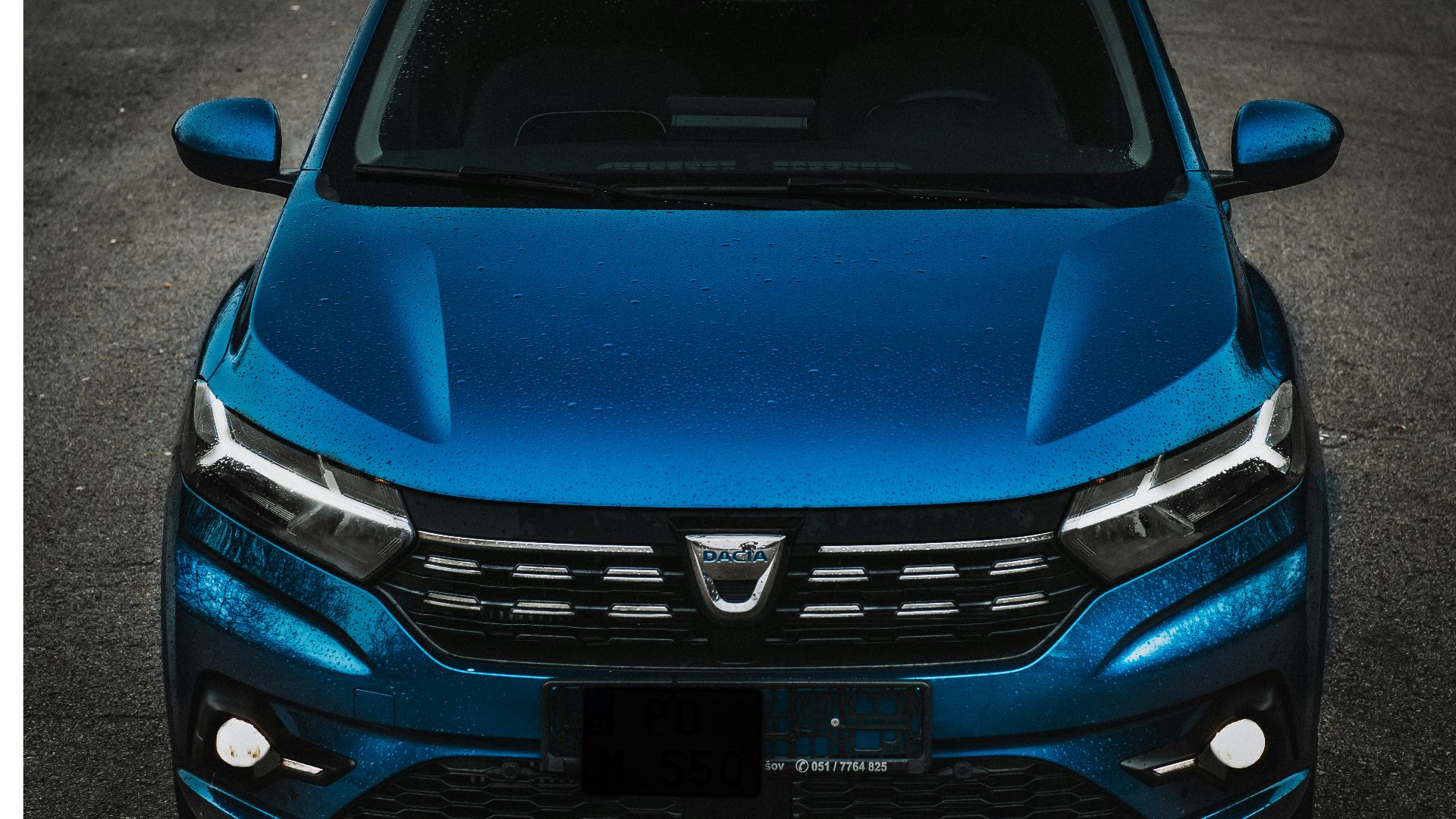
20. Dacia Logan
The Dacia Logan helped Renault turn Dacia into a major budget-car success rather than a forgotten Eastern European brand. It was simple, tough, affordable, and designed for markets where low price and practicality mattered more than fancy features. The Logan gave Renault a profitable low-cost strategy that expanded far beyond Romania.