Modern Car Insight
Car myths have a funny way of spreading. One person swears by something, and everyone treats it like a rule. What worked for vehicles decades ago doesn't necessarily apply to modern engineering. Yet drivers still follow these old rules religiously, wasting time and money on unnecessary practices. This list brings clarity to the claims people spread around without checking them.

1. Warming Up Your Car
Do you also think your engine needs five minutes before hitting the road? Modern cars warm up faster when you're actually driving them. Just start up and go gently for the first mile. Sitting idle wastes gas and can wear down your engine over time, so save yourself the wait.

2. Premium Fuel Boosts Performance
Premium seems like the smarter choice, but most engines see no improvement from it. The higher octane matters only for high-compression motors. Because regular fuel already fits the needs of many cars, confirming the right grade in the manual avoids waste.

3. Oil Changes Every 3,000 Miles
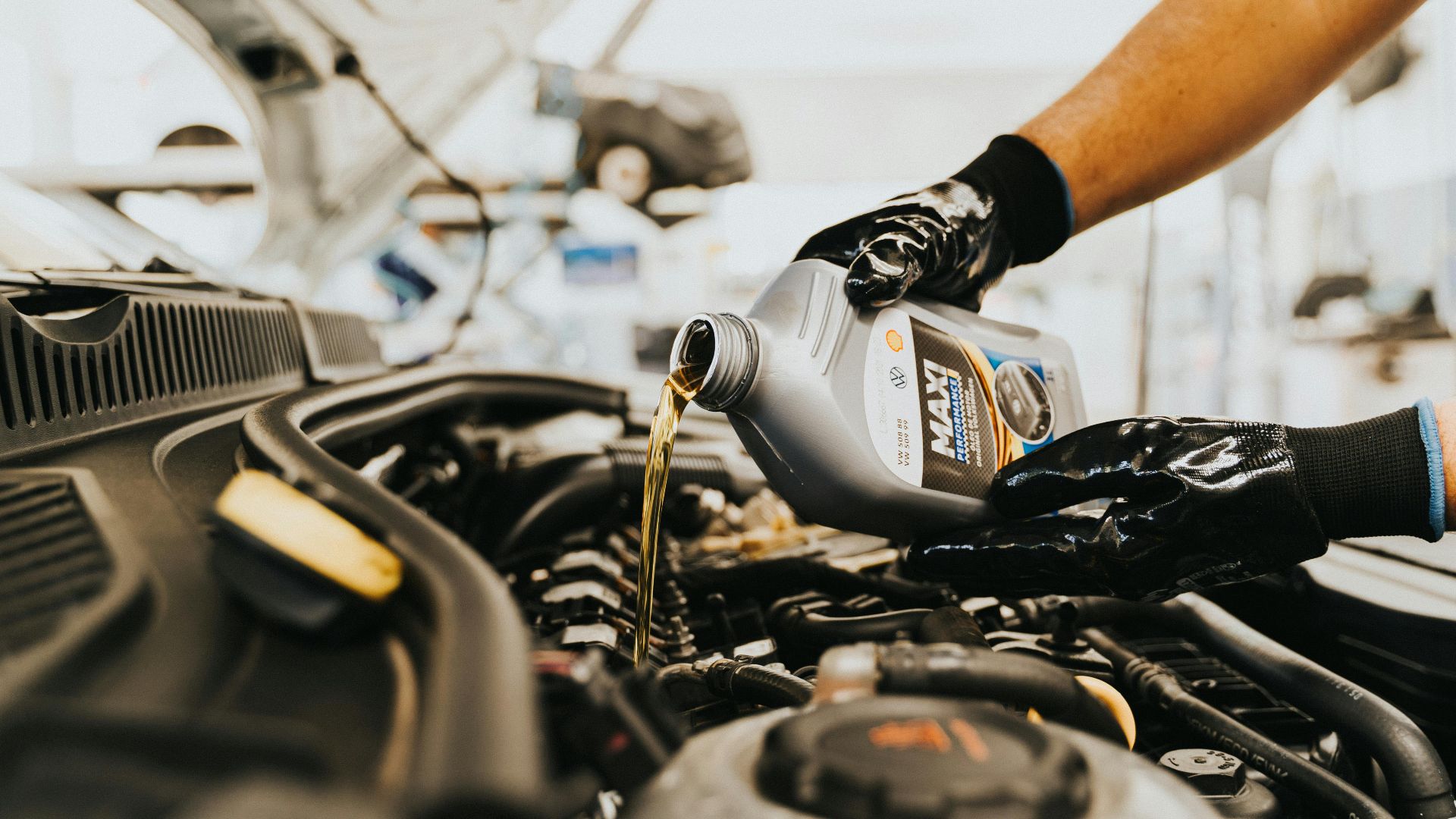
Your grandpa swore by this rule, right? These days, most vehicles can cruise for 5,000 to 10,000 miles between changes. Newer engine tech means you're probably changing oil way more than necessary. Flip through your owner's manual to see what the manufacturer actually recommends.
4. Red Cars Raise Insurance
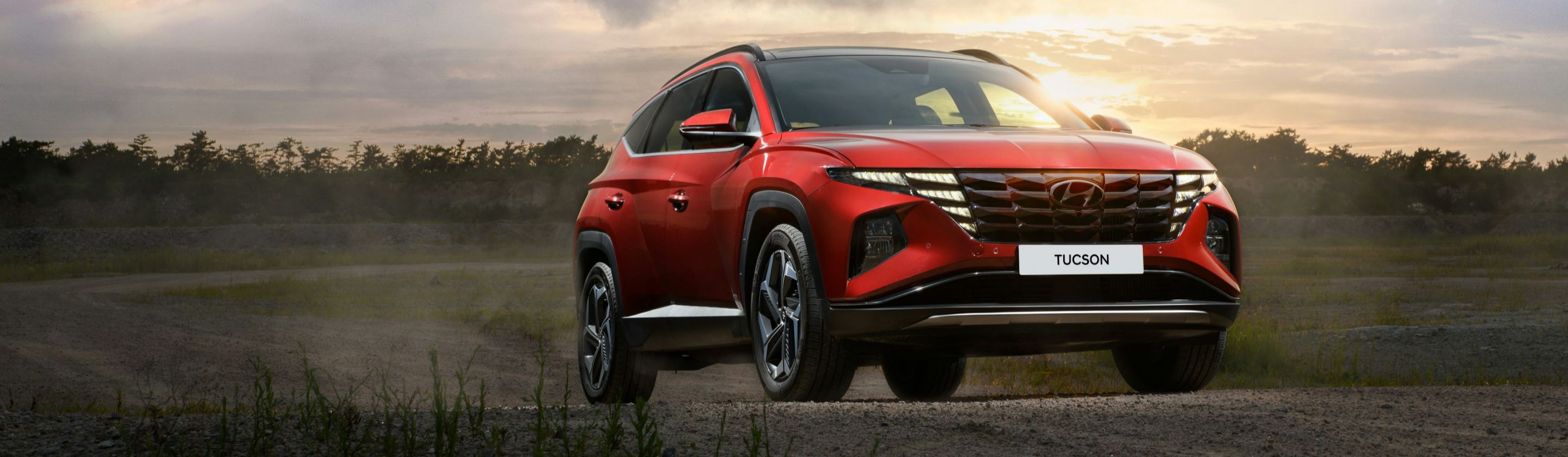
Your insurance company couldn't care less about your paint choice. They're looking at your driving record, the car model, and claims history instead. That flashy crimson finish has zero impact on what you pay each month for coverage.

5. Bigger Tires Improve Handling
The appeal of oversized tires fades once handling becomes heavier and fuel economy slips. Even your speed readings can shift when the circumference grows too much. Engineers design vehicles around precise measurements, so respecting those limits delivers smoother driving.

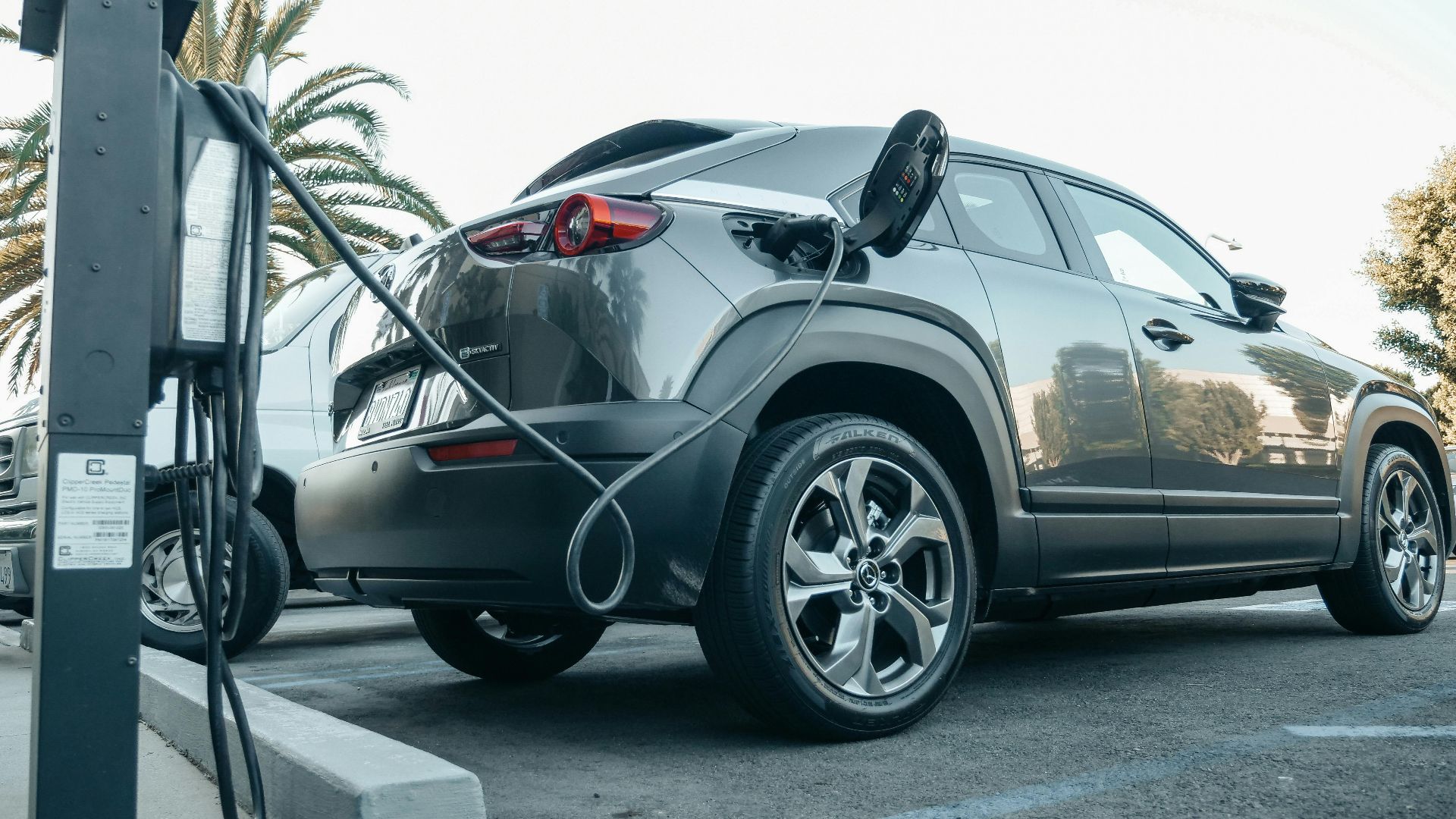
6. Electric Cars Lack Range
You don’t need to be worried about getting stranded halfway to grandma's house. Many electric vehicles now cruise past 200 miles on one charge, with some models pushing 300 or more. Your daily commute and weekend errands are totally covered by modern EVs without range anxiety.
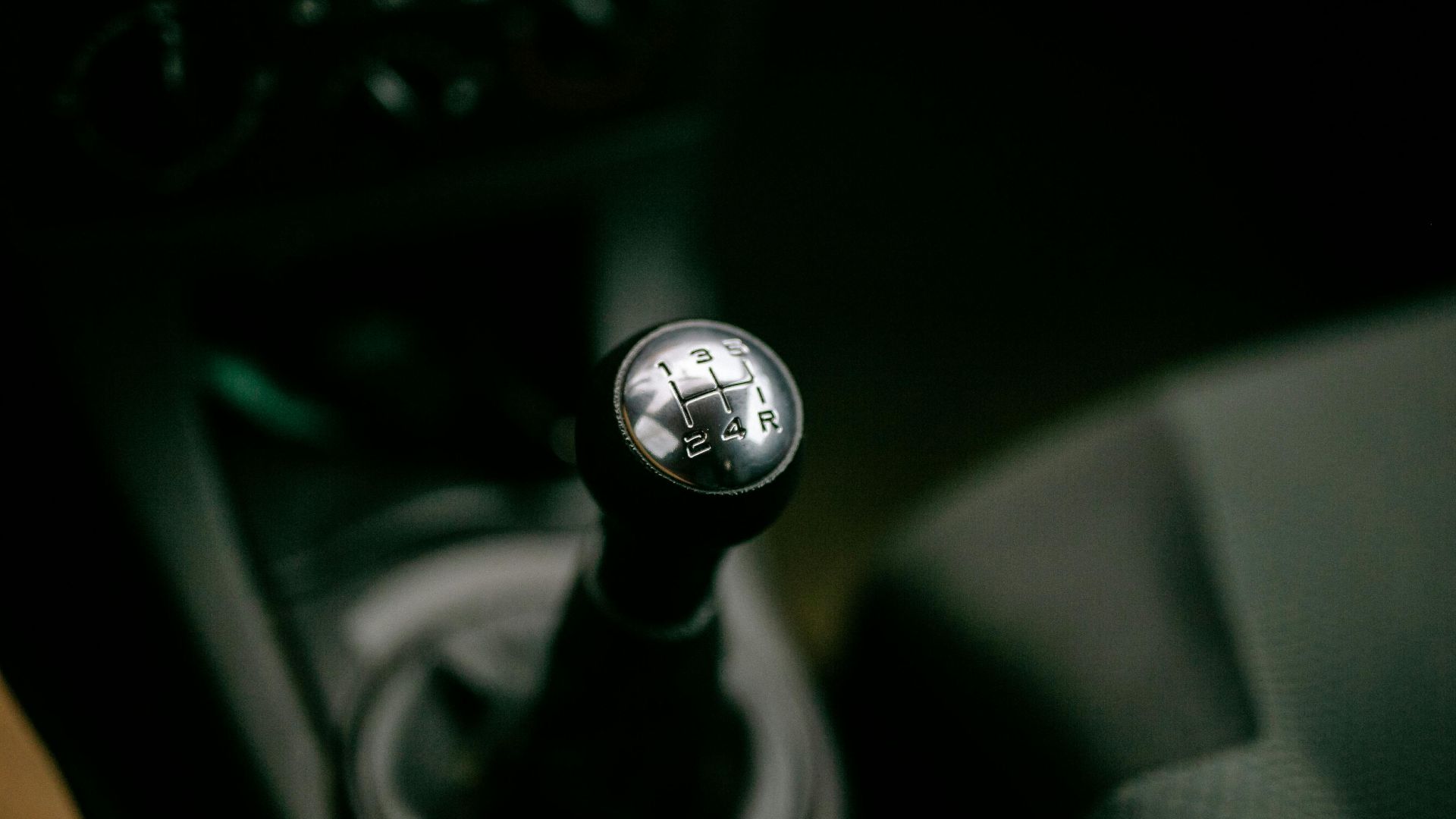
7. Manuals Beat Auto Economy
For years, manual gearboxes carried a reputation for efficient use of fuel. Automatic systems evolved with refined shift logic and expanded ratios, lifting their economy to similar levels. Drivers now choose transmissions based on preference without sacrificing everyday mileage.
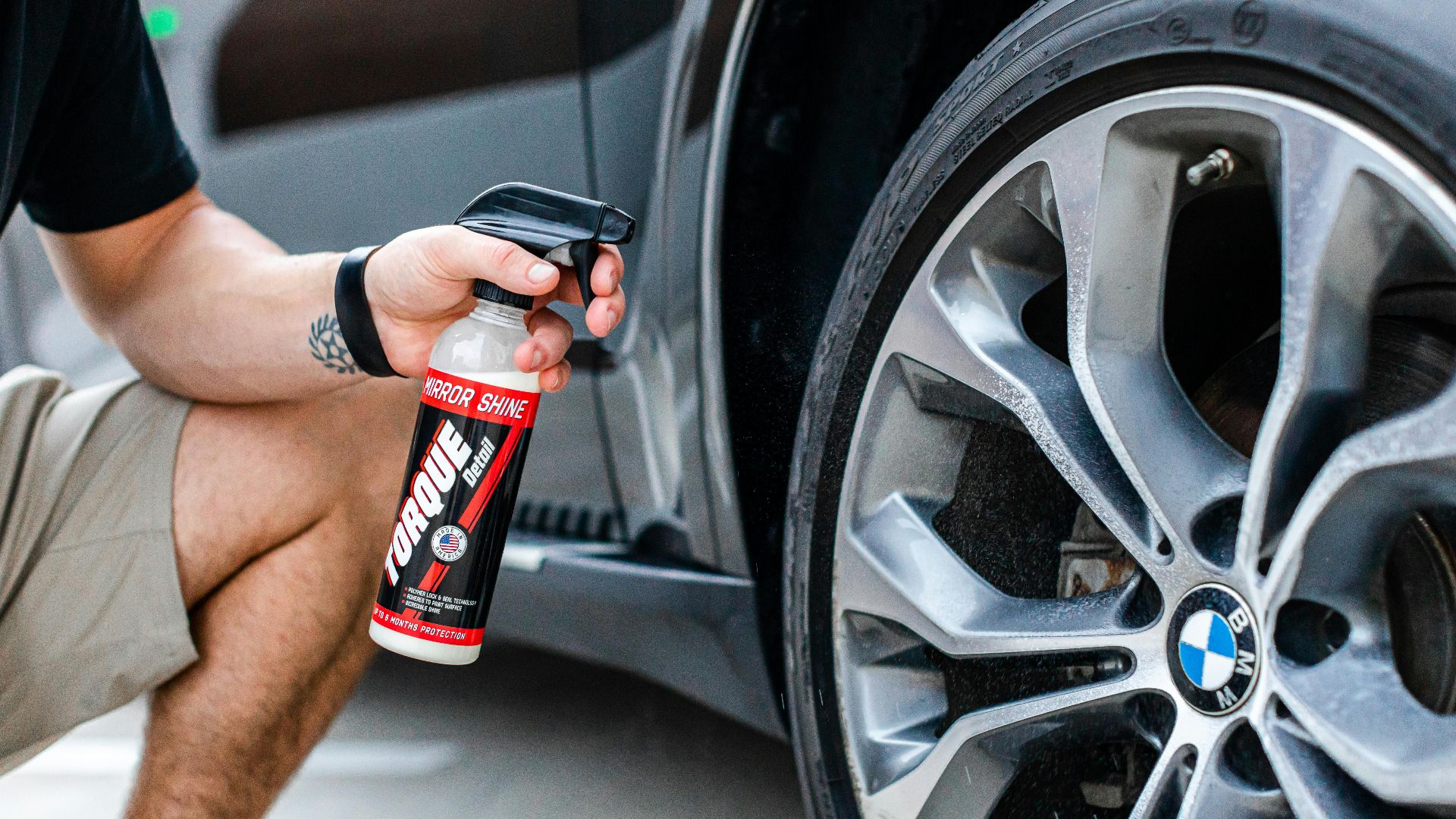
8. Tire Shine Damages Rubber Fast
Car enthusiasts argue that shiny tires mean damaged rubber waiting to crack. Quality water-based products are engineered specifically for tire rubber and include protectants. Using them correctly won't harm your tires at all. The myth comes from old solvent-heavy products that actually could cause problems decades ago.
9. All-Wheel Drive Conquers Snow Easily
AWD assists with getting a car moving on snowy ground, yet turning and stopping depend heavily on tire grip. Winter tires transform that experience by supplying reliable traction. With proper rubber installed, drivers feel far more in control during cold-weather travel.

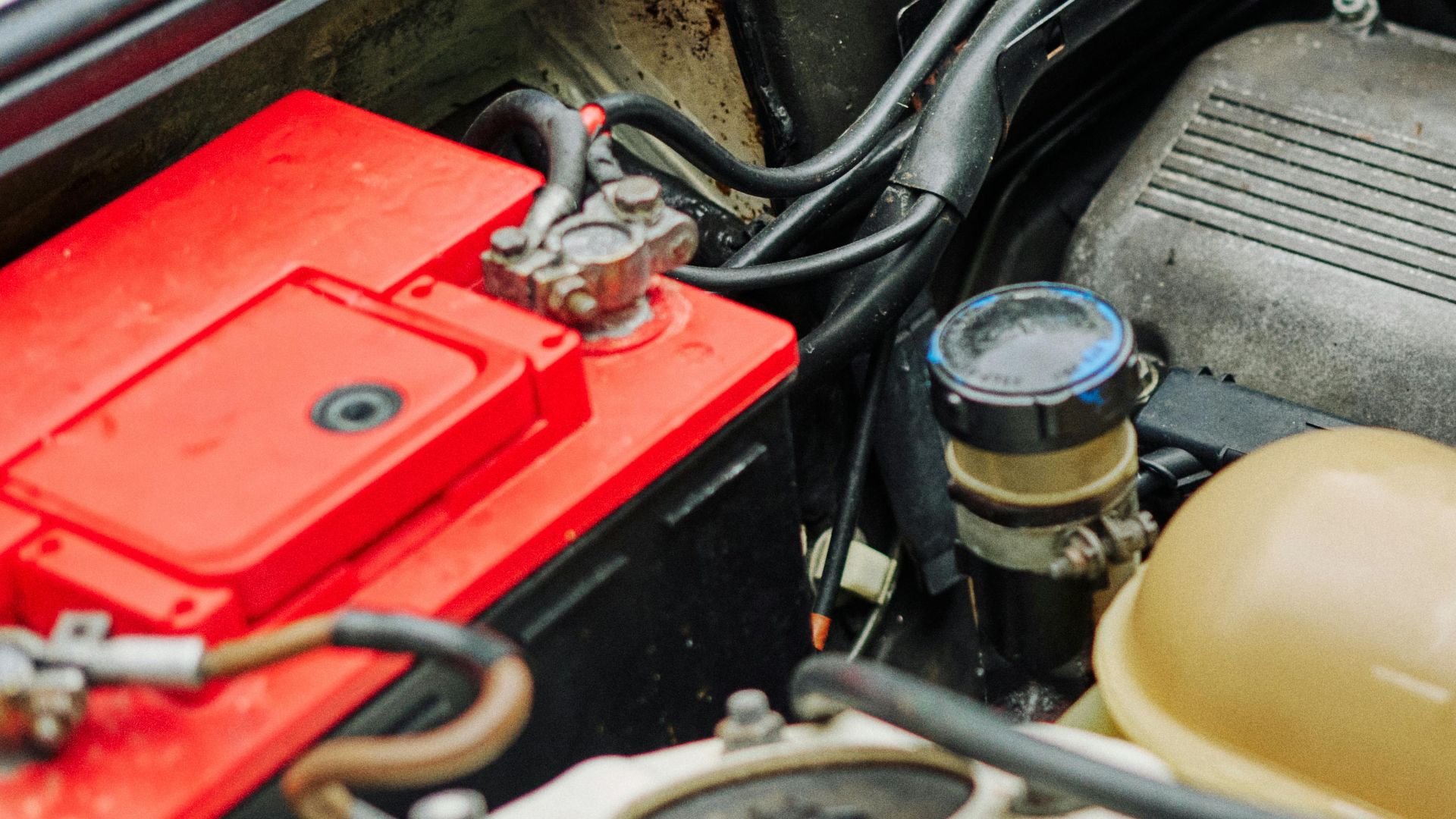
10. Start-Stop Batteries Need Special Chargers
Your start-stop battery is tougher than people give it credit for, and it doesn't need any fancy equipment. These batteries handle constant on-off cycles from your alternator daily. Regular smart chargers work just fine for keeping them maintained.
11. Dealer Service Is Necessary
Plenty of owners assume dealer visits are mandatory for warranty coverage. But the truth is that any skilled workshop can handle maintenance as long as schedules are followed. With that freedom, finding a trusted neighborhood shop often becomes more budget-friendly.

12. SUVs Are The Safest
That feeling of security in an SUV can be misleading, especially when a lower, wider sedan handles emergencies better. Modern crash protection varies by model, not category. Plenty of compact cars offer structural strength that rivals what’s installed in much larger rides.
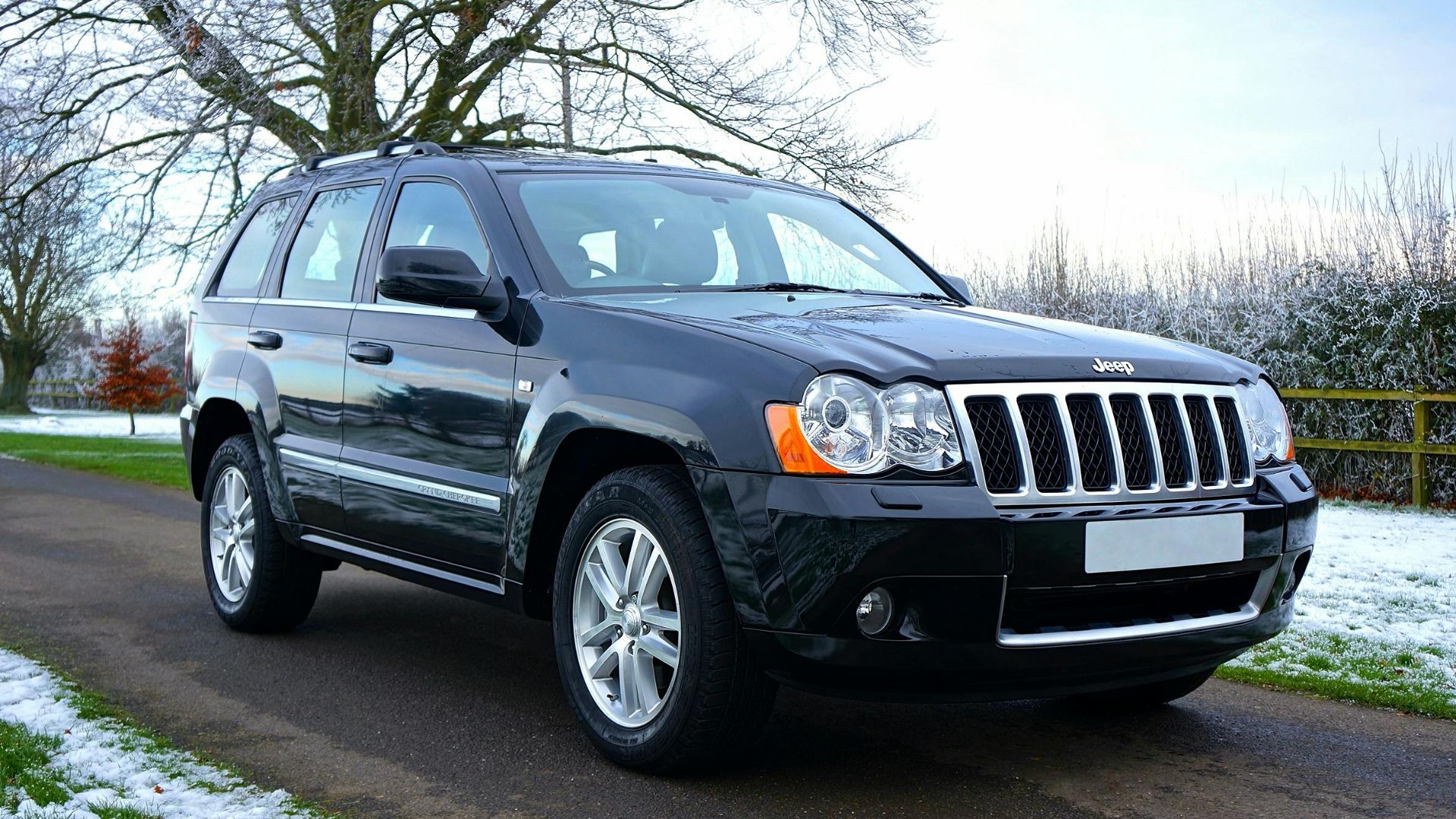
13. Car Color Affects Engine
You can pick any car color that makes you happy, as the engine temperature stays basically the same regardless of exterior color, thanks to insulation and cooling systems. Dark paint absorbs more heat, but your engine bay doesn't care one bit.

14. Inflate Tires To Sidewall Number
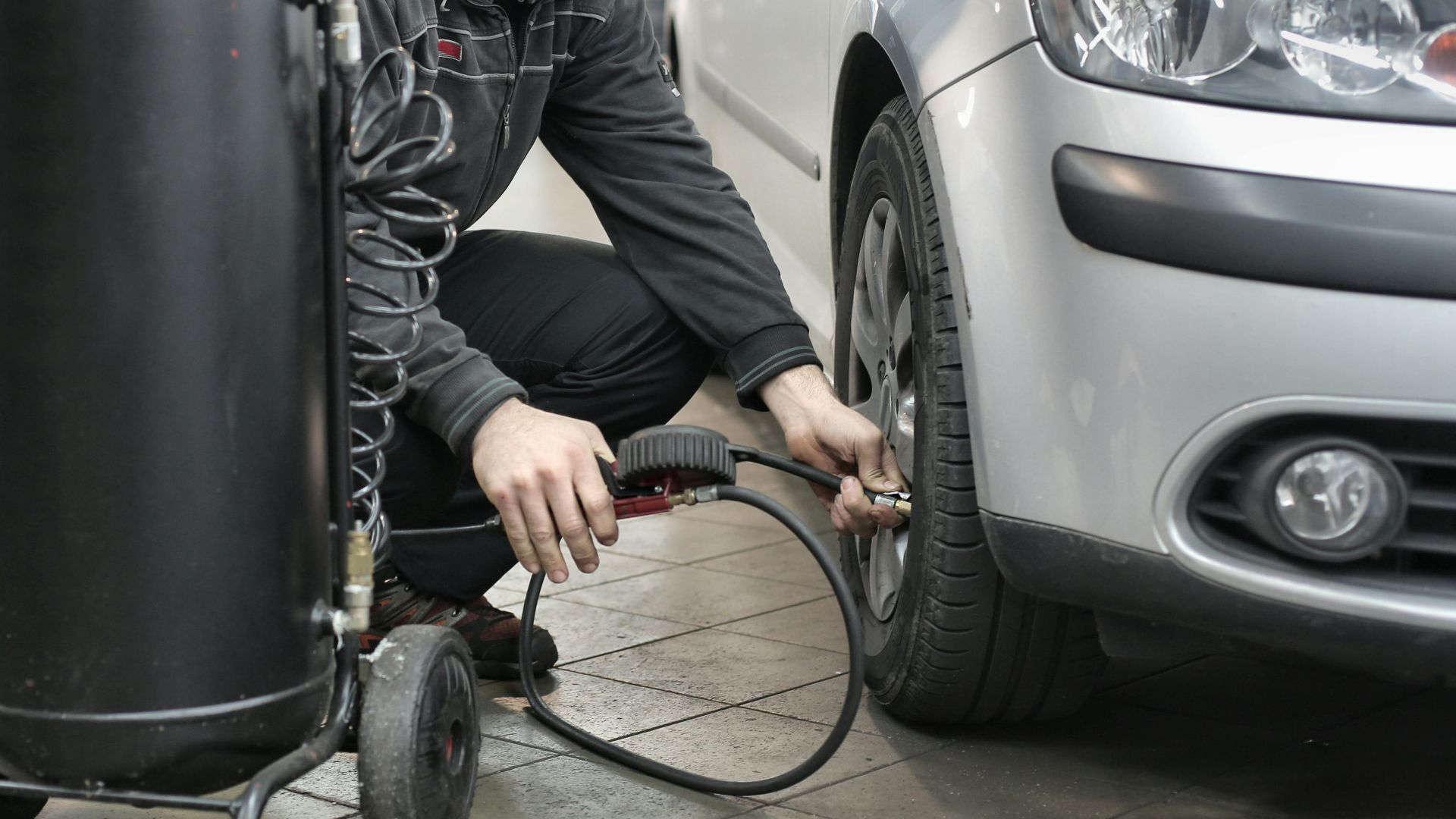
Many drivers think the large number on a tire’s sidewall is the recommended pressure. It’s actually the maximum limit. The correct inflation level is listed on the driver’s door sticker or in the vehicle manual.
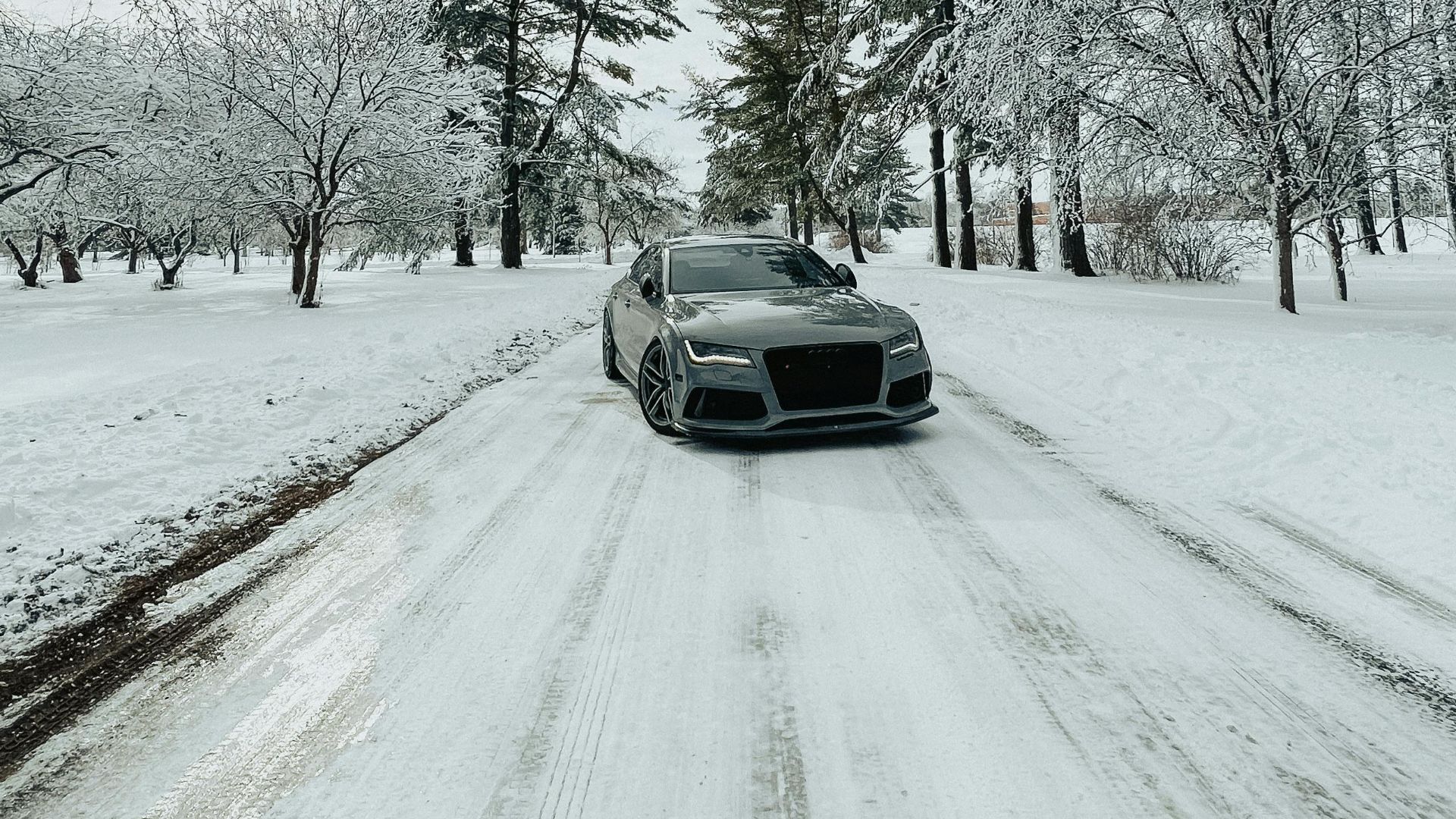
15. Traction Control Hurts Snow Performance
Some drivers flip this off the moment flakes start falling. Traction control actually prevents wheel spin and keeps you stable on slippery roads. If you're completely stuck in deep snow, turning it off temporarily might help you rock free. Otherwise, leave it on for safer winter driving every single time.
16. Open Windows Beat Air Conditioning
People swear that skipping the AC saves gas every time. This myth falls apart on the highway, where open windows create drag that guzzles more fuel than your air conditioning does. At city speeds, windows work fine since drag is minimal. Above 50 mph, crank the AC and close those windows instead.

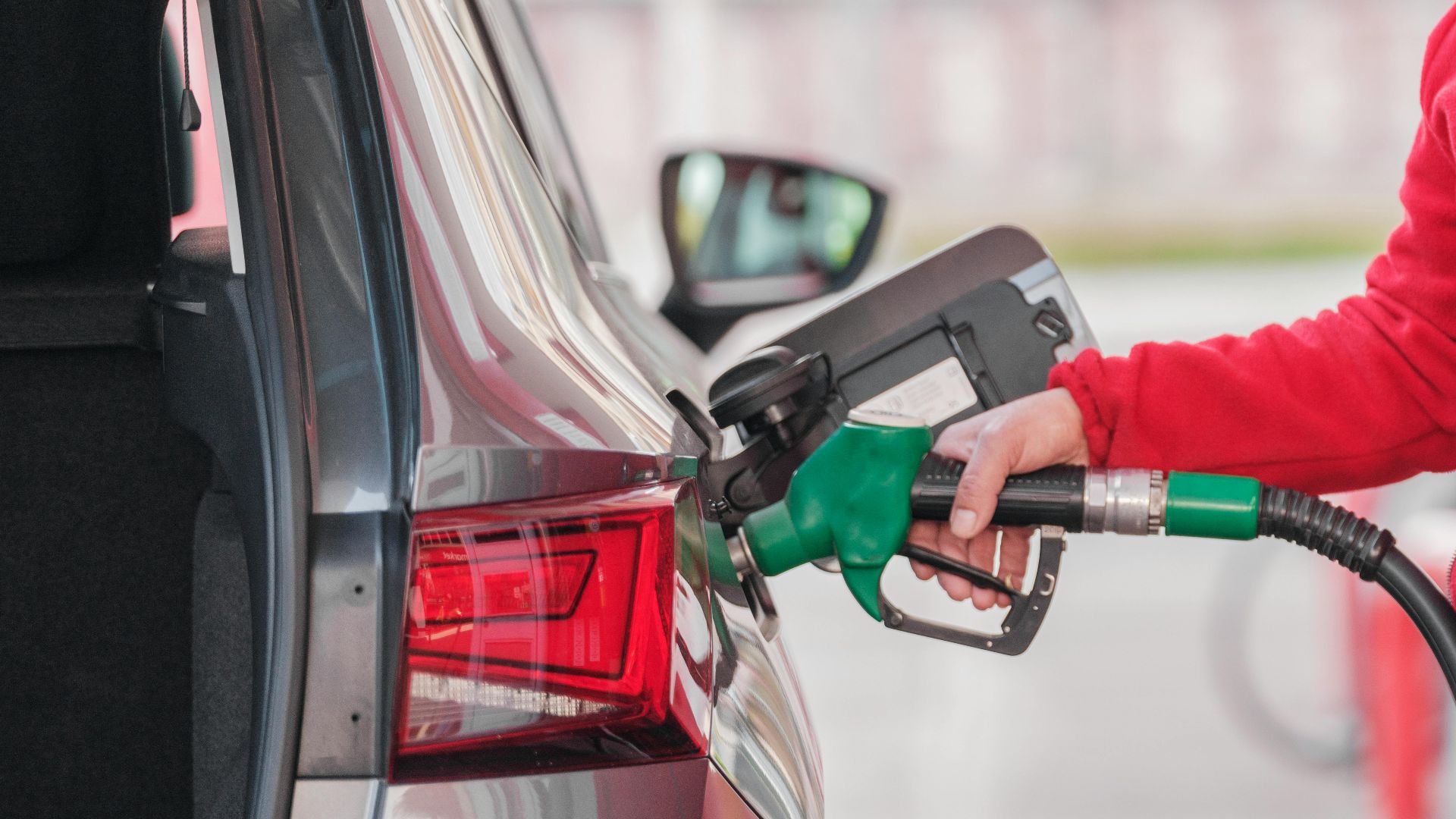
17. Second Click Prevents Fuel Issues
You've probably heard that topping off after the click gets you more gas for your money. That's completely backwards from reality. Overfilling pushes fuel into your emissions system and can trigger expensive repairs. The click means your tank is full, period.
18. Nitrogen Is Better
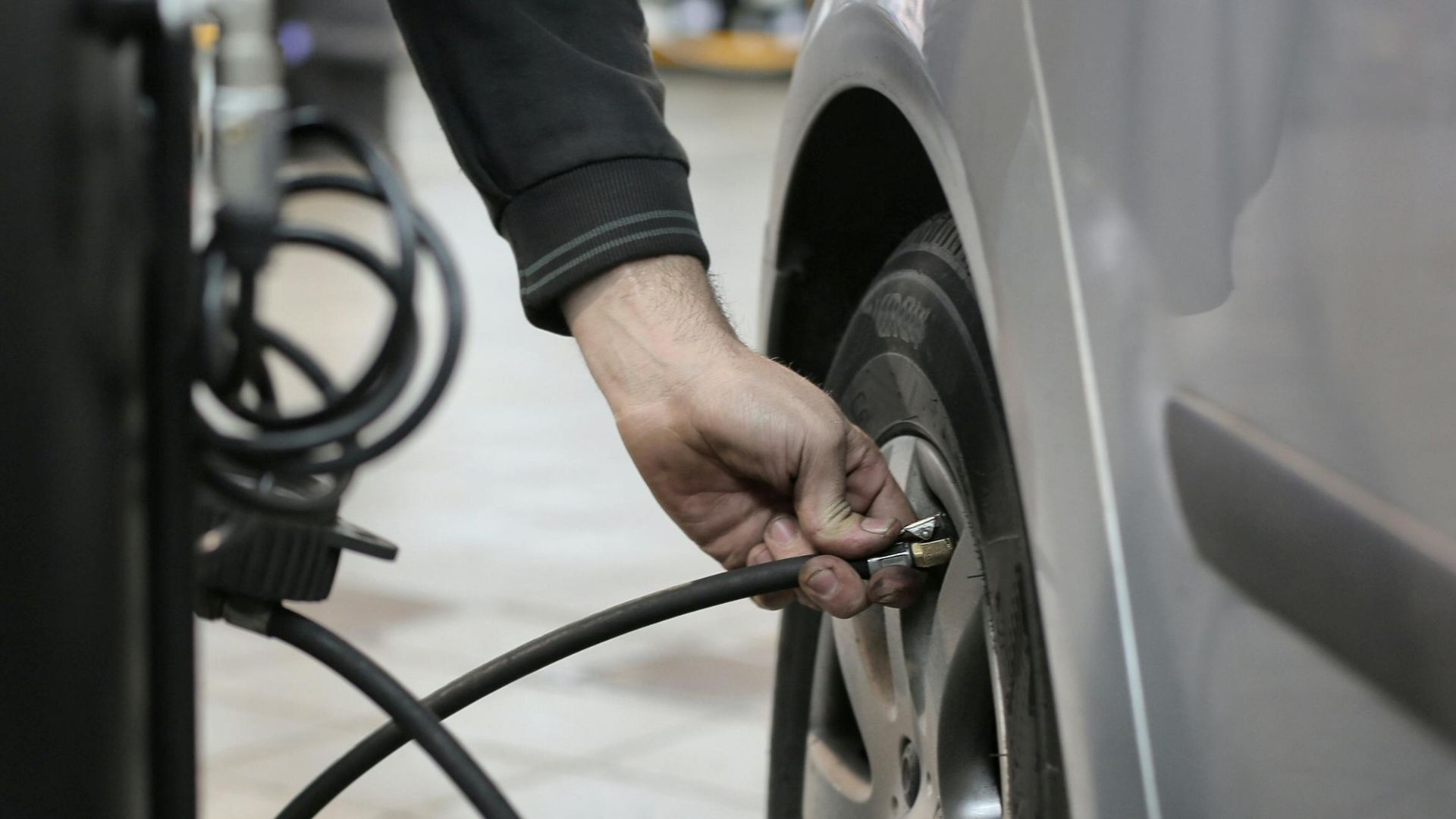
Tire shops push nitrogen like it's magic for your wheels. Regular air works just as well for everyday driving with almost identical pressure retention. Nitrogen offers such tiny benefits that you'd never notice the difference on your commute. This myth exists mostly because shops can charge extra for nitrogen fills.
19. New Engines Need Gentle Break-In
People once tiptoed through the first month with a new car, assuming the engine needed babying. Modern factories eliminate most of that worry. As long as the first thousand miles stay moderate, the engine handles everyday demands without requiring the approach of the past.

20. Synthetic Oil Causes Engine Leaks
Mechanics used to warn against synthetic oil in older cars because it supposedly caused leaks. The truth is, synthetic oil just finds leaks that already existed. Its superior viscosity actually maintains seals better than conventional oil.