The Beauty Of Limits
Some car makers don't like to spread themselves too thin. They know what they're best at and they stick to it. It says a lot about how certain carmakers define themselves and how well they can cultivate a following around that brand identity. So, let’s take a look at the brands that stay intentionally small and always strive to deliver on their promises.
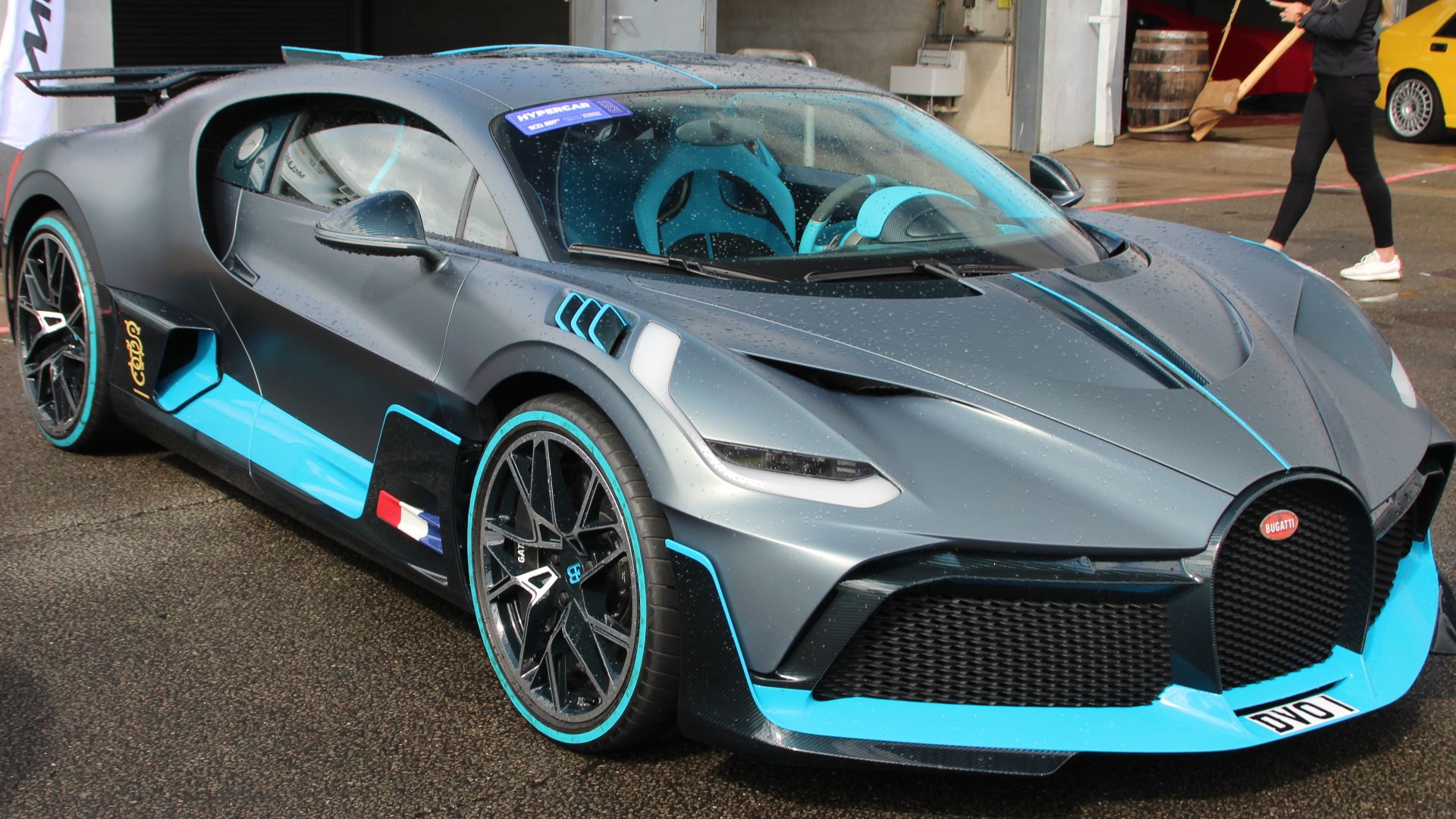
1. Bugatti
Walk into Bugatti’s world, and the first thing that hits you is how little they build. The Chiron, Divo, Centodieci, Bolide, Mistral, and Tourbillon appear in tiny batches, like the 10-unit Centodieci run. Even its Chiron Pur Sport tops out at 60 cars.
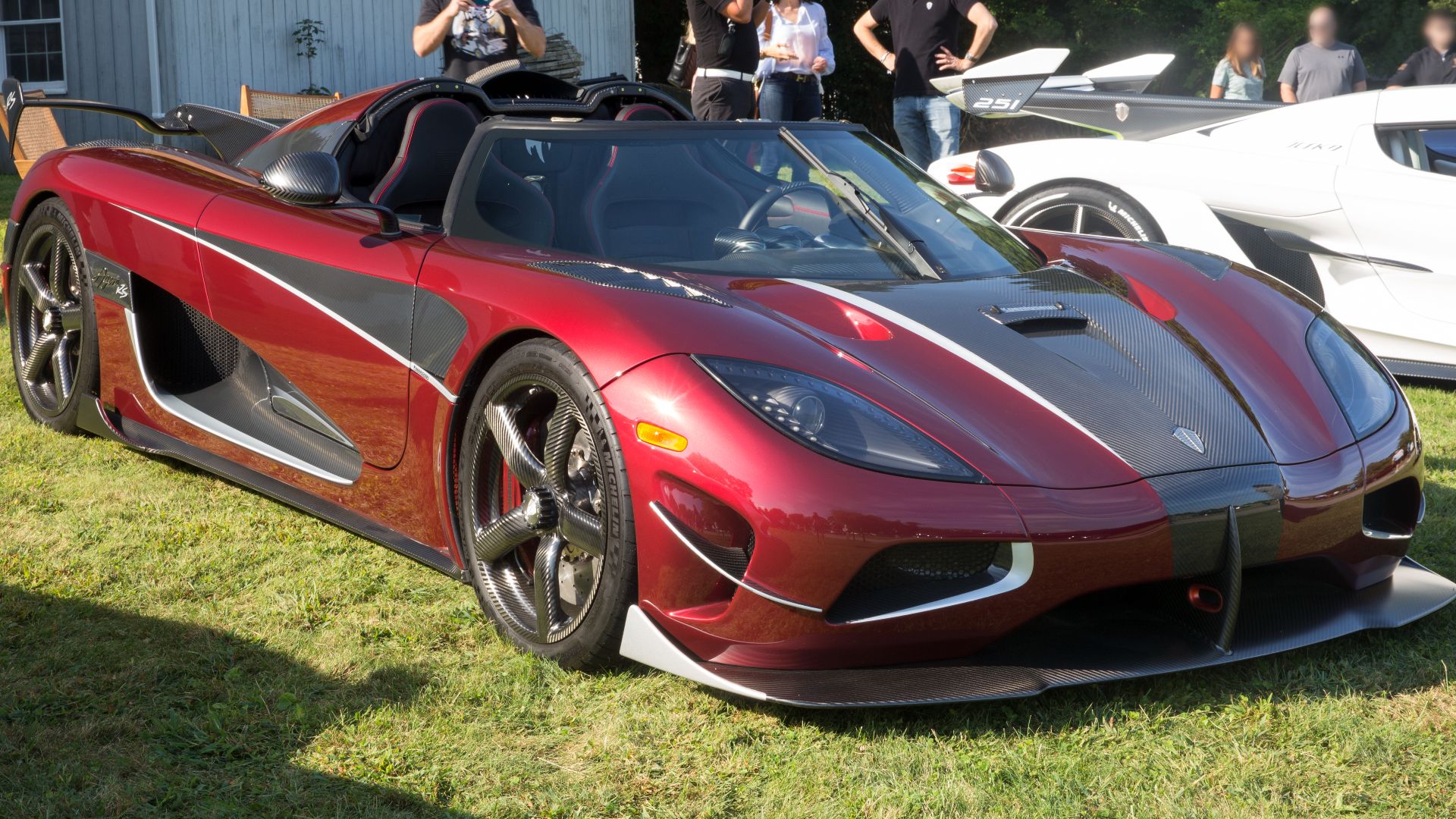
2. Koenigsegg
Speed takes center stage with Koenigsegg long before you get to the details. The Agera RS proved it by hitting 277.9 mph. Behind that achievement sits a tiny lineup built with purpose, from the Jesko to the Regera to the unexpectedly roomy Gemera, each engineered with intense focus.
3. Pagani
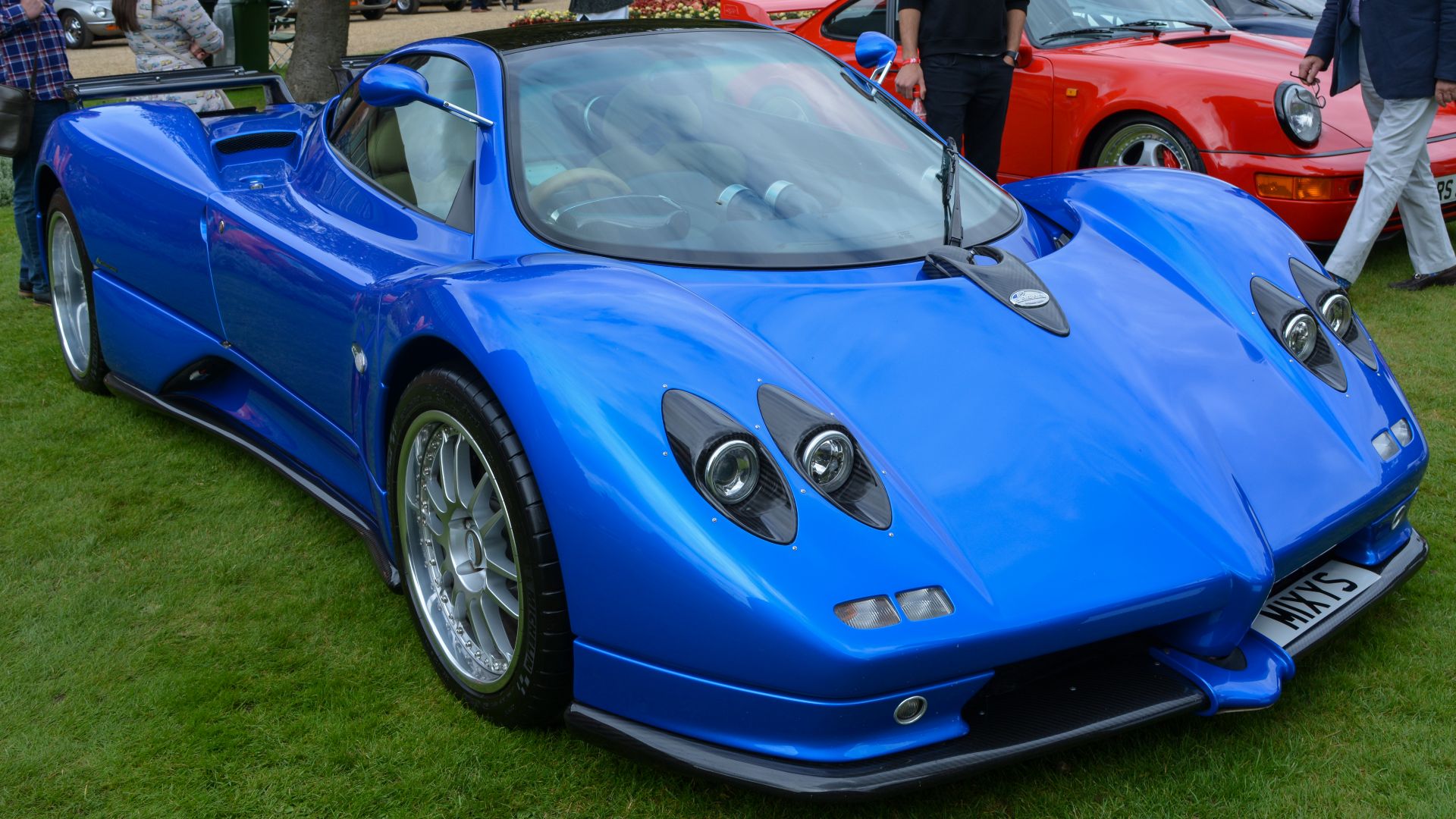
Pagani’s story starts with workmanship rather than volume. Each Huayra or Utopia comes together by hand, with fewer than 100 units for most versions. The original Zonda stretched from 1999 to 2017 with only 140 built. Horacio Pagani’s Lamborghini past shaped the company’s ultra-limited philosophy.
4. McLaren
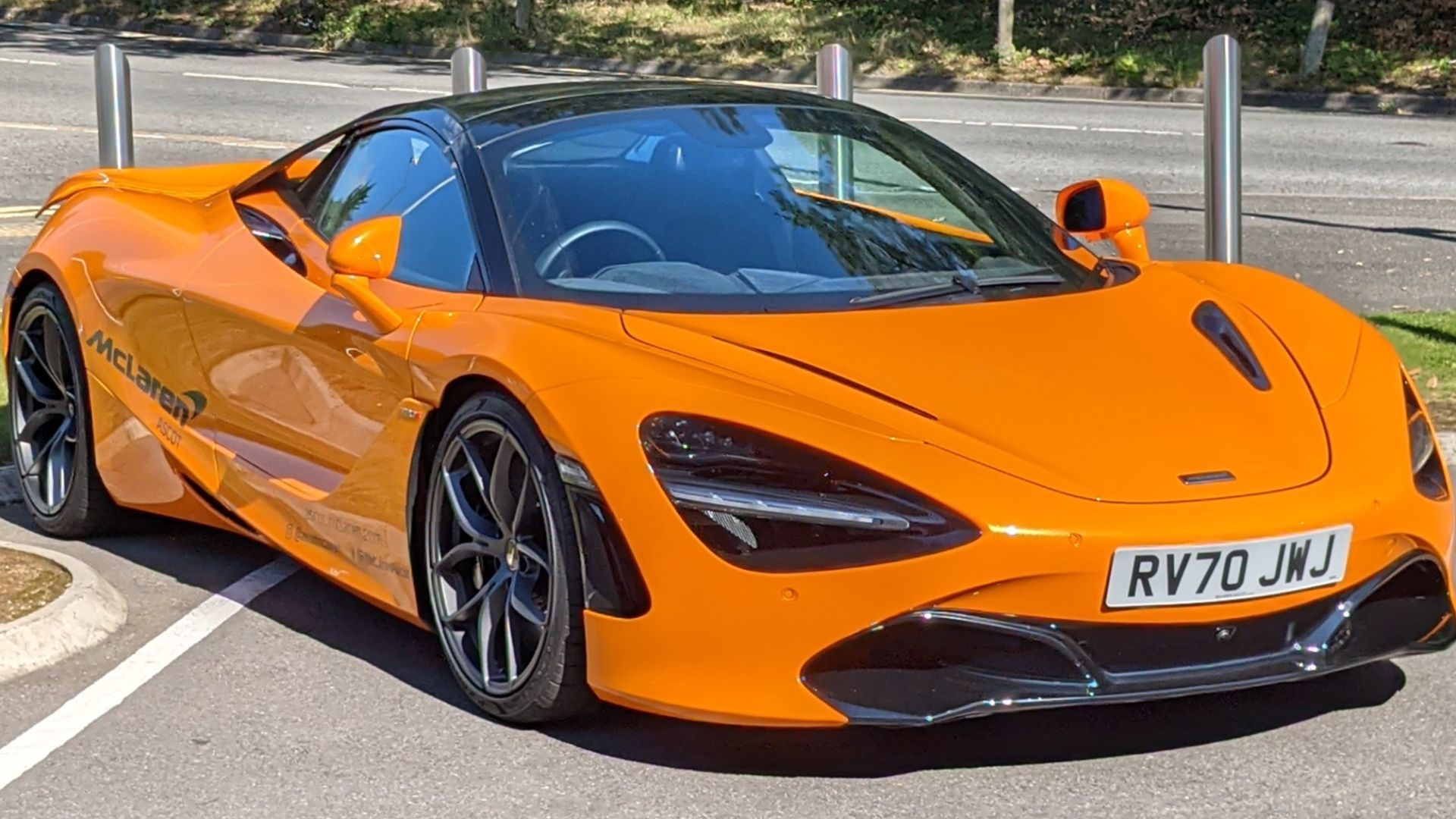
Some brands chase breadth, but McLaren keeps things cycling in and out with precision. The Ultimate Series alone brought the rare P1, Speedtail, and Elva. Long before that, the F1 defined speed in the 1990s. Everything McLaren builds leans on deep racing roots and focused engineering.
5. Rolls-Royce
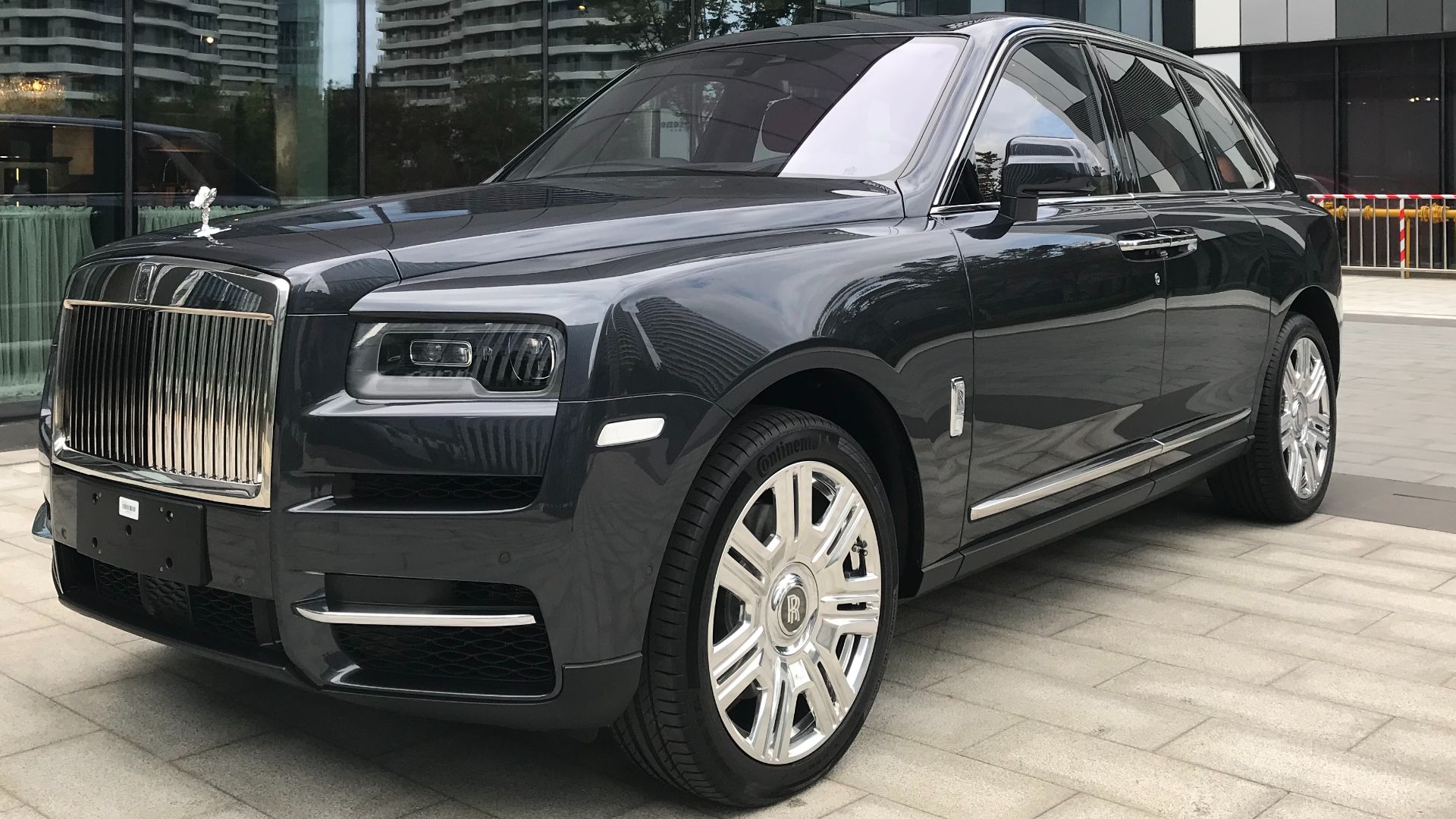
The Phantom carries nearly a century of history, dating back to 1925, and leads a small family that includes the Ghost and Cullinan. Rolls-Royce keeps the group deliberately tight, relying on extensive bespoke options.
6. Bentley
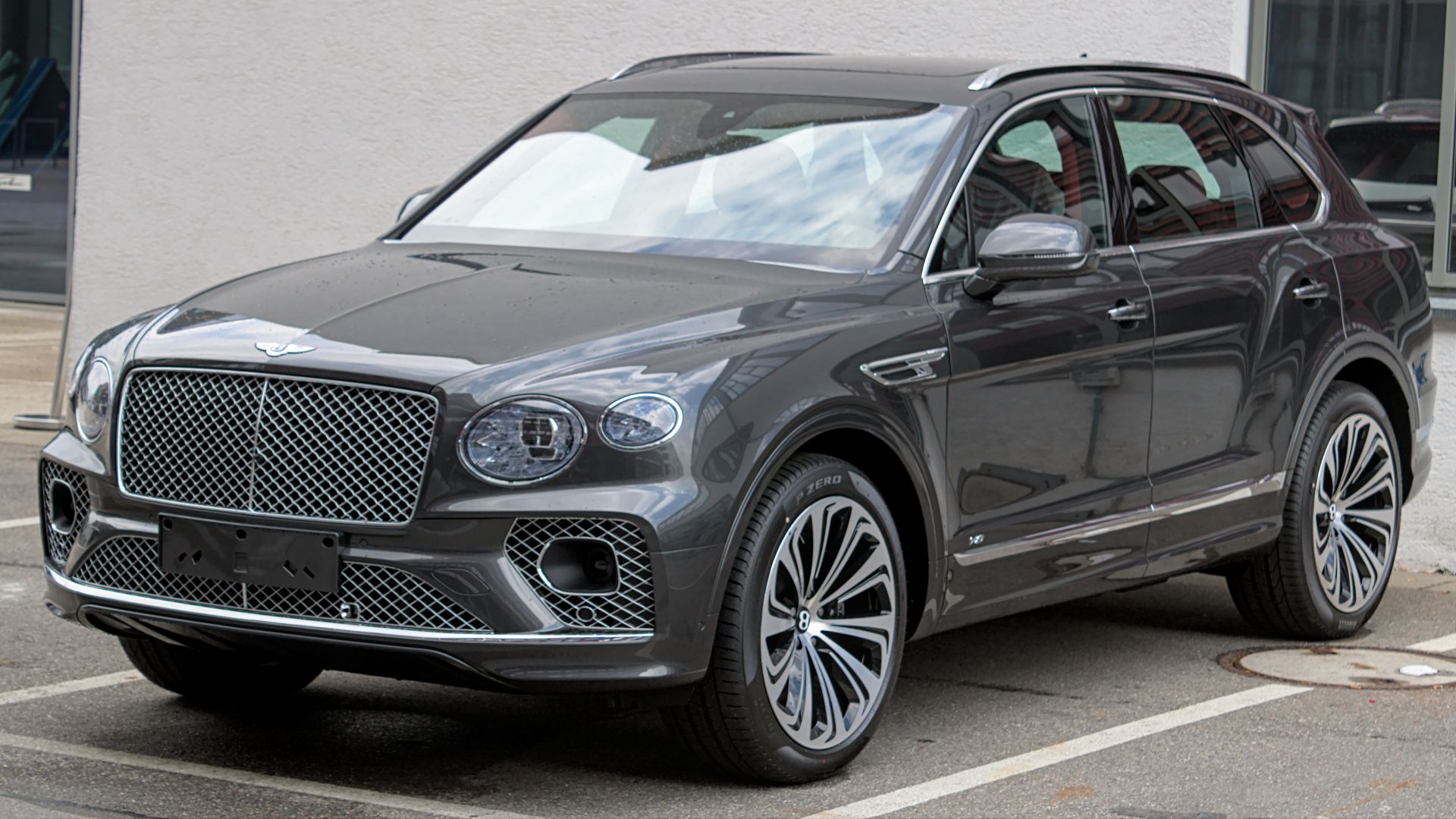
If you gravitate toward brands that value polish over size, Bentley fits that mood. Its core stays tight: Continental GT, Flying Spur, Bentayga, and Continental GTC. The Bentayga’s W12 trim became a milestone that marked the first time a luxury SUV carried an engine like that.
7. Rimac
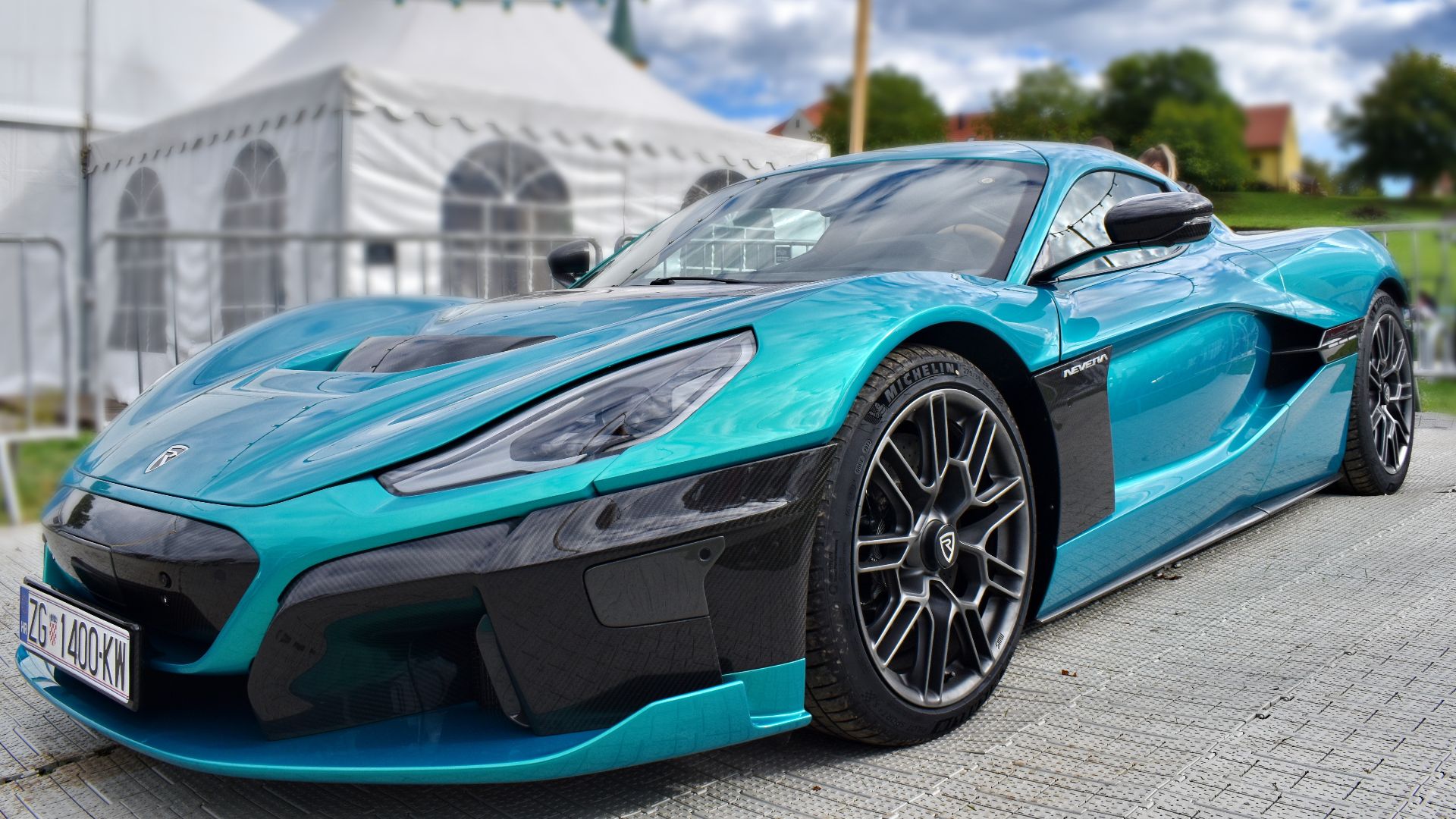
You can trace Rimac’s personality back to a tinkerer modifying a BMW E30 in a garage. That same energy lives in the 150-unit Nevera, a car famous for brutal electric speed. Meanwhile, Porsche and Koenigsegg both tap into Rimac’s technology.
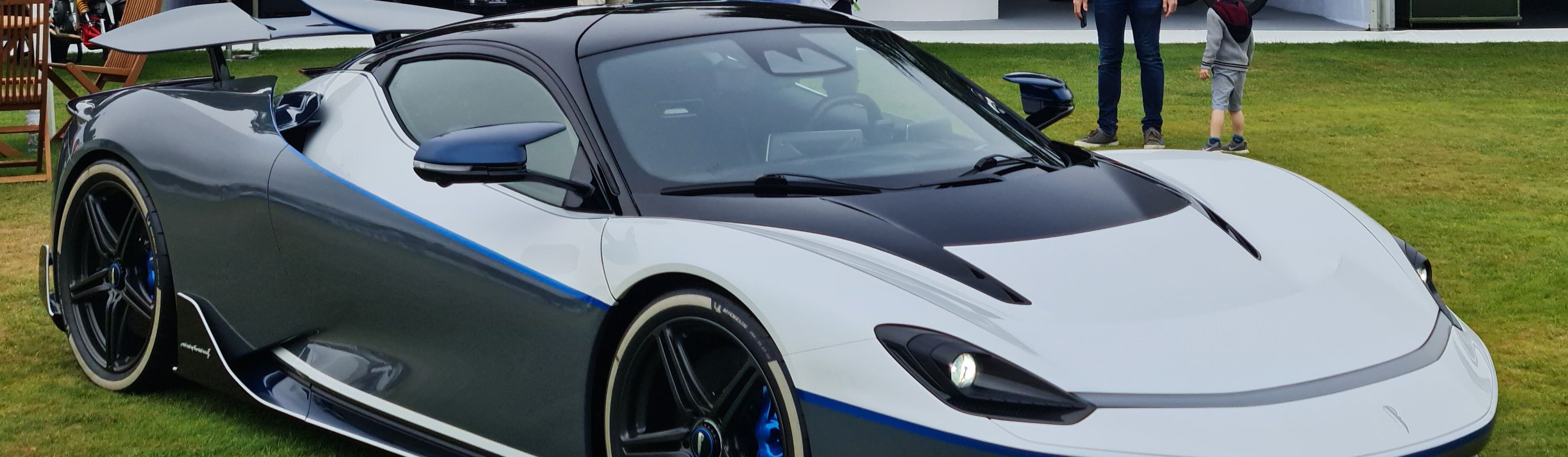
8. Pininfarina
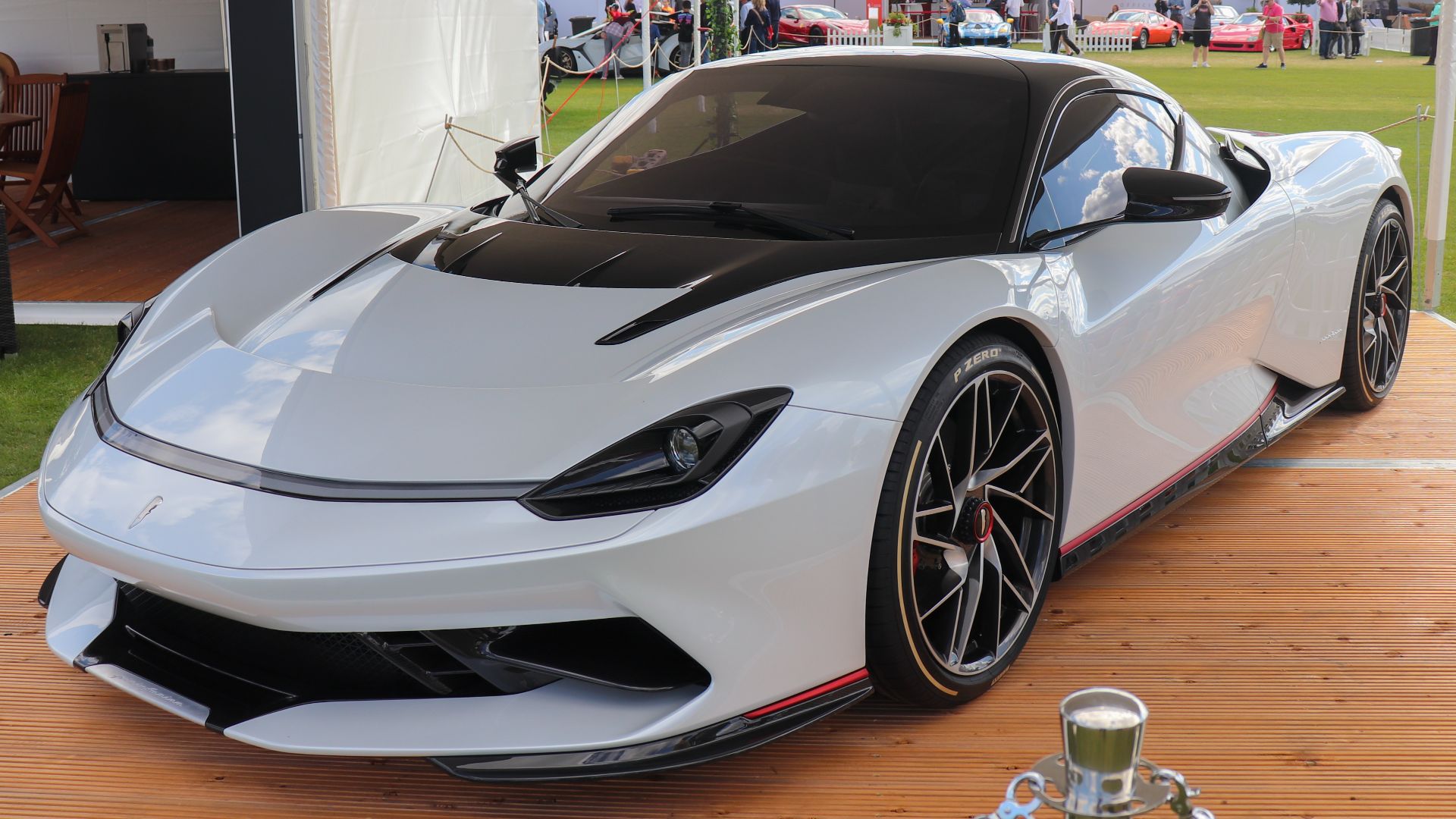
Pininfarina’s move from legendary design house to hypercar maker produced two ultra-exclusive models: the Battista and the B95 Barchetta. The Battista alone is limited to 150 cars. Named after founder Battista Farina, the brand blends styling heritage with electric performance that isn’t meant to be built in volume.
9. Lucid
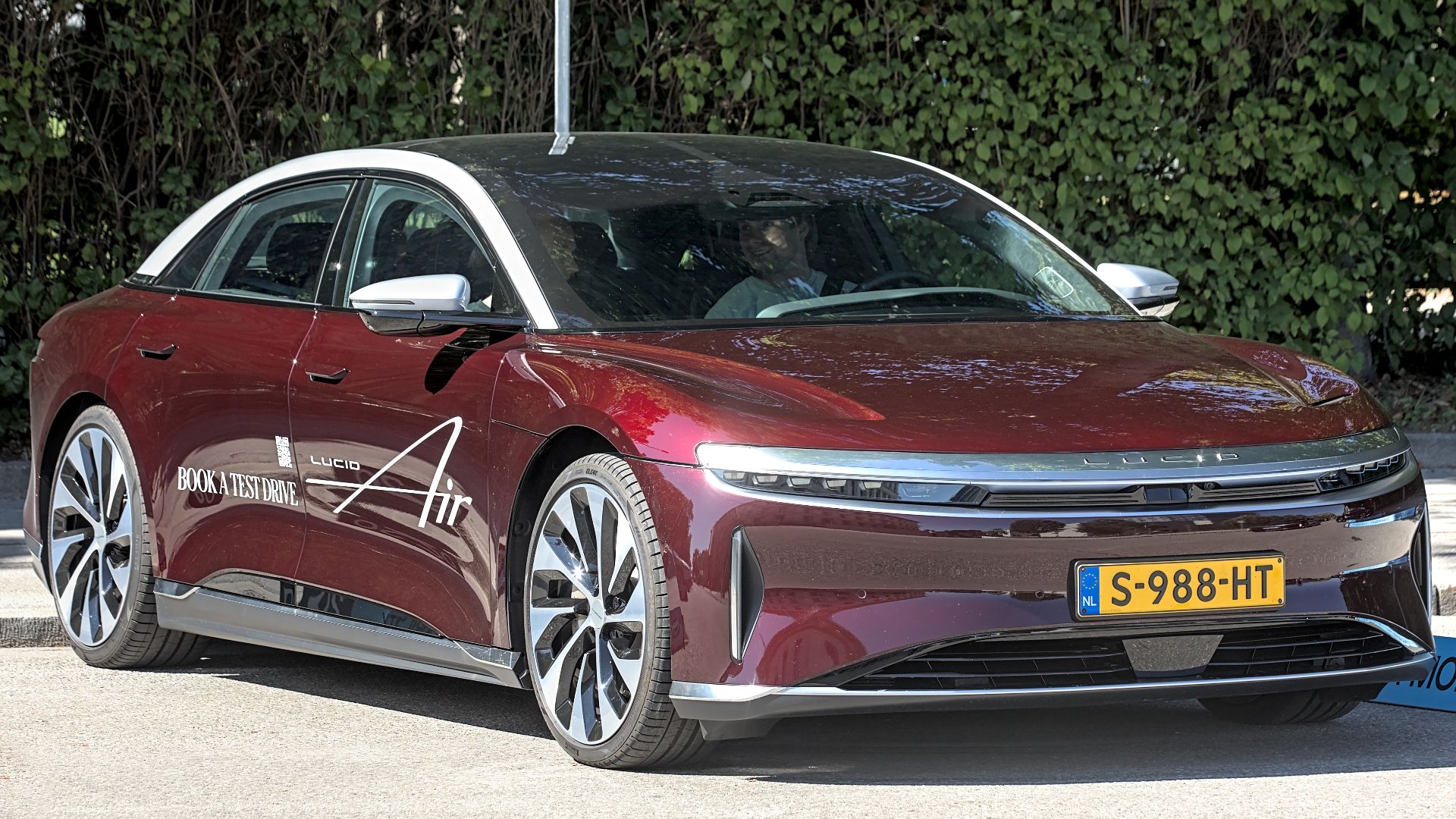
The Air’s Dream Edition stretches to 520 miles on the EPA cycle, and every trim still comes from the same core platform. Gravity joins as Lucid’s second model after starting with just one. Behind it all stand Bernard Tse, Sam Weng, and Peter Rawlinson.
10. Polestar
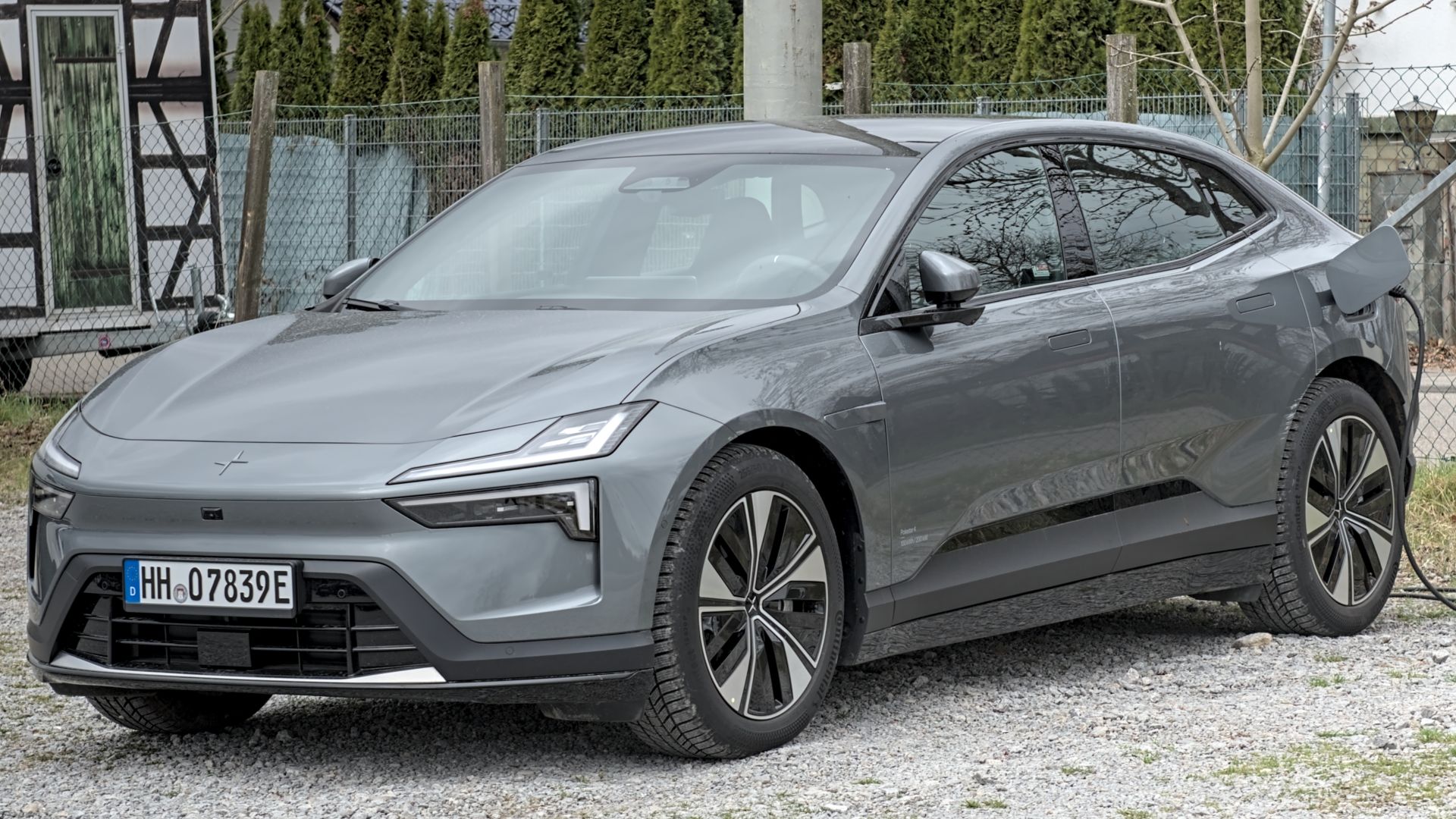
The lineup now stretches from the Polestar 2 to the 3 and 4, with the 5 on the way and the 1 retired after 1,500 units. Born from Volvo’s performance arm, Polestar uses a logo inspired by the North Star to signal direction and innovation.
11. Rivian
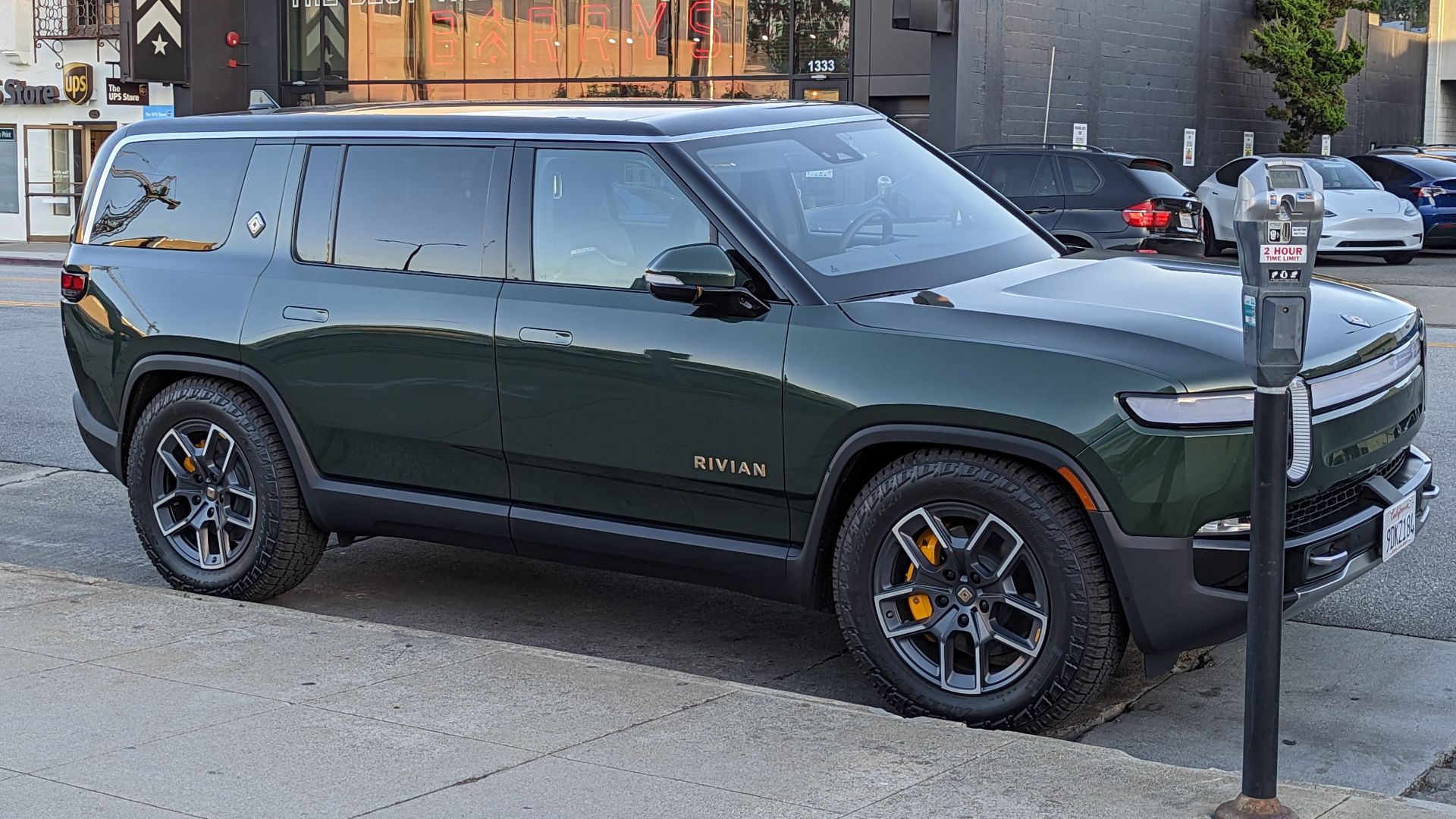
Momentum came quickly for Rivian once the R1T rolled out and claimed the title of America’s first electric pickup delivered to customers. Its lineup remains deliberately small: the R1T truck, the R1S SUV, and a commercial van platform developed for Amazon. That narrow focus shows how Rivian is building its brand around just a few models rather than a sprawling catalog.
12. Tesla
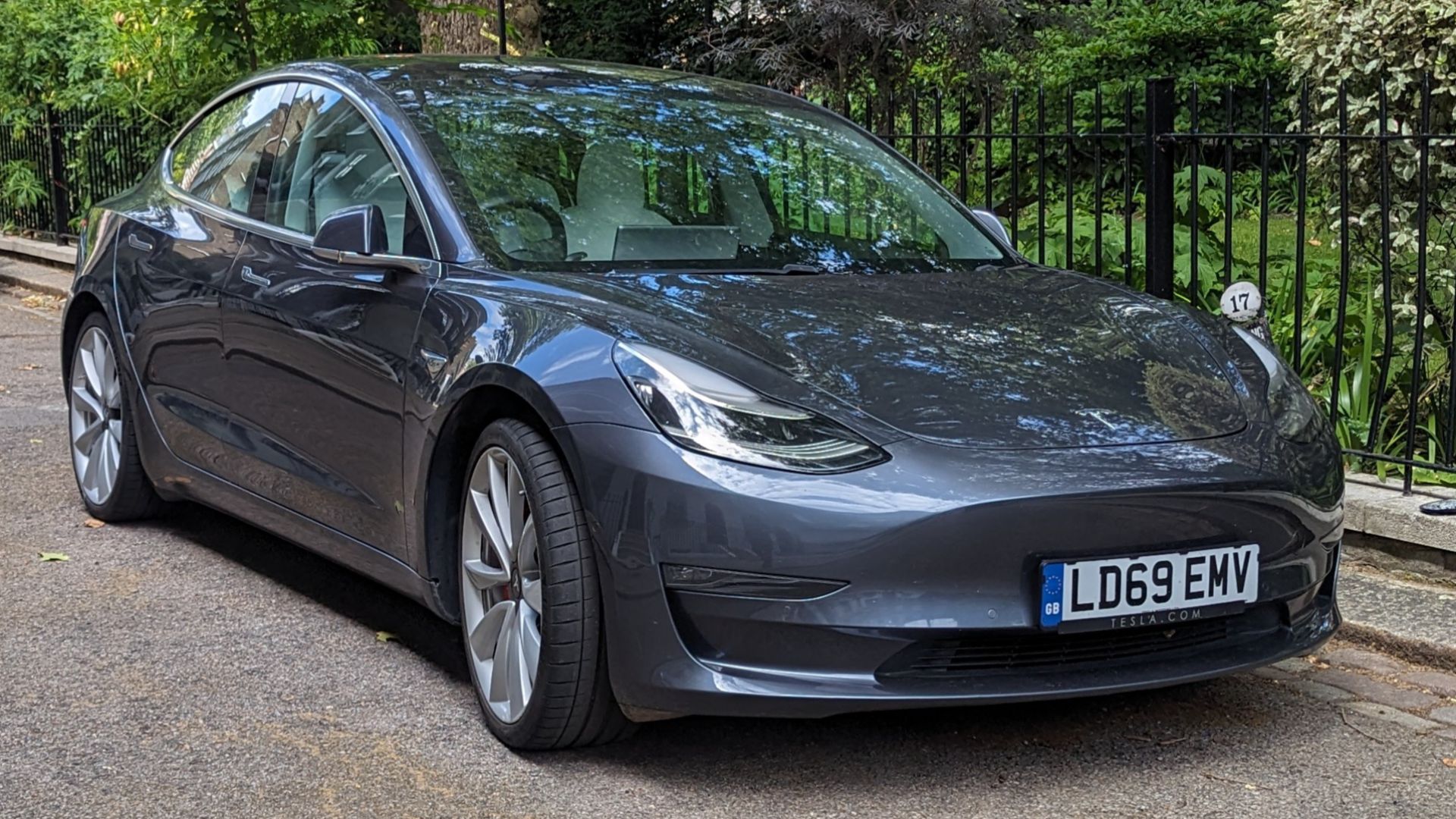
Speed usually grabs attention first, and Tesla leaned into that with the Model S Plaid reaching 0–60 in under two seconds in controlled testing. The broader picture still stays compact: S, 3, X, Y, and Cybertruck form the core, with Roadster variations planned as the lineup expands.
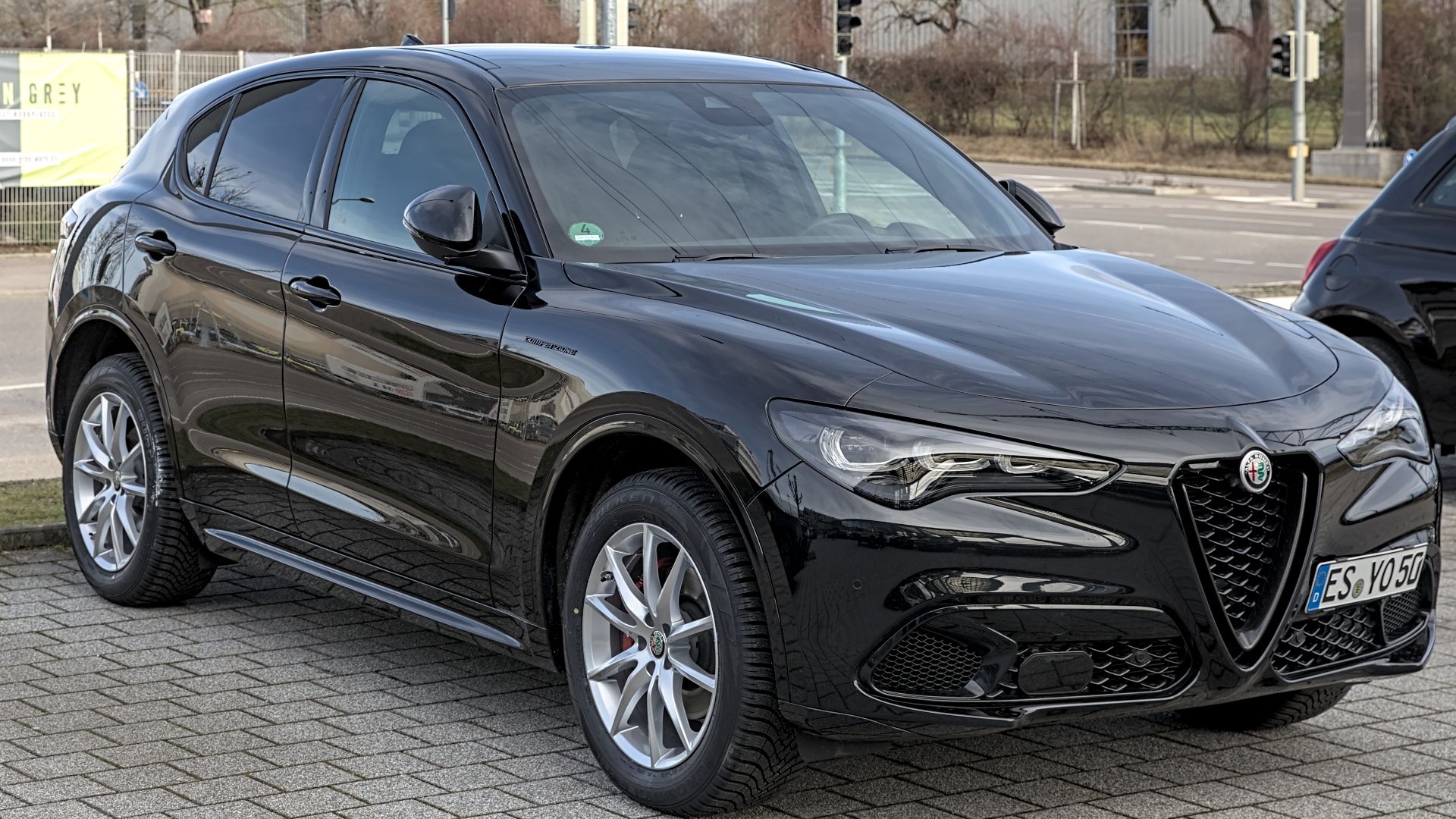
13. Alfa Romeo
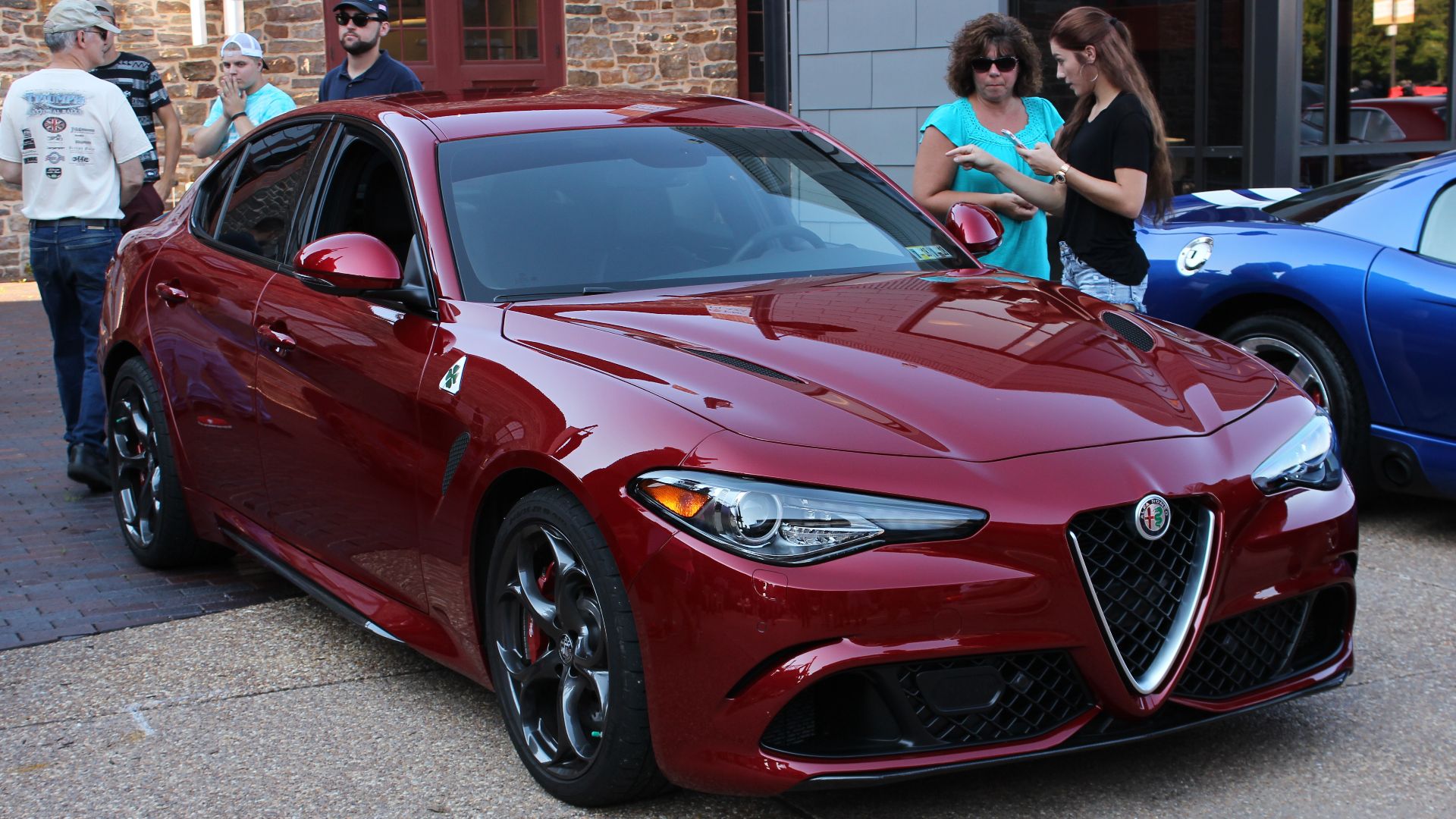
There’s a surprising calm to Alfa Romeo’s current range. Giulia, Stelvio, and Tonale handle everything, each arriving in a well-equipped 2025 trim. The brand stays committed to performance rather than volume by choosing a tightly curated lineup over a sprawling collection of options.
14. Ariel
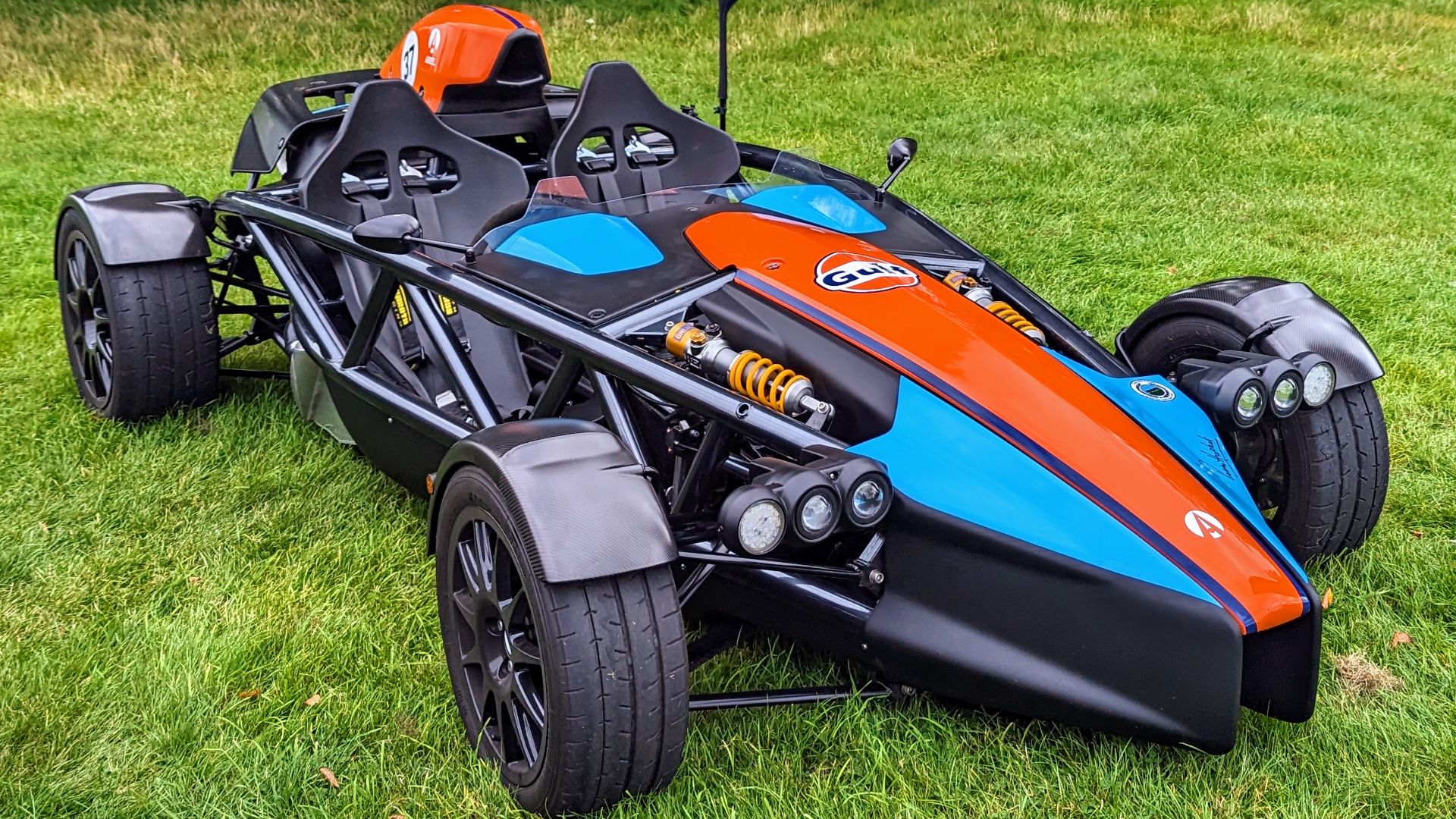
Ariel’s lineup feels almost handpicked, built around the Atom, Nomad, and Ace. The Atom remains the standout with its bare exoskeleton and huge performance punch, launching to 60 in under three seconds. Hard to believe this same company started back in 1870, making bicycles instead of track-ready machines.
15. Lancia
The company now sells only the Ypsilon, and only in Italy. Hard to imagine that the same badge once collected ten Constructors’ titles and produced icons like the Stratos, a car still worshipped in rally circles for its unconventional brilliance.
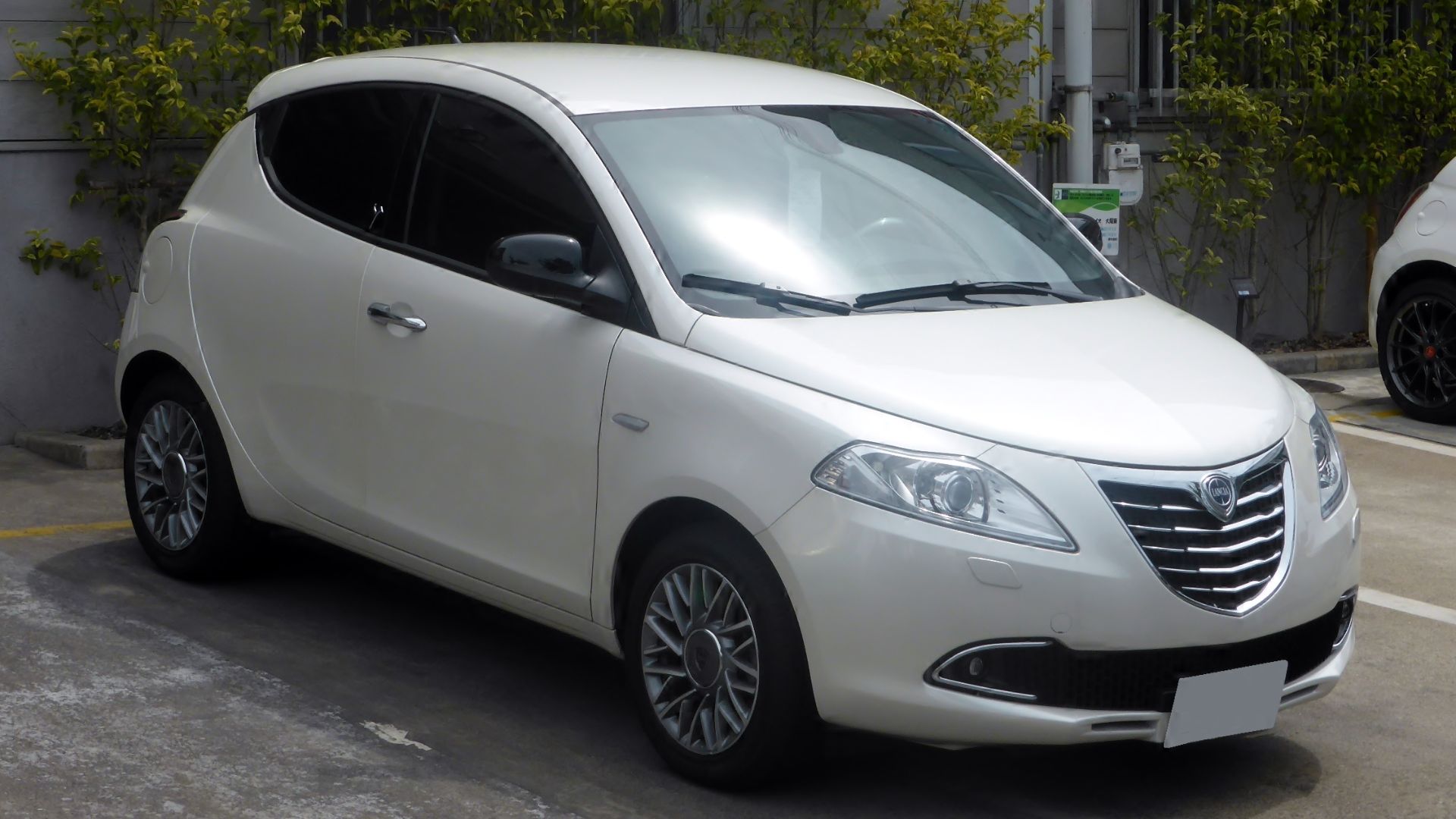 Tokumeigakarinoaoshima on Wikimedia
16. DS Automobiles
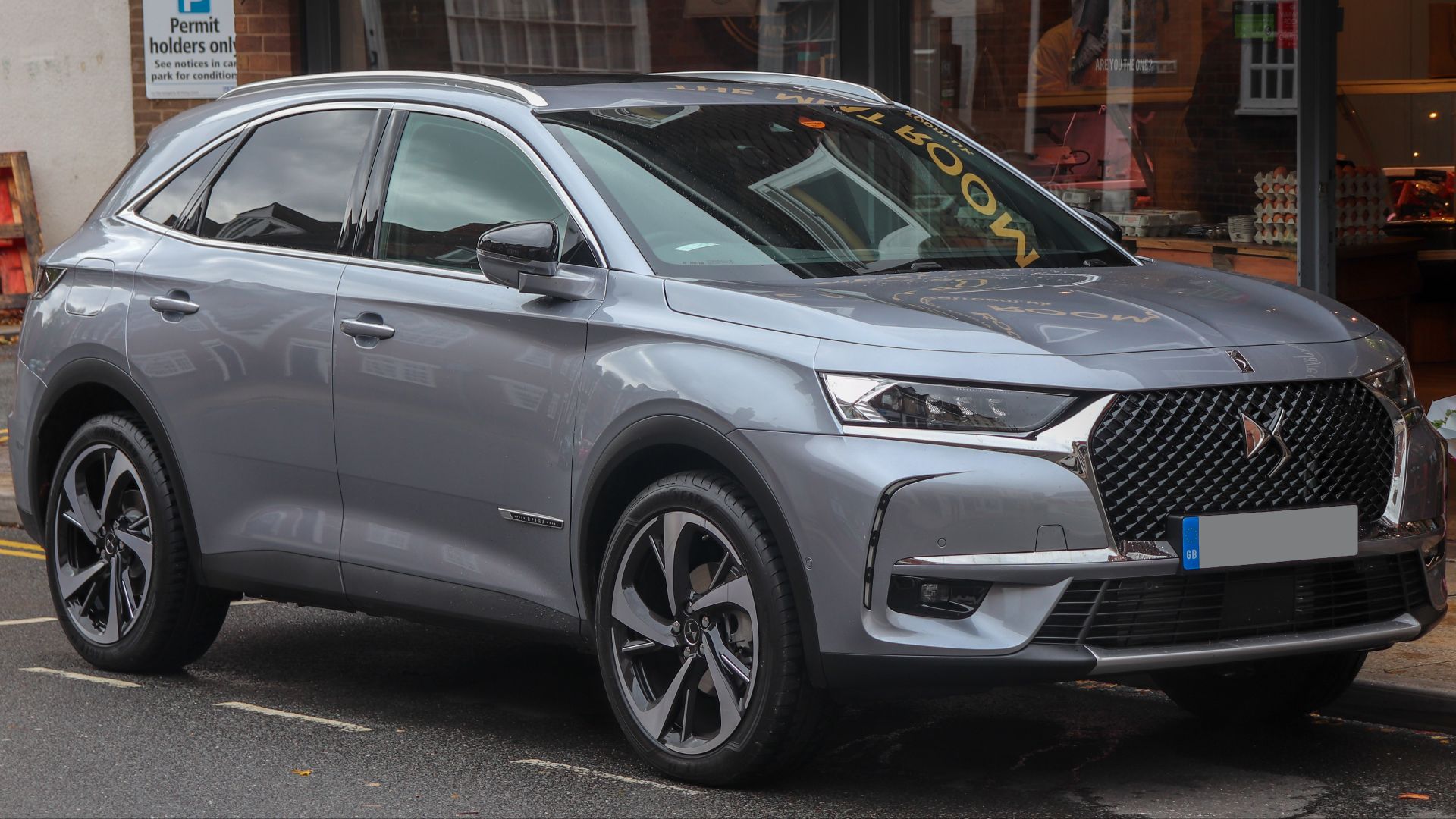
French luxury gets a different flavor through DS Automobiles, a brand that started under Citroën before stepping out on its own. Its catalog stays small, centered on premium crossovers and sedans. Beyond the showrooms, DS found surprising success in Formula E.
17. Fiat
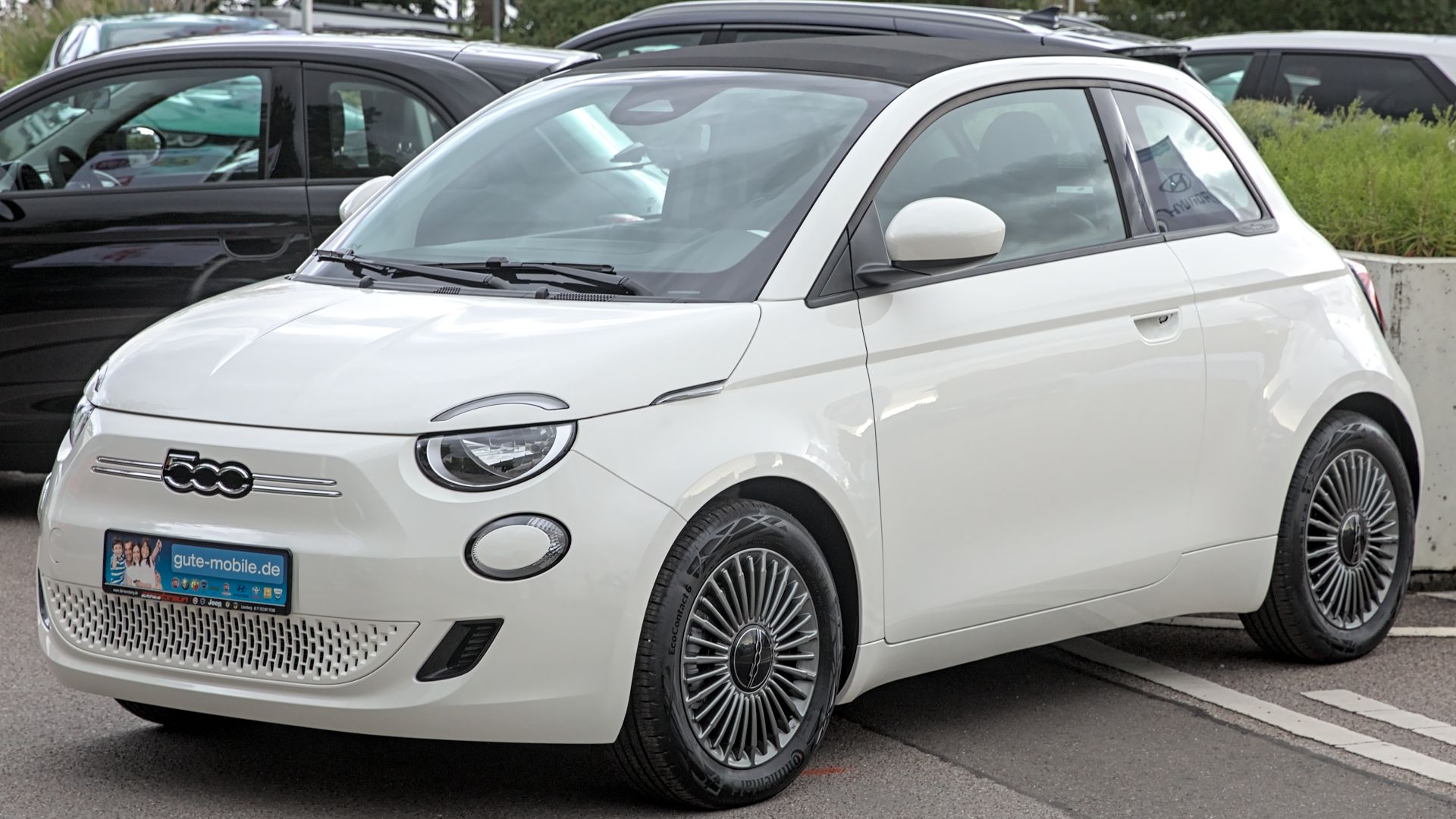
This brand built a reputation on cheerful city cars, and the lineup still leans toward smaller vehicles. The 500 and Panda remain the heart of its identity, even as models like the Tipo or 500X widen the range.
18. Chrysler
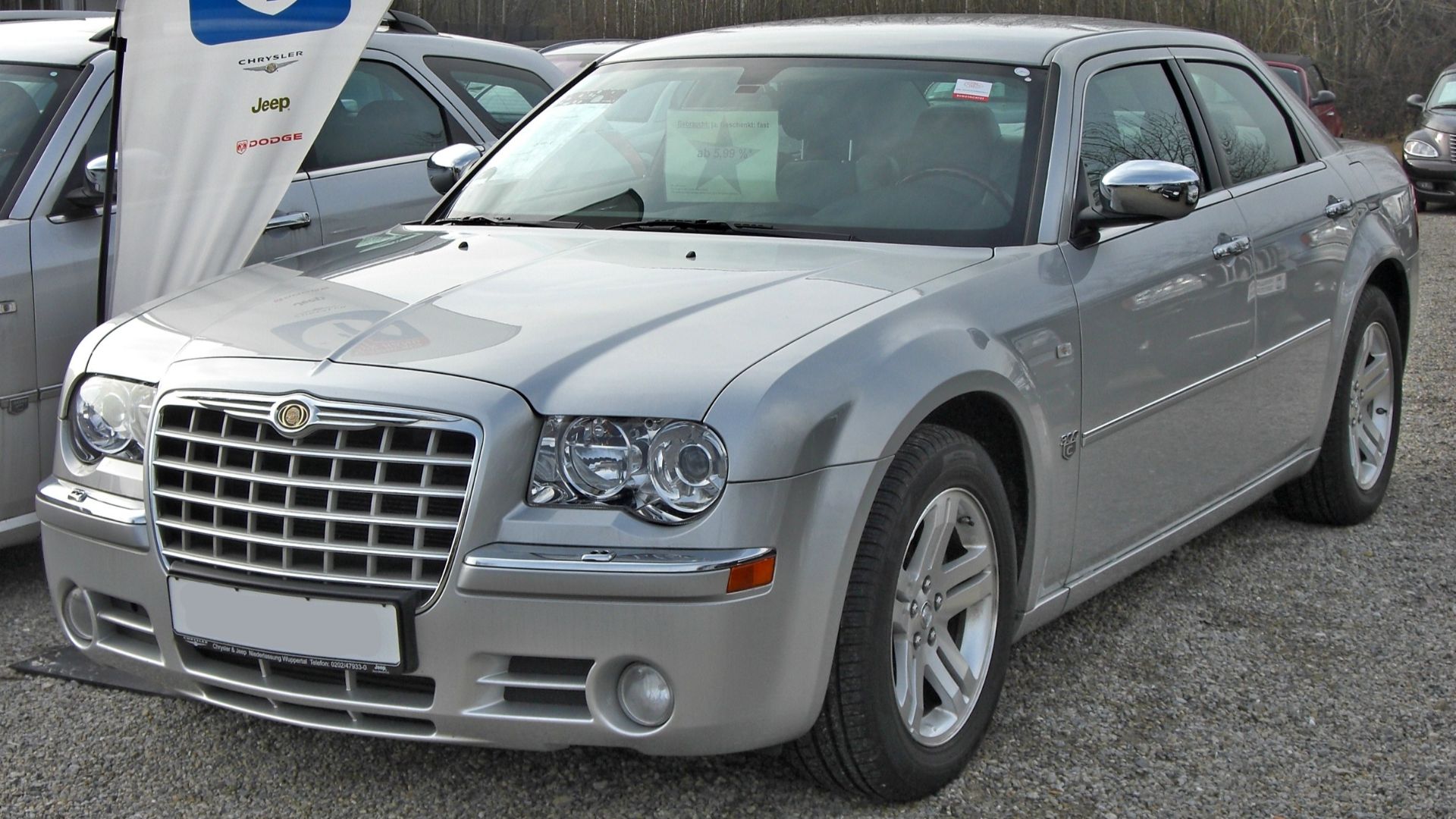
A visit to Chrysler today feels focused. Pacifica, Pacifica Hybrid, and Voyager make up the current U.S. lineup. Once known for sedans like the 300, the brand now leans into its minivan strength. All of it traces back to Walter Chrysler’s founding work in 1925.
19. Morgan
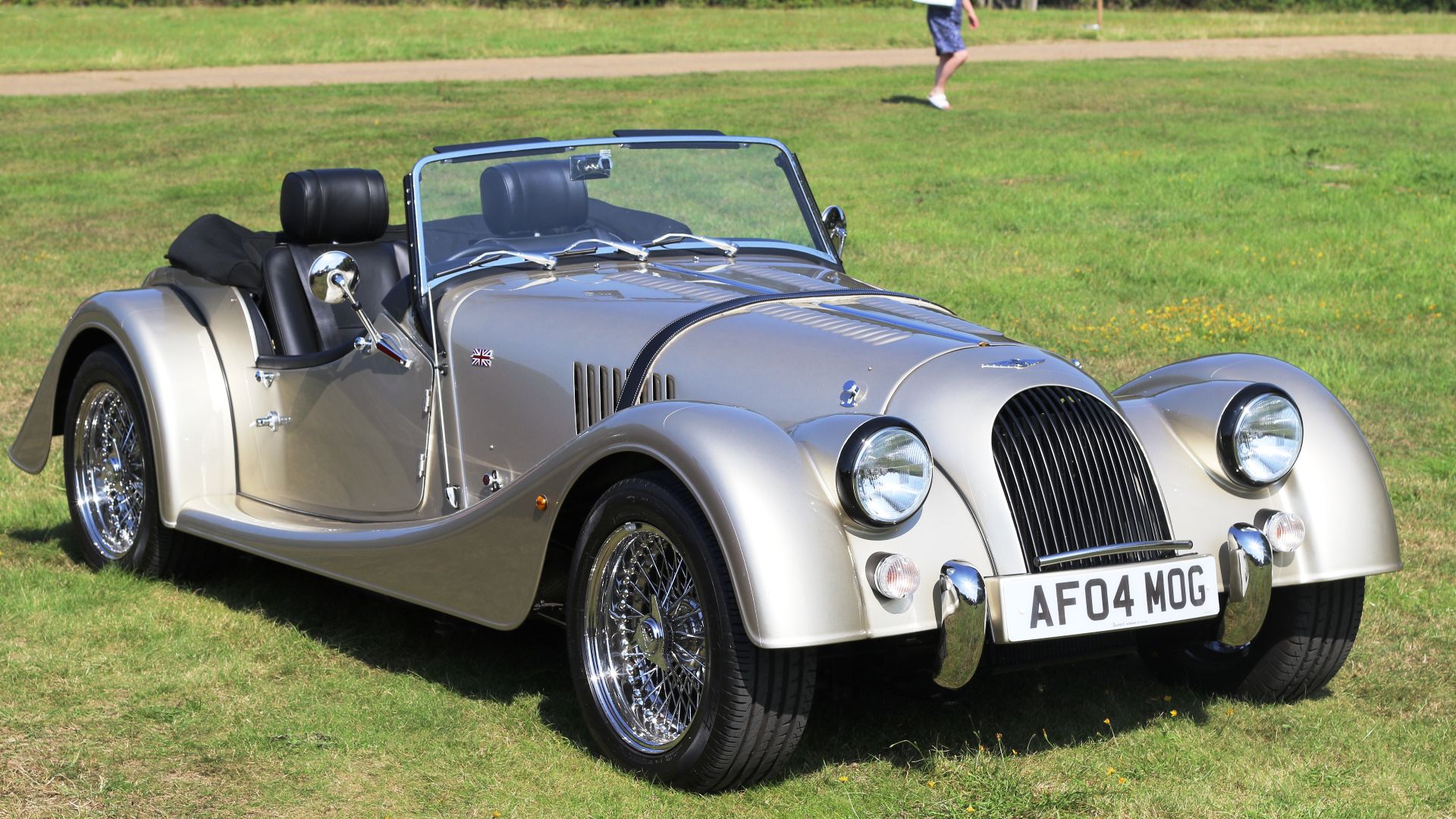
Morgan treats every car like a craft project, with a lineup that stays intentionally small. The Plus Four, Plus Six, and Super 3 rely on traditional methods, including ash‑wood framing paired with metal chassis parts. Founded in 1909, the company still embraces quirks like reviving the 3‑Wheeler after a 58‑year pause, proving that a limited range can carry lasting character.
20. Caterham
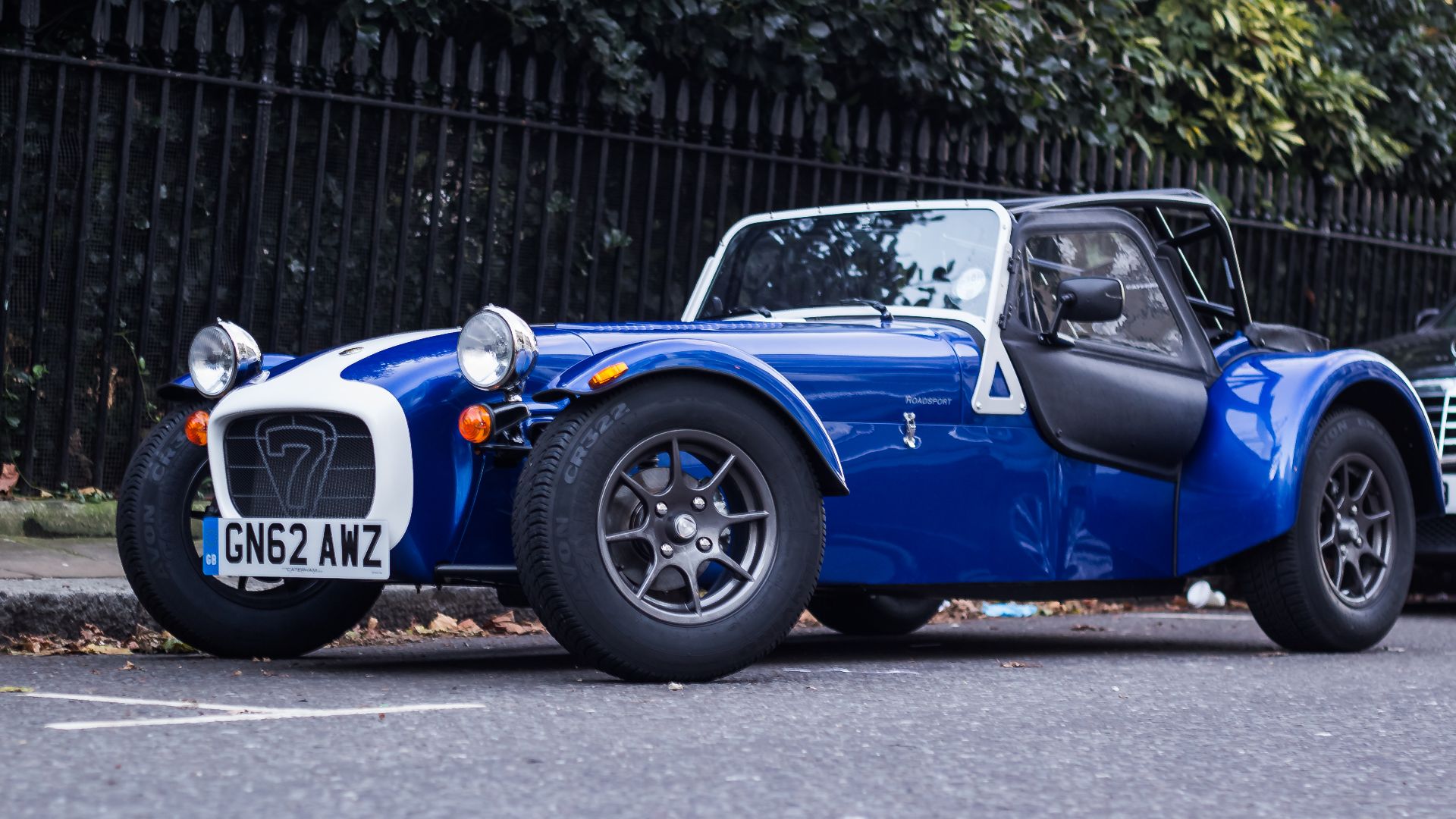
With Caterham, the Seven tells nearly the whole story. Everything revolves around that lightweight design, offered in different performance levels rather than entirely different shapes. The road-legal Seven shows up everywhere in amateur motorsport, and the brand briefly jumped into Formula 1 from 2012 to 2014.