10 Cars That Look Boring but Hide Genius Engineering & 10 That Are All Show
When the Sheet Metal Lies
Some cars look plain enough to disappear in a parking lot, but underneath the sensible styling, they’re hiding engineering that deserves applause. Others arrive with dramatic bodywork, big promises, or irresistible branding, only for the substance underneath to feel a little less impressive. That doesn’t always mean the flashy cars are terrible; it just means car design can be sneaky. Here are 10 cars that look boring but house spectacular engineering, and 10 that are all drama with no substance.
1. Toyota Prius
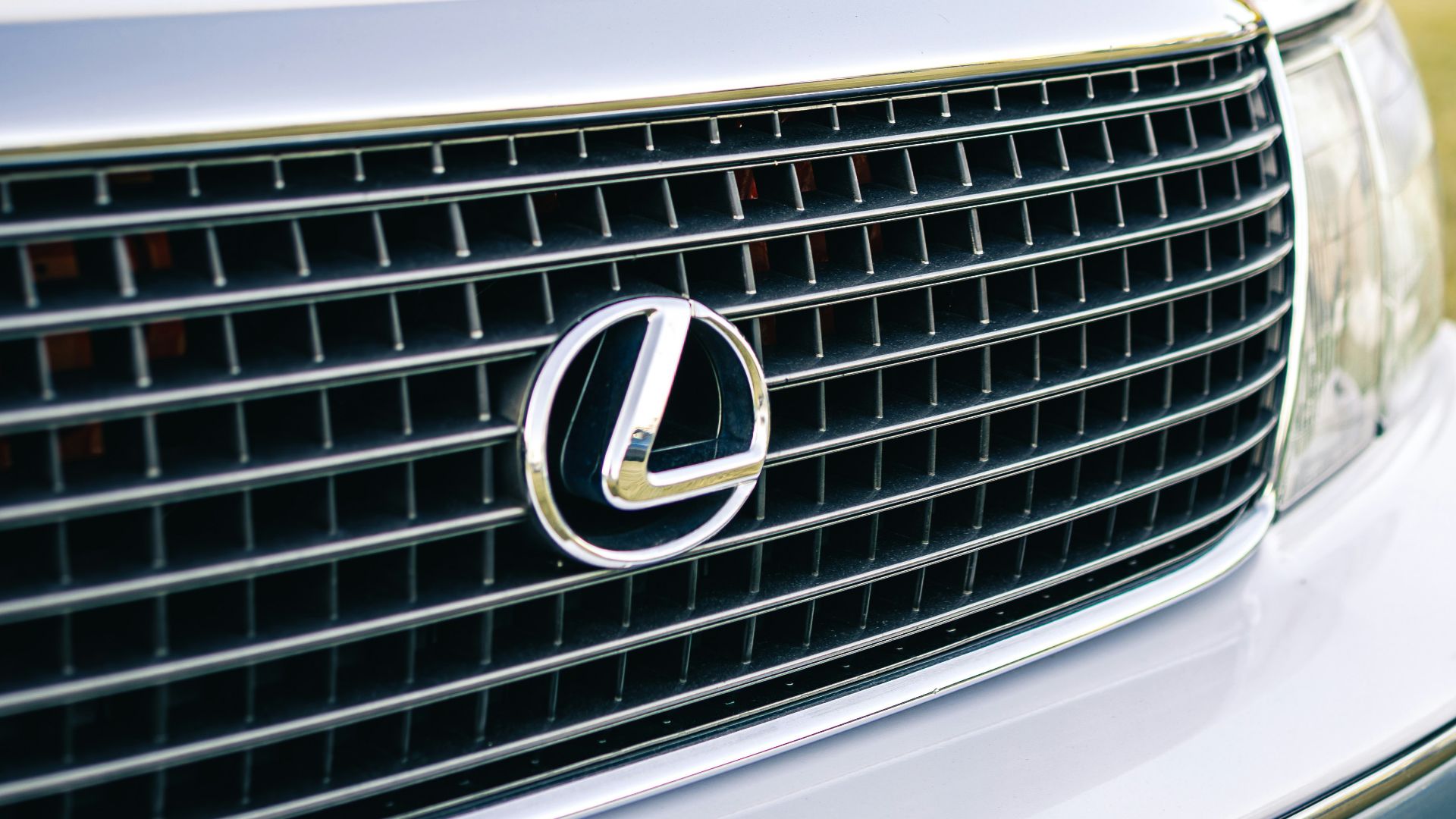
The Toyota Prius never looked like a dream car. Under the skin, though, its hybrid system was genuinely brilliant, combining a gasoline engine, electric motors, regenerative braking, and clever power management into one practical package. It helped make hybrid technology mainstream and proved that efficiency could be engineered into everyday driving.
2. Honda Insight
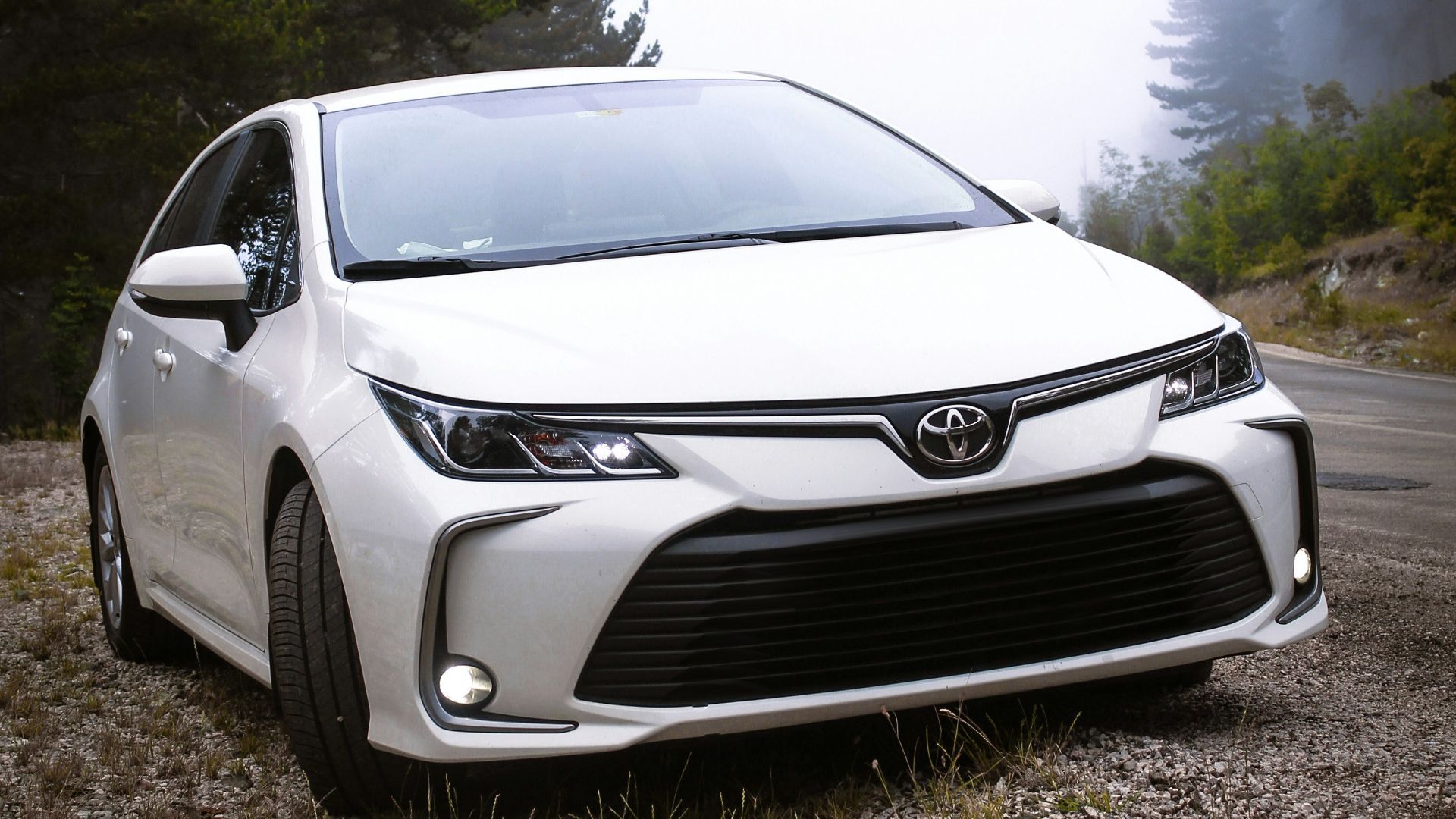
The first-generation Honda Insight looked odd rather than exciting, with rear wheel skirts and a tiny two-seat body. That strange shape had a purpose because Honda focused heavily on aerodynamics, low weight, and fuel economy. Its aluminum structure and Integrated Motor Assist hybrid system made it one of the most efficient gasoline-powered cars of its era.
 Irmantas Baltrusaitis on Wikimedia
3. Citroën DS
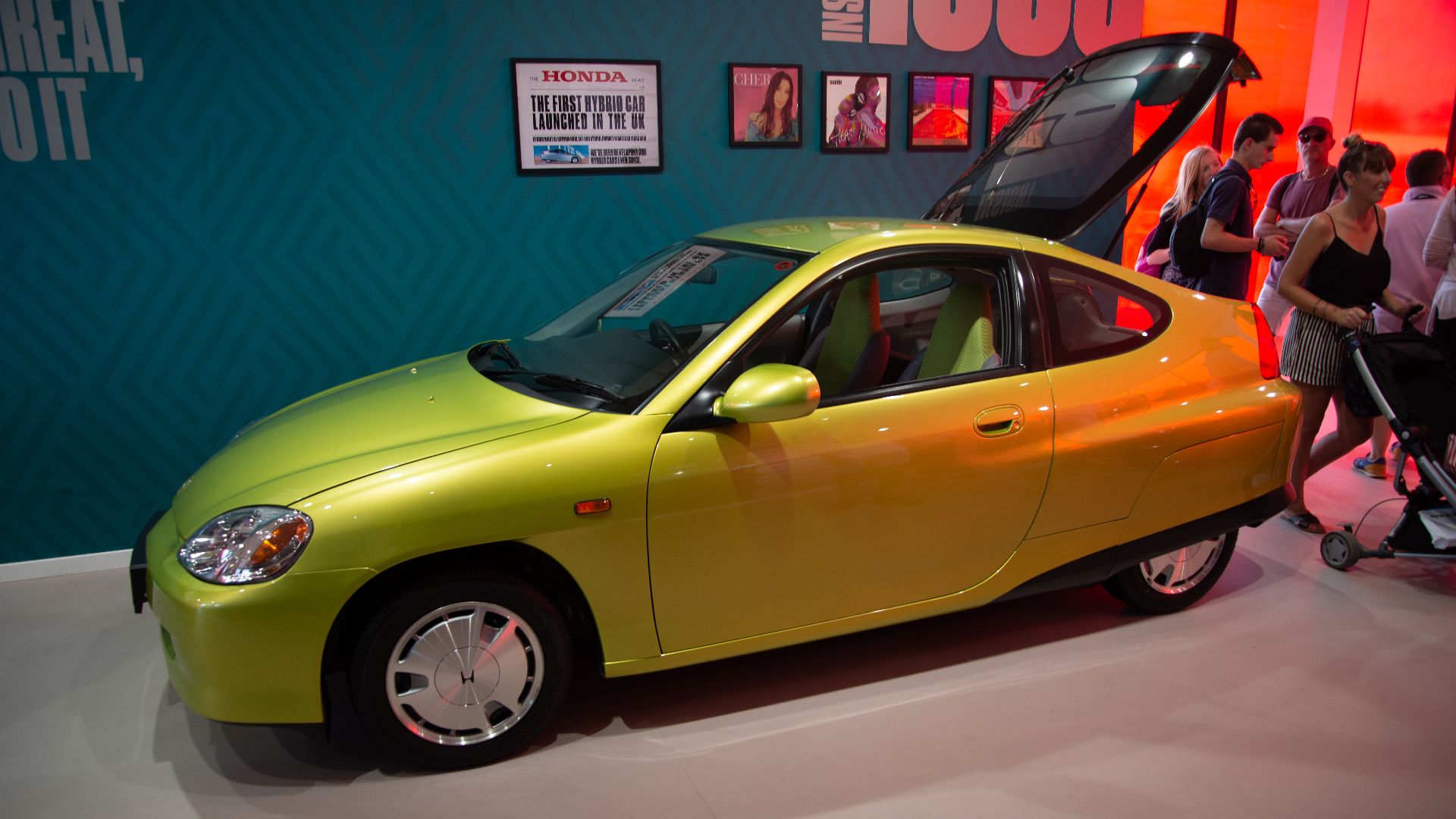
The Citroën DS may look elegant now, but to many casual viewers it can seem like a strange old French sedan. In reality, it was packed with advanced ideas, including hydropneumatic self-leveling suspension, hydraulic-assisted systems, and unusually futuristic aerodynamics for its time. It delivered a ride so smooth that people still talk about it decades later.
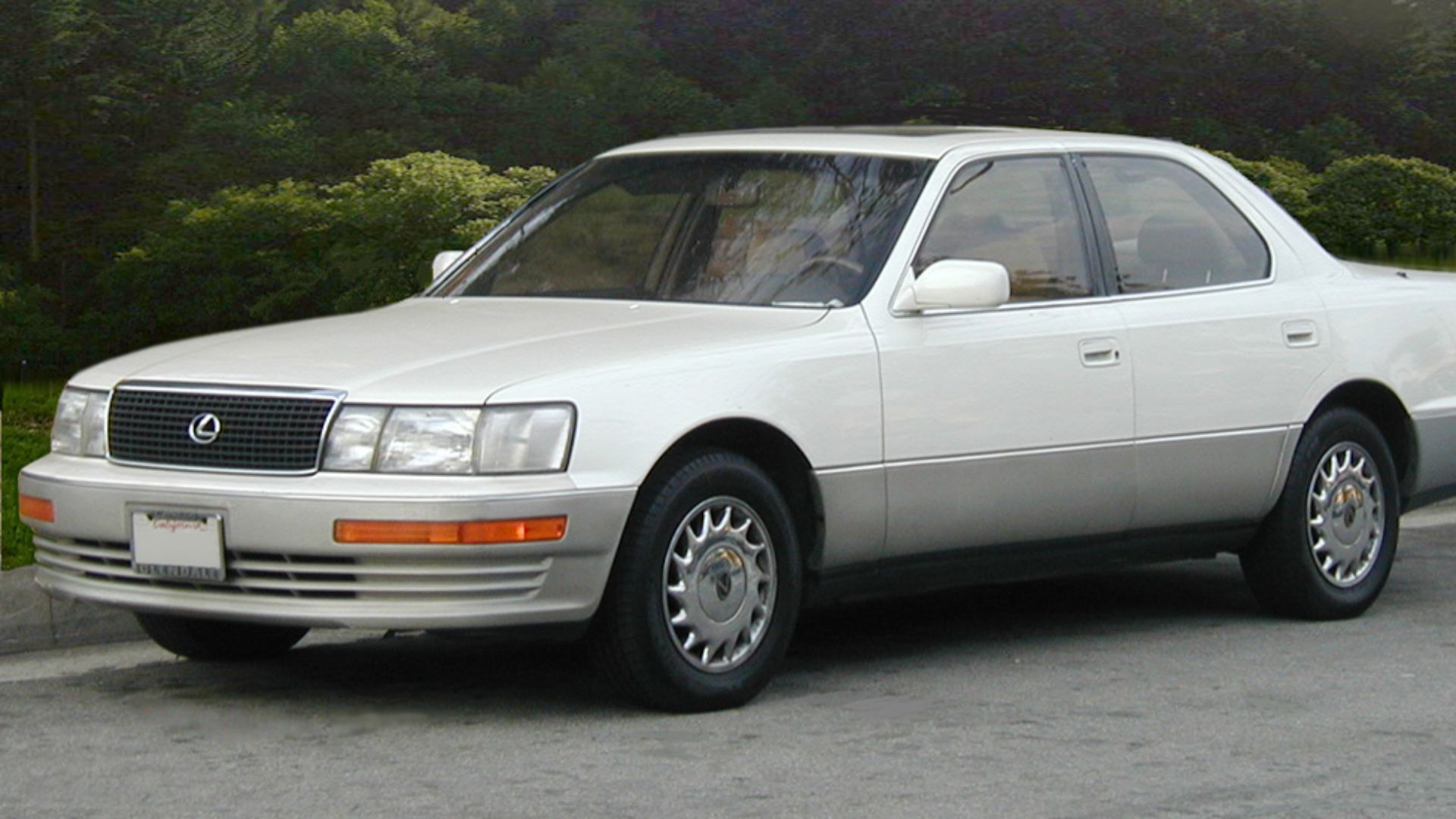
4. Lexus LS 400
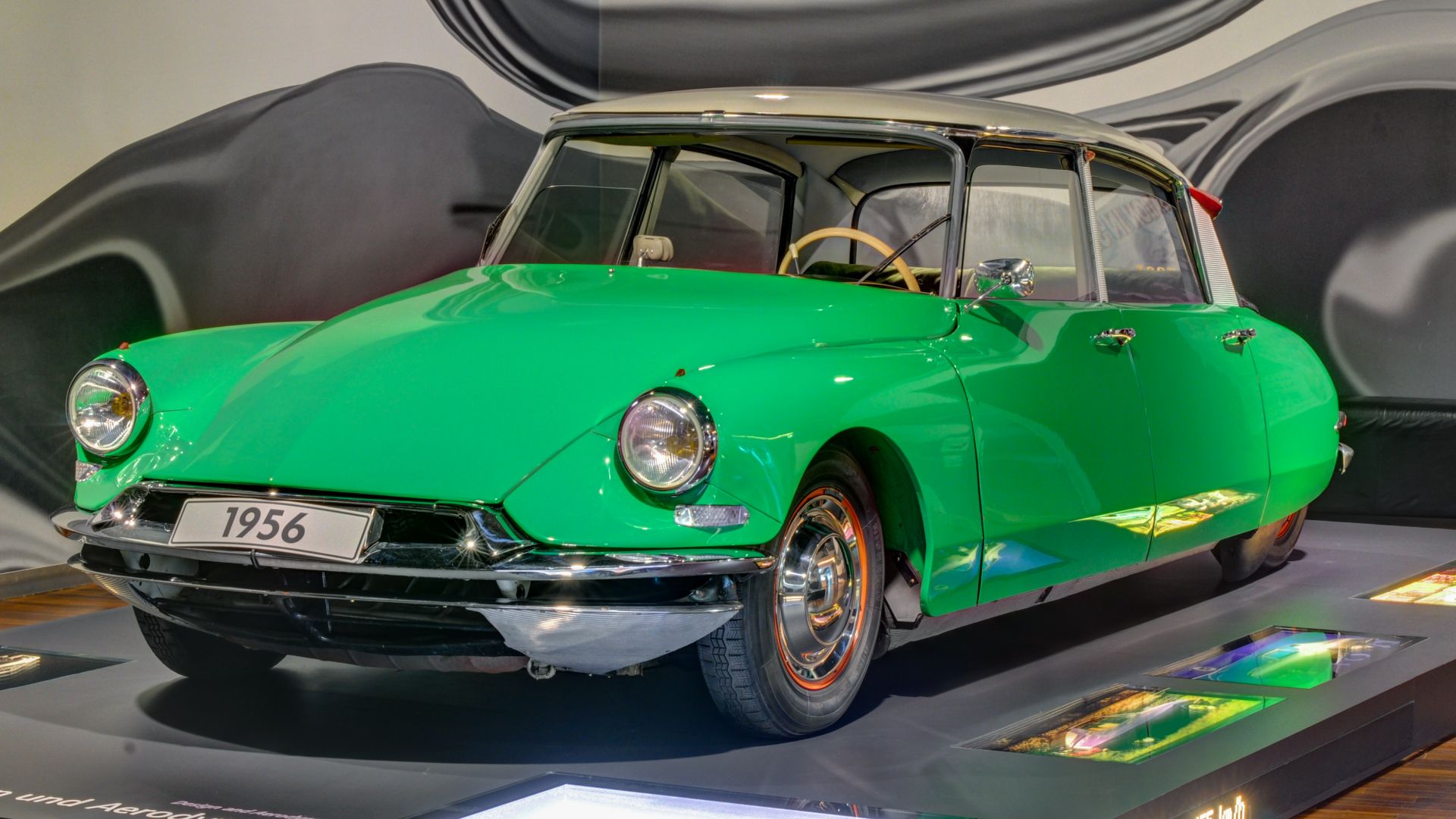
The original Lexus LS 400 had a conservative, almost aggressively calm appearance. That was part of the point, because the real achievement was in refinement, precision, quietness, reliability, and manufacturing quality. Toyota engineered it to challenge the best German luxury sedans, and it forced the entire luxury market to take Lexus seriously.
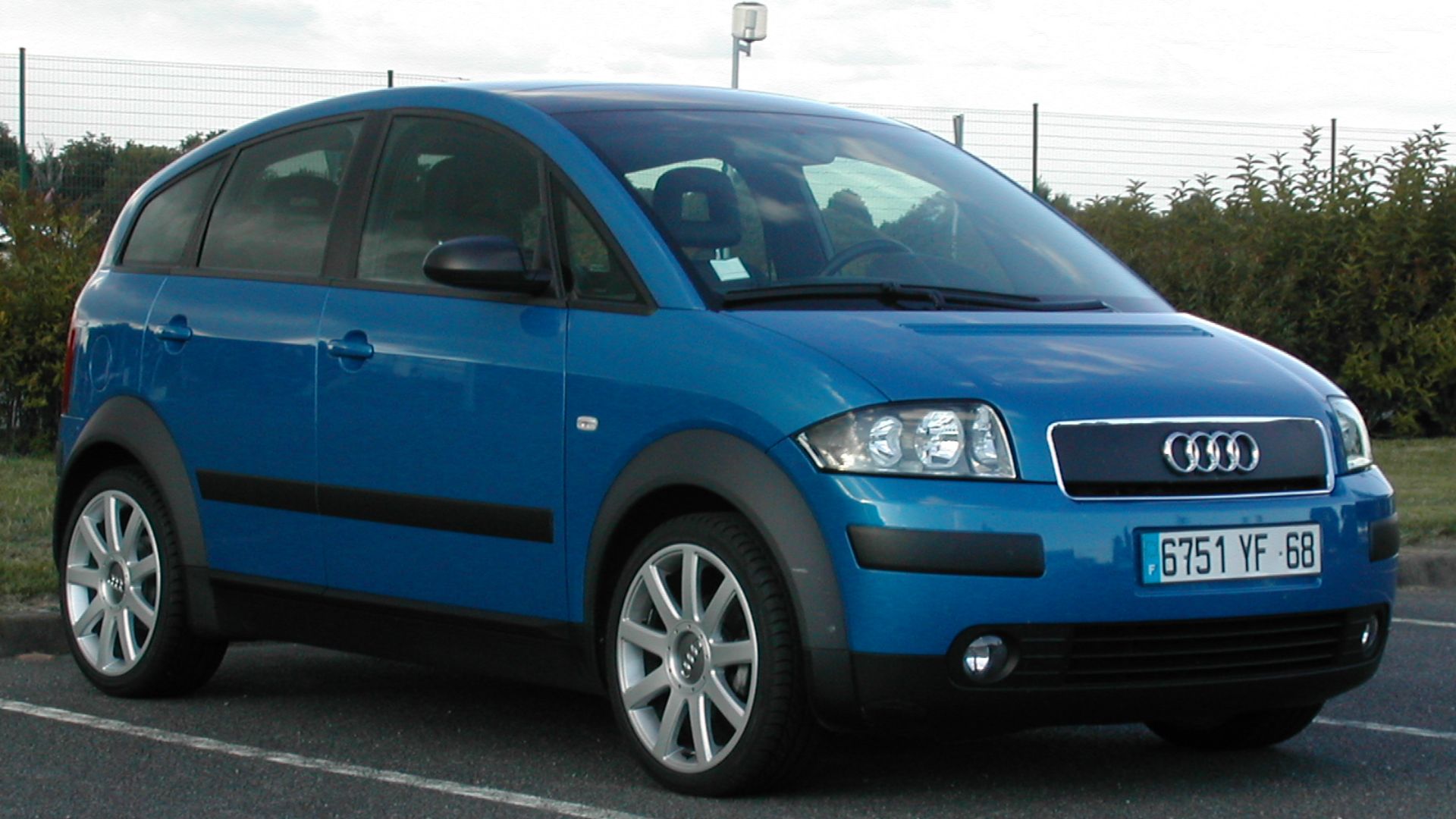
5. Audi A2
The Audi A2 looked like a tall little commuter car that had been designed by someone very serious about efficiency. Beneath that practical shape, it used an aluminum space-frame construction that made it unusually light for a small hatchback. Audi put serious engineering into a car that, unfortunately, many buyers didn’t quite understand at the time.
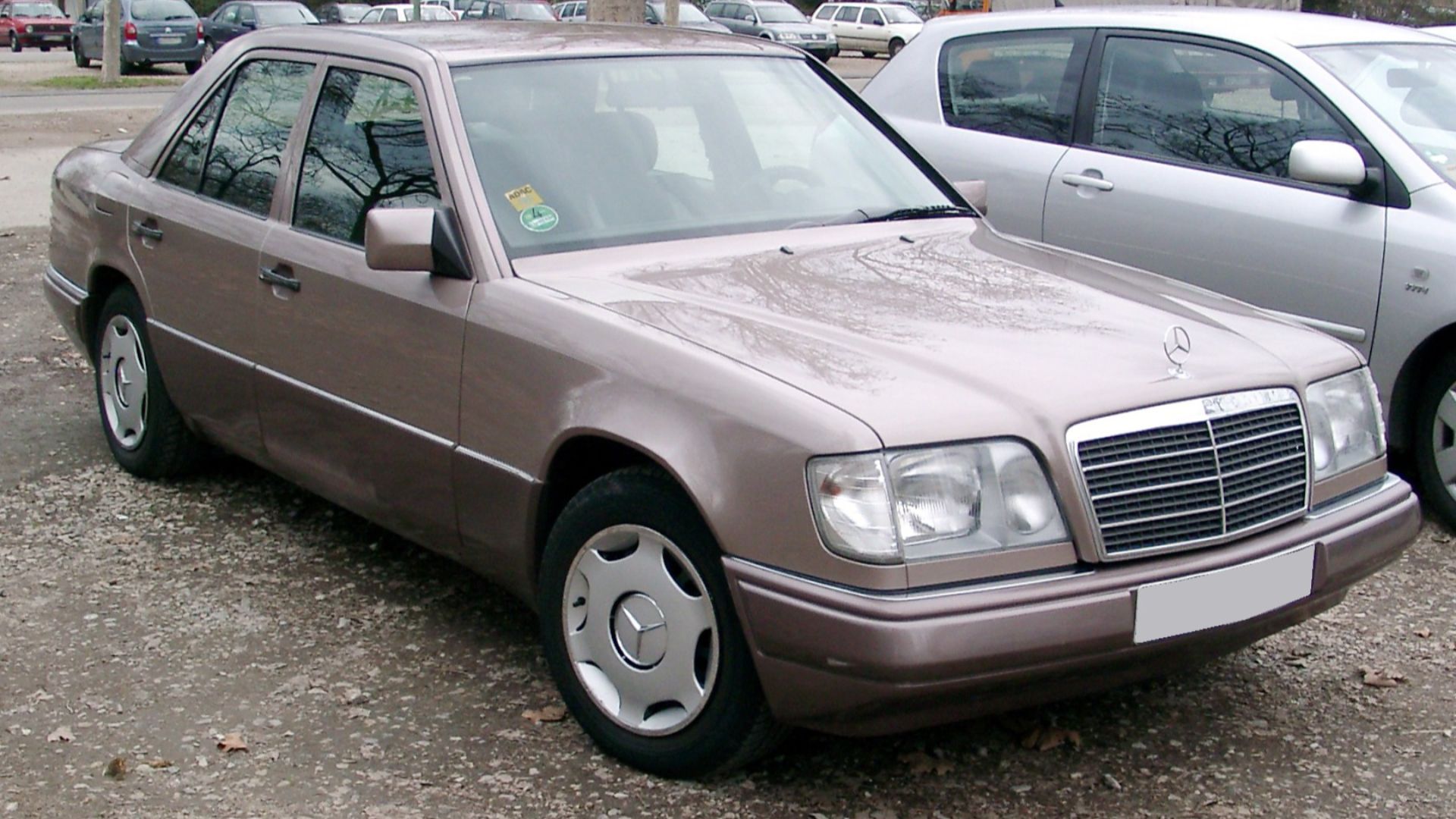
6. Mercedes-Benz W124
The Mercedes-Benz W124 was not designed to turn heads at traffic lights. It looked formal, square, and deeply uninterested in fashion trends. But its durability, aerodynamics, suspension tuning, safety engineering, and build quality made it one of the great overengineered sedans of its era.
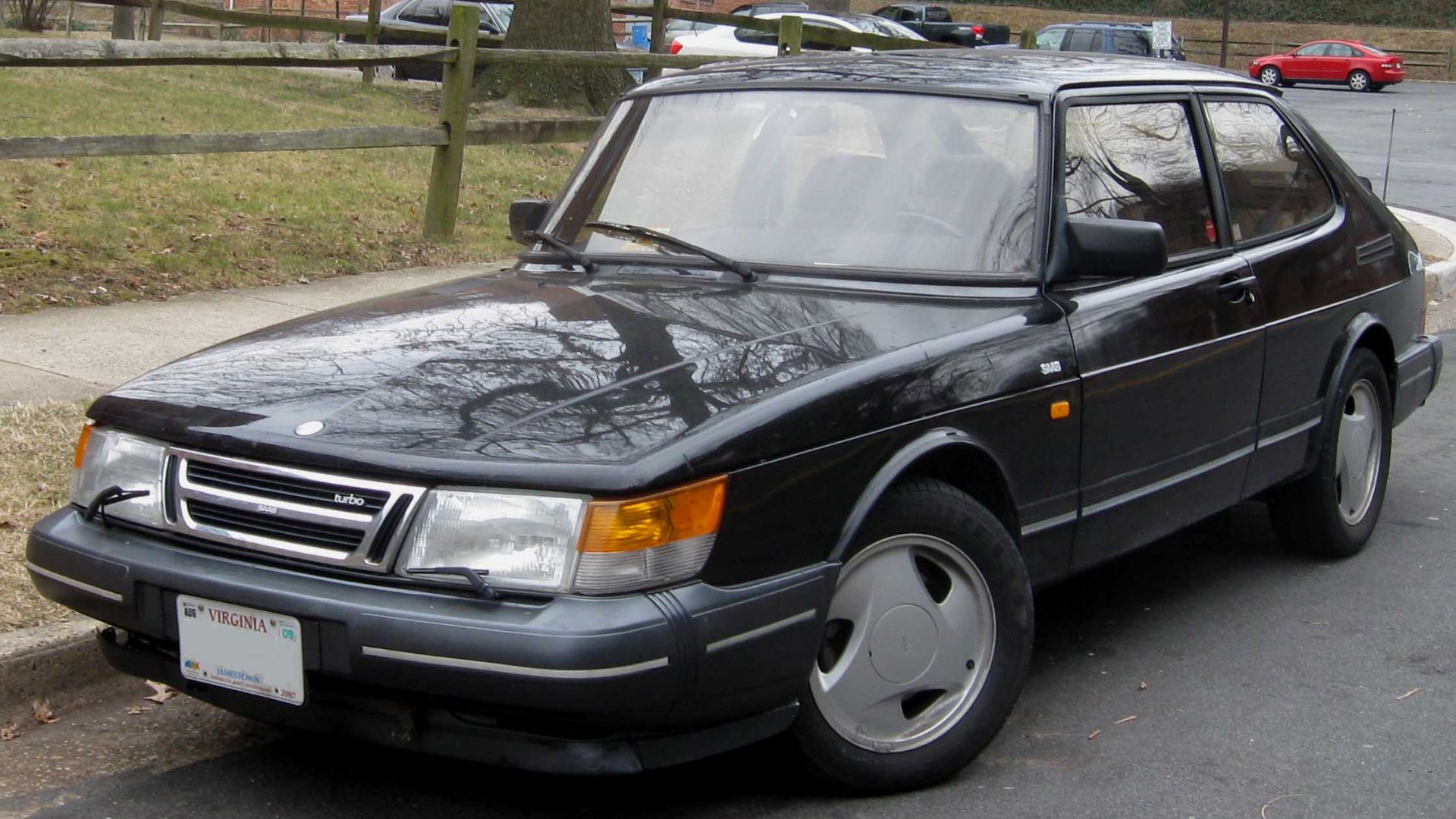
7. Saab 900
The Saab 900 looked quirky and practical, not glamorous. Its engineering reflected Saab’s aircraft-influenced thinking, with strong safety priorities, unusual packaging, and turbocharged engines that gave it real character. The wraparound windshield, hatchback usefulness, and driver-focused cockpit made it feel different from more ordinary sedans.
8. Subaru Outback
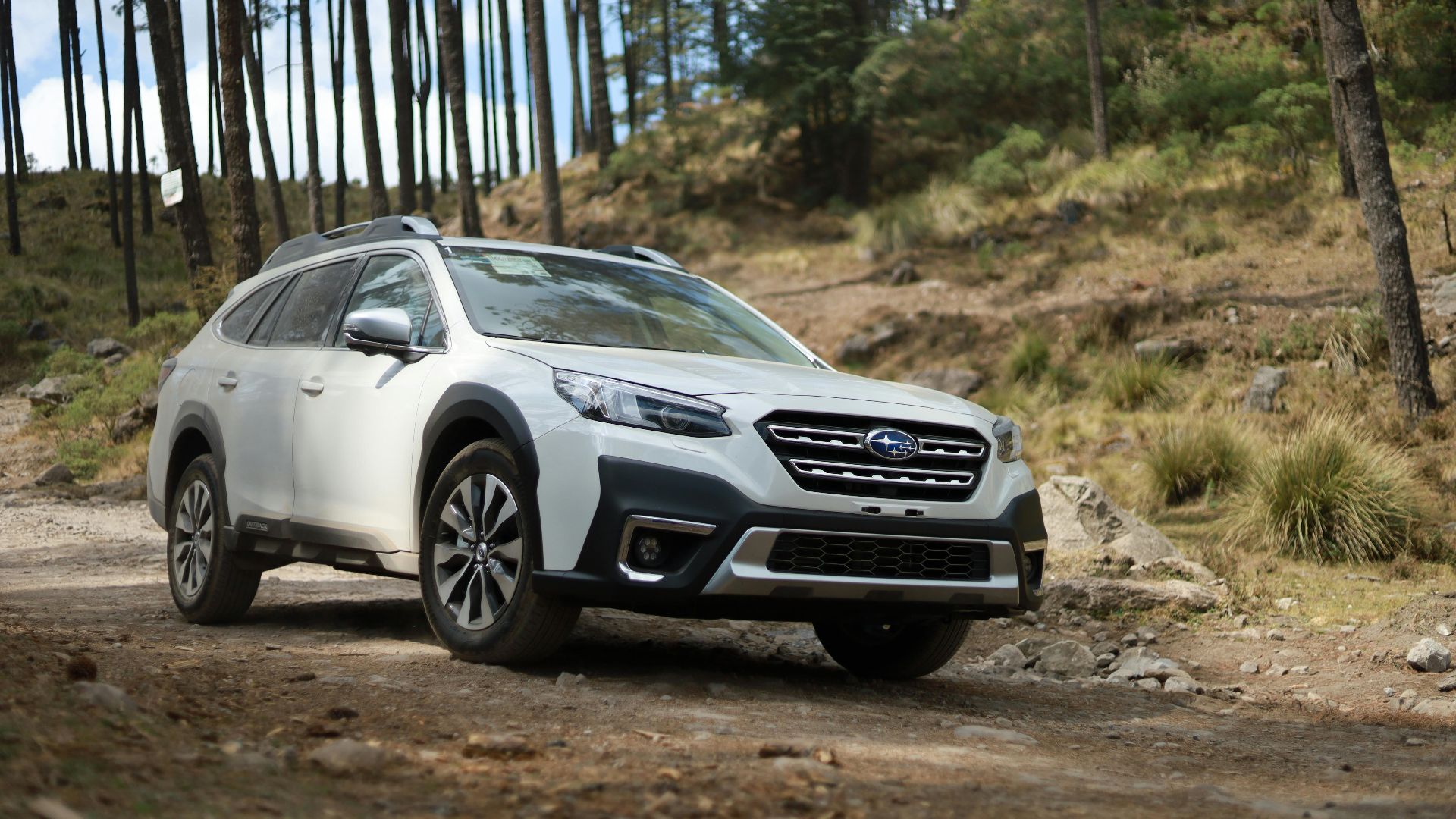
The Subaru Outback looked like a raised wagon with hiking shoes, which is basically what it was. The genius was that Subaru understood what many families actually wanted before the crossover craze fully took over. All-wheel drive, wagon practicality, decent ground clearance, and everyday usability made it hugely influential even though it didn't look revolutionary.
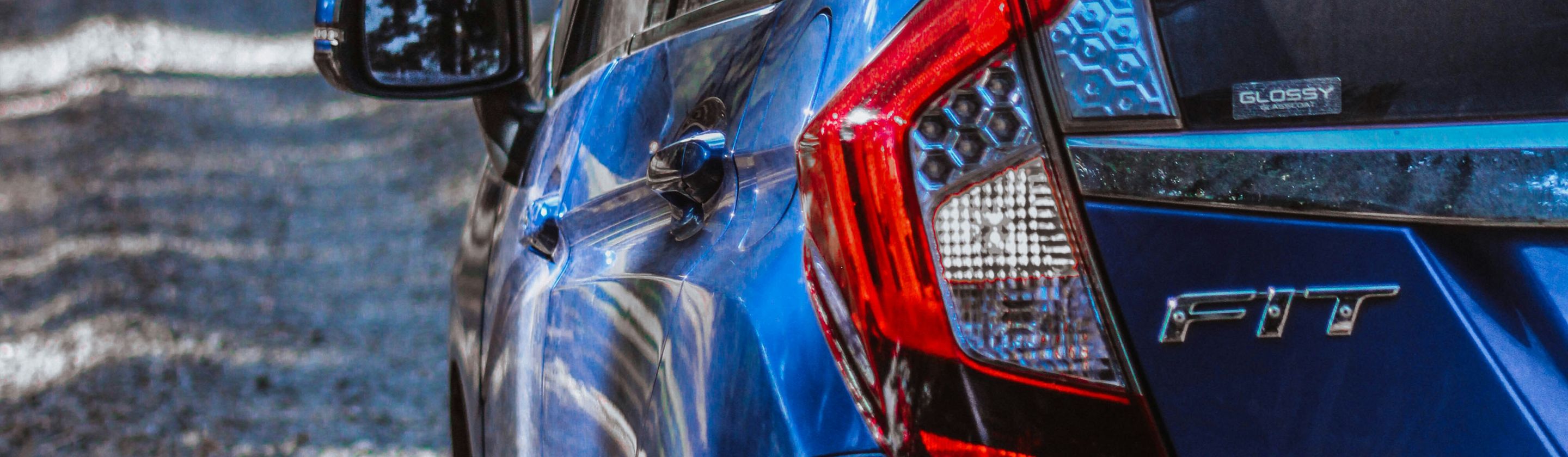
9. Honda Fit
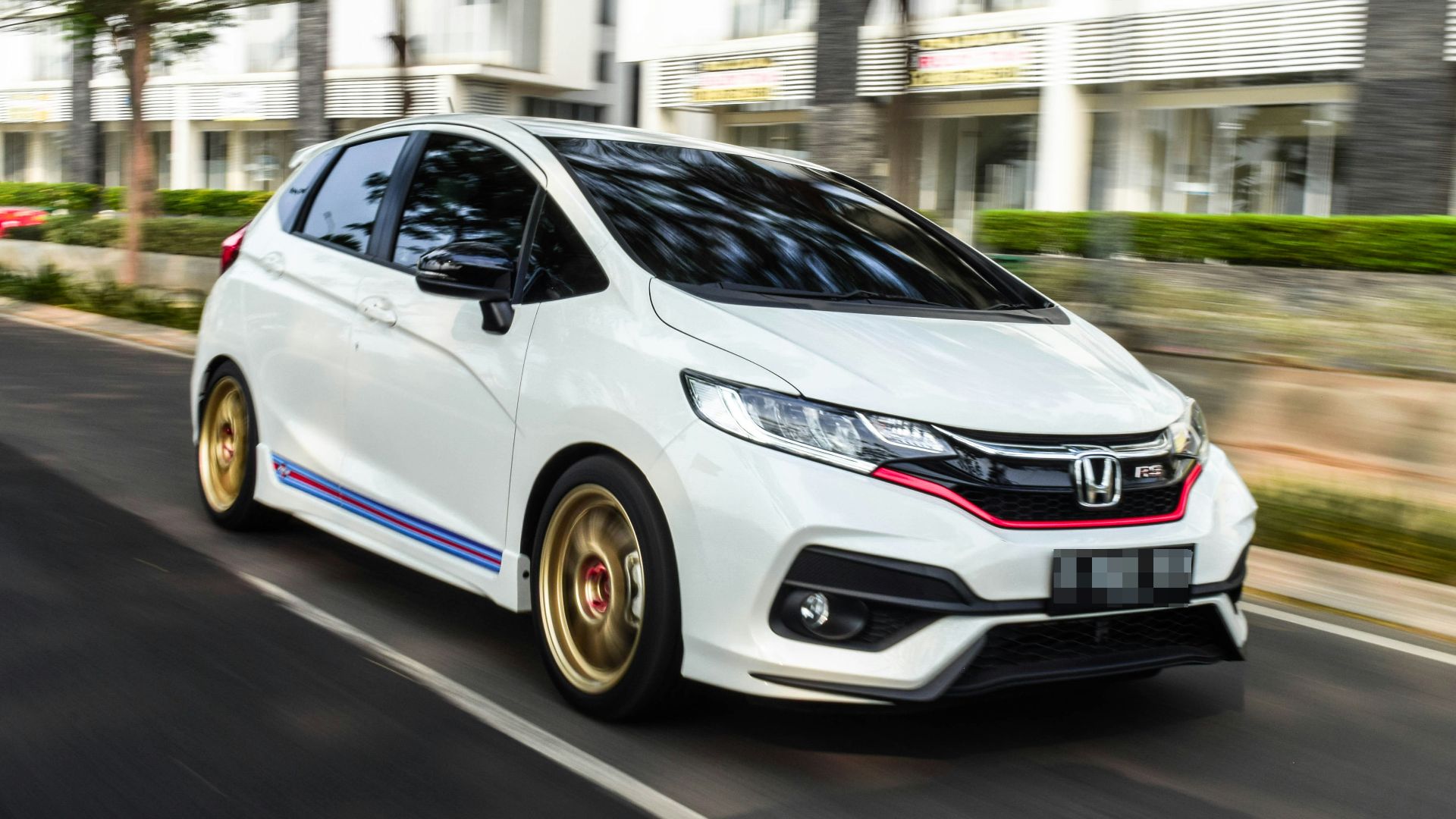
The Honda Fit looked like a small economy hatchback, and it absolutely was one. Still, its interior packaging was brilliant, especially the clever “Magic Seat” system, which allowed the back seats to fold in multiple directions, making the tiny car shockingly useful. Honda managed to create huge cargo flexibility from a very small footprint.
10. Volkswagen Golf GTI
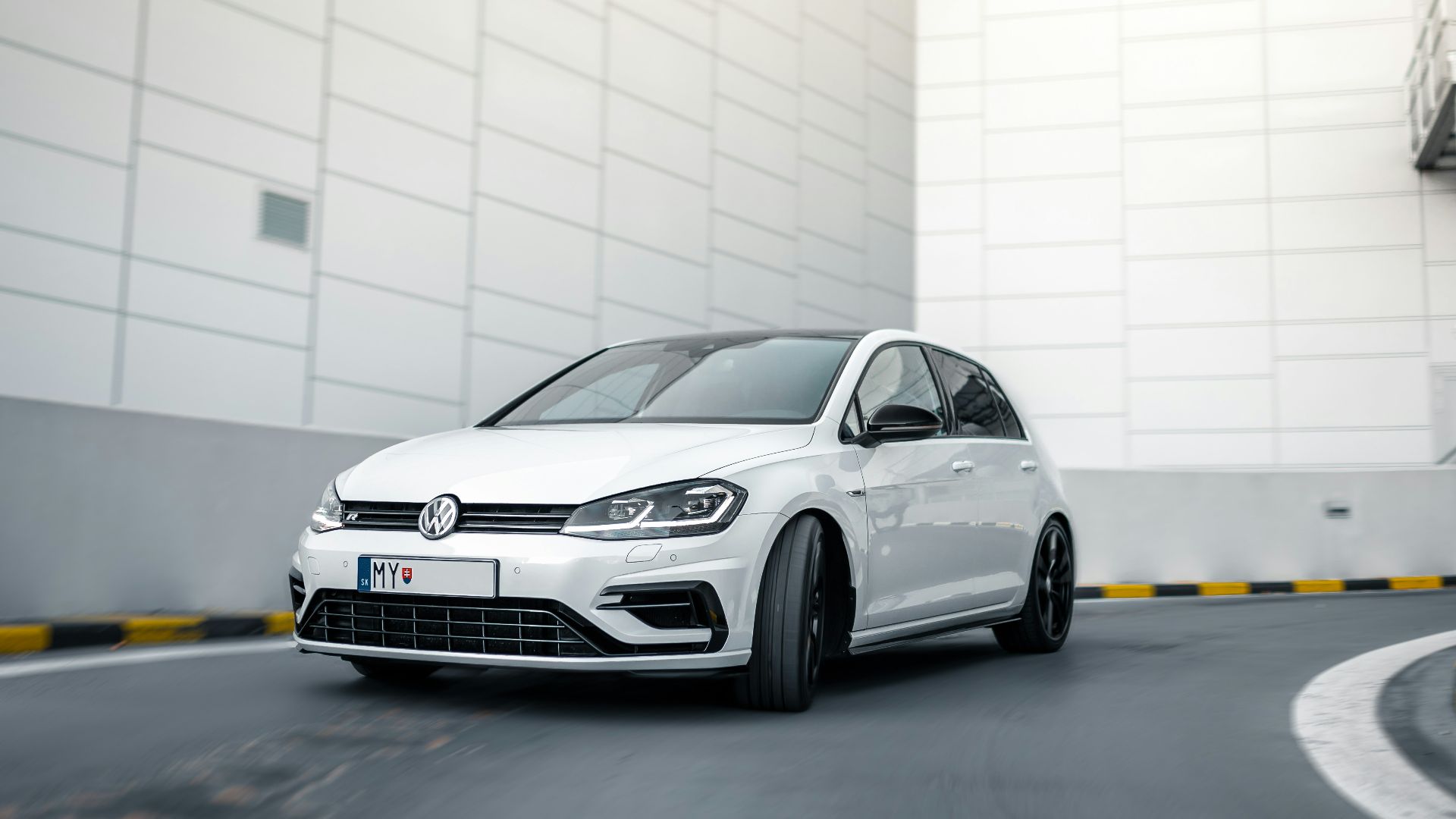
The Volkswagen Golf GTI doesn’t scream performance, especially compared with louder sports cars. That restraint is part of its brilliance, because it blends practicality, compact size, sharp handling, and everyday comfort into one tidy package. The original GTI helped define the hot hatch formula by making a normal car genuinely fun.
Now that we've talked about the cars that are understatedly genius, let's discuss the ones that are all show.
1. DeLorean DMC-12
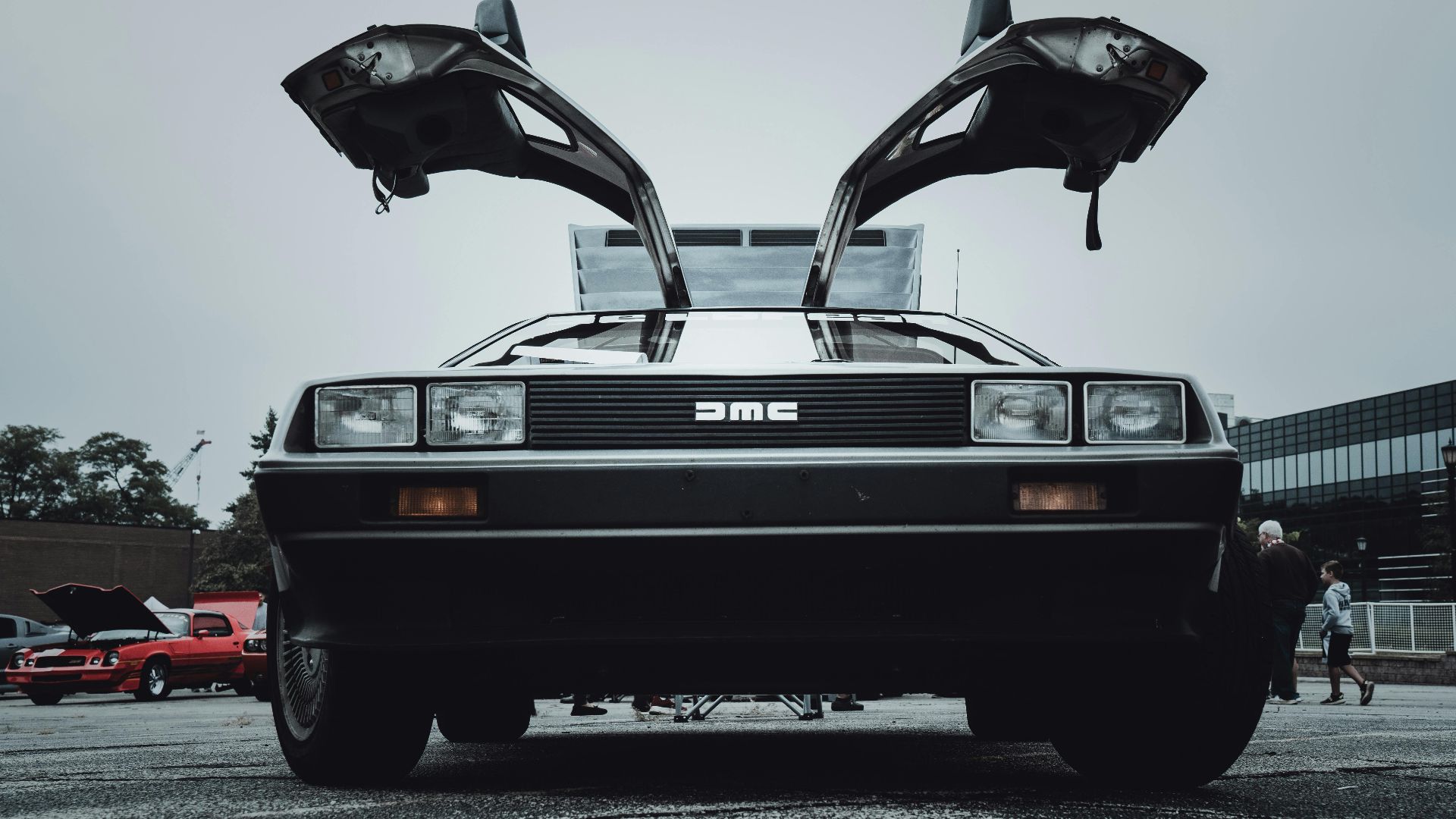
The DeLorean DMC-12 had gullwing doors, stainless-steel body panels, and enough visual drama to become immortal through pop culture. Unfortunately, its performance never quite matched the looks. The car was heavier, slower, and more compromised than its design suggested.
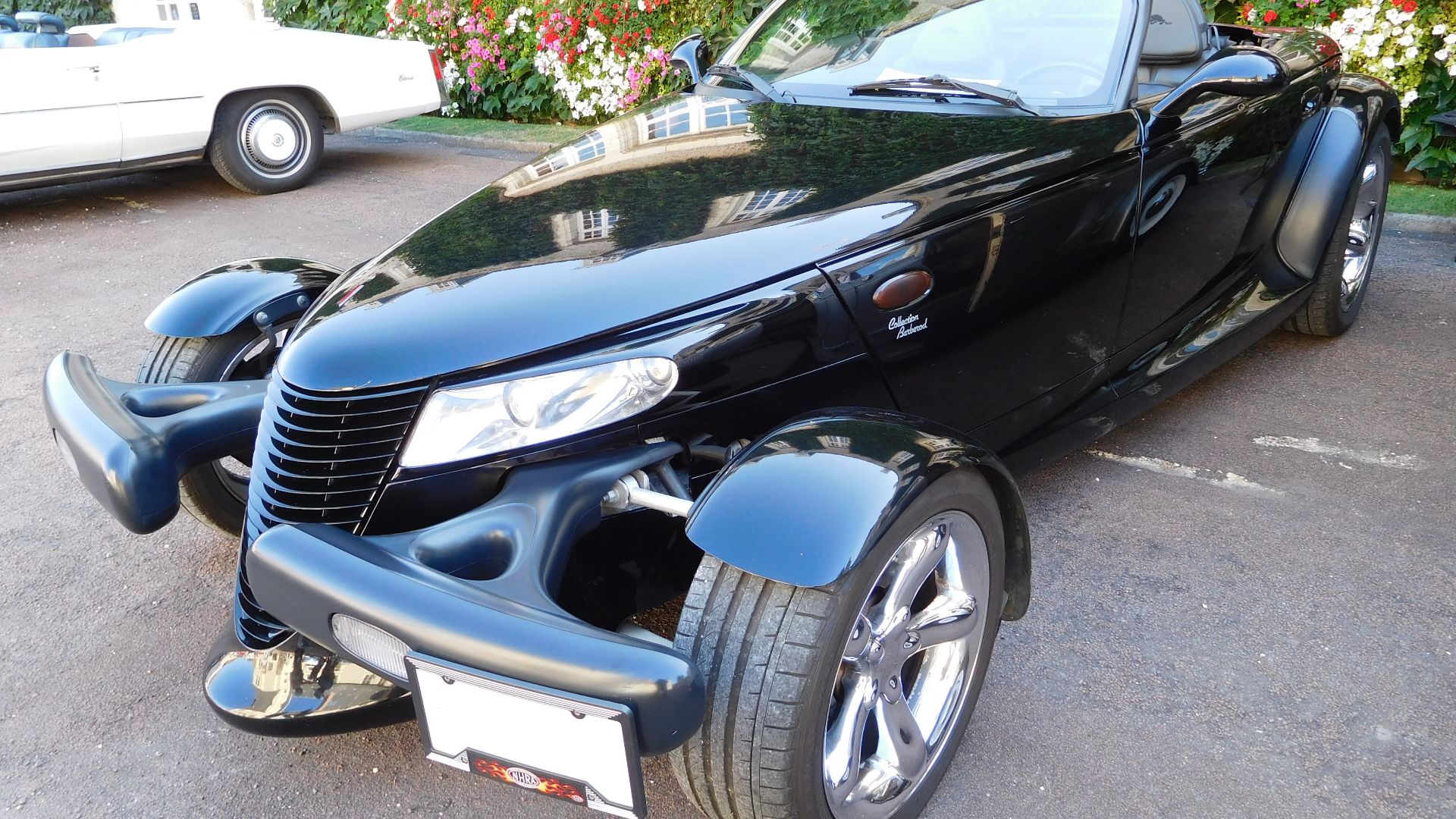
2. Plymouth Prowler
The Plymouth Prowler looked like a factory-built hot rod, which was a wonderfully strange thing to sell in the late 1990s. The problem was that it had a V6 and an automatic transmission, which disappointed people expecting old-school muscle attitude. It was bold, fun, and visually unforgettable, but not as wild to drive as it looked.
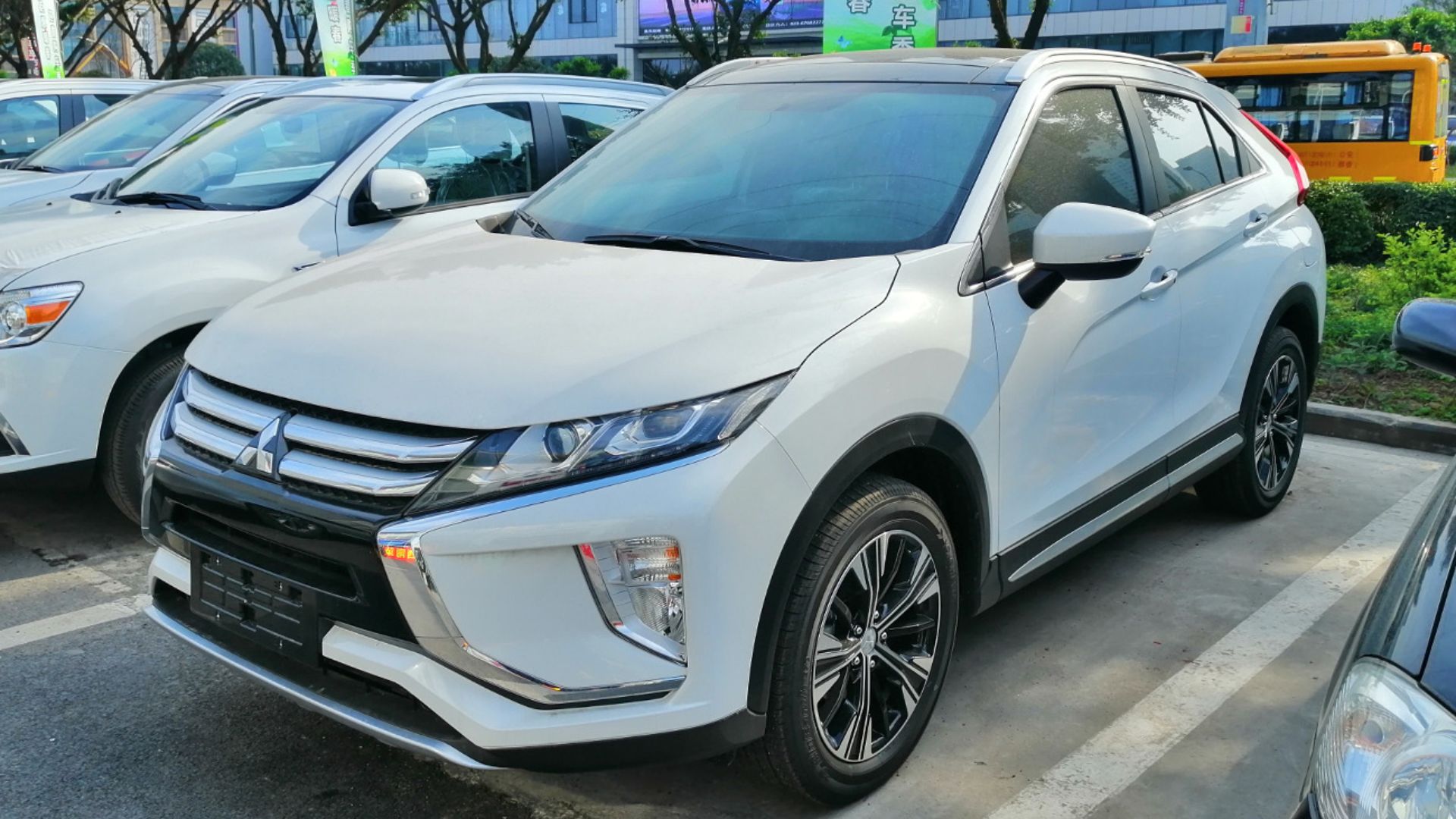
3. Mitsubishi Eclipse Cross
The Mitsubishi Eclipse Cross borrowed one of Mitsubishi’s most beloved sporty names, which immediately raised expectations. With sharp styling, a coupe-like roofline, and an aggressive front end, it looked like it might bring some excitement to the compact crossover world. In reality, it was a fairly ordinary small SUV that didn’t have much connection to the old Eclipse coupes enthusiasts remembered.
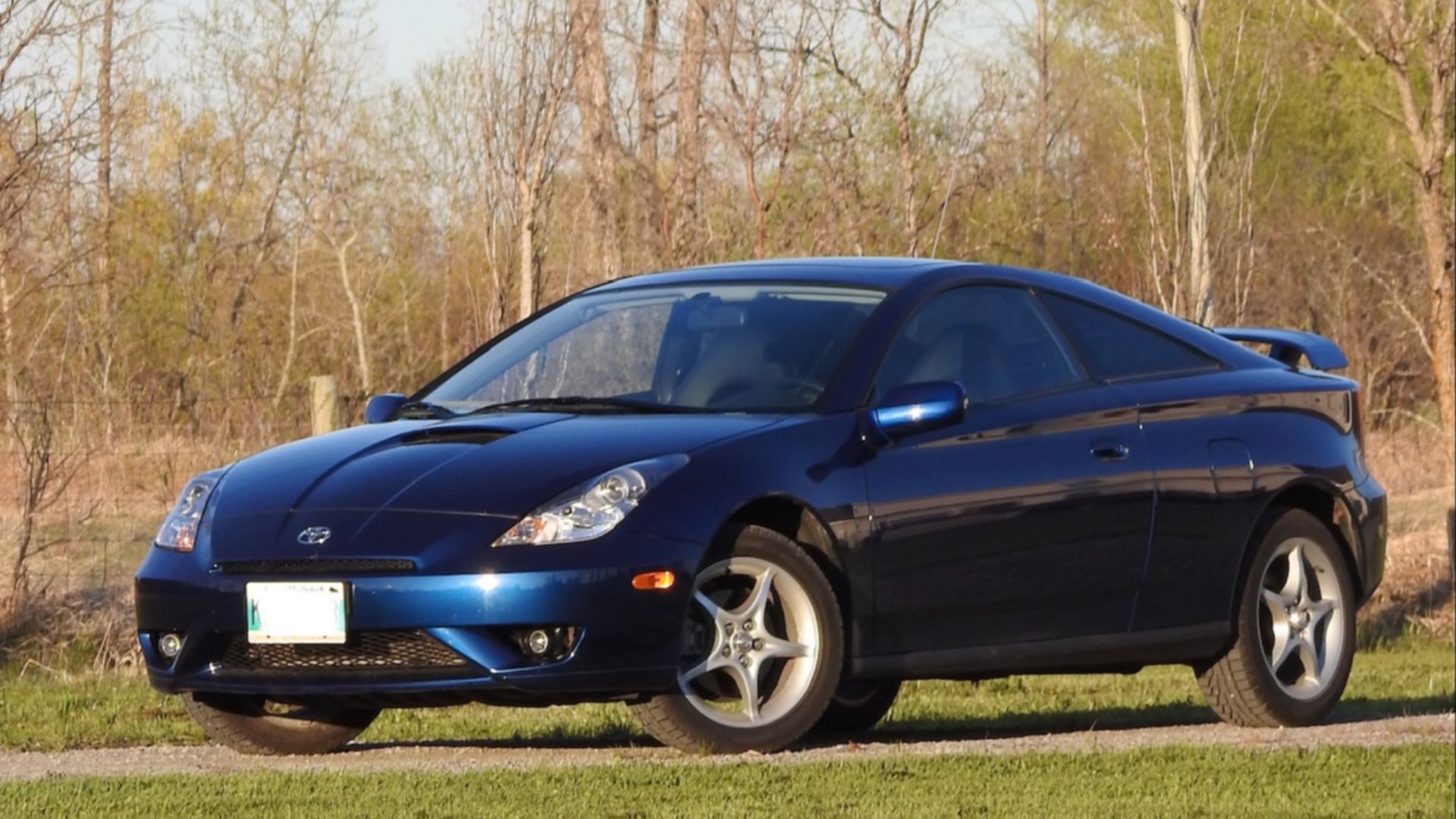
4. Toyota Celica GT-S
The final-generation Toyota Celica GT-S looked sharp, low, and futuristic, with styling that suggested serious sports-car energy. Its high-revving engine had personality, but the front-wheel-drive layout and modest torque meant it wasn’t as thrilling as the bodywork promised. It was fun in the right conditions, yet it could feel more like a stylish compact coupe than a true performance car.
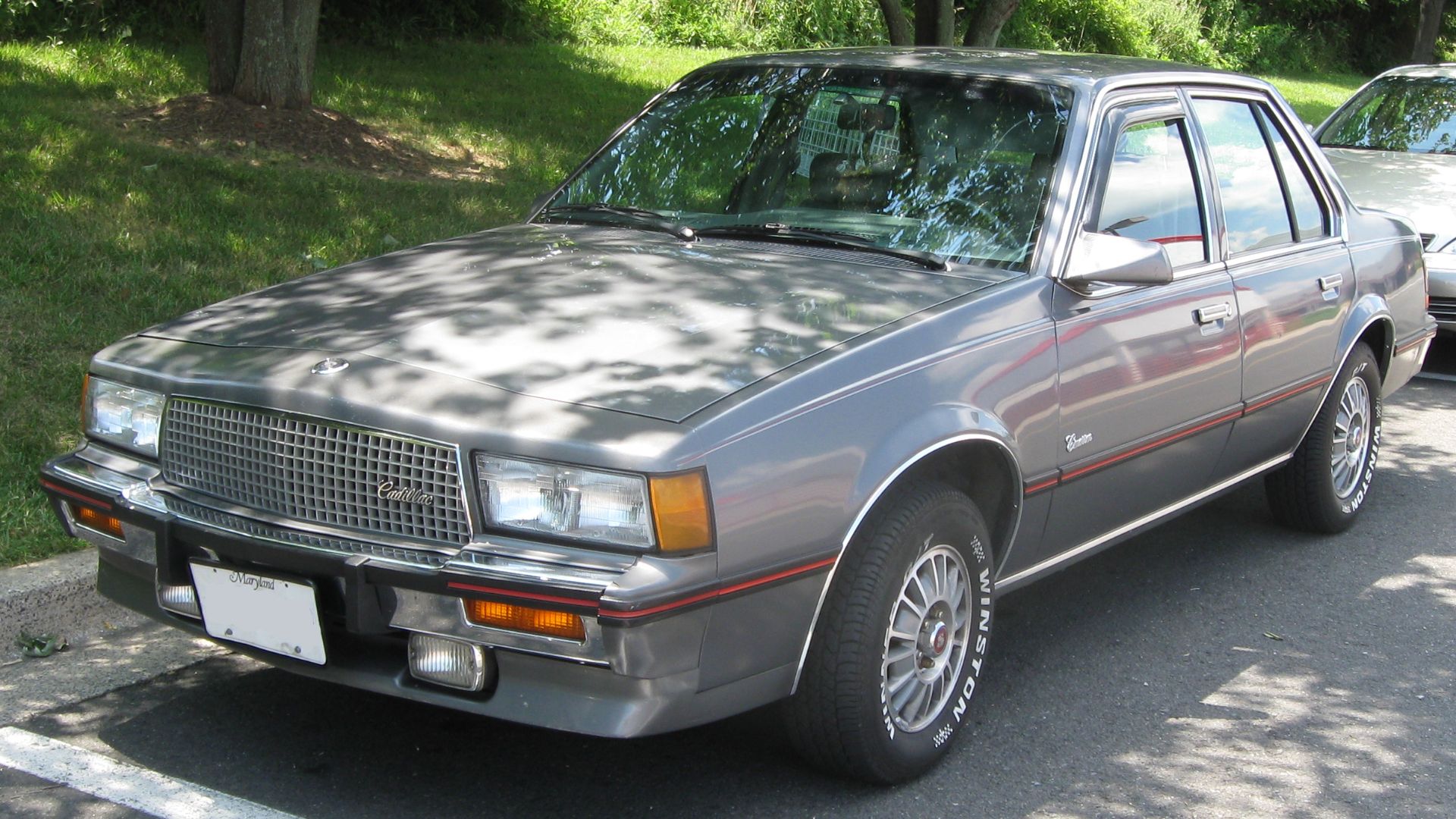
5. Cadillac Cimarron
The Cadillac Cimarron tried to bring Cadillac prestige to a smaller, more fuel-conscious package. Unfortunately, it was too closely related to humble economy cars from General Motors, and buyers noticed. The badge promised luxury, but the engineering and interior experience didn’t fully support the image.
6. Ford Mustang II King Cobra
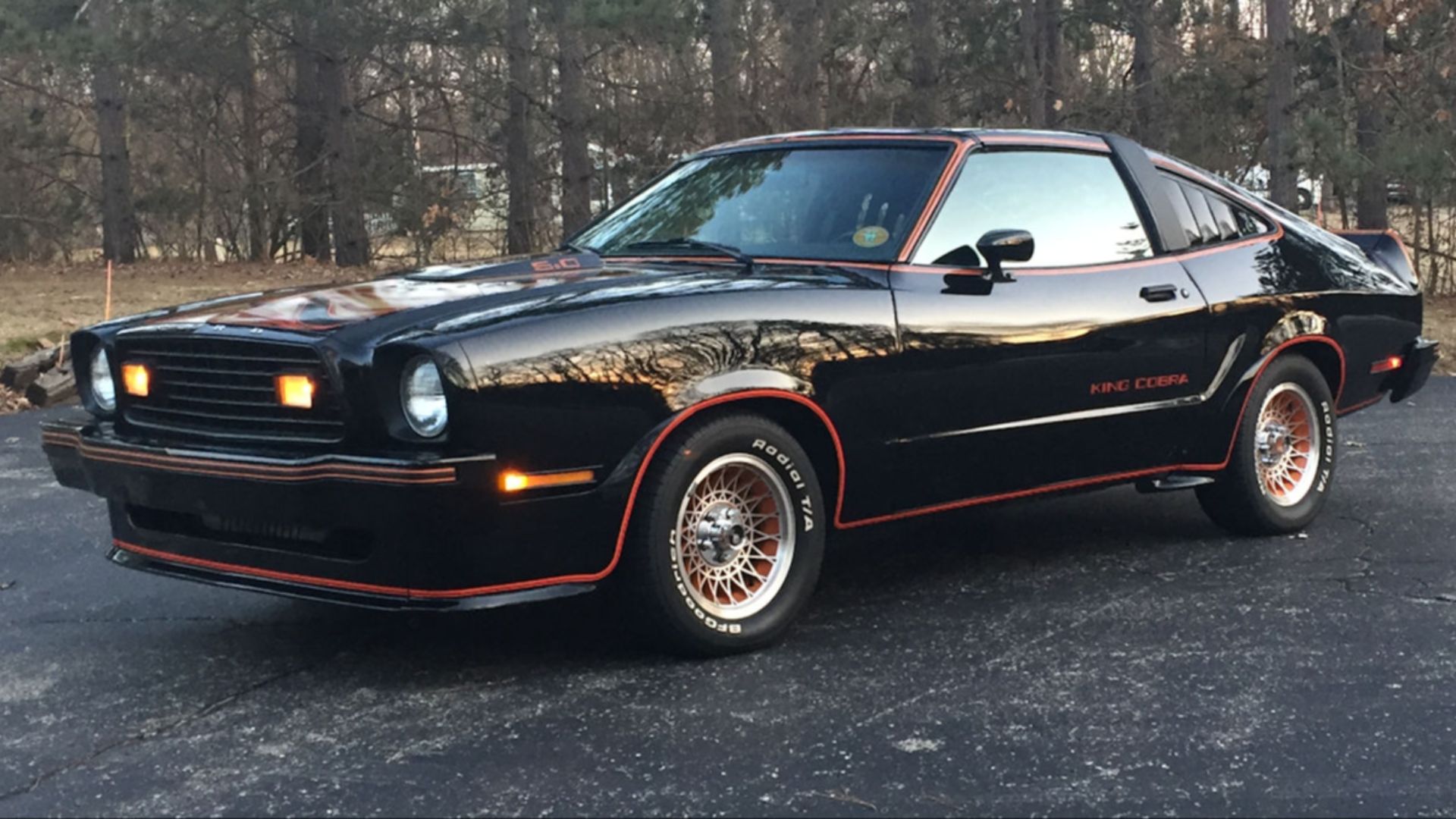
The Mustang II King Cobra looked dramatic with its stripes, spoilers, decals, and cobra graphics. The visual attitude suggested serious muscle-car excitement, but the performance arrived during an era when emissions rules and fuel concerns had softened American performance. It had presence, but not the bite people expected from the name.
7. Hyundai Veloster
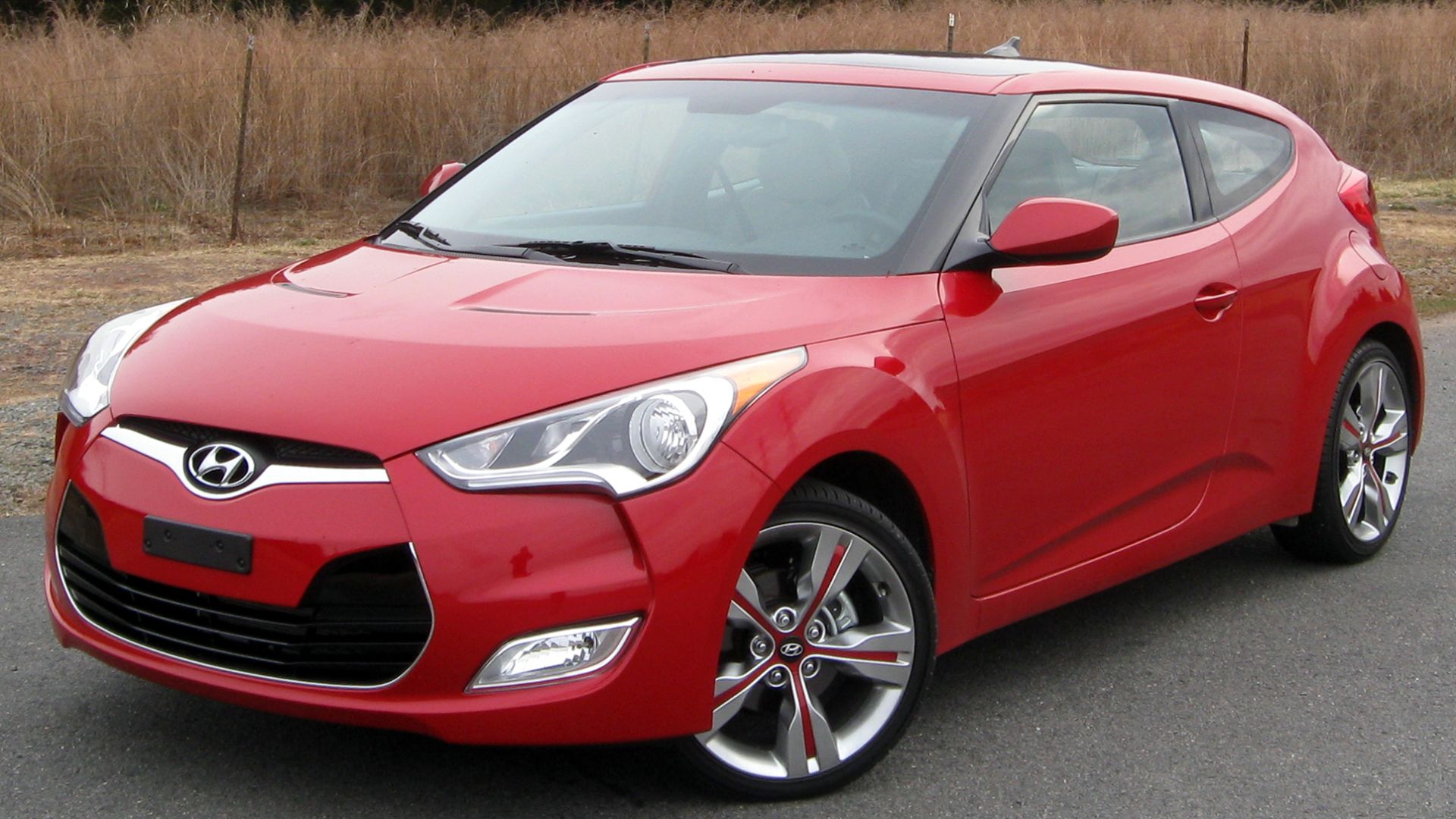
The Hyundai Veloster looked much sportier than most compact hatchbacks, with its asymmetrical door layout, low roofline, and quirky coupe-like shape. It had real personality, and the design made it seem like it might be a scrappy little performance car. In standard form, though, it was more about style and uniqueness than serious speed or sharp handling.
8. Jaguar X-Type
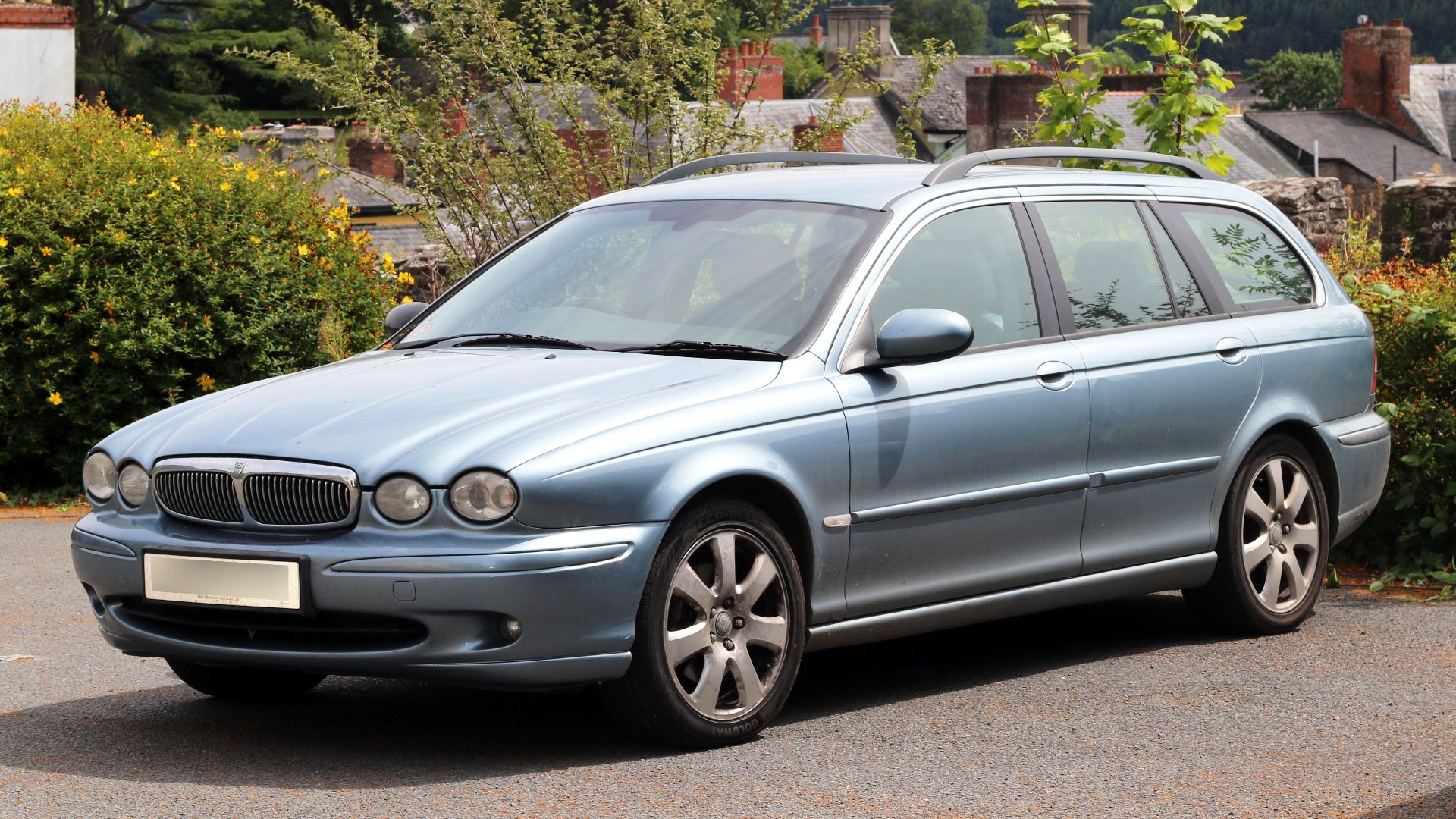
The Jaguar X-Type had the right badge, the right grille, and enough British luxury cues to seem promising. Underneath, however, it shared roots with the Ford Mondeo platform, which made critics question whether it felt special enough to be a true Jaguar. It wasn’t a bad car, but the image did more heavy lifting than the driving experience.
9. Maserati Biturbo
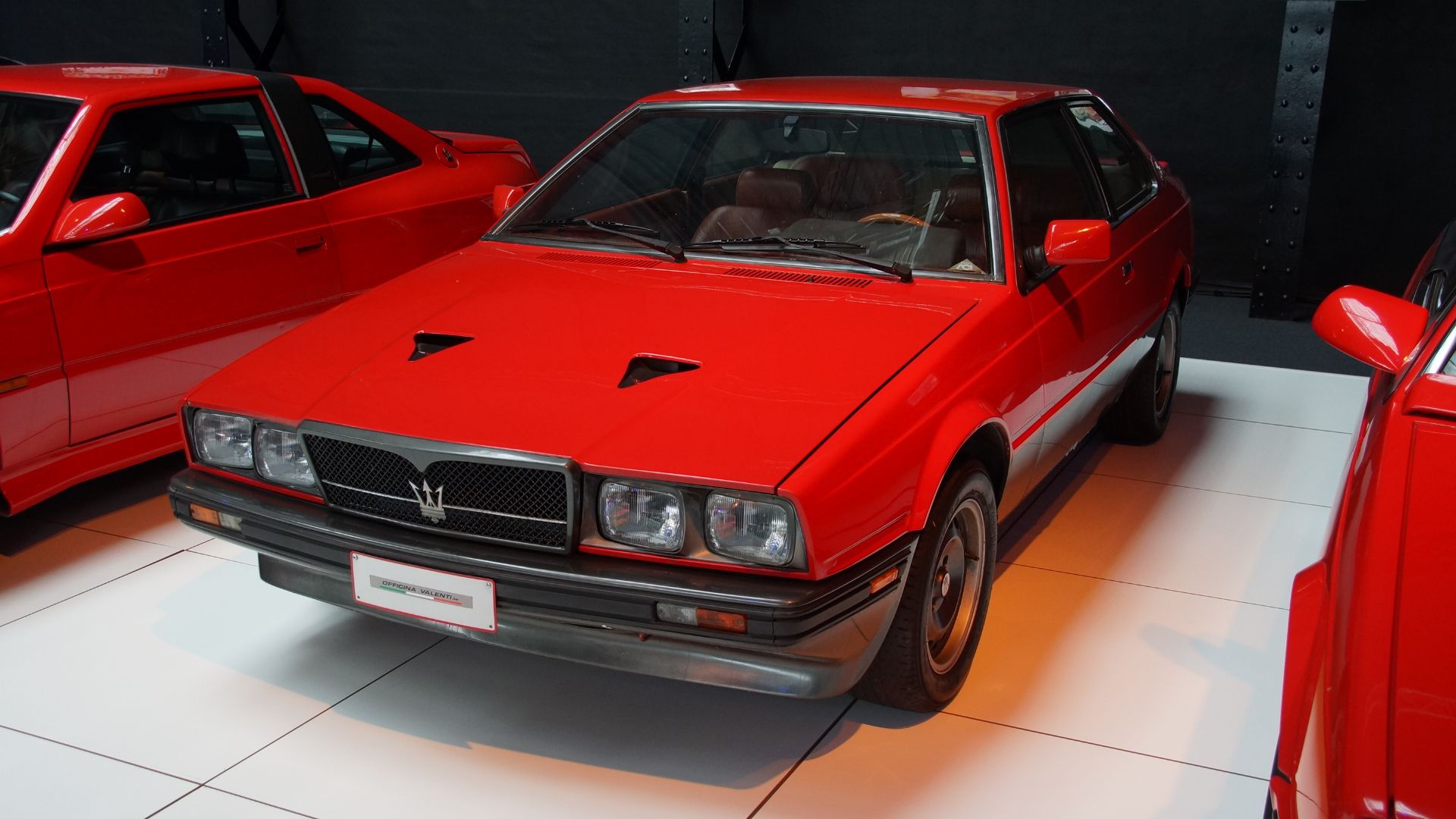
The Maserati Biturbo had an exotic badge, Italian styling, and the promise of twin-turbo performance. On paper, that sounds fantastic, especially for buyers wanting something more glamorous than a German sedan. The badge may have brought drama, but reliability issues and uneven quality hurt its reputation badly.
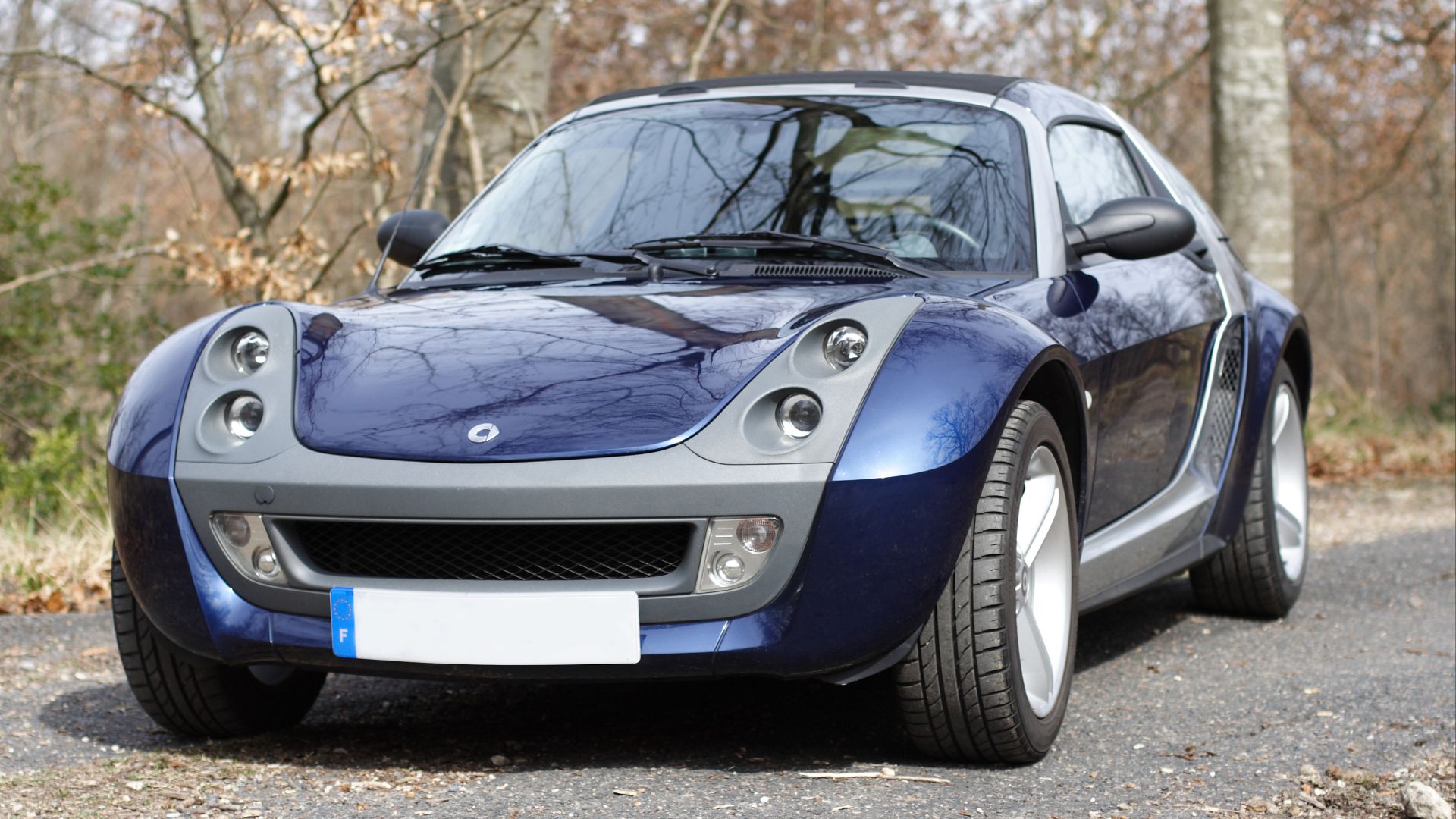
10. Smart Roadster
The Smart Roadster looked like a tiny, futuristic sports car with playful proportions and real charm. It promised lightweight fun, but the automated manual transmission and modest power made it feel less sharp than its design suggested. Its design was certainly unique, but it also looked like it was ready to attack a mountain road more convincingly than it actually could.