
Driving a Truck Takes More Than Just Confidence
If you drive a regular-sized vehicle, like a sedan or an SUV, you might get annoyed at the sight of a truck on the road. After all, they take up a chunk of space, need lots of time to maneuver, and require you to lengthen your following distance. But for truck drivers, learning how to operate one is half the battle. Knowing how to stay safe behind the wheel while you lug down the highway is a difficult skill to master, as is knowing how to react swiftly when things suddenly sour (like a sedan squeezing into the lane right in front of you when you need ample stopping time). Whether you’re getting behind the wheel of a pickup, box truck, moving truck, or commercial vehicle, you need to understand how size, weight, and visibility can all change the way you drive. Here are 20 key things worth keeping in mind before you hit the road.
1. Trucks Need More Room to Stop
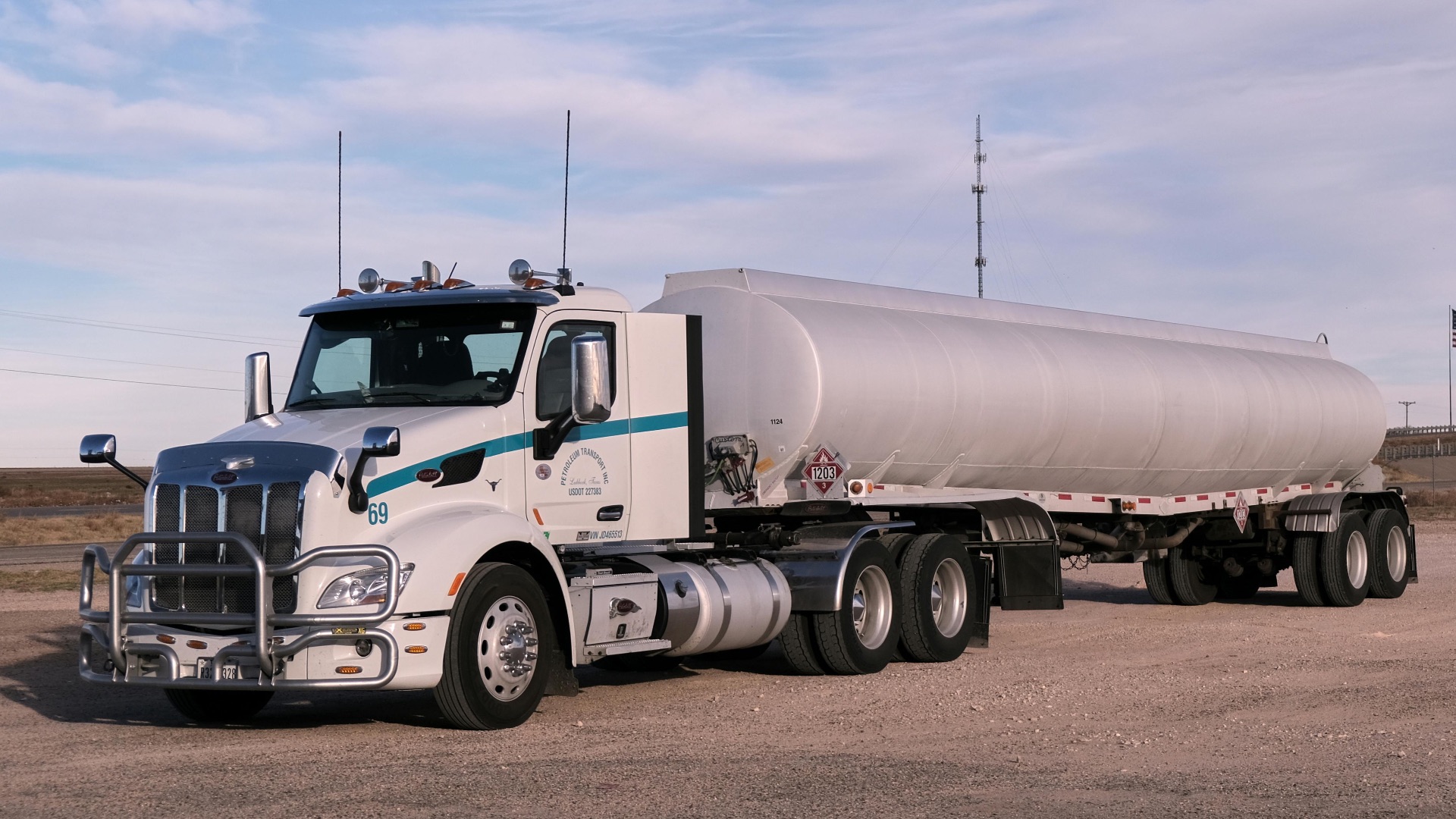
A truck is heavier than a car, so it usually needs more distance to come to a full stop. Even when the brakes are working well, the extra weight makes sudden stopping harder and less forgiving. You’ll want to leave more space between you and the vehicle ahead, especially in traffic or bad weather. Following too closely in a truck can turn a small mistake into a serious problem.

2. Turning Requires Extra Attention
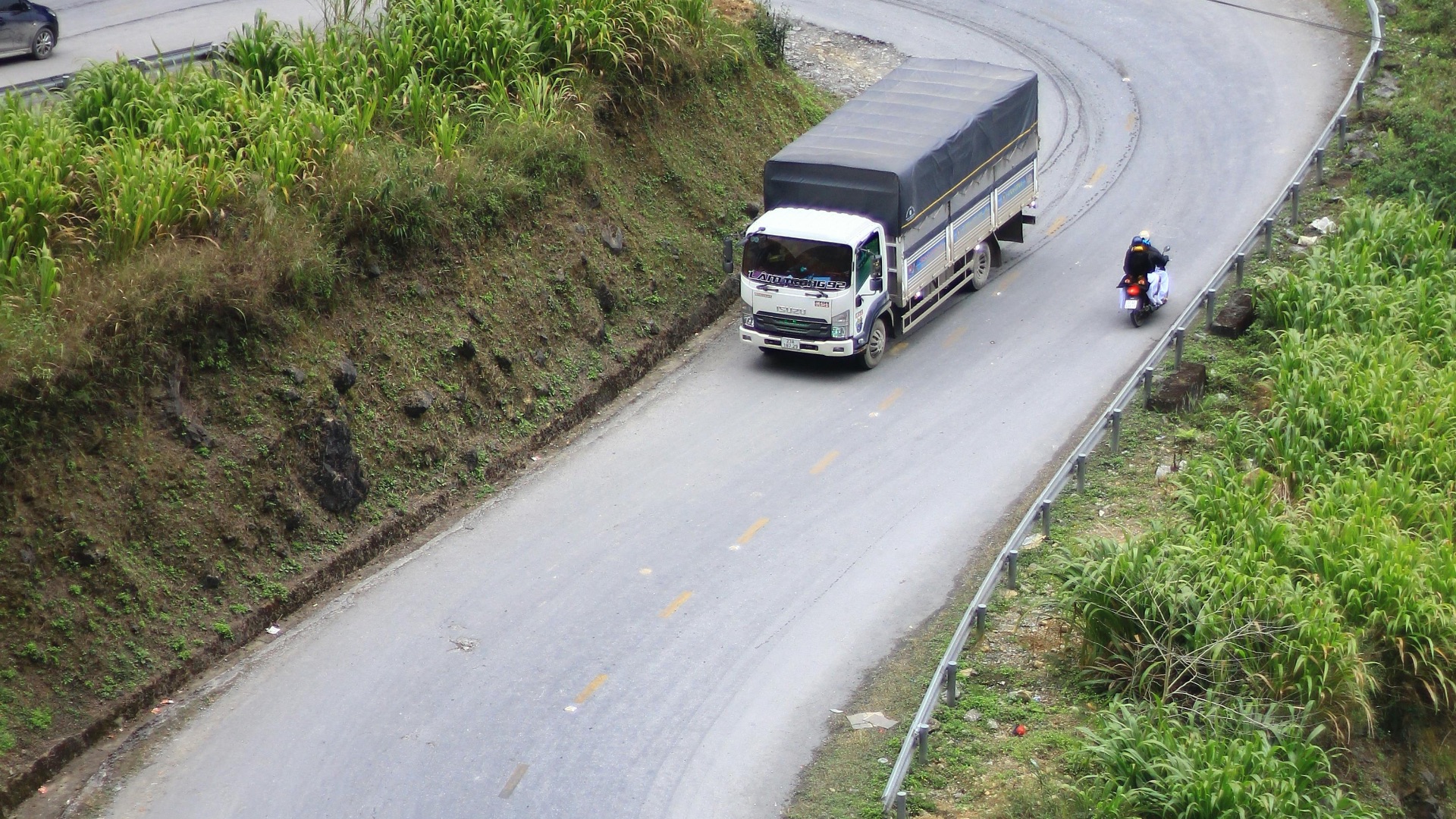
Trucks often need wider turns, particularly when turning right or navigating tight corners. If you turn too sharply, the rear wheels can cut across the curb, a lane line, or another vehicle’s space. It helps to slow down early, check your mirrors, and give yourself enough room before committing to the turn. Rushing a turn in a truck is one of the easiest ways to damage the vehicle or something nearby.
3. Blind Spots Are Bigger Than You Expect
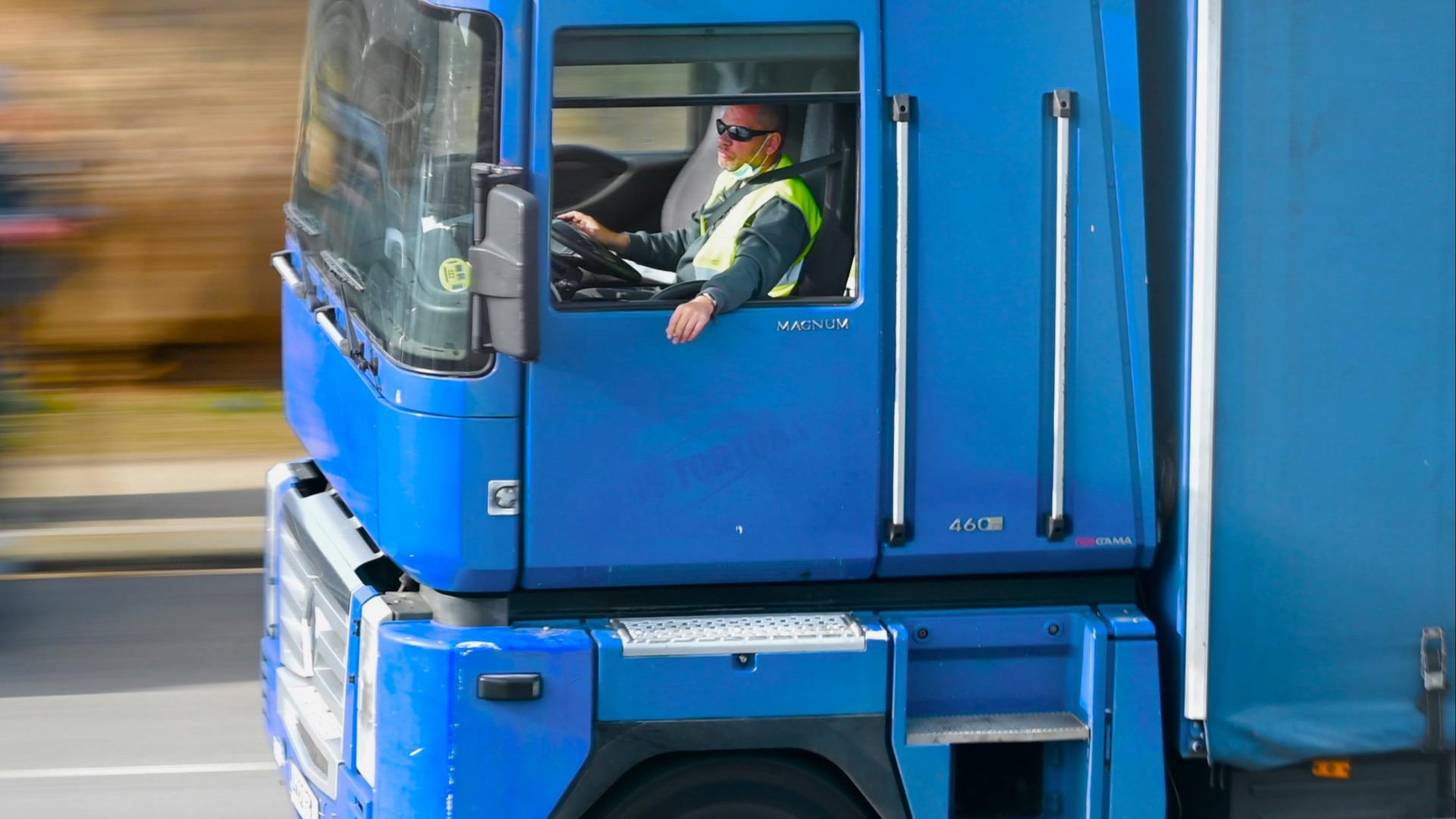
Every vehicle has blind spots, but trucks have larger ones because of their size and shape. You may not see smaller cars, cyclists, pedestrians, or obstacles that would be easier to spot in a car. Using your mirrors often is essential, but you also need to turn your head and stay aware of what’s around the truck. Before changing lanes or backing up, take an extra moment to make sure the path is actually clear.
4. Height Clearance Matters
A truck may be too tall for certain parking garages, drive-throughs, bridges, tunnels, or covered loading areas. Before you drive under anything, you need to know the vehicle’s height and compare it with the posted clearance. Don’t assume you’ll fit just because other vehicles are passing through. A height-related mistake can cause major damage quickly, and it’s usually preventable with a little attention.

5. Weight Changes the Way the Truck Handles
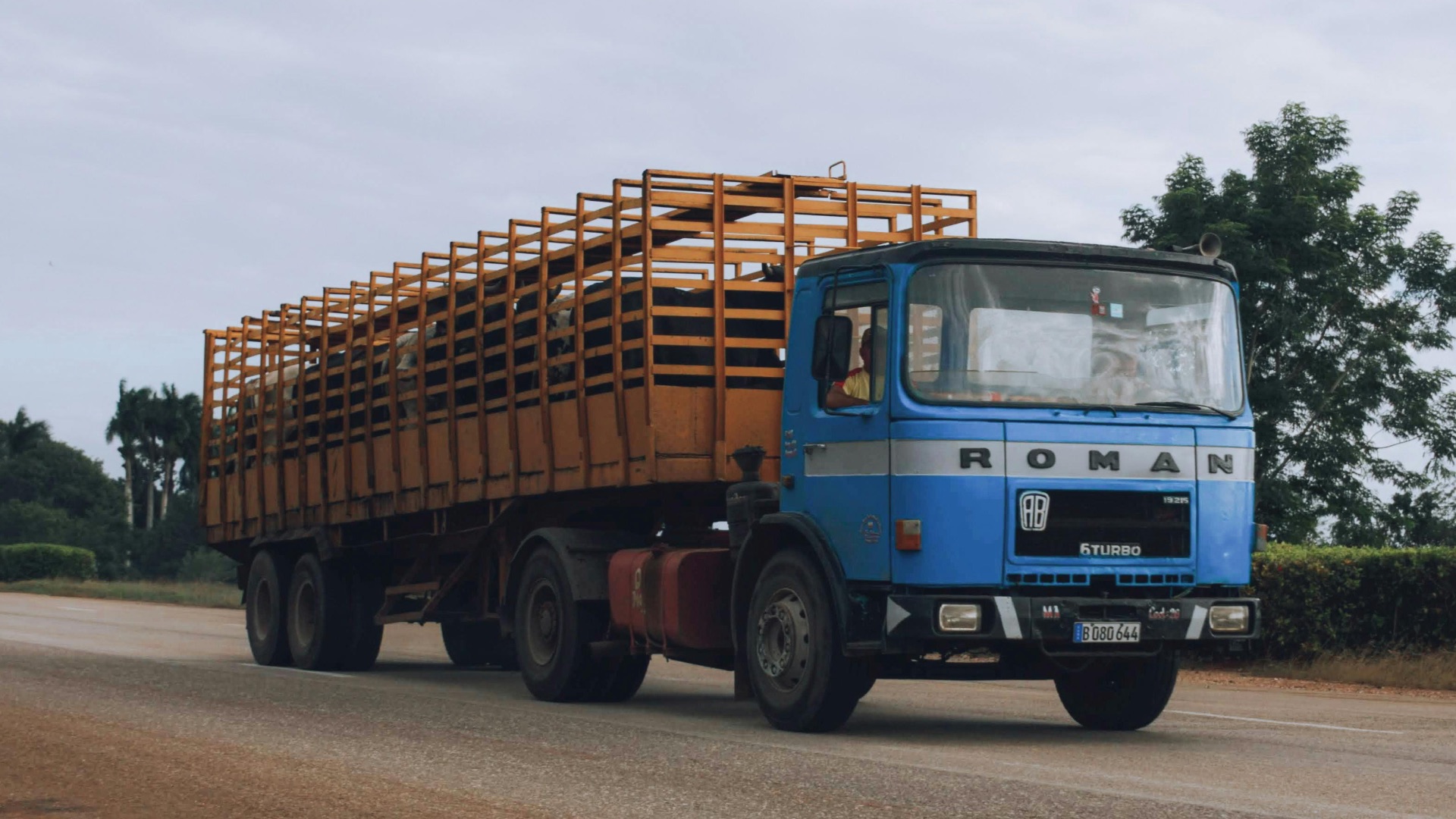
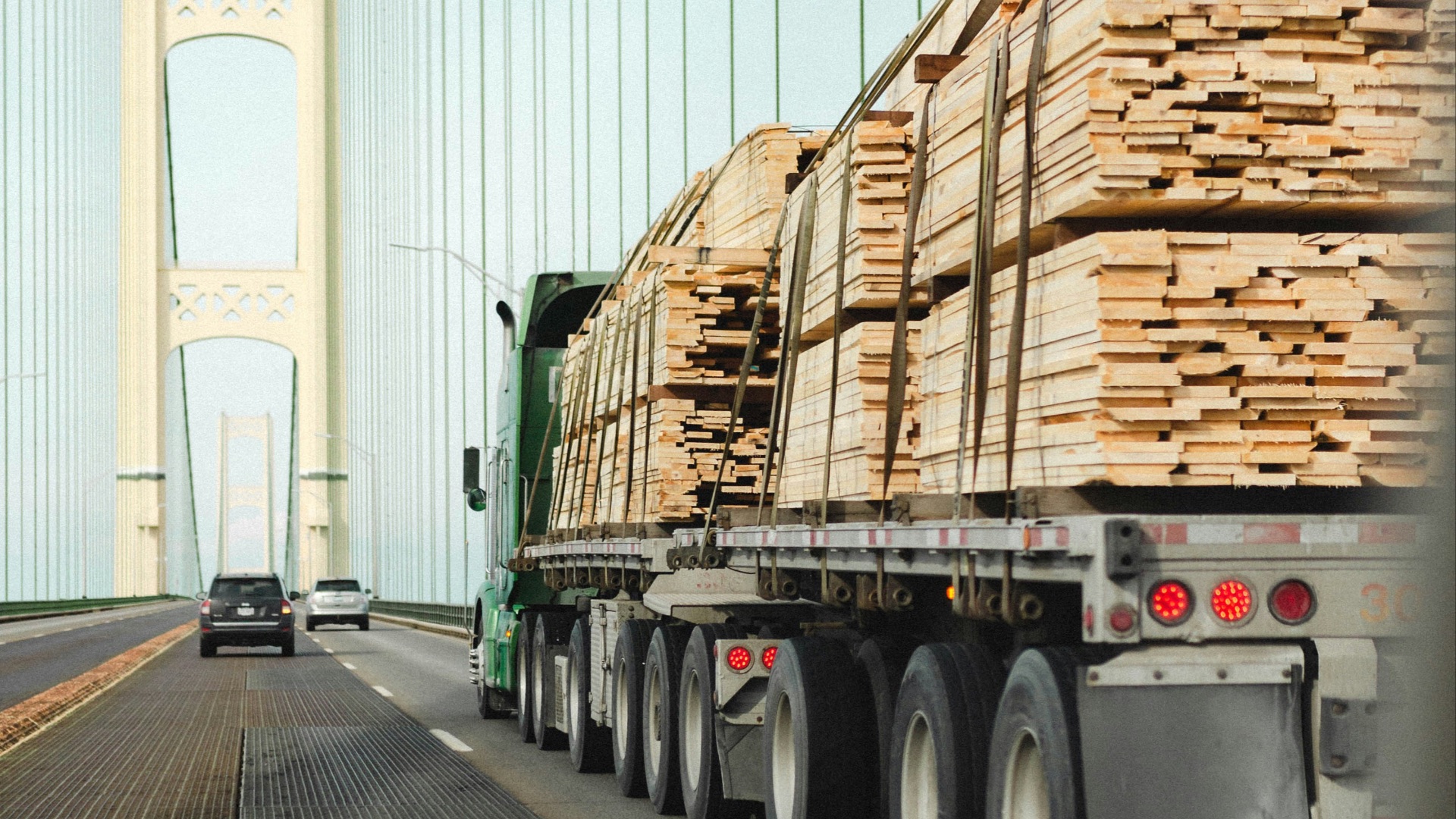
A loaded truck doesn’t drive the same way as an empty one. Extra weight can affect acceleration, braking, turning, and how the vehicle feels on hills or curves. If the load isn’t secured or distributed properly, the truck may feel unstable or harder to control. Before driving, make sure the cargo is balanced, tied down, and within the truck’s weight limits.
 Mehmet Turgut Kirkgoz on Pexels
6. Backing Up Takes Patience
Reversing a truck can be stressful because visibility is limited and the vehicle may respond differently than you expect. It’s better to go slowly, use your mirrors carefully, and stop whenever you need to reassess. When possible, have someone guide you from outside the truck, but make sure they stand where you can see them. If you’re unsure, getting out to check the space is always better than guessing.
7. Mirrors Are One of Your Most Important Tools
Truck mirrors give you the information you need to manage blind spots, turns, lane changes, and backing. Before you start driving, adjust every mirror so you can see as much of the road and the sides of the truck as possible. While driving, check them regularly rather than only when something feels wrong. Good mirror habits make the truck feel more manageable and help you spot problems early.
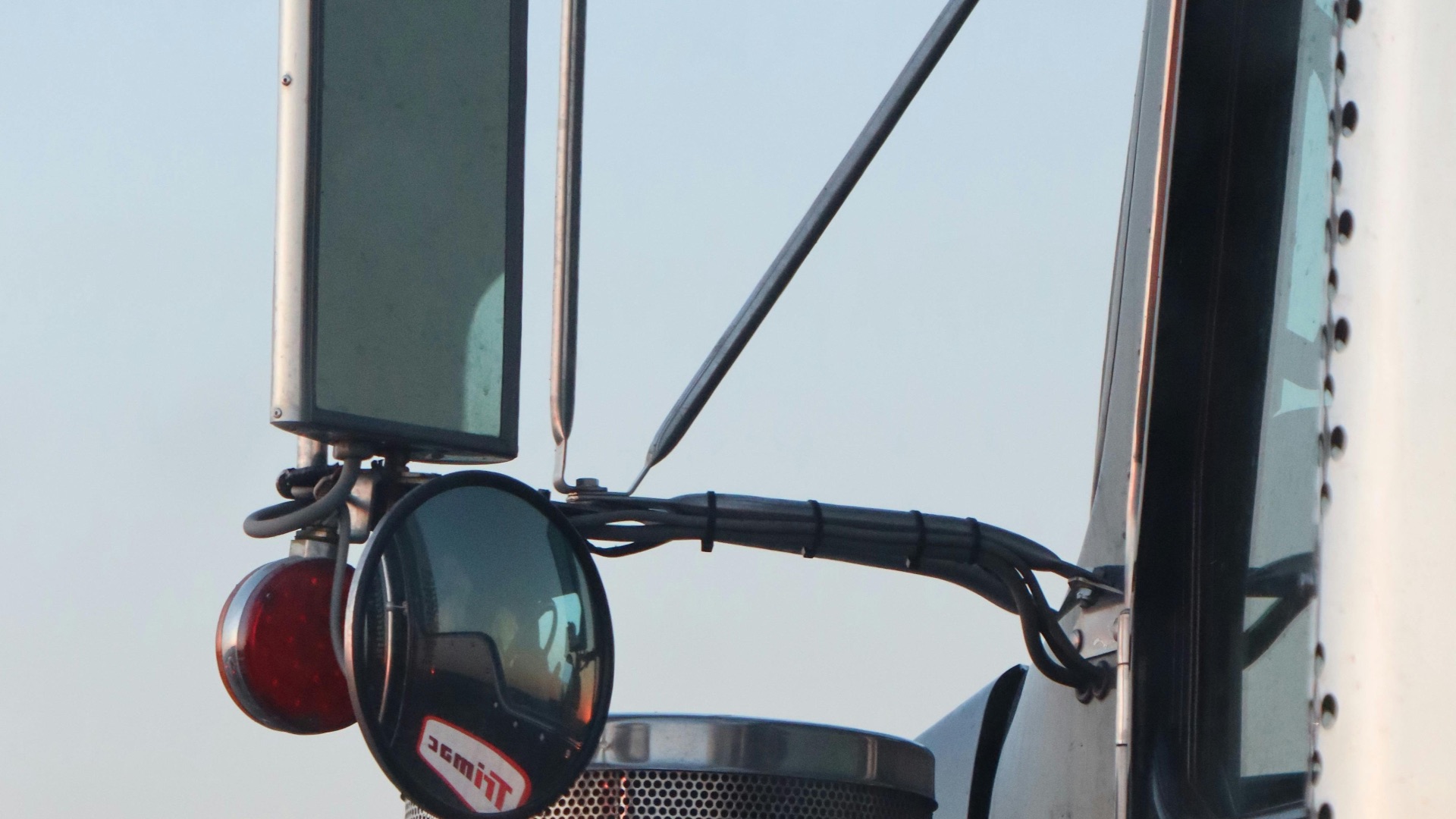
8. Speed Feels Different in a Truck
A truck can feel steady even when it’s moving faster than it should for the road or conditions. Because of the vehicle’s weight and size, higher speeds can make stopping, steering, and recovering from mistakes more difficult. It’s smart to drive a little more conservatively than you might in a smaller vehicle. Keeping your speed controlled gives you more time to react and more room to correct your actions.

9. Wind Can Affect the Vehicle
Large trucks can be more sensitive to strong winds, especially on bridges, open highways, and exposed roads. A sudden gust can push the truck sideways or make steering feel less stable. You should keep both hands on the wheel and reduce your speed when the weather becomes challenging. If the wind feels too strong to control the vehicle safely, it’s better to pull over somewhere appropriate.

10. Parking Takes More Planning
Parking a truck usually requires more space, better positioning, and a slower approach. You may not fit into standard spaces comfortably, and tight lots can be difficult to navigate. Look for pull-through spaces when available, and avoid squeezing into spots that don’t give you enough room to exit safely. Planning your parking before you arrive can save you from stressful maneuvering later.
11. Lane Changes Should Be Deliberate
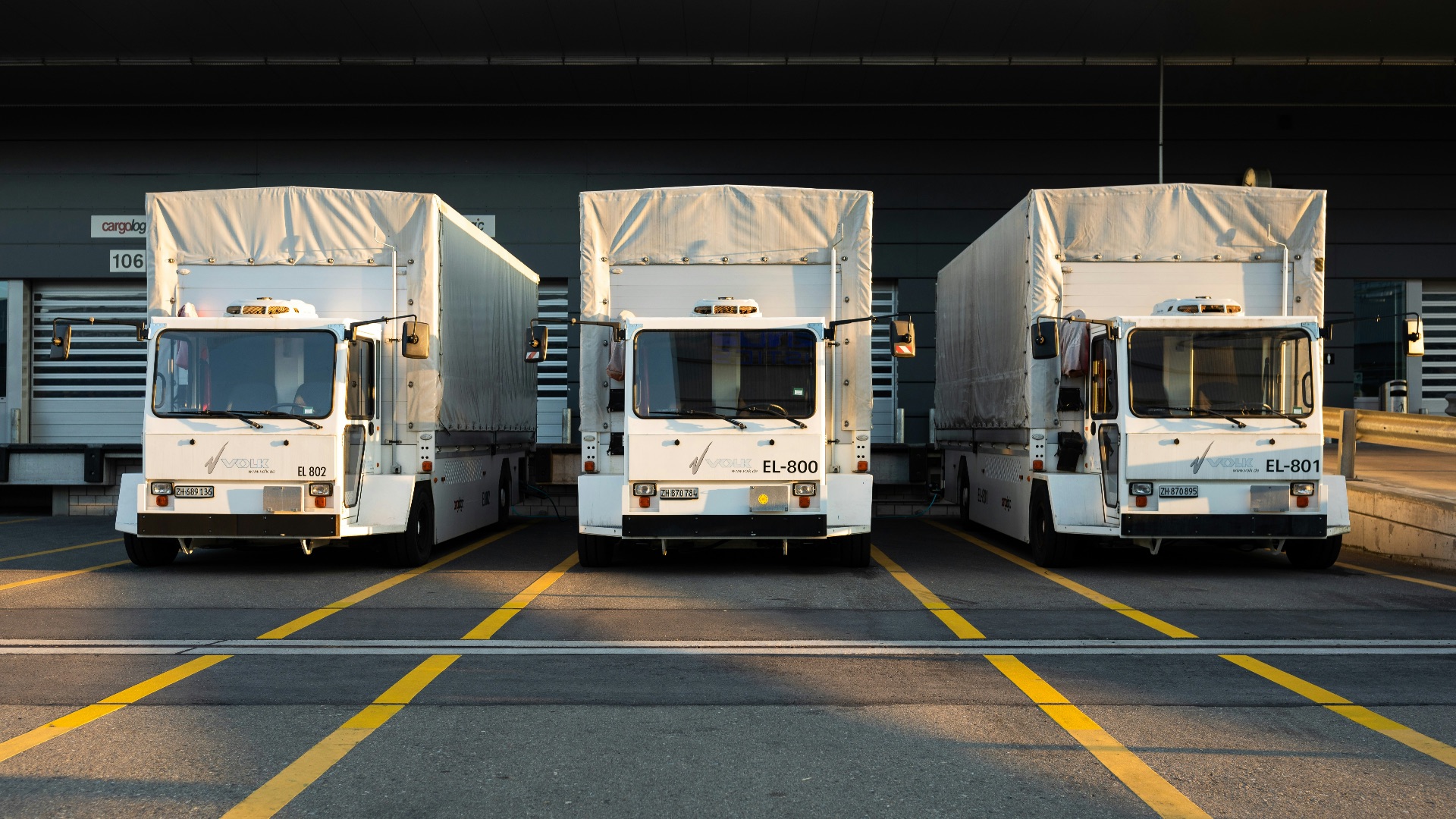
Changing lanes in a truck isn’t something you should do casually or at the last second. You need to signal early, check your mirrors, look for vehicles in your blind spots, and make sure you have enough room to move over. Because the truck takes up more space, other drivers may not realize how much room you need. A slower, more intentional lane change helps keep everyone around you safer.

12. Hills Require Careful Control
Driving uphill or downhill in a truck can be more demanding than it is in a car. Going uphill may require patience because the truck may accelerate more slowly, especially if it’s loaded. Going downhill calls for extra caution because gravity can increase your speed and make braking harder. Use lower gears when appropriate and avoid relying only on the brakes for long downhill stretches.

13. You Need to Know the Vehicle Before You Drive
Before taking a truck on the road, get familiar with its controls, mirrors, lights, brakes, fuel type, and basic dimensions. A few minutes of checking can prevent confusion once you’re already moving. You should also know where the hazard lights are and how the parking brake works. The more comfortable you are with the vehicle, the easier it is to focus on traffic instead of searching for controls.
 World Sikh Organization of Canada on Pexels
14. Cargo Must Be Secured Properly
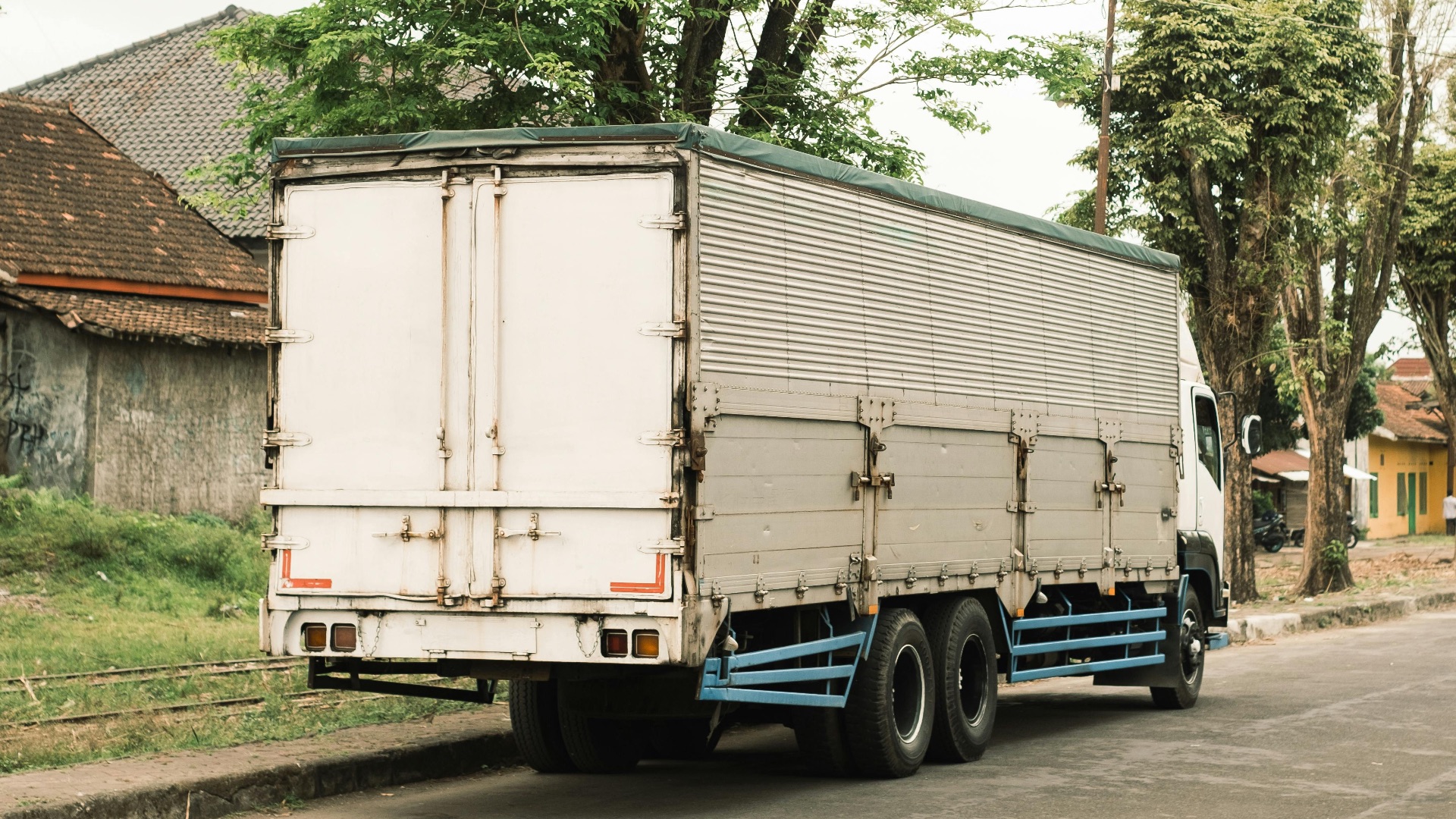
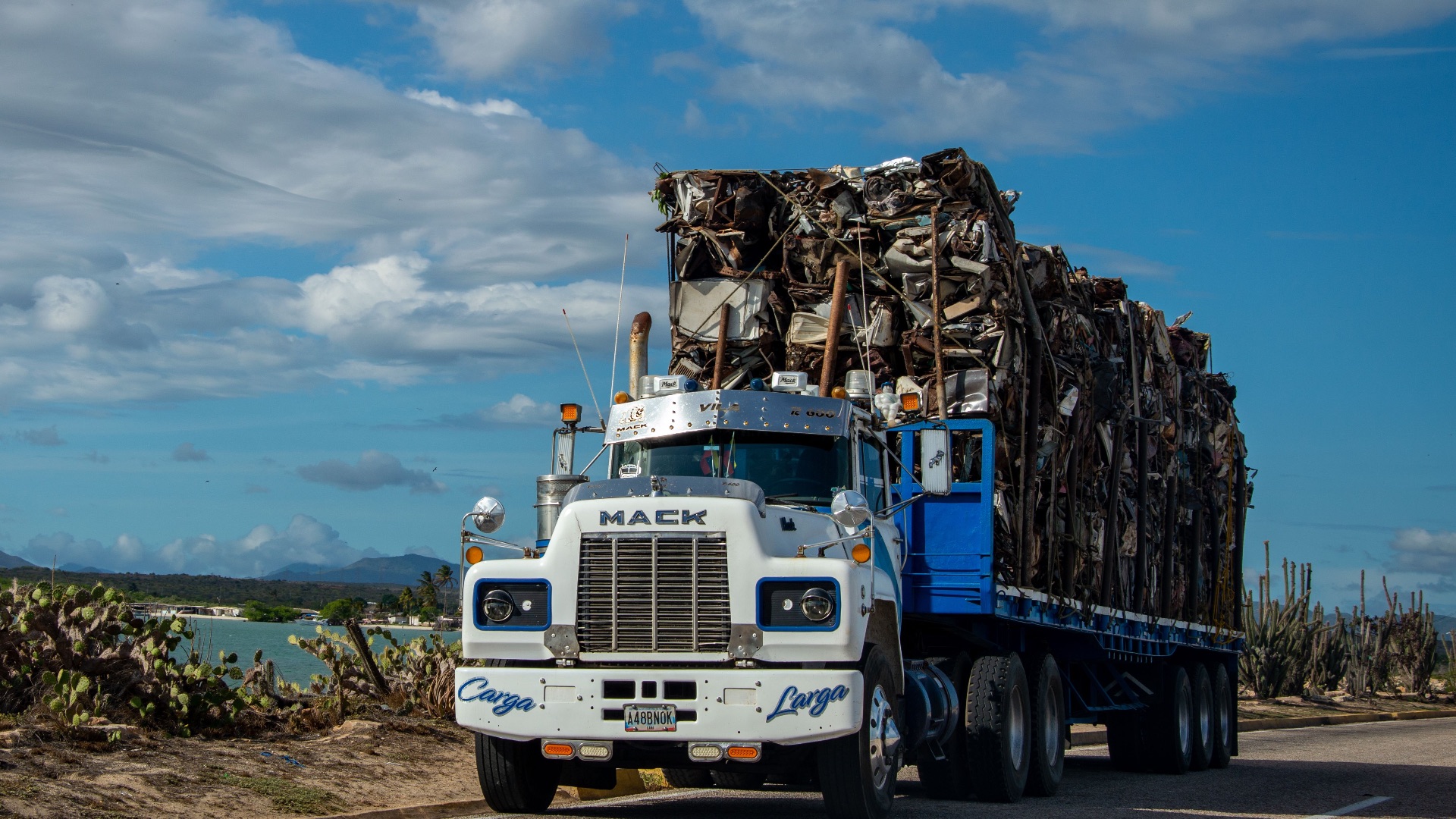
Loose cargo can shift while you drive, and that can affect the truck’s balance or damage the items inside. In open beds, unsecured items can fall out and create a hazard for other drivers. Use straps, tie-downs, covers, or barriers when needed, and check that everything is stable before leaving. If you’re driving a moving truck, pack heavier items low and secure furniture so it doesn’t slide during turns or stops.
15. Fuel Stops May Take More Thought
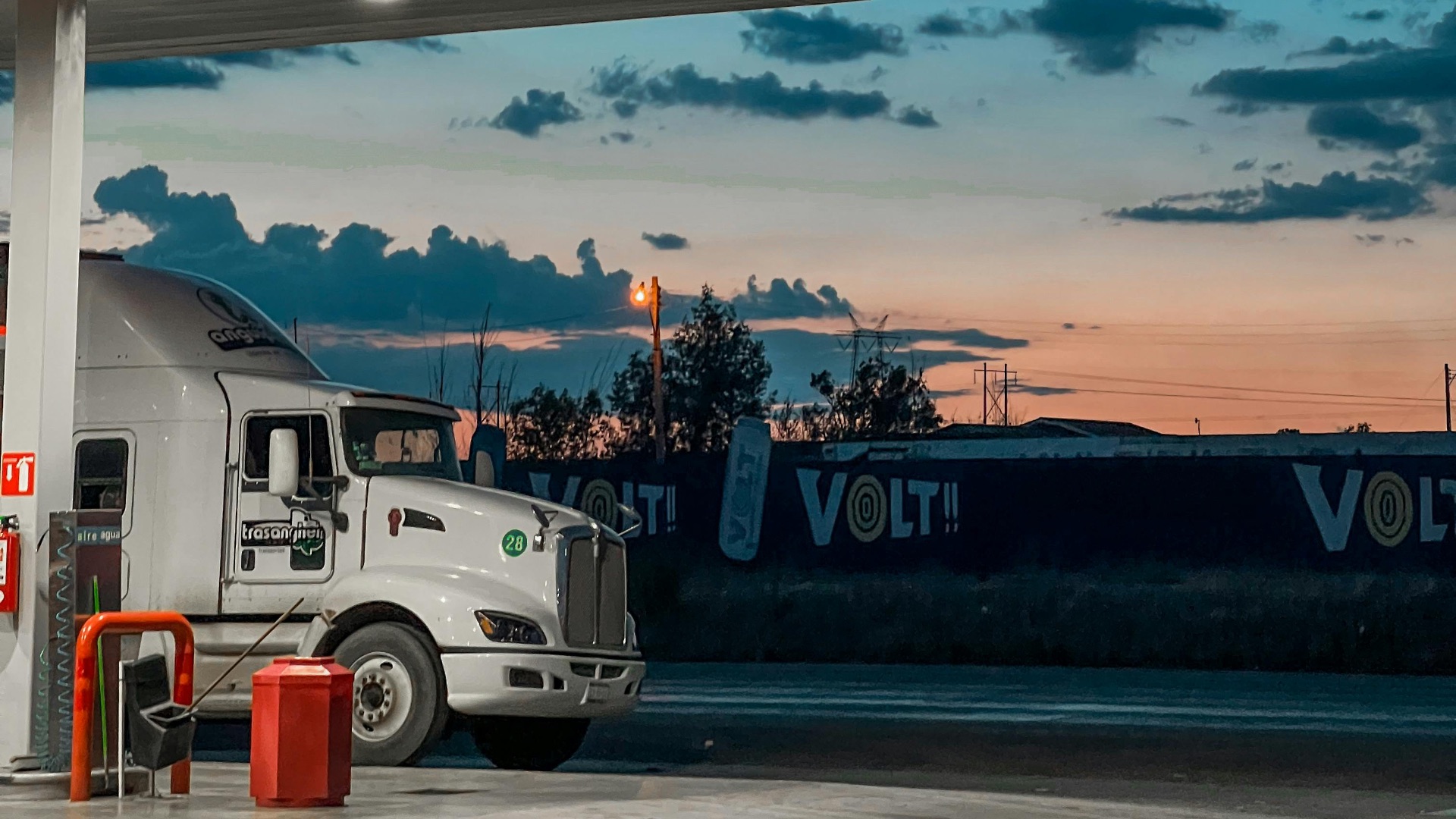
Not every gas station is easy to enter, exit, or navigate in a truck. Tight pumps, low canopies, and crowded lots can make refueling more difficult than expected. Before pulling in, look at the layout and make sure you can leave without having to make a complicated maneuver. It also helps to know whether the truck uses gasoline or diesel before you reach the pump.
16. Weather Has a Bigger Impact
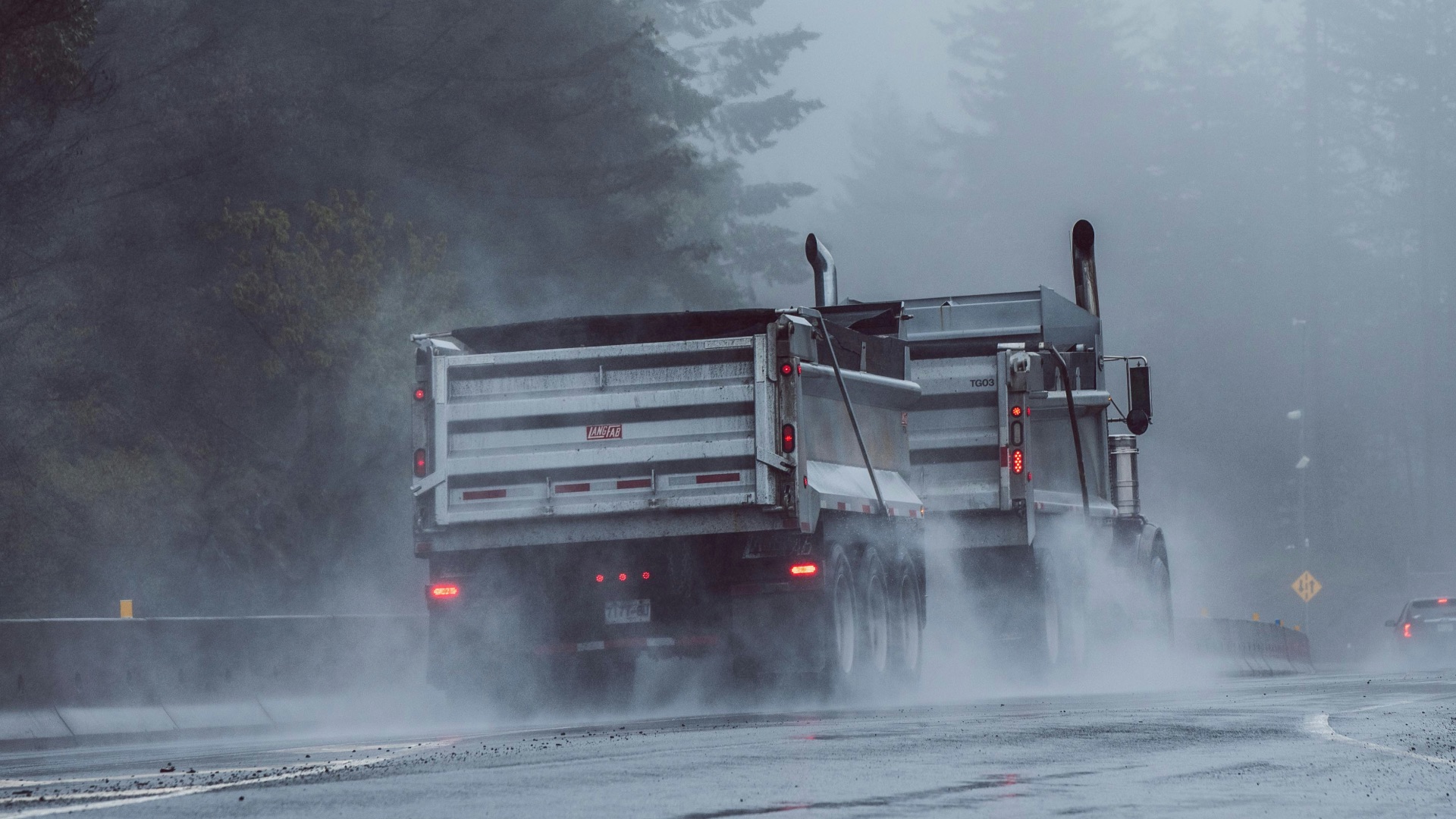
Rain, snow, ice, and fog can make truck driving much more challenging. Reduced traction affects braking and steering, while poor visibility makes lane changes and turns riskier. Slow down sooner than you would in a car, increase your following distance, and avoid sudden inputs. Bad weather rewards patience, especially when you’re handling a larger vehicle.
17. Other Drivers May Misjudge You
People in smaller vehicles don’t always understand how much room a truck needs. They may cut in front of you, linger in blind spots, or expect you to stop faster than you can. You can’t control what other drivers do, but you can leave extra space and avoid aggressive reactions. Defensive driving matters even more when you’re operating something large and heavy.

18. Routes Should Be Checked in Advance
A route that works perfectly for a car may not be suitable for a truck. Low bridges, narrow streets, weight-restricted roads, steep grades, and tight turns can create problems. Before you leave, review the route and look for truck-friendly roads whenever possible. This is especially important if you’re driving in an unfamiliar city or transporting a large load.
19. Fatigue Can Sneak Up on You
Driving a truck requires constant attention, and that can be tiring even on a short trip. Larger vehicles demand more scanning, more planning, and more physical control than a typical car. Take breaks when you need them, stay hydrated, and don’t keep driving if you feel drowsy. Being tired behind the wheel reduces your reaction time and makes every task harder.

20. Confidence Should Come from Preparation
It’s normal to feel nervous before driving a truck, especially if you’re new to it. The goal is to be prepared enough to make smart decisions. Learn the vehicle, adjust your habits, give yourself extra space, and take your time when conditions get complicated. With the right approach, you’ll be much more capable and safer on the road.