
A Little Planning Goes a Long Way
Heading out on a road trip? While you might be so excited to hit the road you'd hop behind the wheel without a plan, you should hold your horses. Without thorough planning, your trip can turn into a not-so-great one. So, before you load the car and pull out of the driveway, it helps to know which habits can create avoidable stress and which ones can make the drive safer, easier, and far more enjoyable. Here are 10 mistakes you should never make before hitting the road, and 10 things to always do.

1. Never Leave Without Doing a Vehicle Safety Inspection
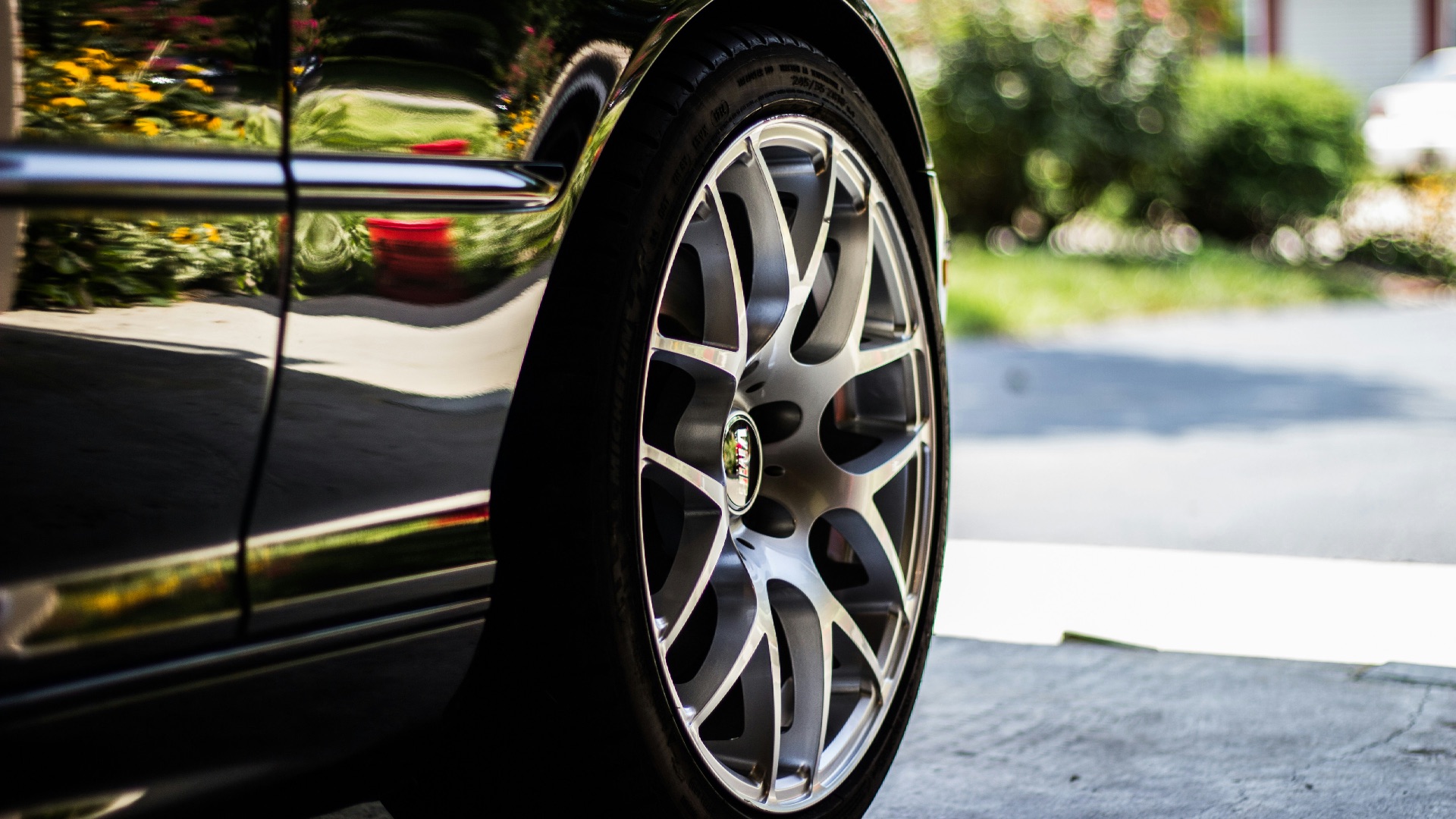
A road trip asks more from your car than a quick drive across town, so you shouldn’t leave without giving it a basic safety check. Look at the tires, lights, brakes, wipers, fluid levels, and anything else that could affect the drive. If something feels off, schedule a quick inspection before you go instead of hoping it won’t matter. It’s much easier to fix a problem near home than on the side of an unfamiliar road.
2. Never Start the Trip After Too Little Sleep
Starting a long drive after a night of poor sleep puts you at a disadvantage before the trip even begins. Driving tired can make it harder to focus, react quickly, and make good decisions behind the wheel. Try to get a full night’s rest before departure, especially if you’re handling the first stretch of driving. Leaving a little later is better than beginning the trip already worn out.

3. Never Hit the Road Without Packing the Essentials
You don’t need to pack for every possible situation, but you shouldn’t leave without the basics. Bring water, snacks, medications, chargers, important documents, a first-aid kit, and any must-have items for kids, pets, or specific health needs. It’s also smart to keep these essentials within reach instead of buried under luggage. When something comes up during the drive, you’ll be glad you don’t have to unpack half the car to find it.

4. Never Skip Breakfast or Start the Drive Hungry
Driving hungry can make you irritable, distracted, and more tempted to rely on whatever food is available at the first stop. Eat something before you leave, even if it’s simple, so you’re not starting the day on empty. A balanced breakfast can help you stay comfortable and focused during the early part of the trip. You can still enjoy road trip snacks later, but your first meal shouldn’t be an afterthought.

5. Never Forget to Check the Weather
The weather where you start isn’t always the weather you’ll meet along the way. Check the forecast for your route, major stops, and final destination before you leave. Rain, snow, fog, heat, high winds, or storms can all affect your timing and packing choices. Knowing what’s ahead gives you a chance to adjust your route, schedule, or supplies before you’re already dealing with difficult conditions.

6. Never Rely on GPS Without a Backup Plan
GPS is convenient, but it isn’t foolproof. Your phone can lose service, run out of battery, overheat, or send you through a route that doesn’t make sense for the conditions. Download offline maps, save important addresses, and keep a written version of your main route available. A backup plan keeps a small tech problem from turning into a major delay.

7. Never Skip Travel Insurance When It Makes Sense
Travel insurance isn’t necessary for every short drive, but it can be worth considering for longer or more expensive trips. If you’ve booked hotels, tours, rentals, or activities that would be costly to cancel, look at your coverage options before you leave. It may also help if your plans involve medical concerns, severe weather, or nonrefundable reservations. The point isn’t to add another task for no reason, but to protect yourself when the trip has real financial risk.

8. Never Leave Without a General Plan
A road trip doesn’t need to be scheduled down to the minute, but leaving with no plan at all can create avoidable stress. Know your route, your rough driving times, your overnight stops, and where you’ll likely get fuel or food. This is especially important if you’re traveling through rural areas or during busy travel seasons. A flexible plan gives you structure without making the trip feel overly rigid.

9. Never Start the Trip in a Highly Emotional State
A tense argument, stressful phone call, or upsetting conversation can affect your focus before you even put the car in drive. If you’re angry, distracted, or overwhelmed, take time to cool down before leaving. Driving requires patience and clear decision-making, especially when traffic, directions, or delays start adding pressure. It’s better to pause for a few minutes than to bring that emotional state onto the road.

10. Never Ignore Your Budget Before You Go
Road trips can seem inexpensive at first, but costs add up quickly once you include fuel, food, lodging, parking, tolls, attractions, and emergencies. Before you leave, set a realistic budget so you’re not surprised halfway through the trip. Leave some room for unexpected expenses rather than planning every dollar too tightly. Knowing what you can comfortably spend helps you enjoy the trip without constant money stress.
Now that you know what not to do, the next step is building habits that make the whole trip run more smoothly. Let's jump in:

1. Always Charge Your Devices Before You Leave
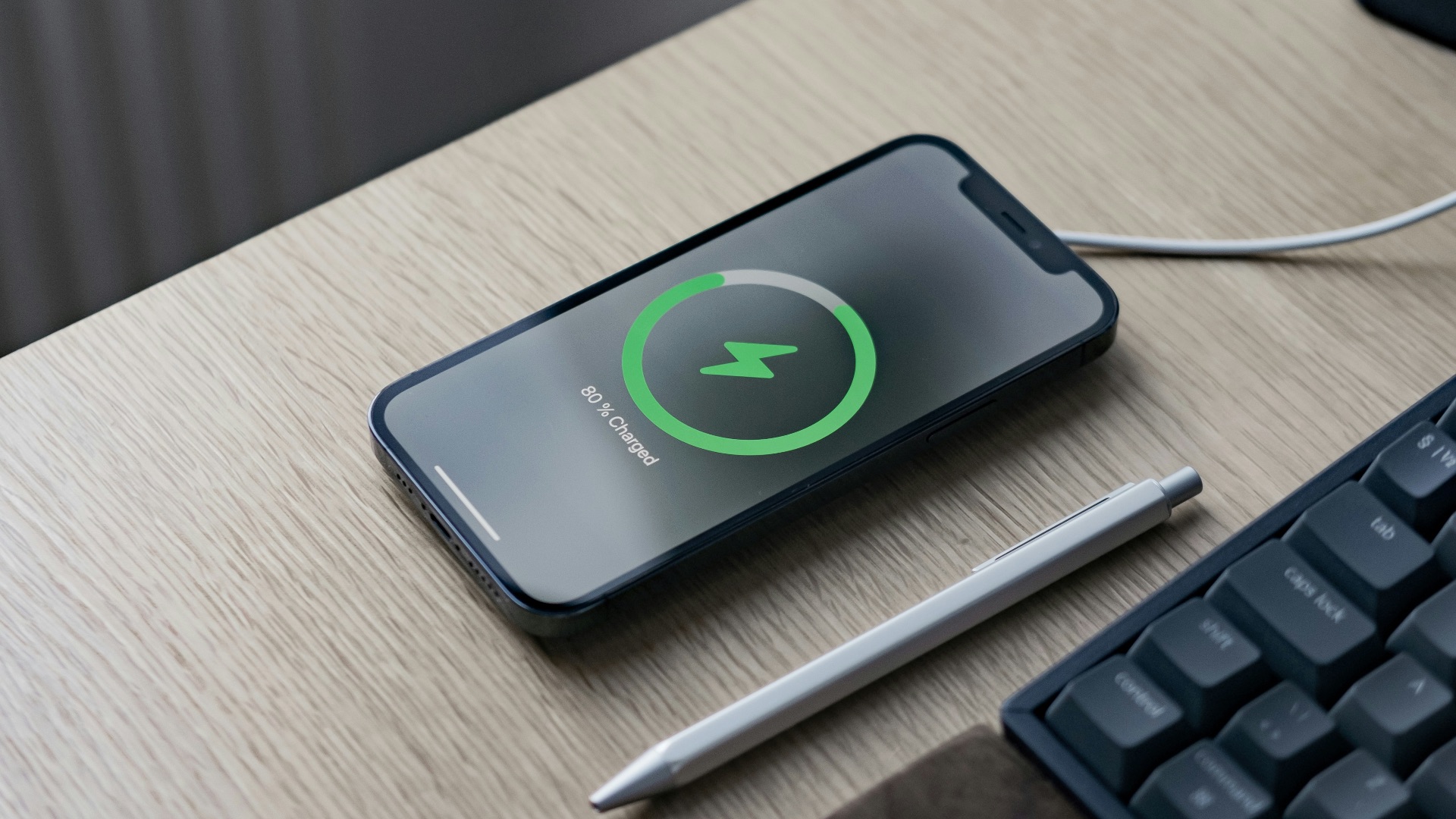
Make sure your phone, tablet, camera, headphones, and any other important devices are fully charged before you start the trip. Even if you plan to charge in the car, it’s better not to begin the drive already low on battery. Bring the right cords, portable chargers, and adapters so everyone can keep their devices usable along the way. This is especially important if you’re relying on your phone for directions, reservations, or check-ins.
2. Always Pack an Emergency Kit
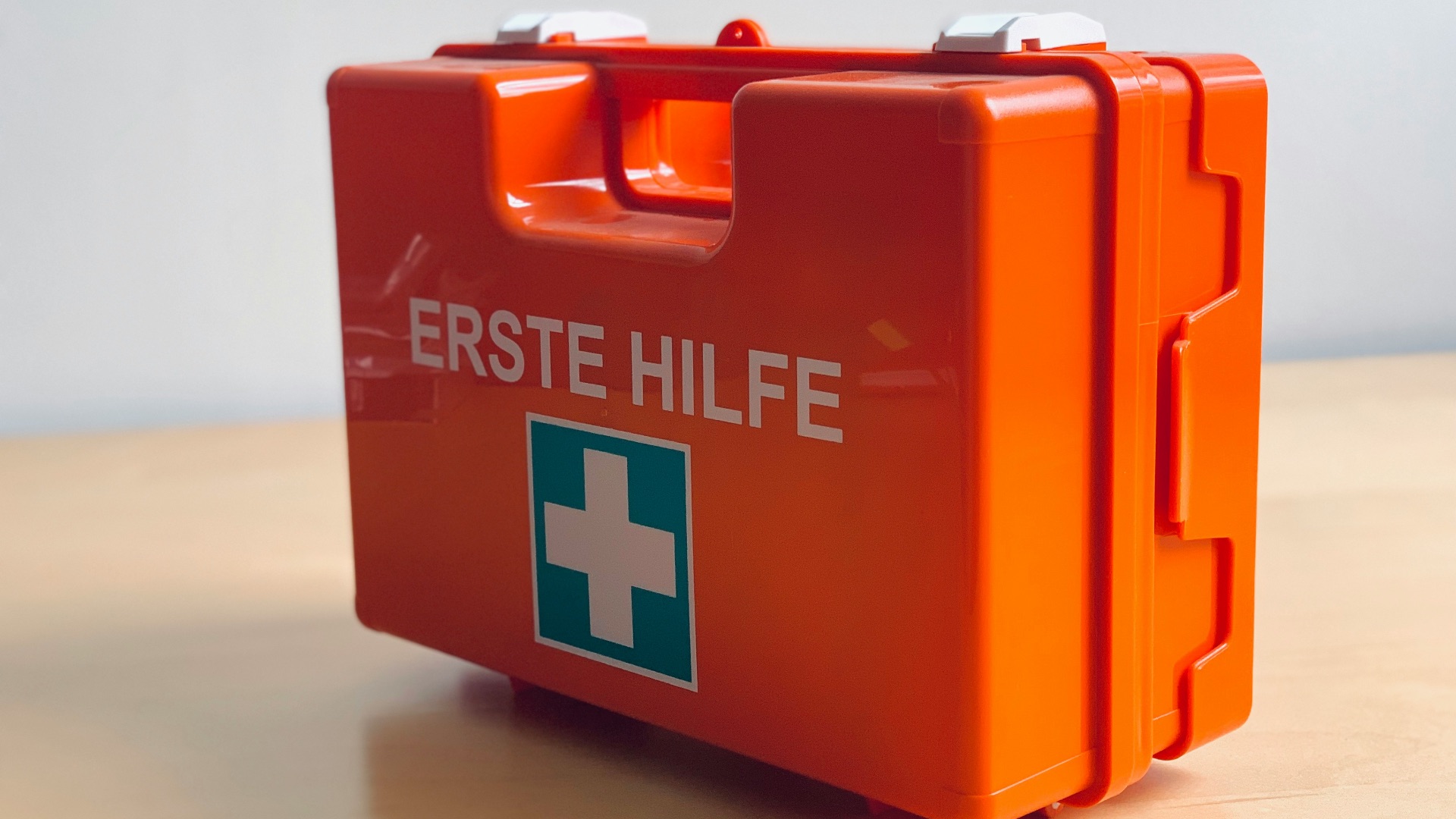
An emergency kit is one of those things you hope not to use, but you’ll be grateful to have it if something goes wrong. Include jumper cables, a flashlight, basic tools, a first-aid kit, a tire gauge, water, snacks, and a blanket. Add weather-specific items if you’re driving through snow, heat, mountains, or remote areas. A well-stocked kit gives you more options when help isn’t immediately nearby.
3. Always Share Your Route with Someone
Before you leave, let a trusted person know where you’re going and when you expect to arrive. You don’t need to provide every minor detail, but sharing your general route and overnight stops is a smart safety habit. This is especially helpful if you’ll be driving through less populated areas. It also gives someone a clear place to start if they need to check in on you.

4. Always Download Entertainment Before Departure
Music, podcasts, and audiobooks can make long stretches of driving much more enjoyable. Download them before you leave so you’re not depending on cell service or using up data along the way. It’s also a good idea to make a few playlists for different moods or parts of the trip. When the drive gets long, good entertainment can help everyone stay relaxed.

5. Always Bring More Water Than You Think You’ll Need
Water is easy to pack and incredibly useful on the road. Bring enough for drinking, unexpected delays, warm weather, and any passengers or pets traveling with you. It can also come in handy for cleaning up small spills or rinsing your hands after a roadside stop. Keeping extra water in the car is a simple way to stay prepared without taking up much space.

6. Always Plan Fuel Stops in Advance
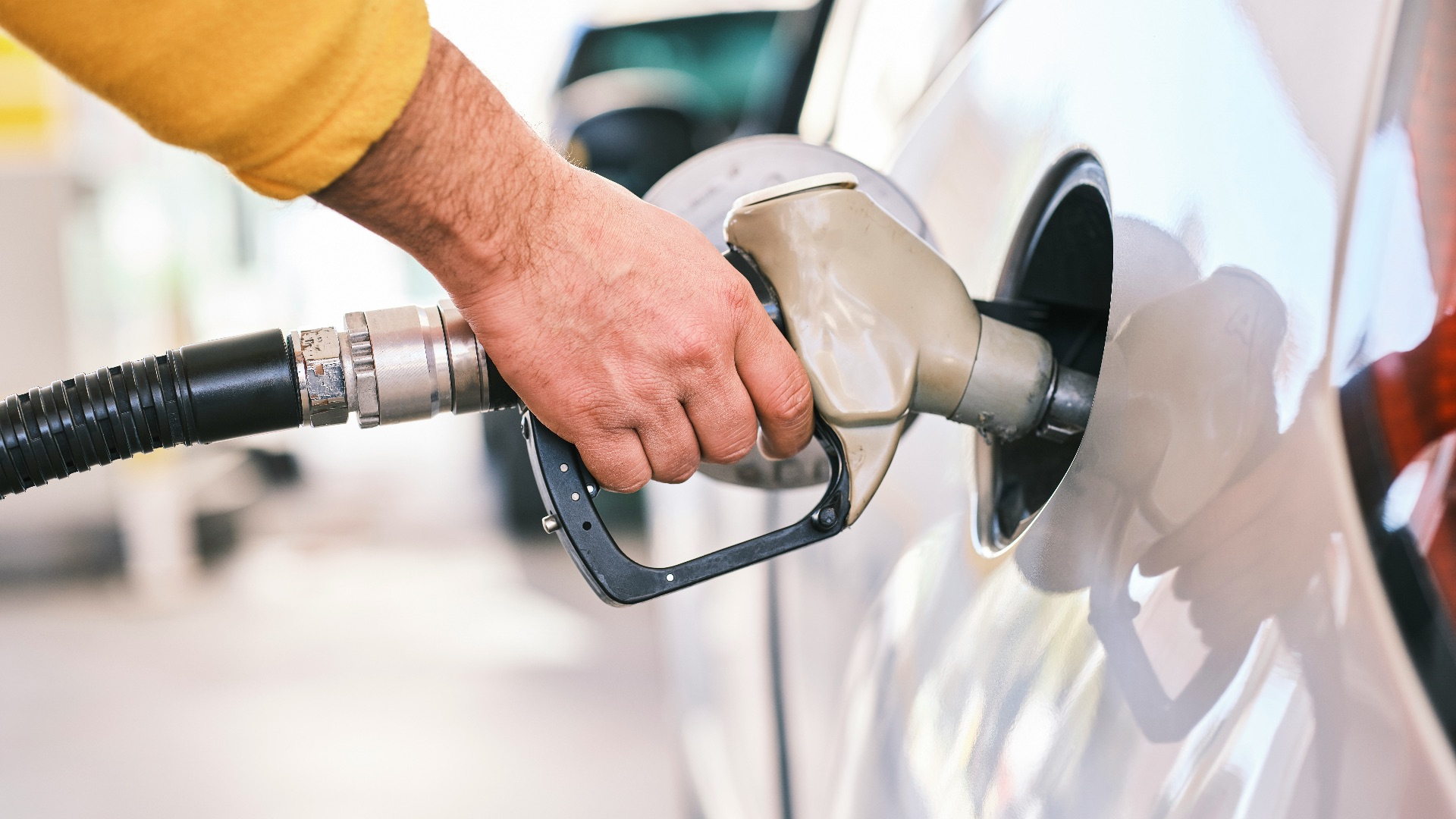
Fuel planning matters more than many drivers realize, particularly on unfamiliar routes. Check where gas stations are located before long rural stretches, mountain passes, or late-night drives. Don’t wait until the tank is nearly empty to start looking for a place to fill up. Planning ahead helps you avoid unnecessary anxiety and keeps the trip moving smoothly.
7. Always Clean Out Your Car First
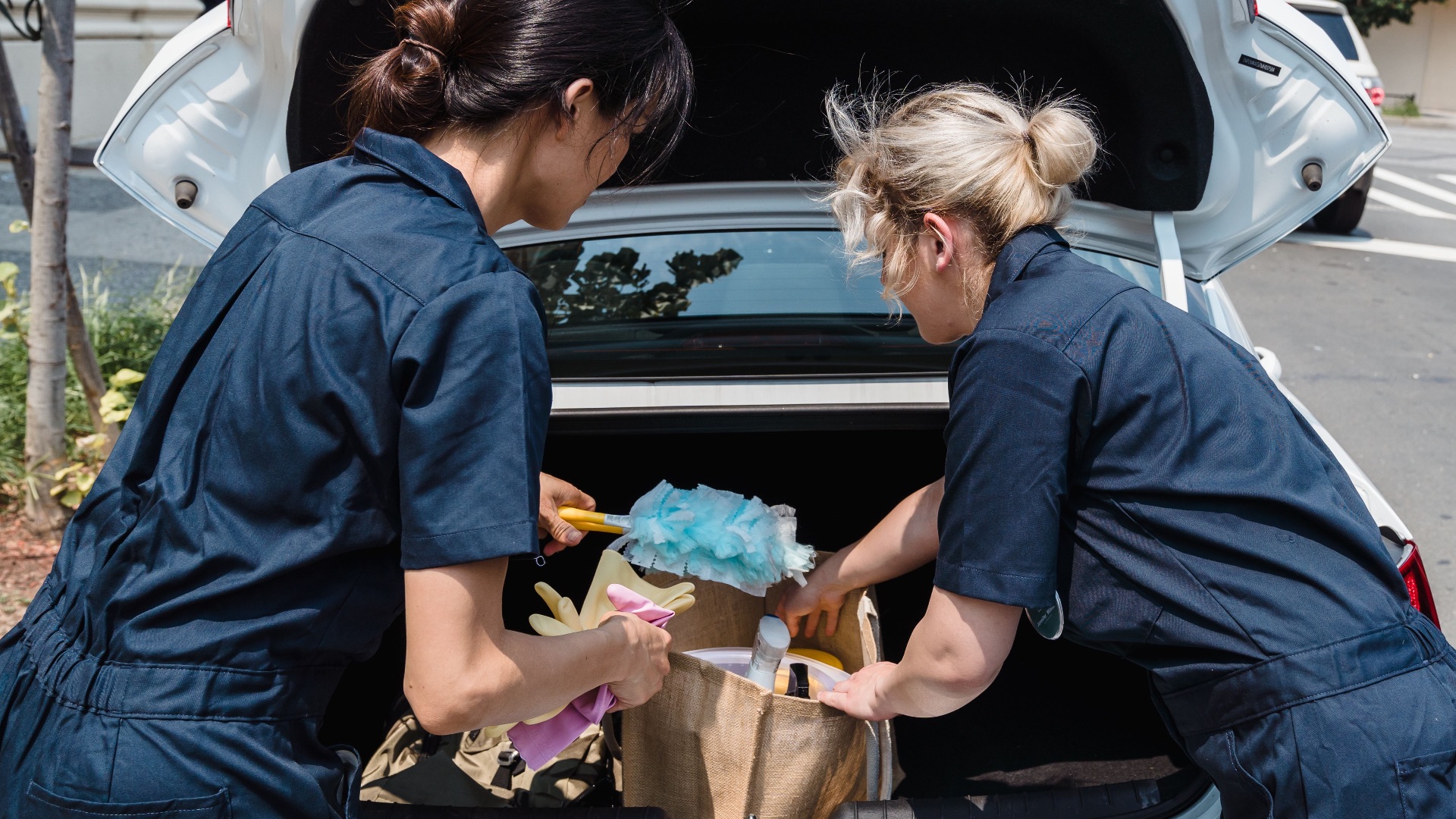
A clean car makes a long drive more comfortable from the start. Remove trash, extra items, and anything that doesn’t need to come along before you begin packing. Wipe down surfaces, empty cup holders, and make sure passengers have space for their belongings. When the car starts organized, it’s easier to keep it manageable during the trip.
8. Always Pack Food You’ll Actually Want to Eat
Snacks can save time, money, and frustration when food options are limited. Choose items that are easy to eat in the car and won’t create a mess, such as nuts, granola bars, fruit, crackers, or sandwiches packed in a cooler. It helps to include a mix of filling and lighter options, so you’re not relying only on gas station food. Good snacks make long stretches feel much easier.

9. Always Continually Check the Weather Along Your Route
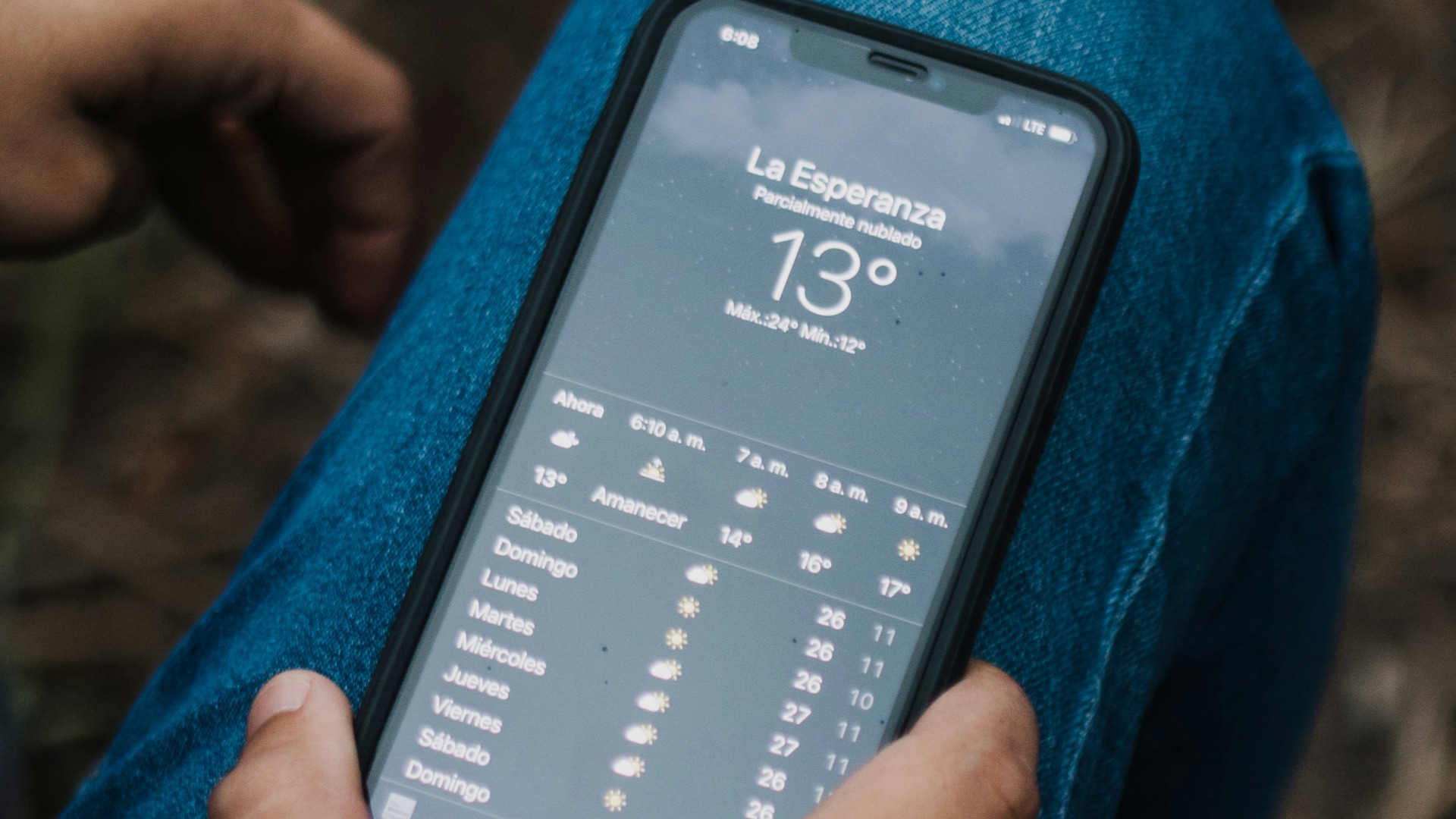
The weather at your starting point doesn’t tell you what the rest of the drive will be like. Look at conditions for major stops, mountain areas, and your destination before you leave. Rain, snow, extreme heat, fog, or high winds can all change how you should drive and what you should pack. Checking ahead lets you adjust your timing or route before you’re already dealing with difficult conditions.
10. Always Give Yourself Room to Rest
A road trip shouldn’t require you to drive until you’re worn out. Plan breaks for stretching, eating, using the restroom, and switching drivers if possible. Even a short stop can help you reset your focus and feel more comfortable behind the wheel. Giving yourself enough room to rest makes the trip safer and far more pleasant.