Rain on the Road
Driving in the rain is one of those experiences that can feel both nerve-wracking and oddly peaceful, sometimes all at once. Whether you're navigating a light drizzle on your morning commute or pushing through a heavy downpour on the highway, wet-weather driving comes with its own set of advantages and risks that every driver should understand. Knowing the perks and the hazards can help you stay safer, drive smarter, and maybe even appreciate those rainy days a little more.
1. Roads Are Noticeably Less Crowded
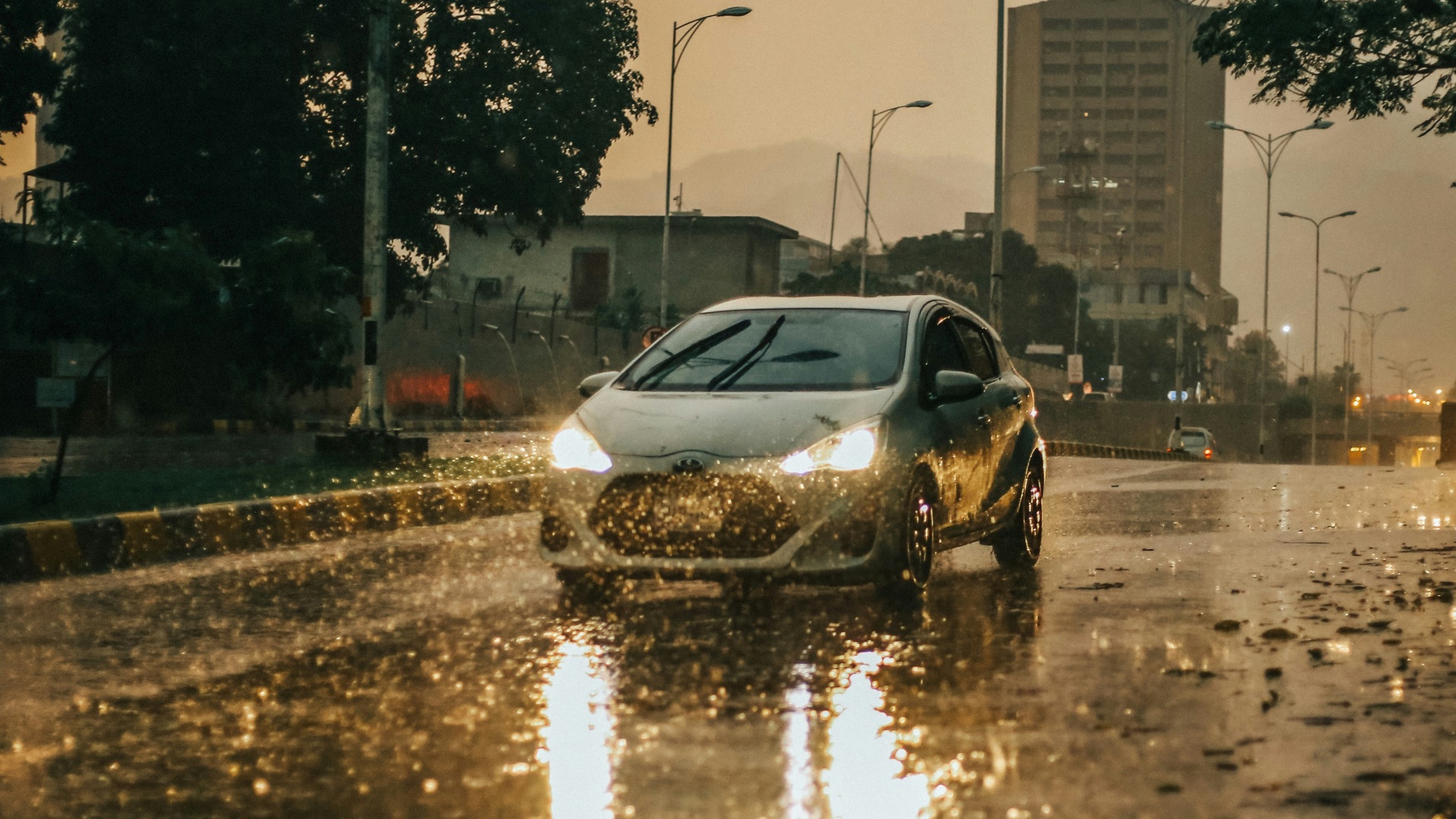
A lot of drivers choose to stay home when the weather turns, which means you'll often find less traffic on the road during rainy conditions. Fewer vehicles on the road translates to a smoother, lower-stress drive with fewer lane changes and less stop-and-go congestion. If you're comfortable driving in wet weather, you might actually get to your destination faster than you would on a clear, busy day.
2. It Encourages Better Driving Habits
Rain naturally prompts you to slow down, increase your following distance, and pay closer attention to the road ahead. These are habits that make you a safer driver in any condition, not just wet weather. Over time, regularly driving in the rain can reinforce a more defensive, attentive driving style that carries over into your everyday routine.
3. Your Car Gets a Free Rinse
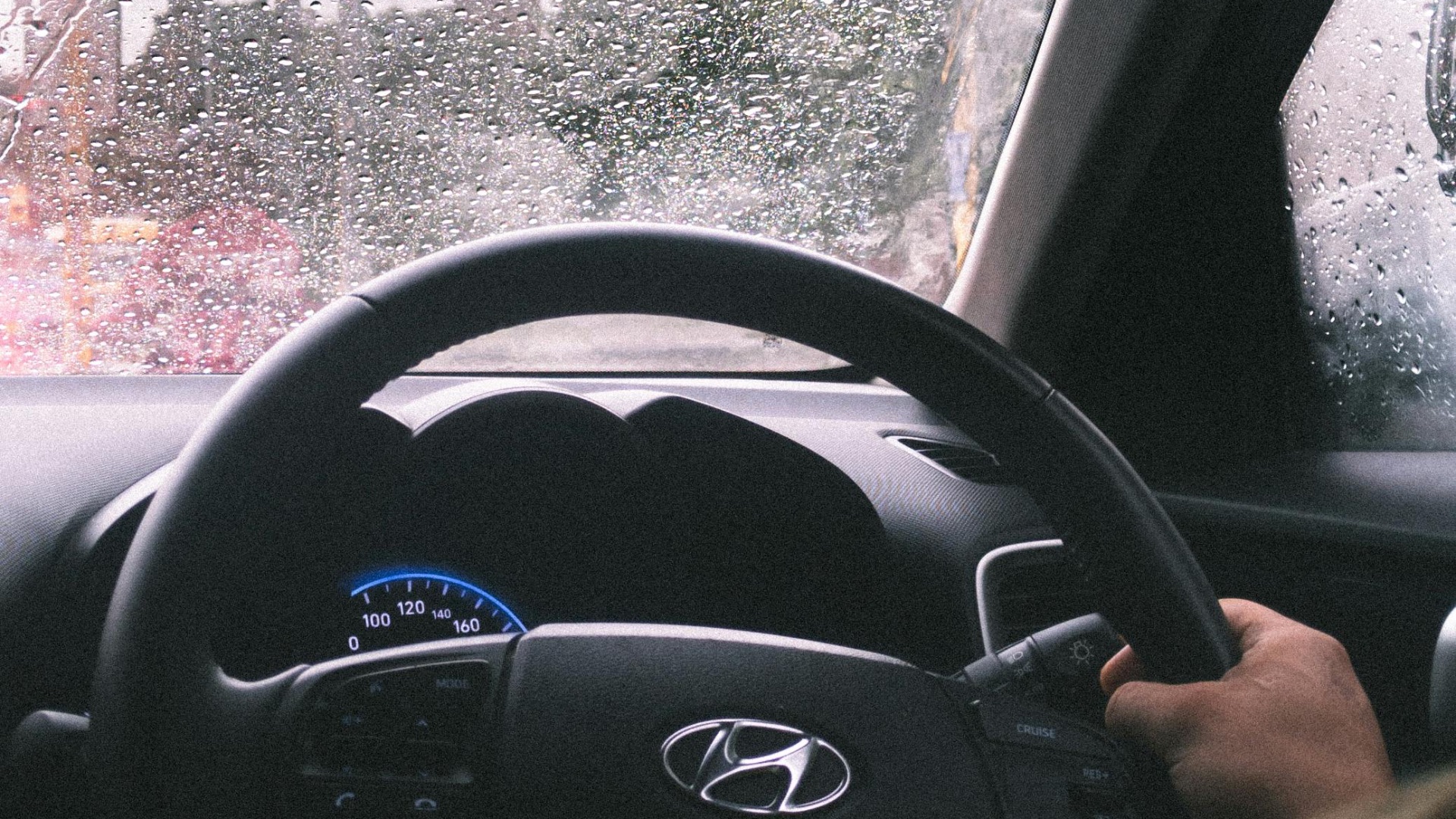
Light to moderate rainfall can wash away surface dirt, dust, and pollen that accumulates on your vehicle between washes. While it's no substitute for a proper car wash (rain doesn't remove grease, grime, or road salt, after all), it does help keep things looking reasonably clean. Think of it as a low-effort maintenance perk that comes at no cost to you whatsoever.
4. Cooler Temperatures Make for a More Comfortable Drive
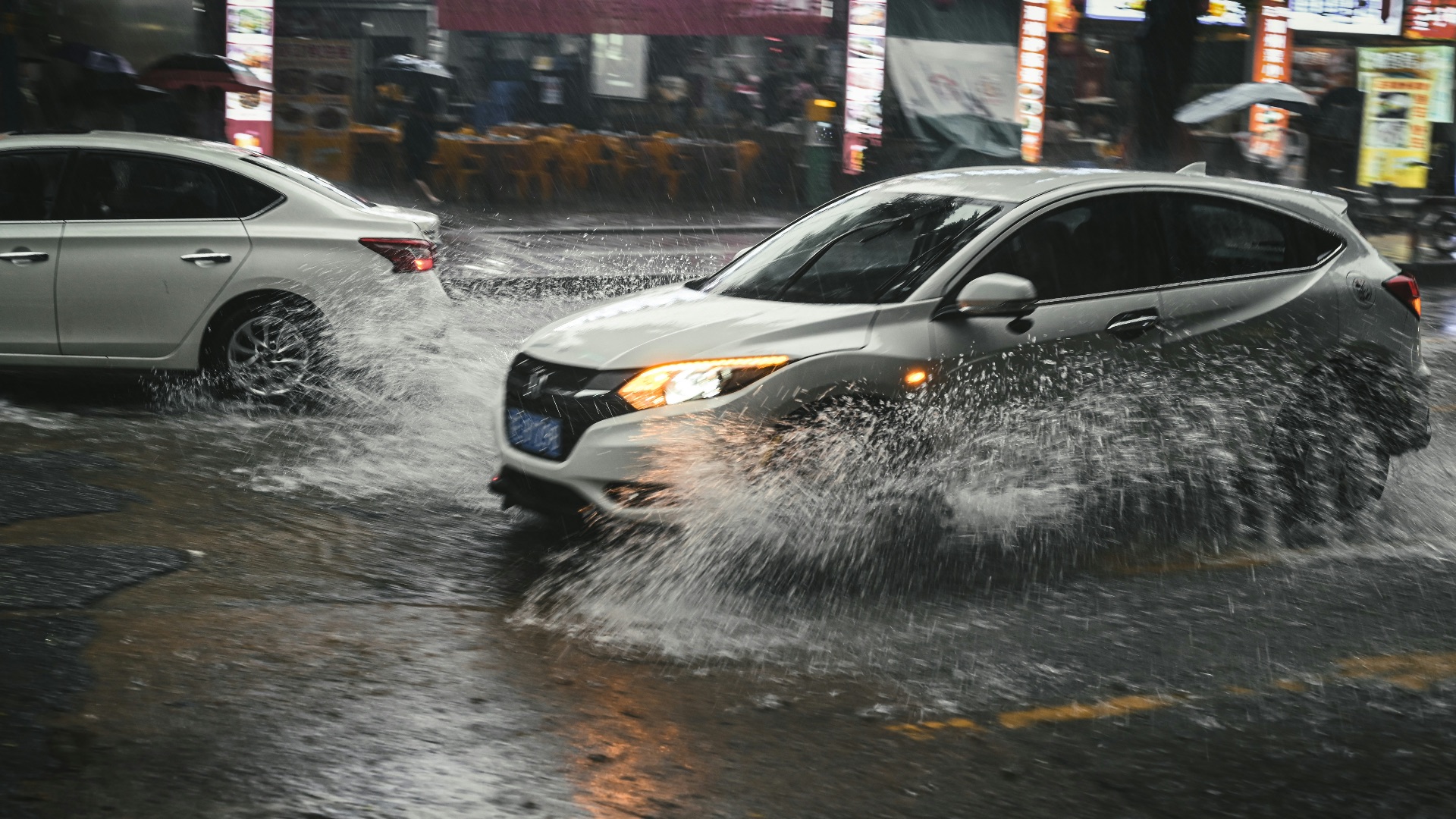
Rain typically brings cooler air along with it, which can make the interior of your car far more pleasant, especially during warmer months when the sun turns your vehicle into an oven. You'll spend less time blasting the air conditioning to cool things down, which also puts less strain on your engine. It's a small but noticeable comfort that makes the drive a bit more enjoyable.

5. It Reduces Dust and Airborne Particles
Rainfall helps settle dust, pollen, and other airborne particles that can otherwise reduce visibility and irritate drivers with allergies. The air after a rain shower is noticeably fresher and cleaner, which makes breathing more comfortable, particularly if you drive with the windows cracked. For allergy sufferers, a rainy commute can ironically be easier on the sinuses than a dry, windy one.
6. It Sharpens Your Concentration
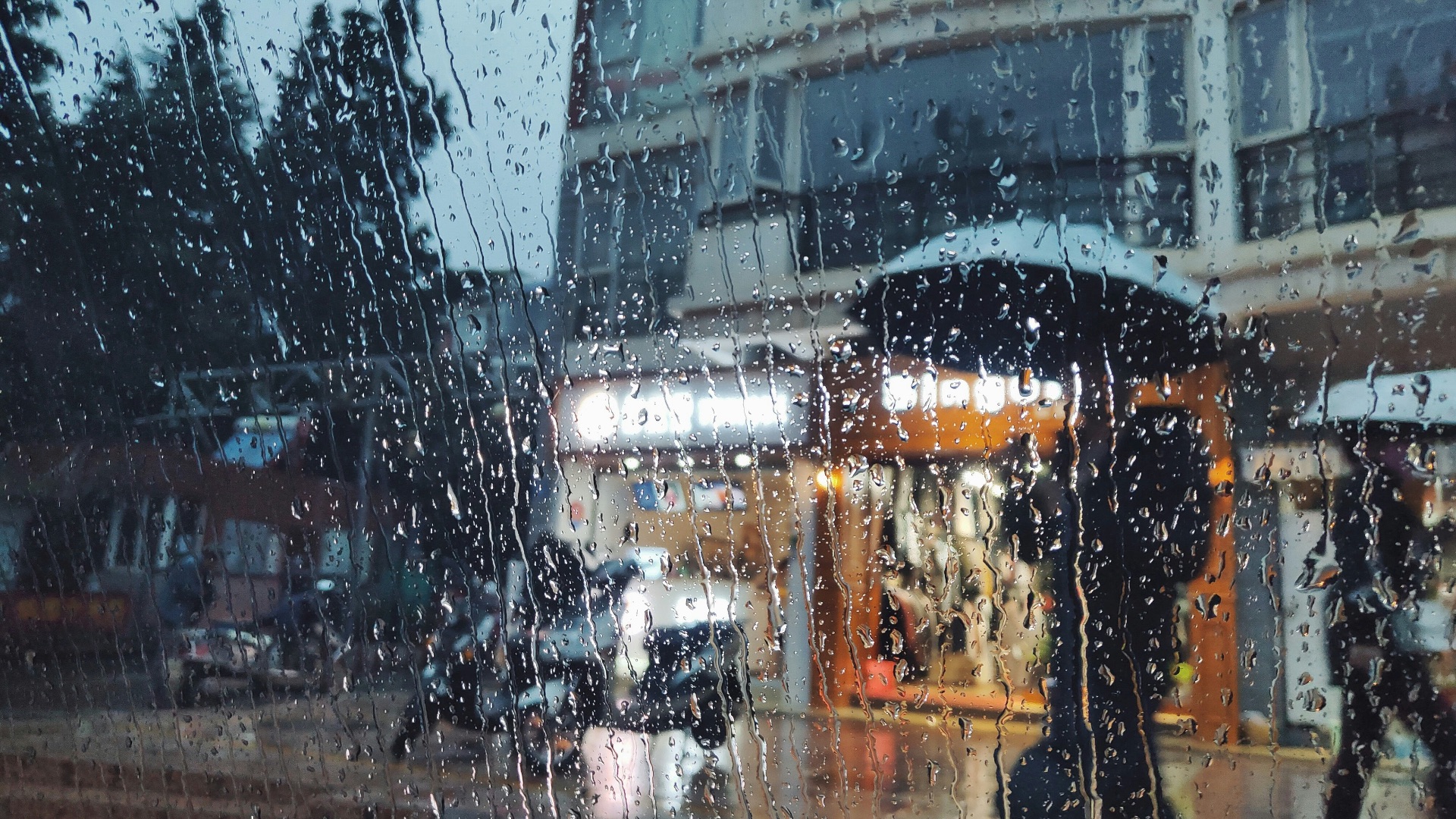
Driving in wet conditions demands a higher level of focus than clear-weather driving, which keeps your attention firmly on the task at hand. You're less likely to zone out or become distracted when the road requires your full awareness. That heightened state of alertness can actually make you a more present and engaged driver overall.
7. Night Rain Can Improve Visibility in Some Areas
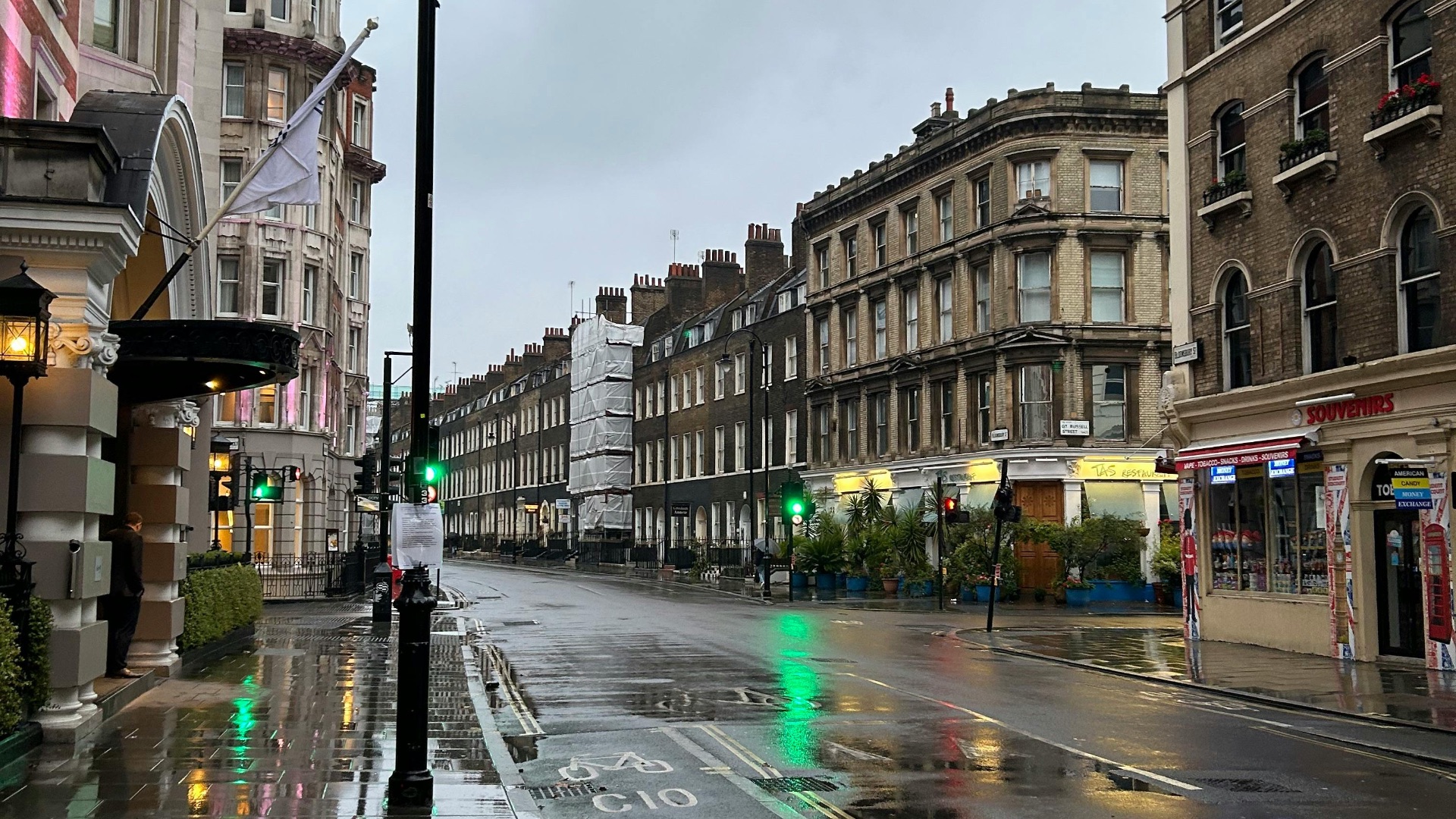
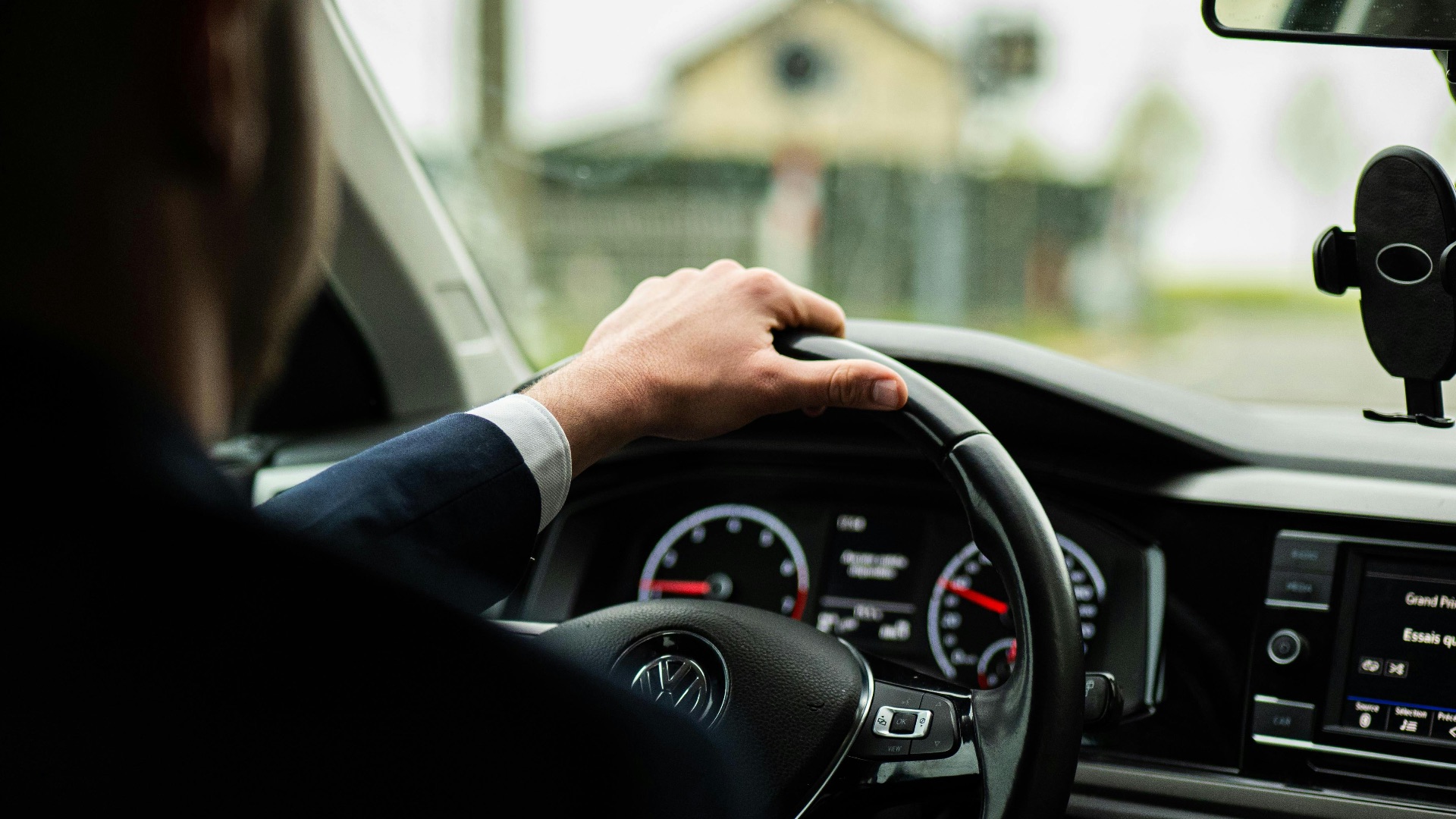
When rain falls at night in well-lit urban areas, wet road surfaces can reflect streetlights more effectively, making road markings and surroundings easier to see in certain conditions. This can give you a better sense of lane boundaries and nearby vehicles when ambient lighting is adequate. It's a situational advantage, but one worth knowing about if you frequently drive in cities after dark.

8. It Keeps Road Temperatures Down
Hot pavement, particularly during summer, can affect tire pressure and road surface conditions in ways that aren't always immediately obvious to drivers. Rain cools the road surface down considerably, which can actually improve tire contact and stability in extreme heat situations. For long highway drives during hot weather, a rain shower can take some of the stress off both your tires and your engine cooling system.
9. You Develop Greater Confidence Behind the Wheel
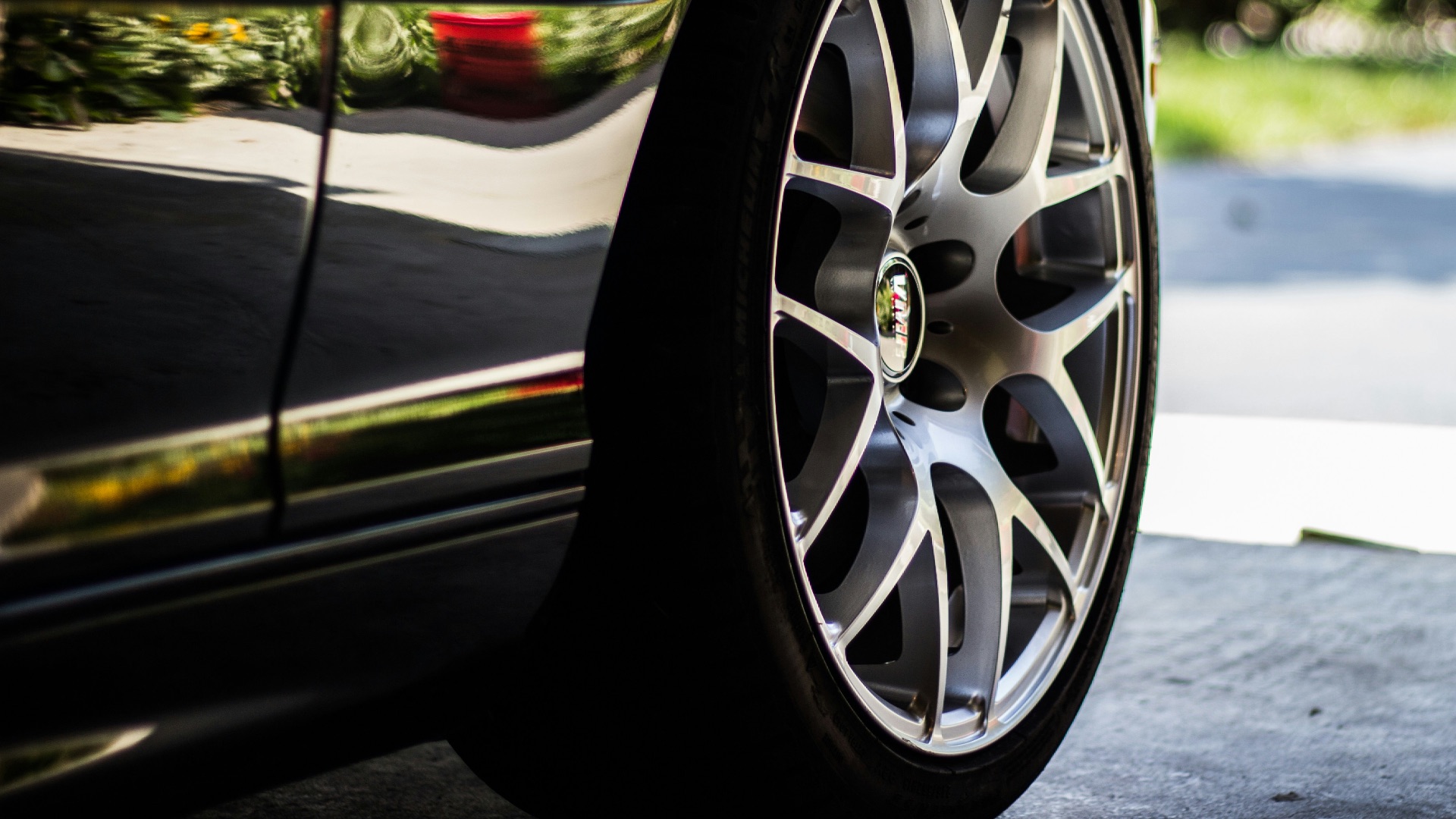
Successfully navigating wet roads builds real, practical driving confidence that you can't get from fair-weather driving alone. Each time you handle a rainy commute without incident, you're building experience that makes you better equipped for more challenging conditions down the line. Many seasoned drivers credit their early experiences with rain driving as a major factor in developing their overall skill level.

10. It Can Make for a More Scenic Drive
Rainy weather brings a different kind of visual atmosphere to familiar routes, with mist over hills, reflections on wet pavement, and lush greenery that looks especially vivid after a good downpour. If you're on a road trip or a longer drive through natural scenery, rain can make the landscape feel more dramatic and interesting. Sometimes the most memorable drives are the ones you take in less-than-perfect weather.
Of course, rain isn't all free car washes and scenic views; it brings some serious risks that deserve just as much attention. Before you head out in wet weather, it's worth knowing exactly what hazards to watch for so you can handle them with confidence.
1. Hydroplaning
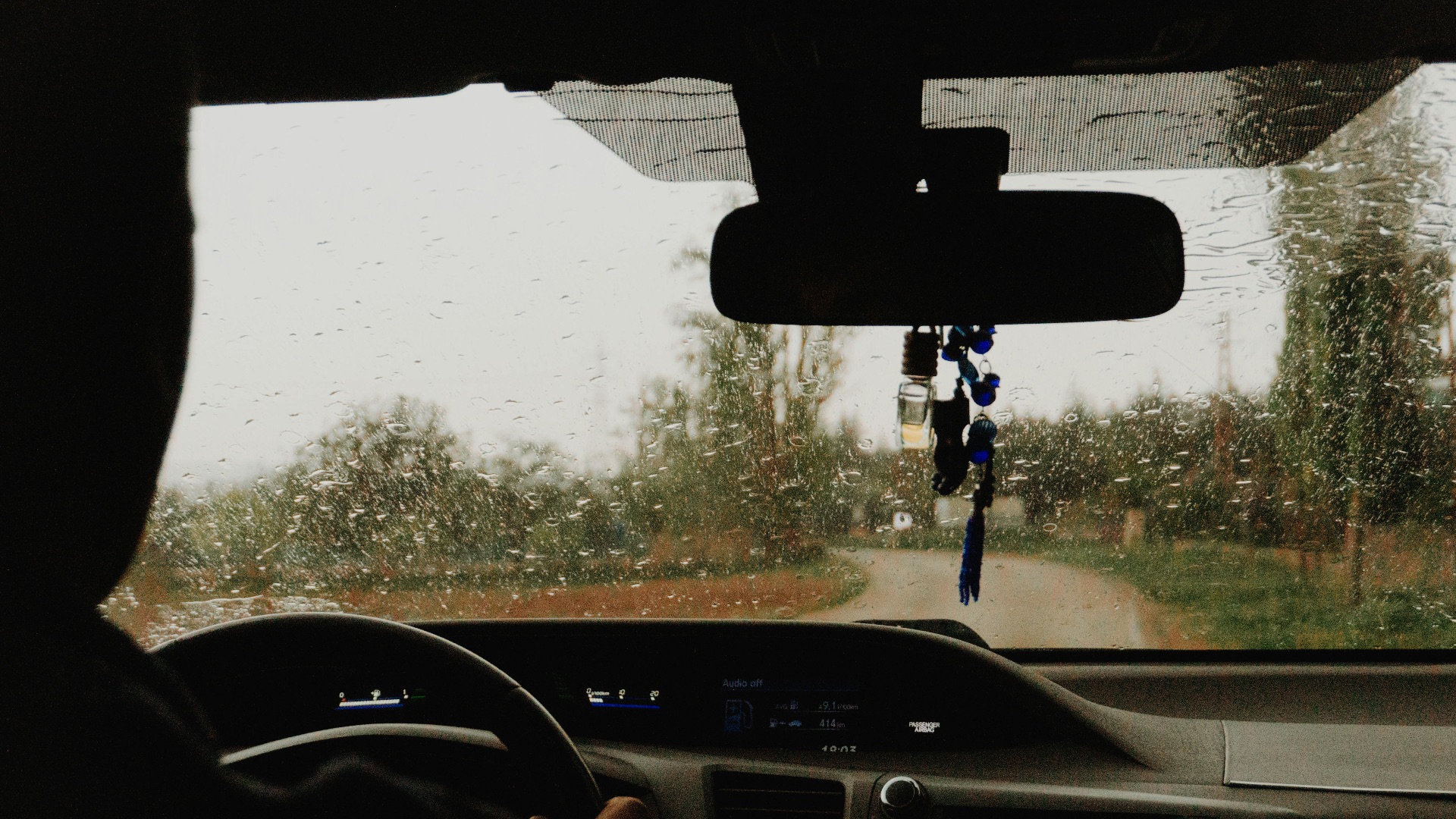
Hydroplaning happens when your tires lose contact with the road surface and start riding on top of a thin layer of water instead, causing you to lose steering and braking control almost instantly. It can occur at speeds as low as 35 mph, especially if your tires are worn or underinflated. If it happens to you, ease off the accelerator gradually, avoid braking hard, and steer gently in the direction you want to go until your tires regain traction.
2. Reduced Visibility
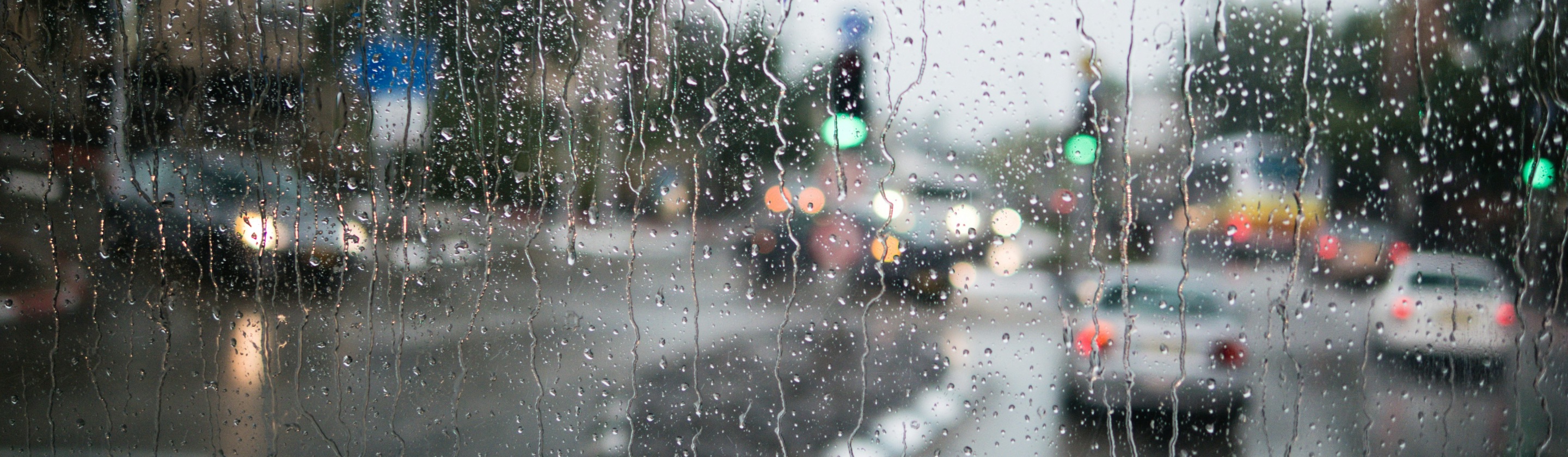
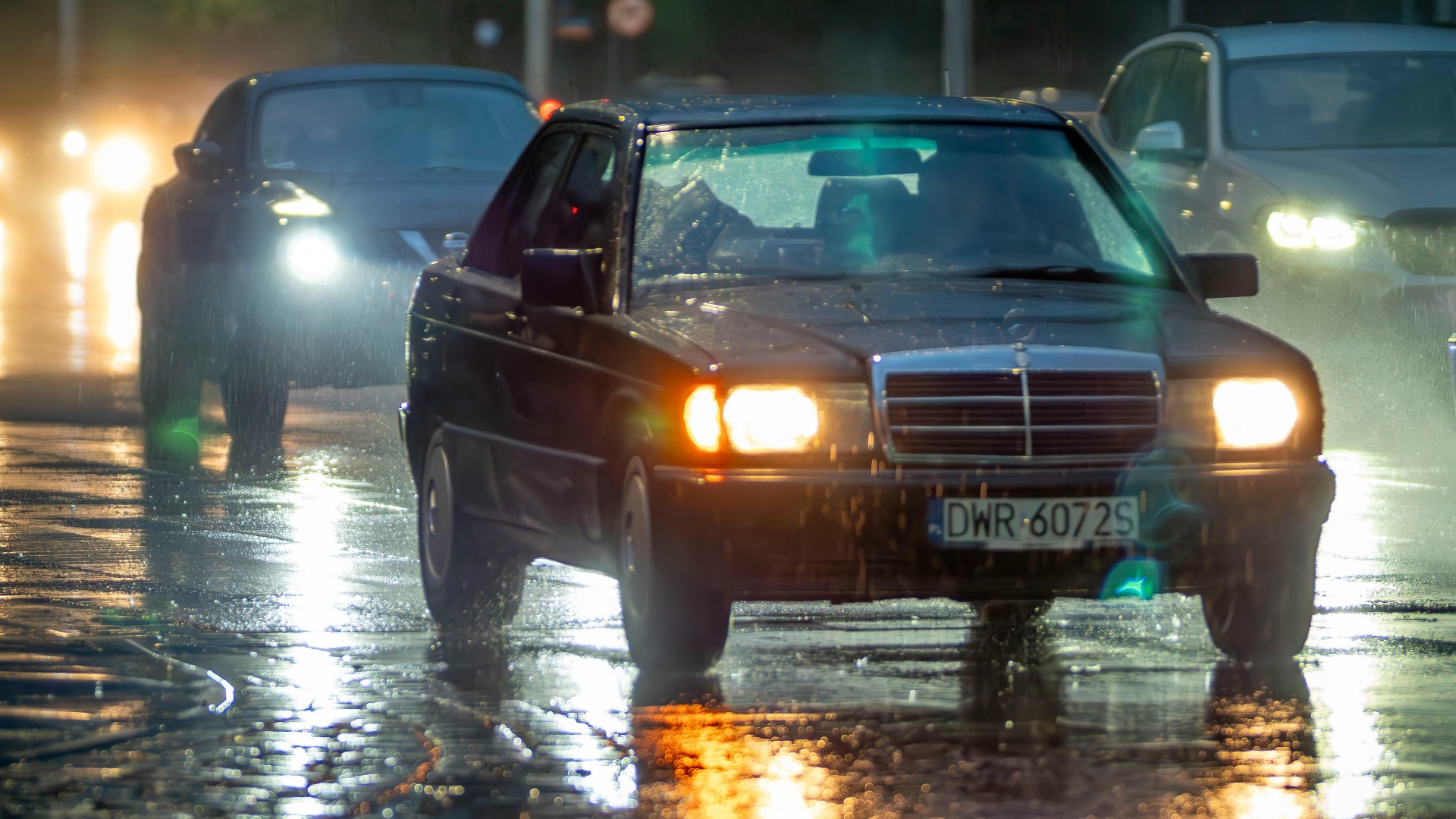
Heavy rain can significantly limit how far ahead you can see, making it harder to spot hazards, read signage, or judge the speed and distance of other vehicles. Your windshield wipers can only do so much in a serious downpour, and dirty or streaky blades make things considerably worse. Always make sure your wipers are in good condition before the rainy season hits, and use your headlights to improve how well others can see you.
3. Longer Braking Distances
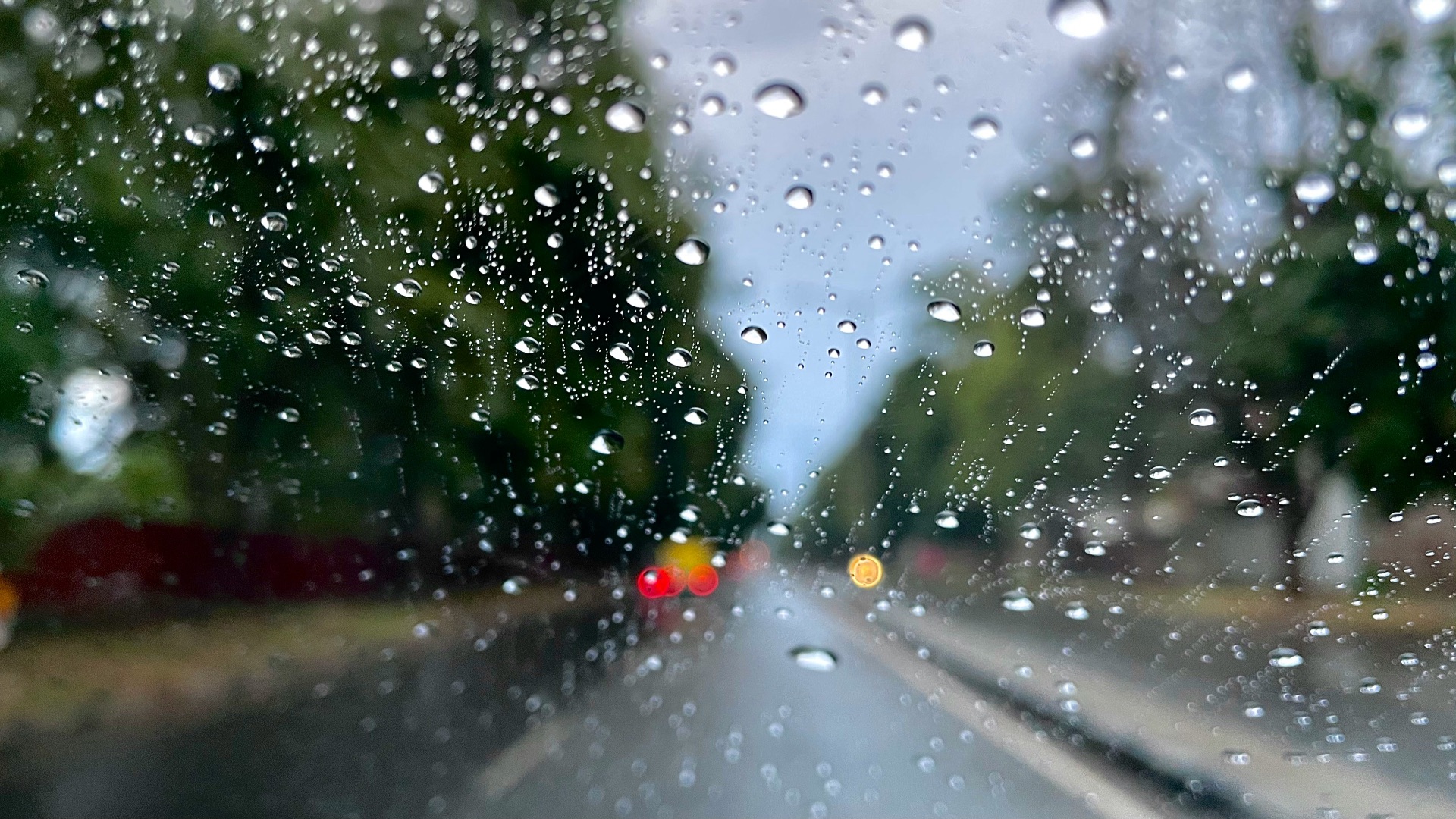
Wet roads reduce the friction between your tires and the pavement, which means your car takes significantly longer to come to a full stop than it would on dry asphalt. Most drivers underestimate just how much extra distance they need to allow, which is a leading cause of rear-end collisions in wet weather. Increasing your following distance to at least twice what you'd normally keep is one of the simplest and most effective things you can do to stay safe.
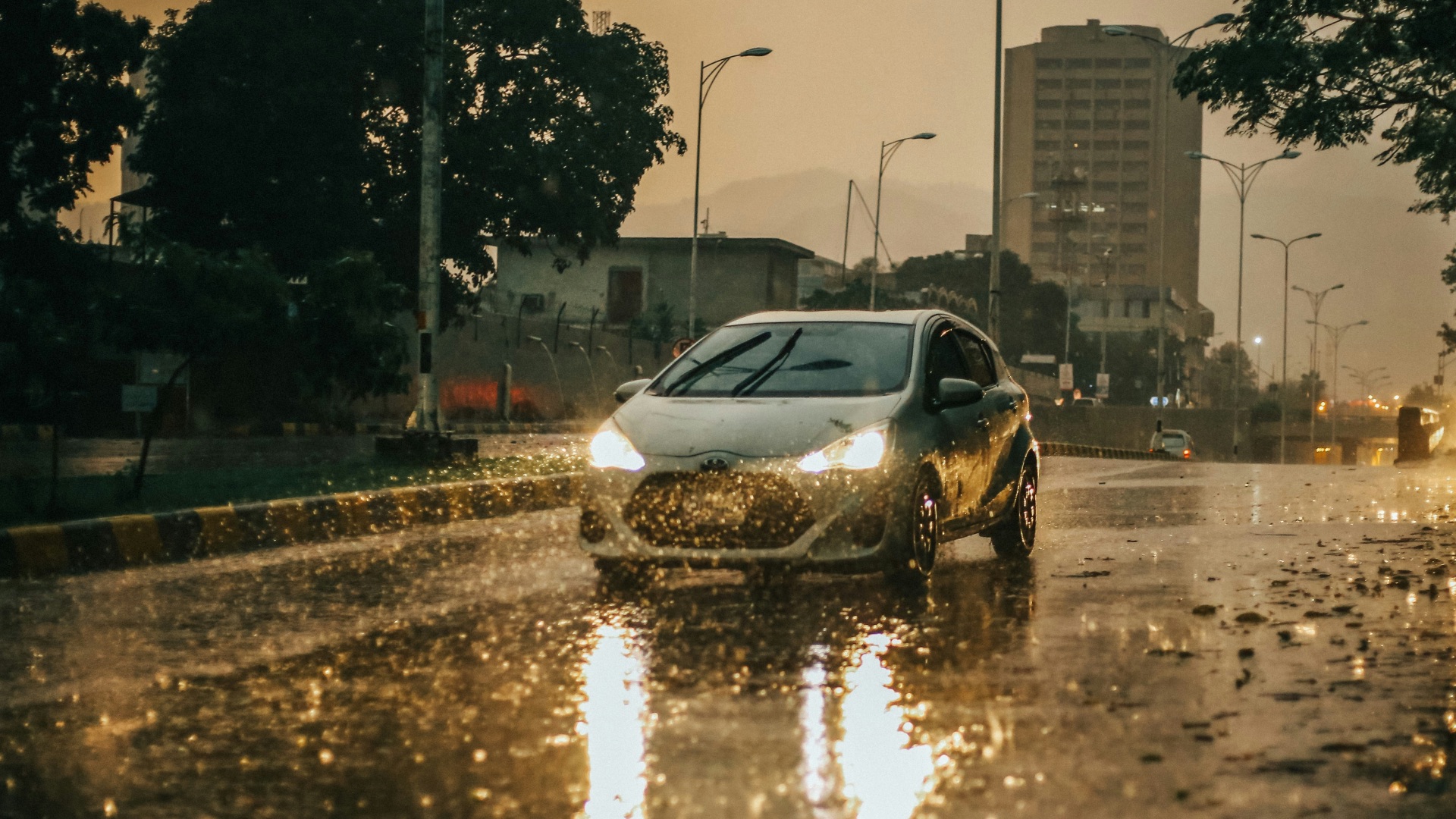
4. Flooded Roads and Standing Water
Even a few inches of standing water on the road can be enough to cause a loss of control, and deeper flooding can stall your engine or carry your vehicle off the road entirely. It's often impossible to judge how deep a flooded section actually is just by looking at it, so the safest approach is to turn around and find an alternate route.
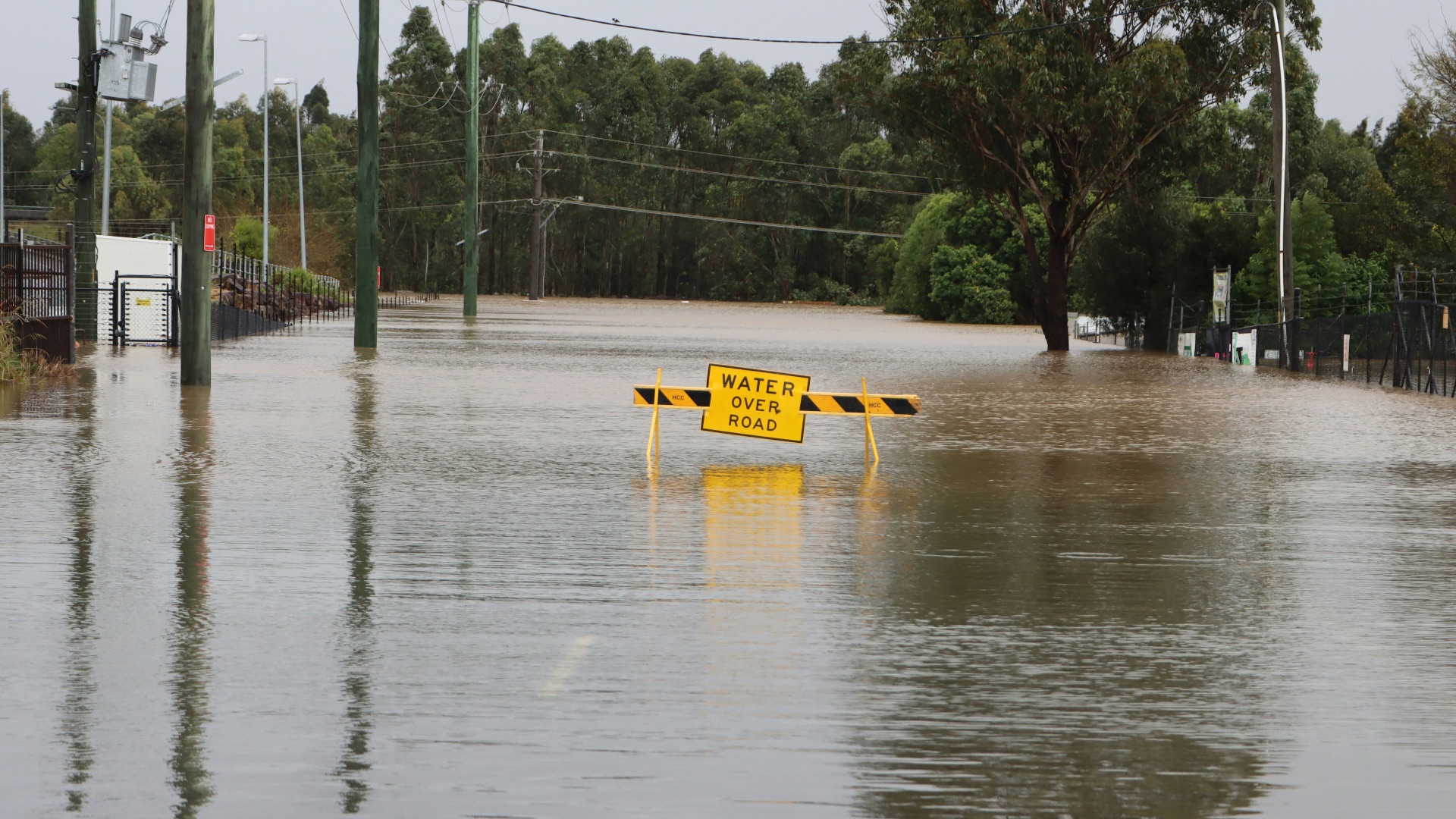
5. Oil Slicks
When rain first begins to fall after a dry spell, water mixes with oil and grease that have built up on the road surface, creating slick patches that are especially hazardous for braking and cornering. These conditions are most dangerous in the first 10 to 30 minutes of rainfall before the rain washes the residue away. Be particularly cautious at intersections, gas stations, and parking lot entrances where oil tends to accumulate from idling or parked vehicles.
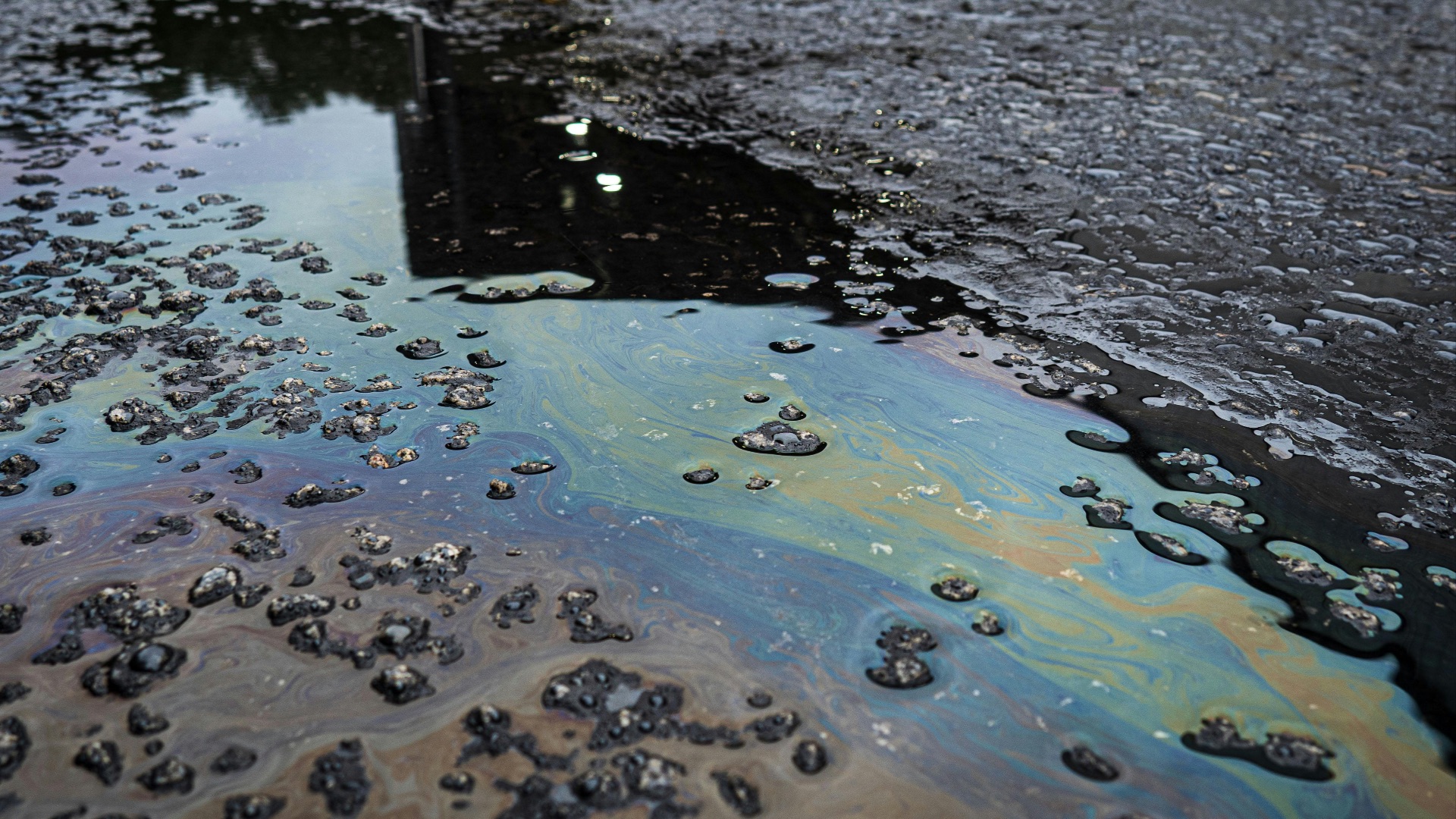
6. Poor Lane Visibility
Rain can wash out or obscure painted lane markings, making it genuinely difficult to tell where your lane begins and ends, particularly on older roads where markings have faded over time. This becomes especially hazardous on multi-lane highways or roads without raised lane dividers to guide you. Slowing down and using the taillights of the vehicle ahead as a general guide can help you maintain your position when markings are hard to see.
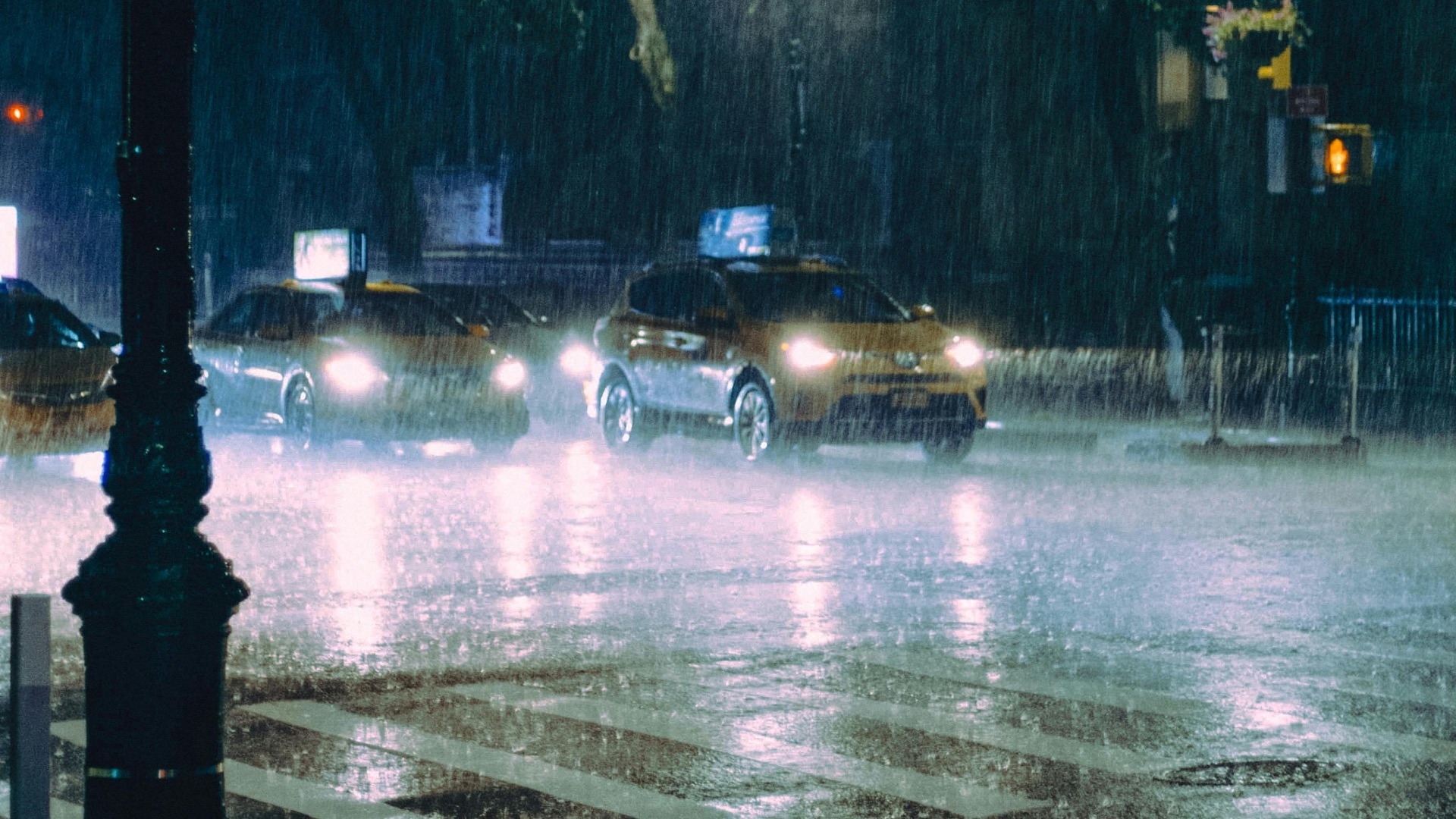
7. Tire Blowouts from Road Debris
Heavy rain often washes debris onto roads, including branches, gravel, broken glass, and other sharp objects that would normally be visible and avoidable in dry conditions. At highway speeds, hitting hidden debris in the rain gives you very little time to react, and the consequences can include a sudden blowout. Scanning the road ahead as far as possible and avoiding areas where water is pooling around unidentifiable objects can help you sidestep this risk.
8. Bridge and Overpass Ice
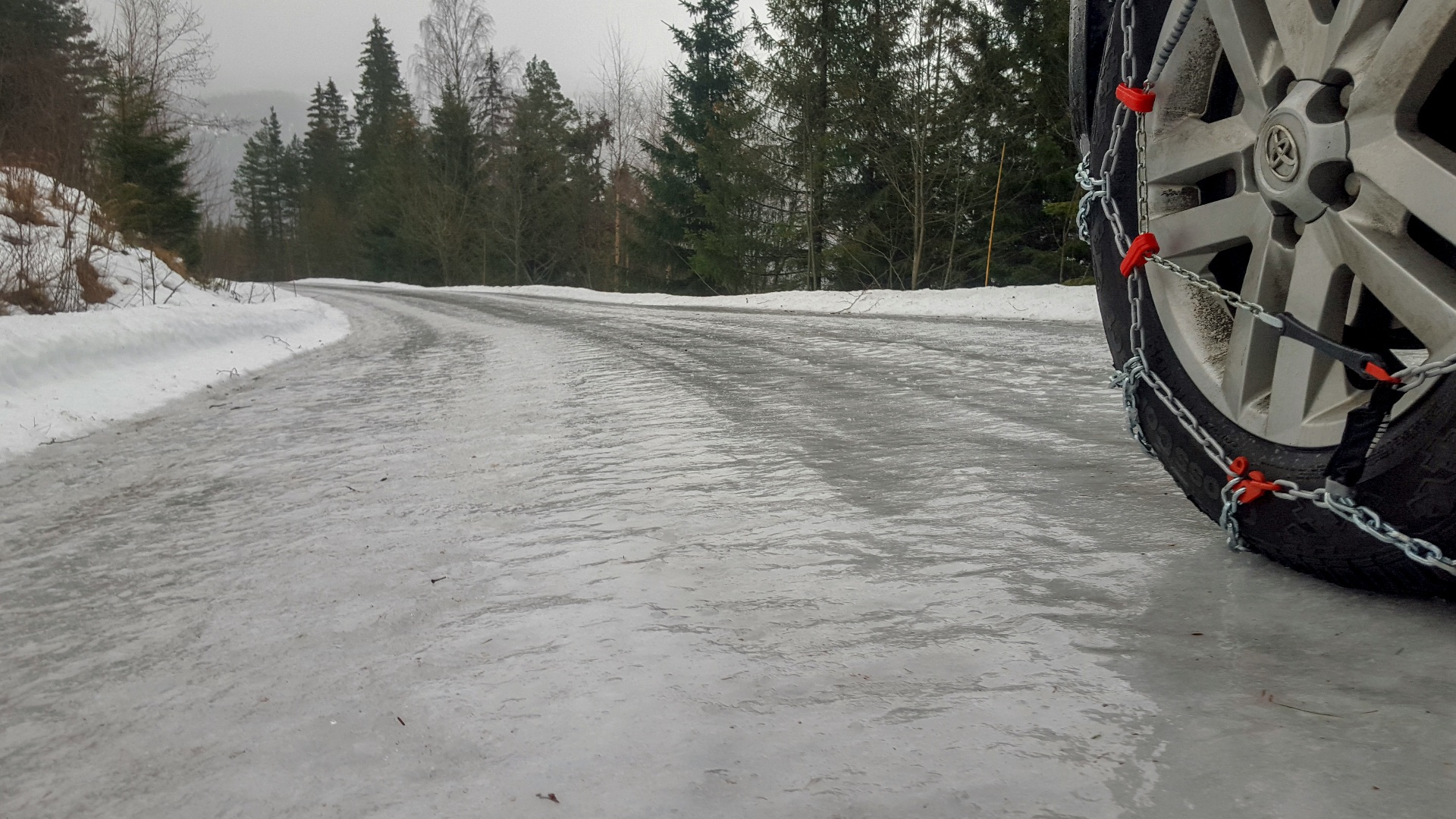
In colder climates, rain that falls when temperatures are near freezing can turn into black ice on elevated road surfaces like bridges and overpasses, which freeze faster than ground-level roads. You might drive over dry pavement for miles and then suddenly hit a frozen patch on a bridge with almost no warning. Always reduce your speed before reaching elevated sections of road during cold, wet weather, even if the rest of your drive has felt completely fine.
9. Impaired Drivers and Erratic Behavior from Other Motorists
Wet weather tends to bring out a wide range of driving behaviors, from overly cautious drivers who brake unnecessarily to overconfident ones who refuse to adjust their speed at all. Both types create unpredictable situations that you need to be prepared to respond to quickly. Keeping a wider buffer around all vehicles, not just the one directly in front of you, gives you more time and space to react to sudden lane changes or unexpected braking.

10. Compromised Electrical and Mechanical Systems
Deep water on the road can infiltrate your vehicle's electrical systems, brake components, and engine air intake in ways that cause serious damage or sudden mechanical failure. Even vehicles that seem capable of handling standing water can sustain costly damage from repeated exposure to flooded conditions. If you suspect your vehicle has taken on water during a drive, have it inspected by a mechanic as soon as possible before the damage compounds.