
A Big Family Decision with Real Trade-Offs
Passing your car down to your teen might feel like a smart choice, especially if it was the vehicle they learned to drive in and they like familiarity. It can also give your teenager more independence while saving your family from the cost of buying another car. Still, this decision comes with more than just convenience to think about, because other factors, including your teen’s level of responsibility, all matter. Before you hand over the keys, here's a look at whether or not a hand-me-down is the right move.

1. It Can Save Your Family a Lot of Money
Buying a car for a teen can be expensive, especially once you add taxes, registration, insurance, and possible financing costs. If you already own a reliable vehicle, passing it down may help your family avoid another major purchase. Even if the car needs some maintenance first, that cost may still be lower than buying something else. For many families, the financial savings are the strongest reason to consider it.

2. Your Teen Gets a Car with a Known History
One of the biggest advantages of handing down your own car is that you already know how it’s been treated. You know whether it has been serviced regularly, whether it has had major repairs, and whether any issues are likely to come up soon. That can be much less stressful than buying a used car from a stranger and hoping everything checks out. A vehicle with a clear history gives you more confidence in what your teen is driving.
3. It May Be Easier for Your Teen to Learn On
A familiar car can make the driving experience less intimidating for a new driver. Your teen may already know the size of the vehicle, where the controls are, and how it feels from years of riding in it. That comfort can help them focus more on the road instead of figuring out every feature at once. Starting with a car they recognize can make the learning curve feel more manageable.

4. It Encourages Responsibility
Giving your teen regular access to a car can be a useful way to teach responsibility. They’ll need to keep track of gas, maintenance, cleaning, safe driving habits, and family rules around when and where they can drive. When handled thoughtfully, the car becomes more than transportation; it becomes a real-world lesson in accountability. You can also set expectations that help them understand driving is a privilege, not just a convenience.
5. It Can Make Family Schedules Easier
When your teen has access to a car, it can reduce the pressure on parents who are constantly coordinating rides. School, practices, part-time jobs, appointments, and social plans can quickly make the family calendar feel overloaded. A passed-down car may give everyone more flexibility without requiring you to be the default driver. That extra independence can make daily routines smoother for the entire household.

6. Your Teen May Appreciate It More Than a Newer Car
A hand-me-down car can help your teen understand the value of what they’re receiving. Instead of seeing a vehicle as something automatically provided, they may recognize that it comes with costs, care, and trust. That can be especially meaningful if they know the car has served the family for years. In some cases, a modest first car can help set reasonable expectations around ownership.

7. It Gives You More Control Over the First Vehicle
When you pass down your own car, you have a better sense of whether it fits your standards for a teen driver. You can decide whether the size, visibility, safety features, and performance level are appropriate before making the decision. That control can be reassuring compared with shopping under pressure or settling for whatever is available in your budget. You’re not guessing as much because you already know the car’s strengths and drawbacks.

8. It Can Be a Practical Step Before Upgrading Your Own Car
Passing your car down can also make sense if you were already thinking about replacing it. Instead of trading it in for less than you hoped, you may get more value by keeping it in the family. Your teen gets transportation, and you get a clear reason to move into a newer vehicle yourself. When the timing works, it can be a practical solution for two needs at once.

9. It Helps Your Teen Build Driving Experience Gradually
A first car doesn’t need to be flashy or packed with every new feature to be useful. A familiar, dependable vehicle can help your teen gain experience in everyday driving situations, from commuting to school to navigating local errands. Over time, they can become more confident behind the wheel without the added pressure of protecting a brand-new car. That gradual experience can be valuable as they grow into safer habits.

10. It Can Strengthen Trust Between You and Your Teen
Handing over a car is a major sign that you trust your teen to make responsible choices. That trust can encourage them to take the privilege seriously, especially if you’re clear about expectations from the beginning. It also opens the door for ongoing conversations about safety, money, and independence. When both sides approach it with maturity, the arrangement can become a positive step toward adulthood.
Even with all of those benefits, passing your car down isn’t always the right choice; a vehicle that works well for an experienced adult may still not be the most practical option for a new driver. Before making the decision final, it’s just as important to consider the possible downsides.

1. The Car May Not Have the Safety Features You Want
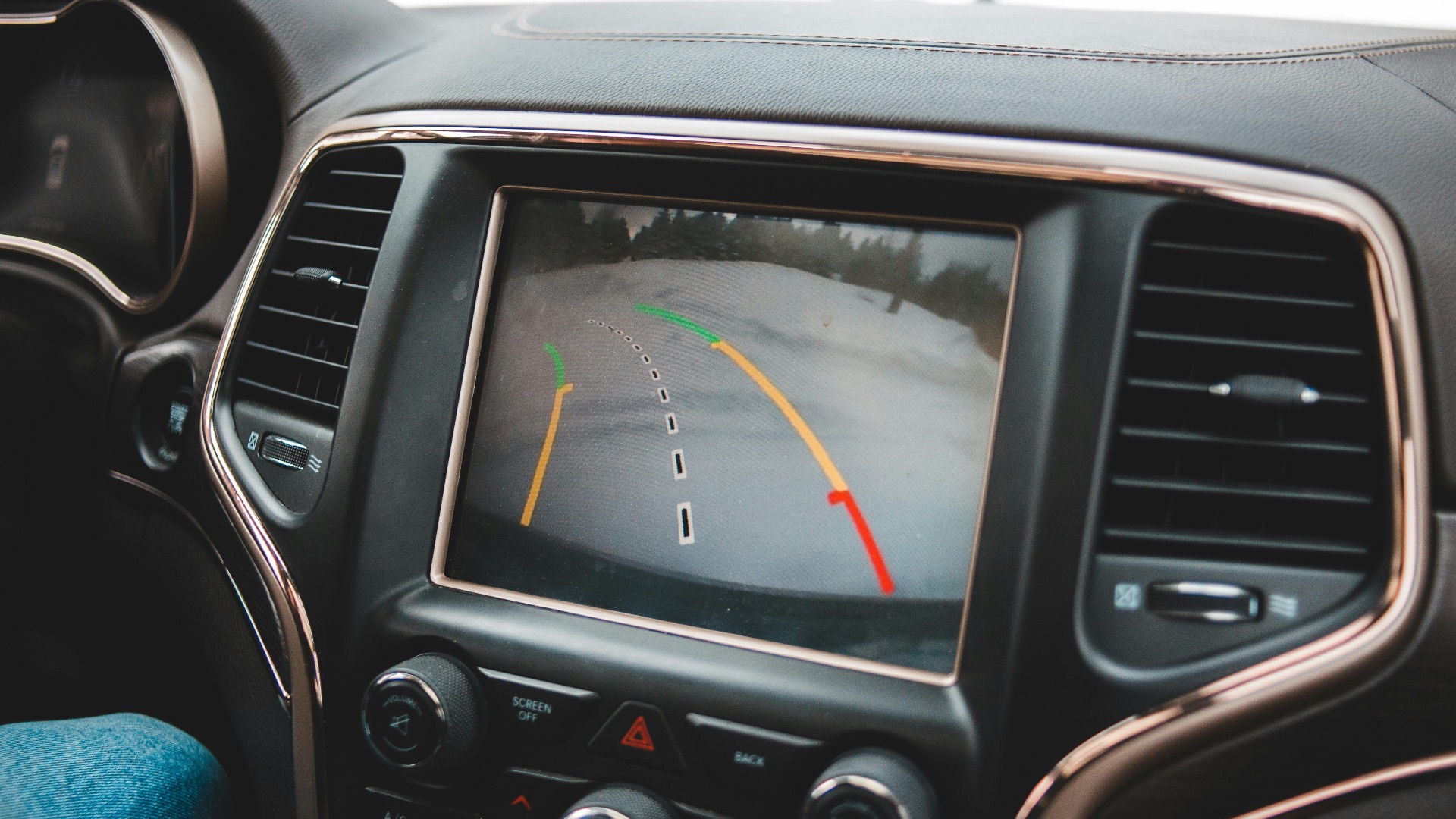
Older vehicles may lack newer safety technology that can be helpful for teen drivers. Features like blind-spot monitoring, backup cameras, automatic emergency braking, and lane assistance can provide extra support while a new driver is still building confidence. While these features don’t replace careful driving, they can reduce certain risks. If your car is missing many of them, it’s worth thinking carefully before passing it down.
2. Maintenance Costs Could Become a Problem
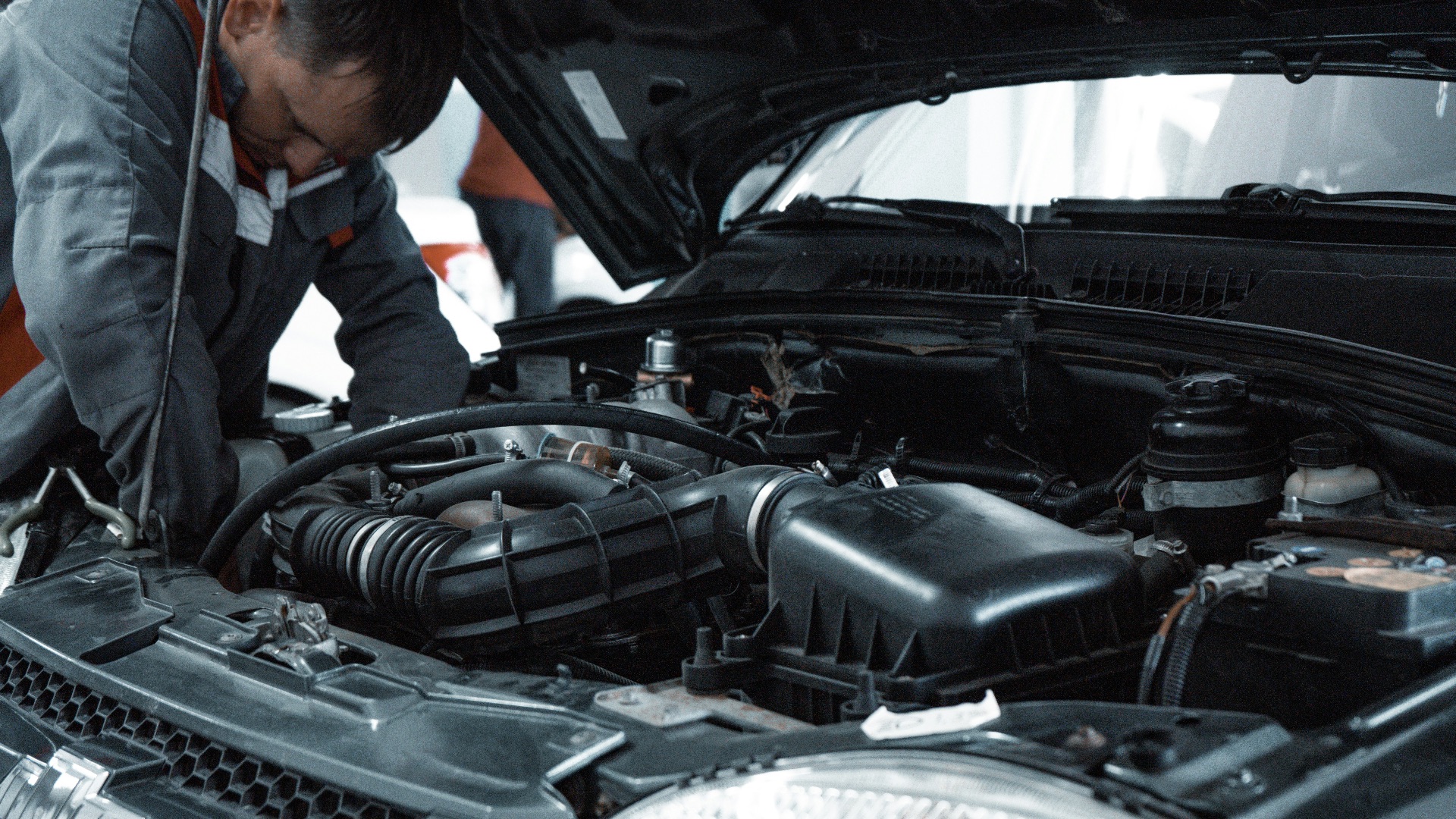
A car that has been affordable for you may become expensive once it starts needing more frequent repairs. Teens often have limited budgets, which means parents may end up covering most maintenance costs anyway. If the vehicle is nearing a point where major parts may need replacement, the hand-me-down option might not be as budget-friendly as it first appears. A thorough inspection can help you avoid handing over a car that’s about to become a financial burden.
3. Insurance May Be More Expensive Than Expected
Adding a teen driver to an insurance policy can be costly, even when the car itself is already paid off. Rates can vary based on the vehicle, your location, coverage level, and your teen’s driving status. Some cars may also cost more to insure because of repair costs, performance, or claims history. Before you commit, it’s smart to get insurance quotes so you know what the real monthly expense will look like.

4. Your Teen May Not Be Ready for That Much Independence
Having regular access to a car can change a teen’s routine very quickly. Some teenagers are ready to manage that freedom, while others may struggle with boundaries, distractions, or pressure from friends. If your teen has not shown consistent responsibility in other areas, a car may introduce more risk than convenience. Readiness matters just as much as having a license.

5. The Vehicle Might Be Too Large or Difficult to Handle
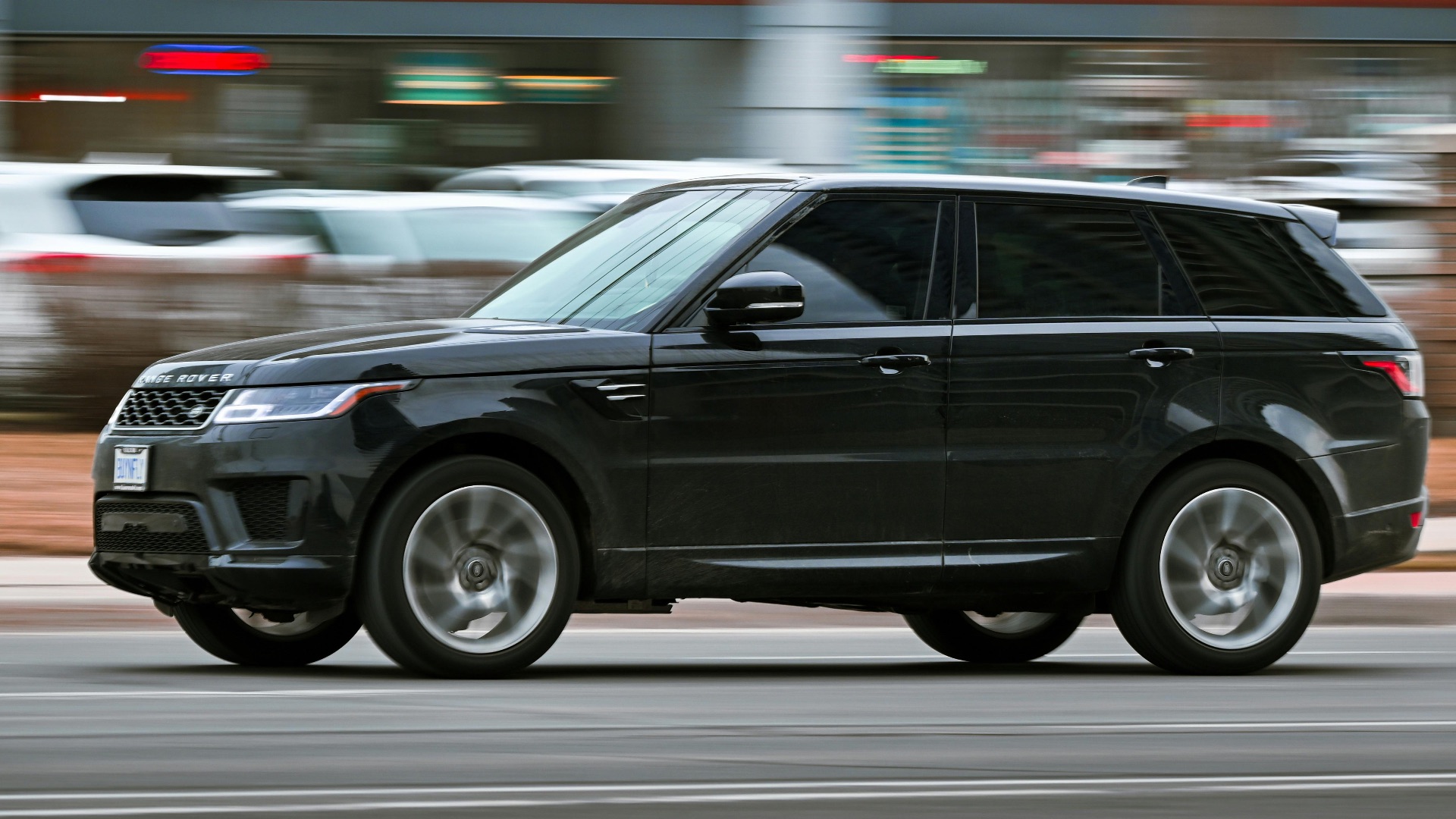
Not every family car is a good fit for a new driver. A large SUV, truck, or older vehicle with limited visibility may be harder for a teen to park, maneuver, or control in tight spaces. Even confident beginners can feel overwhelmed by a car that requires extra skill in everyday situations. Matching the vehicle to your teen’s ability level is an important part of the decision.
6. It Could Create Family Conflict
Passing down a car can come with more emotional and practical tension than expected. There may be disagreements over who pays for gas, repairs, insurance, cleaning, tickets, or damage. Siblings may also feel the arrangement is unfair if they don’t receive the same opportunity later. Without clear rules, the car can become a regular source of arguments instead of a helpful solution.

7. The Car May Be Too Tempting for Risky Driving
Some vehicles are not ideal for teens because they offer more speed or power than a new driver needs. A car that feels fun to drive can become a problem if your teen is still learning self-control behind the wheel. Even responsible teenagers can make poor choices when they’re with friends or feeling overconfident. If the car encourages aggressive driving, it may not be the best first vehicle.

8. You May Still Need the Car More Than You Realize
Before passing your car down, it’s worth looking honestly at your own transportation needs. You may think you can manage without it, but work schedules, errands, emergencies, and family obligations can make losing access harder than expected. If sharing becomes complicated, resentment can build on both sides. The decision works best when the household can function smoothly after the handoff.

9. It Might Delay Important Conversations About Money
Giving your teen a car can be helpful, but it can also skip over valuable lessons if there are no financial expectations attached. Teens benefit from understanding the real cost of driving, including gas, insurance, maintenance, parking, and repairs. If everything is covered without discussion, they may not fully appreciate what car ownership requires. Setting a contribution plan can make the arrangement more educational and balanced.

10. A Different Car Might Simply Be a Better Fit
Sometimes the family car is available, but that doesn’t mean it’s the right choice. A smaller, newer, easier-to-drive vehicle with stronger safety ratings may make more sense for a teen. It may cost more upfront, but it could offer better peace of mind and fewer headaches over time. The best first car is not always the one you already own; it’s the one that fits your teen’s needs, skills, and safety as closely as possible.