
Small Choices Can Create Expensive Problems
Contrary to what you might think, your car probably isn't wearing out just because you've been driving it for a long time. In fact, if you take great care of it, you could get at least 10-15 years out of it. But of course, if you're the type to put off regular maintenance, oil changes, and tire inspections, and ignore warning lights and sounds, your car is probably going to get what's coming to it. Here are 10 bad habits that will only wear your ride down faster, and 10 smarter tips that'll help you prolong its life.

1. Ignoring the Check Engine Light
A check engine light doesn’t always signal an immediate breakdown, but dismissing it for weeks or months can allow a minor problem to become much more serious. Issues involving oxygen sensors, ignition coils, or the emissions system may also reduce fuel efficiency while you continue driving. A flashing light is especially urgent and can indicate a misfire that may damage the catalytic converter. Have the vehicle scanned promptly so you know what you’re dealing with.

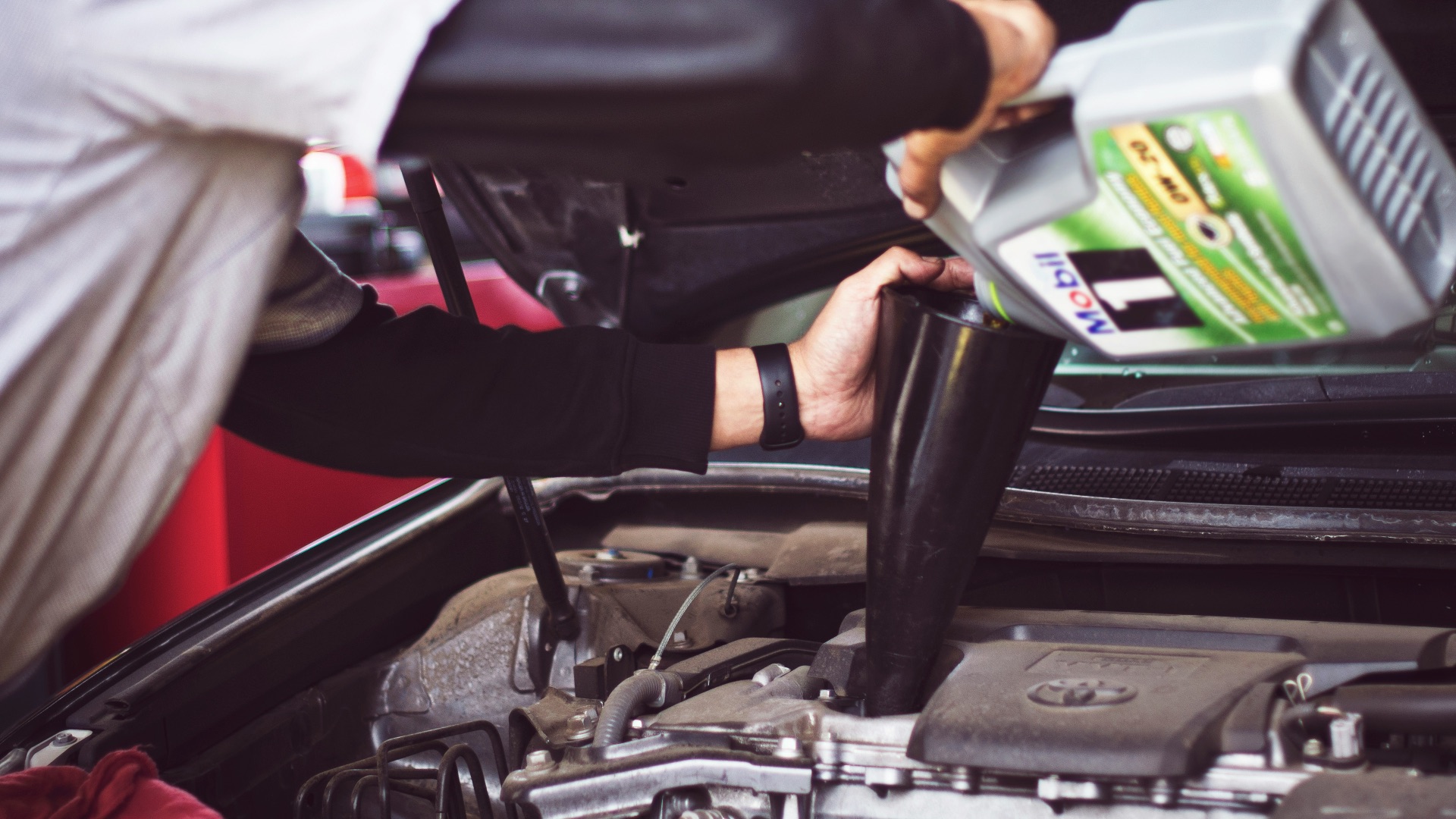
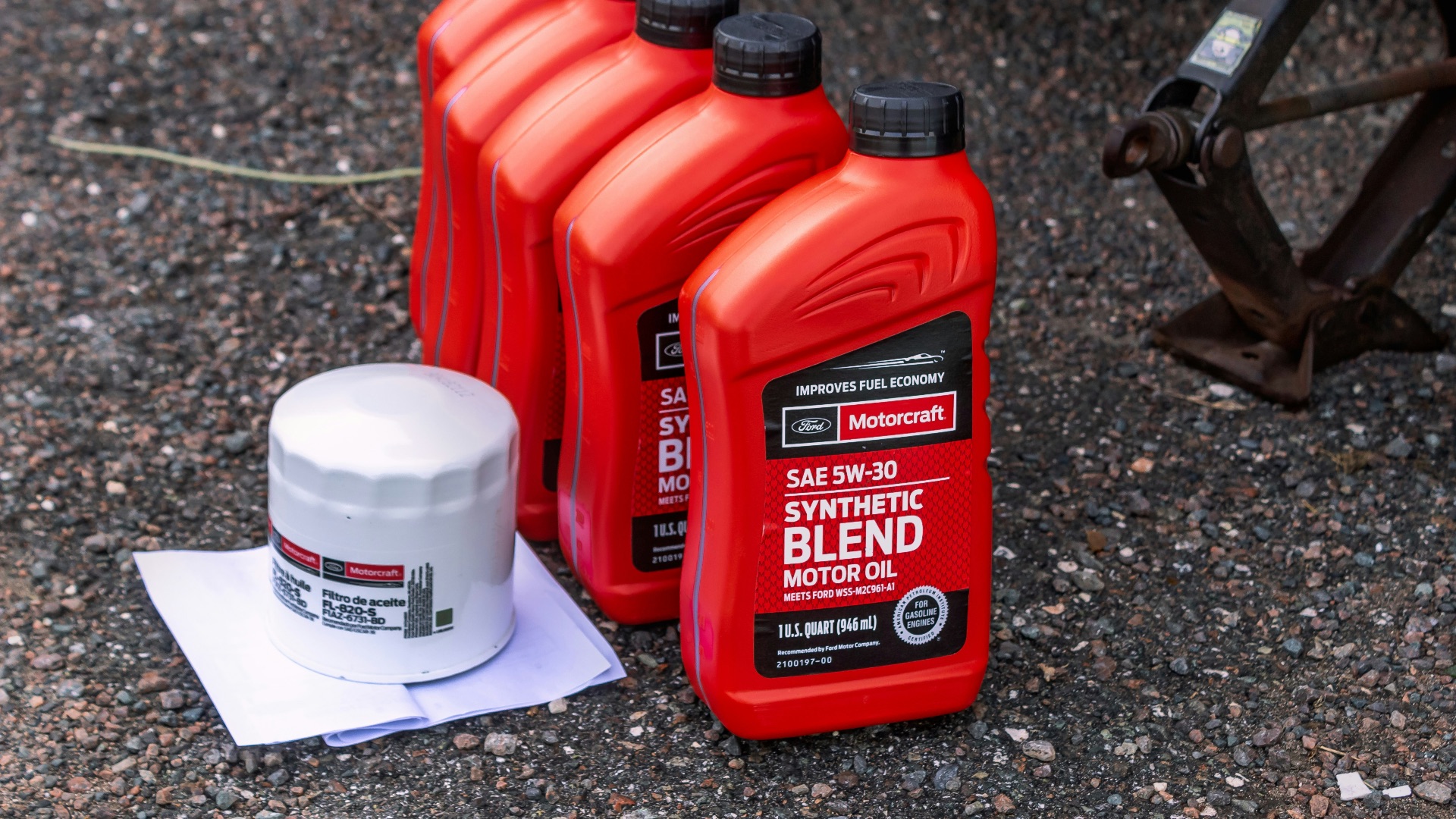
2. Delaying Oil Changes
Engine oil lubricates moving parts, carries away heat, and helps prevent deposits from building up inside the engine. As it ages, it becomes contaminated and less effective, increasing friction and wear. Following an outdated universal rule isn’t necessary, but stretching well beyond the interval listed in your owner’s manual is risky. Driving conditions, oil type, and the vehicle’s maintenance monitor should guide your schedule.
3. Accelerating Hard Before the Engine Warms Up
Starting the car and immediately pushing the engine hard puts extra strain on components before the oil has fully circulated and reached an effective operating temperature. Modern vehicles generally don’t need to idle for a long time, even in colder weather. However, aggressive acceleration during the first few minutes can accelerate wear. Drive moderately until the engine begins warming up.

4. Riding the Brakes Down Hills
Keeping constant pressure on the brake pedal during a long descent creates substantial heat. Excessive heat can wear down brake pads faster and may reduce braking performance if the system becomes too hot. Instead of relying entirely on the brakes, select a lower gear when appropriate and apply the pedal in controlled intervals. This approach reduces stress without sacrificing control.

5. Shifting Into Reverse Before Stopping
Changing from drive to reverse, or reverse to drive, while the vehicle is still moving forces the transmission to stop the car’s momentum. Although the car may tolerate this occasionally, repeatedly doing it can place unnecessary stress on internal components and mounts. Come to a complete stop before selecting the opposite direction. The extra second is far cheaper than transmission work.
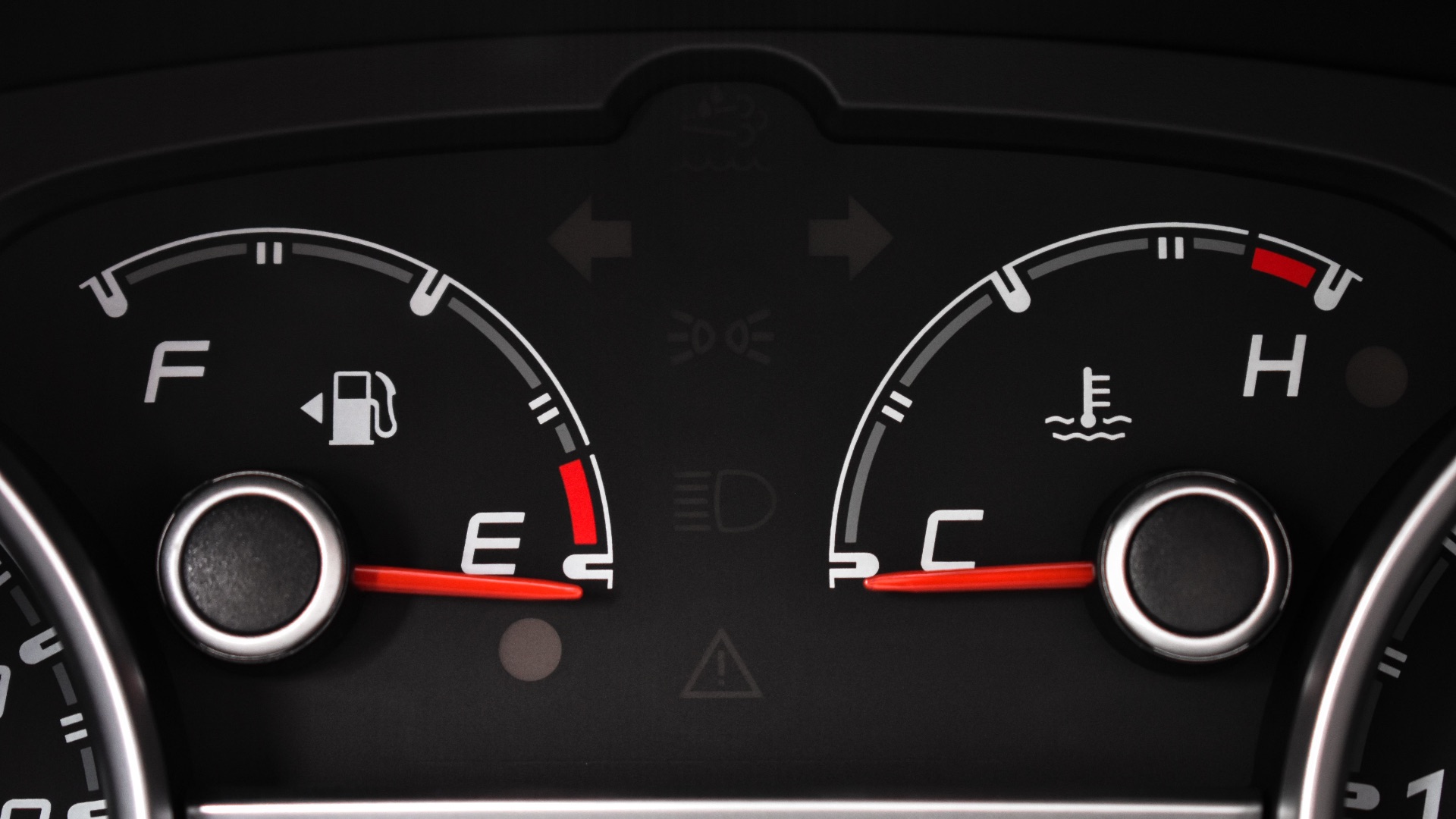
6. Driving with an Almost Empty Fuel Tank
Frequently waiting until the fuel warning appears can cause more trouble than the inconvenience of running out of gas. The fuel pump relies on gasoline in the tank to help keep it cool, so consistently operating at a very low level may shorten its life. Sediment and contamination can also accumulate near the bottom of an aging tank, though modern filters are designed to catch much of it. Refilling around a quarter tank gives you a safer margin.
7. Hitting Potholes Without Slowing Down
Sometimes a pothole appears too late to avoid, but speeding over one can damage far more than the tire. The impact may bend a wheel, affect alignment, harm suspension parts, or create a bulge in the tire’s sidewall. Slow down smoothly when road conditions allow, but avoid slamming on the brakes directly over the hole. After a hard impact, watch for vibration, pulling, or new noises.

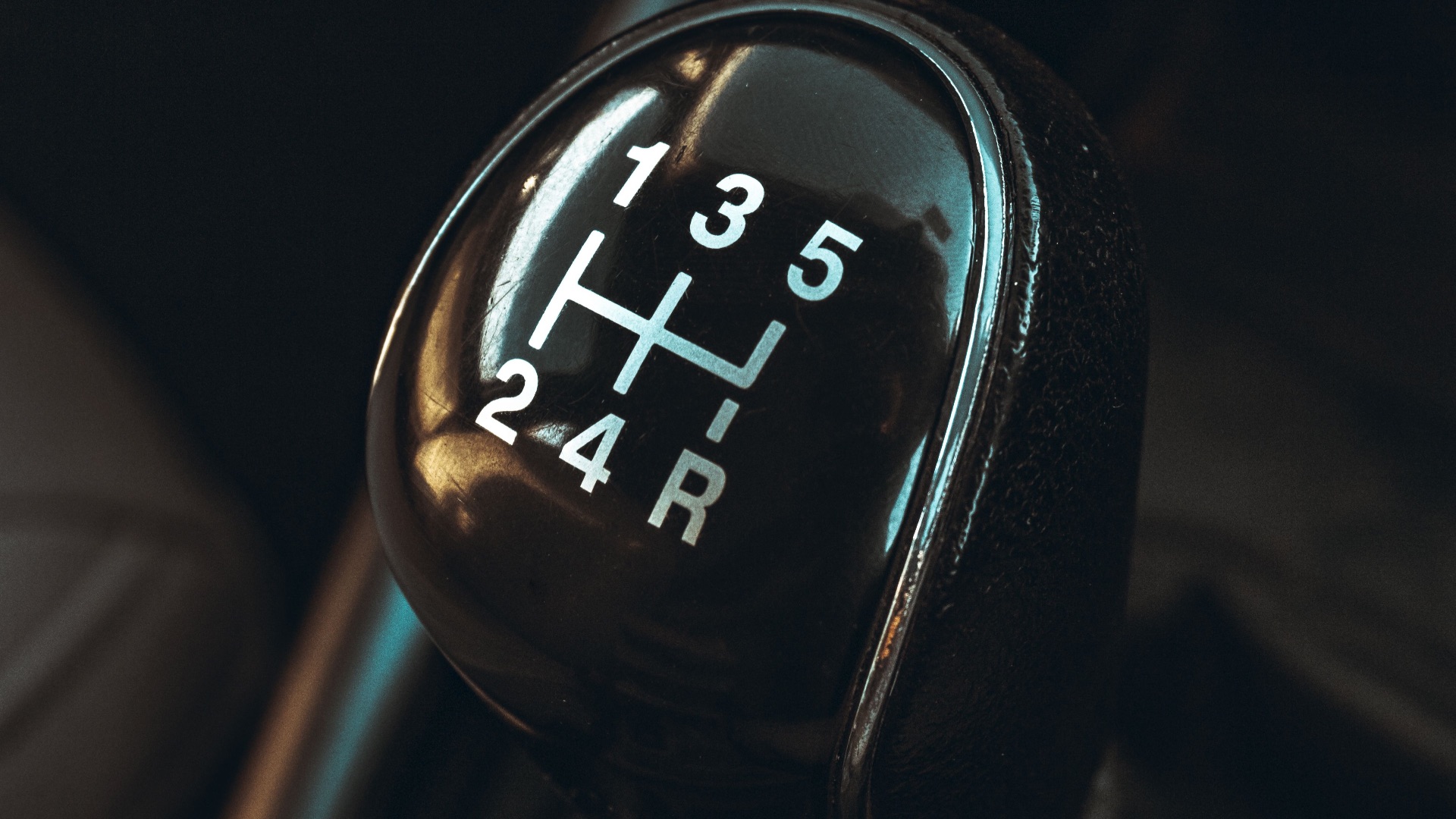
8. Resting Your Hand on the Gear Shifter
Leaving your hand on a manual transmission’s gear lever may seem harmless, especially during city driving. However, constant pressure can place additional force on parts within the shifting mechanism and contribute to premature wear over time. It also leaves you with only one hand ready to steer. Once you’ve changed gears, return your hand to the wheel.

9. Carrying Unnecessary Weight
A trunk filled with forgotten equipment, boxes, and other heavy items makes the engine, brakes, tires, and suspension work harder. The effect of one object may be small, but carrying a large load every day can increase fuel consumption and component wear. Remove items you rarely use while keeping essential emergency supplies. Never exceed the vehicle’s stated payload capacity when transporting something substantial.

10. Ignoring Changes in How the Car Feels
New vibrations, delayed starts, rough shifting, unusual smells, and changes in steering response usually happen for a reason. Continuing to drive without investigating gives the underlying issue more time to worsen. Drivers often become accustomed to gradual changes and stop noticing how poorly the car is performing. Treat unfamiliar behavior as useful information rather than an annoyance to tolerate.
Breaking these habits can prevent avoidable damage, but careful driving is only part of the equation. A vehicle also lasts longer when you follow a consistent maintenance routine and address small concerns before they affect other systems, so let's take a closer look at how to prolong your vehicle's life.

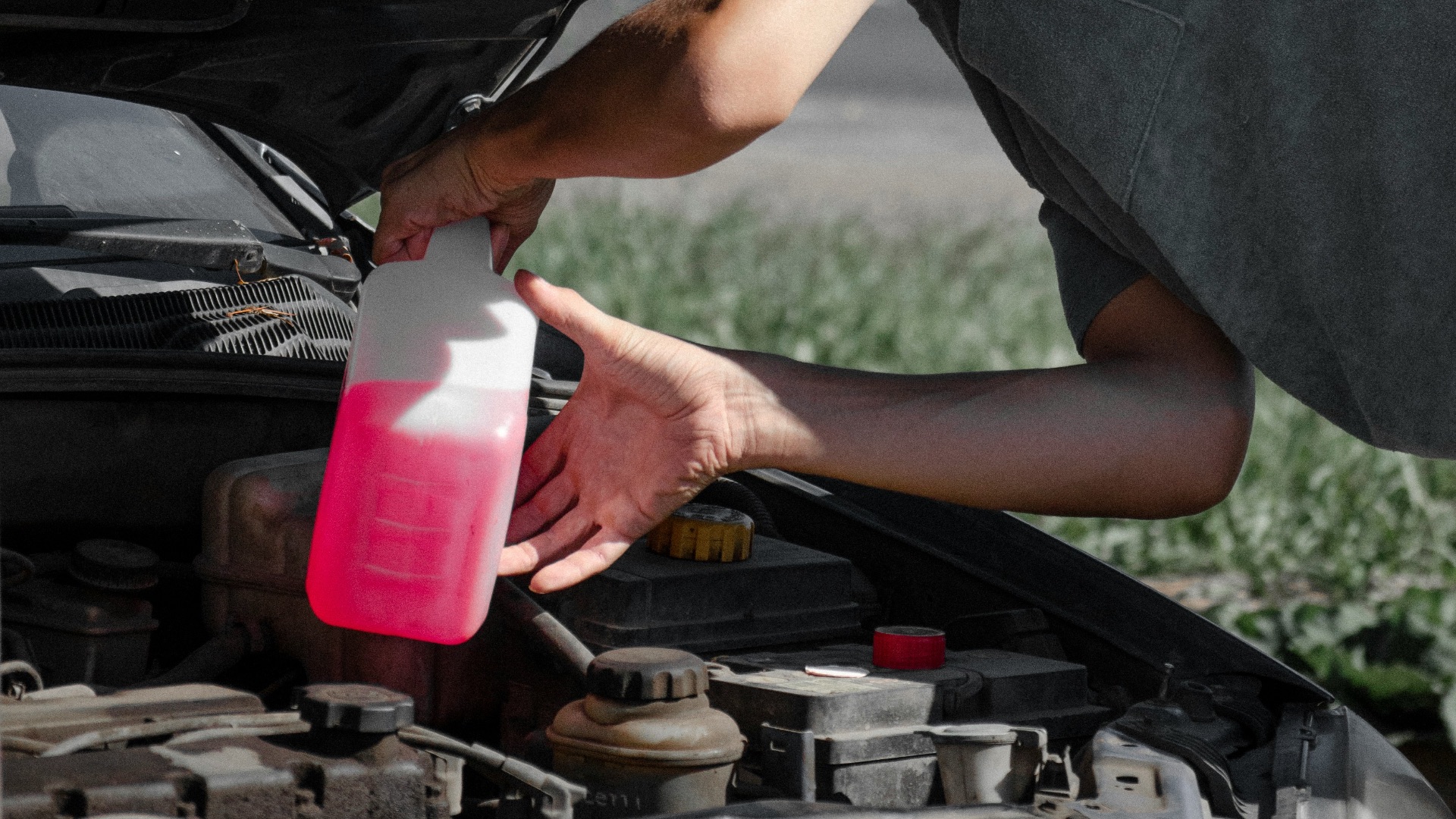
1. Check Your Fluids Regularly
Oil gets most of the attention, but your car also depends on coolant, brake fluid, transmission fluid, and windshield washer fluid. Some systems are sealed or require specific inspection procedures, so consult the owner’s manual before opening anything. Look beneath the vehicle for fresh spots and pay attention to sudden drops in fluid levels. Leaks can reveal a developing problem long before a dashboard warning appears.
2. Keep the Tires Properly Inflated
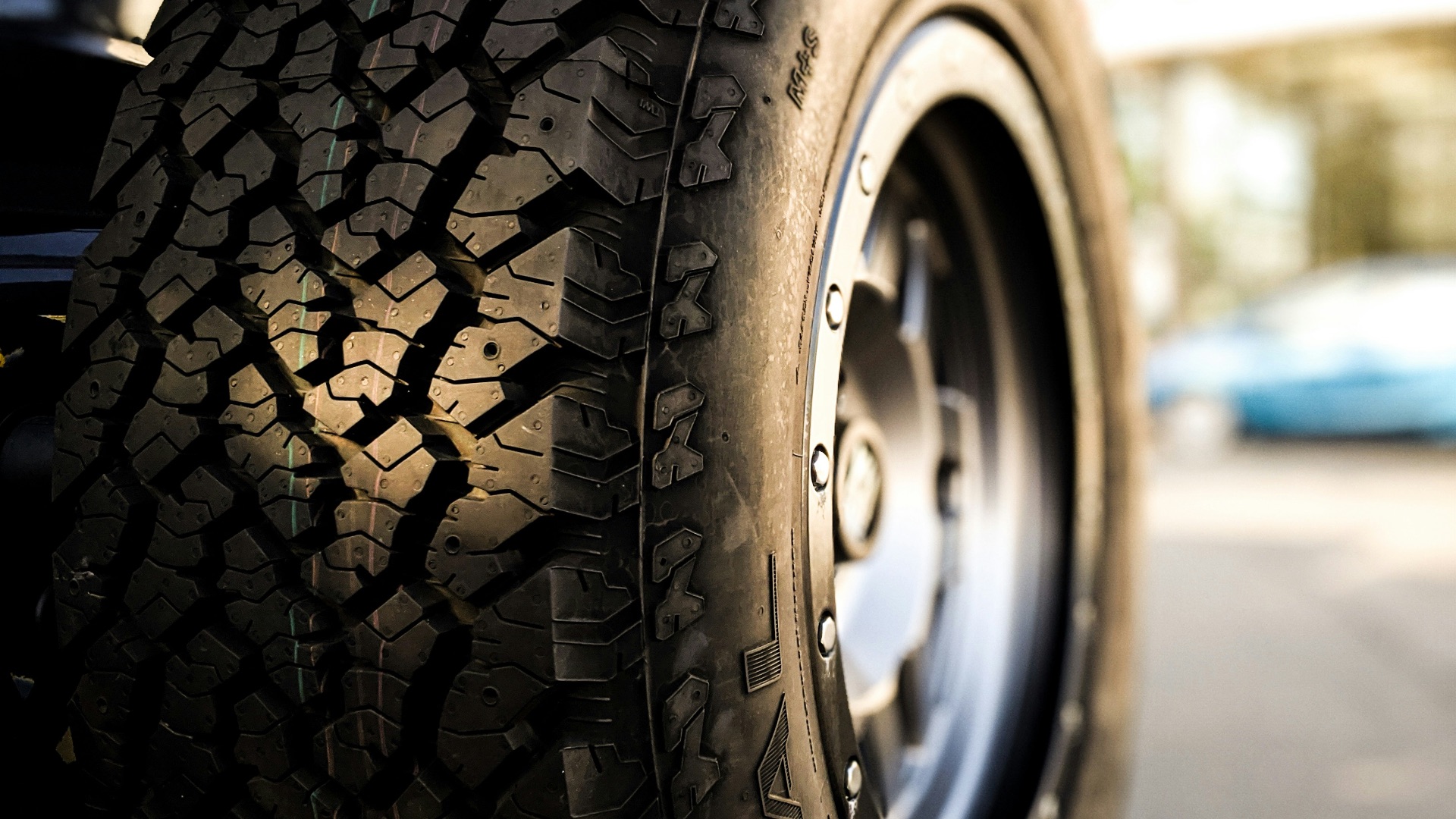
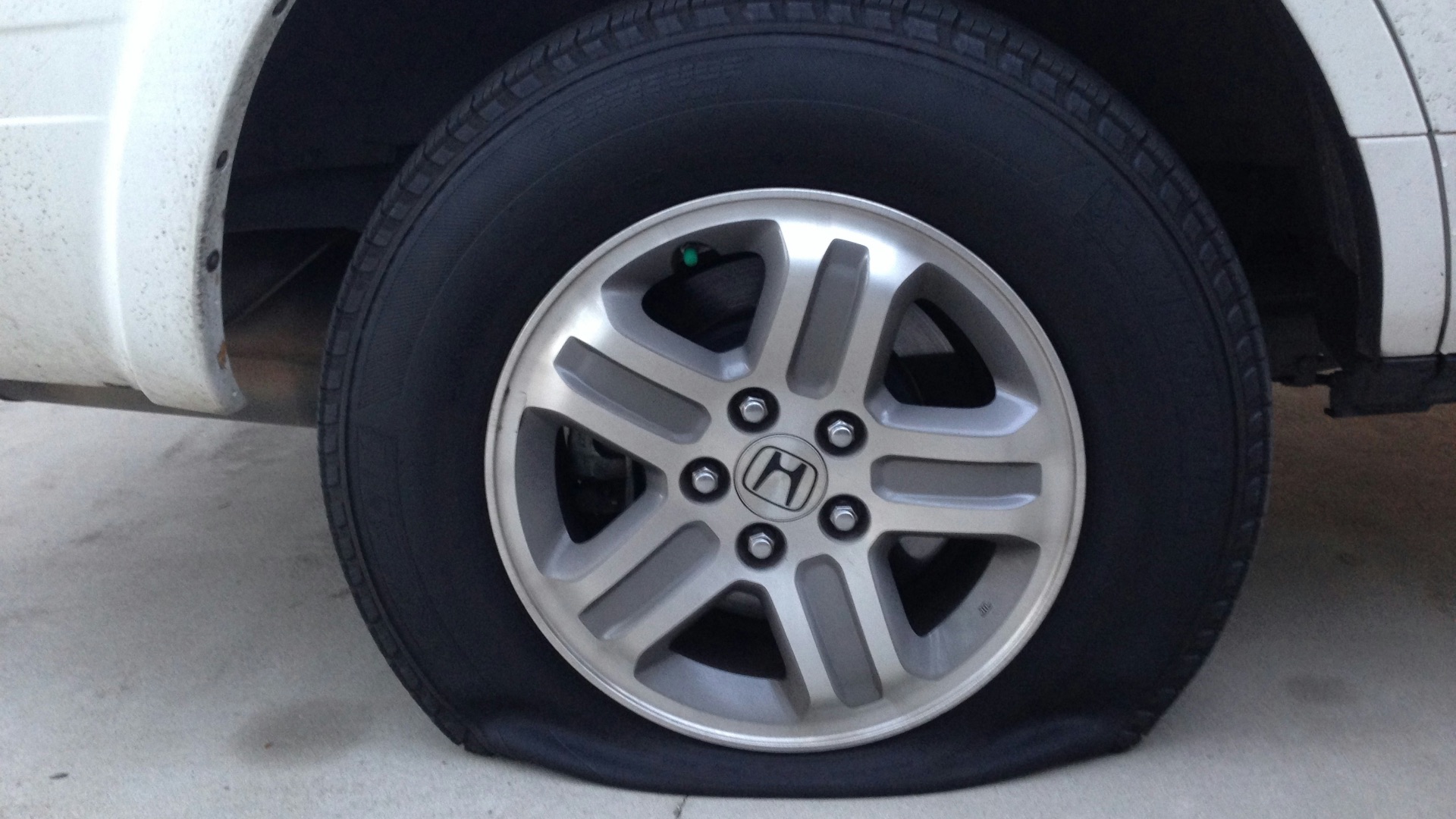
Underinflated tires create additional rolling resistance, build up more heat, and wear unevenly along the outer edges. Overinflation can reduce ride comfort and cause the center of the tread to wear faster. Check pressure when the tires are cold and use the specification printed on the driver’s doorjamb, not the maximum number on the tire. Inspecting them once a month is a practical routine.
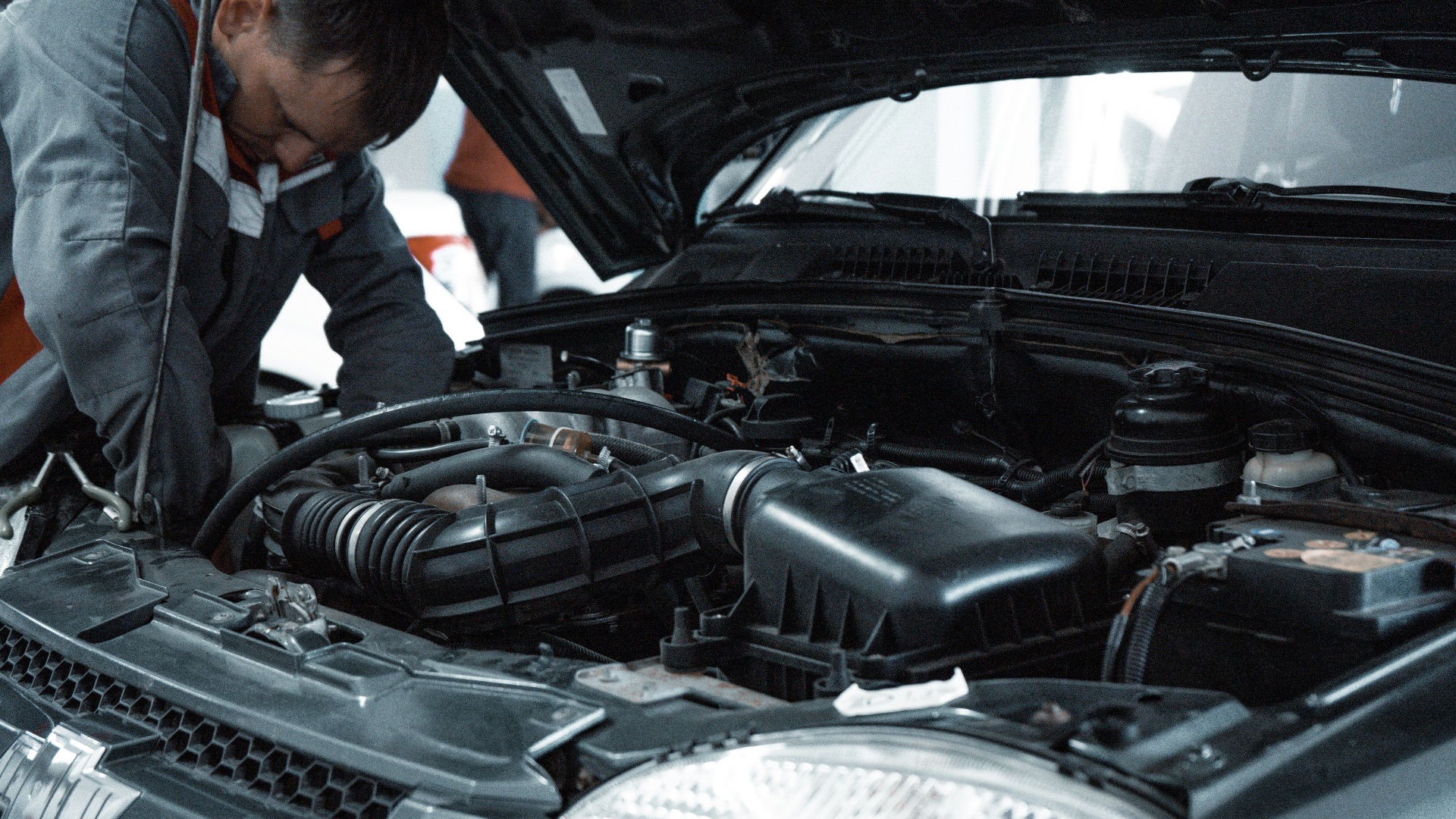
3. Follow the Maintenance Schedule
Your owner’s manual outlines when major services and inspections should occur, including fluid changes, filter replacements, and belt checks. These intervals may differ considerably between vehicles, so generic advice can’t replace the manufacturer’s guidance. Keeping records also prevents you from repeating work or forgetting when something was last completed. Documentation may improve resale value by showing that the car received consistent care.
4. Rotate and Inspect the Tires
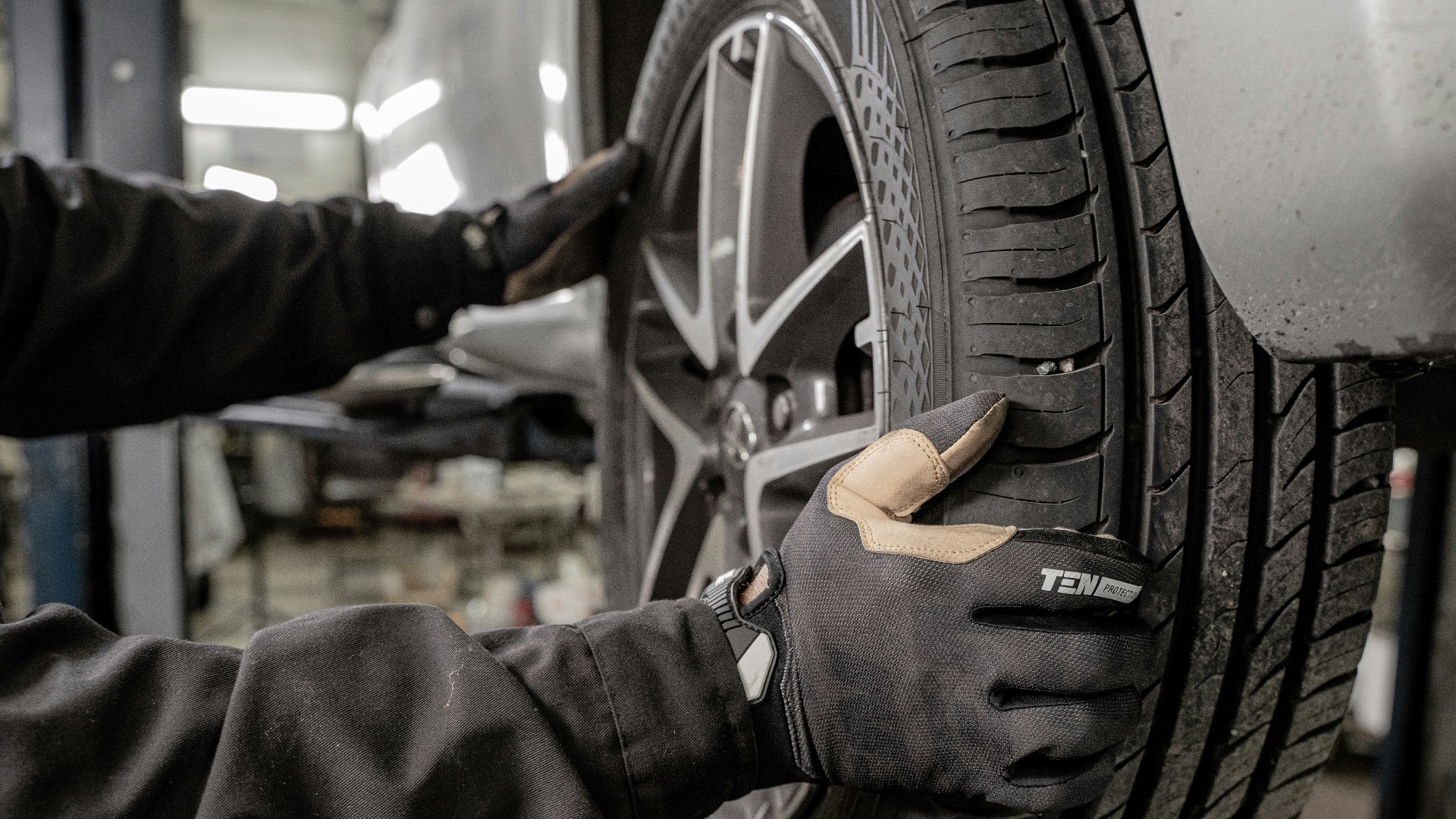
Tires rarely wear at exactly the same rate because weight distribution and steering forces differ from one position to another. Regular rotations can help the tread wear more evenly and extend the useful life of the set. During the service, inspect for cracks, punctures, bulges, and unusual tread patterns. Uneven wear may point to alignment or suspension trouble that deserves attention.
 Jimmy Nilsson Masth on Unsplash
5. Wash Away Salt and Grime
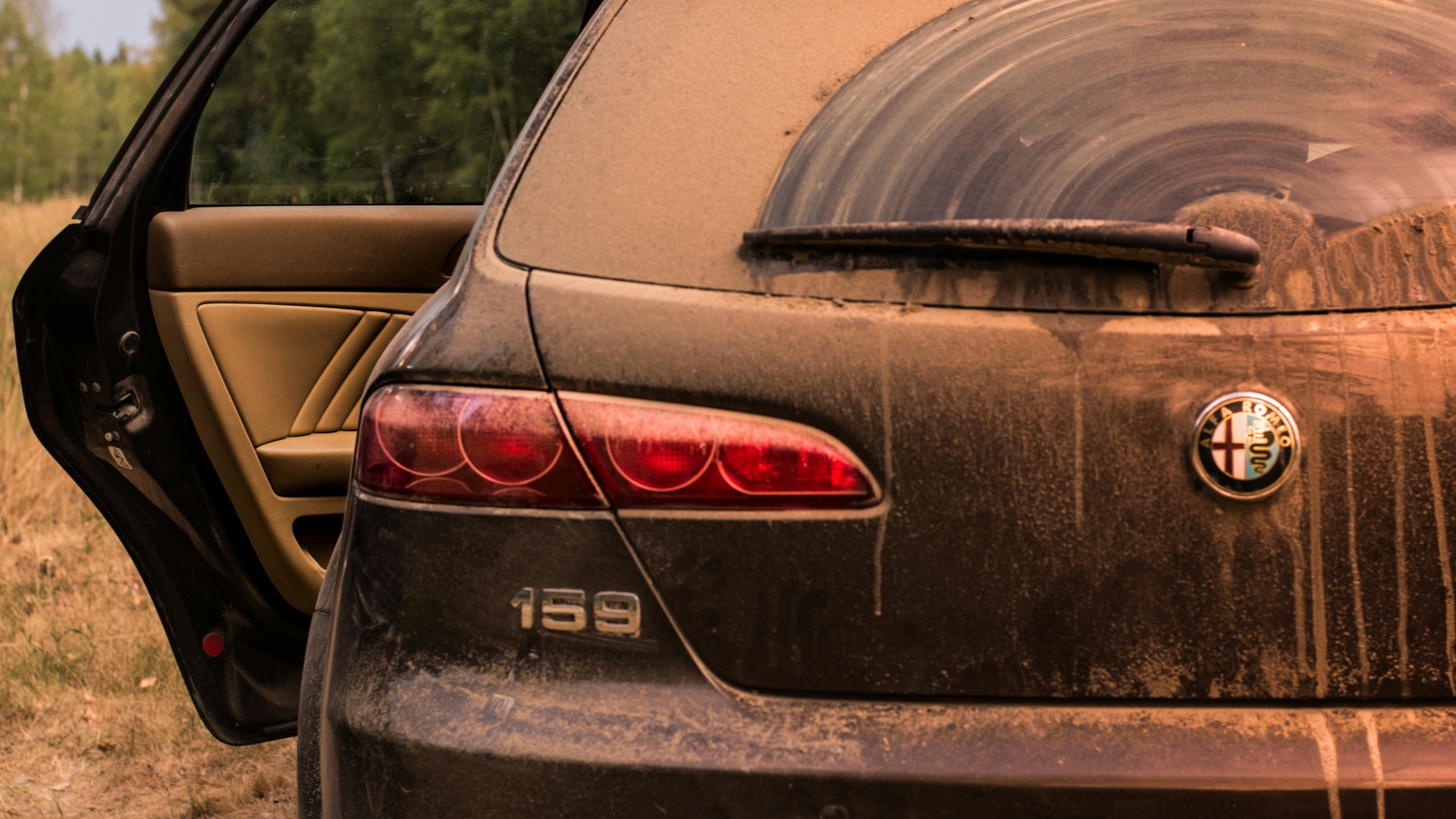
Road salt, mud, and moisture can remain trapped against metal surfaces and contribute to corrosion. This is especially important in areas with snowy winters or coastal air. Wash the body and undercarriage periodically, paying attention to wheel wells and other areas where debris collects. Repairing paint chips early also helps prevent exposed metal from rusting.
6. Drive Smoothly and Anticipate Traffic
Gentle acceleration and gradual braking reduce stress on the engine, transmission, brakes, and tires. Looking farther ahead gives you more time to adjust instead of making abrupt inputs at the last moment. Smooth driving can also improve fuel economy and make passengers more comfortable. You don’t have to drive unusually slowly; the goal is to avoid needless aggression.

7. Replace Filters When Needed
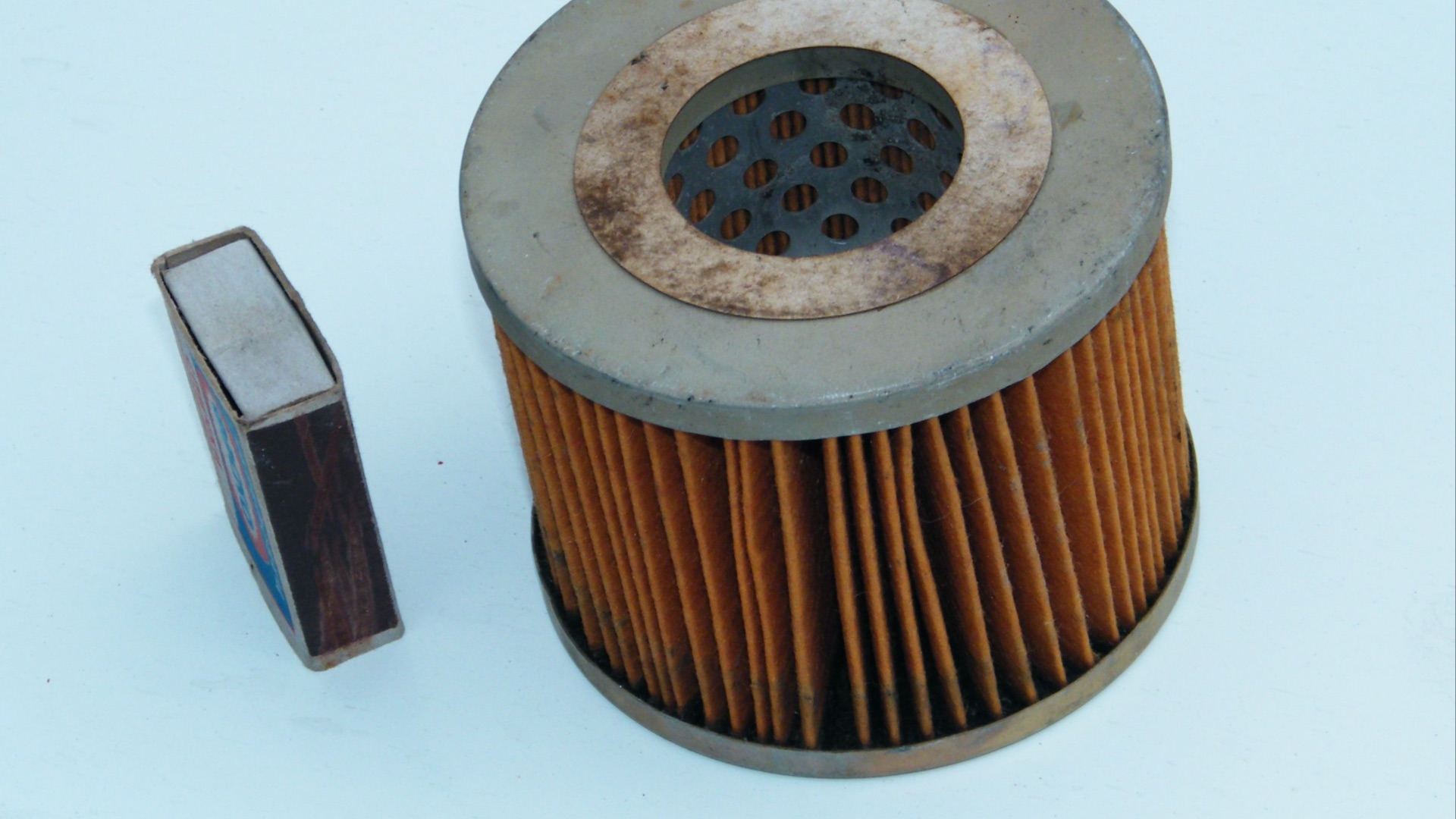
The engine air filter helps keep dirt and debris from entering the intake system, while the cabin filter improves the air passing through the ventilation system. A heavily clogged engine filter may restrict airflow, depending on the vehicle’s design and condition. Inspect filters according to the maintenance schedule and sooner if you regularly drive on dusty roads. Use replacements that meet the manufacturer’s specifications.
8. Give the Car Longer Drives Regularly
Repeatedly using a vehicle only for very short trips can prevent the engine and exhaust system from reaching full operating temperature. Moisture may remain in the oil or exhaust, while the battery may not have enough time to recover the energy used during startup. An occasional longer drive can help the vehicle warm thoroughly and recharge properly. This is particularly useful for cars that spend most of the week parked.

9. Fix Minor Problems Early
A small coolant leak, worn suspension bushing, or damaged protective boot may not seem urgent at first. Left unresolved, however, one failing part can place extra stress on related components and increase the final repair bill. Early diagnosis usually gives you more options and time to plan the expense. It also reduces the chance of becoming stranded when the problem eventually escalates.
10. Use the Correct Parts and Fluids
Not every oil, coolant, battery, or replacement part is suitable for every vehicle. Modern engines and transmissions may require very specific formulations, viscosities, and performance standards. Check the owner’s manual or manufacturer information before buying maintenance supplies, and be cautious with universal products. Using the correct materials helps each system function as designed and can prevent avoidable damage.