The Top 10 EV Markets in the World & 10 Countries That Are Lagging Behind
Where Electric Cars Are Winning and Where They’re Still Warming Up
Electric vehicles are taking off globally, but the pace looks very different depending on where you are. Some countries have fully embraced EVs with strong policies, solid infrastructure, and eager buyers, while others are moving much more slowly. Understanding these contrasts helps explain why you might see charging stations everywhere in one place and almost nowhere in another. Here are the top 10 EV markets in the world and 10 places that are still hooked on gasoline.
1. China
China leads the world in EV sales by a wide margin. Government incentives, domestic manufacturers, and massive urban demand pushed adoption quickly. If you’re watching global trends, everything starts here.

2. Norway
Norway is often called the EV gold standard. Strong tax breaks and excellent charging infrastructure made electric cars the default choice. EVs now make up over 90 percent of new car sales.

3. United States
The US has a large and growing EV market, though adoption varies by state. Federal incentives and major automakers helped drive growth. In cities like New York you'll see charging stations on practically every street, but in Milwaukee? Not so much.

4. Germany
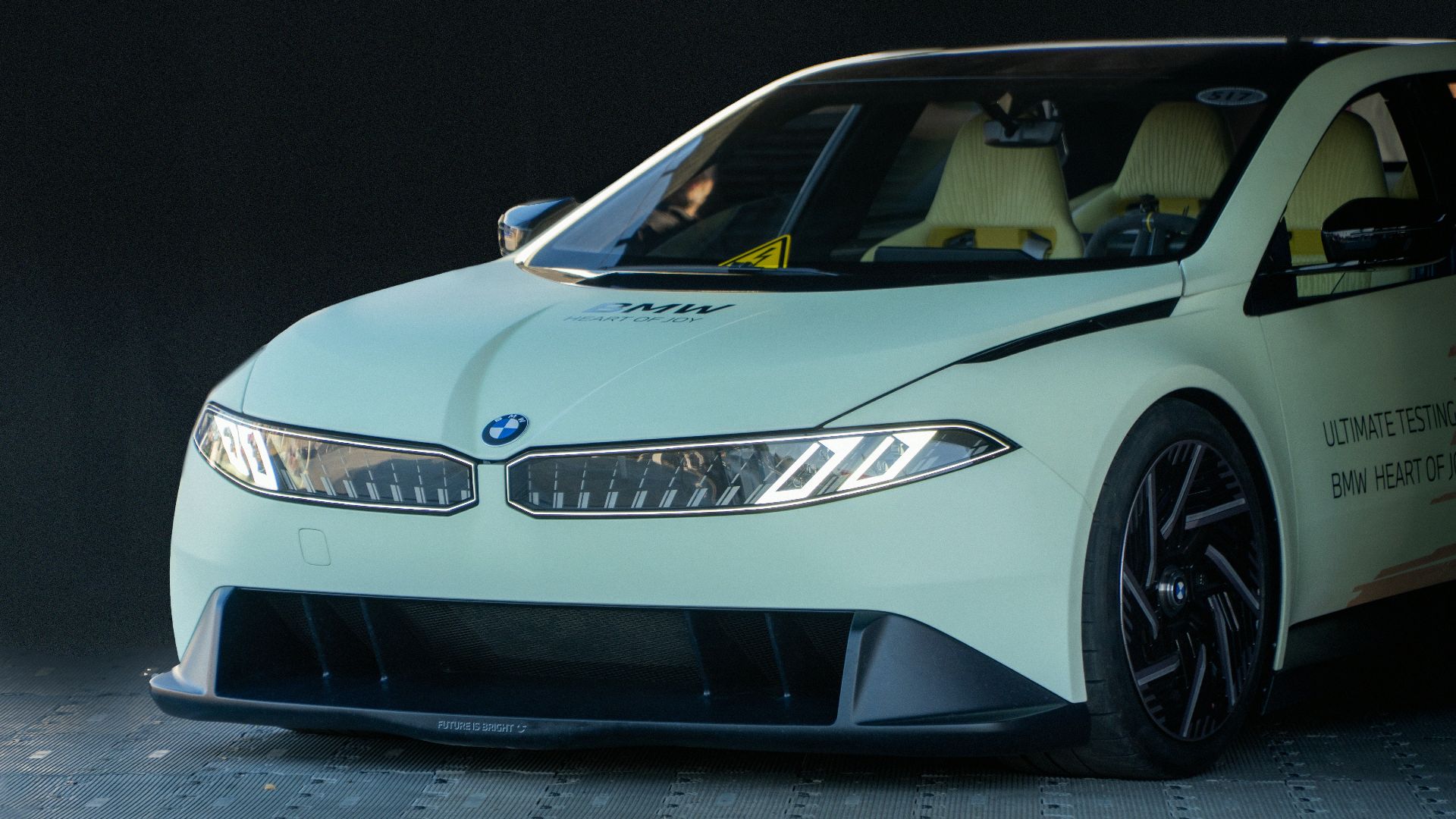
Germany combined its strong auto industry with aggressive EV investment. Charging networks expanded rapidly across cities and highways. Traditional car culture didn’t stop electric momentum.
5. United Kingdom
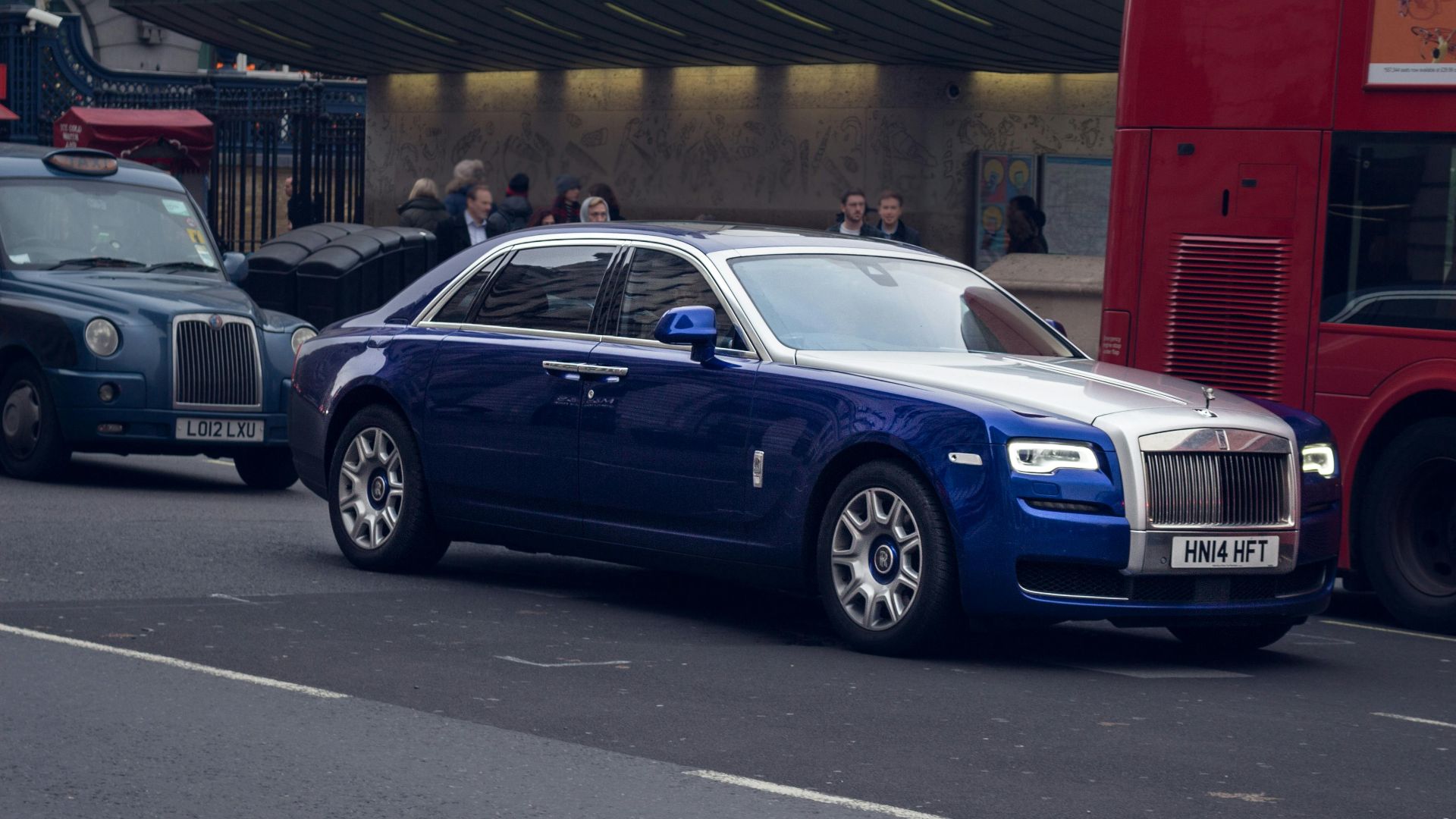
The UK pushed EV adoption with incentives and a planned gas car phaseout. Urban areas in particular embraced electric driving. Infrastructure keeps improving year by year.
6. France
France leaned heavily on government support and domestic manufacturers. Affordable EV options helped bring more buyers in. Charging access expanded steadily across the country.

7. Netherlands
The Netherlands built one of the densest charging networks in the world. Short driving distances made EVs especially practical. Electric cars fit naturally into daily life there.

8. Sweden
Sweden combined sustainability values with smart incentives. Public and private charging options grew together. EV ownership feels like a logical extension of existing habits.

9. South Korea
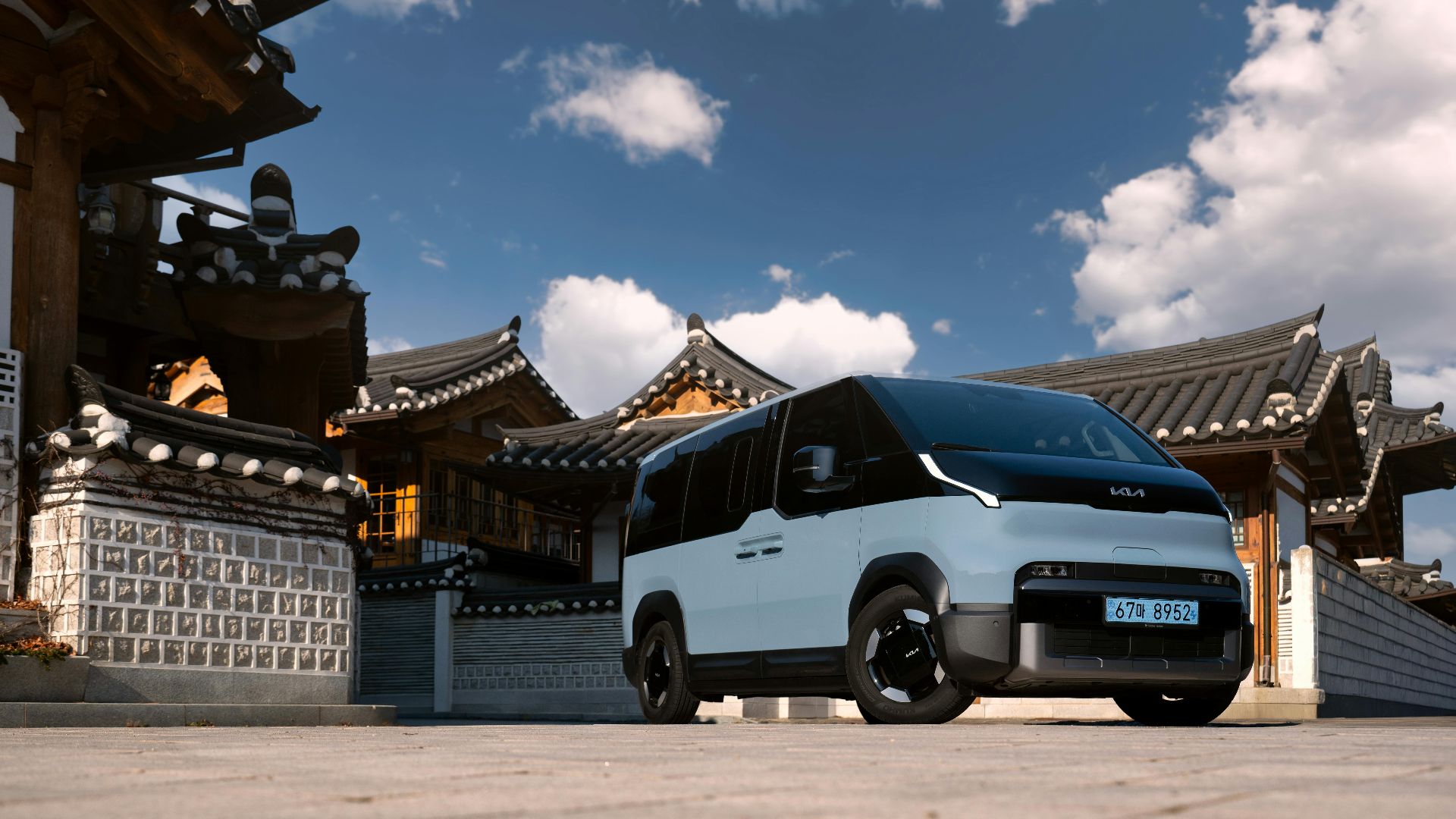
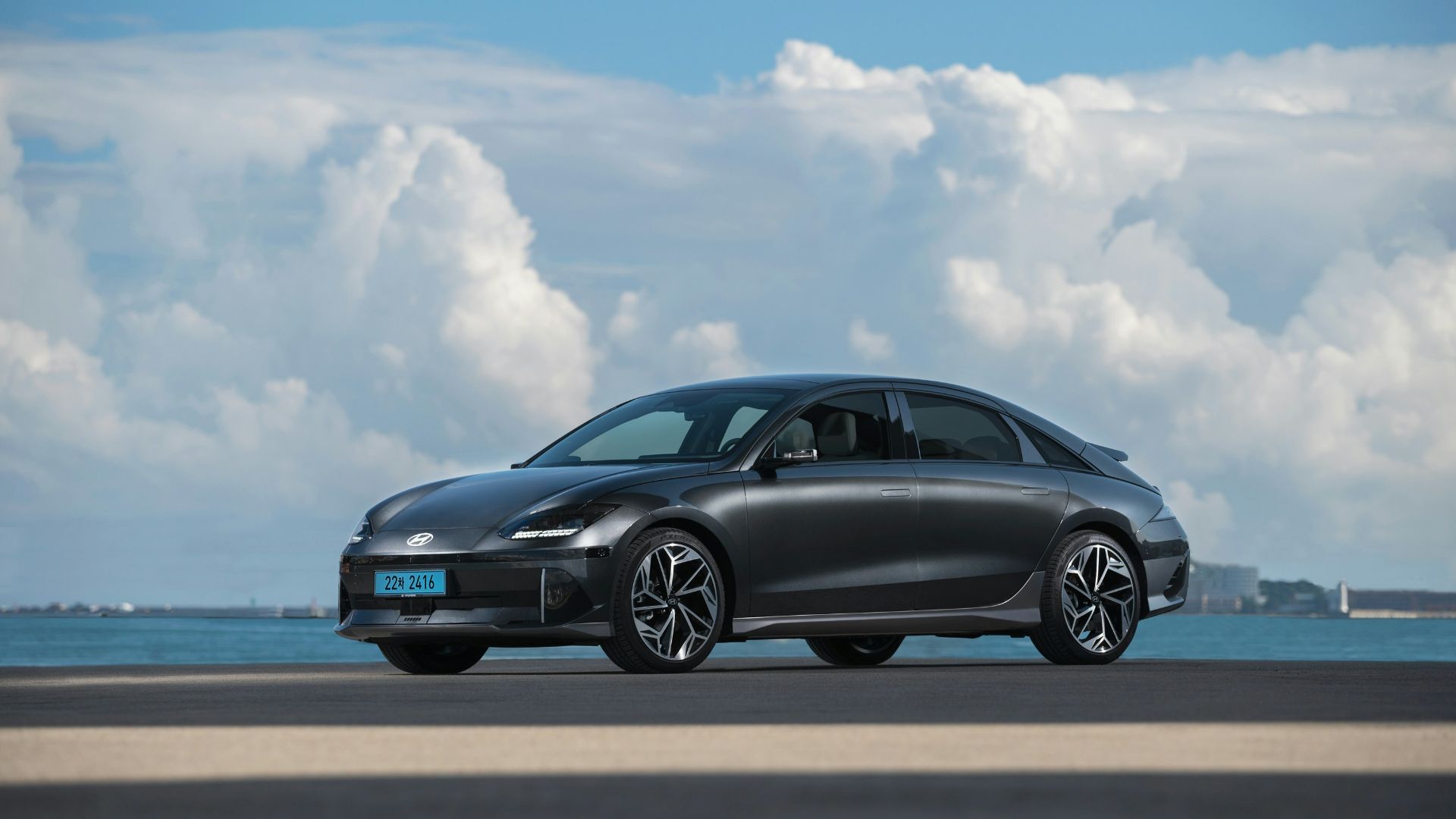
South Korea invested early in EV technology and manufacturing. Domestic brands played a major role in adoption. Infrastructure followed quickly to support growth.
 Hyundai Motor Group on Unsplash
10. Denmark
Denmark has quietly built a strong EV market through steady incentives and clear policy goals. Since 2023, the market has been growing rapidly, with over 60 percent of new car sales being EVs. It's a small country, but it's making big strides.

Now that we've covered the countries where the EV market is surging, let's talk about the places where adoption is lagging.
1. India
India’s EV market remains small relative to its population. Infrastructure challenges and affordability slow adoption. Progress is happening, but it’s uneven and slow.

2. Russia
Russia has limited EV infrastructure and incentives. Gas remains cheap and widely available. That combination reduces urgency for change.
 Nesterov Photographer on Unsplash
3. Brazil
Brazil relies heavily on ethanol rather than electricity. EV incentives are limited compared to other markets. Adoption remains slow as a result.

4. Mexico
Mexico’s EV infrastructure is still developing. Limited charging access discourages buyers. Growth exists but hasn’t accelerated yet.

5. South Africa
South Africa faces high EV costs and minimal charging networks, which makes owning an EV quite a headache. Gas vehicles remain far more practical for the time being.

6. Indonesia
Indonesia’s EV market is in its early stages. Infrastructure and affordability remain major hurdles. Adoption hasn’t reached the mainstream yet.

7. Saudi Arabia
Cheap fuel reduces pressure to switch to EVs. Infrastructure investment is still limited. The interest is there, but action lags behind.

8. Turkey
Turkey’s EV adoption remains modest. Charging networks are expanding slowly. Consumer confidence hasn’t fully caught up.

9. Argentina
Economic instability makes EV investment difficult. High upfront costs discourage buyers while infrastructure growth struggles to keep pace.

20. Nigeria
Nigeria faces major infrastructure and power challenges. EVs remain impractical for most drivers. As a result, you hardly see any on the roads.