Formula 1 Overhaul: 20 of the Biggest Changes to Look Out For in the 2026 Season
A Whole New Version of F1
For the 2026 season, you can expect more than just a few small rule tweaks; it’s a full reset that changes how the cars make speed, how they pass, and even how teams build their long-term plans. You’ll still recognize Formula 1, but the details will feel noticeably different once you know what to watch for. Some updates are obvious the moment the cars hit the track, while others show up in strategy, reliability, and the way drivers manage a lap. Here are 20 of the biggest changes that will shape what you see all year.

1. The “50/50” Hybrid Goal
For 2026, F1 is pushing toward roughly an even split between internal combustion power and electric power, which is a major shift from the previous era. That means battery deployment and recovery aren’t side details anymore; they’re central to performance. If you’re watching closely, you’ll notice drivers juggling energy more often, especially across long stints.

2. The MGU-K Gets Nearly Three Times Stronger
Electric output from the MGU-K (a key component of the cars' power units) jumps to 350kW, up from 120kW, so it’s finally a huge part of the car’s punch. Recovery also ramps up, with energy coming back under braking, coasting, and even while on the throttle. That should change how the cars accelerate and how teams manage energy across different track layouts.

3. No More MGU-H
The MGU-H is removed for 2026, which simplifies the hybrid system and changes how the power unit harvests and uses energy. On a practical level, teams have to solve turbo and energy behavior without that component, so don’t be surprised if early-season drivability stories pop up. It’s one of those behind-the-scenes changes that can affect everything from reliability to how cleanly a driver can apply power.

4. 100% Sustainable Fuel Is Now Mandatory
As part of the sports' push to become completely net zero by 2030, all fuel components must now come from sustainable sources, with rules aimed at ensuring no new fossil carbon is used in the fuel itself. You probably won’t “see” this change during a pass for the lead, but it’s a cornerstone of the new era. It also nudges manufacturers toward combustion development that’s more relevant to future fuel tech.

5. Fuel Flow Rules Shift Toward Energy Limits
One nerdy-but-important tweak is that fuel flow to the engine is limited by energy rather than just mass or volume. That pushes engineers to chase efficiency in a slightly different way, because the rulebook is essentially telling them to make every unit of fuel count. If you like the technical side, this is one of the quieter changes with big ripple effects.

6. Active Aerodynamics Move to the Front Row of the Show
The 2026 cars introduce moveable front and rear wings designed to help racing and efficiency. Instead of relying on one rear-wing trick, the whole aero package can shift between configurations. Expect teams to talk about aero modes the way they used to talk about DRS windows and straight-line speed.
7. X-Mode & Z-Mode Replace the Old “One-Button” Mindset
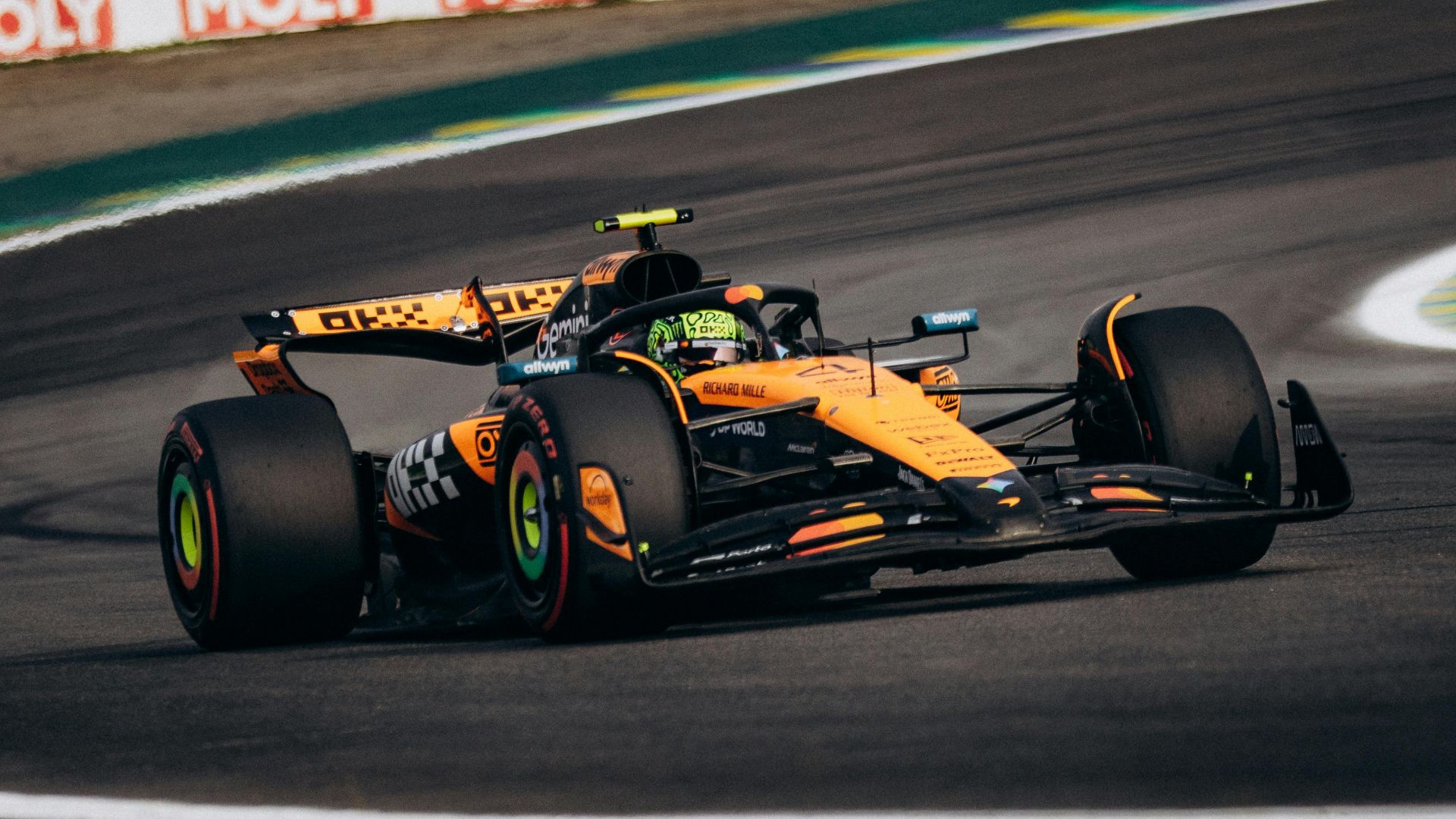
Z-mode is the higher-downforce setup for corners, while X-mode is a lower-drag configuration aimed at maximizing straight-line speed. The system is driver-activated and expected to be available only in safe sections of track, with the FIA suggesting longer straights are the obvious targets. If you’re wondering why a car suddenly looks “sleeker” on a straight, this is usually the reason.

8. Passing Help Shifts Toward a Battery Burst
The new rules add a system that gives a driver a short burst of extra battery power when they’re within one second of the car ahead. The intention is to create more overtaking opportunities, but it won’t look exactly like the DRS era. You’ll likely hear more talk about when drivers choose to deploy that extra energy rather than just opening a flap.
 Abhinand Venugopal on Unsplash
9. Smaller Cars
The maximum wheelbase will drop to 3400mm, and the overall width will narrow to 1900mm, which should make the cars feel more agile in quick direction changes. The floor width will also shrink, which matters more than it sounds because it affects how the car generates and manages downforce. In plain terms, the cars are being pushed away from the “giant barge” vibe fans complained about.
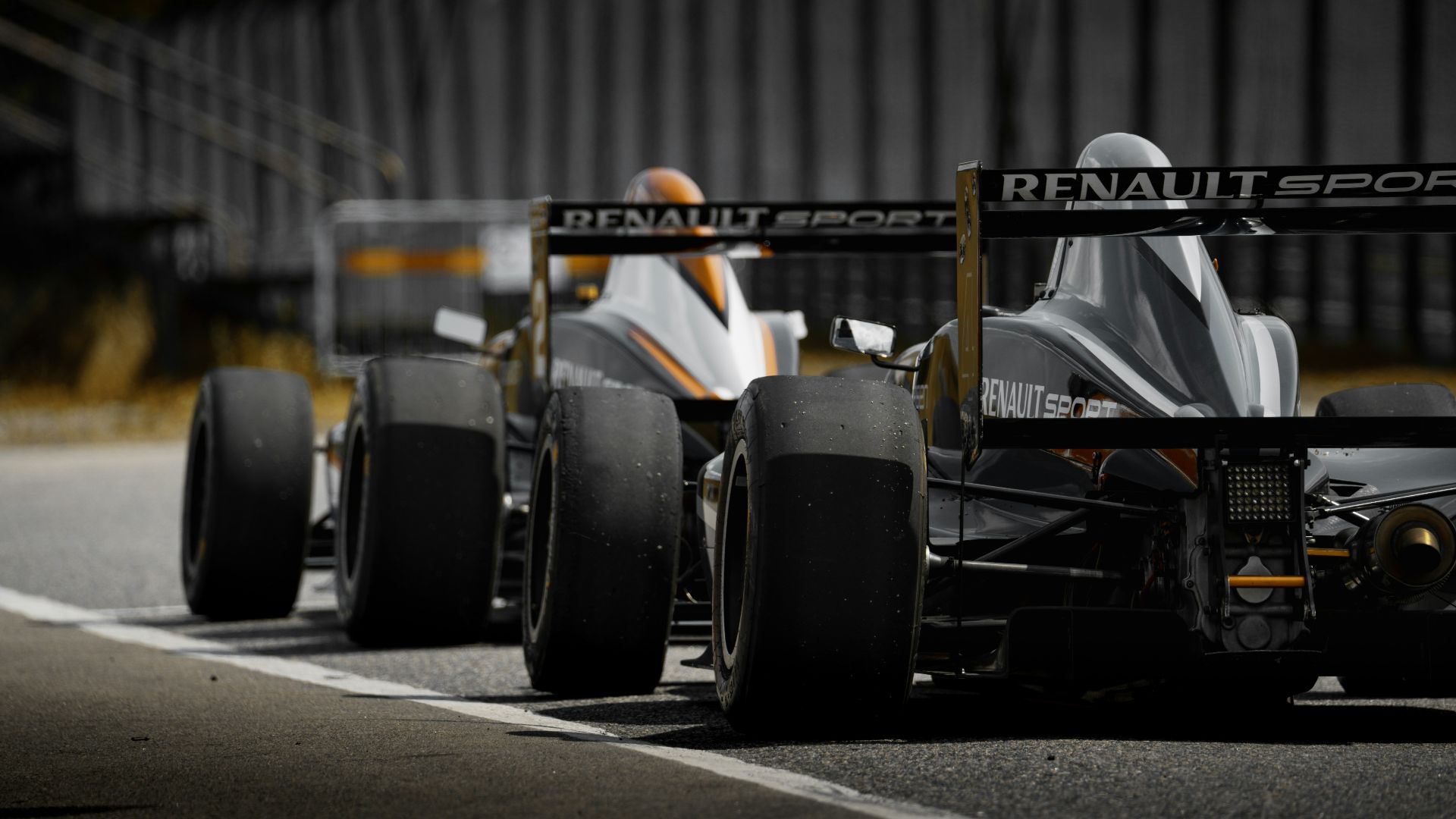
10. Weight Comes Down to 768kg
Minimum weight is set at 768kg, which is roughly 30kg lighter than the 2022 generation baseline mentioned by the FIA. Lighter cars typically mean sharper responses under braking and through transitions, even if teams still have to manage the new hybrid demands. It’s one of the most instantly “felt” changes once you watch a few laps.

11. Less Downforce & Much Less Drag
The FIA says downforce has been cut by about 30% and drag reduced by about 55%, with efficiency and raceability as the goal. That combination can change how corners are approached and how quickly cars reach top speed. If lap times look different from what your brain expects at certain tracks, this is a big reason why.
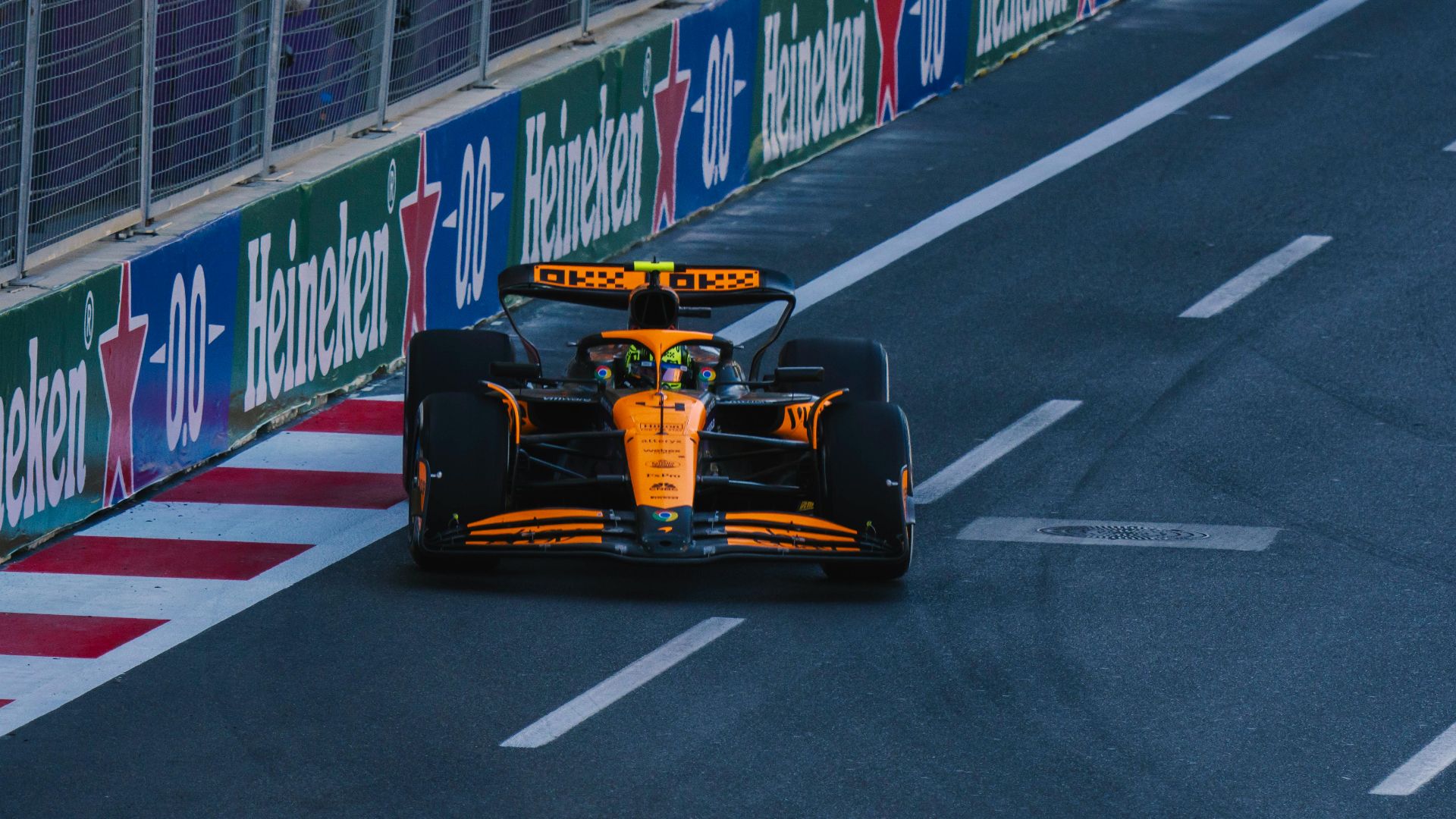
12. Tires Keep the 18-Inch Wheels, But Get Slimmer
The 18-inch wheel size stays, but the tires themselves will narrow, with fronts reduced by 25mm and rears by 30mm. That should save weight and help the “smaller car” concept, even if there’s some grip trade-off. Watch for early-season chatter about tire warm-up and balance as teams learn what the new sizes like.

13. Front & Rear Wing Designs Reworked
The front wing is going to become 100mm narrower and will use a two-element flap, while the rear wing’s element layout will change and the lower beam wing will be removed. Those details matter because they influence how the car behaves in traffic and how sensitive it is to airflow. Even if you don’t memorize the specs, you’ll notice the cars look different from certain angles.

14. Wheel-Wake Control Will Get a Serious Update
New rules adjust wheel bodywork and wake management, including changes like removing front wheel arches and mandating certain wheel bodywork elements. Teams also get wake-control boards near the front of the sidepods to help manage how air moves around the front tires. The big goal is to let cars follow each other more closely without losing as much performance.

15. The Floor & Diffuser Will Back Off Ground-Effect Dependency
A partially flat floor and a lower-powered diffuser are meant to reduce reliance on extreme ground-effect setups. That should help cut the risk of bouncing and porpoising-style problems. It also means teams may chase performance differently than they did in the early 2022-era ground-effect rush.
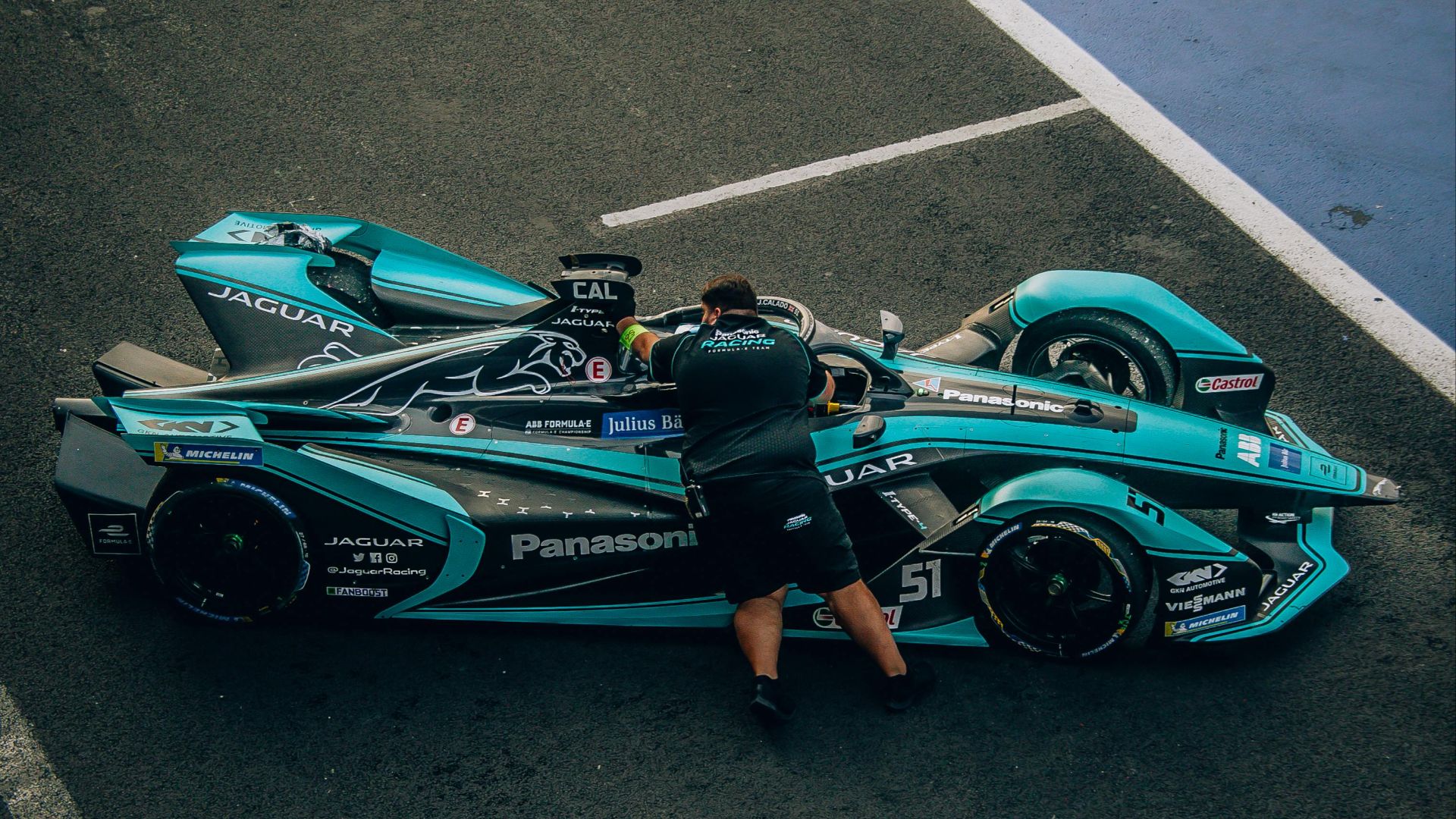
16. Safety Rules Will Get Tougher in Some Specific Areas
The FIA built in stronger structures and more demanding tests as part of the new regulations. Changes include a revised front impact structure with a two-stage nose concept and stricter side intrusion requirements. It’s not the flashiest update, but it’s one of the most important ones.
17. There Are 11 Teams Now, Because Cadillac Has Arrived
Cadillac will join the grid in 2026, making it the first new F1 team since Haas debuted in 2016. The plan includes Ferrari supplying the engine and gearbox in 2026 while Cadillac builds toward becoming a full works operation later. Even if they’re midfield at first, an extra team changes the whole weekend rhythm and adds fresh storylines.
18. Sauber Will Become Audi’s Works Team
The former Kick Sauber outfit competes under the Audi name in 2026 as it transitions into a full works project. That timing lines up directly with the new technical era, which is exactly why Audi picked this moment to jump in. For fans, it’s a rare chance to watch a major manufacturer build momentum from the ground up.

19. Alpine Will Stop Building Its Own Power Units
Alpine will switch to Mercedes engines and no longer produce its own power units, which is a major identity change for a team that’s lived through the Renault era. That also means their performance story will be tied to how well they integrate a new supplier and package the car.

20. The 2026 Calendar & Sprint Lineup Will Look Different
There are 24 races again, and Madrid makes its calendar debut on September 11 to 13, with the schedule also aiming for better geographic flow (including Canada following Miami) and Bahrain/Saudi Arabia returning in April. Sprint weekends land in Shanghai, Miami, Montreal, Silverstone, Zandvoort, and Singapore, with several of those hosting their first Sprint event. If you’re planning weekends around F1, you’ll want to double-check the new rhythm early.