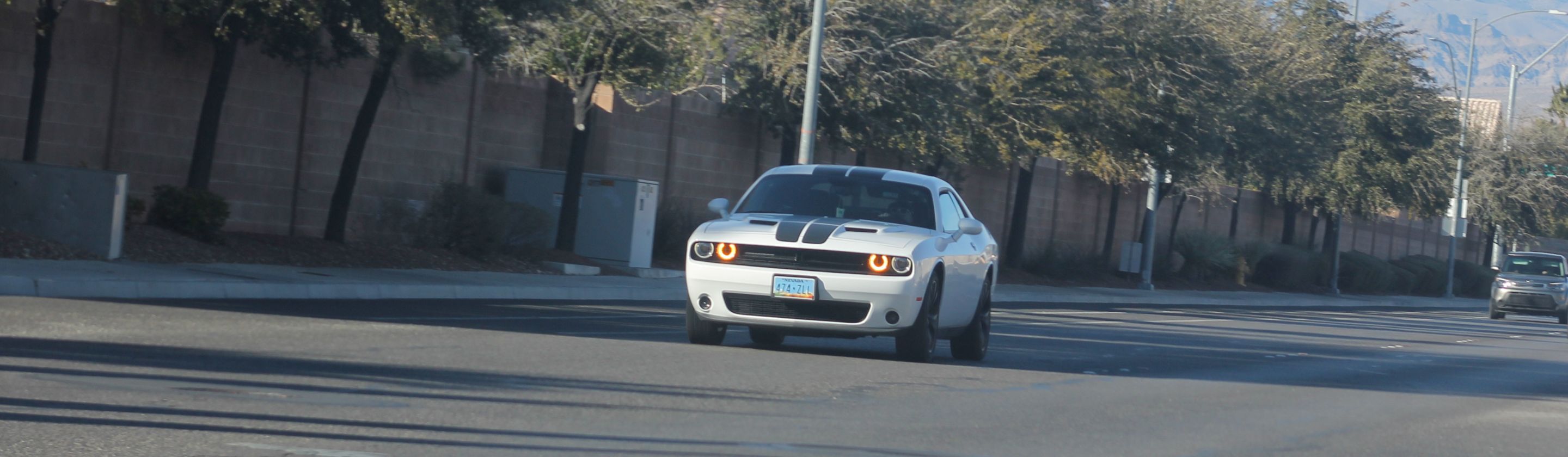
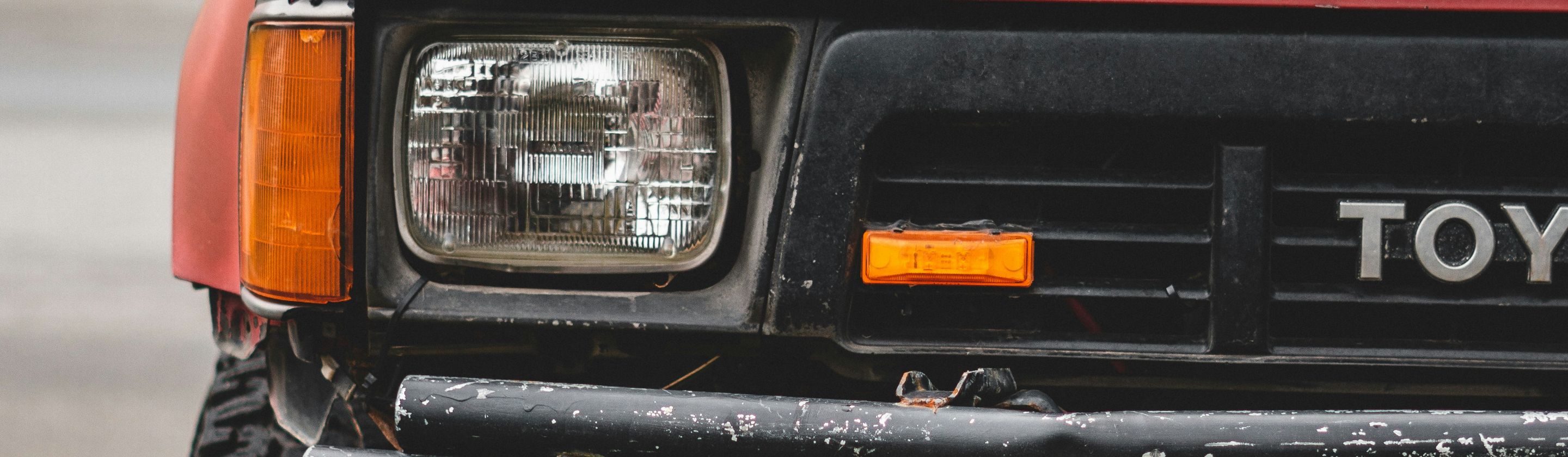
Steer Clear of the Speed Trap
Modifying your car is a great way to express your personality, but it's easy to accidentally cross the line into illegal territory without even realizing it. Local traffic laws stay pretty consistent about what’s allowed on the pavement. Still, these upgrades might be seen every day at car meets or on the highway, but many of them can actually earn a hefty fine or a failed inspection.
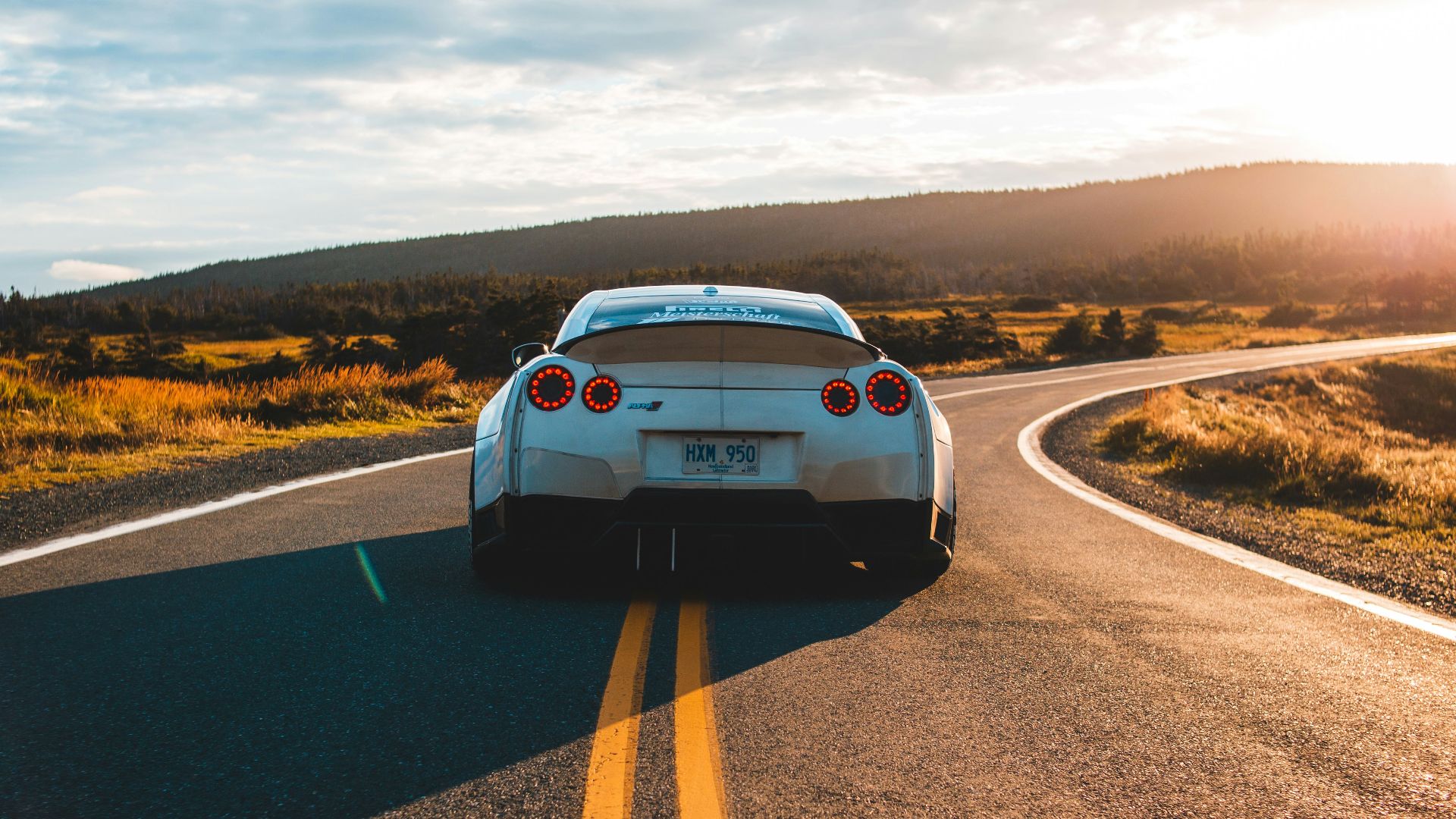
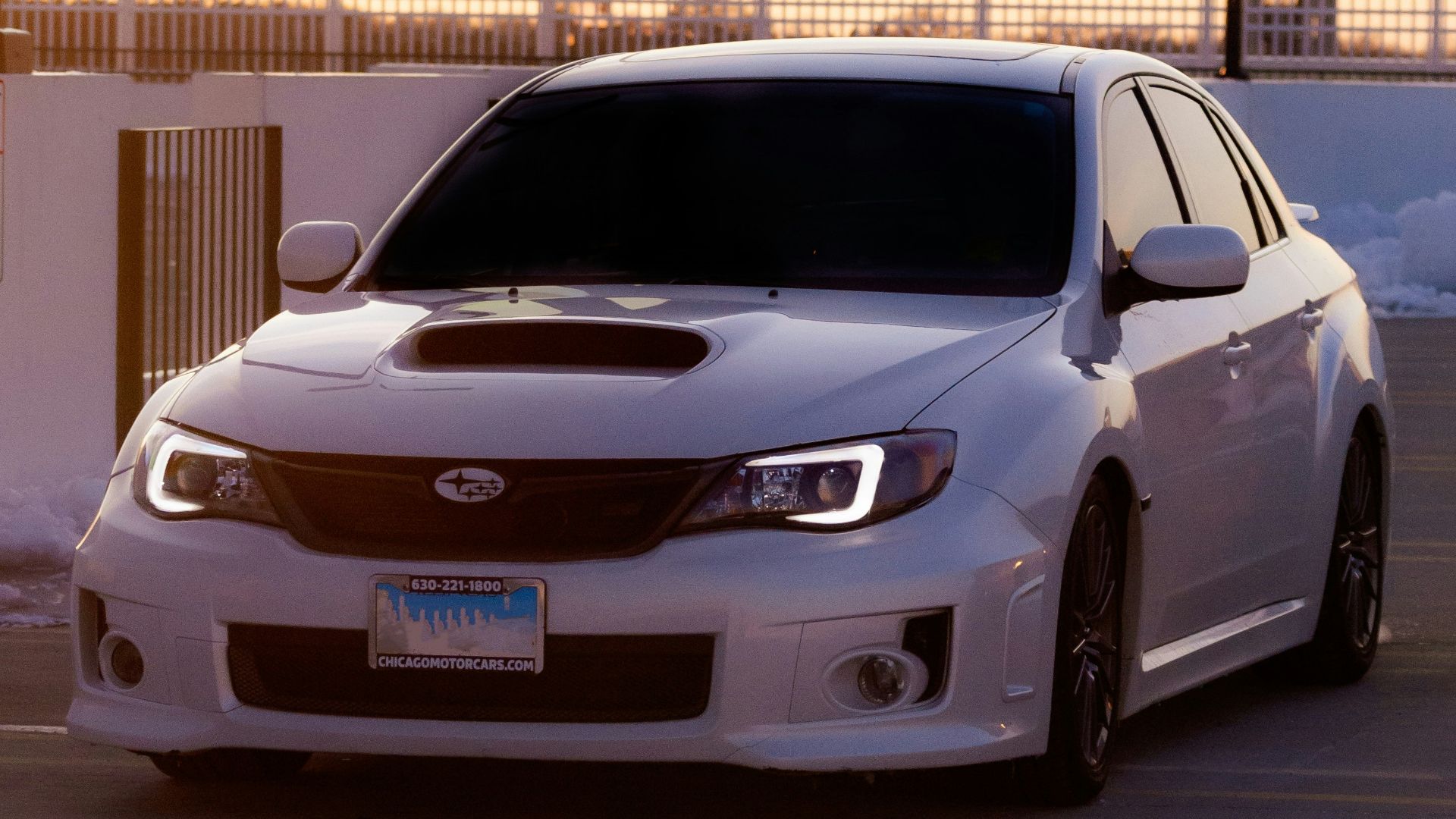 Rohan Gangopadhyay on Unsplash
1. Excessively Dark Window Tint
Most states have very specific rules about how much light must be able to pass through your glass for safety reasons. While a blacked-out look keeps your interior cool and private, it can make it nearly impossible to see pedestrians or other drivers at night. Police officers also need to be able to see inside the vehicle during a stop, so going too dark is a quick way to get a "fix-it" ticket.
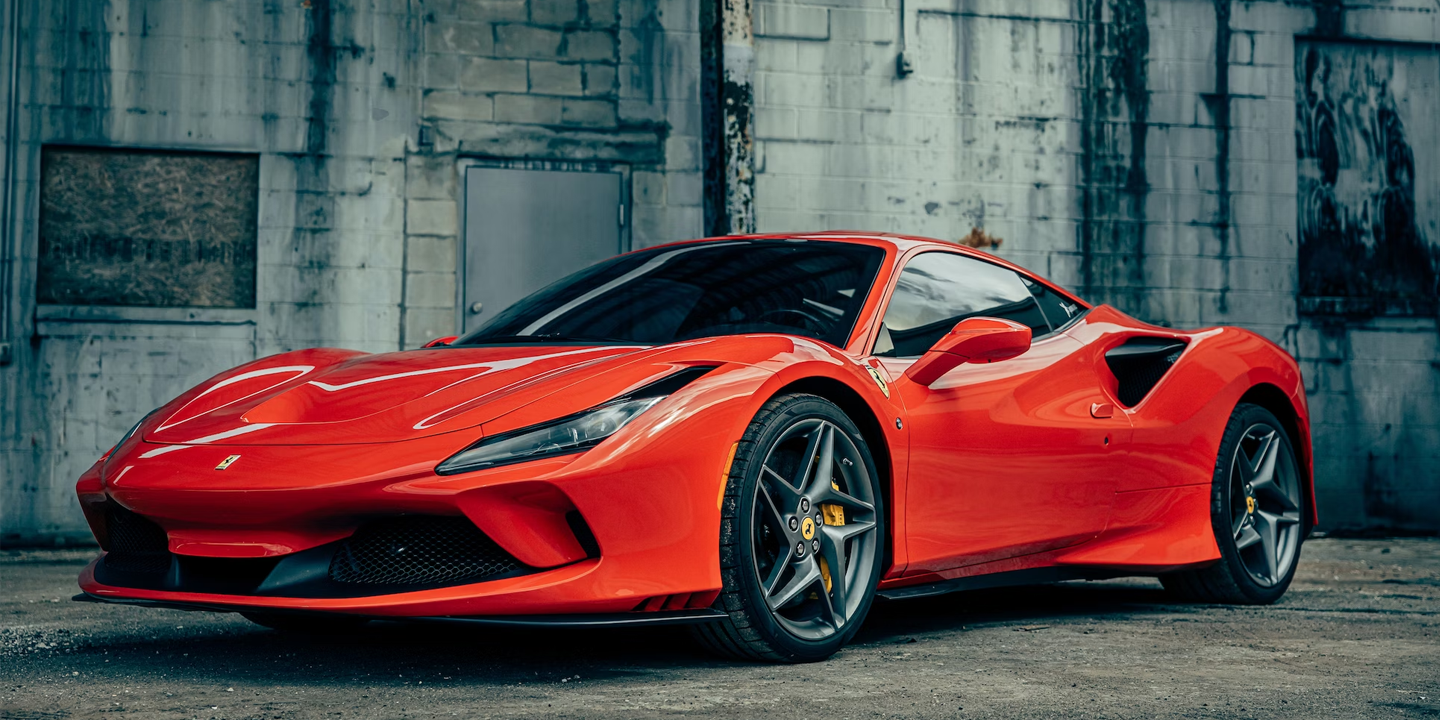
 Cristofer Maximilian on Unsplash
2. Underglow Lighting
Neon or LED lights under the chassis were a huge trend in the early 2000s and have recently made a big comeback in the car scene. The problem is that many jurisdictions ban these lights because they can be distracting to other motorists or confused with emergency vehicle signals. Blue and red are usually the most restricted colors since they’re strictly reserved for police and fire departments.
3. Loud Exhaust Systems
Swapping out your muffler for a "straight pipe" or a high-flow system might give your engine a throatier growl, but it often violates local noise ordinances. Many cities have decibel limits that your car must stay under to avoid disturbing the peace in residential neighborhoods. If neighbors can hear the car starting from three blocks away, it’s likely breaking the law.
4. Lift Kits That Are Too High
Truck enthusiasts love a massive lift, but there’s actually a limit to how high a vehicle can go before it becomes a hazard. If the bumper is high enough to sail over the hood of a standard sedan in a collision, it’s probably exceeding legal height requirements. These modifications also raise the center of gravity, which makes the truck more likely to roll over during a sharp turn.
5. Rolling Coal
This involves modifying a diesel engine to emit large clouds of black, sooty smoke whenever the gas pedal is pressed. Not only is this a major environmental concern, but it’s also illegal under the Clean Air Act because it requires tampering with emissions control systems. Law enforcement is increasingly cracking down on this practice due to the visibility issues it creates for other drivers.
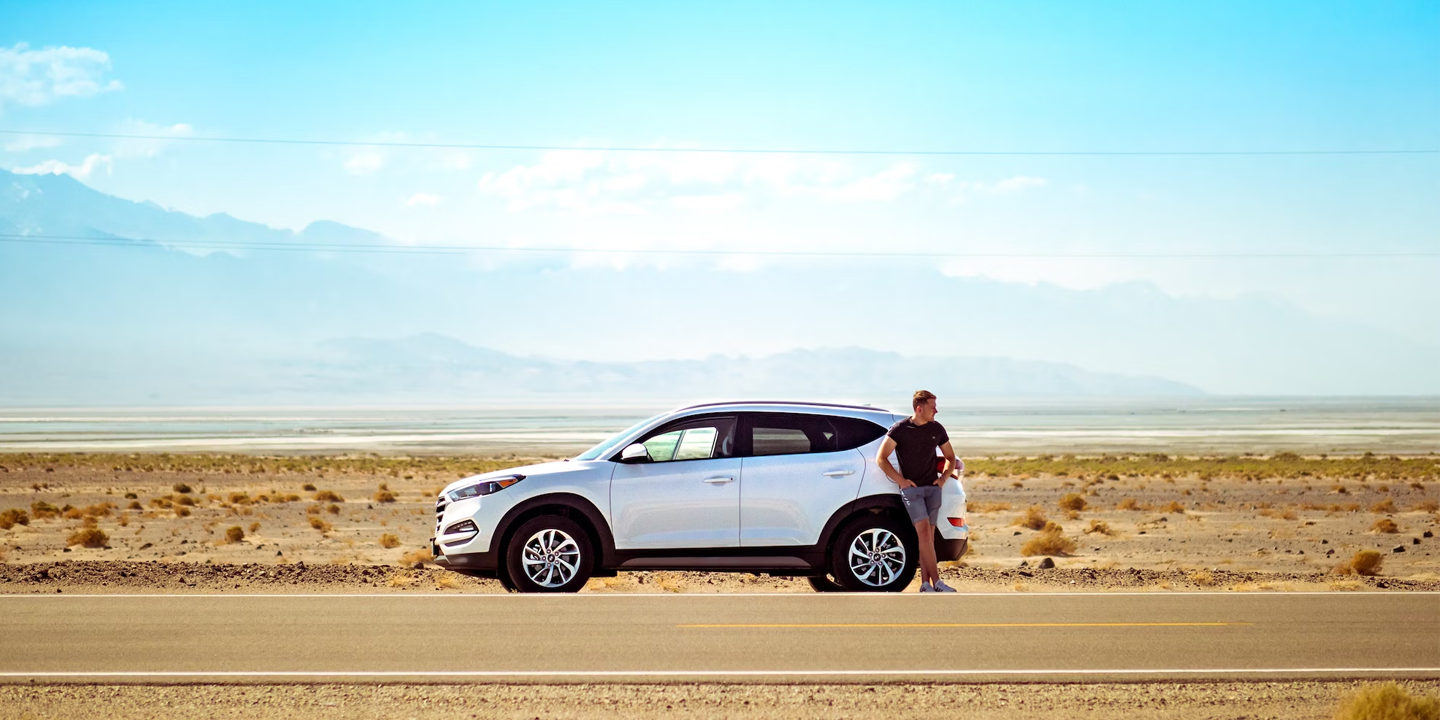
 Hyundai Motor Group on Unsplash
6. Colored Headlights
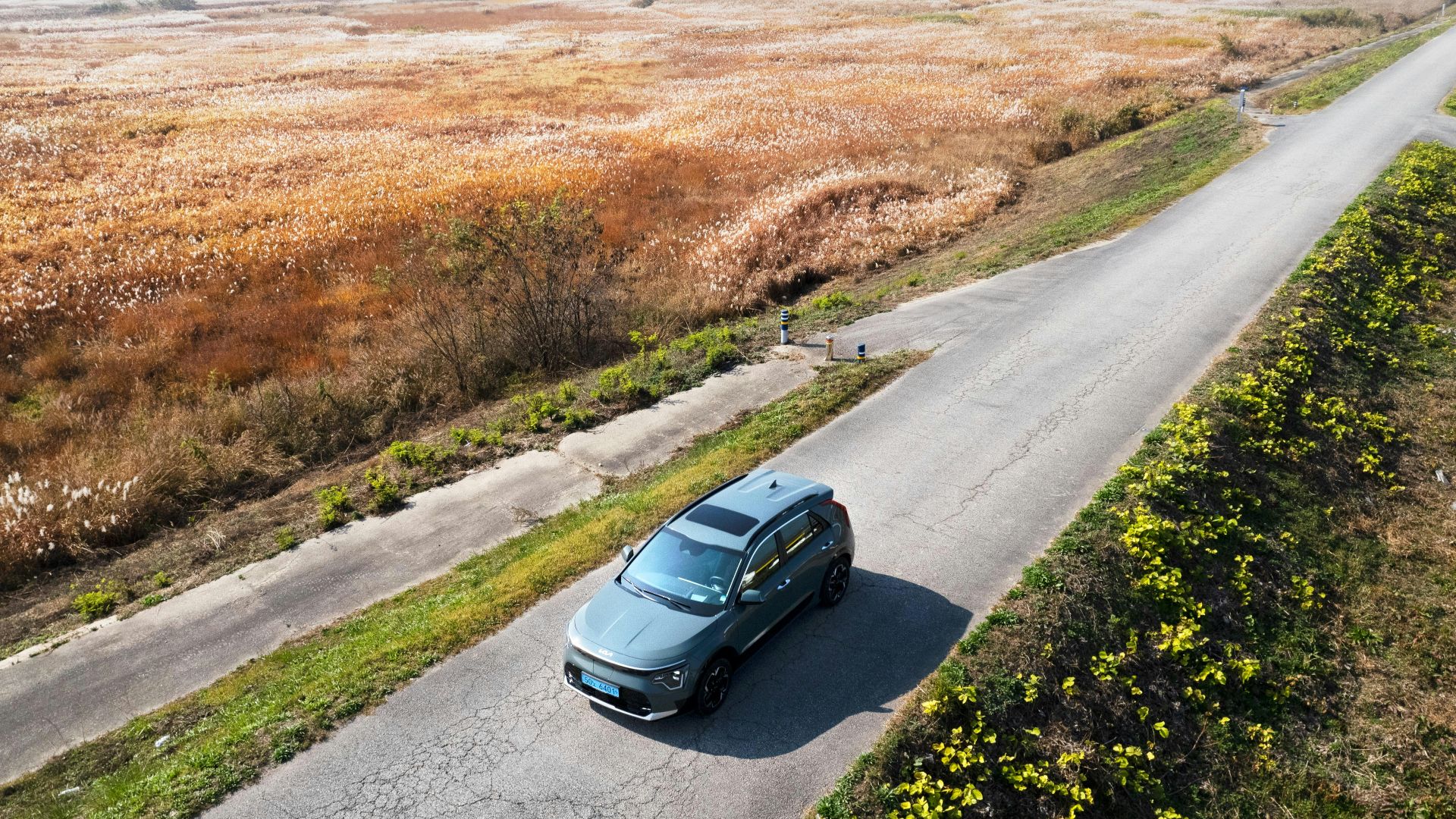
Swapping out standard white or yellow bulbs for blue, green, or purple ones might seem like a fun way to stand out. However, Department of Transportation regulations require forward-facing lights to be specific shades so that they don't disorient oncoming traffic. Sticking to high-quality white LEDs provides a modern look without the risk of a roadside citation.
7. Radar Detectors
While these devices are legal in many private vehicles, they are strictly prohibited in commercial trucks and in certain states like Virginia. If caught using one to bypass speed traps, police may confiscate the device and issue a significant fine. It’s better to rely on the speedometer rather than a gadget.

8. License Plate Covers
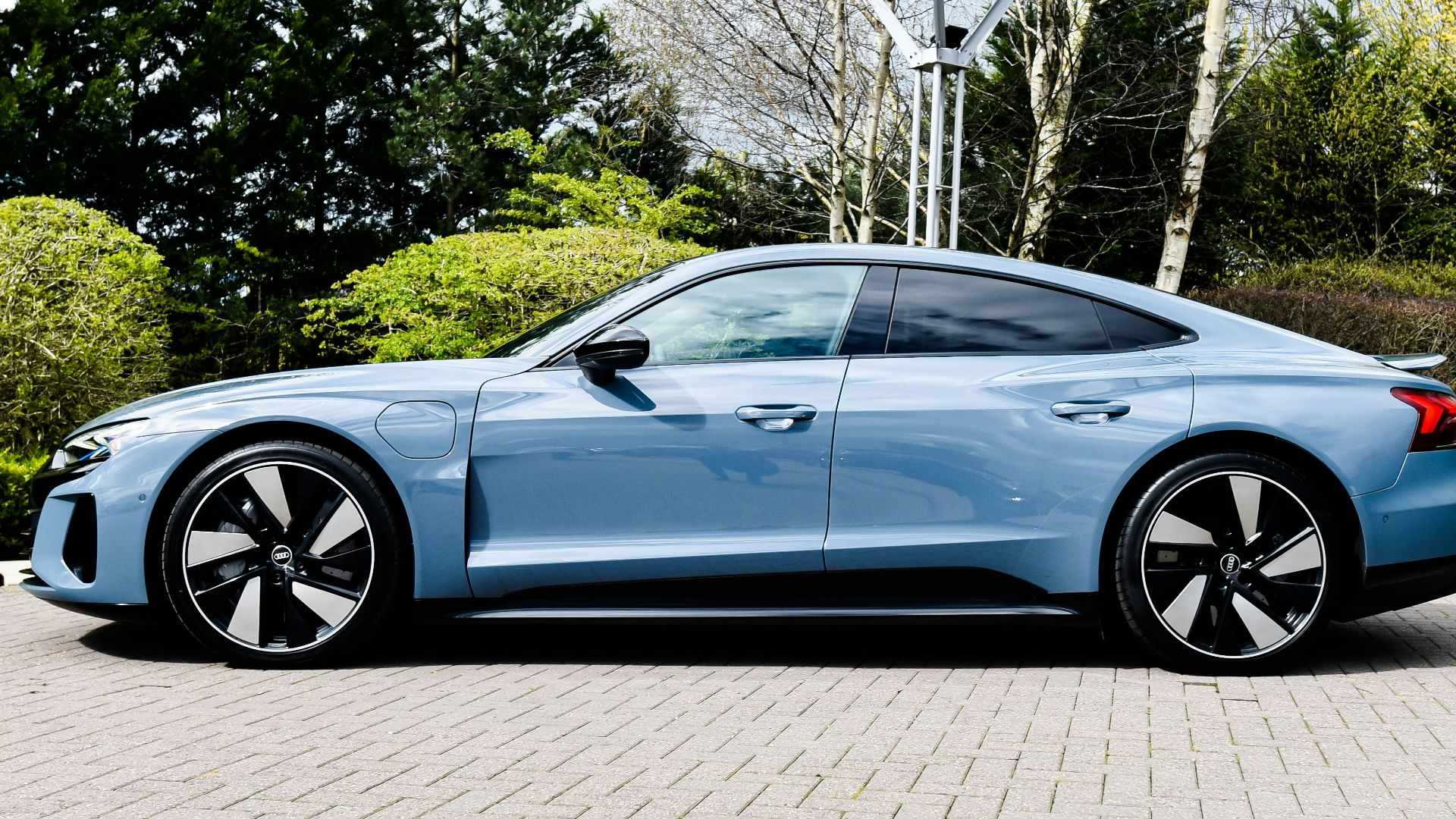
Even if a cover is completely clear, any material that reflects light or makes the plate harder to read from a distance is usually banned. Many people use tinted or "anti-photo" covers to avoid toll cameras, but these are a major red flag for patrol officers. Registration is required to remain clearly visible at all times so the vehicle can be easily identified.
 Swansway Motor Group on Unsplash
9. Removing the Catalytic Converter
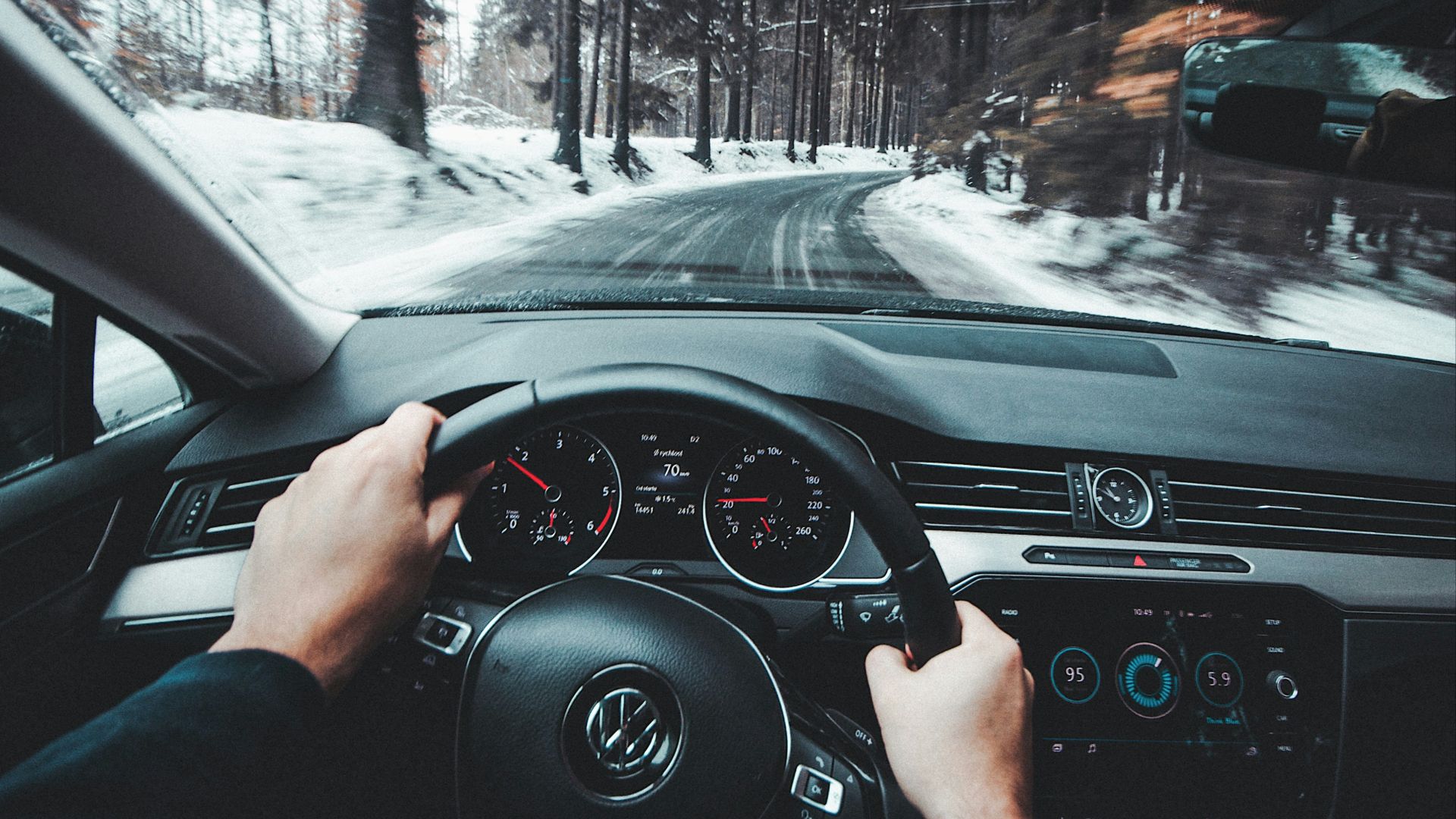
Some drivers remove this part to increase horsepower or change the sound of the exhaust, but it’s a federal offense to tamper with emissions equipment. This component is vital for filtering out toxic gases before they leave the tailpipe and enter the atmosphere. Without it, the car will fail an emissions test and contribute significantly more pollution to the local area.
10. Lowrider Hydraulics
Bouncing a car off the ground is a legendary part of automotive culture, but using hydraulics while driving on public roads is often illegal. Many states have "rim-to-ground" laws that require a certain amount of clearance at all times. The hopping should be saved for car shows while keeping the suspension stable during normal driving.
11. Stretched Tires
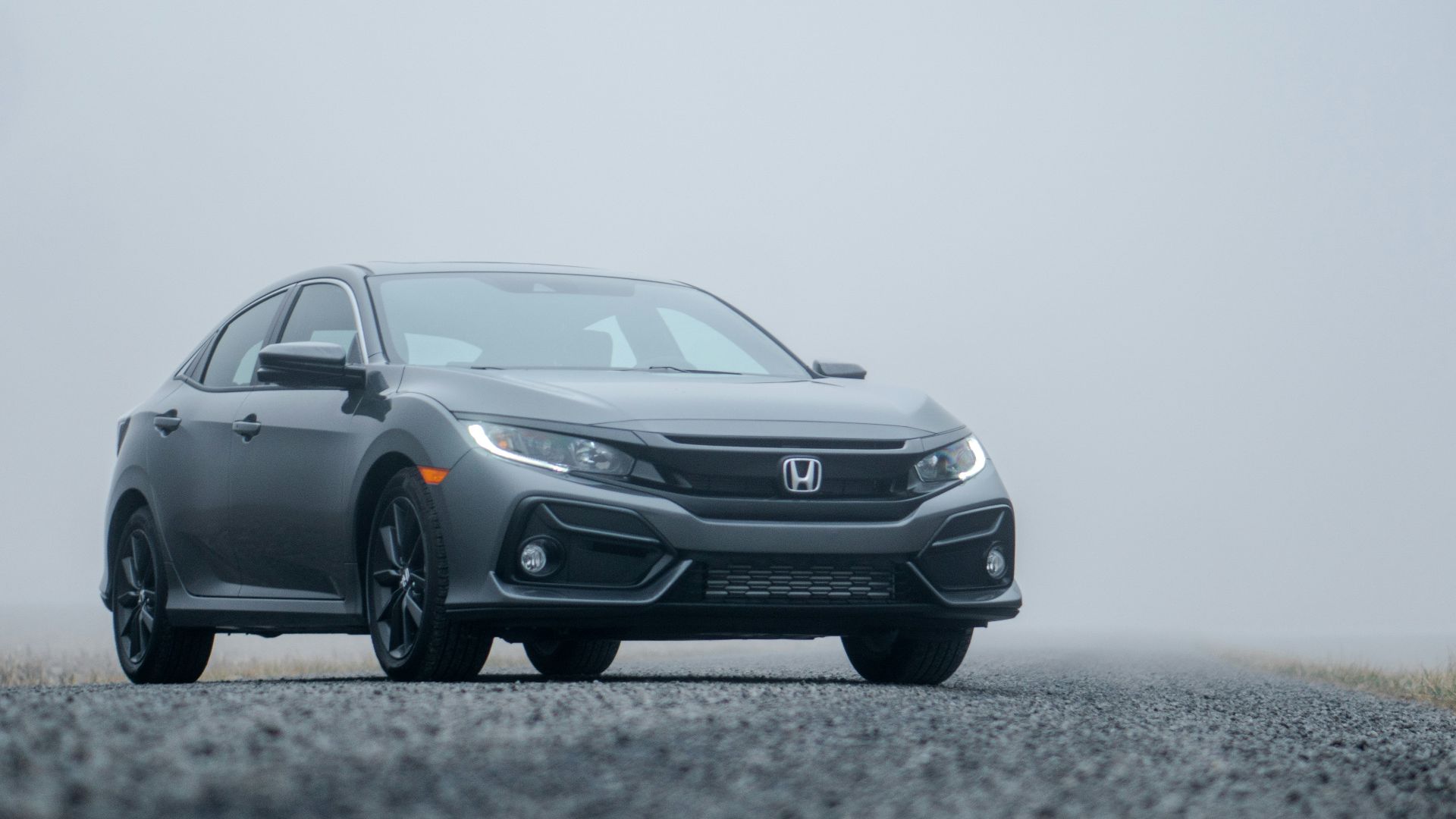
This style involves mounting a narrow tire onto a very wide rim to achieve a specific "stanced" look with angled sidewalls. It’s dangerous because the tire isn't designed to be used this way, which significantly increases the risk of a blowout or the tire popping off the rim. Most shops won't even perform this service because it violates safety standards and puts the driver at risk.

12. Laser Jammers
Unlike radar detectors, these active devices send out a signal to confuse police laser guns and prevent them from getting a speed reading. Because they interfere with law enforcement equipment, they are illegal in a growing number of states across the country. Using one can lead to more serious legal trouble than a simple speeding ticket.
13. Winter Studded Tires in Summer
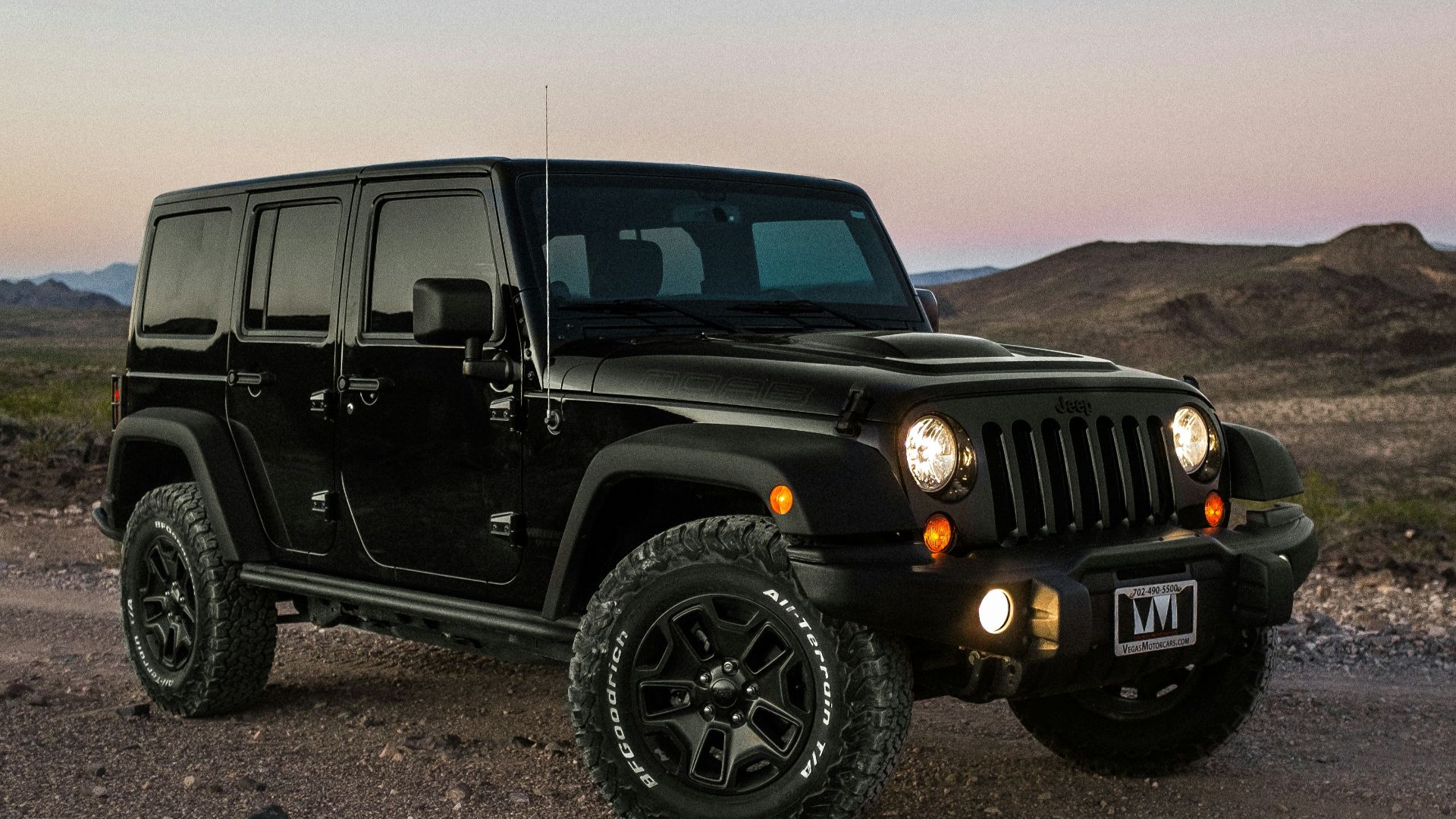
Using metal-studded tires is great for icy conditions, but they cause massive damage to dry pavement once the snow melts. Most states have specific calendar dates when they must be swapped out for standard tires to protect infrastructure. If used in the middle of summer, penalties from road authorities are likely.

14. Off-Road Light Bars
Massive LED bars are incredibly bright and useful when navigating a dark trail at night. However, they are far too powerful for highway use and can temporarily blind drivers in the opposite direction. These lights are typically required to be covered with an opaque shield when driving on public streets.
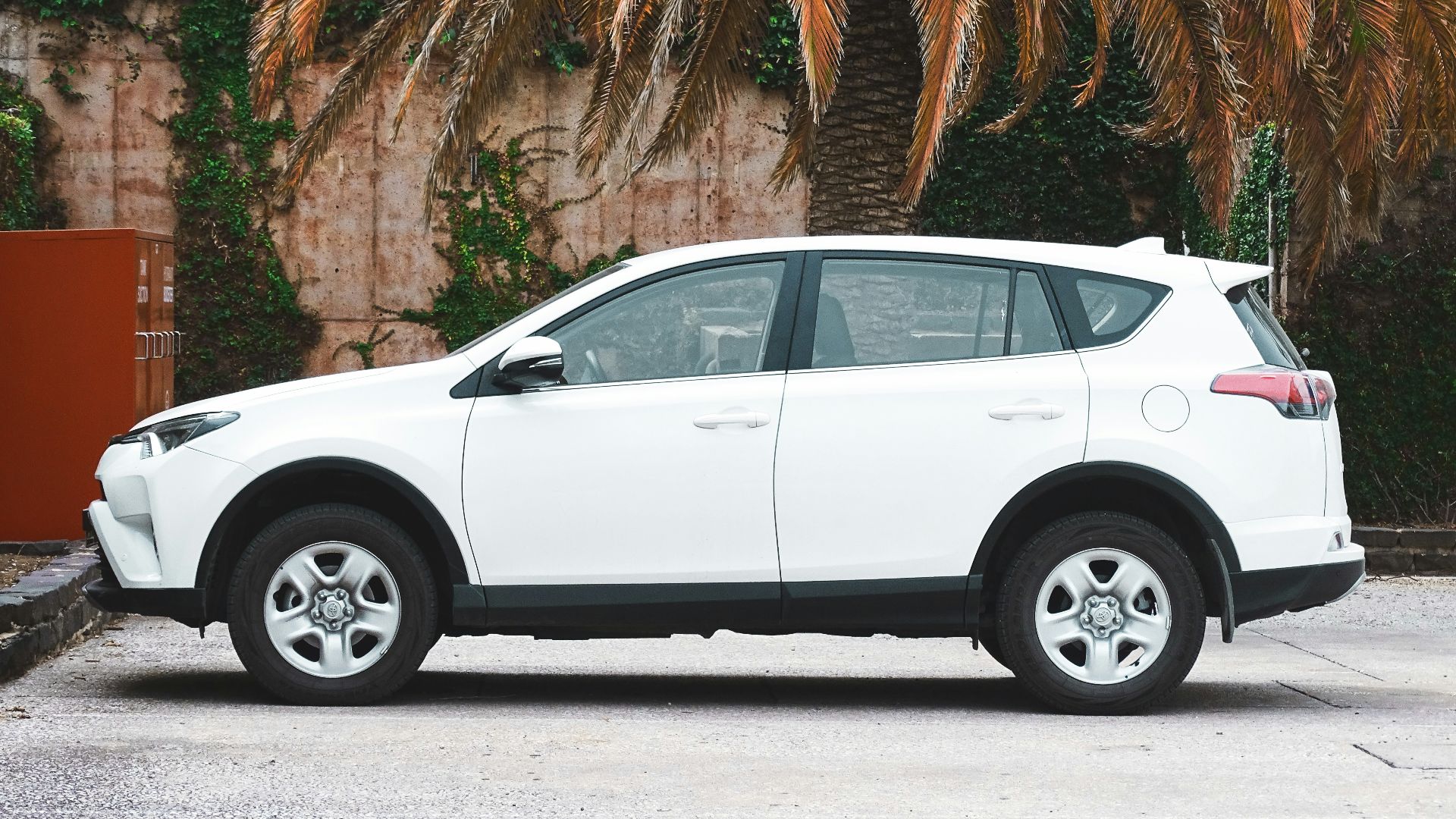
15. Rear Wing Spoilers That Obstruct Vision
Adding a large wing to a trunk might provide downforce, but if it blocks the rearview mirror, it’s a safety violation. A clear line of sight to traffic behind is necessary for safe lane changes and merging. If the spoiler significantly reduces visibility, it can lead to legal trouble.

16. Modified Steering Wheels
Removing a factory steering wheel to install a racing version often removes the driver-side airbag. In many regions, it’s illegal to remove or disable factory-installed safety equipment on a daily-use vehicle. While the aesthetic may appeal, it reduces protection in the event of a crash.
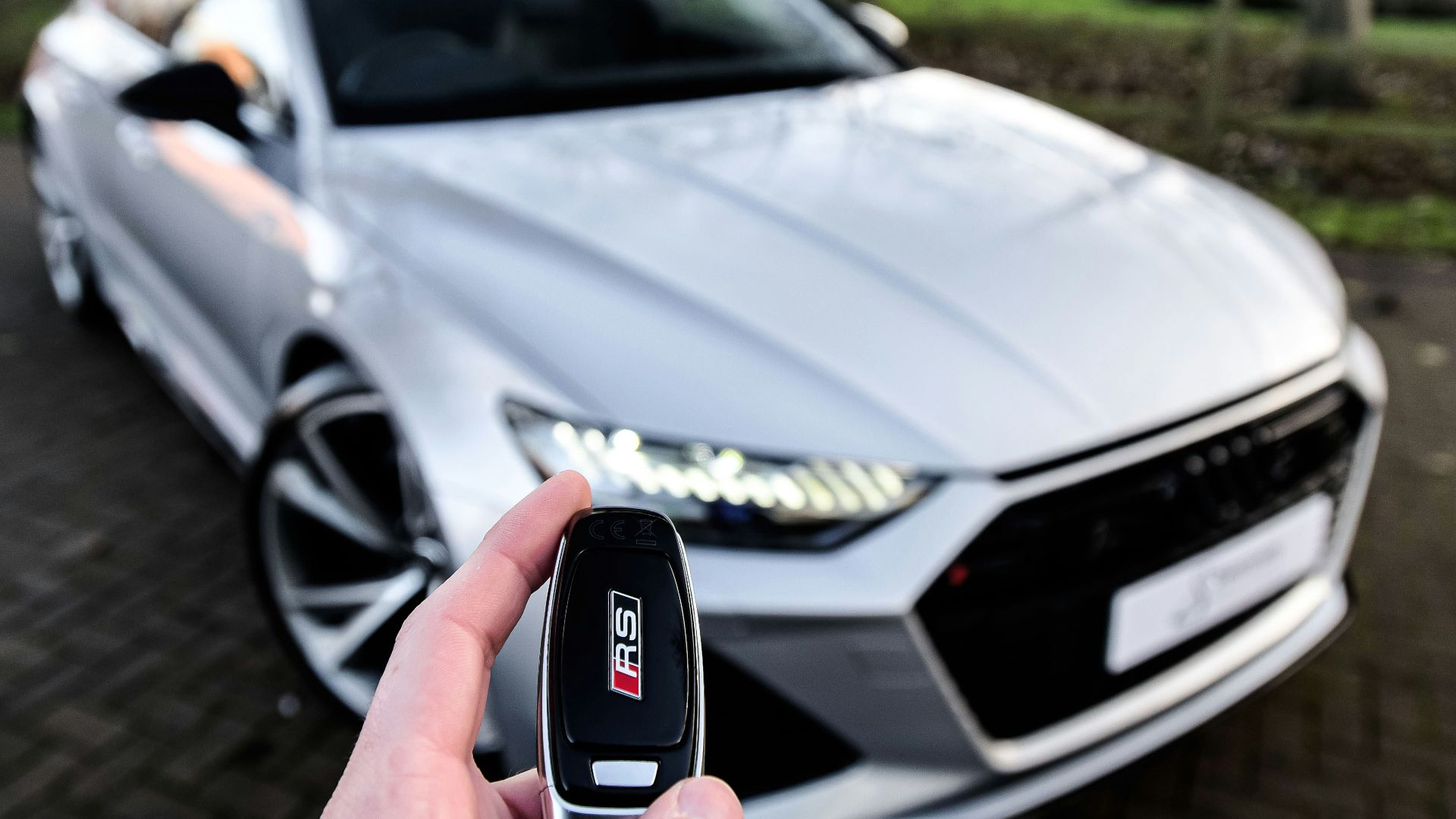 Swansway Motor Group on Unsplash
17. Extreme Camber
Tilting wheels at an extreme angle so that only the inner edge of the tire contacts the road is a popular aesthetic choice. This modification reduces traction and places stress on suspension components, making the vehicle harder to control. Law enforcement may cite these vehicles as "unsafe for operation" due to improper road contact.

18. Nitrous Oxide Systems
Having a bottle of "NOS" in a car is common in movies, but it’s generally illegal to have the system connected while driving on public roads. Nitrous is highly volatile and is intended for controlled racing environments. If an officer sees a connected system during a stop, the vehicle may be impounded.
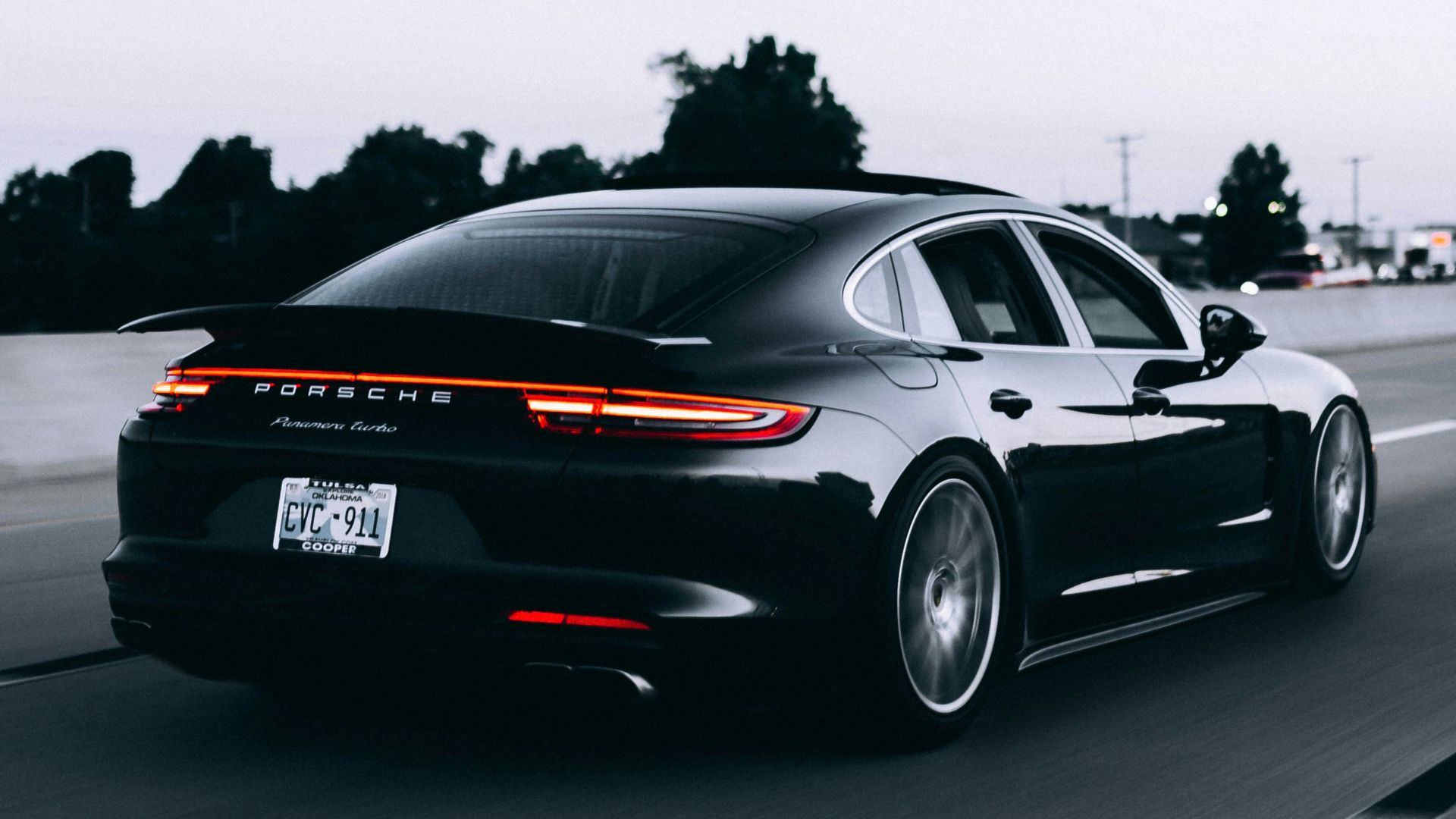
19. Excessive Engine Tuning
Using a "chip" or tuner to bypass factory speed limiters or emissions settings can lead to issues during inspections. Manufacturers set these limits to maintain safety and environmental compliance. Altering them may void warranties and violate transport laws simultaneously.

20. Tinted Tail Lights
Darkening rear lights with spray tint or film may improve appearance, but reduces brake light visibility. If drivers behind cannot clearly see braking signals, the risk of a rear-end collision increases. Regulations require tail lights to be visible from a set distance, making this a commonly ticketed modification.