20 Things Drivers Used to Do That Would Seem Insane Today
Driving Was a Lot More Casual Than It Is Now
Driving used to come with far fewer rules, fewer safety features, and a certain casualness that would now be seen as alarming. Kids bounced around without seat belts, passengers piled into whatever space was available, and plenty of behaviors that would get you pulled over today were once considered completely normal. Here are 20 concerning things drivers even just a few decades ago would've seen as normal.
1. Driving Without Wearing a Seat Belt
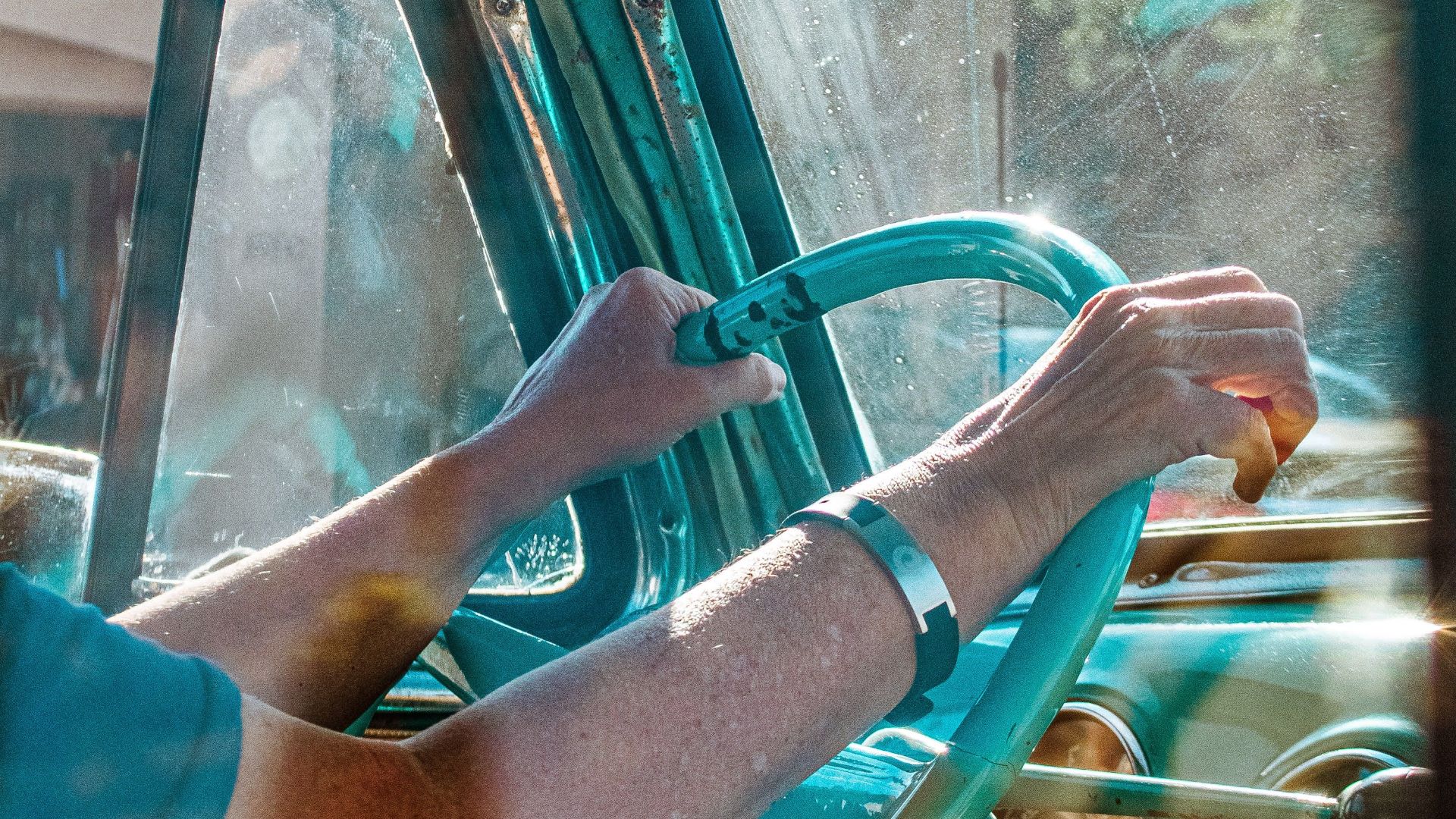
For decades, plenty of drivers didn't buckle up because early cars often didn't even have seat belts. Even after manufacturers began installing them, many motorists considered them unnecessary or uncomfortable. An entire family cruising down the highway completely unrestrained was surprisingly ordinary not too long ago.
2. Letting Kids Ride in the Front Seat
Children used to sit wherever there happened to be room, including right beside the driver. There were no modern recommendations about age, height, airbags, or keeping younger passengers in the back. A small child occupying the front passenger seat wouldn't have raised an eyebrow.

3. Holding Babies While Driving
Before child safety seats became standard, parents sometimes drove with infants sitting directly on their laps. A passenger might hold the baby instead, but there was usually nothing securing either of them during a crash. Today, the idea of steering a car while holding an infant sounds unbelievable.

4. Putting Kids in the Cargo Area
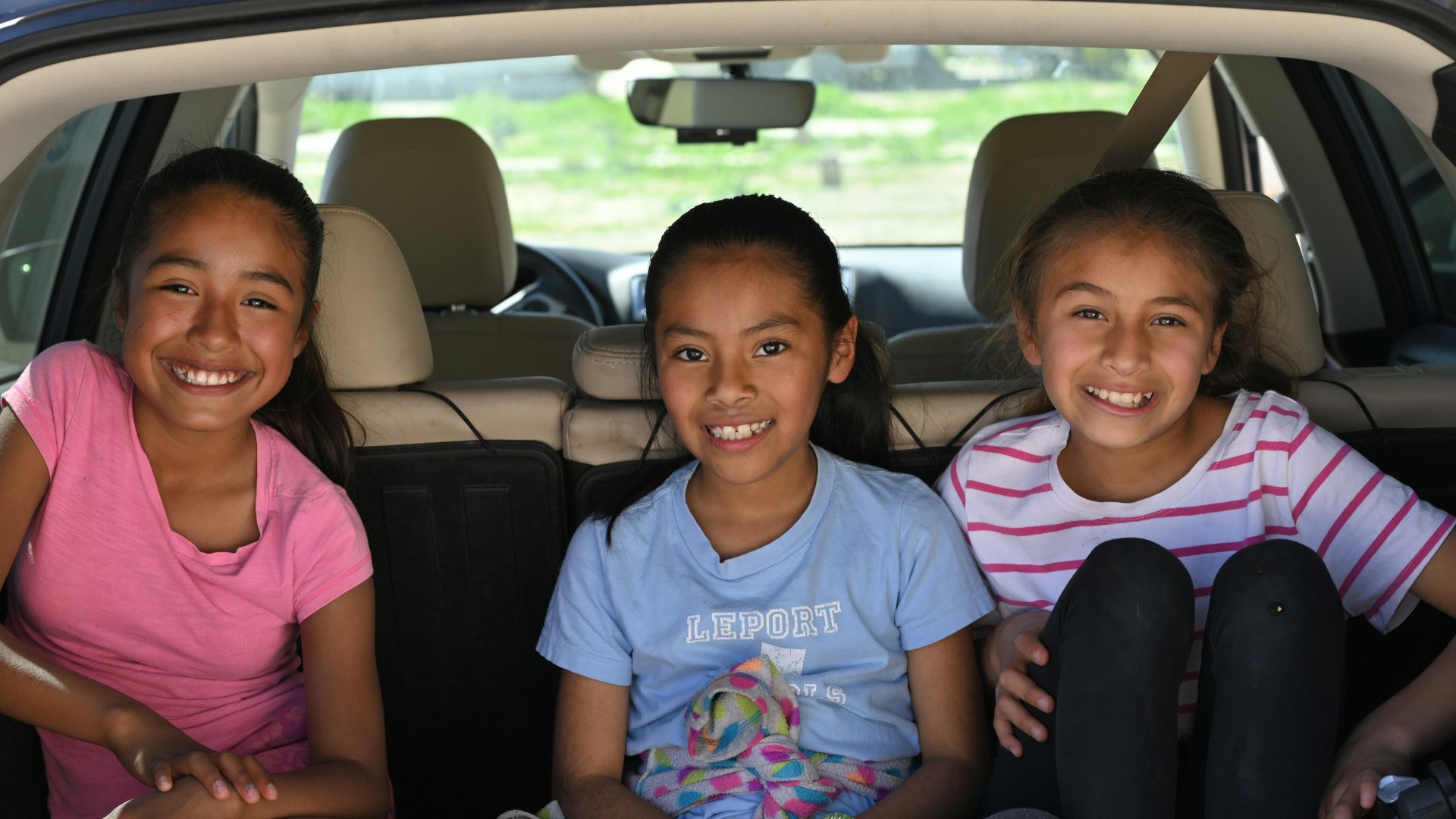
Station wagons and hatchbacks turned their rear cargo areas into unofficial children's sections on many family trips. Kids could stretch out, play games, or stare through the back window without a seat belt in sight. Crash protection clearly wasn't part of the arrangement.
5. Riding in the Bed of a Pickup Truck
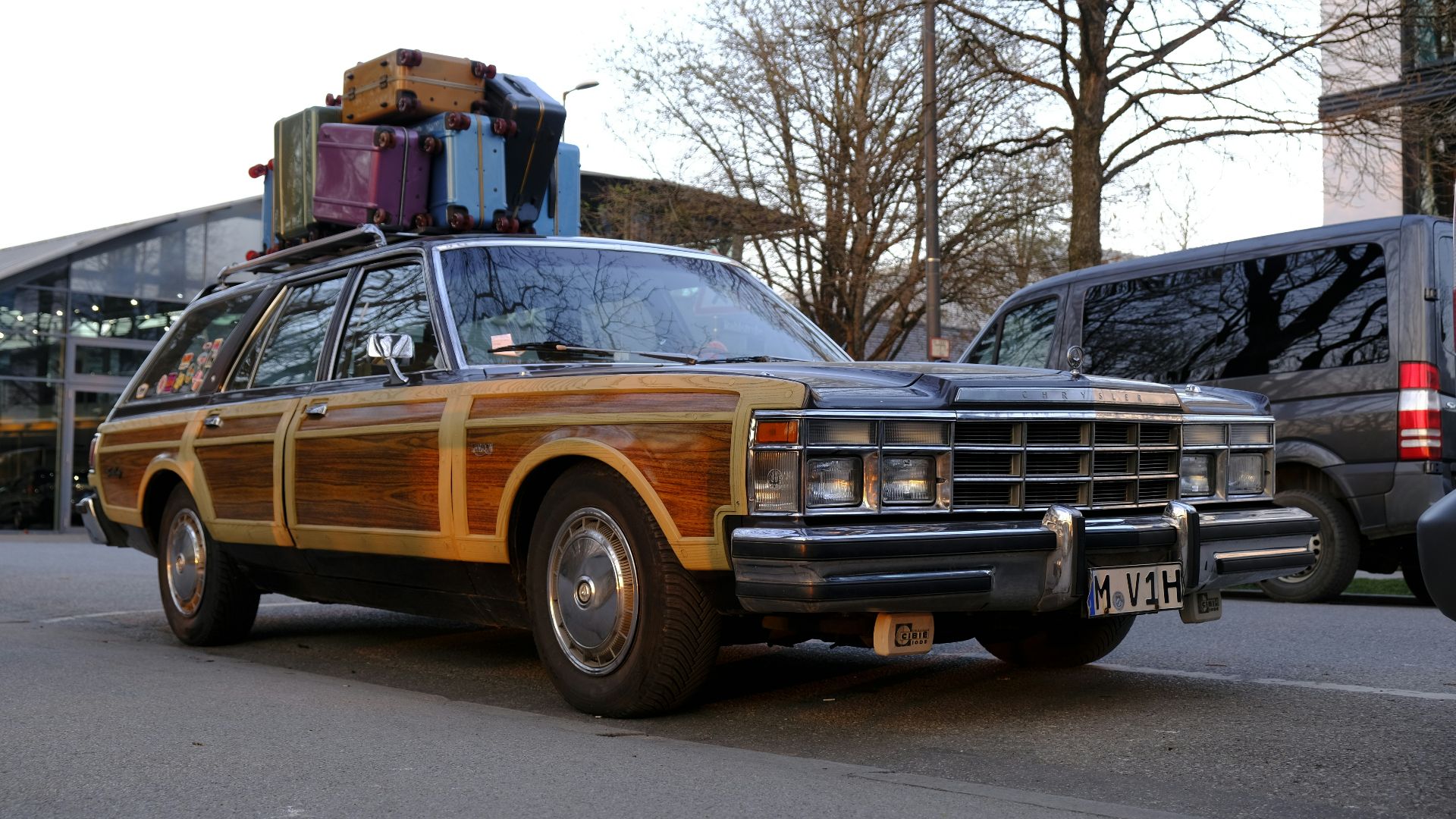
Climbing into the open bed of a pickup was once a perfectly normal way to get across town, especially in rural areas. Passengers might sit on the wheel wells or simply stand while holding onto the sides. Today, you'd most definitely be pulled over for this.
6. Drinking & Driving
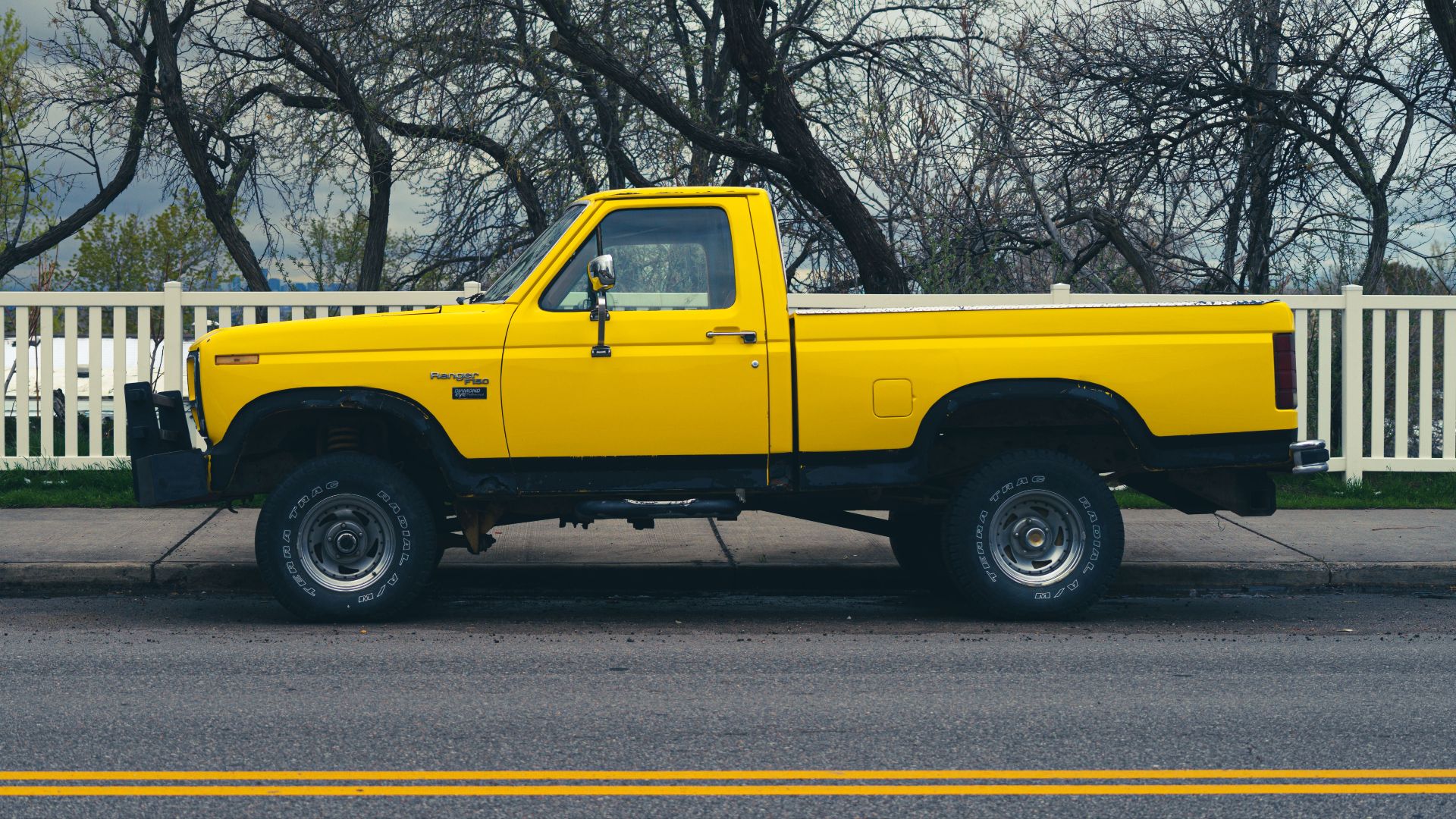
Attitudes toward drunk driving were dramatically more relaxed through much of the 20th century. People routinely climbed into their cars after several drinks and drove home without attracting the kind of social condemnation that behavior gets today. Laws eventually became stricter as it obviously caused an enormous amount of fatal crashes.
7. Keeping an Open Beer in the Car
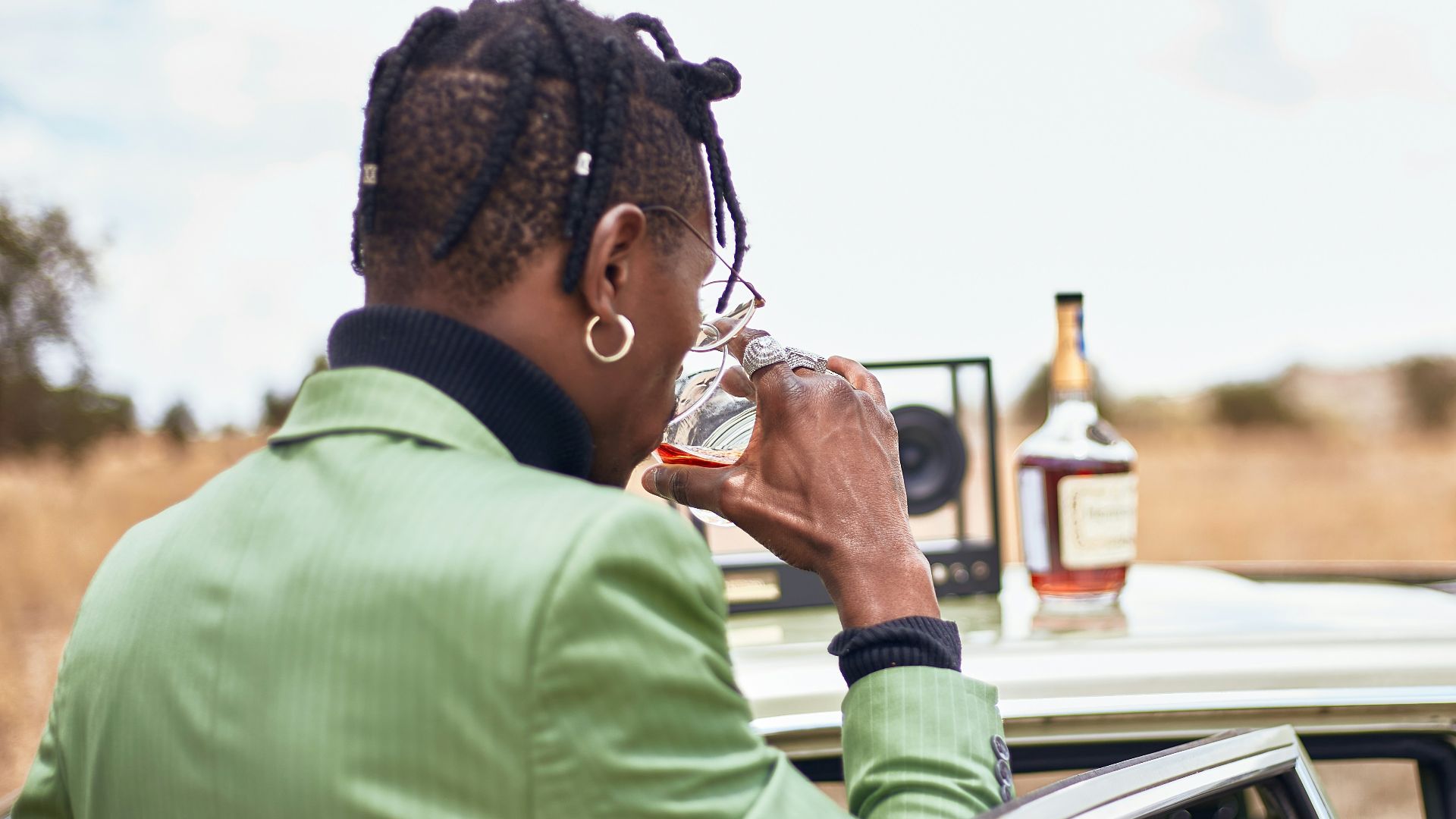
In some places, drivers could legally have an open alcoholic drink while behind the wheel. Road trips with a beer between your legs weren't treated as an automatic criminal offense. Open-container laws have since made that image feel distinctly from another era.
8. Smoking With the Windows Up
Ashtrays and cigarette lighters were once standard equipment in nearly every car because manufacturers expected people to smoke while driving. Drivers routinely lit cigarettes with children and other passengers sitting nearby. A car full of cigarette smoke was considered completely normal.

9. Driving With Kids Standing Between the Seats
Before seat-belt use became widespread, children sometimes stood between the two front seats so they could see where the family was going. Parents might even let them lean against the dashboard while the car was moving. It's the kind of childhood memory older generations occasionally recall fondly despite how dangerous it clearly was.
10. Sitting a Child on the Driver's Lap
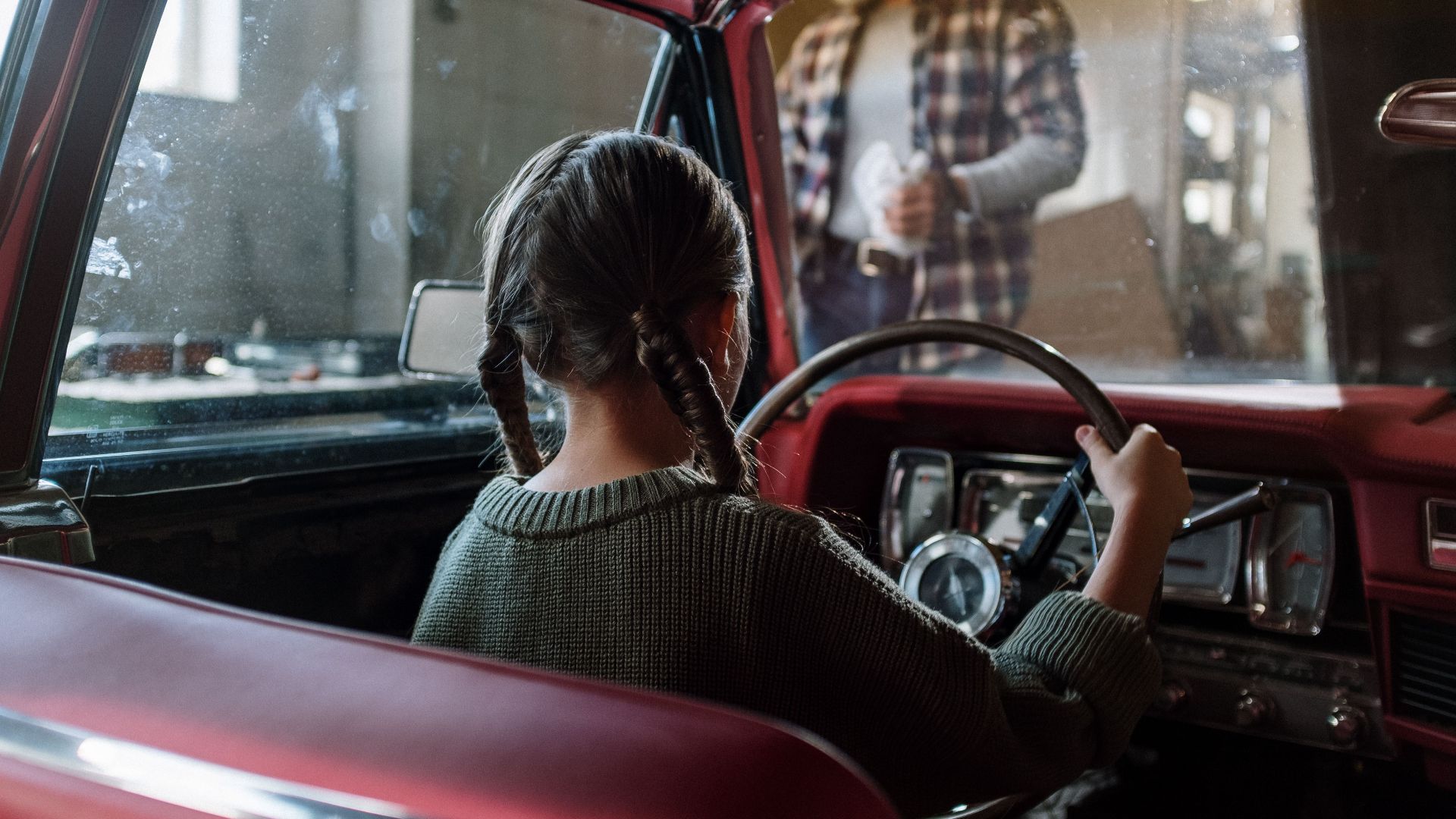
Some parents went beyond merely letting children sit up front and allowed them to help steer. The adult would operate the pedals while the child turned the wheel from their lap. What was once treated as harmless fun would now trigger a very different reaction.
11. Driving Cars Without Headrests
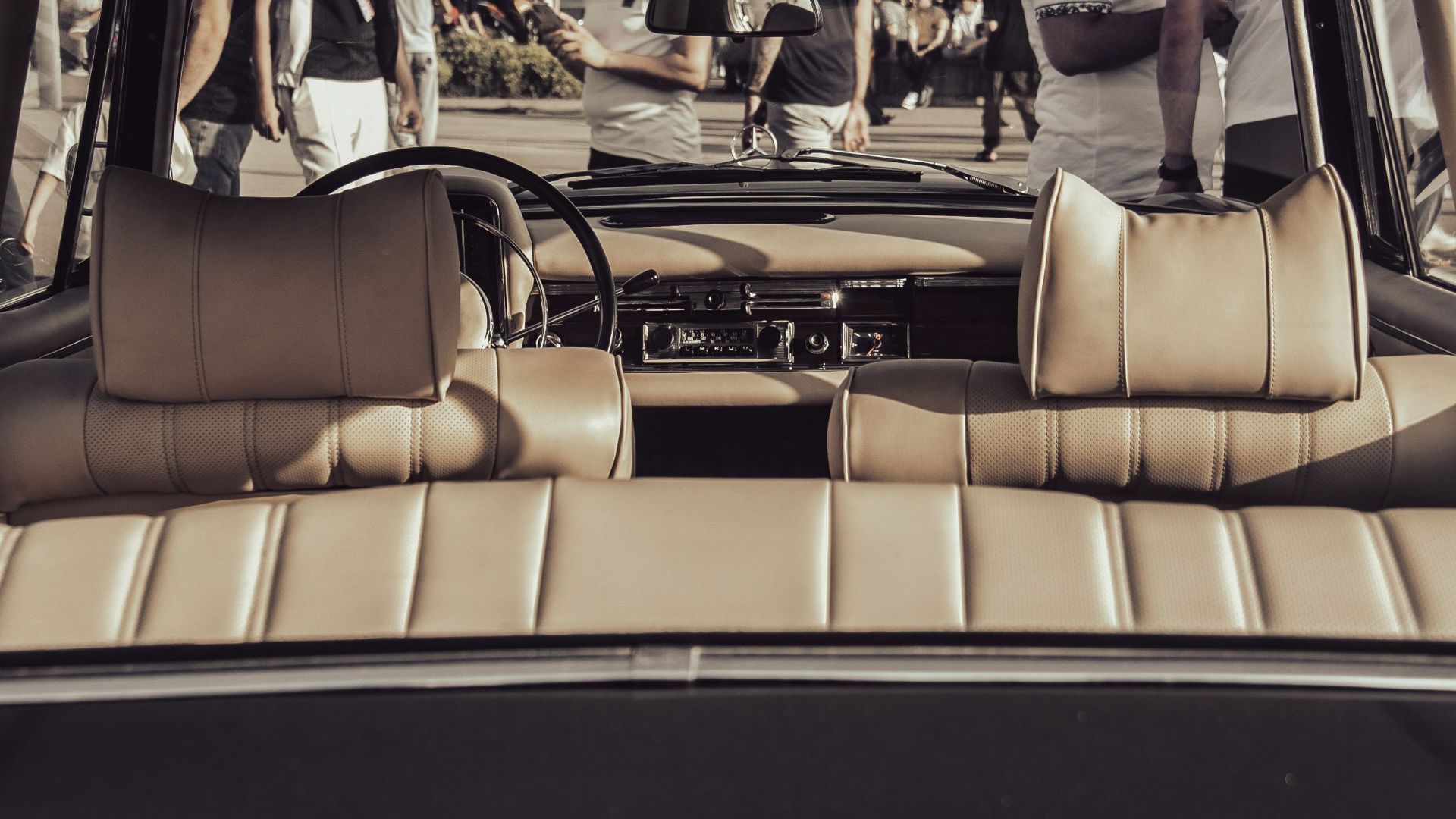
Early car seats often ended around shoulder height, leaving drivers and passengers with little protection against whiplash. Head restraints didn't become common until regulators and manufacturers started paying closer attention to rear-end collision injuries. Looking at an old interior today can make those low-backed seats seem strangely unfinished.
12. Using Hand Signals Instead of Turn Signals
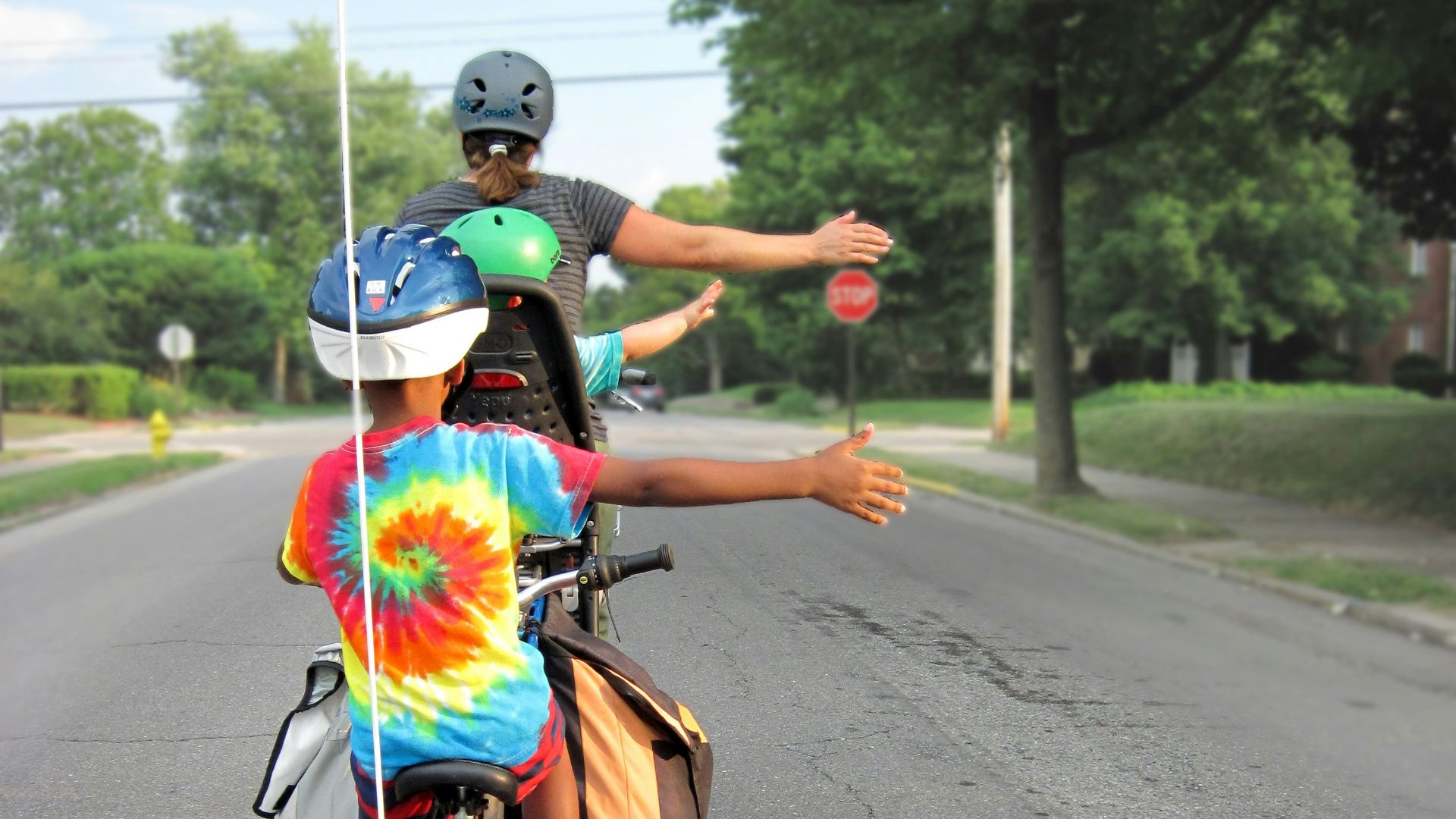
Cars weren't always equipped with turn signals, which now seem like an obvious must-have. Motorists would stick an arm out the window to signal turns or slowing down, like cyclists. You had to know the proper gestures and hope everyone around you was paying attention.
13. Driving Without Side Mirrors
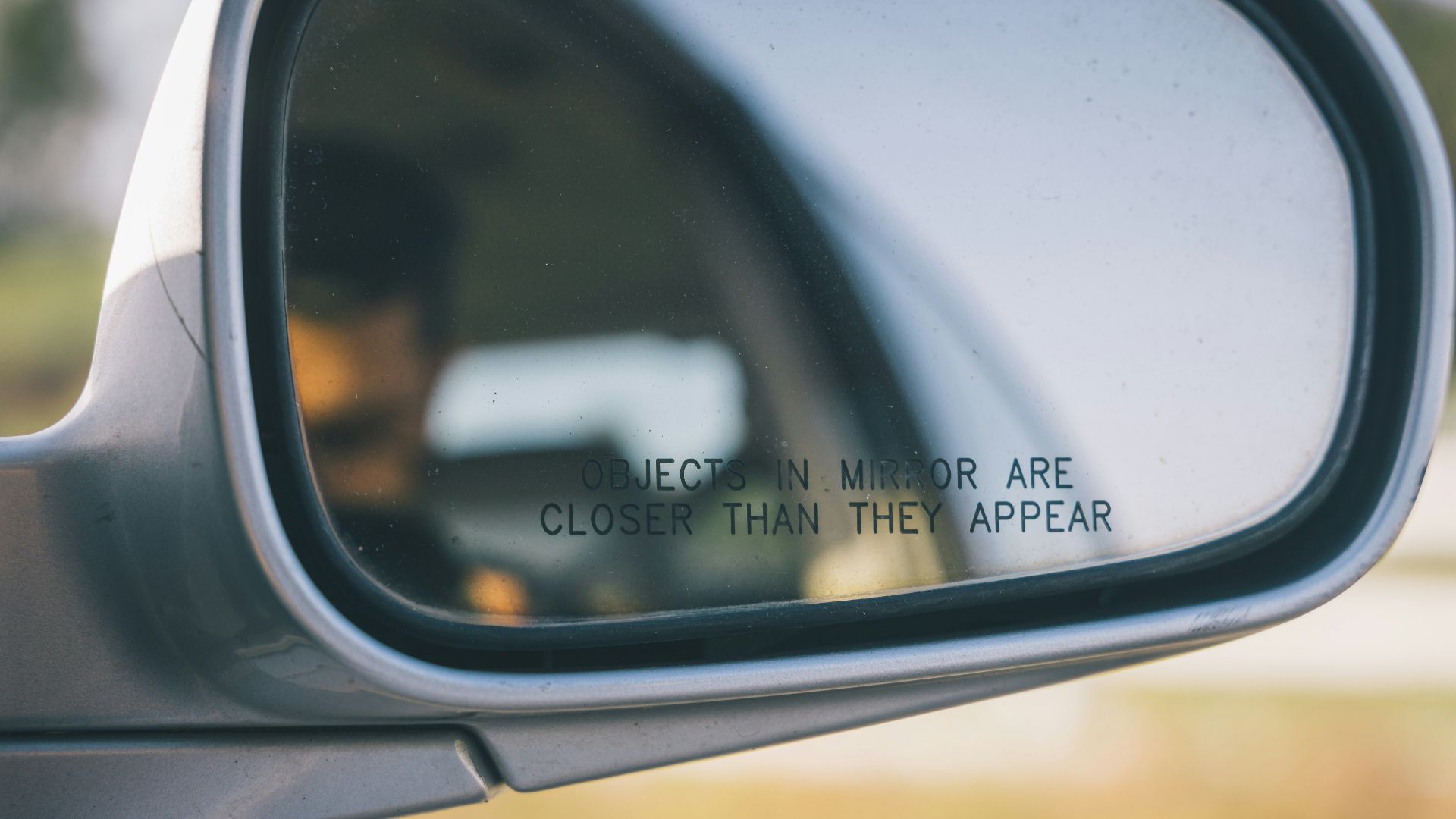
A driver's-side exterior mirror wasn't always considered essential equipment, and passenger-side mirrors became common even later. Drivers relied heavily on the rearview mirror and physically turned their heads before changing position on the road. Today's motorists would probably find the setup unnerving.
14. Driving Cars With No Airbags
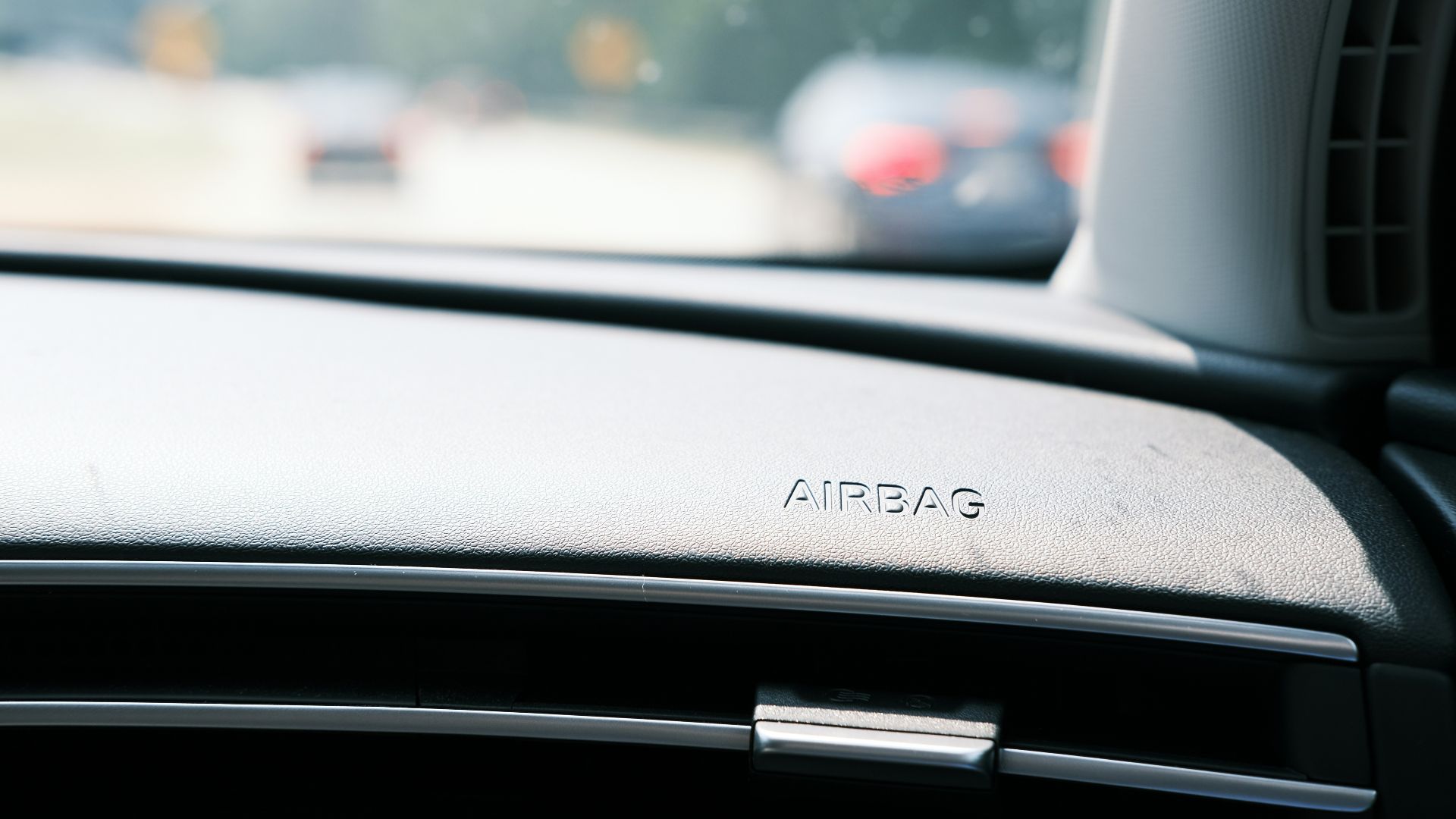
Airbags didn't become widespread until late in the 20th century, meaning millions of people drove cars offering little protection beyond the steering wheel and dashboard. During a serious frontal collision, those hard surfaces were exactly where occupants were thrown. Drivers simply accepted that risk because there wasn't much alternative.
15. Packing Far Too Many People Into One Car
Older families sometimes treated the official seating capacity as more of a suggestion. Children squeezed together on benches, passengers sat on laps, and someone could end up wedged between seats if necessary. When everyone wanted to go somewhere, the solution was often to keep adding people until the doors barely closed.

16. Driving Long Distances Without Child Car Seats
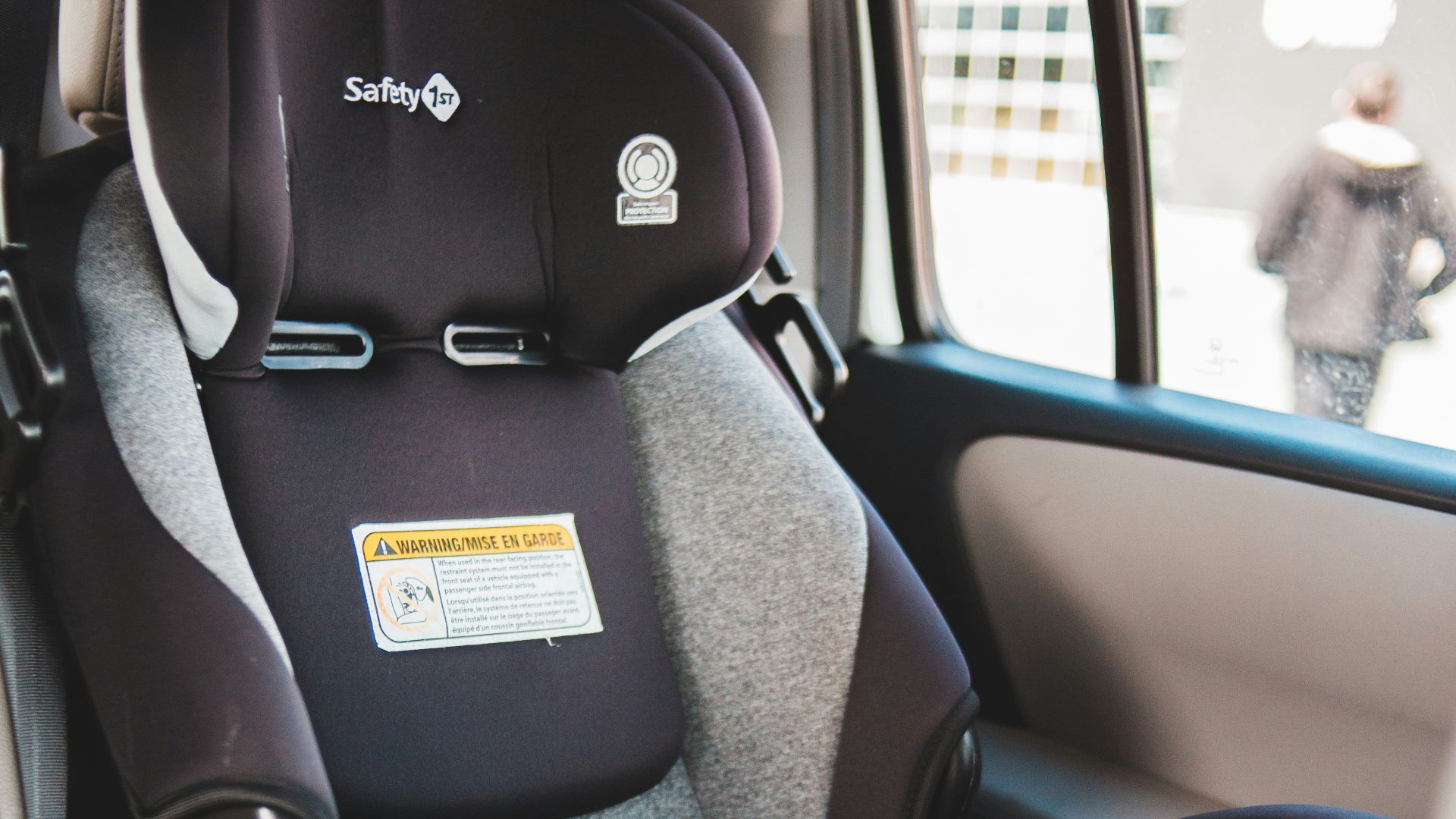
Child car seats only became widespread after decades of automotive travel had already passed. Before that, babies might lie in bassinets, sit loosely on seats, or be held by adults throughout an entire trip. Today's carefully installed rear-facing seats show just how much thinking about child safety has changed.
17. Treating the Dashboard Like a Shelf
Older dashboards were often covered with maps, sunglasses, tissue boxes, coins, toys, and whatever else passengers wanted within reach. Few people worried much about those loose objects becoming projectiles during a sudden stop. Modern cars provide storage compartments partly because having everything sitting unsecured in front of you seems dangerous.
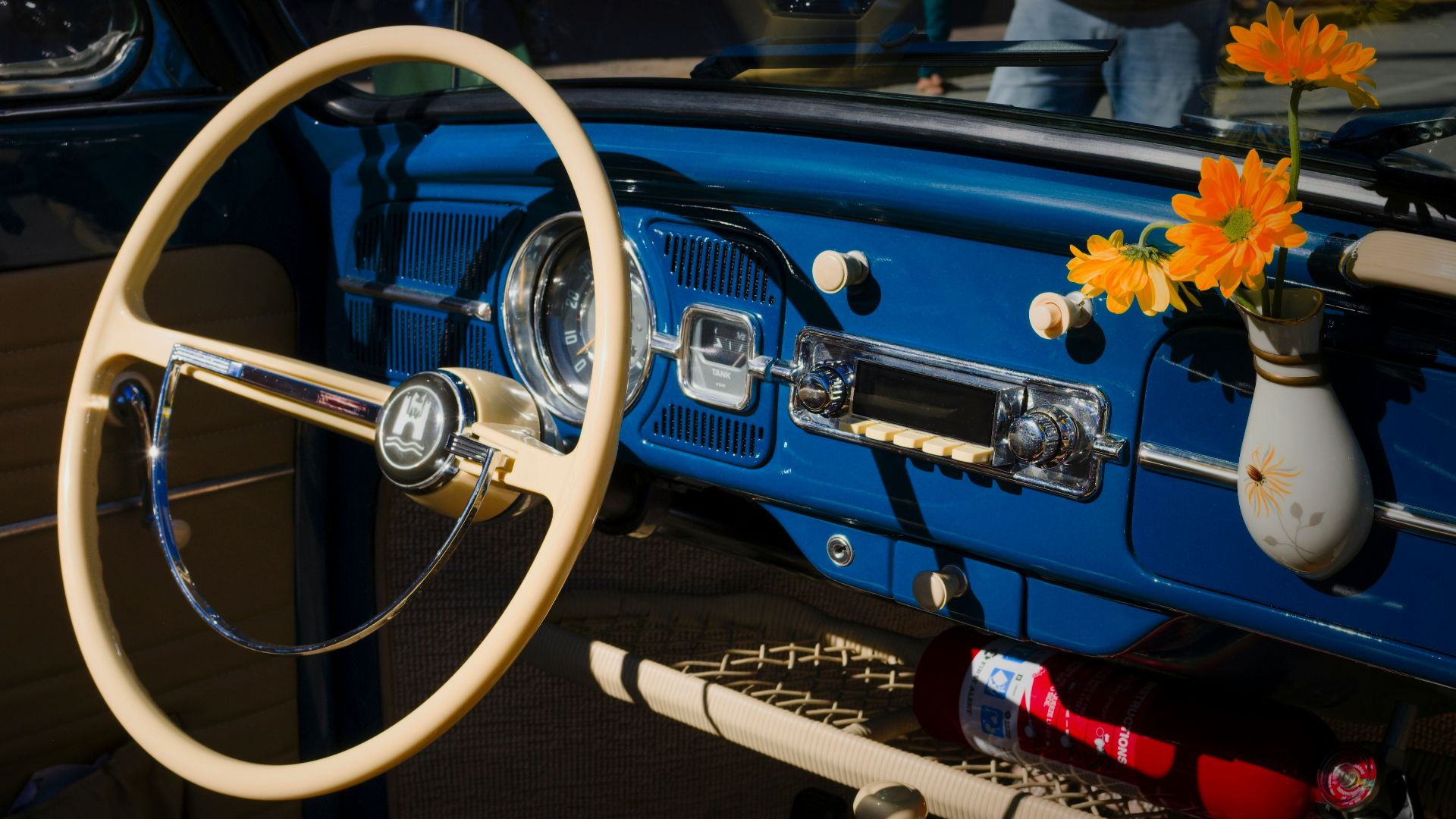
18. Driving Cars With Metal Dashboards
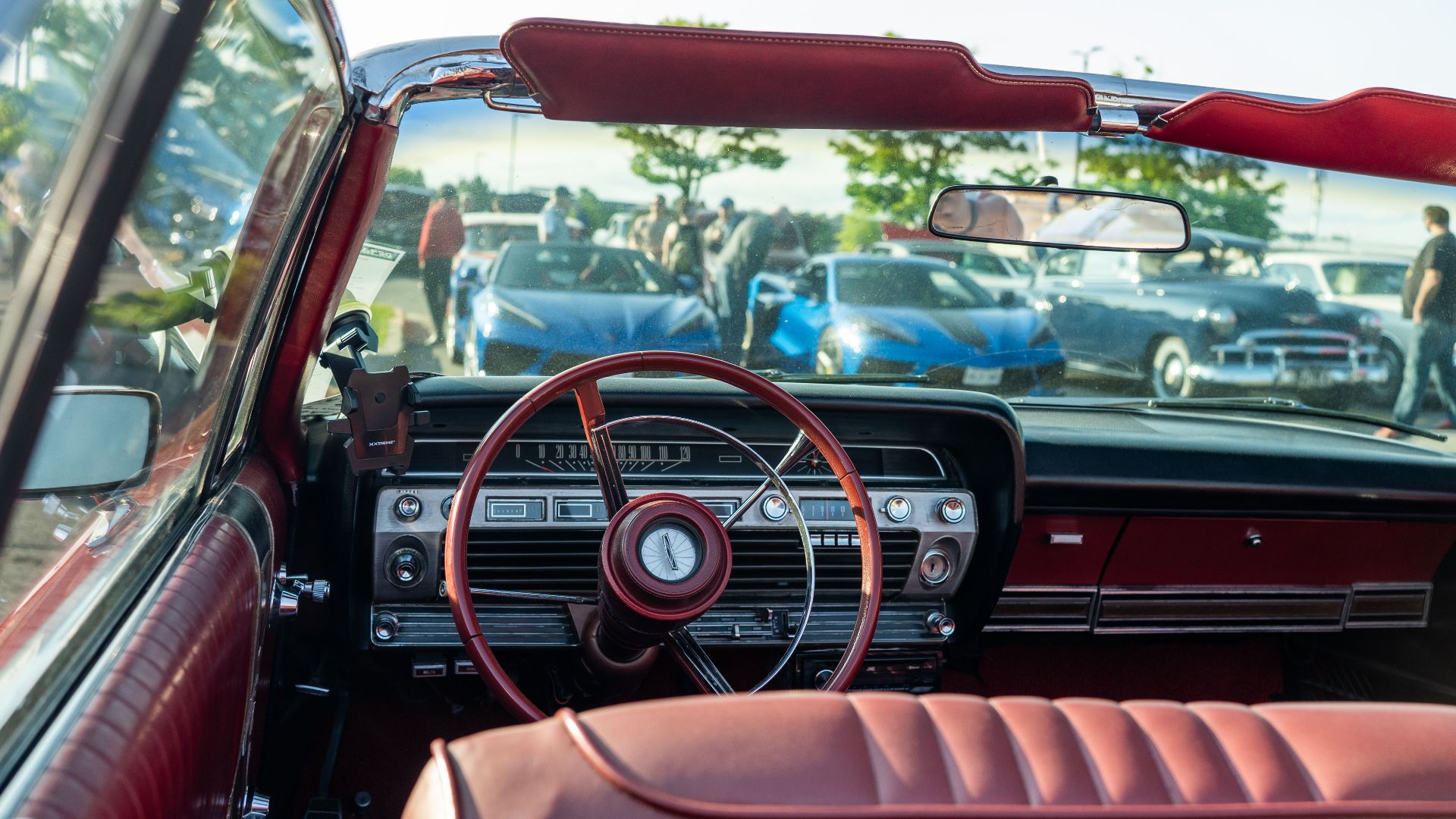
Before padded interiors became common, dashboards could contain large areas of exposed metal, sharp switches, and rigid knobs. None of those surfaces were particularly forgiving if your body hit them during a collision. Safety regulations gradually pushed manufacturers toward interiors designed to cause fewer injuries.
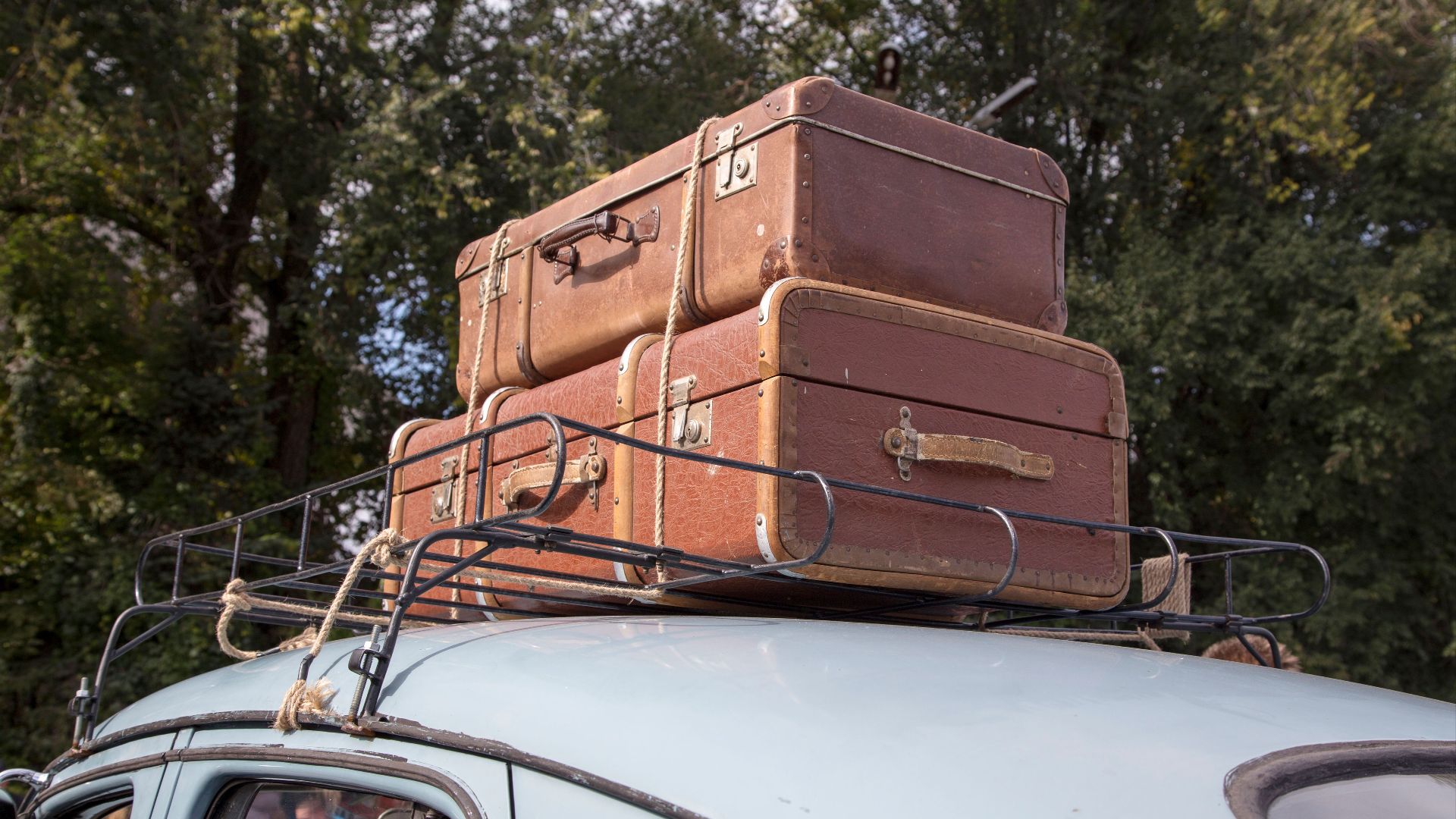
19. Driving With Poorly Secured Luggage on the Roof
Family vacations sometimes involved tying suitcases, camping equipment, and other bulky items directly onto roof racks with basic rope. Drivers would trust a few knots and hope everything would stay attached at highway speeds. Today's cargo boxes and heavy-duty straps exist for obviously good reason.
20. Driving for Hours With Barely Any Safety Technology
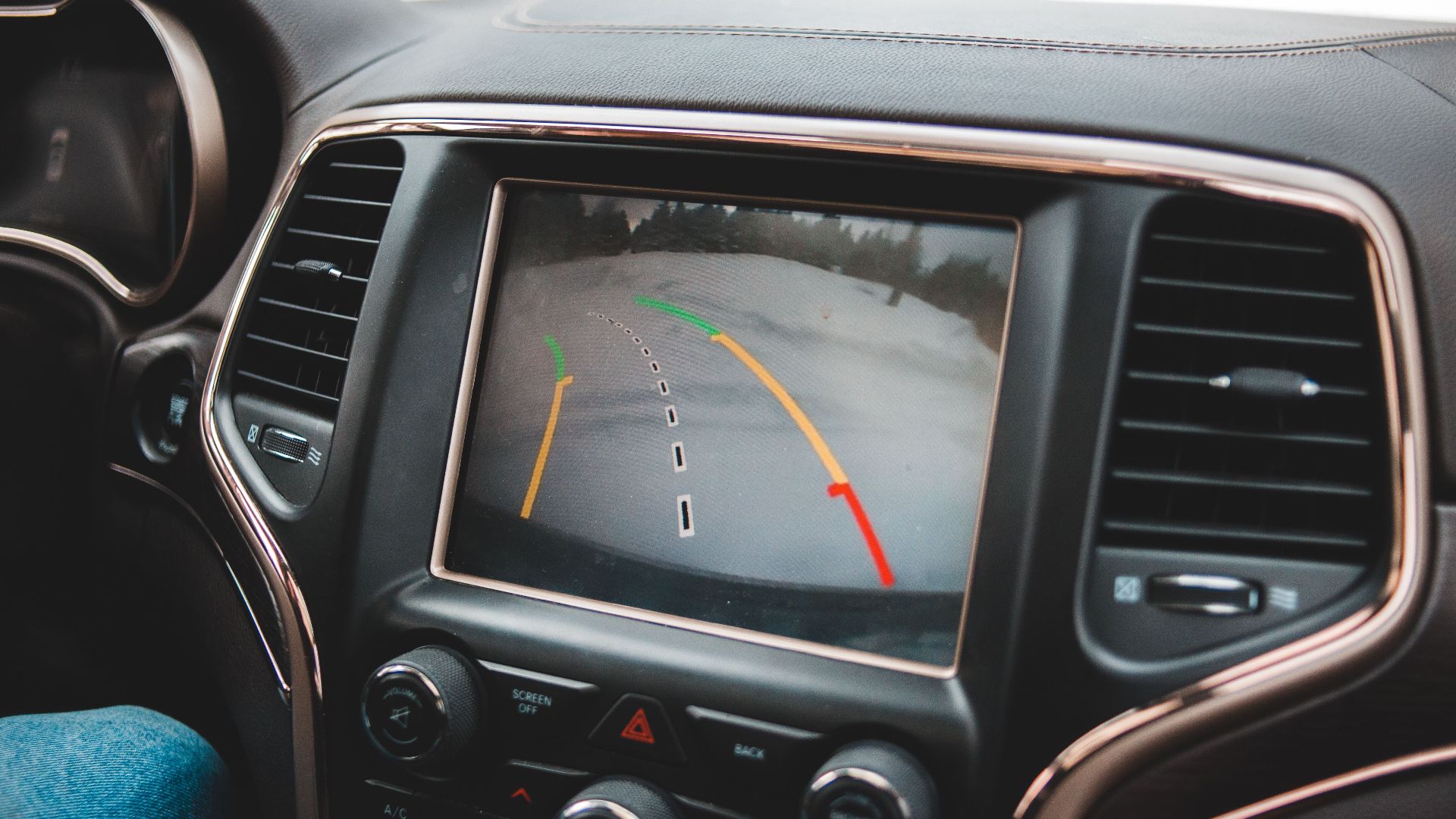
For much of automotive history, drivers had no anti-lock brakes, traction control, stability control, backup cameras, lane warnings, or automatic emergency braking. You controlled the car entirely through your own judgment and whatever mechanical grip the vehicle could provide. People still managed countless successful journeys, but the margin for error was considerably smaller.