
Save Your Wallet & Your Sanity
Buying a used car can feel like a fun upgrade right up until the “great deal” starts making weird noises and draining your bank account. The good news is that most lemons leave clues if you know where to look and you’re willing to slow down for a careful check. Here are 20 strategies for spotting a lemon before you make the mistake of buying it.
 Antoni Shkraba Studio on Pexels
1. Run a VIN History Report, Every Time
Pull the VIN and check for salvage titles, major accidents, flood damage, or odometer issues. A seller who hesitates to share the VIN is basically waving a red flag for you. Even a clean report isn’t a guarantee, but a bad one is a gift of clarity.
 Antoni Shkraba Studio on Pexels
2. Compare the Title to the Seller’s Story
Look closely at the title status, owner count, and whether it’s been branded rebuilt, or salvaged. If the paperwork doesn’t match the “one careful owner” narrative, trust the documents. You’re buying the car’s reality, not the salesperson’s performance.

3. Check Recall Status Before You Get Attached
Search the VIN for open recalls and ask whether they were repaired. Unfixed safety recalls can be a hassle and a risk, especially if parts are back-ordered. If the seller shrugs it off, that tells you how they treat problems.
 Antoni Shkraba Studio on Pexels
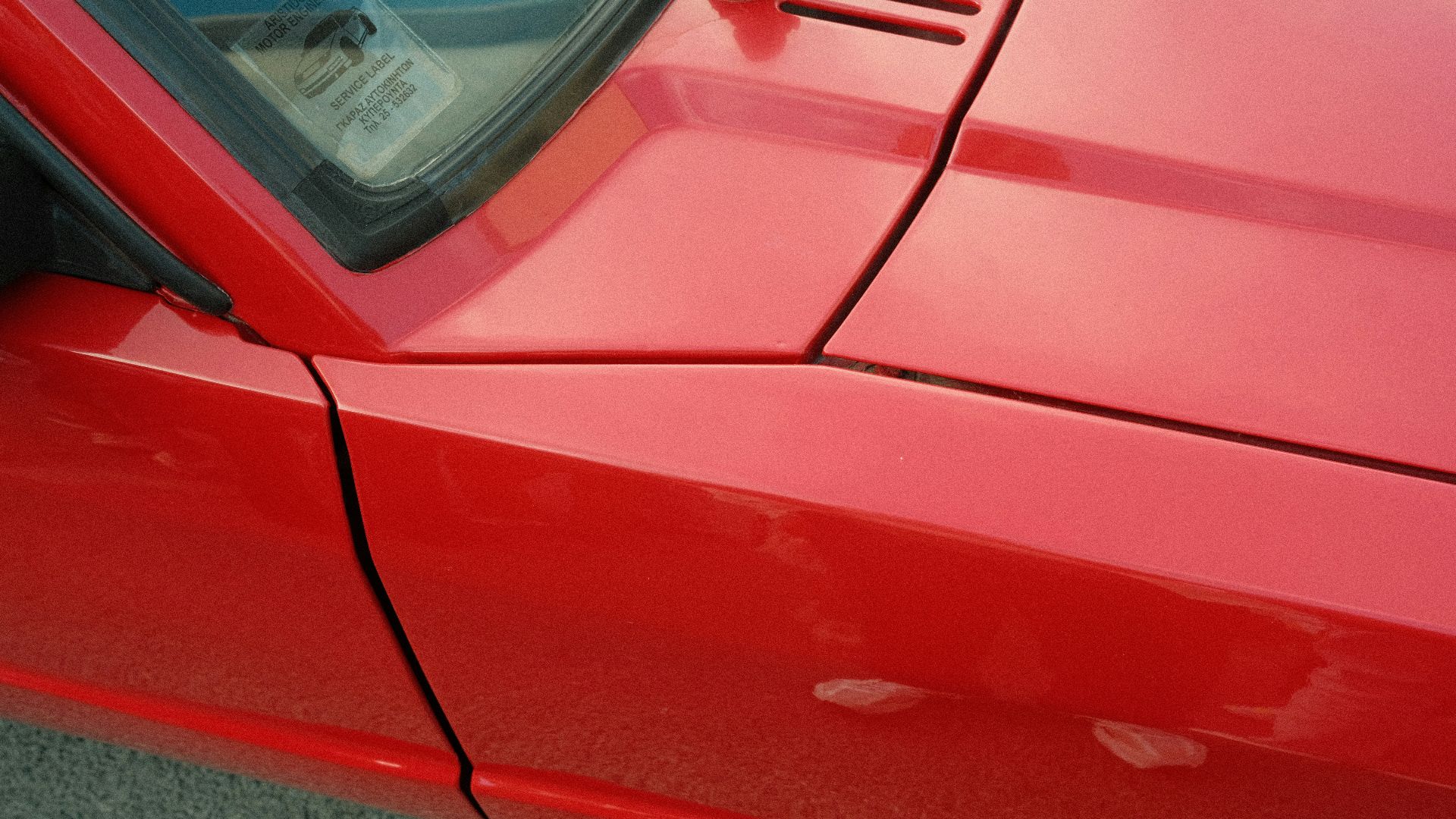
4. Look for Uneven Panel Gaps & Mismatched Paint
Walk around the car and check if the body panels line up cleanly on both sides. Mismatched paint shades, overspray, or odd gaps can suggest collision repair that wasn’t done carefully. A car can be repaired well, but sloppy work often hints at deeper shortcuts.
5. Inspect the Headlights & Taillights for Moisture
Fogging or water inside light housings can point to poor sealing or previous damage. It’s not always catastrophic, but it can lead to electrical issues and pricey replacements. If you see moisture, ask why it’s there and listen for a real answer.

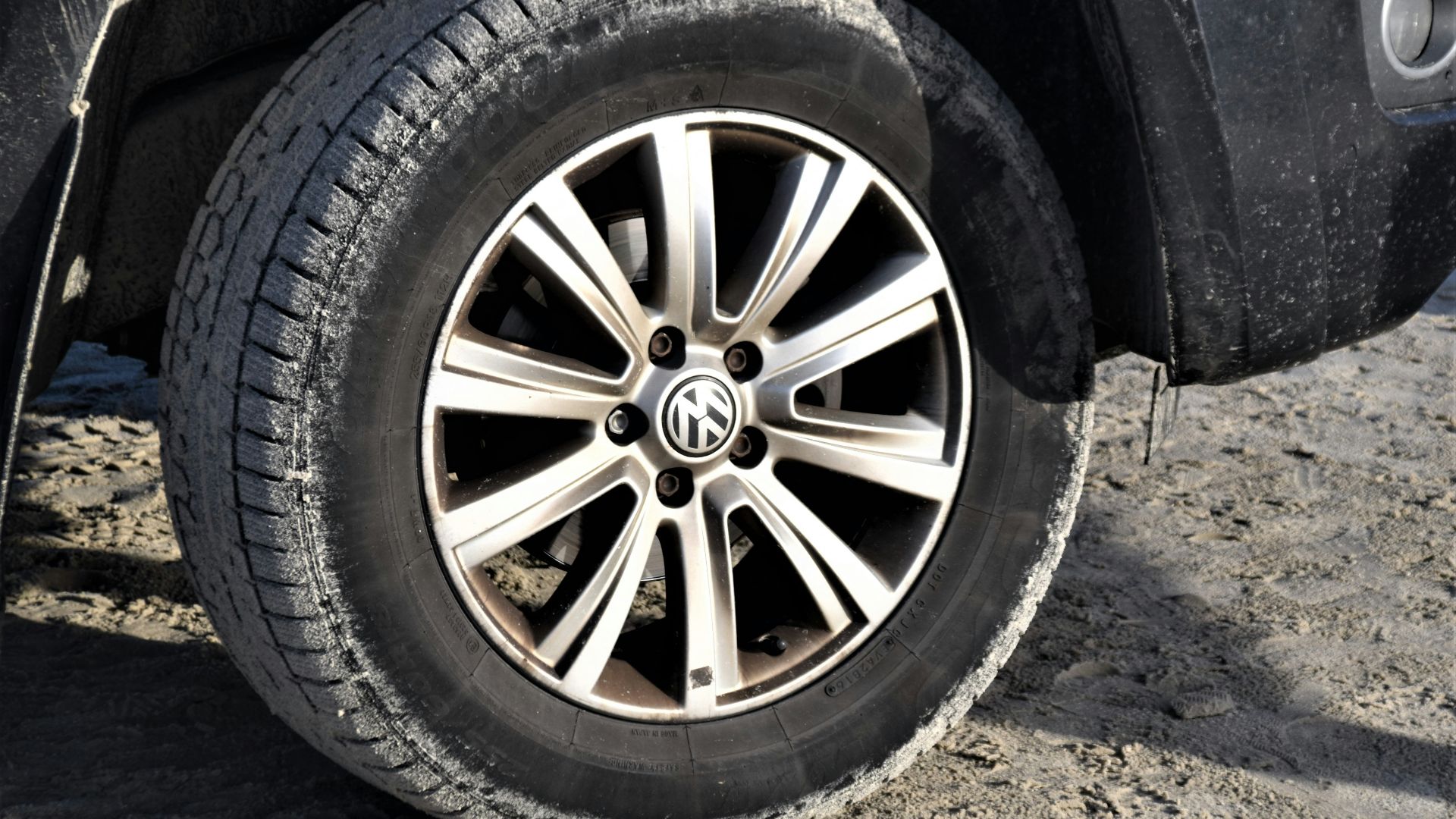
6. Check Tires Closely
Uneven tire wear can reveal alignment issues, suspension problems, or neglect. Tires worn bald on the inside or outside edges are especially suspicious. If the tires look wrong, the car’s probably been living a rougher life than advertised.
7. Look Under the Car for Fresh Undercoating
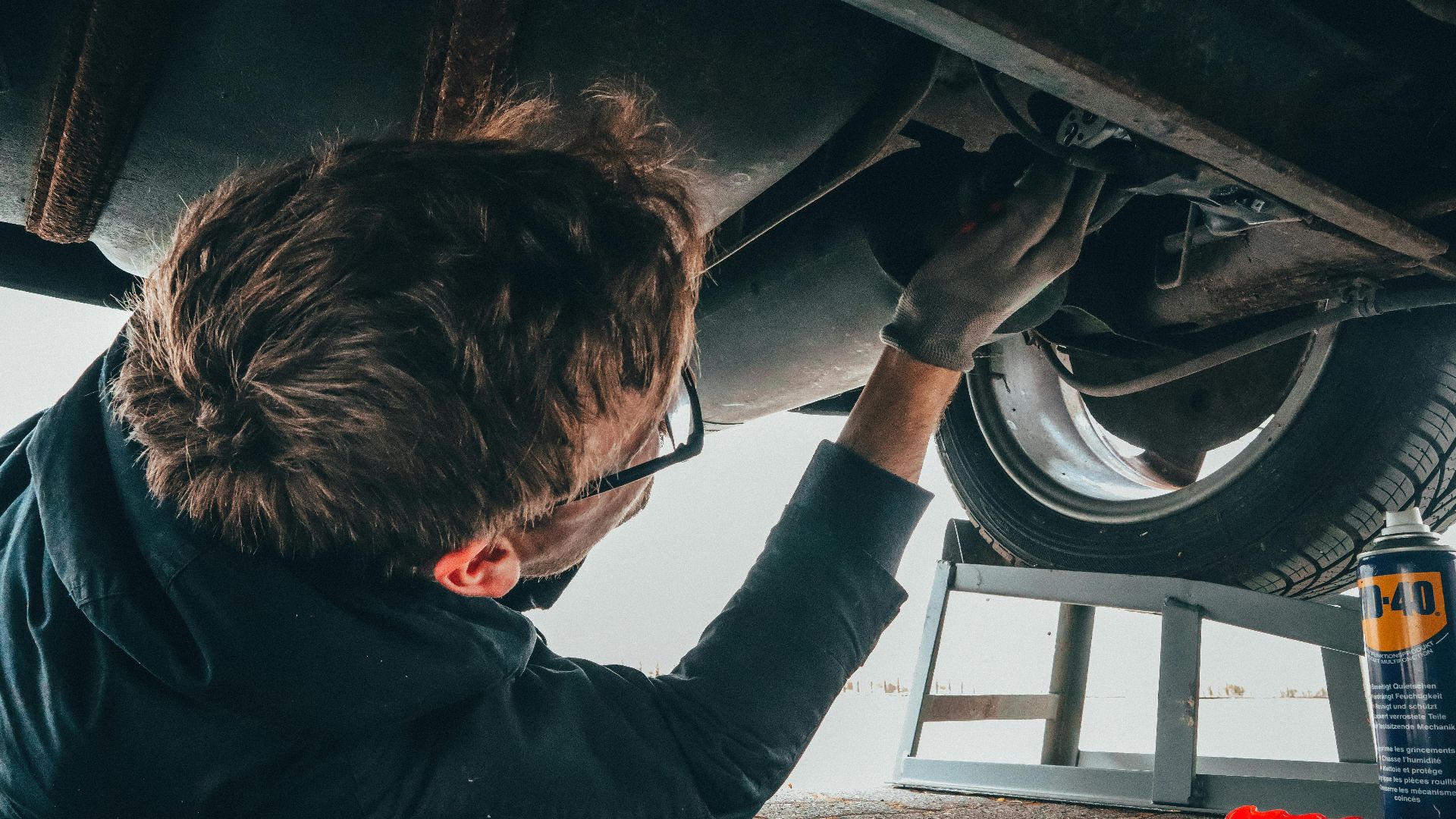
A newly sprayed underbody can be normal in some places, but it can also be used to hide rust. Look for suspiciously fresh black coating, especially if everything else looks aged. If you can’t verify what’s underneath, don’t assume it’s fine.
8. Sniff for Flood Damage Clues
Musty smells, damp carpet, silt in odd places, or corrosion under seats can suggest water exposure. Flood cars can behave “fine” until electrical gremlins start popping up. If it smells like a basement, treat it like a basement problem.
9. Start the Car Cold, Not Pre-Warmed
Ask to start it after it’s been sitting, because cold starts reveal issues that a warmed-up engine can mask. Listen for rattles, rough idle, or smoke that lingers. A seller who insists on warming it up first might be doing you zero favors.
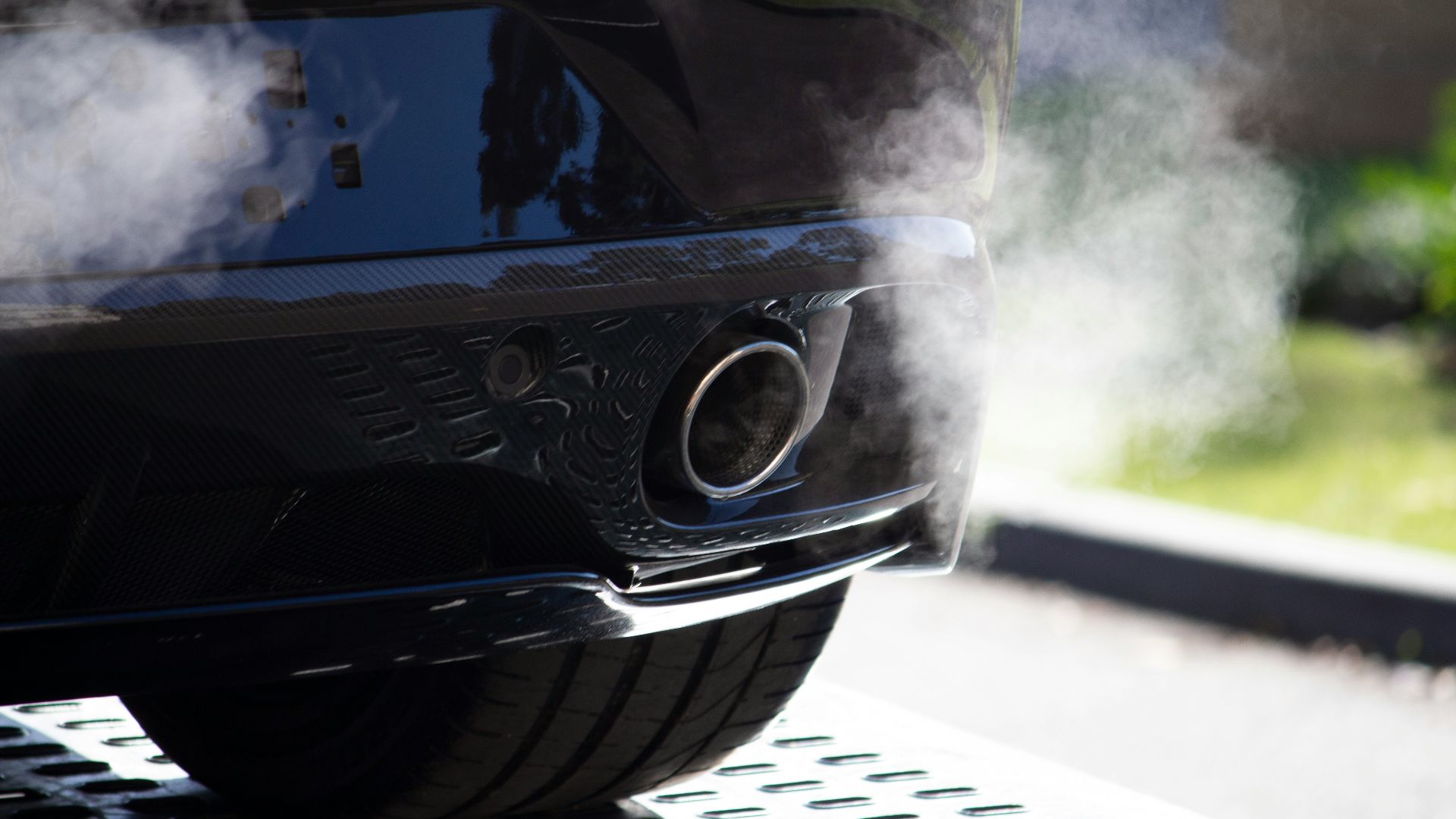
10. Watch the Exhaust
A little condensation is normal, but persistent blue or white smoke can mean expensive trouble. Blue smoke can point to burning oil, while thick white smoke can suggest coolant problems. If the exhaust is dramatic, your repair bills might be too.
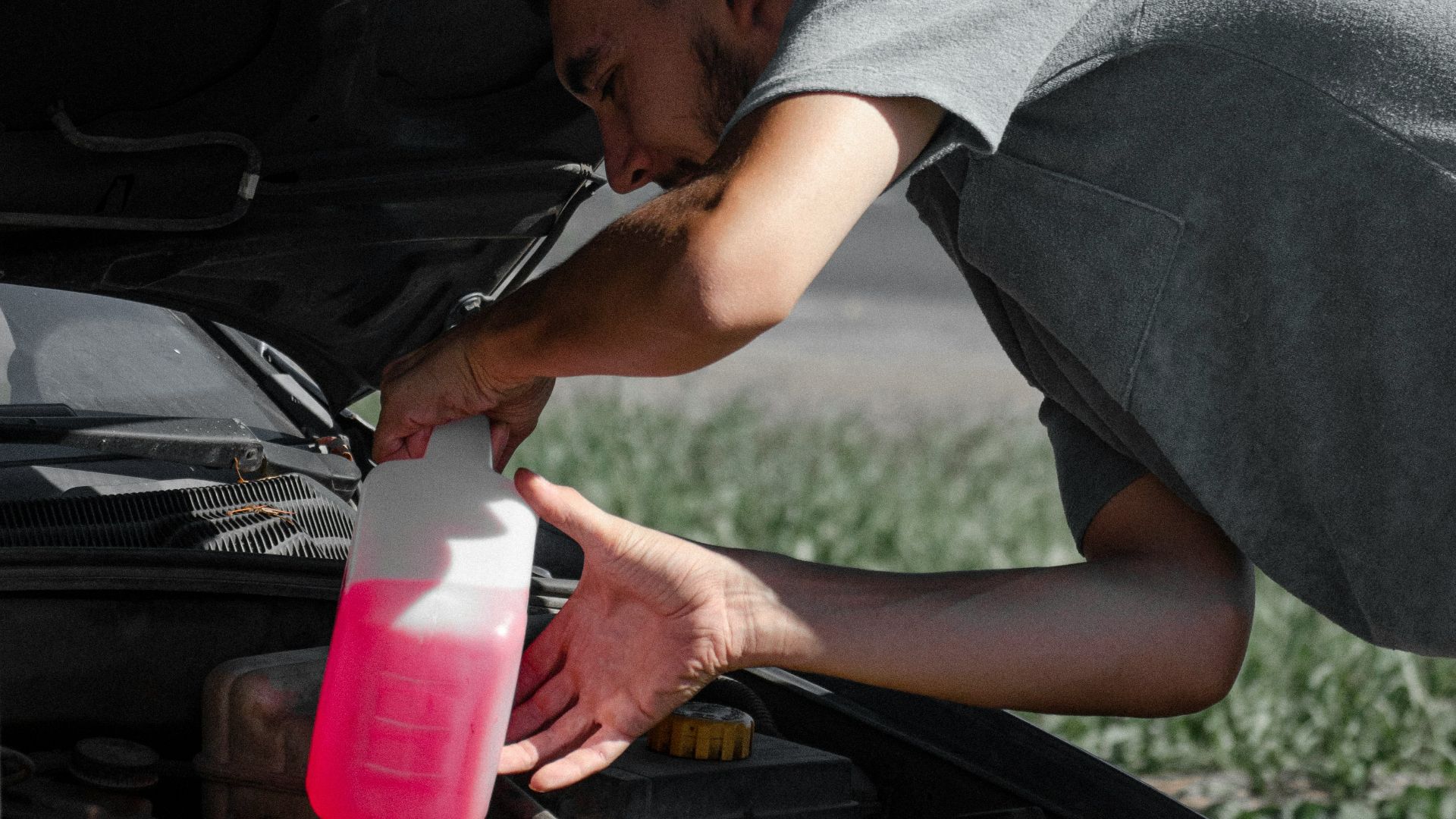
11. Check All Fluids for Color & Condition
Look at engine oil, coolant, transmission fluid, and brake fluid if accessible. Milky oil, rusty coolant, or burnt-smelling transmission fluid are all bad signs. Clean fluids don’t guarantee a good car, but gross fluids are a strong warning.
12. Scan for Codes Even If the Dashboard Looks Calm
Bring an OBD-II scanner or visit a shop that can read codes quickly. Some sellers clear codes right before showing the car, so you want to check readiness monitors too. If the system isn’t “ready,” you might be looking at hidden issues.
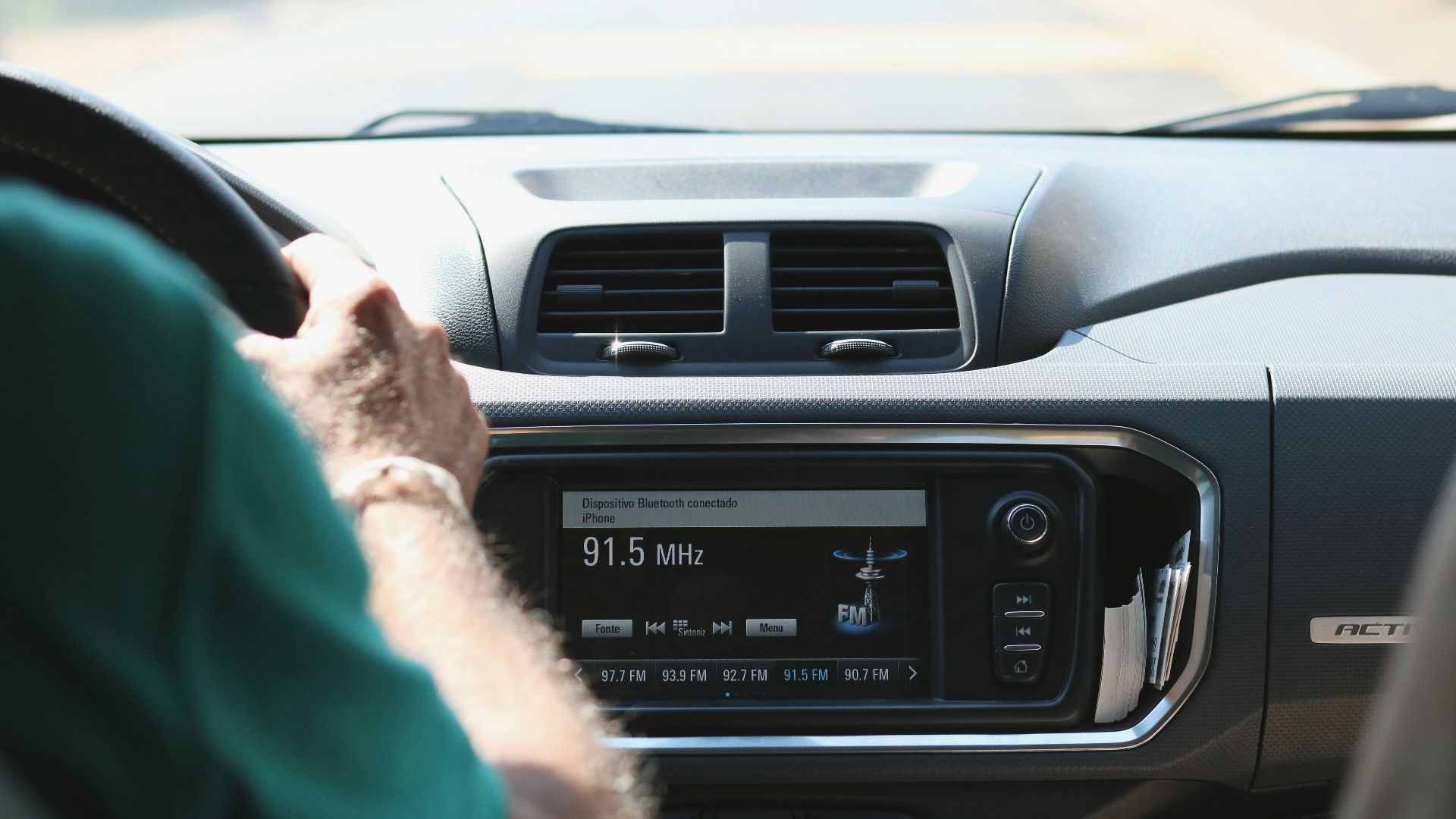
13. Test Every Button
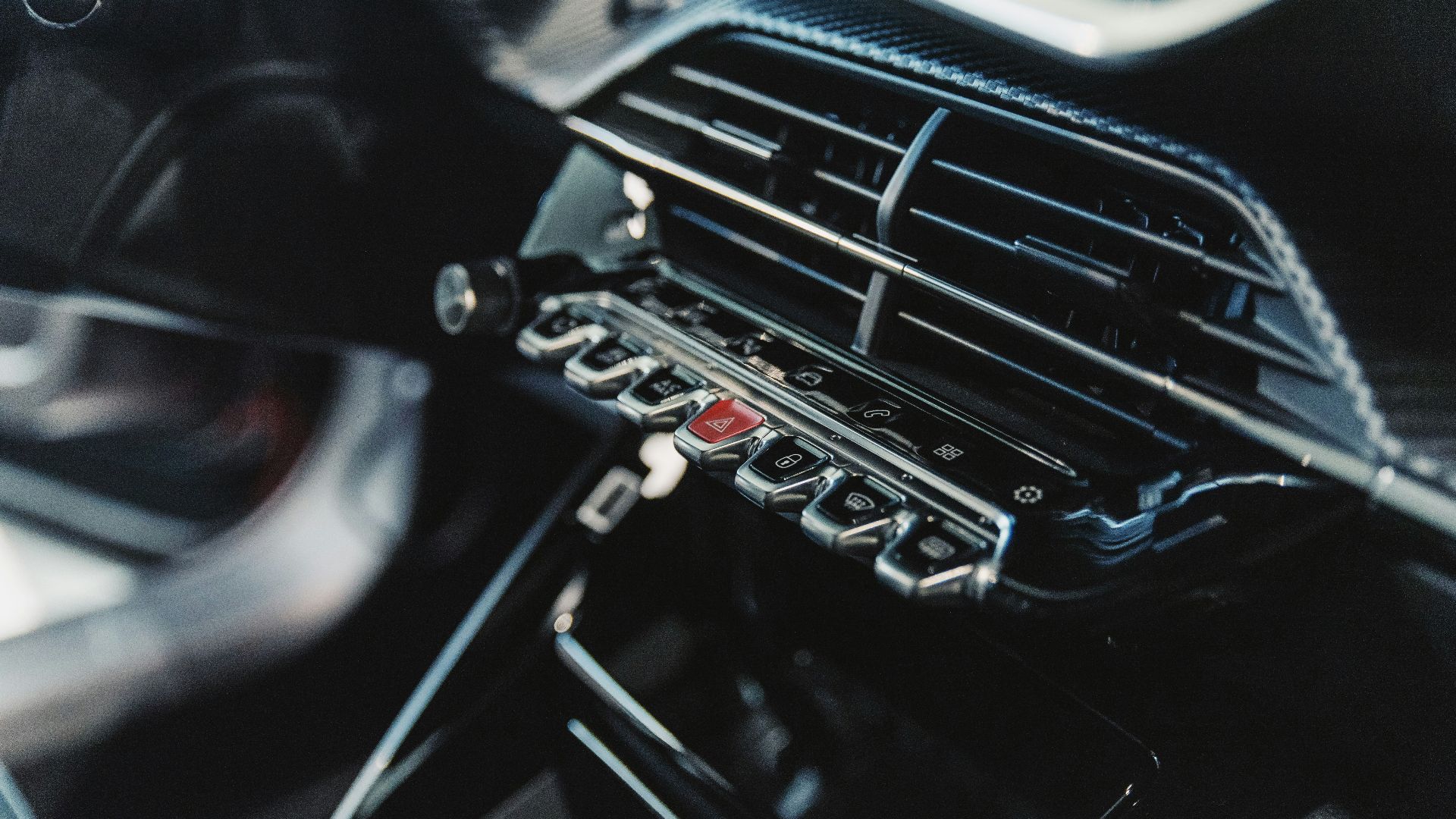
Try windows, locks, mirrors, seat controls, infotainment, lights, wipers, and HVAC. Electrical problems can be expensive and time-consuming to chase. They may seem small and insignificant, but they can add up, and when things don’t work, it's a sign maintenance hasn’t been a priority.
14. Take a Real Test Drive
Drive on city streets and highways if possible, and include bumps, turns, and braking. Pay attention to vibrations, pulling, odd sounds, or hesitation under acceleration. A short loop can hide a lot, so don’t let anyone rush you.

15. Brake Hard Once in a Safe Spot
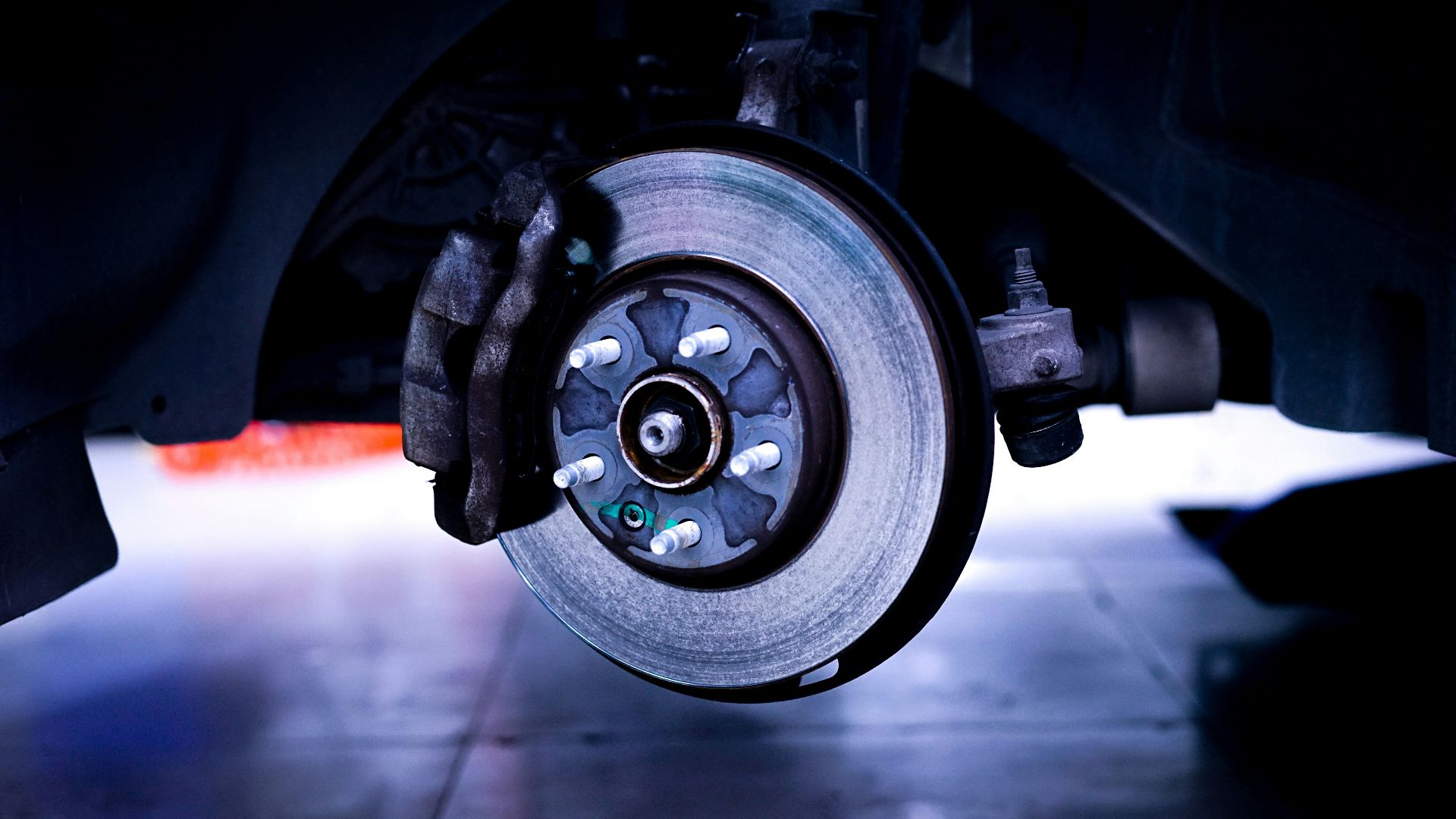
Find a safe, open area and brake firmly to see how it responds. Pulsing can indicate warped rotors, and pulling to one side can hint at brake or suspension issues. If it feels sketchy under braking, it’s not a “later” fix you should ignore.
16. Listen for Suspension Noises Over Rough Roads
Clunks, squeaks, or rattles can indicate worn bushings, shocks, struts, or steering components. Those repairs can add up quickly, especially on heavier vehicles. A quiet ride usually suggests better care, even if the car isn’t perfect.

17. Check for Signs of Odometer Games
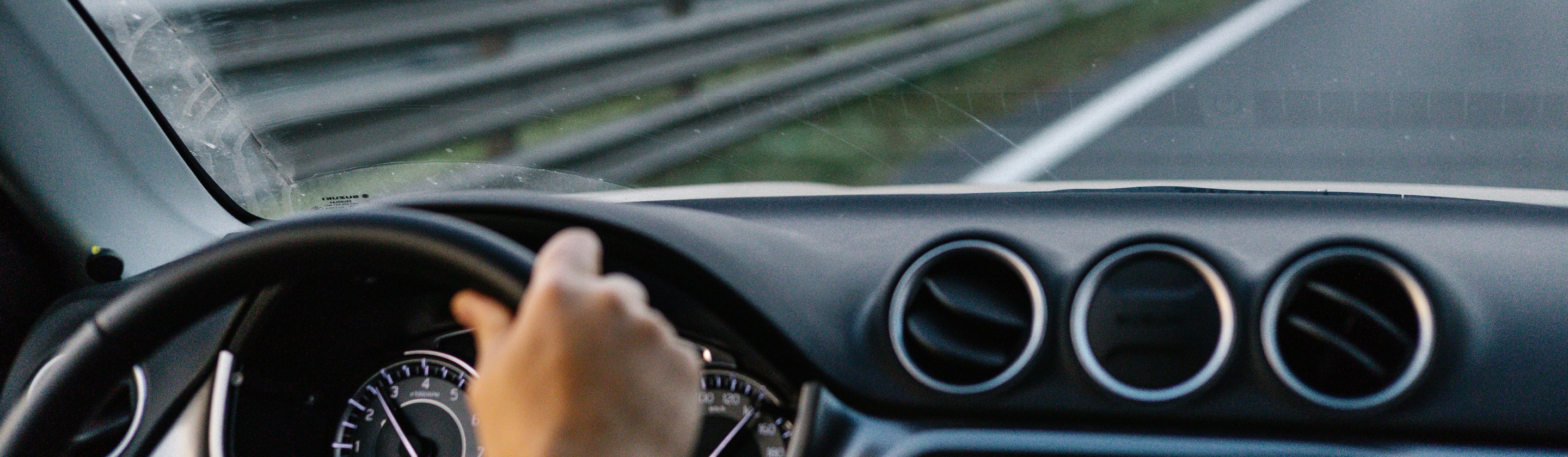
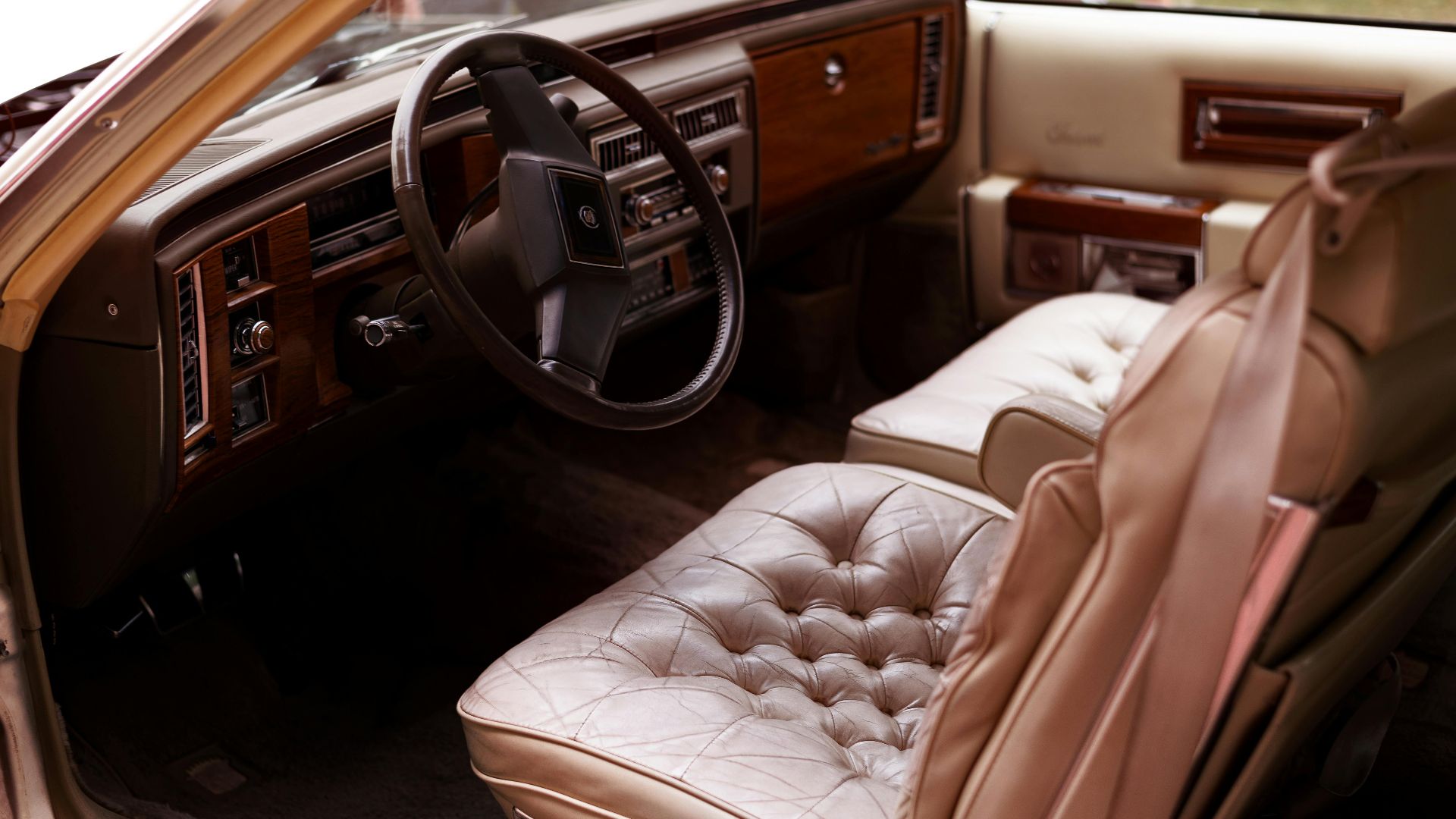
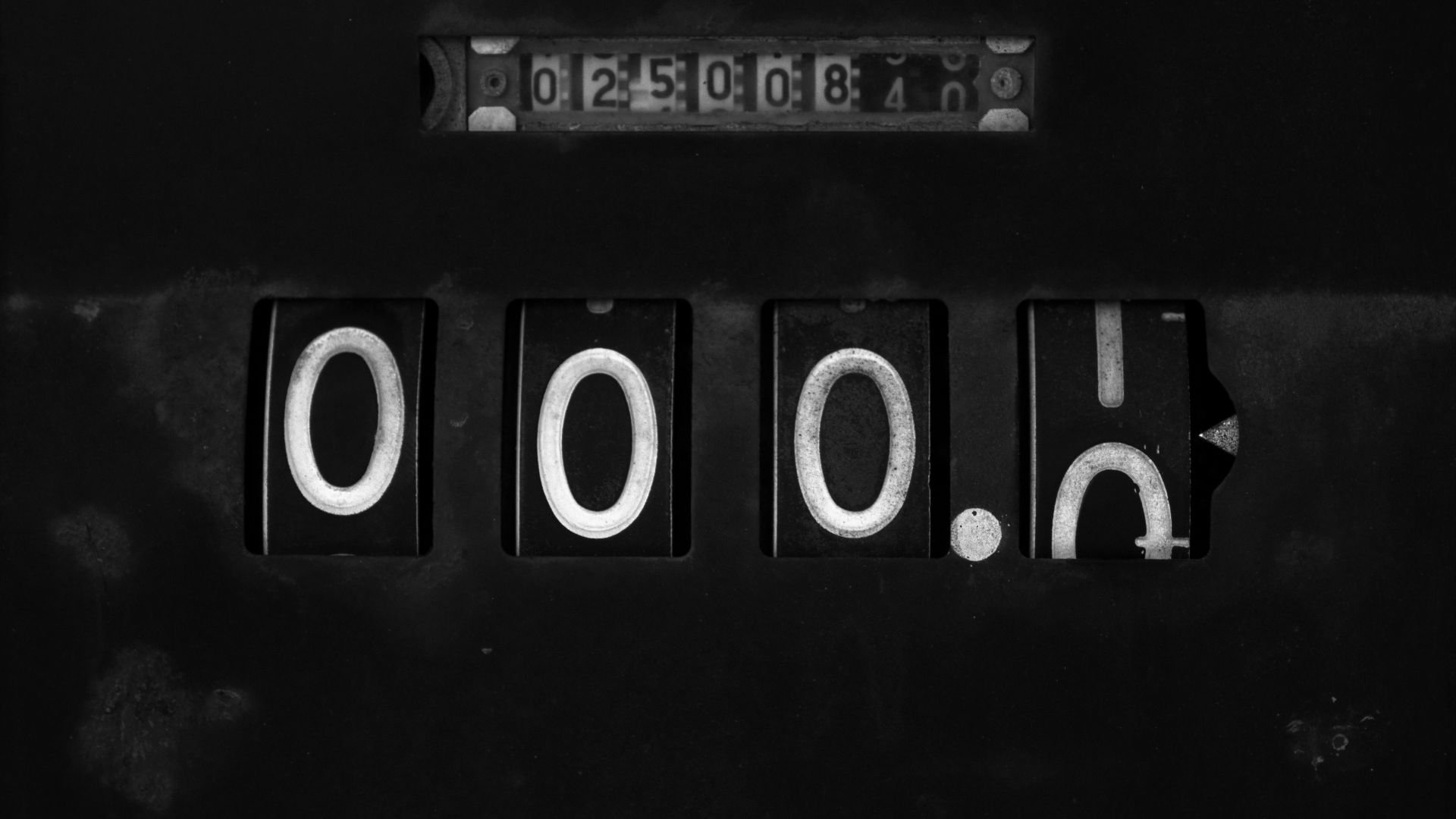
Compare mileage to wear on the steering wheel, pedals, seats, and buttons. A “low-mileage” car with a shredded driver’s seat and glossy, worn pedals should raise questions. If the inside looks older than the odometer claims, trust your eyes.
18. Ask for Service Records & Read Them Carefully
Records show whether the owner handled maintenance on schedule or only when forced. Look for big-ticket items like timing belts, transmission service, and regular oil changes. No records doesn’t automatically mean it’s a lemon, but it does mean you’re taking a bigger gamble.

19. Get a Pre-Purchase Inspection From an Independent Mechanic
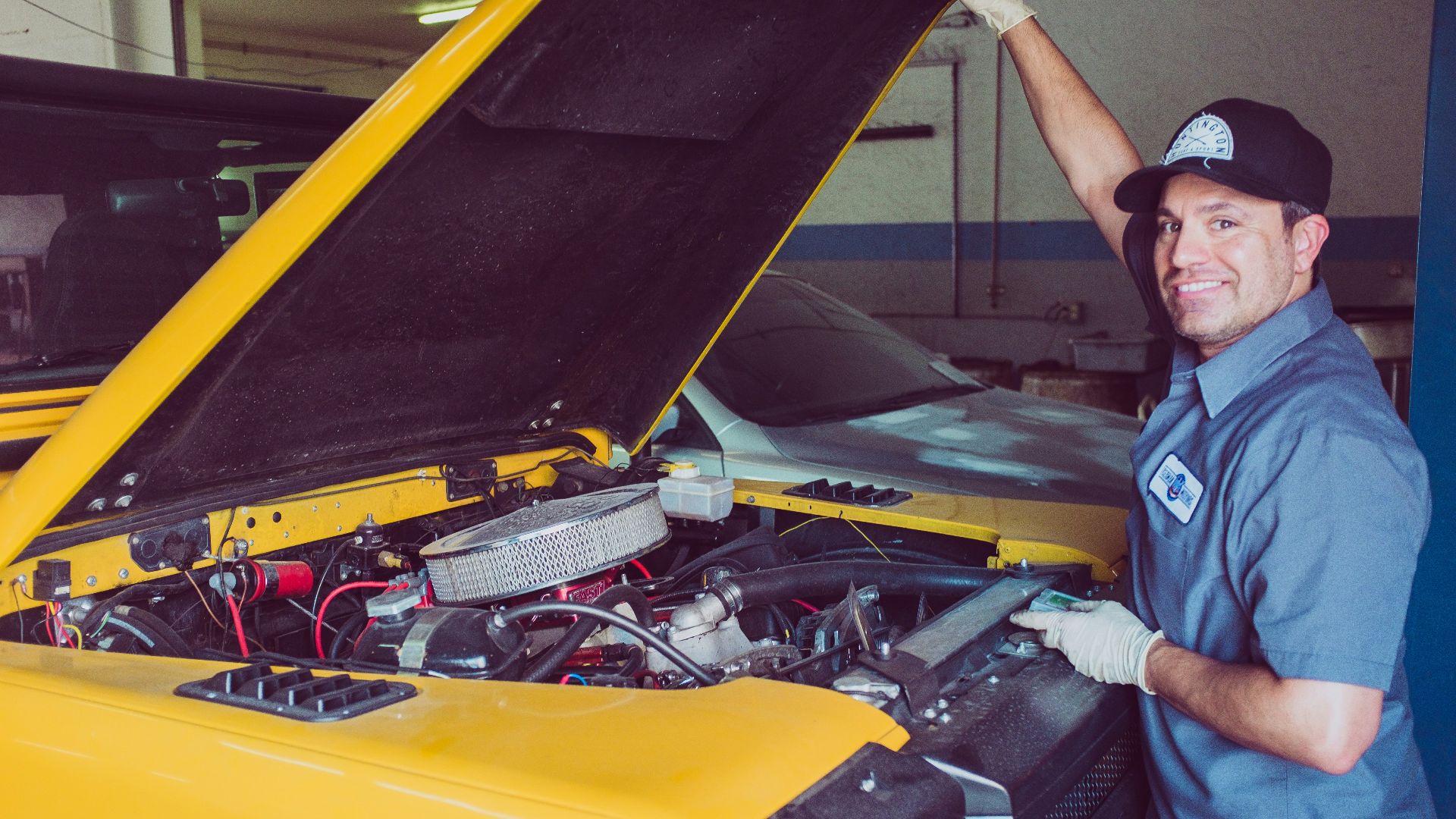
A good mechanic can spot leaks, hidden damage, and future repairs you’d never catch in a driveway. Make it a condition of purchase, and walk away if the seller refuses. Paying for an inspection is cheaper than paying for regret.
20. Trust the Seller’s Behavior as Much as the Car
If they rush you, dodge questions, or get weirdly defensive, that’s valuable information. A good car can still be a bad deal if the situation feels shady. When your gut says “something’s off,” it’s usually picking up on details your brain hasn’t named yet.