20 Facts About the "Ford vs. Ferrari" Rivalry Most People Don’t Know
The Greatest Feud on Four Wheels
Most sports rivalries involve a trophy and some bragging rights, but the battle between Ford and Ferrari was fueled by something much more volatile: a billionaire’s bruised ego. When Enzo Ferrari backed out of a massive deal to sell his company to Ford at the very last second, Henry Ford II didn't just get mad; he decided to spend millions to destroy the Italian legend on the racetrack. With that in mind, here are 20 facts you might not know about this iconic rivalry.
1. The Deal That Never Was
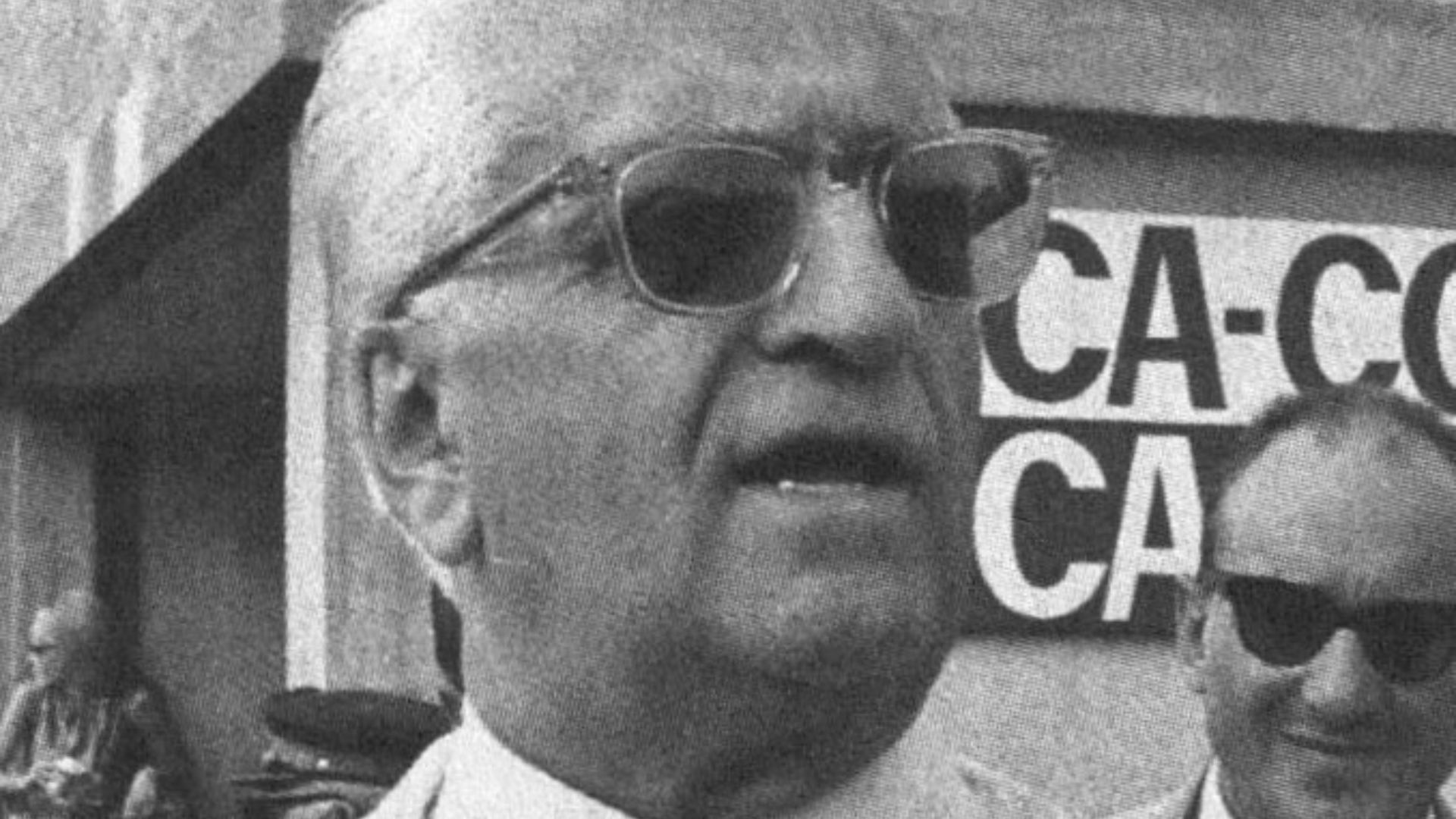
When the rivalry first began brewing in 1963, Ford was actually offered the chance to purchase Ferrari itself. The Italian reportedly invited Ford to take his company over for a measly $10 million. After months of difficult negotiations and costly legal audits, Enzo pulled out when Ford insisted on controlling the racing budget.
 Rainer W. Schlegelmilch on Wikimedia
2. A Personal Insult
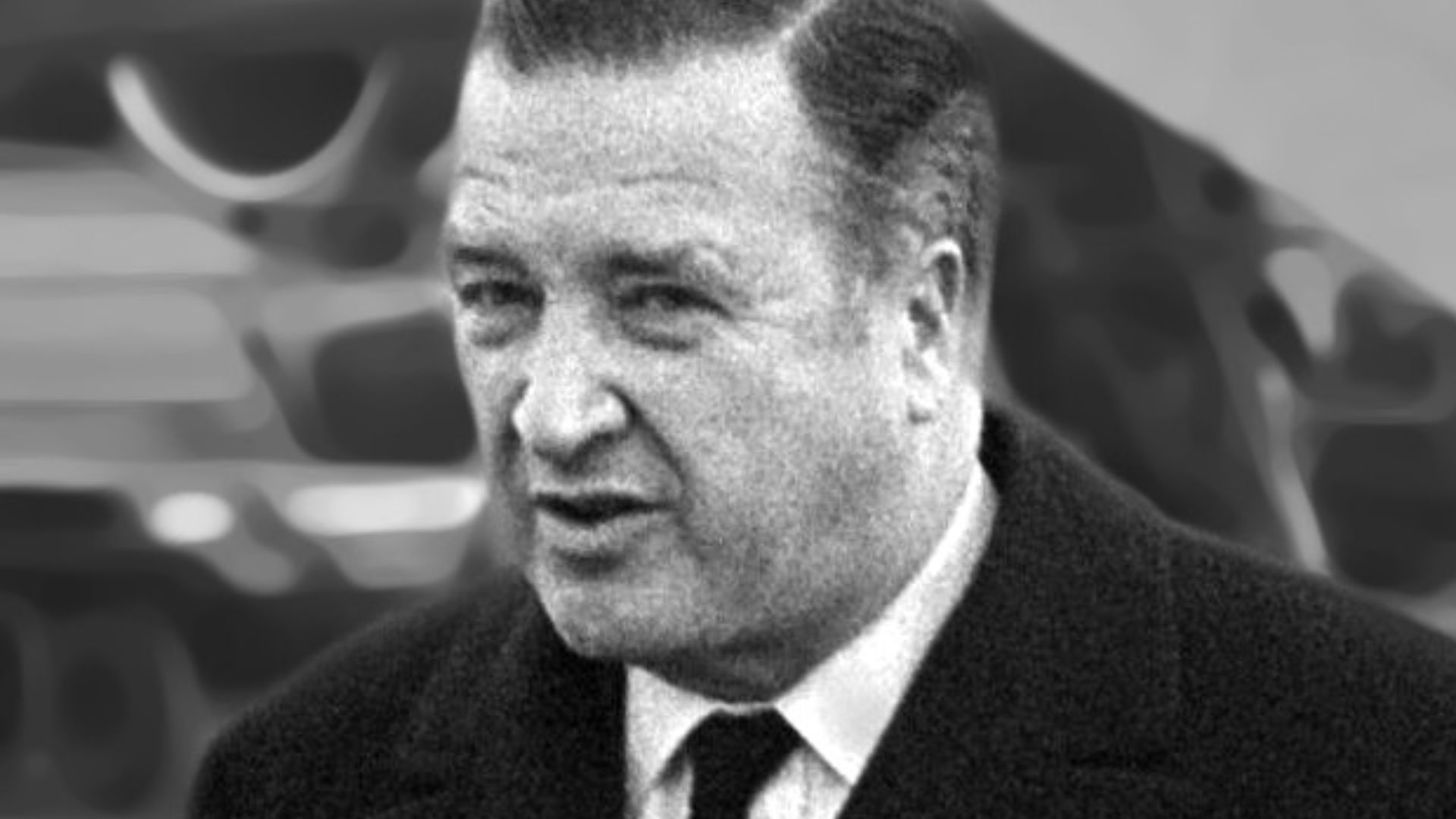
To add insult to injury after Enzo Ferrari spurned Ford’s offer to buy his company, he reportedly told Henry Ford II that he wasn’t his grandfather. He is also said to have proclaimed Ford’s cars as “ugly little cars built in big ugly factories.”
3. The 40-Inch Height Limit
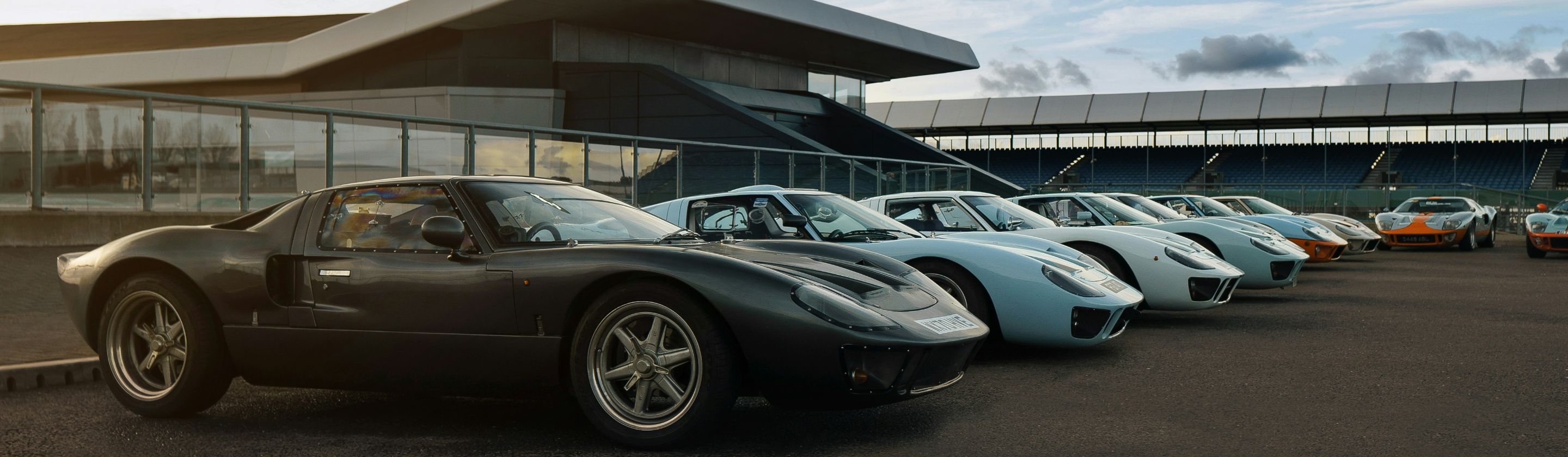
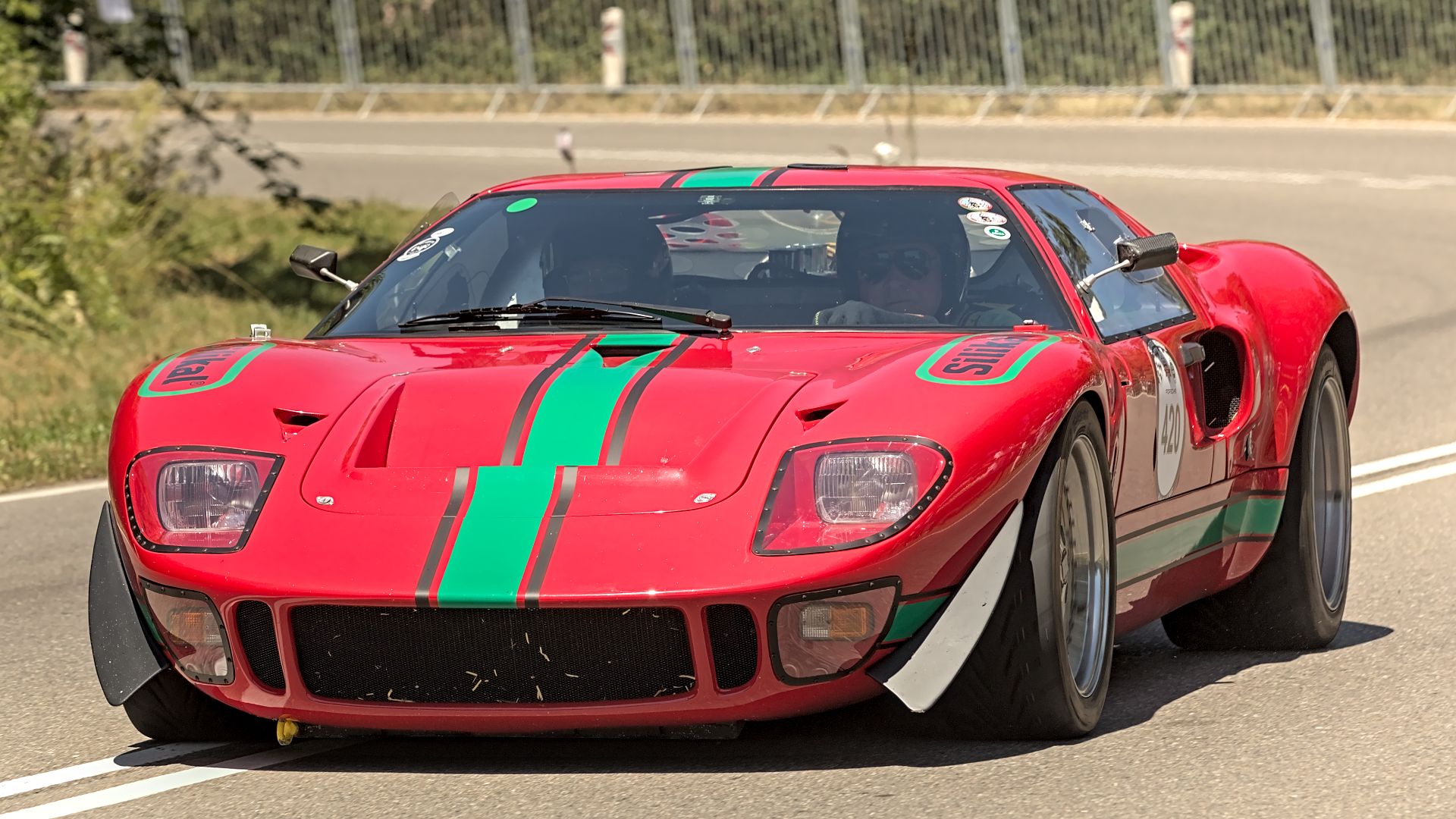
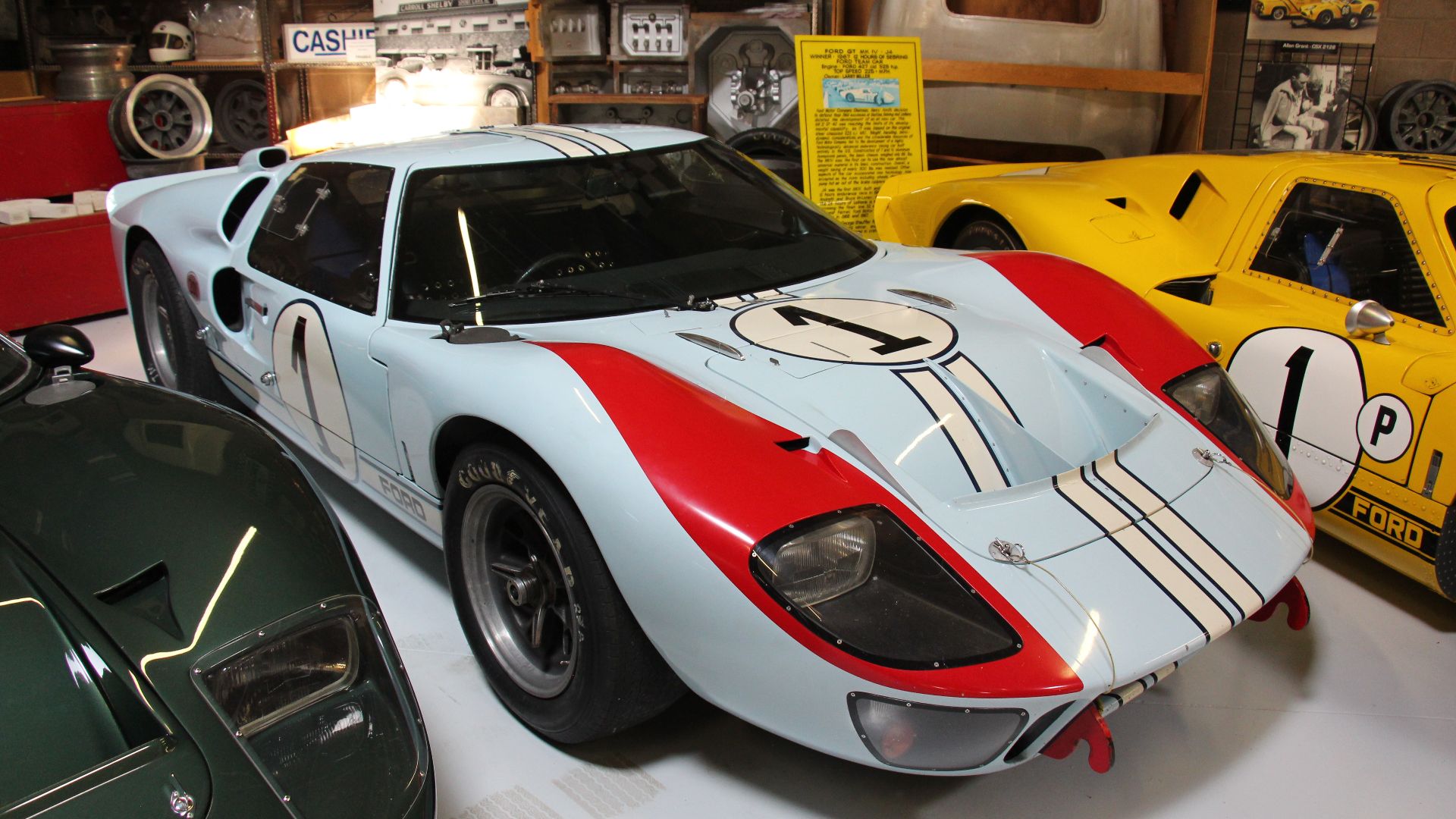
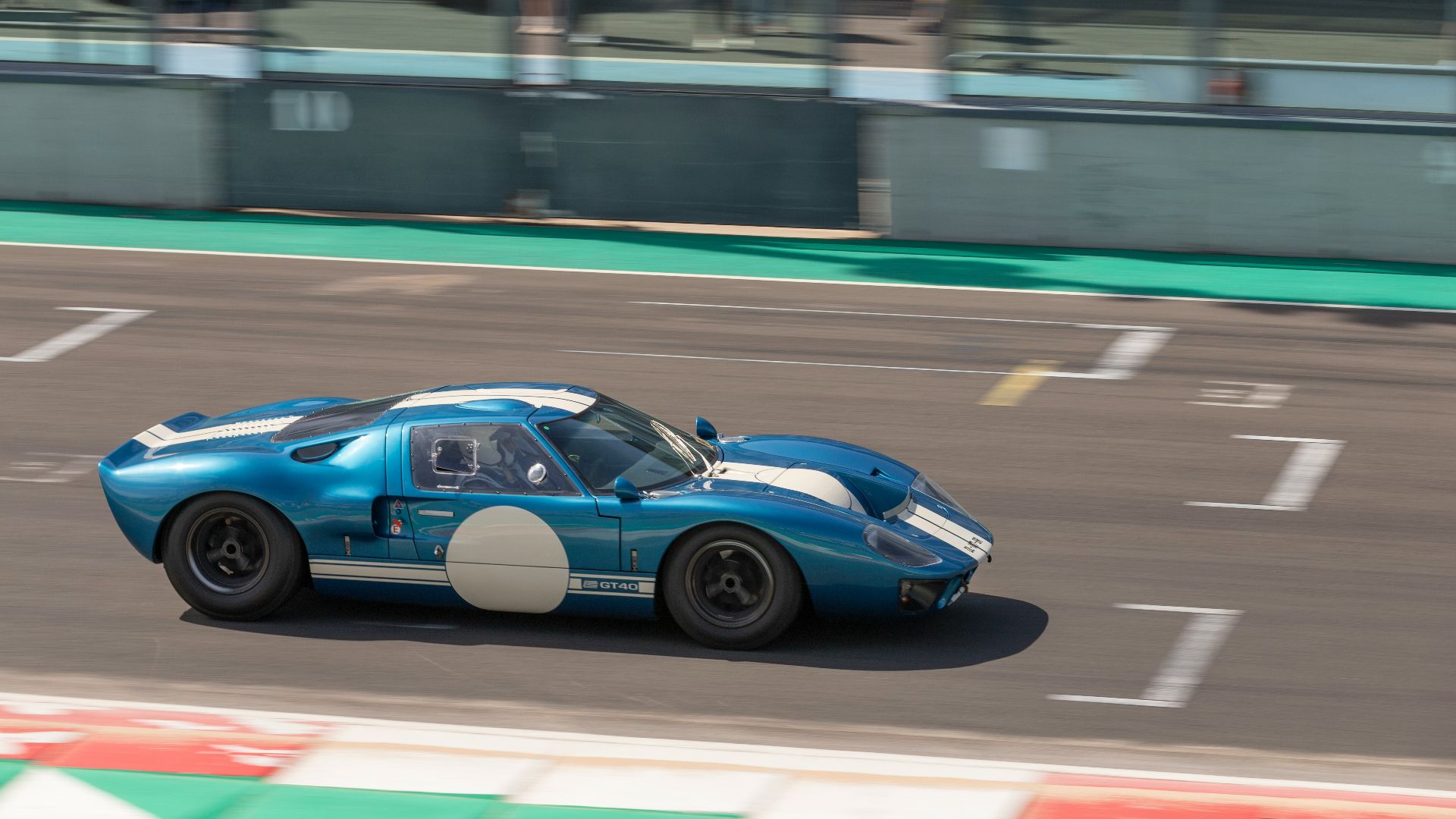
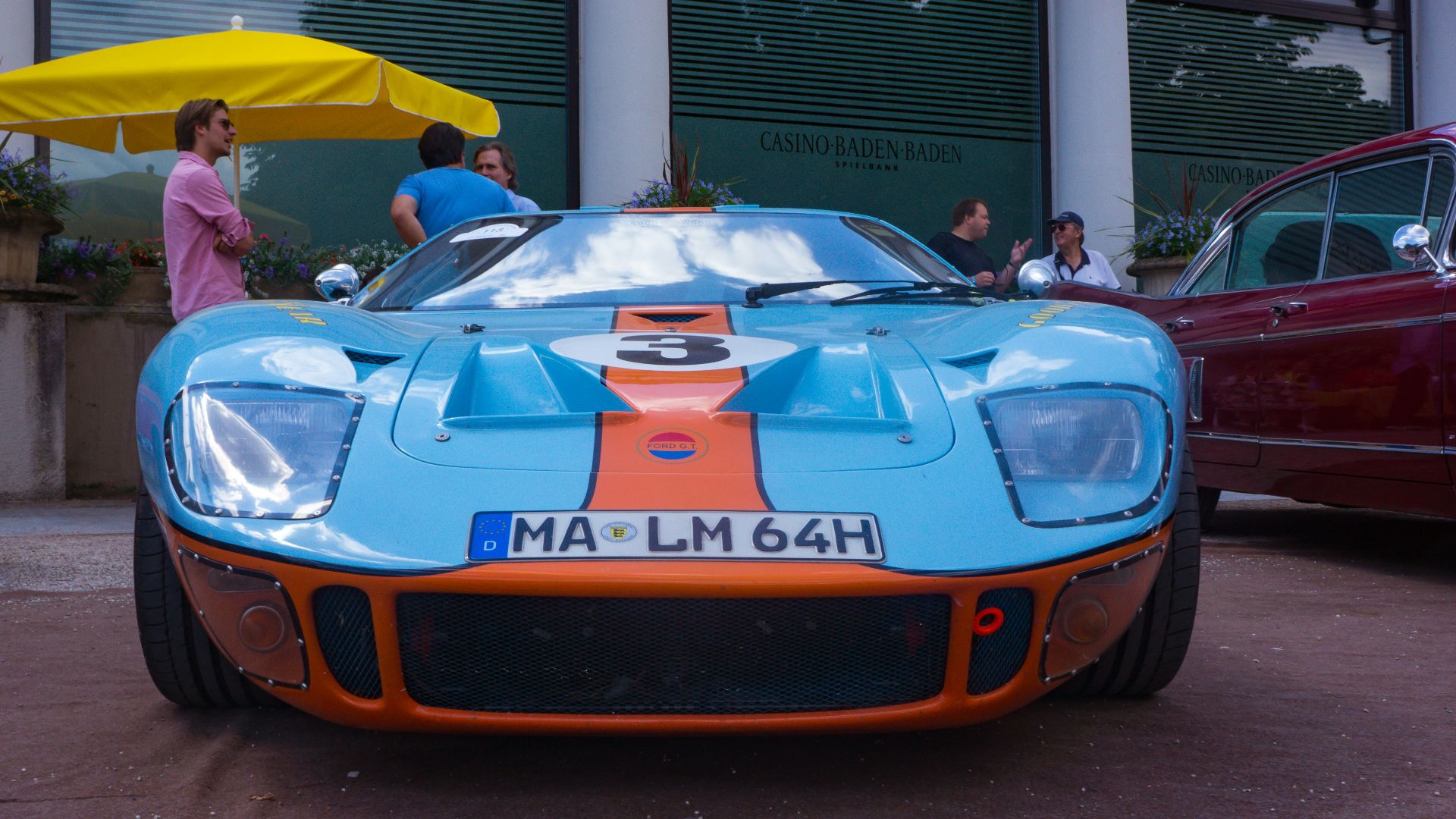
The name “GT40” comes from the height restrictions of the car; it’s literal. Ford wanted the car to be able to race internationally, so they made it only 40 inches tall as measured at the windshield. Since most cars have some height at the hood, this also made the GT40 incredibly low to the ground.
4. A British Foundation
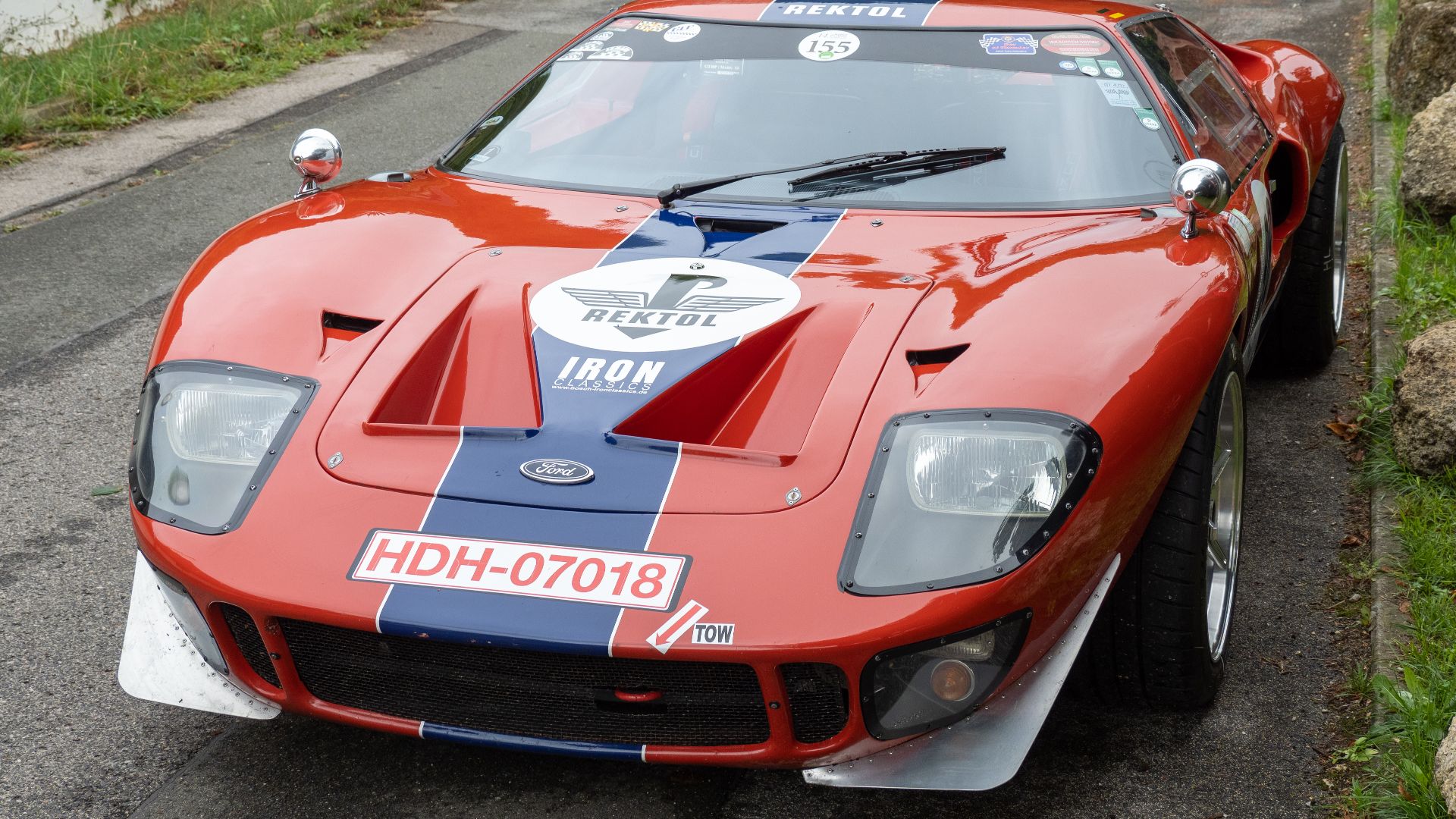
Although the GT40 is remembered as an American underdog story, it wasn’t actually an American car at its core. The chassis was based on a British car called the Lola Mk6, named after its designer. Ford built an entire operation inside a shop located in England because that’s where all the best engineers were living during that time.
5. Ken Miles, the Tank Commander
Lead development driver Ken Miles was actually a decorated British Army tank commander during World War II. He drove one of the first tanks on the beaches of Normandy during the D-Day invasion. Miles also liberated the Bergen-Belsen concentration camp with his battalion.
6. The Danger of Liftoff
During early testing, the GT40 had a terrifying habit of trying to become an airplane once it hit 170 mph. The aerodynamics were so poorly understood that the nose of the car would literally lift off the track, making it impossible to steer. You can imagine how scary that was for the test drivers who had to figure out how to keep the thing on the pavement.
7. Ford’s Massive Spares Army
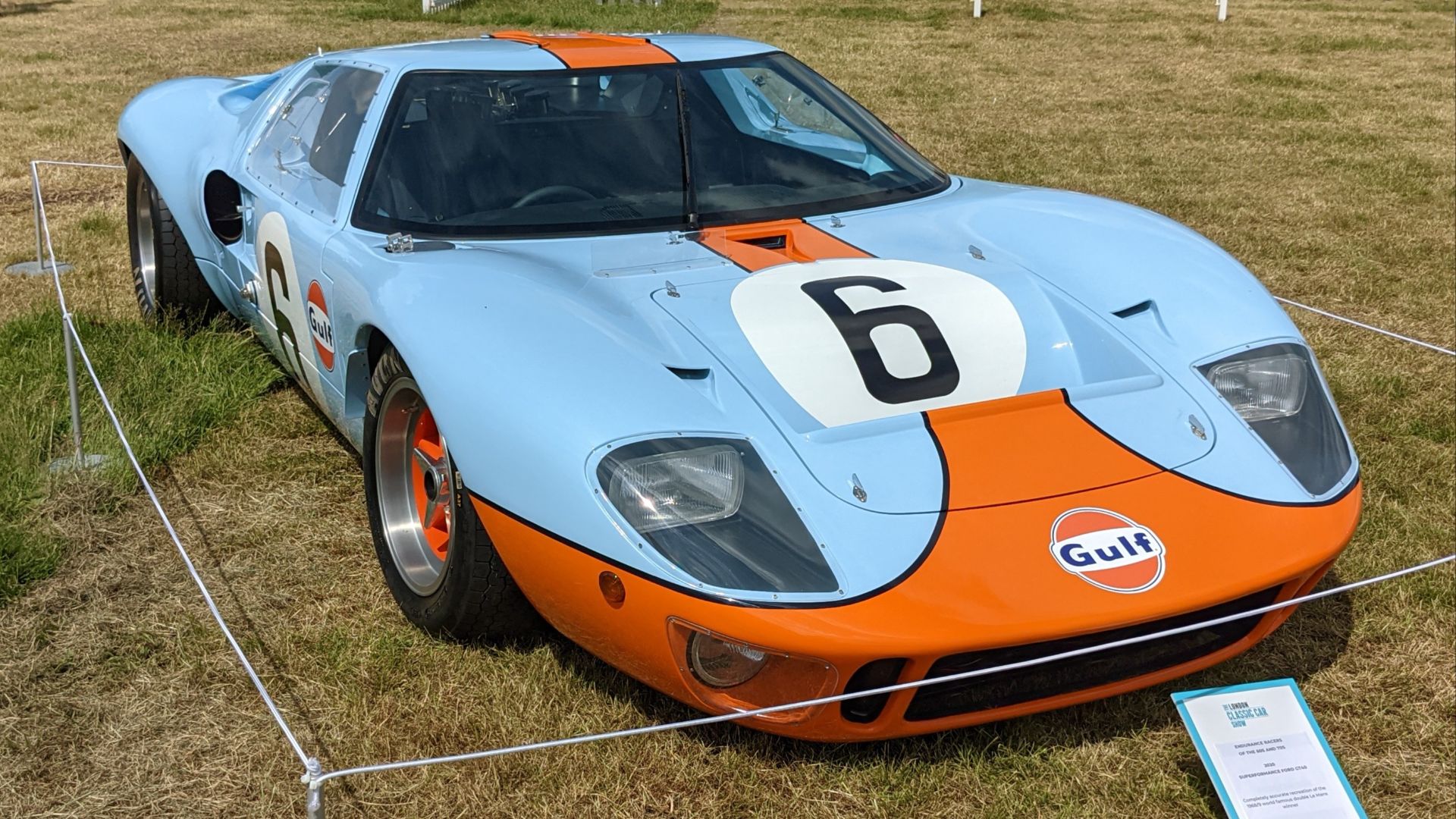
In order to guarantee a win at Le Mans in 1966, Ford created a task force of 100 people and 21 tons of spares. These people, and this includes the drivers’ families, absolutely camped out inside their section of the track’s infield. They even brought a truck so big it couldn’t fit down the narrow streets of the French villages bordering the circuit.
8. The Quick-Change Brakes
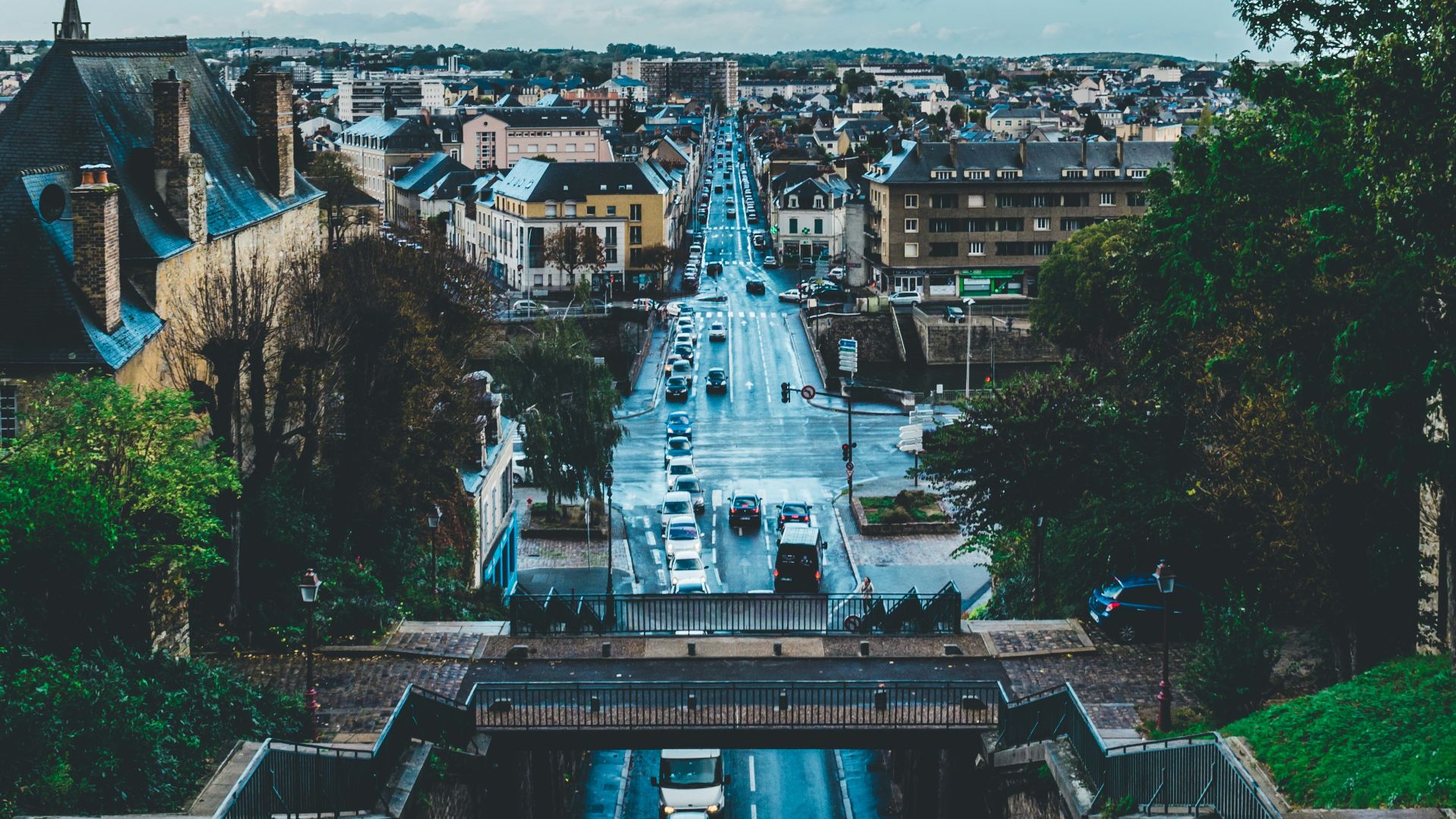
Innovations made specifically for the GT40 included a brake system that could be switched out in under one minute. Competitors were required to change their brakes every race due to brake fade. While Ferrari was changing rotors, Ford mechanics would change the entire braking assembly during normal pit stops.
9. Simulating Le Mans in a Lab
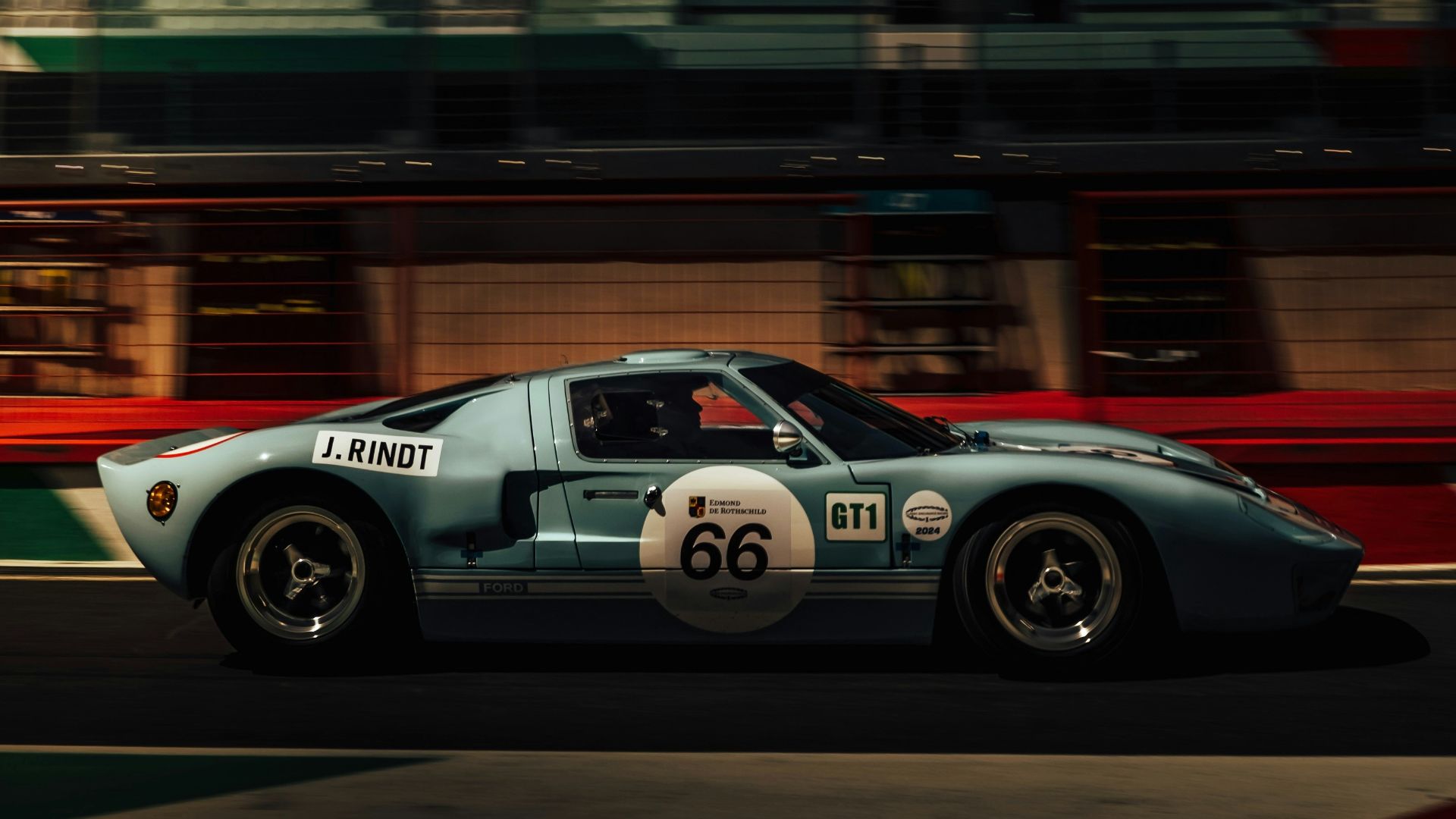
Ford engineers were so worried about engine failure that they hooked up a GT40 engine to a computer-controlled test stand back in Dearborn. They programmed the machine to simulate the exact RPMs and gear shifts of a full 24-hour race at the Le Mans track. If the engine blew up in the lab, they’d analyze the failure and fix it before the real race ever started.
10. The Stuck Door Disaster
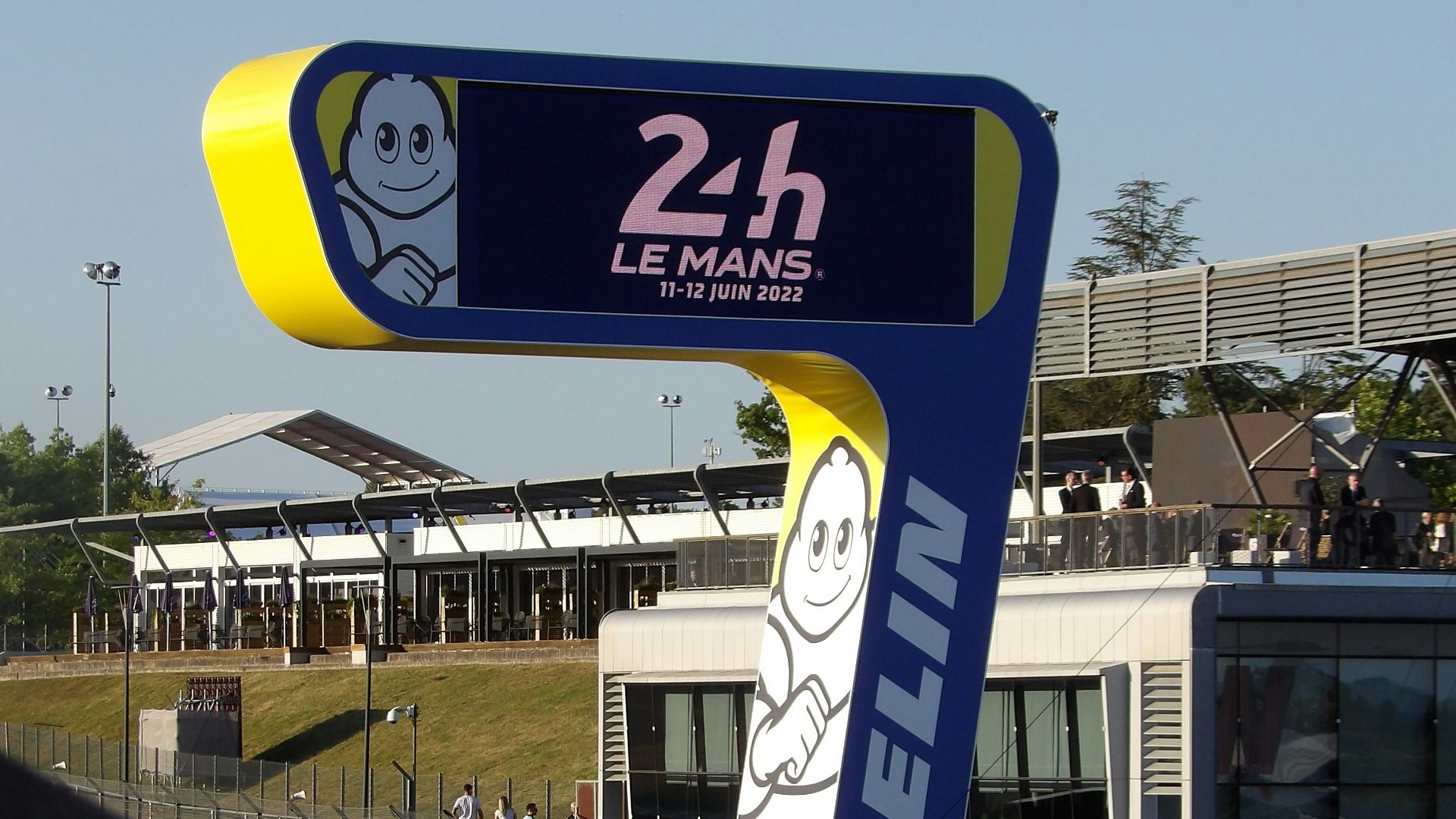
Ken Miles almost lost the race on the very first lap because he slammed his door so hard on his helmet that it wouldn't stay latched. He had to pit immediately to have a mechanic hammer the door frame back into shape while the rest of the field sped away. You’d think a multi-million-dollar car would have better latches.
11. Enzo Ferrari Was a No-Show
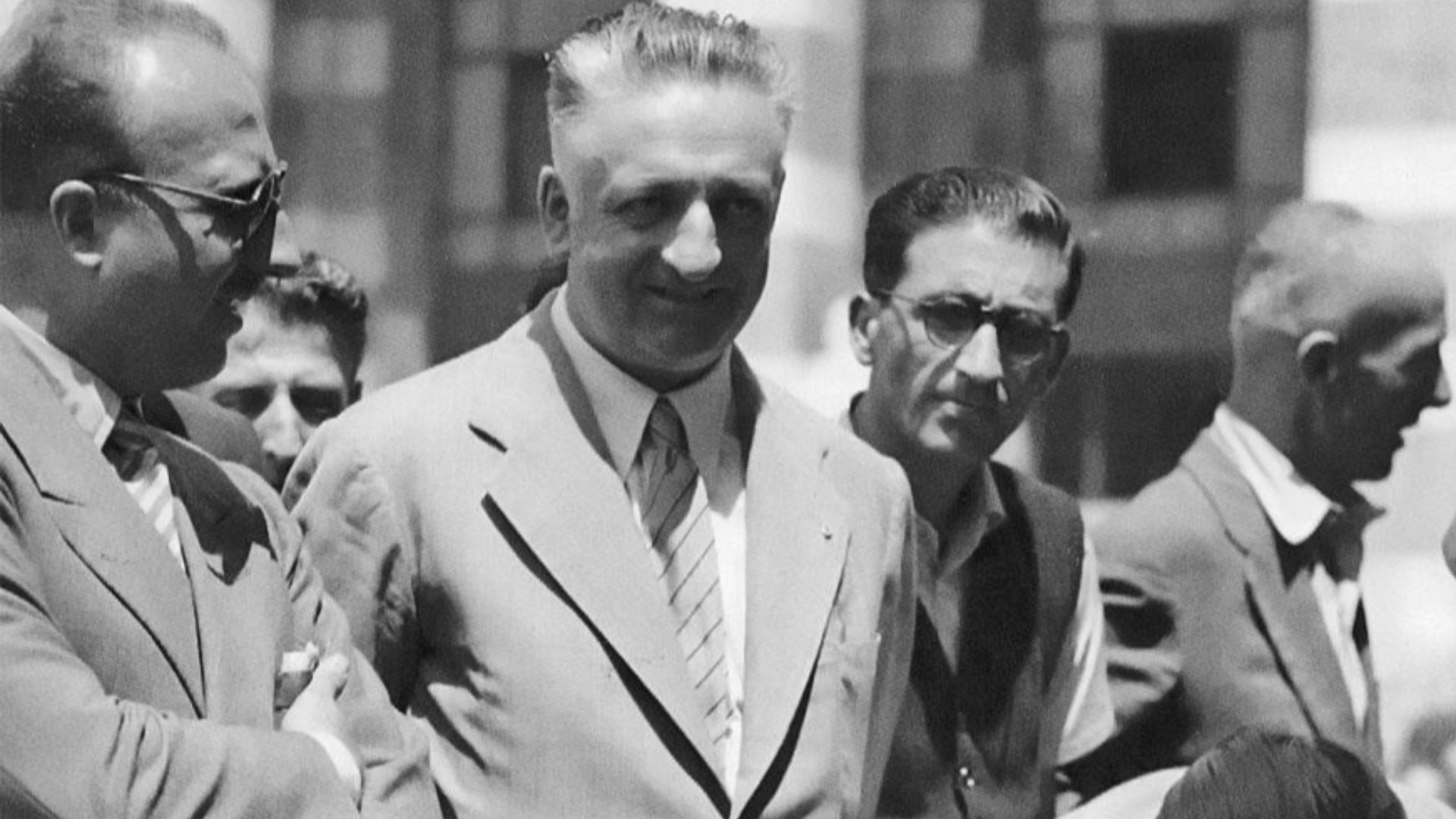
Despite what scenes from the movie may have shown, Enzo Ferrari did not actually attend Le Mans that year. He famously despised attending races because of the crippling anxiety of watching his cars lose. No pictures of Enzo attending the race in 1966 exist because he stayed home.
 Unknown photographer on Wikimedia
12. Bruce McLaren’s Tire Trouble
The winning car, driven by Bruce McLaren, actually started the race with the wrong tires that began to shred early on. He famously shouted "go like hell" to his co-driver after they switched to a different brand mid-race and decided to ignore the conservative pace orders. It’s a good thing he did, because that extra speed is what kept them in the running for the lead.
13. The Staged Photo Controversy
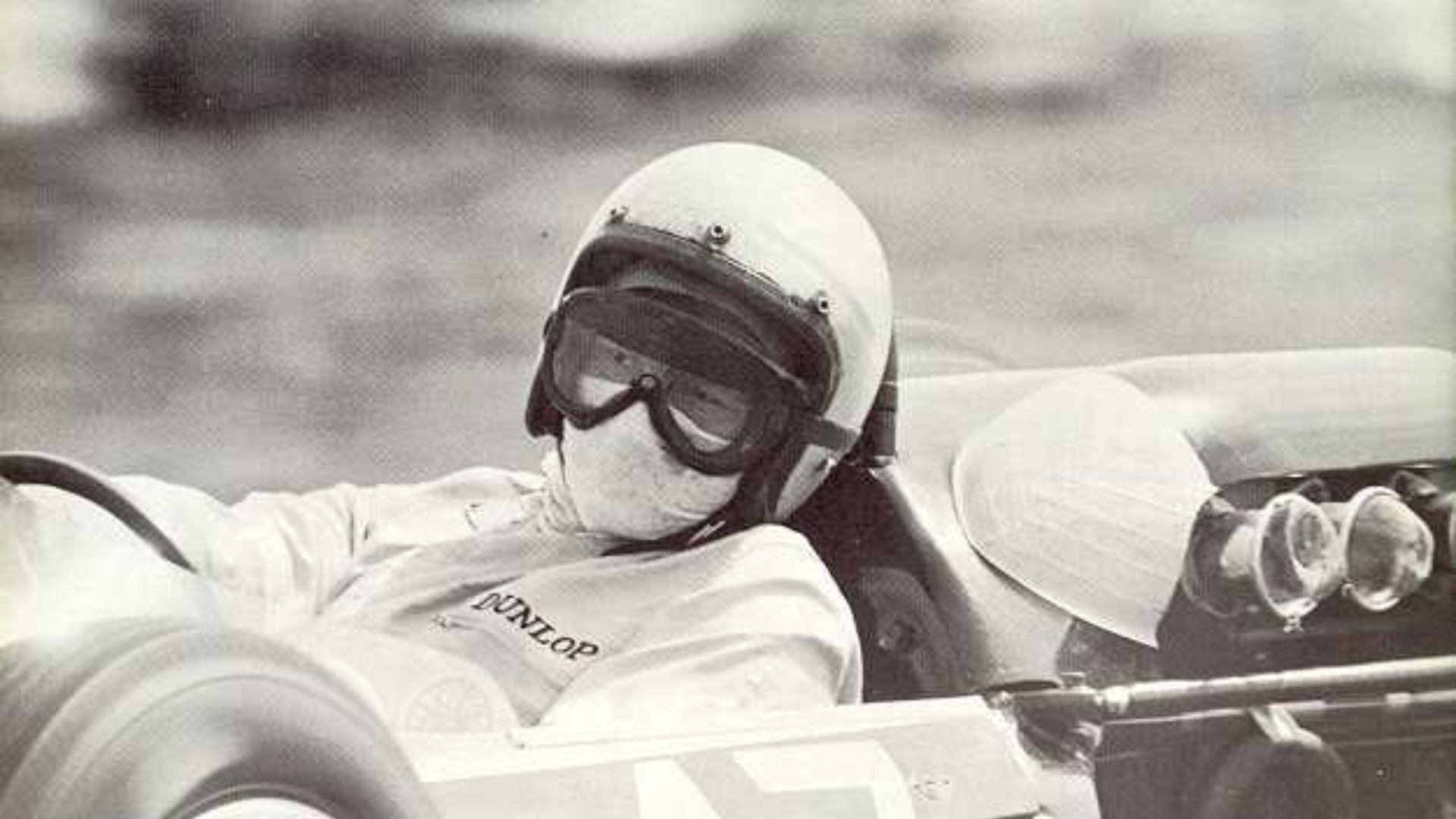
Ford executives wanted a heated finish with three of their cars crossing the line at the same time for a legendary PR photo. They ordered Ken Miles, who was leading by several laps, to slow down and let the others catch up. You can probably guess that this "perfect moment" ended up causing one of the biggest scandals in racing history.
14. The Eight-Meter Gap
Even though Miles and McLaren crossed the line together, the French officials declared McLaren the winner because he started about 60 feet further back on the grid. Since both cars finished at the same time, the one that started further back technically traveled a greater total distance. You’d be devastated if you led for 24 hours only to lose because of where your car was parked a day earlier.
15. Ferrari’s Total Collapse
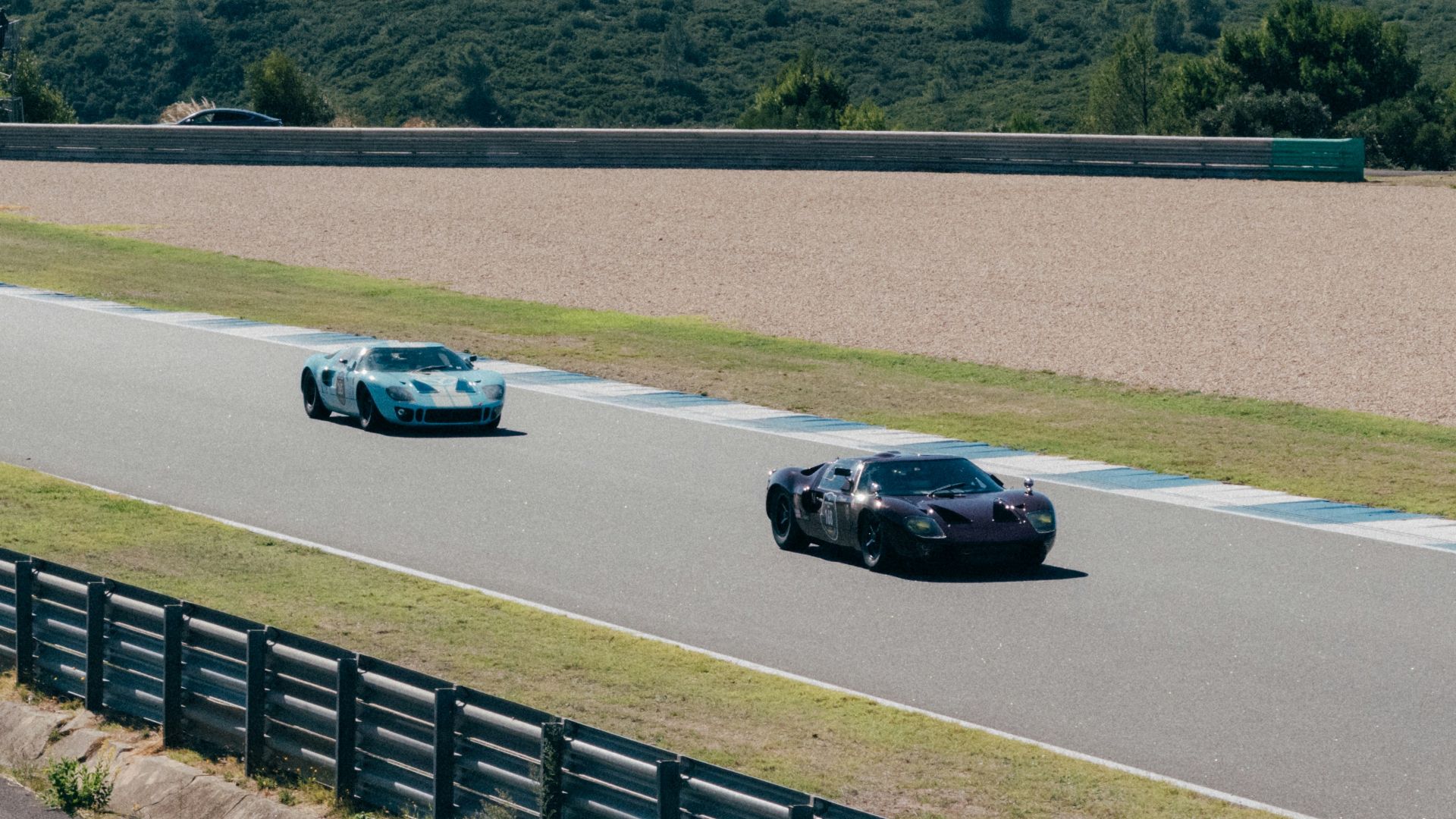
The 1966 race was a disaster for Ferrari, as not a single one of their factory-backed cars actually managed to finish. Their experimental P3 models were plagued by mechanical failures and overheating, leaving the podium completely open for Ford. It was the first time since 1959 that a Ferrari hadn't won the prestigious endurance race.
16. The Triple Crown That Never Happened
If Ken Miles had won Le Mans that year, he would have been the first driver in history to win Sebring, Daytona, and Le Mans all in the same year. Because of the eight-meter gap margin of victory, nobody has since officially held this prestigious record. Say what you will about the finish.
17. Henry Ford II's Warning Note
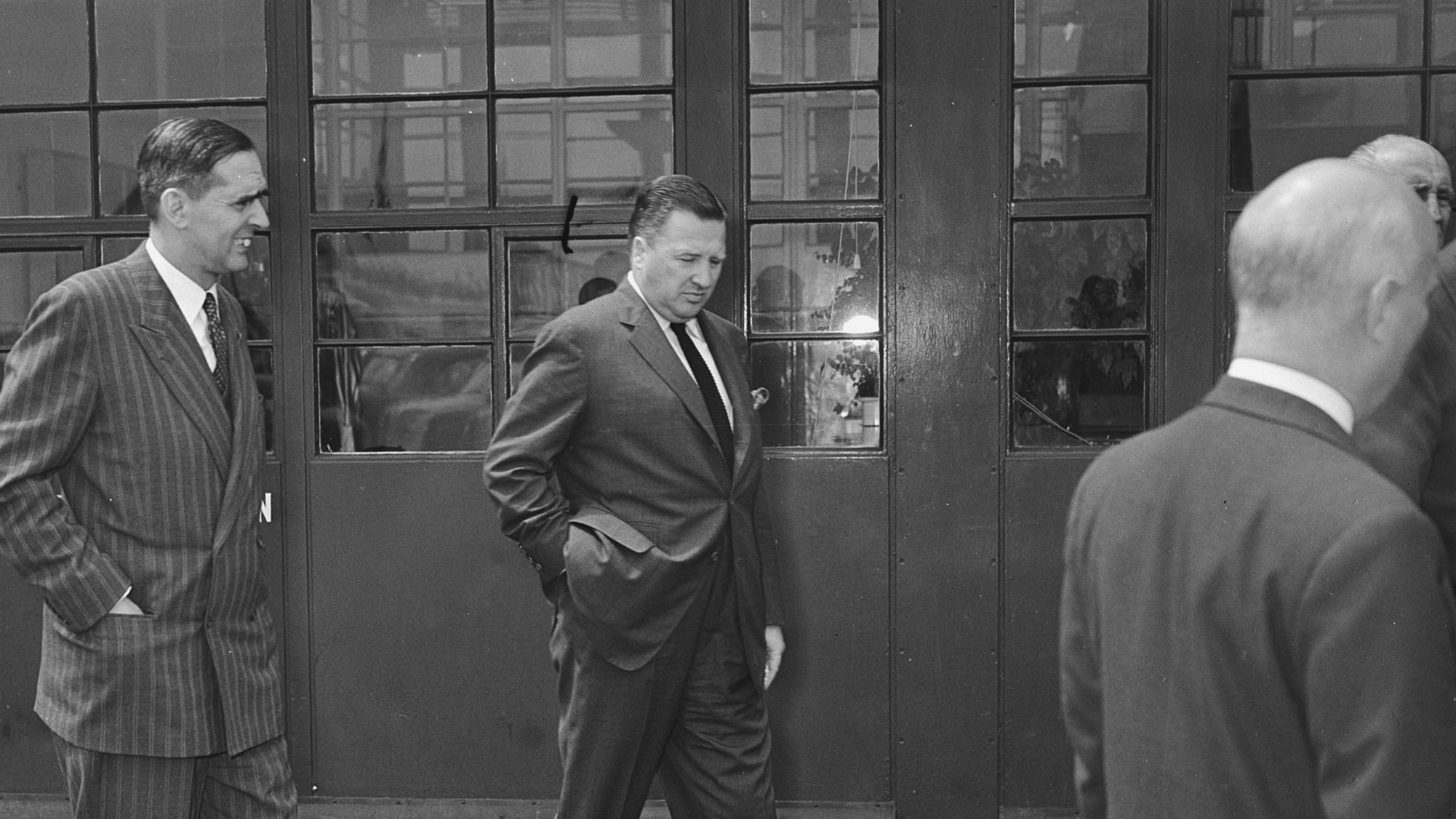
Before the race began, the "Deuce" handed his racing director, Leo Beebe, a simple business card with a handwritten message. It didn't say "good luck" or "do your best"; it simply said, "You better win." That kind of pressure from the big boss made the staged finish even more about corporate optics than sport.
 Joop van Bilsen for Anefo on Wikimedia
18. The Tragic J-Car Accident
Just two months after the Le Mans triumph, Ken Miles passed away while testing the experimental "J-Car," which was meant to be the next generation of the GT40. The car flew off the track at Riverside International Raceway and burst into flames. You’d find that the racing world was shattered by the loss of such a legendary and blunt personality.
19. The Only Back-to-Back Winner
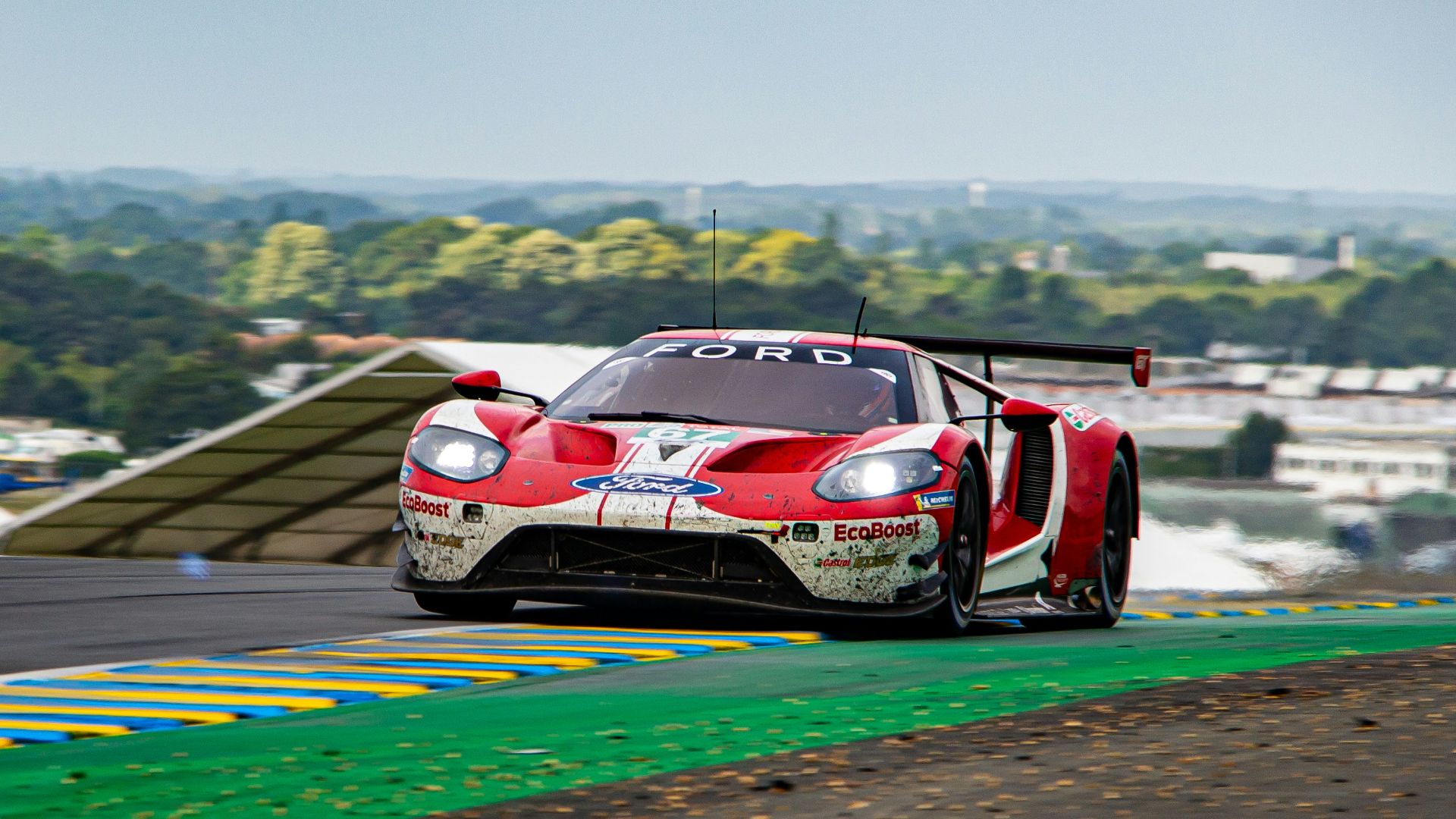
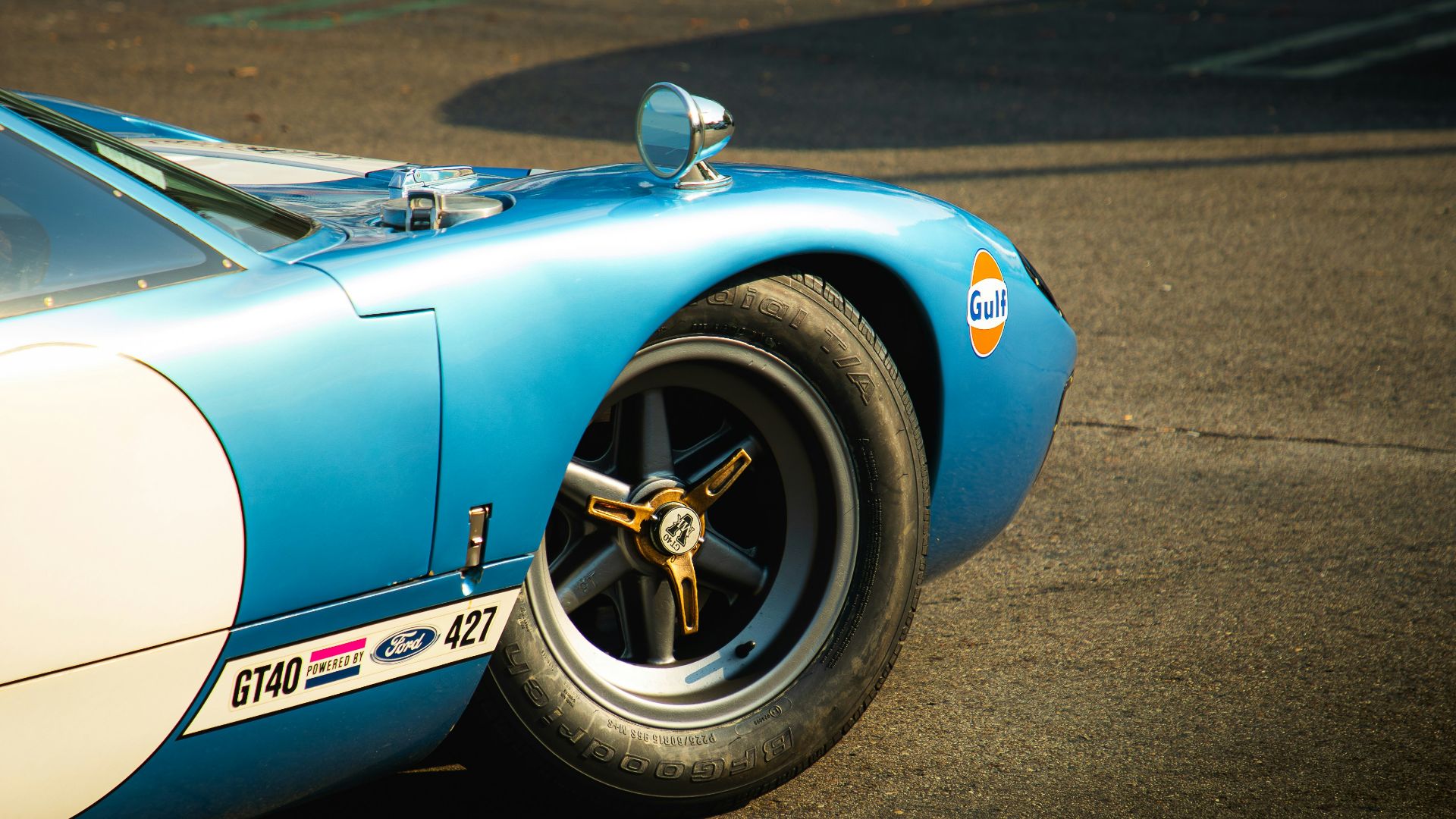
In 1968 and 1969, the same GT40 chassis won Le Mans two years in a row, which is almost unheard of in endurance racing. Most teams build a brand-new car every year, but this specific Ford was so well-engineered that it beat much newer Ferraris and Porsches. It’s now one of the most valuable cars in the world, worth tens of millions of dollars.
20. A 50-Year Hiatus
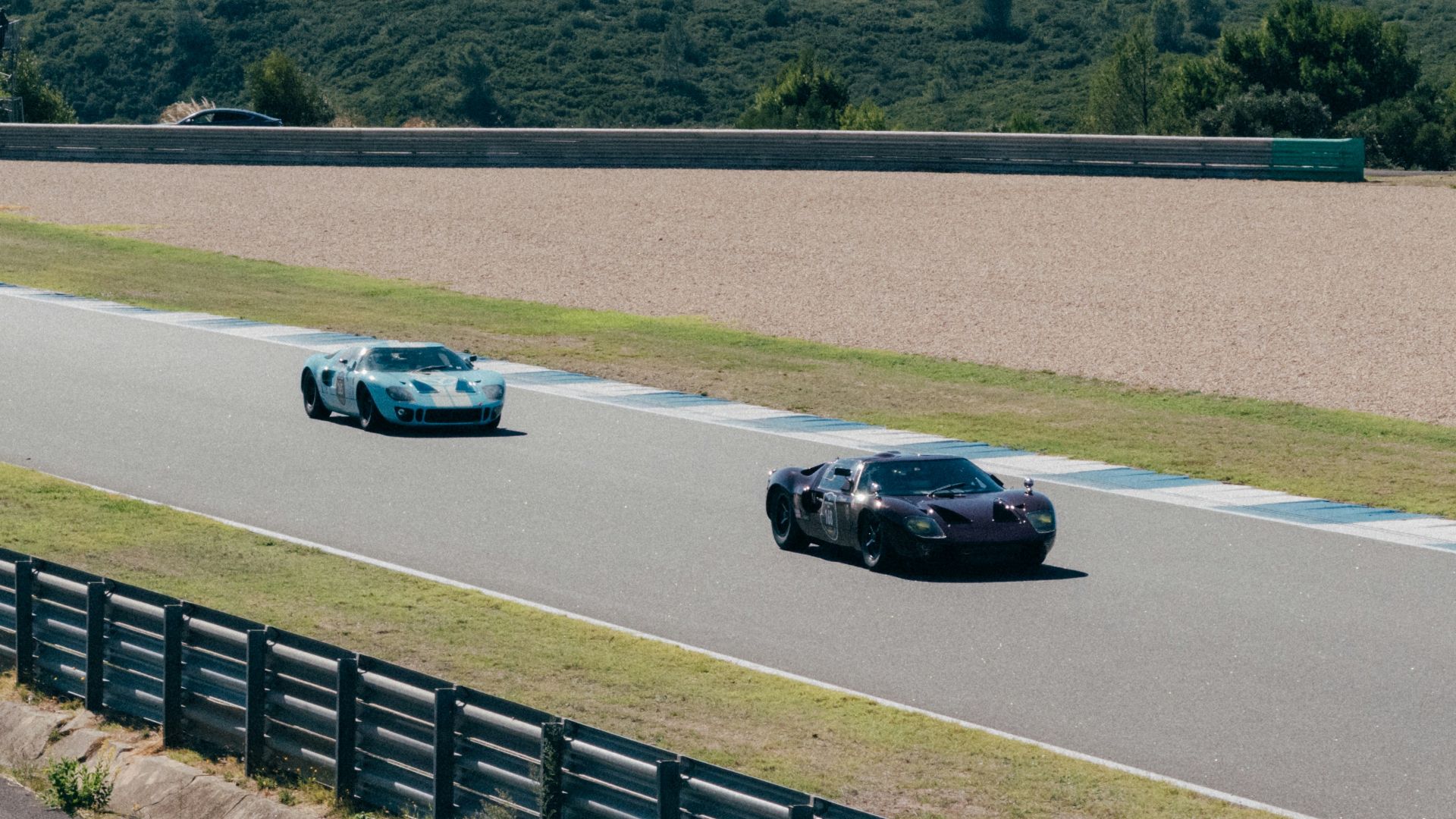
After taking victory after victory, Ford left Le Mans as a factory-supported team for 50 years. They returned in 2016 to honor the 50th anniversary of their famous win and actually took their class victory again. It’s as if they told Enzo what they thought of his race cars and never looked back.