Don’t Let a “Great Deal” Swindle You
Buying a used car can be exciting. In some cases, it can even be a giant steal. But that’s really only if you know what you’re doing. Never forget that your excitement can also make it easier to miss the warning signs right in front of you. Before you hand over cash or sign anything, watch for these signs (and know how to prevent anything from happening in the first place).

1. The Story Keeps Changing
A seller who can’t keep the basic facts straight is already making your job harder. One day, they might say the car was mostly driven by their spouse. Next, they’ll claim it was their commuter car. It might seem small, but honest sellers remember who drove the car, why they’re selling it, and what kind of life the vehicle has had.
2. They Won’t Let You See the Title First
If the seller gets weird when you ask to see the title, take that seriously. As soon as they claim it’s somewhere else or that they misplaced it, that likely means there’s a lien, a salvage brand, or no legal ownership at all. You don’t need to be rude, but you also shouldn’t pay when the paperwork’s a secret.

3. The Price Is Suspiciously Low
A cheap car isn’t automatically a scam, but highway robbery usually is. If a 2021 Toyota Camry is listed thousands below similar models, that urgency may be covering major issues. Good deals exist, but real sellers can explain the price without rushing you.

4. They Refuse an Inspection
A seller who blocks an inspection is just asking you to trust them more than you should. It doesn’t matter if they say it runs like a dream; that doesn’t replace having your own shop look underneath it. Plus, if they won’t let you spend the money to protect yourself, they probably know the repair bill is waiting for you.

5. The Car Looks Weirdly Clean
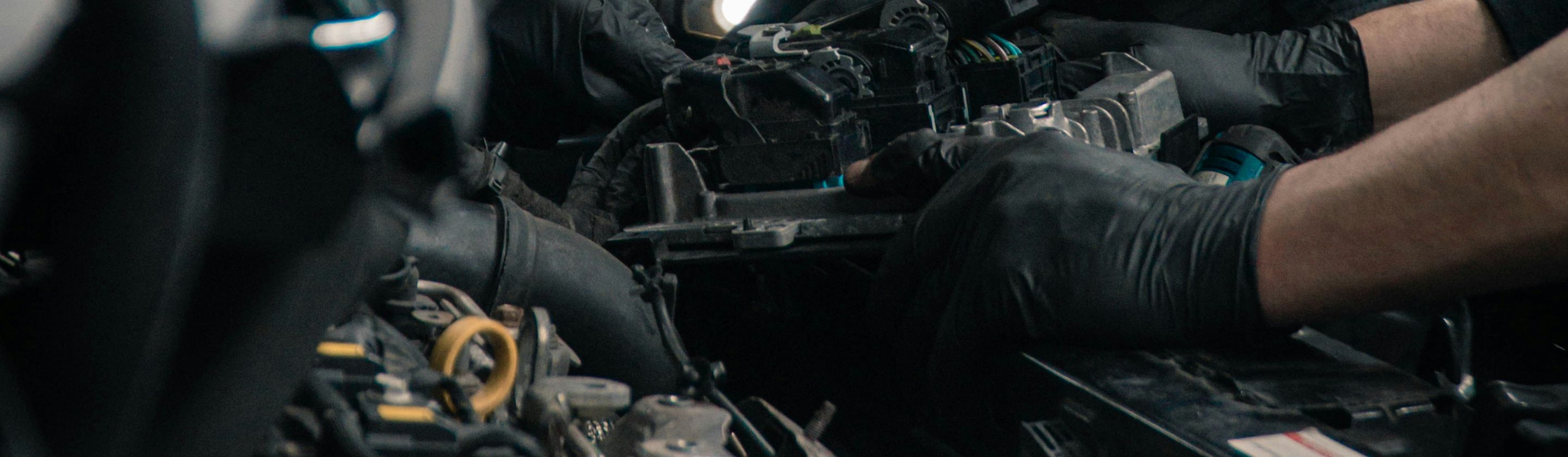
Don’t get us wrong, a clean car is nice—but an oddly spotless engine bay can be a warning sign. For instance, if the engine looks freshly sprayed while the rest of the car shows normal age, the seller’s likely trying to hide issues like oil leaks or fluid seepage. A little dust is more reassuring than a glossy engine.
6. They Avoid Specific Questions
Vague answers about maintenance are never a good sign. If you have questions about the tires or the mileage, decent sellers can let you know what’s going on without getting cagey. A reliable seller can also show receipts, name the shop, or at least give you a believable timeline.

7. The Test Drive Comes With Too Many Rules
It’s reasonable for a seller to ride along or ask for your license—it’s not reasonable to control every aspect of the drive. A five-minute loop around the block tells you very little, and that’s exactly why some sellers prefer it. After all, if you don’t drive it, how can you spot the issues?
8. They Push Cash
Pressure around payment is one of the easiest hustles to spot. It’s worth questioning demands for a deposit through Zelle, Cash App, or Venmo, especially before you’ve even seen the title in person. Remember: you can move quickly without being reckless.

9. The Photos Don’t Match the Car
Online photos shouldn’t make the car look totally different when you arrive. If the listing shows shiny paint and a perfect interior, yet the actual car has curb rash or a dented bumper, the seller has already tried to control what you notice. That doesn’t necessarily mean the car’s a dud, but you should still ask what else was left out.

10. They Get Offended By Normal Questions
A trustworthy seller won’t treat basic due diligence like an insult. The right used car should survive a few reasonable questions, and the right seller won’t make you feel guilty for asking them. If they push back, it’s worth questioning the sale.

Buying from a private seller can be a smart move, but it works best when you act like a prepared shopper instead of a hopeful one. Let’s dive into a few ways you can stop scams in their tracks!
1. Set Your Budget
Decide your real number before you start asking about cars. Never forget that excitement can make an extra $1,500 feel smaller than it is, so when you budget, a seller has less room to push you around.

2. Compare It Against Similar Cars
Do yourself a favor and look up the same year. Look into the same make, model, mileage, and condition, too. When you know the market, you won’t fall for urgent declarations or sweeping claims that their price is the best you’ll ever get.
3. Ask For the VIN
Request the VIN before you drive across town! You can use it for all sorts of useful information, such as checking the vehicle history, looking for open recalls, and making sure the car in the listing is the car that’s actually being sold.

4. Meet Somewhere Sensible
Buying a used car is sort of like going on a first date, which means a public place where you can walk around and check things out. A dim driveway at night makes it much harder to spot issues—and it’s also easier to get intimidated by shady people.
5. Bring a Second Person
There’s no shame in bringing someone with no emotional attachment along. They might also pick up on things you don’t, like when the seller dodges questions or the rear bumper color looks different. Even better, they can be the ones to guide you away from a terrible deal.
6. Check the Cold Start Yourself
Ask the seller not to warm up the car before you arrive—the first start reveals a lot. A cold engine that rattles or blows smoke is just hiding problems that conveniently disappear when the car warms up.

7. Test Every Boring Feature
It doesn’t matter how nitty-gritty some tests feel; the devil’s in the details! Try the air conditioning. Look at the power mirrors and backup camera. Test out the key fobs and every window before you negotiate. A shady seller is hoping you’ll skip over that stuff.
8. Read the Paperwork
Match everything before you talk payment. That means the title, registration, seller’s ID, VIN plate, odometer reading, and license plate. Paperwork isn’t fun, but it’s also where a messy sale starts to fall apart.
9. Negotiate With Specifics
Use actual findings when you make an offer. Questions like, “Can you do better?” give the seller too much control. Instead, say something like, “The windshield has a chip, so I’m comfortable at $9,800 instead of $10,900.” A clear reason keeps the conversation grounded and makes it harder for the seller to turn up the pressure.

10. Be Ready to Leave
The easiest way to avoid getting hustled is to remember that you don’t owe anyone anything. If the seller suddenly changes the price or keeps rushing you to pay, simply thank them and leave. There will always be another used car, and you don’t need to get swindled into accepting a pushy offer.