

How to Make the Most of Your Commute
Whether you're spending 20 minutes on the subway or an hour stuck in highway traffic, your daily commute adds up to a significant chunk of your week—and most people spend it staring blankly out the window. But with a little planning, that time can actually work for you, helping you arrive at your destination feeling accomplished and ready to tackle what's ahead. Of course, not every commute habit is a good one; here are 10 ways to boost your productivity during your commute, and 10 behaviors that might be making your journey worse.

1. Listen to Educational Podcasts
Podcasts are one of the easiest ways to turn a passive commute into an active learning experience, covering everything from history and science to personal finance and career development. You can work through the entire series over the course of a week without adding a single extra hour to your schedule. All it takes is a pair of earbuds and a queue ready to go before you head out the door.

2. Use the Time to Plan Your Day
Mentally walking through your to-do list before you arrive at the office can make a real difference in how focused and prepared you feel from the moment you sit down. If you're on public transit, jotting down priorities in a notes app takes just a few minutes and keeps your head clear for actual work. Arriving with a plan in place means you spend less time figuring out where to start and more time actually getting things done.
 Glenn Carstens-Peters on Unsplash
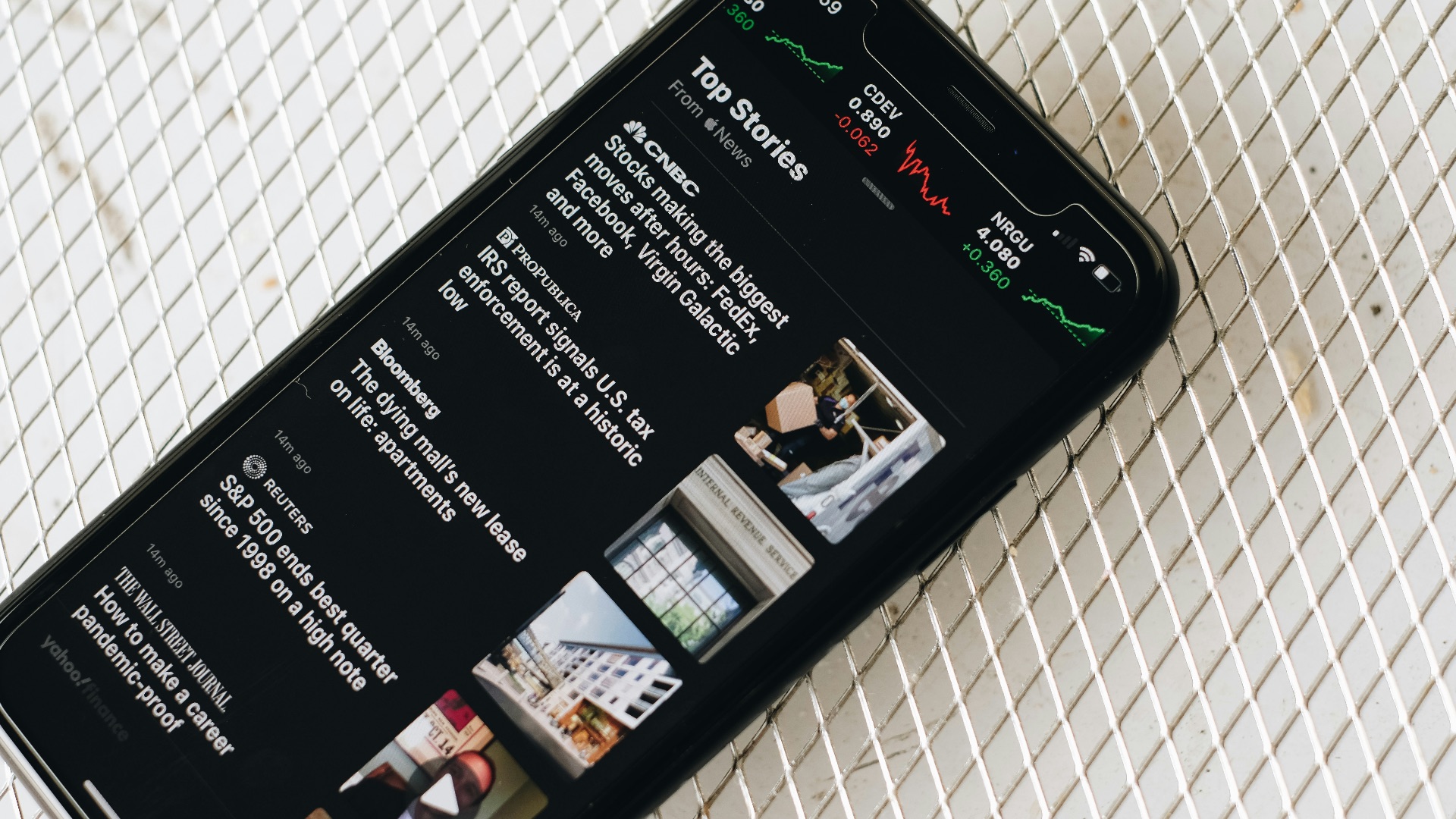
3. Catch Up on Industry News
Staying current in your field is easier when you build a habit of reading during your commute rather than trying to squeeze it in during busy workdays. Apps like Feedly or Flipboard let you curate news sources relevant to your profession so you're always reading something worthwhile. Over time, that can genuinely benefit your career.
4. Practice a New Language
Language learning apps like Duolingo and Babbel are specifically designed for short, consistent sessions, making them a natural fit for a commute of any length. Daily practice, even in small doses, is more effective than longer, infrequent study sessions when it comes to building fluency.

5. Listen to Audiobooks
If your reading list has been growing untouched for months, your commute is the perfect opportunity to finally start working through it. Audiobooks let you absorb full-length books at your own pace, turning even a short daily trip into meaningful reading time that adds up quickly. Many public libraries offer free access to audiobook platforms like Libby, so you don't need to spend a cent to get started.

6. Do a Mental Review of Yesterday
Taking a few minutes to reflect on what went well and what didn't the previous day is a surprisingly effective way to continuously improve both your work and your habits. This kind of brief self-assessment doesn't require a journal or an app; it's a quick and simple mental check-in that helps you identify patterns over time. Commuters who build this habit often find they're more self-aware and quicker to course-correct when something isn't working.

7. Work on a Side Project
If you take public transit, your commute can serve as dedicated, distraction-free time to chip away at a personal goal or creative project you never seem to find time for at home. Whether it's writing, sketching, coding, or brainstorming, even 30 minutes of focused attention a day adds up to several productive hours by the end of the week.

8. Call a Friend or Family Member
Maintaining close relationships takes consistent effort, and the commute is a genuinely good time to make those calls you've been putting off. A quick catch-up with a friend or a check-in with a parent can do a lot for your overall sense of connection and well-being, especially during busy seasons of life. Just make sure you're using hands-free options if you're behind the wheel, both for safety and because most places require it by law.

9. Keep a Running Note for Ideas
Some of your best thoughts show up when you're between places and not fully pulled into the day yet, so use a notes app or voice memo to capture reminders, article ideas, project thoughts, or anything else that would be frustrating to forget by the time you arrive. This gives your passing thoughts somewhere to go, which makes them much more likely to become something useful later.

10. Listen to Motivational Content
A well-chosen talk or motivational audio session can be an effective way to build momentum and set a positive tone before a demanding day. TED Talks, recorded seminars, and motivational podcasts cover an enormous range of topics, so you're not limited to generic pep talks if that's not your style. Finding content that genuinely resonates with your own goals makes it much more likely you'll actually look forward to that part of your morning routine.
Now that you know what you should do to boost productivity during your commute, let's touch on what you shouldn't do.

1. Don't Text and Drive
This one should go without saying, but if you're getting behind the wheel, keep your eyes on the road. Distracted driving remains one of the leading causes of traffic accidents, and texting is among the most dangerous forms of it. Even a few seconds of inattention at highway speeds can have devastating consequences, and no message is urgent enough to justify that risk. If something genuinely can't wait, pull over safely before picking up your phone.

2. Don't Skip Breakfast Before a Long Commute
Heading out the door without eating first might save a few minutes in the morning, but it often leads to poor concentration, low energy, and a much harder time staying focused once you arrive. A short commute might not require much fuel, but if you're traveling for an hour or more, your body and brain will notice the difference.

3. Don't Use Your Commute as an Emotional Pressure Valve
It's tempting to spend commute time venting about a frustrating coworker or mentally relitigating an argument from the night before, but doing so regularly tends to amplify stress rather than release it. Arriving at work already wound up is a recipe for a bad day, and arriving home still fuming makes it hard to transition into relaxing. If you find your thoughts running in unproductive circles, redirecting your attention to a podcast or playlist can genuinely help.

4. Don't Doom-Scroll Through Social Media
Spending your entire commute mindlessly scrolling through social media might feel like a break, but it often leaves you feeling more drained and distracted than when you started. The kind of passive, reactive browsing that social media encourages doesn't give your brain a real rest; it just replaces one type of stimulation with another. You'll likely arrive at your destination feeling less refreshed than if you'd listened to music, read something engaging, or simply let your mind wander.

5. Don't Sleep Through Your Entire Commute
Catching a few minutes of rest on a long transit ride can take the edge off a rough morning, but making a habit of sleeping through your entire commute means consistently missing out on time you could be using well. There's also the practical issue of overshooting your stop, which has a way of turning an already tired morning into a genuinely stressful one. If you're regularly exhausted enough to sleep on the way to work, that's a sign your nighttime routine deserves more attention than your commute does.

6. Don't Commute Without a Backup Plan for Delays
If your routine allows for zero buffer time, a delayed train or unexpected traffic can throw your entire morning off before the workday even begins. Building even 10 to 15 extra minutes into your schedule gives you breathing room when things inevitably go sideways. Having an offline activity ready (a downloaded podcast, an e-book, or a notebook) also means a delay becomes tolerable rather than maddening.

7. Don't Blast Music at Full Volume Through Earbuds
Never blast your playlist at full volume, no matter how much you want to jam to your tunes. Listening to audio at excessively high volumes during a long commute can cause real, cumulative damage to your hearing over time. If you want to get really immersed in your music, it might be worth investing in noise-canceling headphones since they block out ambient sound without requiring you to crank the volume to compensate.

8. Don't Try to Do Deep Work While Driving
Again, if you're driving, your attention should solely be on the road. Trying to dictate complex documents, make important phone calls, or mentally solve difficult problems while navigating traffic is asking too much of your attention at once. Save genuinely demanding mental tasks for when you're parked or on transit, and keep driving activities simple and low-stakes.

9. Don't Neglect Your Physical Comfort
A long daily commute spent in a painful or poorly supported position takes a real toll on your body over weeks and months, contributing to back pain, stiffness, and fatigue. Whether you're in a car seat or a transit seat, paying attention to your posture and adjusting your setup accordingly is worth the effort. It might feel tempting, but don't sit slumped or hunched over.

10. Don't Treat Every Commute the Same
Not every commute needs to be productive, and pressuring yourself to optimize every trip can turn what should be a transitional break into another source of obligation. Some mornings call for an energizing playlist and a mental warm-up; others genuinely benefit from peace and quiet. Paying attention to what you actually need on a given day and adjusting accordingly is one of the most underrated commuting habits you can develop.