The Garage Mindset
A mechanic's job goes beyond wrenches and oil changes. You need to understand how cars actually work and how to talk to the people who drive them. Every shop runs on skill, and the trust customers place in you. If you're thinking about this career, you'll need both hands-on technical ability and people skills that actually matter. This breakdown shows what you need to learn, starting with the technical side first.

1. Engine Diagnostics
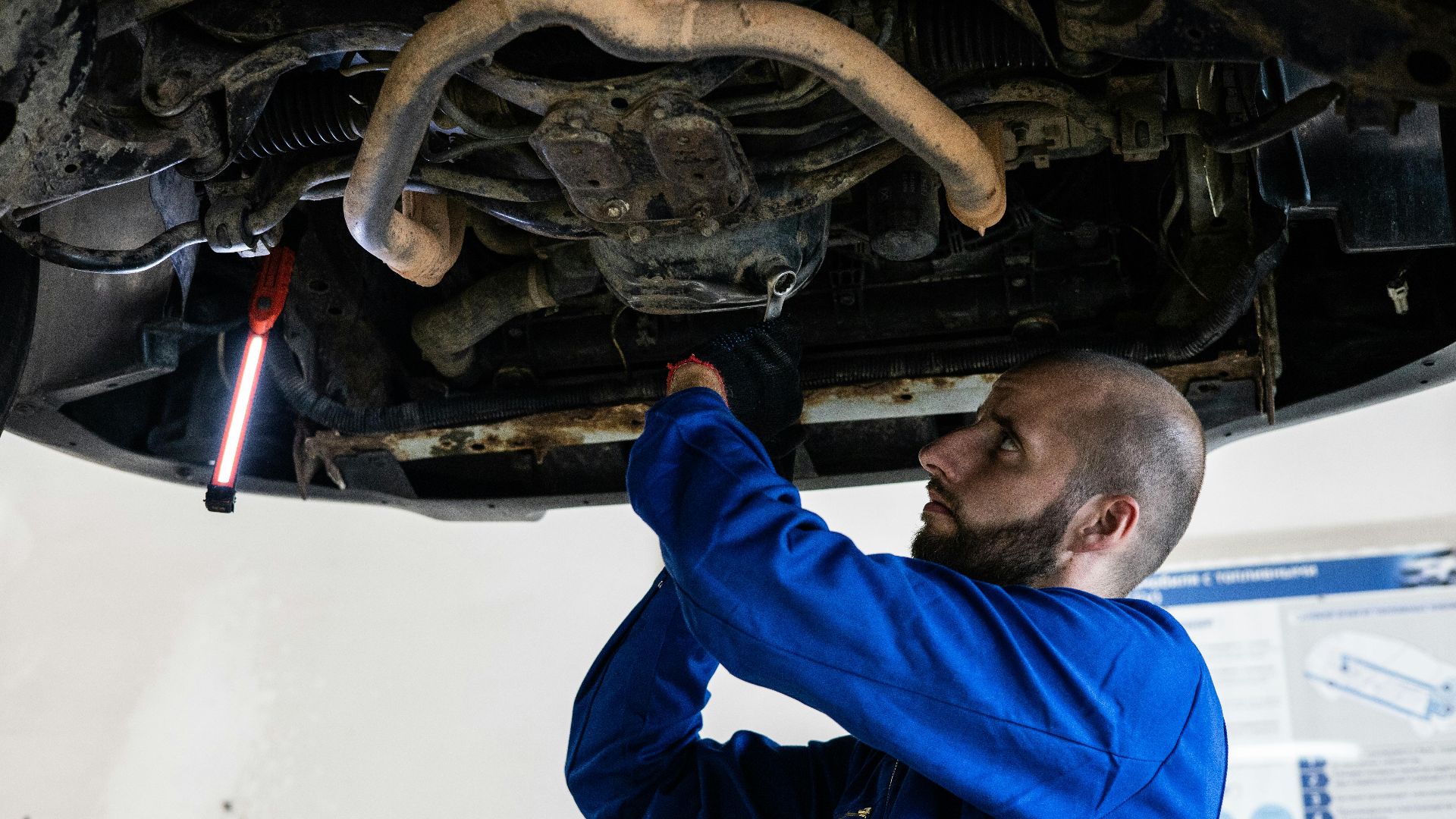
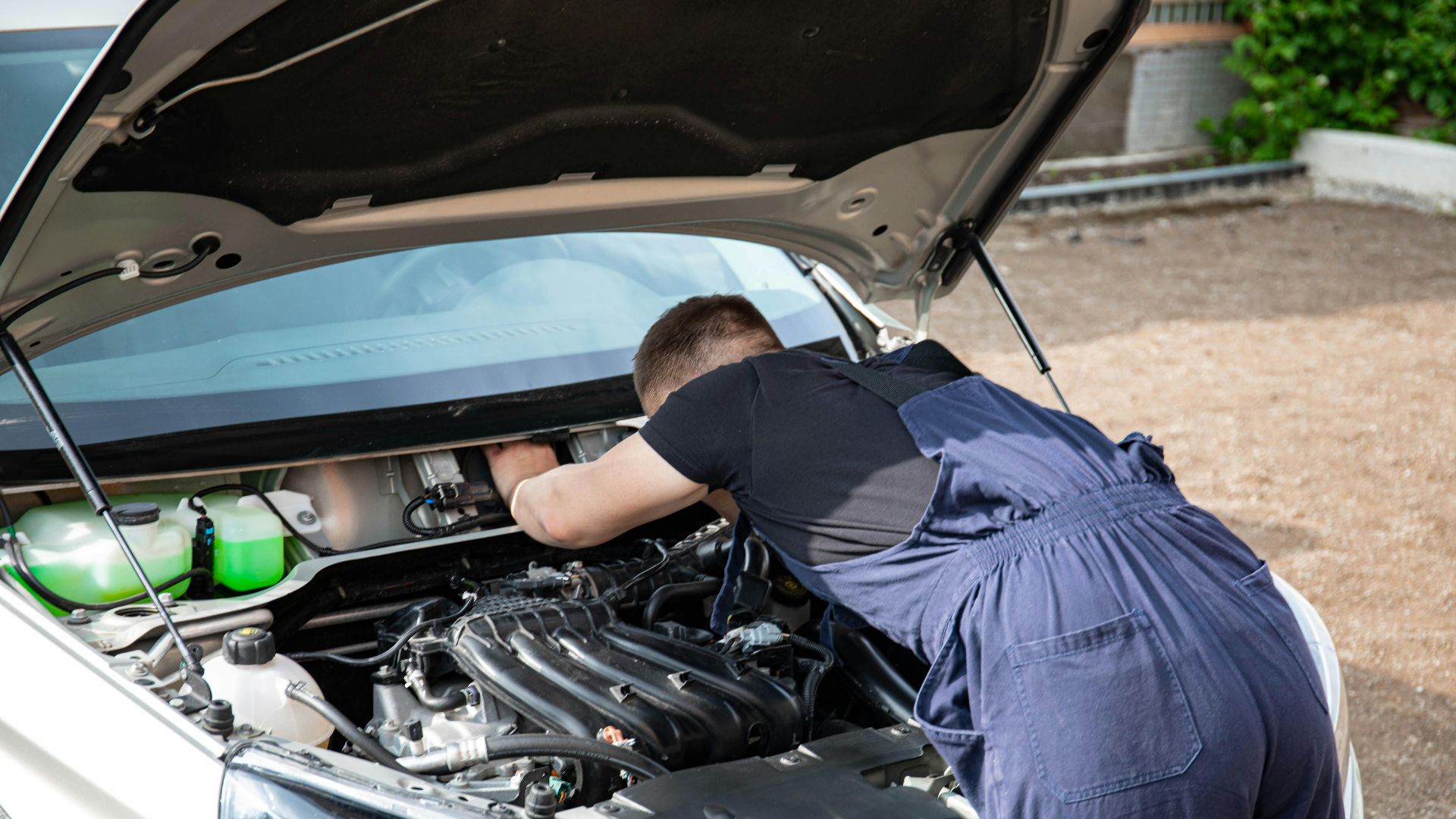
A strange sound under the hood can send anyone searching for answers, which is exactly where a mechanic’s diagnostic skill takes over. Using scanners to read fault codes, problems get pinpointed without opening the engine.
 Jose Ricardo Barraza Morachis on Pexels
2. Brake System Repair
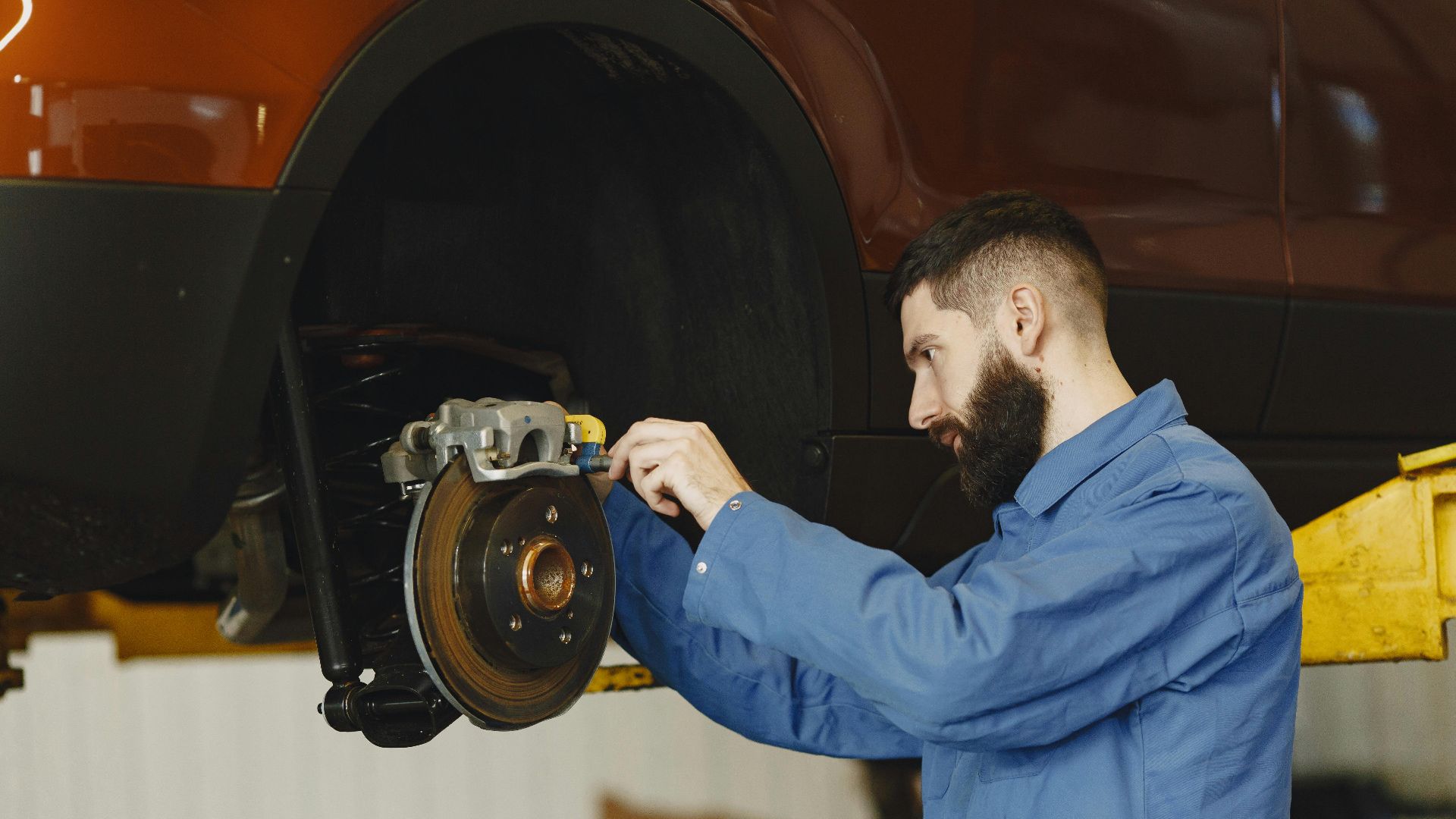
Brakes are all about confidence on the road. Mechanics check pads, fluid levels, and rotors to keep stopping power strong. Spotting soft pedals early matters because safe brakes protect drivers and everyone else sharing the street.
3. Electrical System Troubleshooting
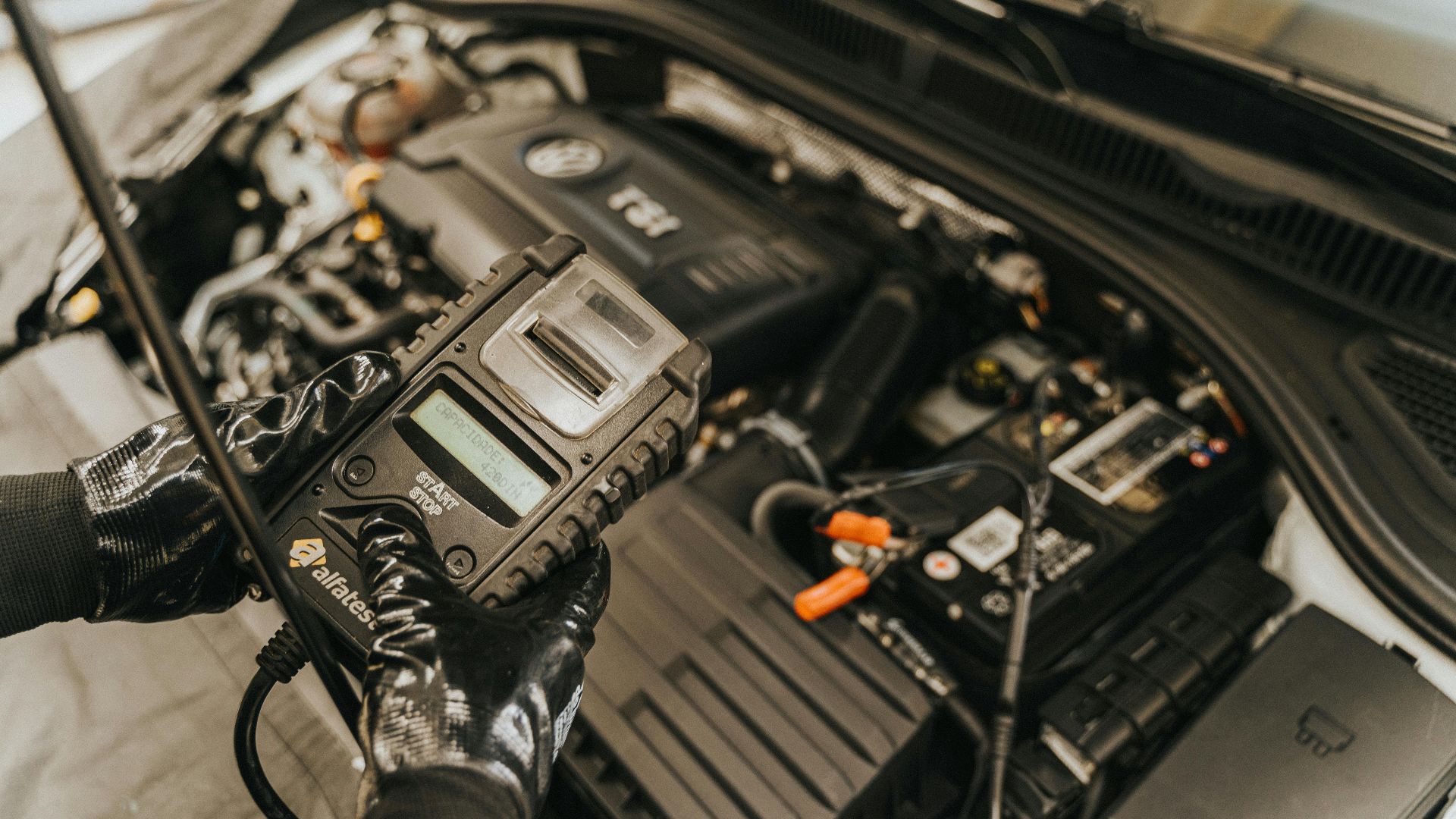
Most days start with the basics, and the electrical system sets that foundation. Batteries power everything from ignition to headlights, plus alternators keep the charge flowing on the road. A weak battery may still play the radio long enough to confuse someone, especially on older cars.
4. Transmission Servicing
A transmission that hesitates or slips needs attention fast. Mechanics know fresh fluid prevents overheating and protects gears. Whether automatic or manual, understanding how these systems work opens repair opportunities and saves drivers from costly failures down the line.
 Bengkel Mobil Matic Bandung on Unsplash
5. Suspension And Steering Alignment
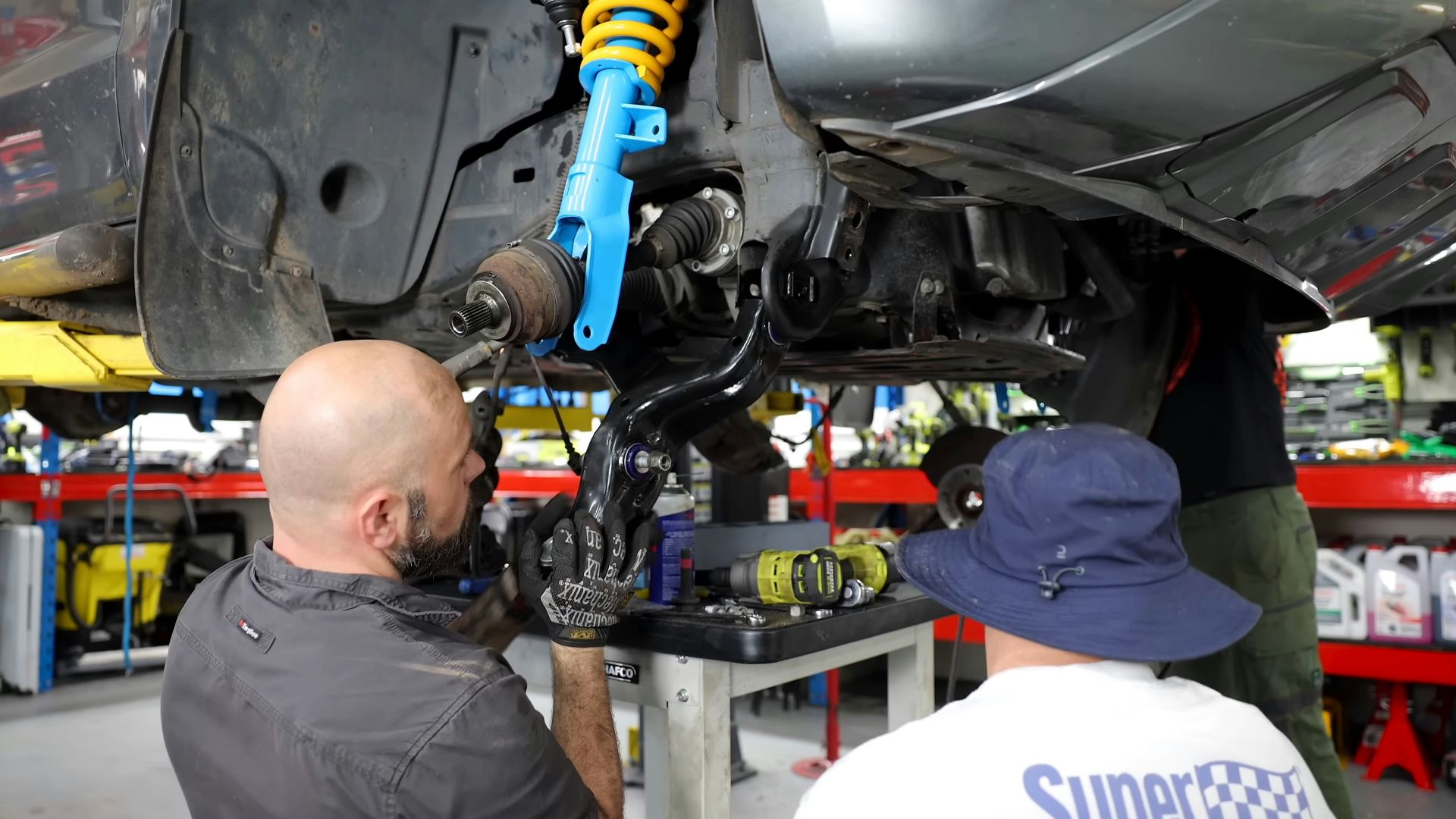
You can feel something’s wrong when a car wanders off-center, and that’s usually alignment calling for attention. Even tire wear depends on it, while suspension absorbs the punishment beneath each mile. Lifted off-road builds make these forces obvious.
6. Hydraulic System Maintenance
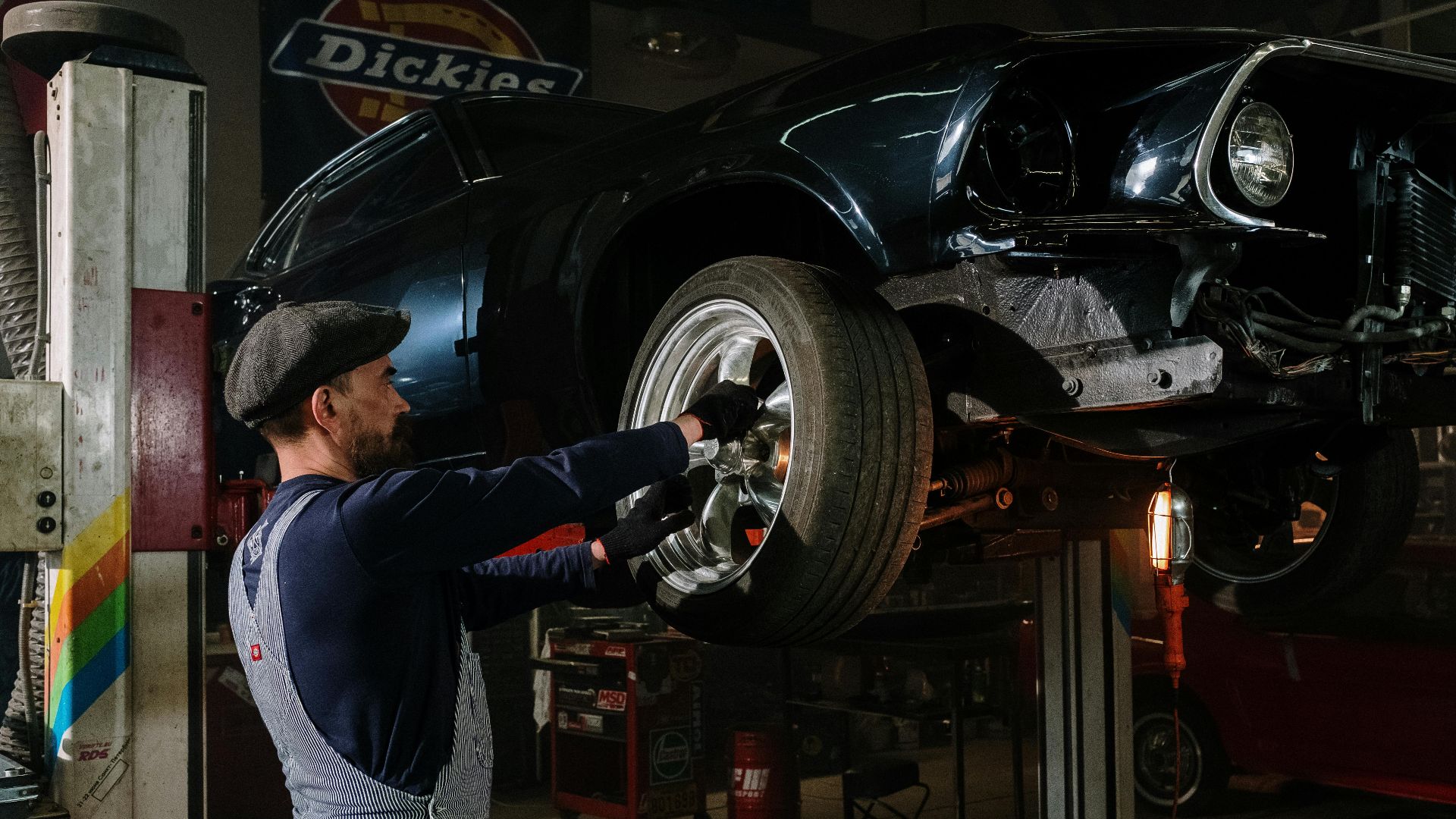
Hydraulics power more than brakes. They also lift cars high in the shop. Air bubbles make pedals spongy and unsafe, so mechanics bleed lines to restore firm pressure. Knowing hydraulics keeps vehicles and workshops running safely every single day.
7. Fuel System Calibration
Engines demand precise fuel delivery. Dirty injectors cause rough idling and weak acceleration. Mechanics clean injectors and adjust fuel pressure with diagnostic tools that read trim data. Proper calibration restores smooth power and keeps performance steady under everyday driving conditions.
 Jose Ricardo Barraza Morachis on Pexels
8. Welding And Fabrication
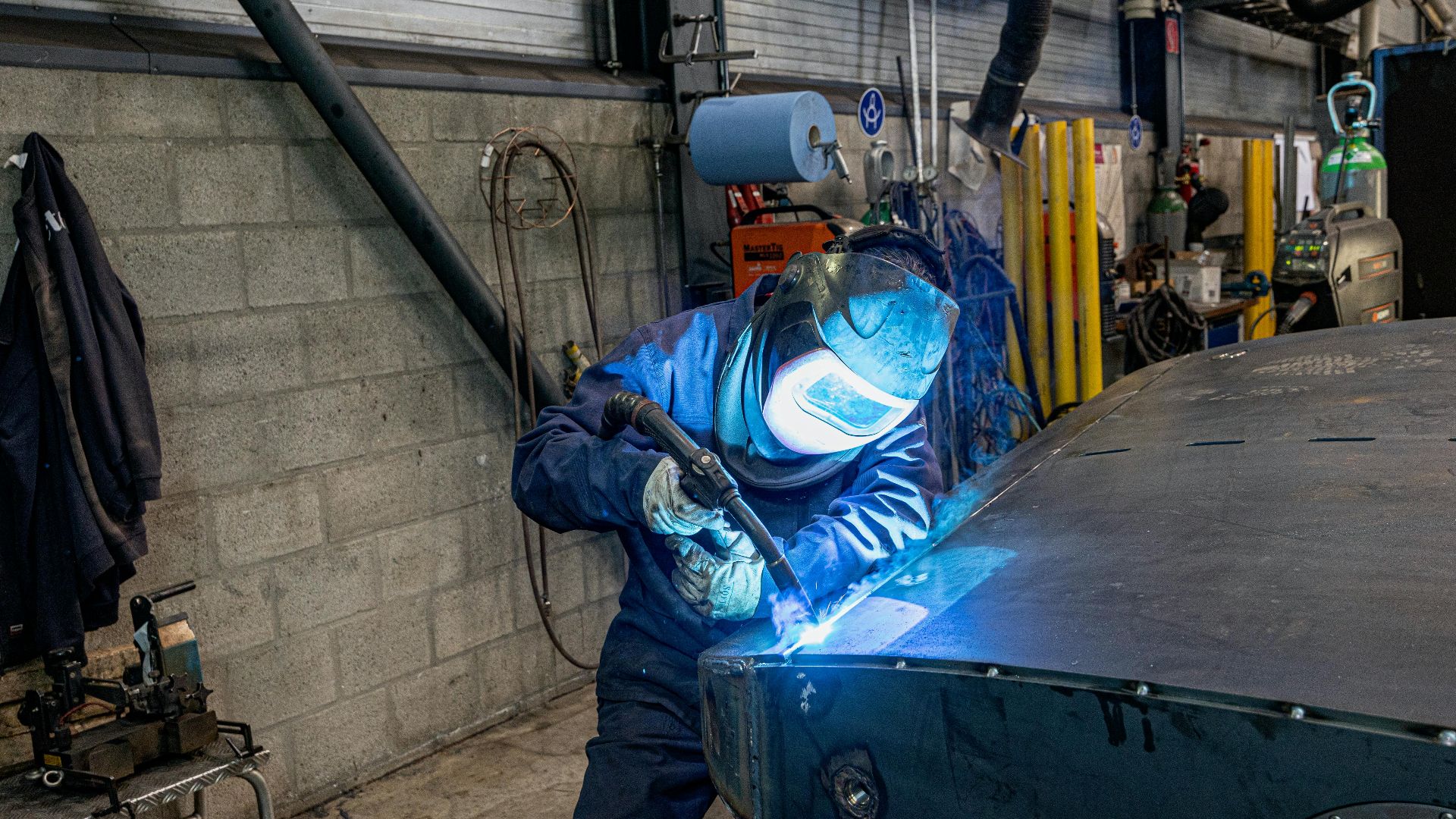
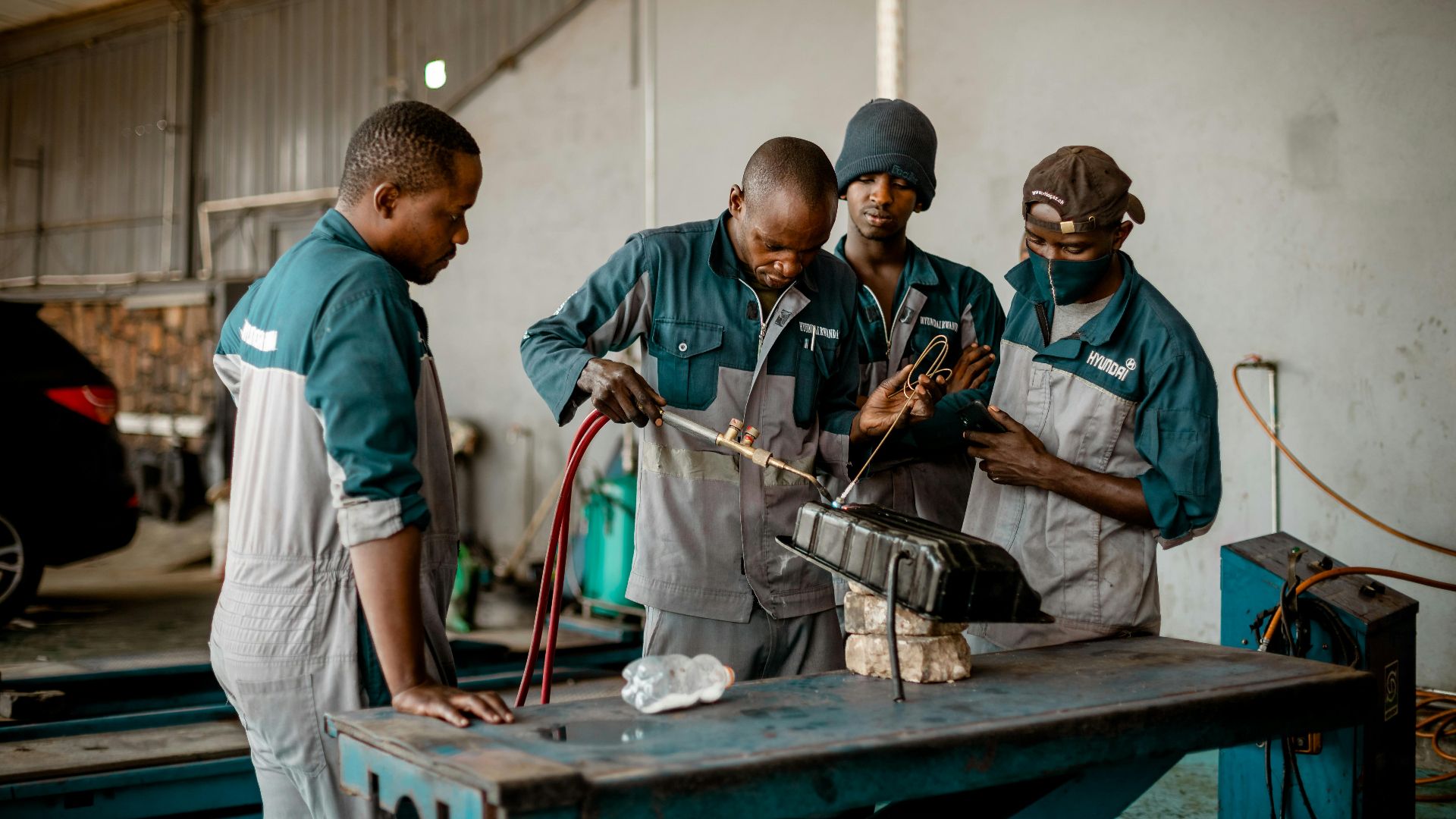
Some repairs demand creativity, especially when original parts no longer exist. Welding fuses metal for good, while fabrication builds fresh components from scratch. Sparks can fly several feet during the process. Many mechanics even shape custom pieces that give cars a one-of-a-kind personality.
9. Cooling System Repair
Engines create heat that can destroy parts without cooling. Mechanics replace hoses, flush coolant, and test thermostats to prevent overheating. A stable system avoids cracked blocks or warped heads, keeping temperatures balanced and protecting cars from catastrophic breakdowns.
 Fine Automotive Detailing on Unsplash
10. Tool And Equipment Mastery
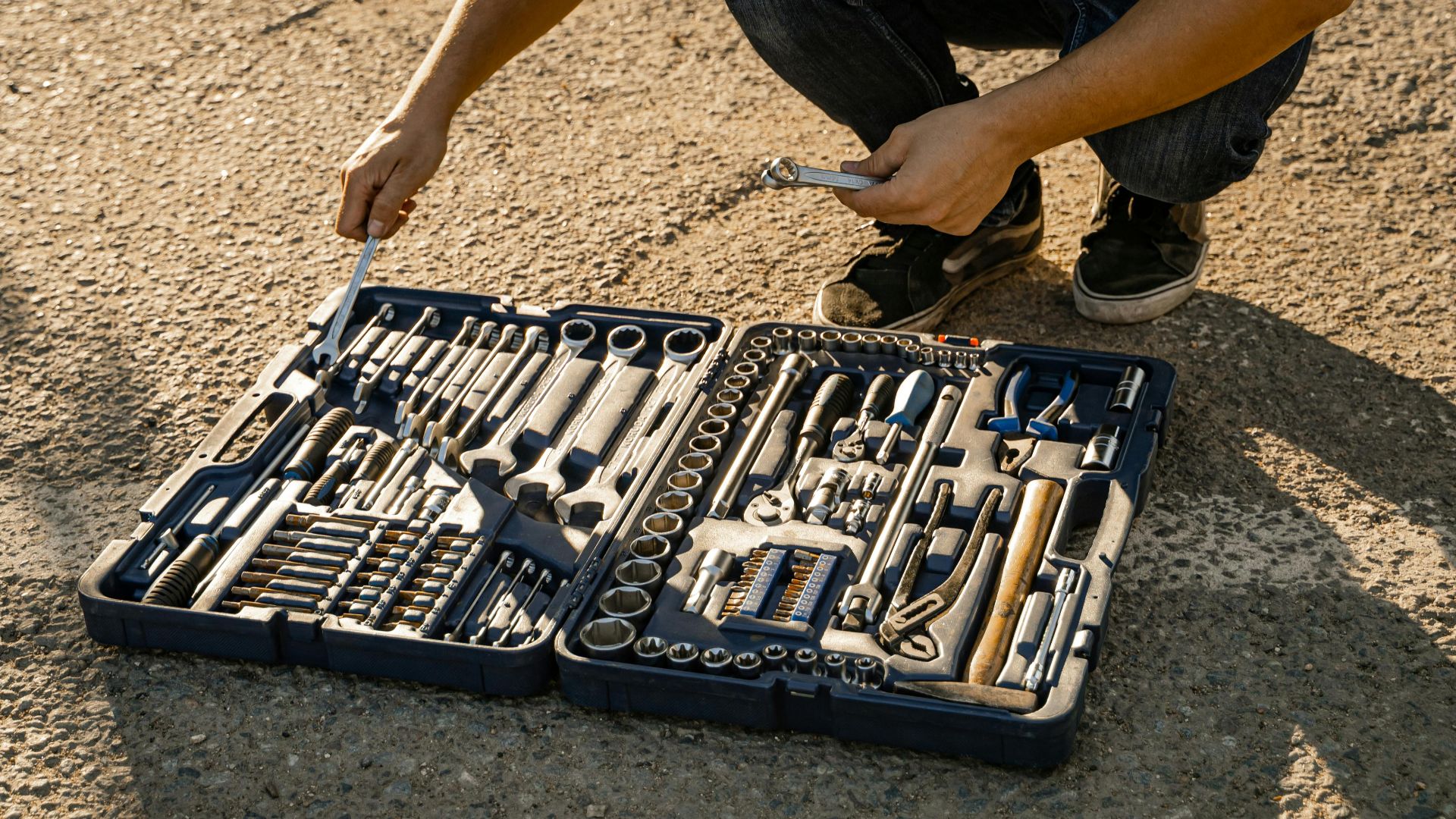
Precision matters most when small mistakes turn expensive fast. Torque wrenches set exact tightness levels, and specialized tools prevent damage during delicate work. Huge toolboxes dominate many garages, towering like refrigerators. Some technicians collect vintage tools too, treating them as prized relics.
All that technical know-how gets you through the repairs, but the real difference shows up in the conversations around the bay. Time to look at the interpersonal side.
1. Active Listening
Mechanics need sharp ears to catch subtle clues. A squeal, rattle, or hum often points directly to the source of trouble. Developing the ability to interpret these sounds accurately prevents misdiagnosis and speeds up repair.
2. Clear Verbal Communication
Questions always roll in after a breakdown, so explaining repairs in simple terms becomes the anchor people look for. Clear talk prevents confusion about costs, and if words don’t land right, drawings sometimes help. Miscommunication can spark funny mix-ups, but clarity keeps trust intact.

3. Patience Under Pressure
Long jobs that look easy from the outside test any garage crew. Complex work requires steady focus, especially when someone arrives already stressed. Mechanics often crack a joke to lighten the mood, knowing patience changes everything during a repair that drags on for hours.
4. Team Collaboration
Walk into a busy shop, and teamwork takes center stage. Large garages rely on people working in sync to pass tasks and knowledge quickly to speed up complicated jobs. Some teams even use playful nicknames for their roles.
 Louis de Gonzague Kubwimana on Pexels
5. Customer Empathy
Not every worried face is about money; sometimes, people panic because the family car feels like part of the household. Empathy reassures them and builds loyalty over time. It’s common for mechanics to comfort owners first, then turn attention back to the machine.
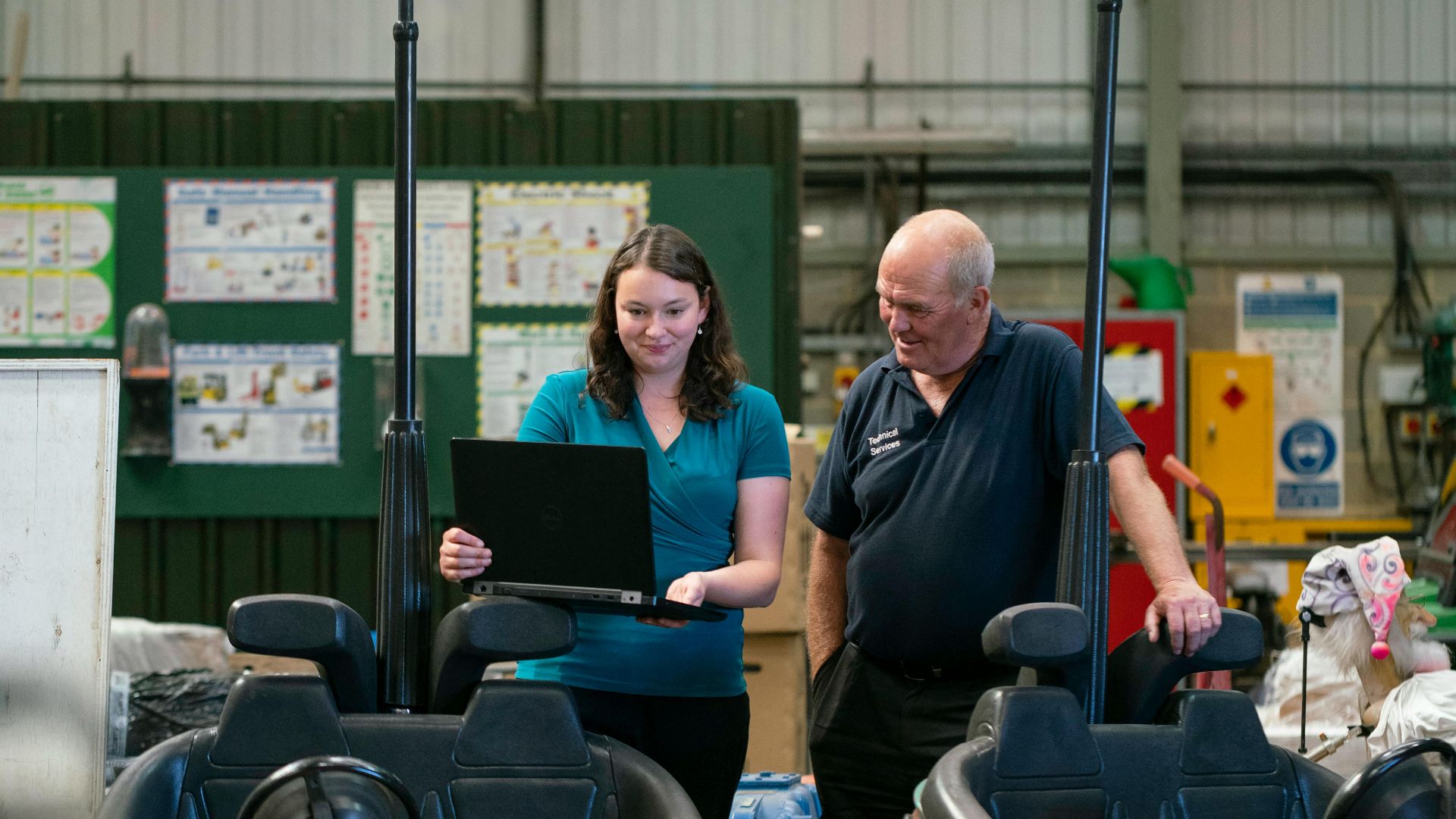
6. Conflict Resolution
Tense conversations usually come from cost misunderstandings or noises customers swear they heard. Calm explanations keep tempers from rising and protect the shop’s reputation. Humor helps too when conflicts start over sounds that didn’t mean what anyone thought.
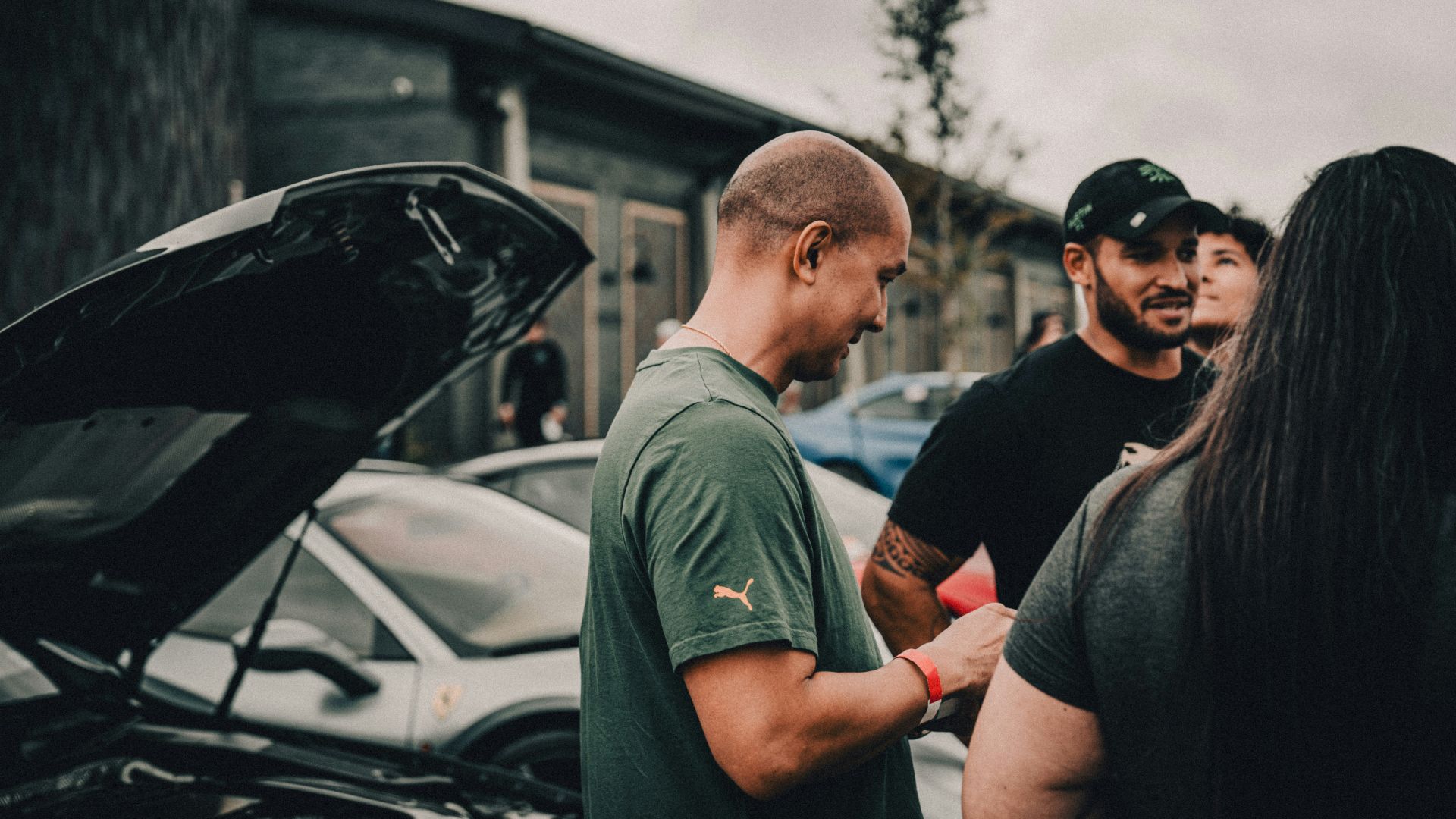
7. Adaptability
New vehicle tech forces constant adjustment. Staying flexible keeps skills relevant, as cars change faster than most home gadgets. Plenty of mechanics actually enjoy learning on the fly and treat every unexpected system like a fresh puzzle.
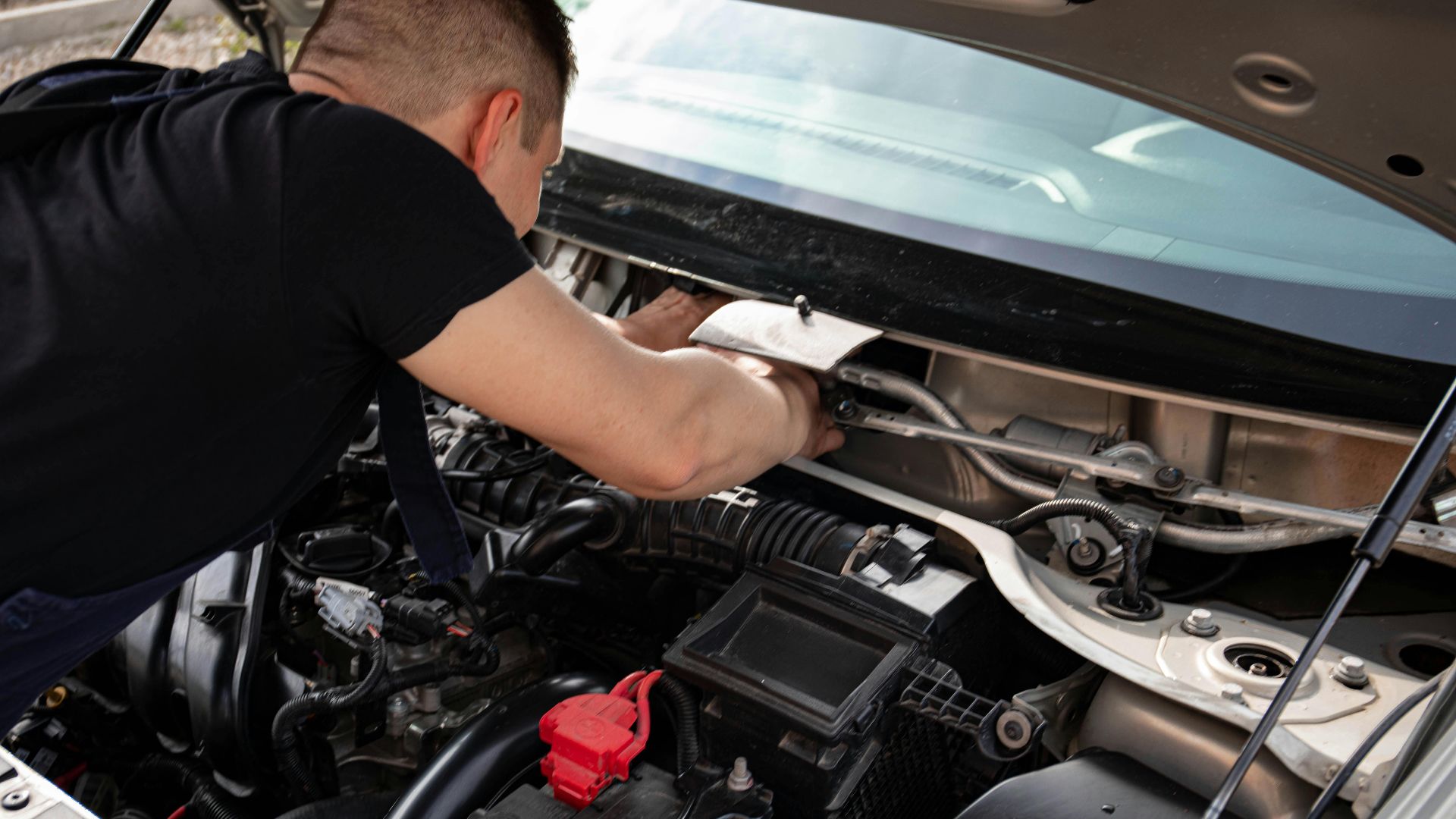
8. Time Management
Busy garages depend on smart scheduling to avoid repair backlogs. Timing means happy customers, and some mechanics push themselves with personal speed goals just for fun. Quick oil changes become friendly challenges, but the real win is keeping every job on track without sacrificing quality.

9. Professional Integrity
The strongest shop reputations are usually built on honesty. Clear billing practices earn trust, and avoiding unnecessary repairs protects customers and credibility. Some garages even hang bold “no hidden fees” signs as a promise. Loyal clients repay that transparency with recommendations that last for years.

10. Positive Attitude
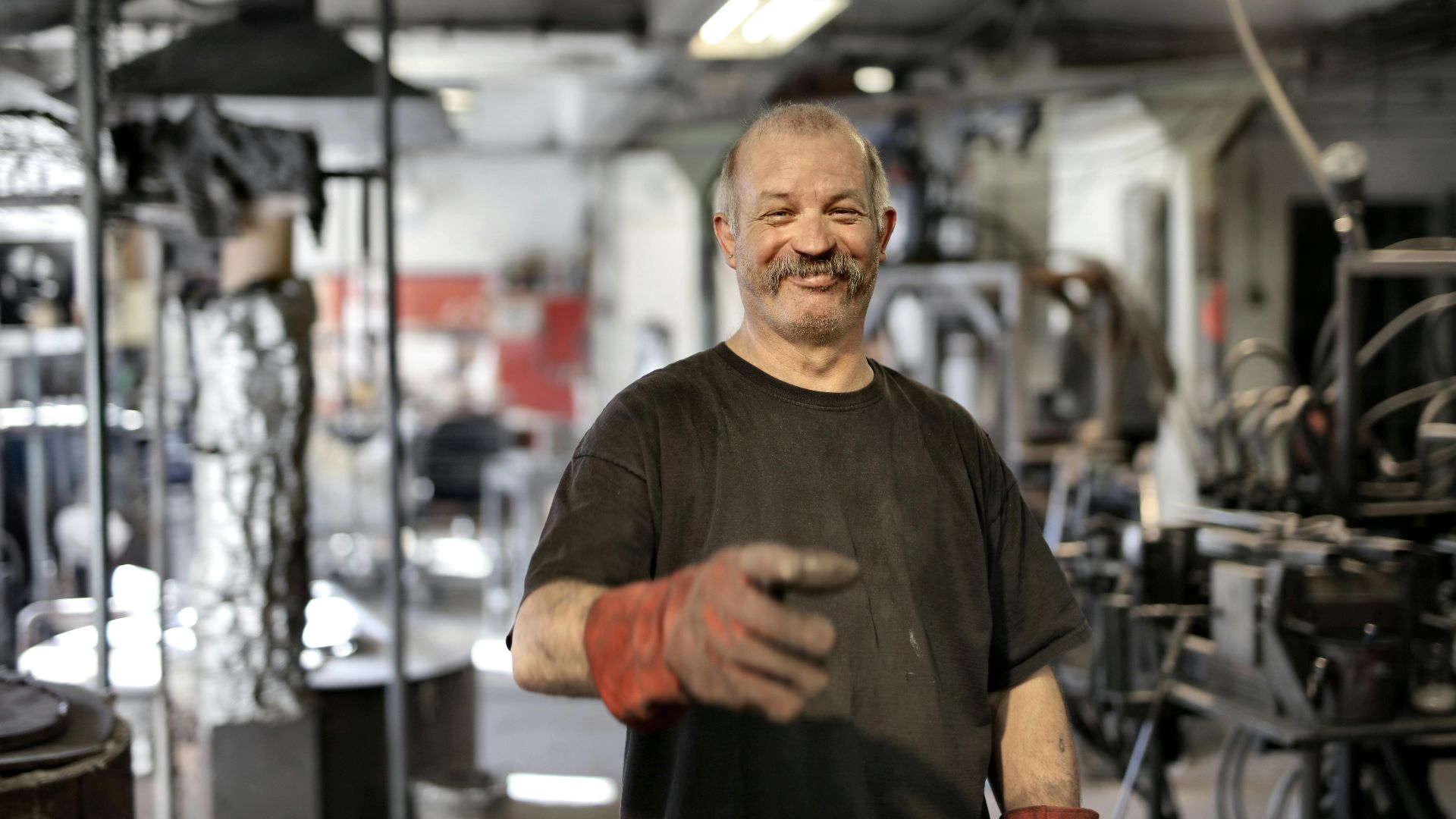
When someone walks in stressed about a repair, a cheerful hello can smooth things out instantly. Positivity keeps the shop’s morale steady, helped by upbeat music playing overhead. Customers regularly tip mechanics who keep smiling through tough tasks because that attitude changes the whole experience.