
Is It Worth The Consequences?
We all love the freedom of a great road trip, but some vehicles make Mother Nature pay a pretty hefty toll for the ride. Choosing a set of wheels usually involves checking out the technology, comfort, and performance, but the environmental impact often gets pushed to the back seat. From massive supercharged engines that gulp premium fuel to surprisingly heavy battery-powered giants, certain models leave a much larger footprint than others.
1. Mercedes-Benz AMG G63
This iconic, boxy luxury machine looks incredible rolling down city streets, but its fuel efficiency is downright tragic. The twin-turbo V8 engine under the hood demands an astonishing amount of gasoline just to move its heavy frame around town. It consistently ranks right at the bottom of environmental scoring charts because of its high carbon output.
 Alexis AMZ DA CRUZ on Unsplash
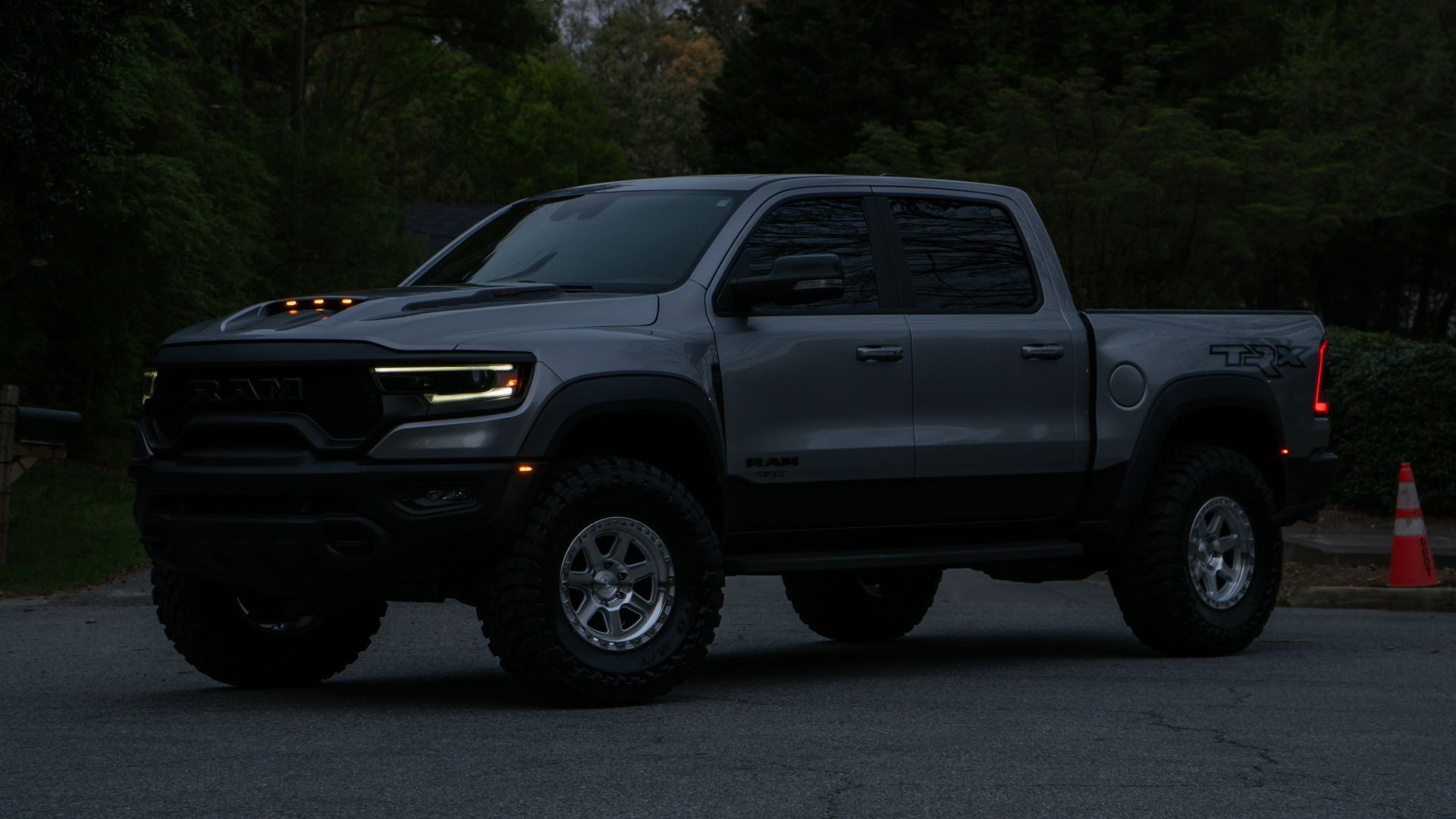
2. Ram 1500 TRX
Equipped with a massive supercharged engine, this high-performance pickup truck was built to dominate desert dunes and off-road trails. Unfortunately, conquering that rough terrain requires burning through fuel at a rate that will make your wallet weep. It releases an immense volume of greenhouse gases into the atmosphere every single year.
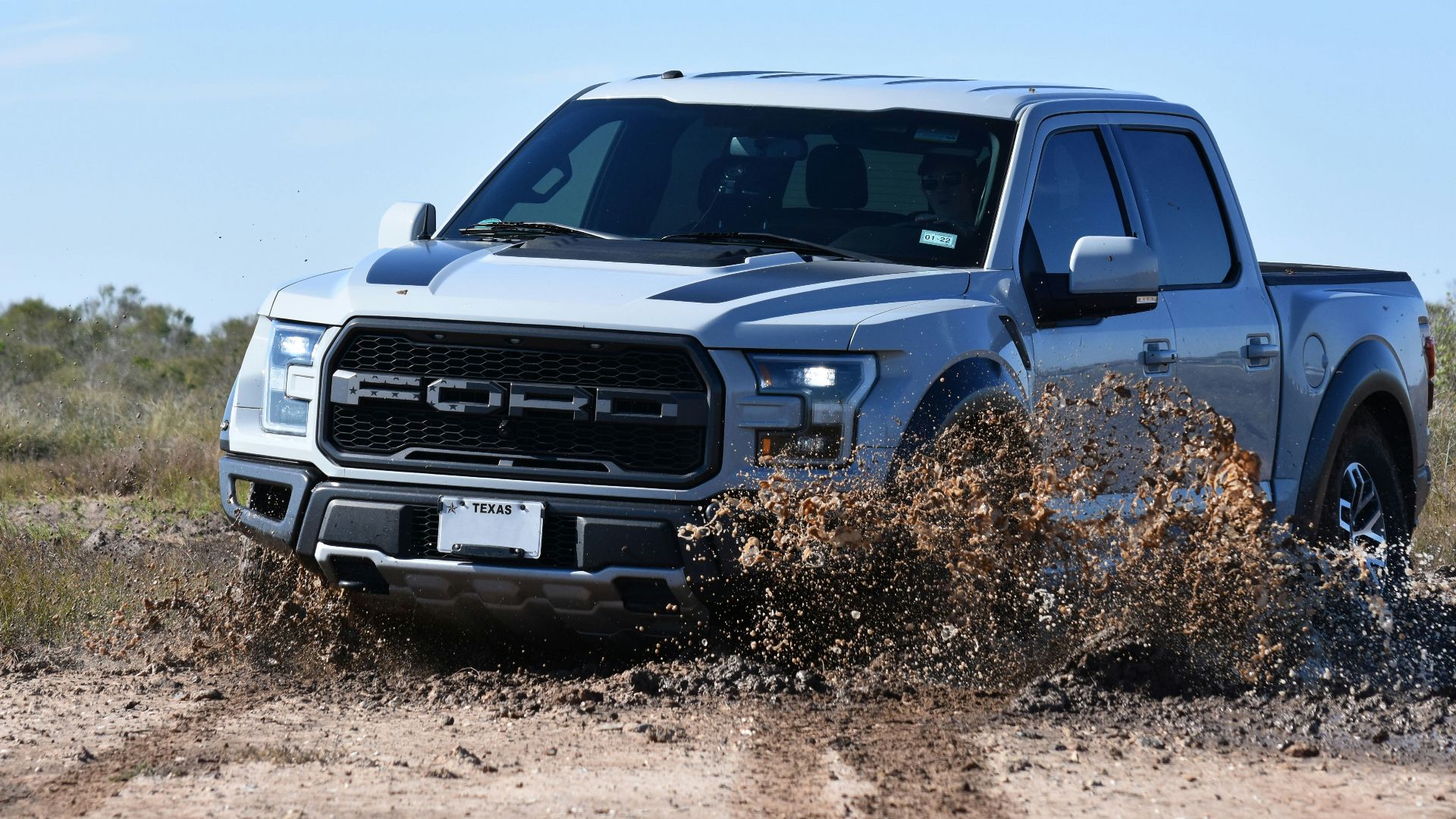
3. Ford F-150 Raptor R
This desert-running monster features a thrilling V8 engine that gives you sports car speed in a giant truck body. The trade-off for that incredible performance is an average fuel economy rating that stays firmly in the low double digits. It pumps out tons of tailpipe emissions annually, landing it a permanent spot on environmental watch lists.
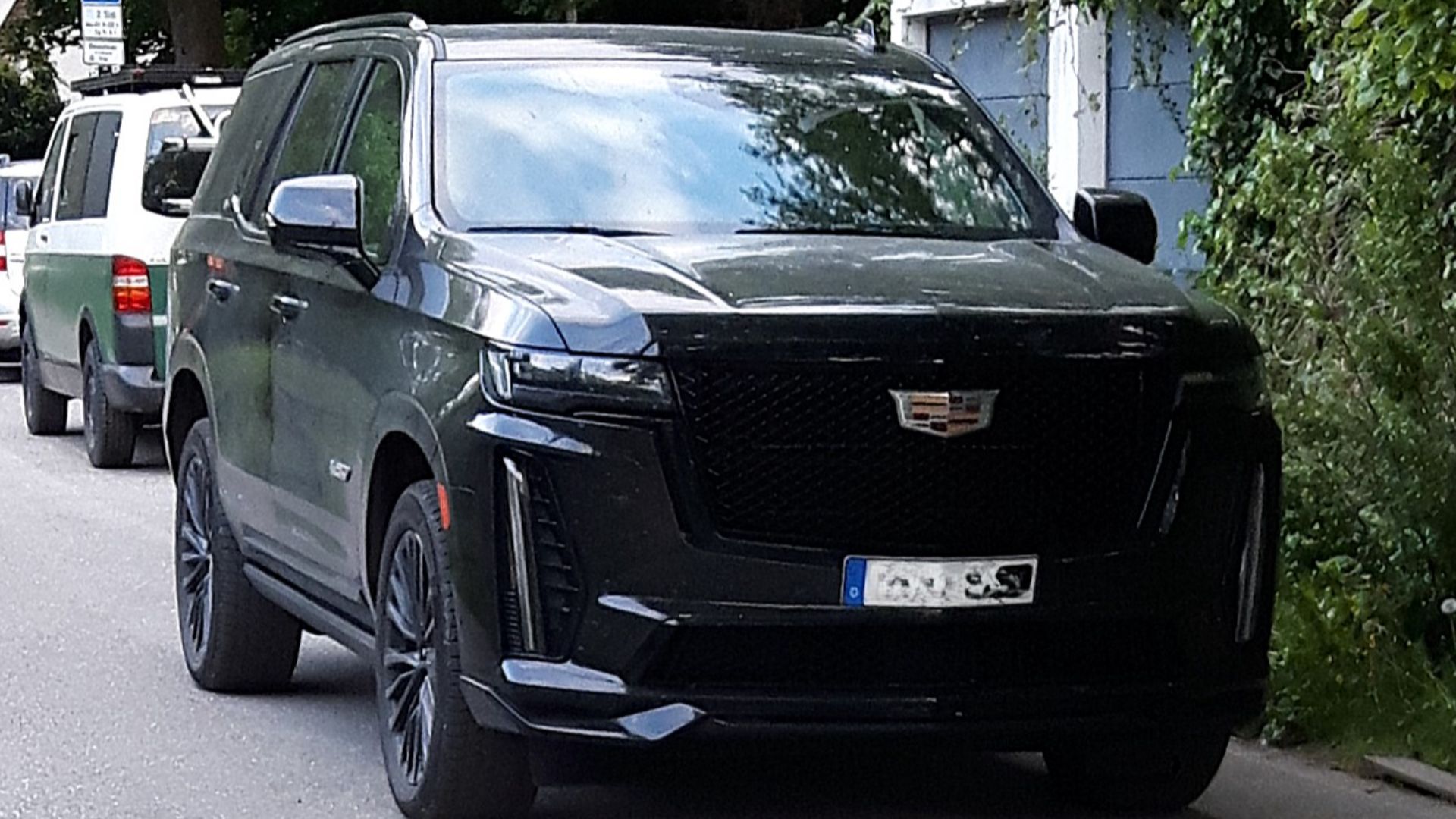
4. Cadillac Escalade-V
Luxury SUVs do not get much bigger or louder than this supercharged giant. It offers a plush interior for the whole family alongside an engine that consumes fuel like a commercial jetliner. The sheer weight of the vehicle combined with its performance focus results in a massive carbon footprint.
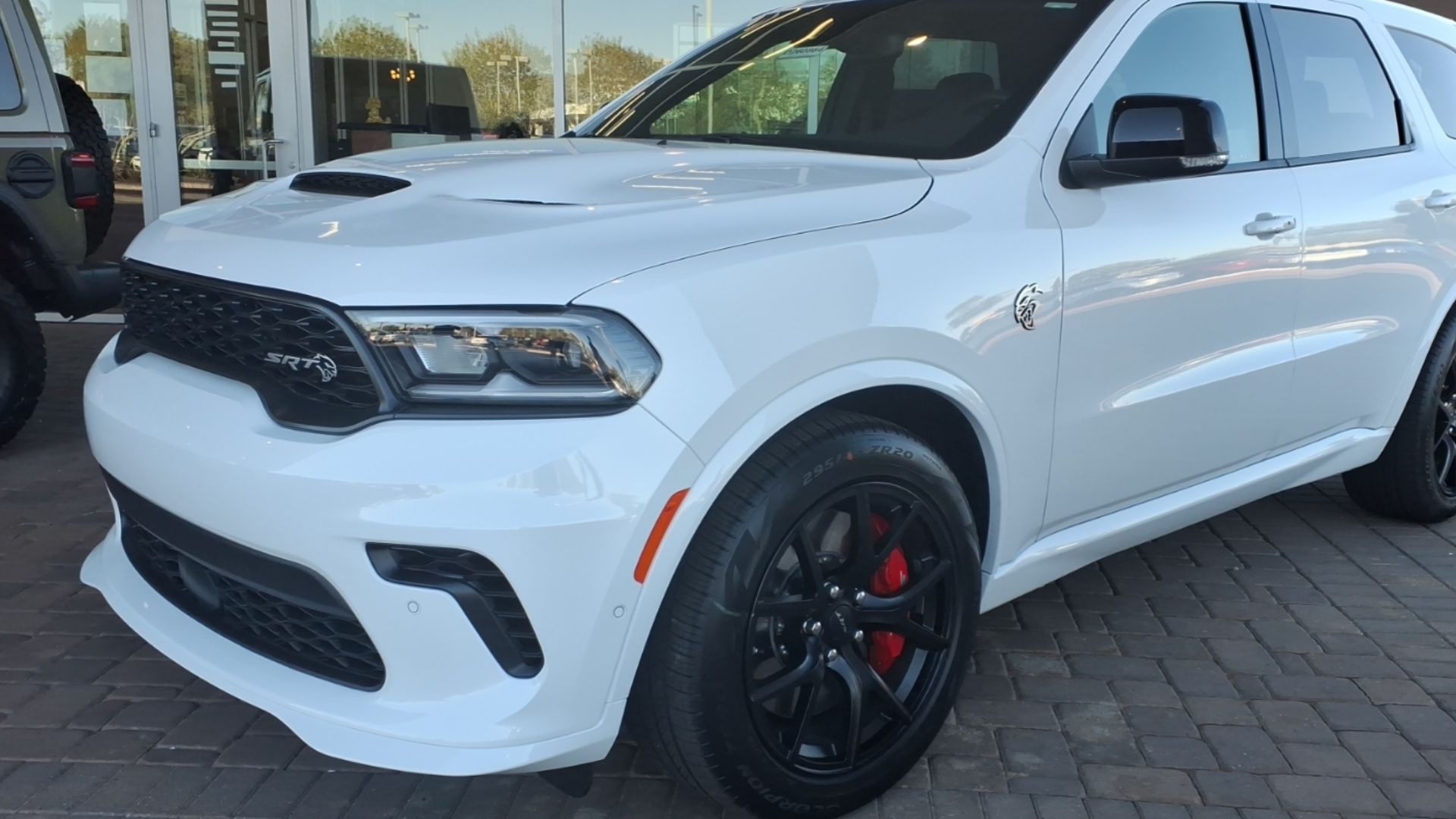
5. Dodge Durango SRT Hellcat
This aggressive family hauler blends the utility of a three-row SUV with the untamed spirit of a classic muscle car. Packing over seven hundred horsepower means it can sprint down the highway. But it also means it burns fuel at a terrifying pace.
6. Jeep Wrangler Rubicon 392
Taking this classic off-roader into the wilderness is a blast until you realize how much damage it does to the very air surrounding those beautiful trails. Putting a massive V8 engine into a vehicle with the aerodynamics of a brick creates a recipe for terrible fuel economy. It chugs premium gasoline while releasing a steady stream of carbon emissions.

7. Jeep Grand Wagoneer 4x4
This enormous luxury cruiser offers premium leather seating for eight passengers and features a highly thirsty powertrain. Moving this rolling palace down the interstate requires a constant, heavy flow of fossil fuels. It emits an impressive amount of greenhouse gases annually compared to others in its class.

8. Mercedes-Benz G550
Even without the aggressive AMG tuning, the standard version of this luxury military-style SUV remains incredibly tough on the environment. Its boxy design cuts through the air with zero efficiency, forcing the engine to work overtime at highway speeds. The resulting fuel economy numbers are consistently disappointing.
 Tokumeigakarinoaoshima on Wikimedia
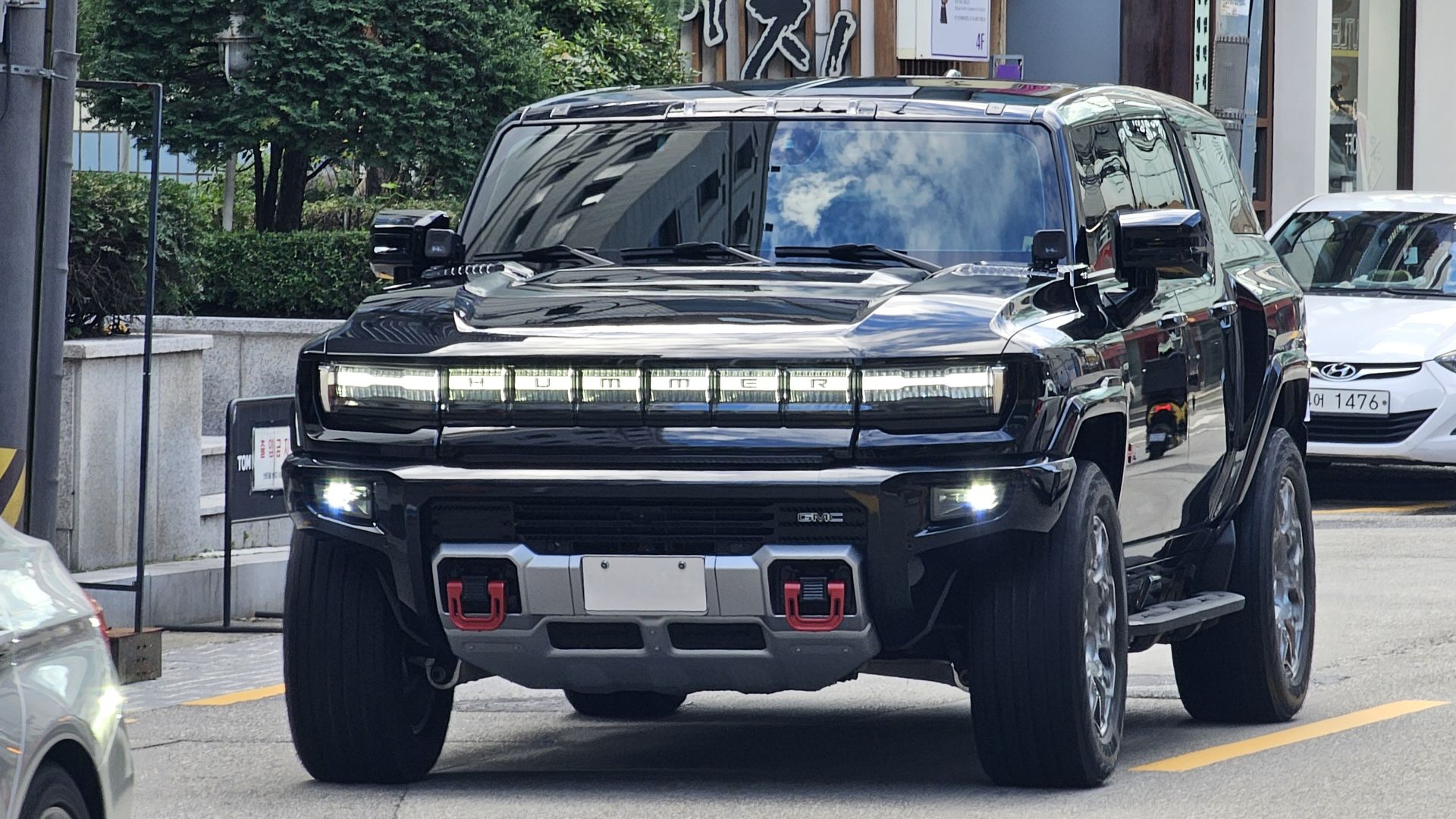
9. GMC Hummer EV SUV
You might think an electric vehicle belongs on a green list, but this nine-thousand-pound giant proves that weight changes the equation entirely. The sheer amount of resources needed to build its massive battery pack creates a heavy environmental deficit. It requires an immense amount of electricity to move down the road, making it far less efficient than smaller electric alternatives.

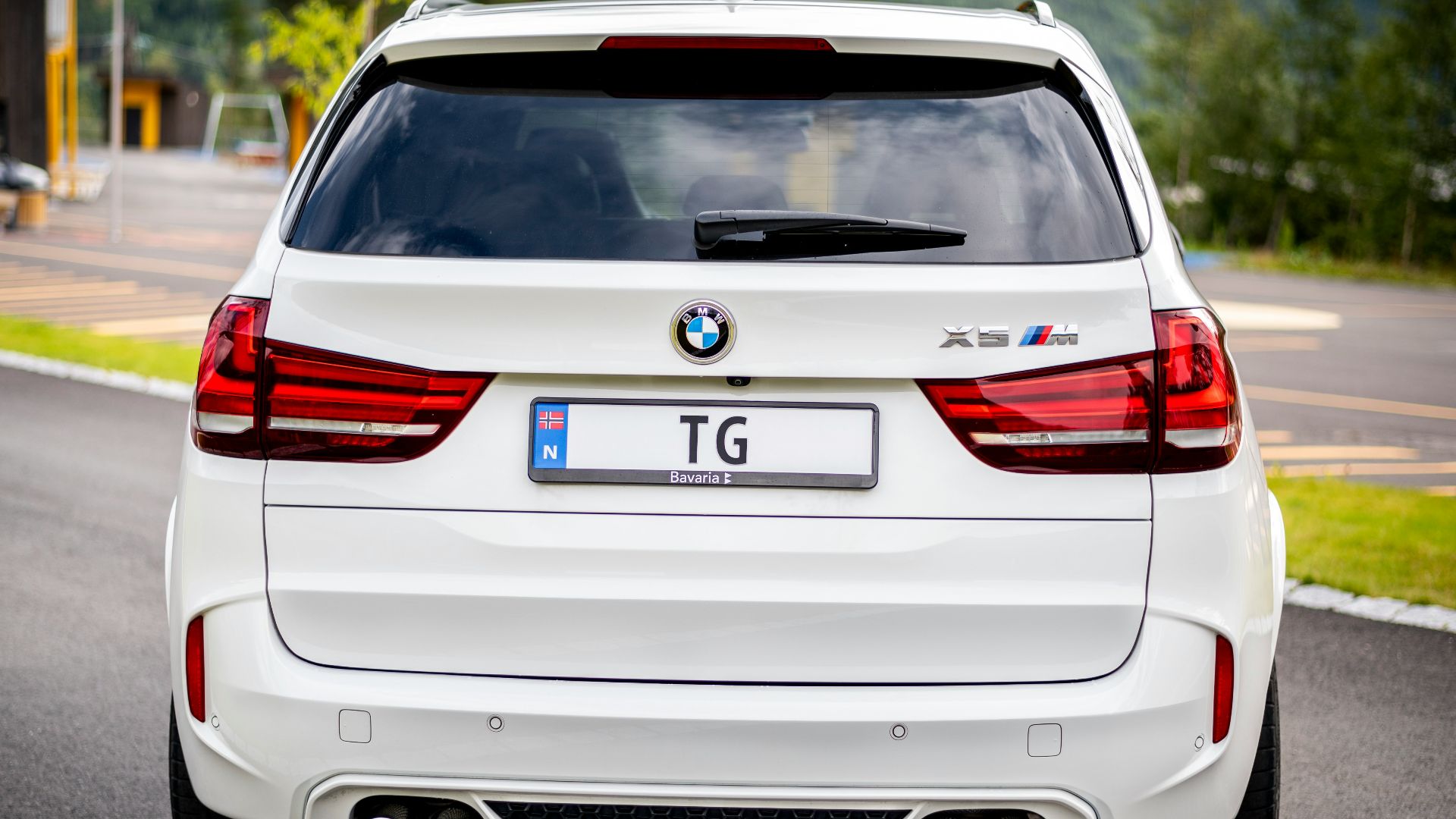
10. BMW X5 M
This German engineering marvel behaves more like a low-slung track car than a practical family crossover. Achieving that level of high-performance handling requires a potent twin-turbo engine that treats gasoline like water. It produces a substantial amount of carbon dioxide every mile.
11. Ford Bronco Raptor
Reviving this legendary nameplate brought heaps of off-road capability to the market, especially in this wide-body performance trim. The aggressive tires and heavy-duty suspension create a massive amount of aerodynamic drag on the highway. Your fuel economy will hover at a very low average, ensuring frequent stops to top off the tank.

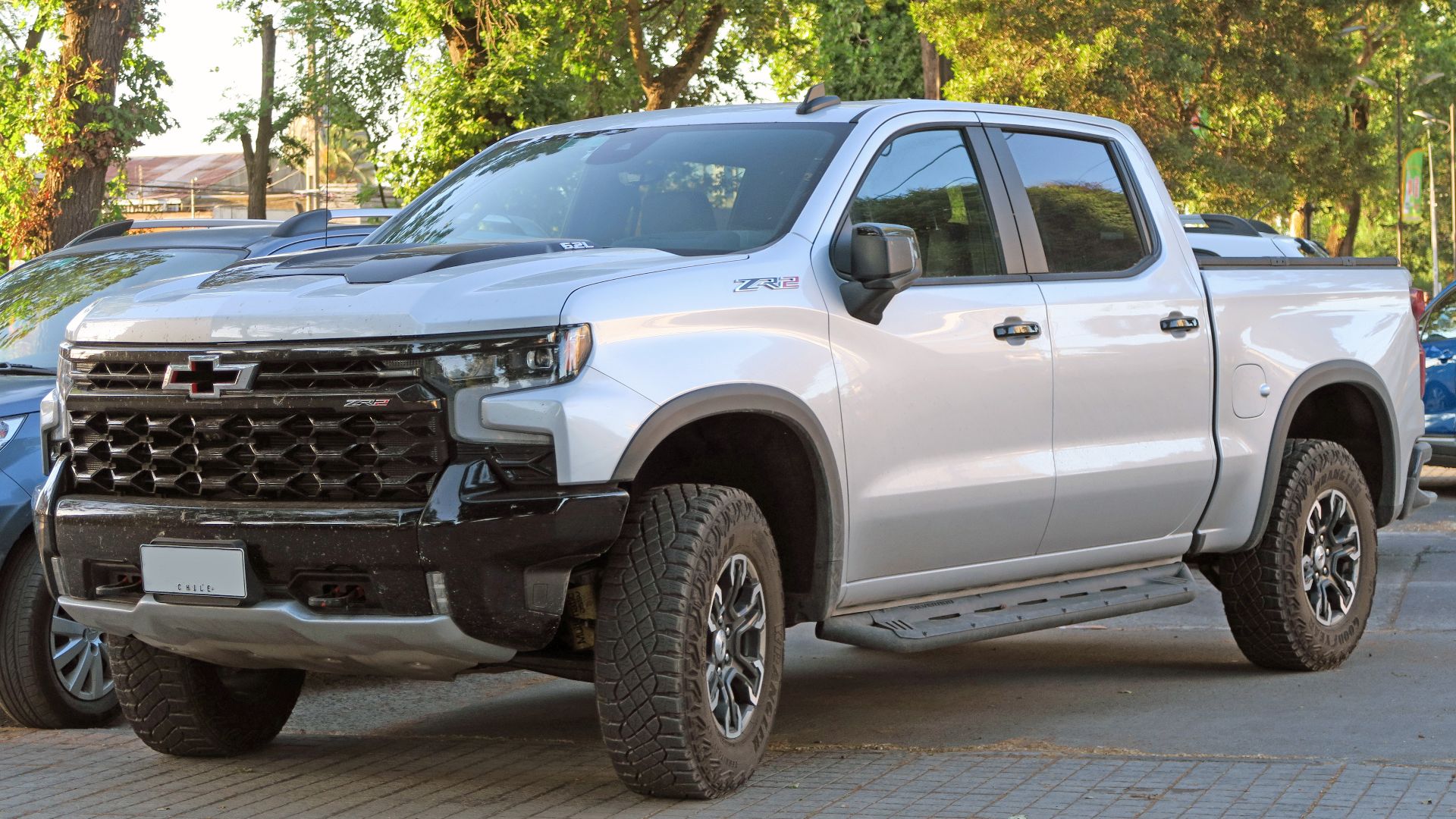
12. Chevrolet Silverado ZR2
Designed specifically to tackle muddy bogs and rocky hills, this rugged pickup utilizes a thirsty 6.2-liter V8 engine. The specialized off-road hardware adds significant weight, which further hurts its efficiency during normal city driving. It releases a high volume of yearly greenhouse gases.
 RL GNZLZ from Chile on Wikimedia
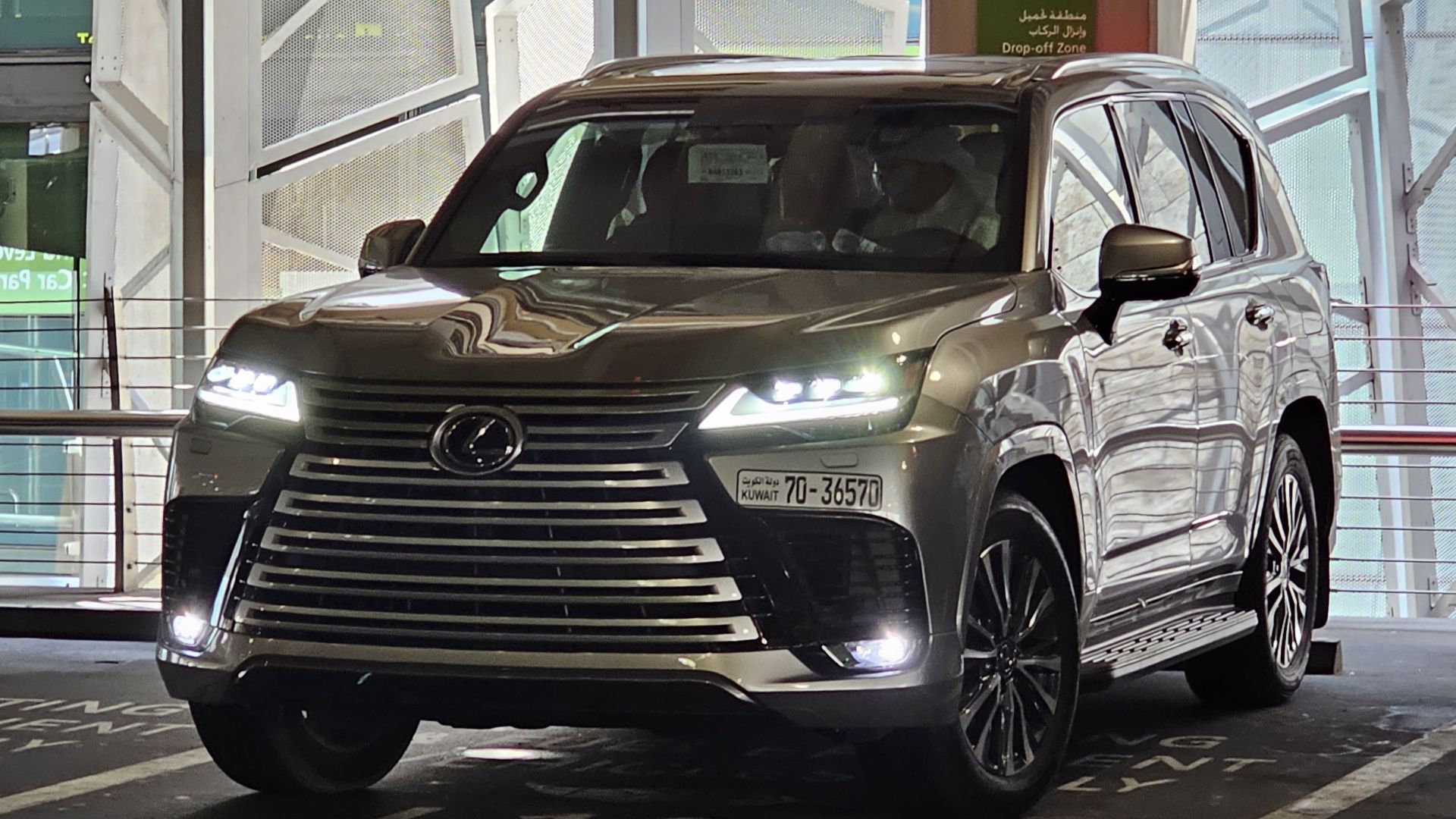
13. Lexus LX 600
This flagship luxury SUV blends legendary reliability with a twin-turbocharged engine that still struggles to achieve decent fuel economy. It is a heavy, commanding vehicle that prioritizes smooth power delivery over minimizing its carbon output. The constant demand for fuel places it among the less eco-friendly choices in the premium market.
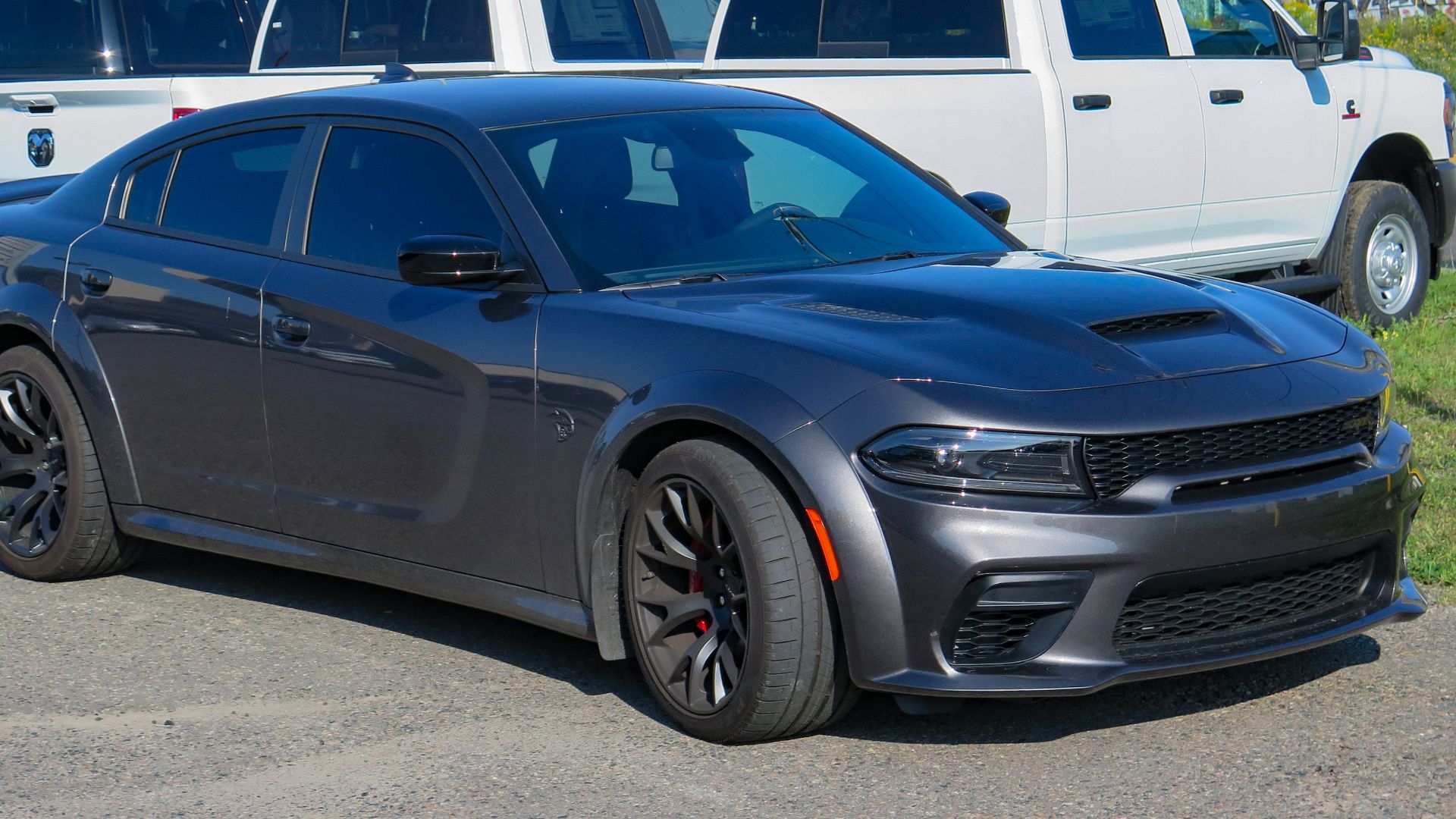
14. Dodge Charger SRT Hellcat Widebody
Muscle cars are built for pure speed and loud noises, which rarely align with protecting the global ecosystem. This supercharged sedan tears up the asphalt while evaporating fuel at an alarming rate during daily drives. Its tailpipe emissions are exceptionally high, making it a regular target for environmental advocacy groups.
15. Infiniti QX80
This full-size luxury barge relies on an older engine design that simply does not match modern efficiency standards. It glides down the road effortlessly while consuming large quantities of gasoline to keep its heavy frame in motion. The resulting tailpipe output places it firmly among the worst offenders for urban air quality.

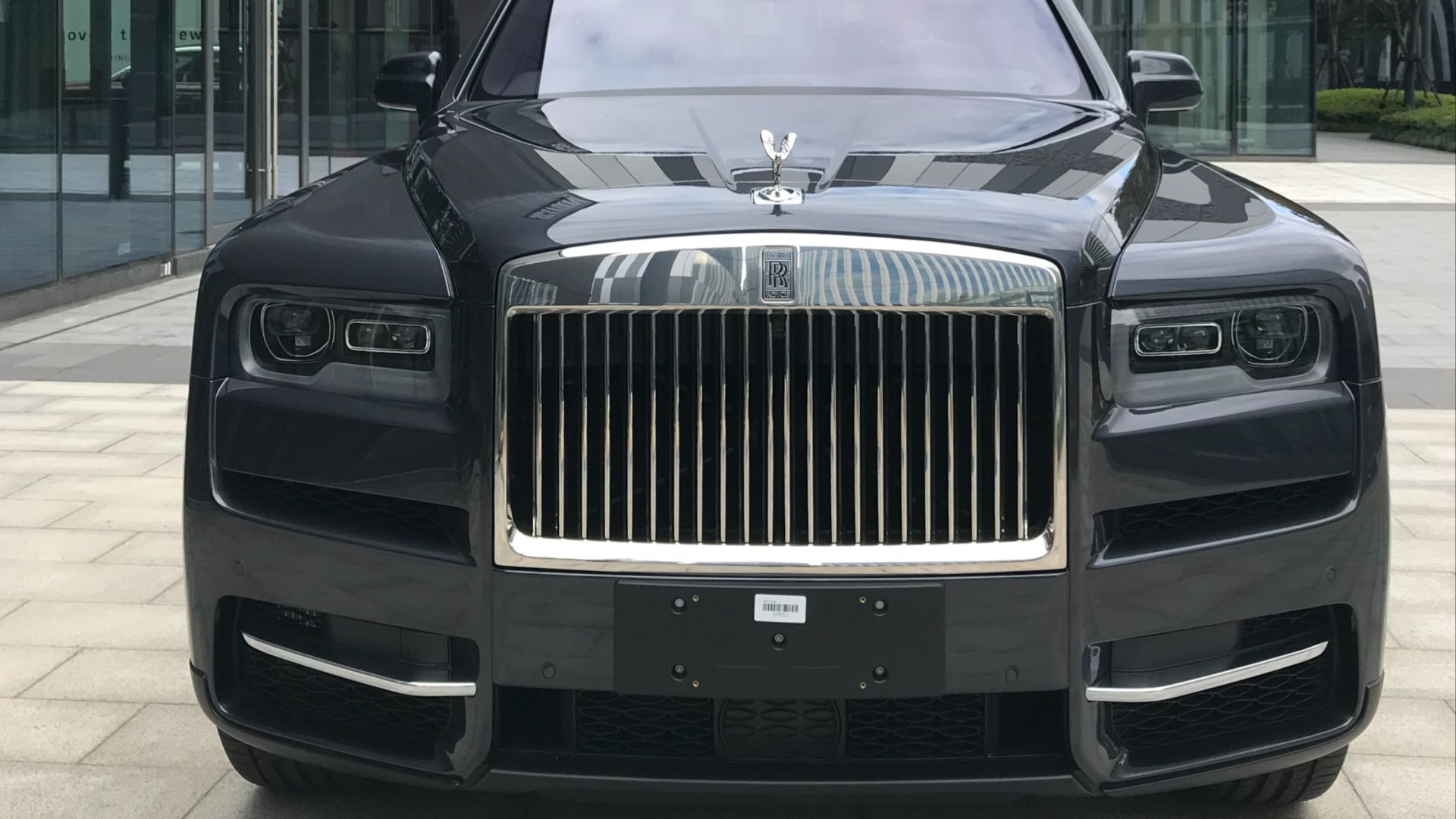
16. Rolls-Royce Cullinan
When you build an ultra-luxury SUV that weighs nearly three tons, the environment is bound to suffer. Its massive twelve-cylinder engine provides effortless acceleration at the cost of extreme fuel consumption. The manufacturing process alone carries a significant carbon footprint before the vehicle even leaves the lot.
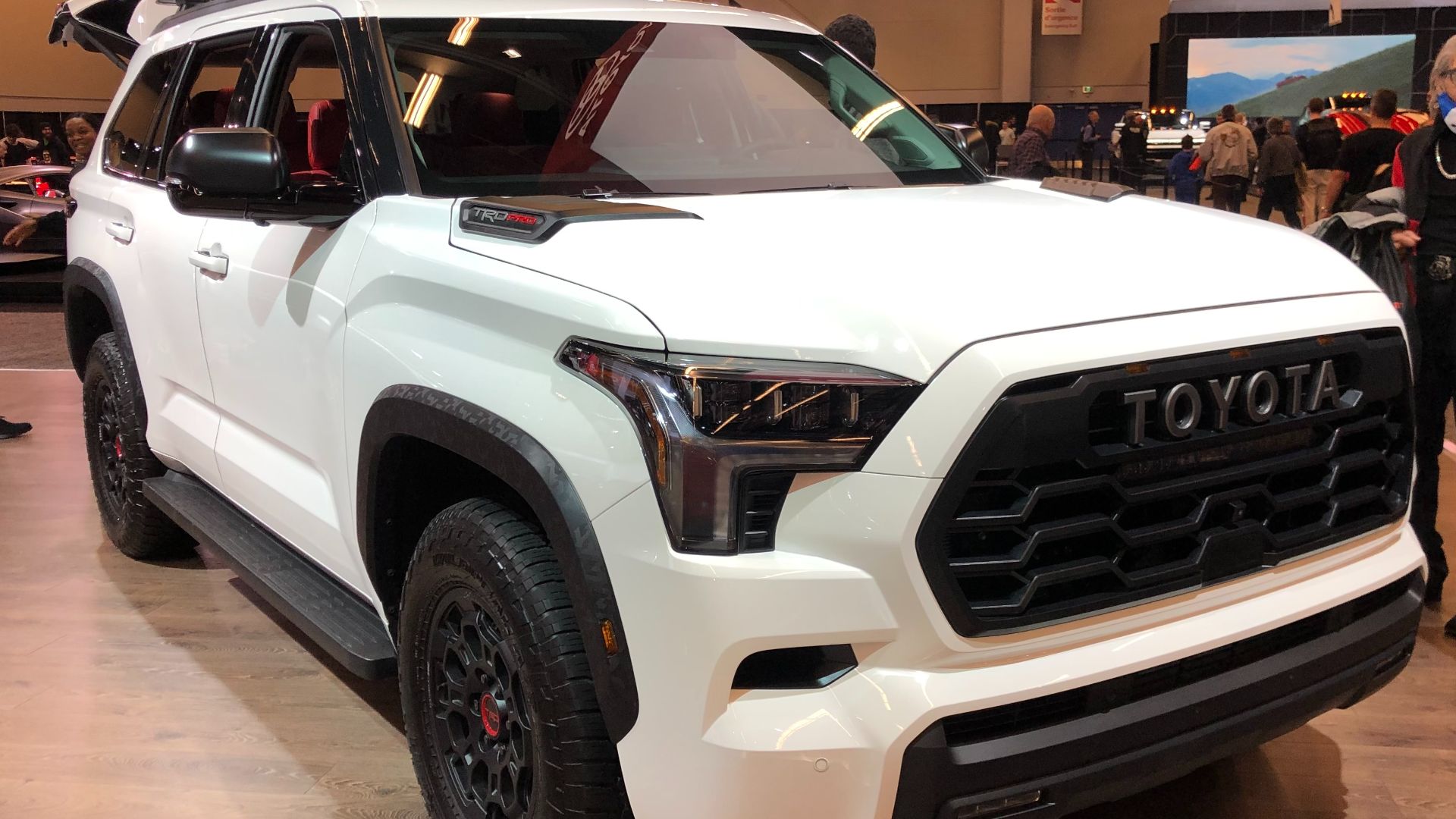
17. Toyota Sequoia TRD Pro
Shifting this large SUV to a hybrid powertrain helped a little bit, but its massive size still limits its overall green credentials. The heavy off-road armor and giant tires on this specific trim quickly negate the efficiency gains of the electric motor. It remains a heavy consumer of fuel when utilized for daily commuting duties.
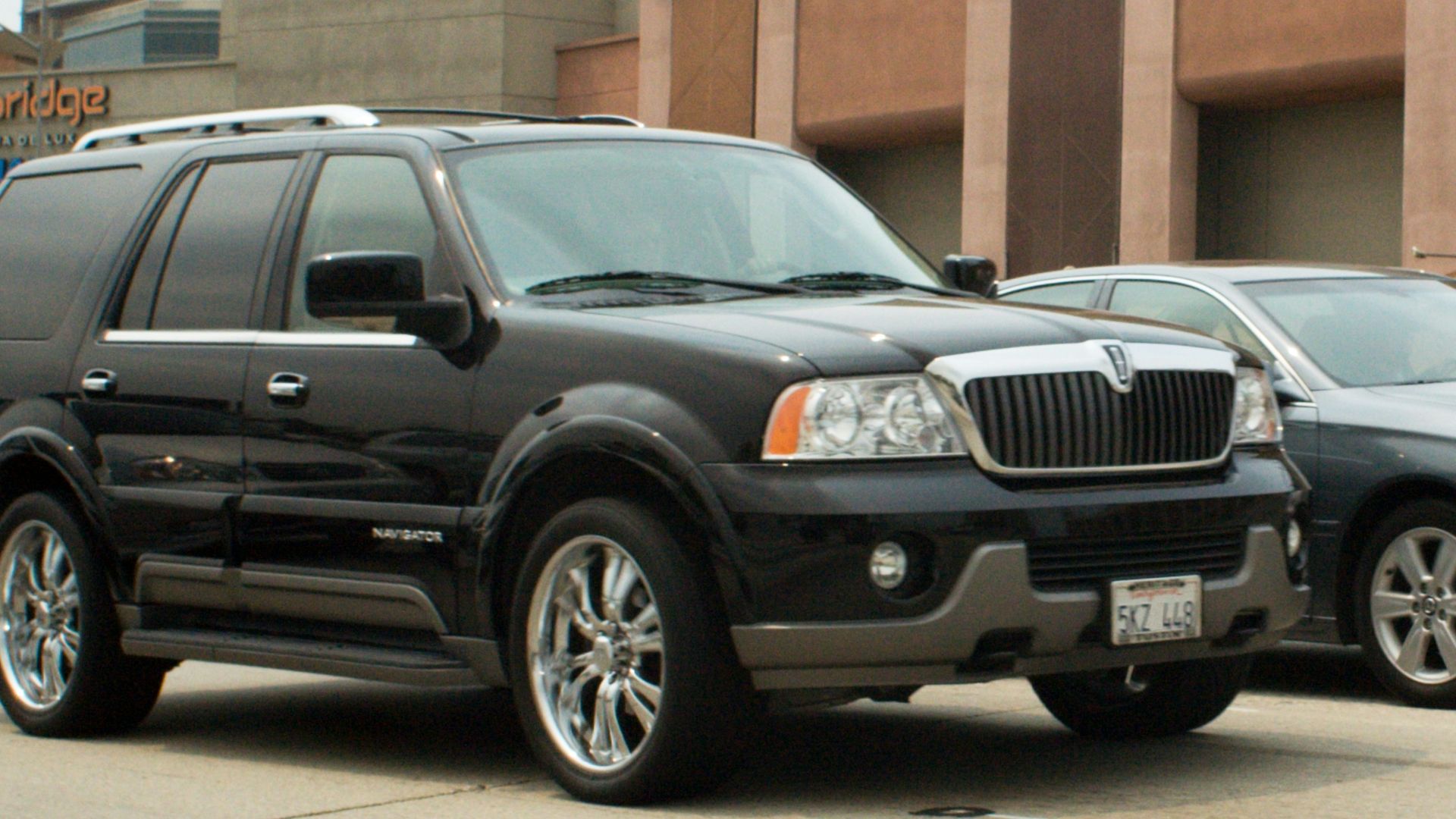
18. Lincoln Navigator
This American luxury staple offers a cavernous interior that feels like a living room on wheels. Keeping that enormous space moving requires a twin-turbo engine that stays incredibly busy pulling all that weight. The fuel gauge will drop quickly during city driving, leading to high overall emission scores.
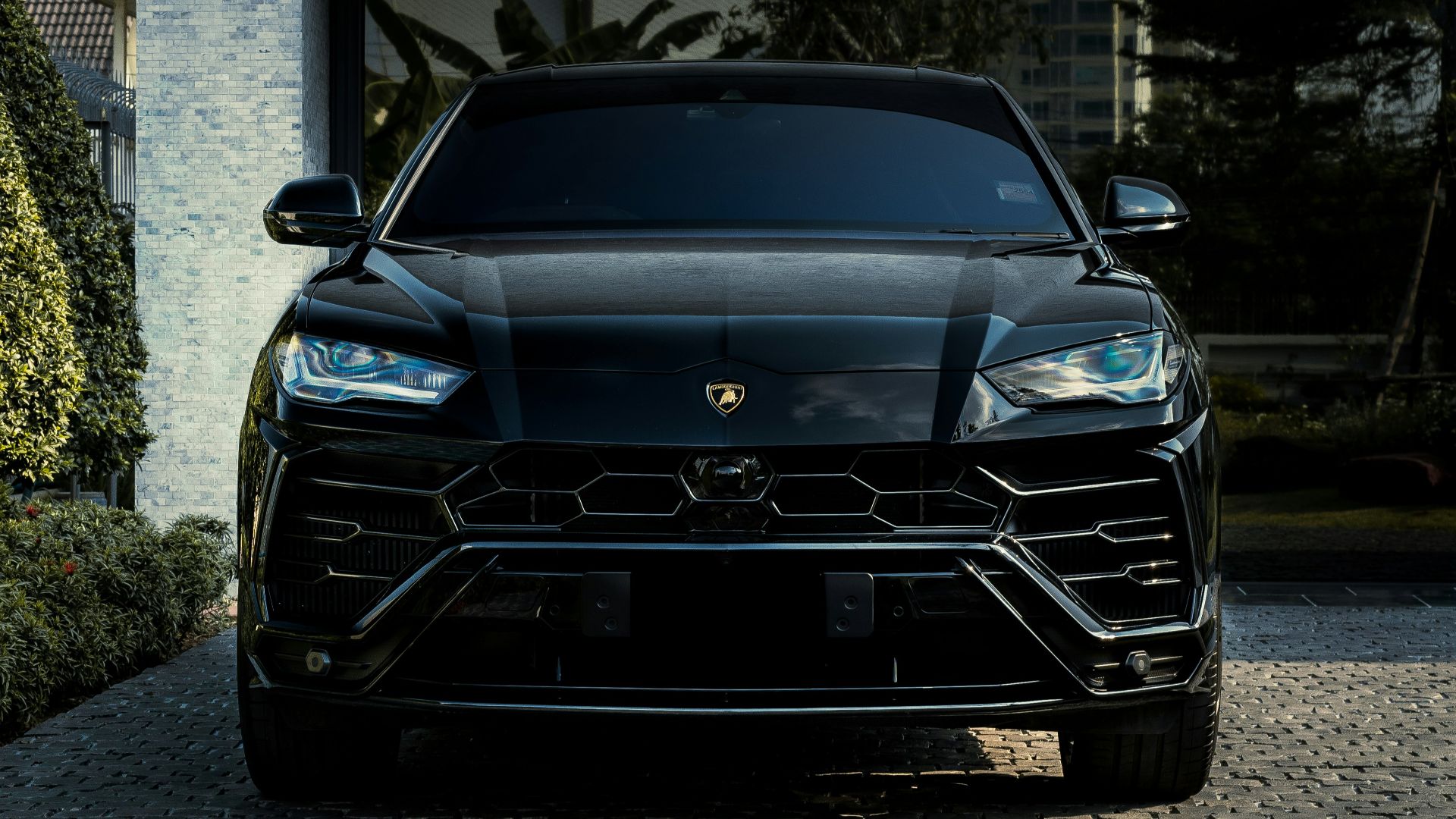
19. Lamborghini Urus
Blending super-sports-car performance with an SUV body results in a vehicle that is incredibly fast and highly wasteful. The high-output engine is tuned for aggressive track times rather than saving the ozone layer. It chugs premium fuel at a rate that keeps it near the bottom of global efficiency indexes.
 Mos Sukjaroenkraisri on Unsplash
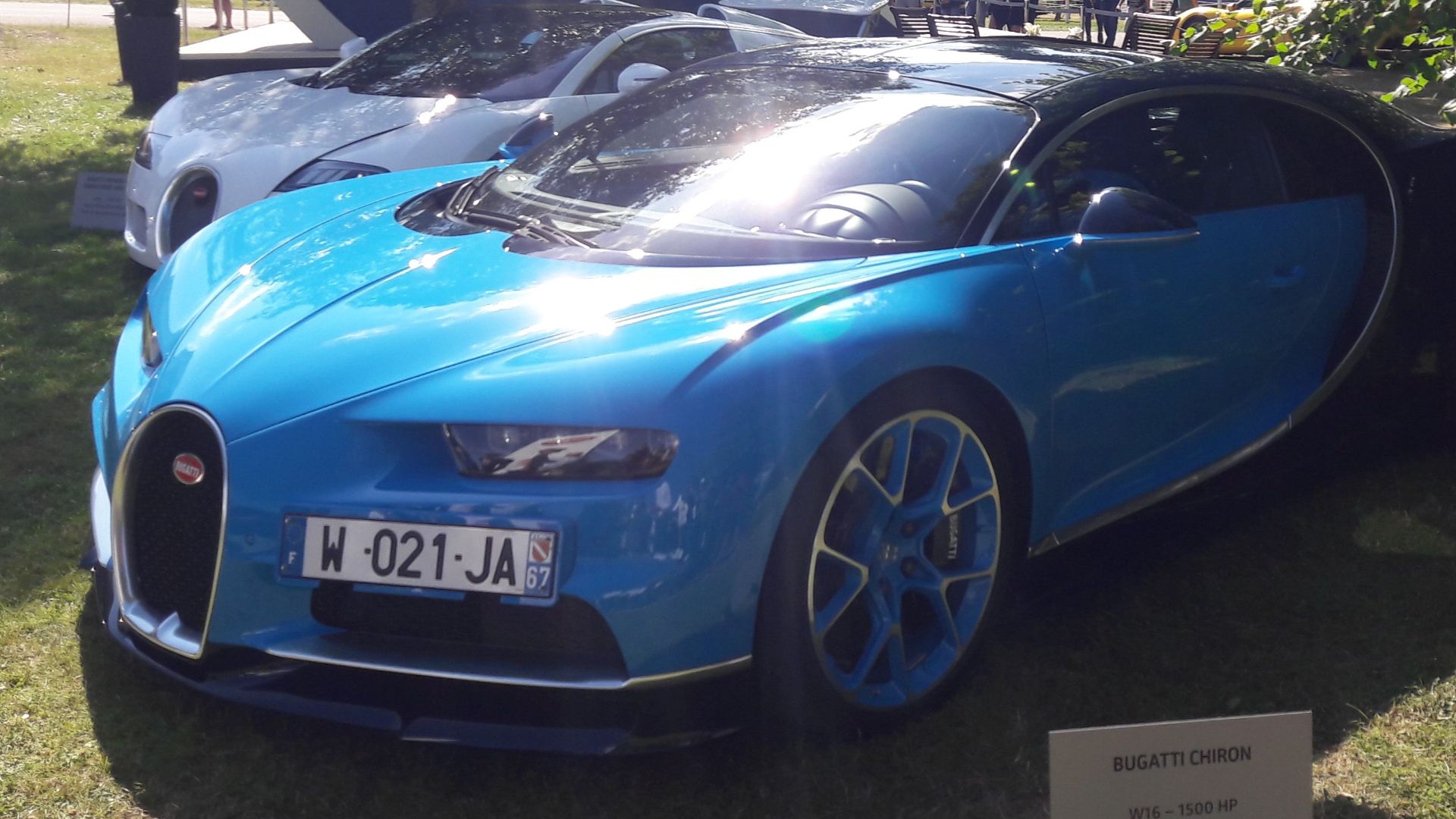
20. Bugatti Chiron
While this hypercar is incredibly rare, its environmental impact per mile driven is absolutely astronomical. Its quad-turbocharged sixteen-cylinder engine consumes fuel so quickly that it can empty its entire gas tank in under ten minutes at top speed. It serves as an amazing feat of modern engineering but is a total disaster for anyone tracking carbon footprints.