
Inside A Driver’s Mind
Car enthusiasts see things most people miss. What looks like just another vehicle to you carries weight, character, and engineering choices that speak volumes to them. It's not about showing off or being obsessive—it's a genuine connection to how a car feels. These details shape why certain models earn cult followings while others fade into obscurity. Here are twenty things enthusiasts notice that casual drivers simply don't.

1. Smell Of 98-Octane Race Fuel
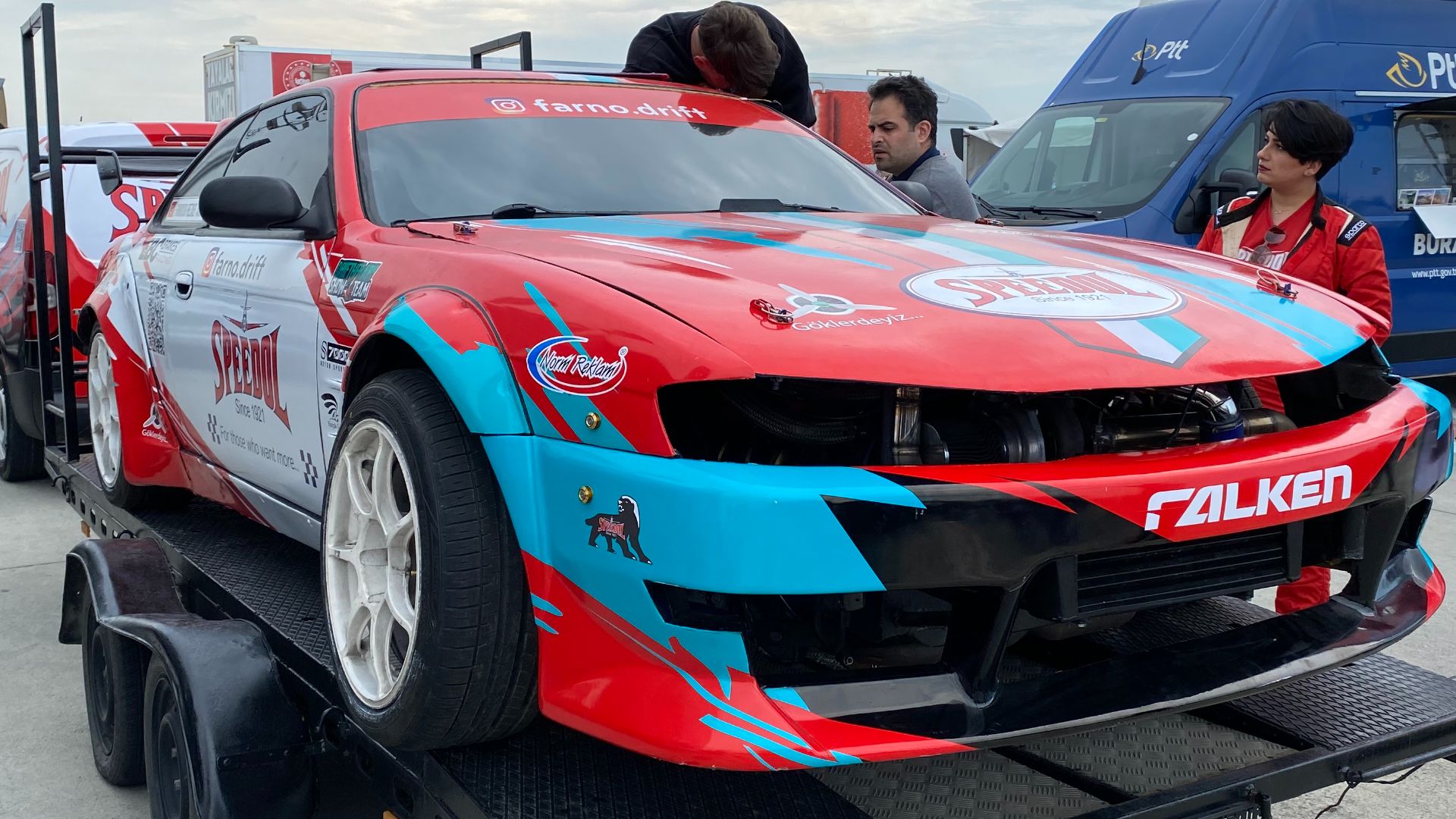
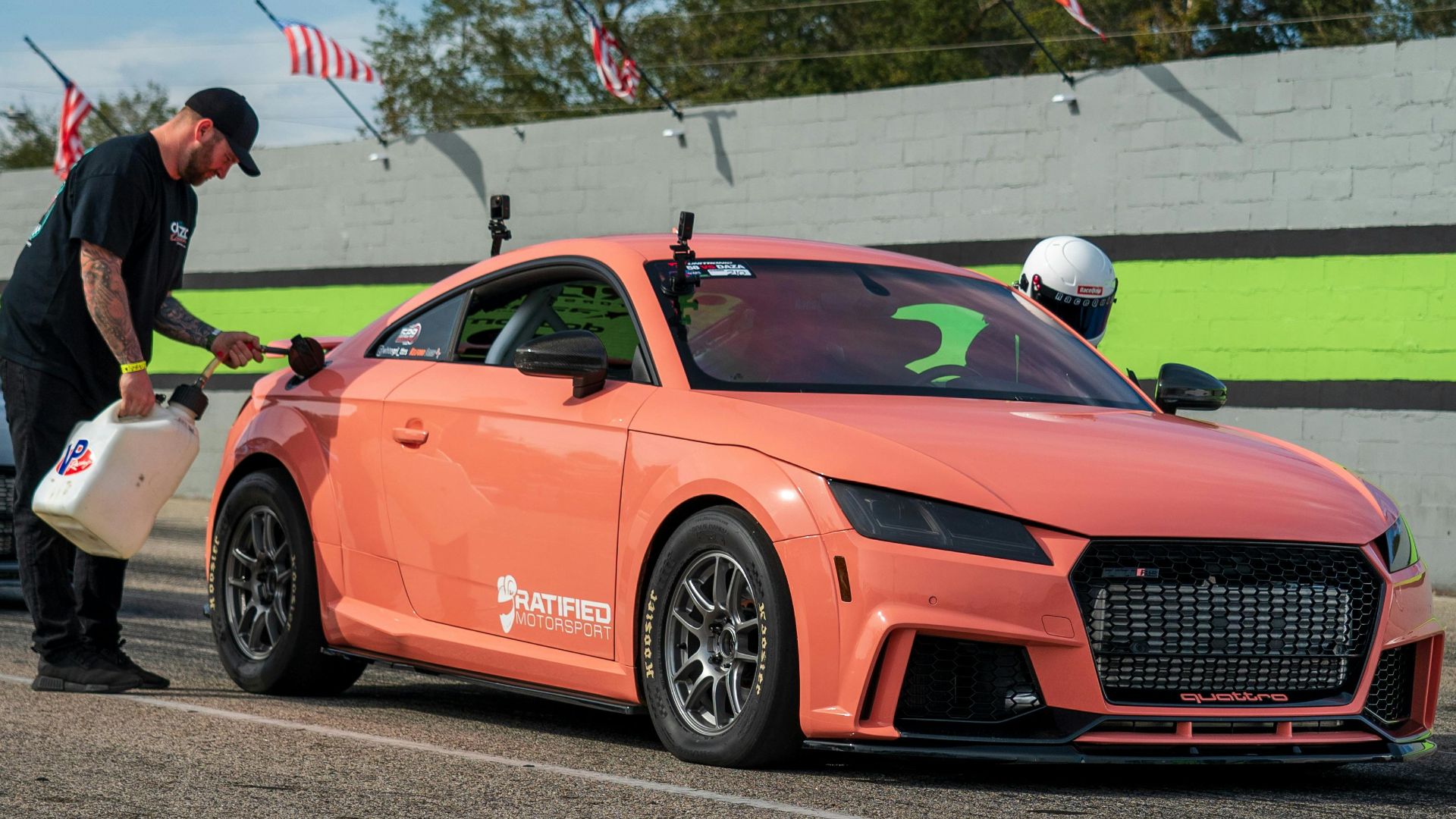
Walk into a track during warm-ups, and the smell hits. High-octane fuel stops race engines from knocking, and toluene gives it that sharp scent. Fans love how it hangs in the air, like pure adrenaline floating through the paddock.
2. Heel-And-Toe Downshifting For Rev-Match
Any driver who’s practiced heel-and-toe knows the move is all about timing. A small throttle tap while braking keeps the drivetrain calm during the shift. Landing it just right gives you a quiet thrill, like joining a rhythm your car already knows.

3. Carbureted V8 Stumbling Cold Before Catching
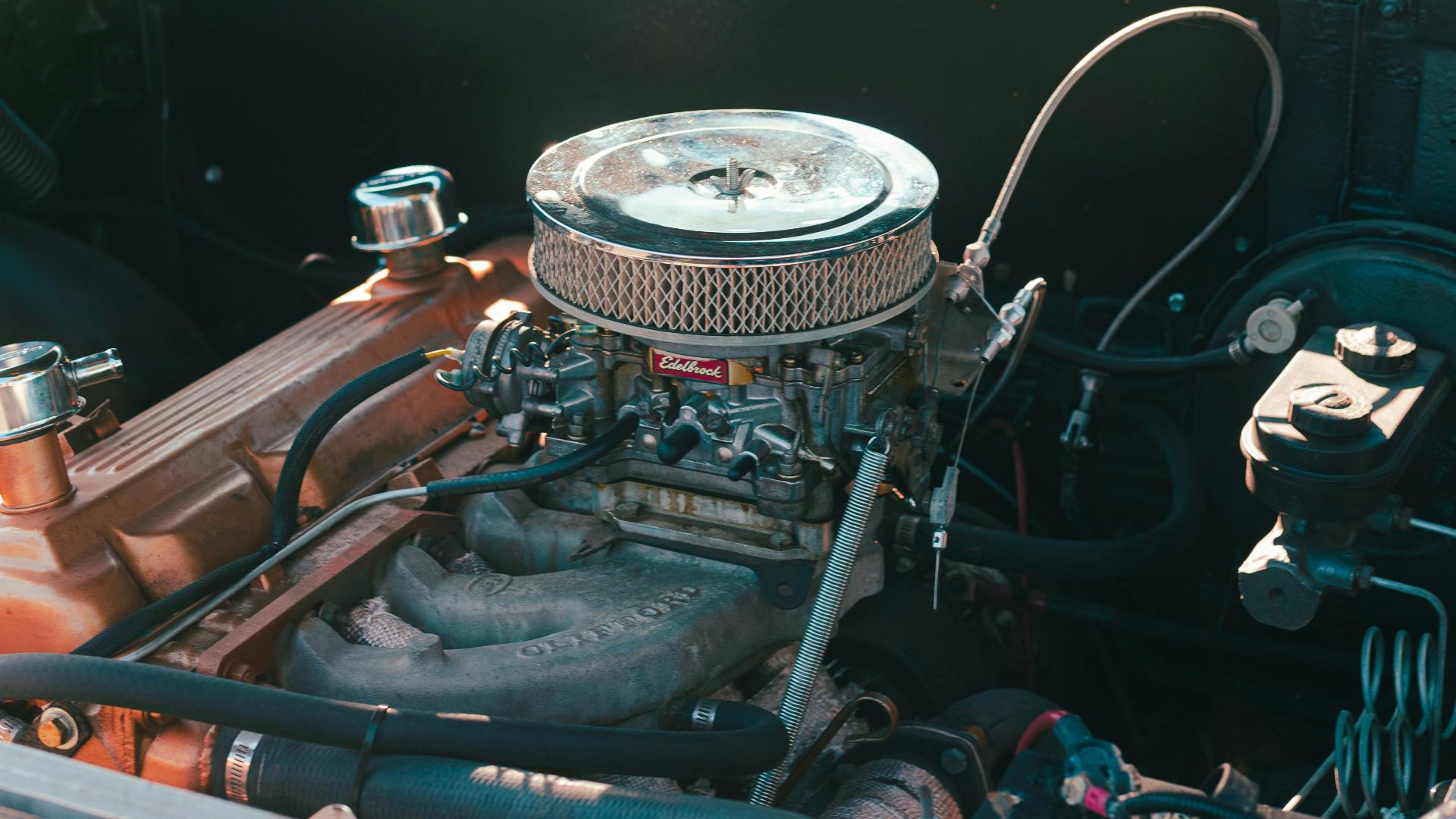
On cold mornings, a carbureted V8 acts out a little. The choke enriches the mix, but the engine still coughs and pops before settling in. Classic muscle cars do this all the time. Enthusiasts read that rough start like a grumpy wake-up with personality.
4. Perfect Unassisted Steering Feel
Older sports cars used unassisted steering systems that sent everything straight through the wheel. With no help from assist hardware, the weight and resistance land directly in your hands. That effort makes the car feel alive, almost like you’re gripping the pavement’s pulse.
5. Mechanical Throttle Linkage Over Drive-By-Wire
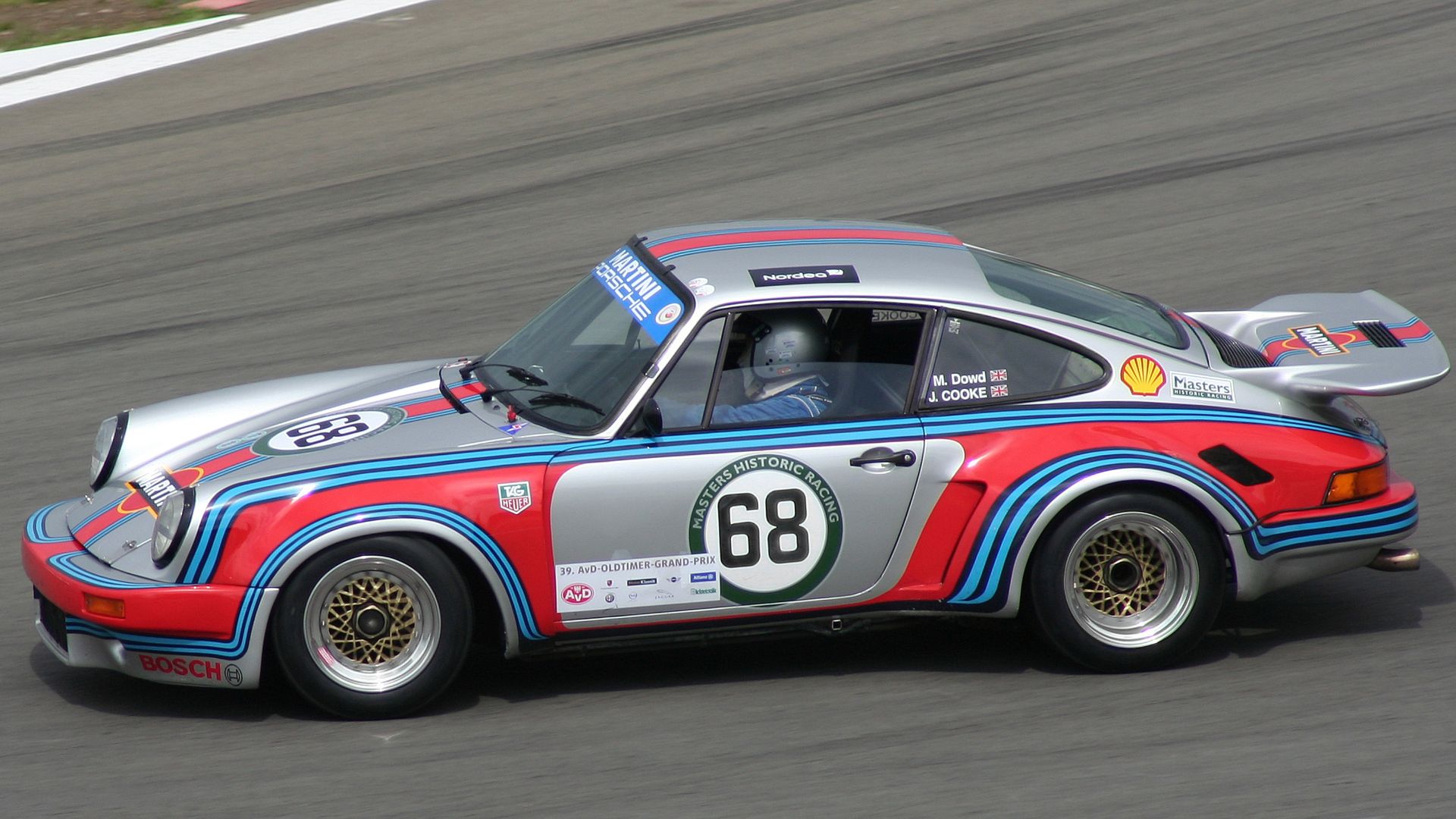
Pop the hood on an older performance car, and the setup feels refreshingly direct. Cables or rods link the pedal straight to the engine. Modern cars rely on sensors instead. Plenty of enthusiasts still favor the older style because the response hits instantly.

6. A Factory-Correct Airbox
Restorers get excited when they find an untouched OEM airbox. It shows how the engine originally breathed and how it stayed protected. Authenticity lives in details like this. Spotting one feels like discovering a small piece of the car’s past.
7. Warming Up An Air-Cooled Engine
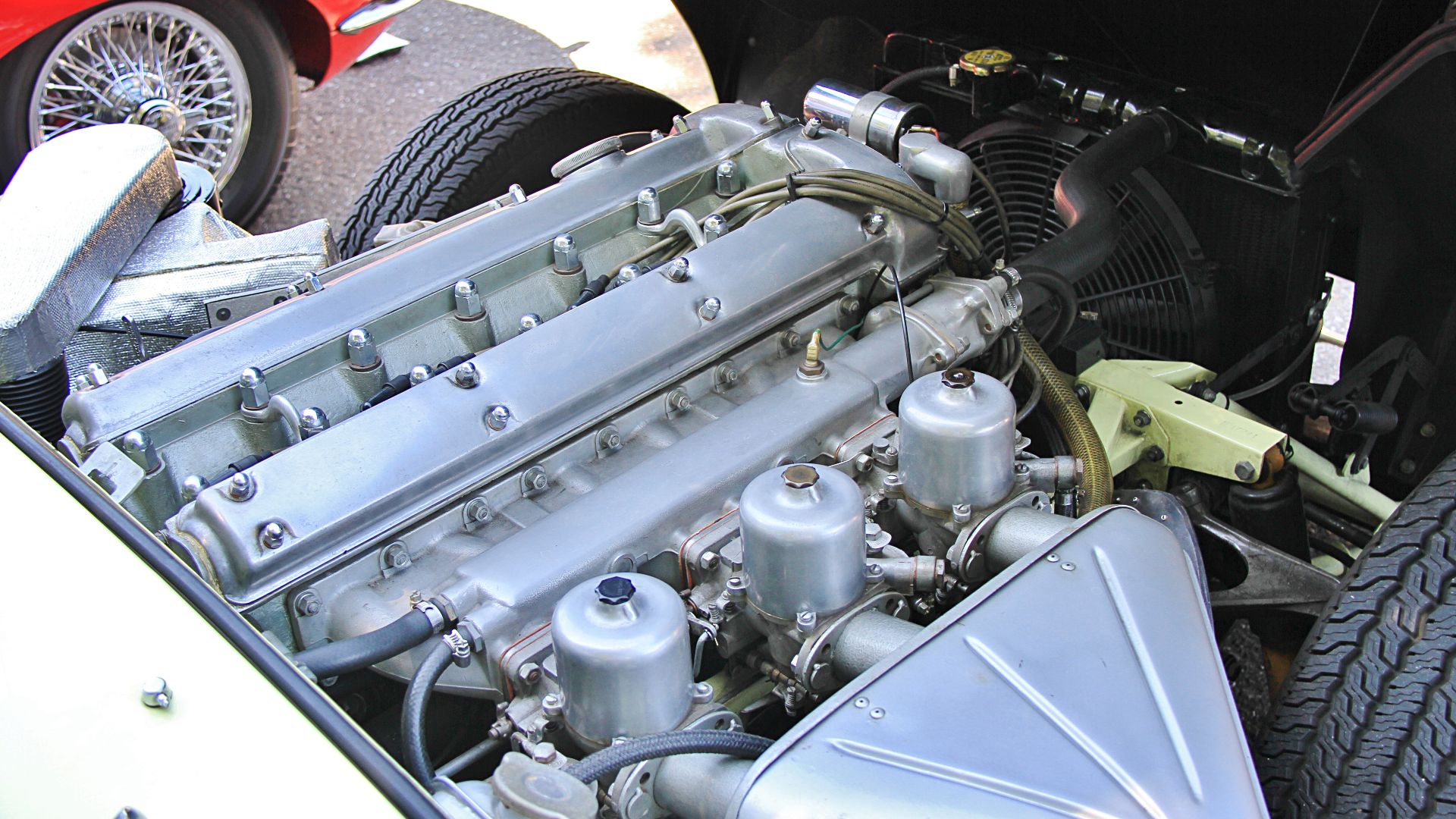
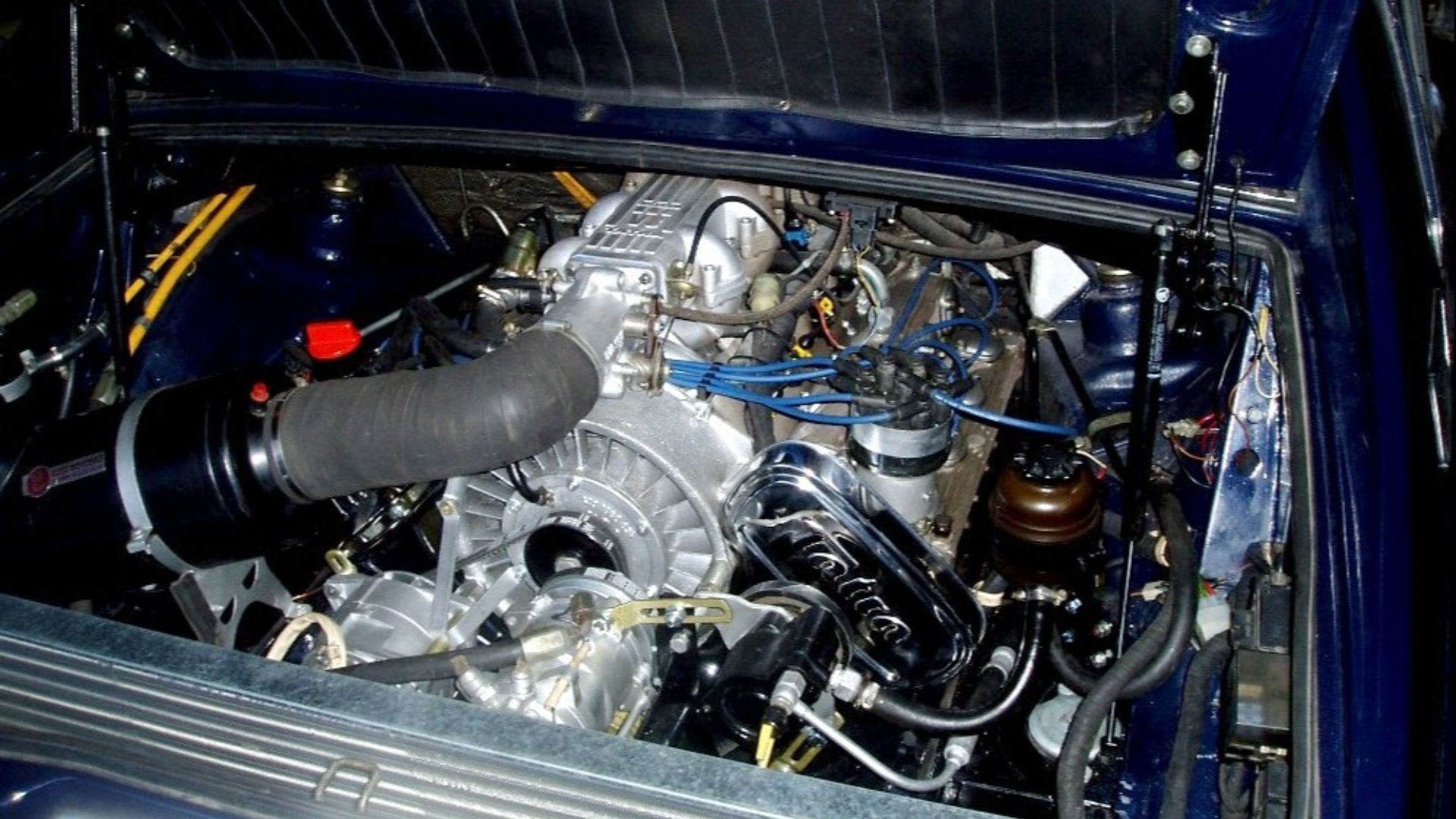
In air-cooled engines, oil has to move around before you ask much from it, or wear shows up faster than you’d think. Porsche and VW owners follow this habit religiously. The whole thing feels like brewing a warm cup of coffee.
 Ondrej Ertl (2004, Bratislava) on Wikimedia
8. Smell Of Single-Stage Paint
Warm sunlight brings out scents most people never notice. Single-stage paint mixes pigment with gloss, and heat pulls its aroma forward. Many classics still wear this finish proudly. That smell lingers in memories of weekend shows, becoming the unofficial fragrance of summer nostalgia.

9. The Clunk Of A Dog-Leg Gearbox
First gear sits down and to the left because racers wanted a cleaner path from second to third. That layout gives a unique mechanical clunk when shifting. To fans, it’s a friendly handshake from the racing world every time the lever moves.

10. Flat-Plane Crank V8 Symphony
Some V8s fire evenly across both banks, giving off a high-pitched scream instead of a deep rumble. Ferraris and a few Mustangs run setups like this. The sound is sharper and more intense. Enthusiasts treat it like a full-throttle orchestra built for speed.
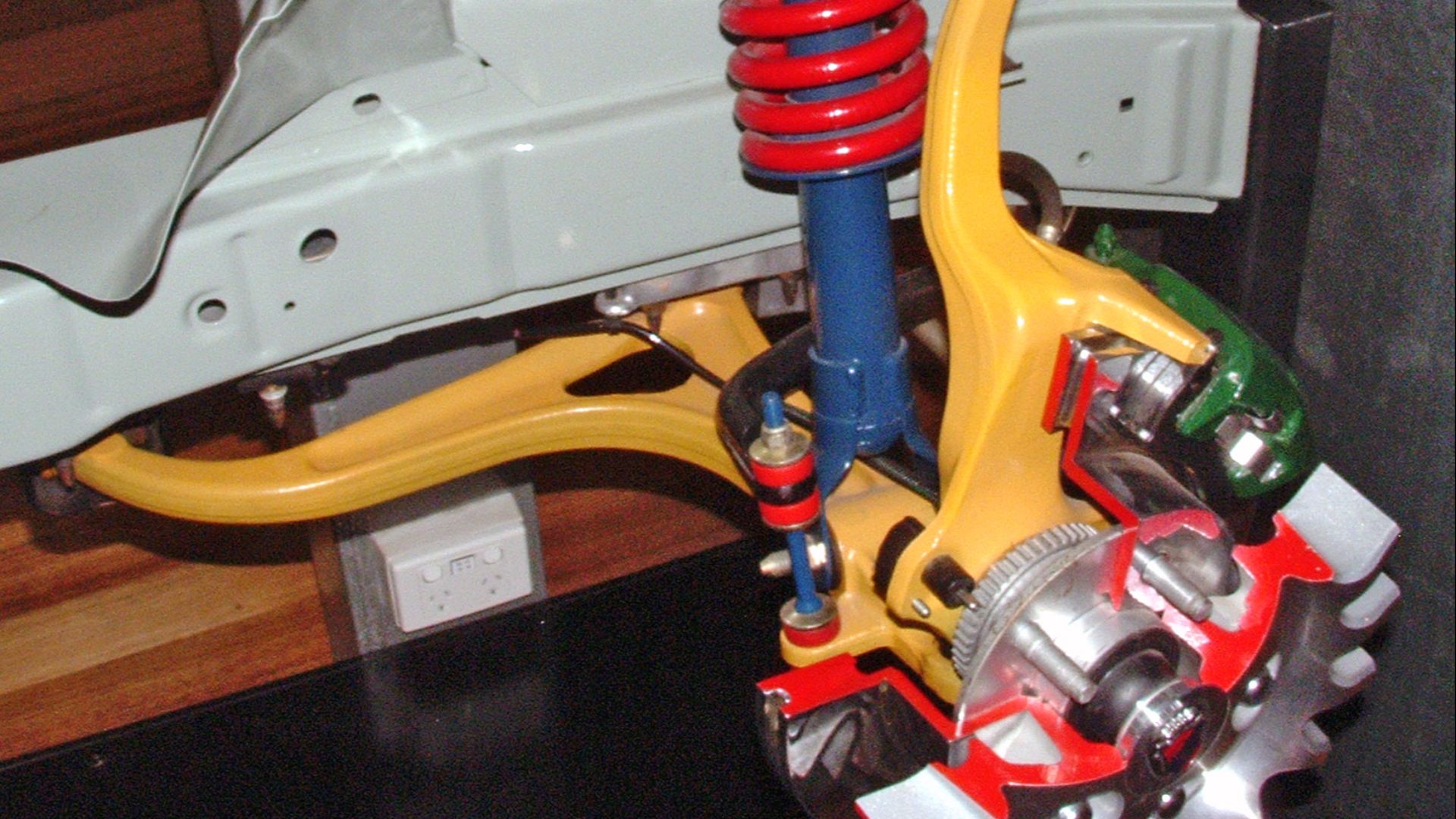
11. Double-Wishbone Suspension Camber Curve
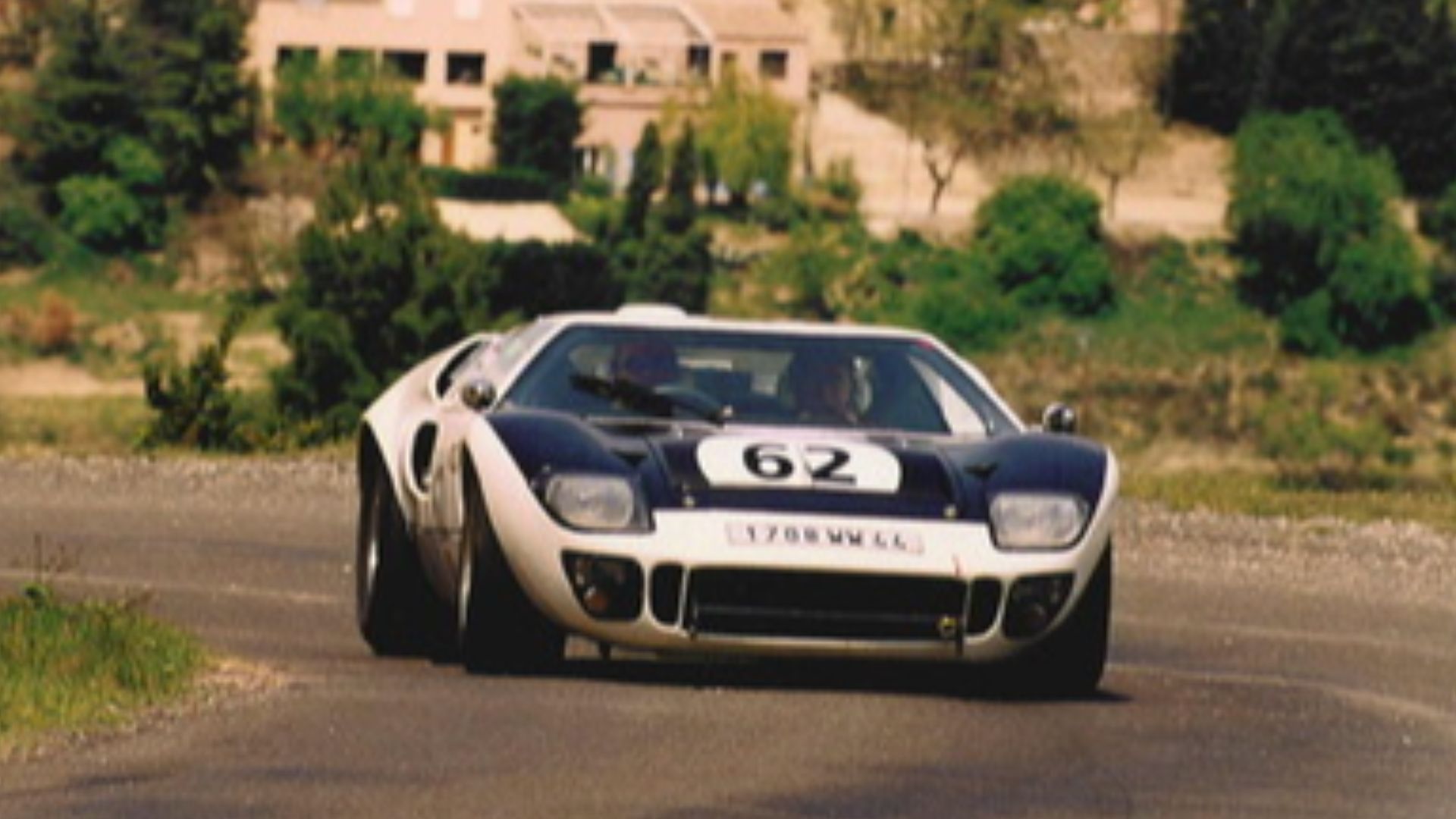
Think of a corner where the car leans hard, and the tires still cling with confidence. Double-wishbone setups manage camber with precision to shape grip exactly when it’s needed. Sports cars rely on this geometry for sharper handling.
12. Tire Smoke Smell In Clothes
If you’ve ever left a drag event, you know how the smell tags along. Burnouts push rubber past its limit until smoke pours off the tires, and your clothes catch it instantly. Tracks stay filled with that haze.

13. Caring Which Way A Radiator Fan Spins
Restoration days bring small checks that most people overlook. A radiator fan must pull or push air correctly, or cooling efficiency drops fast. Enthusiasts confirm orientation before calling a job done. So spotting the fan spinning the right way feels like catching a hidden detail.
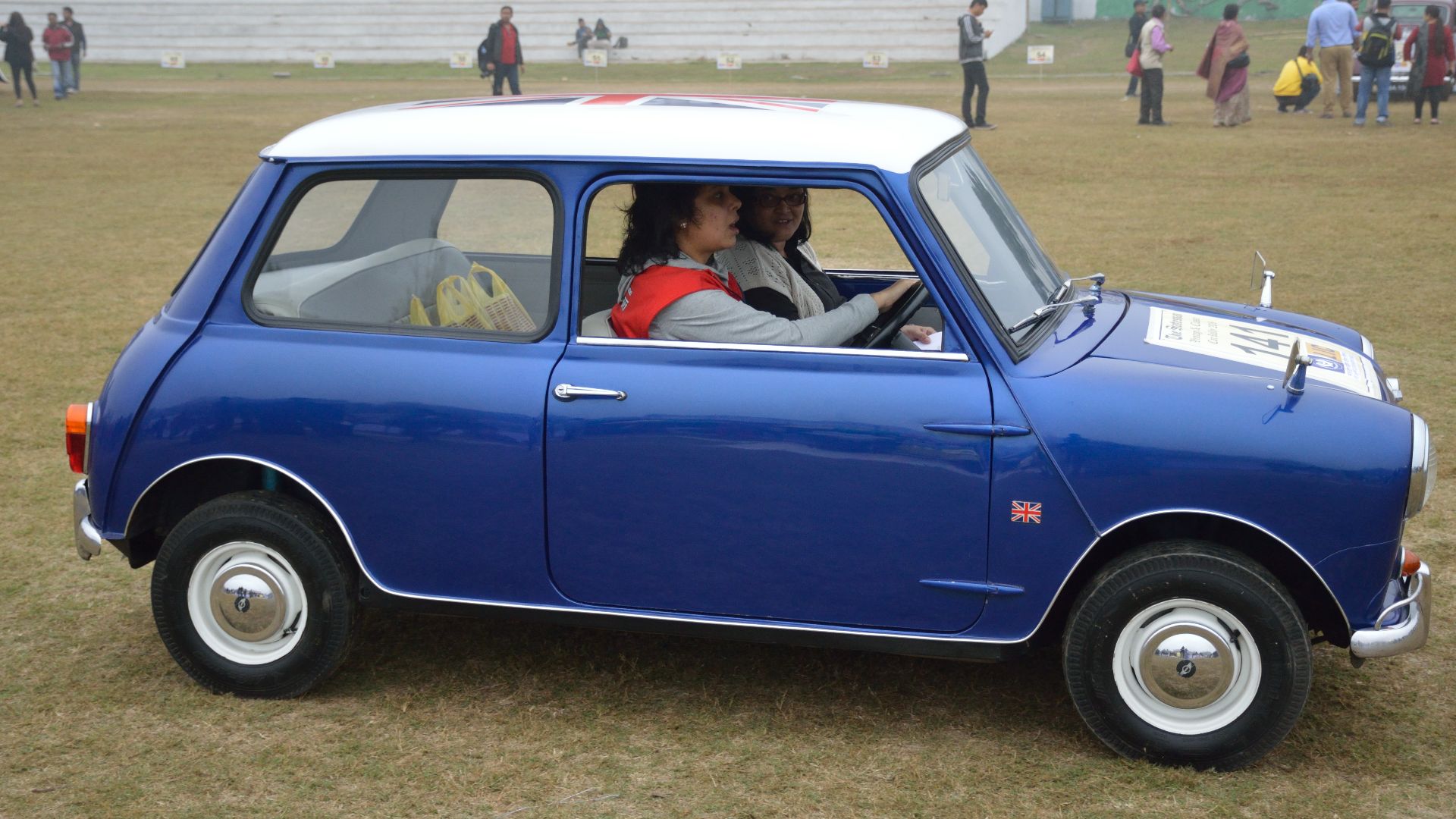
14. Naturally Aspirated Redline Power
High-revving NA engines pull harder the closer they reach the edge, which rewards drivers with linear response. Machines like the Honda S2000 built reputations on that climb. Pushing to redline uncovers something deeper, a feeling that the engine reveals a part of itself.
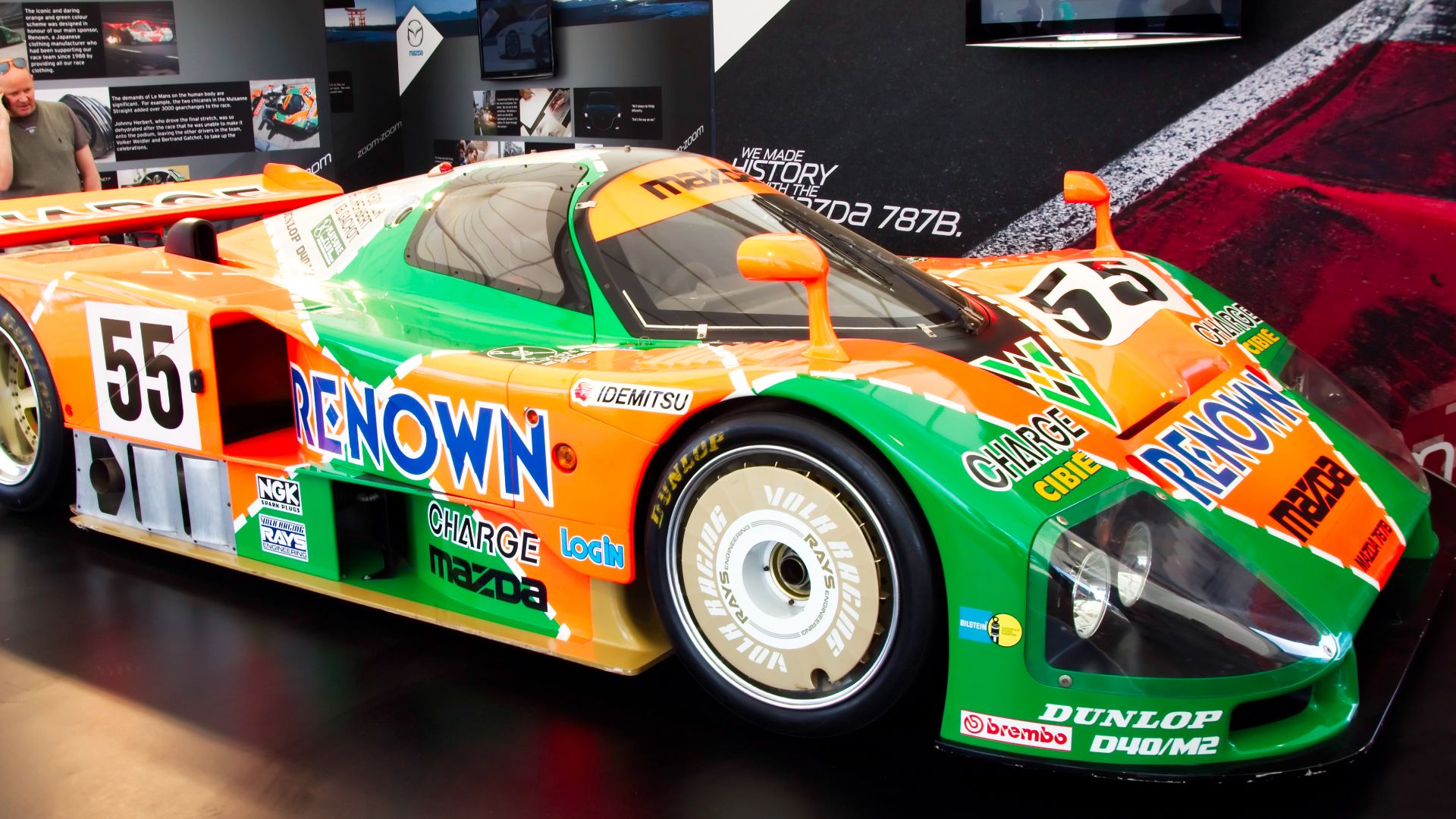 Andrew Basterfield on Wikimedia
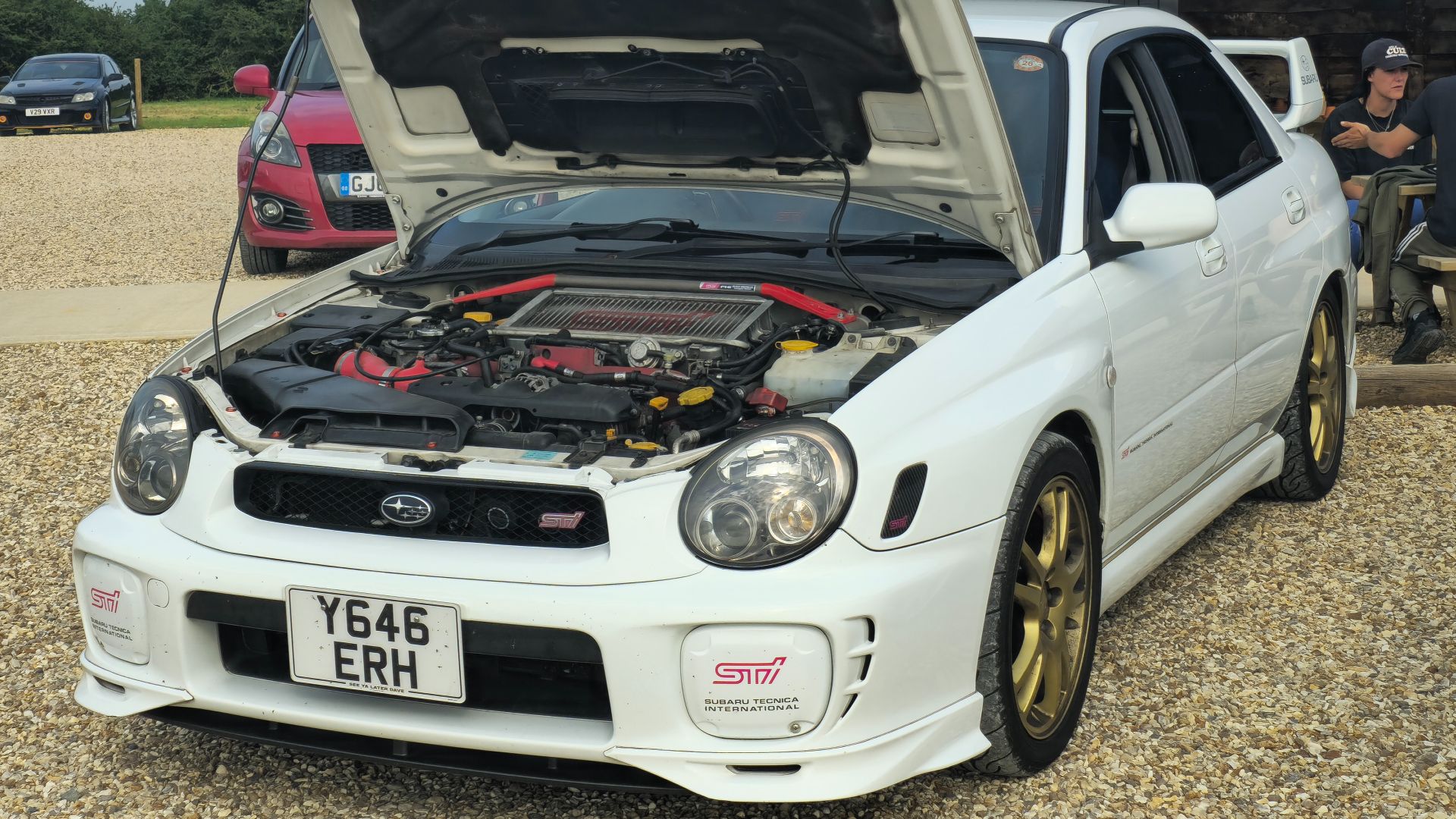
15. Goosebumps From Anti-Lag Bangs
Rally stages changed how turbo cars sound. Anti-lag systems keep the turbo spinning between shifts, and the result is a volley of bangs and flashes behind the bumper. Those explosions signal power ready on command. Each blast feels like fireworks timed perfectly by the turbo.
16. Mechanical Clack Of An Ignition Key
Starting up begins with metal tumblers aligning inside the column. That small clack vanished in modern push-start cars, but classics still perform the ritual. People linger on the moment since it’s like the overture before the engine takes over the soundtrack.
 Pedro Ribeiro Simoes from Lisboa, Portugal on Wikimedia
17. Correct Date-Coded Spark Plug Wires
Under the hood of certain collector cars, tiny numbers on plug wires carry weight. Factories stamped dates on them, and authenticity judges look closely for those codes. Each set becomes a time marker that preserves a car’s exact story.
18. Hydraulic Clutch Zero Assist
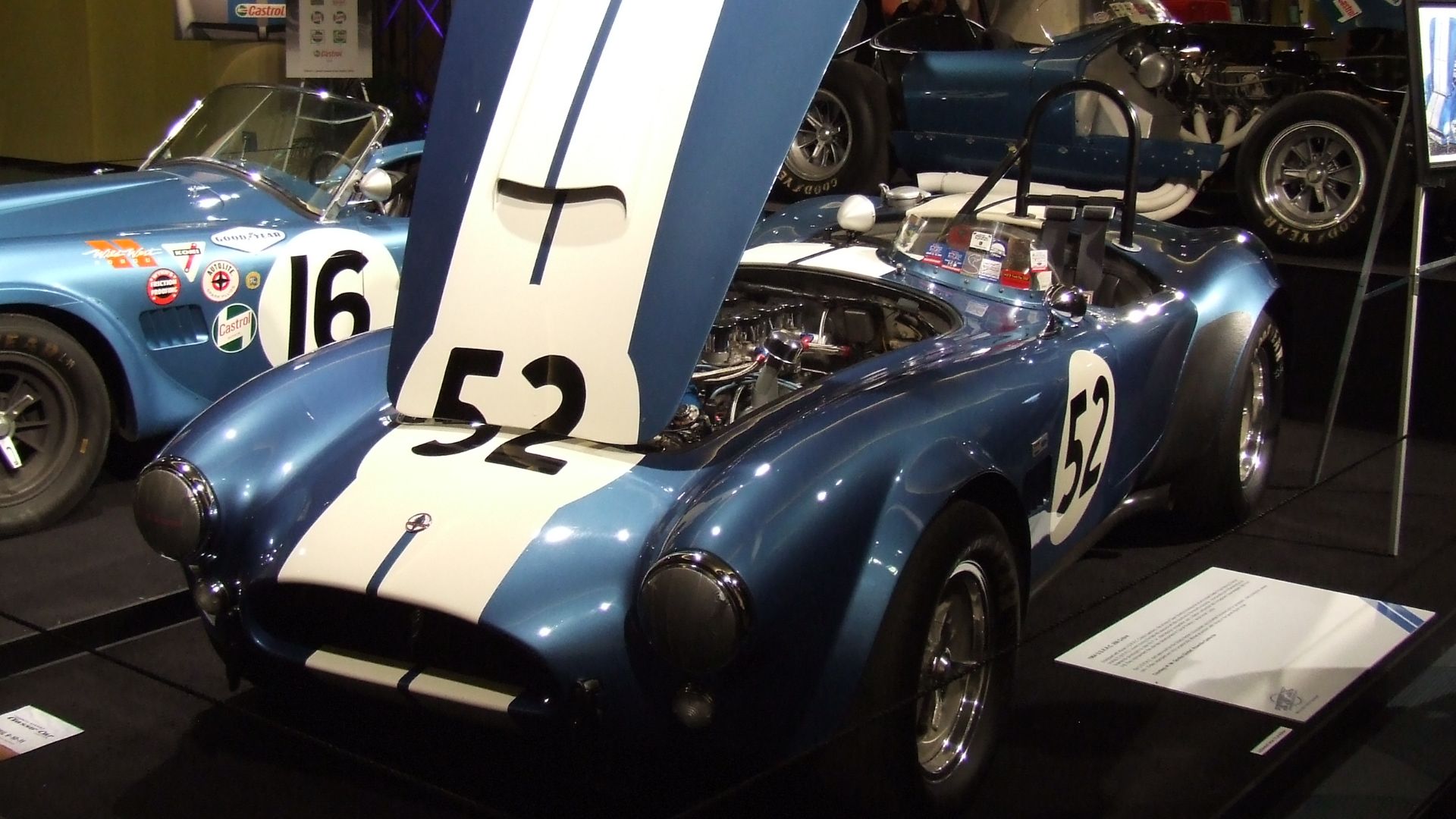
A hydraulic clutch with zero assist uses fluid pressure alone to give feedback straight from the mechanism. Enthusiasts chase that direct connection because nothing interferes with feel. Pressing the pedal becomes a moment of pure mechanical honesty underfoot.
19. Controllable Understeer Balance
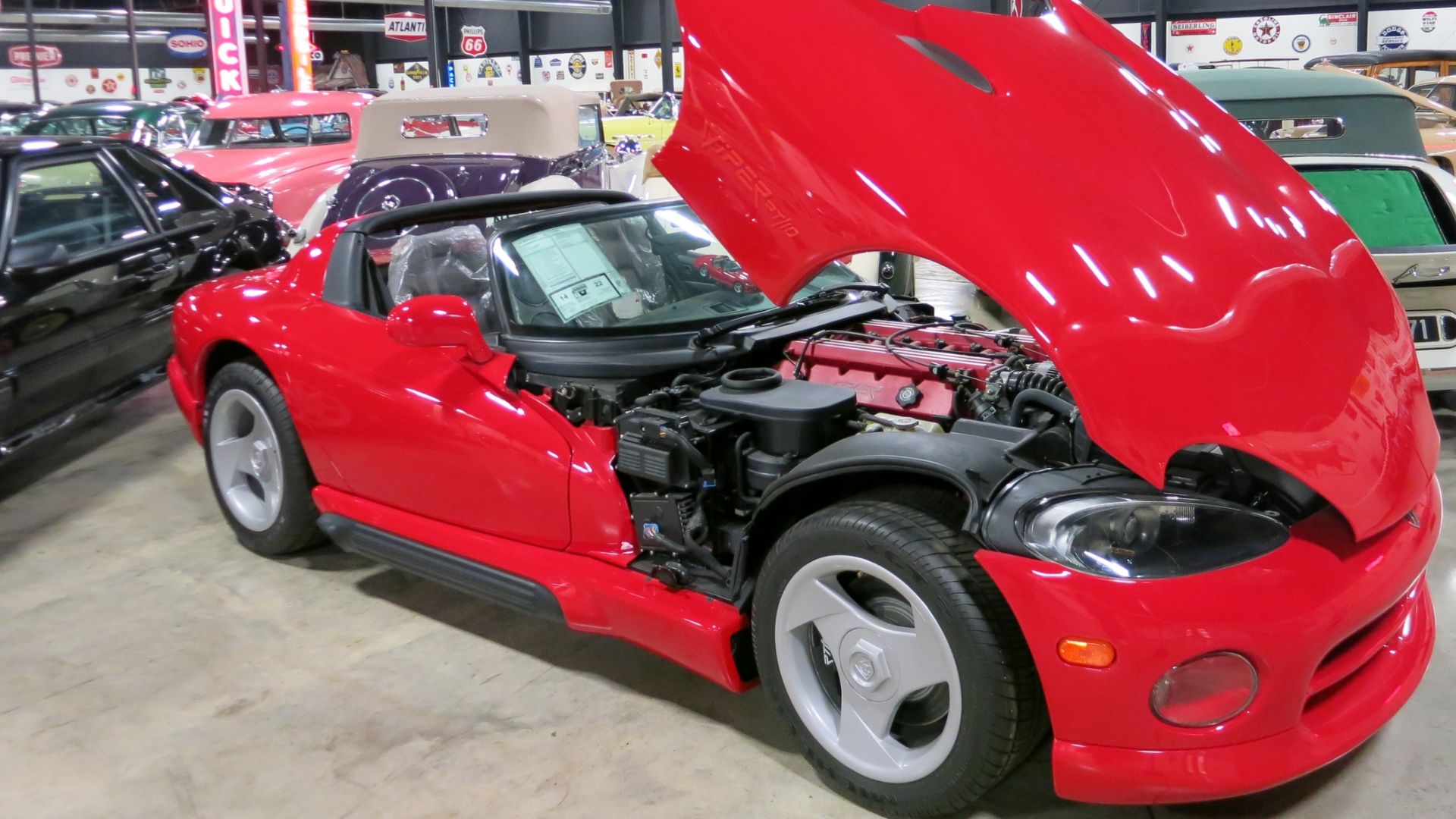
Front tires giving up first might sound like a flaw, yet skilled drivers treat understeer as something to shape. Suspension tuning decides how easily it appears. Adjusting speed, steering, and weight transfer can coax it or kill it.

20. Sound Of Wastegate Chatter
Watch a turbo car lift off the throttle, and a sudden flutter answers back. Wastegates control boost pressure, and chatter happens when excess force vents quickly. Fans wait for that exact moment. The flutter carries a playful edge, almost like the turbo whispering something mischievous mid-corner.